Alyson Stanfield, Author at Art Biz Success https://dy-online.com/author/alyson-stanfield/ Trusted Art Business Coaching and Consulting Thu, 29 Oct 2026 13:32:58 +0000 en-US hourly 1 https://wordpress.org/?v=7.1.4 https://dy-online.com/wp-content/uploads/2022/02/favicon-2-150x150.png Alyson Stanfield, Author at Art Biz Success https://dy-online.com/author/alyson-stanfield/ 32 32 5 Lists every artist needs to keep (282) https://dy-online.com/5-lists-for-artists/ https://dy-online.com/5-lists-for-artists/#comments Thu, 29 Oct 2026 11:50:00 +0000 http://artbizsuccess.com/?p=23789 We all love a good list and probably wouldn’t get much done without our to-do lists. But there are other lists that can make you more productive and organized.

In this episode of The Art Biz, I give you 5 lists (a list of lists!)and tell you where to keep them and how to use them: good ideas, absolute no’s, things someone could do for you, 10-30-minute tasks, and done—your accomplishments. Don’t skip that last one.

The post 5 Lists every artist needs to keep (282) appeared first on Art Biz Success.

]]>
Lists can give order to your hectic life, whether you process each item in order or, more likely, get around to them someday.

The most valuable thing about making lists is that it gets tasks, projects, and ideas out of your heads and into a place where you can find them again. At least that’s the idea.

Your to-do list is the one you’re probably most familiar with and contains urgent or near-future items that you must accomplish: pay bills, order framing supplies, write the newsletter draft.

But I want to take you beyond daily tasks with a list of 5 lists (yep, a list of lists) that are useful to artist-entrepreneurs.

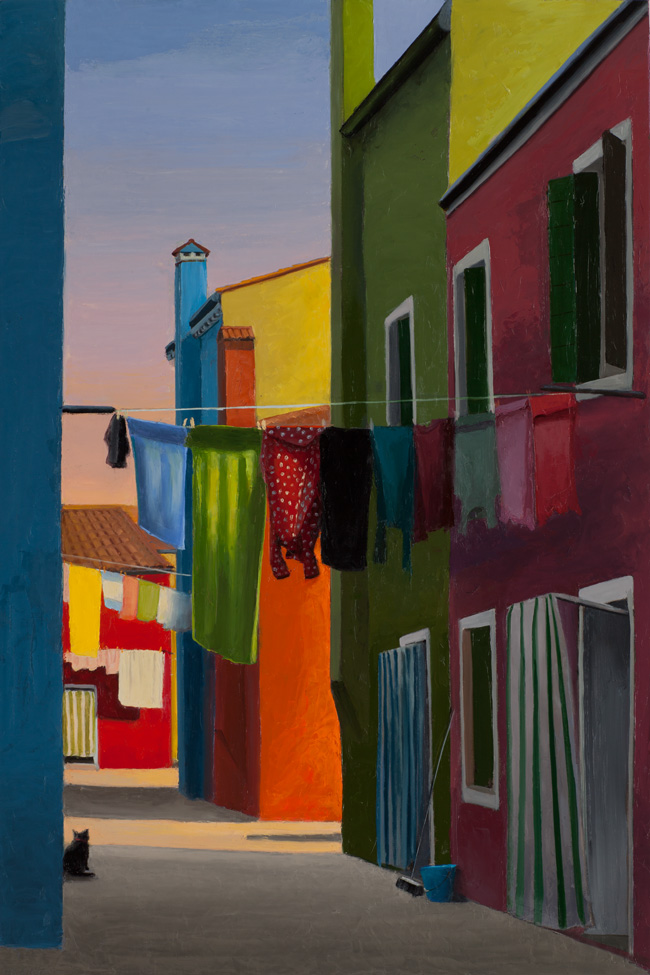
Painting of brightly-colored urban buildings with light in the distance and hanging laundry between them.
©Marian Dioguardi, Time to Come Home. Oil on cradled panel, 30 x 20 inches. \

1. The good ideas list

When I plan a project with a client, some things are immediate: an exhibition, a launch, a class to teach. But their minds are still churning with ideas. You don’t have time to do them now, yet they take up head space and keep floating back until you give them a place to live.

  • Write a book.
  • Lead a retreat overseas.
  • Go after a residency.

Think of this as a dream list. It’s a placeholder. When an idea becomes real, it becomes a project.

If your list is anything like mine, you’ll look at it in five years and ask, “What was I thinking with half of those?” But at least you got them out of your head and onto paper.

[Aside: In the podcast I combine the good ideas list with lists of things I want to remember like books to read or movies to watch.]

Listen to episode 282

2. The absolute no's list

These are the things you will not do, no way, no how, in no universe. In my experience, things land here because you said yes once and realized you would never do it again.

Your list might say:

  • I never work with people who bargain with me.
  • I never take a commission under $2,500.
  • I never loan my art without a contract.

Mine says I never work with whiny people who make excuses. I just can’t help them. I never tell anyone, “I’m so busy,” because being busy is boring. And I never consult privately with an artist who doesn’t have a body of work and a studio practice.

Once you’ve named a no and written it down, it can become a policy. Then it’s easy to say, “Sorry, I have a policy against that.”

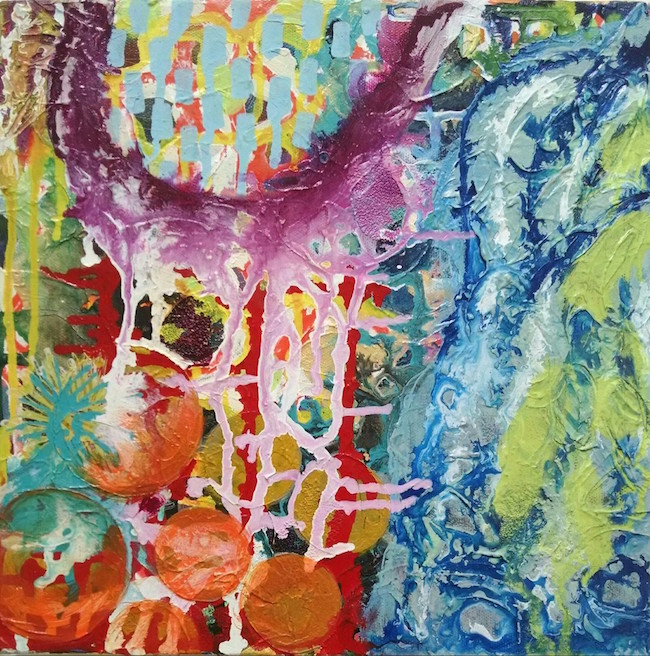
abstract painting or organic shapes in reds, blues, greens, and purple
©Christine Sauer, Marvels and Mysteries IX. Acrylic on canvas, 12 x 12 inches.

4. The 10 to 30 minute list

We are not all blessed with three uninterrupted hours to work in the studio, or to write, record, edit, and publish a video in one fell swoop. That doesn’t happen very often.

But we can all find pockets of time between tasks or appointments. Ten minutes. Thirty minutes.

This list is what you go to instead of turning on YouTube for the latest news and getting swept up in something that isn’t helping you (mentally or professionally).

Mine says to delete old blog posts, and to delete the downloads and screen captures on my desktop. A lot of digital cleaning is mindless. It doesn’t use many brain cells, so you can do it while a game is on or while you’re watching something you don’t have to follow the plot of.

My friend Janice McDonald kept these tasks on slips of paper in a mason jar and pulled one out when she had a few minutes. That leaves too much up to fate for me. If I pulled something I didn’t feel like doing, I’d put it back and grab another one. I’d rather look at a list and think, “Oh yeah, that would be fun now.” And we should get joy wherever we can in our day.

3. The things someone else could do list

Everyone would like more help in their business. It’s great to work alone and have all the control, but wouldn’t a little extra support be nice?

Here’s what I know from experience and from clients who have hired help: never hire someone until you know exactly what you want them to do. An extra body is dead weight. You don’t need an extra body. You need specific help, and this list starts the whole thing.

Frame it as things you do that someone else could do and that you’re willing to let go of. Maybe even someone already in your orbit.

Heidi Fahrenbacher talked about hiring her brother, who excels at shipping logistics in a way she doesn’t want to. I keep my list in the back of my planner, right next to me all day.

They won’t do the job the way you do it. But they just might surprise you and do do it better — freeing you to work your genius.

See these episodes about working with others:

My best practices for working with an assistant (59)

Learning how to be a boss with Ali Manning (106)

Virtual assistance with Hallie Edlund (79)

Working with a relative with Trudy Rice (105)

5. The done list

This one is just as important as your to-do list. It’s everything you have completed.

Here’s what happens at the end of the day. We look at our planner and think, “Ugh, I didn’t do those things,” and we move them over to the next day. We keep seeing what we still haven’t done, and the to-do list just keeps growing.

We have to get used to that. The to-do list is ongoing because we always want to be doing. We want our lives to be meaningful, and that means we do things. But we have to learn to prioritize, and we have to learn to take credit for what we’ve done.

This is why the most important thing I ask people to do in my coaching is reflect on what they’ve done. If they don’t, they can’t grow. They can’t celebrate. All they see is the list of things they haven’t done yet.

Call it a done list or a celebration list. I don’t care what you call it. Just do it. And if something you did was never on your list, write it down and cross it out. There’s great joy in that.

Then when I ask what you’ve accomplished, you can look at your days and tell me exactly. It’s not for accountability. It’s so we can figure out your next steps.

Where to keep your lists

It’s great to make lists, but if they’re all over the place in various corners of your studio, your office, or your home, they don’t do any good.

Each one needs a dedicated place. They don’t all have to be together, but you need to know where to go to add to them and review them.

My 10 to 30 minute list and my done list live in my planner, because that’s where I look for time and where my daily tasks are. My good ideas and all of the other lists are in Notion, because I can search them and find them easily in a digital format

If you do nothing else, do the done list. Give yourself credit for your accomplishments.

The post 5 Lists every artist needs to keep (282) appeared first on Art Biz Success.

]]>
https://dy-online.com/5-lists-for-artists/feed/ 59
Want your art to be found online? New SEO rules with Meg Casebolt (281) https://dy-online.com/ai-seo/ Thu, 15 Oct 2026 11:12:00 +0000 https://dy-online.com/?p=63081 Search doesn’t work the way it did five years ago. AI summaries answer questions before anyone clicks, and chat tools recommend artists by name.

SEO expert Meg Casebolt explains what it means to be legible to these tools at three levels: you, your body of work, and each image. Start with one search you can run today, then fix the sources it pulls from on your website and other profiles.

The post Want your art to be found online? New SEO rules with Meg Casebolt (281) appeared first on Art Biz Success.

]]>

In episode 281 of The Art Biz, Meg Casebolt comes back with an update on SEO (search engine optimization). A lot has changed since Meg was on just a year and a half ago in early 2025.

If you want people to find your art online, you need to know about this rapidly changing landscape.

You’ll hear this called SEO, AEO, or GEO. Meg calls it AI discoverability.

Writhing tree with four trunks casting a shadoow on green grass with bushes behind it and a few of the Pacific Ocean in the background.
©Jessica Falcone, Under the Adamson Shade, Malibu. Watercolor and gouache on paper, 7.5 x 10.5 inches.

What has changed in online search

Five years ago, you typed a phrase into Google and it matched pages that used that exact phrase. Now an AI summary sits at the top of about 70-80% of Google results pages. It pulls a sentence or two from several sources and answers the question before anyone clicks.

ChatGPT, Perplexity, and Gemini answer questions too, sometimes without any links.

That means people think they have their answer before they ever visit your site. The decision is often being made on the search page, not on your website.

There’s good news for you. People searching for art want to see art, and these tools can respond with images. Someone who describes the calm feeling they want above their taupe couch may find your work, not just a Pottery Barn listing.

People can also begin their search with a photo. Take a picture of a piece in a hotel lobby, upload it, and ask who made it or for something similar but smaller. Google Search Console now has a “multimodal” filter that shows when your pages appeared for searches like that. It doesn’t show you the photo the person uploaded. It shows which of your pages matched, so you can look for what those works have in common.

Listen

How to make sure AI tools find your name and art

Meg’s word for this is legibility: how easily these tools can understand who you are and what you make.

She sees three levels: (1) you, the artist, (2) your art, and (3) the individual images on your site. Here’s how those look.

How to make your name legible to AI tools

In the episode, Meg uses Jessica Falcone’s website as an example. For you, she suggests you start this process by searching “your name + artist” in Google, then asking ChatGPT, Perplexity, or Gemini who you are. The search results will show you where the answer comes from.

If it’s not your website — the one piece of virtual real estate you own and control — you have work to do.

You can’t argue with the results, but you can fix the sources by using the same or very similar language on your website (most important), your Instagram or other social bio, and any directory listings. When these sources agree, the tool doesn’t have to guess.

Continue your research by asking the AI tool: “In what types of searches would you recommend [your name]?” Use the answer to refine further.

Your first step —> Meg’s easy win is a updating and adding a short bio in your website footer with your name, location, the type of art you make, and when you started. One to three sentences that repeat on every page without any more work from you.

Maybe start with this format: is a artist who .

You can scroll to the gray box at the bottom of this page to see how I have done this for my own business.

Your art: how to describe your body of work

Portfolio and series pages need words as well as pictures.

Fancy yourself a poet? You can use pretty or esoteric words in your series title, but that doesn’t help people find you. Make sure you have descriptive language about the artwork on the main portfolio pages.

If you want extra credit, start adding it to the individual artworks’ pages themselves.

There’s never been a better time to start journaling to collect words about your art. Review my suggestions for your artist statement and consider the process for every artwork you have on your site. You read that right.

Skip the cutesy taglines and floral lingo nobody would search for.

A tool can’t feel grief or joy, but it can match your story to someone looking for a painting that honors their mother, a sculpture to go in the garden, or a ceramic platter for a special gift. Give it something to match.

Rocky cliff jutting up from the sand with a bit of ocean and sky in the distance.
©Jessica Falcone, Yielding to the Sea, Malibu. Watercolor and gouache on paper, 9 x 12 inches.

Individual images: how to label each image

 Every image needs a trail of names and descriptions so these AI search tools can connect it to you. Build that trail with three things:

  • File name clarity: “Rocky-Malibu-Beach.jpg” beats IMG_4321.jpg every time.
  • Alt text: This is not the same as the caption. Write it as if you’re explaining the image to someone using a screen reader. “Black-and-white handmade ceramic dish” is plenty.
  • Caption: This is your complete credit line, as you would see from a gallery or museum. Here’s how you write that.

Do keywords still matter?

We’re well past the point of loading up your website pages with keywords and key phrases. But you still have to be clear about what you do.

If you insist that your artwork speaks for itself, expect your search results to reflect that aversion to words. The minimal text you insist on makes it harder to be found.

Aim for clarity, consistency, and repetition without forcing keywords throughout your text.

Meg Casebolt Quotes

“The decision is happening on the search page.”

“You want AI to know who you are and to be able to discover and recommend you.”

“I want you to think about how can I send a consistent understanding and explanation of who I am, what I create, and how I do it?”

“If you’re putting the same information in three different places, it’s way more likely to say what you want it to say because it doesn’t have to guess.”

“You can still have those moments of poetry, but you also have to have the moments of description and inspiration and why it matters.”

“Go ahead, send that person to Pottery Barn. We don’t want them anyway.”

And a bonus one from me:

“There is a tendency for artists to come up with cutesy taglines and clever art words that nobody would search for, that doesn’t mean anything.” – Alyson

About Meg Casebolt

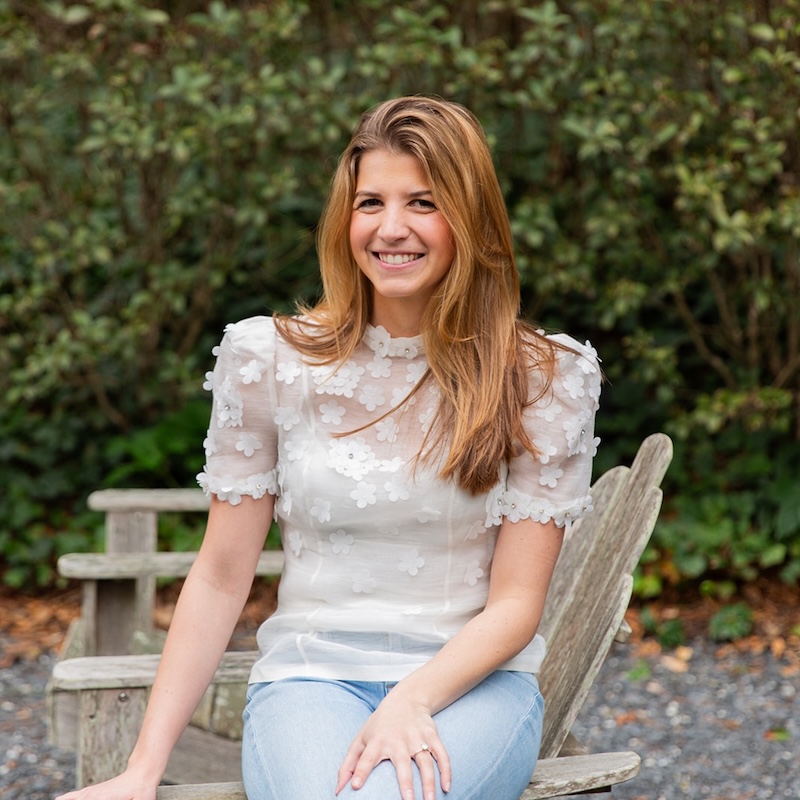
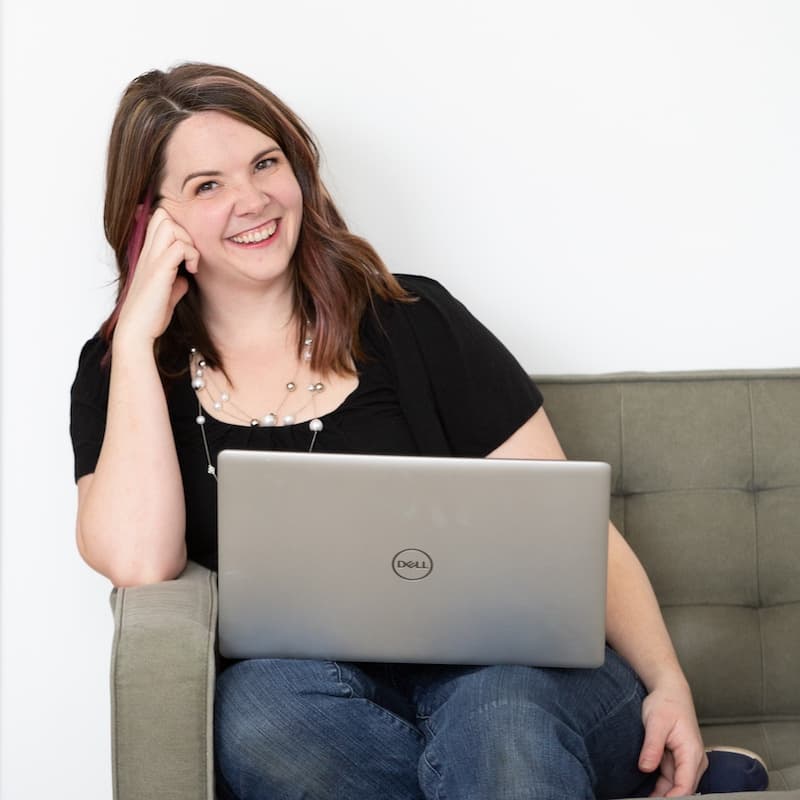
Woman (Meg Casebolt) with long brown hair on a sofa leaning on her right arm with a computer in her lap.

Meg Casebolt helps experienced founders, consultants, and creators become findable in AI-powered search—not through keyword tactics, but through strategic authority positioning.

As founder of Love At First Search, she works with experts who don’t need more SEO advice but do need a new way to be understood by modern search systems. Her approach focuses on helping people become quotable and recommendable: teaching them to claim specific expertise territory and build the signals AI uses to evaluate credibility.

Meg co-hosts the Aggressively Human podcast and has developed frameworks including BEACON and Human-First SEO methodology to help service-based businesses transition from traditional optimization to sustainable authority building.

She lives in Rochester, NY with her husband, two boys, and an 80-pound pit bull, and maintains strong opinions about Broadway musicals, romance novels, and the structural importance of s’mores.

The post Want your art to be found online? New SEO rules with Meg Casebolt (281) appeared first on Art Biz Success.

]]>
Sincerely, someone who cares with Heidi Fahrenbacher (280) https://dy-online.com/sincerely-cares/ Thu, 08 Oct 2026 11:55:00 +0000 https://dy-online.com/?p=63059 An anonymous letter from “someone who cares” told Heidi Fahrenbacher she'd price herself out of business after doubling her prices. That’s not what happen. Instead, her income has grown 10-20% every year since 2021.

Her story is a case for making less and making what sells. It's also a reminder to pay attention to what's working before your business wears you out.

The post Sincerely, someone who cares with Heidi Fahrenbacher (280) appeared first on Art Biz Success.

]]>
In 2021, ceramic artist Heidi Fahrenbacher opened an anonymous letter delivered to her studio. It was typed, like a ransom note, and it said she was going to price herself out of business. It was signed, “Sincerely, someone who cares.”

And get this … the coward also added a heart for a final passive-agressive flourish.

In episode 280 of The Art Biz, Heidi tells me why she’d raised her prices, what she did next, and where she is now. Spoiler: She’s doing just fine, thank you.

She didn’t get there by working harder. She got there by paying attention to what was happening in her business and acting on it, even when it was uncomfortable.

Below are some of the lessons we share in this conversation.

Two handmade mugs in red and blue. The one on the left has a stylized sun and the one on the right has a stylized moon and stars.
A pair of mugs by Heidi Fahrenbacher. Stoneware clay with screen-printed imagery, 3.5 x 4 inches each.

She acted when something wasn't right

Heidi’s business was busy, but she was always tired and had no money. With the support of her business coach, she nearly doubled her prices.

At the same time, she discontinued her production line and introduced a simpler one at the new price. It felt like burning her business to the ground and rebuilding it. I think it’s a smart move to introduce completely different work, if possible, when you double your prices.

That’s when the first letter arrived. But then, two and a half years later, a postcard, presumably from the same troll with nothing better to do than to harass hard-working artists, arrived: “$92 for a mug. Really? No longer a customer.”

Now Heidi had gone from laughter to tears to anger and took her response to social media.

Lesson —> Don’t let the people buying your lowest-priced items determine your direction.

Listen

She followed her numbers

In 2023, Heidi noticed the wholesale market for her work was slowing down and started gearing her efforts toward direct sales to people who truly appreciate beautiful handmade objects.

Wholesale used to be 30 to 40% of her business. Now it’s 10 to 15%, which gives her more profit by selling direct to customers. She didn’t spend time bemoaning the way things used to be. She changed the way she does business.

In the fall of 2025, Heidi also learned to look at inventory like a retailer: if something sells, make more of it. It sounds simple but the monetary results, so far, have been worth it.

For years she had overproduced to prove her worth, and by the time she finished, she was too tired to sell it.

She chooses the work that gives her joy

Even though she’s asked, there’s certain work Heidi won’t wholesale. She knows it will suck the fun out of making it.

That thinking, to prioritize joy, reaches well beyond her product lines. It shapes what she says yes to and how she feels about what she’s built.

When I asked Heidi what helped her be more productive in the studio and make more money, her answer was two words: do less.

It’s one thing to say you’re going to do less. It’s harder to do it. Listen to find out how Heidi made it stick.

Heidi Fahrenbacher Quotes

“I felt like if I was going to double my price, I needed, like, a clean break to start over.”

“If you have the things people wanna buy, they buy them.”

“I think for a long time, I would make so many products because I felt like I wasn’t worth it in a way. Like, I had to prove my worth, so I was gonna do that by overproducing.”

“I’m finally at a point where I’m like, ‘I don’t have to prove myself.'”

“You can do it even if you don’t believe in yourself.”

Mentioned

Heidi’s business coach, Megan Auman, was featured on two episodes of The Art Biz: Our Stuff Matters (39) and Elitism in the Art World (90)

The Investing Artist with Mary Erickson (223)

Nest

Heidi’s Pinterest

Bella Joy Pottery on Etsy

Related Episodes

These are the other three posts in the series about paying attention so you can make changes in your art business.

About Heidi Fahrenbacher

Heidi Fahrenbacher is an artist and educator from Plainwell, Michigan.

She is the creative muscle behind Bella Joy Pottery. Her work is inspired by the contrasts that make colors really pop like neon lights on a dark rainy night, brightly colored flowers against all green foliage, and autumn leaves vibrant against a gray November sky.  Heidi  graduated in 2002 with a Bachelor of Arts in Fine Art and Art History from Kalamazoo College.

Follow Heidi on Instagram: @bellajoypottery 

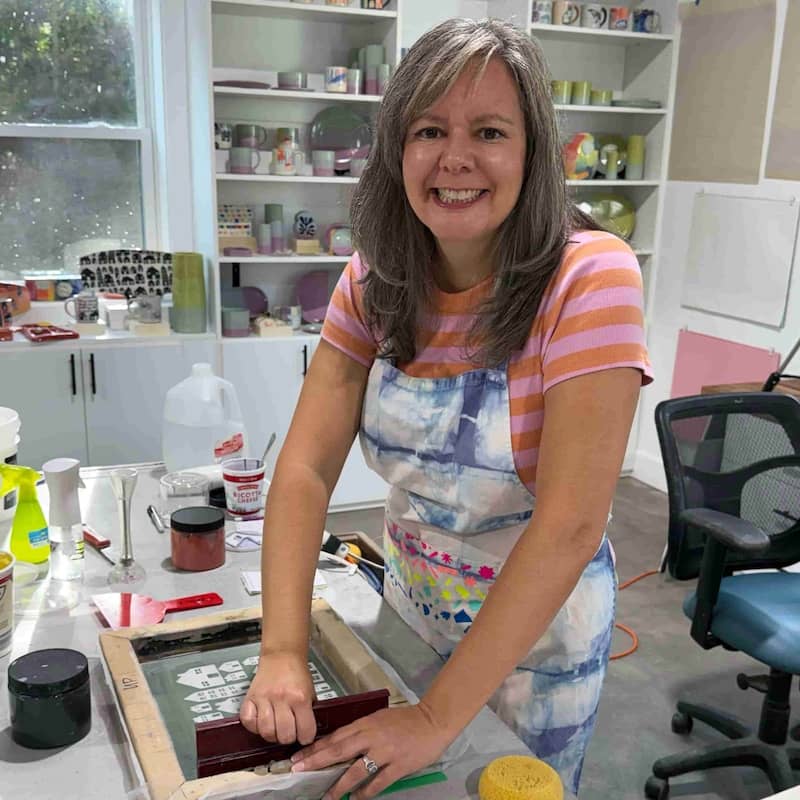
Woman with silver hair with pink and orange striped short-sleeve short and apron over a pottery bench.

The post Sincerely, someone who cares with Heidi Fahrenbacher (280) appeared first on Art Biz Success.

]]>
This monthly review keeps your art business honest (279) https://dy-online.com/monthly-review/ Thu, 01 Oct 2026 12:14:00 +0000 https://dy-online.com/?p=63018 When sales slow down, it's tempting to look for a quick fix. Post more. Email more. But you can't fix what you haven't measured.

Learn why facing your numbers feels so scary and how a simple monthly review, built around a handful of high-level numbers, shows you what's working in your art business and what isn't. Then your next step is based on data instead of the next idea you see online.

The post This monthly review keeps your art business honest (279) appeared first on Art Biz Success.

]]>
Are your sales where you want them to be?

Maybe, like many of the artists who become my clients, they have slowed down. Or stopped altogether.

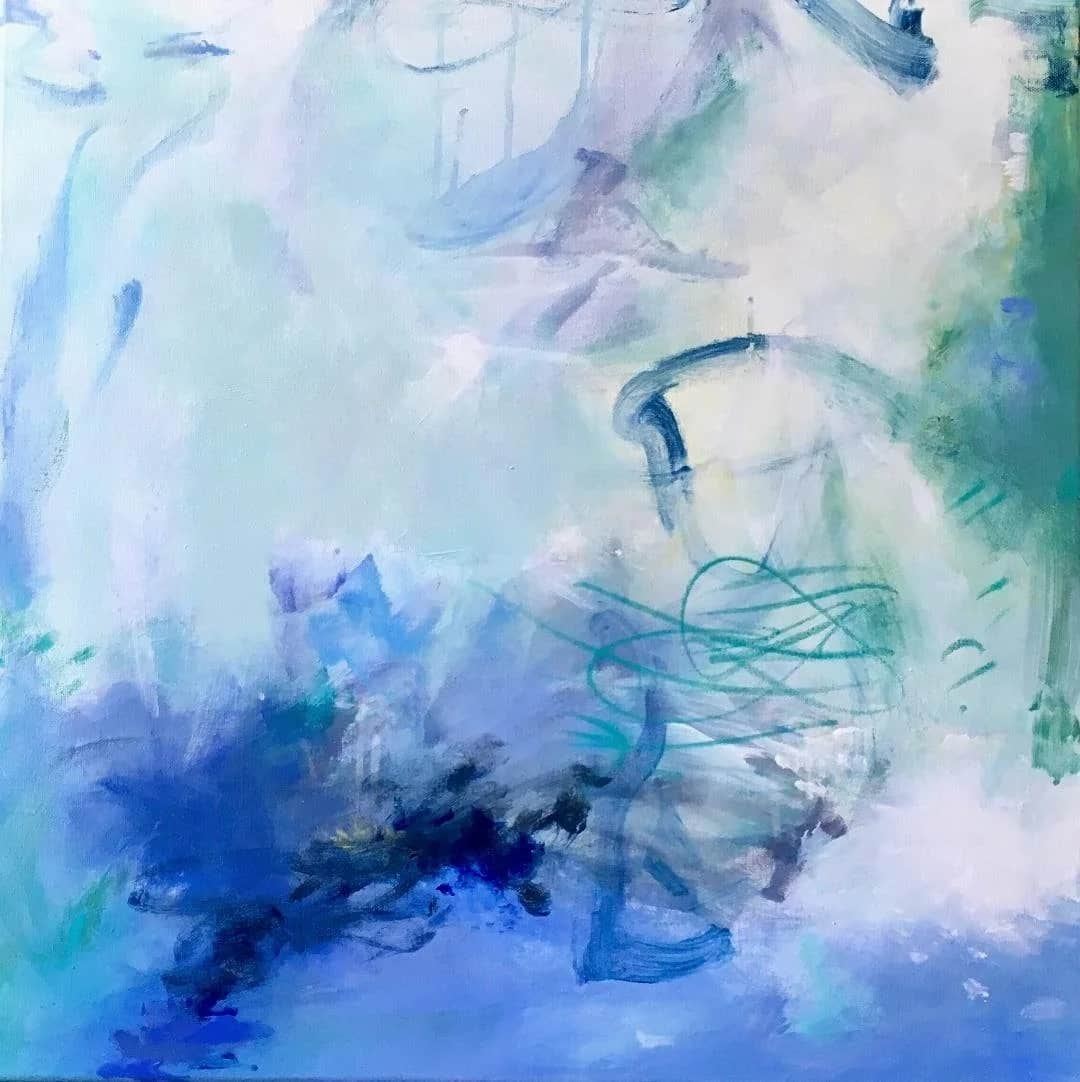
Gestural abstract painting with various shades of blue and green, with darkest elements in lower left.
©Patricia Schwimmer, Subtle Persuasian. Acrylic and Stabillo water-soluble crayon on canvas, 24 x 24 inches.

I’m asked to help my artist-clients troubleshoot the slow sales, and sometimes they want a quick answer. Post more on Instagram. Send more emails.

I won’t do that. I refuse to tell people what to do if I don’t know what they want.

First I need to understand their goals. What do they really want, and why is it important to them? How much energy are they willing to put into it? Then I’m going to ask about their numbers.

I don’t expect you to know your numbers off the top of your head, but I do want you to know where to find them quickly. In episode 279 of The Art Biz, I talk about why artists avoid their numbers and how to make looking at them part of your routine.

Listen

Why business numbers feel scary

I’ve been in business long enough to know that facing reality can be scary.

That’s what numbers are. They’re real. They’re attached to something measurable, and they tell a story you might not like. And they get downright frightening when they’re attached to your art and your art business.

Maybe you’re afraid you’ll get depressed when you see them. Or that low numbers reflect on the quality of your art. Or that you’ll see clearly how high your expenses are and something will have to change. (You can’t unsee the numbers once you see them.)

Even good numbers can be scary. Great results from one project or body of work might be telling you to pivot and take advantage of the moment. But you question whether or not this is the right move.

So you ignore them until tax time because ignoring them skirts change and at least keeps hope alive.

I beg you not to wait. Ignoring your numbers only makes your anxiety worse, because you know they’re hanging over your head. As I often tell you, you are the CEO of your art business. If you’re trying to make a profit, you pay attention along the way.

Remember this: Numbers are neutral. They’re objective data points. They don’t care how you feel. They just exist.

Which numbers to track

If they’re just data, the obvious question is which data? Not knowing what to look for is one more reason you might be avoiding this work.

Start with the two that are on the top of my list with every client.

Money

You know the formula: sales minus expenses equals profit. Track your sales and expenses every month.

Then break sales down by income source, whether that’s venues or types of art like commissions, reproductions, and originals. What was selling?

Email

How many people are on your list? Is it growing or shrinking? Most email lists are shrinking these days, which is okay because there are other ways to stay in touch.

Look at your open rate and click-through rate. A low open rate affects your deliverability all around, so perhaps it’s time to clean your list.

If you only email once a month, 90-day trends will tell you more. And if there are 2,000 people on your list but you aren’t using it, what good is it?

After those two, consider numbers from your:

  • Website :: Unique visitors and top content.
  • Social followers :: This isn’t something I use to diagnose sales, but can be useful for seeing whether your following is growing and what content is working.
  • Whatever else you’re trying to grow :: Submissions, proposals, students enrolled, personal outreach. In case I haven’t said it enough lately, I’m big on personal outreach because it moves the needle more than any amount of broadcasts.

Whatever it is you’re trying to grow, track it.

What you pay attention to grows, so ignoring your numbers is stunting your growth.

Formalize your regular review

Get in the habit of checking in with your numbers. It can be part of a broader business review.

How often depends on your level of activity. If you’re part-time or just starting out, quarterly might be enough. If you’re very busy, do it monthly.

Formalize it because it doesn’t count if you’re trying to keep this in your head. Use a notebook or a spreadsheet so you can compare month after month.

I did this every single month for years. I had a whole binder of monthly check-ins because I knew what one of my coaches told me was true: What you pay attention to grows.

Keep it high level

It’s tempting to add more to your review. To track more. But I caution you against that because it becomes onerous.

You want a high-level picture of the health of your art business to use as a baseline.

Numbers are only part of the review. Look at the activity behind them. What was going on, or not going on, to get you those numbers?

Get curious. “I sold more of this. Why is that?” Or, “My click-through rate plummeted. What happened there?”

When you know what’s behind your numbers, you’ll know what to adjust. Your next step will be based on something (data), not the next great idea you see some marketing person posting online.

These are your numbers. It’s data only you have. You’re the CEO of your art business, so don’t put it off.

The post This monthly review keeps your art business honest (279) appeared first on Art Biz Success.

]]>
Be alert to signals you need to change course (278) https://dy-online.com/comfort-signals/ Thu, 24 Sep 2026 12:14:00 +0000 https://dy-online.com/?p=62912 Comfort is a dangerous place to be in your art business.

This episode makes the case for staying alert to three specific signals that tell you it's time to change course — the results signal that something familiar has stopped working, the joy signal that something is eating at your happiness, and the external signal that a new moment is emerging and worth paying attention to.

The post Be alert to signals you need to change course (278) appeared first on Art Biz Success.

]]>
One of the most dangerous places to be in your art business is comfortable.

Comfort is what you want in a good sofa, a marriage, or for lowering your cortisol levels. But it’s no basis for building a business. Especially now, when everything about how you show and sell your art is changing so fast.

artwork with 3 glass cloches filled with stylized blue water and dolphins. Against a blue and green swirl pattern.
©Leslie Kell, That Beckons the Wonder. Digital illustration and photography, archival inks on Vibrance Matte acid-free paper.

On episode 278 of The Art Biz, I make the case that you can’t keep doing things the same way you did them two or three or ten years ago and expect the same results. You have to tune in to what’s changing.

I know it’s exhausting trying to keep up — new technology, changes in algorithms, what’s hot now — but it’s your responsibility to your art and your business. Otherwise you’re running things half-assed and looking out of touch. 

If you’re not tuned in, you won’t recognize opportunities because they will probably be wrapped in different packaging than those that came before.

Comfort keeps you entering the same shows, staying in the same little niche. Those are comfortable places, but they’re no place for growth.

Listen

3 Signals to watch for

These signals might alert you to the fact that you are getting too comfortable or need to do something different.

The results signal

The results signal tells you something familiar has stopped working: traditional launches, gallery sales, the way it always worked before.

Wishing for the good old days is an enormous waste of time. It sets you up for heartbreak and keeps you stuck in the past. Newsflash! Artists have never been stuck in the past. Throughout history, we’ve been a product of our times, reflecting back to society what we’re seeing.

Galleries are an obvious example. Almost everyone wants a gallery, but at least half of the artists I talk with have no idea what’s involved in landing one or what’s required for that gallery to keep its doors open. Even top-tier galleries are shuttering because their business models don’t work anymore.

To receive a results signal, you need to know your financial numbers. They will tell you what is working and what isn’t, and that data should take some of the emotion out of decision-making.

Read. Follow the news and the business trends. The landscape is different. Your response has to be different.

Artists have never been stuck in the past. Don’t be the first.

The joy signal

The joy signal tells you something is messing with your happiness.

I know this one from experience. I spent more than 20 years building courses and coaching programs, and they worked for a long time.

Then the multi-month courses became harder. Harder to enroll people and  harder to encourage artists to do the work. (There was a results signal tied in here.)

I clung to what I’d built because it was tied to my identity as a teacher.

Then, earlier this year, I hit a wall. I was no longer willing to live with the stress and anxiety. It was no longer fun (Was it ever?) to run multiple launches every year. It was absolutely zero fun to take money from artists who weren’t doing the work.

So I followed my bliss. For the past 10 months I’ve been putting the pieces into place for my next act. I shut down the multi-month courses to focus on consulting for artists who want a partner to help them identify and implement custom strategies for their art business. 

The external signal

The external signal tells you something new is emerging and that you would be wise to spend a little more time with it.

Sometimes evolving isn’t about fixing what’s broken. It’s about recognizing a moment.

In episode 277, Jenny McCarty caught a moment in her community and made a conscious decision to dedicate much of her energy to that project for a year.

That kind of moment isn’t something you can plan for. You have to be tuned in enough to notice when something is asking for more of your attention.

Reinventing yourself after success

Reinventing yourself after success is one of the hardest kinds of evolution because it’s tied to your identity. But sometimes the thing that got you here is keeping you from what’s next.

Ali Cavanaugh’s story in episodes 189 and 190 is worth revisiting for inspiration. She took charge of her career and left 10 of her 11 galleries when the model stopped working for her.

So I return to this … Watch your comfort level.

If you’re doing things the same way you did last year, you’re going to get left behind. Pay attention to those three signals. They’ll tell you the truth as long as you’re alert enough to receive them.

The post Be alert to signals you need to change course (278) appeared first on Art Biz Success.

]]>

Will you be ready if your art goes viral? with Jenny McCarty (277) https://dy-online.com/viral-art/ Thu, 17 Sep 2026 14:17:41 +0000 https://dy-online.com/?p=62877 When the 2026 national parks pass became a flashpoint, watercolor artist and ecologist Jenny McCarty found a solution using her paintings. The response landed her on Last Week Tonight and raised nearly $30,000 for parks conservation.

But the part worth studying isn't the viral moment. It's what she had running that allowed her to capitalize on the moment and the decisions she made when thousands of new people started following her.

The post Will you be ready if your art goes viral? with Jenny McCarty (277) appeared first on Art Biz Success.

]]>
In the fall of 2025, the U.S. administration announced that the 2026 national parks pass would feature the sitting president instead of the winner of a photo contest, as was the tradition.

National park loyalists were outraged, and watercolor artist and ecologist Jenny McCarty, one of those people, decided to do something about it.

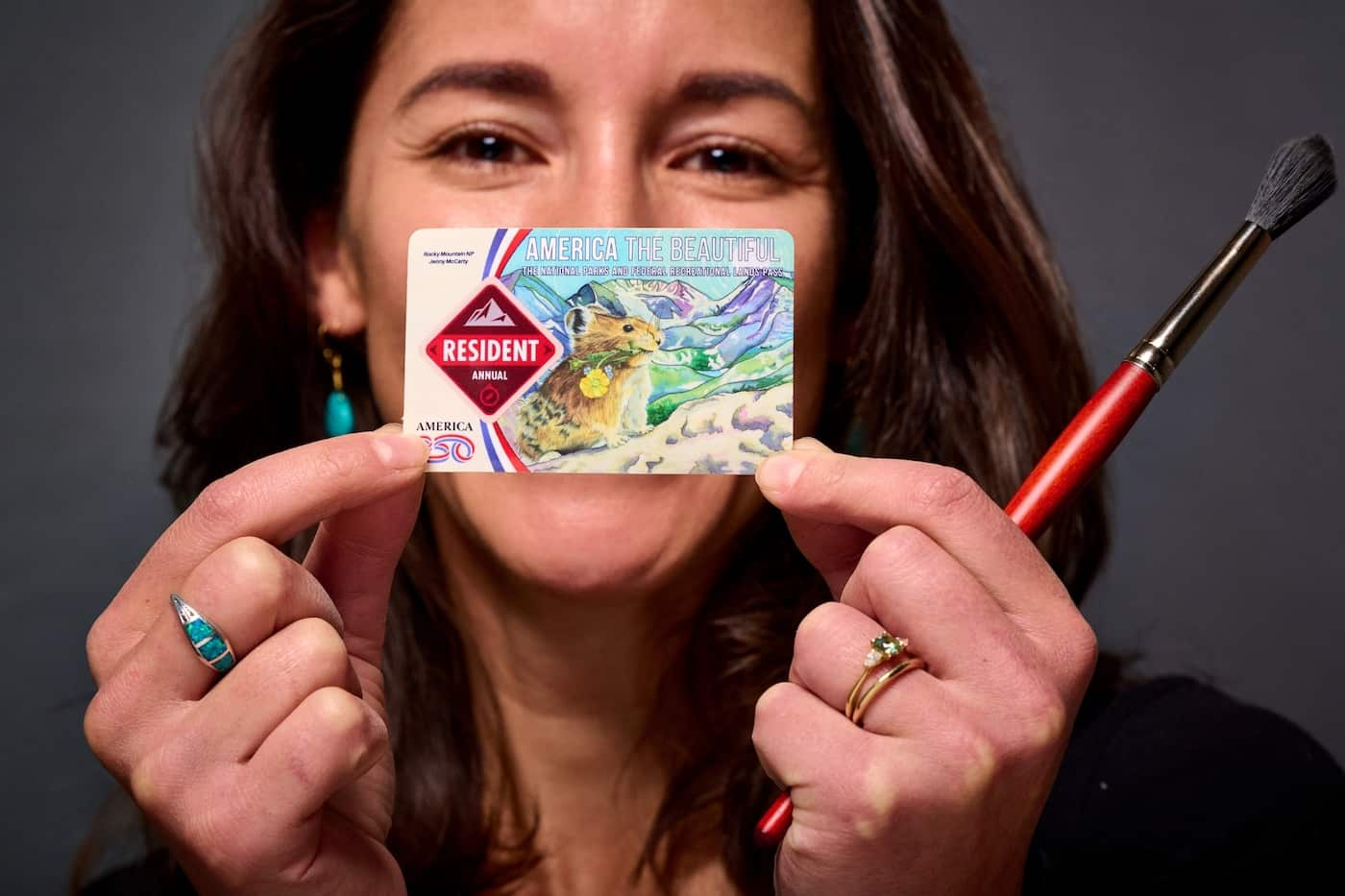
She turned her paintings — a pika in the Rocky Mountains, a grizzly in Denali, a wolf in the Tetons — into stickers people adhere to the top of their parks pass to reclaim as their own. The response was immediate, and it kept coming.

Painting of a wolf howling in the foreground next to a body of water that reflects the surrounding bright blue sky, autumnal orange and yellow trees, and snow-capped mountains.
©2025 Jenny McCarty, Calling the Pack. Watercolor and ink on paper, 12 x 24 inches.

In episode 277 of The Art Biz, Jenny walks me through what happened next: coverage in Outside Magazine and on SFGATE and Last Week Tonight, nearly $30,000 raised for the National Parks Conservation Association, and thousands of new names on her email list.

But she is direct about what actually allowed that moment to benefit her art business.

The viral moment isn't the point

Of course it’s wonderful to have all of that attention, but you’ll be in trouble if you’re not ready for it.

Before any of this happened, Jenny had automations in place that helped her build and segment her list for her weekly email and correspondence with her serious collectors. When thousands of new people showed up, she had somewhere to put them.

When it became clear that some people wanted a sleeve for their parks pass instead of a sticker, she partnered with another artist who was already making one. When the orders outgrew what she could handle on her own, she asked her community for help. A former park ranger now fulfills orders.

Both partnerships run on written contracts.

A year in, Jenny ran the numbers on her own business and saw that her originals were where the revenue actually lives, which showed her how important it was to spend more time in the studio. She has hired a social media manager to help her do just that.

I hope you’re inspired by this interview to systematize your art business. I’ve included related posts and episodes below to help you with that.

Listen

Woman with dark hair holding up a National Parks pass with a painted scene adhered to the top and a paintbrush in her hand.
Jenny with the original viral National Parks Pass sticker. Photo by Jeffrey Packard.

Jenny McCarty Quotes

“I’ve had several posts now go viral, and without systems in place, they don’t lead to any revenue.”

“I reached out to my community and said, ‘Hey, I need help.’ People were coming out of the woodwork.”

“[A contract] just keeps everything nice and black and white and clear.”

“I don’t think big things like this happen because of just one person.”

“National parks are not partisan. They’re all about nature. They’re for everybody.”

“How can I leverage a partnership, a relationship, a contract with somebody else to make that happen?”

About Jenny McCarty

Jenny McCarty is the Colorado-based watercolor artist and ecologist behind Sage Leaf Studio. After years of field research — marine biology in New Zealand, wildlife work in East Africa, fieldwork in Alaska — burnout led her back to the paintbrush. Now she paints joyful, hidden-wildlife watercolors inviting collectors to slow down and look closer, just like nature does.

Every piece is eco-friendly and she gives 10% of profits to conservation. When a national park sticker of hers went viral, her systems turned it into 5,000+ email subscribers and sold out originals, plus over $30,000 donated to national parks.

Follow Jenny on Instagram @sage_leaf_studio

Photo of Jenny McCarty, a woman with shoulder-length dark hair and wearing a black v-neck shirt.

The post Will you be ready if your art goes viral? with Jenny McCarty (277) appeared first on Art Biz Success.

]]>
Even when life is heavy, your art business still needs you (276) https://dy-online.com/heavy-life/ Thu, 27 Aug 2026 03:41:19 +0000 https://dy-online.com/?p=62229 Artists are built to feel the world sharply. That sensitivity fuels the work, and it also means everything lands harder — headlines, illness, loss, the weddings and births and moves that pull you away from the studio. The instinct is to shut everything down.

But a business that stops moving is much harder to restart than one running on bare minimum. Here's how to keep yours afloat when you can't give it much.

The post Even when life is heavy, your art business still needs you (276) appeared first on Art Biz Success.

]]>
Artists are a sensitive lot. You were built that way.

You’re affected by what goes on in your immediate world and what you witness outside of that bubble, and you rely on that sensitivity to make your best art. We don’t want to change that.

But it also exposes you to everything else — obstacles that wreak havoc with your studio practice and business intentions.

Maybe it’s your own illness or that of a loved one. A bully at your child’s school. A natural disaster in your community. And then there’s whatever’s playing out in the headlines this week, which is often too much to ask you to ignore.

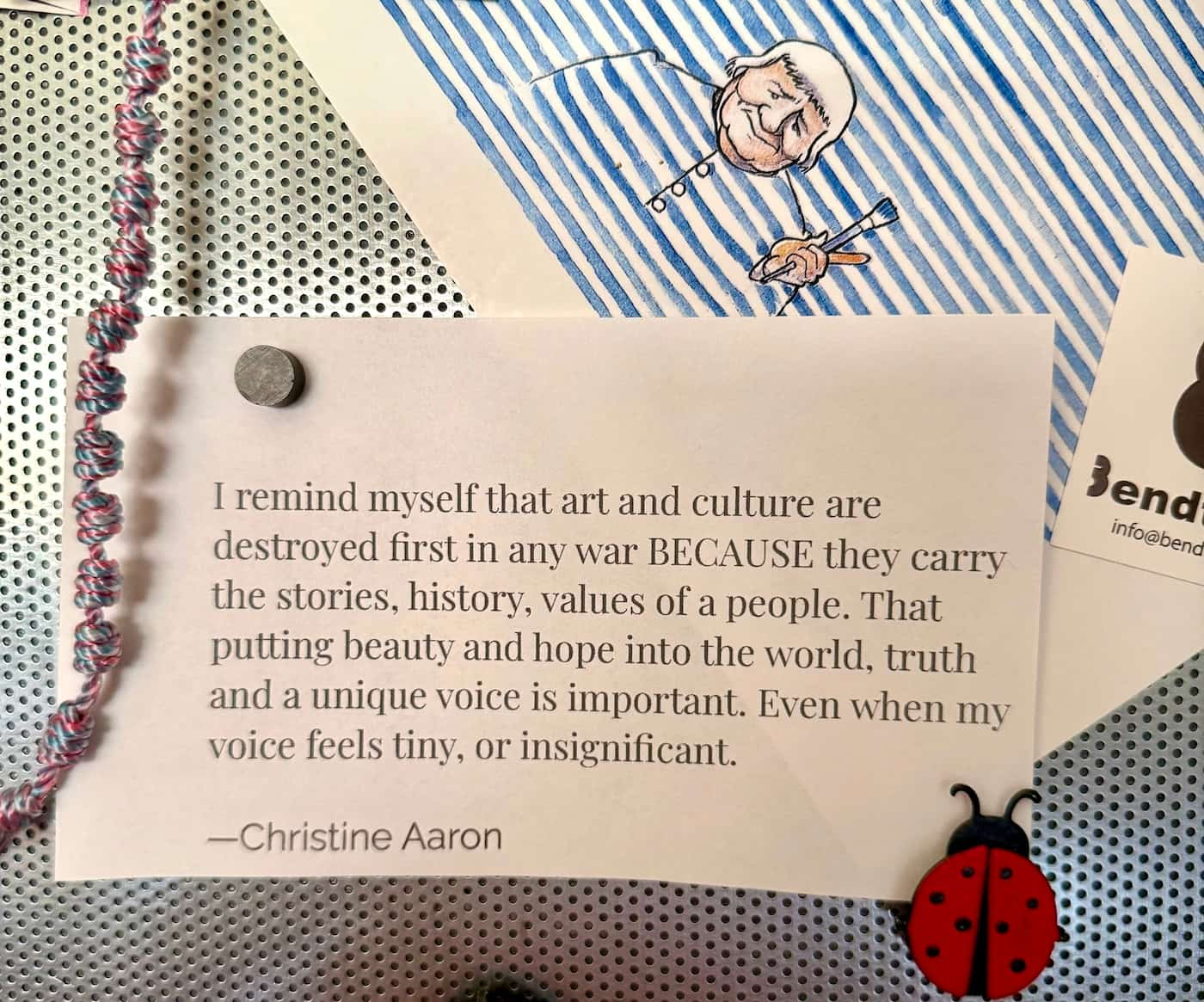
Bulletin board with an illustration of artist Agnes Martin, quote about the importance of art, and ladybug magnets.
The artist Christine Aaron dashed this lovely sentiment off in an email in response to a newsletter I sent in 2025.

What I’ve witnessed in a lot of the artists I’ve worked with is that we shut down in these situations. We detach and avoid.

It doesn’t even have to be something negative that triggers it. It could be a wedding, a long vacation, the birth of a child. Our resolve istested by all of these things.

In episode 276 of The Art Biz I make two arguments. One, keep making the art. And, two, keep the business in motion.

Listen

Keep making the art

I made the full case for this back in episode 48, “Why make art now,” at the start of COVID, and I still stand by every reason on that list. If you need the long version, go listen.

The short version is that not making art is not going to save the world. It’s doing the opposite, because one less person isn’t living up to their potential. Not making art deprives the world not only of your art, but of the entirety of you.

Making art makes you whole, and it lets you contribute to the world from a healthier position.

The poet Dana Gioia calls including art in our curricula and lives “mainstream civic common sense.” Not a luxury. Not optional. A way of knowing the world that sits alongside science and math, and one that those in power are very good at forgetting we need.

So keep making the art. That part isn’t negotiable.

Keep the business in motion

Making art is one thing. Sharing it with others, as you well know, is quite another.

And for a business to stay afloat, it’s got to stay in motion. There has to be some consistency over time, because it’s incredibly difficult to restart a business after you’ve neglected it, whether it’s for two months or two years.

I’ve watched this happen so many times to artists who innocently take time off for a family event, travel, or illness. Of course many things are unavoidable. We must tend to them.

But … What they discover is that it takes more energy to restart than to keep it going, because things change so quickly with trends and technology.

Or your list has gone cold, and you find you’re having to reintroduce yourself to the people who were once very well aware of your goings on.

Lean on the underlying machine

The way out of this predicament is to lean on a routine — an underlying machine that keeps your business almost, not quite, but almost on autopilot.

Think about what would happen if you opted out of the basic requirements for running a business. What if you didn’t make the art? Didn’t pay your bills? Didn’t pay your taxes? Didn’t update your website? Didn’t share your work with anyone?

Your business would suffer. And each thing you neglect compounds the problem.

So there has to be a way, even when life is heavy, that you keep it afloat. You need rituals, habits, routines (put in place long before they become a lifeline) that can keep going at a bare minimum.

Sometimes you have to just be okay with the bare minimum. I get that. But we have to keep the business going if we want it to be there on the other side.

There will always be room to layer more on top of the minimal routines when you are able.

I will show you how to do this when you join me for YOUR ART MARKETING PLAN.

The post Even when life is heavy, your art business still needs you (276) appeared first on Art Biz Success.

]]>
Stop complicating your art marketing plan (275) https://dy-online.com/marketing-plan/ Thu, 20 Aug 2026 12:37:00 +0000 https://dy-online.com/?p=62166 The traditional view of a marketing plan is a detailed spreadsheet full of tasks and self-imposed deadlines. It doesn't have to be that hard.

On this episode of The Art Biz, I make the case for routines over spreadsheets, share the three distinct ways I see artists approach their marketing, and explain why marketing is bigger than self-promotion. If you've ever built a plan and abandoned it by week two, this one is for you.

The post Stop complicating your art marketing plan (275) appeared first on Art Biz Success.

]]>
The traditional view of a marketing plan is a detailed spreadsheet with a crazy amount of tasks and self-imposed deadlines. But it doesn’t have to be that hard.

I’d rather you build a routine of strategies and tactics you commit to doing on a regular basis. Routines stick.

They become part of your identity. They help you stay grounded and focused. And they keep you from overcommitting, because you know how much time your routine takes.

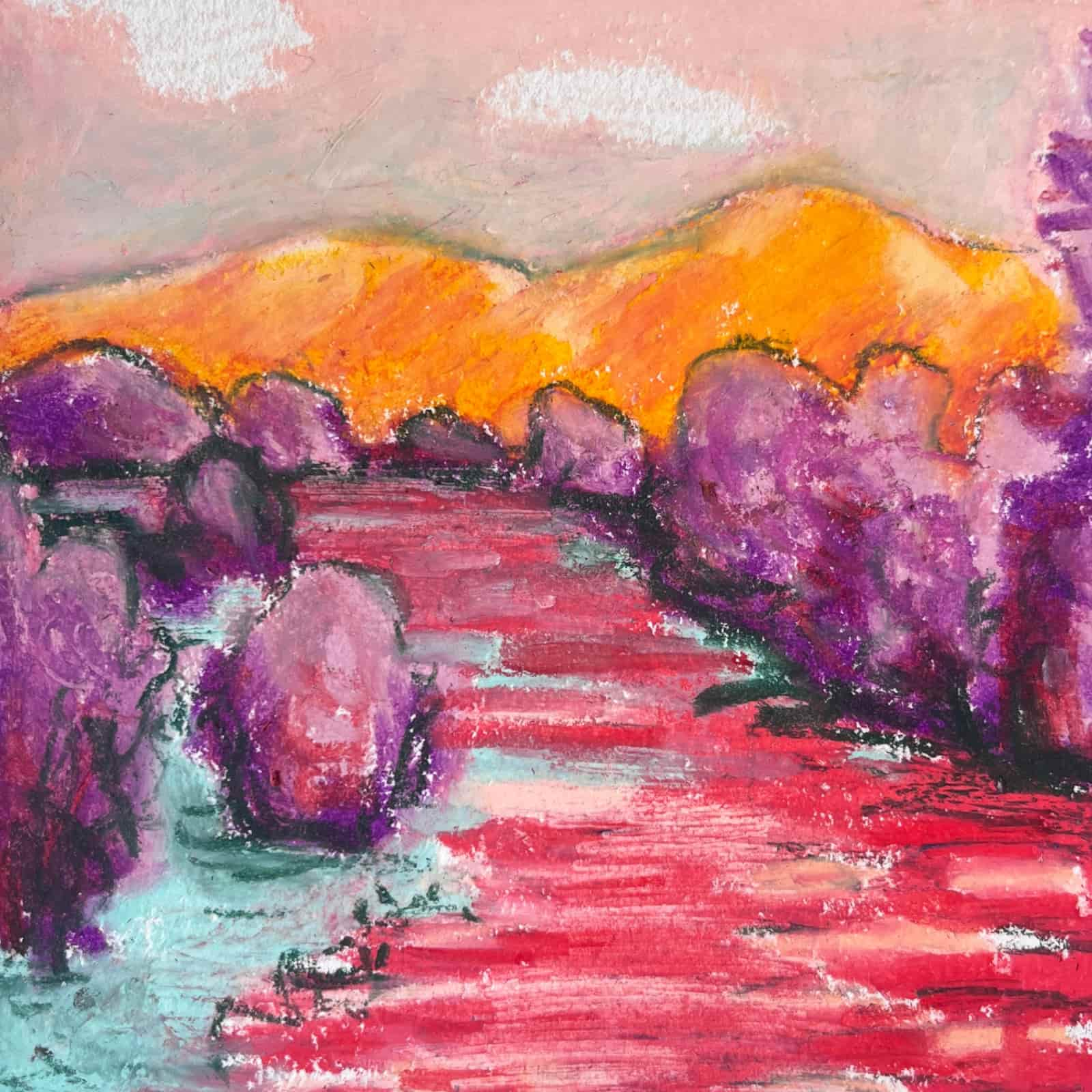
Colorful landscape with purple trees, a red path, orange mountain, and pink sky.
©Teresa Stern, Small Escapes: Flow IV. Oil pastel on fine art paper, 4 x 4 inches.

Marketing is bigger than self-promotion

Marketing is everything you do, outside of making art, to grow your art business and expand your art career. It has to include the business routines and maintenance that lead to higher success rates when you get to the self-promotion part.

Things like segmenting your list, cleaning your list, and revising your artist statement.

These are pieces that we tend to push aside in the busy-ness of life, but they matter when you want your promotional efforts to be effective.

Listen

Three ways artists approach marketing

In this episode of The Art Biz, I walk through three distinct profiles. See if any of these sound familiar.

  • The artist with a promotional routine. You send a monthly email, post to social media a few times a week, apply to the right opportunities when they cross your path. It’s comfortable, but often the maintenance pieces I mentioned above are overlooked. There isn’t a holistic approach.
  • The artist throwing spaghetti at the wall. You try something once, it doesn’t work, you decide it was a dumb idea. Or you keep doing it because you heard it was a good idea, but it has no legs because it isn’t part of a larger strategy. Either way, you don’t see a payoff, so you give up.
  • The artist who does nothing. You’re overwhelmed by all that’s possible and unsure of what’s best for you, so you avoid being proactive. You respond to opportunities when they come across your path, but you aren’t proactive. You’ve surrendered your art career to fate.

You want to be the first artist. But even that isn’t ideal because it’s missing the big picture.

Why it feels so hard

There’s always more you could do. Marketing is never done.

As long as you’re making art and searching for new opportunities, you’ve got to spend at least 50% of your time on the business.

And then something new comes out and throws you a curveball. One day Instagram rewards carousels, then suddenly there’s pressure to make talking-head videos. Don’t get me started on yet another app that was recommended.

It’s exhausting. You’ve got to know what you want and what your priorities are or else you’ll get caught up in things that don’t matter.

A plan can help you get there.

Two kinds of plans

The marketing plan I’d have you build isn’t the traditional one you’ll find in a book. It’s two pieces working together.

The first is a plan for ongoing marketing. A one-page monthly routine, and, depending on how you format it, more like half a page. This is for maintaining visibility and attracting new eyeballs. For ensuring you don’t disappear for weeks at a time.

But this alone won’t serve you if you have events, exhibitions, workshops, and sales. Those require a lot of your energy, and your ongoing plan has to adjust to make room for them. So the second piece is a way of overlaying an event on top of your ongoing plan.

You need both for piece of mind.

I’ll help you build these foundational documents in my Your Art Marketing Plan workshop on September 10, 2026.

About Hayley Price

Hayley Price is a dedicated advocate and mentor for artists at every stage of their careers. With a rich educational background as a Studio Art and Business double major from Washington & Lee University, Hayley possesses a deep understanding of both the creative and commercial challenges artists face in the ever-changing landscape of today’s art world.

Her journey has been shaped by a commitment to fostering growth, building relationships, and empowering artists to focus on their passion while she tackles the challenges that ultimately take them out of the studio. 

Follow Hayley on Instagram: @theartcoachingclub

Photo of Jenny McCarty, a woman with dark hair against a dark background and wearing a black scooped-neck top.

The post Stop complicating your art marketing plan (275) appeared first on Art Biz Success.

]]>
The third path for artists that we aren’t talking about (274) https://dy-online.com/three-paths/ Thu, 13 Aug 2026 12:04:00 +0000 https://dy-online.com/?p=62080 There are at least three paths a serious artist takes. One of them never gets talked about because we haven’t had the vocabulary for it. I introduce a new group called The Third Path for artists staying with the work on their own terms — recalibrating pace to fit the life they're in now.

I also share what's changing at Art Biz Success after more than 20 years of teaching online courses.

The post The third path for artists that we aren’t talking about (274) appeared first on Art Biz Success.

]]>

After more than two decades of working with artists, I can tell you the word *ambitious* doesn’t describe every serious artist. Some of the best ones I know don’t relate to that word at all.

In episode 274 of The Art Biz, I lay out three paths a serious artist can take. I also share what’s changing at Art Biz Success and introduce a new coaching group starting in October.

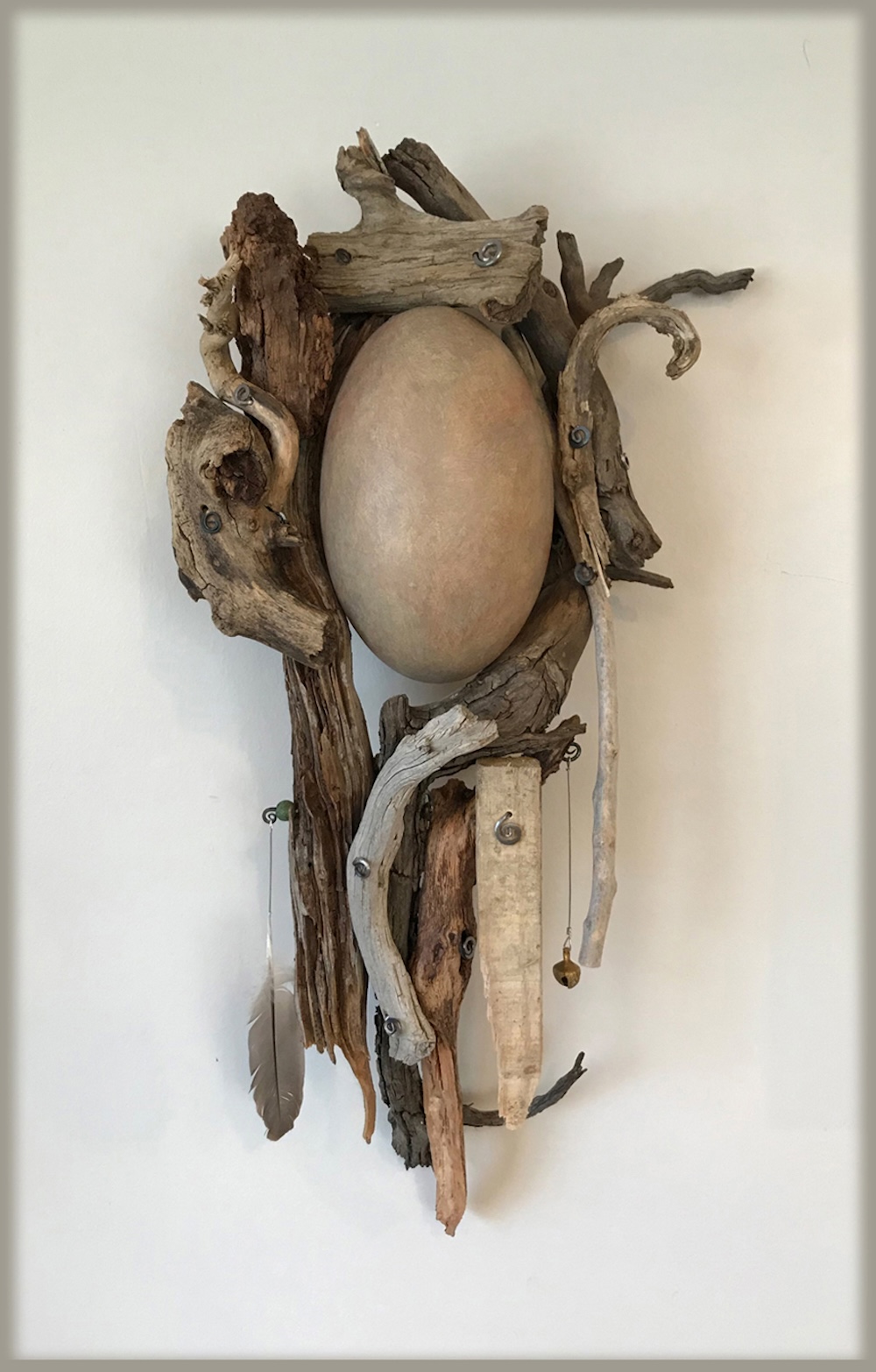
Monochromatic wall sculpture made of found wood, a feather, and held together with spiral-shaped metal pieces. A ceramic egg shape is nestled in the center.
©Juel Grant, Distant Horizon. Thrown earthenware elliptical sphere, wire, and branches, 18 x 10 inches.

What's changing at Art Biz Success

I’ve been teaching online since 2004. My first classes were delivered by Yahoo Groups!

Over the years I’ve built up an enormous library of 70 or 80 learning modules. And I’ve watched people pay for programs and then not do the work. That breaks my heart, because I got into this to help. You waste your money when you aren’t able to implement what you’re trying to learn.

So I’m changing how I work. After August 2026, there will be no more multi-month or year-long courses. I’ll still run a couple of workshops this season, but I want to work more closely with fewer artists in coaching groups and private consulting.

In those settings, I can share the right lesson, strategy, or tactic at the right time. I’ve been doing this long enough to know when something is going to land and when it’s too soon.

Three paths a serious artist takes

The first path is the ambitious path.

These artists want more. More recognition. More opportunities. More influence. They claim the word ambition without flinching. This is what my coaching group The Next Opening is for.

[ Episode 272 explains further. ]

The second path is walking away.

You’ve done the ambitious thing. It didn’t work, or it didn’t work the way you wanted. You might keep making art, but you’re not building a career from it.

This is often the right call. Being an artist is not easy, and not everyone wants to keep fighting for it.

The third path is staying with the work on your own terms.

This one has no roadmap. It’s for serious artists who are recalibrating the pace they’re on to fit the place in life where they are now.

Some are philosophically done with the promotion machine and just want the practice back. Others are aging, dealing with lower energy, managing health issues, or caregiving. The specifics vary.

What they have in common: they still want to make. They still want a dedicated studio practice. They just don’t want to run the machine that was attached to it.

Listen

Why this path has no precedent

The art business conversation is built around ambition and growth. That’s what sells. More shows, more galleries, more visibility. Artists who don’t identify with any of that don’t see themselves anywhere in it. It doesn’t fit the story the internet rewards.

No one is selling The Great Art Career Slowdown. But I’ve talked with enough artists at this stage, sent questionnaires, and read the answers to know they’re out there in numbers.

Many, but not all, of them describe themselves as slowing down. Decelerating.

They’re all tired of the stress of promotion. Tired of hacking algorithms. They want to stay focused on the work in the studio.

What The Third Path is (and isn't)

The Third Path is a coaching group starting in October. It’s not a course. It’s not about competing, accountability, or accepting challenges. There’s no curriculum to hand down.

What it is: a room where artists at this stage figure it out together. I bring what I know from more than 20 years of working with artists and a decade in art museums before that. Members bring what they know from being in this moment.

I don’t have all the answers, because this has never been done. The first group will help shape what it becomes.

Which path are you on?

There is no shame in any of the three paths, but it helps to know which is yours.

Naming it changes what you say Yes to and what you say No to.

If you’re on The Third Path and you’d like to explore this with us, email me and I’ll send you a short set of questions.

The post The third path for artists that we aren’t talking about (274) appeared first on Art Biz Success.

]]>
You know what to do but you’re not doing it: ADHD and your art business with Georgie Coote (273) https://dy-online.com/adhd/ Thu, 06 Aug 2026 11:39:00 +0000 https://dy-online.com/?p=61827 Georgie Coote talks wth me about why so many artists know exactly what they need to do to move their careers forward — market their work, follow up, be consistent — and don't do it.

Georgie is a National Board certified health coach specializing in ADHD in adults, especially women diagnosed later in life. We unpack executive function, time blindness, and what helps when your systems keep failing.

The post You know what to do but you’re not doing it: ADHD and your art business with Georgie Coote (273) appeared first on Art Biz Success.

]]>
For years I’ve watched artists sit down with a clear list of what they need to do (send the follow-up, update the website, mail the invitation, post to Instagram) and then not do any of it.

Not because they don’t understand marketing. Not because they don’t want a thriving art business.

But because something between knowing and doing keeps breaking.

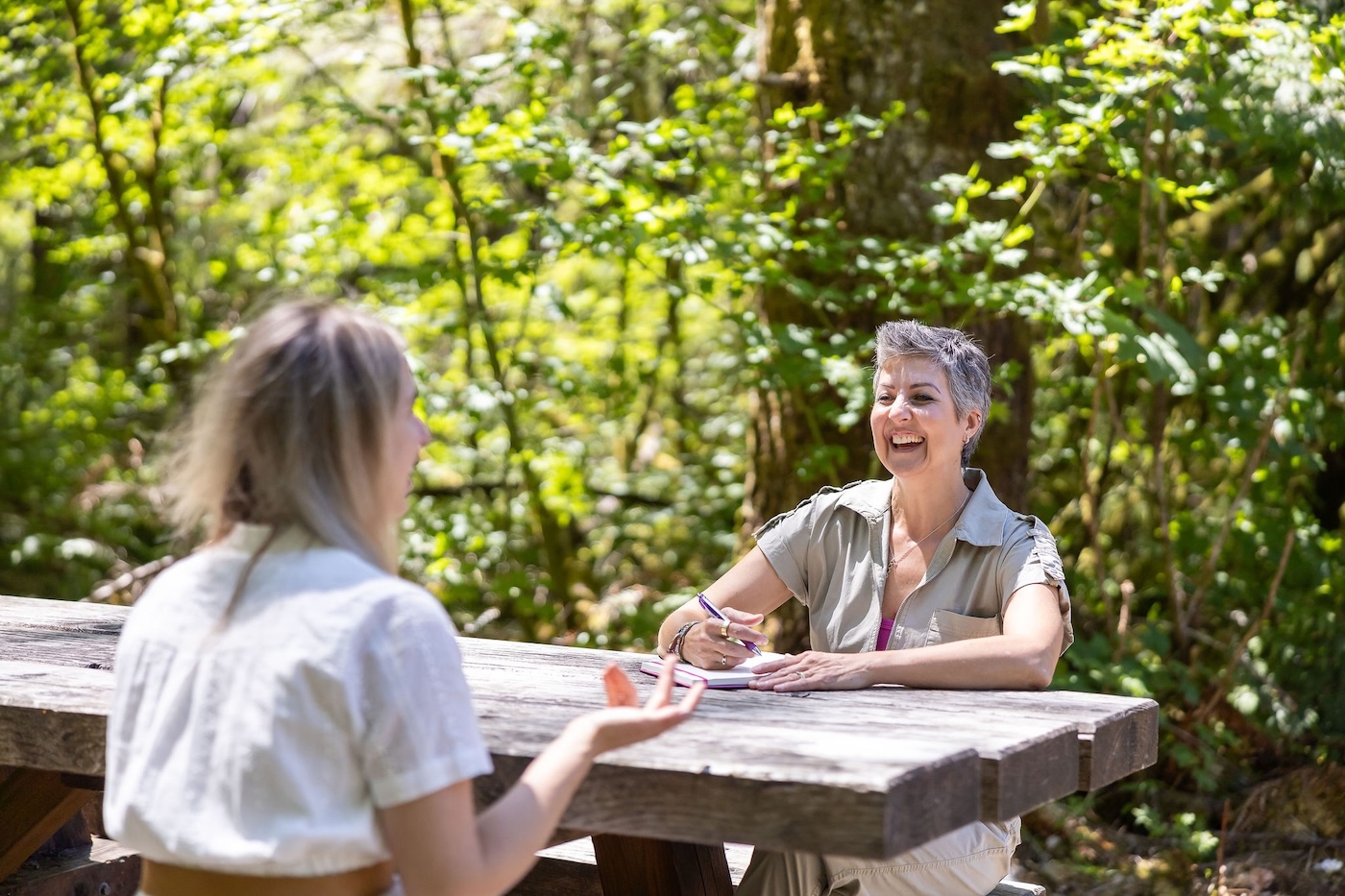
Two women sitting at a picnic table outside.
Georgie Coote working with a client in her "outdoor office."

What executive function has to do with your art business

In this episode of The Art Biz, my guest Georgie Coote identifies the culprit underneath this gap as unreliable executive function.

Things like planning, organization, and task initiation are the things that let you look at a to-do list and start. When they aren’t working the way you want them to, you can know exactly what needs to happen and still feel unable to begin.

Add time blindness, the way ADHD brains perceive time, and it gets more complicated. You put something off because it feels enormous, then when you finally start it takes five minutes. Or you sink into a chair in front of your computer and lose the whole afternoon you’d blocked for the studio.

Why "just do it" doesn't work

I used to be far more rigid about how I taught planning. Set the goal, break it into steps, put it on the calendar, execute. It took me years to understand that that wasn’t working for many of my clients, so I changed how I coach.

Georgie’s explanation: everyone’s brain relates to information differently, and ADHD brains especially need visual, tangible systems. A calendar you can’t see doesn’t exist. A digital reminder buried in an app doesn’t fire. One of her clients built a physical Post-it note version of a Trello board so she could see the project moving across her wall.

The point is that whatever system you adopt must match the way your brain works.

Why so many women are diagnosed in midlife

Georgie sees a lot of women who get diagnosed in their 40s, 50s, and later. They’ve been holding everything together for everyone else — kids, partners, aging parents, the mental load of a household — and at some point there’s more coming at them than they can keep up with. What looks like ADHD emerging is often ADHD finally becoming visible after decades of masking it.

Not everyone who feels scattered has ADHD. Modern life is genuinely overloaded, and overwhelm can produce symptoms that look similar. Georgie is careful to make that distinction, so keep it in mind if you’re wondering about yourself.

What helps when you can't start

Starting is the hard part. What Georgie sees work:

  • Saying out loud what you’re stuck on. You often start working it out the moment you hear yourself describe it.
  • Breaking a task down to a step so small it feels almost silly. Starting is the hard part.
  • Getting your systems out where you can see them, in whatever form works for your particular brain.
  • Talking to someone who isn’t going to judge you for how you got here.

That last one is where coaching comes in.

You have Georgie’s list of strategies and can probably find others online. What’s often missing is someone in the room with you when you try to use them. Someone who can help you name what you’re stuck on, break it into a step you’ll actually take, and treat the whole thing without judgment.

If you work with artists who have ADHD

If you work with an artist whose brain runs differently than yours, Georgie suggests dropping the assumption that your way is the correct way.

Ask them how they’d approach it. You’ll often get an answer that isn’t yours and works better for the person doing the work.

Georgie Coote Quotes

“A neurotypical brain isn’t better than an ADHD brain. They’re just different.”

“There’s so much exhaustion from trying your hardest to be what you perceive to be normal.”

“Having ideas is great, but you need to be able to implement them.”

“It’s not a weakness to need support. Everybody could benefit from a coach at some point in their life.”

About Georgie Coote

Georgie Coote is a National Board-Certified Health and Wellness Coach and an ADHD clinical services provider, who specializes in coaching adults with ADHD.

The majority of her work is with women who are diagnosed later in life, including entrepreneurs, and creatives who have incredible ideas but often struggle with the executive function side of turning those ideas into a sustainable business. She co-creates systems with clients that work with their unique brain to support their creativity and wellbeing.

Follow Georgie on Instagram: @georgiecootecoaching

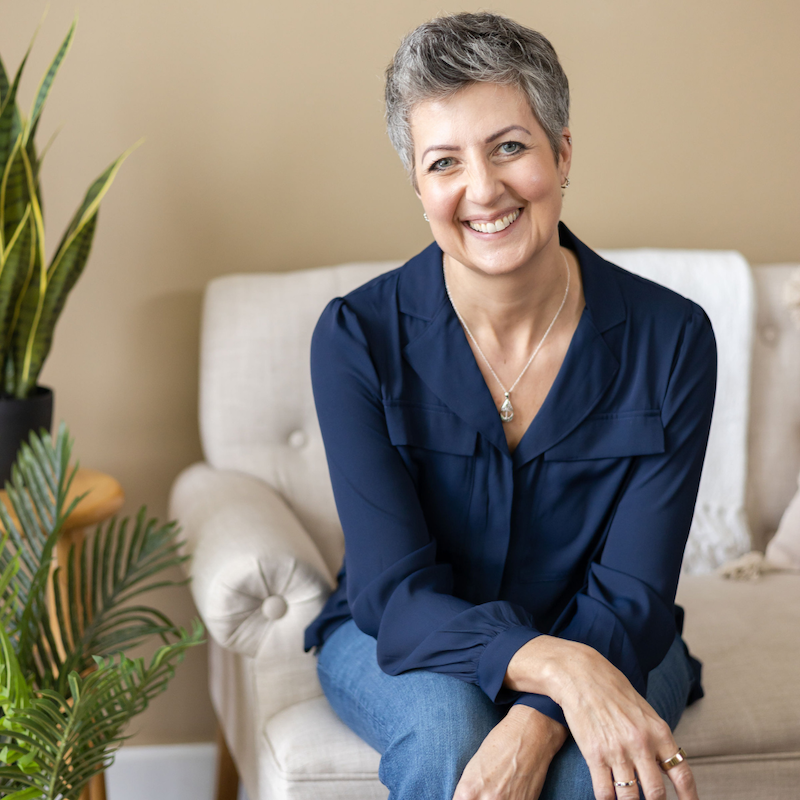
Georgie Coote in a navy top sitting on a white couch with her hands crossed on her knees. Plants are on the left side.

The post You know what to do but you’re not doing it: ADHD and your art business with Georgie Coote (273) appeared first on Art Biz Success.

]]>