Making Art Archives - Art Biz Success https://dy-online.com/category/making-art/ Trusted Art Business Coaching and Consulting Thu, 28 May 2026 19:25:04 +0000 en-US hourly 1 https://wordpress.org/?v=7.1.4 https://dy-online.com/wp-content/uploads/2022/02/favicon-2-150x150.png Making Art Archives - Art Biz Success https://dy-online.com/category/making-art/ 32 32 12 Steps to Take After Completing Your Artwork https://dy-online.com/after-complete/ https://dy-online.com/after-complete/#comments Thu, 13 Feb 2025 21:57:11 +0000 http://artbizsuccess.com/?p=11660 Finishing a piece of art is just the beginning! This list guides you through essential post-creation tasks, including signing, documenting, photographing, and organizing your work.

Follow these 12 steps to ensure your artwork is properly archived, protected, and seen by the right audience.

The post 12 Steps to Take After Completing Your Artwork appeared first on Art Biz Success.

]]>
Completing a piece of art is a milestone, but there are essential steps to take before truly calling it done.

These final tasks ensure your work is properly documented, protected, and shared with your audience.

By following a structured process—part of a systematized art business—you not only maintain organization but also set yourself up for long-term success.

[ See: How to Increase Your Productivity and Creativity with Art Business Systems ]

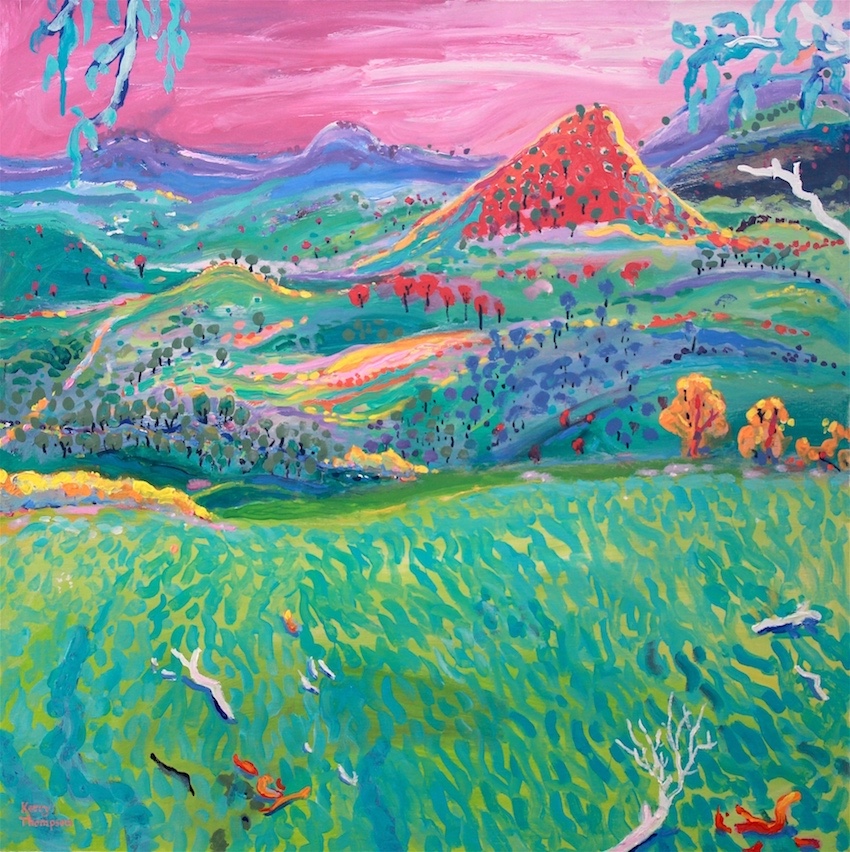
Colorful landscape painting by Kerry Thompson
©2010/2020 Kerry Thompson, Now, where was I?. Acrylic paints on cotton canvas, 76 x 76 centimeters.

Finish the Details on the Artwork Itself

The work shouldn’t be considered complete until you do the following with the physical piece.

  • Sign it!
 Sign your art wherever you can (front, side, back, base), and however you do it best. Signing says, “This is complete and I made it.”
  • Add the date on the front, back, or underneath—where and when it’s appropriate for your medium. Many artists don’t like to date their work on the front these days because it doesn’t look as fresh. That’s fine, but date it somewhere, even if it’s within your inventory system. Dating is a way that helps you claim credit for copyright and will be used by the curator that mounts a retrospective of your work in 30 years.
  • Make and include an identification card if applicable. If your medium allows, attach a card on the back with the complete credit line: Name, title, media, dimensions, and price. 


    This makes it easier for venues and collectors to track your work.

Document the Artwork

Don’t let the piece out of your hands before you’ve properly recorded it.

  • Photograph the artwork. Use professional lighting or natural light to capture high-quality images that you’ll want to reference for years to come. If your work is particularly difficult to capture, consider hiring a professional photographer. 
  • Standardize image naming to stay organized.
Images are easier to find when you name them in a consistent manner. Examples:

lastname-abbreviatedtitle-imagesize.jpg
hart-redsky-fullres-3000x2000px.jpg
hart-redsky-72dpi-600x600px.jpg

  • Resize images for different uses. Create a digital file folder for each artwork and differentiate your digital images using your standardized naming. 
  • Record details in your inventory system. Add all info and the image to your inventory record for that piece. You may be ready to move on, but your future self will thank you for slowing down a bit to be thorough.
  • File a copyright claim. If you’re in the U.S., consider filing a copyright with the U.S. Copyright Office.

Tell People About It

Now that the work is finished, it’s time to share it!

  • Upload the image to your website. 
Double check to make sure that your name and credit line is visible whenever the image is enlarged.
  • Blog about it or include it in your newsletter. Writing about it while it’s fresh is essential. Share details about the piece, including the inspiration, process, and meaning behind it. Your blog and newsletter are virtual real estate that you own and should be the first places you share.
  • Edit the text from your blog or newsletter into a descriptive sentence. This concise sentence can be used for your website, social media, and included in your inventory database so that it’s always with the work.
  • Upload the image to any online sales platforms. 
Post it to Etsy, RedBubble, Saatchi Art and similar.
  • Promote on social media. Share your artwork on Instagram, Facebook, Pinterest, and TikTok. Repurpose the writing you did for your newsletter or blog.

PRO TIP: Wherever you share it, ensure the complete credit line (©your name, title, medium, size) is included.

There are, of course, additional steps to take if the work is a commission or headed to an exhibition, but this list should cover the basics. 

As always, please let me know if I forgot anything in the comments.

This article was originally posted on January 25, 2012 and has been updated with original comments intact.

The post 12 Steps to Take After Completing Your Artwork appeared first on Art Biz Success.

]]>
https://dy-online.com/after-complete/feed/ 63
Working Through Grief and Returning to the Studio https://dy-online.com/work-through-your-grief/ https://dy-online.com/work-through-your-grief/#comments Tue, 07 Feb 2023 11:32:00 +0000 http://artbizsuccess.com/?p=17089 The direct result of losing someone or something you love is profound grief. And that hollow, meaningless feeling that accompanies loss does not lead to art.

Yet we know art is the answer.

Here are eleven ideas that helped guest blogger Barbara Muir work through her grief. Perhaps they might help you feel your way back to your studio.

The post Working Through Grief and Returning to the Studio appeared first on Art Biz Success.

]]>
Guest blogger: Barbara Muir

For artists, making art is life’s main goal, so what happens when we quit producing?

When my 13-year-old dog died in September, I thought I’d hit the depths of sadness. Then my mother died in October, and I was suddenly sidelined by my own grief.

The direct result of losing someone or something you love is profound grief. And that hollow, meaningless feeling that accompanies loss does not lead to art. Yet we know art is the answer.

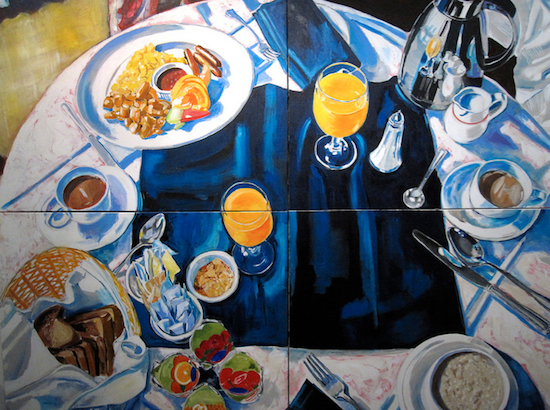
Barbara Muir painting
©2012 Barbara Muir, Breakfast in the Hotel. Acrylic on 4 canvases, 72 x 96 inches.

Here are eleven ideas that helped me work through my grief. Perhaps they might help you feel your way back to your studio.

1. Don’t do anything—push the pause button.

When you’ve suffered a serious loss, take a break. Take care of yourself and trust that the urge to get back at it will resurface.

2. Open your eyes.

Loss hurts. But let in some beauty.

Fill your senses with music and the sights and sounds of nature. Visit museums and art galleries to get focused on the type of art you’ll make when you’re ready.

Whatever touches your heart will help you heal. Being moved by what we see, hear, and feel leads to inspiration, and that gets us back to creating again—even when the darkness is so profound that we can’t imagine it’s possible.

3. Forget the rules.

Lose the rules about how to be a real artist. Don’t worry about comparing yourself to Michelangelo, Marina Abramovic, Georgia O’Keeffe, or David Hockney. Making art of any kind makes you real. Your creative process and your own style are what matters.

4. Tempt your inner artist.

Buy new supplies. Treat yourself to all the colors you love. Stopped by the cost of supplies? Shop online for bargains or trade with other artists.

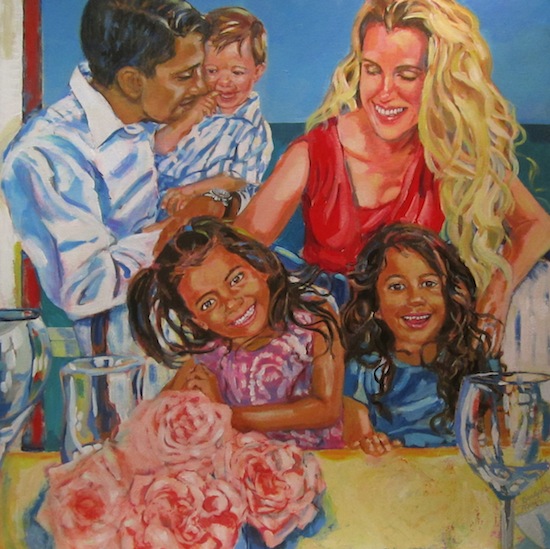
Barbara Muir painting
©2013 Barbara Muir, Let's Get This Party Started. Acrylic on canvas, 30 x 30 inches. Private collection.

5. Find an artistic space that’s safe for you.

To get back to work we need physical space that also feels right emotionally. Give yourself permission to start small. If working at home doesn’t work anymore, join an art club where you can make art every day or share a studio.

6. Dedicate time to making art.

Block out chunks of time. Make an appointment with yourself and then show up. Stop telling yourself you have no time for art. You can finish your big ideas by grabbing ten-minute time slots.

[ See: Making Art While Grieving Loss with Jan Heaton ]

7. Rely on your lists.

Lists are your lifesaver. Start lists of art you’d like to make. When a piece is giving you trouble, make a step-by-step list of what you want to do next.

To help you move beyond the current moment and start thinking about the future, make lists of places you’d like to show and artists you’d like to show with.

8. Lose the guilt.

Don’t waste time feeling guilty for not making art – make some. As Neil Gaiman said:

Life is sometimes hard. Things go wrong, in life and in love and in business and in friendship and in health and in all the other ways that life can go wrong. And when things get tough, this is what you should do.
Make good art.

9. Be your own BAFF (Best Artist Friend Forever).

Praise yourself for each small achievement. When you’re using a list, cross each completed task off and feel some pride as you do. Being kind to yourself helps you let go, relax, and get creative.

10. Recognize that you’ve changed.

Whether it’s a month, a year, or 10 years since you produced your last piece of art, you’re not the same person. You don’t have to make the kind of art you used to make.

Moving in a new direction may be the inspiration to get going again.

11. Remember the bigger vision.

When you are ready, remember the world needs art and the world needs you. Gently—at your own pace, and always paying attention to what’s most important to you—realize that people want to see your work. Your loss isn’t any less, but art can be the path out of the darkness.

About My Guest Blogger

Barbara Muir is known for her portraits and positive life view, which she enjoys sharing through exhibiting her work, public speaking, and teaching English and psychology.

She gained recognition on the international stage through the images and stories on her upbeat blog, Barbara Muir Paints. This earned her a spot on the Oprah Winfrey show drawing Oprah via Skype.

Barbara Muir in front of her painting, Breakfast in the Hotel. Acrylic on 4 canvases, 72 x 96 inches, ©2012.

This post was first published January 24, 2014 and has been republished with original comments intact.

The post Working Through Grief and Returning to the Studio appeared first on Art Biz Success.

]]>
https://dy-online.com/work-through-your-grief/feed/ 53
The Art Biz ep. 131: Injecting Personal Narrative into Your Art with Sara Lee Hughes https://dy-online.com/narrative-hughes-podcast/ https://dy-online.com/narrative-hughes-podcast/#comments Wed, 12 Oct 2022 18:53:09 +0000 https://dy-online.com/?p=40947 Will art sell when it's focused on the artist’s personal narrative? Sara Lee Hughes is deep into a body of narrative paintings with that is steeped in her personal story.

We discuss the genesis of this body of work (It’s a great story!), how Sara Lee focuses on the long game, how she keeps her ideas, and how she balances motherhood with her studio practice.

The post The Art Biz ep. 131: Injecting Personal Narrative into Your Art with Sara Lee Hughes appeared first on Art Biz Success.

]]>
I’m a huge fan of the photographer Sally Mann who, in the documentary about her work titled What Remains, said that it never occurred to her to look outside of her home, family, and immediate vicinity to find inspiration.

So many artists feel they need to travel. To find exotic locations. Never exploring what is right in front of them or what they encounter in their daily lives.

This results in missed opportunities to make art that is uniquely your own.

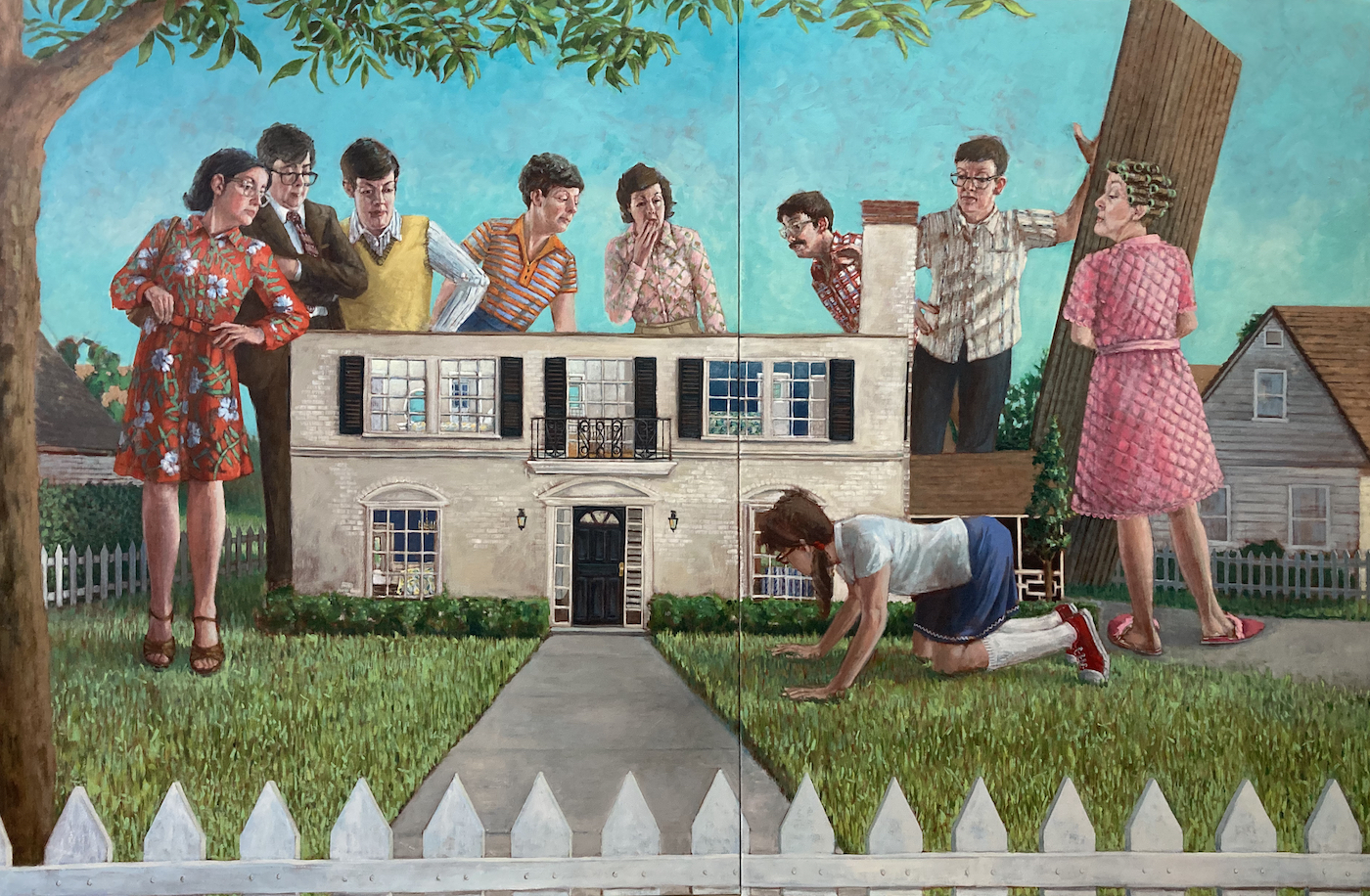
Oil painting of group of people with same face peering into windows of house that is smaller than them | on Art Biz Success
©2022 Sara Lee Hughes, What Will The Neighbors Think?! Oil on canvas, 54 x 82 inches.

In this episode of The Art Biz I talk with Sara Lee Hughes who is deep into a body of narrative paintings with recognizable imagery that is steeped in her personal story—going so far as to include her self-portraits in many of them. (As in the many faces of Sara Lee in the painting above.)

I wanted to ask Sara Lee about making work with her life experience at its core, and, honestly, the market for art that is so personal. The bottom line: Will art sell when it’s focused on the artist’s personal narrative?

Sara Lee says her ultimate intention is that she gets under your skin. That, when viewing her paintings, you start to question your actions and might even find yourself reflecting on the encounter weeks later.

We discuss the genesis of this body of work (It’s a great story!), how she is looking at her art in terms of the long game rather than seeking quick gratification, how she keeps her ideas, and how she has created a discipline that balances motherhood with her studio practice.

Listen to the Podcast

Highlights

  • Waiting, Father Daughter Dance, and other paintings inspired by Sara Lee’s life. (1:55)
  • The family letters that have helped Sara Lee navigate her true self. (6:57)
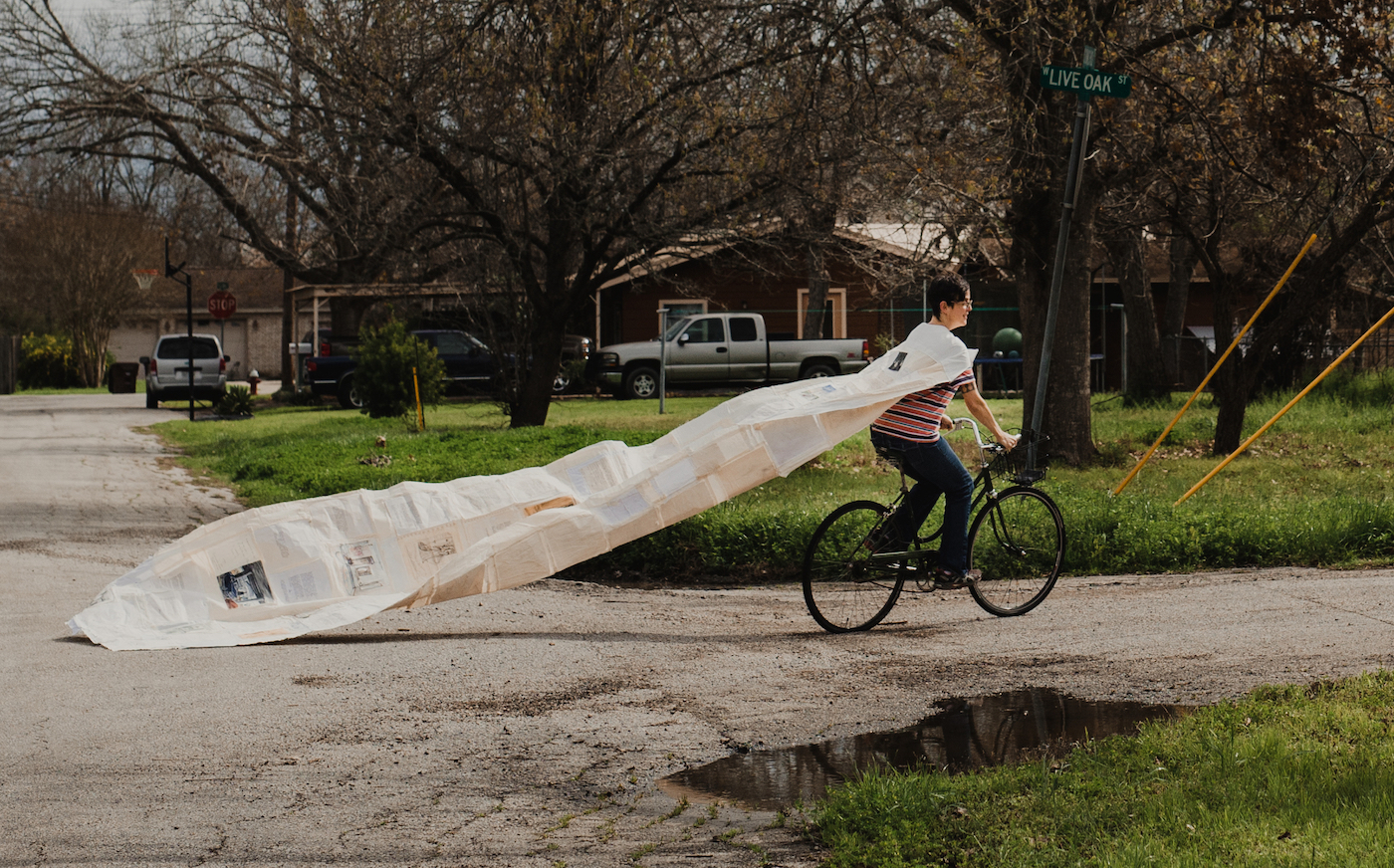
  • Sara Lee’s 12-ft superhero cape and what it represents. (9:05)
  • Painting from experiences results in sincerity. (11:15)
  • Asking yourself questions can lead to your next inspiration. (14:55)
  • Sara Lee’s decision to use her own face in her paintings. (18:19)
  • The value of painting the part of your history that isn’t talked about. (21:32)
  • There are parts of your story that anyone can relate to. (25:17)
  • Using a list—rather than a sketchbook—to keep your ideas. (27:04)
  • Does personal work sell? (30:20)
  • Sara Lee’s approach to her art business, her schedule, and balancing motherhood. (32:39)
Photo of a woman riding a bike with a 12 foot cape trailing behind her | on Art Biz Success
Sara Lee wearing her superhero cape. Photo by Vanessa Lain.

Sara Lee Hughes Quotes

  • “These tossed-off sketches are seeds for the work that I’ve done in the last five years.”
  • “When I paint from my own experience, there’s a sincerity in my paintings.”
  • “All of my work is my personal experience, so who better to use than myself?”
  • “My intention is to resonate with you through the works that have inspired me to be an artist.”

About My Guest

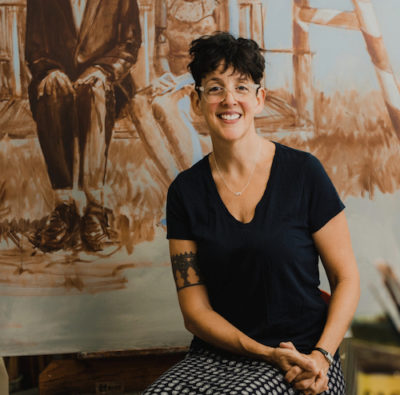
Seated woman with short dark hair in front of large painting | on Art Biz Success
Photo by Vanessa Lain.

Sara Lee Hughes is a narrative painter living and working in Lockhart, Texas. Her representational narratives are influenced by growing up in the south during the 1970s and 80s with divorced parents and operate as metaphors for discovery, other-ness, identity, connection, balance and truth. As a body of work, they highlight moments, memories, and ideas that mark a journey of navigation through the differences between her gay father, straight mother and the socio-cultural norms of the era and those proceeding.

In her work she is most interested in exploring and sharing the connection she had with her father before his death of AIDS, the profound guidance it had on her life, and how this personal experience fits into our country’s broader social and cultural heritage.

Sara Lee studied classical drawing and painting at the Pennsylvania Academy of Fine Arts, where she earned a certificate in painting and printmaking. She earned her MFA in painting from Pratt Institute. 

Follow her on Instagram @sara.lee.hughes

The post The Art Biz ep. 131: Injecting Personal Narrative into Your Art with Sara Lee Hughes appeared first on Art Biz Success.

]]>
https://dy-online.com/narrative-hughes-podcast/feed/ 3
Expanding your skillset to respond to opportunities with Detour (128) https://dy-online.com/skillset-detour-podcast/ Wed, 07 Sep 2022 16:33:28 +0000 https://dy-online.com/?p=40594 Detour doesn’t want to be limited by what he currently knows, so he’s learning how to use new technologies to help him land complex opportunities. He isn't afraid to discover that the best way to approach an artistic problem is something he hasn’t done before.

Big on presenting himself in the most professional light, he says, “You never know who is watching.”

The post Expanding your skillset to respond to opportunities with Detour (128) appeared first on Art Biz Success.

]]>
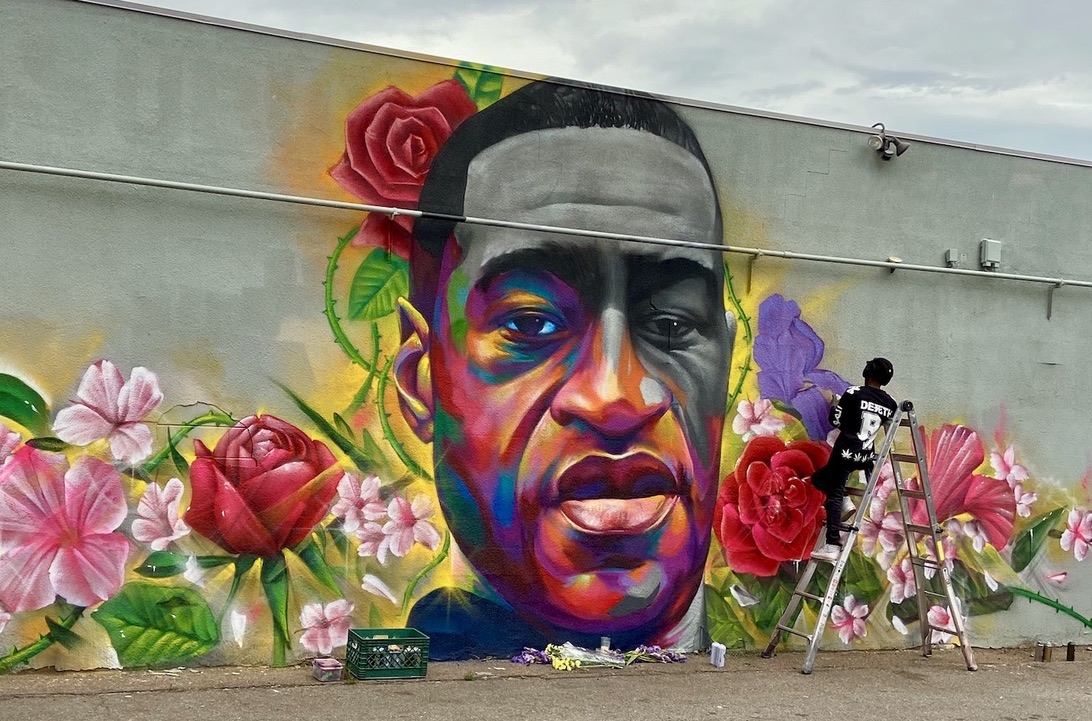
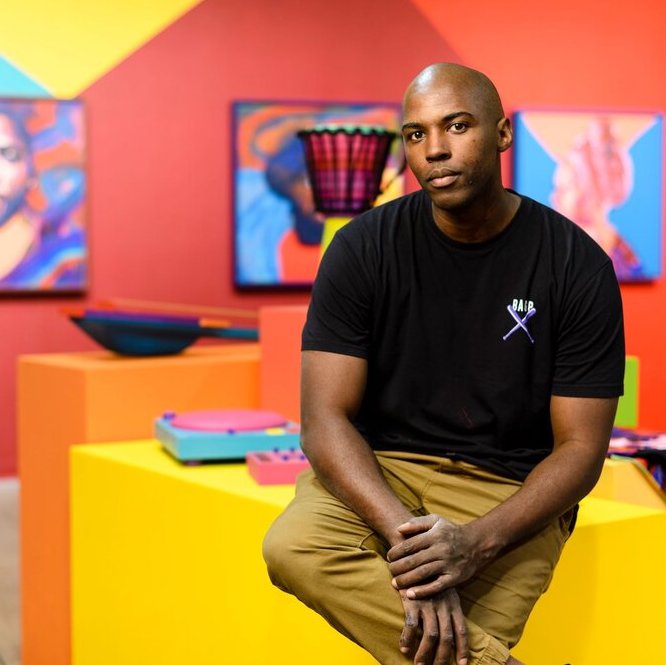
I didn’t know who had the spray paint cans in their hands when I stumbled upon the painting of the George Floyd mural in Denver. I wasn’t surprised to later found out it was Hiero Veiga and Detour working hard that day in 2020.
Mural in Denver of George Floyd by Hiero Veiga and Detour, 2020
Tribute to George Floyd mural in process by Hiero Veiga and Detour, 2020. Personal photo.

I had heard Detour’s name around Denver, and I knew he had recently written a book for artists. You don’t forget the name of an artist who goes by Detour.

After the encounter with the mural, I started seeing Detour’s name in more places.

Maybe it’s another mural, every bit as impactful as the one I watched him paint. Or there’s an article. Or he pops up on the local news.

He’s everywhere. Not just Denver. He travels to communities all over to paint murals, but he also works on canvas, and in music, installation, and sculpture.

In this episode of The Art Biz, I talk with Detour to find how he does it all. By himself and without an assistant.

We discuss his various income streams—prints, murals, corporate sponsorships, and grants—and why he doesn’t want to be limited by what he currently knows. 

To that end, he’s learning how to use new technologies that will help him land complex opportunities requiring new skillsets. He’s not afraid to discover that the best way to approach an artistic problem is something he hasn’t done before.

Detour is big on collaboration and presenting himself in the most professional light. He says, “You never know who is watching.”

I encourage you to listen closely to the questions he asks himself before agreeing to take on new work. Good stuff there.

Highlights

  • Carving out new and alternative paths in the art world. (5:00)
  • Merging your career skills with your creative opportunities. (9:09)
  • How Detour found his artist voice while creating interactive art ‘for the people.’ (11:40)
  • Detour’s active and passive income streams. (17:22)
  • Planning for sporadic paychecks in advance. (22:15)
  • How Detour’s MBA has benefitted his artist endeavors. (25:38)
  • The importance of building relationships with everyone in your artist community. (28:09)
  • Collaborating with other artists to add value to your work. (32:24)
  • Questions to ask when considering—or turning down—opportunities. (34:53)
  • A look at Detour’s typical week. (37:05)
  • Finding fun and balance in the work of every day. (40:18)
  • Why is it important to be an artist who helps other artists?(44:44)

Detour talks contracts and licensing artwork.

Mentioned

Detour Quotes

  • “I want to make sure when I’m presented with an opportunity to solve an idea creatively, I’m not limited by what I’m used to doing.”
  • “You never know what will work until you throw something out there and it sticks.”
  • “When you do art you never know exactly who’s looking at it.”
  • “Everything I do in life is related to art making and sharing.”

Related Episodes

Willie Cole collaborates with name brands and insists on enjoying life and work. 

Advocating for artists in their communities with Louise Martorano.

Leisa Collins reveals an unusual path to finding art commissions.

About My Guest

Photo of Thomas Thomas Evans, a.k.a. Detour, is an all-around creative specializing in large scale public art, interactive visuals, portraiture, immersive spaces, and creative directing. His focus is to create work where art and innovation meet. A born collaborator and “military brat,” Detour pulls from every conceivable experience that shapes his landscapes and perspectives.

Explaining Detour’s work is no easy task, as ongoing experimentations in visual art, music, and interactive technologies have his practice continually expanding. With his ever-evolving approach to art, Detour’s focus is on expanding customary views of creativity and challenging fine-art paradigms by mixing traditional mediums with new approaches—all the while opening up the creative process from that of a singular artist to one that thrives on multi-layered collaboration and viewer participation.

Follow him on Instagram @detour303

The post Expanding your skillset to respond to opportunities with Detour (128) appeared first on Art Biz Success.

]]>
Play tops work, connection tops solitude, and confidence tops fear with Willie Cole (126) https://dy-online.com/studio-play-cole-podcast/ https://dy-online.com/studio-play-cole-podcast/#comments Wed, 10 Aug 2022 13:22:21 +0000 https://dy-online.com/?p=39739 This is inspiration for when you feel like your art becomes work and there's little to look forward to.

Willie talks about the faith he has in his practice as a result of being consistent throughout the years, why he prefers to approach his studio in the spirit of play, and how he uses visualization.

The post Play tops work, connection tops solitude, and confidence tops fear with Willie Cole (126) appeared first on Art Biz Success.

]]>
There’s always plenty to be learned from artists who have been making a go of it for decades. Just think about how much has changed in 30 years!

In this episode of The Art Biz, my guest is Willie Cole, a self-described perceptual engineer with an impressive list of collaborations under his belt and even more in the works.

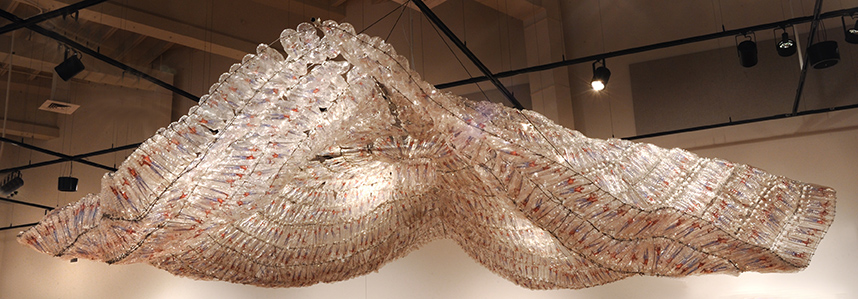
Sculpture of water bottles in serpentine shapes artist Willie Cole | on Art Biz Success
© 2016 Willie Cole, ASCENSION. Plastic water bottles, 300 inch (762 centimeter) diameter. Photo by Greg Staley. Image courtesy of the artist and Alexander and Bonin, New York.

Willie and I spoke about the faith he has in his work as a result of being consistent throughout the years. And, actually, why he says work is a bad word and prefers to approach his studio in the spirit of play.

We discuss his art and why he challenges people to perceive recognizable objects, like shoes and musical instruments, in new ways. 

Willie has also perceived what is possible for his art and career in new ways by considering possibilities beyond galleries and museums. He says, “They are part of the game but not the whole game.” (Yes, he used the word game. Again, adding an element of play to his vision.)

You’ll hear how one of his Instagram posts—where he mocked up his art as if to appear on the cover of Vogue (see below)—led to collaborations with major fashion brands. Such opportunities continue coming his way, which might be the result of his faith in his practice.

Spoiler: Visualizing success plays a role. 

Highlights

  • Willie calls himself a perceptual engineer, but what exactly does that mean? (3:12)
  • The importance (if any) of showing the materials Willie uses to create his work, including parts from 75 guitars. (5:35) 
  • “Planning makes it feel too much like a job.” How Willie approaches his work instead. (11:02)
  • A peek inside Willie’s studio. (13:58)
  • Work is a bad word, but play can make your business better every day. (15:55)
  • Staying in a playful mindset in every stage of production. (19:15)
  • The value of improvisation and the value of not knowing everything. (21:08)
  • Willie feels like the luckiest business person in America. (23:40) 
  • The business-minded people that make up Willie’s team, and insights into his collaborations. (25:36)
  • Propelling yourself forward in spite of your fears. (35:24)
  • The difference between fashion industry collaborations and gallery relationships. (37:51)
  • The music on Willie’s current playlist and what is coming up next in his work. (40:28)

Willie Cole Quotes

  • “I enjoy making your brain stutter.”
  • “Play is play, and the opposite of play, I guess, would be work.” 
  • “It becomes work rather than play when it becomes a money making business.” 
  • “Knowing has limitations, because once you find something, you only see it as that.” 
  • “I feel like the luckiest business person in America.” 
  • “When passion marries intention and it can be monetized, it’s work but it’s also just joy.” 
  • “To proceed with confidence and fearlessness, I have to believe that opportunities connect.” 
  • “Connections open up so many doors, they keep the fear way behind me.” 

Related Episodes

Geoffrey Gorman philosophizes on living the life of an artist.

Alicia Goodwin talks about how she is always looking for the next opportunity.

Christine Aaron confronts risk, rejection, and resilience. 

Laurence de Valmy discusses how she boldly reached out to art world influencers.

About My Guest

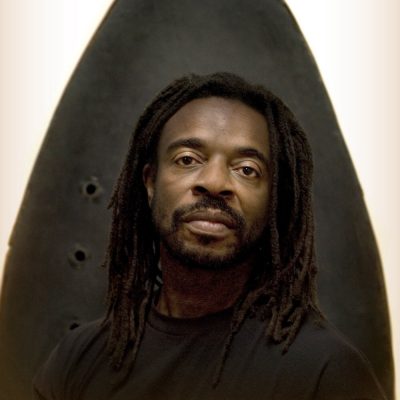
Willie Cole calls himself a perceptual engineer. Whether he is using the symbolism of a steam iron or the shapes of high fashion shoes and recognizable music instruments, he challenges how we look at things.

While he has had solo exhibitions at esteemed institutions such as the Museum of Modern Art, Miami Art Museum, and Montclair Art Museum, Willie embraces nontraditional avenues for his work, such as collaborations with major fashion brands. He is represented by Alexander and Bonin Gallery in New York, Maus Contemporary Gallery (Alabama), Gavlak Gallery (Los Angeles/Florida), and Kavi Gupta Gallery (Chicago). Willie lives and works in New Jersey.

Follow him in Instagram: @williecoleart

artist Willie Cole with long dreadlocked hair and black shirt

The post Play tops work, connection tops solitude, and confidence tops fear with Willie Cole (126) appeared first on Art Biz Success.

]]>
https://dy-online.com/studio-play-cole-podcast/feed/ 4
Being an artist with Geoffrey Gorman (124) https://dy-online.com/being-gorman-podcast/ https://dy-online.com/being-gorman-podcast/#comments Wed, 13 Jul 2022 14:48:37 +0000 https://dy-online.com/?p=38996 To know what a real artist’s life looks like on a daily basis, you have to study and talk to those artists. Short of visiting their studios, you read their biographies. Watch their videos. Listen to them on podcasts, like The Art Biz.

That's what this conversation is about. Geoffrey Gorman talks about how he approaches his work and the rapidly-evolving art market.

The post Being an artist with Geoffrey Gorman (124) appeared first on Art Biz Success.

]]>
There are thousands of people out there who can teach you how to make art. 

Here’s how you throw a pot.
Here’s how you make a mold.
Here’s how you mix colors. (As an aside, don’t ever skip that color-mixing class! It’s easy to identify the artists who think they can get around it.)

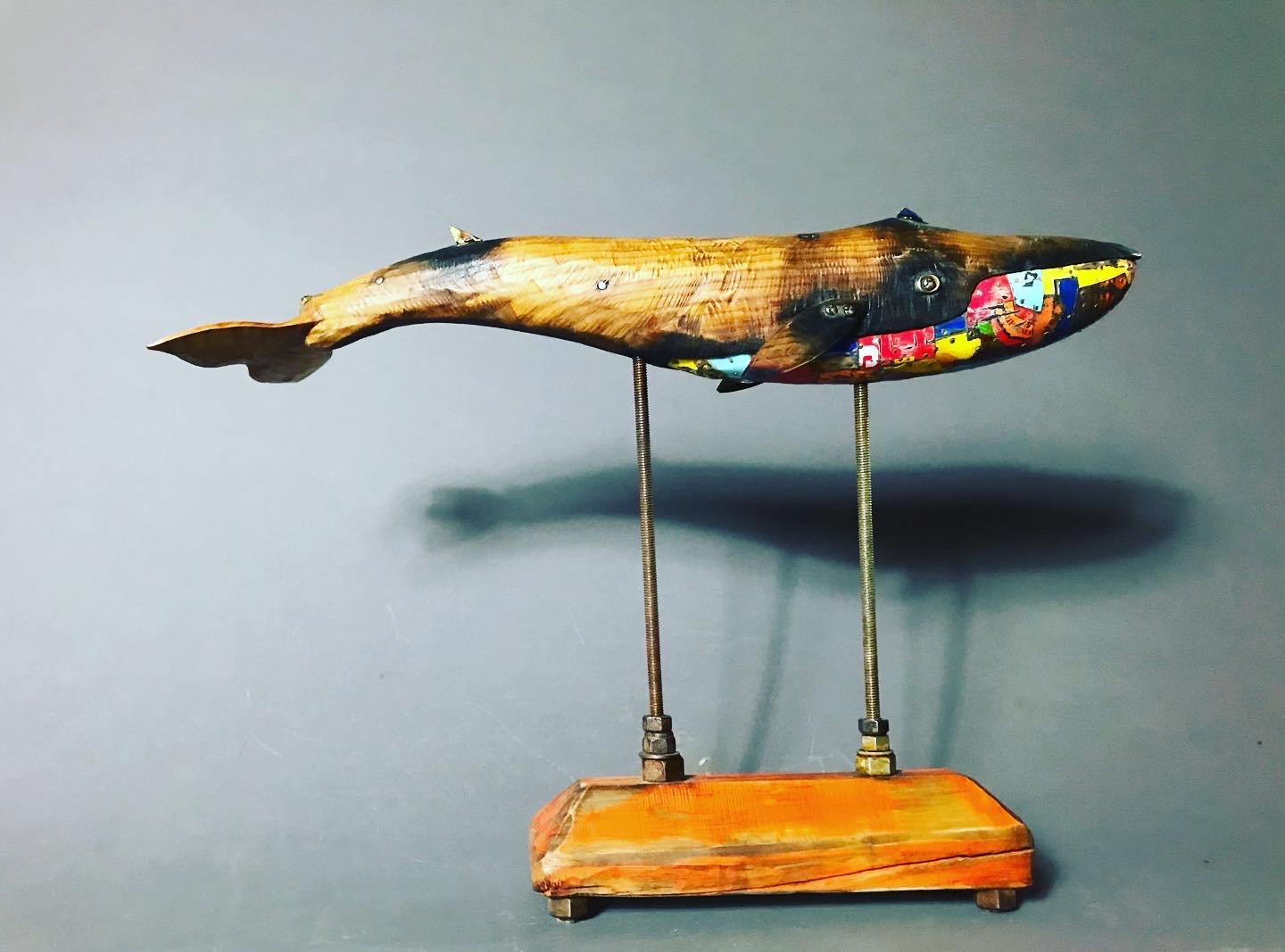
wood and found object sculpture of krill catcher fish | on Art Biz Success
©Geoffrey Gorman, The Krill Catcher. Apricot wood and found material, 14 x 21 x 7 inches.

Yep, you have plenty of people who teach you how to make things.

There are others who will teach you how to promote it, how to hack Instagram, or make a video of your work. Or, like me, who help you focus on relationship marketing because it’s the people you know and connect with that will make the biggest positive difference in your art business and career.

But to know what a real artist’s life looks like on a daily basis, you have to study and talk to those artists. Short of visiting their studios, you read their biographies. Watch their videos. Listen to them on podcasts, like The Art Biz.

This latest episode is one of those episodes about being an artist. About living and being committed to the artist’s life.

Geoffrey Gorman talks about what it’s like to be a working artist, an identity he came to later in life and has sustained for nearly two decades.

Geoffrey and I discuss his background as a furniture maker, gallery dealer, and artist consultant and how each role has contributed to his life as an artist. He also talks extensively and instructionally about how he approaches his work and where he finds inspiration.

You’ll hear Geoffrey’s take on how the art world is changing and his advice to artists in the rapidly-evolving market.

Like gallery director Jeremy Tessmer in episode 123, Geoffrey says flat out: Your best resource is another artist.

Highlights

  • “You can make something from anything.” The evolution of Geoffrey’s process. (2:35)
  • Journeying back into his studio after a 30-year break. (8:45)
  • Geoffrey’s timeline from furniture maker to gallery dealer, artist coach to full-time artist. (11:08)
  • What does being an artist look like in Geoffrey’s material-driven world? (16:02)
  • Carving a whale and honoring the passing of time. (23:21)
  • Tactics for increasing your credibility as an artist. (28:02)
  • Evolving with the demands of a constantly changing art world. (31:16)
  • Navigating your relationships with dealers. (36:02)
  • Feedback worth soliciting as an artist. (38:55)
  • The importance of connections as a small business owner. (43:00)
  • How can artists utilize social media to find collectors and curators? (48:00)
  • A look at where Geoffrey is putting his efforts next. (50:22)
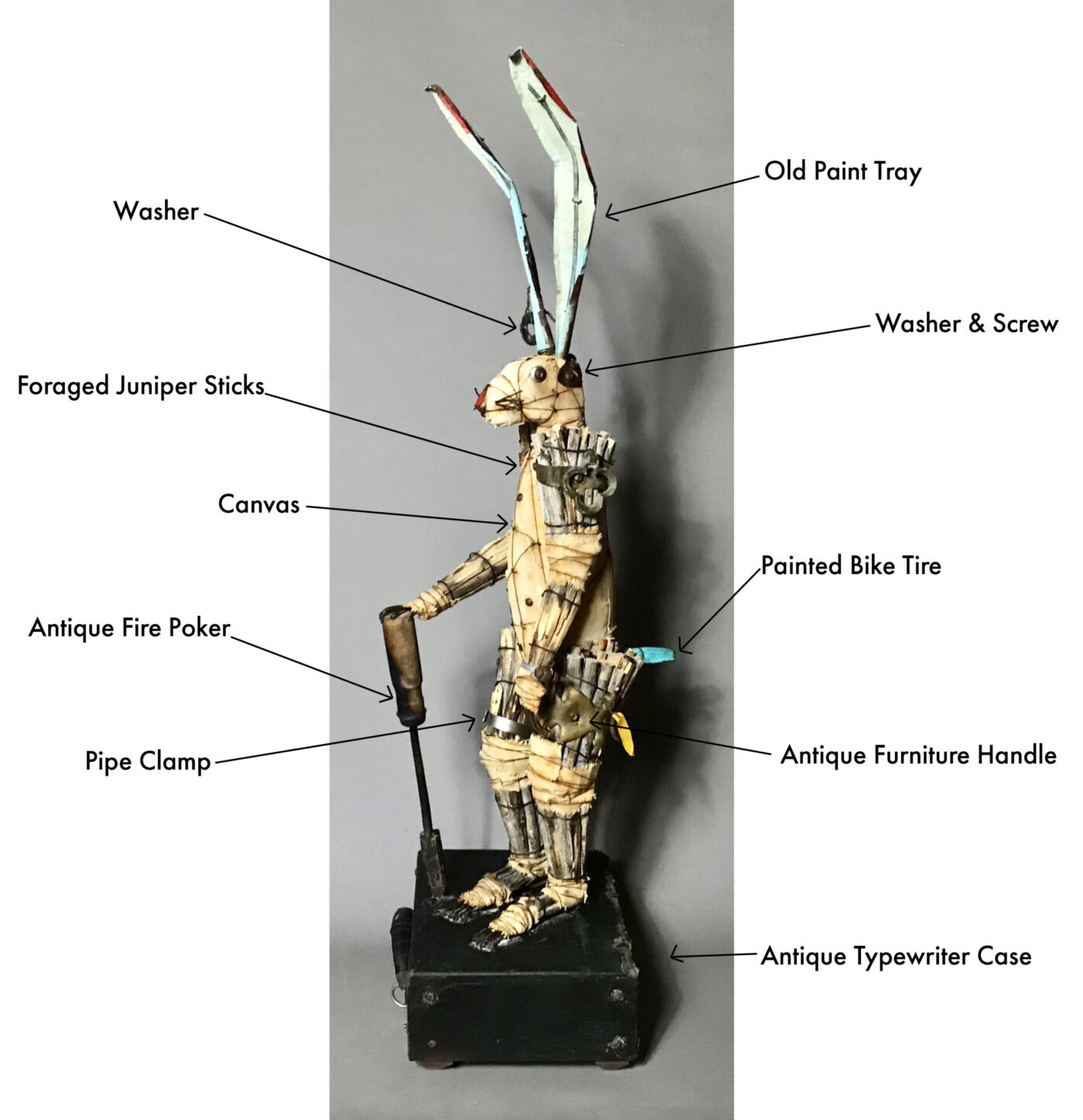
wood rabbit sculpture images shows where artist found the materials he uses | on Art Biz Success
The various materials that Geoffrey used to create one of his found object sculptures.

Geoffrey Gorman Quotes

  • “I realized I had to create this world that I was producing.”
  • “You are the number one expert about your work in the world.”
  • “A lot of old benchmarks are now gone for artists.”
  • “There are so many opportunities for us as artists out there.”
  • “Your best resource is another artist.”

Related Episodes

How Dianna Fritzler went full time with her art.

Changes Sara Schroeder made to be more serious about her work.

How to get better feedback when you want to improve.

James Holmes reveals his criteria for knowing he was a real artist.

About Geoffrey Gorman

Geoffrey Gorman was born in Paris, France, but eventually moved to and grew up on an old horse farm in the countryside near Baltimore, Maryland. The dilapidated architecture and abandoned quarries of his childhood influence and inspire the found material sculptures the artist creates today.

Gorman has worked as a contemporary furniture designer, gallery dealer, curator, and art consultant before becoming a full-time professional artist. He has exhibited nationally and internationally, including in China and South Korea. Gorman’s work is in public and private collections, including the Racine Art Museum and the University of Colorado.

Follow him on Instagram @geoffreygorman

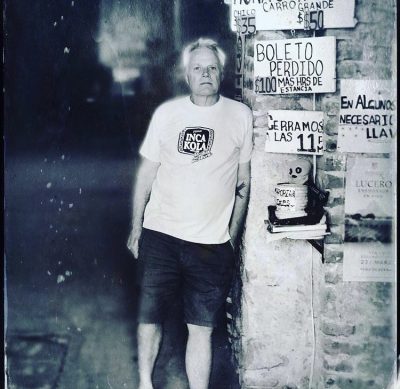
Artist Geoffrey Gorman leaning against signs. In black and white

The post Being an artist with Geoffrey Gorman (124) appeared first on Art Biz Success.

]]>
https://dy-online.com/being-gorman-podcast/feed/ 4
Your Primary Job Is In the Studio https://dy-online.com/studio-job/ https://dy-online.com/studio-job/#comments Wed, 02 Mar 2022 11:28:00 +0000 https://dy-online.com/studio-job-2/ Without the art, you are not the artist. It’s as simple of that. By definition, an artist is someone who makes art.

Too many artists put marketing before making. If you aren’t making art, you have no business prospects and certainly no need to worry about attracting more Instagram followers or growing an email list.

If you don’t make art, you have nothing to share. Your gifts remain hidden. Your dreams unfulfilled.

The post Your Primary Job Is In the Studio appeared first on Art Biz Success.

]]>
If you intend to follow your life’s calling to be an artist, your top priority is to work consistently in the studio.

It’s not trying to get more followers on social media.

It’s not writing blog posts.

It’s not even teaching.
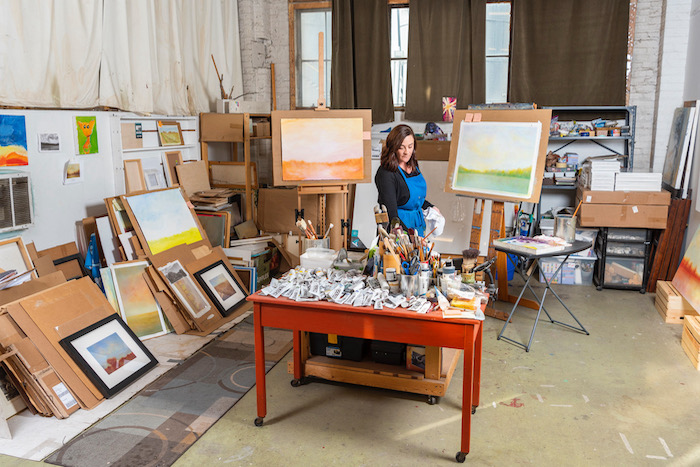
painter Jenny Wilson studio Denver Colorado | on Art Biz Success
Jenny Wilson’s set-up in Denver’s Blue Silo Studios. Photo by Tania Peterman.

Your primary job is to make art. Consistently.

It’s Work … Hard Work

You’re not “playing” in the studio, although there will be periods of experimentation. There will be hours that seem like play and are unquestionably more fun than others. But play only gets you so far.

When you’re in the studio, you are working.

You’re working toward a goal, whether it’s to build a series to promote or just to be a better artist.
You’re working toward a solo exhibition.
You’re working to, perhaps, earn a living.
You’re working to build a legacy.

You’re not working whenever you feel like it. You’re not working whenever you have time. You work in the studio because that’s just what you do, even when it’s difficult. Even if there is something you’d rather be doing. Even when there’s something someone else would rather you be doing.

You’re an artist and artists make art. When you’re finished, you return to the studio and do it all over again.

A Space of One’s Own
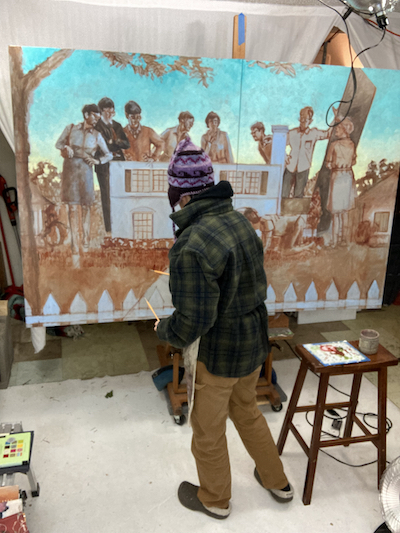
artist Sara Lee Hughes in Texas studio working | on Art Biz Success
Sara Lee Hughes working in her central Texas studio on one of the few cold days because, when you’re an artist, you don’t let a silly thing like weather get in your way. ©Sara Lee Hughes.

The studio is the place where you make art, wherever that might be.

You need a dedicated space that allows you to leave everything as is and pick it up the next day. “A room of one’s own,” as Virginia Woolf put it. It must be safe. It must be yours. It must be conducive to inspiration.

Without a dedicated space, you are tempted to make excuses for not doing the work. Excuses like some of these I’ve heard before.

It takes too long to set up.
I can’t work because we need the table for family dinner.
My kids get in the way.
My cat naughtily reorganizes my compositions.

While it might be ideal to have 500 square feet of white walls with 16-foot ceiling and assistants at your whim, this is not the reality for most artists. Don’t allow pining for perfect to interfere with your life mission.

Lack of a “real” studio space has never stopped artists from making art. Take over the dining room table. Reclaim the guest room that has sat empty for the last two years. Modify the storage space that you’ve been meaning to clean out anyway.

Make any of these spaces your studio. Be grateful for every square inch.

When you have a space allocated for creative work, there’s no need to worry about being in the way of others or cleaning up a mess. Relax. You can stop at any point knowing that it will be there for you when you’re ready to resume, and sometimes the span between creative sessions is longer than you’d like. You’re on the hunt for inspiration.
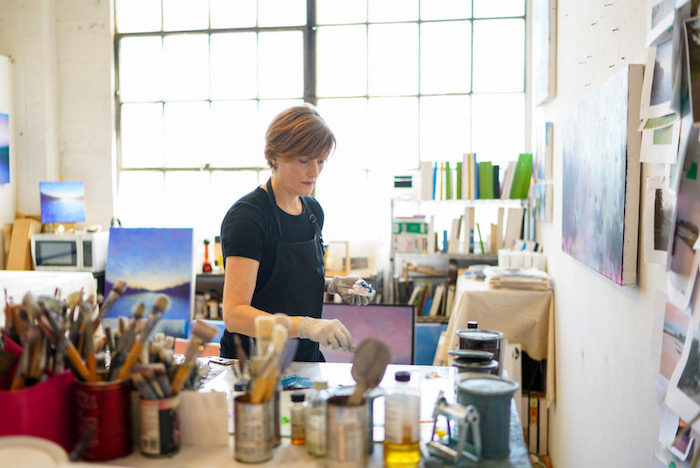
Artist Victoria Veedell San Francisco studio | on Art Biz Success
Victoria Veedell at work in her San Francisco studio, bathed in light from her north-facing windows. Photo by Amy Tan.

Refilling the Well of Inspiration

Yes, you need to have the devoted studio practice. At the same time, there are days, perhaps weeks, when you are gathering the ideas and raw material that will feed into your next body of work.

Maybe you just opened a solo show of major work. You’re drained. You’re at a loss for where to take the work next.

You need to get out of the studio. You need fresh perspective and to recharge.

You visit museums and galleries. You go on architecture tours and artist dates. You make studio visits and dive into research. You enroll in a workshop. You take long walks and longer baths to move your chi.

[ Be inspired by this interview with Flora Youkhnovich and this lovely documentary about Ellsworth Kelly: trailer. ]

This isn’t wasted time.

While it might be tempting to consider time away from the studio as downtime, you need it in order to be creative.  It contributes to your productivity in the studio and is every bit as necessary to your work as the hands-on making part. With your well of inspiration full, you can return to the studio and get back to work. Because that’s what you do.
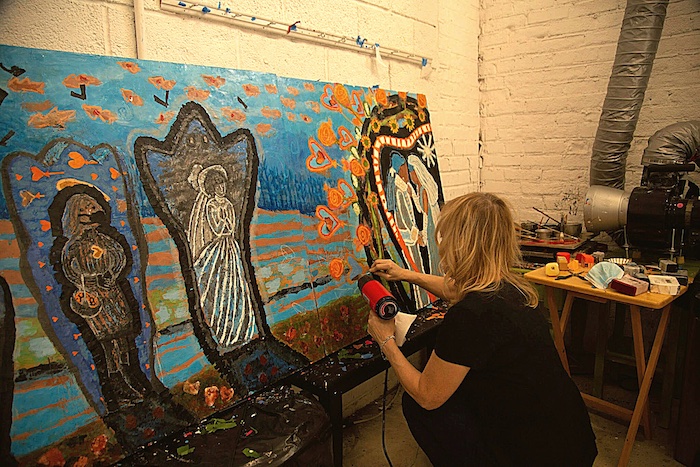
painter Julia Dzikiewicz
Julia Dzikiewicz working on a painting in her Lorton, Virginia studio in the Workhouse Arts Center. Photo by Joe Dzikiewicz.

Without the Art, You Are Not an Artist

Without the art, you are not the artist. It’s as simple of that. By definition, an artist is someone who makes art.

Too many artists put marketing before making. If you aren’t making art, you have no business prospects and certainly no need to worry about attracting more Instagram followers or growing an email list.

Some artists seem to prioritize almost everything before making. I know who you are. You fit work in when it’s convenient rather than prioritizing it in your life.

You’re just a wannabe if you aren’t making the work. You cannot introduce yourself as an artist if you aren’t making art.

If you don’t make art, you have nothing to share. Your gifts remain hidden. Your dreams unfulfilled.

There is no such thing as a successful artist without the art. If you don’t put hours in the studio, all you have is just a bunch of good ideas. Or, more likely, you have zero ideas because you’re not focused on the work.

Your job is, again, to work in the studio consistently.

This post was first published on February 26, 2014. It has been expanded and updated with original comments intact.

The post Your Primary Job Is In the Studio appeared first on Art Biz Success.

]]>
https://dy-online.com/studio-job/feed/ 67
The Art Biz ep. 87: Secrets from Copying a Masterpiece with Lilianne Milgrom https://dy-online.com/copying-milgrom-podcast/ https://dy-online.com/copying-milgrom-podcast/#comments Thu, 27 May 2021 11:41:13 +0000 https://dy-online.com/?p=31913 The subject line in my inbox said Podcast Pitch. Oh no, another one of these, I thought.

But this had an addition. It included a reference to one of my clients after the words Podcast Pitch. One of my favorite clients. This one I have to pay attention to.

The podcast pitch in question came from Lilianne Milgrom, who had just finished writing a book. (Again, the thought of "oh no" entered my head. Another artist-turned-author.) You can see that I was skeptical, but her pitch was perfect. I get tons of podcast pitches, but none have been better than hers. It was right on target.

I gave her book a go and, truthfully, couldn't put it down. I looked forward to reading it every night. I didn't want to finish. It was that good.

It contained art history, intrigue, sex, and scandal. How could it not be fascinating?

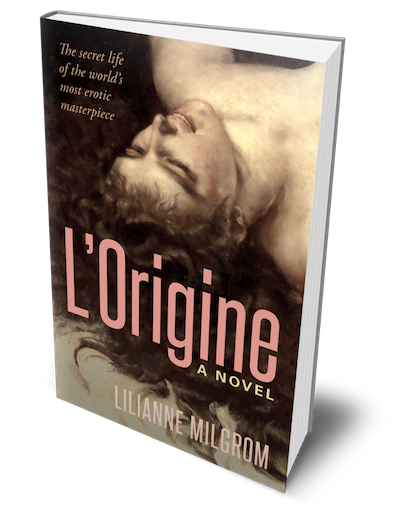
My conversation with Lilianne in this episode of the Art Biz Podcast isn't only about the book. It's the story of how the book came to be—which is a lesson in itself—and has its roots in her decision to be a copyist at the Musée d'Orsay in Paris, copying Courbet's scandalous painting, L'Origine du Monde (The Origin of the World). She learned valuable lessons, exercised her courage muscle, and became a better artist as a result. The experience led to the writing of the book that so engrossed me.

Lilianne and I talk about all of that and how she juggles her art and writing. She also shares tips for pitching to podcasts, which are equally valuable for other media pitches.

⚠️ WARNING: This post and interview contain art (and what some might see as imagery and conversations for adults only)

The post The Art Biz ep. 87: Secrets from Copying a Masterpiece with Lilianne Milgrom appeared first on Art Biz Success.

]]>
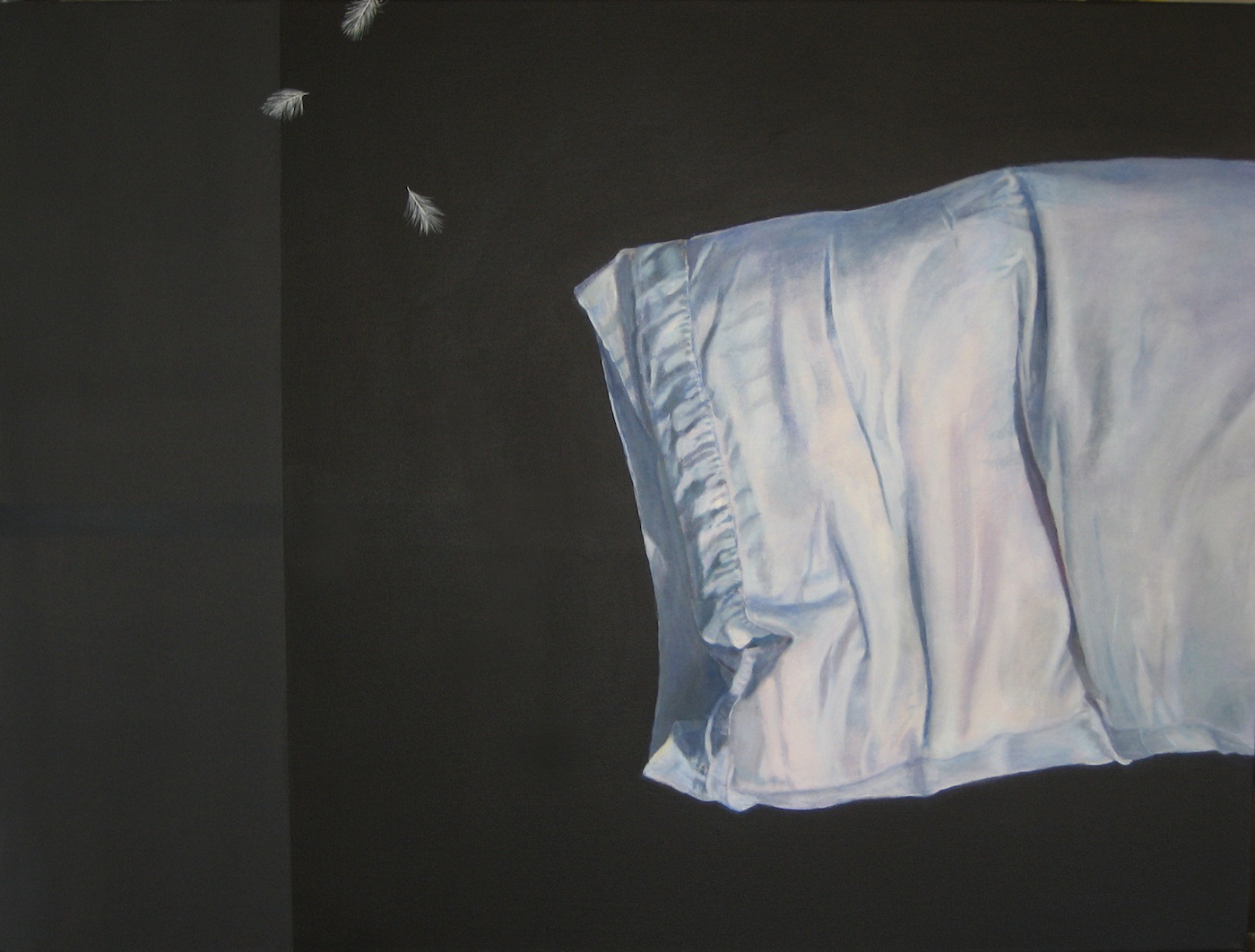
The subject line in my inbox said Podcast Pitch. Oh no, another one of these, I thought.

But this had an addition. It included a reference to one of my clients after the words Podcast Pitch. One of my favorite clients. This one I have to pay attention to.

Lilianne Milgrom acrylic painting
©Lilianne Milgrom, Break of Dawn. Acrylic on canvas, 30 x 40 inches.

The podcast pitch in question came from Lilianne Milgrom, who had just finished writing a book. (Again, the thought of “oh no” entered my head. Another artist-turned-author.) You can see that I was skeptical, but her pitch was perfect. I get tons of podcast pitches, but none have been better than hers. It was right on target.

I gave her book a go and, truthfully, couldn’t put it down. I looked forward to reading it every night. I didn’t want to finish. It was that good.

It contained art history, intrigue, sex, and scandal. How could it not be fascinating?

⚠ WARNING: This post and interview contain art (and what some might see as imagery and conversations for adults only)

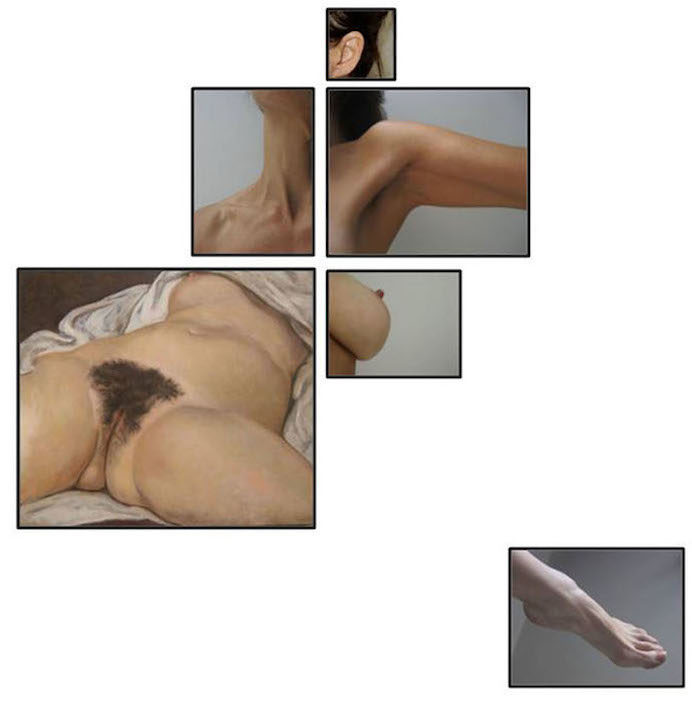
My conversation with Lilianne in this episode of the Art Biz Podcast isn’t only about the book. It’s the story of how the book came to be—which is a lesson in itself—and has its roots in her decision to be a copyist at the Musée d’Orsay in Paris, copying Gustave Courbet’s scandalous painting, L’Origine du Monde (The Origin of the World). She learned valuable lessons by copying a masterpiece, exercised her courage muscle, and became a better artist as a result. The experience led to the writing of the book that so engrossed me.

Lilianne and I talk about all of that and how she juggles her art and writing. She also shares tips for pitching to podcasts, which are equally valuable for other media pitches.
Listen

Music by Wildermiss

Highlights of Copying a Masterpiece

  • Lilianne shares the timeline of her artist journey. (3:22)
  • The difference between a consistent studio practice and making consistent work. (5:56)
  • The premise and genesis of Lilianne’s book L’Origine. (9:15)
  • A full list of Lilianne’s reasons not to become a copyist of this scandalous painting. (13:08)
  • The fascinating rules for copying a masterpiece at the Musée d’Orsay. (16:36)
  • Overcoming the most uncomfortable aspects of this endeavor, including the unsolicited comments from museum visitors. (20:21)
  • Differing male and female reactions to the painting. (25:43)
  • The inspiration that comes from writing about your painting. (26:55)
  • Turning a once-in-a-lifetime artist experience—and the painting it centers on — into a novel. (29:40)
  • What makes a piece of art timeless and relevant? (35:13)
  • If this artwork is shocking today, imagine how it was received in the 1800s. (40:20)
  • Lilianne explains why her copy of L’Origine du Monde is not currently on display. (42:12)
  • Lessons learned from interacting with such a famous and controversial artwork.  (43:38)
  • What does Lilianne’s studio practice look like now? (46:43)
  • The secret to pitching your idea in a way that gets results. (48:10)
Lilianne Milgrom's copy of L'Origine du Monde within her installation L'Origine c'est moi (I am the Origin). Mixed media, painting, and photography, varying dimensions. ©2013 Lilianne Milgrom.
 

ResourcesL'Origine by Lillian Milgrom | book cover

Lilianne Milgrom Quotes

“Writing is like painting with words.”

“This painting gave me the sense of empowerment, which at the beginning felt like an embarrassment, and it turned out to be this enormous feeling of liberation and empowerment.”

“This certainly changed my life. As far as my art, it’s made me fairly fearless.”

“The written word and art, they can’t be separated because you’re going to need to express yourself.”

About My Guest
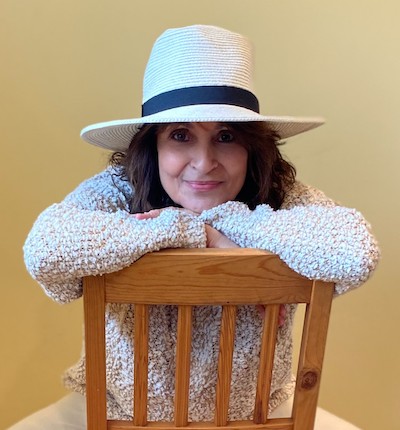
Lilianne Milgrom was born in Paris, grew up in Australia, and currently resides in the United States. Milgrom holds two degrees from Melbourne University and an associate art degree from the Academy of Art in San Francisco. She exhibits her artwork around the world and is the recipient of multiple awards.

In 2011, Lilianne became the first authorized copyist of Gustave Courbet’s controversial painting L’Origine du Monde (The Origin of the World), which hangs in the Orsay Museum in Paris and draws over a million visitors a year. After rendering a near-identical copy of Courbet’s masterpiece, she spent close to a decade researching and writing L’Origine.

Find Lilianne on Instagram: @liliannemilgrom

Music by Wildermiss

The post The Art Biz ep. 87: Secrets from Copying a Masterpiece with Lilianne Milgrom appeared first on Art Biz Success.

]]>
https://dy-online.com/copying-milgrom-podcast/feed/ 4
The Art Biz ep. 85: Returning to Grad School for an MFA with Kelly M O’Brien https://dy-online.com/mfa-obrien-podcast/ https://dy-online.com/mfa-obrien-podcast/#comments Thu, 13 May 2021 11:03:02 +0000 https://dy-online.com/?p=31845 Back in 2015, Kelly M. O'Brien started selling a lot of work, in a way that surprised her at the time. And while she has continued that work, she has added new work—what she calls emerging work—since deciding to go back to graduate school in 2017 to earn her MFA.

Since Kelly was experiencing such great commercial success, I wondered at the time why on earth she wanted to return to grad school. Now that she has been out of school about a year, Kelly is ready to talk about her decision on the Art Biz Podcast.
I'm tying this to the theme of adjusting your approach. Tweaking this or that. Looking at new possibilities. Or even turning your art business and career upside down and returning to school like Kelly.

We make these adjustments to get better results in our business and lives, to make us feel more fulfilled, or just to bring a greater sense of happiness.

Listen to hear what it was for Kelly. You'll hear about how she juggles two very different art businesses, the biggest benefits of grad school for her, and what her daily practice is like.

The post The Art Biz ep. 85: Returning to Grad School for an MFA with Kelly M O’Brien appeared first on Art Biz Success.

]]>
Back in 2015, Kelly M O’Brien started selling a lot of work, in a way that surprised her at the time. And while she has continued that work, she has added new work—what she calls emerging work—since deciding to go back to graduate school in 2017 to earn her MFA.

Since Kelly was experiencing such great commercial success, I wondered at the time why on earth she wanted to return to grad school. Now that she has been out of school about a year, Kelly is ready to talk about her decision on the Art Biz Podcast.

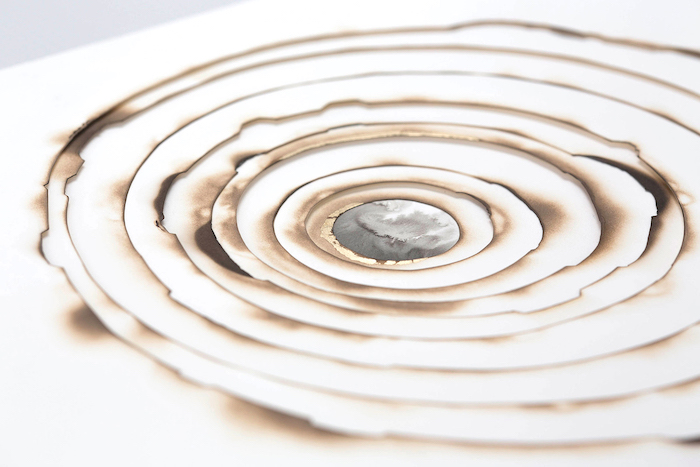
©2017 Kelly M O’Brien, Playing with Fire No. 67. Paper, gold leaf, ink, and flame, 28 x 40 x 1 inches.

I’m tying this to the theme of adjusting your approach. Tweaking this or that. Looking at new possibilities. Or even turning your art business and career upside down and returning to school like Kelly.

We make these adjustments to get better results in our business and lives, to make us feel more fulfilled, or just to bring a greater sense of happiness.

Listen to hear what it was for Kelly. You’ll hear about how she juggles two very different art businesses, the biggest benefits of grad school for her, and what her daily practice is like.

Music by Wildermiss

Highlights
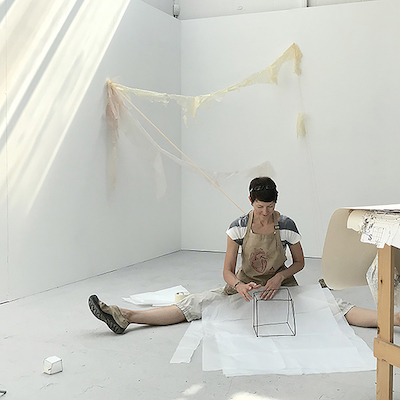
Kelly’s MFA Studio in 2018. Photo by Nicola Turner.
  • Kelly M O’Brien shares her art path and the works that have gone viral. (1:49)
  • Finding more meaning and depth in your art. (5:47)
  • Changing the focus of her work resulted in Kelly creating two different practices. (8:08)
  • Finding the right time and the right approach to return to graduate school. (11:51)
  • The value of intentional planning sessions to help you grow as an artist. (17:15)
  • The biggest benefits of returning to school. (20:02)
  • How to determine if an MFA is right for your career. (23:45)
  • Balancing money-making ventures with your education. (24:49)
  • How to respond to the stigma surrounding serious artists who work to make money. (26:27)
  • Changes in Kelly’s practice as a result of earning her MFA. (28:32)
  • A look inside Kelly’s daily practice in the studio. (31:04)
  • Learning a visual vocabulary that shapes the statement of your work. (34:47)
  • What is holding Kelly’s attention in her studio. (38:18)

Mentioned

Artist Support Pledge in support of artists and makers

Arts Council England working to create a country transformed by culture

Chuck Close at Pace Gallery

Kelly M O’Brien Quotes

“I frankly believe artists of any ilk need to make money. If I can sell work, if I can get paid to do installations and museum projects and get grants and all that, bring it on.”

“I’ve really started to understand how an art practice could be a place of voice and advocacy and engagement.”

“The key is to have a lot in the pipeline. Just keep moving and keep looking forward.”

About My Guest
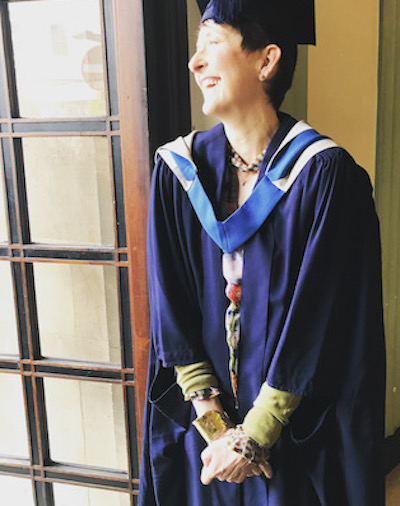
Kelly’s MFA graduation. Photo by Damon McKay.

Kelly M O’Brien is an American mixed-media sculptor who lives and works near Bristol, England. She completed a Master of Fine Art (Distinction) at Bath Spa University in 2019.

Kelly is co-founder of A Gathering of Unasked Possibility, a collaborative project fostering active hope through creative practitioners, and runs PaperJoy Studio, offering bespoke paper art originals and hand-embellished prints for hospitality and important residential projects.

Follow Kelly’s emerging work on Instagram: @kellyobrienart

Follow PaperJoy Studio on Instagram: @paperjoystudio

Music by Wildermiss

The post The Art Biz ep. 85: Returning to Grad School for an MFA with Kelly M O’Brien appeared first on Art Biz Success.

]]>
https://dy-online.com/mfa-obrien-podcast/feed/ 6
The Art Biz ep. 76: Crowdfunding a Public Art Project with Romy Owens https://dy-online.com/crowdfunding-public-art-podcast/ https://dy-online.com/crowdfunding-public-art-podcast/#comments Thu, 18 Feb 2021 12:00:52 +0000 https://dy-online.com/?p=31462 I live to track down art off the beaten path—traveling to out-of-the-way places to see works of art that delight and inspire, or even confound me. I like knowing that 1) there won't be a huge crowd or line to get in and that 2) I'm one of a small(ish) group of people who have actually visited that spot.

One of my favorite art writers, Martin Gayford, wrote a book on this topic titled The Pursuit of Art: Travels, Encounters, and Revelations. It's as much about the journey to see art, much of it in far-flung locations, as it is about the art itself.
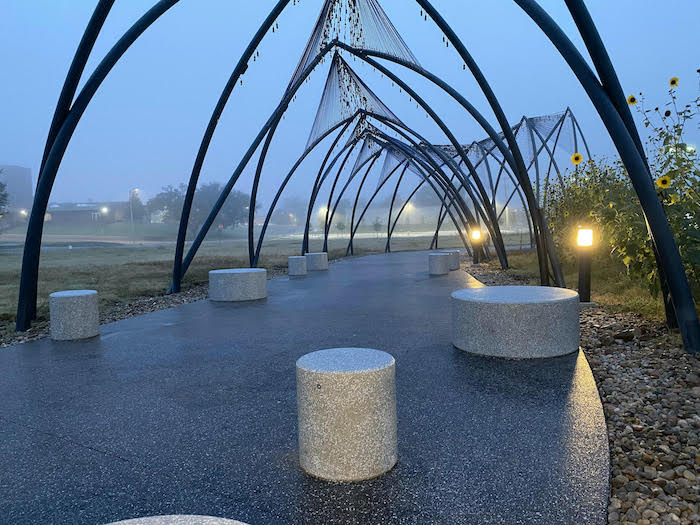
Every so often, I can get my mom interested in accompanying me on one of my art trips. Mom isn't a huge follower of art, but she likes a good adventure, and it was easy to get her to hop in the car with me last fall to see Under Her Wing was the Universe, an enormous public sculpture by artist and curator Romy Owens that was installed in 2020 in Enid, Oklahoma.

Enid is the 9th-largest city in Oklahoma, with a population of about 50,000, but it doesn't sit on a major interstate highway. It's about 90 minutes northwest of Oklahoma City, where Mom lives, and not really on the way to anywhere else. You kinda have to go out of your way to get there.

And that's what we did. Mom and I had both been following the progression of Romy's sculpture and donated to its crowdfunding. After following the progression of this enormous endeavor and seeing it for myself, I couldn't wait to talk more with Romy.

On this episode of the Art Biz Podcast, Romy and I discuss her commitment to raising $100,000 for this outdoor public sculpture and native prairie landscape as a gift to her hometown. As it turns out, $100,000 was just the beginning.

While it all worked out in the end, it wasn’t exactly easy getting there. Not only did Romy have to raise a lot more money than originally projected, she had to stand up to the naysayers in the community.

Romy is an artist that knows how to effectively measure success. Community collaboration, fundraising, overcoming controversy and yes, using spreadsheets are just a few of the topics that you won’t want to miss in this conversation.

The post The Art Biz ep. 76: Crowdfunding a Public Art Project with Romy Owens appeared first on Art Biz Success.

]]>
I live to track down art off the beaten path—traveling to out-of-the-way places to see works of art that delight and inspire, or even confound me. I like knowing that 1) there won’t be a huge crowd or line to get in and that 2) I’m one of a small(ish) group of people who have actually visited that spot.

One of my favorite art writers, Martin Gayford, wrote a book on this topic titled The Pursuit of Art: Travels, Encounters, and Revelations. It’s as much about the journey to see art, much of it in far-flung locations, as it is about the art itself.

romy owens under her wing was the universe enid oklahoma public art sculpture
©2020 Romy Owens, Under Her Wing was the Universe.  Steel, concrete, lights, plastic, and cultivated prairie landscape, 30 x 30 x 130 feet. Photo courtesy the artist.

Every so often, I can get my mom interested in accompanying me on one of my art trips. Mom isn’t a huge follower of art, but she likes a good adventure, and it was easy to get her to hop in the car with me last fall to see Under Her Wing was the Universe, an enormous public sculpture by artist and curator Romy Owens that was installed in 2020 in Enid, Oklahoma.

Enid is the 9th-largest city in Oklahoma, with a population of about 50,000, but it doesn’t sit on a major interstate highway. It’s about 90 minutes northwest of Oklahoma City, where Mom lives, and not really on the way to anywhere else. You kinda have to go out of your way to get there.

And that’s what we did. Mom and I had both been following the progression of Romy’s sculpture and donated to its crowdfunding. After following the progression of this enormous endeavor and seeing it for myself, I couldn’t wait to talk more with Romy.

On this episode of the Art Biz Podcast, Romy and I discuss her commitment to raising $100,000 for this outdoor public sculpture and native prairie landscape as a gift to her hometown. As it turns out, $100,000 was just the beginning.

While it all worked out in the end, it wasn’t exactly easy getting there. Not only did Romy have to raise a lot more money than originally projected, she had to stand up to the naysayers in the community.

Romy is an artist that knows how to effectively measure success. Community collaboration, fundraising, overcoming controversy and yes, using spreadsheets are just a few of the topics that you won’t want to miss in this conversation.

Music by Wildermiss

Highlights
Visiting Enid Oklahoma | Art Biz Success
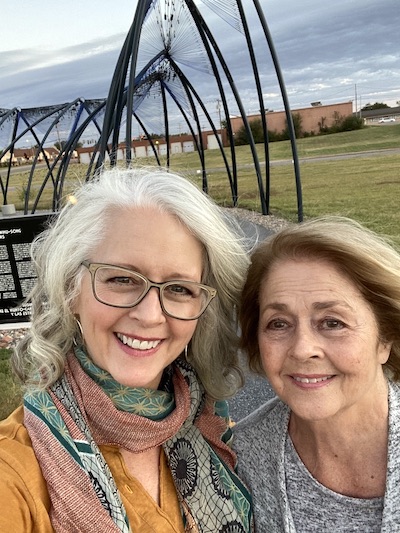
With my mom in front of Under Her Wing was the Universe. October 1, 2020.
  • Romy Owens shares the leap of faith she has taken with her art and with her community. (3:30)
  • Conceiving the project Under Her Wing was the Universe. (9:55)
  • Relationships that informed the piece and my reaction to seeing it in person. (12:10)
  • Naming the piece and finding value in all that is revealed in the universe. (16:06)
  • Securing space for the project and making the connections that brought city approval. (20:04)
  • Funding from the city and how Romy planned to cover the rest. (23:50)
  • Launching a GoFundMe fundraiser. (26:40)
  • Meeting tight deadlines and overcoming obstacles along the way. (28:26)
  • Overcoming your fear of hearing “no” when raising funds. (30:33)
  • Handling the controversy that comes with creating interesting art. (33:02)
  • Key collaborators and supporters in creating a piece of this scale. (36:27)
  • Keeping track of your progress with a system that actually works. (41:09)
  • Measuring success and setting goals in specific and meaningful ways. (43:24)
  • Ideas for generating interest in your art. (49:32)
Romy Owens's public sculpture workspace
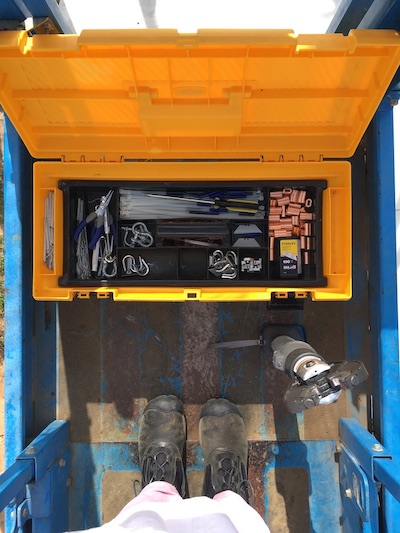
This is Romy’s workspace 20 feet in the air while in the scissorlift, installing cable on the wings in April 2020. Photo courtesy the artist.

Mentioned

Under Her Wing was the Universe
The Pursuit of Art by Martin Gayford
City of Enid, Oklahoma

Related Episodes

Leveraging Location with Ashley Lucas
Knit Democracy Together with Eve Jacobs-Carnahan (multi-year project)
Multi-State Multi-Year Multi-Artist Art Project with Marilyn Artus

Romy Owens Quotes

“Whatever your profession is, you want to surround yourself with people within that community. And thankfully in the art community, it really becomes a very cohesive community.”

“When we can cheerlead each other and when we can support each other and we can bounce ideas off of each other, we only become better artists.”

“Any artist who makes anything wants people to just pause for a moment and consider a different point of view.”

“How you measure success for one project may be different than how you measure the success of another project.”

About My Guest
artist romy owens oklahoma
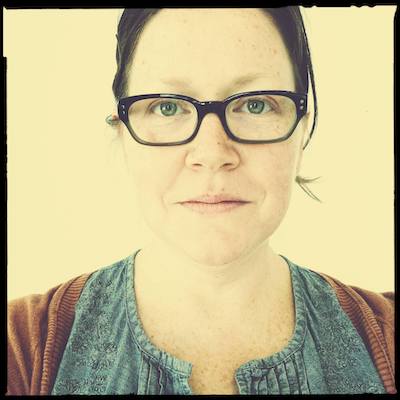
©2012 Self-Portrait by Romy Owens.

Romy Owens is an artist and curator living in Enid, Oklahoma, who makes site-specific installations, as well as smaller objects, in reaction to place, community, and transformation. Her curatorial work attends to a similar focus.

Both Romy’s artistic and curatorial practices are presently centered around community art designed to impact social change, using art as a method to broaden our understanding of specific issues.

Follow Romy on Instagram: @theromyowens

Music by Wildermiss

The post The Art Biz ep. 76: Crowdfunding a Public Art Project with Romy Owens appeared first on Art Biz Success.

]]>
https://dy-online.com/crowdfunding-public-art-podcast/feed/ 4