Collectors and Relationships Archives - Art Biz Success https://dy-online.com/category/relationships/ Trusted Art Business Coaching and Consulting Fri, 11 Sep 2026 02:59:53 +0000 en-US hourly 1 https://wordpress.org/?v=7.1.4 https://dy-online.com/wp-content/uploads/2022/02/favicon-2-150x150.png Collectors and Relationships Archives - Art Biz Success https://dy-online.com/category/relationships/ 32 32 Why nobody came to your art show (271) https://dy-online.com/why-nobody-came/ https://dy-online.com/why-nobody-came/#comments Thu, 02 Jul 2026 13:54:26 +0000 http://artbizsuccess.com/?p=17417 You did the work. You finished the art, delivered it on time, and hung the show. So why did only a handful of people show up to your opening?

In this episode, I walk through the most common reasons artists lose attendance at exhibitions, open studios, and art festivals, and what you can do differently next time. It has less to do with the event or how many times you post to social media and everything to do with relationships.

The post Why nobody came to your art show (271) appeared first on Art Biz Success.

]]>
You finished the work. You delivered it to the venue on time. The show is hung. Suddenly you have just 5-10 days before the opening. And you’re exhausted.

The last thing you want to think about is marketing, and, yet, it has to be done.

That window is the period when people are most likely to pay attention and decide whether or not to show up. But it’s already too late to reach the people who scheduled another commitment a few weeks ago. And it won’t fix the deeper reasons your supporters stayed home.

Anything you do in those final 5-10 days will be but a bandage. The real work happens long before that.

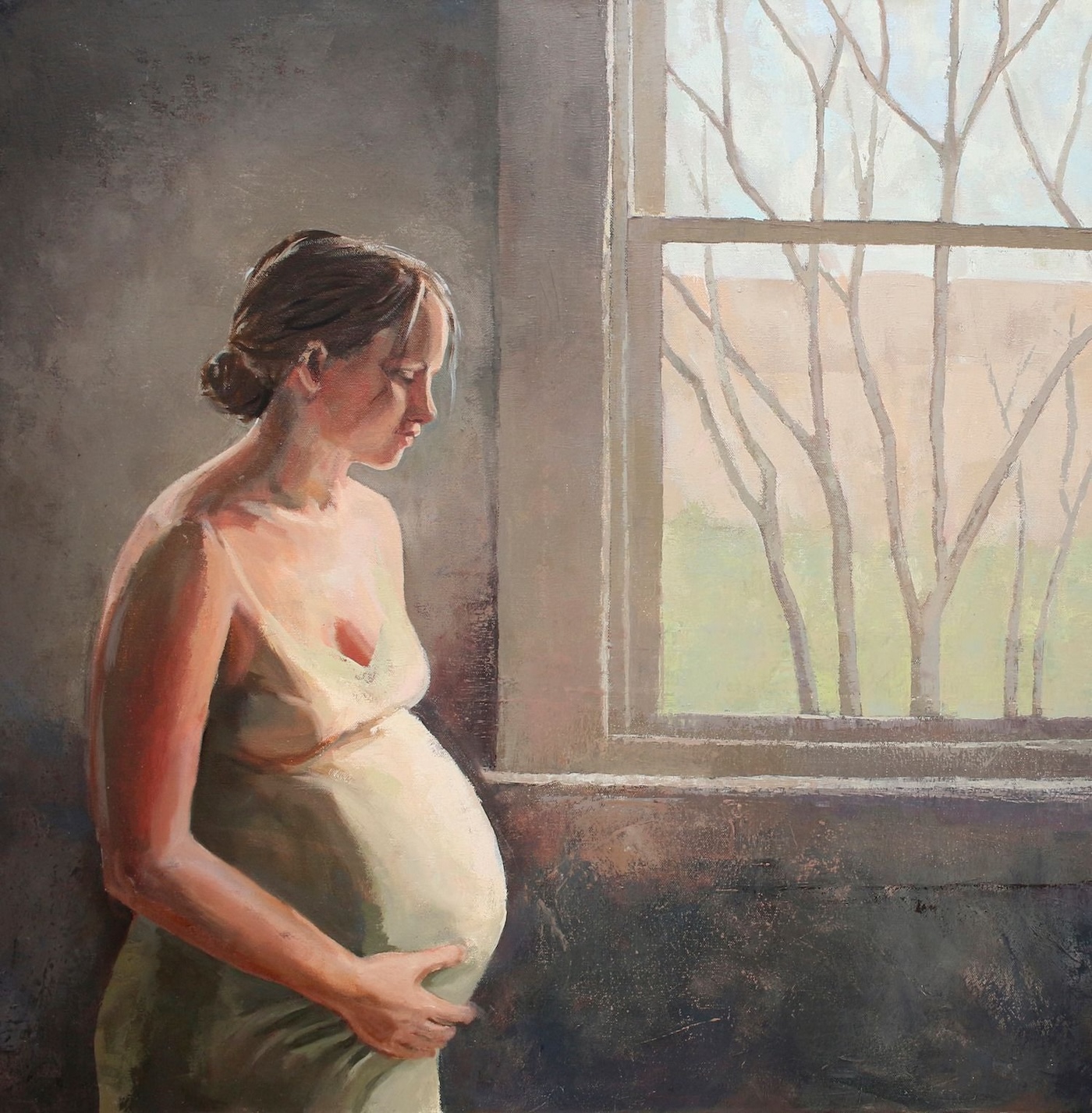
Oil painting of a pregnant woman holding her belly as she stands by a window, looking out onto a winter landscape of a spindly tree with no leaves, a spiritual metaphor for Mary awaiting a new dawn, waiting to bloom like the tree will in spring.
©2024 Michelle Arnold Paine, Waiting for Spring. Oil on canvas, 30 x 30 inches.

Let’s talk about why they stayed home and what you can do differently next time.

You let your list get cold.

You assumed you could count on certain people to show up even if you’d been out of touch. But we can’t expect people to hop to attention when we ask something of them. We have to show that we care about the relationship — and that means staying in touch long after they purchased from you, started following you, or asked to receive your emails.

When you have a strategy for regular contact, you don’t have to reintroduce yourself when you finally do ask something of them (like showing up to your show).

[ How to warm up a cold list ]

JULY 9 WORKSHOP: FOLLOW UP ALREADY

Don’t let good opportunities go cold.

You counted on the venue.

You relied on the venue to get the word out. After all, why bother with a venue if they’re not going to earn their commission?

They’re thinking the same thing about you: Why did we bother booking this artist if they aren’t getting people to the show?

Venues have an entire program of artists and exhibitions lined up. To the point, you are a small fish in their big pond. What’s important to you isn’t always critical to them. You can’t rely on the venue.

I think about this from my perspective: if I had a personal relationship with an artist, I’d feel a little left out if I heard about the show from the venue rather than the artist. I’d think I wasn’t very important to them.

You relied on a social media post.

You relied on people to see your invitation on Facebook. Or the photo of the postcard you shared on Instagram.

You can’t post once or twice to social media and expect results, especially these days. Algorithms aren’t being very nice to us. And even when someone does see an invitation, people generally don’t act until they’ve seen it multiple times.

You need a variety of touch points:

  • A postcard to save the date
  • Stacks of postcards in strategic locations
  • Mentions in your newsletter
  • Consistent posts on social media
  • Flyers, where appropriate

But the best use of your time is personal contact with the people you most want there. 

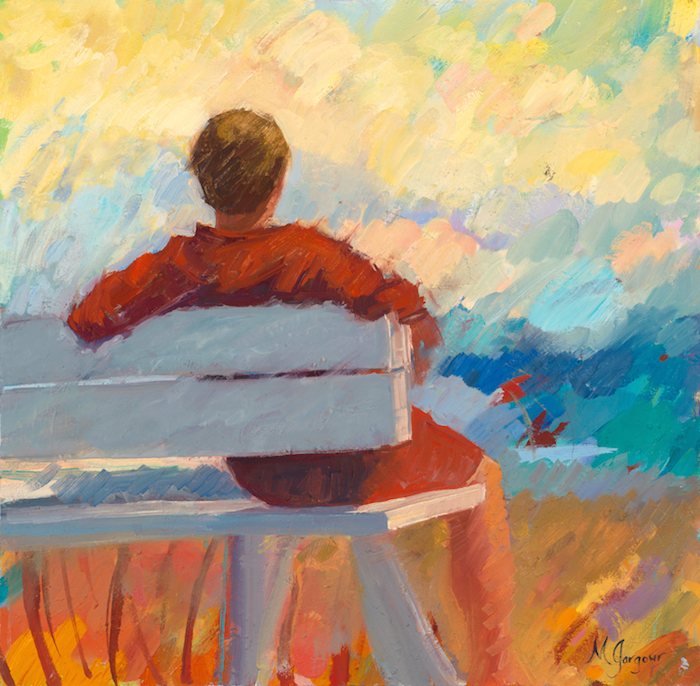
Marianne Gargour oil painting
©Marianne Gargour, A Single Solitary Moment. Oil on canvas, 30 x 30 inches.

They didn't know how important it was to you.

Nothing moves people to action like a personal invitation. Not a mass email. An actual message sent only to them, from the heart.

Never underestimate the value of a personal invitation when you’re asking for action. People need to know how much this show means to you. Not in a high-pressure, salesy way with a bunch of exaggerated adjectives and adverbs.

Be discerning about where you spend your relationship capital. You can’t call in every favor for a another group show where you have one piece. Save the personal outreach for the moments that matter most.

Nobody is going to be as invested in your show as you are. But the people who are close to you should understand what it means to you.

JULY 9 WORKSHOP: FOLLOW UP ALREADY

Don’t let good opportunities go cold.

You were afraid to send email reminders.

You hoped that one email would do the trick. That they’d read it, write it on their calendar, and remember. They didn’t.

Many artists admit to being afraid to “bother people” with another email. But the numbers on last-minute reminders are cause to change your tune. The highest percentage of responses tends to come from messages that say It’s tomorrow.

This is why it’s so useful to have your list segmented so that you don’t have to send to people who live too far to do anything at the last minute. Short of the segmentation, you can send personal reminders.

The people your message was meant for will thank you for the reminder.

It’s not just uncomfortable to contact people only when you want something. It’s impolite. There are plenty of people out there who want to show up for you. Make sure they hear from you and know they’re appreciated.

Make a list of the people you most want at your next show. Before the event, reach out to each of them personally — not a newsletter, not a social post, but a direct message that tells them why this show matters to you and how much you’d value their presence.

You can quote me.

“While you may think you’re bothering them with too much marketing, they’re thinking, why didn’t she invite me? Why didn’t I know about this?“

“Remember, they signed up to be on your list. If you don’t tell them about something, it’s a disservice.”

“One personal contact is going to give you better results than all those email blasts put together.”

Mentioned in the episode

How to pitch to The Art Biz (or anyone else)

Lisa Call’s 2010 post about why Quilt National is important to her (she’s probably cringing that I’m sharing this old post, but it’s the best example I know of)

July 9 Workshop: Follow Up Already

7 Ways to segment your mailing list

This post was originally published February 28, 2018. It has been updated significantly with the addition of a podcast episode. Original comments are intact.

The post Why nobody came to your art show (271) appeared first on Art Biz Success.

]]>
https://dy-online.com/why-nobody-came/feed/ 63
The obvious salespeople you’re not using (270) https://dy-online.com/collectors-sales-force/ https://dy-online.com/collectors-sales-force/#comments Thu, 25 Jun 2026 14:43:43 +0000 http://artbizsuccess.com/?p=23170 You spend a lot of energy chasing new buyers and collectors. But some of your best advocates are already in your life, and they're ready to help.

In this episode, find out who they are, why they genuinely want to help sell your art, and how to make it easy for them to do it — physically and digitally — without feeling like you're begging.

The post The obvious salespeople you’re not using (270) appeared first on Art Biz Success.

]]>
You probably spend a lot of energy trying to reach new people. More collectors, more buyers, more followers.

That’s not wrong, but it means you might be overlooking the people who are already in your corner, who already love your work, and who would genuinely help you sell it if you gave them the opening.

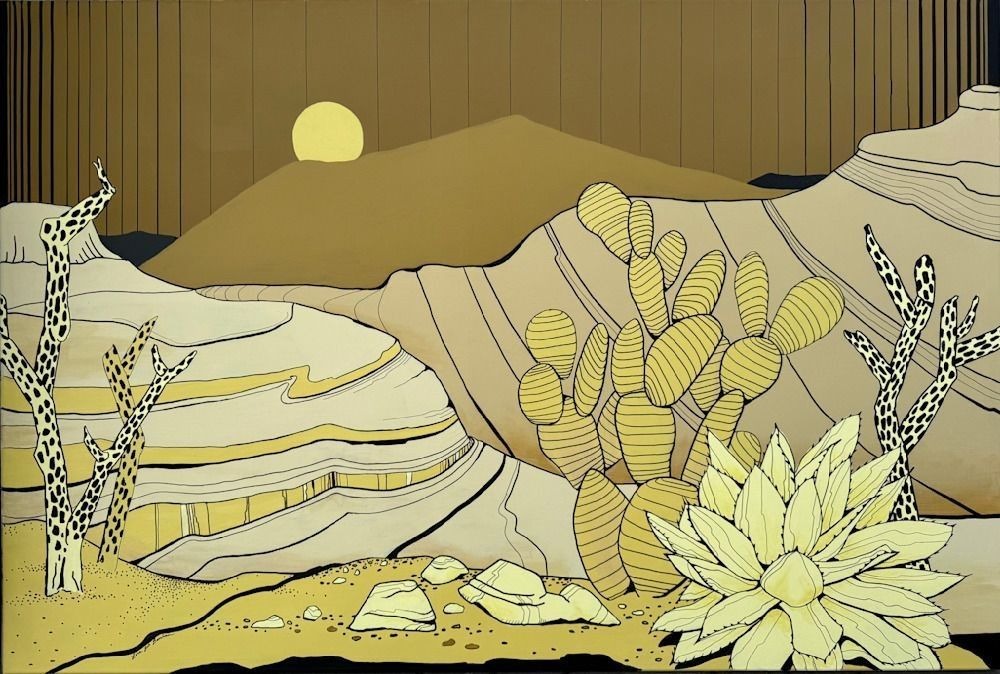
Clean-line, stylized, illustrated Southwestern desert landscape in yellow and brown featuring cacti and rock formations in the foreground of a large mountain peak under a sun or moon
©Lora Lee Barnhiser, Meet Me Under the Lemon Moon. Acrylic on rescued canvas, 35 x 55 inches.

Word of mouth is one of the most effective ways to sell art. And the people most likely to spread that word aren’t strangers. They’re your buyers, your regulars, your biggest fans.

[ See Followers to Collectors ]

They’re the ones who DM you, show up at your openings, and brag about knowing you to their friends.

This post is about how to activate them. I’ll cover who they are, why they want to help, and how to make it easy — with both physical tools and digital ones — so that the ask doesn’t feel awkward.

Who your obvious salespeople are

This isn’t just for artists who have collectors. If anyone has ever responded enthusiastically to your work, this applies to you.

Think about the people who regularly show up at your events and actually engage, not just for the free wine and cheese. The followers who comment, share, or DM you. The friends and family members who brag about knowing you. Anyone who has ever said “I showed your work to a friend” or “I just love what you do.”

Honestly, anyone who loves you and wants the best for you.

It doesn’t matter whether they’ve bought from you. What matters is whether they believe in you.

They already want to help, they just haven't been asked

Here’s what 25 years of working with artists has taught me: people think it is genuinely cool to know an artist. They can’t imagine living your life.

And the ones who love your work? They enjoy being the person who introduces it to someone else.

It’s a gift to them. They get to be the person with great taste, the one who’s on the inside. Don’t discount this. I’ve seen it repeatedly with my own non-artist friends.

The reframe is this. You’re not asking for a favor. You’re inviting them to be part of what you’re building, to do something they probably already want to do but didn’t know how.

The relationship has to come first

None of this works if you’ve aren’t showing up as THE ARTIST in their lives.

People notice if they only hear from you when you want something. Stay in touch through your newsletter, personal notes, postcards, DMs. Show up for them too.

The relationship can’t be transactional.

So many people avoid the follow-up. Not because they don’t care, but because it doesn’t feel urgent and gets kicked down the road. That’s a mistake.

Consistent follow-up, with those who already know and support you, is the most direct route to reliable sales and real opportunities. I hear this repeatedly from my artist-clients.

Assuming you’re already staying in touch, here’s how you make it easy for people to spread the word.

Make it easy: the tangible

Ask those you have identified if they could help spread the word by sharing postcards with your art (and name!) on the front. Suggest they could leave some at a coffee shop, a little library in their neighborhood, the office break room.

A postcard with your art and your name is reinforcing name and image recognition every time someone sees it.

I shared a variety of artist postcards and gave some tips in this Instagram video.

Similarly, you could have note cards printed with the original work owned by a collector. They’re proud of what they own and would surely be delighted to send correspondence with their art on it. Every note card introduces your work to someone new.

Turn it into a party by suggesting an unveiling. Collectors love to show off a new acquisition, and an intimate gathering of friends is a natural setting for you to say a few words about the piece. You aren’t selling anything. You’re just making connections.

And if someone has deep community ties and loves to host, a home show is worth considering. One of my clients sold 14 paintings at her sister’s home in another city, with 75 people in attendance. Don’t underestimate it.

Make it easy: the digital

The fan who shares your post or forwards your email is doing the same thing as the one leaving postcards around town. Pay attention to them.

DMs especially. Someone who messages you privately is more invested than someone who likes a post or leaves a generic comment. That’s a relationship worth tending.

Of course, you mustn’t assume that all of your content is worth sharing. The most-shared content is inspiring, educational, or entertaining. I don’t want you to make content only with this purpose in mind, but pay attention to what is being shared of yours and what you are sharing.

You can take this a step further by creating ready-to-share graphics. An announcement that says “Join me at opening on Friday” with your art and the event details makes it almost effortless for someone to share it in their stories.

Remove the friction. People will help if you make it easy.

How to ask without it feeling awkward

If you’ve done all of the above, the ask is not that hard.

The best moment to ask is right after a genuine exchange. They just bought something, expressed enthusiasm at an opening, or responded warmly to something you sent. You are fresh on their mind.

Whenever possible, ask in person or on the phone so they can hear the warmth in your voice.

Make it one specific request. Don’t give them a menu of options that require a decision.

  • Could you bring a friend to my opening?
  • Would you share this on your stories?
  • Do you know anyone who might want an invitation?

Then hand them exactly what they need to follow through: the link, the postcard, the graphic.

This is personal, specific, and relational. It is not posting to your feed and asking people to like your posts or vote for your work in a competition. That’s broadcasting. This is something else entirely.

You don’t need a big audience or a long collector list. You need a few people who genuinely believe in what you’re making and the willingness to let them help.

This post was originally published September 15, 2016 and updated on March 15, 2020. It has been updated again with the original comments intact.

The post The obvious salespeople you’re not using (270) appeared first on Art Biz Success.

]]>
https://dy-online.com/collectors-sales-force/feed/ 19
Who Are The People On Your List and What Are They Doing There? (102) https://dy-online.com/people-on-your-list/ https://dy-online.com/people-on-your-list/#comments Thu, 16 Sep 2021 13:40:47 +0000 http://artbizsuccess.com/?p=20094 I want to make sure you understand just how important a mailing list is. Your mailing list is the #1 marketing asset in your art business, but only if you continue to develop it and keep it warm.

The post Who Are The People On Your List and What Are They Doing There? (102) appeared first on Art Biz Success.

]]>
Long long ago in a land far away, during a time in between undergrad and grad school for my art history degrees, I was an administrative assistant to a US Senator. I wouldn’t know until much later how priceless that experience was.

For starters, it taught me the importance of a mailing list. (It also got me in a photo on the cover of the New York Times. But I digress.)

Why Your List Is Mission Critical

I quickly recognized that my boss’s donor list and the Rolodex on top of my desk (yes, it was that long ago) were the most cherished assets in our office. They were the source of campaign donations, community support, and wise counsel.

Later, as a museum curator and educator, I saw how much we relied on our members and donors for financial support. It was critical to keep them in the fold of the museum’s activities.

I want to make sure you understand just how important a mailing list is.

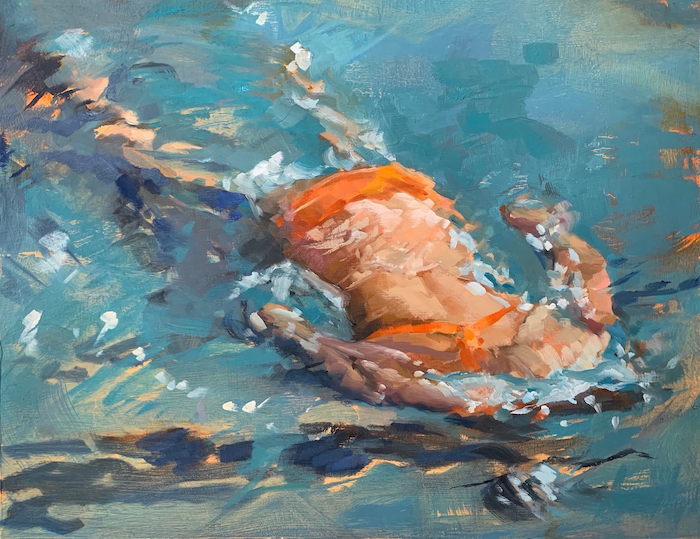
oil painting artist woman swimmingJessica Cook | on Art Biz Success
©Jessica Cook, Down and Around. Oil on cradled panel, 11 x 14 inches.

As I said, lists were indispensable to the Senator and to the three museums where I worked, which is probably why creating a database of names was the first thing I did when I started my business.

I focused on expanding my list by sending a newsletter with useful content every week beginning March 30, 2002.

That was a long time ago. In 2002 artists were hungry for knowledge about building their businesses. And I was fresh out of my work at the art museum, which was a job that required me to produce a great deal of content. That made the transition to writing content for artists easy, and it was relatively easy to attract people to my list because the market and virtual space weren’t saturated at that time.

Those were the good old days.

When You Neglect Your List

Some of the first questions I ask of a new client are about their list.

How many people are on your email list? What are you doing to build your list?
What do you send to your list? How can you make it more useful for them?
How frequently do you use your list? Are you consistent and reliable?
How do you keep your list? How do ensure its security?
How do you cultivate your list so that people feel like individuals and not just one of hundreds?

When clients aren’t getting good results, I can often trace it back to the fact that they’re neglecting their lists.

Your mailing list is the #1 marketing asset in your art business, but only if you continue to develop it and keep it warm. 

It contains the names of people who have asked to hear from you. Who have trusted you with their email address.

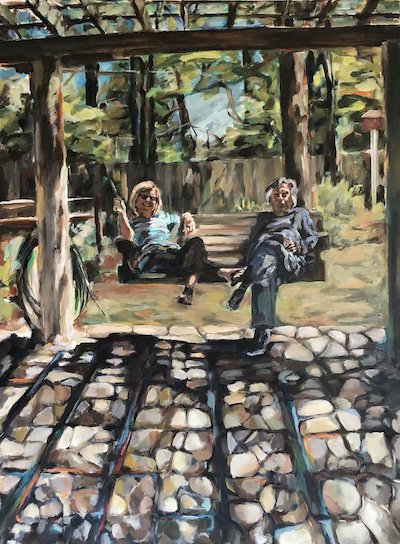
Acrylic painting of couple of porch swing artist Nancy Hoehn | on Art Biz Success
©Nancy Hoehn, Sitting in a Lovely Spot. Acrylic on canvas, 40 x 30 x 2 inches.

What is a List?

I should back up and tell you how I define “a list.” It kind of sounds like I’m talking about a single list of people, when you actually have multiple lists.

The default these days is to think of a list as an email list, which is made up of people who have opted in to receive your bulk emails. This is stored and automated in an email marketing platform like MailChimp, Constant Contact, or ConvertKit.

Your second list is a contact list where you store your network of buyers, collectors, VIPs, and leads. These people haven’t necessarily opted in to receiving regular emails from you, though there might be crossover with the names on your email list. The people on your contact list usually require a more personal touch, and there is much potential in your contact list.

There are other people in your life that must also be considered part of your list (in the broadest sense of the word). Think of all the people you know from other areas of your life. Maybe your kids’ school, church, or community organizations.

Then there are the people who follow you on social media. They may not be on your list now, but they’re vital. And they are good prospects for someday signing up for your list.

Who is on Your List?

We have to broaden our definition of what a list is. It isn’t simply a bunch of email addresses. It’s everyone you know. Think of these people in your life. I’ve identified 5 sweeping groups of people and the roles they might play in your art business.

See if these sound familiar.

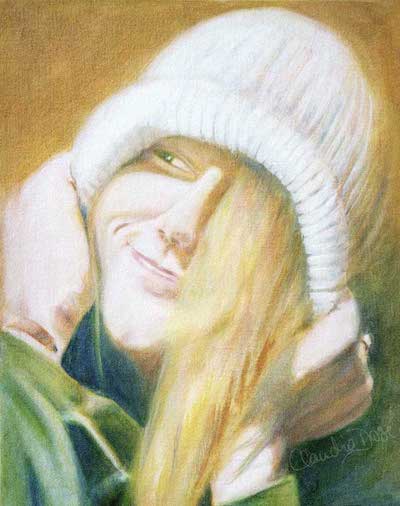
Acrylic painting of boy in beany hat artist Claudia Dose | on Art Biz Success
©Claudia Dose, Beany. Acrylic on canvas, 20 x 16 x 0.75 inches.

LURKERS

The lurkers have been in your orbit f.o.r.e.v.e.r. They don’t comment, buy your art, or enroll in classes, but, apparently, they receive value from what you do because they stay on your list.

Don’t judge the lurkers! They are hunkered down now, but you never know when they’ll be ready for what you have to offer.

Some people might be on the periphery for years before they become collectors, students, clients, or raving fans. I’ve heard such stories repeatedly from artists, so don’t give up on the lurkers.

SERIAL SUBSCRIBERS

This is an interesting phenomenon: People who come and go in cycles.

They’ll pop up in numerous places for a while, and then Poof! They disappear—only to reappear later.

This might be more of a development in my business than in an artist’s business. I don’t know what causes them to disappear from my orbit for long stretches of time, or what compels them to reenter. But I’m here for them when they return.

DROP-INS

I suspect you have a lot of drop-ins.

Someone told them about your work. They stumbled upon your tent at an art festival. Or they found you on the Instagram featured page. Maybe you talked with them or responded to their comments.

They didn’t sign up for your list or buy anything from you immediately so it’s easy to forget about them.

But what if you reengage them? What might be possible if you treated them like they had loads of potential?

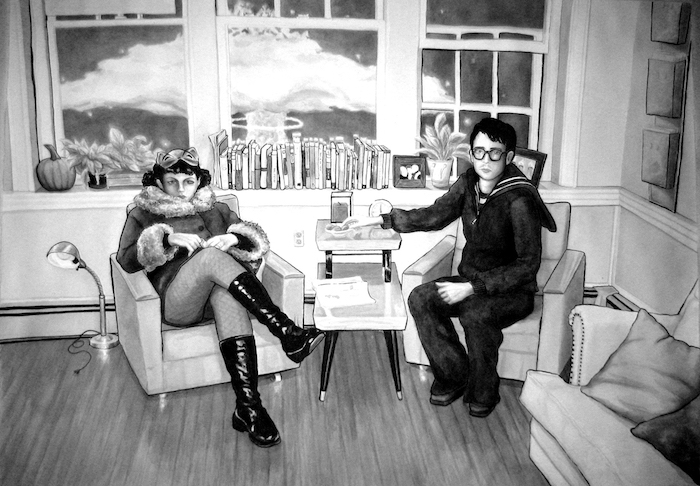
Black and white drawing of two people with skyline artist Claire Stringer | on Art Biz Success
©Claire K. Stringer, It Became Clear. Ink wash on paper, 26 x 36 inches.

SUPPORTERS

Your supporters are likely well connected. They show up at openings and events and reply to your emails.

You can probably count on certain supporters to refill the cheese tray or help you install the art.

Supporters might make small or single purchases, but they aren’t necessarily your best prospects. They mostly exist to lend a hand when you need it, cheer you on when you need it, and praise your art publicly to help you attract even more supporters.

Supporters love you and want to be a part of your world.

FANATICS

Fanatics can’t get enough of you.

They brag about your art to whomever will listen (and don’t judge when you use the proper whomever). They, as well as the supporters, think it’s really cool to know you. They might even ask for a stack of your cards that they can pass out.

Fanatics are likely to buy multiple originals from you and host an unveiling party at their home or office.

They urge their connections to attend your openings, and they share your posts and invitations.

Fanatics are your VIPs and you have to treat them well.

But the truth is, you have to treat all of these people well. You have to have a reliable system that attracts new people and nurtures them. You have to show that you care.

Erica Norelius, Dreaming of Sargent. Oil, 20 x 24 inches. Used with permission.
©Erica Norelius, Dreaming of Sargent. Oil, 20 x 24 inches. Used with permission.

Why It's Hard to Grow Your List

In no realistic world these days is growing an email list an easy task. The odds are stacked against you. Nobody wants more email!

The online space is too noisy. You are competing against not just other artists, but with all of the other messages in someone’s inbox.

It’s also, as you know, been difficult to grow lists because we’re not interacting in real life as we once did.

No, it isn’t easy to get people on your email list right now, but that doesn’t mean you shouldn’t try. It’s only going to get more difficult with passing time.

You have to try to find the right people. The small, narrowly-defined right people who love your art.

Why Language Matters

Watch the language you use and the energy around growing your list. In particular, I caution you against using the word “get,” as in How do I get more followers?

“Get” could mean anything. It could mean that you buy a list or sleazily grab email addresses from people who never requested to be on your list.

To my ears, getting sounds greedy and aggressive. The emphasis seems to be on quantity rather than quality. Like you’re only interested in the marketing numbers when you should be far more interested in connecting with people who, in turn, want to connect with your art.

You don’t just want numbers. You want the right individuals to add up to those numbers.

Stop looking for shortcuts. Start doing the hard (and much more interesting) work of caring about people and connecting with them authentically.

See people as more than numbers. See them for the individuals they are. They’re living, breathing human beings with big hearts and souls.

Instead of getting, I encourage you to think about attracting.

©Susan Fox, The Pink Scarf. Oil, 20 x 30 inches. Used with permission.
©Susan Fox, The Pink Scarf. Oil, 20 x 30 inches.

How to Attract More People to Your List

You can’t force anyone to be on your list. And you don’t want to beg because that looks needy and unprofessional.

Focus on attracting. On putting yourself out there so that you’re easier to find and follow. Here are some ways to do that.

Create content. As I said, this is how Art Biz Success took off and grew. This could be content for your site, which would mean that you have more text with your images or that you blog regularly. Simultaneously, you can think about optimizing your text for search engines so that you’re easier to find.

But it might be content for another site. If you’re interested in search engine optimization, you should consider content for Pinterest and YouTube, both powerful search engines.

And then there is content for social media posts. Images, text, videos, stories, reels. But you have to be active on these platforms in order to be effective. Not just posting, but commenting, responding, and interacting.

Don’t post social media updates because you have to. Do it because you want to deepen your relationship with your followers.

Care about the people who respond to your art and to your content. Recognize them, engage them, and remember them. Love them. Honor them.

They are part of your list, in the new way we’re now broadly defining the word “list.”

When you care about people and believe you have something of interest to share, it’s much easier to ask them if they’d like to be on your mailing list.

Speak. If you enjoy speaking about your art, do more of it. Put yourself on stage—even a space confined by the tiles of a gallery floor— and share your art with more people who are potential supporters and fanatics.

This is, in a sense, a form of networking—another worthwhile exercise for growing your list. I like to refer to it as being seen. Showing up for exhibitions, openings and artist talks in your area, which makes you a treasured member of your art community. In turn, you will meet buyers and collectors, and hear of opportunities that you would have missed if you had stayed home.

You could try print or digital advertising, but you can waste a lot of money if you don’t know what you’re doing.

You could give away a freebie, also known as a lead magnet, in exchange for someone’s email address. It’s easy for artists who teach and want to attract students to come up with something appealing to give away. It’s more difficult if you don’t teach, but I do have some ideas for freebies for non-teaching artists.

That brings me to the fuel that will power the growth of your list.


©Edrian Thomidis, Get More Bees With Honey. Ceramics, 14 x 12.5 x 11 inches. Used with permission.

©Edrian Thomidis, Get More Bees With Honey. Ceramics, 14 x 12.5 x 11 inches. Used with permission.

What Makes a Difference

You likely already know that you need to do these things to grow your list. You might even know exactly how to do them. But you haven’t dedicated the time for them. It keeps getting thrown to the back burner of your very full life.

What would it feel like to grow your list size by just 10% in 3 months? What would it take to do that?

You have to set the intention and give it your attention.

That’s what the new seasonal programs at Art Biz Success are all about. FOCUS. Really homing in on a critical aspect of your business.

This post was originally published on March 3, 2016 and has been updated with a podcast and the original comments intact.

The post Who Are The People On Your List and What Are They Doing There? (102) appeared first on Art Biz Success.

]]>
https://dy-online.com/people-on-your-list/feed/ 44
A quiet gallery experience with Simonne Roy (75) https://dy-online.com/quiet-gallery-roy-podcast/ https://dy-online.com/quiet-gallery-roy-podcast/#comments Thu, 11 Feb 2021 12:05:41 +0000 https://dy-online.com/?p=31403 Simonne created the quiet gallery experience for Covid, but what serious art viewer or collector isn't sick of battling the crowds to see art they want to connect with?

This is a low-cost alternative to the open studio, renting a venue, or being part of a jam-packed group show. Every artist should give this gift to their VIPs.

The post A quiet gallery experience with Simonne Roy (75) appeared first on Art Biz Success.

]]>
What is something special you can do for your email subscribers and collectors when your shows and large events are canceled because of a pandemic?

Give them a private viewing experience, of course.

For years, Simonne Roy has been hosting 50 – 60 VIPs for a one-night party in her home, which she transforms into a gallery. The money and effort she invested in the event resulted in good sales and meaningful relationships. Each year’s success built on that of previous years.

Oil painting of sunflowers in a field artist Simonne Roy
©Simonne Roy, Sunflower Fields of Union County. Oil on canvas, 12 x 48 inches.

When Covid struck last year, her hopes for a successful home gallery show were dashed, until, like many scrappy entrepreneurs, Simonne found a different way to make it happen.

She decided to hold the VIP appreciation without the party. In this episode of the Art Biz Podcast you’ll hear how Simonne gave people a private encounter with the art—something few people ever get to have. She calls it the Quiet Gallery Experience.

If she measured its success by the amount of sales only, she could have counted it a success. But sales were almost secondary because Simonne measured her success by the goodwill she created with her subscribers and collectors.

Listen closely to hear what she did to set the stage and make it special, what she would do differently next time, and how she netted the same amount of money from the participation of fewer people.

Music by Wildermiss

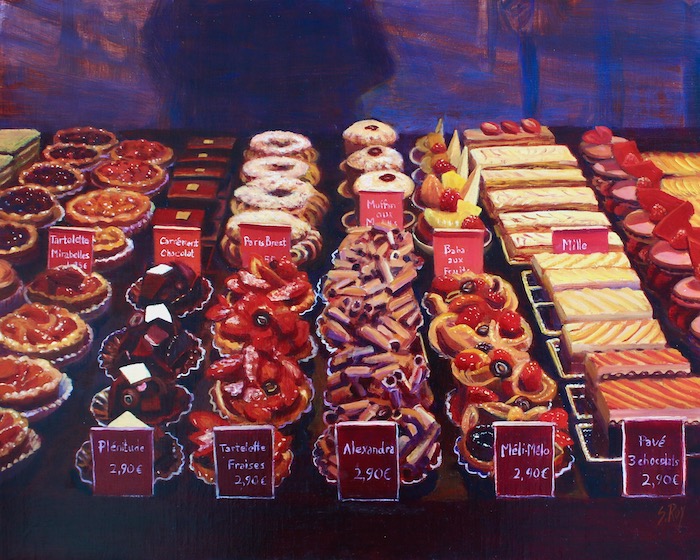
oil painting of french pastries in store artist Simonne Roy
©Simonne Roy, Sweet Anticipation. Oil on canvas, 16 x 20 inches.

Highlights

  • Simonne Roy shares the journey that led to her art business and her current income sources. (2:28)
  • Transforming a house into an intimate, personalized home gallery. (7:10)
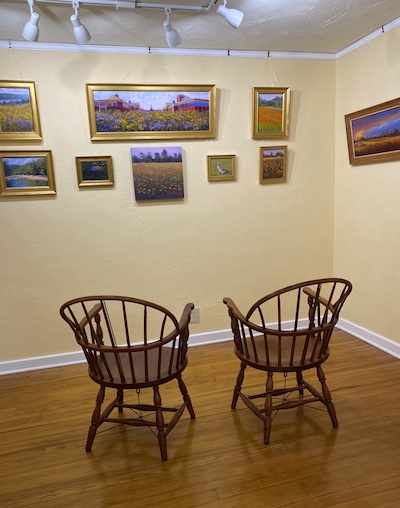
    Home transformed into gallery Simonne roy
    Simonne Roy’s home gallery is the perfect place for an intimate viewing experience.
  • The inspiration that saved Simonne’s gallery experience during Covid. (13:42)
  • How greater vulnerability can result in more meaningful connections. (20:05)
  • Scheduling a full day of showings and Simonne’s goal for each visitor. (21:51)
  • Preparing any space for a full gallery experience. (25:22)
  • Results from the gallery including sales, a teaching offer, and increased connections. (29:29)
  • Reducing overhead for an event can result in positive net sales. (34:10)
  • Marketing an event and creating a thoughtful gift for your customers. (36:14)
  • Simonne shares the lessons she learned for next time. (38:11)
  • A peek at what is holding Simonne’s attention in the studio now. (38:34)

Mentioned

Marcher jusqu’au soir by Lydie Salvayre

Simonne Roy Quotes

  • “A lot of my skills through working with you, Alyson, have really had a direct impact on my success.”
  • “Oftentimes the things that sell are not what I would have expected.”
  • “The sales are secondary, or maybe equal to the connections I made and the lessons I learned.”
  • “My goal was to create a quiet gallery experience. Just you and the art and it was going to be peaceful.”

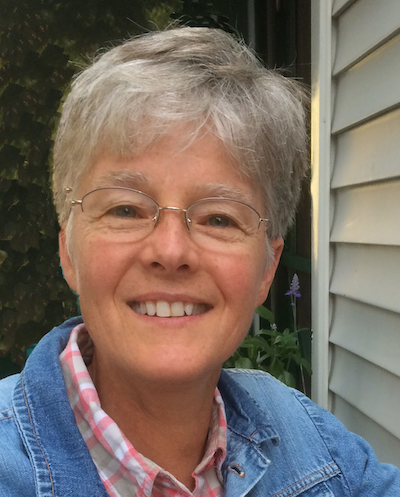
About My Guest

Simonne Roy describes herself as a contemporary American impressionist painter grounded in the plein air landscape painting tradition. She is also a Francophile, and has lived in France for extended periods over the years—adding quintessential French subjects such as pastries, breads, and cheeses to her nature-inspired paintings.

A lifelong resident of Pennsylvania, Roy lives in Lewisburg, where she maintains her studio and home gallery.

Follow Simonne on Instagram: @simonneroy

Music by Wildermiss

The post A quiet gallery experience with Simonne Roy (75) appeared first on Art Biz Success.

]]>
https://dy-online.com/quiet-gallery-roy-podcast/feed/ 3
The Art Biz ep. 68: Procedures for Art Commissions with Sema Martin https://dy-online.com/commissions-martin-podcast/ https://dy-online.com/commissions-martin-podcast/#comments Thu, 10 Dec 2020 12:11:39 +0000 https://dy-online.com/?p=31093 By now you may have picked up on the fact that I am a sucker for a reliable system. My signature program is called the Art Career Success System for a reason. Systems work. They provide you with a framework that, once in place, you can return to repeatedly and update to match where you are at any given moment in your art business. 

I love figuring out systems, maybe even more than I love following them, because systems are always there to support my progress. And my guest for this episode of the podcast has proven that a clearly defined system can take your art business to the next level.

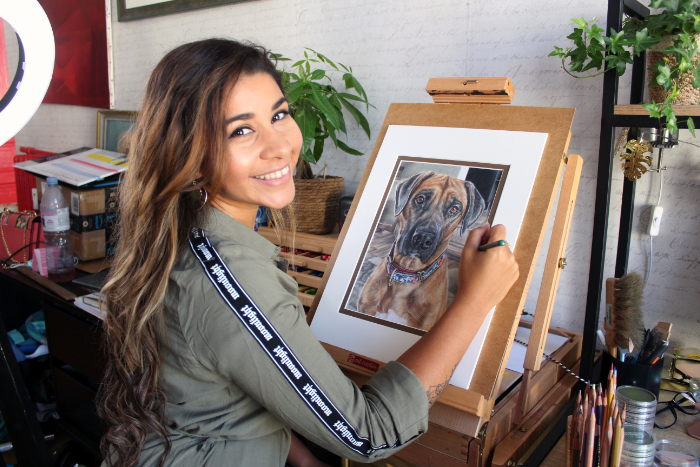
Sema Martin is a full-time artist living in the French Riviera. She currently has a 4-month waiting list for her pet portraits, which is likely due in part to a system she has developed that keeps her organized and her customers satisfied.

In our conversation, Sema shares the the 8 stages of commissioning work from her.

We discuss how she standardized her sizes, how she makes it easy for clients to buy from her by offering multiple currencies, and how social media serves a dual purpose to both promote her work and to share her progress with clients. You’ll hear how she stays organized and at the end of this episode I'll tell you how to get a copy of her system spreadsheet.

The post The Art Biz ep. 68: Procedures for Art Commissions with Sema Martin appeared first on Art Biz Success.

]]>
I am a sucker for reliable business systems. They provide you with a framework that, once in place, you can return to repeatedly and update to match where you are at any given moment in your art business.

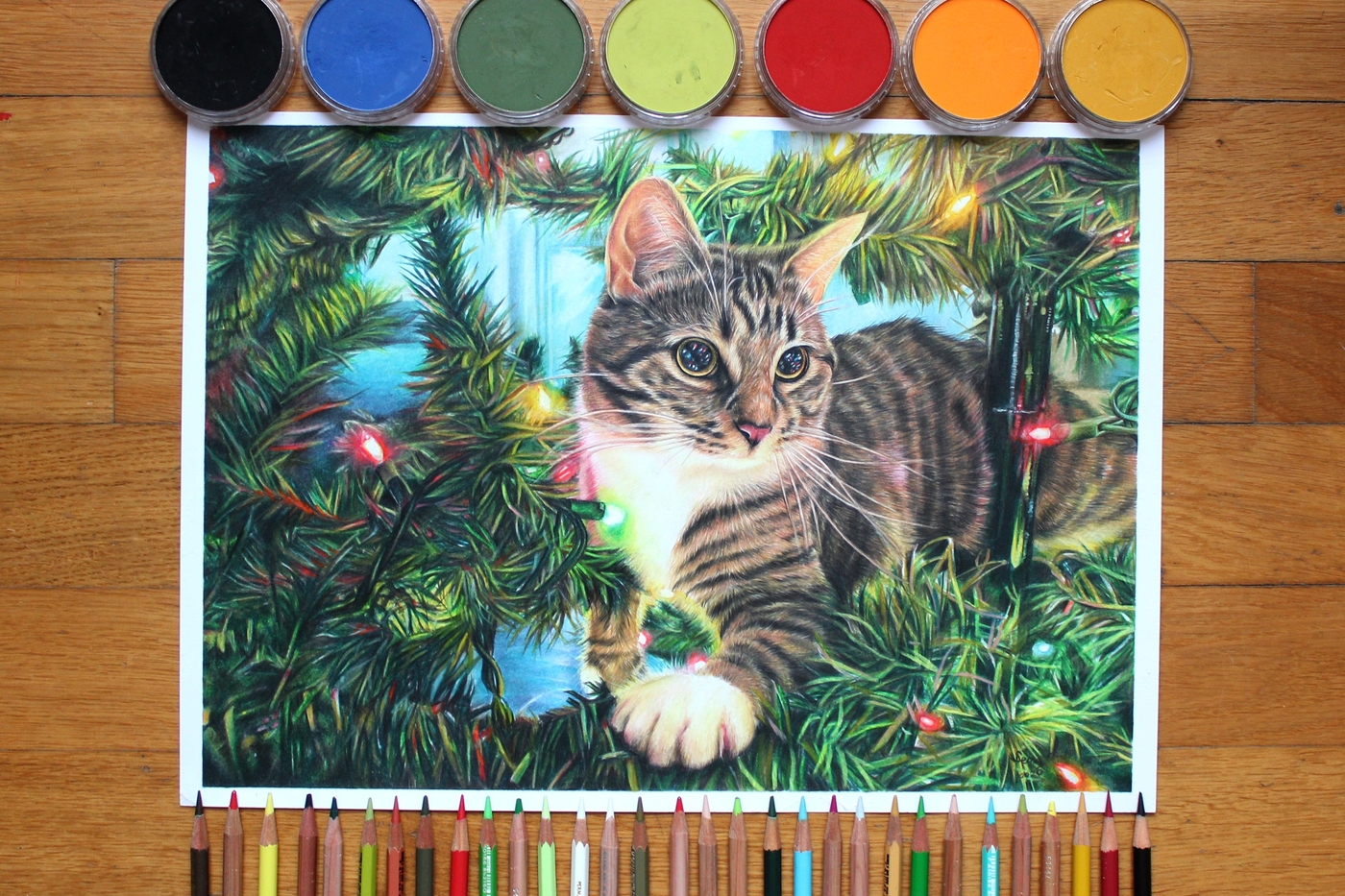
Waiting for Santa Sema Martin drawing of cat in christmas tree
©Sema Martin, Waiting for Santa. Colour pencil and pan pastel, 11.7 × 16.5 inches.

I love figuring out systems, maybe even more than I love following them, because systems are always there to support my progress. And my guest for this episode of the podcast has proven that a clearly defined system can take your art business to the next level.

Sema Martin is a full-time artist living in the French Riviera. She currently has a 4-month waiting list for her pet portraits, which is likely due in part to a system she has developed that keeps her organized and her customers satisfied.

In our conversation, Sema shares the the 8 stages of commissioning work from her.

We discuss how she standardized her sizes, how she makes it easy for clients to buy from her by offering multiple currencies, and how social media serves a dual purpose to both promote her work and to share her progress with clients. You’ll hear how she stays organized and at the end of this episode I’ll tell you how to get a copy of her system spreadsheet.

Music by Wildermiss

Highlights

  • Sema shares the journey that led her to becoming a full-time commissioned artist. (2:11)
  • Income streams and the percentages of Sema’s income that come from commissions. (5:50)
  • Developing the stages of the commission process, starting with sizing the art. (7:32)
  • What to include in your pricing. (12:15)
  • A comparison of SquareSpace and MailChimp email delivery. (14:18)
  • Contact forms and how to make sure you have proper communication with clients. (16:03)
  • The importance of collecting money before you start drawing. (20:46)
  • Handling a waiting list and the logistics of a payment plan. (22:09)
  • Guidance for helping customers choose the details of the piece. (26:54)
  • Sema’s workflow and how she works in the drawing zone. (30:03)
  • How many social media posts should highlight your current piece? (34:24)
  • Final approval ensures that the customer is happy before the piece is shipped. (37:00)
  • Mounting, packing, and delivery of the final piece and how each step ensures you will have happy customers. (37:56)
  • The bonus stage and how many customers take advantage of it. (42:08)
  • How do people find Sema? She maintains a focus on SEO that really pays off. (43:52)
  • Staying organized and implementing the systems that will keep you going. (46:11)
  • A glimpse inside Sema’s current project. (49:06)
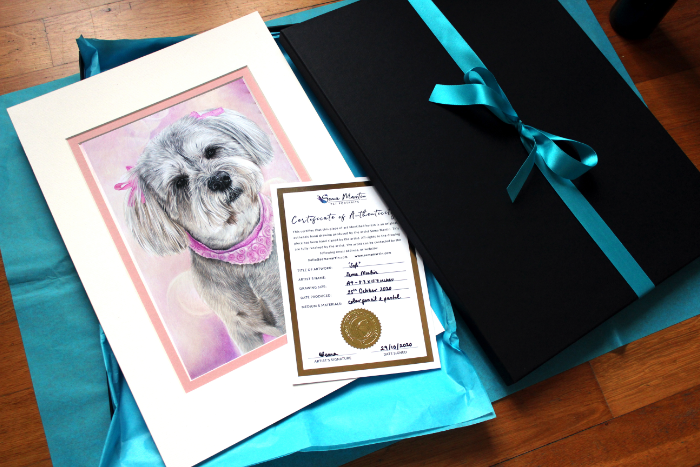
Sema Martin Pet Portrait commission of small white dog
Pet portrait commission packed and ready to be shipped

Mentioned

Sema Martin Quotes

“Everything I’ve created, I’ve created through trial and error.”

“I keep my prices standard to the size rather than the subject.”

“There are a lot of questions that you need to have answered before any money is exchanged.”

“I want to be very careful not to burn out, because if I do it gets very difficult to get back into the drawing zone.”

“It’s so important that you get feedback and testimonials from your clients. It’s an organic way to convince new customers to commission you.”

“There’s no point in paying for a website if you aren’t going to make sure that people can find it.”

About My Guest

Sema Martin working on a commission in her home studio

Sema Martin is a full-time artist living in the French Riviera. Using the highest quality of color pencils, pastels, and paper available she creates realistic human, animal, and landscape drawings from photographs provided by her customers.

She is also the author of Art is My Career — How to Start an Art Business, a book to help and inspire other artists that it is possible to make a career out of your artwork.

Music by Wildermiss

The post The Art Biz ep. 68: Procedures for Art Commissions with Sema Martin appeared first on Art Biz Success.

]]>
https://dy-online.com/commissions-martin-podcast/feed/ 5
Following Up After You’ve Sold a Piece of Art https://dy-online.com/after-the-sale/ https://dy-online.com/after-the-sale/#comments Thu, 10 Oct 2019 09:00:03 +0000 http://artbizsuccess.com/?p=22672 People who buy from you once are more likely to buy from you again than people who have never bought from you.

And ... It’s less effort to nurture relationships with people who already know, like, and trust you than to find new people to share your art with. Acquiring customers, in marketing terms, is a long and costly process.

Therefore, it makes sense to take care of the people who have purchased from you. Show them you appreciate them now instead of contacting them later only when you want something from them.

One of the biggest mistakes artist-entrepreneurs make is not following up with people who have given them money.

If you’ve been lax in this area, you might be leaving money on the table.

If you sell art from your studio, rather than through a gallery, you have no excuses for not following up appropriately. You have the name and contact information of your collectors.

Here’s a plan to awe your collectors--not just once, but over the course of your relationship.

Within 1 Week of Sale: Express Gratitude

Send a thank-you note in the mail. Use notecards with images of your art on them for all of your handwritten notes.

This is yet another opportunity to put your art in front of people who appreciate it. The cards, of course, have your contact info or website on the back.

Don’t exploit this as an opportunity to ask for anything else. Thank-you notes are for expressing gratitude only, not for additional sales or requests.

Two Weeks Later: Ask to Connect

In this email, suggest to your collector that

The post Following Up After You’ve Sold a Piece of Art appeared first on Art Biz Success.

]]>
People who buy from you once are more likely to buy from you again than people who have never bought from you.

And … It’s less effort to nurture relationships with people who already know, like, and trust you than to find new people to share your art with. Acquiring customers, in marketing terms, is a long and costly process.

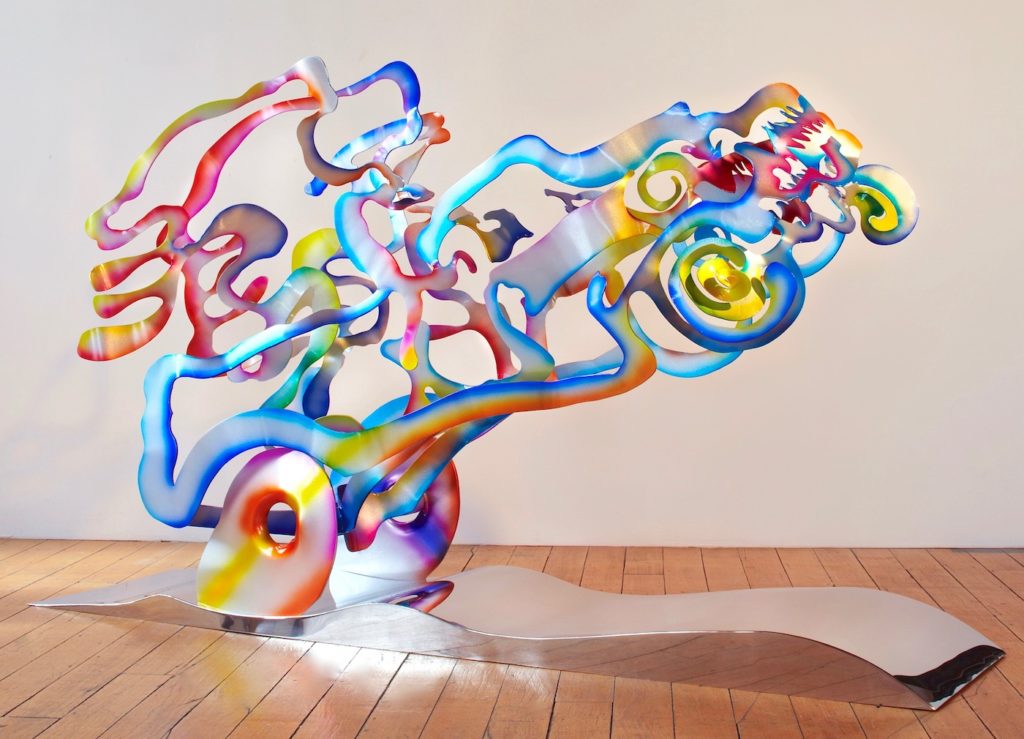
©Perci Chester, Squealies for Wheelies. Steel, stainless steel, and automotive paint, 42 x 30 x 72 inches. Used with permission.

Therefore, it makes sense to take care of the people who have purchased from you. Show them you appreciate them now instead of contacting them later only when you want something from them.

One of the biggest mistakes artist-entrepreneurs make is not following up with people who have given them money.

If you’ve been lax in this area, you might be leaving money on the table.

If you sell art from your studio, rather than through a gallery, you have no excuses for not following up appropriately. You have the name and contact information of your collectors.

Here’s a plan to awe your collectors–not just once, but over the course of your relationship.

Within 1 Week of Sale: Express Gratitude

Painting by Gwen Meharg
©Gwen Meharg, Forgiven. Acrylic on canvas, 50 x 48 inches. Used with permission.

Send a thank-you note in the mail. Use notecards with images of your art on them for all of your handwritten notes.

This is yet another opportunity to put your art in front of people who appreciate it. The cards, of course, have your contact info or website on the back.

Don’t exploit this as an opportunity to ask for anything else. Thank-you notes are for expressing gratitude only, not for additional sales or requests.

Two Weeks Later: Ask to Connect

In this email, suggest to your collector that you would like to stay in touch through social media, if you haven’t already connected there.

Explain, too, that you send a regular email with updates about your art and ask if they would like to receive it. If they are added to the list, you can keep the relationship warm through your planned emails.

If they don’t get on that list, they should receive a personalized sequence of email and regular mail to ensure they are not forgotten.

After 3 or 4 Months: Use Real Mail

Earlier, you sent a thank-you note in the mail. At this point, it’s your choice. It doesn’t matter what you send or say as long as it’s from the heart.

You might send a postcard, a photocopy of an article that was written about your work, or an invitation to an exhibition.

Artist Lisa Draper
©Lisa Draper, Drops in the Ocean. Mixed media, 24 x 30 inches. Used with permission.

If the purchase was substantial, you might consider a small gift, such as a set of notecards with your art on them.

Twice a Year: Choose Your Action

After you have followed up with email and regular mail communications within three or four months, your collectors can graduate to your VIP list.

You’ll want to make sure you are in touch with your VIPs at least twice a year.

Your collectors might receive a special mailing on an off-holiday (Arbor Day, anyone?) or their birthdays. Or perhaps they’d like a phone message or short video recording in which you share only that you’re thinking of them and are hoping they’re happy and well.

Don’t overthink this because that could lead to procrastination. It’s the thought that counts! Your collectors will be impressed by an unexpected contact from an artist they admire.

This post was originally published on June 2, 2016, and has been updated with the original comments intact.

The post Following Up After You’ve Sold a Piece of Art appeared first on Art Biz Success.

]]>
https://dy-online.com/after-the-sale/feed/ 37
7 Ways You Might Be Scaring Off Potential Buyers https://dy-online.com/scare-off/ https://dy-online.com/scare-off/#comments Thu, 26 Oct 2017 11:33:56 +0000 http://artbizsuccess.com/?p=16601 Art buyers often have as many insecurities about the process of buying art as you do, which means they are sensitive to the signals you’re sending.

It’s your job to reassure them that they are making the right decisions - and you can do so in very subtle ways without resorting to sales speak.

And it has just as much to do with what you don’t do and say.

Here are seven practices that will scare off your audience and potential fans.

1. Being indecisive about prices.

Indecision makes you appear less confident.

Set your prices after you’ve done your homework and be ready to share them in person and online.

If you’re ever pushed for a price that you aren’t certain about, say, “Let me check my list and get back to you. I wouldn’t want to give you the wrong price.”

2. Apologizing for your art.

The apologetic artist who brushes aside compliments about her art is not market-attractive.

I am not in any way condoning arrogance. I’m saying that you need to hold your head up and say “Thank You” when you are given a compliment.

As Julia Child said in Julie & Julia, “Never apologize. No excuses. No explanations.” Along the same lines . . .

3. Playing down the fact that you’re an artist.

Heart surgeons don’t look at the ground and say, “I’m kind of a heart surgeon.” When someone asks what you do, you shouldn’t respond meekly with, “Well, I’m kind of an artist.”

The post 7 Ways You Might Be Scaring Off Potential Buyers appeared first on Art Biz Success.

]]>
Art buyers often have as many insecurities about the process of buying art as you do, which means they are sensitive to the signals you’re sending.

It’s your job to reassure them that they are making the right decisions – and you can do so in very subtle ways without resorting to sales speak.

And it has just as much to do with what you don’t do and say.

©Marie Marfia, Ooh, Scary. Pastel on paper, 16 x 20 inches. Used with permission.

Here are seven practices that might be scaring off your audience and potential fans.

1. Being indecisive about prices.

Indecision makes you appear less confident.

Set your prices after you’ve done your homework and be ready to share them in person and online.

If you’re ever pushed for a price that you aren’t certain about, say, “Let me check my list and get back to you. I wouldn’t want to give you the wrong price.”

2. Apologizing for your art.

The apologetic artist who brushes aside compliments about her art is not market-attractive.

I am not in any way condoning arrogance. I’m saying that you need to hold your head up and say “Thank You” when you are given a compliment.

As Julia Child said in Julie & Julia, “Never apologize. No excuses. No explanations.” Along the same lines . . .

3. Playing down the fact that you’re an artist.

Heart surgeons don’t look at the ground and say, “I’m kind of a heart surgeon.” When someone asks what you do, you shouldn’t respond meekly with, “Well, I’m kind of an artist.”

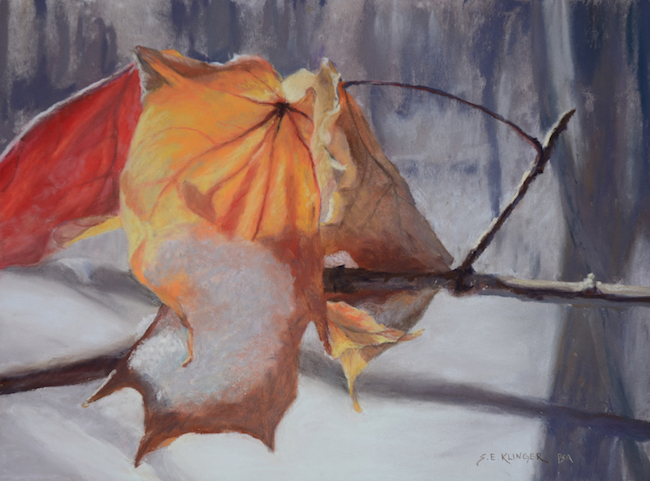
©Susan Klinger, Autumn’s Last Stand. Pastel, 9 x 12 inches. Used with permission.

You’re an artist or you’re not. There’s no “kind of” about it.

Embrace it. Practice it. Live it.

4. Stammering when someone asks you about your work.

No one knows your art better than you. When you are given the chance to tell someone about your work, you must be able to speak intelligently. After all, who else would they turn to?

You don’t have to be well versed in all of art history, but you’ve got to know about your work. You should be able to address your materials, subjects, style, and how you fit in your art market.

To gain some vocabulary, read what other artists say about their art and watch them on videos. Plus check out my Magnetic You program that teaches how to speak and write effectively about your work.

5. Having an outdated website.

Your website is often the first place people will see your art. It should be a priority, not an afterthought.

This means it must look like it was created recently rather than 5 or more years ago. And make sure to update the content regularly.

6. Hiding your social media links.

Do you want people to follow you on social media? Then for Pete’s sake make it easy to find your social media links.

©Elise Nicely, Highway Through Heaven. Acrylic on canvas, 30 x 24 inches. Used with permission.

It used to be that it was okay for social links to be on only one page – like an About page. But who has time to poke around and find them? Make sure they’re visible on every page of your site.

7. Sending a bulk email after not being in touch with your list for over a year.

As I have shared before, the main purpose of an artist’s newsletter is to keep the list warm.

People signed up for your list because they want to hear from you.

If you don’t send regular(ish) updates, you can’t suddenly expect action from your connections.

The post 7 Ways You Might Be Scaring Off Potential Buyers appeared first on Art Biz Success.

]]>
https://dy-online.com/scare-off/feed/ 38
How to Make a Dynamite First Impression https://dy-online.com/dynamite-first-impression/ https://dy-online.com/dynamite-first-impression/#comments Thu, 06 Apr 2017 13:06:47 +0000 http://artbizsuccess.com/?p=24230 You only get one chance to make a first impression. True? True!

Competition is fierce in today’s art market, and you must distinguish yourself.

How will people come to know you? More importantly, how will they remember you?

Consider this advice when you want to be memorable in the right way.

Be prepared.

There is no excuse to go into a meeting or situation blindly when you have the virtual world readily available. A simple check with search engines or a social media account might lead you to a treasure of information.

Conduct your research in advance to show people that you’ve heard of them – this always impresses.

You might also discover facts in your research that will help you skillfully navigate any conversation.

Be on time.

The little computer we all carry around in our purses and pockets has made it far too easy for us to be tardy to appointments. All we have to do is text someone to tell her we’re running late.

This is usually fine when you know the other person well. It’s not fine if it’s your first meeting or if you make it a habit.

Be interested.

People will think

The post How to Make a Dynamite First Impression appeared first on Art Biz Success.

]]>
You only get one chance to make a first impression. True? True!

Competition is fierce in today’s art market, and you must distinguish yourself.

How will people come to know you? More importantly, how will they remember you?
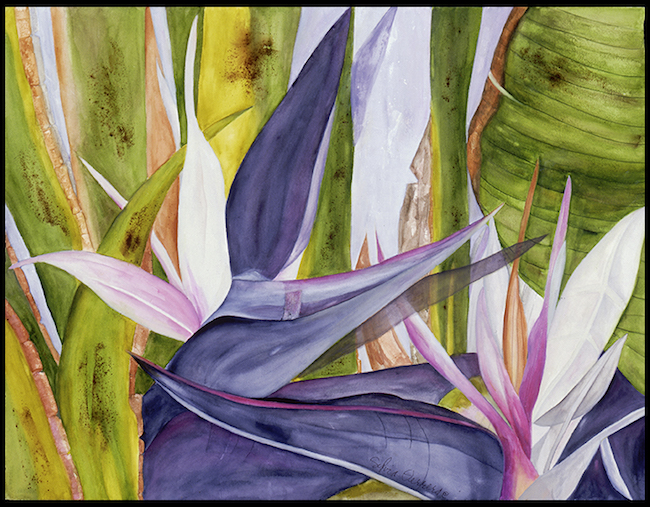
©Sylvia Herrera, Big Birds. Watercolor, 25 x 34 inches. Used with permission.

Consider this advice when you want to be memorable in the right way.

Be prepared.

There is no excuse to go into a meeting or situation blindly when you have the virtual world readily available. A simple check with search engines or a social media account might lead you to a treasure of information.

Conduct your research in advance to show people that you’ve heard of them – this always impresses.

You might also discover facts in your research that will help you skillfully navigate any conversation.

Be on time.

The little computer we all carry around in our purses and pockets has made it far too easy for us to be tardy to appointments. All we have to do is text someone to tell her we’re running late.

This is usually fine when you know the other person well. It’s not fine if it’s your first meeting or if you make it a habit.

Be interested.

People will think you are a fine human being if you listen to what they have to say rather than dominating the conversation.

©Mónica González, Rainbow Sea & Moves of Hope. Mixed media and acrylic on canvas, 31 x 23 inches. Used with permission.

Be present then they are more likely to return the favor when it’s your time to speak.

Be charming.

Don’t wait for an introduction or an invitation. Hold out your hand in a live situation and introduce yourself: “Hi, I’m Jack.”

Shake hands firmly and look the other person in the eye. Repeat and remember their name.

Ditto for the virtual world. (If only you could extend a hand through your computer!)

Be responsible.

Whether you are attending a business meeting, applying for a grant, or submitting to a competition, read details and follow instructions.

When people are thoughtful enough to provide details about a meeting or event and you reply without reading what they wrote, they are going to think less of you. They can’t help it.

Accept no less than 100% responsibility for your actions and success.

Be brief.

Be brief in your email messages and, for Pete’s sake, don’t beat around the bush.

©Kathleen Bennett, Plum Island Radiance. Oil on canvas, 18 x 24 inches. Used with permission.

Burying the lead (your reason for writing) will cause recipients to scratch their heads. It will also banish your email to the bottom of the inbox.

How can people respond if they don’t know why you’re writing?

Be yourself.

I’m not asking you to do anything that is less than genuine. I’m only encouraging you to be the best version of yourself.

Your Turn

How do you make a dynamite first impression?

Do you have a memory of someone whose first impression left much to be desired?

Please share your experiences in a comment below.


The post How to Make a Dynamite First Impression appeared first on Art Biz Success.

]]>
https://dy-online.com/dynamite-first-impression/feed/ 13
5 Ways to Follow Up with Students in Your Art Classes https://dy-online.com/student-follow-up/ https://dy-online.com/student-follow-up/#comments Thu, 04 Aug 2016 11:32:58 +0000 http://artbizsuccess.com/?p=22967 The follow-up process for students is different than that for buyers and collectors.

Once someone has studied with you, they are likely to take additional classes from you, which means it’s just as important to follow up with students as it is with your collectors – if you want to grow your class sizes and offerings.

You have to show students that you care before, during, and after the program they enroll in.

Here are five ways to do that.

1. Ask for Evaluations and Testimonials

Evaluations can help you improve your offerings while showing students that you care about the experiences they’ve had with you. You’re asking to hear their opinions.

Evaluations can also be a source of testimonials for your programs – if you ask the questions the right way.

Keep your evaluation short. I suggest some variation of these three questions:

What did you most enjoy about this class?

What was your

The post 5 Ways to Follow Up with Students in Your Art Classes appeared first on Art Biz Success.

]]>
The follow-up process for students is different than that for buyers and collectors.

Once someone has studied with you, they are likely to take additional classes from you, which means it’s just as important to follow up with students as it is with your collectors – if you want to grow your class sizes and offerings.

You have to show students that you care before, during, and after the program they enroll in.

Here are five ways to do that.

Kathy Johnson's Heavenly Umbrellas
©Kathy Johnson, Heavenly Umbrellas. Watercolor, 13 x 18 inches. Used with permission.

1. Ask for Evaluations and Testimonials

Evaluations can help you improve your offerings while showing students that you care about the experiences they’ve had with you. You’re asking to hear their opinions.

Evaluations can also be a source of testimonials for your programs – if you ask the questions the right way.

Keep your evaluation short. I suggest some variation of these three questions:

What did you most enjoy about this class?

What was your biggest accomplishment?

What are you still struggling with?

When you get an enthusiastic response, write back immediately for more details that might help make a powerful testimonial. The most effective testimonials are in this format:

 Before I took Sally’s class, I [this is how I was struggling]. Now,        [this is how my life/work has improved].
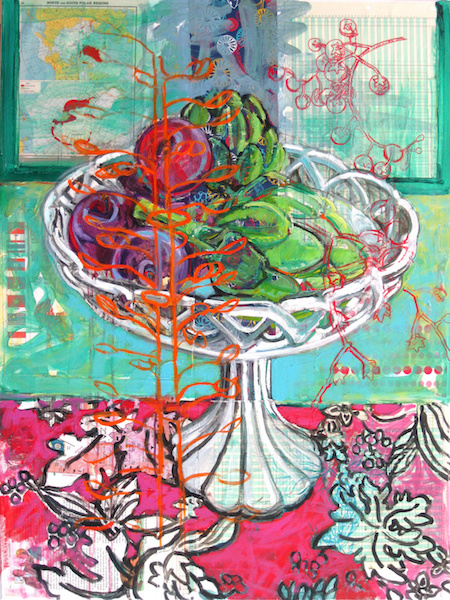
Polly Jones, Plums and Artichokes
©Polly Jones, Plums and Artichokes. Acrylic mixed media on canvas, 40 x 30 inches. Used with permission.

You don’t have to use the text exactly as it was written. You’ll get a stronger testimonial if you edit or rephrase what you have and send it back for approval to use as a testimonial.

One last thing: Always ask for permission to use someone’s name. Real names from real people are infinitely more powerful than anonymous testimonials.

2. Invite Students to Continue Working with You

Chances are good that your students love you. Don’t miss the opportunity to suggest what their next steps might be to keep working with you.

Perhaps they are ready for:

Telling people how you can continue to support them goes beyond marketing. It’s being of service.

3. Use Real Mail When Appropriate

If you provide a variety of teaching levels, you don’t have the time to treat everyone equally. Consider the level of service you gave when planning your follow-up with a particular group or person.

Private students and clients always receive a higher level of attention from you than those in larger group programs. These are the people who paid more for your services and are likely to repeat their investment in the future.

You would do well to add special touches to your follow up for private students – touches such as handwritten thank-you notes or even gifts.

4. Extend Personal Gratitude

Send private emails or Facebook messages of gratitude to individuals who were especially active and attentive, who were helpful to other students, or who gave you a good testimonial.

Here are some other high-touch ideas:

  • Create a gratitude badge (a graphic JPG) that you can share on students’ Facebook profiles.
  • Brag on your best students on your own Facebook page.
  • Tweet student accomplishments.
  • Share student art on Instagram.

5. Share Helpful Tips & Resources

My favorite way to stay in touch with former students is to send them useful content.

They are my students because they trusted me to teach them specific knowledge. If I can give them more knowledge than what they signed up for, they’re likely to become bigger fans than if I gave the minimum required effort.

Honey Lea Gaydos, Close Buddies
©Honey Lea Gaydos, Close Buddies. Pastel on board, 12 x 12 inches. Used with permission.

Useful content is everywhere and might include:

  • A tip you’ve learned since the end of your program.
  • A new resource that just came out, such as an art material, business book, or app.
  • A link to an article you read or wrote that expands on a concept you taught or a question that arose in class.
  • Your new favorite podcast.

By the way, sending helpful tips and resources is also a great way to warm up a list of students that hasn’t heard from you in awhile.

Your Turn

How do you follow up with students?

The post 5 Ways to Follow Up with Students in Your Art Classes appeared first on Art Biz Success.

]]>
https://dy-online.com/student-follow-up/feed/ 11
Have You Lost Friendships Because You Are An Artist? (Curious Monday) https://dy-online.com/lost-friendships/ https://dy-online.com/lost-friendships/#comments Mon, 06 Jun 2016 12:39:18 +0000 http://artbizsuccess.com/?p=22704 Living the life as an artist is hard enough, but it's made harder when those we're close to don't support us.

We need people around us who can support us emotionally - people who believe in our message to the world. It really stinks when friends and family don't believe in our goals.

Have you lost friendships because people couldn’t support your life as an artist?
The post Have You Lost Friendships Because You Are An Artist? (Curious Monday) appeared first on Art Biz Success.

]]>
Living the life as an artist is hard enough, but it’s made harder when those we’re close to don’t support us.

We need people around us who can support us emotionally – people who believe in our message to the world. It really stinks when friends and family don’t believe in our goals.

Have you lost friendships because people couldn’t support your life as an artist?

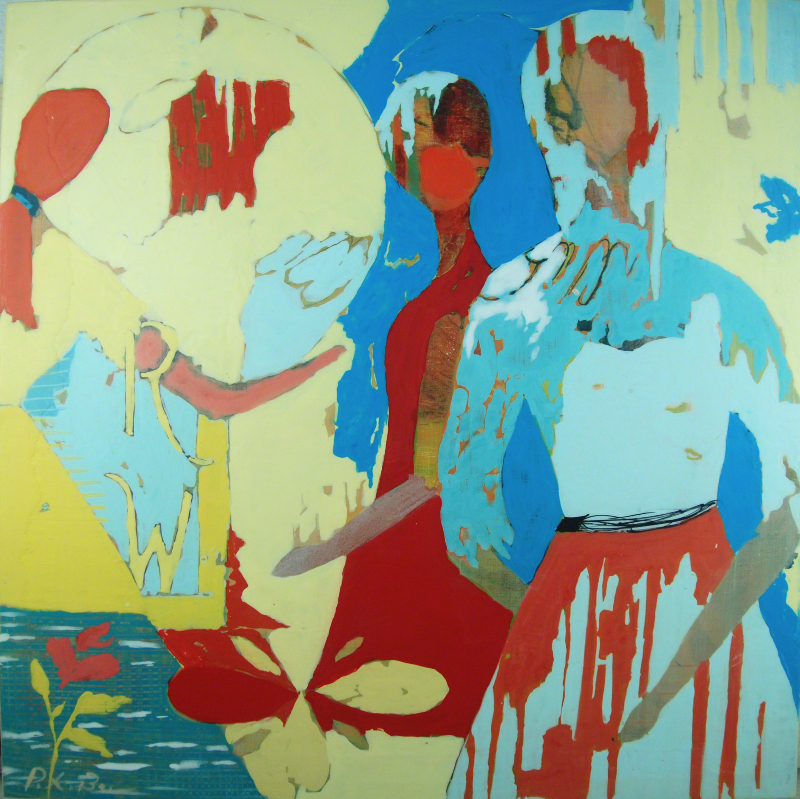
Painting of 3 women by Pam Beer
©Pamela K. Beer, Riverside. Acrylic on canvas, 20 x 20 inches. Used with permission.

↓ Please leave a comment below. ↓

About Curious Monday

Curious Monday is a weekly question that is sent only to subscribers.

I’m curious about how you live your life as an artist, how you juggle the demands on your time, and what you’re thinking about.

I hope you’ll read the responses from other artists. Maybe you’ll get some ideas or even feel a little more connected as a result.

Feel free to leave suggestions for future Curious Monday questions in a comment.

Subscribe to Curious Monday

The post Have You Lost Friendships Because You Are An Artist? (Curious Monday) appeared first on Art Biz Success.

]]>
https://dy-online.com/lost-friendships/feed/ 92