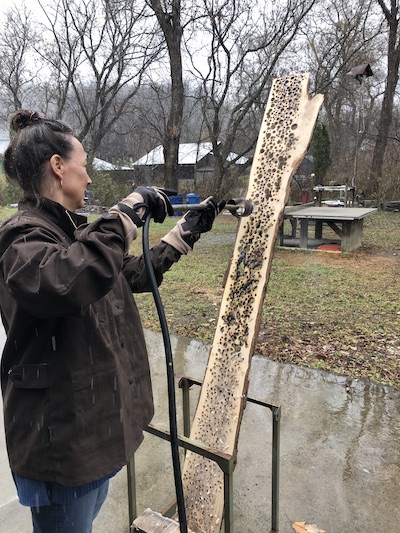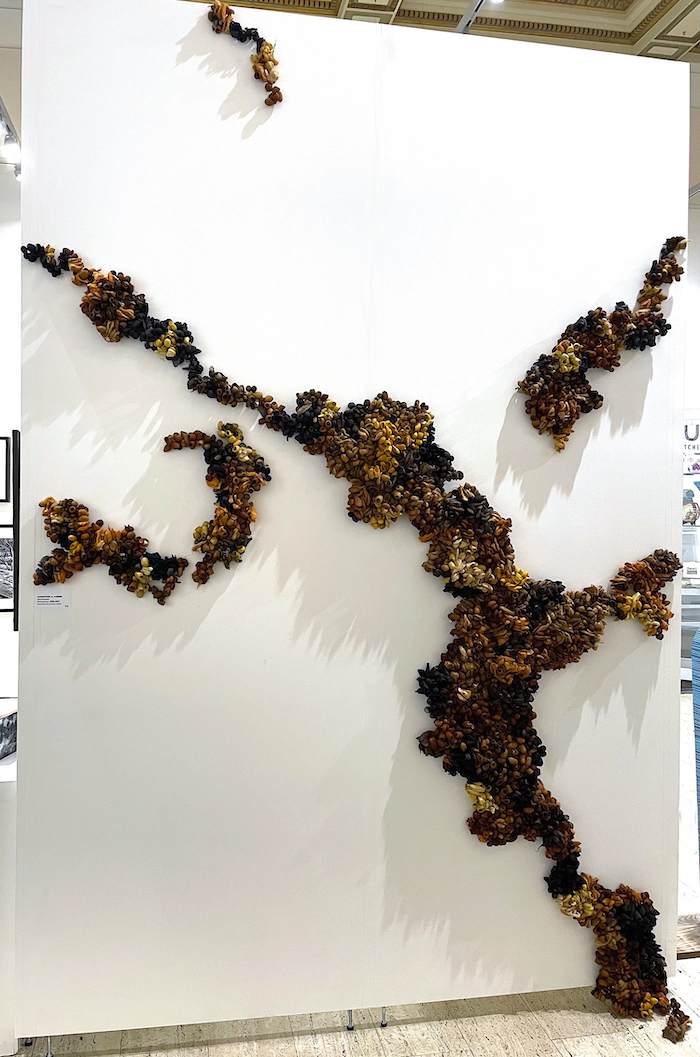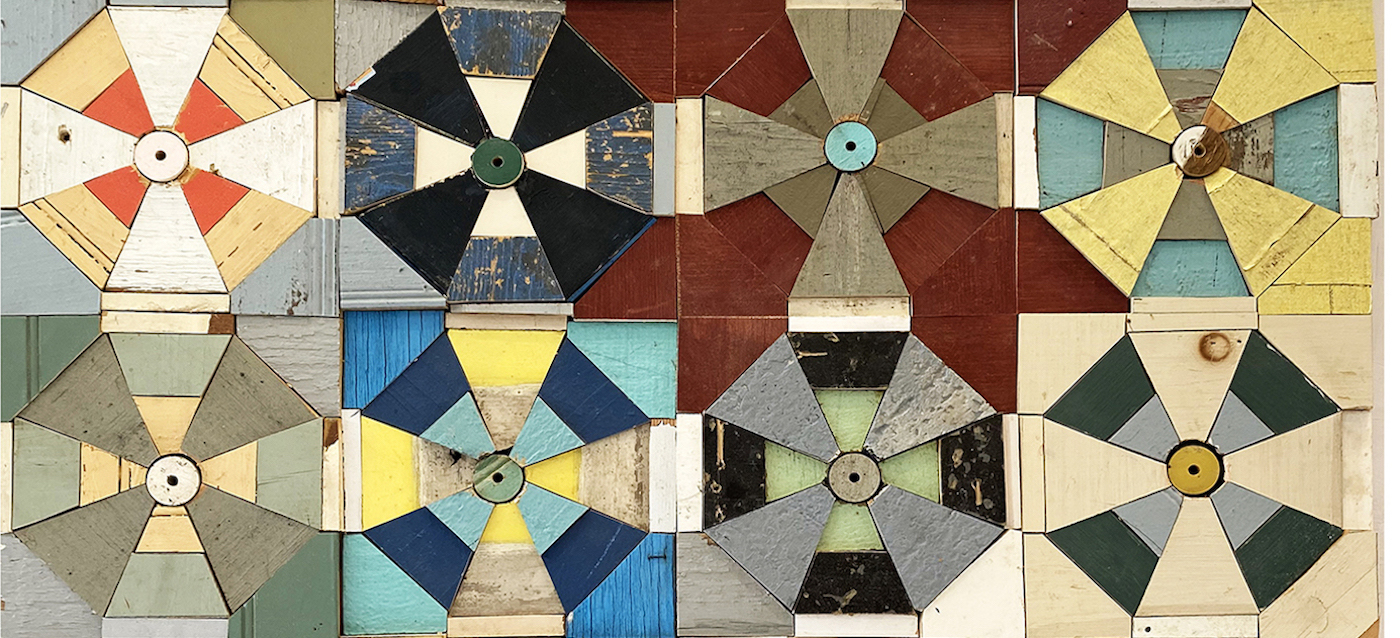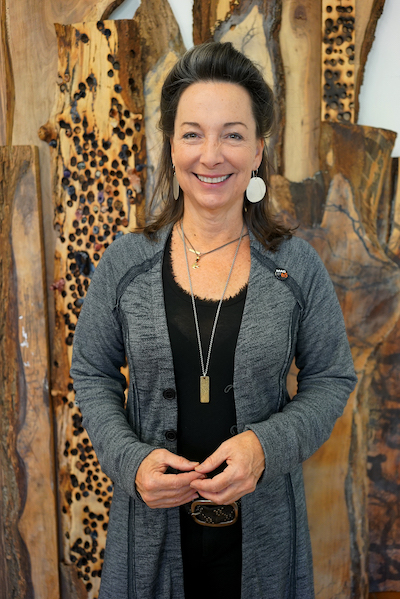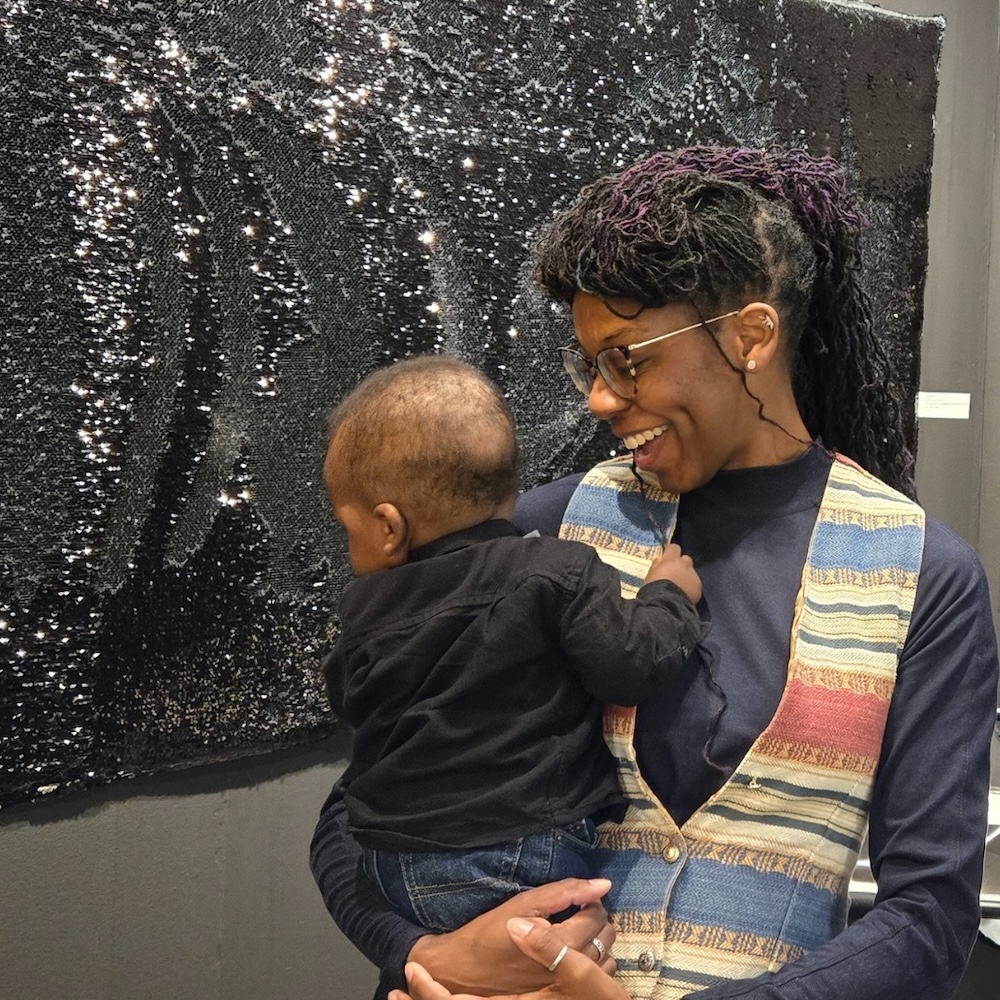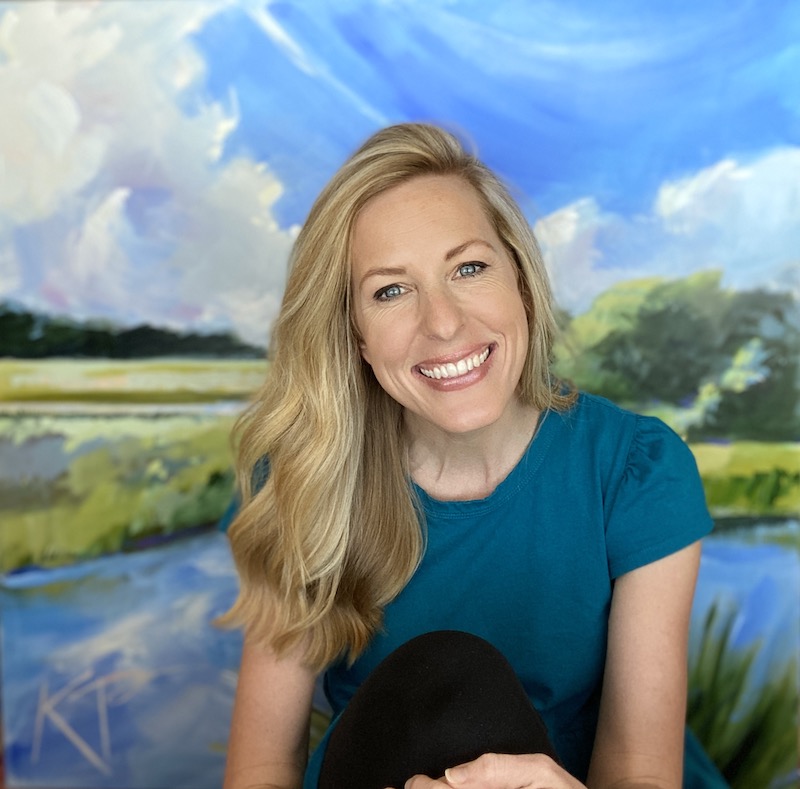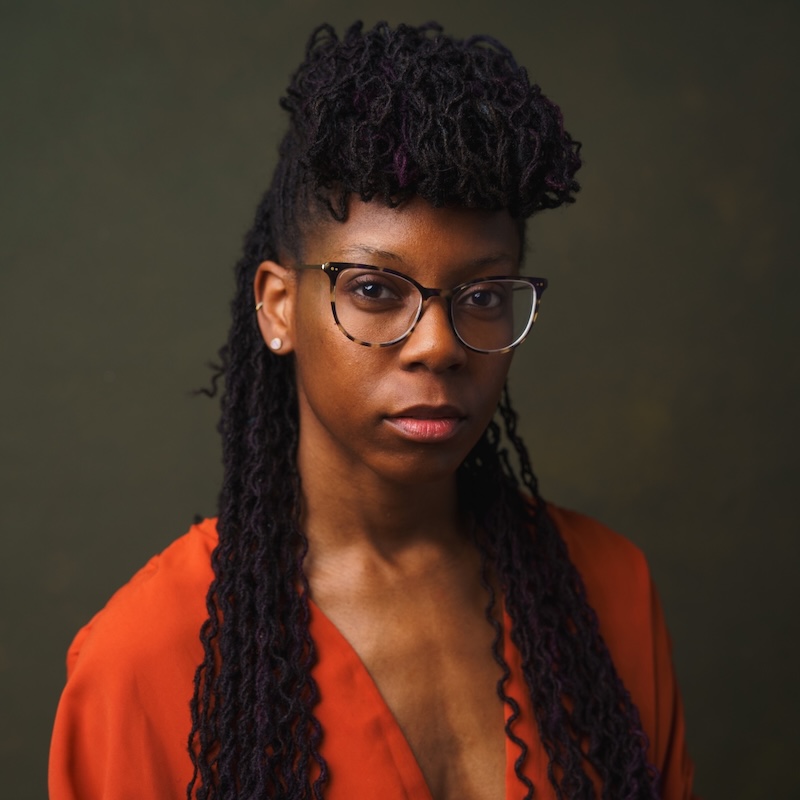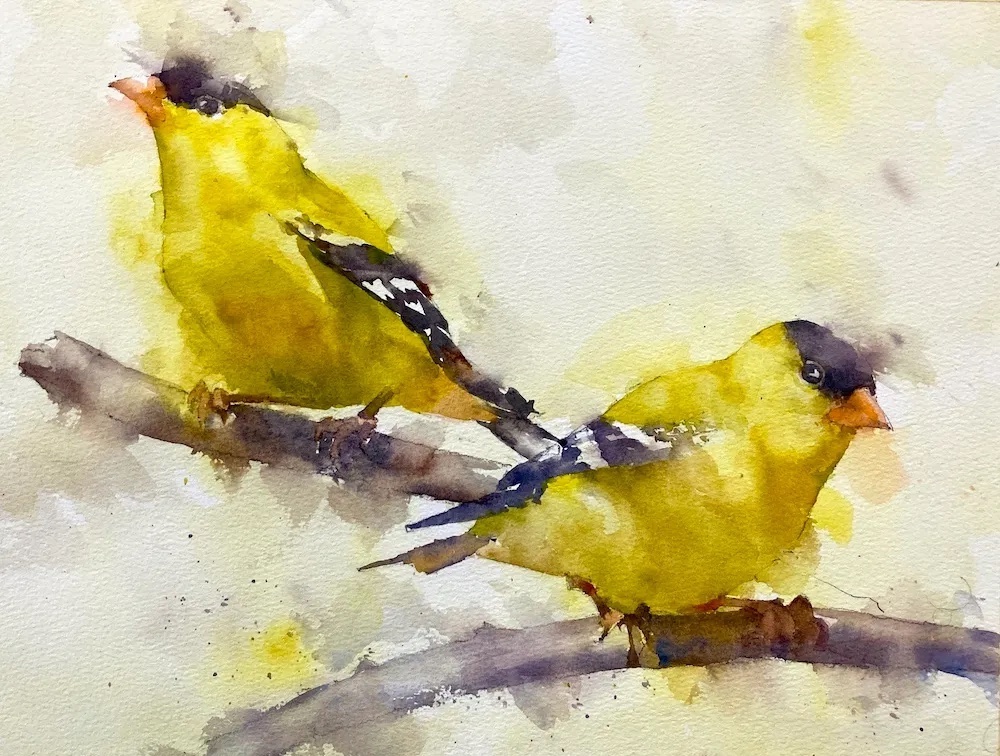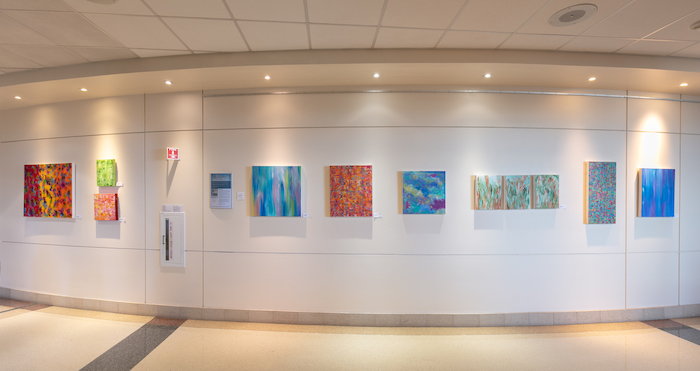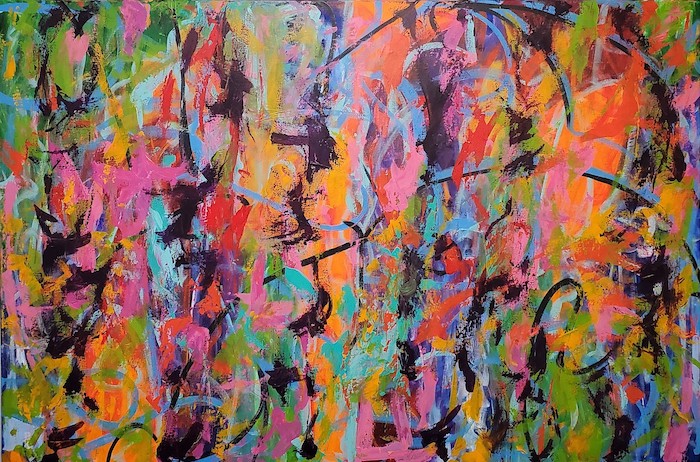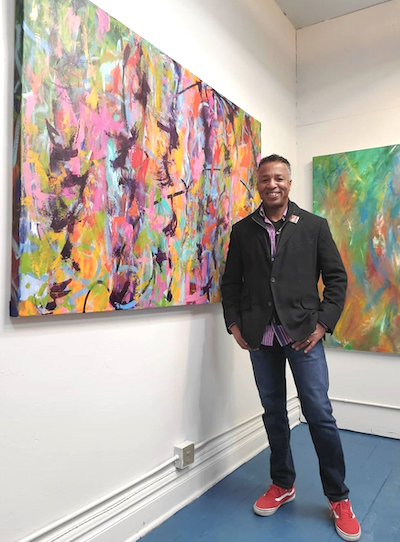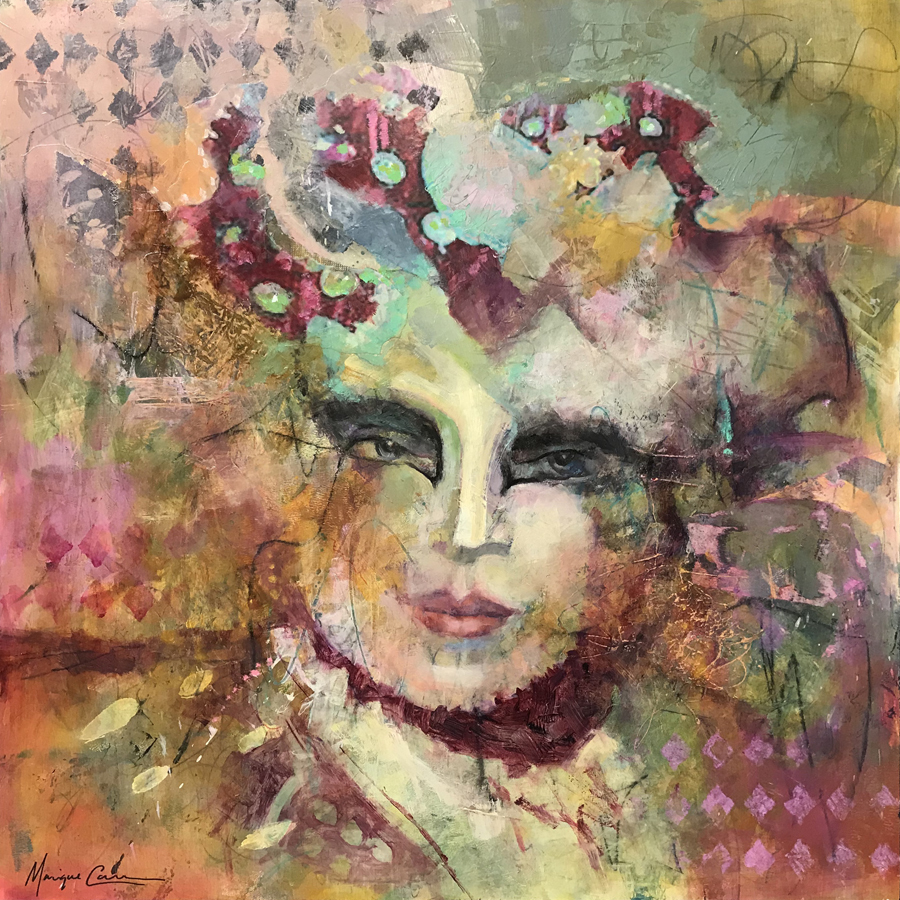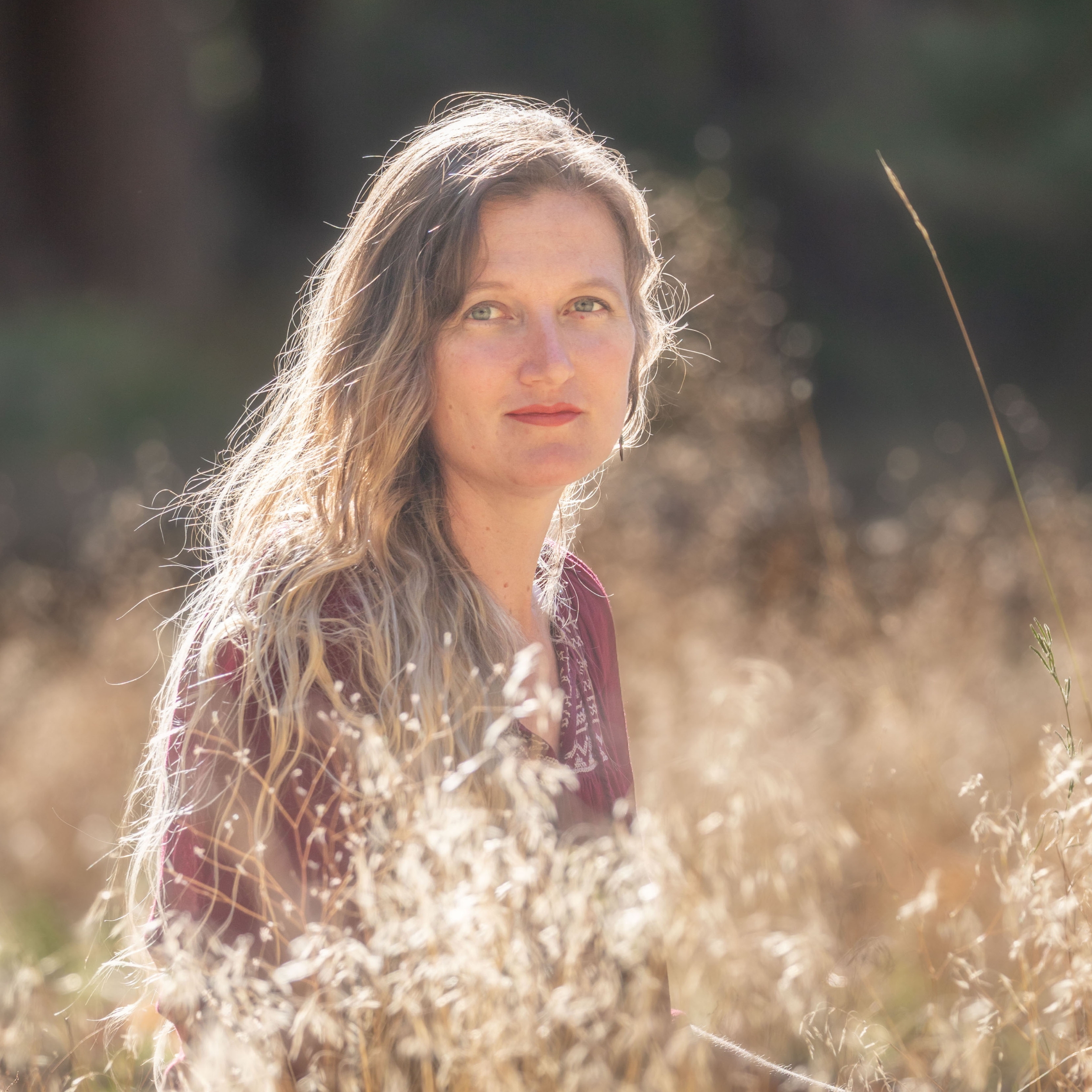
You'll become more and more resilient every time you take a risk that doesn’t work out as you had intended. You’ll bounce back. And you’ll be stronger for it in the long run. Promise. Listen to how this plays out for Christine Aaron.
The post Risk, rejection, and resilience with Christine Aaron (114) appeared first on Art Biz Success.
]]>(New share of an episode from 2022 that is very much related what we’re doing in Essentials this season.)
We like a sure thing. The desire to eliminate risk has birthed many a promise in marketing messages. Because we keep looking for magic bullets. We continue to hope that the 1 thing that will solve all of our problems about [fill in the blank] is out there.
Still, uncertainty persists, and it’s a thorn in our side. Because, again, we would much prefer a sure thing.
I want to make what I know will sell, I’ve heard from risk-intolerant artists throughout the years.
Making art for the marketplace turns my stomach. It’s the antithesis of what art, at its core is about. This is one of the few times when I’ll should on you: You should only make art that comes from your soul. Art that must be birthed. Anything less is less than art.
What is art—great art—if not a risk at the time it was made?
History books are sorely lacking in stories of people who played it safe. What boring stories those are! History is made by people who took big risks.
In order to embrace risk, we have to practice. We step into it, try it on, and, almost always, discover that it isn’t as bad as the soundtrack we were playing in our heads.
Here’s another one I hear: I want to make sure it’s the right thing to do.
Think about those words the next time you hear them come out of your mouth. When, in the history of the Universe, has anyone ever been 100% sure that their next move was the right move for their long-term happiness and success?
You want a sure thing? Go back to engineering school. There’s plenty of work for you in that field.
Yes, you’re going to make mistakes. You will absolutely make the “wrong” decisions from time to time. And you’re going to be rejected from shows and opportunities. Count on them. Prepare for them. You’ll survive.
You may be a bit black and blue. But you’ll use courage muscles you never had before.
You’ll become more and more resilient every time you take a risk that doesn’t work out as you had intended. You’ll bounce back. And you’ll be stronger for it in the long run. Promise.
My guest to discuss these things on The Art Biz is Christine Aaron.
You’ll hear how she embraces risk and has come to understand the role of rejection in her art career. She also shares the tools she relies on to get back in the studio and do it all over again. Resilience.
Listen to other artists talk about risk, rejection, and failure.
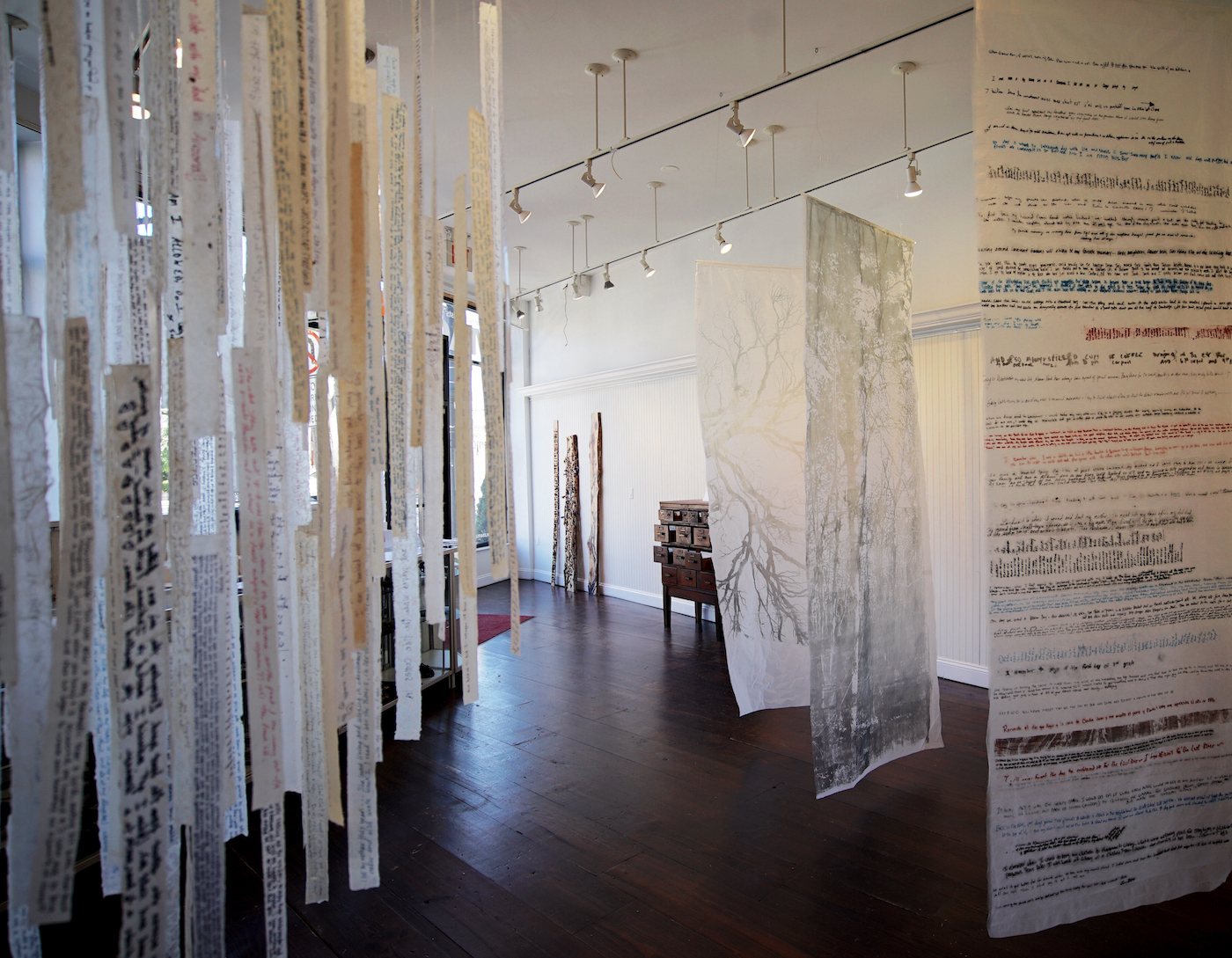
Christine Aaron is a conceptual and material focused artist. Her work is exhibited nationally and internationally. Aaron received an artist’s grant from ArtsWestchester—New York State Council on The Arts, a Surface Design Association grant, and a residency and grant from Vermont Studio Center. She presents talks at The International Encaustic Conference in Provincetown, MA, received awards in printmaking and mixed media, and had a solo exhibit of The Memory Project at California Museum of Art Thousand Oaks.
Aaron holds a BS in education from Cornell University and a Masters in Social Work from Hunter College. She lives and maintains a studio in New Rochelle, NY.
Follow Christine on Instagram: @christineaaronart
The post Risk, rejection, and resilience with Christine Aaron (114) appeared first on Art Biz Success.
]]>She also shares how she's built a sustainable art career by treating it like a business from day one, leveraging transferable skills, and setting non-negotiable rules for her practice.
The post The Strategic Artist: Zero Debt Art Degrees with Stephanie Brown (247) appeared first on Art Biz Success.
]]>Here’s a belief I encounter constantly that might sound familiar: that being strategic about money somehow makes you less of an artist. That planning ahead or making calculated career decisions means you’re selling out.
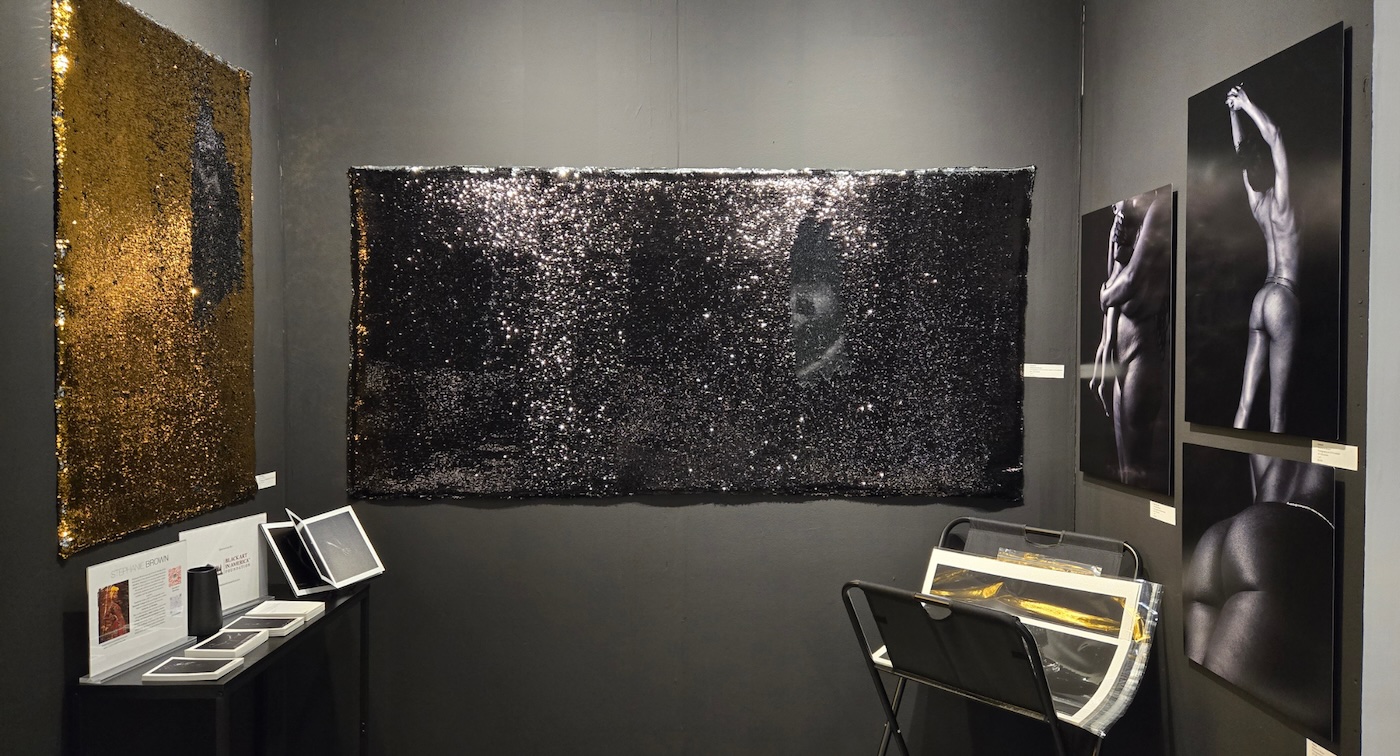
Stephanie Brown proves otherwise.
The photographer and interactive installation artist graduated from Savannah College of Art and Design debt-free, secured a fully funded MFA at University of Michigan, and has spent the past 7 years building a sustainable art practice with intentional, strategic thinking.
In this conversation, which is the first of a 2-part interview, Stephanie shares exactly how she made it work, and why treating your art career like a business from day one doesn’t diminish your creativity. It amplifies it.
Stephanie didn’t leave her education to chance. She applied early to SCAD, worked relentlessly for scholarships, and made her first year completely free. Then she took general education classes at community college during summers to save thousands of dollars—and ended up graduating a year early.
For her MFA, she only applied to fully funded programs. The best advice she received? Only pursue graduate school when you know what you want to say to the world as an artist.
[ Suggested read: “The Art School Debt Trap” by Damien Davis for Hyperallergic. ]
After graduation, she continued thinking strategically. She:
The result? A career built on intention rather than hope. Financial stability that supports her art rather than draining it. And the freedom to make the work she wants to make.
Create your own non-negotiable parameters for your art practice. Stephanie’s are at least one residency and two exhibitions per year.
What would your rules be?
“I know that a private school, our education is expensive and I wanna make sure that I’m maximizing the dollars being here. So I did not take any non-art classes at SCAD.”
“You either get a master’s degree for one of two reasons. Either 1, because you need your terminal degree and you wanna be a professor or 2 because you want to utilize your master’s program to launch your career.”
“My name is Stephanie Brown and I’m a full-time artist. I pay my bills with my art practice. That has always been the goal.”
“I started coming up with rules for myself, like one art residency a year, at least two exhibitions a year. Different things to ensure that … if I met you on whatever day I could say I’m an exhibiting artist.”
“This is how people do it. This is how I can be an artist and not be drained. Like just the commute alone kills you.”
“I can tell you about artwork that I’ve done (with) $10,000 budgets, $5,000 budgets, $50,000 budgets. I had to manage all of that for myself and my art practice. And these are the transferable skills that a lot of artists don’t realize they have.”
Stephanie Brown is an Atlanta based photographer and interactive installation artist. She is also the host of IN BTWN ARTIST, a podcast about navigating sustainable creative careers. Her conceptual artwork explores how people of African descent construct their identities through social, cultural, and systematic confines.
Stephanie identifies as an interdisciplinary artist interweaving mediums to narrate a greater contextual story rooted in historical research and contributes contemporary perspectives that empower people of African descent to discover themselves and take control of who they choose to be and become.
Follow Stephanie on Instagram: @createdbrown and @stephaniesquared_
The post The Strategic Artist: Zero Debt Art Degrees with Stephanie Brown (247) appeared first on Art Biz Success.
]]>I cover: Why devotion to the work has to come first, when you can call yourself an artist, why you shouldn’t be devoted to 1 medium, and the first 6 practical business steps.
The post Starting your art career (173) appeared first on Art Biz Success.
]]>This post might be for you or, as you’ll see, it might be a gift you share with another artist.
This isn’t for artists who want to dabble and keep art as a hobby. I so respect your desire to enter and exit the studio whenever you feel like it, but this isn’t for you.
This isn’t even for artists who want to set up a side hustle of selling art here and there to make some extra cash. Again, I respect the fact that you want or need to do that, but what I share here isn’t for you.
This is for anyone who is serious about building and living the life of an artist.
I hate to even call this episode “Starting Your Art Career.” “Starting Your Art Business” isn’t any better, but the algorithms seem to prefer these options.
The words Career and Business imply a financial goal and that can’t be the end game. It’s more like “Starting Your Artist Life” because it requires a devotion to the work, not to making money.
It’s not about making a living as an artist because it is too much pressure—on yourself and especially on your art—to make the leap to making a living when starting out.
In her book Big Magic, the book for artists I wish I had written, Elizabeth Gilbert writes, “There’s no dishonor in having a job. What is dishonorable is scaring away your creativity by demanding that it pay for your entire existence.”
The bottom line: Don’t even think about making a living from your art in the early stages of forming an art business. It’s too much pressure and unrealistic at this point.
This is also for you if artists ask for your advice about how they can do what you have done.
Maybe you teach or you have a lot of Instagram followers and are consistently asked for your counsel. If you want to spend time responding, by all means do so.
But there is no need to spend time going into depth, unless mentoring is one of your things. Just send them to this episode (#173) of The Art Biz.
I’m going to give you some practical steps to take, but you first have to hear me preach from my pulpit.
When you set out on this path, you must commit to the work and to the life of the artist. You are going to need, above all, patience.
You are creating a life around your art and it will take time—especially if you have led a parallel life with a different identity.
You might be accustomed to labeling yourself with a different moniker.
I am a teacher … a graphic designer … an engineer … a mother … a student … a writer … a doctor … a dentist … a lawyer.
By the way, I’ve worked with all of those artists before. Artists who were previously any one of those things.
It’s time to try on the word Artist instead. As long as you are maintaining your studio practice, you have my permission (in case you need it) to call yourself an artist.
You might hesitate to call yourself an artist at first, and that’s normal.
For many artists starting on their paths, saying “I’m an artist” sounds presumptuous. Know you are not alone,
You must build your confidence so that you don’t require outside approval. There’s no sense waiting on The National Board of Artists to anoint you with the title of artist because that isn’t a thing. You have to do this for yourself.
I’ve learned that it’s easier for those with art degrees to call themselves artists—probably because they have a single piece of paper with an official seal on it.
But that’s only a degree. Having an official piece of paper doesn’t mean you’re an artist.
Having shows, selling your art, and receiving grants doesn’t make you an artist.
You don’t have to sell the work to be able to say “I am an artist,” though I certainly understand that showing, selling, and having a stamp of approval from others is helpful.
What makes you an artist is devotion to the work you do in the studio.
You only have to be devoted to the work. In his book, The Creative Act: A Way of Being, Rick Rubin writes, “The goal is to live your life in the service of art.”
That may sound dramatic when you’re just starting out, but it’s 100% excellent advice. I’ve worked with thousands of artists over the years and I know that dedicated artists live their lives in service to the art. It’s not in service to a job. It’s a much higher calling than a job.
You may still be taking classes, learning from others, which is expected. Never stop learning.
Continue to find your way past the technique and knowledge of your medium of choice. Even better if you try every medium that sparks your imagination.
The principal mandate for starting your art career is a devotion to the work. Not the medium. The art.
You are not a watercolor artist or a ceramic artist. You are an ARTIST. The medium is irrelevant.
As an artist, you will find whatever medium is necessary to relate your message.
Replay that last thought again. The medium is irrelevant.
Artists—true artists—will find whatever medium is necessary to relate their message. They don’t confine themselves to a single medium.
Aim for work that you can call your own. That isn’t derivative of your teachers.
Be wary of all teachers that ask you to make work like theirs. The best teachers help you find your way rather than guiding you to copy what they do.
I’ve learned this in my own work supporting artists in their businesses.
For years (longer than I care to admit) I stressed business structures that needed to be done in a certain way. Of course there are some non-negotiables, which I’ll get to in a minute, but I now know that everyone is different.
There is no single trajectory to success.
In my programs, such as my new ESSENTIALS training, I offer options based on what I’ve seen implemented by artists throughout the years.
There is no single trajectory to success. Each artist must find their way.
Just as you must find your voice in your art, you must also find a style for running your art life. Try on suggestions and see how they fit.
I’d love to help you find your way. See Establish Yourself: Essentials for Artist Success.
For a long time I avoided working with artists just starting their journeys because I didn’t see the devotion in many of them.
I am the last person who would try to talk you into an artist’s life because I know—really know—how difficult it is. Not from lived experience (because I am not an artist with a studio practice) but from supporting artists for more than two decades. And, yes, I did go to art school, though I came out on the other side with two degrees in art history and spent 10 years working in art museums.
I’ve witnessed the toll that the artist’s life can take.
These things are darn near impossible to move past when you aren’t 100% devoted to the work.
You can’t be driven primarily by sales. You must have a higher calling that is your Why. Your reason for pursuing the life of an artist.
Yes, it’s difficult to live the life of an artist, but the rewards are great. I’ve been blessed to witness the joyful moments for many of my artist-clients.
I will never encourage you to follow your passion and turn your art into a business because making art and trying to find a market for that art are two different things.
Some artists are thrilled by the challenge of marketing and selling their art. They love to make connections that further their goals.
Other artists can’t stomach it.
Regardless of your feelings about marketing and selling, one thing is for sure. You almost always look at the work differently when you ask money for it. You risk seeing it as a product rather than your passion.
You might wonder how you could change it so that it would find a bigger audience or sell faster.
This line of thinking is the danger zone.
Changing your art for the market is like carving out its soul.
By all means change the work for a higher level of self-satisfaction or for improving it, but don’t change it for the market. That’s like carving out its soul.
If you decide to make the leap and go for the artist’s life, here are the first 6 practical business steps—actions you need to take to turn your art into an official business.
How do you want to be known in the history books? Art history is made up of stories of individual artists, not of company names, so use some version of your name.
Pick a name and get on with it. Use it for everything related to your business.
I encourage women to use their maiden names—a strong opinion based on hearing many heartbreaking stories over the years.
Way back in episode 56 I talked in depth about how to name your art business—even when your name is common or hard to spell. I encourage you to listen to that if you are stumped.
Once you know your professional name, you can move on to these additional steps.
NOTE: My advice is particular to artists in the U.S. You will have to adjust to your location and tweak for individual states.
It’s been a long time since I’ve done these, but I’m pretty sure this is a good order.
Most artists are sole proprietors—especially when starting out.
As you grow, you can consider becoming an LLC or S-Corporation for tax and liability purposes, but registering as a sole proprietor has the least amount of friction for starting your business.
It’s always good to talk with your accountants before committing to a particular structure and taking the next steps.
In the U.S., register your business with your state of residence.
Every state has its own rules, and how you register will depend on your business.
My business is an S-Corporation and is registered with the Colorado Secretary of State as Stanfield Art Associates, Inc. I further registered the DBA (Doing Business As) name of Art Biz Success.
As an S-Corp, I’m required to do one annual filing with the State. It basically says, Yep! Still here! Still in charge. Here’s my $16. It takes less than 5 minutes to submit.
If you are going to be selling, you’re also going to be collecting and paying taxes.
In the U.S., register for a Federal Employee Identification Number (FEIN or EIN). I encourage my clients—even those who have sole proprietorships—to get a separate Tax ID number so that you aren’t using your Social Security Number for your business.
This is free and looks like a super easy online process now, compared to when I had to mail in the application and wait.
After you have the above in place …
Sales taxes are the bane of my existence. I have completely changed my offerings so that I don’t have to figure out sales taxes on products that would be taxable. Most artists don’t have this luxury because art is taxable in the U.S.
I have sales tax licenses with the State of Colorado and the City of Golden. I submit sales tax reports to the State, which includes a line for Jefferson County, and a separate filing to the city of Golden—even though I have zero due. Fortunately, I only have to do this once a year.
If I had lots of sales tax due—not sure what the threshold is—I would need to submit quarterly. I’ve never had that problem because much of what I sell isn’t taxable.
I urge you to take free sales tax courses in your location. I attended ones at the state and municipal levels. They were free and extremely helpful.
Get a checking account just for your art business, and probably a credit card as well.
I can’t emphasize strongly enough how important it is to separate your business from your personal finances. You need financial bookkeeping for personal and business.
I will never forget the heartbreaking story of a widowed artist who mixed her business and personal finances and was fighting over the estate’s value with her deceased husband’s children when she should have been mourning her loss. They were going after the work she had done as an artist.
Her grieving process would have gone more smoothly if she had only separated her personal and business finances.
The only reason I know this story is that she sent it to me to share with other artists so they wouldn’t make the same mistake.
Of course, there is more to do. There’s always more to do.
But there is no sense jumping ahead with those until you get the basics in place.
I want to help you with your next steps in my Essentials program for beginning and emerging artists.
NOTE: This article contains affiliate links. See Privacy + Terms.
The post Starting your art career (173) appeared first on Art Biz Success.
]]>In order to feel successful, break down your success into smaller increments that are achievable, stay tuned in to your life circumstances, embrace failures that allow you to course correct toward a direction that’s more aligned with who you are now, and celebrate—even for a brief moment—your accomplishments, regardless of how big or small.
The post How to feel like a successful artist (165) appeared first on Art Biz Success.
]]>I have had a lot of successful artist-clients over the course of my career, and one thing I can say for certain is that not one of them looks like the other.
Each artist’s path is unique to them.
I’ve been wanting to do another episode on this topic for quite some time now. The last one I did that addresses the subject specifically is way back in episode 32: Success Is Complicated.
I’ve been putting this one off because I haven’t been able to tie it up in a nice bow. But then I thought … Neatly packaged articles and podcast don’t really interest me. I’m more drawn in by questions. By messy thinking.
So maybe you and I together can think this through. We won’t have all of the answers at the end, but that’s okay. At the end, I’ll reveal my best advice for feeling like a successful artist.
Success. It’s a loaded word. Single, simple, 1 word. As if it had a simple definition, which led me to look it up. The definition I came up with, after looking at what’s out there, is this:
Success is achieving a desired outcome. You can say “goal” if you want.
Success is achieving your goal.
If that’s the case, …
Your definition of success might be defined in any combination of the following ways.
What I’m not including here and I hesitate to even mention is the impulse to consider a certain number of followers or likes on social media as success. That might be a fun achievement to recognize (and I’ve been there myself) but it’s fleeting. And it doesn’t always translate to what really matters.
If success is achieving a desired outcome, that means you must have a specific result in mind. Very few artists have a specific outcome in mind when I first start working with them.
Or they have a specific outcome that seems to have been tailor made for someone else. It has nothing to do with what they really want for themselves and everything to do with what they think they should want. Or what they’ve seen other artists achieve.
I consider every artist-guest of The Art Biz podcast to be successful, but … Wow! Each one of them measured success differently. Some were on the show to talk about short-term successes while others had lessons for the long-term.
In episode 109, Mai Wyn Schantz revealed how she pulled together a lucrative pop-up art gallery near the end of the pandemic.
In episode 160, Heather Beardsley admitted to overcoming anxiety about making art world connections that led to a solo museum exhibition.
In episode 157, Sarah Becktel shared how she increased her self-sales 400% by focusing on certain shows.
In episodes 126 and 128, Willie Cole and Detour showed us how they collaborate with well-known brands, an enviable achievement.
And I must mention episode 121 when Eve Jacobs-Carnahan gave 5 indicators to measure the effectiveness (i.e. success) of any project.
I could go on, but don’t need to. Pick any interview with an artist and you can find lessons about success.
For example, you might call Heather’s solo museum exhibition the pinnacle of success, but Heather was also successful by overcoming her anxiety. She had to pass that milestone before moving forward.
These artists’ big successes couldn’t have happened without the so-called smaller successes along the way.
And, undoubtedly, numerous failures that were never mentioned.
My point is this: The artist success stories you hear aren’t yours. You have to write your own story.
I will never forget one of my clients telling me that she held on to a particular image of the artist Agnes Martin in later life as a beacon for her journey. I loved that vision. And I could picture the photo.
But what does it mean if that’s your vision?
Does it mean you seek a similar path to the famous abstract artist? It’s impossible, of course, to go back into time and hang out at Coenties Slip with the likes of Ellsworth Kelly, Lenore Tawney, and Robert Indiana. But you might be able to nurture a similar feeling of community wherever you are.
You may look at that photo of Agnes Martin and write in your journal about what it means to you. What feelings are present when you look at her and her surroundings? What is in her life that you can aspire to 65 years later?
Again, her story is her story. You have to write your own. And it’s okay if you don’t have the same clear vision as my client had when recalling the Agnes Martin photo.
You can get there and maybe this will help. These are the two big questions I ask new clients:
If—after hearing their responses—I need more specifics, I might drill down on the question of what they want from their art.
What do you want FROM YOUR ART?
I’ve discovered that this question isn’t easy to answer. Most artists haven’t taken the time to consider it, and it’s understandable if you don’t have the answer on the tip of your tongue. There are other ways to ask this question.
Why are you making all of this art? What do you want to happen with it? Where should it end up?
Is making it—getting it out of you—enough? Or do you need more in order to be fulfilled as an artist?
Asking tough questions are what coaches are for. To help you uncover answers that may be buried deep inside.
Additional questions that are related to the traditional definitions of success might be:
Here’s the thing. You might think of art as a form of self-expression, and it certainly is. But meaningful art doesn’t remain in the realm of expression.
Self-expression is only the first phase, and the word expression implies that someone is on the receiving end—watching and ready to engage.
Art, I strongly believe, is, in the end, a form of communication. It requires someone else (the viewer) to complete it.
Most definitions of success depend on forces outside of our control.
Personalities and actions that are out of our purview.
People will respond or they won’t. They’ll buy our art or they won’t. They’ll give us a show or they won’t. They’ll sign up for a class or they won’t.
Of course, it’s never that simple. You can—and must—do everything you can to position yourself so that those things can happen for you.
If self-expression is only the first phase of your art and requires others to complete it, what does the completion look like for you? Who is part of your loop?
Armed with these answers, you can then ask …
I listen to hear if what my clients say they want from their art is aligned with how they say they want their life to be.
For example, I coach a lot of people over 50, especially women. And many of them are new grandmothers. They want to spend time with their grandchildren, and I wouldn’t blame them.
Some even want to be available on-call as babysitters. It’s fine if you want these things, but it’s not conducive to a structured business routine. If you want to be available 24/7 as a babysitter, your life as an artist is going to be impacted. Your goals and expectations may need to be adjusted.
Same if you need to be on call for your own kids. Or for an elderly parent.
If you’re in one of these situations, think about these questions.
Do you need to have different expectations about how much you can take on?
The answer to this last question is, by the way, almost always Yes, regardless of the circumstances. I’ve been struggling a lot lately with my desire to take on too much. This from someone who leads the Artist Planning Sessions!
The answers to what you want from your art and how you want your life to be will guide your direction. And, your direction might have to change.
If you want to write up a 10-year business plan, knock yourself out. Me? I can’t imagine planning more than 12 months out. Too many things change too quickly these days.
Think of all the 10-year plans that were thrown out in April of 2020. It doesn’t mean the plans didn’t provide useful guidance or that those who wrote them didn’t reap benefit from them. It just means that … Holy cats! Nobody saw that coming.
We have to be able to adapt to new technology, world events, natural disasters, and social situations. And we never know what crazy curveball is going to be lobbed our way by a loved one.
You must stay tuned in to your life and unique circumstances—knowing yourself well enough to constantly massage your definition of success.
You have to be okay with changing directions, which means you must also be okay with taking risks and failing. You won’t grow until you do.
These are all part of a well-lived life, and also key to being an astute artist in charge of their business.
You may not currently have a clear vision of what success with your art looks like, but don’t let that stop you. Keep showing up for yourself and your art and your vision will appear.
I’ll leave you with this advice, which I am passionate about.
Define your success in terms of building momentum. Seeing forward motion—one step at a time.
Every week, I ask members of my Art Biz Accelerator and Create Opportunities Challenge community to submit progress reports. They all begin with recognition of achievements.
What was good this week? What did you accomplish? What are you celebrating?
When my first coaches had me do this on my check-ins, I thought it was a waste of time and silly. “Who cares what I did,” I thought. “I am focused on what’s next and what’s in my way of that goal.” I wanted to talk about strategies and solutions, not about some task or result that happened in the recent past.
I was wrong. Way wrong.
Seeing progress keeps us motivated to continue the journey.
From my private clients, I ask for more details. I want to see many more accomplishments. I’m looking for a long list. Every client who takes the time to write down their progress since the last time we talked admits proudly, “I did more than I thought I did!”
I did more than I thought I did. You do more than you think you do or are capable of. I promise.
Every task you complete and every project you wrap up makes you a success.
To feel successful as an artist you must acknowledge the progress you’re making.
I urge you to break down your success into smaller increments that are achievable, stay tuned in to your life circumstances, embrace failures that allow you to course correct toward a direction that’s more aligned with who you are now, and celebrate—even for a brief moment—your accomplishments, regardless of how big or small.
I’m not talking about scheduling a mani-pedi or massage for every accomplishment. Taking a deep breath, smiling, and writing it down is enough.
Of course, it’s more meaningful when someone is on the receiving end of your celebrations—a coach or another artist who understands.
Who is there to listen and cheer you on?
If this is missing for you, I invite you to join our community.
If you’re looking for new opportunities for showing and selling your art, join us in the Essentials program.
If you crave being around like-minded, forward-thinking artists who get you, look at my Art Biz Accelerator, which is open for new members.
The post How to feel like a successful artist (165) appeared first on Art Biz Success.
]]>But, first, I want to share my list of 8 criteria you might consider before making a decision about whether or not to steer your art business in a certain direction.
The post Your decision filter for marketing and other projects (139) appeared first on Art Biz Success.
]]>Every day you are faced with new opportunities.
Should you invest in social media advertising? Or should you focus on being more consistent with your posts? Or maybe devote your time to learning how to use Pinterest more effectively?
Should you approach galleries to represent your art? Or organize a series of open studios? Or enter that show that seems like a long shot?
Should you create an online workshop to teach what you know best? Or double down on selling your art?
They all sound great! You’ve seen them work for other artists. You start shoulding on yourself. There is so much you should do! So much you want to do!
How do you decide?
[ I’ve since refined these considerations into The Artist’s Decision-Making Framework ]
In this solo episode of The Art Biz, I want to talk about your decision filter: How you make decisions about what projects to take on and where to spend your time, energy, and financial resources.
If I could wave a magic wand and make one part of my business easier, it would be around making decisions. Specifically, I’d like to have to make far fewer decisions than is required.
Seriously, I would call upon the goddesses to remove this burden from my daily operations. Pleeeeeez. Now.
But why should I get a pass? The whole world is grappling with decision fatigue. I recently read that we make as many as 200 decisions per day about food. Just. Food. Two-hundred decisions.
That’s exhausting! If we can’t decide what to eat, then how can we expect to have clarity about the potential of new opportunities like those I mentioned in the opening?
We all have a trusted process for making decisions, whether or not we’re aware of it. At the end of this article, I’m going to reveal something that has helped me enormously when making decisions.
But, first, I want to share my list of 8 criteria you might consider before making a decision about whether or not to take on a new project or steer your art business in a certain direction.
I previously had 6 criteria, and have to give a nod to Katie Hunt, who, in episode 138, gave me a couple more good ones to add to my list.
Here are my 8 considerations for taking on a new project.
Your task or project doesn’t need to—and won’t—meet all of these criteria. It would be weird if it did. But they are all things that can be considered.
Maybe just 1 or 2 of them is enough for you to say Yes to something or to write it off completely.
Make sure you have a reason to devote time and energy to a project. This has the most weight of all criteria.
Your Why needs to be authentic to you, not you shoulding on yourself or taking on a project because of fear of missing out.
Why do you want this? What might it give you in the end?
Now that you know your reason, you have to ask whether or not you are willing to devote the time and energy.
At the beginning of the artist planning sessions, I ask students to add up how much time on their calendar is currently spoken for. This is an eye opener for many. Then, after they have created a plan for the upcoming months, I ask them to estimate the time their tasks would take.
The artist-planners begin to realize that they aren’t accounting for vacations, down time, or artist dates, let alone actual time they need to spend in the studio.
Yikes! You can see that this is a problem.
If you aren’t working with a coach or someone who is asking you about such things, you have to do it for yourself. Only you know what your priorities are and where you’re willing to negotiate your commitments.
Notice this criterion is that you are willing to devote the time and energy, not that you have the time and energy.
You will never have time. And there will never be the right time. To add another complication, we always overestimate how much energy we think we have and underestimate how much time a task will take.
You have to know, based on your decision-making process, that you are willing to make this project a priority.
By example, at the time of this writing, I am preparing for the first member mixer of my new Art Biz Accelerator coaching group and community.
I’m absolutely thrilled with the group we have together so far, and I also know that there are others who will be joining in the future. They had major life commitments that would have prevented them from fully participating as an Accelerator member right now. They’re going to take advantage of the fact that they can sign up at any time and join us later.
They weren’t willing to devote the time and energy to this program.
It takes some higher level thinking for artists to get to this point. To understand the kind of control you must exert over your life and schedule. And to not give into a fear of missing out but, instead, to trust your decision filter.
I can’t be upset that they didn’t join me now because this is exactly what I’m looking for in members of the Art Biz Accelerator. Members who are accepting responsibility for their lives and art careers. They’re curious, open to new possibilities, and thinking strategically about their next steps.
Quick aside … If you feel like you are just taking the same business courses over and over again, take a look at the Art Biz Accelerator and see if this coaching group is something that could be helpful and is something you’re willing to devote time and energy to.
The right plan should inspire you to jump out of bed and get to work.
You can’t enjoy every task on your plan. Hopefully you will enjoy most of the process or at least appreciate the potential benefit from doing the work.
Enthusiasm, while it may wane over time, can give you a hefty dose of momentum toward progress.
Or, you can make the creation of the support systems part of your plan.
You want to make sure you’re setting yourself up for success. That you have processes and technology and people in place to help you implement your plan.
For example, if one of the projects you’ve defined for yourself is to create an online course, but you don’t have a social media following or email list, you’d be wise to have a different focus project for the foreseeable future. Work on becoming a credible expert on your topic and building a following so that you have people to sign up for your course when it’s ready.
Then you need to consider what is required of teaching an online program of any kind. Technology! So much of it. There’s the teaching platform itself, but then the components for delivering it: the student outcomes, lesson writing, and video production.
And don’t forget the customer service required. What kind of payment processing will you use? How do you follow up with new students to make sure they feel welcome and confident with the lessons? Are you going to be the one to respond to technology problems from students?
By all means, start creating that course, but maybe your current project is something different—a system or part of a system that will support the success of it.
Or, you’ve done something similar in the recent past and it worked well.
After you have implemented a project, consistently over time, are you benefiting from it? I talked previously about enjoying the project, which might be considered a benefit. But what I’m talking about here are measurable benefits.
Are you selling more art or enrolling more students?
Are more people visiting your website or signing up for your email list?
Are you attracting more followers?
All of these are benefits that can be measured. Dig into the numbers to see what’s working.
When we get results, we are more likely to enjoy the task and improve at it, which is why it’s so important to track progress and results.
I don’t want you to only take on projects that are easy for you. There’s no fulfillment in sticking to what comes easily or seems less scary.
But I do want you to recognize your strengths and use them. Don’t jump on what everyone else is doing. It might not suit your personality, talents, or ultimate goals.
Here are some examples of playing to your strengths (or not).
If you are good in person and enjoy meeting new people, think about spending more time at live events like art openings. Working behind the computer screen is necessary, but, in this instance, you could really move the needle if you’re there in person.
If you love to write, consider starting a blog or publishing articles.
If you love to collaborate, bring artists together for a group exhibition, open studio tour, or holiday sale. On the other hand, if you are absolutely hopeless at staying organized and have no intention of getting help to keep you on track, then don’t initiate collaborations that have many moving parts. With a disorganized person at the helm, the logistics required will lead to frustration for all involved. Especially you.
If you don’t mind being in front of a camera, take advantage of the power of video and think beyond YouTube or Instagram. Maybe send personal videos to collectors or students.
You are pretty sure that if you commit to this and stick with it, you’ll eventually see results.
Nurturing relationships with galleries, collectors, consultants, and curators falls into this category. It will always pay off to give a little love and attention to the people who can buy from you or connect you with others to do the same. You don’t want to allow those relationships to grow cold.
Likewise, if you want to put a lot of energy into teaching, you would be well advised to spend more time developing videos for YouTube than posting to Instagram. Why? Because people go to YouTube to learn and YouTube is second only to Google in the search engine game.
I’m not saying you have to choose between YouTube and Instagram. I just want you to think of the long-term payoff and YouTube’s powerful search engine wins this round.
On the other hand, you might need to consider …
You really need fast results and can sense promise in a particular direction.
The great pivot of the 2020 pandemic was an example of this. A lot of artists lost income and needed to replace it fast. They looked for projects that had a higher opportunity for an immediate payoff. Or just projects that satisfied them while in lockdown.
There is nothing wrong with needing to speed up potential results. Life happens and we need money. Fortunately, we’re our own bosses and can make these decisions.
That’s it. My 8 criteria for taking on a new project.
You can apply these criteria to both the project and the associated tasks that need to be done to complete the project—deciding for yourself which ones have more weight for you at the moment.
Remember: You will never have something that meets all 8 criteria.
How much weight you give each of these is up to you. As much as you might be uncomfortable in the role, you are the decision-maker in your art business. You must be able to discern what is right for you rather than relying on someone else to choose for you.
One criterion is not necessarily more important than the rest, although I believe you always need to have the first one (your Why) before going forward. Other than that, you get to assign the level of importance to each one.
I have a little share here about bringing all of this together in order to make a final decision.
I have dipped my toes into studying the Human Design system. From my Human Design reading, I have learned that I make decisions by writing or talking. To myself or to others.
[ Listen: Every Artist is Designed Differently and What That Means with Jahje Ives ]
It made so much sense when I saw this on my Human Design chart. I can look back on key moments and situations in the past when the clarity came through writing or speaking.
Now I know I need to write in my journal or talk with someone else: a colleague, client, team member, or my husband. Weirdly, the other person doesn’t have to say a thing. I only need to articulate it.
I can’t tell you how helpful it was to see this tendency of mine confirmed.
According to Human Design, there aren’t a lot of people who make their best decisions the same way I do. The majority of people make decisions by trusting their gut. Others sit with the question and feel into it over time.
Fascinating stuff. It’s been so helpful to know my design, how I find my way through the world, how others, including clients, are wired, and how I relate to others. I know it’s not for everyone, but if you’re curious, you can go down the Human Design rabbit hole by visiting JovianArchive.com. If it’s your first encounter with Human Design, I encourage you to get a professional reading of your chart.
As an aside, I am a Projector for those of you who know about Human Design.
And even if you know how you best make decisions, there is still much to consider when you’re faced with a new opportunity. You have to have the facts even before you can call upon your gut, trust in how you feel over time, or, like me, discover through writing or speaking. You have to have the input, and that’s why you use the 8 considerations for taking on a new project.
This article was first published January 31, 2018. It has been updated significantly, with a podcast episode added, Original comments have been left intact.
The post Your decision filter for marketing and other projects (139) appeared first on Art Biz Success.
]]>Laura talks about a few failures she has learned from, why it's helpful to have a little bit of time and space before examining failures, and the shame that gets in the way of sharing failure with others. We also discuss the inevitable comparisons with other artists that arise when you fail and see only their successes.
The post What your failures are teaching you with Laura Petrovich-Cheney (95) appeared first on Art Biz Success.
]]>Failure. We fear it. We ask, What if I fail?, as if failure at one thing would mean the end of all other opportunities.
But failure is necessary for growth. If you are succeeding at everything, there is no way you’re learning and growing. You’re not taking enough risks.
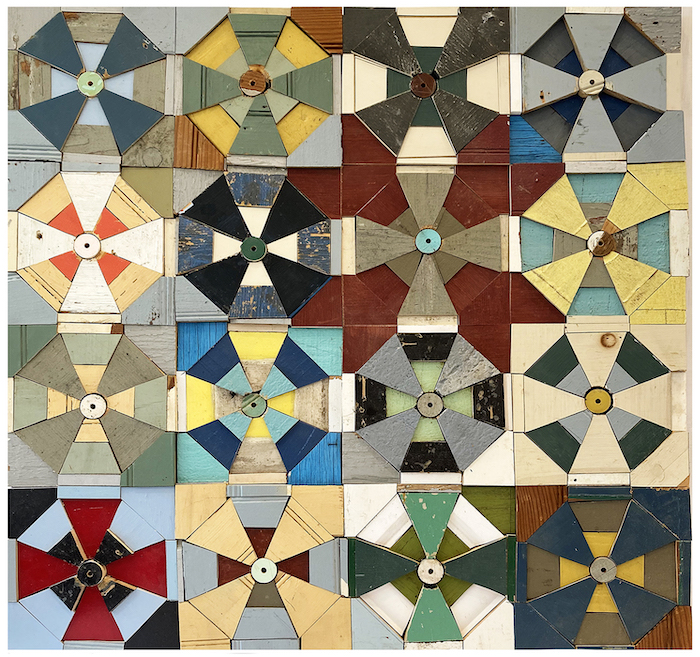
Laura Petrovich-Cheney is not afraid to fail. She’s also ambitious and knows what she wants.
In this episode of the Art Biz Podcast, you’ll hear Laura’s philosophy that failure is the result of not listening to your instincts and not doing your best. This builds on what Leah Smithson was talking about in episode 94 when she said how important it was to listen to her gut to avoid what she called disasters.
We tend to sweep failures under the rug—hoping that nobody will see or notice and that we’ll forget about them. But, as you’ll hear from Laura, we can’t improve without examining what went wrong.
Laura talks about a few failures she has learned from, why it’s helpful to have a little bit of time and space before examining failures, and the shame that gets in the way of sharing failure with others. We also discuss the inevitable comparisons with other artists that arise when you fail and see only their successes.
Music by Wildermiss


Laura Petrovich-Cheney is a contemporary sculptor working with salvaged wood collected after living through an environmental disaster.
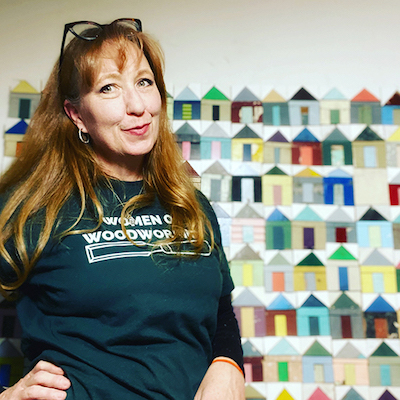
A former fashion designer and art educator, she is directly inspired by quilts and weavings. With her salvaged wood, she explores themes related to feminist identity, contemporary craft, and stories of loss and transformation.
She was a 2017 New Jersey Council on the Arts Fellow in Sculpture and a 2021 Massachusetts Cultural Council Fellow in Craft.
Follow Laura on Instagram: @laurapetrovichcheney
Music by Wildermiss
The post What your failures are teaching you with Laura Petrovich-Cheney (95) appeared first on Art Biz Success.
]]>It's not an easy question to answer. James Holmes shares the 3 clear criteria he created before he could call himself an artist, the why behind each of them, and the moment in which he was able to mark them off the list and assume the artist mantle.
The post How do you know you’re an artist? with James Holmes (88) appeared first on Art Biz Success.
]]>At what point do you get to call yourself an artist? What do you need to have achieved in order to earn that title?
It’s not an easy question to answer.
Some of my clients think they need to be working as a full-time artist before they can bestow the title on themselves. Until that point, they are teachers, marketing agents, engineers, and doctors.
Other clients are able to call themselves artists early in their careers. Why the big gap?
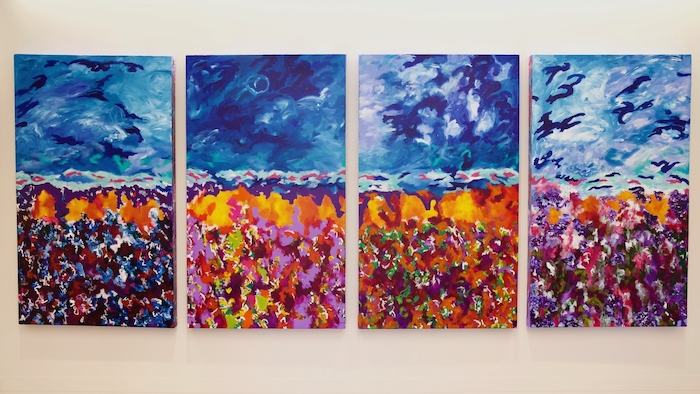
Over about 3 decades of working with artists, I’ve observed that artists who went to art school have an easier time assuming the title of artist. Perhaps because there is a piece of paper in their possession—a document that says they have a BFA.
I am not saying that you need to or should go after that piece of paper. But shy of that, there is nobody who will sprinkle magic fairy dust and bestow the title of artist on you. So what do you do?
My guest for this episode of the Art Biz Podcast is James Holmes, who shares the 3 clear criteria he created before he could call himself an artist, the why behind each of them, and the moment in which he was able to mark them off the list and assume the artist mantle.
Music by Wildermiss


“I had to figure out what being an artist means. When do I think I’ve achieved that?”
“It was a lesson that was well learned. It turned out to take me to another level of my creativity.”
“That night it all manifested because I believed in the art enough to exhibit it.”

James Holmes is a Denver-based visual artist. As an abstract painter, James shared “I paint from the inside out. I believe painting from the inside out allows me to outwardly communicate my inner life. Everything I internalize, the experiences I have, the people in my life, my hopes, dreams, and faith are all reflected from heart, mind, and soul through the prism of my intuitive lenses resulting in artistic expressions utilizing a variety of media.”
James maintains a studio in Denver’s Golden Triangle arts district and exhibits at the Veterans Arts Council Gallery, Centura Health Healing Gallery, and other venues. James is a Trustee of the Denver Art Museum and Executive Director of the Cherokee Ranch & Castle Foundation.
Find James on Instagram: @jamesholmesstudio
Music by Wildermiss
The post How do you know you’re an artist? with James Holmes (88) appeared first on Art Biz Success.
]]>“I’m an artist” doesn’t seem to roll off the tongue easily for some people. And yet it’s critical to be able to say those words with confidence. You must summon your courage and present yourself as you want others to see you.
The post Introduce yourself confidently as an artist (65) appeared first on Art Biz Success.
]]>If you find it difficult to introduce yourself as an artist, you’re not alone.
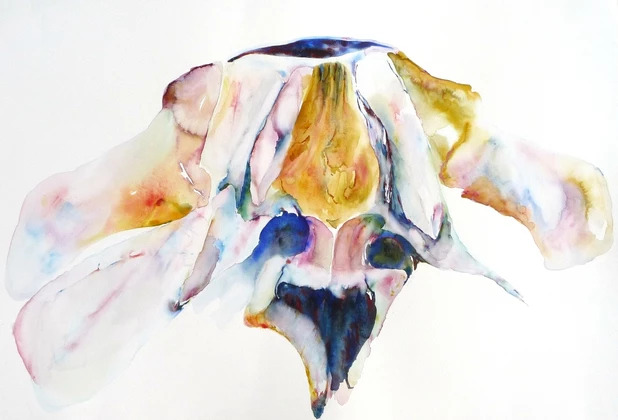
“I’m an artist” doesn’t seem to roll off the tongue easily for some people. And yet it’s critical to be able to say those words with confidence.
This is a topic I never could have dreamed up while I was working in art museums. It wouldn’t have occurred to me that artists would have a hard time introducing themselves. After all, what you do is so cool. So creative. So magical. It seems like all you have to do is say, “I’m an artist” and the conversation opens wide.
But what I’ve learned in the years since working in the museum bubble is that it isn’t always that easy to say I’m an artist. Then, when the words finally do come out, what do you say after that?
It seems to be easier for people with art degrees, especially MFAs, to proclaim their profession to the world. Perhaps it’s because there is a physical piece of paper that says you completed a curriculum to the satisfaction of an institution. Regardless of any outside job you may hold to support yourself, you know at heart that you’re an artist.
Having said that, I know it’s difficult even with that piece of paper for some people who aren’t working full time on their art careers to assume the title of Artist, with a capital A.
There isn’t an official governing body that confers the title of artist on anyone. “Title” isn’t exactly the right word here, but I think you get my drift. You don’t have to pass any licensing boards or get certified to start calling yourself an artist.
For most artists, there isn’t a turnkey moment when they can proclaim, “NOW I know I’m an artist.” It’s more of a slow, steady slog on the way to the day you finally feel worthy enough to say it out loud.
[See How do you know you’re an artist? with James Holmes (88) ]
This is why it can be difficult to introduce yourself when you are in the process of becoming. You must summon your courage and present yourself as you want others to see you.
Believe and act as if it were impossible to fail.
Charles F. Kettering
Start acting as if.
As if you have already received that blue ribbon.
As if you already have gallery representation.
As if you have already had a solo museum exhibition.
As if you had a sold-out show.
Remember: You teach others, through your words and actions, how to treat you.
If you tell others that you’re an elementary school teacher, a barista, or an engineer, don’t be disappointed when that’s where the conversation leads.
Remember that every person you meet might be a collector, might know a collector, or might have connections to opportunities for your art career. You never know where a new relationship could lead.
They say you only get one chance to make a first impression.
No pressure! One chance. I’ll tackle that in just a minute, but first let’s acknowledge that introducing yourself as an artist is the beginning of your professional relationship with another person.
You might miss out on opportunities when you don’t introduce yourself first and foremost as an artist. When you play it safe by mentioning the job that gives you a steady paycheck.
If you want people to see you as an artist, you must introduce yourself as one. It doesn’t matter that you make a living in another way. You are an artist. There’s nothing to apologize for and nothing to explain. You can hold your head high.
And even though you may not yet be perfectly comfortable with the artist moniker, this acting as if and resulting buy-in from others will boost your confidence.
So stop introducing yourself with a label from your day job. Lead with this: I’m an artist. It’s really that simple.
[ See Networking for Artists: The Social Part of Being an Artist ]
On-demand workshop :: $37
ELEVATE YOUR ART
Museum-quality standards that convey higher values and allow you to confidently charge what your art is worth.
Let’s circle back to that “one chance” thing. Yes, it’s true that the first impression is important. But you must stop thinking of it as your only opportunity.
You have to frame it as an introduction. It’s a starting point for getting to know one another and not a chance to make a sale on the spot.
I know that I said everyone you meet could lead to an opportunity for you, but that opportunity only comes from being genuinely interested in a relationship with that person. It is the result of being curious about the potential. It doesn’t come from some icky pitch that you’ve memorized.
You don’t have to be a salesperson or do anything that isn’t natural. All you have to be is confident in your work and enthusiastic about sharing it with others.
You have something that other people find interesting, delightful, and perhaps even useful. Your art comes from your soul, and we want to be inspired by the enthusiasm you have for sharing your art with the world. We want to hear it in your voice and see it on your face when you talk about being an artist.
There are two kinds of artist introductions: formal and informal.
Formal introductions are what we use when we are asked to introduce ourselves on Zoom or in a workshop room. There’s often a format to follow from the organizers and all participants get their chance.
The leaders might tell you what to say but short of this instruction, your introduction in these circumstances might include your name (if you haven’t already said it), the type of art you make, and descriptive language that helps the listener imagine what your work looks like.
Highlight aspects of your work that will intrigue people. Perhaps it is your technique, colors, sizes, subject matter, or materials. Give enough detail so people can visualize a particular style, but don’t overload them with too much information.
Try to keep these introductions to 30 seconds or less. As someone who often leads artist groups, I can attest to how frustrating it is when someone takes up too much time.
What I’m referring to in the rest of this article are informal introductions.
Informal introductions are used more frequently than formal introductions and sound much like a response to small talk at an art opening.
You reply with an informal introduction when someone asks, So, what do you do? I wish we could come up with a more creative query than that, but, honestly, that’s about the extent of our curiosity upon meeting someone new.
Notice they didn’t ask for your life story, the history of your art, or even your artist statement. When someone asks what you do, let’s face it, they are mostly being polite. They are exploring how far they want to carry the conversation. They’re looking for something to relate to.
People will lose interest if you respond with a paragraph or drone on and on about yourself. It has to fit naturally into a conversation.
Remember, I said it was as simple as responding with I’m an artist. But there’s another sentence you can tack onto the end of that statement that starts with these two words: I make.
I’m an artist. I make …
On-demand workshop :: $37
ELEVATE YOUR ART
Museum-quality standards that convey higher values and allow you to confidently charge what your art is worth.
It takes time to come up with an artist introduction that fits you. To begin, you might start with writing it out.
Then you can practice speaking it. Practice a lot. Practice in front of the mirror or make a video only for yourself. Then rewrite it. Repeat.
The written word is much different than the spoken word. Some things that look fine on paper sound silly or unnatural when you say them out loud. Start now and allow yours to evolve with practice.
Don’t expect your introduction to be perfect coming out of the gate. It will evolve as you use it over time and in various situations.
You are ready to face the world when you are confident introducing yourself as an artist.
There is no need to make this more complicated than it is. You aren’t pitching. You aren’t selling. This isn’t a commercial.
It’s a chance for a meaningful relationship.
You’re looking to engage the other person, not to control the conversation. If there is interest, the other person will ask questions.
You are trying to connect with another human on a personal level. Focus on the relationship, not on perfection or what you think you can get out of it.
When someone asks what you do, your response should roll off your tongue effortlessly with confidence and enthusiasm. Your introduction invites further conversation. Instead of thinking about it as self-contained, consider it a doorway, an opening to further interaction.
You want the other person to be interested enough to ask questions of you rather than you cramming in your life story.
All you have to do is start with, I’m an artist. I make …
Don’t inflate your position. Don’t be that person.
Make it natural, but own it. Say it with confidence.
Of course you want to be prepared with a brief sentence or two about your work should those questions come your way. You’re looking for conversation, so make sure your language is inviting and intriguing.
Each sentence further is an opening to a potential long-term relationship.
Those you are meant to connect with will respond positively. Don’t worry about the rest. You have higher things to concern yourself with. After all, you are an artist.
This post was original published on January 15, 2014 and has been updated with comments left intact.
The post Introduce yourself confidently as an artist (65) appeared first on Art Biz Success.
]]>Allow me to bottom line this entire article: If you are a fine artist, your first choice is to always use your given name for marketing your original art.
And yet you might resist this. Read and listen to find out why I'm right.
The post How to name your art business (56) appeared first on Art Biz Success.
]]>One of the first steps an artist makes when turning professional is to decide on an art business name, and many new artists make this more complicated than it should be.
Allow me to bottom line this entire article: If you are a fine artist, your first choice is to always use your given name for marketing your original art.
There are two primary reasons for using a name besides your own (aka “Doing Business As” or “DBA” name).
Art history is a history of individual artists, not of company names. Since my master’s degree is in art history, I naturally want you to use your name when promoting your art.
Using a company name puts you in league with all of the companies out there who are manufacturing and promoting unremarkable products. You’re different. Art is different. Art is not a mass-produced product.
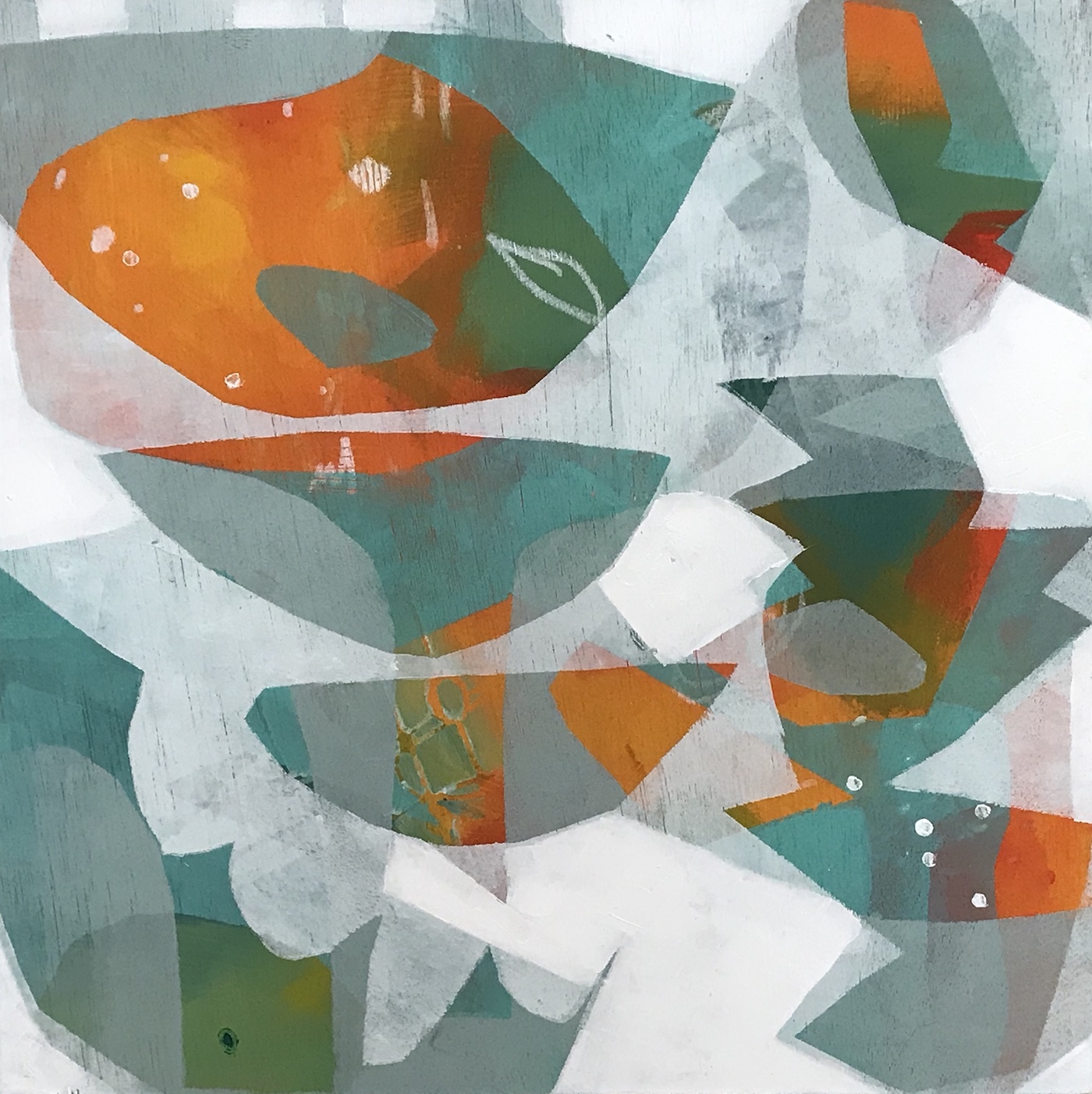
Using your name for your business name tells the world that your art is elevated from the stuff they can pick up at Target or Pier One. It says “This is made by hand, and not just any hand, but the hand of an artist.”
While it may seem safer to hide behind a business name, playing it safe won’t get you too far in your art career.
I understand it isn’t always this easy. There are sometimes reasons for not using your own name, including, as I’ve learned, reasons of physical and emotional safety.
Setting aside these very real concerns for the moment, the most frequent arguments against using given names for an art business are the following.
Let’s consider these objections one by one.
Music by Wildermiss.
If you think your name is too common, you have a couple of options for naming your art business.
You can change it (Hey, it’s been done!) as long as you haven’t already built a reputation with your given name. Or you can embrace it and distinguish it somehow. Add your middle name, your middle initial, or your maiden name.
Here’s how that might play out with your name and possible URL. When this article was first published in an earlier version, I used Jim Harris to illustrate my point, so we’ll stick with this real-life example. (I haven’t checked on the availability or use of any of these, but that’s not important to the argument.)
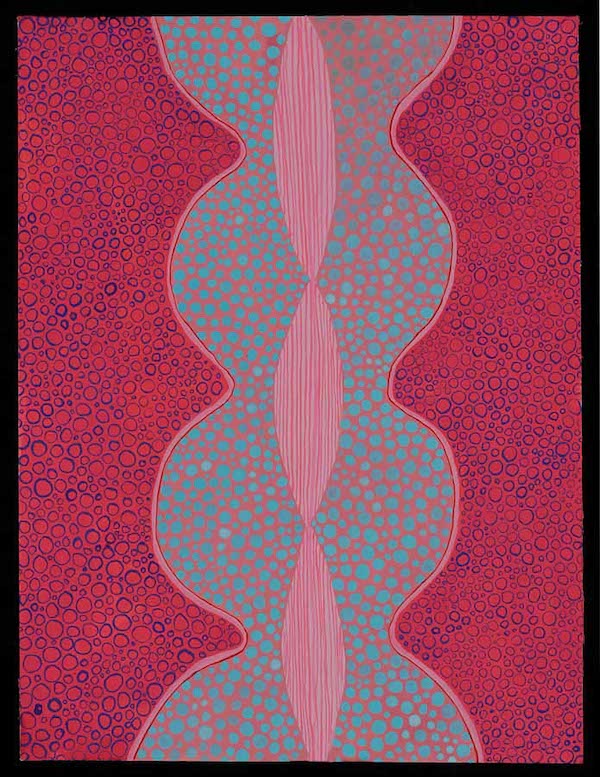
Jim I. Harris : jimiharris.com
James I. Harris : jamesiharris.com
Jim Harris : jimharrisculpture.com
James Harris : jamesharrisfineart.com
In the end, Jim chose to be known as James Harris professionally and use JamesIHarris.com. After all, a URL is just a web address. It doesn’t matter that it might be slightly different than what is on his business card, website banner, or marketing material.
Jim was concerned that James was too formal and that everyone knew him as Jim. We all know that Jim is a shortened form of James. We aren’t surprised that someone’s professional name is James and prefers to be called Jim in everyday conversation.
If you have one of these names (Peter/Pete, Robert/Rob, Michael/Mike, Katherine/Kate, Margaret/Meg, Jessica/Jessie), you can tap into variations of your name—as long as you’re comfortable being known by that moniker.
You could also default to your initials, like Lindsay Obermeyer, whose art is featured below. [Lindsay has sadly passed on, but her former studio was lbostudio.com ].
Then there is the opposite problem expressed by artists who struggle with using their names for their art business.
As someone whose name is rarely spelled correctly (Alison, Allison, Allyson, Stansfield, Stanfill, . . . ) I get where you’re coming from!
Still, use your name, even when it is frequently misspelled.
If you think your name is too difficult to spell, take solace in the fact that you probably have it easier than artists who have common names. You are more likely to stand out with an unusual name. Think Toyin Oji Odutola, Kehinde Wiley, or Yayoi Kusama.
To simplify matters when deciding on a URL, you might add “art,” “fine art” or “studio” to the end of your first or last name, but always keep your name prominent on the pages of the site. You are an individual, not a dot com.
Dianna Fritzler, whose art is at the top of this post, isn’t an unusual name, but she has 2 “n”s in her first name. Nobody remembers that! Her website is dfritzlerart.com.
Now for the final concern….
You do not have to sign your art with the full name you choose to be known as.
A signature is just a mark, just as a URL is just a web address. You can sign your art with whatever feels natural.
For example, I have signed my name “AB Stanfield” since I was a teenager. “Alyson Stanfield” was just too long to write out and the y in my first name seemed to interrupt the flow of writing it out. So, AB Stanfield it is. Signing my full name is awkward. But, I chose “Alyson B. Stanfield” as my professional name. I didn’t fear there would ever be too many Alyson Stanfields around, but I’m kind of attached to my middle name, so I always wanted the B in there.
Need more to go on?
I asked artists how they decided on their professional names. Read their insights. In particular, read what women wrote in the comments. There is solid evidence that all women should use their maiden names.
Did you make the mistake of taking your spouse’s name and now wish to shed it? Try this approach.
Even though you select a name by which you would like to be known, it doesn’t mean that careless people will abide by your wishes. Sometimes, people make up their own names for you. Read my suggestion for handling this.
The big question to answer is: How do you want to go down in the history books? The choice is yours! Nobody else can select your art business name for you. But you have to select one and use it everywhere with conviction.
I know from experience that even after reading this, you may still have concerns or be confused. Please tell me what those are in the comments.
Music by Wildermiss.
This post is a compilation of posts that were published starting in 2008, which were added to a post originally published on November 29, 2010. The original comments from 2010 are intact.
The post How to name your art business (56) appeared first on Art Biz Success.
]]>