collaboration Archives - Art Biz Success https://dy-online.com/tag/collaboration/ Trusted Art Business Coaching and Consulting Mon, 19 Oct 2026 13:11:44 +0000 en-US hourly 1 https://wordpress.org/?v=7.1.4 https://dy-online.com/wp-content/uploads/2022/02/favicon-2-150x150.png collaboration Archives - Art Biz Success https://dy-online.com/tag/collaboration/ 32 32 Why the lone artist mindset keeps you small (263) https://dy-online.com/lone-artist/ https://dy-online.com/lone-artist/#comments Thu, 16 Apr 2026 15:57:13 +0000 https://dy-online.com/?p=58881 Going it alone feels easier. No coordination, no compromise, no communication overhead. But the artists building the careers you admire are rarely doing it alone.

In this solo episode, I make the case for collaboration as a strategic habit, not a one-time favor. I shares real-world examples, explain what makes them work, and offer a question to ask the next time you're planning a show or a new body of work.

The post Why the lone artist mindset keeps you small (263) appeared first on Art Biz Success.

]]>
Going it alone is easier. There’s less coordination, fewer decisions to negotiate, and no one else’s timeline to work around.

That’s exactly why it’s our default.

But in this episode, I make a clear case: the lone-artist habit keeps you small. 

After decades of studying artists who are making a living from their art, whose reach keeps growing, and whose work accumulates meaning over time, I’ve noticed a pattern. These artists almost never go it alone. They don’t just accept collaboration when it falls into their lap, they seek it out. They look at a project and ask: Who else belongs in this story?

Who else

belongs in this story?

That question is a habit you can start building. And it’s one that changes the scale of what’s possible.

Why collaboration is worth the effort

The practical reasons alone are compelling. When you collaborate, you’re not carrying everything alone. You have real people to brainstorm with. There’s built-in accountability, because others are depending on you to follow through.

Every collaborator also brings an existing audience. Cross-pollination of mailing lists, networks, and attention is something you can’t manufacture on your own — no matter how large your following already is.

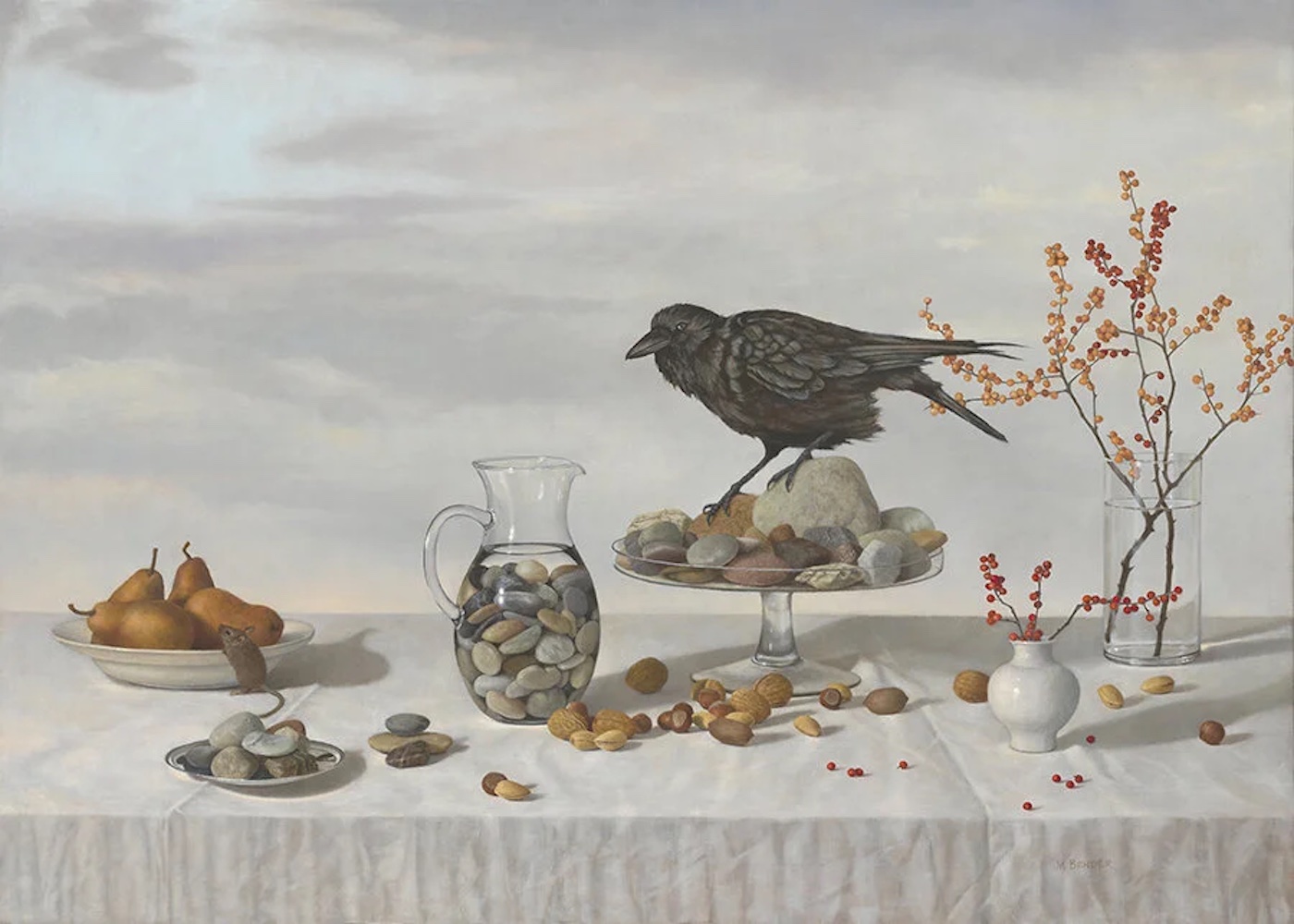
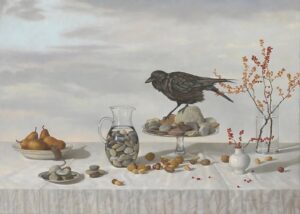
Marie Bender Still life painting of a black crow perched on a dish surrounded by rocks, a pitcher of rocks, nuts, pears and floral elements
©Marie R. Bender, The Crow and the Pitcher. Oil on canvas, 30 x 42 inches.

But perhaps the most important reason goes beyond logistics.

When you’re seen working with other artists, you become part of a larger dialogue. Curators, gallerists, and collectors find it easier to place your work in context. Their shows capture what’s happening at a given moment in time. Work that speaks to other work gets noticed.

What it actually looks like

Here are two examples from the archives that show how far this thinking can go.

Both artists prove that when you open your process, your art stops being just an object. It becomes a living experience.

Sculptor and installation artist Jill Powers (episode 27) builds entire collaborative ecosystems around her environmental themes.

For a show on ocean ecology in landlocked Colorado, she partnered with chefs and mixologists to create seaweed menus and signature cocktails, ultimately raising money for a youth-led marine conservation group and landing major coverage in the Denver Post.

She also brought in a university geologist who led 60 people on a hike to find ancient seashells embedded in Colorado rocks.

Jill’s work and approach to sharing it blur the line between art and the rest of the world.

Listen to the episode

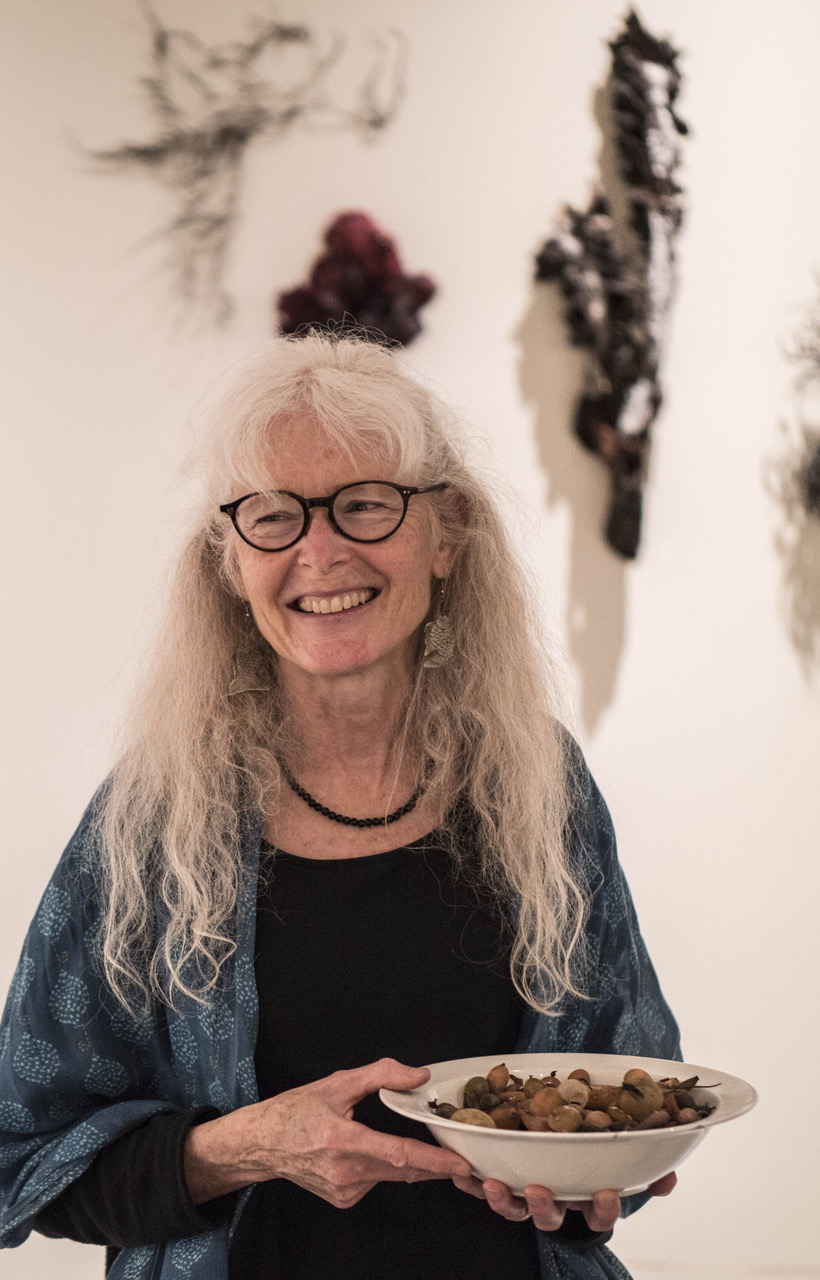
Colorado artist Jill Powers with some of her art.

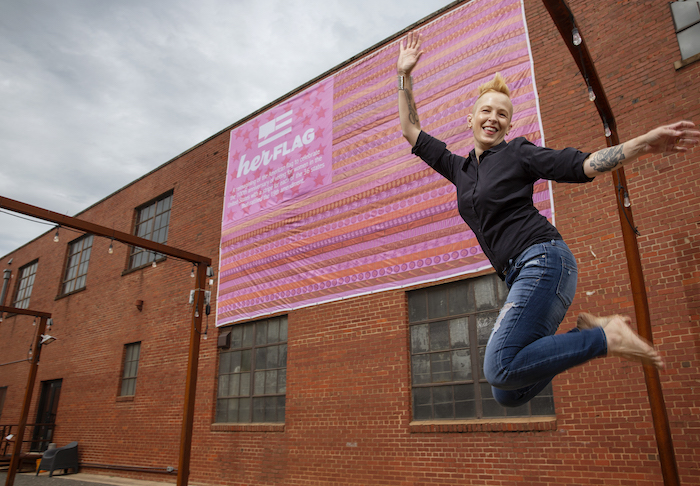
Marilyn Artus (episode 30) created a nationwide collaboration titled Her Flag to mark the 100th anniversary of women earning the right to vote.

Oklahoma artist Marilyn Artus in front of Her Flag. Celebrating the 100th anniversary of the 19th Amendment.

She partnered with 36 women artists — one from each state that originally ratified the 19th Amendment — intentionally mixing book illustrators, graphic designers, and fine artists. She insisted on paying every collaborator.

She turned the assembly itself into a live public event, sewing each state’s stripe of the enormous 18-by-26-foot flag alongside local poets, musicians, and historians.

Listen to the episode

What makes a collaboration work

The key is clarity before you start. And I mean real clarity, put in writing, even with friends. Especially with friends. Ambiguity and misguided expectations kill collaborations faster than almost anything.

Beyond that:

  • Define roles and leadership upfront. Who is responsible for what.
  • Make sure everyone is genuinely committed before you proceed. Don’t try to talk anyone into it.
  • All sides have to see the benefit clearly.
  • Acknowledge everyone who contributes, generously and repeatedly.

None of this means collaboration is easy. You won’t always get your way, miscommunication is real, and the pressure of knowing others are depending on you takes some getting used to. But that pressure is worth it with the right people and clarity in place. The creative, professional, and relational growth on the other side is real.

The reason you probably aren’t collaborating more is probably because you’re too busy going it alone. Being busy. Consider this your nudge.

Listen

Take a moment to think about your current work or an upcoming project.

Who could bring a new perspective, audience, or energy to it? Sit with that question before you decide your next step.

Alyson Stanfield Quotes

  • “It’s key that your art drives what you do, who you collaborate with, where you show it.”
  • “Working alone is just easier. There’s less mess, there’s less coordination, less communication, less negotiating.”
  • “They look at their projects and ask, who else could be part of this? Who else belongs in this story?”
  • “If you think about it, every time you show your art in public, you’re collaborating.”
  • “When you are seen working with other artists, you become seen as part of a larger community of artists. You become part of the dialogue.”
  • “The artists who stay small often aren’t making conscious decisions to stay small. You’re just defaulting to what’s easiest.”
  • “Ambiguity kills collaborations and friendships faster than almost anything.”
  • “Credit is not a finite resource. Share it generously and publicly acknowledge everyone who contributes.”

The post Why the lone artist mindset keeps you small (263) appeared first on Art Biz Success.

]]>
https://dy-online.com/lone-artist/feed/ 1
This artist turned 5 partnerships into a sold-put gallery show with Meredith Nemirov (262) https://dy-online.com/sold-out-nemirov/ Thu, 09 Apr 2026 12:22:00 +0000 https://dy-online.com/?p=58668 Getting buy-in for an ambitious exhibition idea means giving people a reason to say yes before you walk in the door.

In this episode, Colorado artist Meredith Nemirov shares how she built a sold-out show by approaching a national nonprofit before she called her gallery, giving collaborators options rather than demands, and activating the show across multiple events. The result was six invested partners and a show that sold out by the end of the summer.

The post This artist turned 5 partnerships into a sold-put gallery show with Meredith Nemirov (262) appeared first on Art Biz Success.

]]>
Getting people to say yes to a big idea is a skill that involves plenty of clarity around your goals. Meredith Nemirov has it.

In episode 262 of The Art Biz, she walks through how she built a sold-out show at Milk Moon Gallery in Telluride, Colorado with five collaborators, raising nearly $10,000 for a national nonprofit. The decisions she made along the way are worth studying.

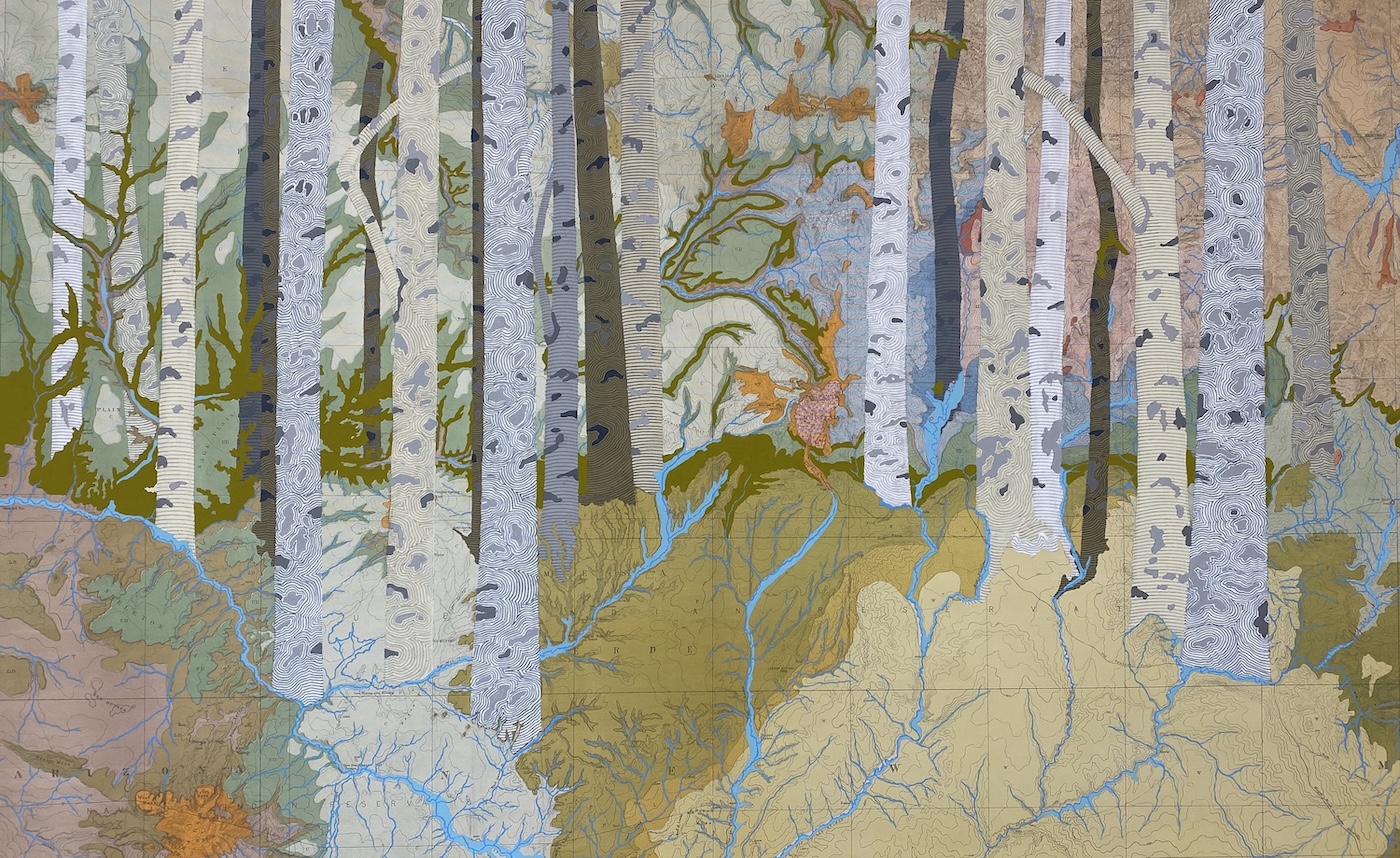
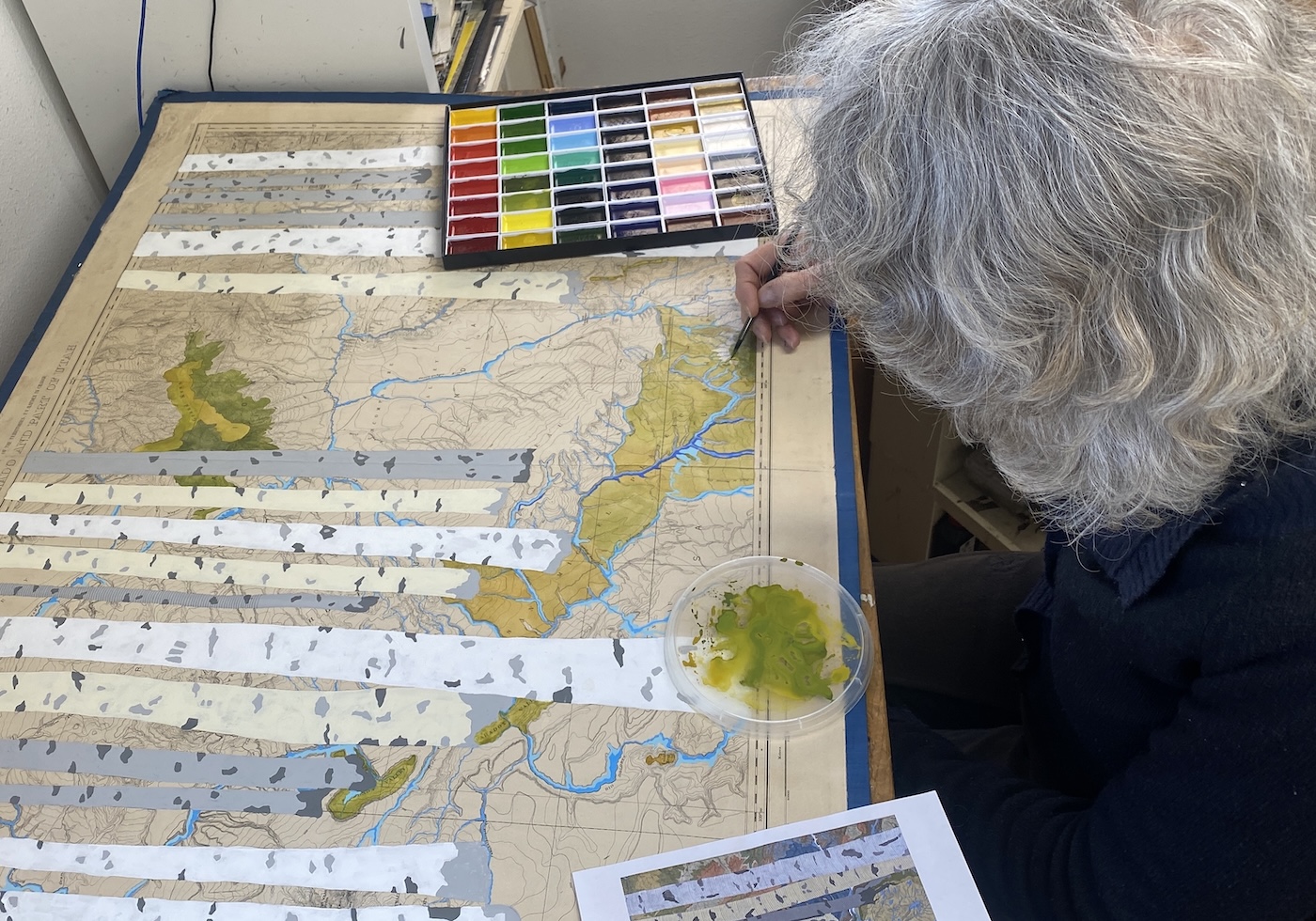
Meredith Nemirov aspen trees painted on top of a vintage topographical map of Colorado with repainted blue waterways
©Meredith Nemirov, S.W. COLORADO AND PARTS OF AZ, NM & UT. Acrylagouache and ink on historic topo map, 22 x 34 inches.

It started with the work.

Meredith had been painting aspen trees onto antique topographical maps for years, filling every waterway with blue to visually rewater (her word) a drought-stricken landscape. The work had a natural connection to environmental advocacy, and that alignment is what made everything else possible. The collaboration didn’t need to be forced because the work already made the case.

She wrote a proposal before she called her gallery.

Meredith approached American Rivers, a national nonprofit, before she brought the idea to Milk Moon Gallery. She wanted to know whether the collaboration was viable before she asked her gallery to commit to it.

The proposal was a page and a half with images. Simple, visual, easy to say yes to.

Give people options, not demands

Rather than presenting one plan and asking for approval, Meredith gave American Rivers three options.

  1. Donate twelve small works for them to use however they wanted.
  2. A show she would bring to their fundraiser.
  3. A full collaborative exhibition in Telluride during Mountainfilm festival.

They chose the third option, which happened to be what she hoped for. But because they chose it, they were invested in it. That distinction matters. When collaborators choose their level of involvement, they become stakeholders in your idea.

Build on existing relationships.

The other collaborators were people Meredith already knew. She didn’t build the collaboration from scratch. She looked at who was already in her orbit and asked whether their work connected to hers. In most cases, the ask was simple because the relationship was already there.

Activate the show more than once.

One opening night is one opportunity. Meredith and her gallery structured the show around two opening events — one during Mountainfilm and another on a First Thursday art walk — plus a separate poetry reading. Each event brought a different audience into the gallery and gave people multiple reasons to come.

Meredith gratefully acknowledges that the gallery staff did a lot of heavy lifting. They visited her studio as a group, spent an evening understanding the full story behind the work, and built their social media strategy from that foundation. 

Any artist would kill for their gallery to feature them so prominently —>

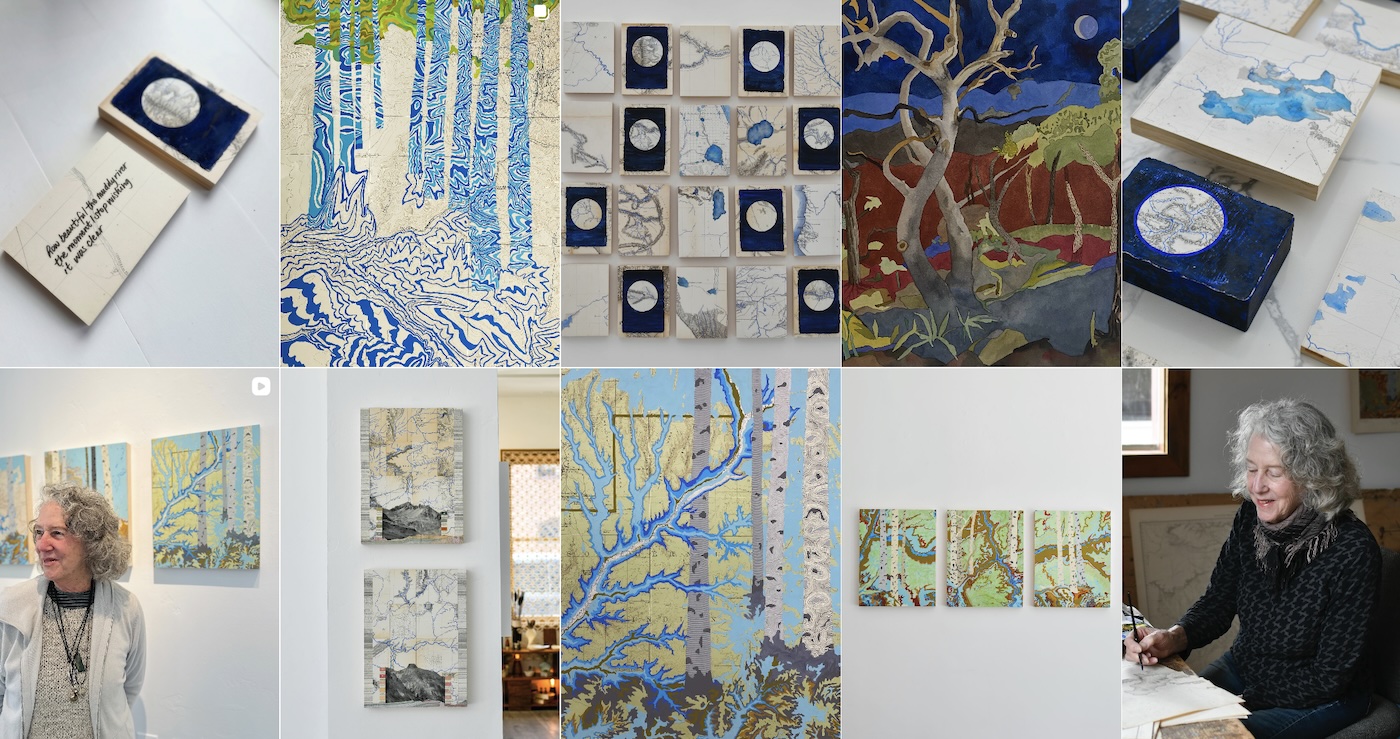
Gallery of images of the gallery during Meredith's show
Highlights from Milk Moon Gallery’s Instagram feed during Meredith's show.

American Rivers promoted the show to their audience as well. By the time people arrived, they already understood what they were walking into.

What she would do differently.

One missed opportunity: a representative from American Rivers was at the opening and never addressed the crowd. Meredith expected a brief talk about the organization’s mission, which didn’t happen. She’d plan for it explicitly next time — not assume it was going to happen.

Busy events move fast, and unplanned moments tend to stay unplanned.

[ Meredith’s show was featured in a beautiful article with photos on the A La Luz blog, a showcase for environmentally engaged artistic practices across disciplines. ]

Listen

Meredith Nemirov working in her studio
Meredith working in her studio.

Think about your next exhibition and who else belongs in it. Not just who might say yes, but whose mission or work genuinely connects to yours.

The strongest collaborations require noticing what’s already aligned.

Meredith Nemirov Quotes

  • “I felt that I was a vehicle for these [artworks]. I really did.”
  • “I learned that people are approachable.”
  • “It was win, win, win, win, win.”
  • “The four women that work at the gallery did the most amazing social media posts for the show…. They just put their all into it.” (See photo above for evidence.)
  • “I gave them three options to think about. I didn’t just say, I wanna do this.”
  • “I felt a purpose for the pieces.”
  • “All these people were involved and expecting something. That kept my momentum going in the studio. It was something to work towards.”

About Meredith Nemirov

Meredith Nemirov was born in NYC where she studied at The Art Student’s League and received a BFA from Parson’s School of Design. After working as a freelance illustrator for 11 years she moved to a small town in SW Colorado.

Together with her husband they opened the Ridgway Gallery specializing in antique prints, maps and books of the exploration of the American West. After the gallery closed in 1999 Nemirov has been painting and exhibiting her work, and teaching, in the US and Spain. 

Follow Meredith on Instagram: @meredith.nemirov

Photo by JT Thomas

The post This artist turned 5 partnerships into a sold-put gallery show with Meredith Nemirov (262) appeared first on Art Biz Success.

]]>
Artist Friendships that Lead to Collaborative Exhibitions and Opportunities (249) https://dy-online.com/friendships-collaborations/ Thu, 20 Nov 2025 13:15:00 +0000 https://dy-online.com/?p=55820 Four Denver artists turned casual friendship into strategic collaboration. Their approach reveals how artists can work together successfully, from writing proposals and managing group dynamics to keeping egos in check.

The conversation covers practical systems for staying organized, why trust matters more than perfection, and how collaborative skills strengthen every part of an art career.

The post Artist Friendships that Lead to Collaborative Exhibitions and Opportunities (249) appeared first on Art Biz Success.

]]>
So many artists don’t even think about collaborating. They’re used to working alone, making all the decisions, and keeping full control over their vision. The idea of sharing credit, coordinating schedules, or compromising on creative choices feels uncomfortable—even threatening.

But what if collaboration could actually strengthen your individual practice?

Group show with Melina Laz and Alicia Bailey
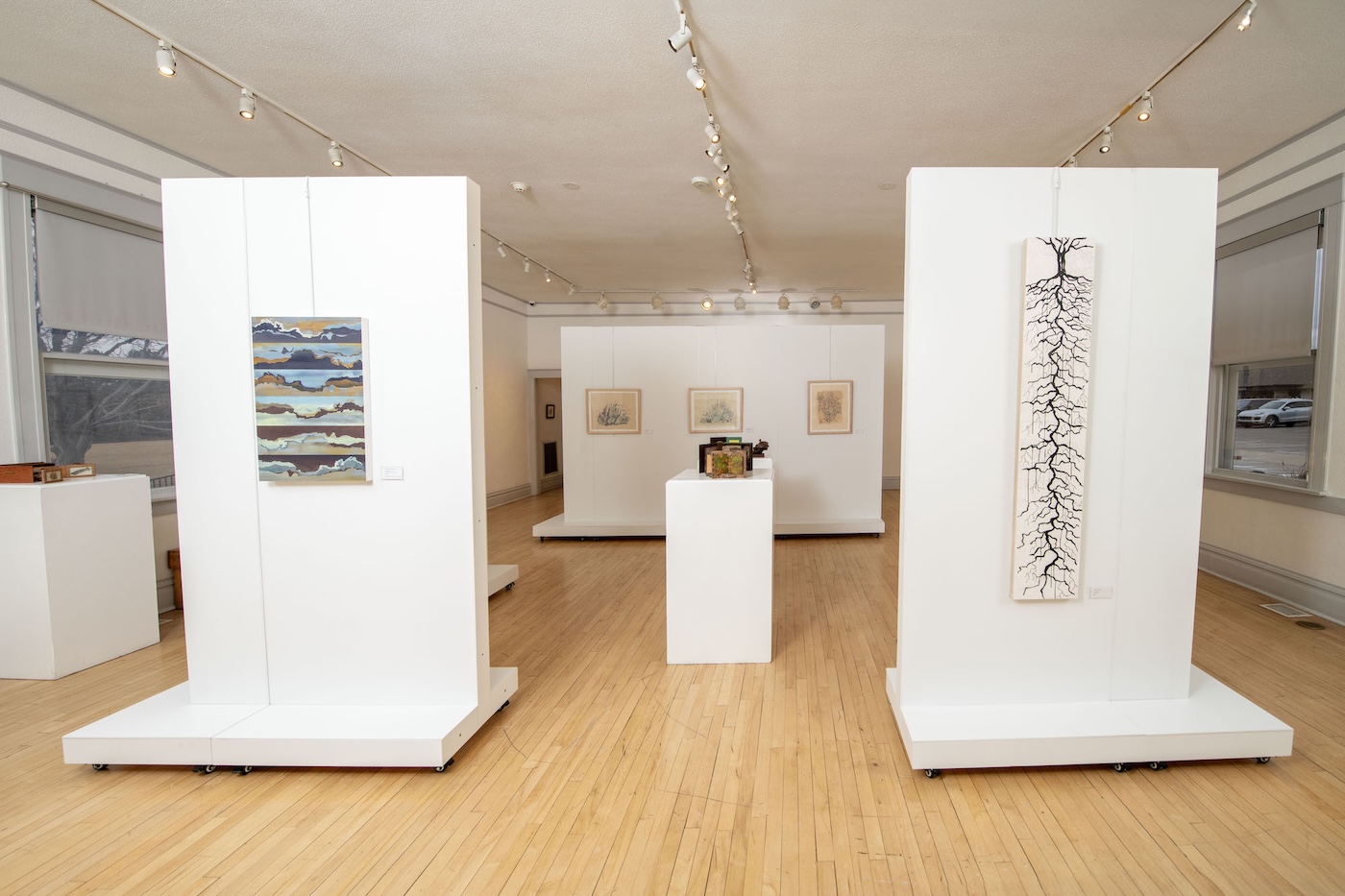
Group show Perseverance at the Curtis Center for the Arts in January 2025. Artwork by Alicia Bailey, Catherine Chauvin, Melinda Laz, and Sharon Strasburg. Photo by Anthony Camera.

Alicia Bailey and Melinda Laz have been navigating these waters for 25 years. Along with printmakers Catherine Chauvin and Sharon Strasburg, they’ve built a four-artist collaborative practice that’s resulted in multiple exhibitions and strengthened each of their individual careers.

In this conversation, Alicia and Melinda talk with me about:

  • What makes the collaboration work, from trust to deadlines.
  • How they communicate with one another, and why communication is critical.
  • The systems they use to stay on track.
  • How collaboration feeds their individual goals.
  • The benefits of collaboration beyond the business opportunities.

If you’ve been going it alone and wondering what you might be missing, their story offers a fresh perspective on what becomes possible when artists support each other.

Listen

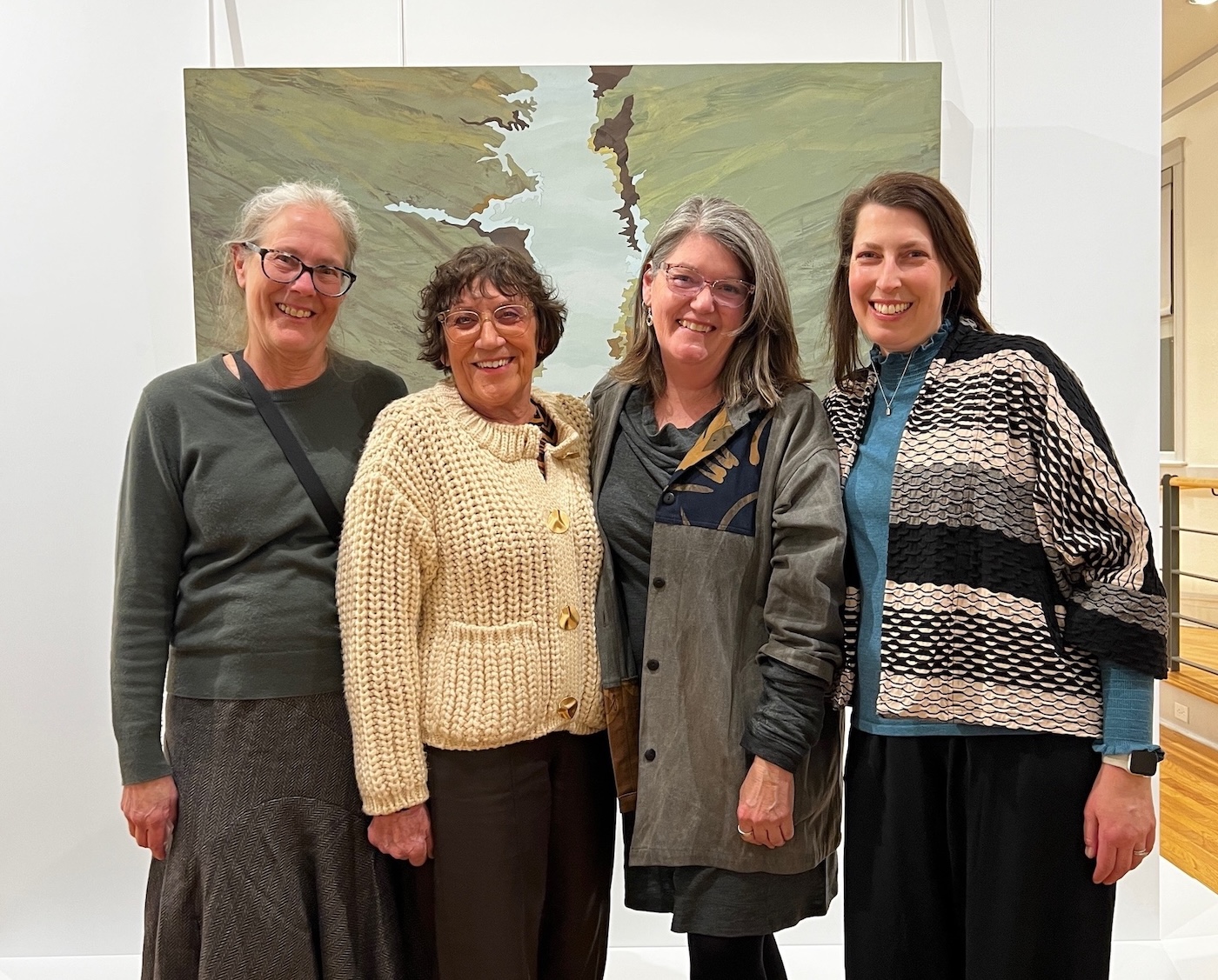
Alicia Bailey, Sharon Strasburg, Catherine Chauvin, Melinda Laz
From left to right: Alicia Bailey, Sharon Strasburg, Catherine Chauvin, and Melinda Laz

The Artists’ Action for You

Go to openings and talk to other artists, especially those whose work you feel a resonance with. Go view art even if it’s not an opening, then dig deeper by looking at artists’ websites or social media pages to learn about the community right in your backyard.

Don’t be afraid to reach out—send that Instagram message, ask for coffee, introduce yourself at the opening. Artists want to talk to other artists and form community.

Quotable

“I think the difference for us was we actually committed to it and said, actually we should have a show together. And then we formalized it in the sense of we spent time writing this proposal together. We edited it together. We committed to deadlines.” —Melinda Laz

“When I drafted the initial two paragraphs I went in without any ego, there was no, We must use this amazing language that I’ve created. It was a few thoughts [and then] What do you think?” —Melinda Laz

“The deeper you can dive into something, the more exciting it can be.” —Alicia Bailey

“Everybody wants to collaborate and I think it’s easy to lose track. It doesn’t mean there’s less work. It’s not magic. It just is a different kind of work.” —Alicia Bailey

“It’s such a great skill to have to work this way because if you’re doing a big art project, you’re collaborating. You got people to work with and answer to, and board members and construction people and all kinds of stuff. You need to learn to work with people.” —Alyson Stanfield

“This is a lot about the business of being an artist, but our collaboration is a lot about community and so the ways that we support each other continue, even if we’re not showing collaboratively.” —Alicia Bailey

“I feel like our group is really just a group of four friends who happen to be artists.” —Melinda Laz

About Alicia Bailey and Melinda Laz

Studio artist/gallerist Alicia Bailey is affiliated with several professional organizations and is the owner and director of Abecedarian Artists Books in Denver, Colorado. Alicia acts as an independent curator/juror, instructor/mentor, and regional events coordinator in the book arts. Her work has been featured in dozens of solo and group exhibits throughout the world and can be found in private and public collections internationally. An archive of her work is under development at the University of Denver Penrose Library Special Collections. 

Follow Alicia on Instagram: @artistsbooks

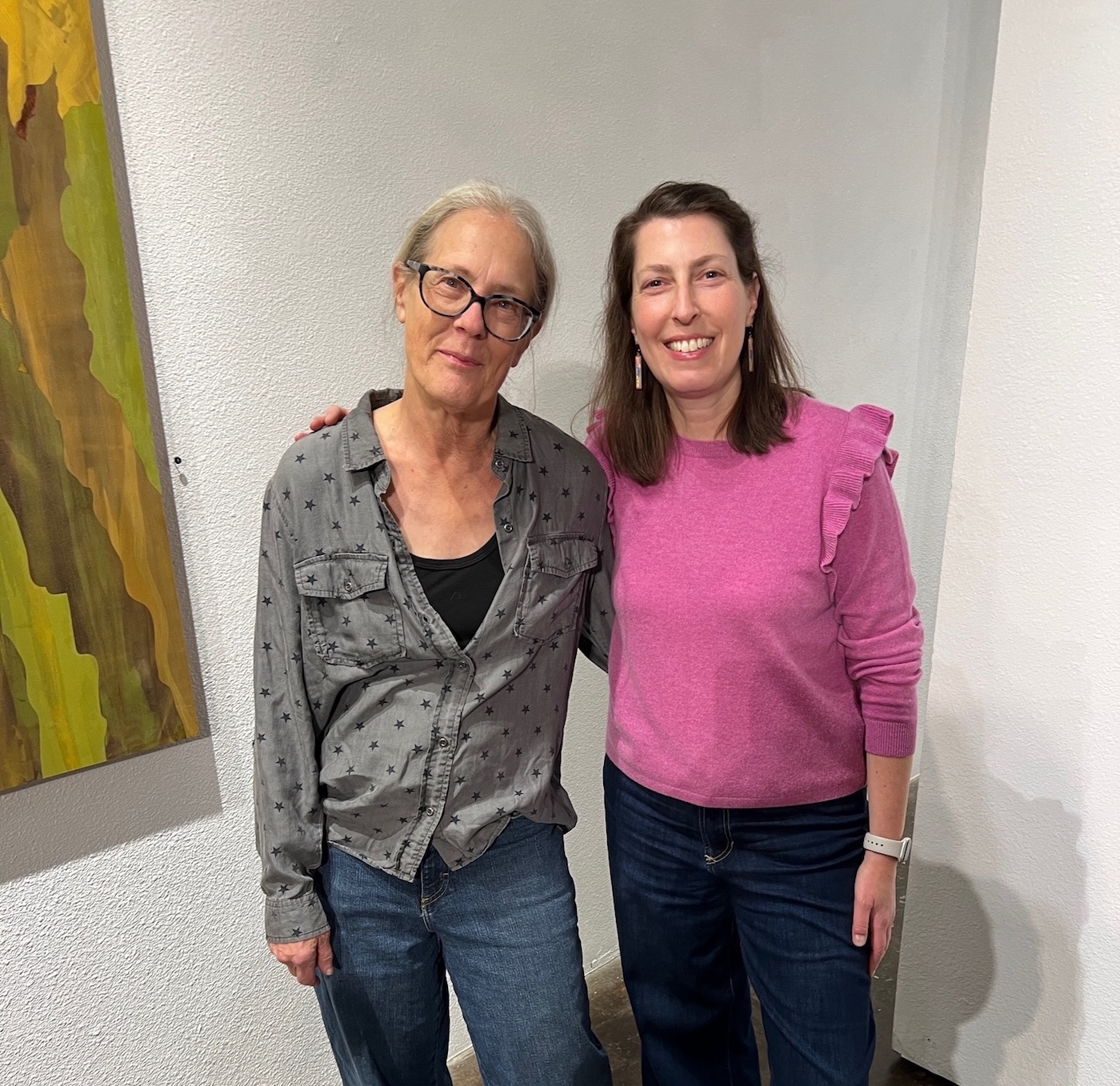
Melinda Laz and Alicia Bailey
Alicia Bailey and Melinda Laz

Melinda Laz holds a BFA in printmaking from Washington University in St. Louis, MO, and a master’s in arts administration from School of the Art Institute of Chicago, and in curriculum & instruction from the University of Denver. She has appeared in numerous national juried and invitational shows and has mounted more than two-dozen solo and small group collaborative exhibitions. Her works are held in public and private collections. She is a former resident artist at Valkarie Gallery and Edge Galleries, both in Lakewood, Colorado. She taught elementary visual art in Denver for many years She now works in adult education at Denver Botanic Gardens. 

Follow Melinda on Instagram: @melindalaz

The post Artist Friendships that Lead to Collaborative Exhibitions and Opportunities (249) appeared first on Art Biz Success.

]]>
From Two Years of Zero Sales to a Thriving Art Business with the Two Faced Twins (218) https://dy-online.com/two-faced-twins/ https://dy-online.com/two-faced-twins/#comments Thu, 06 Mar 2025 11:54:00 +0000 https://dy-online.com/?p=53051 Stella and Gemma Stevens, known as the Two Faced Twins, turned creative differences into a thriving art business. In this episode, they share how they pushed through two years of no sales, overcame a gallery robbery, built a loyal following, and expanded their brand—all while staying committed to their vision.

Their journey is a testament to determination, adaptability, and the power of persistence in the art business.

The post From Two Years of Zero Sales to a Thriving Art Business with the Two Faced Twins (218) appeared first on Art Biz Success.

]]>
Building an art business takes more than just talent—it takes determination, adaptability, and a willingness to keep going, even when success feels out of reach.

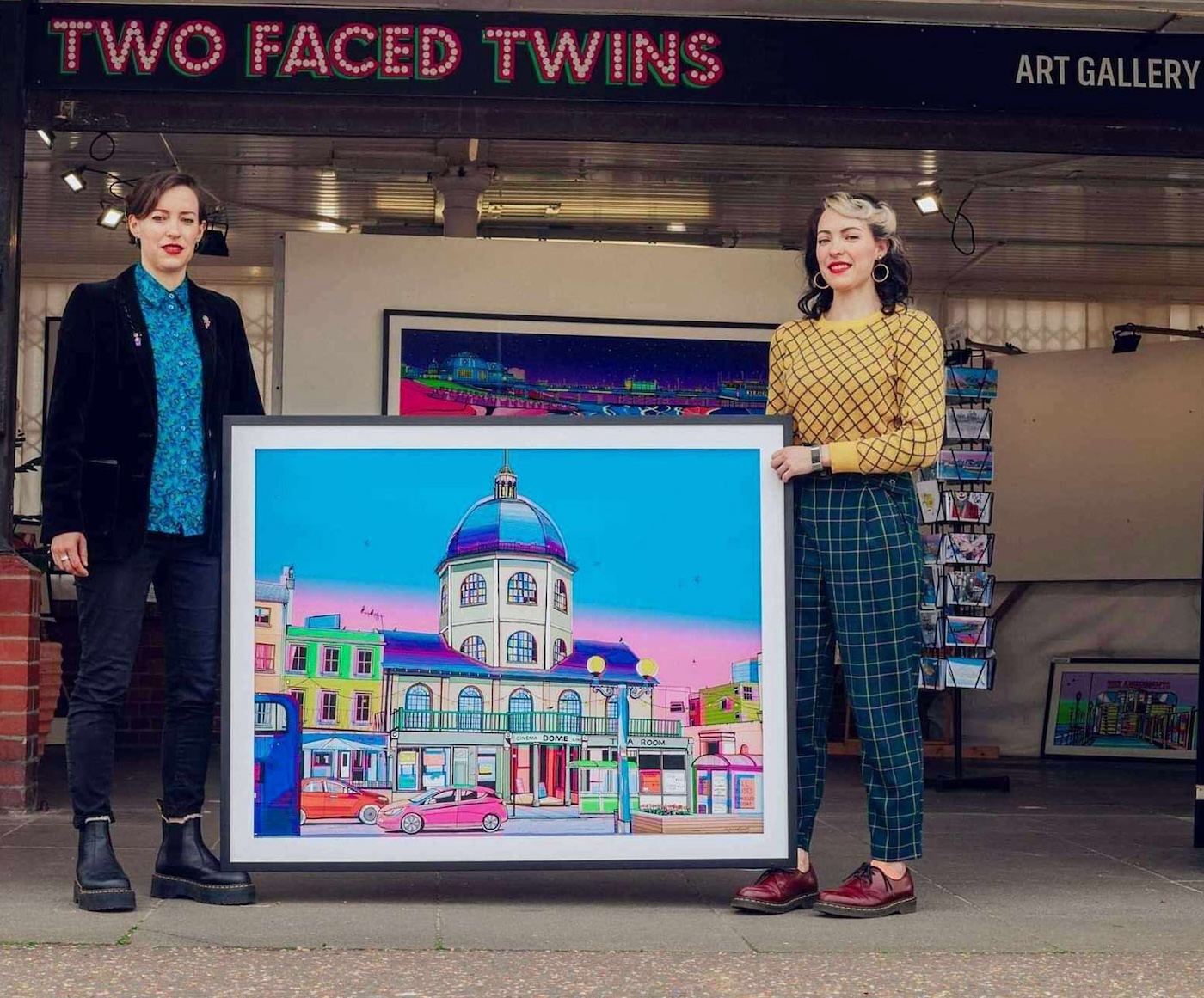
Stella and Gemma Stevens, the artists behind Two Faced Twins, know this firsthand. Their work—bold, colorful, and joyful—now has a dedicated following, but their path wasn’t always easy.

Stevens Two Faced Twins
Stella and Gemma in front of their seafront gallery.
For two years, the Stevens twins struggled to sell a single piece. They faced creative differences, self-doubt, and even a gallery robbery. But instead of giving up, they leaned into their vision, their roles as artists, and their belief in what they were building. In our conversation on The Art Biz, I talked with Stella and Gemma about:
  • How they transformed sibling disagreements into a creative advantage.
  • The strategies that helped them push through early struggles and build momentum.
  • The business mindset that keeps them going, including their marketing and expansion efforts.
  • How they inspire the next generation of artists through school visits.
One of the biggest takeaways? Determination isn’t just about working hard—it’s about believing in your work and staying the course.

Listen

What’s one thing in your art business that deserves more of your determination?

A project you’ve been putting off? A marketing effort that needs consistency? An opportunity you’ve been hesitating to pursue?

Whatever it is, commit to it. Give it the energy it deserves.

Don’t miss new articles, podcasts, programs, and some of my favorite discoveries.

Sign up for my weekly newsletter.

Learn more about the twins and see their seafront gallery.

Two Faced Twins Quotes

“We do have disagreements.”—Stella

“When we first started working together, Stella actually didn’t like me colouring her drawings. She had a real problem with that, and I had to really convince her that this was a good idea.”—Gemma

“In those first two years, when we were starting the business and we weren’t selling anything, for me, I was really enjoying what I was doing anyway. I was really enjoying setting up the website, setting up the business in general, doing all of our social media. I loved all of that.”—Gemma

“We’ve both always been very into self-development … and putting into place … daily healthy habits. So, you know, we’re quite big on manifesting … and keeping a good routine.”—Stella

“It’s a very weird dynamic being your mom’s boss. So sometimes naturally we kind of go back into the dynamic of parent, child, child. That’s a really difficult balance.”—Stella

“We never really felt like creative subjects were valued in school. And so when we left school, we never could have dreamed of setting up a business and running an art business or doing anything creative.”—Gemma

Stevens Two Faced Twins
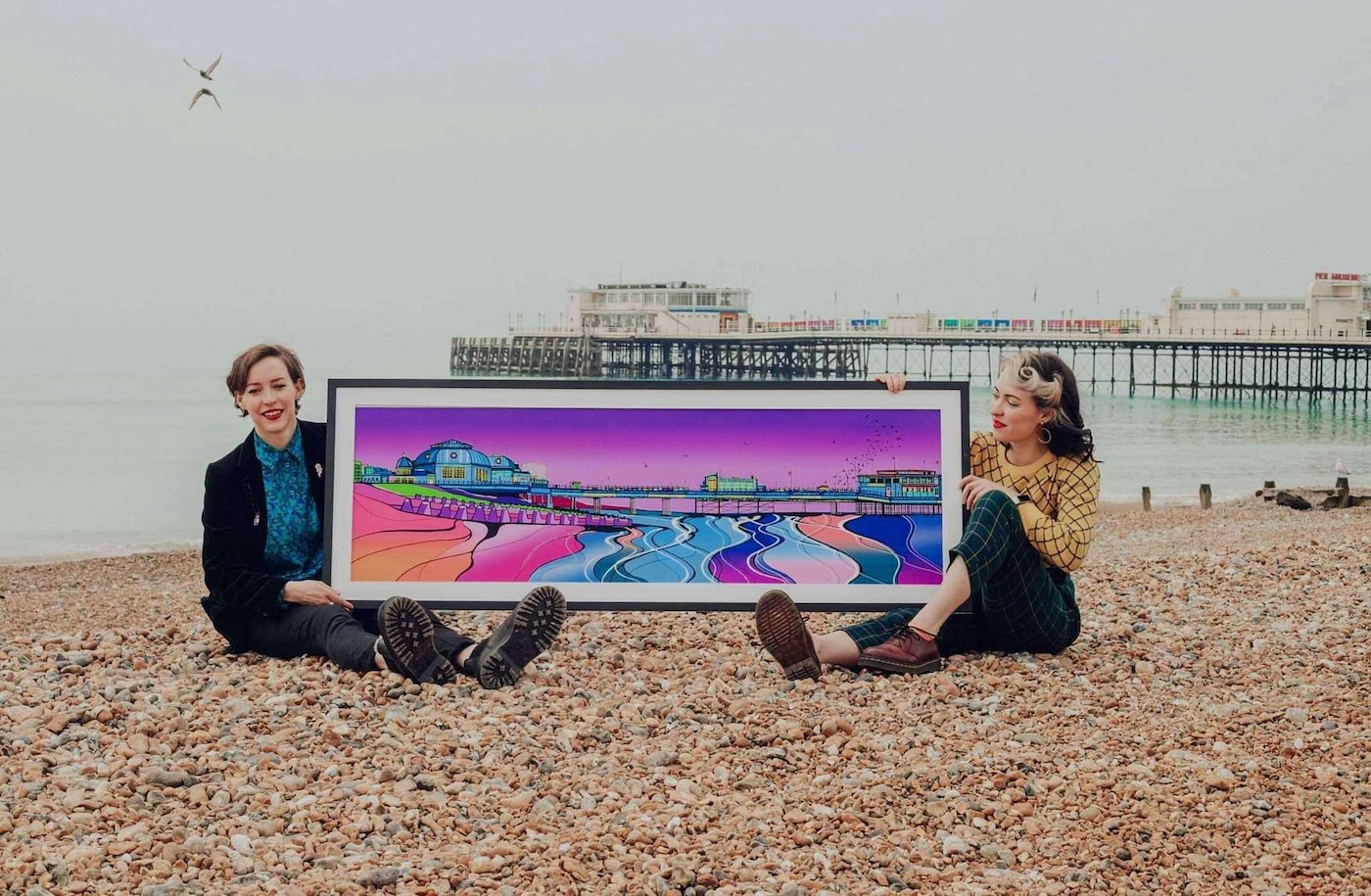
On the shore by their gallery. Photo by Murray Clarke Photography.

Mentioned

The Miracle Morning by Hal Elrod

Check out SCORE to see if they’re available for business mentoring in your area

You don’t need a PR person like the Two Faced Twins, I tell you exactly what you need to do to Pitch to The Art Biz

Known as the Two Faced Twins, Stella and Gemma are identical twin artists who create striking artwork and homeware for contemporary homes. Working from their studio on the Sussex coast, the twins collaborate on each piece of artwork. Stella creates their initial illustrations and Gemma works on them digitally, manipulating them and adding colour. Inspired by street scenery and architecture, featuring local scenes and vibrant colours, they sell their work online and in their busy seafront gallery in Worthing, West Sussex.

Follow the twins on Instagram: @two_faced_twins

Stevens Two Faced Twins
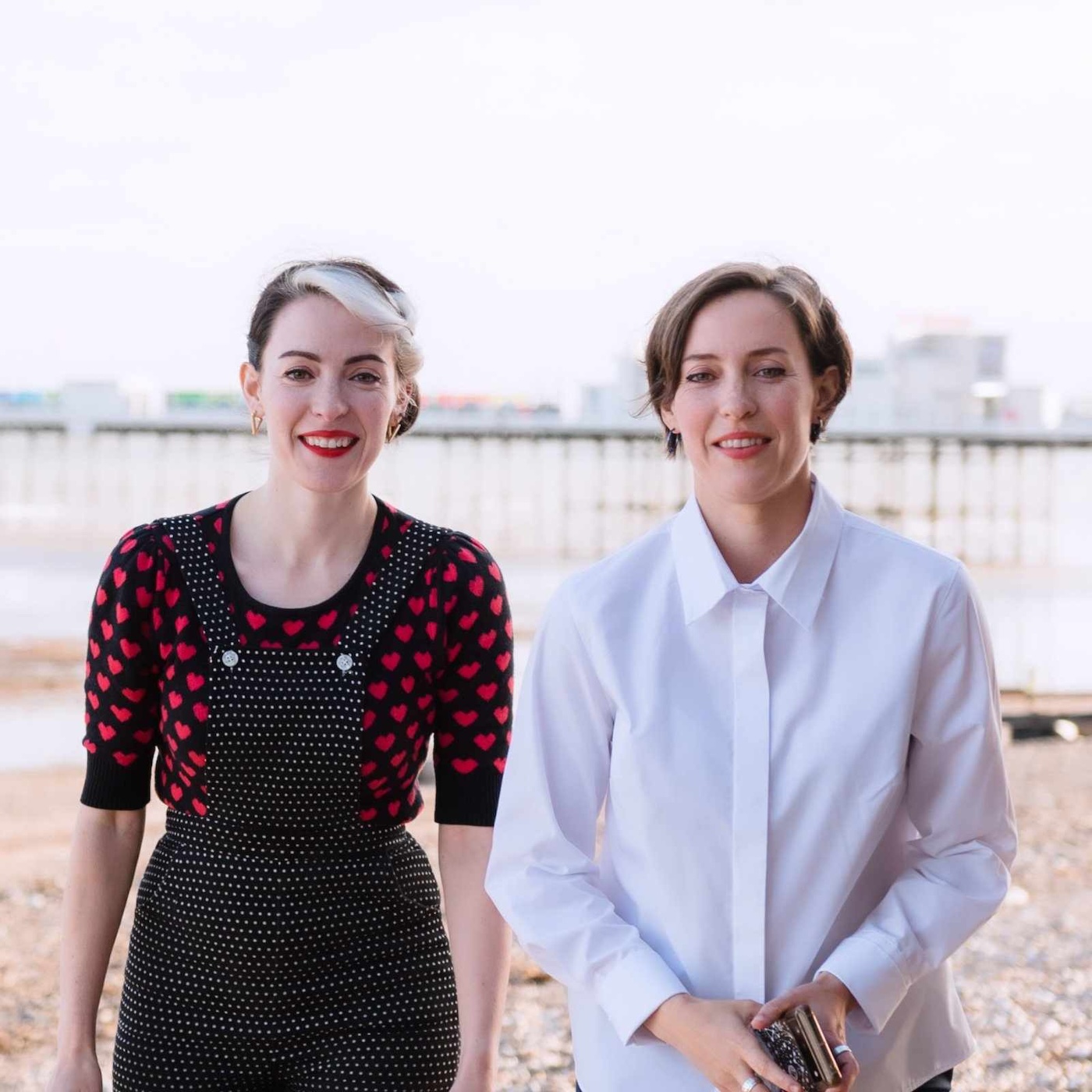
Photo by Cuttlebone Photography.

Don’t miss new articles, podcasts, programs, and some of my favorite discoveries.

Sign up for my weekly newsletter.

The post From Two Years of Zero Sales to a Thriving Art Business with the Two Faced Twins (218) appeared first on Art Biz Success.

]]>
https://dy-online.com/two-faced-twins/feed/ 2
A collaboration between 2 artists led to creative growth (183) https://dy-online.com/sokoluk-mark/ Thu, 28 Mar 2024 11:22:00 +0000 https://dy-online.com/?p=48592 When I teach about collaboration, I’m usually talking about an exhibition or event. Lori Sokoluk and Susan Purney Mark took collaboration to the next level by collaborating on the artwork itself—resulting in a two-person exhibition.

We discuss finishing a piece on top of someone else's marks, how they titled the pieces, how they divided up the work, how the exhibition was organized, and what they learned from the process that they'll carry forward.

The post A collaboration between 2 artists led to creative growth (183) appeared first on Art Biz Success.

]]>
I believe that collaborating is high-level thinking. Successful artists know that they will get further faster with the help of others.

When I teach about collaboration, I’m usually talking about an exhibition or event. Lori and Susan took it to the next level and collaborated on the artwork itself—resulting in a two-person exhibition.

Susan Purney Mark and Lori Sokoluk gallery exhibition
Collaborative pieces by Lori Sokoluk and Susan Purney Mark. (L to R) Glad You Mentioned It; Just a Quick Note; Missing You; I'll Hold You Tight, Dear One; I Could Use Your Help

I wanted to know what the artmaking process was like when you’re presented with someone else’s marks on the canvas. I think you’ll enjoy hearing about it and what they discovered during the process.

We also discussed:

  • The parameters of the collaboration.
  • The challenges they faced, such as Lori’s physical limitations.
  • How they titled the pieces together (a fascinating theme and process).
  • How they divided up the business stuff.
  • How the exhibition was organized.
  • How it has affected their individual work.
  • The advice they share with any artist who is open to collaboration.

[ Helpful resource: Art Exhibition Checklist and Timeline to Customize ]


Listen

Susan Purney Mark and Lori Sokoluk gallery exhibition
Lori and Susan's collaborative exhibition at The Old School House Art Center in Qualicum Beach, BC, Canada

Quotes

“One of the challenges was … looking at some of the things that Susan was doing and saying, Does that resonate with me? Do I want to try that?”—Lori

“While Susan said she was very respectful and very diplomatic about the piece that I had sent her that she struggled with, I have to admit I was less so. The piece that I struggled with, I actually obscured about 90 percent of what she sent me.”—Lori

“A couple of things were wow, why didn’t I think of that?”—Susan

“There there were some pieces that I saw that she had completed, and it’s just like hearing something sung in perfect harmony.”—Lori

“I think it has changed in a way to not force me, but encourage me to be braver, to be more experimental, to be bolder in my work.”—Susan

“Sending something back and forth is a conversation between two people.” —Susan

About My Guests

Susan Purney Mark

As a textile artist, Susan Purney Mark has embarked on a life-transforming journey into the world of color, design and pattern.

She has studied design, patchwork and embroidery with the prestigious City & Guilds of London Institute, and deepened her knowledge by working with many internationally acclaimed teachers.

Susan has spent the last 20 years learning, experimenting and finally teaching a variety of surface design techniques in dyeing, painting, screen printing and image transfers. Most recently she has focused on mark making and textile narrative. Her work is known for its use of traditional methods with contemporary design and materials.

Susan acknowledges with gratitude her location on SDȺY¸ES (st̕ey̕əs), unceded traditional territory of the W̱SÁNEĆ peoples.

Follow her on Instagram @susanpurneymark.

Lori Sokoluk

Making art enables Lori Sokoluk to feel into, and wonder at, the dualities of our nature and our world. Urban and natural landscapes are a major influence and inspiration though she is primarily interested in conveying the beauty, power and mystery behind the things we see and experience in everyday life.

The interplay of man-made grids and the organic landscape and the shift from prairie to boreal forest are evident in her recent artwork. This reflects the coexistence of our physical and non-physical being, our intellect and our intuition, and similar contrasts in our surroundings.

After many years in New York, Boston, Montreal, and Vancouver, Lori now lives in Smoky Lake, Alberta, Canada which is Treaty 6 territory and the ancestral home of the Cree, Dene and Metis peoples.

Follow her on Instagram @lorisokoluk

The post A collaboration between 2 artists led to creative growth (183) appeared first on Art Biz Success.

]]>
The Art Biz ep. 168: Impacting Artists First in a Curatorial Project Focusing on Empathy with Nanci Hersh https://dy-online.com/empathy-hersh/ https://dy-online.com/empathy-hersh/#comments Thu, 26 Oct 2023 11:07:00 +0000 https://dy-online.com/?p=46026 It’s so much easier to make art by yourself and show it and sell it by yourself. And this approach works for many artists, but not for everyone.

In this episode I talk with Nanci Hersh about a big curatorial project that align with her values of connection and community. We discuss its benefits, what she'd do differently next time, and the ripple effect caused by impacting the artists first.

The post The Art Biz ep. 168: Impacting Artists First in a Curatorial Project Focusing on Empathy with Nanci Hersh appeared first on Art Biz Success.

]]>

It’s so much easier to make art by yourself and show it and sell it by yourself. And this approach works for many artists.

But there are many other artists who crave connection and community. These artists have benefited by creating projects that involve numerous artists and, often, additional members of the community.

They are high on collaboration.

Nanci Hersh Chapel of Tears
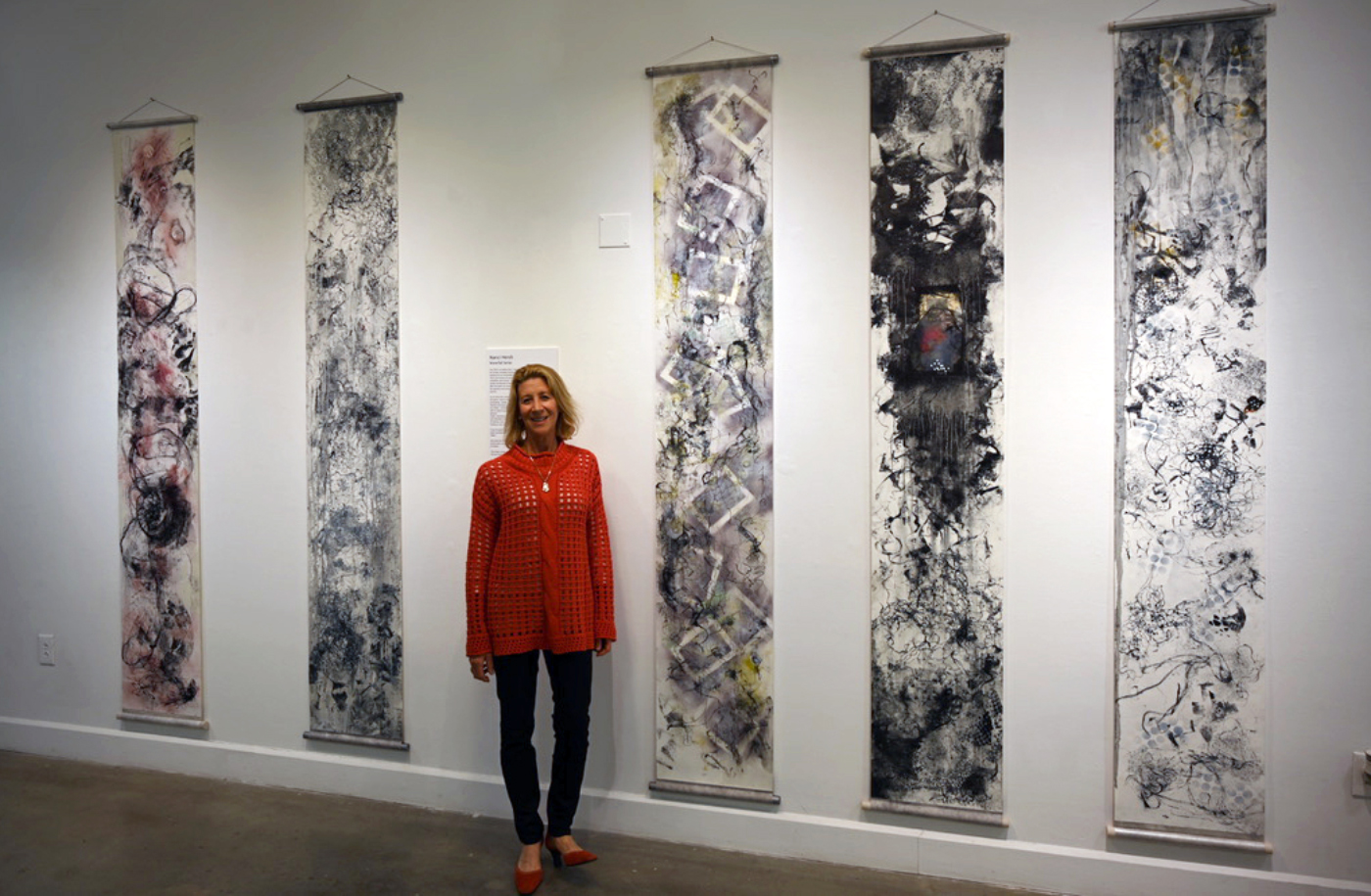
©2023 Nanci Hersh, Chapel of Tears. Nanci with a selection of the Waterfall Series scrolls in the upper level of the Chapel of Tears. Photo by A. Vible.

In this episode of The Art Biz I talk with Nanci Hersh about an exhibition she organized with 25 artists from multiple states and countries.

The show used the central theme of tears to explore empathy, compassion, and understanding within a sacred space—a metaphorical chapel. She says, as artists “we are so fortunate that we can use our art to make sense of life experiences.”

Nanci and I discuss:

  • The ripple effect of art when it impacts the artist first.
  • The training she received to facilitate uncomfortable conversations.
  • The benefits of taking on such a big project and why it’s important that it aligned with her values.
  • How the exhibition was paid for and ideas she has for improving funding options in the future.
  • How she stayed organized.
  • The importance of clear lines of communication, accepting help, and practicing gratitude.

[ See also: The Art Biz ep. 136: Putting Artists First in Curatorial Projects with Melissa Messina ]

Listen

Mentioned

Chapel of Tears workshop Nanci Hersh
Nanci's 2023 Chapel of Tears community workshop at the Chris White Gallery in Wilmington, Delaware.

Quotes

“I really trusted the artists.”

“There’s something really fun about being given a challenge.”

“We are so fortunate that we can use our art to make sense of life experiences.”

“Tears reflect a liminal state, meaning they come from inside and they come outside. They’re transitioning.”

“Once you can meet someone where they are, then so much is possible.”

“Don’t assume anything and just stay on top of things.”

“The next time I do a show, I would make sure that there’s more local artists.”

About My Guest

Nanci Hersh is a contemporary artist whose work is informed by the experiences, relationships, and places in her life. Her two-dimensional work, as well as her sculptures and installations, are at the intersection of personal narrative, art-making, and community engagement—exploring the grace, beauty and fragility of our lives.

Nanci is also a curator, illustrator, educator, arts advocate, and former Executive Director of the Delaware Institute for the Arts in Education. She has one foot in Pennsylvania and the other in Delaware.

Follow her on Instagram @nancihersh

Nancy Hersh
Photo by Avery Burnham.

The post The Art Biz ep. 168: Impacting Artists First in a Curatorial Project Focusing on Empathy with Nanci Hersh appeared first on Art Biz Success.

]]>
https://dy-online.com/empathy-hersh/feed/ 3
6 Ways to Be [Even] Happier About Running Your Art Business (155) https://dy-online.com/be-happier/ https://dy-online.com/be-happier/#comments Thu, 20 Jul 2023 12:34:25 +0000 http://artbizsuccess.com/?p=22522 Artists who embrace their role as CEOs of their businesses fare better than those who resist it.

Wishing away the responsibilities only leads to frustration and anxiety.

When you decide to turn your art into a business, do it wholeheartedly—finding joy in the journey rather than grumbling about the hard work. It's a matter of deciding how you want to navigate through life.

The post 6 Ways to Be [Even] Happier About Running Your Art Business (155) appeared first on Art Biz Success.

]]>
It’s no secret that we love some parts of our business more than others.

There is no way I can say with a straight face that I enjoy marketing and bookkeeping as much as leading my classes like Create Opportunities or coaching my dedicated private clients.

I don’t expect you to like everything you have to do.

I can, however, say with confidence that artists who happily embrace their role as CEO of their businesses do better than artists who fight it and wish they didn’t have to deal with the grind. Wishing won’t make it go away. It only makes you more frustrated, anxious, or resentful.

Pen drawing by Jennifer Mullin
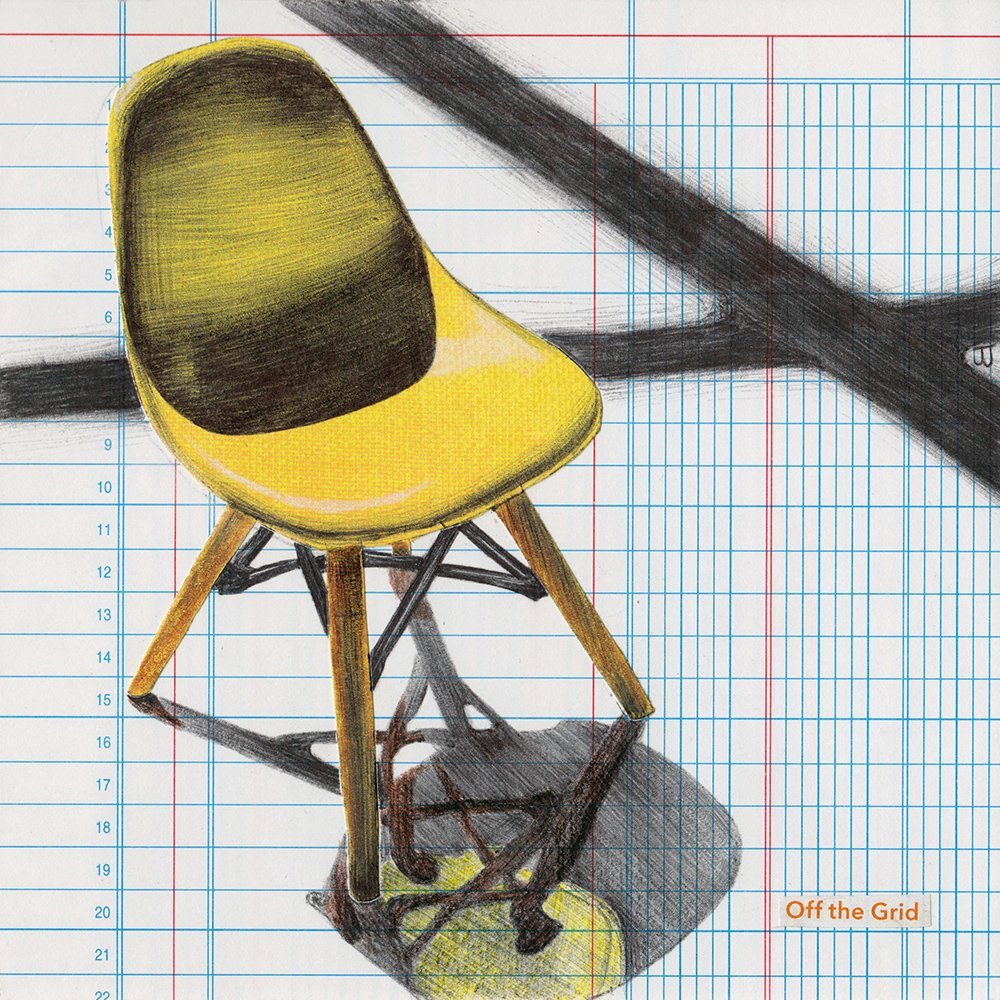
©Jennifer Mullin, Off the Grid. Collaged paper, ballpoint pen and white colored pencil on vintage ledger paper, 6 x 6 inches.

This doesn’t mean that you need to fake joy whenever you’re paying bills.

It means that you accept that it comes with the territory. You rise to the challenge because you know it’s a necessary step toward achieving your goals.

There are ways to be happier about running a profitable art business, but first you must decide that you want a business on top of making work in the studio.

I will continue to remind anyone who will listen that not every artist should turn their art into a business. It’s a whole different game when you start asking for money for your art, and many artists don’t feel the same about making art once they start offering it for exhibition and sale.

But if you choose to go the route of earning money from your art, do it wholeheartedly. Own it.

You can be pouty and grumble about all of the hard work necessary for something you said you wanted. Or you can find ways to enjoy the journey.

How would you rather go through life?

Listen

I choose to find ways to be happier, and to remind myself to be grateful for the incredible opportunity to control my destiny. To work with talented, generous, and inspiring artists.

I want to tell you what makes me happy about running my own business. What helps me get through the rough patches, and there are plenty of those! Then I’ll share some ideas for you.

On-demand workshop :: $37

ELEVATE YOUR ART

Museum-quality standards that convey higher values and allow you to confidently charge what your art is worth.

Young blonde woman sitting on a wooden bench in an art gallery. Looking at monochromatic artwork on the white wall.

What Makes Me Happy About Running My Business

Running a successful business means long hours and many sacrifices, but the rewards are unparalleled.

I am over the moon happy …

That I can work anywhere in the world and at any time of my choosing.

When Clients have Aha! moments. When they really get what I’m encouraging them to do or try. And then …

When students and clients implement what I’m teaching and start seeing results. We celebrate client results frequently as a team.

That I can introduce students and clients because I believe they might collaborate or inspire or motivate one another. And that later, sometimes years, I receive a photo from them after they finally meet in real life—often going out of their way to pay a visit on the other side of the country or even world.

When I receive an email or card full of gratitude from a client who took the time to write.

That I could go almost anywhere in the U.S.—and almost anywhere in the world—and meet up with someone who has read my book, listened to The Art Biz podcast, or been a student in one of my online programs.

All of these things make me ecstatic to have my business.

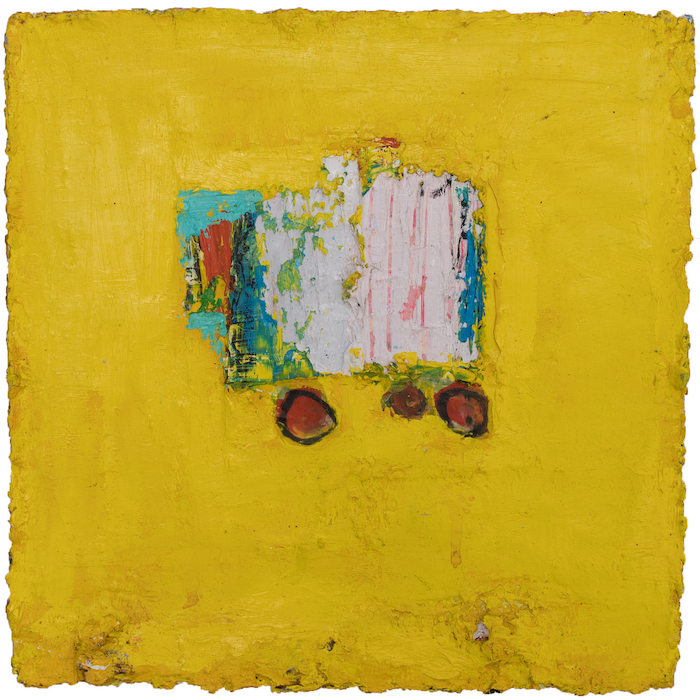
Oil painting by Tamara White
©Tamara White, Yellow Cart. Oil on canvas, 10 x 10 x 1.5 inches.

You Should Be Happy About

If you are listening to this you are likely an artist who can express yourself freely. Millions of people in the world face jail or worse for self-expression. Forgive me for should-ing on you a bit, but you should be a little happier to remember that you have this freedom.

Moreover, you should also be happy that you have the autonomy to start and run a business that focuses on something you have such a passion for.

If you have created a business from your art, you should be happy and extraordinarily proud that you took this initiative and built it from scratch. It’s a huge, brave step. You’re not just making money. You’re also building a legacy.

Many people will never have the guts to do what you’re doing.

Yes, there are things you have to do in your business that you won’t love, but avoiding them will only hold you back. Try to have fun along the way. Try to smile more, and remember your blessings and all you’re grateful for.

Discover the little things that bring you joy, and do more of them.

Because I’ve been working with artists like you for so long, I have an idea or two (6, to be exact) that might make you even happier about running an art business.

Acrylic painting by Jane Barefoot Rochelle
©Jane Barefoot Rochelle, #33 Lions. Acrylic, 24 x 30 inches.

1. Go complaint-free.

Stop complaining about being so busy or about doing work that you don’t like. It’s exhausting to be on the receiving end of this, and it feeds a negative mindset.

Complaining is an enormous waste of energy–yours and that of those around you. Nobody wants to be around a complainer, and the complainer just keeps digging a deeper hole for their woes.

It’s easy to jump on the whining bandwagon, and more difficult to ignore the noise and irritations. Notice the things that are riling you up and practice ignoring them. I say practice because this is a muscle you will build.

Stop complaining. Period. Then get to work.

On-demand workshop :: $37

ELEVATE YOUR ART

Museum-quality standards that convey higher values and allow you to confidently charge what your art is worth.

Young blonde woman sitting on a wooden bench in an art gallery. Looking at monochromatic artwork on the white wall.

2. Raise your prices.

There are few things more dispiriting than selling your art for a price lower than what it’s worth.

[ Free report: How to Price Your Art ]

You’ll be happier when you place a proper value on your time, talent, and effort. Low prices hurt other artists as much as they hurt you.

I love it that two members of my Art Biz Accelerator just held virtual hands and raised their prices 20%. Together. They each knew they needed to do this, but it was a  big deal for each of them. They took the plunge because of the extra support and accountability, and they’re both doing better than ever.

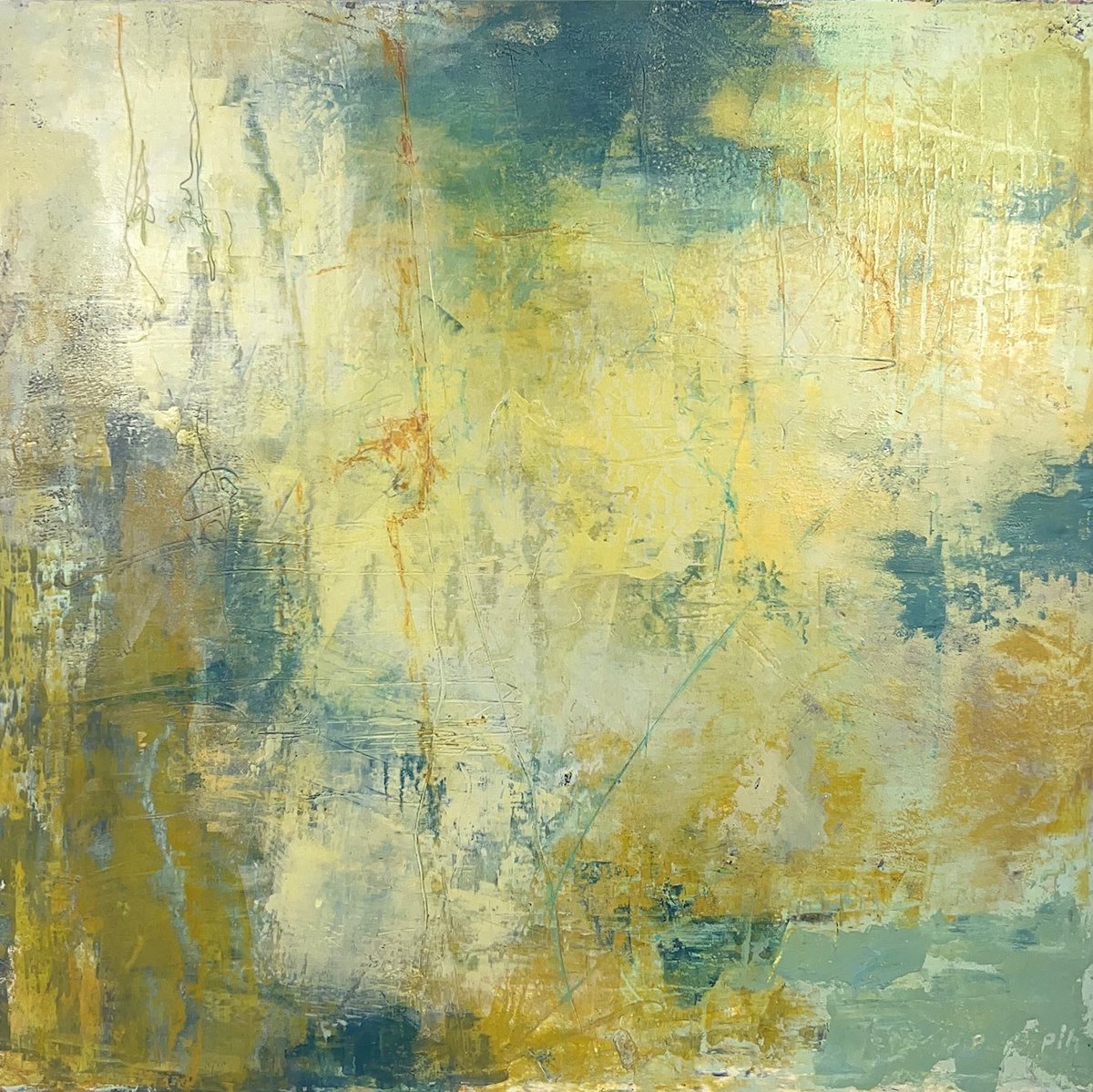
Abstract painting in blues, golds, and pale yellow by Pamela Hirsch.
©Pamela Hirsch, Paleochora. Oil and cold wax on a Baltic Birch wood panel, 12 x 12 x .5 inches.

3. Collaborate more often.

I seem to have to remind students and clients how important their network is, and that they need to make a point of seeking collaborations.

I use the term collaboration broadly to refer to working with other people to advance your goals as an artist. Any. Other. People.

Seeking collaborative relationships is some of the highest level thinking I’ve witnessed in the thousands of artists I’ve encountered over the past 2 decades.. Artists who collaborate simply have more ambitious goals.

I’ll give you four quick examples from The Art Biz.

In episode 27, Jill Powers talked about how she collaborated with volunteers, chefs, scientists, venues, and more for a single exhibition.

In episode 86, Jerry McLaughlin and Rebecca Crowell discuss how they collaborate on a learning platform for artists.

In episode 126, Willie Cole reveals how he collaborates with top brands.

In episode 153, Danielle SeeWalker discusses a long-running photo and film documentary with a fellow artist.

All very different collaborations designed to help the artists fulfill their creative visions.

I know it can sometimes be frustrating working with other people, but the potential reward is too promising to overlook. As curator Melissa Messina said in episode 136, your network is everything.

Not only will you be happier when you collaborate, you will also stretch your business muscles and expand your audience when you bring more people in on what you’re doing.

That brings me to my next idea for how to be happier about running your art business.

Photograph by Fred Newman
©Fred Newman, Woman in Purple with Cat. Photograph.

4. Find your (artist) people.

I don’t have to tell you that the artist’s life can be solitary. You might be okay with that. I know how much I value my alone time.

But there is no reason you should try to figure out all of the pieces of your art business on your own. Your people—other artists who get you—are out there somewhere.

Within the right artist community you will:

  • Learn about opportunities before they are ever made public.
  • Find understanding for your challenges.
  • Get help figuring out strategies for your next move.
  • Celebrate your wins with like-minded spirits.
  • Be inspired by artists you admire.

Artists’ communities are everywhere, but you must make the effort. It might be a local artist group or perhaps an online community like our Art Biz Connection, which you’ll find at ArtBizConnection.com.

As I like to say, it’s fine to DIY (Do It Yourself) but you don’t have to DIA (Do It Alone).

5. Encourage someone else.

Be happier by making a fellow human happy.

Send a direct message to tell someone what a great job they’re doing. Brag on your students. Brighten someone’s inbox, Facebook page, or mailbox with your art.

I’m not encouraging you to spam people with your art, but if you make uplifting art, send images of it along with sincere love and gratitude to your friends and family. Imagine their joy when they receive your message.

This should make you smile.

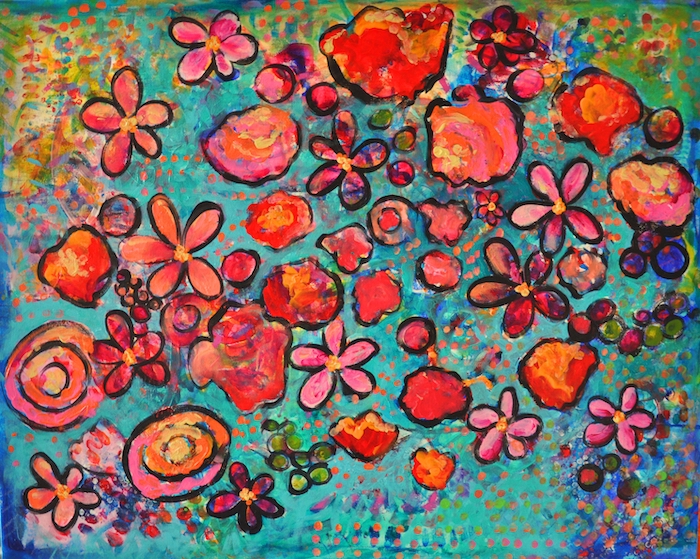
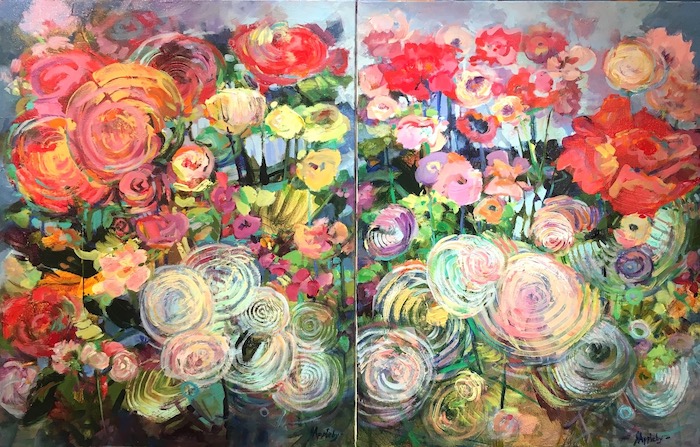
Acrylic painting by Jane Appleby
©Jane Appleby, Colourful Conversations 1/2. Diptych acrylic on canvas, 20 x 32 inches.

6. Get your art and yourself out of the studio.

There are stretches of time when you must disappear into the studio—laser focused on making new work. Eventually, you have to come out of hibernation.

Too much time alone in the studio isn’t good for your mental health, your creativity, or your prosperity.

What happens when you’re in the red and unfulfilled? Disappointment, negativity, gloom.

Getting your art out of the studio and in front of people gives you a greater chance of selling it. The circle of creation is complete because people are viewing and responding to it, and you are connecting with those people.

This leads to greater happiness.

Connection is the Strongest Theme

The strongest theme that emerges from this list of 6 ways to be happier about running an art business is connection.

Connecting with the right people can lift your spirits—whether you’re initiating collaborations or being a valued member of an artist community.

And remember that you don’t have to do all of this. It’s what you said you wanted.

You have freely created an art business where none existed before. Be proud of all that you have accomplished on your own while knowing that you don’t have to do it alone.

If you have been missing that community of artists, but haven’t found your people, we’d love to have you join us in the Art Biz Connection. 

This post was originally published on May 5, 2016, updated May 1, 2019, and has been updated significantly with original comments intact.

The post 6 Ways to Be [Even] Happier About Running Your Art Business (155) appeared first on Art Biz Success.

]]>
https://dy-online.com/be-happier/feed/ 28
Expanding your skillset to respond to opportunities with Detour (128) https://dy-online.com/skillset-detour-podcast/ Wed, 07 Sep 2022 16:33:28 +0000 https://dy-online.com/?p=40594 Detour doesn’t want to be limited by what he currently knows, so he’s learning how to use new technologies to help him land complex opportunities. He isn't afraid to discover that the best way to approach an artistic problem is something he hasn’t done before.

Big on presenting himself in the most professional light, he says, “You never know who is watching.”

The post Expanding your skillset to respond to opportunities with Detour (128) appeared first on Art Biz Success.

]]>
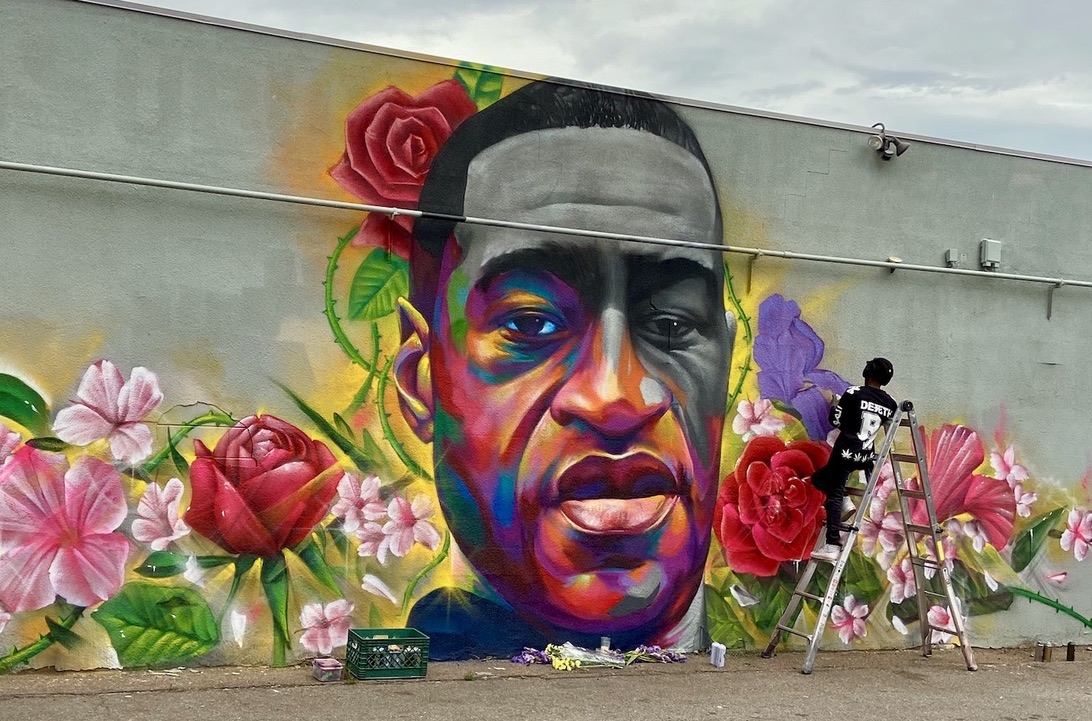
I didn’t know who had the spray paint cans in their hands when I stumbled upon the painting of the George Floyd mural in Denver. I wasn’t surprised to later found out it was Hiero Veiga and Detour working hard that day in 2020.
Mural in Denver of George Floyd by Hiero Veiga and Detour, 2020
Tribute to George Floyd mural in process by Hiero Veiga and Detour, 2020. Personal photo.

I had heard Detour’s name around Denver, and I knew he had recently written a book for artists. You don’t forget the name of an artist who goes by Detour.

After the encounter with the mural, I started seeing Detour’s name in more places.

Maybe it’s another mural, every bit as impactful as the one I watched him paint. Or there’s an article. Or he pops up on the local news.

He’s everywhere. Not just Denver. He travels to communities all over to paint murals, but he also works on canvas, and in music, installation, and sculpture.

In this episode of The Art Biz, I talk with Detour to find how he does it all. By himself and without an assistant.

We discuss his various income streams—prints, murals, corporate sponsorships, and grants—and why he doesn’t want to be limited by what he currently knows. 

To that end, he’s learning how to use new technologies that will help him land complex opportunities requiring new skillsets. He’s not afraid to discover that the best way to approach an artistic problem is something he hasn’t done before.

Detour is big on collaboration and presenting himself in the most professional light. He says, “You never know who is watching.”

I encourage you to listen closely to the questions he asks himself before agreeing to take on new work. Good stuff there.

Highlights

  • Carving out new and alternative paths in the art world. (5:00)
  • Merging your career skills with your creative opportunities. (9:09)
  • How Detour found his artist voice while creating interactive art ‘for the people.’ (11:40)
  • Detour’s active and passive income streams. (17:22)
  • Planning for sporadic paychecks in advance. (22:15)
  • How Detour’s MBA has benefitted his artist endeavors. (25:38)
  • The importance of building relationships with everyone in your artist community. (28:09)
  • Collaborating with other artists to add value to your work. (32:24)
  • Questions to ask when considering—or turning down—opportunities. (34:53)
  • A look at Detour’s typical week. (37:05)
  • Finding fun and balance in the work of every day. (40:18)
  • Why is it important to be an artist who helps other artists?(44:44)

Detour talks contracts and licensing artwork.

Mentioned

Detour Quotes

  • “I want to make sure when I’m presented with an opportunity to solve an idea creatively, I’m not limited by what I’m used to doing.”
  • “You never know what will work until you throw something out there and it sticks.”
  • “When you do art you never know exactly who’s looking at it.”
  • “Everything I do in life is related to art making and sharing.”

Related Episodes

Willie Cole collaborates with name brands and insists on enjoying life and work. 

Advocating for artists in their communities with Louise Martorano.

Leisa Collins reveals an unusual path to finding art commissions.

About My Guest

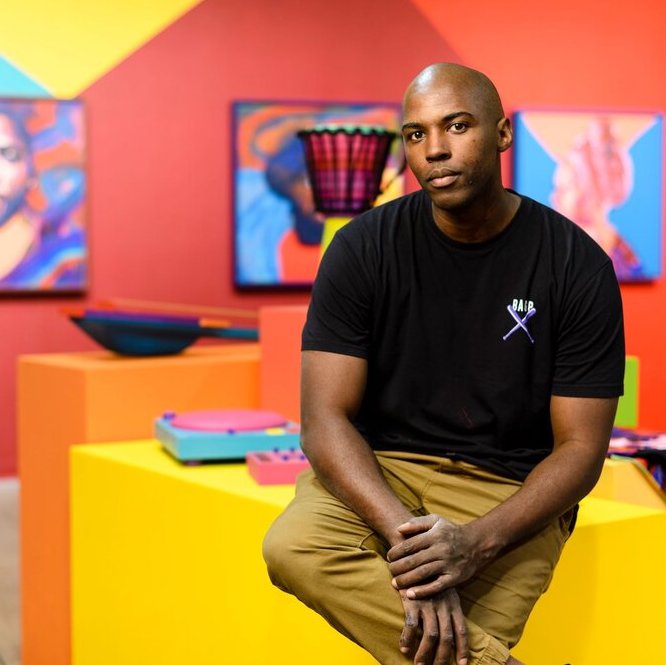
Photo of Thomas Thomas Evans, a.k.a. Detour, is an all-around creative specializing in large scale public art, interactive visuals, portraiture, immersive spaces, and creative directing. His focus is to create work where art and innovation meet. A born collaborator and “military brat,” Detour pulls from every conceivable experience that shapes his landscapes and perspectives.

Explaining Detour’s work is no easy task, as ongoing experimentations in visual art, music, and interactive technologies have his practice continually expanding. With his ever-evolving approach to art, Detour’s focus is on expanding customary views of creativity and challenging fine-art paradigms by mixing traditional mediums with new approaches—all the while opening up the creative process from that of a singular artist to one that thrives on multi-layered collaboration and viewer participation.

Follow him on Instagram @detour303

The post Expanding your skillset to respond to opportunities with Detour (128) appeared first on Art Biz Success.

]]>
Play tops work, connection tops solitude, and confidence tops fear with Willie Cole (126) https://dy-online.com/studio-play-cole-podcast/ https://dy-online.com/studio-play-cole-podcast/#comments Wed, 10 Aug 2022 13:22:21 +0000 https://dy-online.com/?p=39739 This is inspiration for when you feel like your art becomes work and there's little to look forward to.

Willie talks about the faith he has in his practice as a result of being consistent throughout the years, why he prefers to approach his studio in the spirit of play, and how he uses visualization.

The post Play tops work, connection tops solitude, and confidence tops fear with Willie Cole (126) appeared first on Art Biz Success.

]]>
There’s always plenty to be learned from artists who have been making a go of it for decades. Just think about how much has changed in 30 years!

In this episode of The Art Biz, my guest is Willie Cole, a self-described perceptual engineer with an impressive list of collaborations under his belt and even more in the works.

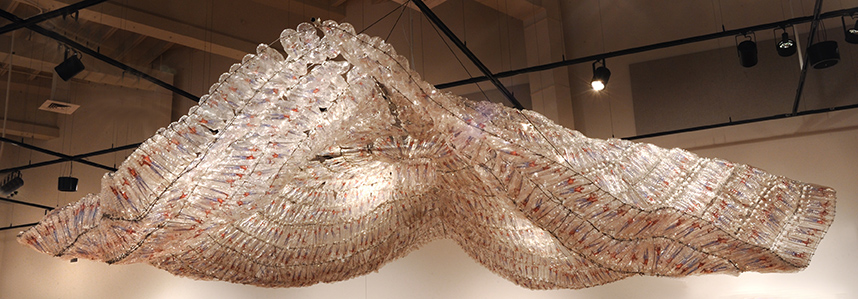
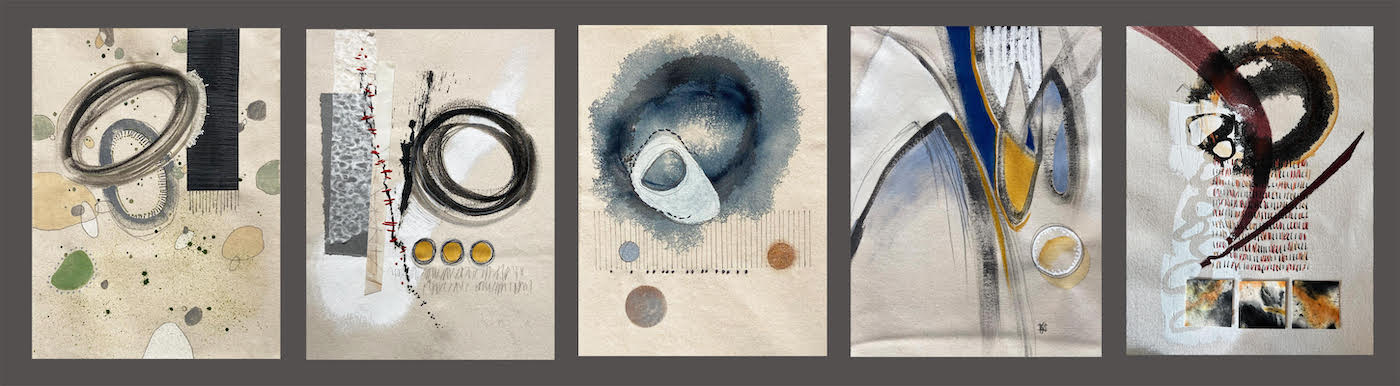
Sculpture of water bottles in serpentine shapes artist Willie Cole | on Art Biz Success
© 2016 Willie Cole, ASCENSION. Plastic water bottles, 300 inch (762 centimeter) diameter. Photo by Greg Staley. Image courtesy of the artist and Alexander and Bonin, New York.

Willie and I spoke about the faith he has in his work as a result of being consistent throughout the years. And, actually, why he says work is a bad word and prefers to approach his studio in the spirit of play.

We discuss his art and why he challenges people to perceive recognizable objects, like shoes and musical instruments, in new ways. 

Willie has also perceived what is possible for his art and career in new ways by considering possibilities beyond galleries and museums. He says, “They are part of the game but not the whole game.” (Yes, he used the word game. Again, adding an element of play to his vision.)

You’ll hear how one of his Instagram posts—where he mocked up his art as if to appear on the cover of Vogue (see below)—led to collaborations with major fashion brands. Such opportunities continue coming his way, which might be the result of his faith in his practice.

Spoiler: Visualizing success plays a role. 

Highlights

  • Willie calls himself a perceptual engineer, but what exactly does that mean? (3:12)
  • The importance (if any) of showing the materials Willie uses to create his work, including parts from 75 guitars. (5:35) 
  • “Planning makes it feel too much like a job.” How Willie approaches his work instead. (11:02)
  • A peek inside Willie’s studio. (13:58)
  • Work is a bad word, but play can make your business better every day. (15:55)
  • Staying in a playful mindset in every stage of production. (19:15)
  • The value of improvisation and the value of not knowing everything. (21:08)
  • Willie feels like the luckiest business person in America. (23:40) 
  • The business-minded people that make up Willie’s team, and insights into his collaborations. (25:36)
  • Propelling yourself forward in spite of your fears. (35:24)
  • The difference between fashion industry collaborations and gallery relationships. (37:51)
  • The music on Willie’s current playlist and what is coming up next in his work. (40:28)

Willie Cole Quotes

  • “I enjoy making your brain stutter.”
  • “Play is play, and the opposite of play, I guess, would be work.” 
  • “It becomes work rather than play when it becomes a money making business.” 
  • “Knowing has limitations, because once you find something, you only see it as that.” 
  • “I feel like the luckiest business person in America.” 
  • “When passion marries intention and it can be monetized, it’s work but it’s also just joy.” 
  • “To proceed with confidence and fearlessness, I have to believe that opportunities connect.” 
  • “Connections open up so many doors, they keep the fear way behind me.” 

Related Episodes

Geoffrey Gorman philosophizes on living the life of an artist.

Alicia Goodwin talks about how she is always looking for the next opportunity.

Christine Aaron confronts risk, rejection, and resilience. 

Laurence de Valmy discusses how she boldly reached out to art world influencers.

About My Guest

Willie Cole calls himself a perceptual engineer. Whether he is using the symbolism of a steam iron or the shapes of high fashion shoes and recognizable music instruments, he challenges how we look at things.

While he has had solo exhibitions at esteemed institutions such as the Museum of Modern Art, Miami Art Museum, and Montclair Art Museum, Willie embraces nontraditional avenues for his work, such as collaborations with major fashion brands. He is represented by Alexander and Bonin Gallery in New York, Maus Contemporary Gallery (Alabama), Gavlak Gallery (Los Angeles/Florida), and Kavi Gupta Gallery (Chicago). Willie lives and works in New Jersey.

Follow him in Instagram: @williecoleart

artist Willie Cole with long dreadlocked hair and black shirt

The post Play tops work, connection tops solitude, and confidence tops fear with Willie Cole (126) appeared first on Art Biz Success.

]]>
https://dy-online.com/studio-play-cole-podcast/feed/ 4
The Art Biz ep. 86: Collaborating on Your Art Business with Rebecca Crowell and Jerry McLaughlin https://dy-online.com/collaborating-coldwax-podcast/ Thu, 20 May 2021 11:29:19 +0000 https://dy-online.com/?p=31882 Collaborations aren't for the faint of heart—especially for artists who are used to working alone and making decisions without having to get approval from another human being. But my guests for this episode of the Art Biz Podcast have figured out how to make it work.

Rebecca Crowell and Jerry McLaughlin first collaborated on the publication of their book, Cold Wax Medium. Their collaboration has only deepened since that time, adding the Cold Wax Academy in 2020.

Rebecca, Jerry, and I discuss the format of Cold Wax Academy, how they make decisions together, how they find new members, and what they'd do differently with the benefit of hindsight. You'll hear what makes their combined efforts work so well

We also talk about one of my favorite topics—systems—and the technology they use to keep their joint venture going.

The post The Art Biz ep. 86: Collaborating on Your Art Business with Rebecca Crowell and Jerry McLaughlin appeared first on Art Biz Success.

]]>
Collaborations aren’t for the faint of heart—especially for artists who are used to working alone and making decisions without having to get approval from another human being. But my guests for this episode of the Art Biz Podcast have figured out how to make it work.

Jerry McLaughlin Painting featured on Art Biz Success
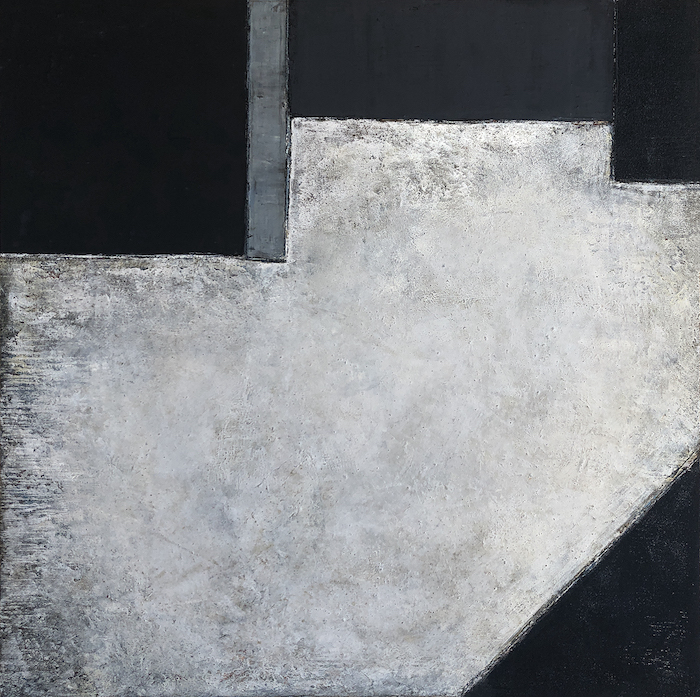
©2021 Jerry McLaughlin, adobe y los azules. Oil, cold wax, wood ash, 36 x 36 inches.

Rebecca Crowell and Jerry McLaughlin first collaborated on the publication of their book, Cold Wax Medium. Their collaboration has only deepened since that time, adding the Cold Wax Academy in 2020.

Rebecca, Jerry, and I discuss the format of Cold Wax Academy, how they make decisions together, how they find new members, and what they’d do differently with the benefit of hindsight. You’ll hear what makes their combined efforts work so well.

We also talk about one of my favorite topics—systems—and the technology they use to keep their joint venture going.

Music by Wildermiss

Highlights

  • Rebecca and Jerry reflect on the timeline of their collaborative efforts. (2:37)
  • Rebranding your business with the help of professionals. (6:18)
  • Making the transition from live teaching to the online Cold Wax Academy. (11:04)
  • Replacing lost income from cancelled live workshops. (12:37)
  • The pandemic-induced “oh crap” moment that changed everything. (17:03)
  • How to know when it’s time to hire help. (20:19)
  • Collaborating with another person in every aspect of your business. (24:08)
  • Tools that maximize your communication efforts. (26:53)
  • A high-level overview of the offerings of Cold Wax Academy. (29:00)
  • The key to making a paid membership structure work. (33:57)
  • How to determine what content to offer for free and what content to charge for. (37:58)
  • Adjusting your offerings starts with knowing what your audience wants. (38:47)
  • A look at the numbers of the Cold Wax Academy community. (43:37)
  • Lessons learned from the timing and building of a business. (45:34)
  • What’s coming up next for Cold Wax Academy. (49:42)
Rebecca Crowell Painting featured on Art Biz Success
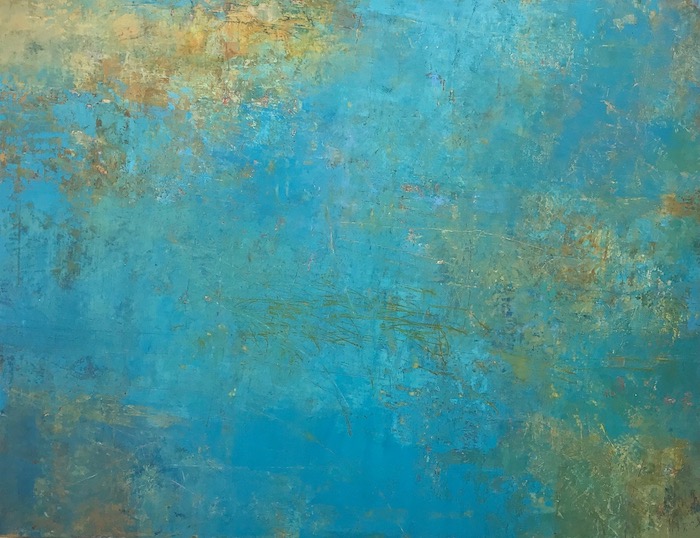
©2020 Rebecca Crowell, Chroma #8. Oil and cold wax on panel, 38 x 50 inches.

Mentioned

Cold Wax Academy website

Cold Wax Medium: Techniques, Concepts & Conversations by Rebecca Crowell and Jerry McLaughlin

Episode #9: How Two Artists Self-Published and Are Promoting a Successful Book Together

Quotes

“We have this great collaboration and I couldn’t have known ahead of time how exciting it would be to develop this program.” — Rebecca Crowell

“Hiring a third person has given us more energy to devote to the business itself.” — Jerry McLaughlin

“What we produce is infinitely better because we’re both doing it together.” — Jerry McLaughlin

“As we go we’re learning more and more about how to interact with people and how to  involve members.” — Rebecca Crowell

About My Guests

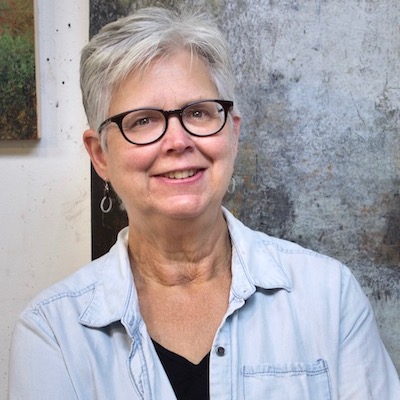
Photo of Rebecca CrowellRebecca Crowell has been a professional artist for 30 years and is widely known for her innovative painting techniques involving cold wax medium and oils. She teaches these methods both in the US and internationally. Her work is handled by fine art galleries in Chicago, Atlanta, Milwaukee, Telluride, and Dublin, Ireland and is found in hundreds of private, public, and corporate collections. Rebecca holds an MFA in Painting and lives in rural west-central Wisconsin.

Find Rebecca on Instagram: @rebeccacrowell


Photo of Jerry McLaughlinJerry McLaughlin has been a working visual artist for 20 years and has exhibited at galleries throughout the U.S. His work is in collections around the world. An expert in all things cold wax, he focuses his major energies on painting, teaching, and writing. Trained as a pediatric intensive care physician, he also holds a certificate in adult education from the University of Washington. Jerry lives in San Miguel de Allende, Mexico.

Find Jerry on Instagram: @jerrymclaughlinart

Follow @coldwaxacademy on Instagram.


Music by Wildermiss


The post The Art Biz ep. 86: Collaborating on Your Art Business with Rebecca Crowell and Jerry McLaughlin appeared first on Art Biz Success.

]]>