
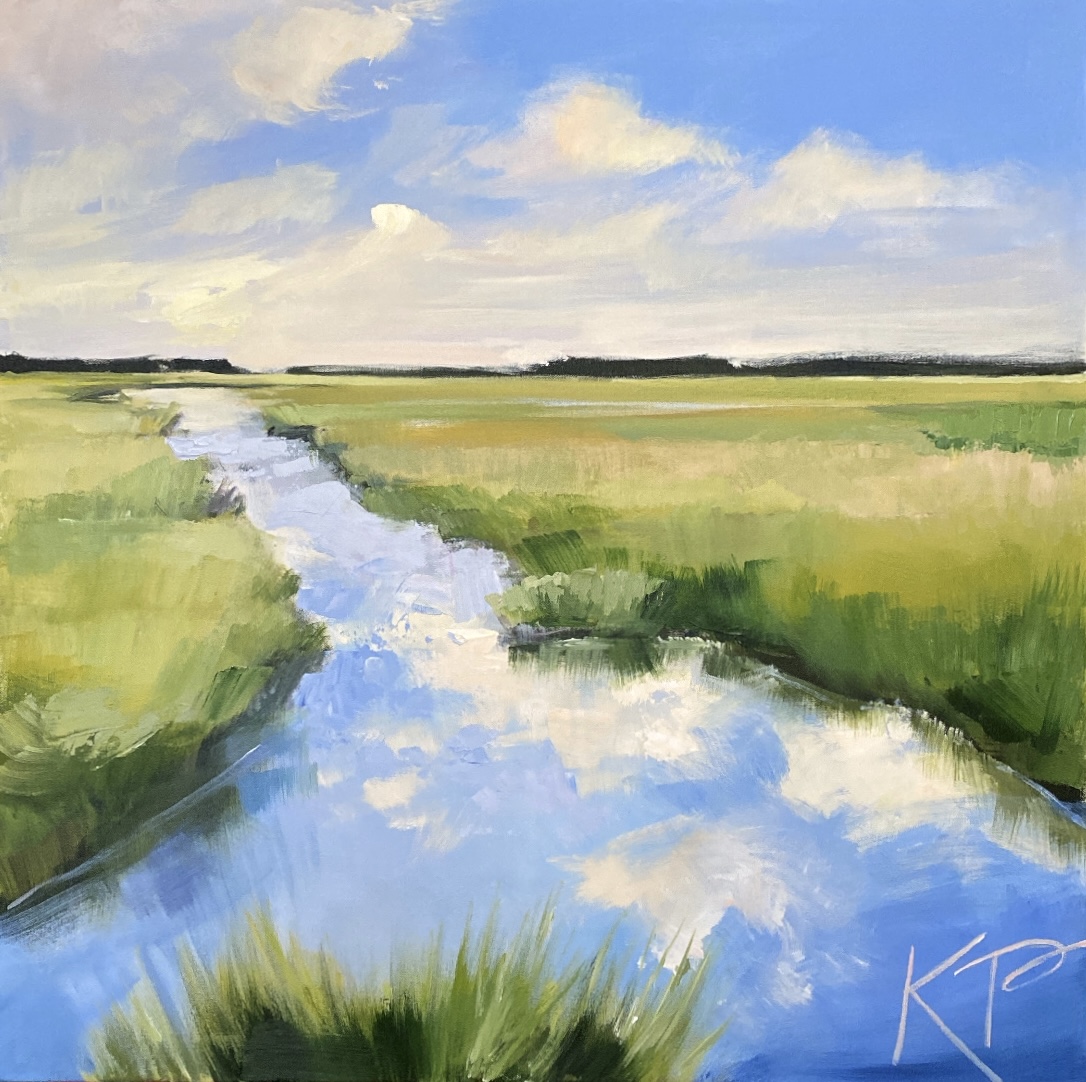
In this episode of The Art Biz, Kelly shares her income sources, which are dominated by sales of commissions, followed distantly by releases of small paintings.
The post She knows exactly how much her art income will be every month with Kelly Pelfrey (162) appeared first on Art Biz Success.
]]>


“I had all this work and I just decided to think about and want it to be something that points people to beauty, that brings people joy—like a book. You open it, take a deep breath and you just can flip through a couple of pages, enjoy art.”
“I have no regrets, but I would encourage any artist that thought about [making a book] to look at making sure that it will be profitable. You don’t want 500 books sitting in your house reminding you of your poor decisions.”
“I typically advertise about seven spots [for commissions] per month…. I also will add in 1-3 spots for designers who reach out to me asking me to create a piece for their clients so that they don’t have to book out that far in advance. They are the ones I’ll make an exception for and slide them into my schedule where I have room.”
“Steady growth and learning what works, slowly increasing pricing, matching demand. So not doing big price increases that the demand wasn’t there for, but slowly increasing.”
“Everyone is their own boss of their inbox. They’re happy to unsubscribe but they need to.”



The post She knows exactly how much her art income will be every month with Kelly Pelfrey (162) appeared first on Art Biz Success.
]]>What would happen if you turned the whole commission process on its head? If you got to make whatever you wanted and found the perfect buyer in advance?
In this episode of The Art Biz I talk with Leisa Collins, who started her art business by targeting people whose homes she wanted to paint. Her attempt at the flyer-on-the-doorstep thing was met with crickets, save for some abusive language by one recipient.
Then she got more specific and went to direct mail. That's when her career as a house portraitist took off. To date she has painted more than 2,500 house portraits and has a waiting list for commissions. She no longer has to send direct mail, but maintains that the personal relationships with clients are paramount.
I'll let Leisa explain how she did it. She'll also share her quest across the country to paint a house in all 50 states, that following up with prospects results in 85% more sales for her, and how she has partnered with realtors to provide closing gifts for their clients.
The post The Art Biz ep. 110: An Unusual Path to Finding Art Commissions with Leisa Collins appeared first on Art Biz Success.
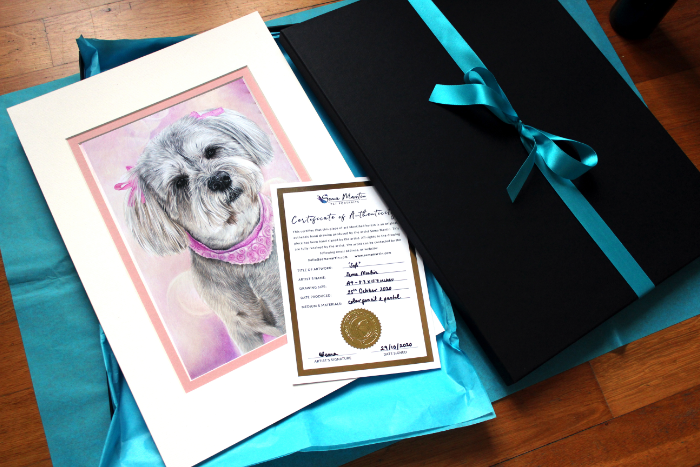
]]>Or they want a drawing of their beloved pet, and you consider yourself an abstract artist. Leave the pets to Sema Martin who, in episode 68 of The Art Biz, walked us through the exact steps she repeats for each commission—steps that ensure she stays organized and meets her deadlines.
What would happen if you turned the whole commission process on its head? If you got to make whatever you wanted and found the perfect buyer in advance?
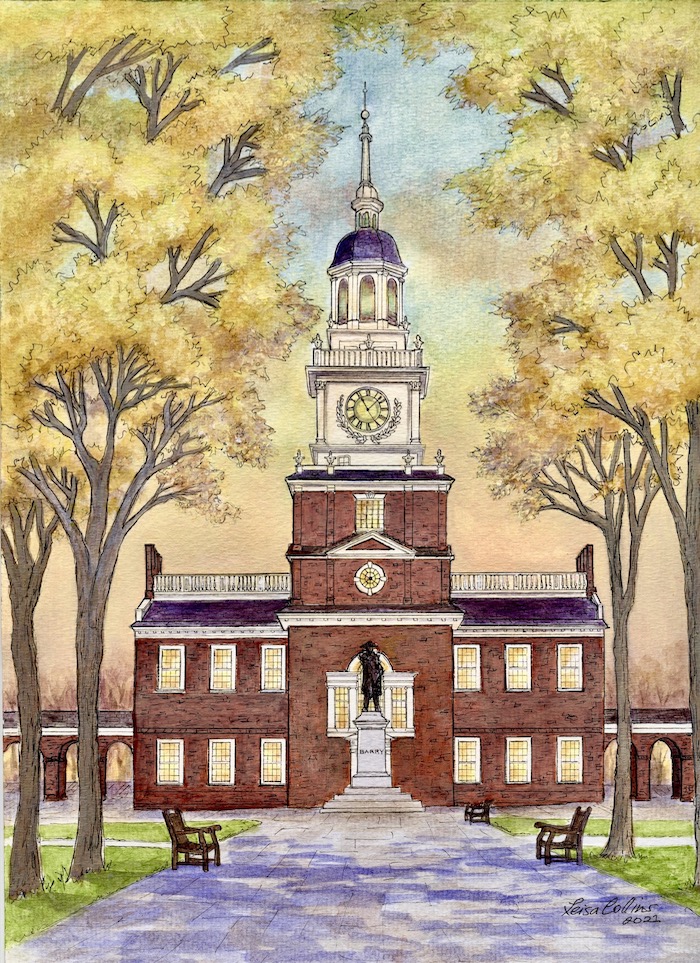
In this episode of The Art Biz I talk with Leisa Collins, who started her art business by targeting people whose homes she wanted to paint. Her attempt at the flyer-on-the-doorstep thing was met with crickets, save for some abusive language by one recipient.
Then she got more specific and went to direct mail. That’s when her career as a house portraitist took off. To date she has painted more than 2,500 house portraits and has a waiting list for commissions. She no longer has to send direct mail, but maintains that the personal relationships with clients are paramount.
I’ll let Leisa explain how she did it. She’ll also share her quest across the country to paint a house in all 50 states, that following up with prospects results in 85% more sales for her, and how she has partnered with realtors to provide closing gifts for their clients.
Highlights
- Combining a love of art with architecture and advertising in effective ways. (4:36)
- The details of direct mailings that lead to collectors. (9:45)
- Leisa recently published a coffee table book highlighting her paintings in all 50 states.
- Hand selecting the demographic you want to work with. (13:05)
- The business process and price range of Leisa’s untraditional approach to commissioned art. (16:10)
- Selecting, photographing and painting houses in all 50 states. (22:26)
- Creating 250 pieces a year means Leisa gets two or three new clients a week—and has to keep careful track of them all. (30:50)
- Selecting images, marketing, and selling a book. (36:50)
- The importance of following up with prospective clients—without being too pushy. (39:31)
- The details of Leisa’s spreadsheets help her maintain a personal relationship with her clients. (45:10)
- Creating relationships with clients through realtor closing gifts and phone calls. (48:51)
- A look at what is coming up next in Leisa’s very busy holiday schedule. (53:25)
Leisa Collins Quotes
“I exchanged my art for everything.”
“I could choose my demographic very carefully by looking at the house.”
“I now get tons of commissions every week because they told their neighbor … by now it’s just word of mouth.”
“If you love what you’re doing, it’s not so much like work.”
About My Guest
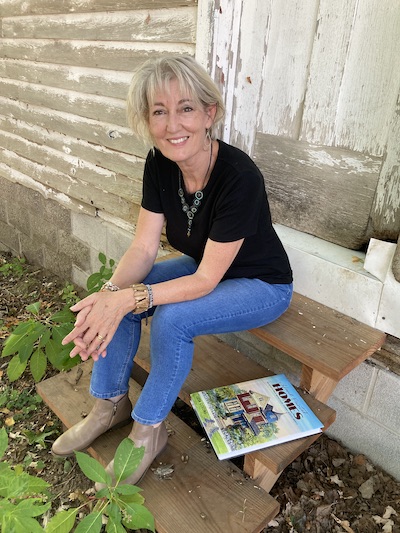
 Leisa Collins, a native of New Zealand, eventually settled in the U.S. and became interested in the people and cultures that defined architecture throughout the country’s history. She was inspired to drive from coast to coast, creating original paintings of homes in every state plus the Nation’s capital. She selected 650 of these architectural paintings—as well as the fascinating stories behind many of them—for her coffee table book, Hand-Painted Homes: An Architectural Artist’s Pen and Watercolor Journey Across America (May 2021).
In 2013, Leisa established the Leisa Collins Historic Preservation Award to honor exceptional individuals committed to saving and restoring old buildings across the country. Her work has been featured in publications such as the New York Times, Huffington Post, and Los Angeles Times.
Follow Leisa on Instagram: @leisacollinsart
The post The Art Biz ep. 110: An Unusual Path to Finding Art Commissions with Leisa Collins appeared first on Art Biz Success.
]]>I love figuring out systems, maybe even more than I love following them, because systems are always there to support my progress. And my guest for this episode of the podcast has proven that a clearly defined system can take your art business to the next level.
Sema Martin is a full-time artist living in the French Riviera. She currently has a 4-month waiting list for her pet portraits, which is likely due in part to a system she has developed that keeps her organized and her customers satisfied.
In our conversation, Sema shares the the 8 stages of commissioning work from her.
We discuss how she standardized her sizes, how she makes it easy for clients to buy from her by offering multiple currencies, and how social media serves a dual purpose to both promote her work and to share her progress with clients. You’ll hear how she stays organized and at the end of this episode I'll tell you how to get a copy of her system spreadsheet.
The post The Art Biz ep. 68: Procedures for Art Commissions with Sema Martin appeared first on Art Biz Success.
]]>
I love figuring out systems, maybe even more than I love following them, because systems are always there to support my progress. And my guest for this episode of the podcast has proven that a clearly defined system can take your art business to the next level.
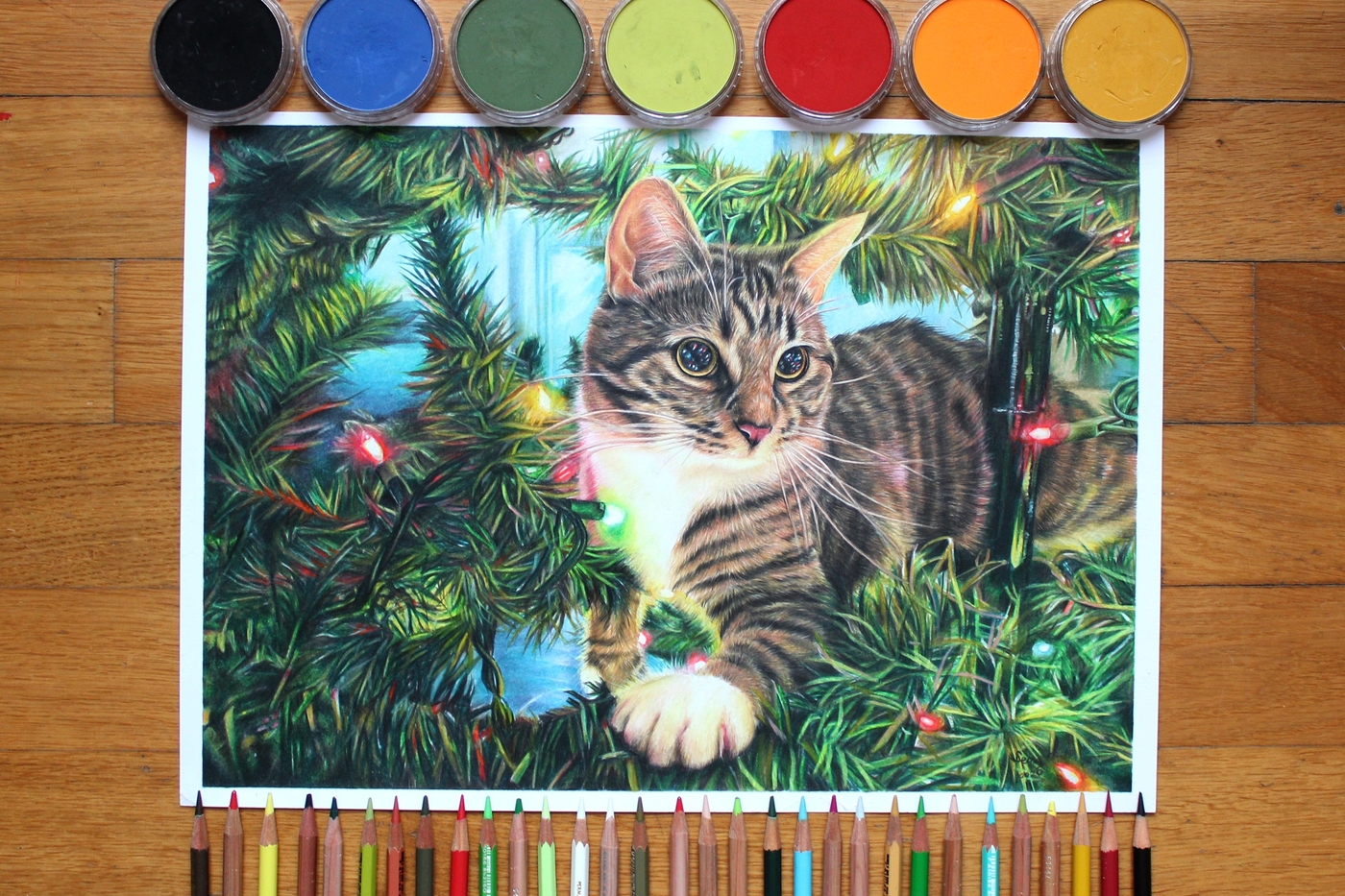
Sema Martin is a full-time artist living in the French Riviera. She currently has a 4-month waiting list for her pet portraits, which is likely due in part to a system she has developed that keeps her organized and her customers satisfied.
In our conversation, Sema shares the the 8 stages of commissioning work from her.
We discuss how she standardized her sizes, how she makes it easy for clients to buy from her by offering multiple currencies, and how social media serves a dual purpose to both promote her work and to share her progress with clients. You’ll hear how she stays organized and at the end of this episode I’ll tell you how to get a copy of her system spreadsheet.
Music by Wildermiss
Highlights
- Sema shares the journey that led her to becoming a full-time commissioned artist. (2:11)
- Income streams and the percentages of Sema’s income that come from commissions. (5:50)
- Developing the stages of the commission process, starting with sizing the art. (7:32)
- What to include in your pricing. (12:15)
- A comparison of SquareSpace and MailChimp email delivery. (14:18)
- Contact forms and how to make sure you have proper communication with clients. (16:03)
- The importance of collecting money before you start drawing. (20:46)
- Handling a waiting list and the logistics of a payment plan. (22:09)
- Guidance for helping customers choose the details of the piece. (26:54)
- Sema’s workflow and how she works in the drawing zone. (30:03)
- How many social media posts should highlight your current piece? (34:24)
- Final approval ensures that the customer is happy before the piece is shipped. (37:00)
- Mounting, packing, and delivery of the final piece and how each step ensures you will have happy customers. (37:56)
- The bonus stage and how many customers take advantage of it. (42:08)
- How do people find Sema? She maintains a focus on SEO that really pays off. (43:52)
- Staying organized and implementing the systems that will keep you going. (46:11)
- A glimpse inside Sema’s current project. (49:06)
Mentioned
Art is My Career — How to Start an Art Business by Sema Martin
Sema Martin Quotes
“Everything I’ve created, I’ve created through trial and error.”
“I keep my prices standard to the size rather than the subject.”
“There are a lot of questions that you need to have answered before any money is exchanged.”
“I want to be very careful not to burn out, because if I do it gets very difficult to get back into the drawing zone.”
“It’s so important that you get feedback and testimonials from your clients. It’s an organic way to convince new customers to commission you.”
“There’s no point in paying for a website if you aren’t going to make sure that people can find it.”
About My Guest
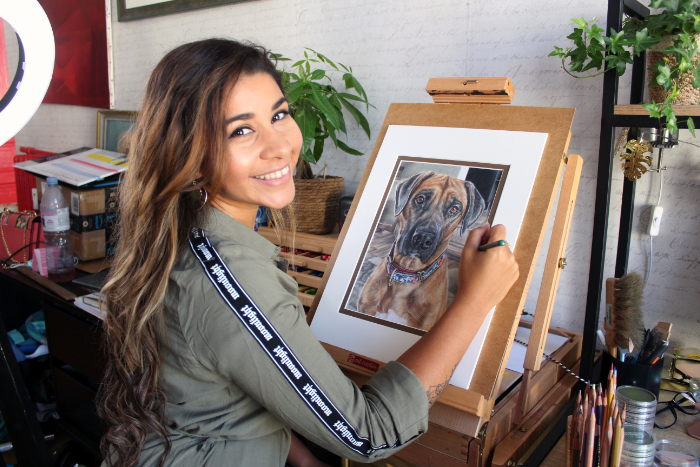
Sema Martin is a full-time artist living in the French Riviera. Using the highest quality of color pencils, pastels, and paper available she creates realistic human, animal, and landscape drawings from photographs provided by her customers.
She is also the author of Art is My Career — How to Start an Art Business, a book to help and inspire other artists that it is possible to make a career out of your artwork.
Music by Wildermiss
The post The Art Biz ep. 68: Procedures for Art Commissions with Sema Martin appeared first on Art Biz Success.
]]>I wish I kept track of how often I have heard this story. It goes something like this.
Artist gets a really juicy gig. Maybe they have a wealthy collector who buys tons of their work to outfit all of their offices and homes (because of course they have more than one). Then the collector is done, dies, or disappears.
Or they have one gallery that is selling their work like hotcakes. Until the gallery doors close or the director skips town because of back taxes owed.
Bottom line: The gig dries up. You have placed all of your eggs in one basket and, due to circumstances beyond your control, what was once reliable income is no longer available to you.
This is what happened to artist Leslie Neumann.
She had a sweet deal going with Firebird Restaurants for more than four years. Their purchases of her original paintings accounted for 50-60% of her income during that period.
And then it stopped. But there’s no need to feel sorry for her! As you’ll hear in this episode of the podcast, Leslie rose to meet every challenge. She does, however, have a cautionary tale.
The post The Art Biz ep. 29: When the Commissions Gig Dries Up with Leslie Neumann appeared first on Art Biz Success.
]]>I wish I kept track of how often I have heard this story. It goes something like this.

Artist gets a really juicy gig. Maybe they have a wealthy collector who buys tons of their work to outfit all of their offices and homes (because of course they have more than one). Then the collector is done, dies, or disappears.
Or they have one gallery that is selling their work like hotcakes. Until the gallery doors close or the director skips town because of back taxes owed.
Bottom line: The gig dries up. You have placed all of your eggs in one basket and, due to circumstances beyond your control, what was once reliable income is no longer available to you.
This is what happened to artist Leslie Neumann, who by anyone’s definition ranks as a successful artist.
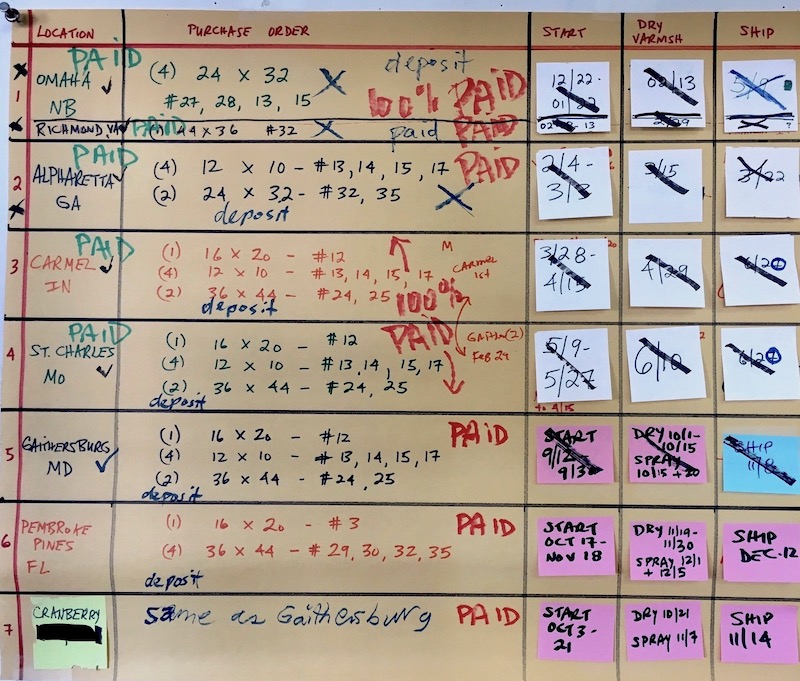
She had a sweet deal going with Firebird Restaurants for more than four years. Their purchases of her original paintings accounted for 50-60% of her income during that period.
And then it stopped. But there’s no need to feel sorry for her! As you’ll hear in this episode of the podcast, Leslie rose to meet every challenge. She does, however, have a cautionary tale.
Music by Wildermiss.
Show Notes
In this interview, you will hear about:
-
- How Leslie got her gig with Firebirds Restaurants in the first place, and how she landed her deal with them from 2014 to 2018.
- Why her time with them came to an end, and a lesson in when there is a change.
- The role of her art consultant, and the pros and cons of them working so closely together.
- What her production schedule looked like while working with Firebirds including payment, deadlines and production.
- How she came to pick the 10-13 same paintings that were used and replicated over 4 years.
- How she survived her deal with Firebirds ending although it was on average 50-60 % of her income.
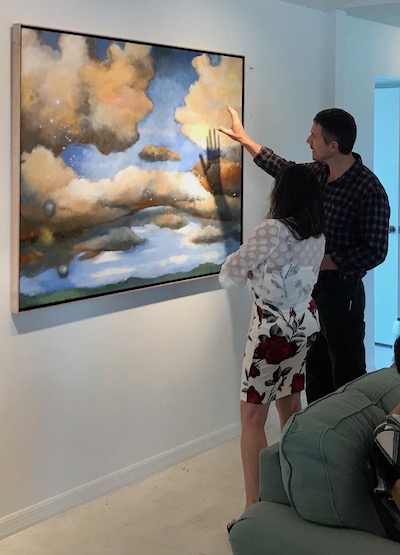
- The importance of living frugally and debt free.
- The one person show that Leslie put on in June of 2018, which made her a half of a year’s earnings in just one night.
- The mistake that Leslie made, and why she doesn’t want you to make it — stay in touch with your base no matter how busy you are.
- What she re-established that had gotten pushed aside and how she uses her newsletter and social media to stay in touch using her authentic voice.
- Leslie’s strategy in the next year: Playing to her strengths of interfacing with people rather than doing business over the computer screen.
Quotes
“The production was like a puzzle, and I like that kind of stuff.”
“What was appealing for me is that I got to paint every day.”
“It always works out.”
“Stay in touch with your base.”
“Make the very best art you can and start planning for whatever it is that will provide income next.”
Resources
Leslie on Instagram
Firebirds restaurant locations
Interview with Helen Hiebert about multiple income streams
Collector Relationship Essentials – my course that helps you make sure you are staying in touch with the people who are valuable in your life and career
About My Guest
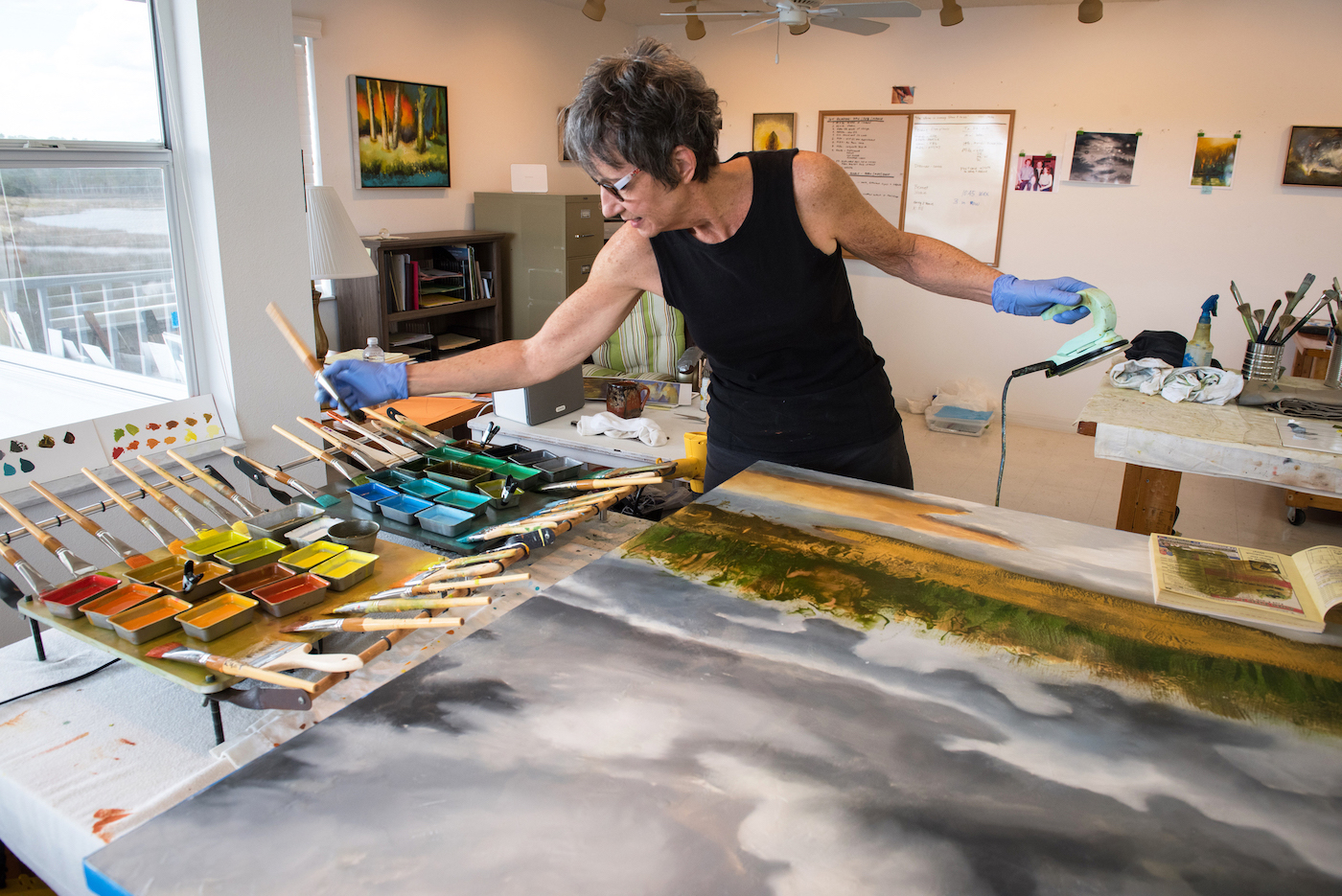
Leslie Neumann has worked as an adjunct professor of studio art and art history at St. John’s University and, at one time, built a business selling prints to other dealers, which produced enough capital to fund a livelihood from the sale of her own art. She has been a self-employed, professional artist for 31 years. Her work is in 10 museum and public art collections, 64 corporate collections, and she has been awarded 5 grants and fellowships.
Her advice for being successfully self-employed? “Be ready with good art. Know your concept. Know your craft. Treat your business as a business. Alyson can help you with this.” (Thanks, Leslie!)
Music by Wildermiss.
The post The Art Biz ep. 29: When the Commissions Gig Dries Up with Leslie Neumann appeared first on Art Biz Success.
]]>Commissioned artists must meet with patrons, communicate throughout the process, figure out payment schedules, and create documents that outline terms to the clients. All of this on top of making the client happy.
Commissions aren’t for everyone, which means there is plenty of room for artists who enjoy and are good at them. If you are one of those artists, follow these 8 steps to land more of them.
8 Steps for Landing Art Commissions
1. Add a prominent link for commissions on your website.
Include steps for commissioning a piece and testimonials from happy patrons alongside images of the finished work.
2. Provide at least two ways to contact you.
See that your marketing materials, including your website, have both an email address and a phone number. According to Matt Oechsli, the affluent prefer phone to email.
At least one artist has lost an opportunity for a mural commission because she didn’t have a phone number on her site and her email was down. How do I know? Because I was the person looking for an artist to help a neighbor with her project.
3. Understand your pricing structure.
Commissioned artwork should be priced higher than your other work because you are trying to meet someone else’s expectations.
Some artists charge as much as
The post A Framework for Accepting Art Commissions appeared first on Art Biz Success.
]]>Commissioned artists must meet with patrons, communicate throughout the process, figure out payment schedules, and create documents that outline terms to the clients. All of this on top of making the client happy.

Commissions aren’t for everyone, which means there is plenty of room for artists who enjoy and are good at them. If you are one of those artists, follow these 8 steps to land more of them.
8 Steps for Landing Art Commissions
1. Add a prominent link for commissions on your website.
Include steps for commissioning a piece and testimonials from happy patrons alongside images of the finished work.
2. Provide at least two ways to contact you.
See that your marketing materials, including your website, have both an email address and a phone number. According to Matt Oechsli, the affluent prefer phone to email.
At least one artist has lost an opportunity for a mural commission because she didn’t have a phone number on her site and her email was down. How do I know? Because I was the person looking for an artist to help a neighbor with her project.
3. Understand your pricing structure.
Commissioned artwork should be priced higher than your other work because you are trying to meet someone else’s expectations.

Some artists charge as much as 50% more for commissioned pieces, which is on the high end. This covers the PITA (pain in the ass) factor that often accompanies the commission process. There will be numerous meetings or conversations, along with possible changes that will take you away from your other work.
This brings me to …
4. Develop a questionnaire for potential clients to complete before you meet with them.
Ask for their timeline, ideas, and expectations. This will serve as a way to qualify people – to make sure they are serious and don’t waste your time.
You might also be asked to create something that has nothing to do with your body of work because the innocent person doesn’t know any other artists. That’s when you really have to think about accepting a commission to paint Tom’s cat, Neptune, in a spacesuit on top of a mirror.
(Kidding. You don’t need to think about it at all. The answer is Hell No! unless you’re in the habit of painting feline astronauts on top of mirrors.)
5. Make clients aware of your pricing before you spend any time on the project.
When you respond to the questionnaires that are submitted, give an estimated price range of the project. Be clear that you will know more when you meet and have the details, but get their confirmation that they want to proceed.

6. Schedule a meeting.
If all is a go up to this point, schedule a meeting—even if it’s on a video conference. It’s important that you have this face-to-face meeting so that you can look into one another’s eyes and begin to build trust.
In the meeting you’ll discuss details and get a sense of what this commission means to the client—how they prioritize it in their lives.
Do not feel pressured to provide a firm fee or payment schedule at the meeting. In fact, I strongly suggest you don’t commit to anything at the meeting. Give yourself time to think about it and use the meeting to understand the entire scope of the work.
7. Check in with yourself.
Commissions require that you willingly work collaboratively with another person.
They also demand that you mostly enjoy the process – something most artists don’t think about. This is important because you will procrastinate projects you don’t like and end up resenting patrons (for asking you to do the job) and yourself (for accepting the challenge).
Do you feel good about working with this person? If so, you can proceed.
8. Put it in writing.
After the meeting, write a letter of agreement that spells out all of the details including timeline, deposit, and payment schedule.
Begin with this: “Thank you for meeting with me and for your interest in my work. I am delighted to accept this commission with the following terms, which are based on the discussion we have had to this point.”

In your letter, assure the patron that you can deliver what they’re asking for and that you can meet any deadlines. As the wise business advice goes: Under promise and over deliver. This means if you think you can have it done in 2 months, say it will take 3 months. When the client gets the piece in 2 ½ months, they’ll be thrilled to have it early.
Ask that the patron sign and return the agreement.
Your Turn
Yay! You landed the commission! Now the hard part begins. You must communicate clearly throughout the process and deliver as you promised on time.
What have you learned about doing commissions?
The post A Framework for Accepting Art Commissions appeared first on Art Biz Success.
]]>The post How to Decide if a Call for Entry is Worth Sweating Over appeared first on Art Biz Success.
]]>

The post How to Decide if a Call for Entry is Worth Sweating Over appeared first on Art Biz Success.
]]>The post Attack it Head On appeared first on Art Biz Success.
]]>Later, I received this email from the artist with the unreasonable (?) client. She wrote.
I just wanted to update you and everyone that offered ideas and support with my 2-year-old commission. I met with [the client] several days ago and he asked me how I liked the finished piece. I told him it was perfect and that there was nothing more I could do with it. He said “ok” and thanked me. And that was it.
I think reading some of the comments really helped give me the confidence I needed to talk with him.

The Lessons?
1. Worrying about something too much or for too long tends to make it a bigger problem than it is. Attack it head on!
2. There’s a lot of powerful energy in a group–even a bunch of artists that you run into on a blog. When you encounter a bump in the road, hearing about others’ experiences makes you feel connected and not quite so alone. You know that you’re not the only one who has ever been in this situation.
The post Attack it Head On appeared first on Art Biz Success.
]]>The post Deep Thought Thursday: Satisfying an Unreasonable (?) Client appeared first on Art Biz Success.
]]>Two years ago I accepted a second commission from a client. It was for a large painting to coordinate with one I had completed for this couple the year before.
Since the second painting’s delivery, I have been asked (by the husband) to redo it several times even though the original drawing had been approved. I’ve added and taken out things and tried to do everything possible to satisfy the clients. The wife seemed to love my last redo, but the husband (a retired powerful military officer use to getting his way) now wants to meet with me and discuss the painting.
I am at my wit’s end trying to make my clients happy, and I know the husband intimidates me in a very gentleman-like manner. How do I handle this in a professional way?
What do you think?
We might not have enough information to know whether or not the client is being unreasonable, but what should this artist have done to avoid this problem?
More importantly, what can be done now?

The post Deep Thought Thursday: Satisfying an Unreasonable (?) Client appeared first on Art Biz Success.
]]>The post Deep Thought(s) Thursday: Do you owe your gallery? appeared first on Art Biz Success.
]]>
The post Deep Thought(s) Thursday: Do you owe your gallery? appeared first on Art Biz Success.
]]>The post Deep Thought Thursday: Could you make it blue instead of pink? appeared first on Art Biz Success.
]]>—Courtesy of Rose Aniello in a previous comment

The post Deep Thought Thursday: Could you make it blue instead of pink? appeared first on Art Biz Success.
]]>