communication Archives - Art Biz Success https://dy-online.com/tag/communication/ Trusted Art Business Coaching and Consulting Thu, 13 Aug 2026 14:14:50 +0000 en-US hourly 1 https://wordpress.org/?v=7.1.4 https://dy-online.com/wp-content/uploads/2022/02/favicon-2-150x150.png communication Archives - Art Biz Success https://dy-online.com/tag/communication/ 32 32 Comprehensive guide for writing an effective artist statement (221) https://dy-online.com/writing-your-artist-statement/ Thu, 27 Mar 2025 14:59:56 +0000 https://dy-online.com/writing-your-artist-statement/ Writing your artist statement can feel like a big task, but it doesn’t have to be. In this guide, I’ll walk you through simple steps to help you figure out what to say and how to say it.

You’ll get writing prompts, editing advice, and ideas for how to actually use your artist statement once it’s done. Let’s make it easier—and way less intimidating.

The post Comprehensive guide for writing an effective artist statement (221) appeared first on Art Biz Success.

]]>
If you think your art speaks for itself, think again. In today’s art world, where attention is fleeting and first impressions matter, your artist statement remains one of the most powerful tools you have to communicate your vision.

Many artists wonder if artist statements are still necessary. With social media and visual-driven platforms, some believe words are secondary to images.

But words matter. A well-crafted artist statement ensures that the right people—collectors, curators, and art writers—understand your work the way you want it to be understood. It gives your art a voice when you’re not in the room. And the process of writing it makes you more articulate whenever you have to speak about your art.

Writing an artist statement isn’t just about fulfilling a requirement—it’s a strategic part of your art career. This guide will help you craft a statement that is clear, compelling, and authentic to your work.

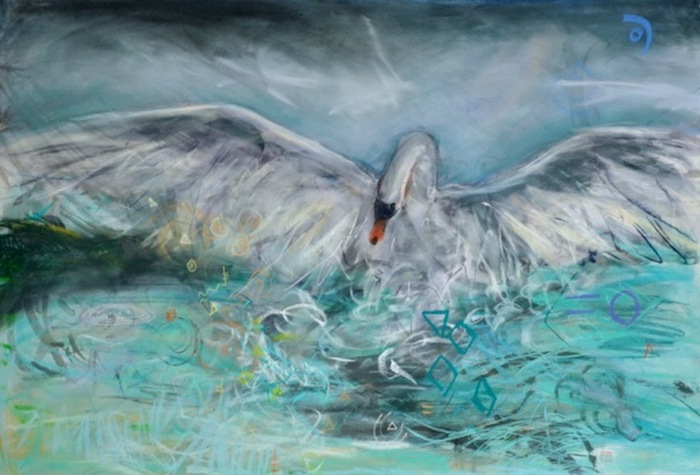
Pastel painting by Pat Dolan
©2016 Pat Dolan, Danu, Celtic Goddess. Pastel and sumi ink on Rives BFK paper.

Listen

What is an Artist Statement?

An artist statement is a bridge between your art and your audience. It helps viewers, collectors, curators, and the media understand the work in front of them—and, more importantly, experience it on a deeper level.

There’s no single correct way to write an artist statement. Some are poetic, others direct. Some are deeply personal, while others focus more on process or technique. The right artist statement is the one that best serves your work and your goals while inspiring others to engage more fully with your art.

You might even create different versions for different purposes: a formal version for exhibitions, a conversational one for your website, or a single-sentence version for quick introductions. That kind of flexibility is not only allowed—it’s encouraged.

For as long as art has existed, people have written about it—analyzing, interpreting, and categorizing. And if you’re not shaping the story around your art, someone else will do it for you. Your statement allows you to take control of that narrative, ensuring that your work is seen, understood, and remembered the way you intend.

Communicating effectively about your art begins with your statement.

You have to understand what your art is about before you can share your message in other formats or through social media channels. This is accomplished through the process of writing your artist statement. And it is a process, which I’ll help you begin.

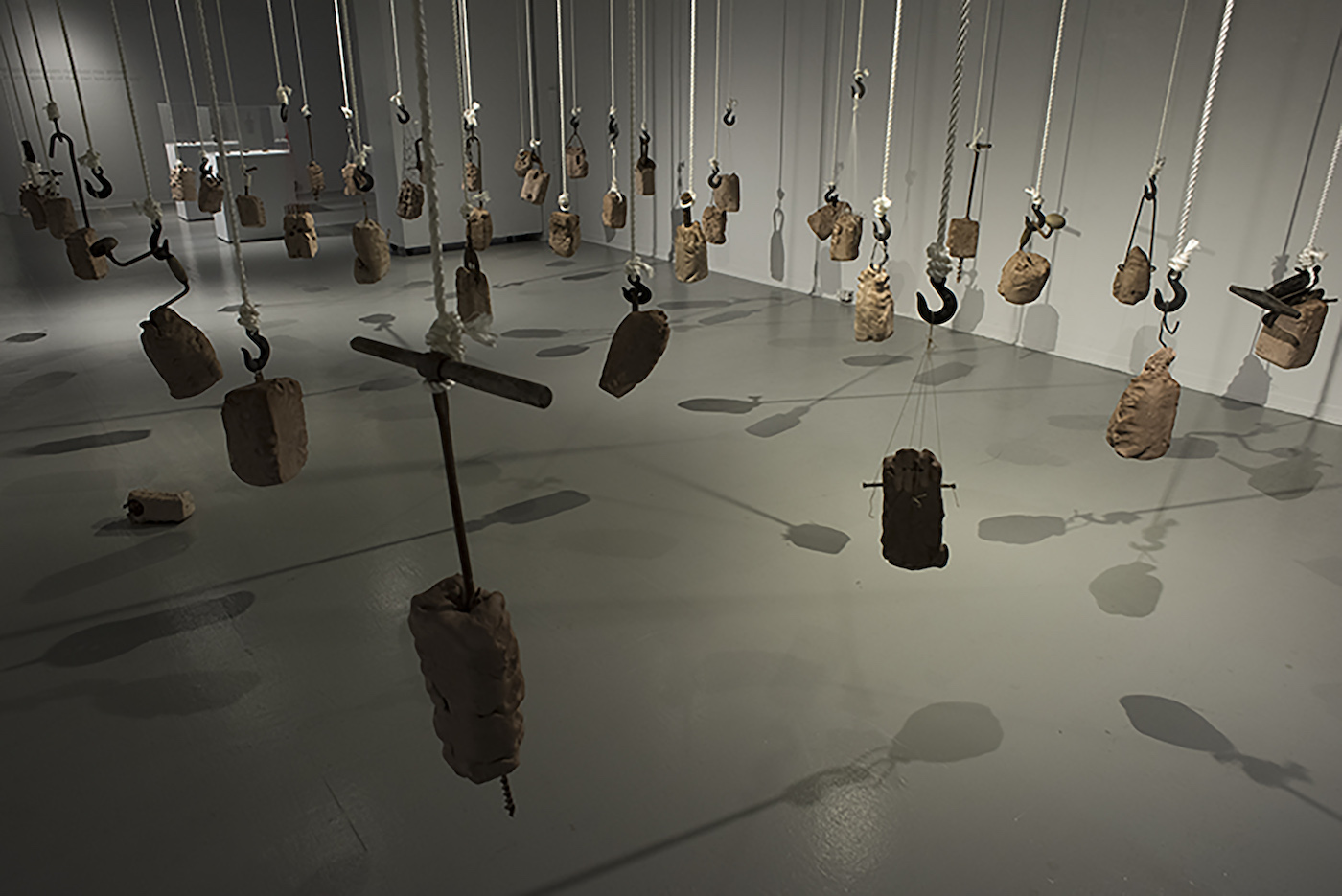
Erratic Installation found object sculpture rope and clay vessels hangin | on Art Biz Success
©Kate Ward, Erratic Installation. Found objects, rope and unfired clay, variable dimensions.

The Process is the Point

If you struggle to put words to your work, you’re not alone. We must acknowledge that writing about your art is hard.

Many artists feel that their art speaks for itself, resisting the idea of having to explain it. Others worry that writing an artist statement will strip the mystery from their work. And then there’s the simple fact that finding the right words to describe something visual is challenging—even for experienced writers.

But here’s the thing. It’s precisely because writing your artist statement feels difficult that you need to do it.

The process of articulating your ideas in writing is even more important than the final statement itself. Through the process:

  • You are forced to clarify your thinking. You might believe you know exactly what your art is about—until someone asks you to talk or write about it. The process of getting those thoughts out of your head makes you more aware of your choices, themes, and intentions.
  • You become a better communicator. Whether you’re talking to a curator, a collector, or a journalist, being able to describe your work clearly makes you sound more confident and professional.
  • You strengthen your connection to your audience. Viewers engage more deeply when they have a way in—when they understand the broader ideas behind your work.
  • You accumulate language for everything else. Once you’ve written your artist statement, you’ll see how that language can be repurposed across your website, social media posts, grant applications, and interviews.

This won’t be easy, but neither is making art. Just like your studio practice, writing about your work takes effort, revision, and patience. The first draft won’t be perfect. It shouldn’t be.

You’re too close to your own work to get it right immediately, but the more you write and refine, the clearer your message becomes.

Stick with me—I’ll help you through it. 

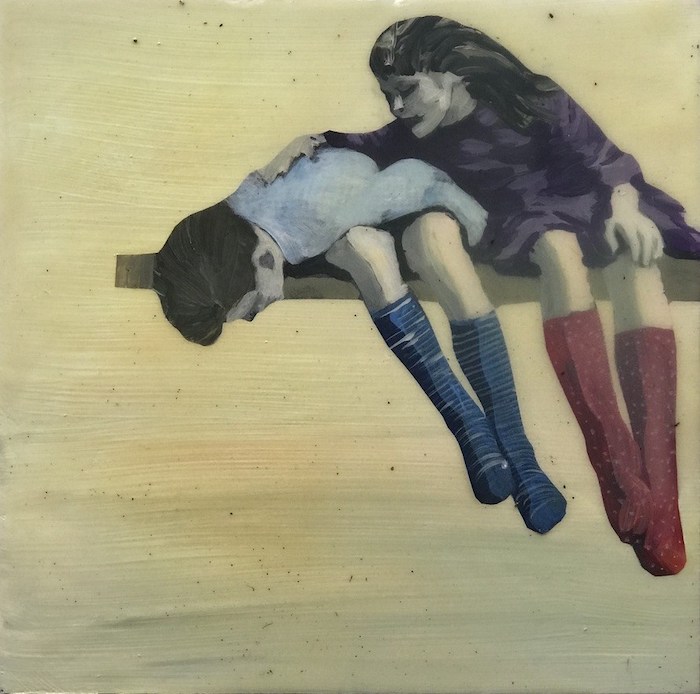
©2020 Before Falling. Acrylic on wood glazed with a thick layer of Dammar Resin one person leaned over another holding back
©2020 Hélène Lindqvist, Before Falling. Acrylic on wood, glazed with dammar resin, 26 x 26 centimeters.

Prompts for Writing Your Artist Statement

Before you can write your artist statement, you need to spend time getting to know your work from a fresh perspective.

That begins by journaling about your art.

I highly recommend doing this the old-fashioned way—with pen and paper. When you type into a computer, there’s a temptation to edit yourself and try to make it perfect. That’s not what we’re after right now.

This is no time for perfection. Allow the words to flow freely. Your goal is to get as many thoughts down as possible without judging them. You’re collecting raw material you’ll refine later.

Start with these three prompts. Write in depth. Don’t rush the process.

1. What do you most want people to see in your art?

Sculpture by Georgina Lohan tree branches in porcelain | on Art Biz Success
©Georgina Lohan, The Return. Porcelain and steel rod, 96 x 60 x 36 inches.

What’s important to you? What do you want viewers to get about your art?

Is it …

  • your labor?
  • a special material?
  • an emotion?
  • color? line? texture?

Once you pinpoint the answer, write about how you handle this aspect of your work. 

Think about what you emphasize, why it matters, and what, specifically, you do to bring this out. 

The words you choose for your statement should serve as clues that lead viewers to these discoveries.

For example, saying “I love color” is weak—who doesn’t love color? Instead, describe how you respond to color and how you use it to transfer meaning from your head and heart to the viewer. 

2. What is a distinguishing characteristic of your art?

This might be something from the list above or something entirely different.

What makes your art different from others working in a similar vein? What can you emphasize through words that sets your work apart?

Part of your job—if you haven’t already figured this out—is to educate people on how to look at your art. Most people haven’t had a visual education. They need to be gently directed to what to notice and what to appreciate.

3. What do other people find delightful or surprising about your art?

If one person comments on it, chances are good that others will notice it, too.

Listen to what people say about your art. Their discoveries might surprise or even confuse you, but understanding how others interpret your work is part of the communication process.

Think back on previous conversations you’ve had about your art. You might uncover new language just by reflecting on the insights of others.

After you’ve responded to these prompts, step away. Give it a day or two. Then come back and write more.

Your goal is to gather more words—enough to mine for meaning and clarity. Keep writing, even if it doesn’t make sense yet. You’re not writing your statement just yet. You’re doing the necessary work to get there.

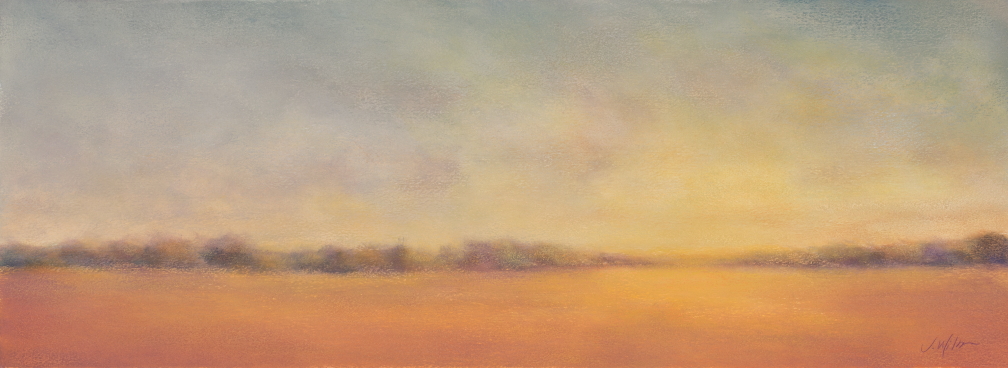
red and orange sunset landscape painting by Colorado artist Jenny Wilson | on Art Biz Success
©Jenny Wilson, Golden Days. Acrylic on paper, 11 x 29 inches.

7 Rules Every Artist Statement Should Follow

Now that you’ve gathered your thoughts through journaling, it’s time to start shaping them into a statement.

But before you dive into writing a draft, keep these guidelines in mind. They’ll help you focus your message and avoid common pitfalls.

1. Write in the first person.

It’s a statement, after all—something only you can say.

But be mindful of overusing personal pronouns (I, me, my). You’ll trim many of them during editing.

2. Stick to the body of work you’re trying to define.

Focus your statement on a single, cohesive body of work. (And, yes, you have the flexibility to write multiple statements.)

If you try to describe different styles or directions in one statement, your language will become too general—and you’ll lose the specificity that makes a statement effective.

If you work in distinct series or have more than one visual direction, write a separate statement for each. It’s more work, yes—but it honors the integrity of each body of work and gives your viewers a clearer experience.

3. Avoid discussing influences.

Don’t include teachers or historical figures who influenced you.

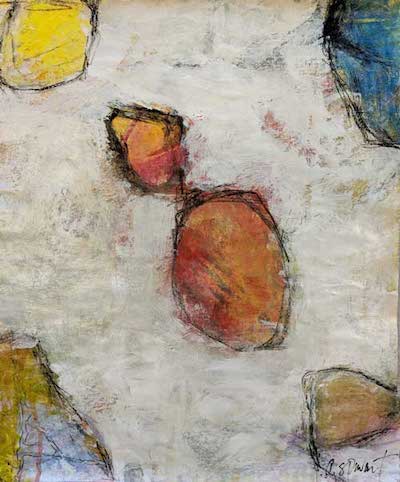
mixed media red orange yellow organic shapes | on Art Biz Success
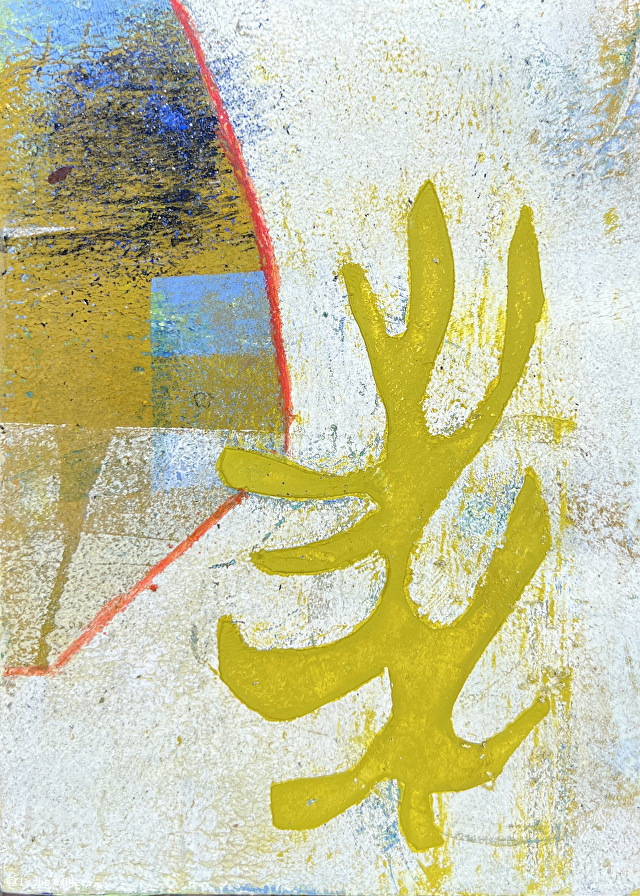
©Lesley Spowart, Tangier. Mixed media, acrylic on Vellum. 30.5 x 24 inches.

As soon as you name someone else, readers start comparing. You want them to stay focused on your art.

4. Don’t use quotes from other sources.

We’re not in English class anymore.

You may have been taught to begin an essay with a quote, but your artist statement should rely on your own voice. Quoting others distracts from your message.

5. Keep your biography separate.

Your bio is written in the third person.

Your artist statement is in the first person and about the art—not about you. These are two distinct documents.

6. Let your statement evolve.

This document isn’t your life’s treatise. You won’t be defined by the words you choose forever.

It should grow and mature alongside your work. Don’t cast it in bronze and consider it done.

Avoid treating it like a finished product you never revisit. A good statement can—and should—change over time.

7. Keep it short. Really short.

Most artist statements don’t need to be longer than a paragraph or two, although I understand that there is a place for longer statements that enlighten.

Always aim for brevity. If you go longer, be sure every word adds to your message. If not, cut it. (We’ll get to that.)

These guidelines will keep you grounded as you begin shaping your raw thoughts into a meaningful artist statement.

But how will you know if what you’ve written is working?

There’s one simple test your statement needs to pass—and it has nothing to do with perfect grammar or flowery language. I want to make sure you understand this before you begin writing.  

The Ultimate Test

Think of your artist statement as a bridge—something that connects the viewer’s experience to your work.

It’s not just a piece of writing to check off a to-do list. It should deepen curiosity and draw people back to your art.

That’s the ultimate test:

After someone reads your statement, do they feel compelled to look back at your art?

The ultimate test:

Does your artist statement compel people to look at your art?

If they move on without taking another glance, your statement hasn’t done its job.

This doesn’t mean you should be didactic. In fact, you don’t want to tell people exactly what to look for. That takes away the magic of discovery.

Your job is to guide, not instruct. To open a door, not to walk them through it.

Now that you understand the role your statement plays and how it connects with your viewer, let’s talk about how to shape the raw material you’ve gathered into a compelling draft. 

Listen

Writing a Draft of Your Artist Statement

You’ve done the deep thinking. You’ve journaled, reflected, and collected a pile of words. Now it’s time to begin shaping those thoughts into a first draft.

This next step isn’t about perfection—it’s about clarity and intention.

Remember: You are not obligated to use everything you’ve written. In fact, you shouldn’t. That initial writing process was for you—to help you get thoughts out of your head and onto paper.

Now you’re writing for a reader.

It’s time to start selecting the most relevant, insightful pieces and begin molding them into a statement that is true to your art and clear to others.

Don’t be so in love with your first round of writing that you can’t cut or reshape it. You haven’t wasted a word—scraps that don’t make it into the final version can still be used for social media captions, website copy, or grant applications.

And please don’t try to write a perfect version on the first try. What you’re writing now is what author Anne Lamott famously calls a “shitty first draft.” You need to let the ugly version exist before you can turn it into something meaningful that you’re proud of.

You’ll write and rewrite the same ideas. You’ll move words around. You’ll find better ways to express something you thought was already finished.

This is normal.

Welcome

to the wonderful world of writing!

This is part of the process—a process not unlike what you go through when you’re making art: erasing, adding, removing, reorganizing, and so forth.

Give yourself time and space between writing sessions. When you return to your draft, you’ll see your words with fresh eyes—and that’s when things start to click.

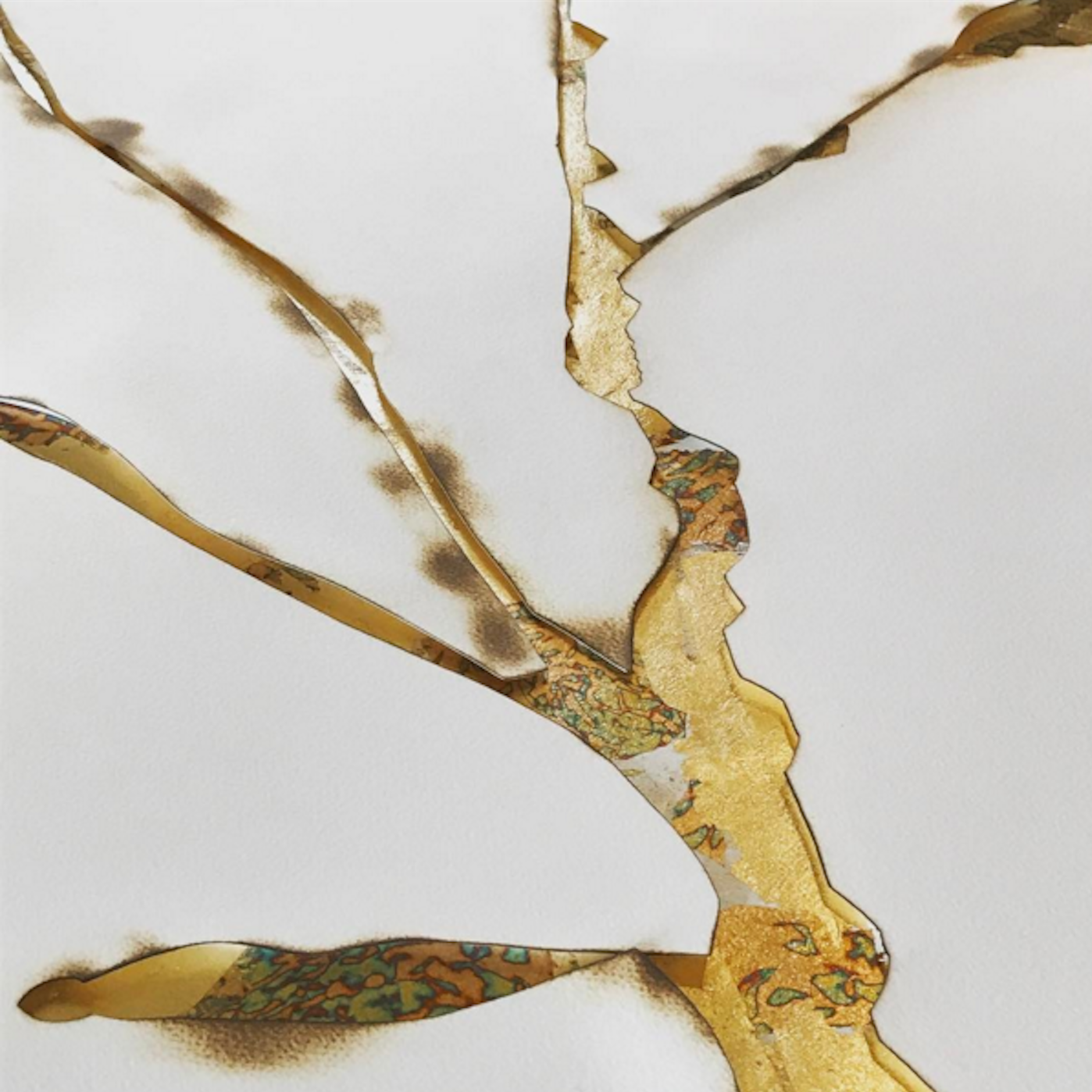
Kelly M. O'Brien work on paper gold tree form | on Art Biz Success
©2017 Kelly M. O'Brien, Playing With Fire No. 60 (Nature 4), detail. Paper, gold leaf, flame, 72 x 48 x .65 inches.

Sharpen Your Artist Statement by Removing These 5 Offenders

Once you’ve written a draft, don’t hit publish or send just yet.

Take a break. Give yourself a little distance from your words—at least a day or two. When you come back, you’ll be better equipped to spot what needs refining. This is where the editing begins.

In particular, watch out for these five common offenders that weaken artist statements. Cutting them will instantly sharpen your message and make your writing more effective.

1. The word “unique”

Just … don’t.

The word “unique” has been so overused that it’s become meaningless. And let’s be honest—your work probably isn’t unique in the truest sense of the word. All art is informed by what came before.

Instead of claiming uniqueness, describe your work in a way that makes the reader feel it’s one-of-a-kind. Focus on your distinguishing characteristics. Let your specificity speak for itself.

2. Cliché phrases

You’ve seen these (and maybe even used them):

  • I am excited by …
  • I’ve always been an artist …
  • I have to make art …
  • My work is about the human condition …

These clichés flatten your voice. The phrases that follow them are usually vague and unmemorable. Dig deeper and say something only you would say.

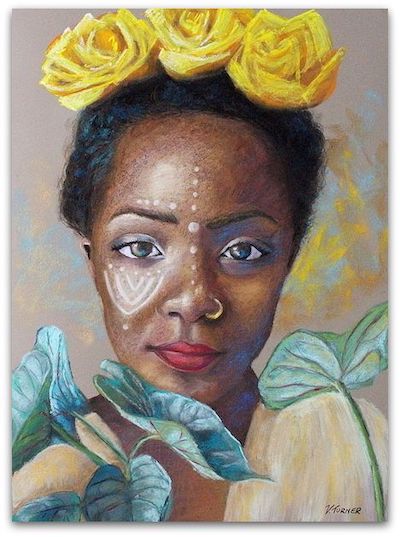
pastel woman with yellow flower headress | on Art Biz Success
©Vanessa Turner, Honey. Pastel on paper, 16 x 12 inches.

3. Redundant sentences, adjectives, or thoughts

Say it once. Say it clearly. And then move on.

If you find yourself repeating ideas using slightly different words, you’re not adding meaning—you’re adding clutter. Tighten it up so each sentence earns its place.

This brings me to …

4. Adjective overload

A string of descriptive words separated by commas doesn’t make your work sound more interesting—it makes your reader have to do extra work.

If your statement has more than three or four commas in a single sentence, take a closer look. Trim the excess. Choose one or two carefully selected adjectives that actually add value.

Then read through your entire statement and check for what I call “strings of three adjectives.” You’re allowed one per statement.

5. Excessive personal pronouns

Yes, your statement is written in the first person, but that doesn’t mean every sentence needs “I,” “me,” or “my.”

Try removing them in the editing phase. You’ll be surprised how much more concise and powerful your writing becomes.

How to Put Your Artist Statement to Work for You

Once you’ve written a strong artist statement, don’t just tuck it away. Put it to work.

A well-written statement becomes the foundation for how you communicate about your art across many platforms. You’ll find yourself reusing and repurposing your words in a variety of situations:

Add it to your website.

This is the obvious one. But here’s something to consider:
Can viewers see your art while they’re reading your statement?

If possible, place your artist statement near your artwork—on the same page or right next to the images. It’s more impactful when viewers can look at the art while absorbing your words. I know some templates make this tricky, so think of it as a preference, not a rule.

Include it in exhibitions and gallery materials.

Your artist statement can become:

  • A label or wall text introducing your show
  • Copy for a brochure or handout
  • The foundation for your artist talk at an opening or event
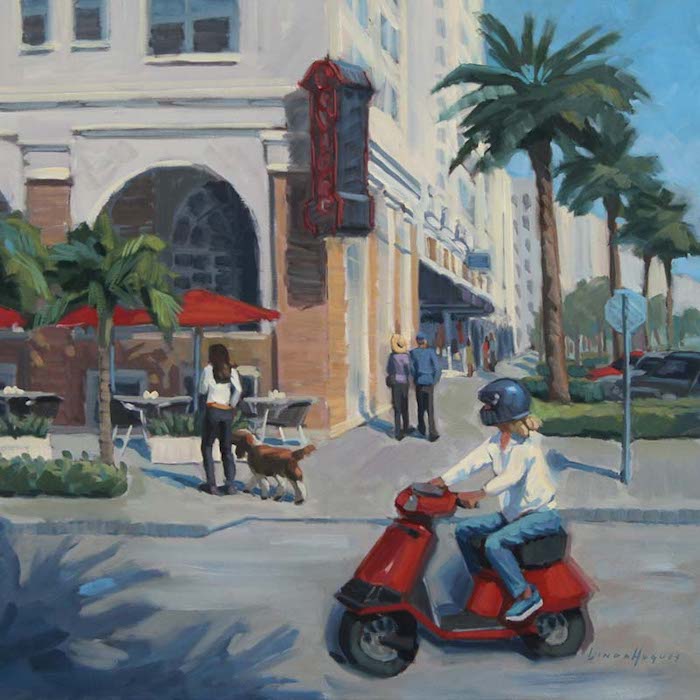
Painting by central Florida artist Linda Hugues
©Linda Hugues, Ceviche Corner. Oil, 36 x 36 inches.

For wall text and printed materials, feel free to leave off the words “Artist Statement.” Most people outside the art world don’t know what that means. Instead, let it simply read as engaging, informative text about your work.

Use it in applications.

Pull from your statement when applying for grants, residencies, shows, or proposals.

You can also adapt it into a teaching or project statement when needed.

Drop it in conversations and content.

A few sentences from your artist statement can form the backbone of:

  • Your artist talk or video introduction
  • Your email signature block (use your best sentence and include a website link)
  • Social media captions, newsletter blurbs, and blog posts


Once you’ve written a compelling statement, you’ll have go-to language you can reuse with confidence.

Your artist statement is a living document.

It evolves along with your art.

Don’t use old words for new work.

The post Comprehensive guide for writing an effective artist statement (221) appeared first on Art Biz Success.

]]>
How Your Art Makes People Feel (ep. 184) https://dy-online.com/make-them-feel/ https://dy-online.com/make-them-feel/#comments Thu, 04 Apr 2024 11:00:00 +0000 http://artbizsuccess.com/?p=20021 For some artists, being asked why they make art is unfruitful—even debilitating. A better strategy is to focus on the people who will be viewing, talking about, and living with your art.

How does your art make people feel? Bernadette Jiwa says, "People don't buy why you do something. They buy how it makes them feel." If you think about it, this, ironically, leads to your Why: Connection.

The post How Your Art Makes People Feel (ep. 184) appeared first on Art Biz Success.

]]>
By now, you’re probably familiar with Simon Sinek’s famous TED Talk, “How Great Leaders Inspire Action” (2009). 

In it, he is evangelizing with a microphone in one hand and a marker in the other—drawing diagrams and emphasizing his points on a large pad of paper.

Margaret Biggs oil painting
©Margaret Biggs, Fantasia on a Mountain Theme. Oil on canvas, 30 x 48 inches.

He is passionately trying to persuade us of his premise, which is this: People don’t buy what you do, or how you do it. They buy why you do it.

I’m not going to analyze that thought in the context of everything else he said because these two sentences are what has stuck in our memory. People don’t buy what you do, or how you do it. They buy why you do it.

I believed his convincing argument, made mostly, as I recall, with the example of Steve Jobs and Apple computers.

I didn’t go back and rewatch the presentation for details. The point is that this has been an ear worm in our heads for almost 2 decades, even though he was primarily talking about traditional large businesses and organizations.

It was hard to disagree with his premise later turned into a book, Start With Why, which, confession, I have not read.

So, yeah, I believed.

Listen

Where I Went Wrong

I started asking artists what their WHYs were. Why do you do what you do? Why do you make art?

Some artists have WHYs. For those artists, this is a question that they can sink their teeth into. It leads somewhere. Their responses might sound like one of these:

  • I photograph disappearing ecosystems so that we can remember what they look like.
  • I make art to tell stories of my ancestors.
  • I make art to call attention to injustices.

But, for most of my artist-clients, asking why they made art wasn’t fruitful. For some, it was debilitating. They couldn’t do any other work until they figured out their WHYs.

Many felt inadequate because they didn’t have a profound answer to the question, Why do you do what you do?

For them—perhaps for you, too—I offer an alternative.

Encaustic photo by Ingrid Tegnér
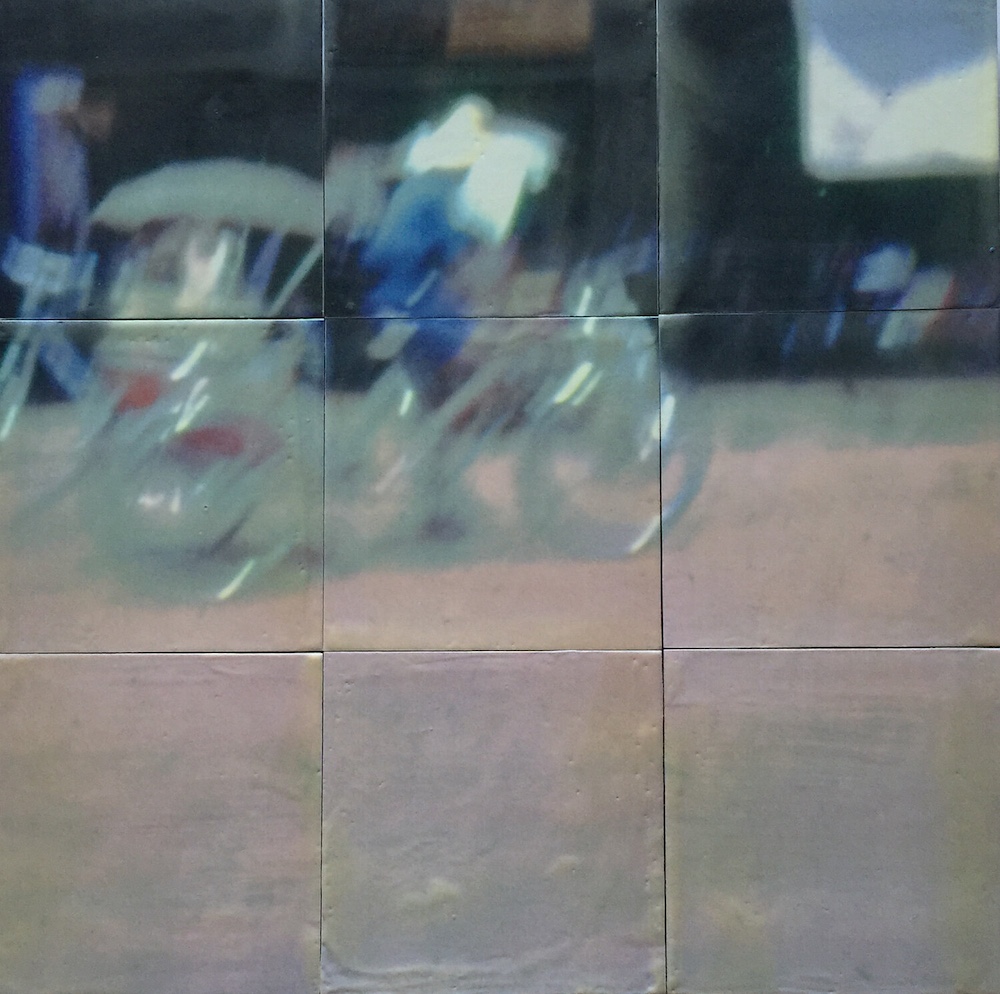
©2020 Ingrid Tegnér, Pedicab. Photo encaustic on nine wooden panels, 30 x 30 inches.

A Reconsideration

Bernadette Jiwa calls herself a storytelling advisor. I heard her on stage back in 2015, and she had a different take—one that I think is much more relevant to artists. She says:

People don’t buy what you do or why you do it. They buy how it makes them feel ...

People buy how it makes them feel. This seems so much more relevant to the purchase of art.

People don't buy what you do, or why you do it.

They buy how it makes them feel.

To be fair, like the Simon Sinek quote, I am also taking Jiwa’s quote out of context. Still, I think it’s worth serious consideration.

If you have a Why, of course we want to know that. It might affect how we feel about it one way or another.

Still, it makes all the sense in the world that people buy your art because it makes them feel something. In turn, this can, ironically, lead to your Why. Here’s how.

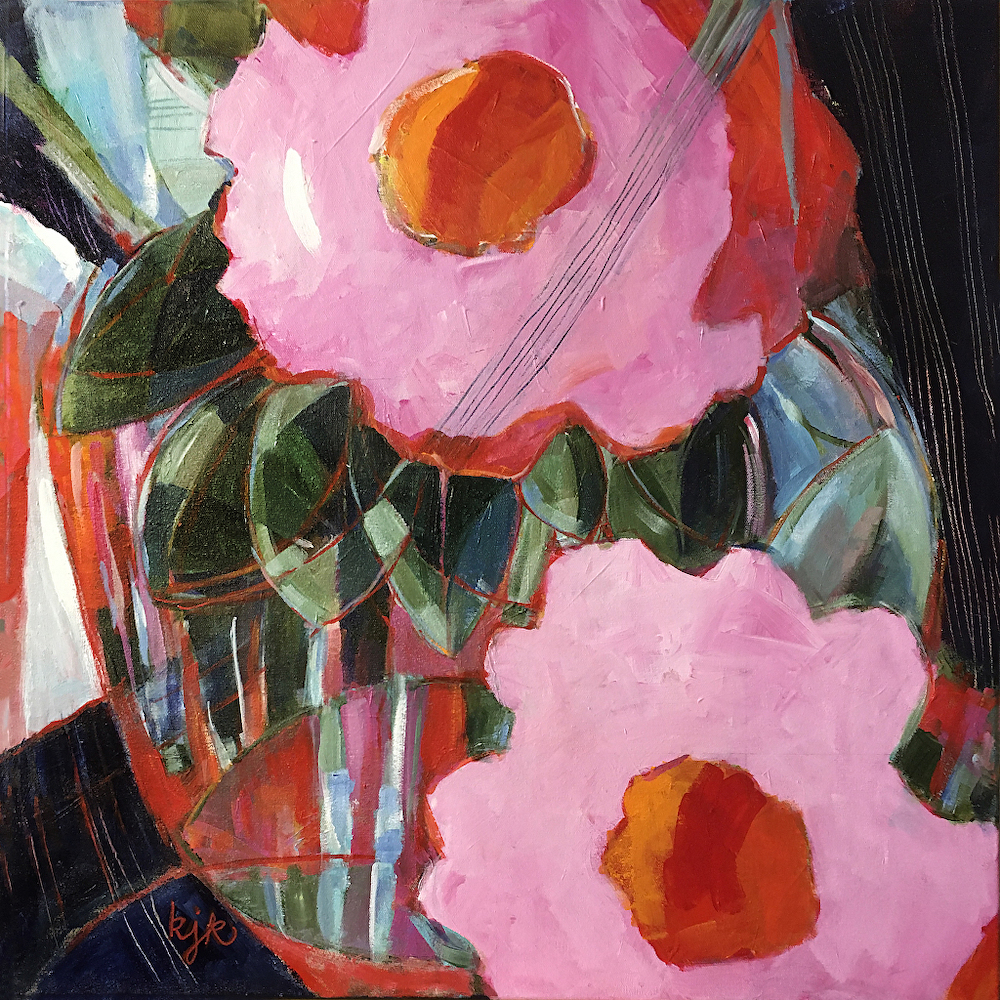
©Karen Jewell-Kett, Andy’s Favorites. Acrylic on canvas, 24 x 24 x 1.5 inches.

This, Interestingly, Leads to Your Why

To find your purpose (your why), all you have to do is remember the connection you are making with others through your art.

We’re told so often that art is a form of self-expression that we’ve come to accept it. It’s so much more than that.

As you may have heard me preach previously, art—in its highest form—is communication. Between you, the artist, and it. Between it and the viewer. And, therefore, between you, the artist, and the viewer.

You have something to say and want others to look at your message.

Your art is incomplete until others experience it. Until they feel.

You are incomplete as an artist until you make these connections through your art. Art loses its power when it’s made and put in storage. You lose your purpose when you don’t make these connections.

This Is Enough of a Why

These connections, I believe, are enough of a Why for any artist. Isn’t it plenty that your art makes someone else feel?

Of course, feelings will vary. Some of the common reactions to art include the following.

Curiosity: I want to know more.
Peace: I am at home here
Excitement: This is why I love to look at art!
Curiosity: I want to know more.
Peace: I am at home here.
Excitement: This is why I love to look at art!
Pride: I am so lucky to own and to live with this.
Acceptance: That’s nice.
Delight: I love this!
Intellectual: I want to figure this out.
Critical: My kid could have done that.
Befuddled: What the heck?! I don’t get this. (And I don’t want to.)
Dismissive: This isn’t for me.

The last three responses are from people who probably aren’t your buyers, but they’re better than no response at all. 

At least your work elicits some kind of emotion.

Oh, how truly awful it would be if everyone liked every piece of art you made. It would mean you aren’t pushing boundaries, not advancing the conversation around art.

Lauren Braun collage
©Lauren Braun, The Ruffled Edge. Paper collage and acrylic on panel, 36 x 12 inches.

How You Make People Feel

You can’t control what people feel or that everyone will have some kind of reaction to your art, but you are completely in charge of how you interact in your relationships.

I want you to understand how important these connections are.  They are your WHY.

If you aren’t consciously nurturing them—giving them the attention they need—they will wither. You have to show people you care about your work, your future, and your relationship with them.

Your actions can lead people to question your professionalism or they can bolster confidence in you and your work.

If you are nervous, insecure, or intimidated in your dealings, people might begin to think that you don’t know what you’re doing.

If you are forgetful and unresponsive—or disorganized—you could earn a reputation for being difficult to work with.

You earn points from curators, collectors, gallerists, and others when you meet deadlines, respond promptly to requests, and listen to others’ needs.

When you are sharp and knowledgeable, you are more likely to put people at ease.

When you disappear for long periods of time, you lose trust.

Leslie Miller oil and cold wax
© Leslie Miller, Secrets Whispered in the Garden. Oil and cold wax on panel, 7 x 5 x 1 inches.

Communication

In order to stay visible and relevant, we rely on regular communication to stay in touch, but what is regular?

One thing I have noticed is that some of my clients tend to think they should only email their list when they have something special going on.

Perhaps you want people to attend your opening, sign up for a class, or buy from your new body of work.

Of course you want to tell the people on your list about these things, but it’s impolite to only email when you want something from them.

Instead, I encourage you to love on your list as a habit and with your full heart. Show them, as individuals, you care about them and value their interest in your work.

[ Listen to episode 182 when I talk about the 3 different mailing lists you actually have and why they must be treated differently. ]

My teaching, coaching, and consulting focuses on the human connections that sustain you. We all get busy, but personal relationships are what will move the needle on your art business. 

Nurturing relationships isn’t something you do when you think about it or when you feel like it. It takes sustained effort.

Join me for ESSENTIALS FOR ARTIST SUCCESS, , a comprehensive program to help ensure that your business is built on a solid foundation and you aren’t leaving anyone behind.

  •  
This post was first published on February 11, 2016. It has been updated with comments intact.

The post How Your Art Makes People Feel (ep. 184) appeared first on Art Biz Success.

]]>
https://dy-online.com/make-them-feel/feed/ 35
How to warm up a cold email list https://dy-online.com/warm-up-list/ https://dy-online.com/warm-up-list/#comments Fri, 12 May 2023 00:55:31 +0000 http://artbizsuccess.com/?p=16679 What good is an email list if you're not using it? (Answer: No good.)

Neglecting subscribers for months or,yikes!, years, renders your list cold. If you're ready to commit to staying in touch with the people who asked to hear from you, you might need to reintroduce yourself.

It's not as difficult as it sounds, but the longer you wait, the bigger the task seems.

The post How to warm up a cold email list appeared first on Art Biz Success.

]]>
I walked through the steps of warming up a cold email list in this Instagram live video.

Keep scrolling if you prefer reading.

Here's How It Happens

You were told you needed an email list, so you asked people to subscribe. And they did.

But you didn’t do anything with their subscription. Those poor people sat in your system. For months. Maybe years. Never hearing from you.

Your list has gone cold. Ice cold.

 Now you realize how silly it was to ask people to subscribe only to neglect them. You’re ready to commit to staying in touch with your list on a regular basis, but you wonder:

Will they remember me?
What will they think if I just start emailing them after all this time?

You’re right to be concerned.

The Value of Regular Emails and Newsletters

Regular emails—regardless of whether you call them newsletters or not—are so valuable because they keep your name in front of people. And they keep the list warm.

If you are ready to pay attention to your list consistently (and clear that you will keep the commitment), you have a little bit of work to do.

You need to reintroduce yourself to your list before you ask them to attend an opening or to buy your art because it’s not polite to call on people only when you want something from them.

There’s no sense procrastinating your first-in-a-long-time email because the longer you wait, the more painful it will be to write. Not to mention the energy it will use up in your head and heart in the meantime.

Once you’re clear on the commitment, there are three options for an opening email to reestablish a relationship with those on your list. You can use them individually or in combination with one another.

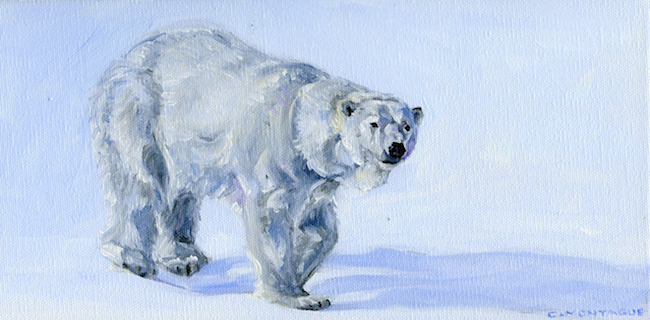
©Christine Montague, Soft Snow. Oil on canvas, 6 x 12 x .75 inches.

1. Remind them who you are.

Remind them who you are or how you met and what you intend to do from this point forward.

You were nice enough to sign up for email updates about my art and then you rarely, if ever, heard from me. As a reminder, I make . . .

Or …

As a reminder, we met during . . . [ if your list is segmented and you know the context ]

Then add …

I just wanted to give you a heads up that I have recommitted to sending an email update every month. I would love to share my work with you and you don’t need to do anything to make that happen. But if you ever want to unsubscribe, there will be a link at the bottom of any email for you to do so easily.

I appreciate your faith in my work and look forward to staying in touch.

2. Use humor.

If you have a sense of humor, anyone on your list could use a little chuckle. But you have to make sure it’s a good fit for you, your art, and your brand.

The dog ate my keyboard! I meant to send an email update earlier, but I’ve been sans keyboard and busy with canine vet visits.

Inserting an appropriate photo of Fido would be a good touch here – as long as you also include your art.

3. Give and then give more.

Nothing warms people up more quickly than a “gift” from the heart. I put gift in quotes because your present doesn’t have to cost a thing. It only has to be authentic.

I suggest an insider story about an art-related project, exhibition, or trip that will help them feel more connected to you. It might even be something you shared on your blog or social media that you repurpose for people on your list.

Consider sending a second or third email with additional gifts.

©Dorothea LeBlanc, Ascension. Up-cycled mixed media, 20 x 24 inches.

Never Ever Do These 2 Things

Now, there are two things you must refrain from doing at all costs in your long-awaited missive. DO NOT:

1. Apologize for not emailing.

When you send your first email to a cold list of names, please – for the love of all that is sacred – don’t say, “I’m sorry you haven’t heard from me.” Most people on your list haven’t been waiting to hear from you (sorry), so the apology isn’t necessary.

2. Try to catch people up.

Have you ever read an email that tells you everything that has been going on with that person since they last wrote? They’re like family holiday letters.

Obviously if there’s something the recipients need to know (you moved, you had a health scare) you can mention those things, but don’t use your opening email as a this-is-everything-that-has-happened-since-I-last-wrote message.

Stay focused on the present and future—where you’re going rather than where you’ve been—and make a schedule for future emails.

This article was originally published on November 2, 2017 and has been updated with original comments intact.

The post How to warm up a cold email list appeared first on Art Biz Success.

]]>
https://dy-online.com/warm-up-list/feed/ 37
Being seen: networking for artists (148) https://dy-online.com/being-seen/ https://dy-online.com/being-seen/#comments Thu, 27 Apr 2023 14:58:47 +0000 http://artbizsuccess.com/?p=22990 Meeting people and building relationships is the most important thing you can do for your art career, especially when your goal is to be a full-time artist. You must be social in the real world as well as online. 

There is no way around it. You must. Be. Seen. It sounds simple, but I know this is not easy for many artists.

The post Being seen: networking for artists (148) appeared first on Art Biz Success.

]]>
Meeting people and building relationships is the most important thing you can do for your art career, especially when your goal is to be a full-time artist. Networking for artists means you must be social in the real world as well as online. 

There is no way around it. You must. Be. Seen. 

It sounds simple, but I know this is not easy for many artists.

Listen to This on The Art Biz

Painting of reclining woman by Virginie Lhomme Fontaine
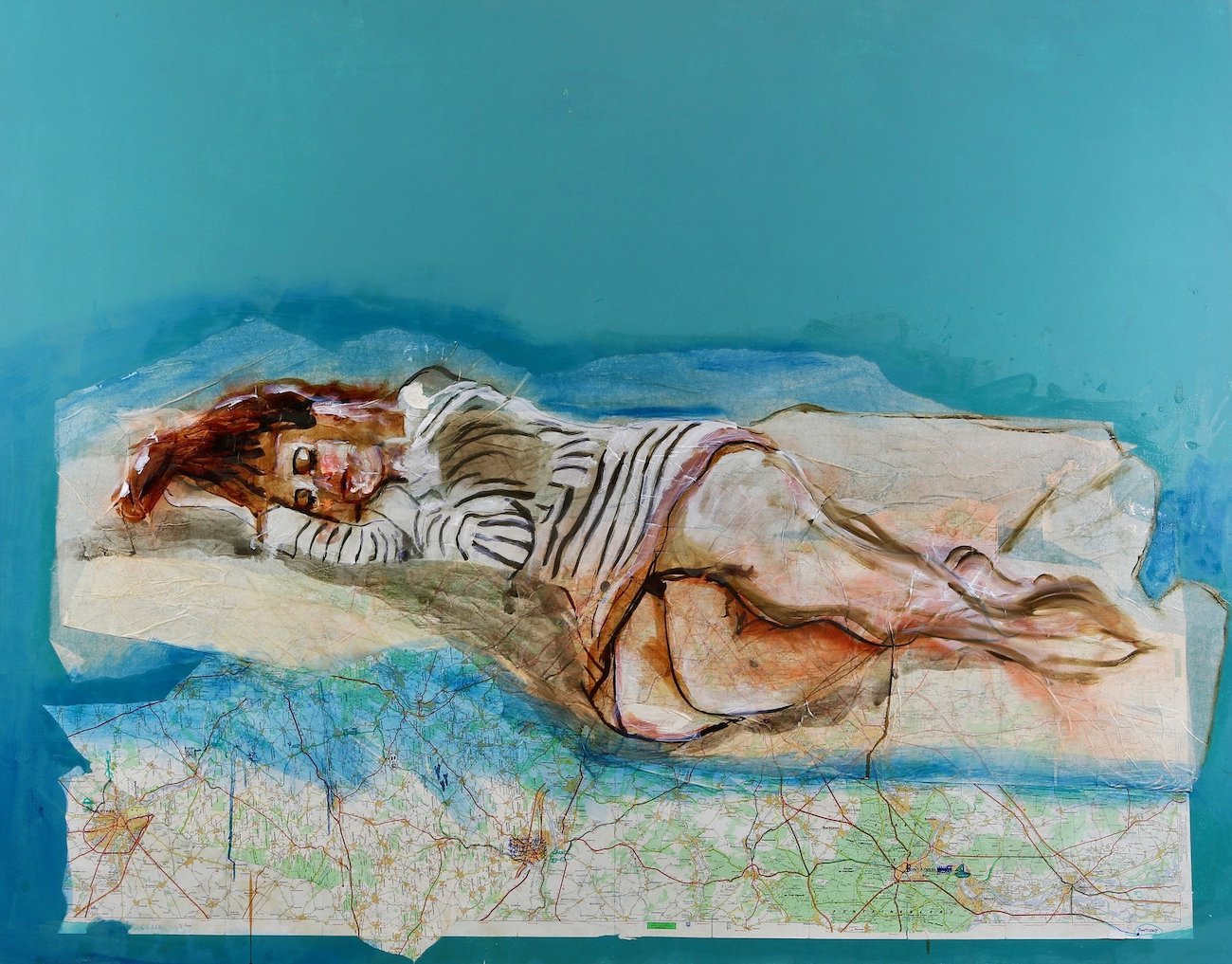
©Virginie Lhomme Fontaine, Itinéraire d'une vie. Mixed media, 38 x 51 inches.

You know you need to get out and mingle when:

  • You find yourself sitting behind your computer all day and researching, yet again, the latest magical way to promote your art online.
  • You realize you’ve been attending only your own openings and shows.
  • You haven’t met anyone new in more than 2 months. 
  • Your sales and/or opportunities are stagnant. 
  • You’ve been living in the same place for years without knowing your neighbors. (You never know where opportunities will come from.)
↓ I have a system to make this easier ↓

Why Networking Is Important for All Artists

One of my four core beliefs in art business success is that your network is your #1 marketing asset. 

[ Read or listen to my core beliefs for art business success. ]

There are simply too many artists these days to afford you the luxury of waiting for opportunities to enter your inbox. You must be proactive.

Everyone you run into is a potential buyer, collector, friend, or fan.

Think about that for a minute. You never know where opportunities will come from.

I’ve met many serious collectors throughout my life, and a description of some of them would shock the heck out of you. You’d never pick them out of a lineup.

You. Never. Know.

Who can’t use more buyers, collectors, friends, and fans? And … If, as it’s estimated, everyone you meet knows 150 people, imagine the possibilities.

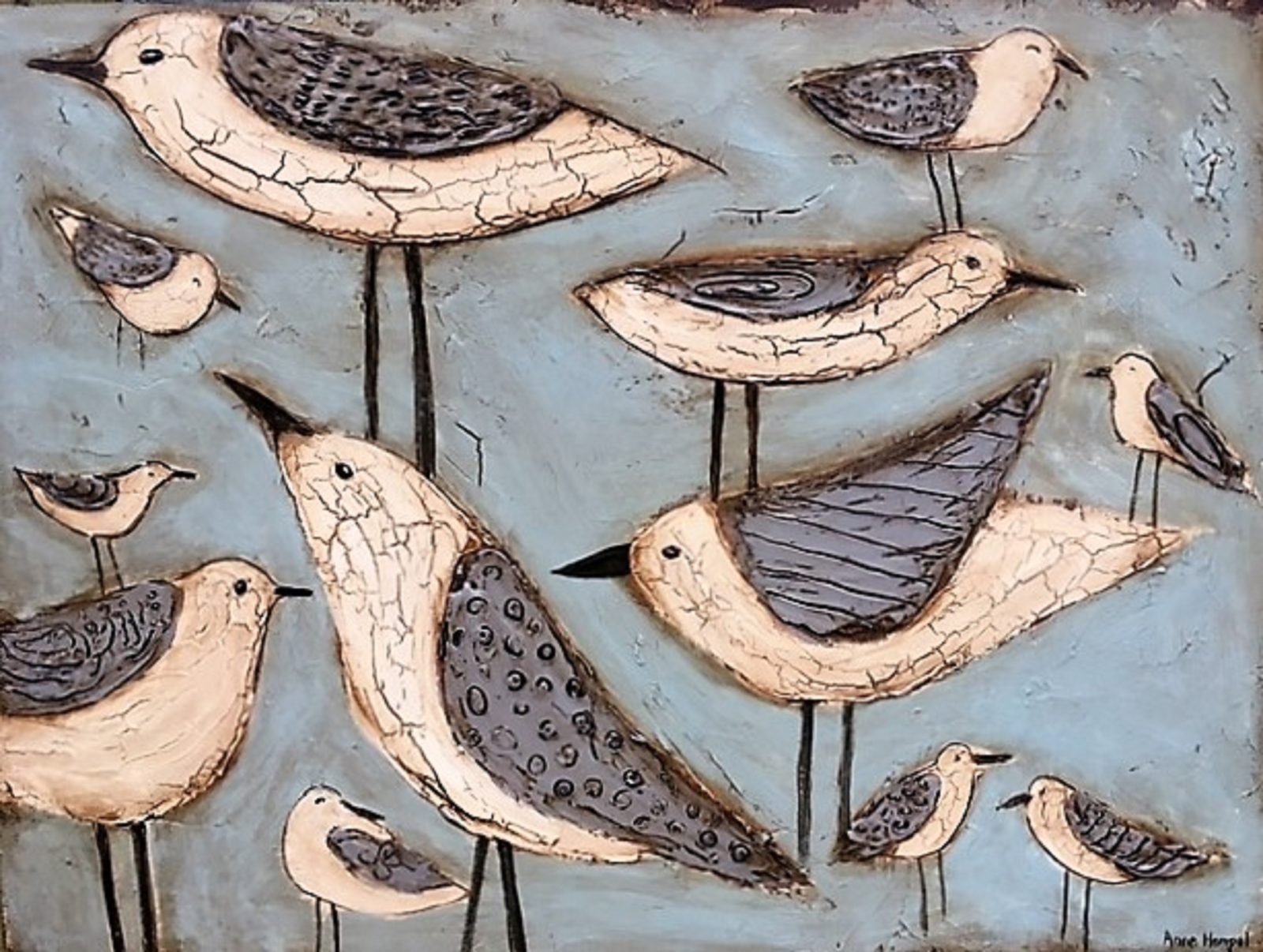
Anne Hempel painting of gulls
©Anne Hempel, A Colony of Gulls. Acrylic on wood panel, 30 x 36 inches.

Where Artists Network

In short: Everywhere!

You should think of striking up conversations wherever you are and whoever is in front of you. (Yeah, I’m one of those people on the plane. But I can also read people to see if they want to chat.)

Become involved with an artist organization if it’s the right group for you. If you are serious about selling your art, don’t waste your time in a group of hobbyists. You’ll quickly get frustrated in groups where you’re always a step ahead of everyone else.

[ Read Dysfunctional v. Healthy Artist Organizations ]

Artist organizations can be your introduction to new opportunities that you might not otherwise hear about. In the right environment of professional artists, you will step up to challenges that you might not have confronted on your own.

It’s also worth your while to attend artist lectures at museums and galleries. In those venues, you have an opportunity to meet curators and collectors, as well as other artists—soaking in tips on how they present themselves.

It’s always beneficial to connect with other artists for the same reasons you’d join on organization of artists.

Outside of your art community, do yourself a favor and connect with other entrepreneurs. I’ll bet you know plenty of entrepreneurs, though you might not have thought of them as valuable connections.

The E word (entrepreneur) might not feel like it applies to you, but it does. Anyone who owns his or her own business (you) is an entrepreneur and probably has a few experiences you can learn from.

Think coaches, hair stylists, authors, virtual assistants, therapists, coffee shop owners, and retailers. Every one of them has to find business.

You’ll run into entrepreneurs at small business meet-ups, chambers of commerce, formal networking groups, and co-working spaces. earch “networking group” + your location to find one nearby.

Navigating Relationships in Any Art World

It is well to remember that there are many different art worlds. There is the one that Jerry Saltz calls the 1% of the 1% of the 1% of artists who are the most talked about and represented in galleries, museums, and auction house sales. 

For clarity in this discussion, I’m referring to this as The Elite Art World.

Then there are all of the other art worlds made up by the vast majority of artists: your local community, your niche, your medium, your subject matter, and so forth. 

Most of the art worlds exist in their own bubble—revealed only when we turn our attention in their direction. 

You have to decide who you want to have these relationships with. Who are your top prospects for professional relationships? Are they in or outside of your bubble? Who matters to you?

Part of being successful in any field, let alone having a successful art business, is learning to navigate relationships. Getting comfortable with introducing yourself as an artist is only the first step. You have to understand how people work, play, and converse together.

You discover the subtleties around art business relationships by inserting yourself (in a meaningful way) into them. By being present.

You learn to speak the language of whoever it is that matters to you and your goals.

[ Navigating Relationships is a key lesson inside of my Create Opportunities program. ]

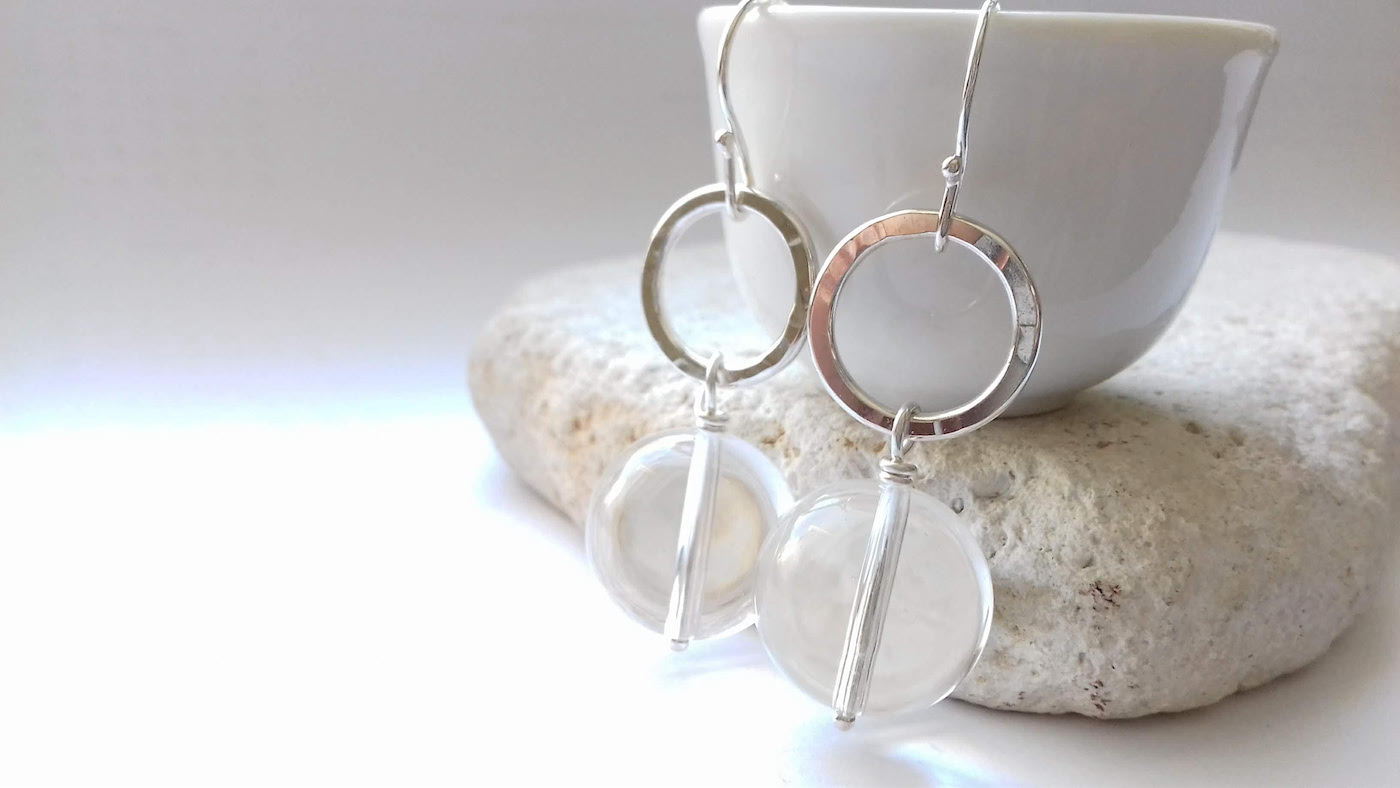
Earrings by Athene Sholl
Athene Sholl, Recycled silver disco earrings with rock crystal. Rock crystal quartz and textured silver, 4.7 cm.

Why IRL Networking for Artists is Critical

Because your art must be seen in person in order to be appropriately appreciated, eventually you’re going to have to be there next to your art—speaking on its behalf.

Contrary to popular belief, your art does not speak for itself.

Curators expect you to speak articulately about the work in a way that gives them reason to show and acquire your art.

They also expect you to meet their donors and collectors in the community and to represent yourself well in the process. This requires practice. Start practicing now.

You might be saying, I don’t care about museums. Fine. Substitute “gallerists” for museum curators in the scenario. They expect the same thing.

When galleries represent you, they expect you to show up at their shows. Not just your shows, but those of their other artists as well. You are expected to support their programming.

The secret door into every gallery is the other artists who already show in the gallery.

—Gallerist Jeremy Tessmer (The Art Biz episode 123)

This is why it’s so important to be connected with other artists.

Gallerists, curators, collectors, and the nice people who hand out grants and residencies like to see that you are invested in your local community.

Impress them all by showing up and being seen.

Jeremy Tessmer, gallery director at Sullivan Goss
↓ I have a system to make this easier ↓

If You Don't Give a Rat's Patootie About The Elite Art World

Maybe none of this is landing for you.

Maybe you are happily ensconced in a bubble of your own making.

Or you’re perfectly happy doing the local community shows and/or participating in social media.

But I don’t want to be in galleries or to see my legacy in a museum. I want to be a self-represented artist. Fantastic! I love that! Working with self-represented artists is one of my joys. Self-represented artists are bold and creative with their businesses as well as their art.

And, yet …

Who is going to buy your art? Who is going to show it? Who is going to attend your openings? I hope you’re not waiting for them to materialize from the ethers.

Even if you don’t give a rat’s patootie about the elite art world, you need to care about reaching out and establishing strong relationships.

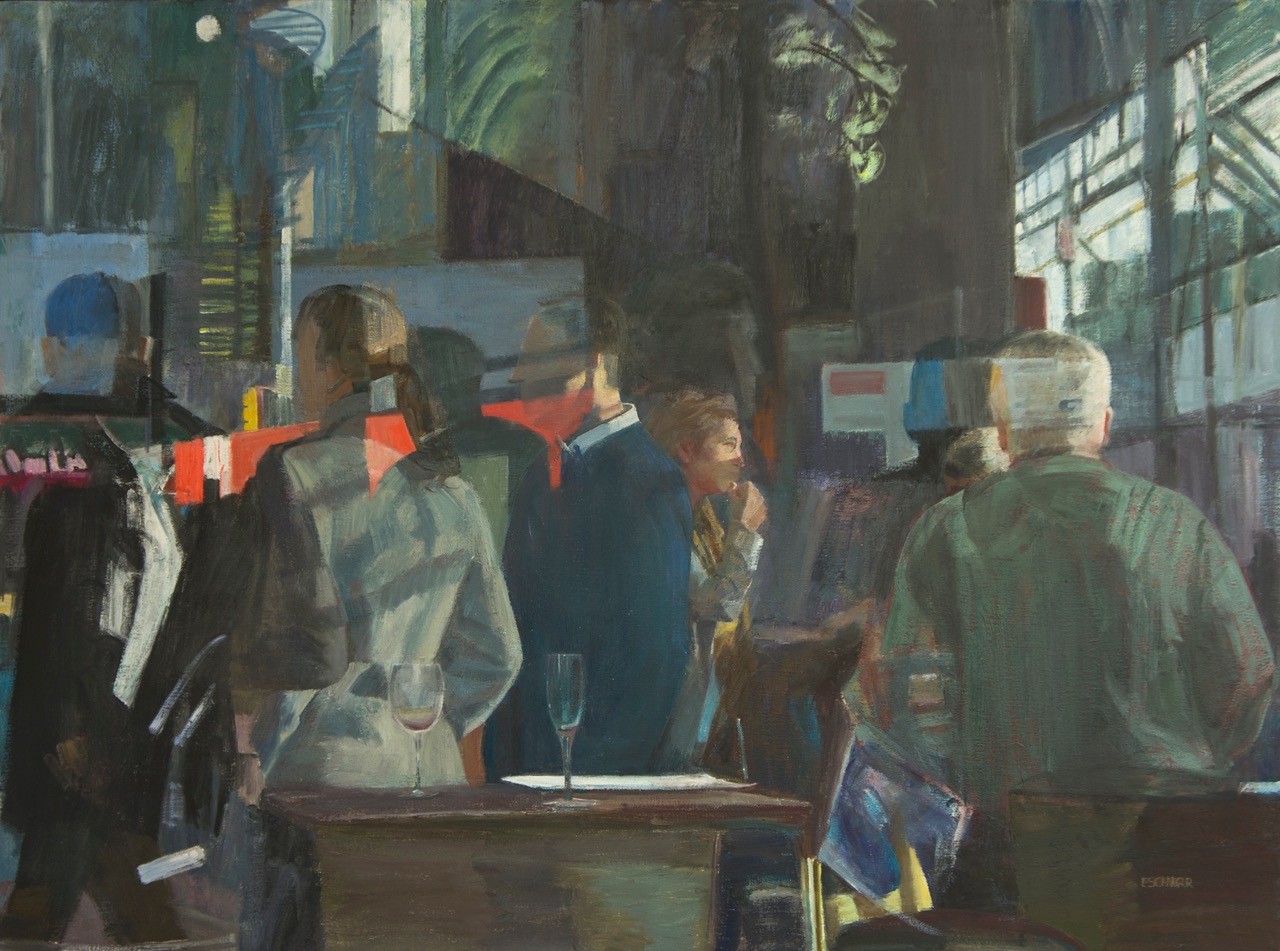
Painting ©Elinore Schnurr
©Elinore Schnurr, Happy Hour. Oil on linen, 36 x 48 inches.

Networking for Artists the Authentic Way

Let’s be clear: When I talk about networking, I’m not intimating that you change your personality or adopt any kind of fake sucking up to people. I want you to be genuine in everything you do.

It should be comfortable at every level if, indeed, you care about the people you want to show, talk about, and own your art.

Again, I’m talking only about getting out and meeting people. I’m talking about being seen.

You can have a modestly successful art business by sitting behind your computer and trying to hack the latest social media algorithm and sales websites, but you will never reach the highest levels of the art world, regardless of which art world you care about, by doing this alone.

Totem by Deborah Putnoi
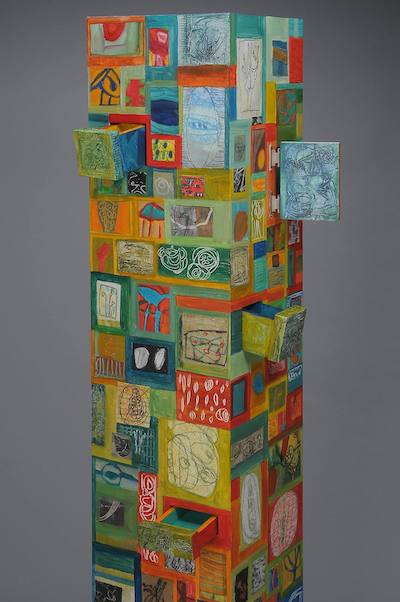
©Deborah Putnoi, Totem 3. Mixed media on wood, 72 x 14 x 14 x14 inches.

Here’s how you can reach out and start meeting more people:

  • Attend your art openings alone—without someone to cling to. Or at least promise one another to break out and meet up again later to compare notes.
  • Introduce yourself to strangers at your opening. This is the absolute easiest time to meet people because, technically, you’re a host at your opening. You have every reason to welcome people and talk with them.
  • Invite your neighbors to dinner so you can get to know one another.
  • Send an email invitation for coffee to a local artist you’d like to get to know. Your treat, of course.

Being social extends beyond the art worlds into all corners of your life.

I Know This Isn't Easy

As I said previously, you never know where a relationship might lead. You just never know. 

If it’s true that everyone knows about 150 people, think of how you can dramatically expand your reach and influence just by meeting one new person every month.

That’s my invitation to you: Set a goal of meeting one new person every month.

Maintaining friendships with the 150 people you know and then frequently adding to that list can exponentially increase your sales prospects. You will be surprised at the support you receive and the opportunities you create just by being more social and introducing yourself as an artist.

Before I go, I acknowledge that this isn’t going to be easy for you. I know how nice it is to stay in the cocoon of your studio.

But you can do it. You can learn to be a more effective networker because it contributes to your long-term goals. And because nothing worth doing is ever easy.

Listen to this on The Art Biz

This post was originally published on August 11, 2016 and was first updated on August 15, 2019. It has been updated again with a podcast episode added and the original comments intact.

↓ I have a system to make this easier ↓

The post Being seen: networking for artists (148) appeared first on Art Biz Success.

]]>

https://dy-online.com/being-seen/feed/ 53
The Art Biz ep. 115: How to Get Better Feedback When You Want to Improve https://dy-online.com/feedback/ https://dy-online.com/feedback/#comments Thu, 10 Feb 2022 14:56:36 +0000 https://dy-online.com/feedback-2/ I see versions of this repeated across artists' social media accounts: What do you think?

If, at some point, you have typed that fateful phrase, I suspect that asking people who follow you what they think is for one of three reasons.

1. Because you think you care what people think.

The post The Art Biz ep. 115: How to Get Better Feedback When You Want to Improve appeared first on Art Biz Success.

]]>
For too long I have been noticing artists posts things like this on social media.

Fresh off the easel! What do you think?

I’m experimenting with . Let me know what you think.

Thinking of doing . What do you think?

What do I think? Do you really want to know what I think?

In this episode of The Art Biz podcast, and in this post, I want to talk about feedback. When you ask people What do you think? you’re asking for feedback. Even if you aren’t asking intentionally.

oil painting girl in window artist Kirsten Savage | on Art Biz Success
©Kirsten Savage, Wanderlust. Oil on panel, 24 x 36 inches.

We are often too quick to ask for feedback, and we ask for it in ways that can be damaging.

We’re equally guilty of giving feedback when it’s not requested (or wanted).

I’ve been guilty of both—especially the latter—and I’ve learned a lot about giving and receiving feedback. I owe much of what I know about feedback to Cynthia Morris, an artist, coach, and host of the Stumbling Toward Genius podcast. I also, as you’ll hear, am indebted to Tara Mohr, author of Playing Big.

What I share here is what I’ve learned from those women, from others, and from paying attention to what’s going on with my students and clients.

This post is a transcript of the podcast.

Feedback is serious.

Feedback can be powerful stuff. You should only ask for it if you (1) really want to hear meaningful assessments, (2) frame it properly, (3) ask the right people, and (4) are prepared to hear and respond to the answers.

At many points during the creative process, your project is in a delicate state. You might have a direction and be excited about it or, alternatively, not know what you’re doing. You might have just completed it and are feeling enormous satisfaction and pride.

Proceed with caution when you’re at these fragile moments. Asking for feedback too early doesn’t give you time to nurture your baby. The wrong words—or even the absence of words or those all-important likes—could put a quick halt to any enthusiasm you had and before you know it, your bubble has burst. Ouch!

Anyone who has sat through a crit in art school knows what this feels like. Formal critique can build your backbone and prepare you for opening your art to others. They can also sting. But in a formal critique, you know the rules going in. You know what to expect.

The problem with the way feedback is doled out so randomly online these days is that there are no rules, and few are prepared to face any kind of criticism.

How not to ask for feedback and who not to ask.

This episode was prompted by an Instagram post I saw not too long ago that was similar to many that I mentioned at the top of the show. It said something like this:

Here’s my new X. Let me know what you think.

I see all over social media: What do you think?

Let’s pause and consider those words.

What. Do. You. Think?

Boy, those words could really open a can of worms! And, yet, they’re dropped so casually into posts, emails, and more.

What do you think?

I hope this post makes you think. Think twice about asking people what they think.

I am not sure that asking on a post What do you think? is being done because the artists think they care what people think, because they really do care what people think, or because they can’t think of anything else to type into the post. I suspect it’s the last thing on that list—that they can’t think of anything else to type into the post.

Regardless … Please stop doing this.

When you ask what people think on social media, you’re asking EVERYONE what they think, and, frankly, you shouldn’t care what they all think.

I’ll say that again. You shouldn’t care what everyone thinks! The result could be feedback that you neither want nor need. But there is another reason not to do this.

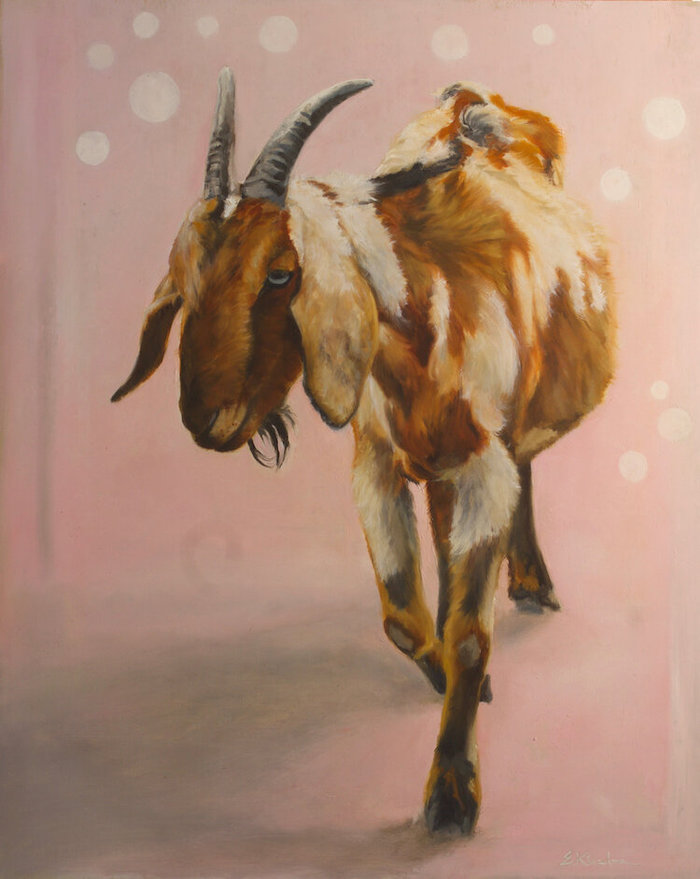
Painting of a spotted goat on a light pink background by Elizabeth Kinahan | on Art Biz Success
©Elizabeth Kinahan, Ellie. Oil on deep cradled panel, 30 x 24 inches.

You, above all, need to believe.

Asking What do you think? in a social media post sounds like you’re fishing for affirmation, which you absolutely don’t need (no way, no how) from any of your followers. This makes you look insecure and indecisive.

It’s like those awful messages you get to “vote for me” in this or that competition. Thank the art goddesses that this isn’t as rampant at it once was because it’s super icky. (Competitions are a whole other topic I’d like to explore in a future episode.)

You need time to figure out what you think about it before you ask others what they think about it. You need a safe space for your creative output to incubate without criticism or praise from voices that, in the end, don’t matter.

Asking what everyone thinks isn’t helpful. Especially if it’s new work that you’re still trying to understand for yourself.

My wish for you is that you keep working. Keep nurturing your ideas. Build up belief in yourself to the point that you don’t give a rat’s patooty what other people think. After all, YOU believe in the work. That’s what’s important.

Then you’ll find more appropriate and well thought-out words to accompany your posts. More substantial than What do you think?

I’m going to talk about how to properly ask for feedback, how to give it, and how to respond to feedback. But first, an invitation.

Feedback is necessary.

At some point, feedback is necessary when you want to improve, but you have to set up the parameters. You have to know what you’re getting into. As I said earlier, feedback is serious business. You should only ask for it if you (1) really want to hear meaningful assessments, (2) frame it properly, (3) ask the right people, and (4) are prepared to hear the answers.

oil painting pandemic self portrait artist Paula Blumenfeld | on Art Biz Success
©Paula Blumenfeld, I’ve got your back. Oil on canvas, 30 x 36 inches.

In her book, Playing Big, Tara Mohr has a wonderful chapter on unhooking from praise and criticism.

Feedback is not meant to give you self-esteem boosts or wounds. That’s not its place. It is meant to give you tactical information about how to reach the people you want to reach. Feedback is emotionally neutral information that tells you what resonates for your desired audience, what engages the people you want to engage, what influences the people you want to influence.

She says it’s “just useful data, nothing more.” I understand her thesis to be that we can unhook from praise when we learn to value the work we do—that, as she says, “both service and self-expression are more important than praise.” Again, you have to believe in the work you do. It has to be valued more for itself, not for how many likes you can receive on Instagram.

Ask the right people.

Yes, feedback is useful at the right time, but you want feedback from people who count. Feedback from potentially everyone on social media is a sideshow. Even if it’s praise.

The desire for praise is every bit as toxic as the desire to avoid criticism.

Tara Mohr, again from her book Playing Big, thinks that you don’t need feedback from family, friends, experts, or mentors. She says, “The most important people to gather feedback from are the intended audiences and decision makers you need to influence or reach.”

I have different viewpoint for artists. I believe that you will significantly benefit from being part of a structured critique group of other artists you trust. The right artists can offer inquiry that helps your work develop. And, for artists, the critique process helps prepare you to face the broader public so you can find your intended audiences.

Feedback from other artists with well-trained eyes and experience is useful. Join a critique group! Listen to episode 61 of The Art Biz with Patricia Miranda about the value of critique groups.

Feedback from your potential audience can also be very useful, especially if you have a niche audience or are looking for commissions.

As an aside here, I wouldn’t be able to talk so passionately about this if I didn’t have a lot of personal experience with the topic. I thrive on praise and I’m heartbroken from criticism.

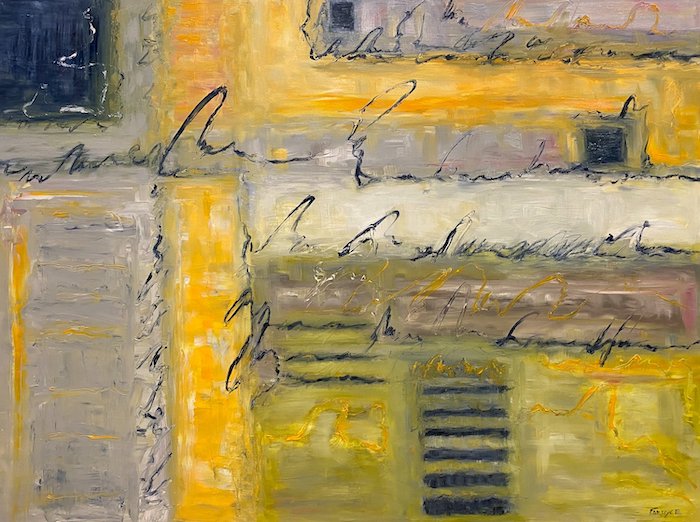
Yellow, black, and gray abstract painting by Jan Fordyce - on Art Biz Success
©Jan Fordyce, Finding the Rhythm. Oil on canvas, 36 x 48 inches.

How to ask for better feedback.

What do you think? is a wide open question. It puts people on the spot to, again, give you some kind of praise. It also requires them to do all of the heavy lifting. In order to give an informed opinion, they need to look, analyze, and consider. Setting aside the fact that you’re probably not really asking them to do this, that’s a big ask.

Instead of asking such a huge question, be specific and give parameters to contain the feedback. Here are some examples of how you can ask with specificity.

  • I have a new website and I’ve gone a different direction with my About page. I think it’s quirky and clever, but I’d love to know if you think it’s as quirky and clever as I do or if you are turned off by it. You want this kind of feedback from potential buyers or students.
  • I am finishing up this piece. I’m not sure about the red chair in the foreground. Does it work for you? Do I need to add red somewhere else? You’re looking for someone with trained eyes to chime in on this topic.
  • Can you tell me what you like most about my art? I’m sure there are weaknesses, but I would love to hear what you think my strengths are. Great question for a crit group!

I would be remiss if I didn’t also discuss giving feedback and receiving unrequested feedback.

How to give better feedback.

I am amazed by all of the people who freely give unrequested feedback online to people who don’t know them. Online seems safe because it’s more removed than saying it face-to-face or even on the phone.

Before doling out feedback willy-nilly, ask yourself if it’s your place to do so.

Do they really want your opinion?

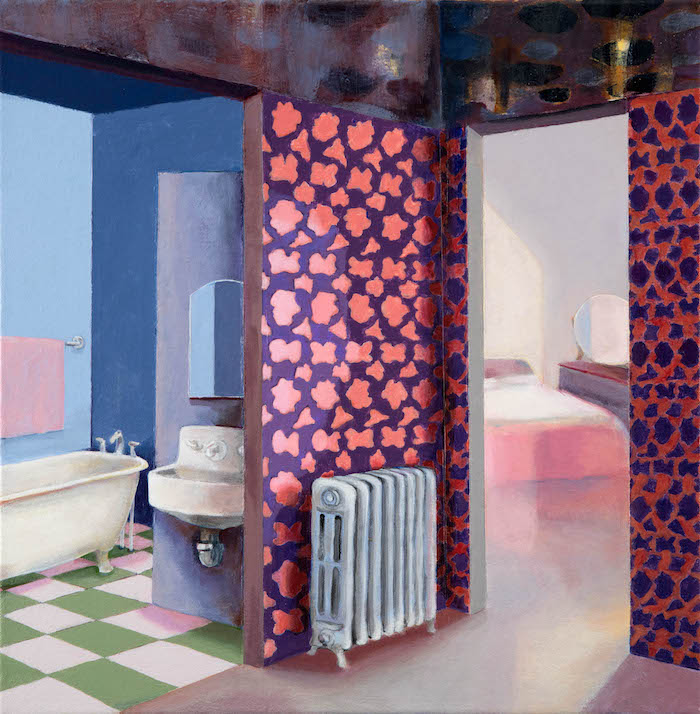
acrylic painting interior mirror geometric pattern | on Art Biz Success
©Nancy Glover, Mirrors. Acrylic on canvas, 18 x 18 inches.

If someone is unequivocally asking for feedback, honor the boundaries that the person has provided. Consider the OREO® approach: two disks of praise protecting the fluffy center that has room for improvement (aka “the shit sandwich”).

I really like the way you did X and wish I had thought of that. Maybe Y would make it stronger. But you should trust that you’re definitely headed in the right direction.

If the person requesting feedback hasn’t listened to this episode and asks a vague question about getting your feedback, ask for clarification.

Can you be more specific? What kind of feedback are you looking for?

If you haven’t been asked and are tempted to give feedback, maybe send a private message before launching into your comments. Something along the lines of: Are you looking for feedback on that?

Sometimes we only want positive support, which has its place in the creative process.

I have a deal with people who support me. In unveiling my most recent project to them, I simply say, “Wanted you to be aware of my new X. At this point, I am not looking for critical feedback. I want you celebrate with me the fact that I’ve completed it.”

This is a way of safely sharing what I make without asking for gratuitous praise or opening myself up to criticism at a vulnerable point. You’re welcome to steal it.

How to respond to feedback.

If you have asked for feedback, you must, after reading this, have been prepared to receive it. Graciously.

Always accept the feedback with gratitude.

Thank you. You’ve given me some things to think about.

Feel free to ask clarifying questions.

Thank you. Tell me more.

Thank you. Can you clarify so I can better understand?

acrylic and ink painting landscape river sky artist Mary Lonergan | on Art Biz Success
©Mary Lonergan, River View, Silver Sky. Acrylic and ink on canvas, 16 x 12 inches.

Then there is the feedback you receive that you never asked for in the first place. Here are 3 ways to respond  to feedback you didn’t request.

1. Thank you for sharing your opinion.

There’s something about this response that tells the other person that their opinion is not wanted. I’m only brave enough to pull this one out of my bag of tricks in the most extreme circumstances, which usually means that the person was rude or cruel.

2. That’s interesting. Why do you say that?

This is a great line if you want to engage the other person in dialogue. It asks the person to be responsible for their comments, not in a negative way, but as they should be.

You might learn something in the process. For example, you might find out that what you understood wasn’t at all what was intended.

3. Ignore and delete.

Sometimes the only thing we can do is delete an email or move on to the next comment.

This is great for the online world, but it doesn’t help when face-to face. Oh, if it were that easy to delete people! In the case of a real life encounter, revert to #2 above.

A bit of advice. When deleting a particularly out-of-place comment, take a moment to send the other creator love and light, and then imagine them receiving your generosity. It will put you in higher energy vibration.

Finally.

I’ll wrap things up with this appeal: Stop asking everyone what they think on social media. If you really want feedback, ask the right people in the right environment and with specificity.

What kind of feedback are you looking for. Take time to get to know your work and craft your ask before looking for praise or criticism. Finally, be careful about how you give feedback. Make sure it’s your place to do so.

A version of this post was originally published on August 20, 2015. It has been updated and significantly expanded, with the addition of the podcast. Original comments were left intact.

The post The Art Biz ep. 115: How to Get Better Feedback When You Want to Improve appeared first on Art Biz Success.

]]>
https://dy-online.com/feedback/feed/ 26
Introduce yourself confidently as an artist (65) https://dy-online.com/introduce-yourself/ https://dy-online.com/introduce-yourself/#comments Thu, 12 Nov 2020 03:35:00 +0000 http://artbizsuccess.com/?p=17053 it can be difficult to introduce yourself as an artist when you are in the process of becoming. You must summon your courage and present yourself as you want others to see you.

“I’m an artist” doesn’t seem to roll off the tongue easily for some people. And yet it’s critical to be able to say those words with confidence. You must summon your courage and present yourself as you want others to see you.

The post Introduce yourself confidently as an artist (65) appeared first on Art Biz Success.

]]>
If you find it difficult to introduce yourself as an artist, you’re not alone.

“I’m an artist” doesn’t seem to roll off the tongue easily for some people. And yet it’s critical to be able to say those words with confidence.

This is a topic I never could have dreamed up while I was working in art museums. It wouldn’t have occurred to me that artists would have a hard time introducing themselves. After all, what you do is so cool. So creative. So magical. It seems like all you have to do is say, “I’m an artist” and the conversation opens wide.

But what I’ve learned in the years since working in the museum bubble is that it isn’t always that easy to say I’m an artist. Then, when the words finally do come out, what do you say after that?

Lisa Goren watercolor painting.
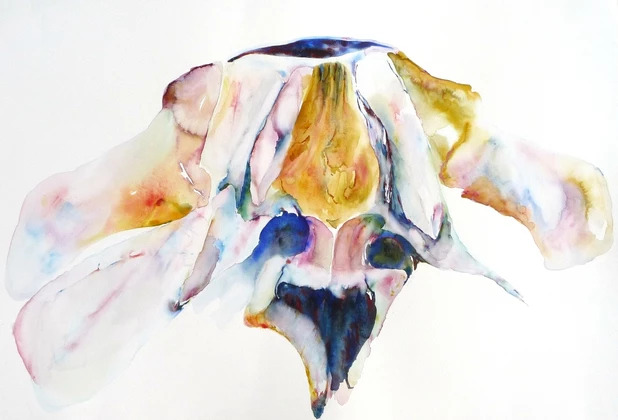
©Lisa Goren, Whale Bones #22. Watercolor on 300 lb. paper, 20 x 30 inches.

Why your artist introduction is a struggle

It seems to be easier for people with art degrees, especially MFAs, to proclaim their profession to the world. Perhaps it’s because there is a physical piece of paper that says you completed a curriculum to the satisfaction of an institution. Regardless of any outside job you may hold to support yourself, you know at heart that you’re an artist.

Having said that, I know it’s difficult even with that piece of paper for some people who aren’t working full time on their art careers to assume the title of Artist, with a capital A.

There isn’t an official governing body that confers the title of artist on anyone.  “Title” isn’t exactly the right word here, but I think you get my drift. You don’t have to pass any licensing boards or get certified to start calling yourself an artist.

For most artists, there isn’t a turnkey moment when they can proclaim, “NOW I know I’m an artist.” It’s more of a slow, steady slog on the way to the day you finally feel worthy enough to say it out loud.

[See How do you know you’re an artist? with James Holmes (88) ]

This is why it can be difficult to introduce yourself when you are in the process of becoming. You must summon your courage and present yourself as you want others to see you.

Believe and act as if it were impossible to fail.

Start acting as if.

As if you have already received that blue ribbon.
As if you already have gallery representation.
As if you have already had a solo museum exhibition.
As if you had a sold-out show.

Remember: You teach others, through your words and actions, how to treat you.

Listen

Music by Wildermiss

Why you should care about your introduction

If you tell others that you’re an elementary school teacher, a barista, or an engineer, don’t be disappointed when that’s where the conversation leads.

Remember that every person you meet might be a collector, might know a collector, or might have connections to opportunities for your art career. You never know where a new relationship could lead.

They say you only get one chance to make a first impression.

No pressure! One chance. I’ll tackle that in just a minute, but first let’s acknowledge that introducing yourself as an artist is the beginning of your professional relationship with another person.

Cheryl Powell oil painting.
©Cheryl Powell, Blue Cafe. Oil on canvas, 9 x 12 x .75 inches.

You might miss out on opportunities when you don’t introduce yourself first and foremost as an artist. When you play it safe by mentioning the job that gives you a steady paycheck.

If you want people to see you as an artist, you must introduce yourself as one. It doesn’t matter that you make a living in another way. You are an artist. There’s nothing to apologize for and nothing to explain. You can hold your head high.

And even though you may not yet be perfectly comfortable with the artist moniker, this acting as if and resulting buy-in from others will boost your confidence.

So stop introducing yourself with a label from your day job. Lead with this: I’m an artist. It’s really that simple.

[ See Networking for Artists: The Social Part of Being an Artist ]

On-demand workshop :: $37

ELEVATE YOUR ART

Museum-quality standards that convey higher values and allow you to confidently charge what your art is worth.

Young blonde woman sitting on a wooden bench in an art gallery. Looking at monochromatic artwork on the white wall.

What gets in the way

Let’s circle back to that “one chance” thing. Yes, it’s true that the first impression is important. But you must stop thinking of it as your only opportunity.

You have to frame it as an introduction. It’s a starting point for getting to know one another and not a chance to make a sale on the spot.

I know that I said everyone you meet could lead to an opportunity for you, but that opportunity only comes from being genuinely interested in a relationship with that person. It is the result of being curious about the potential. It doesn’t come from some icky pitch that you’ve memorized.

You don’t have to be a salesperson or do anything that isn’t natural. All you have to be is confident in your work and enthusiastic about sharing it with others.

You have something that other people find interesting, delightful, and perhaps even useful. Your art comes from your soul, and we want to be inspired by the enthusiasm you have for sharing your art with the world. We want to hear it in your voice and see it on your face when you talk about being an artist.

There are two kinds of artist introductions: formal and informal.

Circle burst collage by Kate Norris
©Kate Norris, Sunday Morning. Mixed media wallpaper collage, 36 x 36 inches.

Formal artist introductions

Formal introductions are what we use when we are asked to introduce ourselves on Zoom or in a workshop room. There’s often a format to follow from the organizers and all participants get their chance.

The leaders might tell you what to say but short of this instruction, your introduction in these circumstances might include your name (if you haven’t already said it), the type of art you make, and descriptive language that helps the listener imagine what your work looks like.

Highlight aspects of your work that will intrigue people. Perhaps it is your technique, colors, sizes, subject matter, or materials. Give enough detail so people can visualize a particular style, but don’t overload them with too much information.

Try to keep these introductions to 30 seconds or less. As someone who often leads artist groups, I can attest to how frustrating it is when someone takes up too much time.

What I’m referring to in the rest of this article are informal introductions.

Painting of windows by Muffy Clark Gill
©Muffy Clark Gill, Habana Viejo. Rozome on silk, 43 x 30 inches.

Informal artist introductions

Informal introductions are used more frequently than formal introductions and sound much like a response to small talk at an art opening.

You reply with an informal introduction when someone asks, So, what do you do? I wish we could come up with a more creative query than that, but, honestly, that’s about the extent of our curiosity upon meeting someone new.

Notice they didn’t ask for your life story, the history of your art, or even your artist statement. When someone asks what you do, let’s face it, they are mostly being polite. They are exploring how far they want to carry the conversation. They’re looking for something to relate to.

People will lose interest if you respond with a paragraph or drone on and on about yourself. It has to fit naturally into a conversation.

Remember, I said it was as simple as responding with I’m an artist. But there’s another sentence you can tack onto the end of that statement that starts with these two words: I make.

I’m an artist. I make …

On-demand workshop :: $37

ELEVATE YOUR ART

Museum-quality standards that convey higher values and allow you to confidently charge what your art is worth.

Young blonde woman sitting on a wooden bench in an art gallery. Looking at monochromatic artwork on the white wall.

Write a draft of your introduction

It takes time to come up with an artist introduction that fits you. To begin, you might start with writing it out.

Then you can practice speaking it. Practice a lot. Practice in front of the mirror or make a video only for yourself. Then rewrite it. Repeat.

The written word is much different than the spoken word. Some things that look fine on paper sound silly or unnatural when you say them out loud. Start now and allow yours to evolve with practice.

Don’t expect your introduction to be perfect coming out of the gate. It will evolve as you use it over time and in various situations.

You are ready to face the world when you are confident introducing yourself as an artist.

Kristin Osgood Lamelas
©Kristin Osgood Lamelas, cells 02. Enamel on canvas, 20 x 16 inches.

Your artist introduction in practice

There is no need to make this more complicated than it is. You aren’t pitching. You aren’t selling. This isn’t a commercial.

It’s a chance for a meaningful relationship.

You’re looking to engage the other person, not to control the conversation. If there is interest, the other person will ask questions.

You are trying to connect with another human on a personal level. Focus on the relationship, not on perfection or what you think you can get out of it.

When someone asks what you do, your response should roll off your tongue effortlessly with confidence and enthusiasm. Your introduction invites further conversation. Instead of thinking about it as self-contained, consider it a doorway, an opening to further interaction.

You want the other person to be interested enough to ask questions of you rather than you cramming in your life story.

Monique Carr oil painting.
©Monique Carr, Mardi Gras. Oil on panel, 20 x 20 inches.

All you have to do is start with, I’m an artist. I make …

Don’t inflate your position. Don’t be that person.

Make it natural, but own it. Say it with confidence.

Of course you want to be prepared with a brief sentence or two about your work should those questions come your way. You’re looking for conversation, so make sure your language is inviting and intriguing.

Each sentence further is an opening to a potential long-term relationship.

Those you are meant to connect with will respond positively. Don’t worry about the rest. You have higher things to concern yourself with. After all, you are an artist.

This post was original published on January 15, 2014 and has been updated with comments left intact.

The post Introduce yourself confidently as an artist (65) appeared first on Art Biz Success.

]]>
https://dy-online.com/introduce-yourself/feed/ 62
7 Ways You Might Be Scaring Off Potential Buyers https://dy-online.com/scare-off/ https://dy-online.com/scare-off/#comments Thu, 26 Oct 2017 11:33:56 +0000 http://artbizsuccess.com/?p=16601 Art buyers often have as many insecurities about the process of buying art as you do, which means they are sensitive to the signals you’re sending.

It’s your job to reassure them that they are making the right decisions - and you can do so in very subtle ways without resorting to sales speak.

And it has just as much to do with what you don’t do and say.

Here are seven practices that will scare off your audience and potential fans.

1. Being indecisive about prices.

Indecision makes you appear less confident.

Set your prices after you’ve done your homework and be ready to share them in person and online.

If you’re ever pushed for a price that you aren’t certain about, say, “Let me check my list and get back to you. I wouldn’t want to give you the wrong price.”

2. Apologizing for your art.

The apologetic artist who brushes aside compliments about her art is not market-attractive.

I am not in any way condoning arrogance. I’m saying that you need to hold your head up and say “Thank You” when you are given a compliment.

As Julia Child said in Julie & Julia, “Never apologize. No excuses. No explanations.” Along the same lines . . .

3. Playing down the fact that you’re an artist.

Heart surgeons don’t look at the ground and say, “I’m kind of a heart surgeon.” When someone asks what you do, you shouldn’t respond meekly with, “Well, I’m kind of an artist.”

The post 7 Ways You Might Be Scaring Off Potential Buyers appeared first on Art Biz Success.

]]>
Art buyers often have as many insecurities about the process of buying art as you do, which means they are sensitive to the signals you’re sending.

It’s your job to reassure them that they are making the right decisions – and you can do so in very subtle ways without resorting to sales speak.

And it has just as much to do with what you don’t do and say.

©Marie Marfia, Ooh, Scary. Pastel on paper, 16 x 20 inches. Used with permission.

Here are seven practices that might be scaring off your audience and potential fans.

1. Being indecisive about prices.

Indecision makes you appear less confident.

Set your prices after you’ve done your homework and be ready to share them in person and online.

If you’re ever pushed for a price that you aren’t certain about, say, “Let me check my list and get back to you. I wouldn’t want to give you the wrong price.”

2. Apologizing for your art.

The apologetic artist who brushes aside compliments about her art is not market-attractive.

I am not in any way condoning arrogance. I’m saying that you need to hold your head up and say “Thank You” when you are given a compliment.

As Julia Child said in Julie & Julia, “Never apologize. No excuses. No explanations.” Along the same lines . . .

3. Playing down the fact that you’re an artist.

Heart surgeons don’t look at the ground and say, “I’m kind of a heart surgeon.” When someone asks what you do, you shouldn’t respond meekly with, “Well, I’m kind of an artist.”

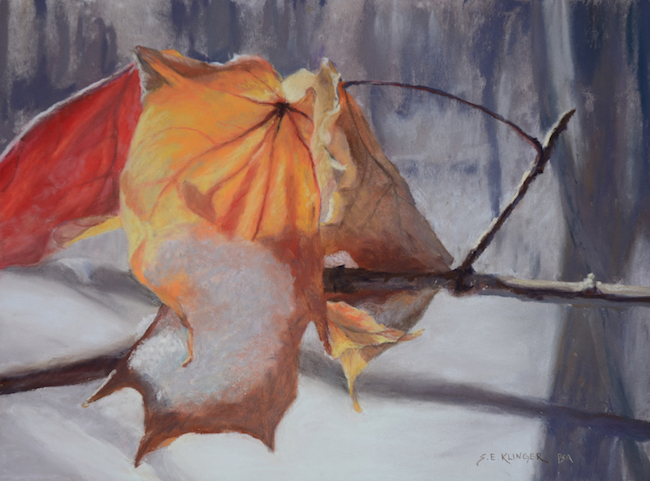
©Susan Klinger, Autumn’s Last Stand. Pastel, 9 x 12 inches. Used with permission.

You’re an artist or you’re not. There’s no “kind of” about it.

Embrace it. Practice it. Live it.

4. Stammering when someone asks you about your work.

No one knows your art better than you. When you are given the chance to tell someone about your work, you must be able to speak intelligently. After all, who else would they turn to?

You don’t have to be well versed in all of art history, but you’ve got to know about your work. You should be able to address your materials, subjects, style, and how you fit in your art market.

To gain some vocabulary, read what other artists say about their art and watch them on videos. Plus check out my Magnetic You program that teaches how to speak and write effectively about your work.

5. Having an outdated website.

Your website is often the first place people will see your art. It should be a priority, not an afterthought.

This means it must look like it was created recently rather than 5 or more years ago. And make sure to update the content regularly.

6. Hiding your social media links.

Do you want people to follow you on social media? Then for Pete’s sake make it easy to find your social media links.

©Elise Nicely, Highway Through Heaven. Acrylic on canvas, 30 x 24 inches. Used with permission.

It used to be that it was okay for social links to be on only one page – like an About page. But who has time to poke around and find them? Make sure they’re visible on every page of your site.

7. Sending a bulk email after not being in touch with your list for over a year.

As I have shared before, the main purpose of an artist’s newsletter is to keep the list warm.

People signed up for your list because they want to hear from you.

If you don’t send regular(ish) updates, you can’t suddenly expect action from your connections.

The post 7 Ways You Might Be Scaring Off Potential Buyers appeared first on Art Biz Success.

]]>
https://dy-online.com/scare-off/feed/ 38
Life Is Beautiful and I Have Proof https://dy-online.com/life-is-beautiful/ https://dy-online.com/life-is-beautiful/#comments Thu, 25 May 2017 13:00:32 +0000 http://artbizsuccess.com/?p=24404 All is right with the world. I have proof.

I'm at the San Francisco Museum of Modern Art to see the Matisse/Diebenkorn exhibition. I arrive early with Rob, my trooper of a husband. He’s agreed to be my companion through the permanent collection galleries before our afternoon ticket time.

What I witness restores my faith in humanity.

Here’s how it goes down.

Is It Art?

As a former museum educator, I know that it’s wise to avoid school tours in the galleries. If I had thought about that, I might have visited later in the day. But then I wouldn’t have been fortunate enough to have had this experience.

There is at least one group in each of the galleries. Most students have assignments and a docent.

One docent teaches native Spanish speakers how to say Marcel Duchamp.

Mahr-sel’ Du’-shahn

They giggle.

She stands in front of Duchamp’s Fountain and asks: Is it art? They are pretty certain it isn’t. It’s a urinal, for Pete’s sake.

I don't stick around to hear more of their reasoning. I already feel like I'm an intruder.

I’m less interested in the art history lecture than in the way these kids are fully engaged with the art. They are hanging on every word she says.

My husband finds me and asks what I’m up to. “This docent is awesome,” I say.

Then I catch a glimpse of another heartwarming scene.

The post Life Is Beautiful and I Have Proof appeared first on Art Biz Success.

]]>
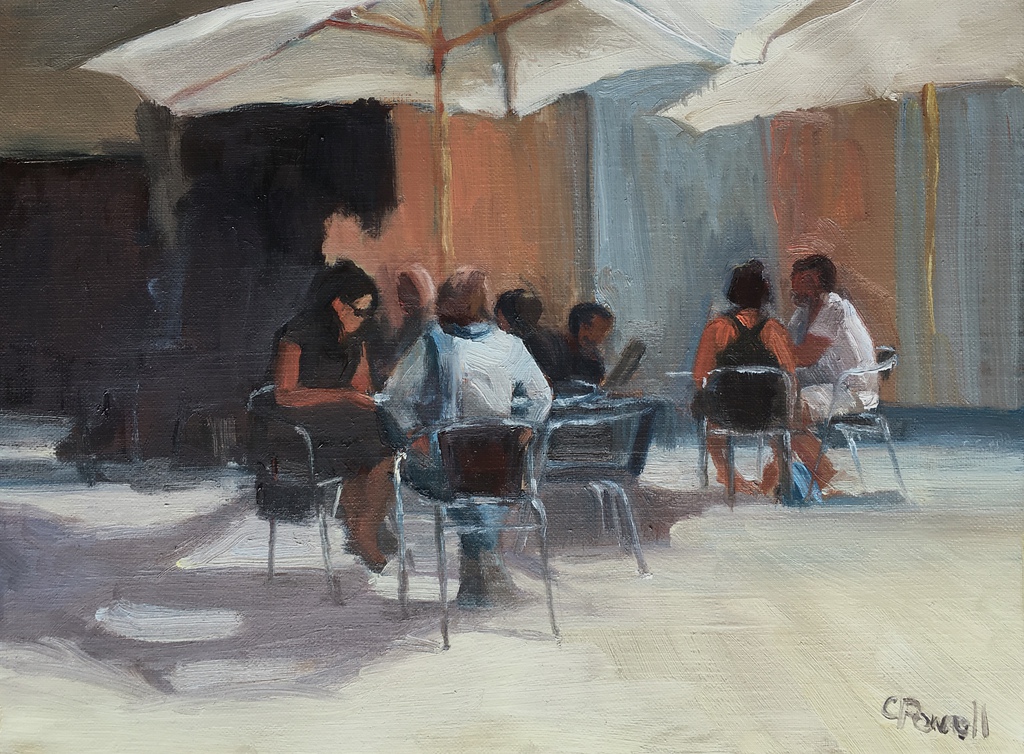
All is right with the world. I have proof.

I’m at the San Francisco Museum of Modern Art to see the Matisse/Diebenkorn exhibition. I arrive early with Rob, my trooper of a husband. He’s agreed to be my companion through the permanent collection galleries before our afternoon ticket time.

What I witness restores my faith in humanity.

Here’s how it goes down.

Is It Art?

As a former museum educator, I know that it’s wise to avoid school tours in the galleries. If I had thought about that, I might have visited later in the day. But then I wouldn’t have been fortunate enough to have had this experience.

There is at least one group in each of the galleries. Most students have assignments and a docent.

One docent teaches native Spanish speakers how to say Marcel Duchamp.
Mahr-sel’ Du’-shahn

They giggle.

She stands in front of Duchamp’s Fountain and asks: Is it art? They are pretty certain it isn’t. It’s a urinal, for Pete’s sake.

I don’t stick around to hear more of their reasoning. I already feel like I’m an intruder.

I’m less interested in the art history lecture than in the way these kids are fully engaged with the art. They are hanging on every word she says.

My husband finds me and asks what I’m up to. “This docent is awesome,” I say.

Then I catch a glimpse of another heartwarming scene.

Big Floaty Shapes

A man with glasses is sitting on a bench – flanked by two other gentlemen. They’re worshipping at the altar that is Mark Rothko’s No. 14 from 1960.

At first they seem like buddies hanging out on their lunch break. But then I notice that the man in the middle is doing all of the talking and pointing. The other two are nodding. Their heads follow his every direction.

The man in the center, the docent, brings a Joan Mitchell into the conversation with Rothko. Compare. Contrast.

His audience eventually moves on, but he’s quickly in the spotlight again with an even larger group.

He’s a human magnet.

I’m hanging in the wings – amazed by his knowledge and desire to share what he knows. He is turning these visitors into raving fans. I’m immediately a fan of him.

My husband circles back around to find me once again absorbing the scene. “Man, this guy is really good!”

I still feel like a voyeur, but I can’t stop listening.

Dirt and Mirrors

We’re on to sculpture and the docent who had the kids at Duchamp now stands them in front of Robert Smithson’s Nonsite (Essen Soil and Mirrors). It consists of mirrors and (as the title states) soil.

Once again, high school kids, who are usually some of the biggest skeptics, are completely present and curious.

They’re having a serious conversation about dirt and mirrors! They understand there is something more to it and decide that it’s worth investigating.

They might not have a solid grasp of English, but they grasp the language of art.

This is when I lose it.

Losing It

Tears begin to well up in my eyes. I can’t contain them.

I am overcome with emotion and look for a place to sit down because I’m compelled to capture this experience before it leaves me. I scribble …

“This is where all is right in the world.”
“Engaged in humanity.”
“Best of humanity.”

I continue crying. I am so freakin’ moved. Life is beautiful.

My husband wanders in (again) and is concerned. “What’s wrong?” He wonders. I can’t talk about it. Not just yet.

It’s hard to explain what’s happening to the mathematician-physicist I married.

I am overcome not by art, though that has happened on other occasions.

In this moment, I am overcome with love. Love of all that is right with the world.

Art has the power to bring people together, discover, and discuss their common humanity.

All I can think is Damn! I’m so lucky to get this! And blessed to witness others whose lives might be shaped – for the better – in that moment.

Postscript

Rob pretends he’s about to climb Richard Serra’s Sequence. (Don’t worry! He knows better than to touch it for even a moment.)

Before we left for our quick trip, my husband had an interesting conversation with his hair stylist.

After she heard he was going to see an art exhibit in San Francisco, she shook her head and said with a scowl, “Art! I just don’t get it.”

I hope one day she is fortunate enough to happen upon a docent as knowledgeable as the ones we encountered. She doesn’t have to get it. But I hope that she is open to new experiences and has a growth mindset.

Because if you happen upon the right people with the right words and a keen amount of patience, you might be taken on a journey you’ll never forget.

One final note: the Matisse/Diebenkorn show was also well worth the trip.

Your Turn

Please leave a comment to tell me the art experiences you’ve had that reaffirm that life is, indeed, beautiful.

The post Life Is Beautiful and I Have Proof appeared first on Art Biz Success.

]]>
https://dy-online.com/life-is-beautiful/feed/ 128
How to Make a Dynamite First Impression https://dy-online.com/dynamite-first-impression/ https://dy-online.com/dynamite-first-impression/#comments Thu, 06 Apr 2017 13:06:47 +0000 http://artbizsuccess.com/?p=24230 You only get one chance to make a first impression. True? True!

Competition is fierce in today’s art market, and you must distinguish yourself.

How will people come to know you? More importantly, how will they remember you?

Consider this advice when you want to be memorable in the right way.

Be prepared.

There is no excuse to go into a meeting or situation blindly when you have the virtual world readily available. A simple check with search engines or a social media account might lead you to a treasure of information.

Conduct your research in advance to show people that you’ve heard of them – this always impresses.

You might also discover facts in your research that will help you skillfully navigate any conversation.

Be on time.

The little computer we all carry around in our purses and pockets has made it far too easy for us to be tardy to appointments. All we have to do is text someone to tell her we’re running late.

This is usually fine when you know the other person well. It’s not fine if it’s your first meeting or if you make it a habit.

Be interested.

People will think

The post How to Make a Dynamite First Impression appeared first on Art Biz Success.

]]>
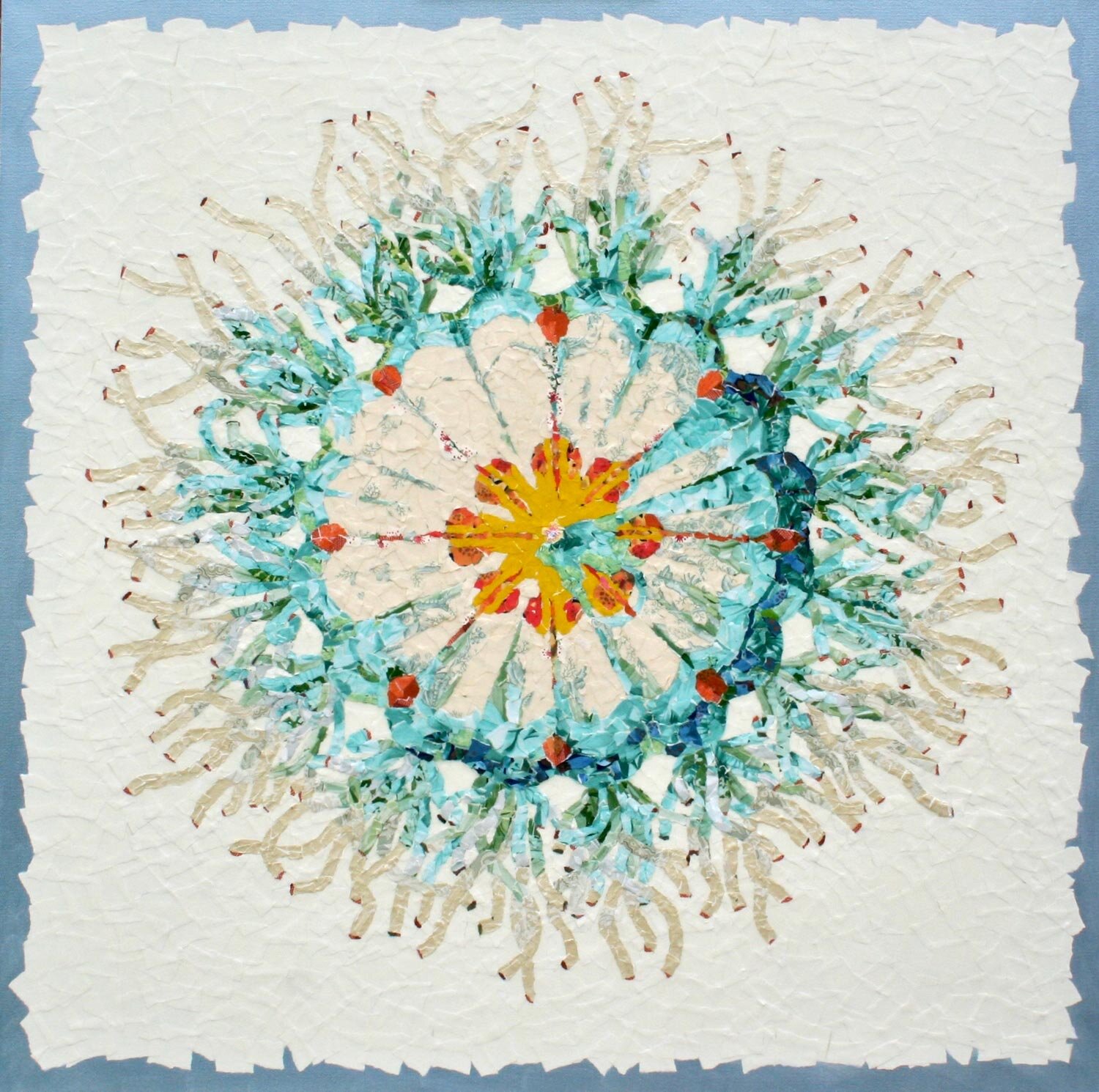
You only get one chance to make a first impression. True? True!

Competition is fierce in today’s art market, and you must distinguish yourself.

How will people come to know you? More importantly, how will they remember you?

©Sylvia Herrera, Big Birds. Watercolor, 25 x 34 inches. Used with permission.

Consider this advice when you want to be memorable in the right way.

Be prepared.

There is no excuse to go into a meeting or situation blindly when you have the virtual world readily available. A simple check with search engines or a social media account might lead you to a treasure of information.

Conduct your research in advance to show people that you’ve heard of them – this always impresses.

You might also discover facts in your research that will help you skillfully navigate any conversation.

Be on time.

The little computer we all carry around in our purses and pockets has made it far too easy for us to be tardy to appointments. All we have to do is text someone to tell her we’re running late.

This is usually fine when you know the other person well. It’s not fine if it’s your first meeting or if you make it a habit.

Be interested.

People will think you are a fine human being if you listen to what they have to say rather than dominating the conversation.

©Mónica González, Rainbow Sea & Moves of Hope. Mixed media and acrylic on canvas, 31 x 23 inches. Used with permission.

Be present then they are more likely to return the favor when it’s your time to speak.

Be charming.

Don’t wait for an introduction or an invitation. Hold out your hand in a live situation and introduce yourself: “Hi, I’m Jack.”

Shake hands firmly and look the other person in the eye. Repeat and remember their name.

Ditto for the virtual world. (If only you could extend a hand through your computer!)

Be responsible.

Whether you are attending a business meeting, applying for a grant, or submitting to a competition, read details and follow instructions.

When people are thoughtful enough to provide details about a meeting or event and you reply without reading what they wrote, they are going to think less of you. They can’t help it.

Accept no less than 100% responsibility for your actions and success.

Be brief.

Be brief in your email messages and, for Pete’s sake, don’t beat around the bush.

©Kathleen Bennett, Plum Island Radiance. Oil on canvas, 18 x 24 inches. Used with permission.

Burying the lead (your reason for writing) will cause recipients to scratch their heads. It will also banish your email to the bottom of the inbox.

How can people respond if they don’t know why you’re writing?

Be yourself.

I’m not asking you to do anything that is less than genuine. I’m only encouraging you to be the best version of yourself.

Your Turn

How do you make a dynamite first impression?

Do you have a memory of someone whose first impression left much to be desired?

Please share your experiences in a comment below.


The post How to Make a Dynamite First Impression appeared first on Art Biz Success.

]]>
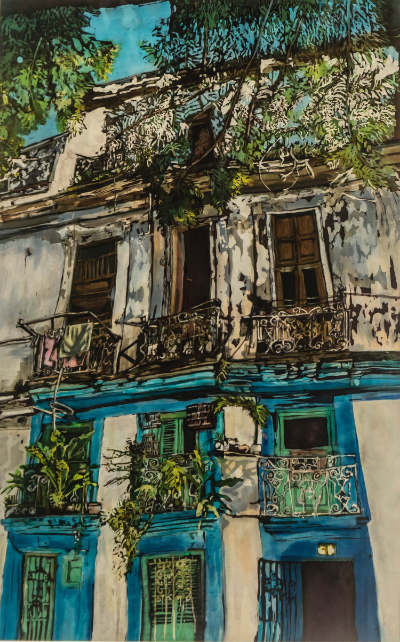
https://dy-online.com/dynamite-first-impression/feed/ 13
Opening Lines at Art Openings: Starting a Conversation https://dy-online.com/starting-a-conversation/ https://dy-online.com/starting-a-conversation/#comments Thu, 21 Jul 2016 11:42:25 +0000 http://artbizsuccess.com/?p=22904 It’s easy to meet people when you’re at an opening of your own art because you're the host or hostess. Your job is to meet everyone and to introduce your guests to one another.

Not true when you're the guest at someone else's opening. When you don’t have a role to play, it’s uncomfortable to force yourself to meet people.

And, yet, you know it’s important.

Students in my Art Career Success System understand how critical it is to meet more people. New relationships might lead to opportunities, sales, and lifelong fans.

So what do you do? How do you start a conversation with a stranger without getting sick to your stomach?

Alyson to the rescue! Below is a list of conversation starters that you can start practicing immediately.

You don’t even have to be at an opening to begin. Try talking to

The post Opening Lines at Art Openings: Starting a Conversation appeared first on Art Biz Success.

]]>
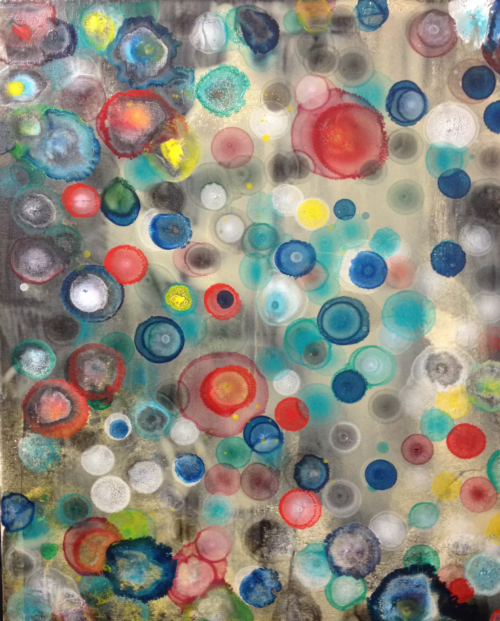
It’s easy to meet people when you’re at an opening of your own art because you’re the host or hostess. Your job is to meet everyone and to introduce your guests to one another.

Not true when you’re the guest at someone else’s opening. When you don’t have a role to play, it’s uncomfortable to force yourself to meet people.

And, yet, you know it’s important.

Ruth Armitage - The Day Has Come
©Ruth Armitage, The Day Has Come. Mixed media on paper, 30 x 22 inches. Used with permission.

Students in my programs understand how critical it is to meet more people. New relationships might lead to opportunities, sales, and lifelong fans.

So what do you do? How do you start a conversation with a stranger without getting sick to your stomach? How do you introduce yourself as an artist?

Alyson to the rescue! Below is a list of conversation starters that you can start practicing immediately.

You don’t even have to be at an opening to begin. Try talking to the guy in the car next to you at the gas station or the woman in front of you at the grocery checkout. This builds your courage for facing the next opening.

Keep It In The Room

You are sharing an experience with everyone in the room. This is a terrific excuse for having a conversation.

Do you know the artist(s)? Alternatively: You appear to know about the artist. Do you mind telling me about her?

Have you been to other openings in this space?

What have you seen so far that you really like?

This is a nice show. Have you been to other interesting shows lately?

Did you see the way the artist (framed that piece, worked with the palette knife, glazed that pot)?

Did you read about the artist’s …? Alternatively: I heard that the artist …

Take It Outside

Maybe you’re not loving the show and don’t have anything nice to say about it. Or perhaps you’ve exhausted the dialogue about the work you’re looking at.

It’s time to look for inspiration beyond the walls of the room you’re in.

Did you hear about … (artist, art controversy, story, public art piece)?

Have you seen the new public art at the convention center?

Paula Christen's In the Flow
©Paula Christen, In the Flow. Watercolor on paper, 11 x 15 inches. Used with permission.

Focus On The Food

Food and drink are easy targets for conversation-starters. Adapt these suggestions to your situation.

Is that Merlot any good? (You can always count on wine and cheese at an art reception.)

Did you try the punch?!

You’d better grab one of those crab cakes before they disappear. They’re delicious!

Come Right Out and Say It

Speak the truth.

My coach gave me an assignment to introduce myself to 10 people tonight who look interesting. 

I promised myself I was going to meet 10 new people tonight and you’re one of the lucky ones.

Be bold!

I don’t know anyone here, so I’m taking the bold step to introduce myself to people. 

I have a friend who swears that acting like the hostess in a crowded room – even if you have no such role – makes it much easier to mingle. It gives you a job to do.

As I said above, when you’re the host or hostess, your job is to meet everyone and introduce people to one another. Make people comfortable and happy to be there.

Consider going to an opening and pretending to be the hostess. Nobody but you needs to know about your secret role.

I’m just going around seeing if everyone is enjoying themselves. Are you?

Stick With Old Standards

Leslie Allen's Corn Patch
©Leslie Allen, Corn Patch. Oil/linen/panel, 16 x 12 inches. Used with permission.

They may sound trite or mundane, but you never know where they’ll lead.

Have you seen this many people in the gallery before? Alternatively: Wonder where everyone is tonight?

Did you have a hard time finding parking, too?

Was traffic as bad for you as it was for me?

It’s so nice to be in the air conditioning tonight. Alternatively: I was so happy to come in to a warm gallery.

Dangle a Compliment

You can’t go wrong with a sincere compliment. It works for both men and women to compliment hair, clothing, or shoes.

Someone once said to me at an opening: I’m having a hard time looking at the art because I keep staring at your shoes.

I’ll take that!

Remember how lovely it feels when someone compliments you, and return the favor. Next time, instead of just thinking about what a good-looking shirt that guy has on, tell him.

Your Turn

How do you meet strangers at art openings?

The post Opening Lines at Art Openings: Starting a Conversation appeared first on Art Biz Success.

]]>
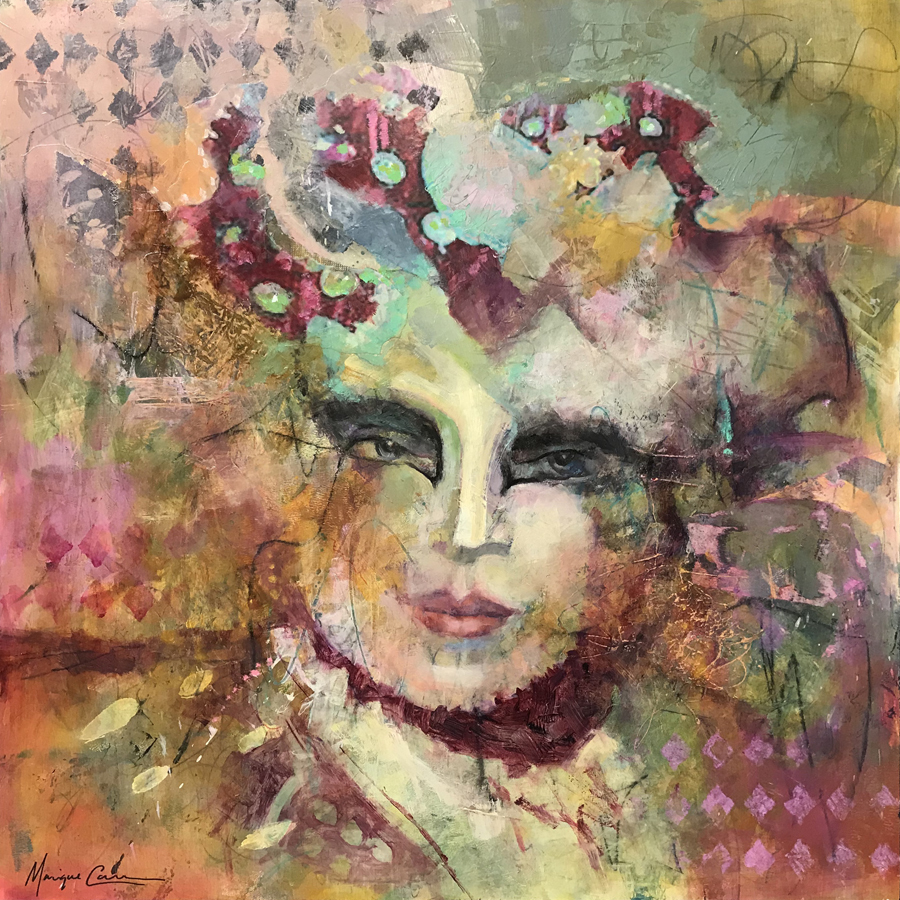
https://dy-online.com/starting-a-conversation/feed/ 34