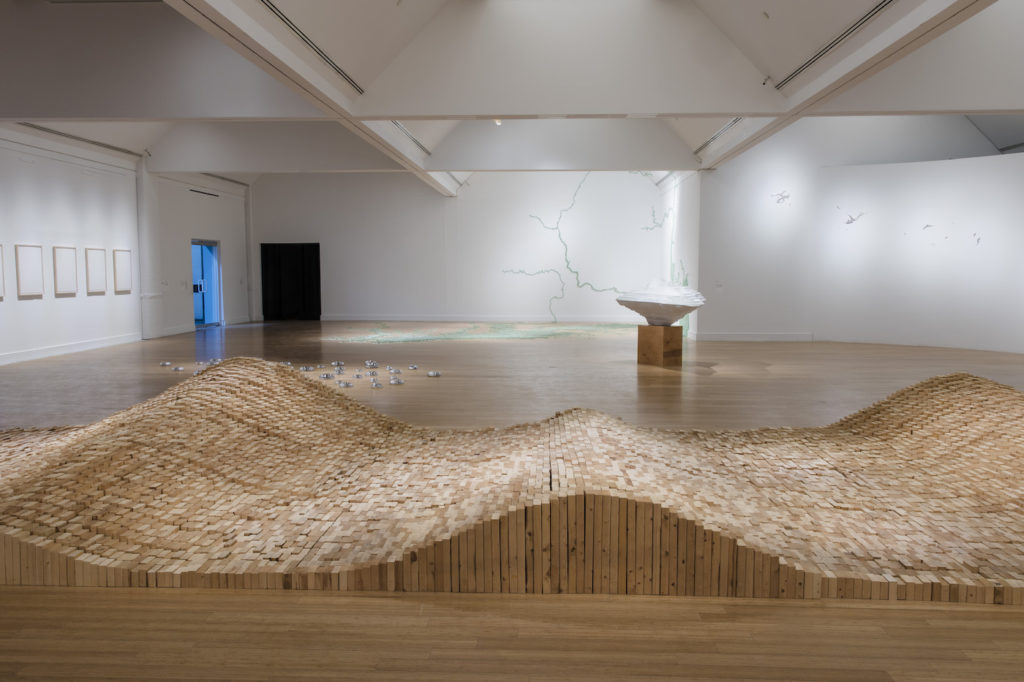
We discussed the types of institutions she works with, how projects are funded, and the rhythm of their realization.
The post Putting artists first in curatorial projects with Melissa Messina (136) appeared first on Art Biz Success.
]]>
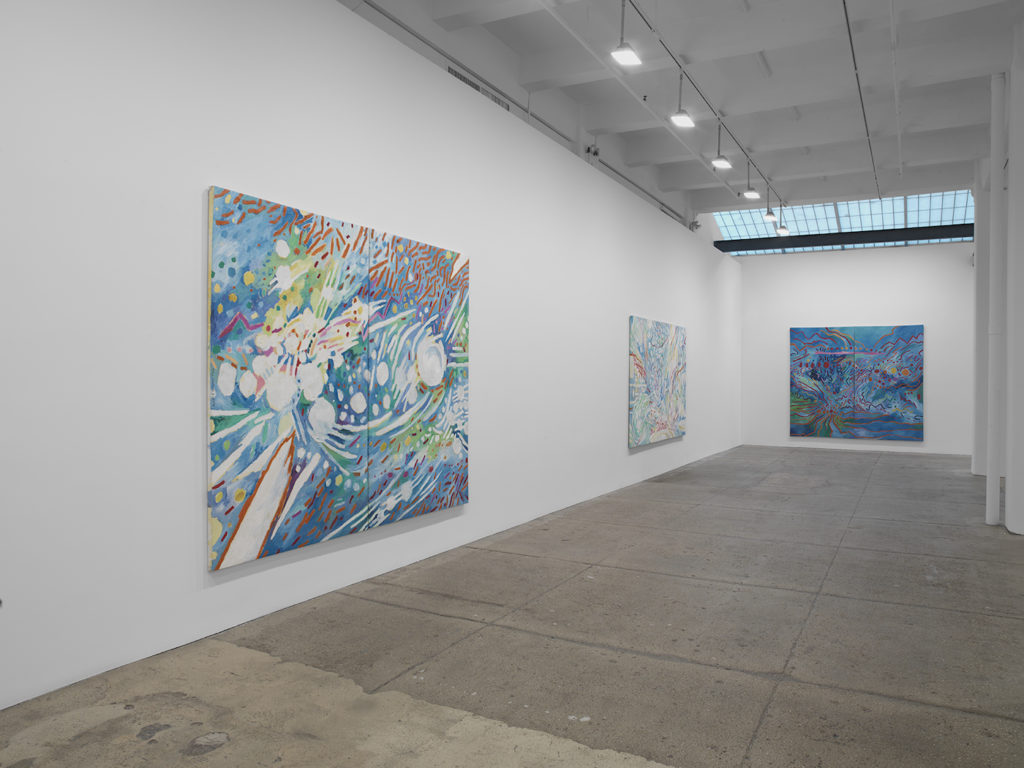
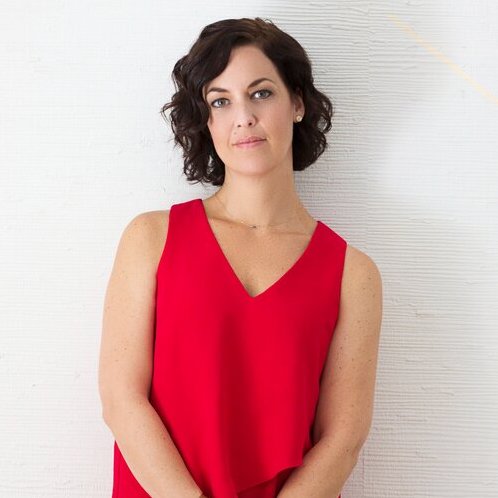 Melissa Messina is a nationally recognized arts professional who has developed thought-provoking exhibitions, dynamic site-responsive projects and engaging educational public programming both independently and in leadership positions at museums and non-profit arts organizations. For 20 years, her work with regional, national, and international artists has been presented in the U.S. in Atlanta, Kansas City, Miami, New York, New Orleans, Richmond, Savannah, and Washington, D.C., as well as in Bermuda, France, and Hong Kong. She has lectured extensively and published widely, and her research has been funded by Creative Time and The Andy Warhol Foundation, as well as by fellowships at Emory University’s Stuart A. Rose Library, Atlanta, GA, and the Crystal Bridges Museum of American Art, Bentonville, AR.
In addition to serving select public and private clients, she is the curator of the Mildred Thompson Estate. She has also recently served as guest curator at the Virginia Museum of Contemporary Art, Spelman College Museum of Fine Art, the Visual Arts Center of Richmond, and the New Orleans Museum of Art, and was the co-curator of the 2018 and 2020 Bermuda Biennials. In 2017, she co-created Magnetic Fields: Expanding American Abstraction, 1960s to Today, an intergenerational exhibition highlighting 21 Black female abstract practitioners that traveled from Kemper Museum of Contemporary Art in Kansas City to The National Museum of Women in the Arts, Washington, D.C.
Follow her on Instagram @melissa_messina
The post Putting artists first in curatorial projects with Melissa Messina (136) appeared first on Art Biz Success.
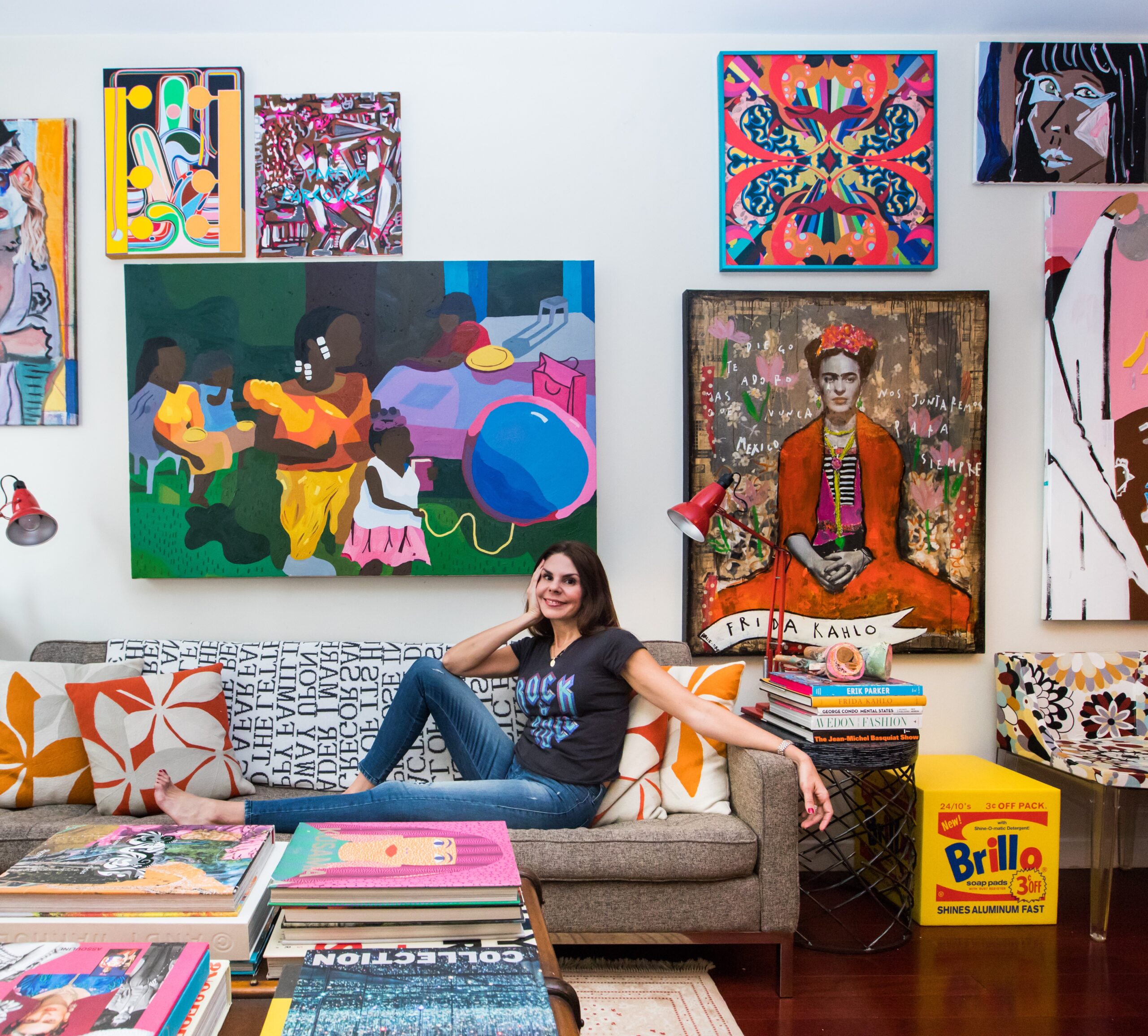
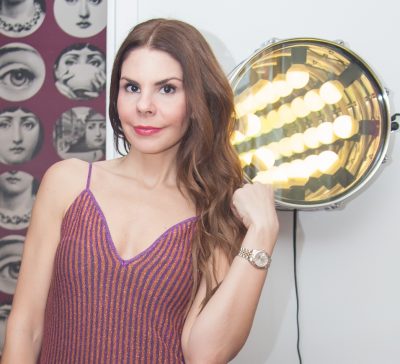
]]>We talk about how she works with artists, galleries, and collectors and why she thinks there has never been a better time to be an artist.
The post The Art Biz ep. 127: She’s the Link Between Artists, Galleries and Collectors with Maria Brito appeared first on Art Biz Success.
]]>

The post The Art Biz ep. 127: She’s the Link Between Artists, Galleries and Collectors with Maria Brito appeared first on Art Biz Success.
]]>Who decides on what to show and when to show it?
Who selects which works of art are next to one another and where to put the labels on the wall or a pedestal on the floor?
Who is the lucky dog who has the the ultimate say on the color to paint the walls?
All of these decisions, and more, fall under the purview of curators in those non-profit spaces.
The post The Art Biz ep. 116: How One Curator Works with Artists at a Regional Art Center with Collin Parson appeared first on Art Biz Success.
]]>Members of the general public enjoy their visits to art centers and museums without much thought as to how the art got into those spaces in the first place.
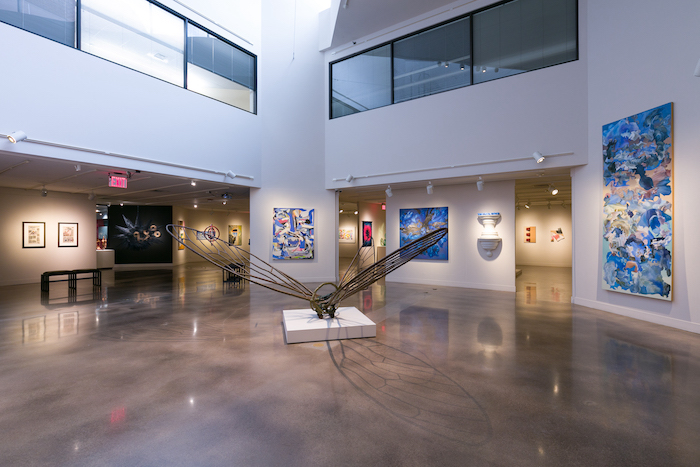
Who decides on what to show and when to show it?
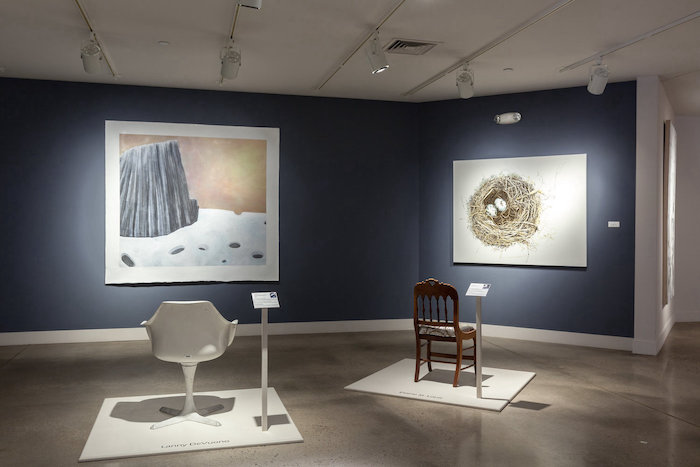
Who selects which works of art are next to one another and where to put the labels on the wall or a pedestal on the floor?
Who is the lucky dog who has the the ultimate say on the color to paint the walls?
All of these decisions, and more, fall under the purview of curators and exhibition directors, sometimes in consultation with exhibition designers, in those non-profit spaces.
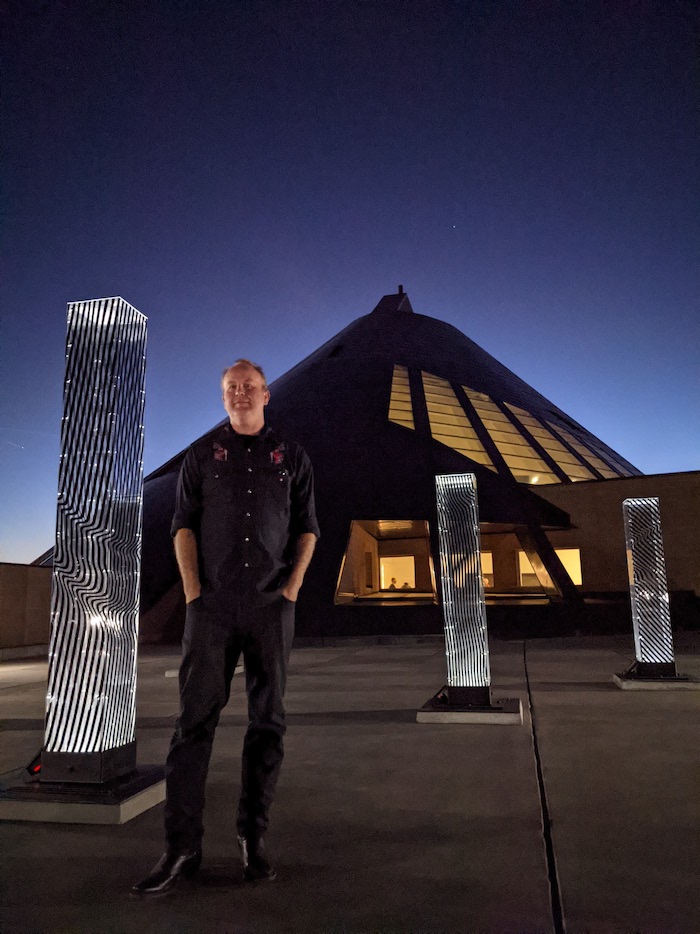
In this episode of The Art Biz podcast I talk with Collin Parson, the Director of Galleries and Curator at the Arvada Center for Arts and Humanities in the Denver suburb of Arvada, Colorado.
Collin, who is also an artist with a robust studio practice, reveals how the exhibition process works at their venue: his timeline, rotating gallery spaces, and the decision makers at the organization.
We also discuss how he selects artists for shows, what makes an artist easy and fun to work with, and why it’s important that artists keep him informed (and how he likes to be kept informed).
If you pay close attention, you’ll pick up on some of the big mistakes he sees artists making—mistakes that are easily fixed.
Highlights
- Collin’s background as an artist and his work as a curator. (1:30)
- Curating a massive space and Collin’s approach to rotating exhibitions. (10:50)
- Scheduling artists into a gallery’s calendar isn’t as simple as it seems. (19:15)
- Why Collin generally doesn’t accept exhibition proposals. (22:52)
- What makes an artist fun to collaborate with? (26:48)
- What Collin wishes every artist would do—and not do. (33:03)
- Studio visits and what curators expect from artists. (38:25)
- Finding inspiration for the most memorable shows. (45:35)
- Details about juried shows and artist rosters. (48:55)
- Balancing curating exhibits, making art, and a personal life. (55:03)
Collin Parson Quotes
- “Work or volunteer at an art center and you will learn so much as an artist about what to do and what not to do.”
- “I always tell artists sometimes you have to be patient. Just let me know you’re out there.”
- “You can remove the ego and just have confidence.”
- “[Curating a show] is a very collaborative process.”
- “You can’t get accepted into exhibits until you put your work out there.”
Mentioned
- Charles Parson
- Arvada Center Galleries and Exhibitions
- Meow Wolf in Denver
- Kirkland Museum of Fine & Decorative Art
- Steve Farland’s warrior chair-sculptures
About My Guest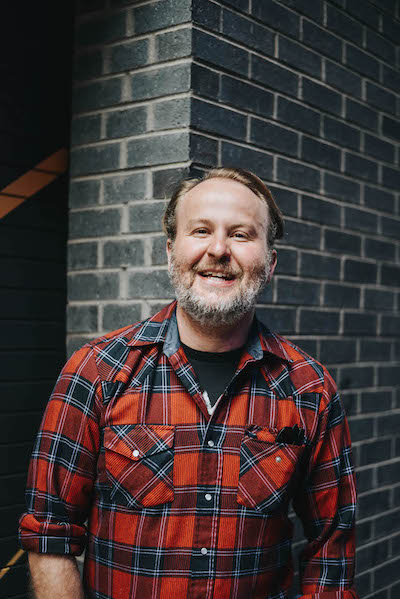
Born and raised in Colorado, Collin Parson currently serves as the Director of Galleries and Curator for the Arvada Center for the Arts and Humanities in Arvada, Colorado, is a former member of the historic Pirate: Contemporary Art cooperative, and is an alumni of RedLine’s artist residency program. An arts administrator, artist, curator, and designer, he received his Bachelor of Fine Arts in Theater Design and Technology with an emphasis in Lighting and Scene Design from CU at Boulder and his MA in Visual Culture and Arts Administration from Regis University.
Follow Collin on Instagram: @collinparson
The post The Art Biz ep. 116: How One Curator Works with Artists at a Regional Art Center with Collin Parson appeared first on Art Biz Success.
]]>