exhibition venues Archives - Art Biz Success https://dy-online.com/tag/exhibit-venues/ Trusted Art Business Coaching and Consulting Thu, 02 Jul 2026 13:40:13 +0000 en-US hourly 1 https://wordpress.org/?v=7.1.4 https://dy-online.com/wp-content/uploads/2022/02/favicon-2-150x150.png exhibition venues Archives - Art Biz Success https://dy-online.com/tag/exhibit-venues/ 32 32 Are you undermining your art’s value? (246) https://dy-online.com/undermining-value/ Thu, 30 Oct 2025 14:25:17 +0000 https://dy-online.com/?p=55608 Where and how you show your art sends signals about its value before anyone looks closely at the work itself. Context shapes perception through venue choices, lighting, labels, and more.

Learn what you can control, what you can't, and how to be strategic about exhibition opportunities to build credibility and command higher prices.

The post Are you undermining your art’s value? (246) appeared first on Art Biz Success.

]]>

Picture this: You walk into a gallery and spot a stunning ocean-blue ceramic vase with a flared opening. About 24 inches high. The craftsmanship is exquisite, the glaze luminous.

And attached to its inside lip? Half a torn sticky note with “$275” scrawled in ballpoint pen.

Not even a whole sticky note! Just a ripped piece of paper stuck to a $275 piece of art. I can’t make it up, so I took a photo to prove it, though I protect the guilty by not sharing it.

That vase deserved better. And so does your art.

Here’s an uncomfortable question: Are you undermining your art’s value without realizing it?

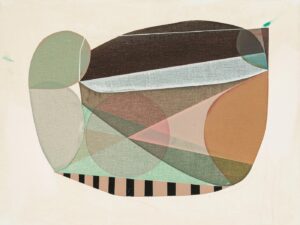
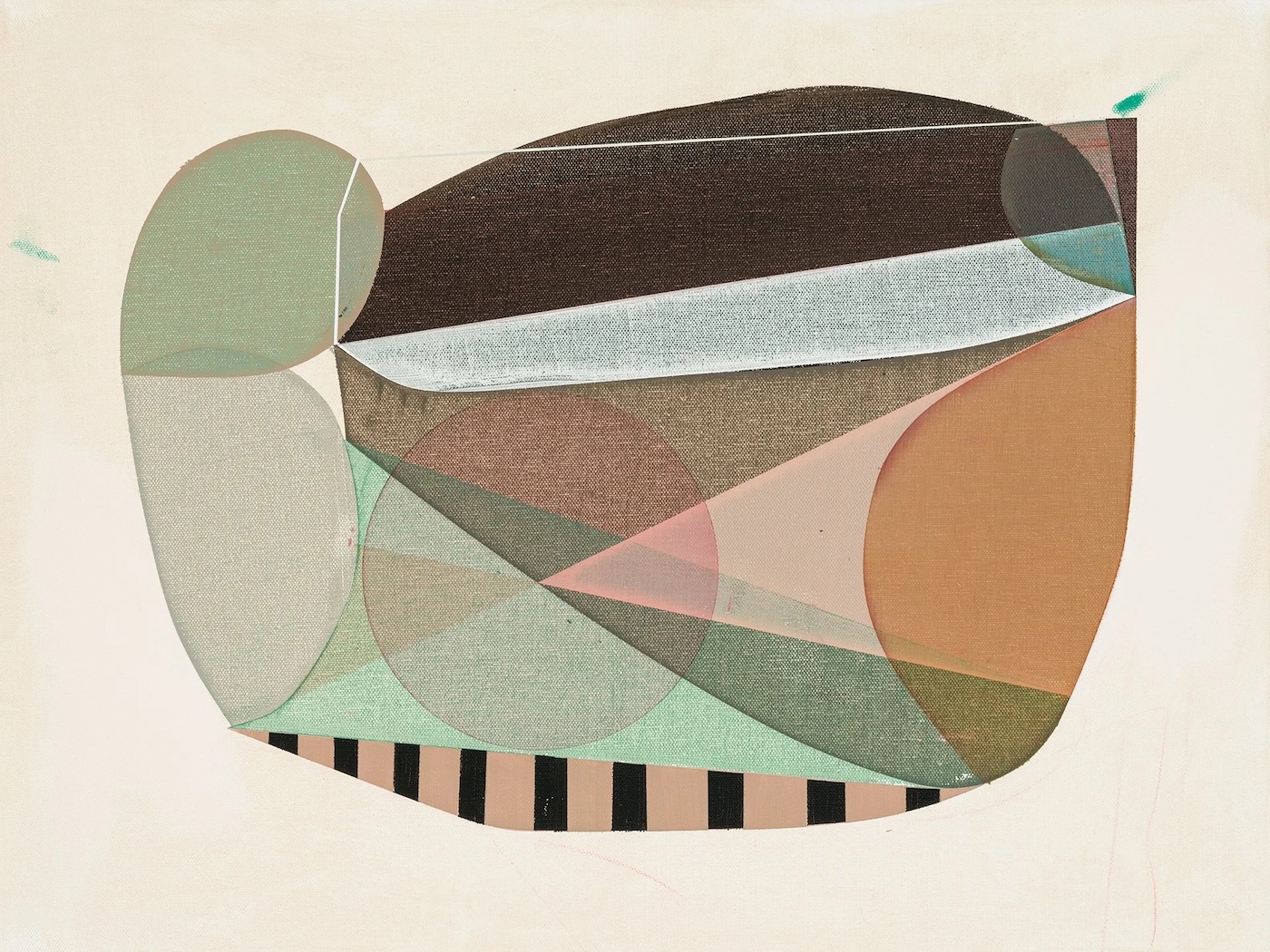
Alyson Khan acrylic painting
©Alyson Khan, Canoe. Acrylic on canvas, 24 x 18 x 1.5 inches.

Workshop: ELEVATE YOUR ART
Museum-Quality Standards That Command Higher Prices

Give me 90 minutes for practical tips and a major mindset adjustment.

Context Shapes Perception

Your art doesn’t exist in a vacuum. When someone sees your work, they’re taking in everything around it: the space, the walls (digital or real), the floor, the lighting, the other art nearby, the label, whether they found you on Instagram or at a museum show.

All of this sends signals about your work’s value before anyone looks closely at the piece itself.

Think about the gravitas of the Mona Lisa hanging behind bulletproof glass in her own special room in the Louvre. That same painting at a yard sale might be easily overlooked.

Or consider the famous Subway Experiment. In 2007, violin virtuoso Joshua Bell posed as a busker with his $3.5 million Stradivarius during rush hour in a Washington, D.C. Metro station. Only seven people stopped in 45 minutes. His open violin case collected a paltry $32, twenty of which came from perhaps the only person who recognized him.

Many people blame the busyness of commuter life. But I side with those who point to context. We expect to hear street artists in the subway, not Joshua freakin’ Bell. We expect to have coffee in coffee shops and see art in galleries. Context isn’t everything, but it’s not nothing either.

Every context either elevates your work or diminishes it.

Listen

Out of Your Hands

Once you’ve said yes to showing somewhere, much is beyond your control. (As you’ll see, you should exert your control before saying yes.)

You can’t control how organizers behave after you’ve committed. You can’t control how they hang your art or whether they feature it up front or in a dark corner. You can’t control their messaging or whether they promote the show at all.

[ See The Venue’s Responsibilities for Your Art Exhibition ]

That sticky note? The artist probably didn’t choose that, but it affected how everyone perceived the work.

You also can’t control who else is in a group show with you. If your work hangs next to pieces that look amateurish or unprofessionally presented, it affects how viewers see yours. You’re judged by the company you keep.

Online, you can’t control algorithms or what work appears around yours in someone’s feed.

This is exactly why what you CAN control matters so much.

Stephen Wright graphite drawing
©Stephen Wright, Elk Study. Graphite on paper, 8 x 10 inches.

What You Can Control

You have more control than you might think.

Choose where you submit. Research venues before saying yes. Visit in person. Check their Instagram and past shows. Talk with artists who’ve participated. Ask yourself: Does this venue align with my prices and goals? Will being here make collectors take me more seriously?

Set your criteria. What are your non-negotiables? Proper lighting? Adequate promotion? Professional communication? Pay attention to how responsive organizers are before you commit.

Raise your standards regardless of venue. Whether it’s a coffee shop or a gallery, your work should be finished properly and hung beautifully. Insist on decent lighting. If labels look sloppy, offer to make them yourself.

Ask for what you need. Get a contract before leaving your art anywhere. Ask about lighting, security measures, and display plans. These aren’t unreasonable requests. They’re the baseline for treating art and artists with respect.

Control your online presence. Choose quality photography. Write compelling descriptions. Include credit lines. Curate which images appear next to each other. On your website, you’re the boss: fonts, colors, image sizes, the story you’re telling about who you are as an artist.

These choices signal that you have standards and take your work seriously.

Workshop: ELEVATE YOUR ART
Museum-Quality Standards That Command Higher Prices

Give me 90 minutes for practical tips and a major mindset adjustment.

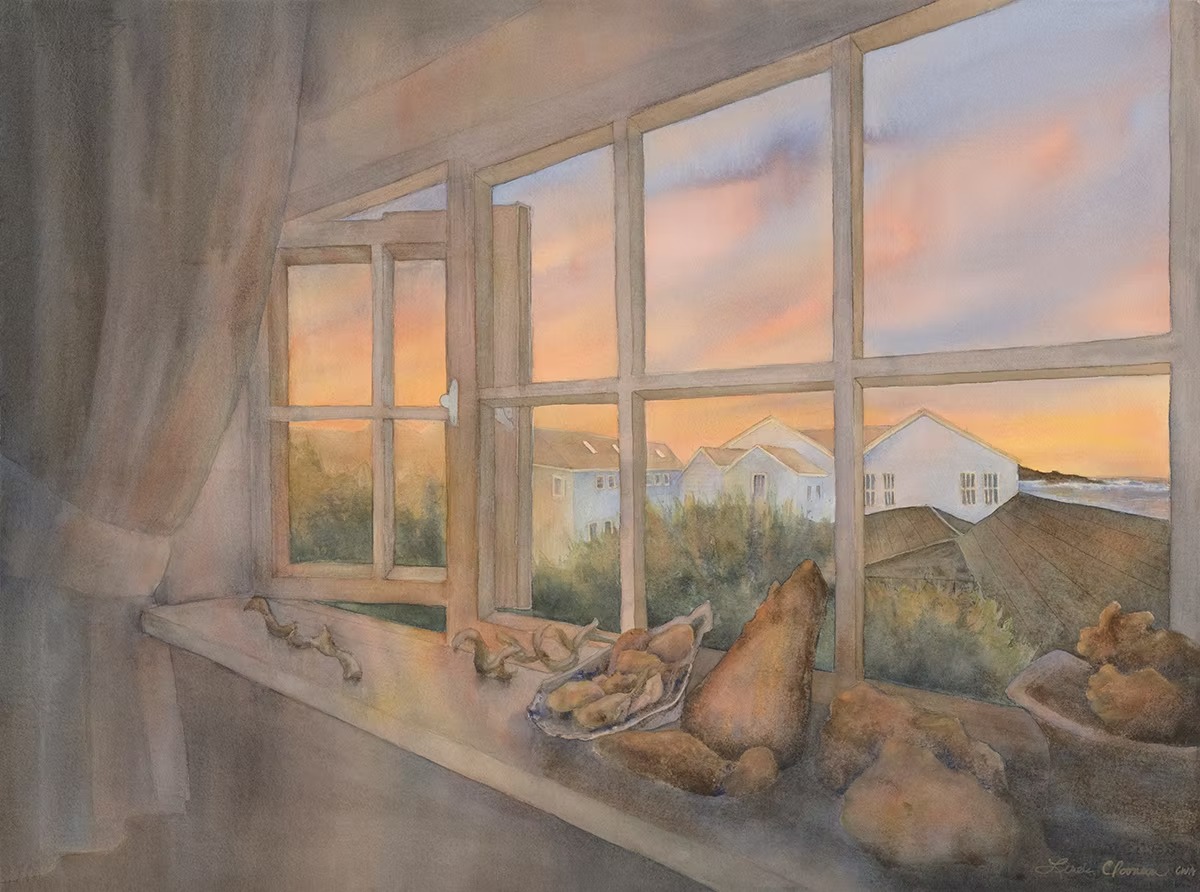
Linda Cloonan watercolor
©Linda Cloonan, Coastal Dawn. Watercolor on paper, 29 x 21 inches.

Aim for the Next Level

Once you understand what you can control, use that knowledge to aim for increasingly prestigious venues.

[ See The Career Journey of Growth-Minded Artists ]

What “prestigious” means depends on where you’re starting. If you’re showing in coffee shops, a juried gallery exhibition is a step up. If you’ve done juried shows for years, a solo gallery show is next. The point isn’t to judge where you are—it’s to keep moving forward.

Too many artists’ resumes look like they’re on repeat: the same organizations, the same juried shows, year after year. It feels safe, but safe doesn’t build momentum or increase prices.

Ask yourself: What’s the next level up from where I am now? What do I need to do to get there?

Start Being Selective Now

You don’t have to wait until you’re established to be selective.

Yes, when starting out, you need experience. You might say yes to opportunities you’d decline later. That’s understandable.

But even early on, choose the best option available. Each choice builds credibility for the next opportunity.

One more time: Context shapes perception. If you want to command higher prices, context matters.

Your selectivity is a form of self-respect. Your art deserves better than a torn Post-It note. It deserves context that honors the work you’ve put into it.

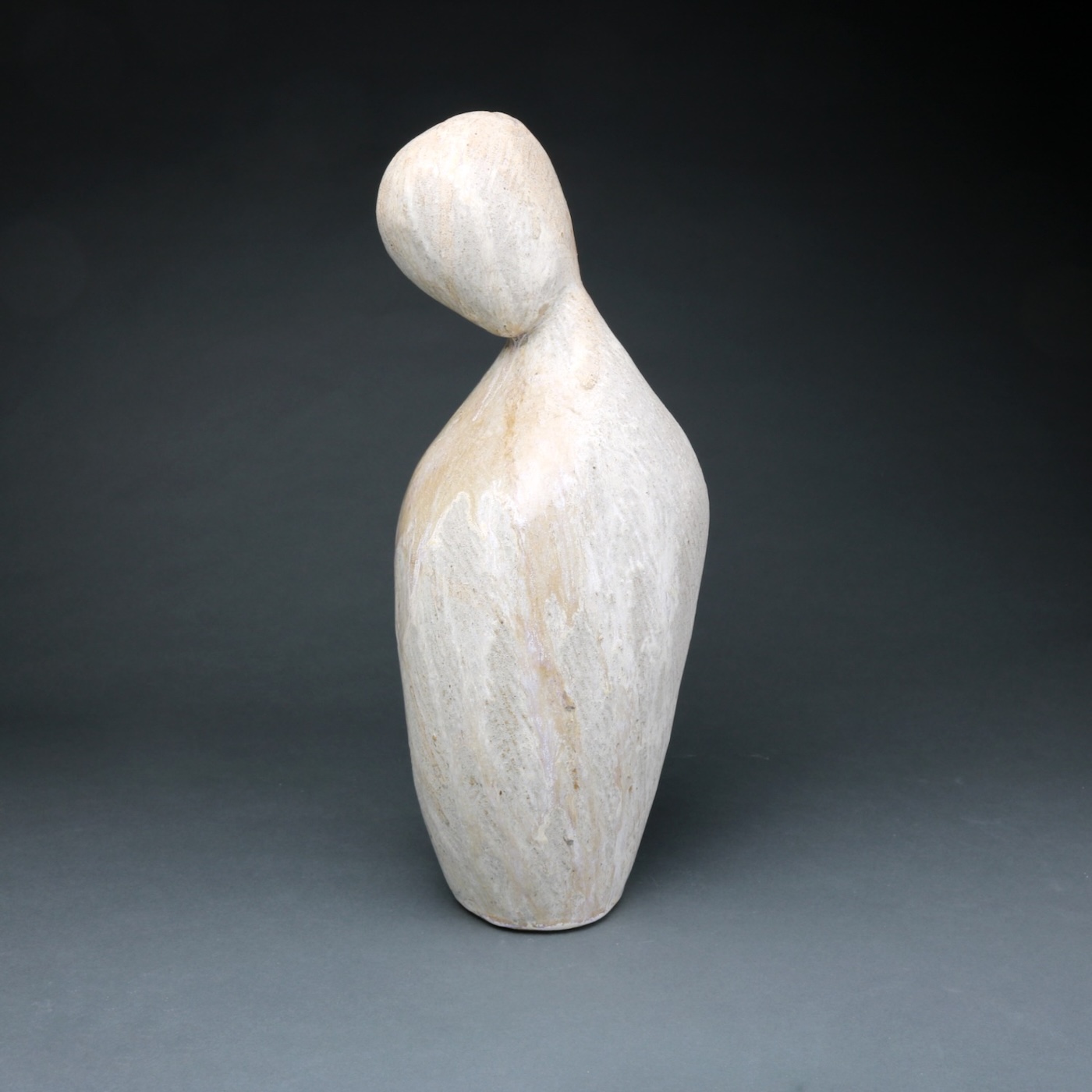
Lisa Hilton sculpture
©Lisa Hilton, Serenity. Clay and glaze, 15.5 x 6.5 x 6 inches.

The post Are you undermining your art’s value? (246) appeared first on Art Biz Success.

]]>
Deliver Happiness at Your Art Openings https://dy-online.com/deliver-happiness/ https://dy-online.com/deliver-happiness/#comments Wed, 20 Aug 2025 22:10:51 +0000 http://artbizsuccess.com/?p=18005 At your opening, it isn’t only your art that’s on display—you are, too. And as the artist, you are a host of the event. Even if the gallery or venue sends the invitations and pours the wine, people are showing up because of you and your art. That makes them your guests. They’ve taken time […]

The post Deliver Happiness at Your Art Openings appeared first on Art Biz Success.

]]>
At your opening, it isn’t only your art that’s on display—you are, too. And as the artist, you are a host of the event.

Even if the gallery or venue sends the invitations and pours the wine, people are showing up because of you and your art. That makes them your guests. They’ve taken time out of their lives, navigated traffic, and chosen your event over countless other options. Your job—as the host—is to make them feel welcome, comfortable, and appreciated.

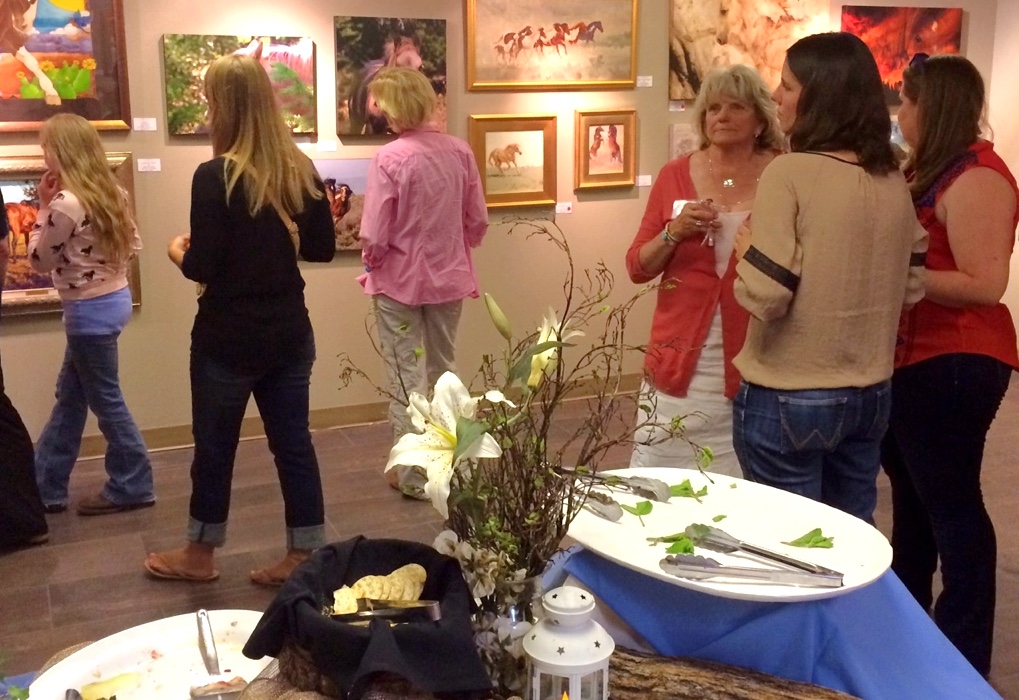
Photo of an art opening
Great turnout for The Cloud Foundation fundraiser in 2014, evidenced by the empty platters.

Openings can be awkward for everyone. Guests don’t always know what to say or where to stand. And for artists, the spotlight can feel overwhelming. But with a little intention, you can ease that tension and create an experience people will remember fondly.

The late Tony Hsieh, founder of Zappos, wrote about this idea in his bestselling book Delivering Happiness. He was talking about customer service, but the title applies just as well to art openings. You’re not only presenting your work—you’re delivering happiness through the way you treat people.

Here are eight ways to do that.

Help Them Get There Stress-Free

Don’t assume everyone knows where to park or how to find the entrance.

A quick note in your invitation or reminder email can ease frustrations before they start. Share parking tips, warn about construction, and point out landmarks that will help them feel confident walking through the door.

Good hosts think about the experience from beginning to end—and that starts before guests even arrive.

Set the Scene

Details matter.

Check that restrooms are clean and easy to find. Make sure there’s a coat rack or designated spot for jackets and bags. If you expect a crowd, add extra seating.

Even if the gallery staff normally handles these things, no one cares more about your guests than you do. Create a simple table display for your promotional materials—business cards, postcards, or even a notebook with details about your work.

That extra effort signals that you’re taking your role as host seriously.

Be Early, Not Fashionably Late

If your opening starts at 6:00, you should be ready to greet people by 5:45. No guests should arrive before you.

As a host, your presence sets the tone. Showing up early ensures you’re calm, prepared, and available to welcome your first arrivals with genuine attention.

Greet and Be Seen

Wear a name tag. Smile. Make the effort to circulate.

You must be seen.

You can’t stand by the door all evening, so ask a friend or family member to act as greeter.

Once you’re mingling, focus on remembering names—say them out loud when you meet someone and repeat them to yourself silently. That extra step goes a long way.

Being a host means making people feel seen and acknowledged, even in small ways.

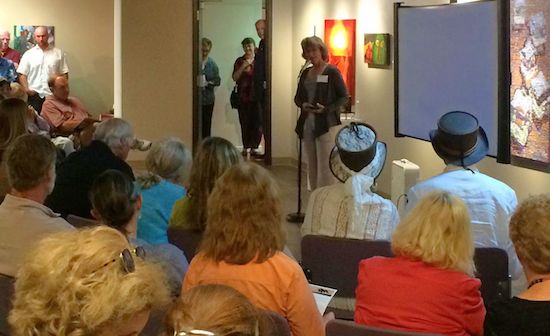
Artist Karen McLain
Artist Karen McLain addresses a standing-room only and overflow crowd at the 2014 fundraiser for The Cloud Foundation, which she worked on for over a year.

Connect People to Each Other

You’re likely the only person in the room who knows everyone. Use that to your guests’ advantage.

Introduce people with something they share in common: “Maria, this is James. You both love plein air painting.”

These small gestures help your guests feel more comfortable and make your event more dynamic.

Hosts don’t just welcome guests—they help them feel like they belong.

Teetotal It

You’re the star of the evening.

Stay sharp, composed, and approachable. A single glass of wine (or none at all) keeps you present.

Remember: no one wants to buy art from an artist who seems tipsy—or worse, spills on them. A gracious host always stays in control.

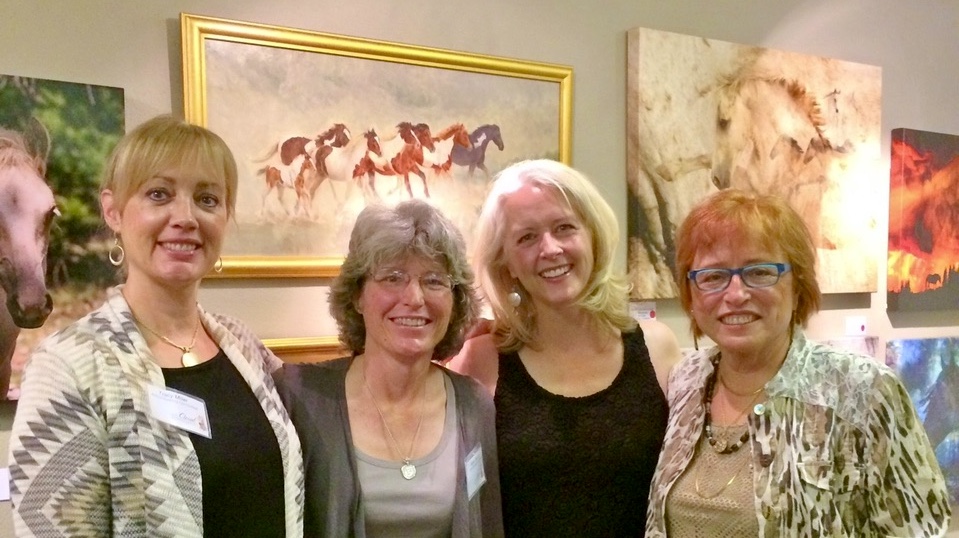
Tracy Miller, Karen McLain, Me, and Carol McIntyre at the opening event for The Cloud Foundation fundraiser in 2014.

Stay the Entire Time

Whether it’s a solo exhibition or group show, you owe it to your audience (and your venue) to be present for the duration.

Guests may plan their evening around arriving later, and they’ll be disappointed if you’ve already left.

Surprise Them With a Gift

If the scale of the event allows, consider sending guests home with a small token—a postcard set, a notecard, or even a modest print.

Not only does this make them feel appreciated, but it also puts your work into more hands, extending the memory of the evening.

Delivering happiness isn’t about grand gestures.

It’s about the small, thoughtful details that make people feel welcome and cared for.

When you do that, your art isn’t just something to look at—it becomes part of an experience they’ll remember fondly and talk about long after the show closes.


This article was first published on August 4, 2014 and has been updated with original comments intact.

The post Deliver Happiness at Your Art Openings appeared first on Art Biz Success.

]]>
https://dy-online.com/deliver-happiness/feed/ 16
The Venue's Responsibilities for Your Art Exhibition https://dy-online.com/venue-responsibilities/ Mon, 08 Jul 2024 11:00:00 +0000 http://artbizsuccess.com/?p=9324 As with any business arrangement, what an art venue agrees to take care for your exhibition will depend on the type of venue.

While non-art venues might leave everything up to the artist, there are certain things you should expect from any art venue. Everything should be discussed and agreed upon in an official signed contract. Here are some things to consider ...

The post The Venue's Responsibilities for Your Art Exhibition appeared first on Art Biz Success.

]]>
As I wrote last week, you have responsibilities for your art exhibition. Now, let’s talk about the venue’s responsibilities for your exhibition.

Business arrangements will depend on the  type of venue.

  • Commercial galleries are set up one way.
  • Museums have a non-commercial relationship with the artist.
  • Co-ops operate within the confines of their member agreements.
  • Art centers will have their own unique missions.
Sarah Sze exhibition at the Nasher Sculpture Center
Sarah Sze exhibition at the Nasher Sculpture Center, 2024.

And many spaces—especially non-art venues —leave everything up to the artist.

There’s nothing wrong with showing art at non-art venues like restaurants, libraries, and bank lobbies. I encourage you to do that.

But the list I share here won’t apply to non-art venues. What you can expect from a non-art space is anyone’s guess! They might have a devoted staff person that knows the ropes or you might be on your own to figure everything out.

Here’s what you should expect from any art venue.

Traditional Art Spaces Should

Sign a contract in timely fashion. If they don’t have such an agreement, it’s up to you to make one up and get a signature.

Don’t ever leave your art anywhere, let alone agree to an entire show, without a signed piece of paper.

Provide proper art handling. If someone besides you is doing the uncrating, installation, and packing, you should be assured that they have adequate training to do the work.

Promote the event on a blog, website, and through social media. If they have their own mailing list, they should be expected to use it for your exhibition as well.

Support you through any events. Regardless of whether the venue is hosting and paying for an event, it should still be supportive of whatever you schedule. If the venue’s staff are invited to the event, they should be delightful to all of the guests and be helpful to you in any way possible.

Maintain a clean, friendly environment. You’re encouraging people to visit their space. The least they can do is sweep the floors, clean the bathroom, and greet visitors.

Ensure security. The extent to which works are insured will, again, depend on the venue. But you should expect that doors are locked, artwork is hung securely, and every precaution is taken to prevent damage or theft.

Notify you of sales. You should be notified promptly when one of your pieces sells – especially if that work needs to be replaced within the space. Not all venues will be able to share the contact information of buyers with you due to their own privacy policies, but they should have notification in place.

Pay you on time. Payment terms should be outlined in any contract. Whenever you’re notified of a sale, mark the payment due date on your calendar and start following up with the venue if it’s not received on time.

[ Make sure you read about your responsibilities to the venue and show. ]

The post The Venue's Responsibilities for Your Art Exhibition appeared first on Art Biz Success.

]]>
The Artist's Responsibilities for Any Exhibition https://dy-online.com/artists-exhibit-responsibilities/ https://dy-online.com/artists-exhibit-responsibilities/#comments Tue, 02 Jul 2024 11:00:00 +0000 http://artbizsuccess.com/?p=9323 As an exhibiting artist, you have key responsibilities regardless of where you show and sell your art.

Never assume that venues (art galleries, nonprofit spaces, co-ops) will do all of the work for you. They have much on their minds and can't give you their full attention.

Here's a list of things to think about.

The post The Artist's Responsibilities for Any Exhibition appeared first on Art Biz Success.

]]>
As an exhibiting artist, you have responsibilities.

Never assume that venues (art galleries, nonprofit spaces, co-ops) will do all of the work for you. Here’s a list of things to consider.

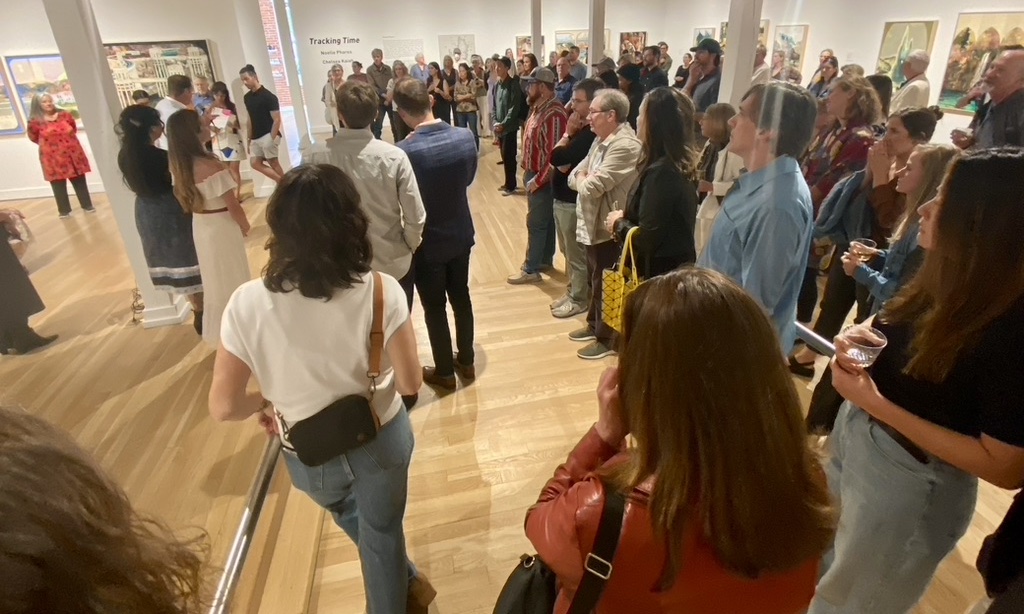
Boulder Museum of Contemporary Art exhibition opening
Noelle Phares exhibition opening at the Boulder Museum of Contemporary Art.

Let's Start With The Basics

Read everything! Details are in the contract, but also in email messages and letters.

Read every word. If formal words don’t exist, make up your own agreement and run it by the venue. People can’t perform up to expectations if they don’t know what those expectations are.

Depending on your contract with the venue, you might be required to pay for part of the reception costs, invitation printing, postage, and/or advertising. I believe it’s a commercial gallery’s responsibility to host the reception, but read your contracts carefully. Many nonprofit spaces are set up differently.

Respond to requests in a timely manner.

Deliver the art on time.

Provide a list of works and prices.

Provide as required: artist statement, bio, résumé, and other label text.

Now A Few Details

Provide clear instructions for installing and shipping your art. Offer to help with installation if necessary.

Show up at the opening on time.

Be delightful at the opening and meet everyone you can. You might think the gallery is the host, but people really came to see your art. They’re your guests.

Drive traffic to the gallery. One of the reasons you show your art in public is to benefit from the venues’ mailing lists. But you can’t rely on it. You must assume some of the responsibility to get people in the door.

Send Thank You notes to anyone who helped you pull it off.

Pick up any unsold artwork on time.

[ Read about the venue’s responsibilities. ]

The post The Artist's Responsibilities for Any Exhibition appeared first on Art Biz Success.

]]>
https://dy-online.com/artists-exhibit-responsibilities/feed/ 13
Leaving gallery representation to reach more art buyers with Adele Sypesteyn (163) https://dy-online.com/sypesteyn-leave-galleries/ Thu, 14 Sep 2023 11:32:00 +0000 https://dy-online.com/?p=45420 Have you ever been so focused on a goal you thought was right for you that you missed opportunities that might have been better?

You just knew that this one direction was the path you needed to take. And you might have ignored that it wasn’t working or didn’t feel like the right fit. Adele Sypesteyn discusses adjustments she has made to her art business over the years.

The post Leaving gallery representation to reach more art buyers with Adele Sypesteyn (163) appeared first on Art Biz Success.

]]>

This episode is a remix of The Art Biz episode 36 from 2019. It is such an inspiring interview that I wanted more people to hear it.

Adele Sypesteyn has been making a living from her art for four decades. In this conversation, she takes us through her journey of selling her art—from the traditional process of applying to galleries to a more strategic approach that involved teaching herself about business and pivoting in the face of economic downturns.

Adele Sypesteyn painting
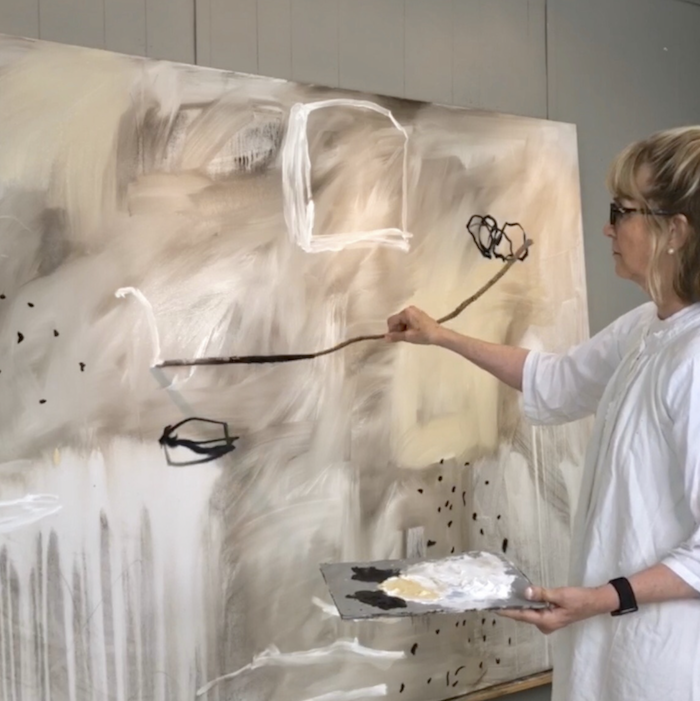
Adele Sypesteyn using one of her favorite tools, her paint brush attached to a branch/stick.

Adele reveals how she transitioned away from galleries to the antique show in Round Top, Texas, where she made excellent connections with hundreds of interior designers.

Adele discussed testing a new concept for teaching art to children and shares her approach to teaching herself about business, especially during the recession.

You’ll hear about how she embraced the concept of viewing her art as a product, combining creativity with research to make her work more marketable.

The people who go into galleries are 1% of the population.
I wanted to reach the other 99%.

Finally, we discuss how Adele adapted her income streams, shifting from relying 100% on gallery sales to focusing on events and online classes. She talks about how she used YouTube as a lead magnet to grow her business and her strategy of connecting with people to learn what they want and need from her art. Market research!

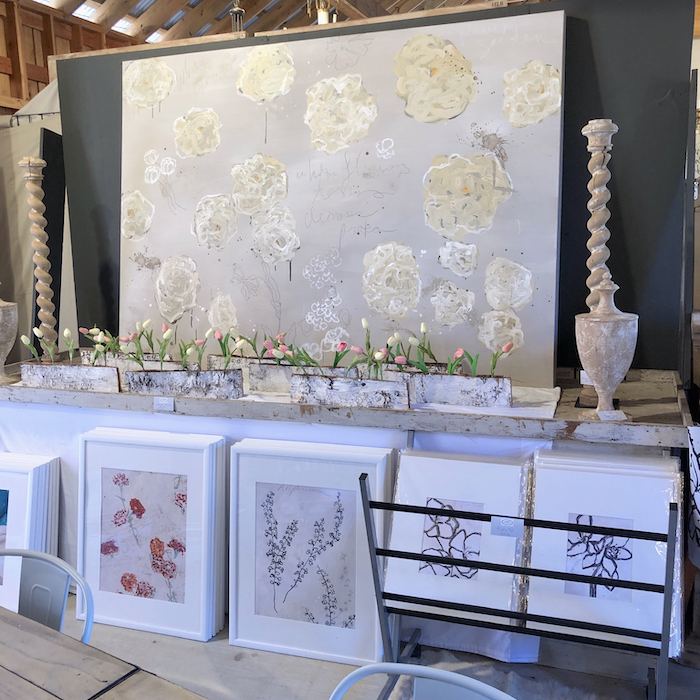
Adele Sypesteyn art booth
©Adele Sypesteyn, White floral painting in her booth at Round Top Antiques Fair. Acrylic and mixed-media on canvas, 6 x 8 feet.

"

Adele Sypesteyn Quotes

“You have to match the gallery with the style you know of what you’re doing. So you have to really do a lot of searching and discovering for yourself as an artist.”

“[The recession] really made me think what can I do? What can I do to work that hard for myself as my business?”

“The people who go into galleries are 1% of the population. I wanted to reach the other 99%.”

“I put all my effort into really being clear about who my market is, which are interior designers, who have, who buy repeatedly because they have clients.”

“I’m 65 years old, I never thought I would be doing a video. I do not like to be in front of the camera, but my passion for teaching, like all I’m focusing on is what I can teach. These tips.”

About Adele Sypesteyn

Artist and instructor Adele SypesteynAdele Sypesteyn is a New Orleans-born artist whose architecturally influenced abstract work is distinguished by multiple layers of texture, color and pattern. She draws inspiration from her surroundings, particularly the weathered walls of New Orleans and elements of nature. Her abstract art combines warm textures with aged patinas and writings, and utilizes her unique technique developed over three decades as a practicing artist.

Adele’s art has been displayed in galleries across the country, and can be spotted in world-class magazines, including Veranda and House Beautiful.

Adele made the decision in early 2019 to focus on expanding her teaching practice and grow it into a major source of income. See her art and get info about learning from her at AdeleSypesteynStudio.com.

Follow her on Instagram: @AdeleSypesteyn

The post Leaving gallery representation to reach more art buyers with Adele Sypesteyn (163) appeared first on Art Biz Success.

]]>
Increasing self-sales by 400% with Sarah Becktel (157) https://dy-online.com/self-sales-becktel/ https://dy-online.com/self-sales-becktel/#comments Thu, 03 Aug 2023 11:59:00 +0000 https://dy-online.com/?p=44542 Sarah Becktel reveals how she increased her self-sales income by 400% by focusing on 5 indoor art fairs per year—all juried or curated—with different price points, up front costs, and markets.

She talks about her strategy for selecting the work each one: one is for only originals, another for only reproductions and products, and the third is a mixture of the two. Sarah also shares wisdom for other artists.

The post Increasing self-sales by 400% with Sarah Becktel (157) appeared first on Art Biz Success.

]]>

Like many artists early in their journeys, Sarah Becktel focused on building her resume after art school. She was painting and showing in increasingly prestigious venues, but not selling a lot.

In this episode of The Art Biz, I talk with Sarah about her sources of income and how she has increased her overall income by 25% in the last 3 years by being very deliberate about where and how she shows her work.

Sarah Becktel oil painting wolf
©Sarah Becktel, OR-28. Oil on panel, 18 x 24 inches.

Sarah does sell through galleries, but she has recently increased her self-sales by 400% putting her effort into 3 specific types of indoor shows each year:

  • One art fair
  • Two fine art and craft shows
  • One holiday artist market

She focuses on shows that are curated or juried because she believes the quality is higher. And sticks with indoor shows as a means of self-preservation. 🙃

You’ll hear Sarah discuss the difference among these, including a general investment for each. She talks about her strategy for selecting the work each show: one venue is for only originals—which she considers her solo exhibition for the year, another for only reproductions and products, and the third is a mixture of the two.

Two pieces of advice Sarah has for other artists:

  1. Think of shows as data points. Don’t focus only on sales, but what you learn from the experience and the relationships you can build.
  2. Consider multiple price points to bring in new customers—even if you make only originals.

[See also: What Is Your Art Business Costing You? ]

Listen

Mentioned

Sarah Becktel art fair booth
Sarah in her art fair booth.

Sarah Becktel Quotes

“Public speaking and talking about your art is a skill you need to develop and keep using to stay sharp.”

“Some of the sales occur because I’m there to tell them the story”

“You want all the people to be following you and connected to you in all the different ways.”

“If they unsubscribe, then they’re not the right person for you.”

“Don’t necessarily decide whether something was a good show or a bad show based on just the amount of money that you made at the show.”

“Not every show is gonna be the right fit for you. Think of it as an opportunity and think of it as a data point.”

“If you’re not planning on putting in the marketing work, developing products aren’t gonna help you.“

About Sarah Becktel

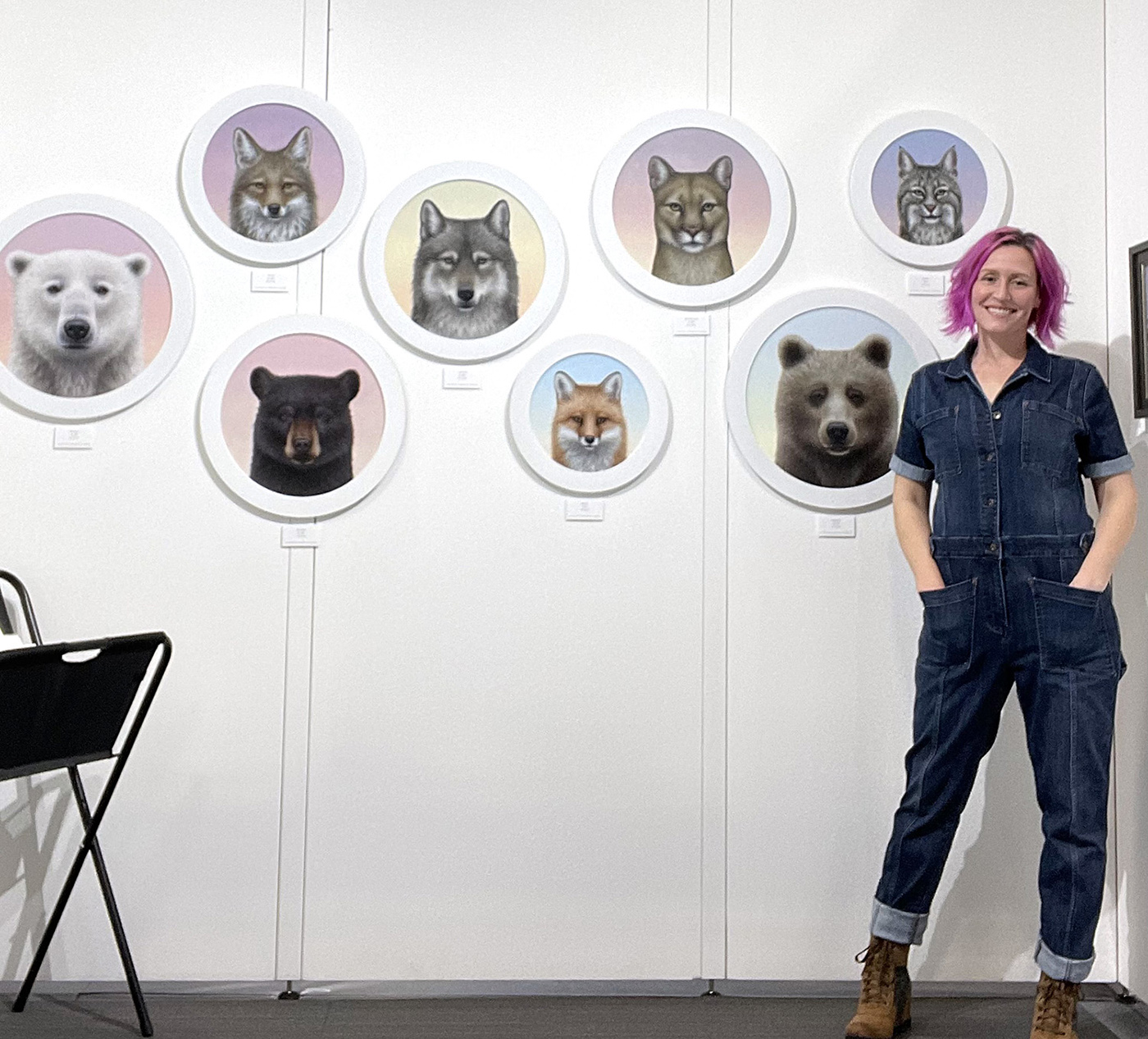
Sarah Becktel makes paintings and drawings that are inspired by wildlife, animal ecology, and natural history. She is interested in exploring how the animal kingdom has intersected with human civilization throughout history, and how we continue to navigate that intersection today.

Becktel has shown her work in solo and group exhibitions throughout the United States and her work is in private collections across the world. She earned her BFA in painting from the Tyler School of Art and continued her studies of representational drawing and painting at multiple locations. Sarah is based at the New Jersey shore and Bozeman, Montana.

Follow her on Instagram @sarahbecktel

Sarah Becktel

The post Increasing self-sales by 400% with Sarah Becktel (157) appeared first on Art Biz Success.

]]>
https://dy-online.com/self-sales-becktel/feed/ 2
The Art Biz ep. 132: Not All Online Galleries are Created Equal with Alex Farkas https://dy-online.com/ugallery-farkas-podcast/ https://dy-online.com/ugallery-farkas-podcast/#comments Wed, 26 Oct 2022 15:30:00 +0000 https://dy-online.com/?p=41076 Plenty of online galleries will happily take your money in exchange for "exposure." UGallery has a different model. They are paid on commission, so they do whatever they can to see that art sells.

This isn't a commercial for UGallery. Instead, I want you to be aware of people and companies who are working hard for artists and doing things the right way.

The post The Art Biz ep. 132: Not All Online Galleries are Created Equal with Alex Farkas appeared first on Art Biz Success.

]]>

Anyone can open up a gallery—real or virtual—and start selling art. I mean anyone.

You don’t have to hold a degree or pass a test. You don’t have to have ethics or morals or know anything at all about art.

Acrylic painting of tropical fruits in bright colors artist Julia Hacker | on Art Biz Success
©Julia Hacker, Between a Rock and a Sky. Acrylic on stretched canvas, 30 x 30 x 1.5 inches. Julia's art can be found on UGallery.

I can’t tell you how many pitches I have received over the years from startup galleries ready to take your money and wanting me to help them sign you up. I passed on 100% of those. (You’re welcome.)

But I am impressed by the services one online space has been providing artists and clients since 2006. 

On this episode of The Art Biz, I’m joined by Alex Farkas, founder of UGallery.com.

I want to be clear that I am not doing a commercial for UGallery. My intention is to show you that there are good people out there who can help you sell your art. Alex and his team are but one of them.

Their business model feels different from many (most) of the other online galleries. They know art. They curate the work so there aren’t thousands of random artists competing for eyeballs.

UGallery is paid on commission, so they only make money if art sells. They invest in marketing to help sell more art. They are looking for relationships with their artists and nurture their artists to help them sell better online.

The focus of UGallery is on painting, but you should listen to their story even if you are not a painter because you need to know that there are people and companies out there who are on your side and doing things the right way.

Listen to the Podcast

📄 This Week's Assignment

Assess where you show and sell your art.

Consider what venues you are (and aren’t) working for and why? How can you find more of the right places?

I can’t recommend highly enough these two blog posts featuring artist Liz Crain who did the eye-opening math for her venues.

And a couple related episodes:

New for 2023: the Art Biz Accelerator

for busy artists who like knowing there is someone nearby to help

OPENING SOON

Highlights

  • The beginnings of the UGallery journey. (2:53)
  • Storytelling to promote UGallery artists and their work. (4:39)
  • Curating art on the website in non-traditional ways. (7:19)
  • The process of finding and connecting with artists. (11:05)
  • Working with artists to help them succeed. (16:10)
  • What is selling at UGallery? (19:09)
  • Finding and marketing to clients. (20:36)
  • Artist to customer—the order fulfillment process. (23:09)
  • Maintaining ecommerce platforms and client relationships. (28:00)
  • Mistakes that many artists make when applying to UGallery. (33:55)
  • Tips for a better online presentation and ecommerce platform. (36:22)
  • What’s coming next for UGallery. (38:30)
blue painting hanging on a white wall in a living room | on Art Biz Success
Art by Mary Pratt installed in a client's home. Image courtesy of Mary Pratt and UGallery.

Alex Farkas Quotes

  • “It’s important that we find ways to combine the old school aspects of a gallery with the new school aspects of the technology that we use.”
  • “We see this as a partnership. We don’t succeed unless the artists succeed.”
  • “Part of the relationship is making sure that artists understand if they put the time and money in upfront, it comes back out later.”
  • “Think about what you’re trying to accomplish and what your goal is, and then work from there.”

About My Guest

Alex Farkas is the Gallery Director of UGallery. His love of art traces back to his hometown, Jerome, a tiny arts community in northern Arizona.

Alex grew up creating sculptures in his uncle’s woodworking studio and learning about the art business in his mother’s gallery. He co-founded UGallery in 2006 with the goal of helping emerging artists connect with patrons.

As one of the first ever online art galleries, UGallery significantly improved the opportunities available for artists. The gallery has been featured in the New York Times, Vogue, and Art in America. He currently lives, and UGallery is based, in San Francisco.

Follow UGallery on Instagram @ugallery

white man with short dark hair and black rimmed glasses Alex Farkas | on Art Biz Success

The post The Art Biz ep. 132: Not All Online Galleries are Created Equal with Alex Farkas appeared first on Art Biz Success.

]]>
https://dy-online.com/ugallery-farkas-podcast/feed/ 3
The Art Biz ep. 129: Seeking Validation and Earning Credibility as an Artist https://dy-online.com/validation-credibility-podcast/ https://dy-online.com/validation-credibility-podcast/#comments Thu, 22 Sep 2022 11:49:00 +0000 https://dy-online.com/?p=40669 Artists crave validation by others. You want your work to be appreciated. This is perfectly normal. You wouldn’t be human if you didn’t.

All of that validation adds to your credibility and must begin in the studio. Ultimately, you need to understand that your work is valid by the mere fact it exists. Outside validation is more likely to come after you find self-validation.

The post The Art Biz ep. 129: Seeking Validation and Earning Credibility as an Artist appeared first on Art Biz Success.

]]>

Artists crave validation by others. You want your work to be appreciated. This is perfectly normal. Absolutely fine. You wouldn’t be human if you didn’t.

I know I crave validation in my work.

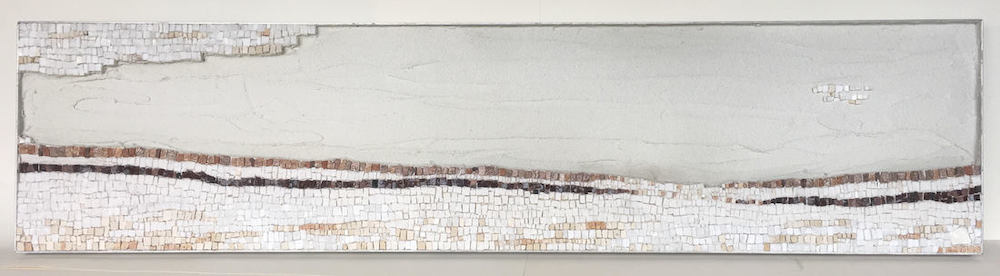
white toned shore landscape Stone and glass tile mosaic artist Sue Giannotti | on Art Biz Success
©Sue Giannotti, A Long Journey 1. Stone, Italian glass, and thinset, 7.75 x 31.75 inches.

Being validated by others helps build confidence. It shows us we’re on the right path, or at least one that is good enough for now.

In Psychology Today, Sherry Gaba writes:

Validation is part of being interdependent and relying on the feedback and encouragement of others around us.  Even very independent people still need validation in some aspects of their life; however, they are also able to accept their own self-validation if they do not get it from someone else.

She continues:

The problem arises when self-validation is not possible or is not valued. In other words, if an individual puts the opinion, approval, or recognition of someone else over their own feelings, they will need that external, other person’s validation on an ongoing basis.

In this episode of the Art Biz,  I talk about validation and earning credibility. 

There are so many directions I can go with this. I hope to provoke discussion, but also to help you realize the many ways it is possible to earn credibility for your art—many of which you will see that you are doing.

Listen to the Podcast

Table of Contents

First, a few definitions.

Validation, self-validation, and credibility: Here’s how I’m distinguishing these terms. 

  • Validation is a stamp of approval you seek from others.
  • Self-validation is recognizing or confirming your own worthiness.
  • Credibility is the level of trust that someone else places in your art. It’s the reason you want that validation, even though it might be a kind of higher-level thinking that hasn’t crossed your mind.

These three terms are entwined. 

For artists, they start with a dedicated studio practice. Without this, it’s hard to project to others, let alone to convince yourself, that you are committed to your work. There are so many, many artists out there today that it’s a stretch to believe you’ll garner serious attention if you are producing sporadically.

Your position as a professional artist is elevated when you shoo away interruptions to your work, decline invitations that interfere with a series or project, and show up when required.

A dedicated studio practice leads to more confidence in your art and that necessary stamp of self-approval before seeking it from anyone else. 

Now let’s go where most of us search for quick validation.

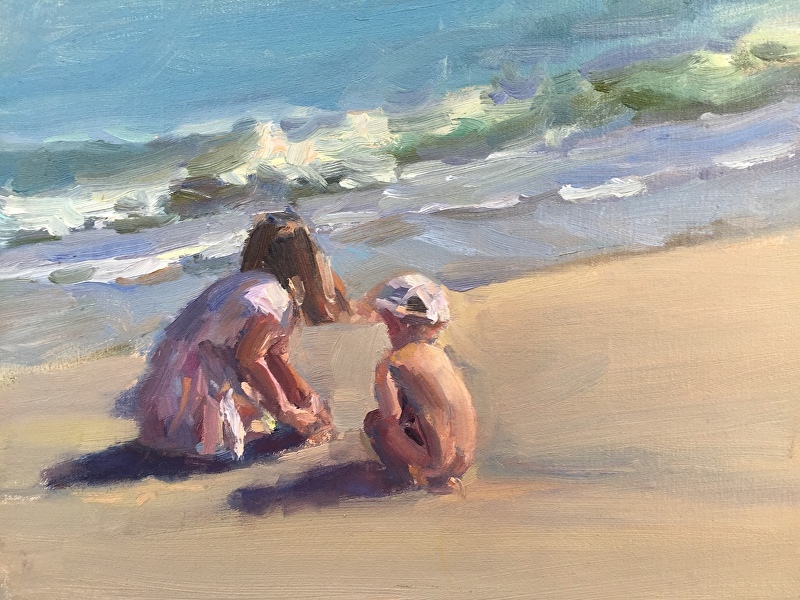
Oil painting of young girl and boy digging in the sand on the beach | on Art Biz Success
©Pratima Rao, Fun on the Beach. Oil on linen, 8 x 10 inches.

Validation from social media.

Or, rather, false validation from social media.

It’s true, and I hate saying this, that the more followers you have, the more likely I am to pay attention to you and your art because others have given you their thumbs up at some point. 

And your social feed is more likely to maintain my attention if it emphasizes art as the center of your life. Art, art, and more art. That’s what I want to see from an artist who seeks reflection and critical attention.

However, we have to acknowledge that there is a false sense of validation from social media. I think Sara Schroeder felt that when she talked about wanting to be “more than an Instagram artist.” She grew her Instagram following quickly and had to take a step (or two) back to contemplate what she really wanted from her art. Listen to my conversation with her in episode 119.

While it feels good to get those followers, likes, comments, and shares on social media, at some point you have to wonder what they all mean. 

Who is doing the following, liking, commenting, and sharing? How are those interactions helping you in the long run? What happens when you don’t get enough likes or comments?

This begs the question: Who are you seeking validation from?

Validation from sales.

For many artists, the ultimate validation is when someone buys your art. 

With the acquisition, the patron is saying that they love the work enough to live with it forever. Or at least for a very long time.

Imagine. I don’t think we celebrate enough the fact that a collector has made a real commitment to our art. We’re always busy looking for the next sale. 

Sales, as you know, aren’t easy to come by. Even some of the best known artists from art history struggled for years, and even a lifetime, to sell their art. This is why it’s important to recognize the many other ways to find validation and earn credibility.

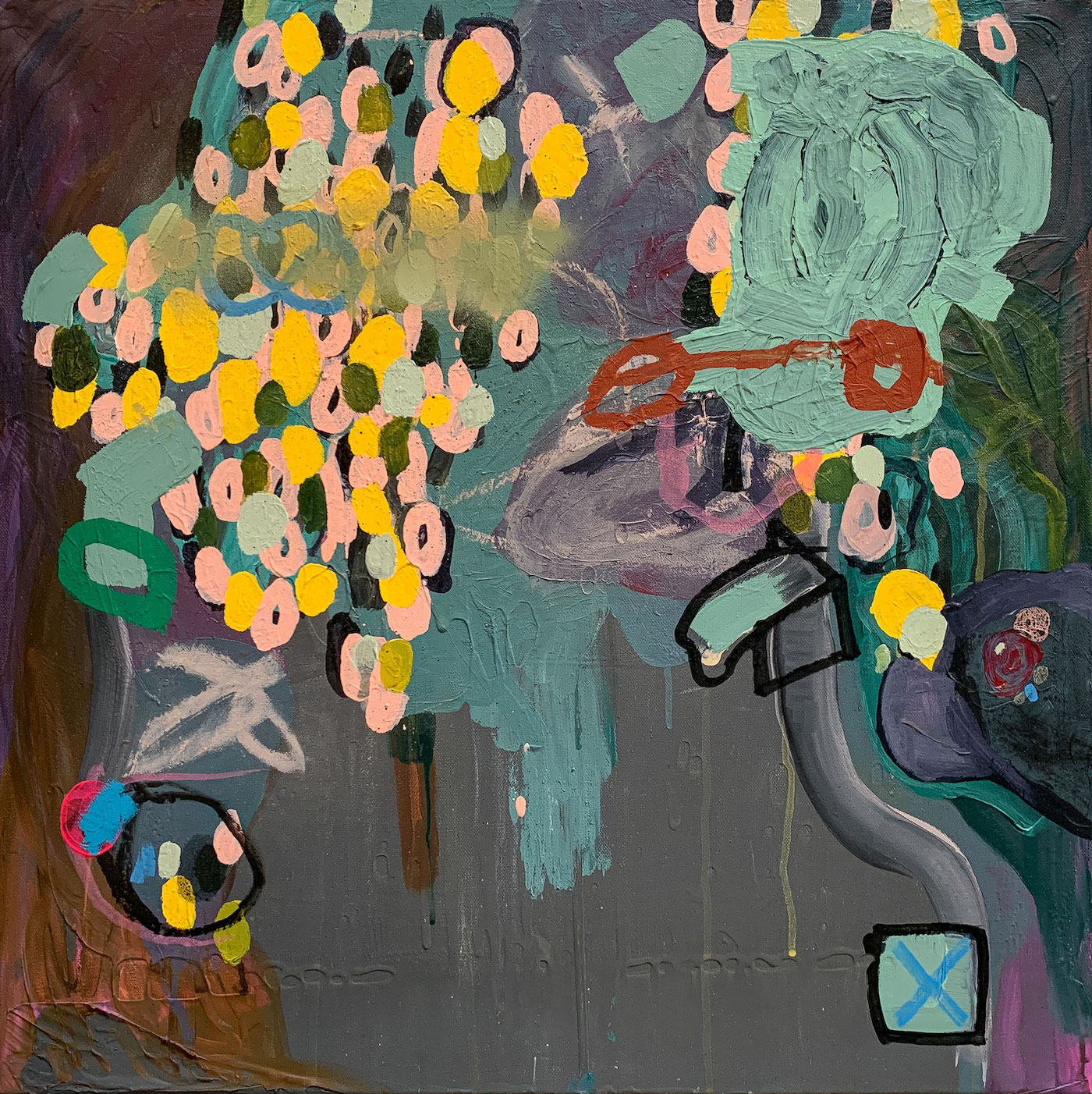
Acrylic painting of yellow and green circular shapes on gray artist Justin W Johns | on Art Biz Success
©Justin W John, SEDUSA. Acrylic, gouache, ink, soft pastel, and spray paint on canvas, 24 x 24 x 1.5 inches.

Validation beyond social media.​

If you’re just looking for a quick sale or new student sign-up, the likes and followers you receive on social media might be enough. 

But when you want staying power … when you want your work to be meaningful … you’re looking for validation from higher levels.

  • You want to be part of shows that curators are organizing.
  • You want gallery representation.
  • You want widely read publications to feature your art.
  • You want to see your art in museum exhibitions and collections.
  • You want more solo exhibitions, including those at museums.
  • You want prestigious art awards from national and international foundations. 
  • You want top collectors to add your work to their list of artists.

All of these were around before social media and they are still desirable for serious artists.

Let’s consider these separately by breaking them down.

Validation from awards.

Artists often seek blue ribbons and juror awards early in their careers.

You’re entering juried competitions and adding experience by seeing your work alongside others. A physical or monetary award means, at least to that juror, that your work stood out among the rest. That feels good!

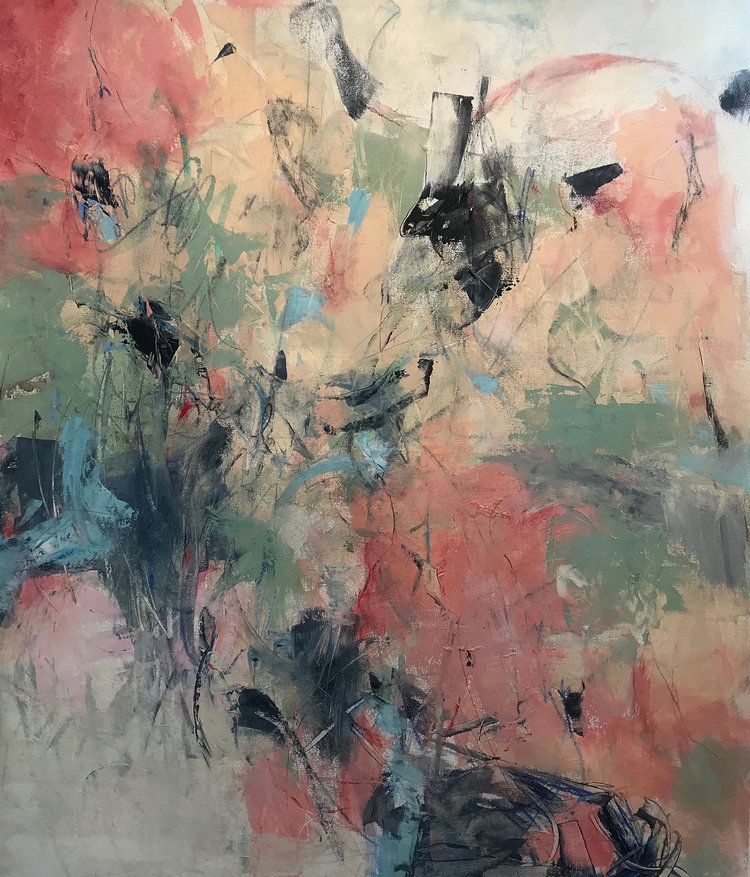
Abstract acrylic painting of soft wash green and pink and yellow with black marks | on Art Biz Success
©Kathy Elliott, A Slight Blush. Acrylic on cradled panel, 33 x 39 x 1.5 inches.

As your career advances, you realize that such awards are not viewed as prestigious to those in the higher levels of the art world.

Other awards, such as grants and paid residencies, which are given by esteemed art organizations and foundations, take over your radar. 

You start looking for these and understanding how they fit with your goals—recognizing their desirability as you add more notches to your resume. 

While you have heard of Pollock-Krasner Foundation or so-called MacArthur genius grants for artists, there are so many other foundations and organizations that exist to help you succeed. 

Listen to my conversation with Louise Mortorano in episode 118 as just one example of the type of local and regional support artists can access. 

Validation from exhibition venues.​

As I said, it is nice to get those ribbons from juried exhibitions early in your career, but in order to advance, you want increasingly prestigious venues to show and sell your art. 

And you start looking for or putting together your own solo shows because they stretch your professional muscles. They force you to look at and think critically about a body of work as a whole.

The pinnacle of sales venues is, of course, the blue chip gallery, which is, realistically, out of reach for the vast majority of artists. Instead, you look for representation by regional galleries and continue to add more until they can support you and you, in turn, can supply them with enough work.

Be sure you listen to episode 123 where I talk with gallerist Jeremy Tessmer about the qualities he looks for in artists. Among the many wise insights that have been remarked on by listeners, Jeremy said, “All of us need each other, and need to be helping people find their way and expanding the art world.”

Of course there are many exhibition venues other than commercial galleries. 

Nonprofit venues, like art centers and small local museums, don’t emphasize sales, but are a valuable stepping stone in artist’s career. I talked with artist and curator Collin Parson about how he works with artists at his regional art center in episode 116. Parson said, “I always tell artists sometimes you have to be patient. Just let me know you’re out there.” 

Of course, the pinnacle of exhibition venues is the art museum whose exhibition program is headed by a scholarly curator. While you might tend to think of only the biggest and most prestigious institutions for showing work, this is short-sighted. 

The last number I have, from the Institute of Museum and Library Services in 2013, counted more than 1500 art museums in the U.S. alone. That’s a lot of potential! And it’s anyone’s guess as to how many galleries and art centers there are. 

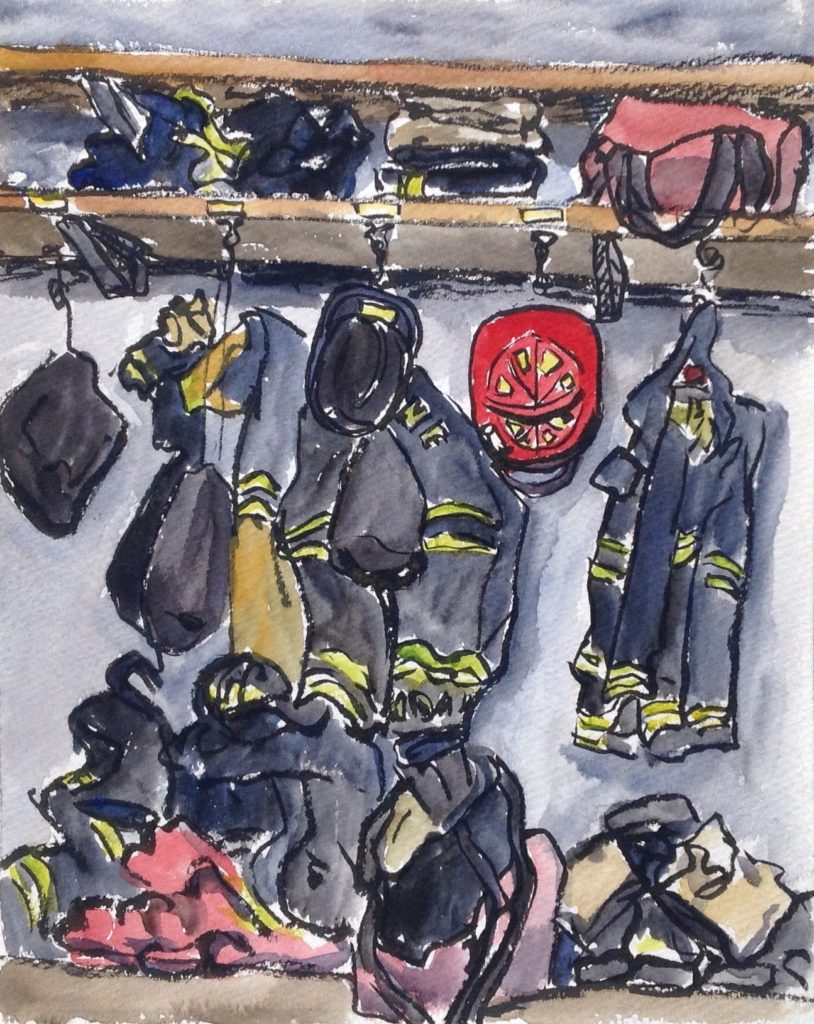
watercolor painting of firefighters uniform handing on wall rack artist Megan Perkins | on Art Biz Success
©Megan Perkins, Fireman Ready Gear. Watercolor and ink on paper, 10 x 8 inches.

Validation from catalogs.

Like a solo exhibition, a catalog shows your work, carefully and thoughtfully selected, in its best light. 

I’m making catalogs a separate category because of the special place they have in the art world.  Gallery, museum, and auction house catalogs are part of a time-honored tradition—documenting the work while giving it close consideration from scholars and critics. 

Traditionally catalogs are tied to exhibitions of your art, but you might also have a catalog of a body of work or highlights from your entire career. 

While it’s wonderful when someone wants to write about your art, you can help them along by writing and speaking about the work yourself.  

It’s perfectly legitimate to throw the work out there without any frame of reference and hope that people get it. But imagine how much easier it is for someone to want to write about your work when you’ve taken the time to articulate the meaning behind what you make.

You can hire art writers to write essays about your work for a catalog. Of course it lends credibility to the work when someone other than you writes about it.

Geoffrey Gorman mentioned the catalog of his art back in episode 124 and I’ve written about what to include and in my book, I’d Rather Be in the Studio.

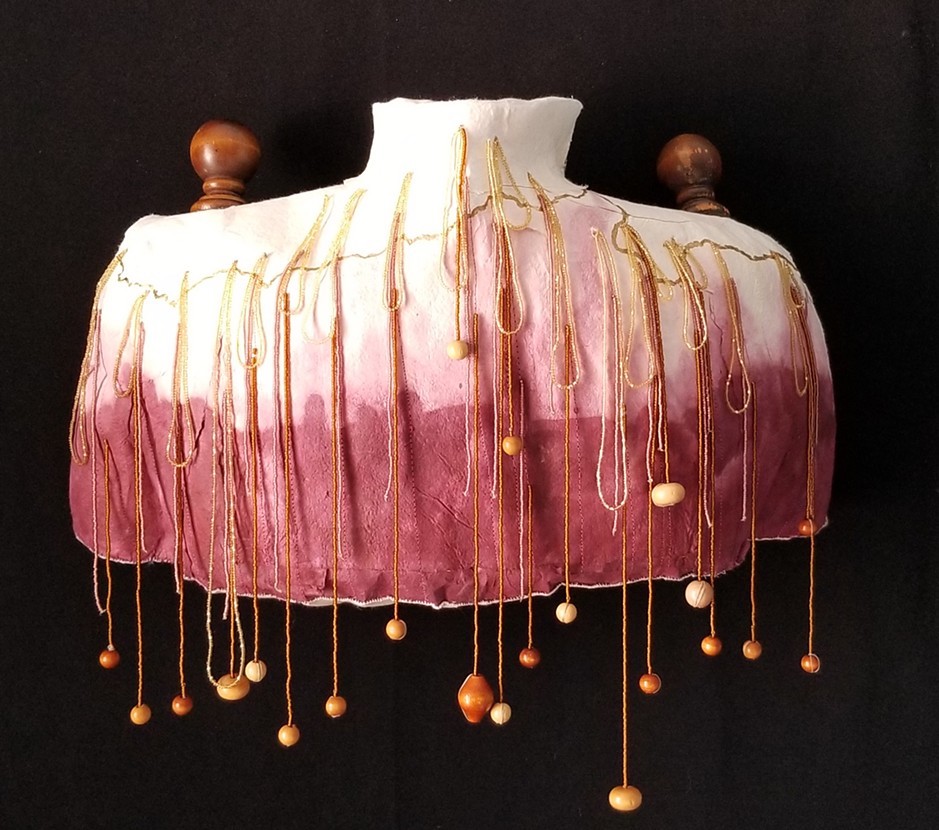
White and pink ombre bust embellished with hanging beads artist Susan Heggestad | on Art Biz Success
©Susan Heggestad, Embellishments: Badge of Honor/Heart on the Sleeve. Beading, stitching, watercolor, and gold pigment on cast paper. 15 x 20 x 5 inches.

Validation from the media.

Being featured in an article or post by someone else is an ego boost, but also instantly enhances your credibility.

Those of us, ahem, of a certain age, are temped to think of the media as newspapers, magazines, radio, and television, but the term media encompasses so much more than that today.

With print publications vanishing, we have to broaden our definition of the media to include digital magazines and blogs as well as podcasts, videos, livestream interviews, and probably more that’s not even on my radar. 

Many artists hire podcast firms to get them booked on podcast shows like this one. While I rarely book a guest suggested by a publicist, I have done it with happy results. 

I’m not saying you need to hire a publicist, but if you have a story that is interesting to others, learn how to write a good podcast pitch. Back in episode 63 I walked through 5 steps for pitching your podcast to me or anyone else. 

Artists who have made great pitches to this podcast and later appeared on the show include Leisa Collins (episode 110) and Lilianne Milgrom, whom I actually talked with about her pitch in episode 87.

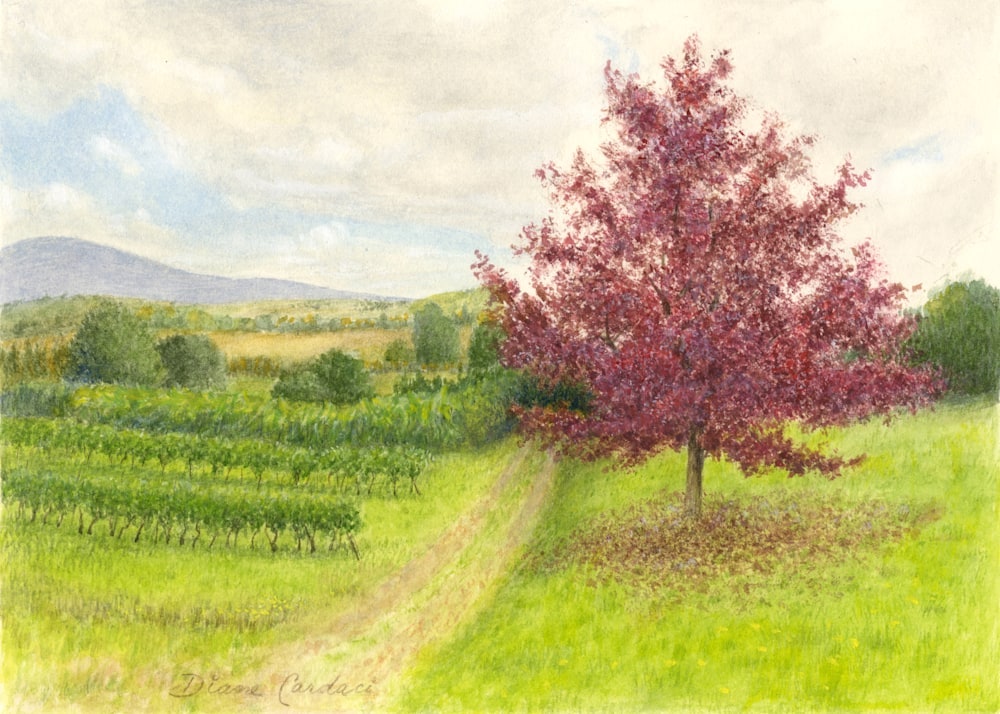
©Diane Cardaci, Autumn Fields Near Lago di Chiusi. Watercolor on archival rag paper, 5 x 7 inches.

Validation from a live audience.

Of course you hope that lots of people will go see your exhibitions, but you feel appreciated and heard when you are interacting with others about your art. 

Maybe you give gallery talks or lectures that provide context for your art. 

Or you do livestreams where people can comment in real time.

Or maybe you teach and discover that your ideas are useful and your teaching methodology is solid, and that you do, indeed, have something to contribute to the world.

Preparing a presentation for a live audience forces you to organize your thoughts, making you look more professional. When you do it regularly, it becomes second nature. You improve. And more people will notice and invite you to share your thoughts on their platforms. More validation. Increased credibility.

Validation from within.​

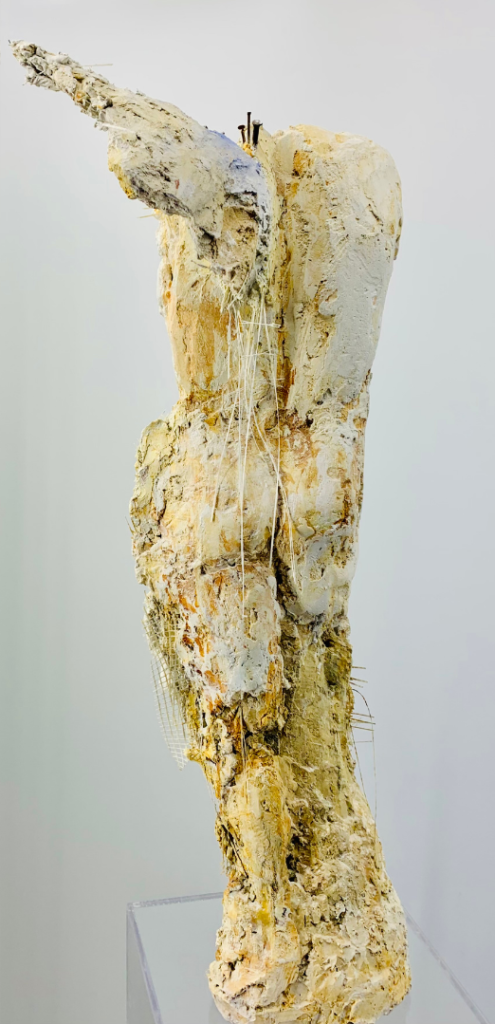
yellow toned human form sculpture fiber and metal | on Art Biz Success
©Donna Zekas, Visible Threads. Patinated Winterstone, metal, nylon, and fibers, 29 x 8 x 5 inches.

All of these ways of finding outside validation for the work you do are legitimate, but my hope is that you find, above all, a high level of self-validation. That you recognize the work you do is valid just for the mere fact that it came into existence from a few art supplies and your imagination.

Others are more likely to pay attention knowing that you value your own work.

I want to wrap this up with a quote from Tony Oursler. It’s from an interview he did with Lauren Harkrader in the book In the Making: Creative Options for Contemporary Art by Linda Weintraub. Oursler says …

I think it’s really important for people to understand that the way the art system is set up, you’re always waiting to be validated from the outside. The biggest struggle in the arts is to realize that you have to validate yourself from the inside. You’re going to be set up for disappointment and failure if you believe that the only way to be a success is to be validated from the outside, because you can’t control that. There’s no way to control the reaction you’re going to get from the world.

The post The Art Biz ep. 129: Seeking Validation and Earning Credibility as an Artist appeared first on Art Biz Success.

]]>
https://dy-online.com/validation-credibility-podcast/feed/ 7
The Art Biz ep. 127: She’s the Link Between Artists, Galleries and Collectors with Maria Brito https://dy-online.com/advisor-brito-podcast/ https://dy-online.com/advisor-brito-podcast/#comments Thu, 25 Aug 2022 09:00:25 +0000 https://dy-online.com/?p=40520 Maria Brito is an advocate for democratizing the art world for artists, and for collectors who might be interested in buying art but aren’t yet ready to spend tens of thousands of dollars.

We talk about how she works with artists, galleries, and collectors and why she thinks there has never been a better time to be an artist.

The post The Art Biz ep. 127: She’s the Link Between Artists, Galleries and Collectors with Maria Brito appeared first on Art Biz Success.

]]>

The art world is notorious for being opaque and aloof.

Art is shown and sold without a price made public and galleries train their salespeople to ignore viewers who enter their sacred space.

It’s enough to discourage most people.

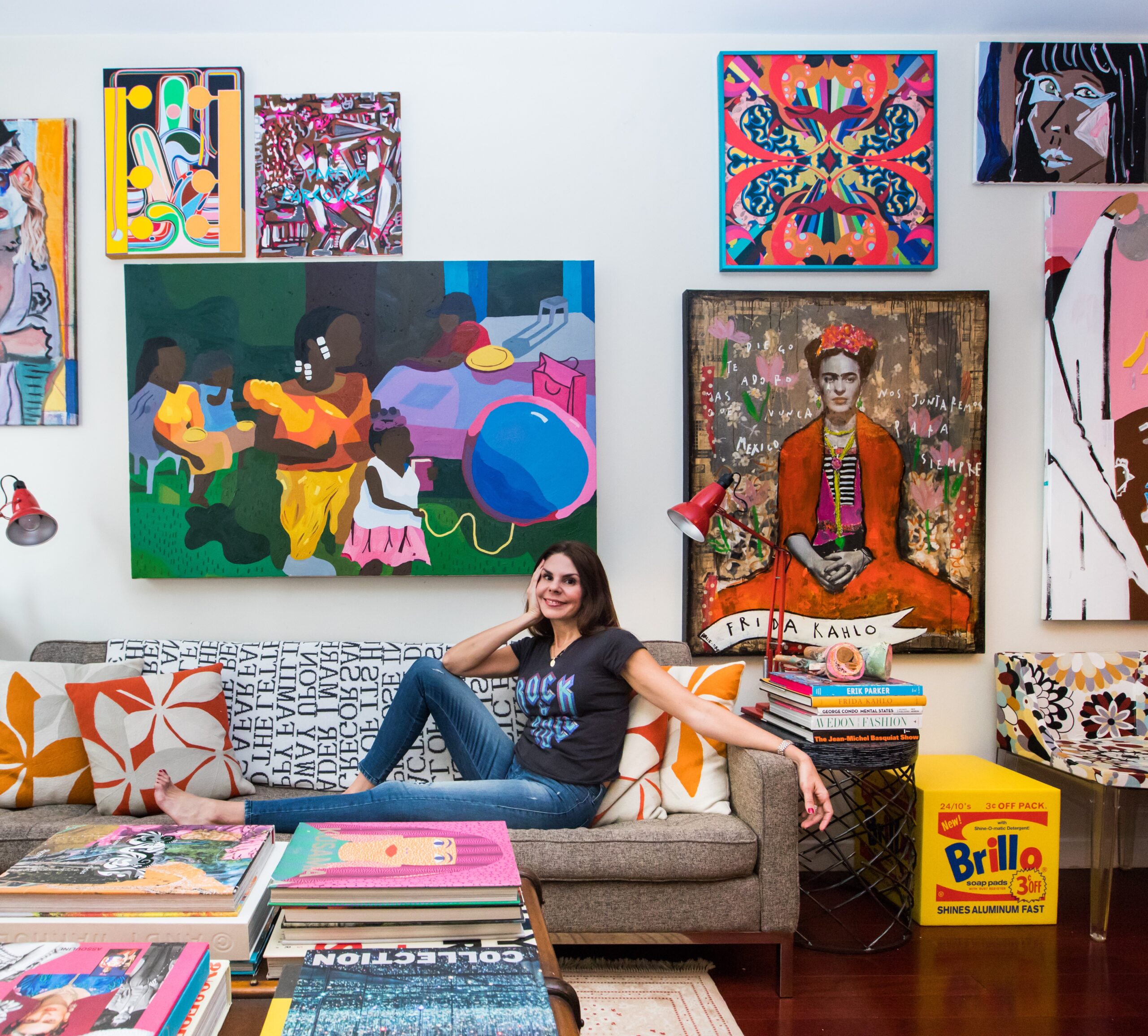
Maria seated on gray couch in front of wall full of colorful artwork
Photo by Peter Koloff.

My guest for this episode of The Art Biz is Maria Brito, award-winning New York-based contemporary art advisor, curator, and bestselling author on the topic of creativity.

Maria is working to demystify the art world for people who might be otherwise intimidated to enter a gallery. She is an advocate for democratizing the art world for artists, and for collectors who might be interested in buying art but aren’t yet ready to spend tens of thousands of dollars.

Maria and I talk about how she works with artists, galleries, and collectors and why she thinks there has never been a better time to be an artist.

You won’t want to miss her tips about Instagram and why you can’t afford to ignore this valuable platform (no matter how much you want to).

Highlights

  • Maria’s career was born from what is missing in the art world. (2:35)
  • Democratizing and demystifying the art world. (6:29)
  • Making your own rules when using the free marketing tools of Instagram. (12:32)
  • There is more than one right way to be an artist. (16:06)
  • Maria’s daily interactions with artists. (19:20)
  • How does Maria decide which artist offerings to pursue? (24:22)
  • The role that a curated Instagram feed plays in discovering artists. (30:24)
  • Additional online details that attract Maria to an artist. (35:27)
  • A look into Maria’s new book How Creativity Rules the World. (40:15)
  • Curiosity and the original artist’s mind. (46:36)

Maria Brito Quotes

  • “One of the things that helped me succeed was that I was so interested in portraying artists in a different light.”
  • “We have to acknowledge that, for the most part, these buckets of technology have definitely helped us democratize and streamline and find clients and find collectors that otherwise would be impossible.”
  • “There hasn’t been a better time in history to be an artist.”
  • “Being able to have control over how you present your message is just a gift.”
  • “Artists have to treat their Instagram account as their own gallery.”
  • “The point of being curious is to find more opportunities.”

Related Episodes

Laurence de Valmy discusses how she boldly reached out to art world influencers.

Art gallery director Jeremy Tessmer talks about what he looks for in artists.

Art center curator Collin Parson on how he works with artists.

Problem solving and the life of an artist with Michael Gadlin.

About My Guest

Maria Brito is an award-winning New York-based contemporary art advisor, curator, and the bestselling author of How Creativity Rules The World. A Harvard graduate, originally from Venezuela, Brito has been selected by Complex Magazine as one of the 20 Power Players in the Art World, and she was named by ARTnews as one of the visionaries who gets to shape the art world. She has written articles to help demystify the art world for numerous business and cultural publications. In 2019, she launched “Jumpstart,” an online program on creativity that has been utilized by over 1000 people ranging from artists to entrepreneurs.

Follow her on Instagram @mariabrito_ny

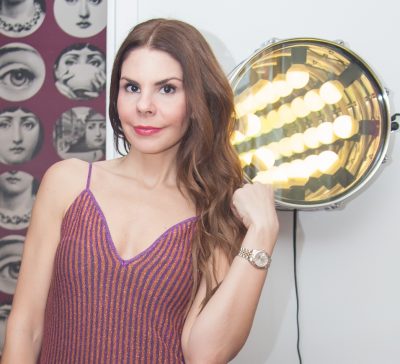
Maria Brito a light skinned woman with long dark brown hair stands by a portrait light

The post The Art Biz ep. 127: She’s the Link Between Artists, Galleries and Collectors with Maria Brito appeared first on Art Biz Success.

]]>
https://dy-online.com/advisor-brito-podcast/feed/ 1
The Art Biz ep. 116: How One Curator Works with Artists at a Regional Art Center with Collin Parson https://dy-online.com/curator-parson-podcast/ https://dy-online.com/curator-parson-podcast/#comments Thu, 24 Feb 2022 14:54:17 +0000 https://dy-online.com/curator-parson-podcast/ Most people enjoy their visits to art centers and museums without much thought as to how the art got into those spaces in the first place.

Who decides on what to show and when to show it?
Who selects which works of art are next to one another and where to put the labels on the wall or a pedestal on the floor?
Who is the lucky dog who has the the ultimate say on the color to paint the walls?

All of these decisions, and more, fall under the purview of curators in those non-profit spaces.

The post The Art Biz ep. 116: How One Curator Works with Artists at a Regional Art Center with Collin Parson appeared first on Art Biz Success.

]]>
Members of the general public enjoy their visits to art centers and museums without much thought as to how the art got into those spaces in the first place.

Art of the State Arvada Center 2022 | on Art Biz Success
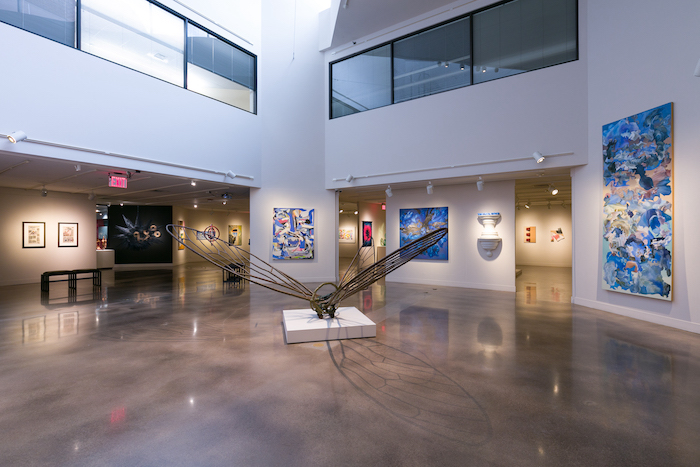
Installation view of the Art of the State 2022 exhibition at the Arvada Center. Photo by Wes Magyar.

Who decides on what to show and when to show it?

Who selects which works of art are next to one another and where to put the labels on the wall or a pedestal on the floor?

Who is the lucky dog who has the the ultimate say on the color to paint the walls?

All of these decisions, and more, fall under the purview of curators and exhibition directors, sometimes in consultation with exhibition designers, in those non-profit spaces.

In this episode of The Art Biz podcast I talk with Collin Parson, the Director of Galleries and Curator at the Arvada Center for Arts and Humanities in the Denver suburb of Arvada, Colorado.

Collin, who is also an artist with a robust studio practice, reveals how the exhibition process works at their venue: his timeline, rotating gallery spaces, and the decision makers at the organization.

We also discuss how he selects artists for shows, what makes an artist easy and fun to work with, and why it’s important that artists keep him informed (and how he likes to be kept informed).

If you pay close attention, you’ll pick up on some of the big mistakes he sees artists making—mistakes that are easily fixed.

artist Collin Parson standing in front of his light sculpture at the University of Wyoming | on Art Biz Success
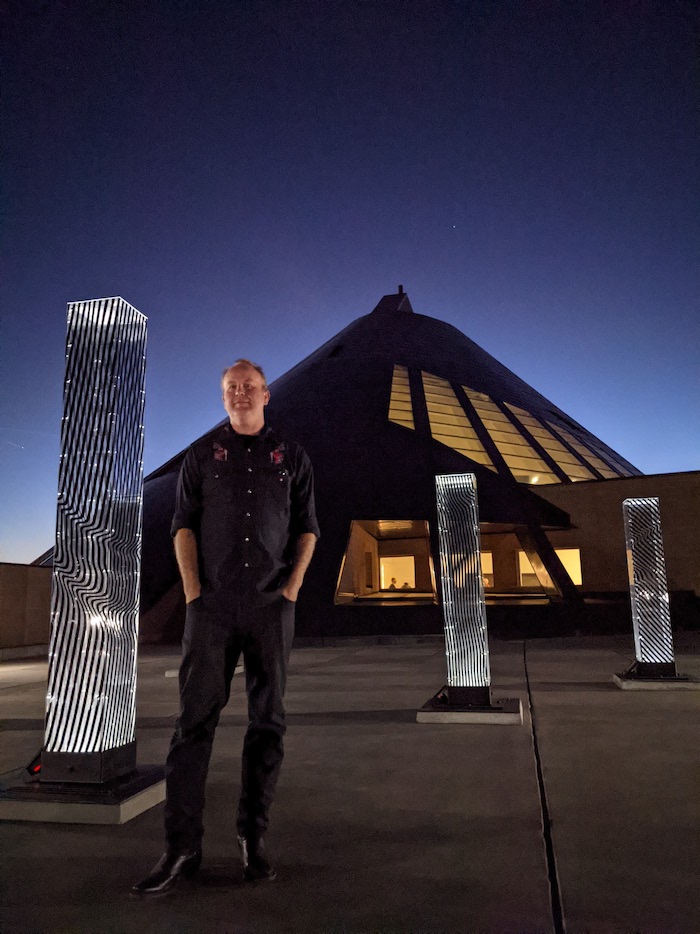
Collin Parson in front of his sculpture installation at the University of Wyoming Art Museum. Photo by Raechel Cook.

Highlights

  • Collin’s background as an artist and his work as a curator. (1:30)
  • Curating a massive space and Collin’s approach to rotating exhibitions. (10:50)
  • Scheduling artists into a gallery’s calendar isn’t as simple as it seems. (19:15)
  • Why Collin generally doesn’t accept exhibition proposals. (22:52)
  • What makes an artist fun to collaborate with? (26:48)
  • What Collin wishes every artist would do—and not do. (33:03)
  • Studio visits and what curators expect from artists. (38:25)
  • Finding inspiration for the most memorable shows. (45:35)
  • Details about juried shows and artist rosters. (48:55)
  • Balancing curating exhibits, making art, and a personal life. (55:03)
exhibition inSITu of artist chairs from studio Arvada Center | on Art Biz Success
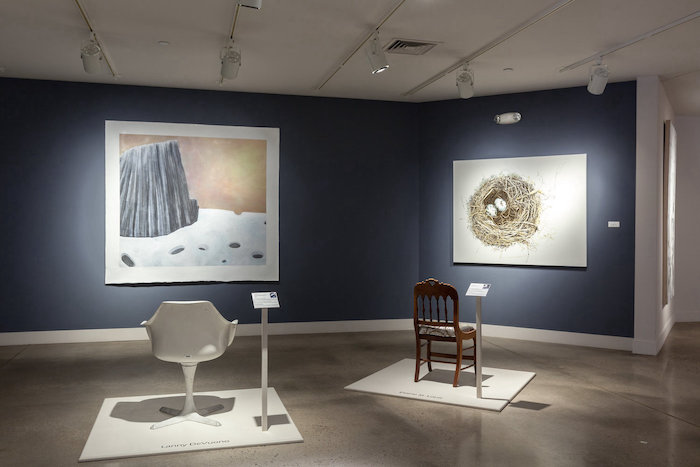
Installation shot of inSITu: From the Artist’s Perspective exhibition (2018) at the Arvada Center. This was one of my favorite shows, as we discuss in the episode. Photo by Wes Magyar.

Collin Parson Quotes

  • “Work or volunteer at an art center and you will learn so much as an artist about what to do and what not to do.”
  • “I always tell artists sometimes you have to be patient. Just let me know you’re out there.” 
  • “You can remove the ego and just have confidence.” 
  • “[Curating a show] is a very collaborative process.” 
  • “You can’t get accepted into exhibits until you put your work out there.”

Mentioned

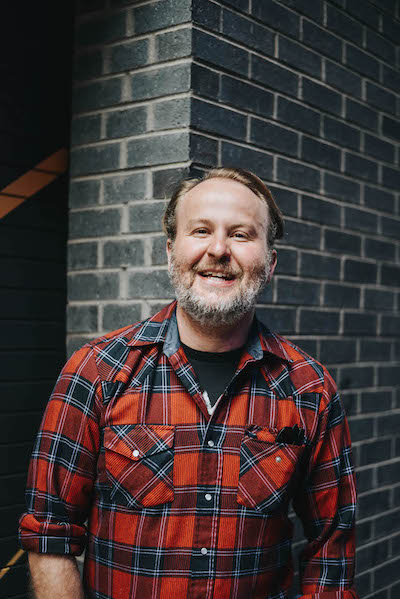
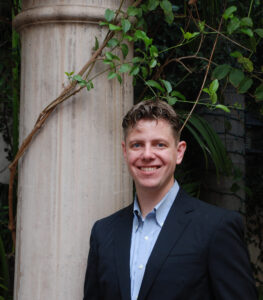
About My Guestartist Collin Parson red plaid shirt smile in front of brick wall| on Art Biz Success

Born and raised in Colorado, Collin Parson currently serves as the Director of Galleries and Curator for the Arvada Center for the Arts and Humanities in Arvada, Colorado, is a former member of the historic Pirate: Contemporary Art cooperative, and is an alumni of RedLine’s artist residency program. An arts administrator, artist, curator, and designer, he received his Bachelor of Fine Arts in Theater Design and Technology with an emphasis in Lighting and Scene Design from CU at Boulder and his MA in Visual Culture and Arts Administration from Regis University.

Follow Collin on Instagram: @collinparson

The post The Art Biz ep. 116: How One Curator Works with Artists at a Regional Art Center with Collin Parson appeared first on Art Biz Success.

]]>
https://dy-online.com/curator-parson-podcast/feed/ 1