galleries Archives - Art Biz Success https://dy-online.com/tag/galleries/ Trusted Art Business Coaching and Consulting Thu, 04 Jun 2026 18:42:30 +0000 en-US hourly 1 https://wordpress.org/?v=7.1.4 https://dy-online.com/wp-content/uploads/2022/02/favicon-2-150x150.png galleries Archives - Art Biz Success https://dy-online.com/tag/galleries/ 32 32 This artist turned 5 partnerships into a sold-put gallery show with Meredith Nemirov (262) https://dy-online.com/sold-out-nemirov/ Thu, 09 Apr 2026 12:22:00 +0000 https://dy-online.com/?p=58668 Getting buy-in for an ambitious exhibition idea means giving people a reason to say yes before you walk in the door.

In this episode, Colorado artist Meredith Nemirov shares how she built a sold-out show by approaching a national nonprofit before she called her gallery, giving collaborators options rather than demands, and activating the show across multiple events. The result was six invested partners and a show that sold out by the end of the summer.

The post This artist turned 5 partnerships into a sold-put gallery show with Meredith Nemirov (262) appeared first on Art Biz Success.

]]>
Getting people to say yes to a big idea is a skill that involves plenty of clarity around your goals. Meredith Nemirov has it.

In episode 262 of The Art Biz, she walks through how she built a sold-out show at Milk Moon Gallery in Telluride, Colorado with five collaborators, raising nearly $10,000 for a national nonprofit. The decisions she made along the way are worth studying.

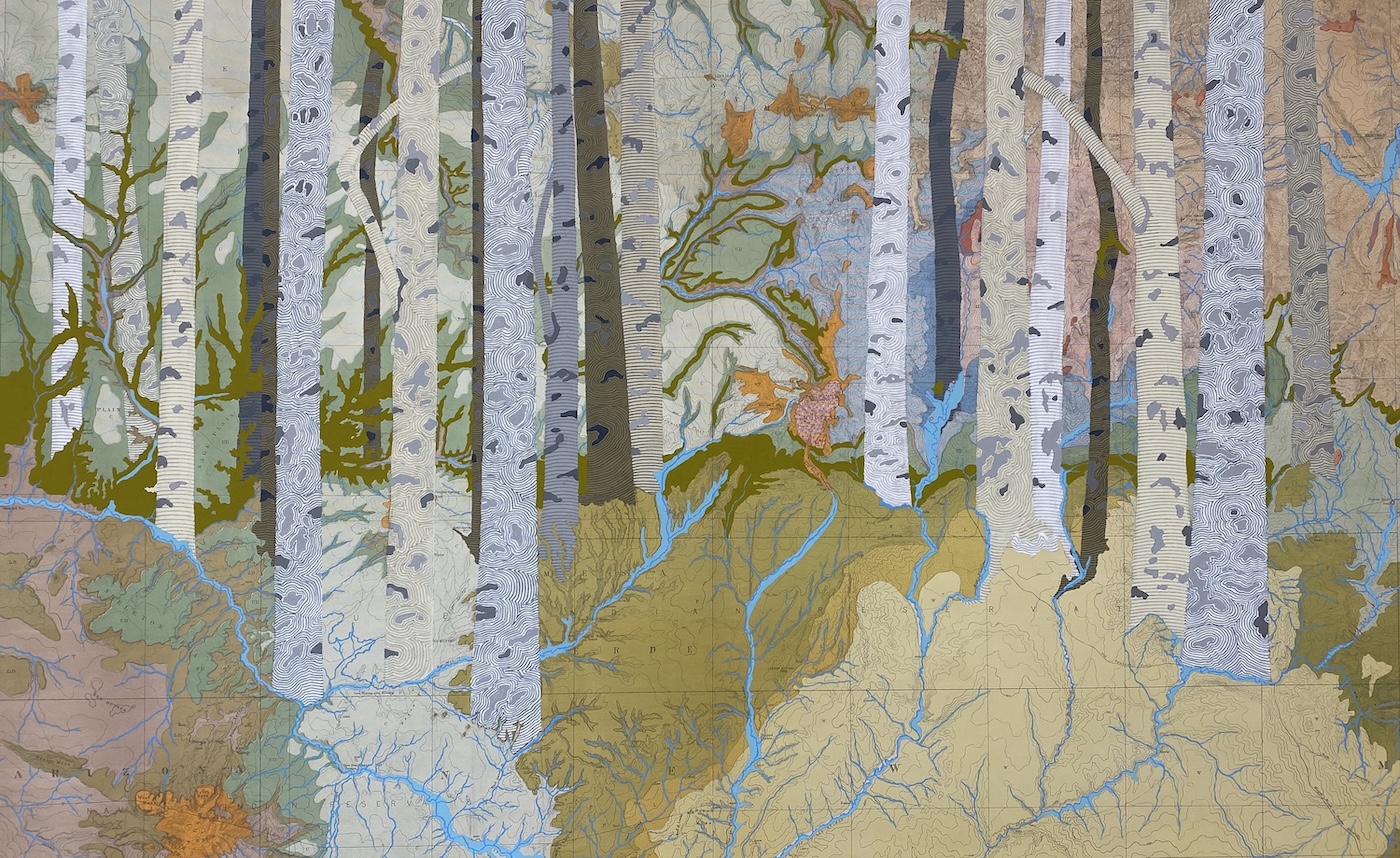
Meredith Nemirov aspen trees painted on top of a vintage topographical map of Colorado with repainted blue waterways
©Meredith Nemirov, S.W. COLORADO AND PARTS OF AZ, NM & UT. Acrylagouache and ink on historic topo map, 22 x 34 inches.

It started with the work.

Meredith had been painting aspen trees onto antique topographical maps for years, filling every waterway with blue to visually rewater (her word) a drought-stricken landscape. The work had a natural connection to environmental advocacy, and that alignment is what made everything else possible. The collaboration didn’t need to be forced because the work already made the case.

She wrote a proposal before she called her gallery.

Meredith approached American Rivers, a national nonprofit, before she brought the idea to Milk Moon Gallery. She wanted to know whether the collaboration was viable before she asked her gallery to commit to it.

The proposal was a page and a half with images. Simple, visual, easy to say yes to.

Give people options, not demands

Rather than presenting one plan and asking for approval, Meredith gave American Rivers three options.

  1. Donate twelve small works for them to use however they wanted.
  2. A show she would bring to their fundraiser.
  3. A full collaborative exhibition in Telluride during Mountainfilm festival.

They chose the third option, which happened to be what she hoped for. But because they chose it, they were invested in it. That distinction matters. When collaborators choose their level of involvement, they become stakeholders in your idea.

Build on existing relationships.

The other collaborators were people Meredith already knew. She didn’t build the collaboration from scratch. She looked at who was already in her orbit and asked whether their work connected to hers. In most cases, the ask was simple because the relationship was already there.

Activate the show more than once.

One opening night is one opportunity. Meredith and her gallery structured the show around two opening events — one during Mountainfilm and another on a First Thursday art walk — plus a separate poetry reading. Each event brought a different audience into the gallery and gave people multiple reasons to come.

Meredith gratefully acknowledges that the gallery staff did a lot of heavy lifting. They visited her studio as a group, spent an evening understanding the full story behind the work, and built their social media strategy from that foundation. 

Any artist would kill for their gallery to feature them so prominently —>

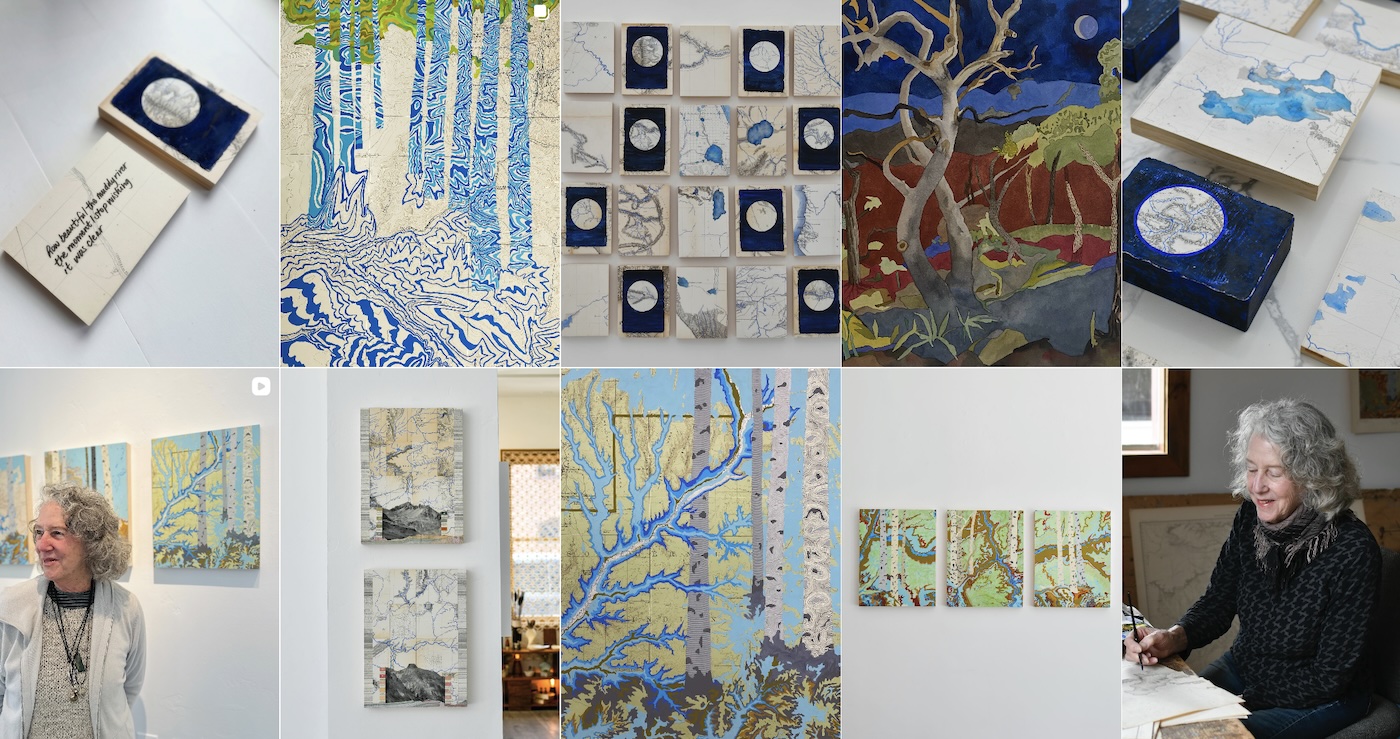
Gallery of images of the gallery during Meredith's show
Highlights from Milk Moon Gallery’s Instagram feed during Meredith's show.

American Rivers promoted the show to their audience as well. By the time people arrived, they already understood what they were walking into.

What she would do differently.

One missed opportunity: a representative from American Rivers was at the opening and never addressed the crowd. Meredith expected a brief talk about the organization’s mission, which didn’t happen. She’d plan for it explicitly next time — not assume it was going to happen.

Busy events move fast, and unplanned moments tend to stay unplanned.

[ Meredith’s show was featured in a beautiful article with photos on the A La Luz blog, a showcase for environmentally engaged artistic practices across disciplines. ]

Listen

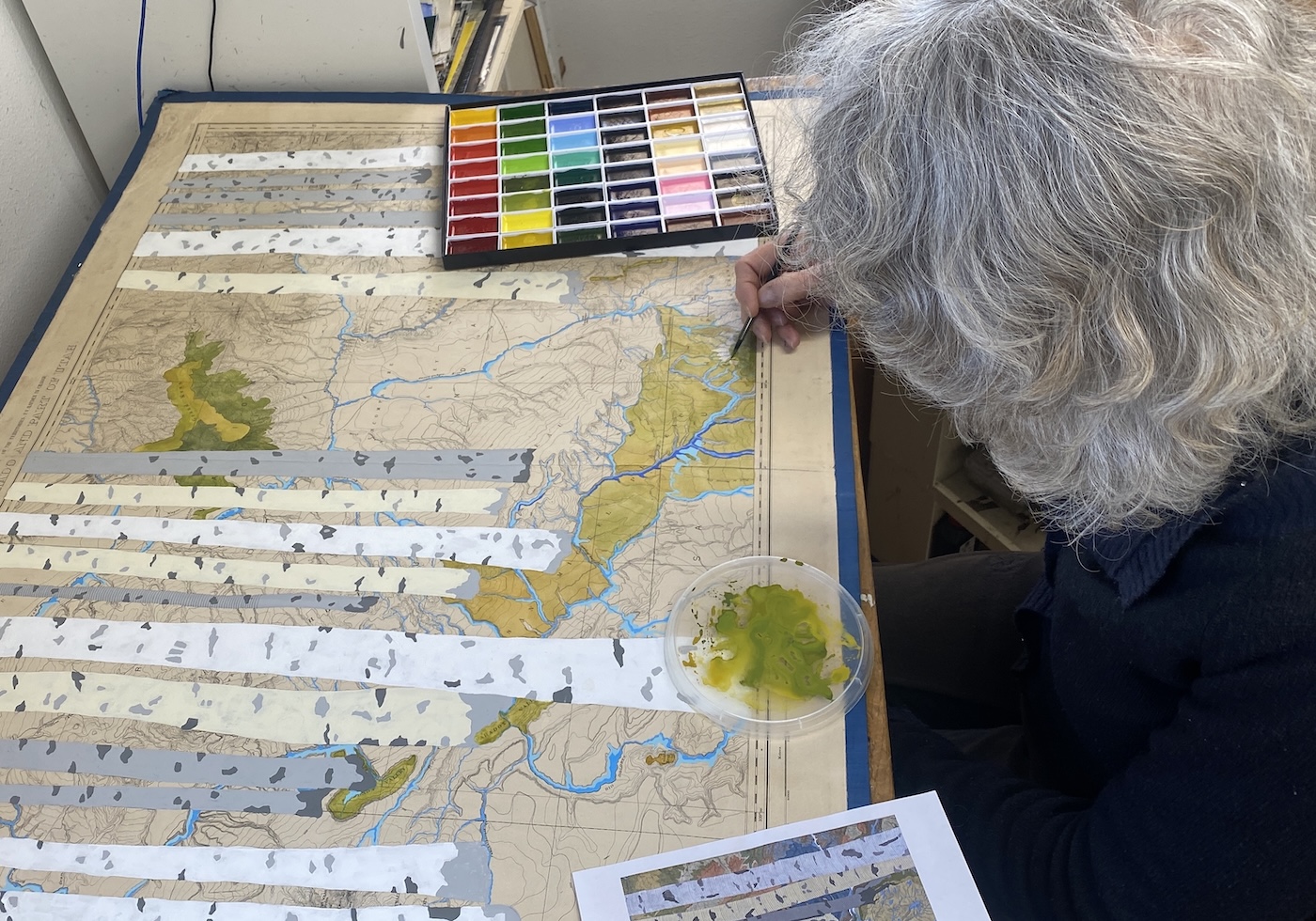
Meredith Nemirov working in her studio
Meredith working in her studio.

Think about your next exhibition and who else belongs in it. Not just who might say yes, but whose mission or work genuinely connects to yours.

The strongest collaborations require noticing what’s already aligned.

Meredith Nemirov Quotes

  • “I felt that I was a vehicle for these [artworks]. I really did.”
  • “I learned that people are approachable.”
  • “It was win, win, win, win, win.”
  • “The four women that work at the gallery did the most amazing social media posts for the show…. They just put their all into it.” (See photo above for evidence.)
  • “I gave them three options to think about. I didn’t just say, I wanna do this.”
  • “I felt a purpose for the pieces.”
  • “All these people were involved and expecting something. That kept my momentum going in the studio. It was something to work towards.”

About Meredith Nemirov

Meredith Nemirov was born in NYC where she studied at The Art Student’s League and received a BFA from Parson’s School of Design. After working as a freelance illustrator for 11 years she moved to a small town in SW Colorado.

Together with her husband they opened the Ridgway Gallery specializing in antique prints, maps and books of the exploration of the American West. After the gallery closed in 1999 Nemirov has been painting and exhibiting her work, and teaching, in the US and Spain. 

Follow Meredith on Instagram: @meredith.nemirov

Photo by JT Thomas

The post This artist turned 5 partnerships into a sold-put gallery show with Meredith Nemirov (262) appeared first on Art Biz Success.

]]>
Mutual Respect Between Artists and Galleries with Katherine Hébert (244) https://dy-online.com/respect-hebert/ Thu, 16 Oct 2025 12:12:00 +0000 https://dy-online.com/?p=55480 Trust between artists and galleries doesn't happen by accident. It's built through clear communication, honest conversations, and shared goals. This episode explores what makes artist-gallery partnerships truly work, from the "dating period" before representation to quarterly check-ins that keep relationships strong.

Discover why contracts are a must, how to ask for what you need without feeling pushy, and what galleries wish artists understood about the work they do every day.

The post Mutual Respect Between Artists and Galleries with Katherine Hébert (244) appeared first on Art Biz Success.

]]>
How can you establish a long-term profitable relationship with a gallery from the get-go?

When you hand over your work to a gallery, you’re trusting them with something deeply personal. You hope they’ll represent you well, that they’ll communicate clearly, and that they’ll sell your art with care.

But that kind of trust doesn’t just happen. It’s earned through mutual respect and consistent communication.

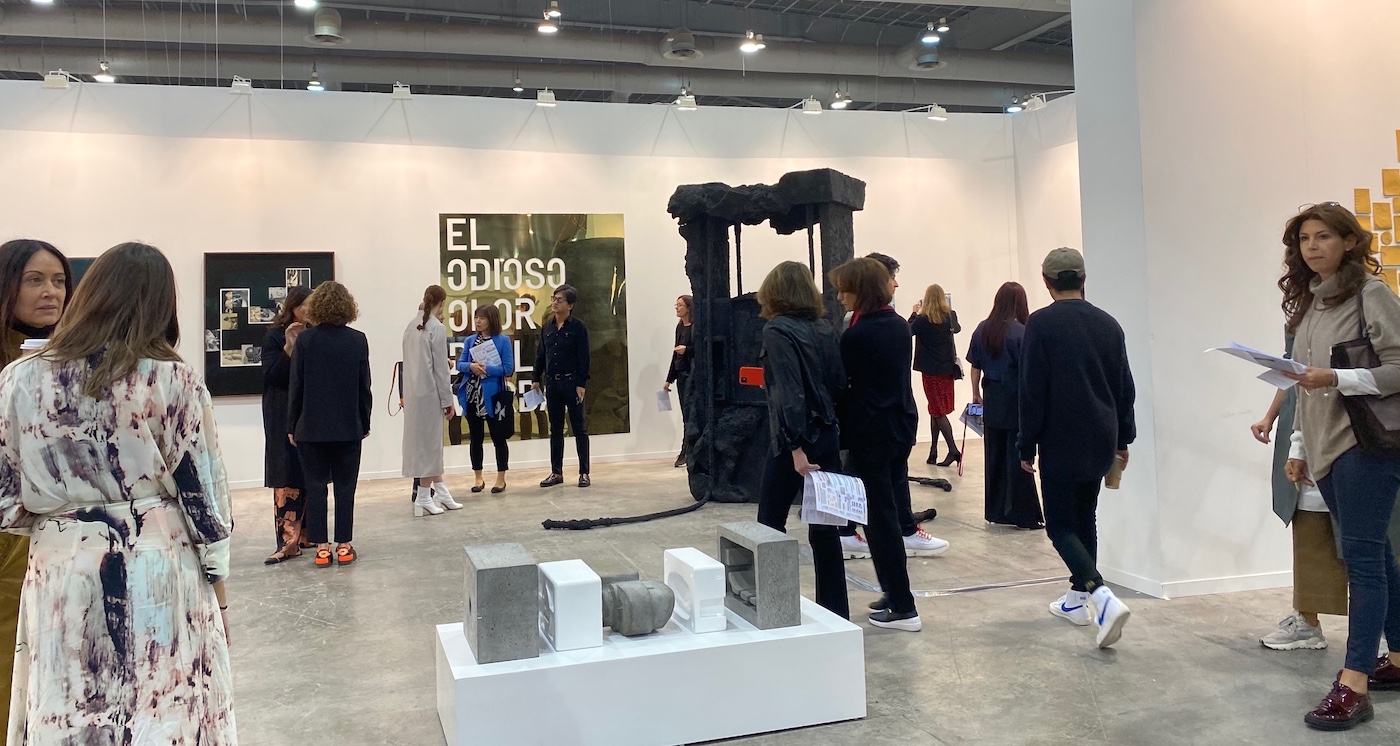
Katherine Hébert at international art fair
A view of Mexico City’s Zona Maco (aka ZsONAMACO) international art fair. Photo courtesy Katherine Hébert.

That’s what my guest, Katherine Hébert, and I talk about in this episode of The Art Biz. Katherine has a rare perspective, having worked closely with both artists and gallerists. She knows what happens when communication breaks down, and what it looks like when partnerships truly work.

The small and mid-size galleries she works with as a consultant and founder of Gallery Fuel are passionate about art and want to do right by the artists they represent. But passion alone isn’t enough to sustain a business or a relationship. Both sides need to show up professionally, communicate honestly, and understand what the other is trying to achieve.

In this conversation, you’ll discover:

  • Why the “dating period” before gallery representation matters as much as the relationship itself.
  • How to ask for regular quarterly check-ins without feeling pushy (and what to do if your gallery says no).
  • The communication missteps that undermine trust on both sides, and how to avoid them.
  • Why post-show reviews strengthen partnerships more than any other touchpoint.
  • What galleries wish artists understood about the stories they have to tell every day.
  • How younger collectors are changing what galleries need from their artists.

This isn’t just about fixing broken relationships. It’s about building ones that actually work from day one—with clear expectations, mutual goals, and the kind of collaboration that helps both your careers grow.

Whether you’re represented by a gallery, considering your first partnership, or wondering if it’s time to reset expectations in a current relationship, this episode will give you new ways to think about how you work with others.

Your art career will be stronger when mutual respect is at the center of every relationship. 

Listen

If you’re working with a gallery, reach out and ask for a quarterly check-in. If you’re seeking representation, contact one gallery on your wishlist and ask a thoughtful question about their vision.

Strong partnerships are built through showing up, not just waiting to be chosen.

Katherine Hébert Quotes

“The gallery cannot exist without the artists. Just that alone should make an artist feel empowered.”

“I would not enter into a relationship as an artist with a gallery if there was not a contract. No way. Not in this day and age.”

“Make sure that that contract is mutually beneficial. It is in place to protect the artist as much as it is to protect the gallery.”

“To be successful, you need to understand each other’s goals. If you don’t discuss those things upfront, establishing trust is going to be much more difficult.”

“A power dynamic can develop when communication breaks down. It has to be a partnership—both sides working toward the same goals.”

“[The galleries] have two clients—their artists and their buyers. That’s a lot of narratives to manage every day.”

“The gallery can’t exist without the artists, and artists hold more power than they sometimes realize. Asking questions only proves your professionalism.”

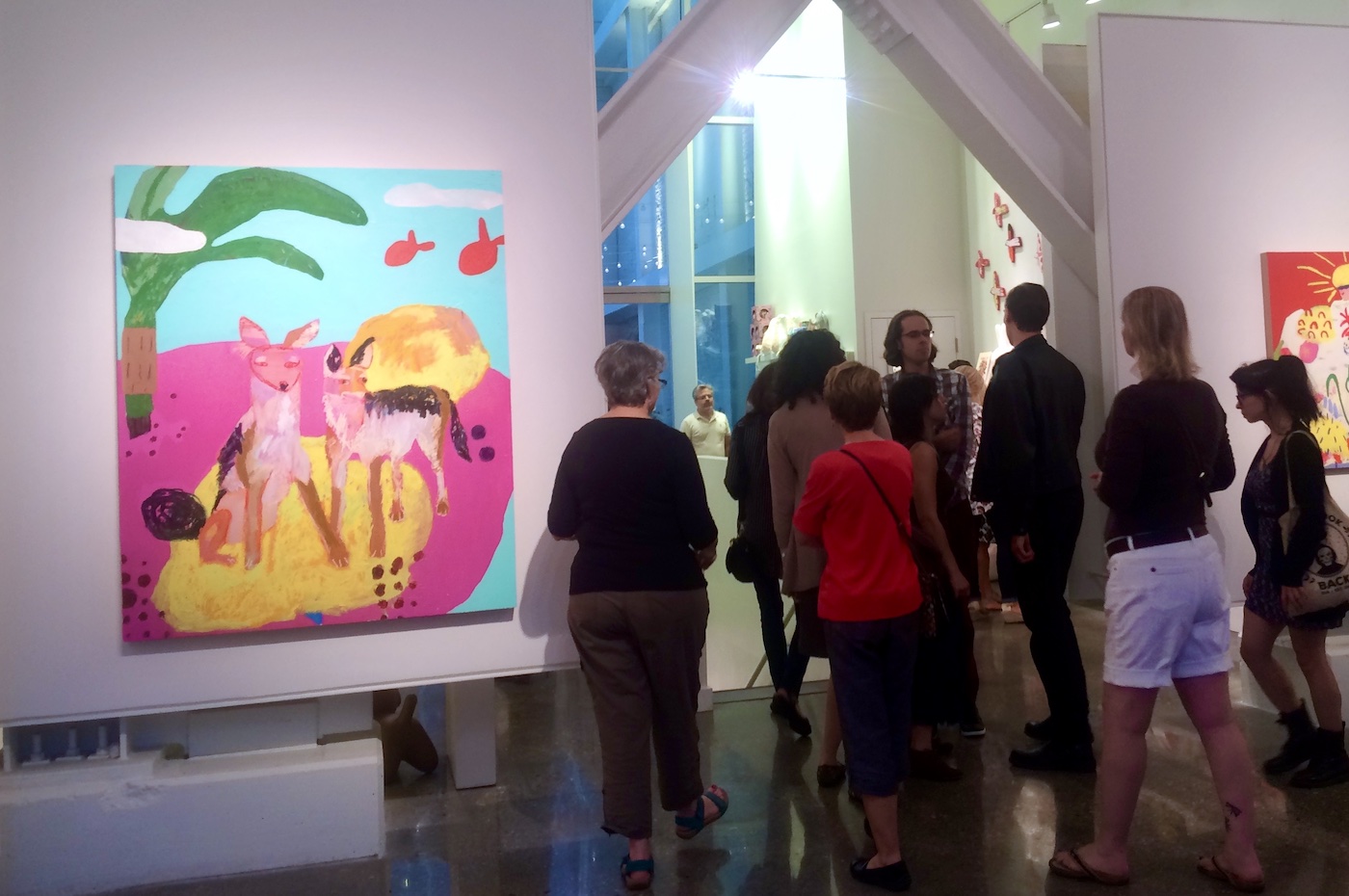
Katherine Hebert Quirk gallery
From an opening at Quirk Gallery in Richmond, Virginia. Photo courtesy Katherine Hébert.

About Katherine Hébert

Katherine Hébert is the founder of Gallery Fuel, a membership-based resource helping small and mid-sized galleries attract collectors, boost sales, and run thriving businesses. Combining her art world experience with corporate marketing expertise, she offers a unique perspective on the challenges gallery professionals face today.

Before launching Gallery Fuel in 2012, Katherine worked across diverse gallery settings—from frame shops and limited-edition print dealers to galleries representing leading regional and national artists, as well as blue-chip works from the 19th and 20th centuries. 

Follow Katherine on Instagram: @galleryfuel

Katherine Hébert

The post Mutual Respect Between Artists and Galleries with Katherine Hébert (244) appeared first on Art Biz Success.

]]>
What galleries want: preparing yourself and your art (226) https://dy-online.com/gabba-gallery/ Thu, 15 May 2025 16:00:05 +0000 https://dy-online.com/?p=53785 This episode offers a candid look at how LA's Gabba Gallery operates and what artists should know before submitting their work. Learn what signals professionalism, how first impressions are formed, and why clear communication matters.

You'll hear about the inner workings of artist selection, the importance of preparation, and what strengthens long-term relationships between artists and galleries—shared from the perspective of those managing shows, reviewing submissions, and running the business every day.

The post What galleries want: preparing yourself and your art (226) appeared first on Art Biz Success.

]]>
Getting your work into a gallery can feel like cracking an invisible code.

Who do you talk to?
What do you say?
Are you even ready?

Gabba Gallery
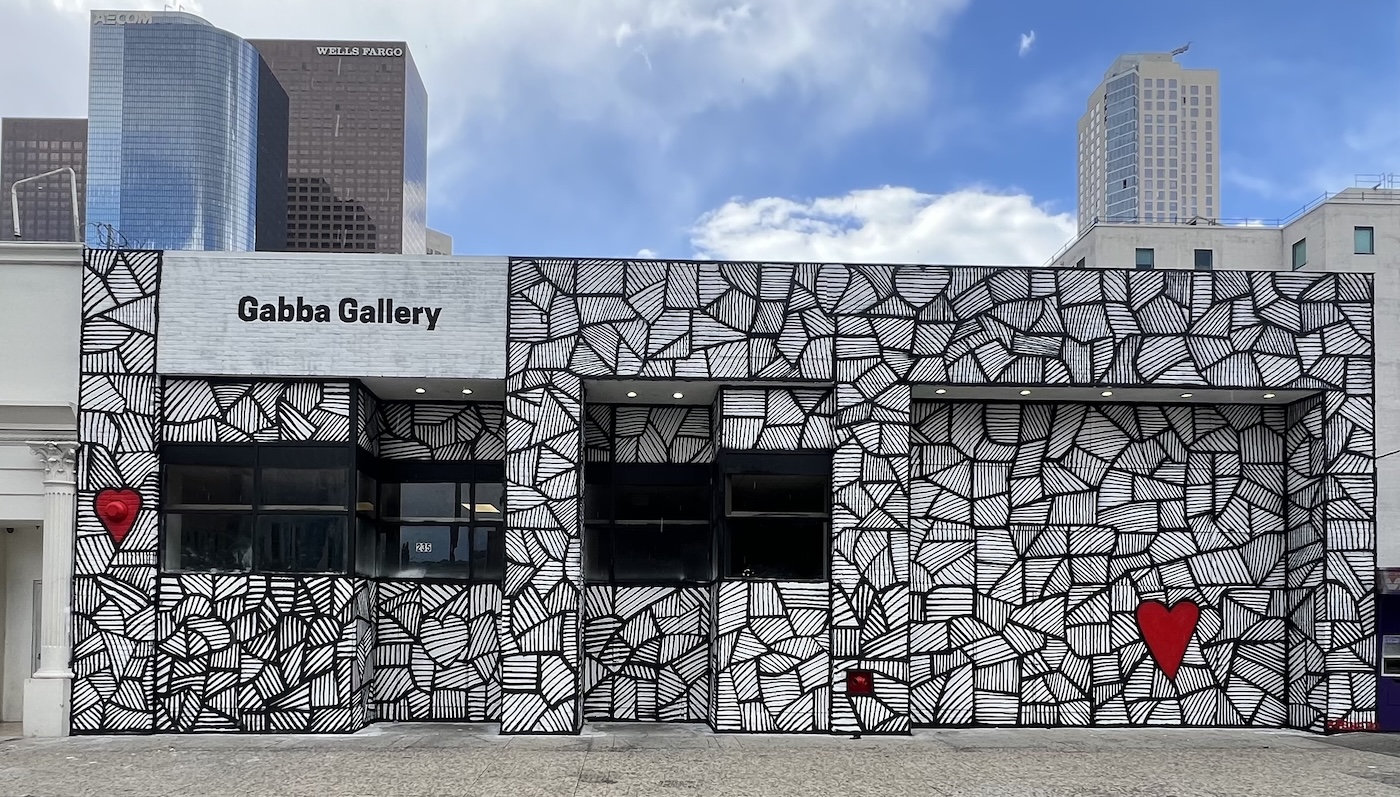
Gabba Gallery Exterior with mural by Jason Ostro. Photo by Gilbert Molinet.

It’s easy to assume that all you need to get into a gallery is great art, but anyone who’s tried knows it’s much more nuanced. And frustrating, too, since there isn’t a clear path.

Galleries are businesses, too—juggling relationships, logistics, events, sales, and more. And when a gallery is doing it well, it might look effortless from the outside. But behind the scenes? It’s anything but.

That’s why I invited Jason Ostro and Elena Jacobson of Gabba Gallery in Los Angeles to join me for this episode. Together, they offer a grounded, real-world perspective on what their gallery is looking for, what artists need to know, and how the relationship works best when both sides bring their A-game.

They share the unvarnished truth about what it takes to work with Gabba Gallery. You’ll hear about:

  • How the artist-gallery relationship is really a collaboration, not a handoff.
  • What makes an artist stand out—and what can turn a gallery off.
  • How and why the 50/50 commission split is in place.
  • The role of their annual affordable art show as a proving ground for new artists.
  • Why professionalism and preparation can open more doors than you think.

If you’ve ever wanted to understand the artist-gallery relationship from the inside, this episode will be worth your time.

Listen or Watch

If you’ve been thinking about gallery representation, use this conversation as a checklist.

Review your bio, images, and the way you reach out. Make sure you’re putting your most professional self forward.

Gabba Gallery Quotes

“We’re not just selling art—we’re building long-term relationships.” —Jason Ostro

“Artists who are prepared, who send clear info—titles, dimensions, prices—make our job so much easier and stand out immediately.” —Elena Jacobson

“We can’t show everyone’s work, but we can pay attention to who’s showing up, who’s engaging, and who’s serious about their practice.” —Jason Ostro

“I’m looking at everything: the file names, the email, the tone. It all tells me how ready an artist is to work with a gallery.” —Elena Jacobson

“It’s not about us discovering you. It’s about you being ready when the opportunity shows up.” —Jason Ostro

Elena Jacobson
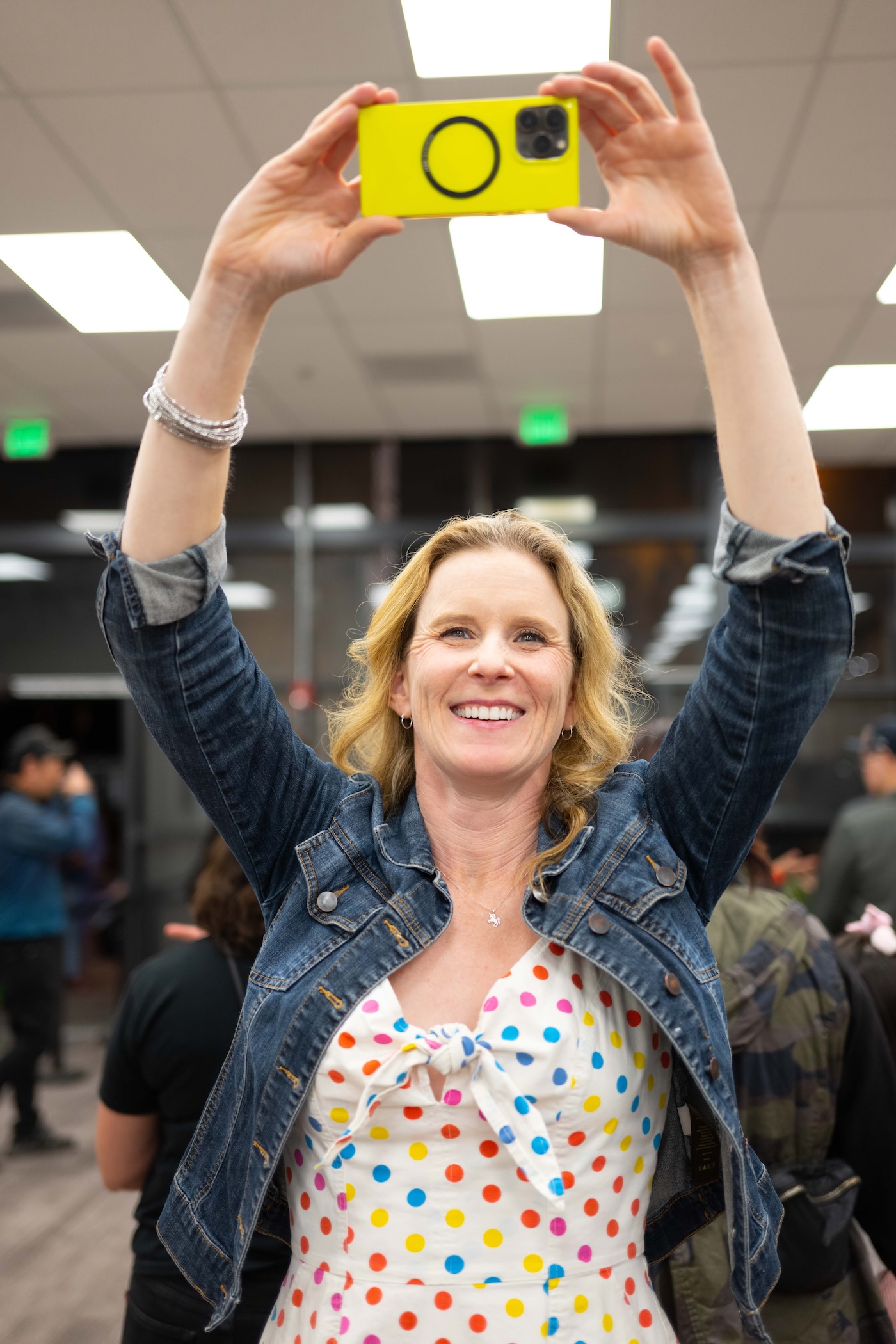
Elena at an opening. Photo by Jeffrey Sklan.

““Walls are real estate.” —Jason Ostro

“If we can tell you put effort into your submission, that you respect our time, we’ll remember that—even if it’s not a yes right now.”—Elena Jacobson

“Our affordable art show is a way to open the door. We watch how the work performs and how the artist responds to the opportunity.”—Jason Ostro

“Professionalism isn’t just a bonus—it’s essential if you want to be invited back.” —Elena Jacobson

Gabba Gallery interior
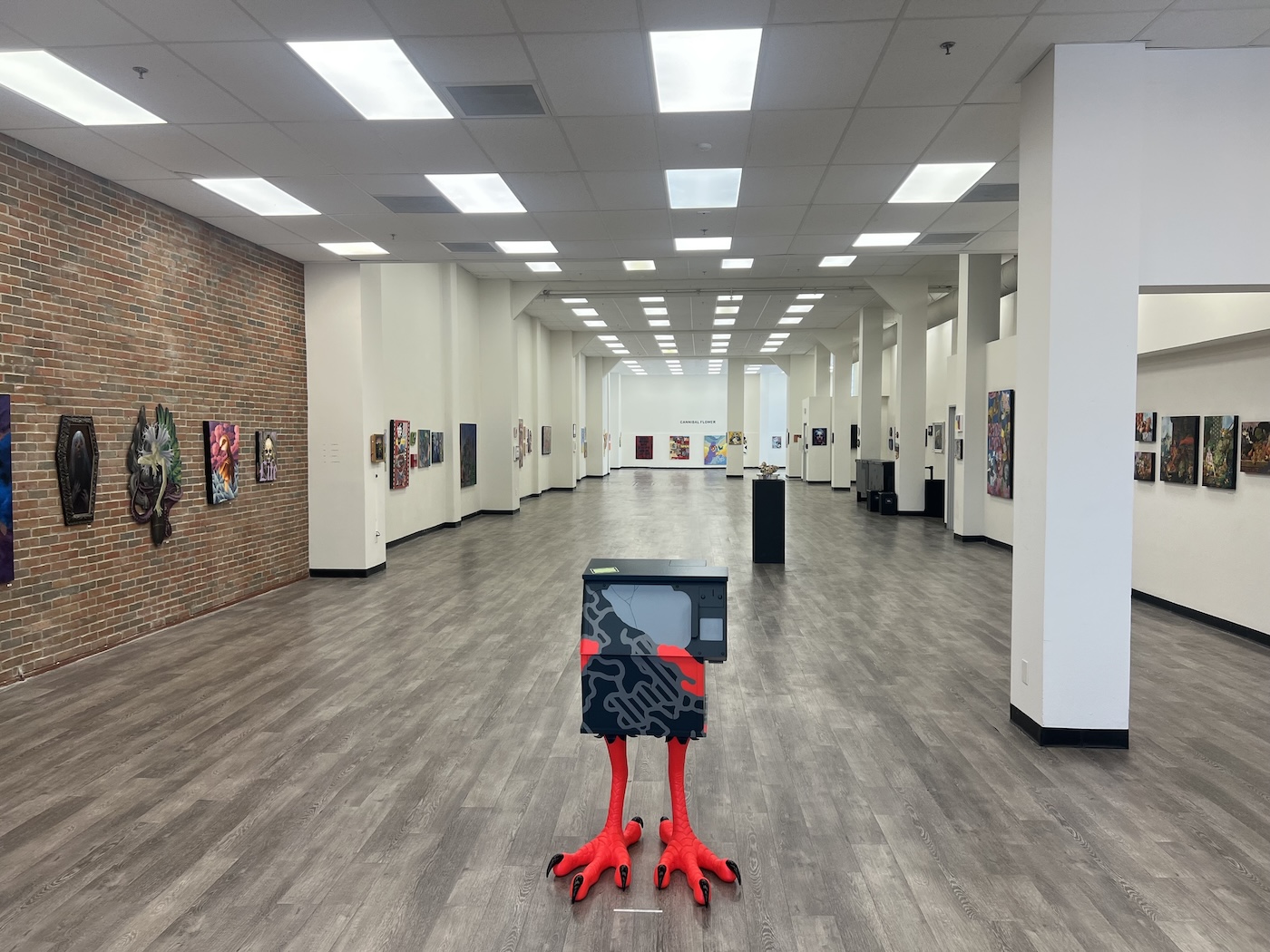
Gabba Gallery interior during the Cannibal Flower show

Related Episodes

Listen and read more about galleries.

Jason Ostro and Elena Jacobson are the curators behind Gabba Gallery, a beloved contemporary art space in downtown Los Angeles.

Jason, the gallery’s owner, has a sharp eye for emerging talent and a passion for building community through art.

Elena manages operations and loves helping artists thrive.

Together, they’ve created a welcoming space where artists can grow and connect. In this episode, they share real talk about running a gallery, supporting artists, and what it really takes to succeed in the art world. 

Follow Gabba Gallery on Instagram: @gabbagallery

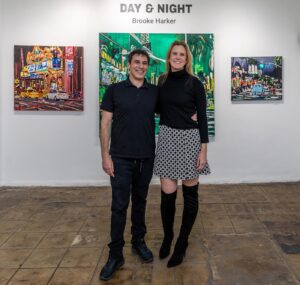
Jason Ostro and Elena Jacobson
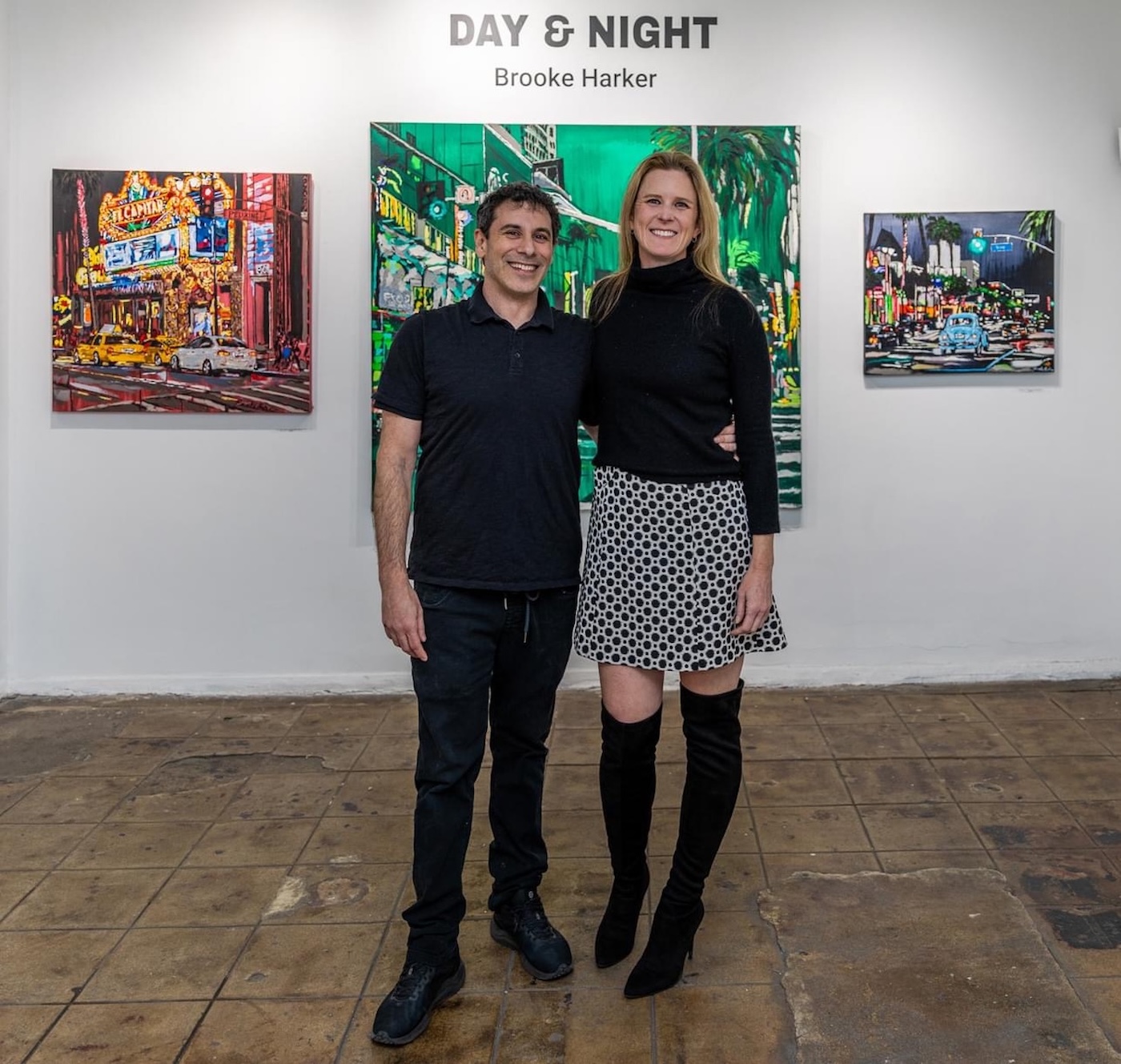
Jason and Elena with art by Brooke Harker

The post What galleries want: preparing yourself and your art (226) appeared first on Art Biz Success.

]]>
The investing artist: art, real estate, and legacy with Mary Erickson (223) https://dy-online.com/investing-artist-podcast/ https://dy-online.com/investing-artist-podcast/#comments Thu, 17 Apr 2025 12:05:00 +0000 http://artbizsuccess.com/?p=27203 Mary Erickson built a thriving art business with heart, discipline, and financial savvy. I was immediately impressed with Mary’s business savvy, as I know you will be. Her art sales have paid for her lifestyle, which is comfortable and adventurous, but far from extravagant. She is a discerning investor and wise with her finances.

Mary says she paints so that she can buy real estate so that she can collect art by other artists.

The post The investing artist: art, real estate, and legacy with Mary Erickson (223) appeared first on Art Biz Success.

]]>
Mary Erickson doesn’t wait for opportunities to come her way.

When she started her art career, she worked a full-time job at a frame shop, painted before and after hours, and sold 500 watercolors before she was brave enough to go full-time.

Since then, she has built a thriving business through selling art and investing in real estate.

She’s done it all with heart, discipline, and a deep respect for her work and the people who support it.

Mary Erickson oil painting
©Mary Erickson, Golden Light. Oil on linen, 36 x 72 inches.

This is an encore episode of The Art Biz—originally recorded in 2018, and just as inspiring today. Mary and I talk about how she:

  • Transitioned from a frame shop job to painting full time
  • Got her start with prints—and how she knew it was the right time
  • Built lasting relationships with 8 galleries by treating them as partners
  • Uses her earnings to invest in real estate and buy art from other artists
  • Created a property in North Carolina that serves as an artist retreat and sanctuary for wildlife
  • Keeps her financial life simple, debt-free, and aligned with her values

This conversation is full of timeless wisdom about making a living as an artist, and I’m thrilled to share it again—especially for newer listeners who may have missed it the first time around.

Mary’s story is a powerful reminder that financial freedom as an artist is possible and deeply connected to how you manage your time, money, and opportunities.

Listen

Take one small step to become more financially savvy in your art business.

This could mean tracking your income more consistently, reviewing your expenses, setting aside savings for future investments, or simply getting more curious about your numbers.

Mary Erickson Quotes

“I paint so that I can buy real estate so that I can collect art.”

“I didn’t want [the sales] to be about me—I wanted to see if the art could stand on its own.”

“If you take care of your money, it will take care of you.”

“You shouldn’t do prints until you can’t paint fast enough to keep up with original sales.”

“Galleries are partners. You depend on them and they depend on you.”

“When you’re out there and your feet are grounded, and you find the silence—you find God.”

“Freedom brings responsibility. I can’t just paint what I want; I have commitments to my galleries and to the land.”

“We’re not competitors. We’re allies. We’re all in this together.”

Mary Erickson painting
Mary Erickson painting #5008 Le Coquellcotes (Poppies). Oil on linen, 48 x 60 inches.

About Mary Erickson

Mary Erickson is a devoted plein air painter, and has traveled extensively across the U.S. and abroad—creating field studies in Spain, Ireland, Argentina, and beyond.

A lifelong conservationist, Mary plans to leave her 39-acre North Carolina property as an artist retreat and bird sanctuary; it is already listed on the North Carolina Birding Trail.

She is the co-founder of the American Tonalist Society, founder of The Nanatuck Group, and a Signature Member of the American Society of Marine Artists. Her work is also recognized by the Oil Painters of America and the American Impressionist Society.

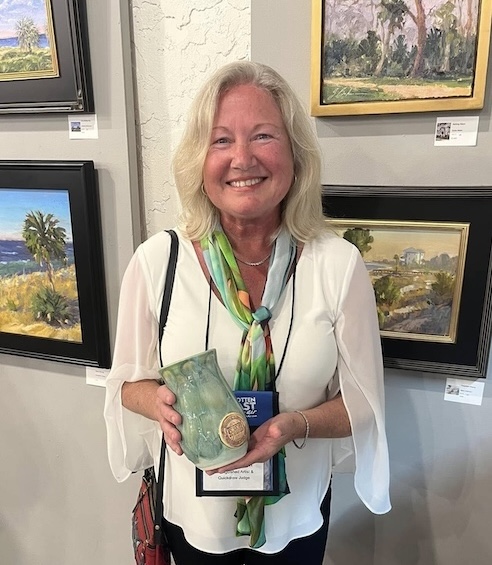
Mary was recently honored with the Richard M. Carrell Distinguished Artist Award (pictured here) for her contributions to the Forgotten Coast En Plein Air event, now in its 20th year.

Follow Mary on Instagram: @mary.erickson.art

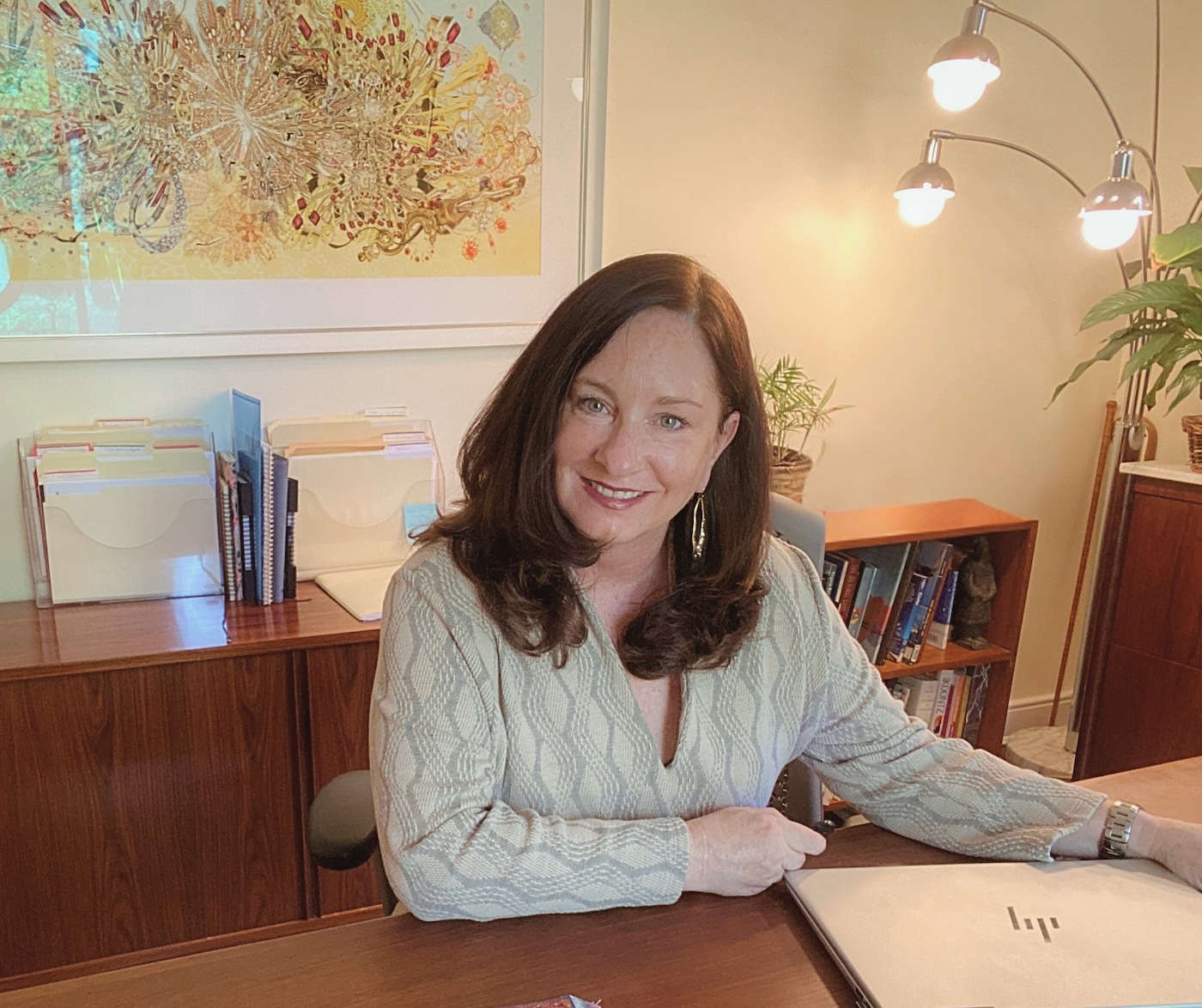
Photo of Mary Erickson by Jacques Drouin.

This article was originally posted on August 16, 2018 and has been updated with original comments intact.

The post The investing artist: art, real estate, and legacy with Mary Erickson (223) appeared first on Art Biz Success.

]]>
https://dy-online.com/investing-artist-podcast/feed/ 56
The Art Biz Unfiltered: Dealer Michael Findlay on Collectors, Curiosity, and Changes (ep. 209) https://dy-online.com/findlay-memoir/ https://dy-online.com/findlay-memoir/#comments Thu, 31 Oct 2024 10:55:00 +0000 https://dy-online.com/?p=51794 Veteran art dealer Michael Findlay joins me to discuss his memoir and share insights from 60 years in New York’s art world. He recounts memorable stories, including a funny Andy Warhol moment, and underscores the value of in-person art experiences that prioritize looking over reading.

Findlay also reflects on the qualities of great collectors and how technology has reshaped the complex relationships between dealers, artists, and collectors today.

The post The Art Biz Unfiltered: Dealer Michael Findlay on Collectors, Curiosity, and Changes (ep. 209) appeared first on Art Biz Success.

]]>
The elite art world and market is opaque and mysterious. Luckily we have insiders who illuminate us by sharing their experiences.

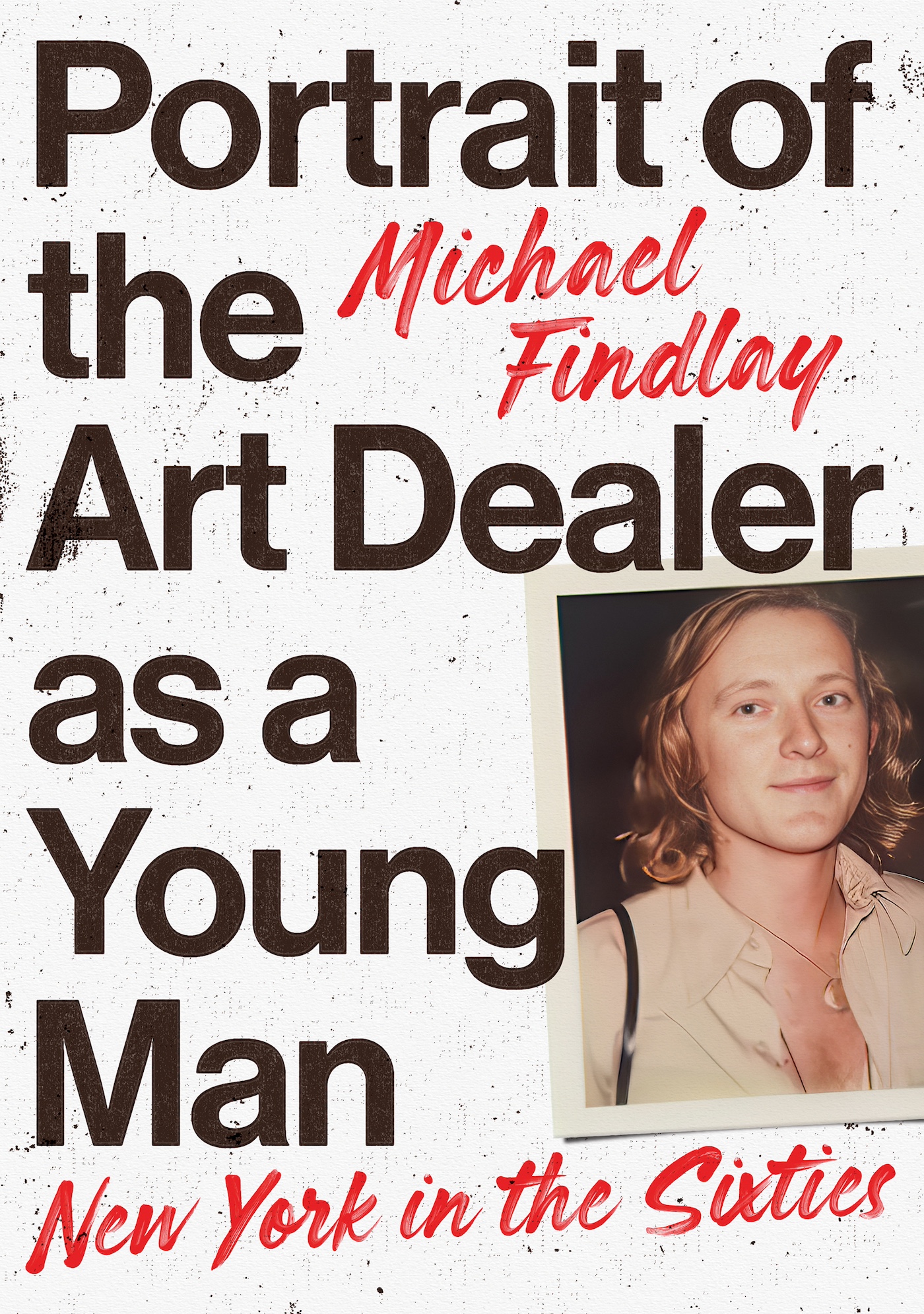
Michael Findlay started directing gallery programs in 1960s New York and has written about that period in his latest book, Portrait of the Art Dealer as a Young Man: New York in the Sixties.

I talk with Michael about his extensive career and how things have changed over the past 60 years.

He discusses the qualities of a good collector, the evolving relationship between dealer and artist, and the current focus of many collectors on art as investment rather than appreciation. We also talk about the importance of looking—of immersing oneself in the art rather than relying on text and labels.

We finish up with a funny personal story about Andy Warhol.

Listen

Mentioned

Michael Findlay Quotes

On the best collectors: “They were open-minded. They didn’t have a list. They had a generosity of spirit and they were buying things, dare I say it, for personal enjoyment.”

“I think good art deserves to be expensive, but I don’t think you make it good by putting a big price on it.”

“Every artist should be free to do exactly what they want and not be dictated to by the market or by a group of collectors or a dealer for that matter.”

“You can’t believe it. I got to play a dead transvestite in an Andy Warhol movie.”

Michael Findlay Portrait of the Art Dealer as a Young Man
Michael Findlay's most recent publication.

About My Guest

Michael Findlay is an internationally renowned art dealer and director of Acquavella Galleries in New York. His career began in 1964, when he became a pioneer of SoHo’s legendary gallery scene, presenting the first solo exhibitions of many then unknown artists who went on to become household names.

He is the author of The Value of Art and Seeing Slowly (both published by Prestel).

Follow Michael on Instagram: @michaelalistairfindlay

Michael Findlay

The post The Art Biz Unfiltered: Dealer Michael Findlay on Collectors, Curiosity, and Changes (ep. 209) appeared first on Art Biz Success.

]]>
https://dy-online.com/findlay-memoir/feed/ 2
The Art Biz ep. 175: Why I Want Partnerships with Art Galleries with Evita Tezeno https://dy-online.com/tezeno-galleries/ https://dy-online.com/tezeno-galleries/#comments Thu, 18 Jan 2024 14:32:13 +0000 https://dy-online.com/?p=47229 Not content with the status quo, Evita Tezeno aims for recognition by prestigious honors like the Guggenheim and MacArthur Fellowships

She aims for the stars! “Higher than the heavens,” as she put it to me.

And she knows she can’t get there by herself. She needs strong gallery representation and a team of people behind her, and she’ll tell you why. This is the story of an artist who fully appreciates her gallery.

The post The Art Biz ep. 175: Why I Want Partnerships with Art Galleries with Evita Tezeno appeared first on Art Biz Success.

]]>
So many artists are down on their galleries and considering leaving them.

There are absolutely many reasons not to stick with your gallery, but that’s a different post and podcast episode.

I wanted to share the story of an artist who is thrilled with her gallery and who recognizes the value that gallery brings to her career.

[ Why Artists Should Embrace Galleries ]

My guest for this episode of The Art Biz is Evita Tezeno—an artist who has grand ambitions for herself.

Not content with the status quo, Evita aims for recognition by prestigious honors like the Guggenheim Fellowship (check ✅) and the MacArthur Fellowship, the so called “genius” grant (check ✅).

She aims for the stars! “Higher than the heavens,” as she put it to me.

And she knows she can’t get there by herself. She needs strong gallery representation and a team of people behind her, and she’ll tell you why.

[ Are You Ready for a Gallery? A Checklist ]

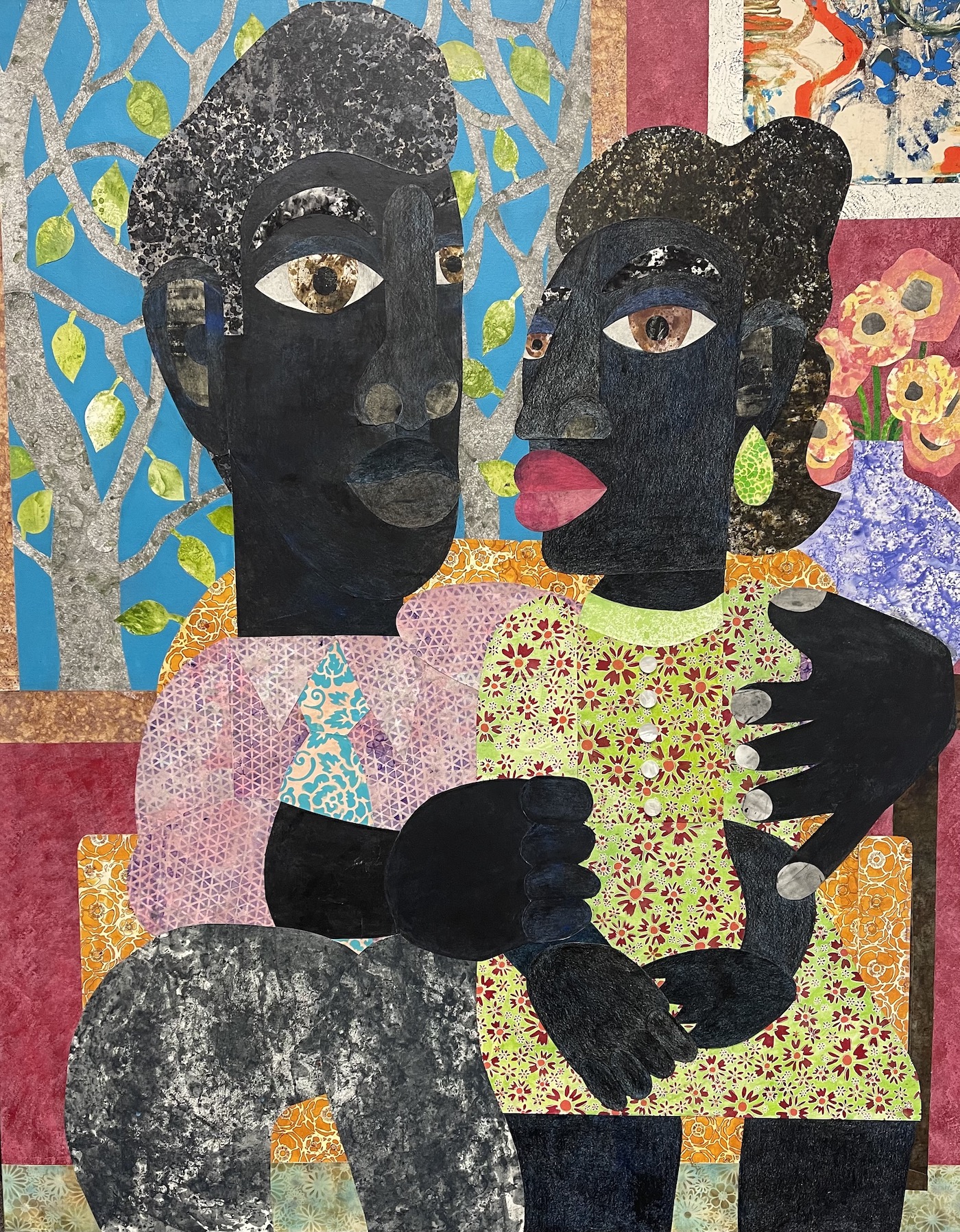
Evita Tezeno collage
©2023 Evita Tezeno, What If I Told You I Loved You. Mixed media collage on canvas, 60 x 48 x 1.5 inches. Photo by Kevin Tudor.

Listen

Mentioned

Evita Tezeno Quotes

“I had this dream that an angel came to my door and gave me a blueprint of another style.”

“This dream was right on target.”

“[After Denzel Washington bought 8 pieces in 2019] I was able to get another studio and I have never worked for anyone again.”

“The gallery now has me working larger. I love working larger. I love it.”

“I consider myself a visual storyteller.”

“[My life coach] has gotten me to dream bigger than I ever thought that I could dream.”

“I want more museum collections and I want my work also to be known, not only nationally or regionally, but internationally…. So we are reaching toward the sky or the heavens.”

“The art career that you dream of or you envision does not come easy. You have to struggle. You have to go through necessary pains to get to where you want to be.”

About My Guest

Evita Tezeno (b. 1960) is a Port Arthur, Texas native and graduate of Lamar University. She lives and works in Dallas. Tezeno’s collage paintings employ richly patterned hand-painted papers and found objects in a contemporary folk-art style.

Tezeno is the recipient of the prestigious 2023 Guggenheim Foundation Fellowship in Fine Arts from the John Simon Guggenheim Memorial Foundation in New York and the Elizabeth Catlett Award for The New Power Generation. Her work is included in the permanent collection of the Dallas Museum of Art; African American Museum of Dallas; Perez Art Museum Miami, FL, and the Figge Art Museum, Davenport, IA. 

Follow her on Instagram @evitatezeno

The post The Art Biz ep. 175: Why I Want Partnerships with Art Galleries with Evita Tezeno appeared first on Art Biz Success.

]]>
https://dy-online.com/tezeno-galleries/feed/ 8
Leaving gallery representation to reach more art buyers with Adele Sypesteyn (163) https://dy-online.com/sypesteyn-leave-galleries/ Thu, 14 Sep 2023 11:32:00 +0000 https://dy-online.com/?p=45420 Have you ever been so focused on a goal you thought was right for you that you missed opportunities that might have been better?

You just knew that this one direction was the path you needed to take. And you might have ignored that it wasn’t working or didn’t feel like the right fit. Adele Sypesteyn discusses adjustments she has made to her art business over the years.

The post Leaving gallery representation to reach more art buyers with Adele Sypesteyn (163) appeared first on Art Biz Success.

]]>
This episode is a remix of The Art Biz episode 36 from 2019. It is such an inspiring interview that I wanted more people to hear it.

Adele Sypesteyn has been making a living from her art for four decades. In this conversation, she takes us through her journey of selling her art—from the traditional process of applying to galleries to a more strategic approach that involved teaching herself about business and pivoting in the face of economic downturns.

Adele Sypesteyn painting
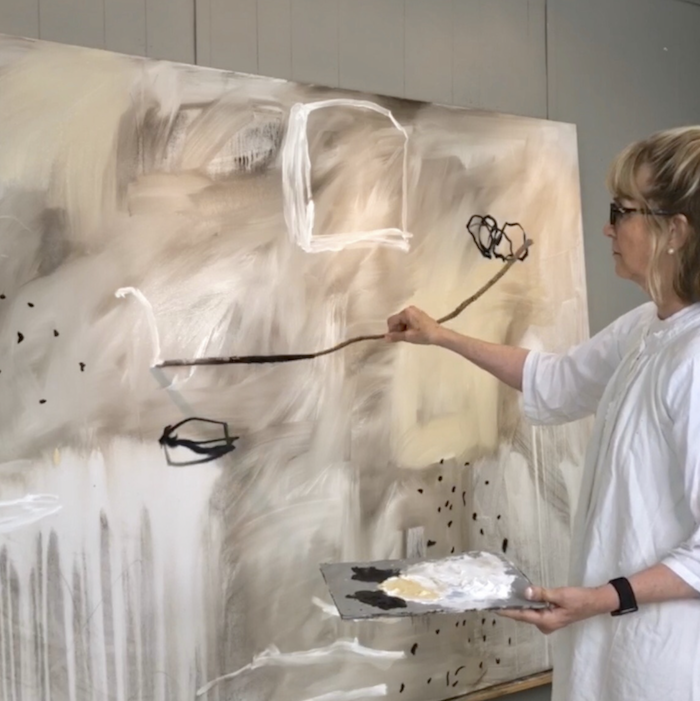
Adele Sypesteyn using one of her favorite tools, her paint brush attached to a branch/stick.

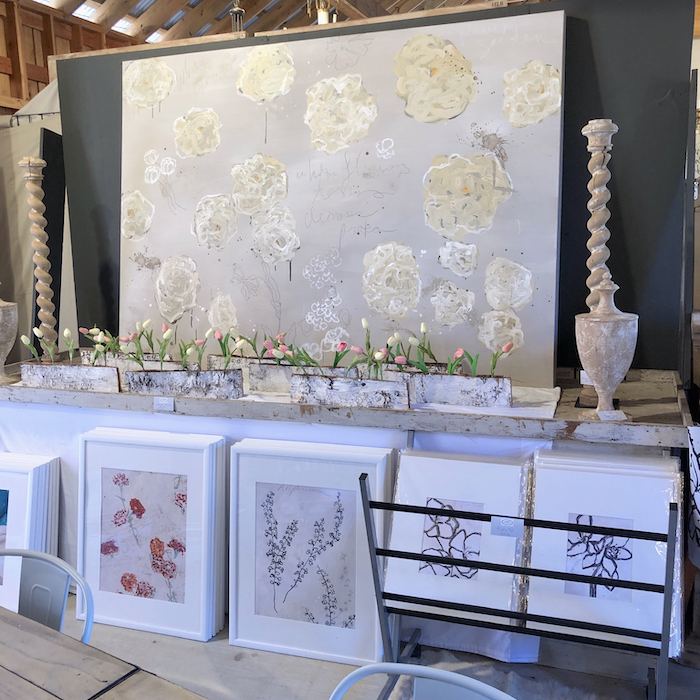
Adele reveals how she transitioned away from galleries to the antique show in Round Top, Texas, where she made excellent connections with hundreds of interior designers.

Adele discussed testing a new concept for teaching art to children and shares her approach to teaching herself about business, especially during the recession.

You’ll hear about how she embraced the concept of viewing her art as a product, combining creativity with research to make her work more marketable.

The people who go into galleries are 1% of the population.
I wanted to reach the other 99%.

Finally, we discuss how Adele adapted her income streams, shifting from relying 100% on gallery sales to focusing on events and online classes. She talks about how she used YouTube as a lead magnet to grow her business and her strategy of connecting with people to learn what they want and need from her art. Market research!

Adele Sypesteyn art booth
©Adele Sypesteyn, White floral painting in her booth at Round Top Antiques Fair. Acrylic and mixed-media on canvas, 6 x 8 feet.

"

Adele Sypesteyn Quotes

“You have to match the gallery with the style you know of what you’re doing. So you have to really do a lot of searching and discovering for yourself as an artist.”

“[The recession] really made me think what can I do? What can I do to work that hard for myself as my business?”

“The people who go into galleries are 1% of the population. I wanted to reach the other 99%.”

“I put all my effort into really being clear about who my market is, which are interior designers, who have, who buy repeatedly because they have clients.”

“I’m 65 years old, I never thought I would be doing a video. I do not like to be in front of the camera, but my passion for teaching, like all I’m focusing on is what I can teach. These tips.”

About Adele Sypesteyn

Artist and instructor Adele SypesteynAdele Sypesteyn is a New Orleans-born artist whose architecturally influenced abstract work is distinguished by multiple layers of texture, color and pattern. She draws inspiration from her surroundings, particularly the weathered walls of New Orleans and elements of nature. Her abstract art combines warm textures with aged patinas and writings, and utilizes her unique technique developed over three decades as a practicing artist.

Adele’s art has been displayed in galleries across the country, and can be spotted in world-class magazines, including Veranda and House Beautiful.

Adele made the decision in early 2019 to focus on expanding her teaching practice and grow it into a major source of income. See her art and get info about learning from her at AdeleSypesteynStudio.com.

Follow her on Instagram: @AdeleSypesteyn

The post Leaving gallery representation to reach more art buyers with Adele Sypesteyn (163) appeared first on Art Biz Success.

]]>
Qualities galleries are looking for in their artists with Jeremy Tessmer (123) https://dy-online.com/gallerist-tessmer-podcast/ https://dy-online.com/gallerist-tessmer-podcast/#comments Thu, 23 Jun 2022 11:45:00 +0000 https://dy-online.com/?p=38555 If you've ever wanted to shoot the breeze with a gallerist, this one’s for you.

You’ll hear how Jeremy views an artist’s professionalism, what he thinks of online platforms, and how he taught himself art history (and why that was important to him). He also shares the 3 qualities he looks for in artists he represents.

The post Qualities galleries are looking for in their artists with Jeremy Tessmer (123) appeared first on Art Biz Success.

]]>
It’s a mystery almost as old as the pyramids.

How do artists get gallery representation?

Oh, grasshopper, if I could share the secret of getting gallery representation, I would. Promise. I don’t keep things from you.

Salon exhibition at Sullivan Goss gallery | on Art Biz Success
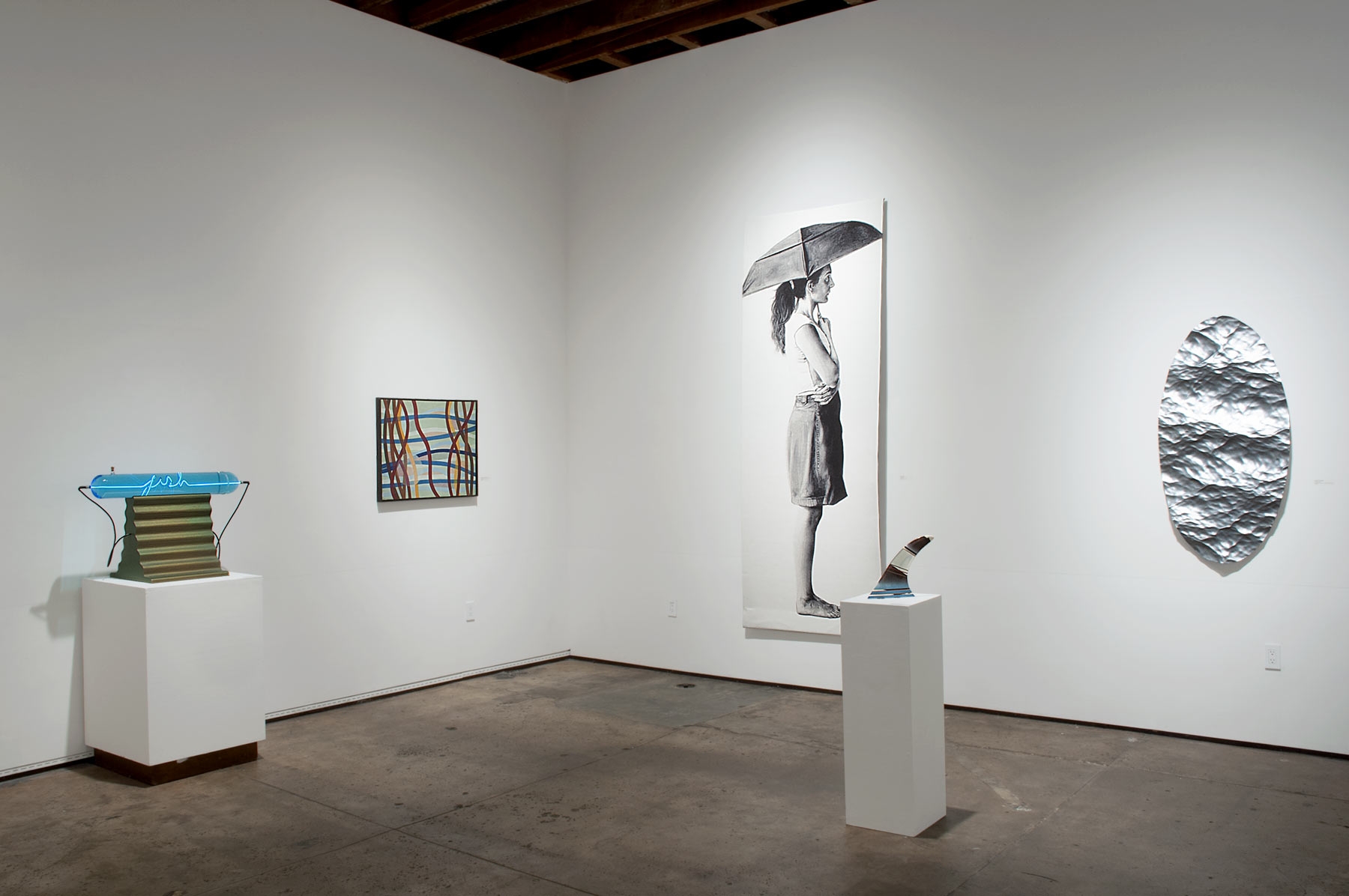
Installation shot of a salon exhibition at the Sullivan Goss Gallery.

3 Things You Can Bet On

There is no secret to getting gallery representation because there is no single way that artists enter gallery stables.

Three things are for certain.

1. You don’t make a few pieces and then start approaching galleries. 

That move has amateur written all over it.

2. It will take time, which will test your commitment.

Artists new to the market don’t like to hear that it’s a long process that you must be invested in. Surely there must be a shortcut. A hidden door.

Surely. Not.

3. Bolstering your relationships with other gallery artists will dramatically increase your chances of getting gallery representation.

You don’t need to believe me. Listen to gallery director Jeremy Tessmer in this episode of The Art Biz podcast.

You’ll hear how Jeremy views an artist’s professionalism, what he thinks of online platforms, and how he taught himself art history (and why that was important to him).

Jeremy describes Sullivan Goss as an on-ramp for collectors and artists—one that connects their roster of local, regional, national, and international artists. You’ll hear him discuss 3 qualities that he looks for in artists, two of which are non-negotiable, and how he views the artists in his gallery as a family. He says that “dealers should have some sense of responsibility for the well-being of their artists.”

Grab a cup of tea or coffee and enjoy this conversation with Jeremy Tessmer.

Highlights

  • The niche that the Sullivan Goss Gallery fills and Jeremy’s role within it. (2:37)
  • Sullivan Goss is an on-ramp gallery with the aim of expanding the art world. (7:49)
  • The different art worlds need to become more aware of each other. (10:05)
  • Jeremy’s journey from writer and tech specialist to art gallerist. (14:04)
  • Is it important for artists to be steeped in art history? (23:34)
  • Overcoming the anxiety of influence to connect with other artists. (26:21)
  • The 3 qualities Jeremy looks for in the artists he represents. (33:30)
  • The responsibility a gallery has for nurturing its artists’ careers. (36:10)
  • The value of understanding the long game and defining your real interest in an artist’s career. (41:11)
  • Things an artist should never say or do to gain the attention of a gallerist. (46:18)

Jeremy Tessmer Quotes

  • “All of us need each other, and need to be helping people find their way and expanding the art world.”
  • “Artists think that everyone is as interested in sight as they are, and that’s just not the case at all.”
  • “Ultimately it’s really critical that you have your own voice.”
  • “One of the biggest thrills in the art world is connecting to another human being.”
  • “I think dealers should have some sense of responsibility for the wellbeing of their artists.”
  • “The secret door into every gallery is the other artists who already show in the gallery.”

About My Guest

Jeremy Tessmer is the Gallery Director and Curator of vintage American art at Sullivan Goss. He has been with the firm almost 20 years, working in every area of the business, including: curation, sales, marketing, and design of everything from exhibition spaces to internal databases and processes. He has special knowledge of the American Modern movement, especially as it occurred on the West Coast. He has also been heavily involved with the gallery’s publication program, helping to produce nineteen books and numerous catalogs, including those on local artists Ray Strong and Hank Pitcher.

Follow Jeremy on Instagram: @jeremyarts

Follow Sullivan Goss on Instagram: @sullivangoss

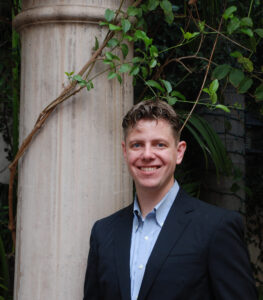
Jeremy Tessmer, gallery director at Sullivan Goss

The post Qualities galleries are looking for in their artists with Jeremy Tessmer (123) appeared first on Art Biz Success.

]]>
https://dy-online.com/gallerist-tessmer-podcast/feed/ 19
Why Artists Should Embrace Galleries https://dy-online.com/why-galleries/ https://dy-online.com/why-galleries/#comments Mon, 22 Nov 2021 11:30:04 +0000 https://dy-online.com/why-galleries-2/ The way we promote, sell, and buy art is rapidly changing, but there are still many good reasons to consider gallery representation.

Here’s a list to remind you of the upside of working with a gallery. . . .

A gallerist acts as your agent. A good gallery will be your advocate and business partner. They will work to manage your career and help you raise your status and prices.

The post Why Artists Should Embrace Galleries appeared first on Art Biz Success.

]]>
The way we promote, sell, and buy art is rapidly changing, but there are still many good reasons to consider gallery representation.

Here’s a list to remind you of the upside of working with a gallery.

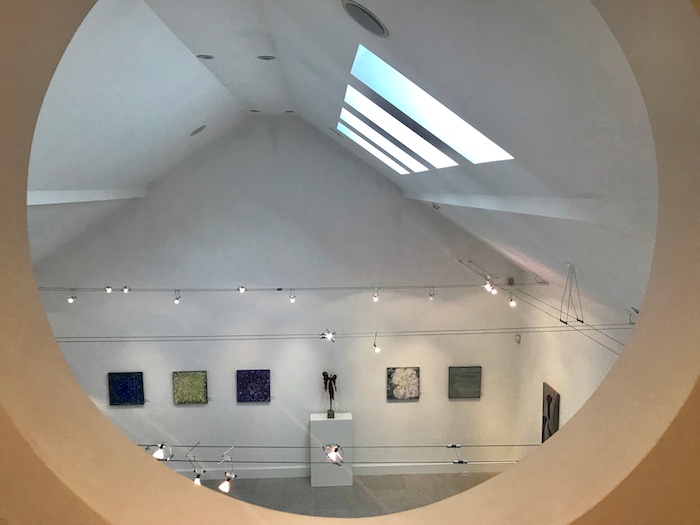
Rockland, Maine Gallery upstairs porthole and skylights
At a gallery in Rockland, Maine.

A gallerist acts as your agent.

A good gallery will be your advocate and business partner. They will work to manage your career and help you raise your status and prices.

In a business where most of your time is spent alone in your studio, it is a blessing to have someone else working on your behalf.

Galleries have space.

Galleries have a physical space. With gallery representation, you don’t spend a lot of time looking for new places to show your art because you already have space.

Gallery space is also usually in an area noted for art traffic. As nice as your studio might be, it probably can’t compare to the sleekness and surrounding environment of a commercial gallery.

Galleries have trained salespeople.

If you’re like most artists, you know how hard it is to act as a spokesperson for your art and to “close the sale” when something so personal is involved.

A gallery’s sales staff takes care of this for you.

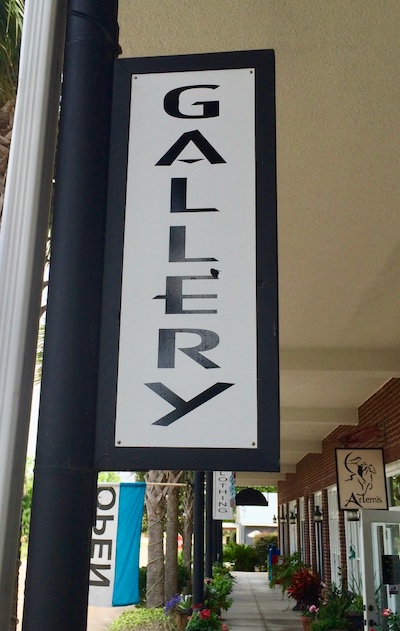
vertical sign GALERY

Galleries have lists.

You have your list of contacts, but galleries can introduce new people to your art.

The longer the gallery has been in business, the bigger and more loyal the list. Presumably. Like artists, galleries cultivate their clients for years.

The top galleries in the world take their artists to international art fairs like Art Basel Miami. In venues like this, galleries can meet collectors from all over the world during the short run of the show.

Galleries have connections.

Galleries have connections to the media and are still more likely to get reviewed by a newspaper, blog, or magazine than an artist-run venue.

Galleries are also associated with art professionals and curators that can elevate an artist’s career. A good one will also introduce you to galleries in other locations.

Galleries deal with the paperwork.

You will always be required to keep your own financial records, but think of all the paperwork related to a sales transaction. Galleries take care of all that for you.

Gallery staff members deal with sales invoices and receipts, in addition to the collection and payment of sales taxes. They also act as a collections agent when someone doesn’t pay their bill.

Virginia Folkestad Exhibition at Sandra Phillips Gallery in Denver | on Art Biz Success
Virginia Folkestad exhibition at Sandra Phillips Gallery in Denver.

Galleries add credibility.

Let’s face it, there is just something about adding gallery representation to your résumé!
The stamp of approval from someone else—someone who knows about and appreciates fine art—makes most artists feel more valid and valued.

Galleries feed into museums.

Galleries are a valuable part of the art ecosystem.

The fastest way to get your art into a museum is to attain top-drawer gallery status. Gallerists often work on behalf of their artists to get worthy art into museum collections.

Share your thoughts about Why or Why Not galleries in a comment below.

There is another side to this. The flipside of galleries is recounted in a post I wrote in 2013 for  The Abundant Artist blog: Why Artists Should Avoid Gallery Representation. (I don’t have editing access to that post, but, if I did, I would certainly make it clear that, in general, gallery representation is highly desirable for the most serious artists on a museum path. I’d also give it a different title: WHICH Artists Should Avoid Gallery Representation.)

Originally published July 10, 2013. Updated with original comments intact.

The post Why Artists Should Embrace Galleries appeared first on Art Biz Success.

]]>
https://dy-online.com/why-galleries/feed/ 54
The Art Biz ep. 36: Reaching the Other 99% for Your Art Business with Adele Sypesteyn https://dy-online.com/trailblazing-sypesteyn-podcast/ https://dy-online.com/trailblazing-sypesteyn-podcast/#comments Thu, 31 Oct 2019 13:48:41 +0000 https://dy-online.com/?p=28978 Have you ever been so focused on a goal you thought was right for you that you missed opportunities that might have been better?

Chances are good that you can’t answer that question because you were so myopic. You just knew that this one direction was the path you needed to take. And you might have ignored that it wasn’t working or didn’t feel like the right fit.

This week's podcast guest, Adele Sypesteyn, has been making a living from her art for 4 decades. But she never gets too comfortable with income coming from a particular source. She pays attention to changes in the marketplace and economy. And she educates herself.

The people who go into galleries are 1% of the population.
I wanted to reach the other 99%.

Listen to learn how Adele made the decision to pull out of her galleries and how she easily replaced that income.

The post The Art Biz ep. 36: Reaching the Other 99% for Your Art Business with Adele Sypesteyn appeared first on Art Biz Success.

]]>
Have you ever been so focused on a goal you thought was right for you that you missed opportunities that might have been better?

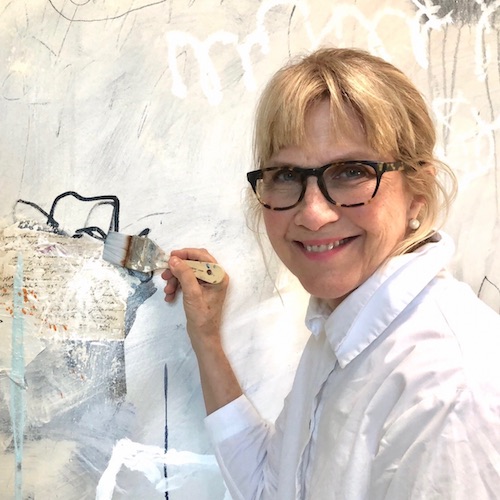
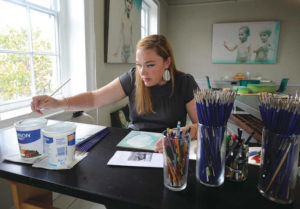
Artist Adele Sypesteyn
This week’s guest, artist Adele Sypesteyn.

Chances are good that you can’t answer that question because you were so myopic. You just knew that this one direction was the path you needed to take. And you might have ignored that it wasn’t working or didn’t feel like the right fit.

This week’s podcast guest, Adele Sypesteyn, has been making a living from her art for 4 decades. But she never gets too comfortable with income coming from a particular source. She pays attention to changes in the marketplace and economy. And she educates herself.

The people who go into galleries are 1% of the population.
I wanted to reach the other 99%.

Listen to learn how Adele made the decision to pull out of her galleries and how she easily replaced that income.


Music by Wildermiss


Painting at Roundtop Antiques Fair in Texas. Artist: Adele Sypesteyn.
©Adele Sypesteyn, White floral painting in her booth at Round Top Antiques Fair. Acrylic and mixed-media on canvas, 6 x 8 feet. Used with permission.

Highlights

  • How Adele has made a living from her art for 40 years.
  • Why she approaches her art as a product.
  • How she shifted to make money during the recession.
  • How she learns about business and her philosophy that we can approach our businesses just as creatively as we do our art.
  • Why she pulled out of galleries completely in 2014.
  • Why the Round Top Antiques Fair was such a profitable venue for Adele’s art sales.
  • How she used Round Top to test the market for her new Art with Kidz membership.
  • What she did in early 2019 to get feedback on the types of online courses she should teach.
  • How her income sources have evolved since earning 100% of from gallery sales.
  • The role YouTube has played in her business and the phenomenal growth she’s seen in subscriptions in the past year.

Mentioned

Jan McCarthy
Round Top Antiques Fair (Texas)
ReworksHOME
Art with Kidz membership

Artist Adele Sypesteyn
Adele Sypesteyn using one of her favorite tools, her paint rich attached to a branch/stick.

About My Guest

Adele Sypesteyn is a New Orleans-born artist whose architecturally influenced abstract work is distinguished by multiple layers of texture, color and pattern. She draws inspiration from her surroundings, particularly the weathered walls of New Orleans and elements of nature. Her abstract art combines warm textures with aged patinas and writings, and utilizes her unique technique developed over three decades as a practicing artist.

Adele’s art has been displayed in galleries across the country, and can be spotted in world-class magazines, including Veranda and House Beautiful.

Adele made the decision in early 2019 to focus on expanding her teaching practice and grow it into a major source of income. See her art at AdeleSypesteynStudio.com and watch her instructional videos on her YouTube channel.


Music by Wildermiss


This episode is sponsored my signature business-building program, the Art Career Success System, a program I have perfected for more than 17 years working with artists.

All of the lessons you learn in the Art Career Success System are tasks you will do over and over again throughout your art business and career. That’s why it’s a SYSTEM.

In the ACSS you will build a strong foundation using my video and audio lessons, worksheets, and transcripts. And you will be part of a community of artists who are forward-thinking and forward-moving.

Join us now and get your business in shape.

The post The Art Biz ep. 36: Reaching the Other 99% for Your Art Business with Adele Sypesteyn appeared first on Art Biz Success.

]]>
https://dy-online.com/trailblazing-sypesteyn-podcast/feed/ 32