
April is the month for cleaning out in the Art Biz Success community. In this episode of the Art Biz Podcast, I’m highlighting some of my previous interviews with artists who have discussed cleaning out in one form or another, from removing physical items to cleaning out business ideas and strategies, modes of working, and even the venues where you show and sell your art.
If you are ready to deep clean your art business, to release what isn’t serving you and banish all that is getting in the way of your productivity and creativity, then you won’t want to miss the insights and inspiration from these successful artists.
The post The Art Biz ep. 82: Spring Cleaning to Streamline Your Art Business appeared first on Art Biz Success.
]]>
April is the month for cleaning out in the Art Biz Success community. In this episode of the Art Biz Podcast, I’m highlighting some of my previous interviews with artists who have discussed cleaning out in one form or another, from removing physical items to cleaning out business ideas and strategies, modes of working, and even the venues where you show and sell your art.
If you are ready to deep clean your art business, to release what isn’t serving you and banish all that is getting in the way of your productivity and creativity, then you won’t want to miss the insights and inspiration from these successful artists.
Music by Wildermiss
Highlights
- April is the month to focus on cleaning out your art business. (0:01)
- Is there one single best way to get organized? Heather Powers says no. (2:23)
- Tips to help you get started on cleaning out and organizing your spaces. (6:09)
- Redefining your relationship with things so that you can let go. (10:41)
- How to prepare your studio for a big move. (14:50)
- Take control of your business so that it works for you, even if it means emptying out your galleries. (19:16)
- Control your income by controlling your inventory. (23:29)
- Connecting with buyers outside of galleries. (27:02)
- Releasing old work so you can focus on what is most meaningful now. (28:21)
- Increasing your creativity begins with cleaning out the cobwebs. (34:32)
Mentioned
Creative Organizing with Heather K. Powers (episode 10)
A Year of Cleaning Out with Daryl D. Johnson (episode 49)
Reinventing Your Art Career with Ali Cavanaugh (episode 33)
Reaching the Other 99% for Your Art Business with Adele Sypesteyn (episode 36)
Leaving Behind What is Safe with Jan R. Carson (episode 23)
Round Top Antiques Fair (Texas)
The Life-Changing Magic of Tidying Up by Marie Kondo

Quotes
“For some creative people, their tolerance level or their way of organization is going to be a different process than what might work for me.” — Heather K. Powers
“For me, I wanted to grow by making better work and bigger work with more complexity by pulling myself in and becoming more intentional with everything.” **— Ali Cavanaugh
“That experience really made me think, what can I do to work that hard for my own business?” — Adele Sypesteyn
“If my work wasn’t resonating with others, I’d likely reconsider my decision. But it’s obvious the more I expose in my art and reveal in my writing the greater the reward.” — Jan Carson
“You can’t live a creative life until you face the cobwebs and start cleaning them out.” — Alyson Stanfield
Music by Wildermiss
The post The Art Biz ep. 82: Spring Cleaning to Streamline Your Art Business appeared first on Art Biz Success.
]]>I’m wrapping up a month of talking about how systems can keep you organized and make you a more productive artist. The Art Biz Podcast episodes have been a tad more didactic than usual, and hopefully they are helping you get your art business better organized.
In episodes 79 and 80 I talked with artists Jennifer Printz and Betty Franks about how they have systematized aspects of their successful art businesses.
In episode 78, I did a broad overview of this topic and shared my definition of a system.
A system is a series of clear steps or procedures for accomplishing a specific task. It could be a task that you do regularly (weekly, monthly, or quarterly) or one that you do infrequently but know that you’ll need to repeat it in the future.
I also went through the individual steps for creating a new business (or even personal) system that you can rely on to make life easier. Now I want to focus on documenting your system.
Procedures that you have to rely on to stay productive should be written down and saved in a central location. It doesn’t count to have a general idea of what needs to be done and how it must happen. You document everything to save time and effort in the future, and I can’t think of a single artist who wouldn’t be thrilled with a little extra time in their day accompanied by a lot fewer frustrations.
So type up the procedures you’ll need and keep them in a central location.
We call this your Art Biz Handbook.You may hear it referred to by other, more corporate-y businesses as an Operations Manual or as Standard Operating Procedures (SOPs). My team member Kristen O’Neill says those sound too much like manuals for a nuclear plant, so we settled on Your Art Biz Handbook.
Written procedures are used in large and small businesses. And they can be a lifesaver even if you’re a 1-person business.
The post The Art Biz ep. 81: Art Business Procedures to Keep You Organized appeared first on Art Biz Success.
]]>I’m wrapping up a month of talking about how systems can keep you organized and make you a more productive artist. The Art Biz Podcast episodes have been a tad more didactic than usual, and hopefully they are helping you get your art business better organized.

In episodes 79 and 80 I talked with artists Jennifer Printz and Betty Franks about how they have systematized aspects of their successful art businesses.
In episode 78, I did a broad overview of this topic and shared my definition of a system.
A system is a series of clear steps or procedures for accomplishing a specific task. It could be a task that you do regularly (weekly, monthly, or quarterly) or one that you do infrequently but know that you’ll need to repeat it in the future.
I also went through the individual steps for creating a new business (or even personal) system that you can rely on to make life easier. Now I want to focus on documenting your system.
Music by Wildermiss
Procedures that you have to rely on to stay productive should be written down and saved in a central location. It doesn’t count to have a general idea of what needs to be done and how it must happen. You document everything to save time and effort in the future, and I can’t think of a single artist who wouldn’t be thrilled with a little extra time in their day accompanied by a lot fewer frustrations.
So type up the procedures you’ll need and keep them in a central location.
We call this…
Your Art Biz Handbook
You may hear it referred to by other, more corporate-y businesses as an Operations Manual or as Standard Operating Procedures (SOPs). My team member Kristen O’Neill says those sound too much like manuals for a nuclear plant, so we settled on Your Art Biz Handbook.
Written procedures are used in large and small businesses. And they can be a lifesaver even if you’re a 1-person business.
It may seem like overkill to thoroughly document individual steps, but, trust me, your future self will thank your past self for doing this work.
At Art Biz Success, we use Notion (a software app) as our central hub for everything, so it stores all of our procedures. It stores everything. Even if a document is outside of Notion, I know that I’ll find a link or location for that document within our hub in Notion. Previously, we used Evernote and did just fine with this (until I realized I needed a new system).
You can store your procedures in Google docs, Dropbox, or a file on your computer.
The most important thing is that they are in a central location. You want to know exactly where to go and be able to find precisely what you need in seconds. The central location of Your Art Biz Handbook—regardless of where you decide to store it—is crucial to efficiently running your business.
Incidentally, you don’t have to reinvent the wheel. I have created the Art Career Success System for ambitious artists like you. It’s an entire ecosystem for your business and contains lots of what I refer to as meta systems for individual business tasks and projects. Procedures and processes for things like writing your artist statement, increasing your income, researching and approaching venues, and growing your email list.
Business Procedures You Might Need to Document
There is no such thing as a perfect system straight out of the gate. Just decide on what you want to use for this and allow it to evolve. Allow it to be imperfect—trusting that it will do just fine for where you are at this point.
You might have procedures for:
-
- Handling new contacts
- Accepting commissions
- Shipping artwork (or even making artwork)
- Publishing a newsletter or blog post
- Organizing a workshop
- Processing payments
- Staying in touch with your galleries and retail spaces
Identify the Individual Steps in Your System
For each system you create, ask yourself the 5 questions I discussed in greater depth in this post.

1. What do you want to happen?
2. By when does it need to happen? Or, how frequently does it need to happen?
3. What do you need to have/acquire/learn to make that happen? And/Or … What tools and technology will you use for the process?
4. Who do you need to enlist to help?
5. What are the exact steps needed to make this system hum?
Now to dive into that fifth question: What are the exact steps you need to perform in order to make the system reliable and effective? This is where the magic is.
You’ll be exploring these additional questions:
What is the first step?
Then what?
Then what?
Then what?
I said it was where the magic is, but this isn’t rocket science. All you’re doing is dissecting your tasks.
But there is a huge caveat. Each step must be a SINGLE step and include all of the information you need to perform it properly. That means all of the tools, technology, people, etc. (the answers to those 5 questions).
Example: You Have a New Collector
Let’s say you’re setting up a system for capturing information about a new collector. Someone just purchased your art and you want to store their information in a place that is easy to access. You further want to be sure to stay in touch with them.
Your procedures might include any of the following.
- Add collector’s name and contact info, including birthday if available, to my Artwork Archive database.
- Email collector asking if they want to be on my email list.
- Add collector’s name and address to a holiday card list.
- Add collector’s name and address to a postcard list for shows.
- Add Collector or VIP tag to collector’s name in email marketing platform.
- Send handwritten thank-you note to collector within 1 week.
- Note the 1-month anniversary of the sale on my calendar to check in with the collector.
- Add collector’s birthday, if available, to my calendar.
- Send birthday card to collector each year.
See how this works? What happens first, and then what? And then what?
Documenting Your Procedures Can Save Time
I know that creating a business handbook from thin air is a monumental job. You don’t need to do this! You only need to commit to the process of documenting your procedures from this point forward.
I encourage you to pay close attention to those tasks you do that are difficult and that you don’t do frequently enough to remember the individual steps each time.
For example, it wasn’t so many years ago that it was more difficult than it is now for me to save and resize video and then post it to my website. I was so confused about the format (an archaic one I was using) and disliked the process so much that I avoided it as long as possible. Because of this, there were huge gaps between posting videos.
Every time I went to make a new video I had to relearn the process. Or I would have had to relearn the process if I hadn’t taken the time to document the steps.
But documenting the steps didn’t happen right away. It happened only after I tried to retrace my steps 3 or 4 times without writing them down. Oh my gosh! I never put them in our central location. Duh! When I realized my huge error, I MADE the time to type the procedures for creating and posting video, and was able to follow them each time. I was out of excuses for avoiding the process.
Prioritize Your Documentation Process
If you’ve never written down procedures before, this is how you can prioritize the process.
I suggest that your first priority is to capture procedures you already know or have in place, but haven’t yet written down.
This is easy! You know the steps. All you need to do now is write them down so that anyone (yourself included) can follow them.
I encourage you to start here because they should be an easy warm-up to the more difficult tasks ahead.
Your next priority are the procedures that you desperately need.
What’s been falling through the cracks?
Where have you missed deadlines or opportunities because you didn’t follow up or follow through?
What do you know would be good for you, but you are avoiding because you don’t know HOW to execute?
Write out and follow new procedures for this area of your art business.
Your last priority are procedures for everything else as situations come up. There is no need to anticipate a system that you might never need. Just pay attention when you are doing a new task that you might need to repeat later.
You’ll know when this happens. You’re probably doing it for the first time and are a little uncomfortable because you’re using a new tool or learning a new method.
Make time to write down the steps. As I said, your future self will thank you.
What is the first step? What do you need to know to execute it with ease? Then what? Then what?
Final Word About Your Art Biz Handbook
Again, start Your Art Biz Handbook by documenting procedures you know well but just haven’t written down. This will be a quick start and build confidence for tackling your next priority: procedures you really need because your business has been suffering in that particular area. Finally, you’ll pay attention and start documenting procedures for new tasks as they happen.
There is no need to make up procedures for something you think you might need to do in the future.
Before you know it, your Art Biz Handbook will be well stocked. But it’s not done. It’s never done because it’s a living document. You’ll be adding business-critical procedures as they become evident, and updating older procedures when necessary.
Music by Wildermiss
The post The Art Biz ep. 81: Art Business Procedures to Keep You Organized appeared first on Art Biz Success.
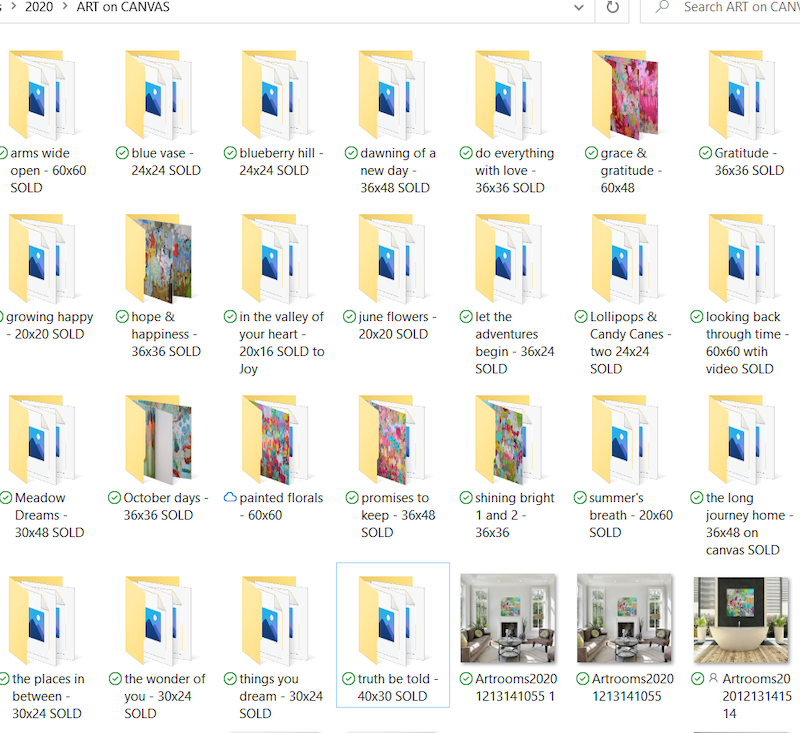
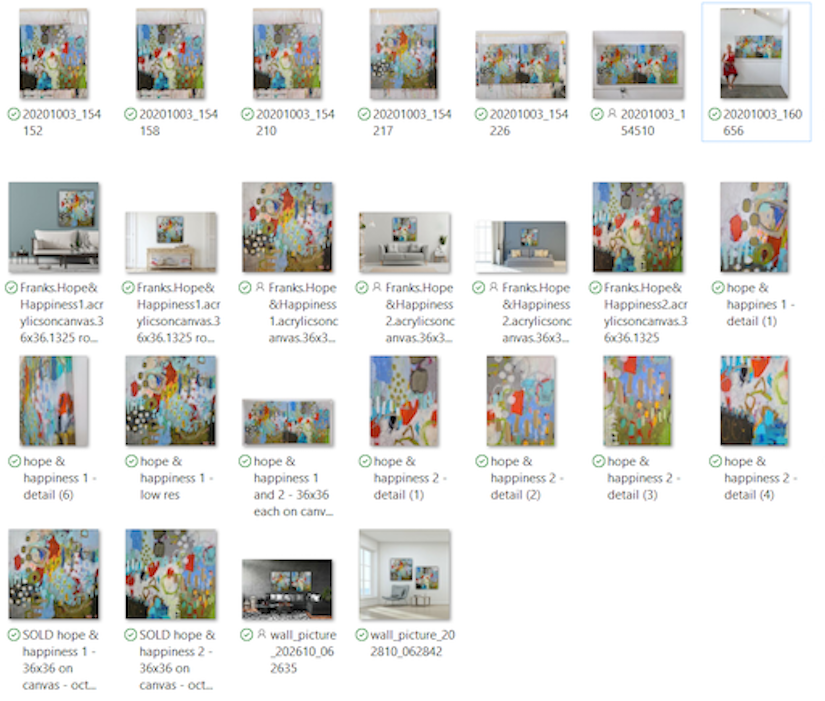
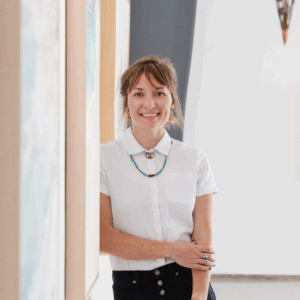
]]>Betty's art business has exploded over the last four years. By 440%!
You can't have and sustain this kind of business growth if you don't have solid systems in place.
The post Systems to Effectively Manage a Dizzying Increase in Your Art Business with Betty Franks (80) appeared first on Art Biz Success.
]]>


The post Systems to Effectively Manage a Dizzying Increase in Your Art Business with Betty Franks (80) appeared first on Art Biz Success.
]]>On the other hand, she has learned to access another part of her to stay organized—the perfectionism that comes with being an Enneagram 1.
It's a good thing Jennifer has embraced these two sides of her because she needs them. Not only is she a practicing artist with an enviable record of exhibitions, but she's also an assistant professor at Florida International University in Miami. She has two full-time jobs.
I've watched Jennifer whip her business into shape by getting organized and creating reliable systems. I've even had the pleasure of helping her with parts of that.
In this episode, I talk with her about how she compartmentalizes her two jobs. We also discuss the planning process she uses, the digital and paper tools she relies on to stay organized, and why writing by hand is critical for her and her students.
The post The Art Biz ep. 79: Tools to Shape Up Your Art Business with Jennifer Printz appeared first on Art Biz Success.
]]>On the other hand, she has learned to access another part of her to stay organized—the perfectionism that comes with being an Enneagram 1.
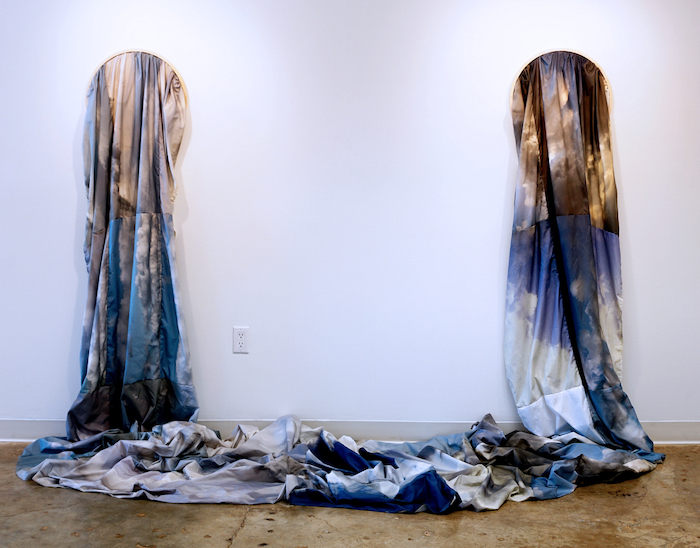
It’s a good thing Jennifer has embraced these two sides of her because she needs them. Not only is she a practicing artist with an enviable record of exhibitions, but she’s also an assistant professor at Florida International University in Miami. She has two full-time jobs.
I’ve watched Jennifer whip her business into shape by getting organized and creating reliable systems. I’ve even had the pleasure of helping her with parts of that.
In this episode, I talk with her about how she compartmentalizes her two jobs. We also discuss the planning process she uses, the digital and paper tools she relies on to stay organized, and why writing by hand is critical for her and her students.
Music by Wildermiss
Highlights
- Jennifer Printz reflects on the wide variety of her artwork and her work as a professor. (2:02)
- The value to Jennifer’s students of modeling the life of a professional artist and the lessons they are learning as a result. (5:53)
- Practical tips for separating your day job from your art business. (8:40)
- The value of taking time for an artist’s day, connecting with artists virtually, and creating physical space for your creativity. (11:33)
- Taking your art business beyond a plateau to the next level with coaching and positive feedback. (16:50)
- Planning out a quarter at a time to free up your mental space for creativity. (22:30)
- Day-to-day systems that will help you get and stay organized and productive. (27:21)
- Jennifer’s process to keep an updated inventory of her pieces. (33:42)
- Strategic organization of all the moving parts of an exhibition. (38:29)
- Playing into your personality strengths to maximize your art business systems. (42:35)
- What is the first step to take when your systems are breaking down? (45:04)
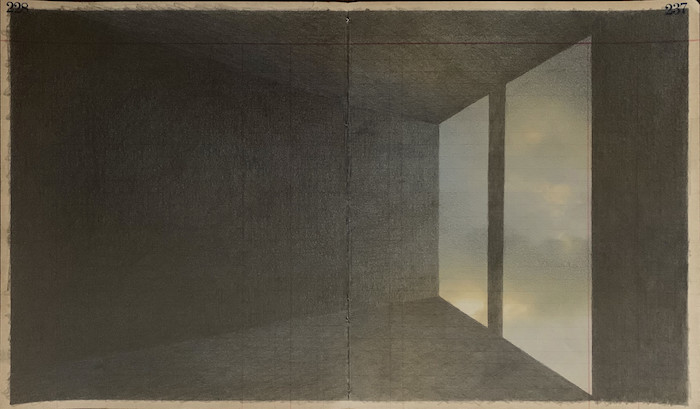
- A look at the works that are currently holding Jennifer’s attention in the studio. (47:12)
Mentioned
Full Focus Planner by Michael Hyatt
Original Impulse by Cynthia Morris
Artwork Archive inventory software
Chana Orloff at the Archives of Women Artists
IS Projects in Fort Lauderdale
Jennifer Printz Quotes
“When I hit a certain level of success I felt the need to get a more objective viewpoint to help me move to a new level of success.”
“If we’re always doing what we’ve always done and the results are what we always got, then it’s time to reevaluate.”
“It made sense to shift to a new system so I could put more effort into my creative practice.”
“In order to build strong relationships, in order to have a successful exhibition, I need to access other parts of me and not let the part of me that’s against organization get in the way.”

About My Guest
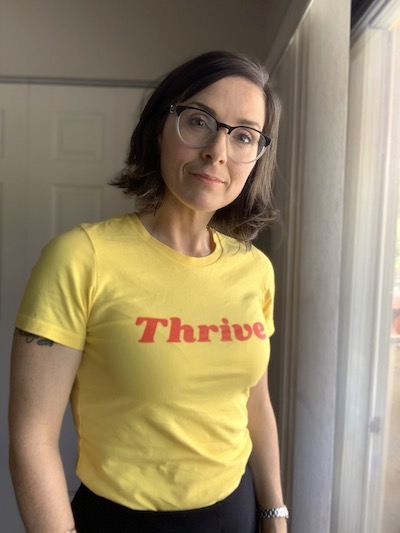
Jennifer Printz unifies photography and drawing to make poetic works that reflect the unseen structures of the universe.
In 2004 she was awarded a Puffin Foundation Grant, followed by a Dendo Fellowship in 2016. She has participated in regular residencies in the US, at the Frans Masereel Centre/Flemish Center for the Graphic Arts in Kasterlee, Belgium, St. James Cavalier Centre for Creativity, Valletta, Malta, and La Cité Internationale des Arts, Paris, France.
Jennifer is also an educator, teaching a wide range of two-dimensional media at the undergraduate and graduate levels, as well as courses on public art and professional practices. Currently, she is on the faculty of Florida International University in Miami.
Follow Jennifer on Instagram: @jenniferdprintz
Music by Wildermiss
The post The Art Biz ep. 79: Tools to Shape Up Your Art Business with Jennifer Printz appeared first on Art Biz Success.
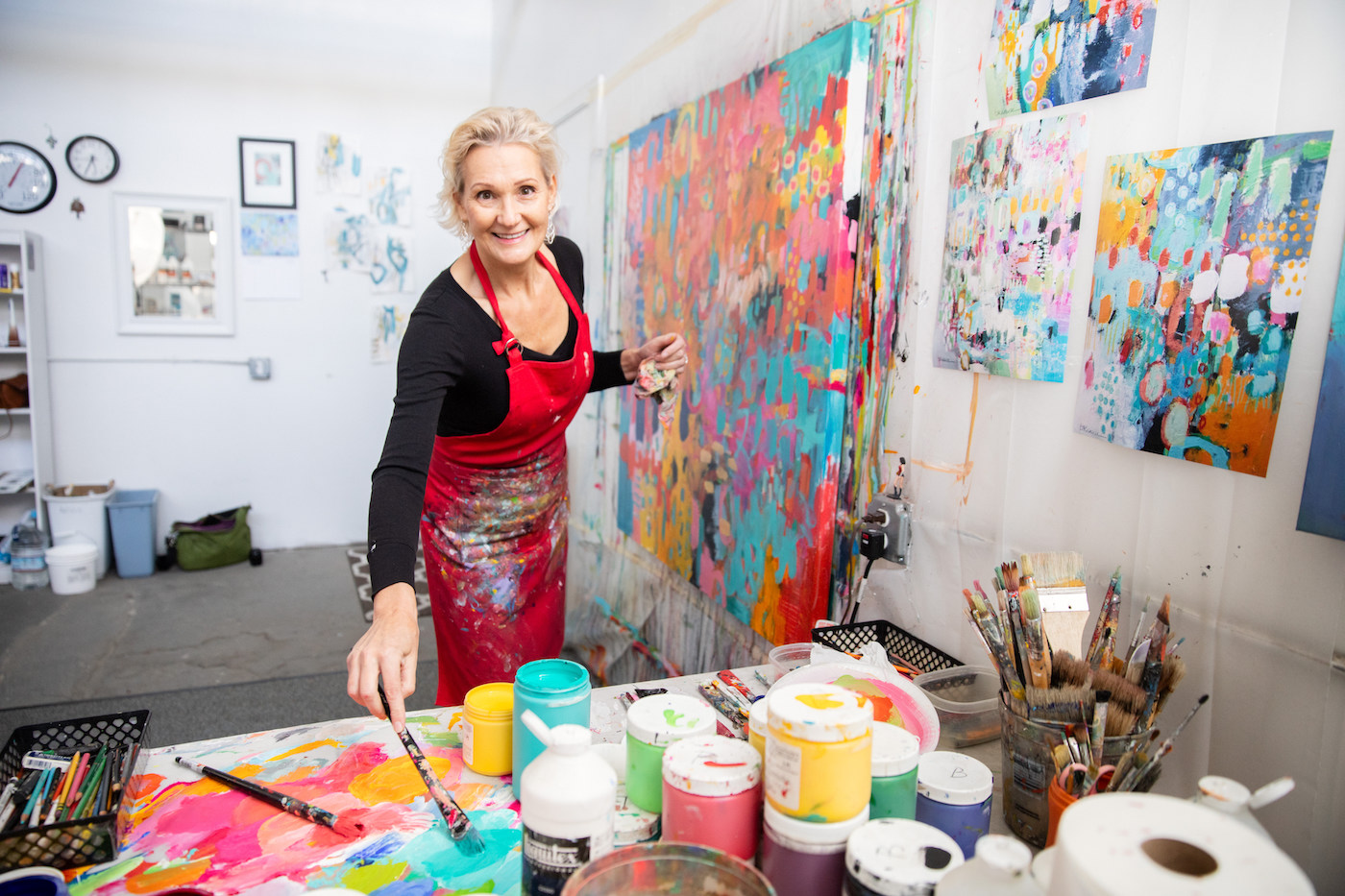
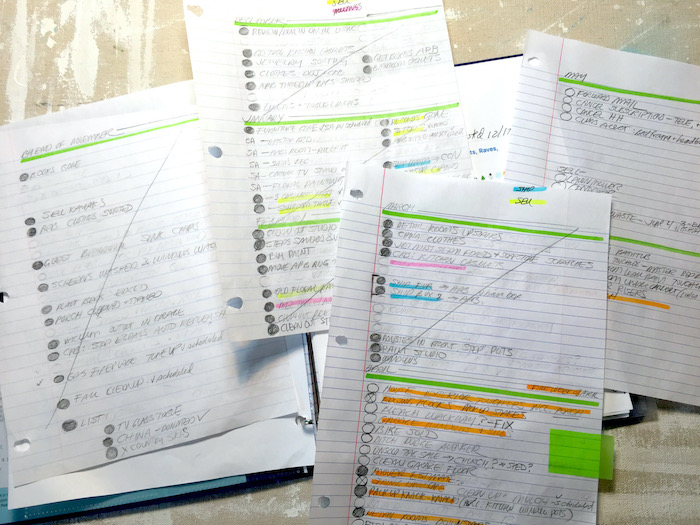
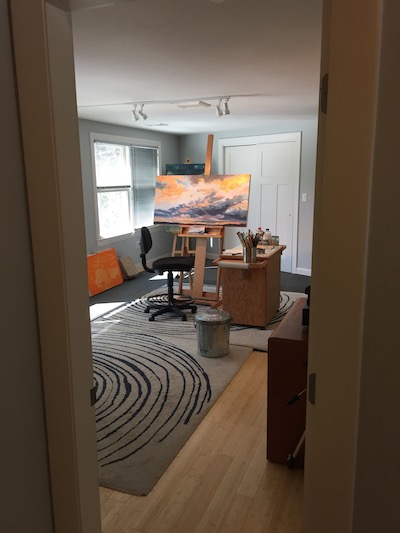
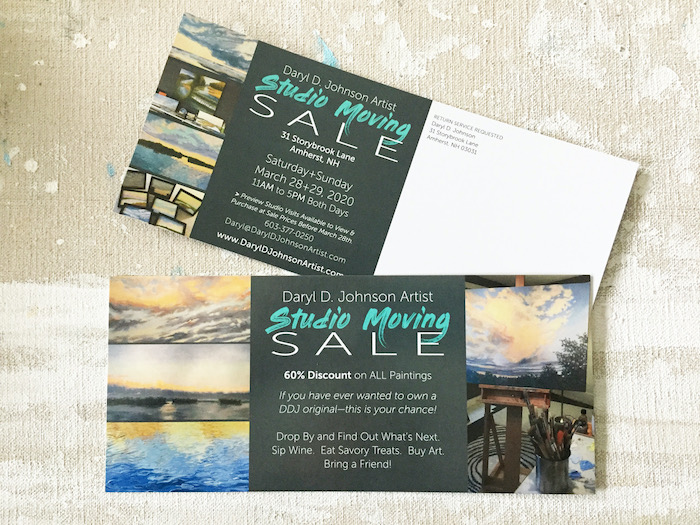
]]>Daryl is a member of my Art Career Success System and messaged me in March when we had a spring cleaning theme in our community. She said she had spent the last year cleaning out her life in preparation for a big move.
Most people who know they're going to move delay the hard part of getting rid of things until packing time. Again, not Daryl. She made a year-long plan to alleviate much of the stress by recycling, donating, gifting, and selling many of her possessions—a little at a time.
In this episode of the Art Biz Podcast, Daryl talks about a life-changing event that led to a very different relationship with things. When you listen, you'll discover why the plan took an entire year to implement (it's brilliant).
You'll also find out how Daryl made a big wad of cash by selling things through carefully selected channels.
The post The Art Biz ep. 49: A Year of Cleaning with Daryl Johnson appeared first on Art Biz Success.
]]>

The post The Art Biz ep. 49: A Year of Cleaning with Daryl Johnson appeared first on Art Biz Success.
]]>Funny thing. She never came.
I'm not sure when I caught onto Mom’s charade, but the clean rooms didn't last. I loved to pull things out, try them on, and make messes. I still do. And I don't like to clean up.
But I do love a tidy workspace. I can breathe better. I can think better when I know where things are and when I have space.
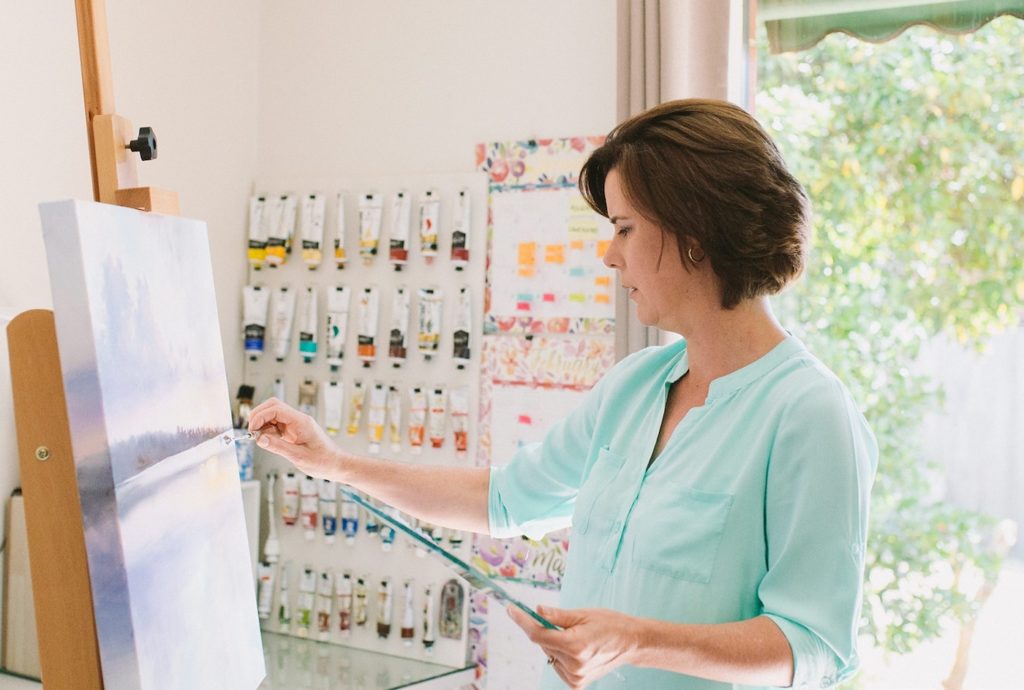
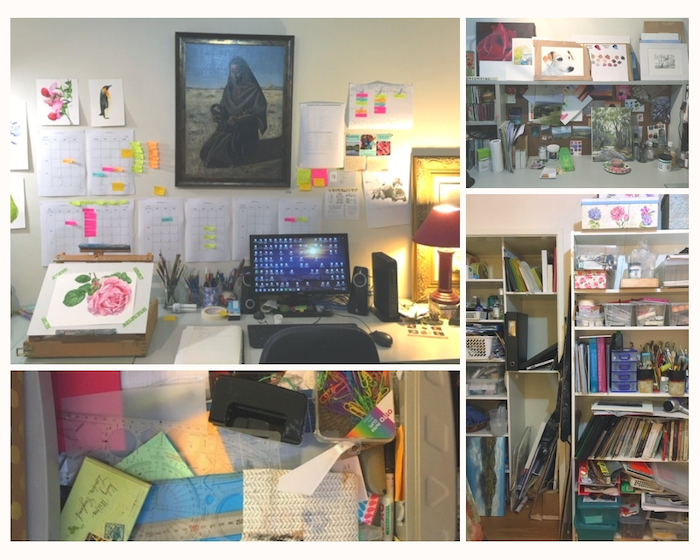
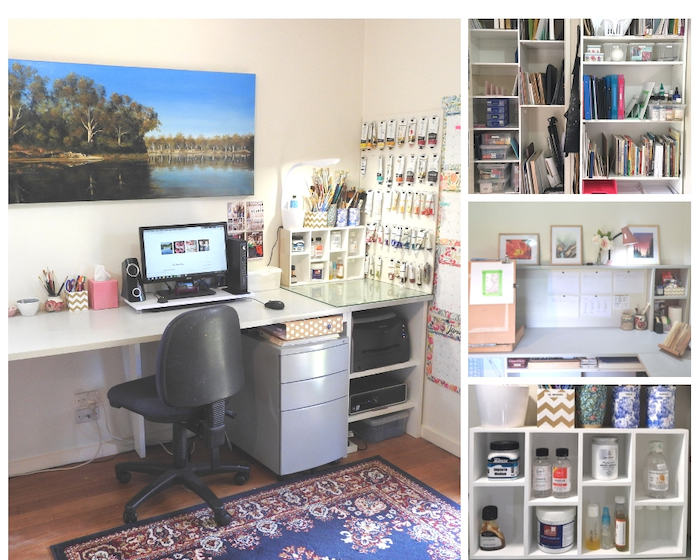
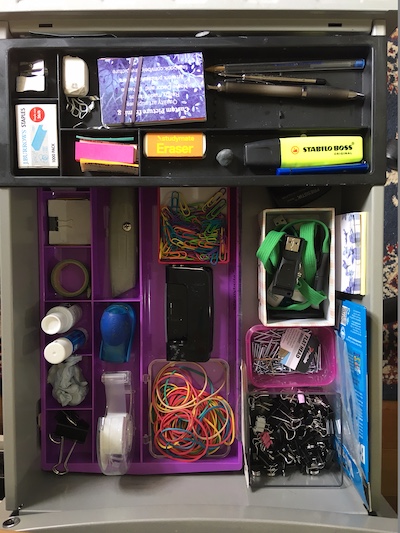
My guest for the latest episode of the Art Biz Podcast is Fiona Valentine, who shares 5 simple steps to organize your studio and save time, money, and materials while increasing your productivity.
Organizing your studio might not sound like much fun and, honestly, I don’t care what your office or studio looks like. But here’s what I know: Most of my clients are overwhelmed and stressed out. At the same time, most would probably tell you that they aren’t very good at the whole organizing thing.
I’m pretty sure that you’ll alleviate a lot of stress when you take the time to 1) get organized and 2) stay organized by keeping a tidy workspace.
Fiona has adapted a proven 5-step technique to her art studio and her outline makes it easy for you to follow. If you listen closely you’ll hear that we added a 6th step (and it’s a fun one). Then you'll be ready if, indeed, her majesty drops in unexpectedly.
The post The Art Biz ep. 38: 5 Simple Steps to an Organized Studio with Fiona Valentine appeared first on Art Biz Success.
]]>

The post The Art Biz ep. 38: 5 Simple Steps to an Organized Studio with Fiona Valentine appeared first on Art Biz Success.
]]>My guest for this episode of the Art Biz Podcast, Heather K. Powers, figured it out long before I did. As the founder of Creatively Organized Spaces, Heather customizes solutions for organizing systems and storage for her creative clients.
In this interview, Heather and I discuss:
- The stereotype that artists are inherently disorganized.
- Her philosophy for helping artists get organized.
- The biggest pain point artists have when it comes to organizing.
Heather also shares a number of tips, including:
- Know what you want before you start organizing.
- Schedule time for organizing (3-4 hours at a time seems to be a sweet spot).
- Make a plan before you go buy a lot of containers.
- Create work zones.
LISTEN NOW ...
The post The Art Biz ep. 10: Creative Organizing with Heather K. Powers appeared first on Art Biz Success.
]]>My guest for this episode of the Art Biz Podcast, Heather K. Powers, figured it out long before I did. As the founder of Creatively Organized Spaces, Heather customizes solutions for organizing systems and storage for her creative clients.

In this interview, Heather and I discuss:
- The stereotype that artists are inherently disorganized.
- Her philosophy for helping artists get organized.
- The biggest pain point artists have when it comes to organizing.

Heather also shares a number of tips, including:
- Know what you want before you start organizing.
- Schedule time for organizing (3-4 hours at a time seems to be a sweet spot).
- Make a plan before you go buy a lot of containers.
- Create work zones.
LISTEN NOW
Music: Keep It Simple by Wildermiss.
Listen to or subscribe on iTunes.
Related
A Year of Cleaning with Daryl Johnson (#49)
5 Simple Steps to an Organized Studio with Fiona Valentine (#38)
About My Guest

Heather is known as the creative organizer because two of her passions, organizing and design, collided when she launched her organizing business after a 15-year career as a textile designer. She says:
Curiosity and passion inspire me to find creative and customized solutions for organizing systems and storage. Form + function are the common threads woven throughout the process and I don’t believe that one must be sacrificed for the other.
Please visit her website to find out how she works with her clients in person and online and follow her on Instagram @Heather_K_Powers.
The post The Art Biz ep. 10: Creative Organizing with Heather K. Powers appeared first on Art Biz Success.
]]>When I want a document that I will reuse and share with students, clients, or my team, I create it in Word, Pages, or Google Docs.
When I want to save drafts of documents or to store something to remember, it goes straight to Evernote where I can access it across devices.
Evernote is an app that organizes information into digital notes and notebooks. It would be impossible for me to keep track of all the information I need to without it.
Here’s a peek at how I use Evernote in my life and business along with suggestions for how you might use it in your art career.
Keep Your Travel Information in One Place
This might be my favorite use of Evernote. In your Travel notebook you might store:
- Hotel arrangements
- Flight details
- Car rentals
- Contact names and information
- Directions
- Things you want to do and see when you arrive
- Local restaurants
You might also store travel information for your family or for friends who are visiting.
Capture Content Ideas
One of the problems I hear most often from artists is that they don’t have anything to say. And this is a problem when so much of your marketing is based on the written word.
No more worries! The minute you have a bright idea, you can start a note in Evernote. Save drafts for:
The post Organize Your Busy Art Career with Evernote appeared first on Art Biz Success.
]]>When I want a document that I will reuse and share with students, clients, or my team, I create it in Word, Pages, or Google Docs.
When I want to save drafts of documents or to store something to remember, it goes straight to Evernote where I can access it across devices.

Evernote is an app that organizes information into digital notes and notebooks. It would be impossible for me to keep track of all the information I need to without it.
Here’s a peek at how I use Evernote in my life and business along with suggestions for how you might use it in your art career.
Keep Your Travel Information in One Place
This might be my favorite use of Evernote. In your Travel notebook you might store:
- Hotel arrangements
- Flight details
- Car rentals
- Contact names and information
- Directions
- Things you want to do and see when you arrive
- Local restaurants
You might also store travel information for your family or for friends who are visiting.
Capture Content Ideas
One of the problems I hear most often from artists is that they don’t have anything to say. And this is a problem when so much of your marketing is based on the written word.
No more worries! The minute you have a bright idea, you can start a note in Evernote. Save drafts for:
- Social media posts
- Blog posts
- Video scripts
- Newsletters
- Bio updates
- Artist statement revisions
Maintain an Operations Manual
Your operations manual is a record of step-by-step procedures for regular tasks.
It saves time because you don’t have to recreate the procedures every time you begin the task. It will also be the go-to guide for any assistants you may hire.
Use this for:
- Assistants and employee info
- Steps for sending a newsletter
- Checklist for art openings
- Exhibitions checklist
- Packing and shipping instructions
- Promotions checklist
- Any text that you might use repeatedly, such as quick links, responses to donation requests, or directions to your studio
Systematize Your Art Making
Evernote is an ideal place to keep notes for:
- Commissions details
- Glaze recipes
- Shopping resources for materials
- Tracking studio hours
- Tracking progress on artwork
Manage Your Finances
Consider using Evernote to organize your finances:
- Receipts
- Invoices
- Tax schedule
- Sales tax procedures
- Budgets
- List of people and businesses you need tax forms from
- List of people and businesses you need to send tax forms
Personalize Your Relationships
Create an Evernote notebook for people who you want to know about you and your art so that you can personalize your relationships.
Who are they? Where do they work? What are they known for? Who do they know that you know?
These people might include:
- Individual collectors
- Curators on your radar
- Gallerists
- Interior designers
- Architects
- Heads of granting agencies
- Writers and critics
Structure Your Teaching
There is so much to juggle when you teach:
- Enrollment procedures
- Notes about individual students
- Lesson plans
- Teaching checklist
- Inspiration from other instructors
- Ideas for improving your next class
- Procedures for following up with students
- Teaching proposal drafts (these are probably documents in their final form)

Remember What You Want to Learn
Artists are perpetual students. There is so much to take in! Keep track of all you want to take, see, watch, and read:
- Classes
- Workshops
- Podcasts
- Artist talks and seminars
- Books
- Films and videos
- Bucket list for travel
Your Turn
There are hundreds of other ways that Evernote can help you organize your art career and business.
How do you use Evernote?
The post Organize Your Busy Art Career with Evernote appeared first on Art Biz Success.
]]>I am highly reliant on my electronic calendar and task lists, but I've never given up paper for the daily to-dos. And I'm constantly refining how I use each piece in the planning process.
What Do You Use?
How do you keep track of your schedule, projects and tasks?
What do you have on paper? What's your preferred method for using paper? Notebooks? Journals? Daytimers? Bullet journals?
What is kept electronically? What programs do you rely on to keep you focused?
Please share in a comment below.
When you're finished commenting here, please hop over to my Facebook page and share a pic of your planner with the top post.
Read about and subscribe to Curious Monday posts.
The post What notebooks or planners do you use for your art business? appeared first on Art Biz Success.
]]>Now’s the time we start looking for new calendars and planners for the New Year.
I am highly reliant on my electronic calendar and task lists, but I’ve never given up paper for the daily to-dos.
And I’m constantly refining how I use each piece in the planning process.

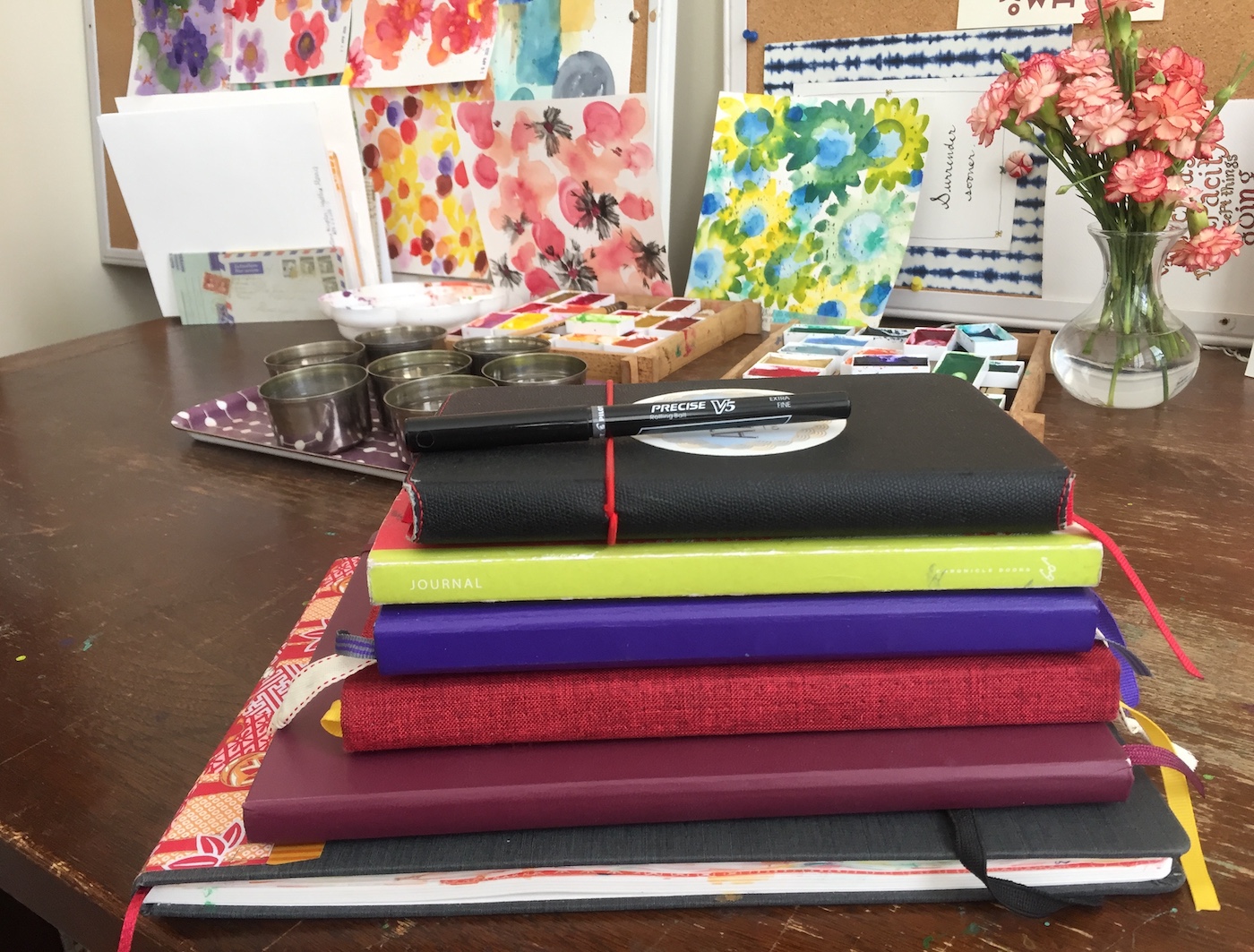
What do you use for planning your art business?
How do you keep track of your schedule, projects and tasks?
What do you have on paper?
What’s your preferred method for using paper? Notebooks? Journals? Daytimers? Bullet journals?
What is kept electronically?
What programs do you rely on to keep you focused?
The post What notebooks or planners do you use for your art business? appeared first on Art Biz Success.
]]>The post Single-Tasking Is The Answer for Improved Productivity appeared first on Art Biz Success.
]]>
The post Single-Tasking Is The Answer for Improved Productivity appeared first on Art Biz Success.
]]>