inspiration Archives - Art Biz Success https://dy-online.com/tag/inspiration/ Trusted Art Business Coaching and Consulting Wed, 27 May 2026 20:35:38 +0000 en-US hourly 1 https://wordpress.org/?v=7.1.4 https://dy-online.com/wp-content/uploads/2022/02/favicon-2-150x150.png inspiration Archives - Art Biz Success https://dy-online.com/tag/inspiration/ 32 32 Risk, rejection, and resilience with Christine Aaron (114) https://dy-online.com/rejection-aaron-podcast/ https://dy-online.com/rejection-aaron-podcast/#comments Fri, 16 Jan 2026 14:46:06 +0000 https://dy-online.com/rejection-aaron-podcast/ You’re going to make mistakes. You will absolutely make the “wrong” decisions from time to time. And you’re going to be rejected from shows and opportunities.

You'll become more and more resilient every time you take a risk that doesn’t work out as you had intended. You’ll bounce back. And you’ll be stronger for it in the long run. Promise. Listen to how this plays out for Christine Aaron.

The post Risk, rejection, and resilience with Christine Aaron (114) appeared first on Art Biz Success.

]]>
(New share of an episode from 2022 that is very much related what we’re doing in Essentials this season.)

We like a sure thing. The desire to eliminate risk has birthed many a promise in marketing messages. Because we keep looking for magic bullets. We continue to hope that the 1 thing that will solve all of our problems about [fill in the blank] is out there.

Still, uncertainty persists, and it’s a thorn in our side. Because, again, we would much prefer a sure thing.

I want to make what I know will sell, I’ve heard from risk-intolerant artists throughout the years.

Making art for the marketplace turns my stomach. It’s the antithesis of what art, at its core is about. This is one of the few times when I’ll should on you: You should only make art that comes from your soul. Art that must be birthed. Anything less is less than art.

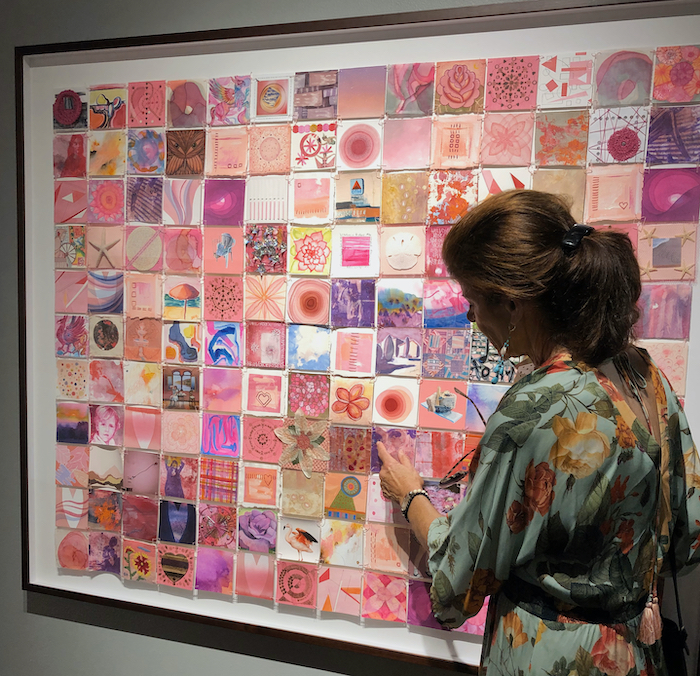
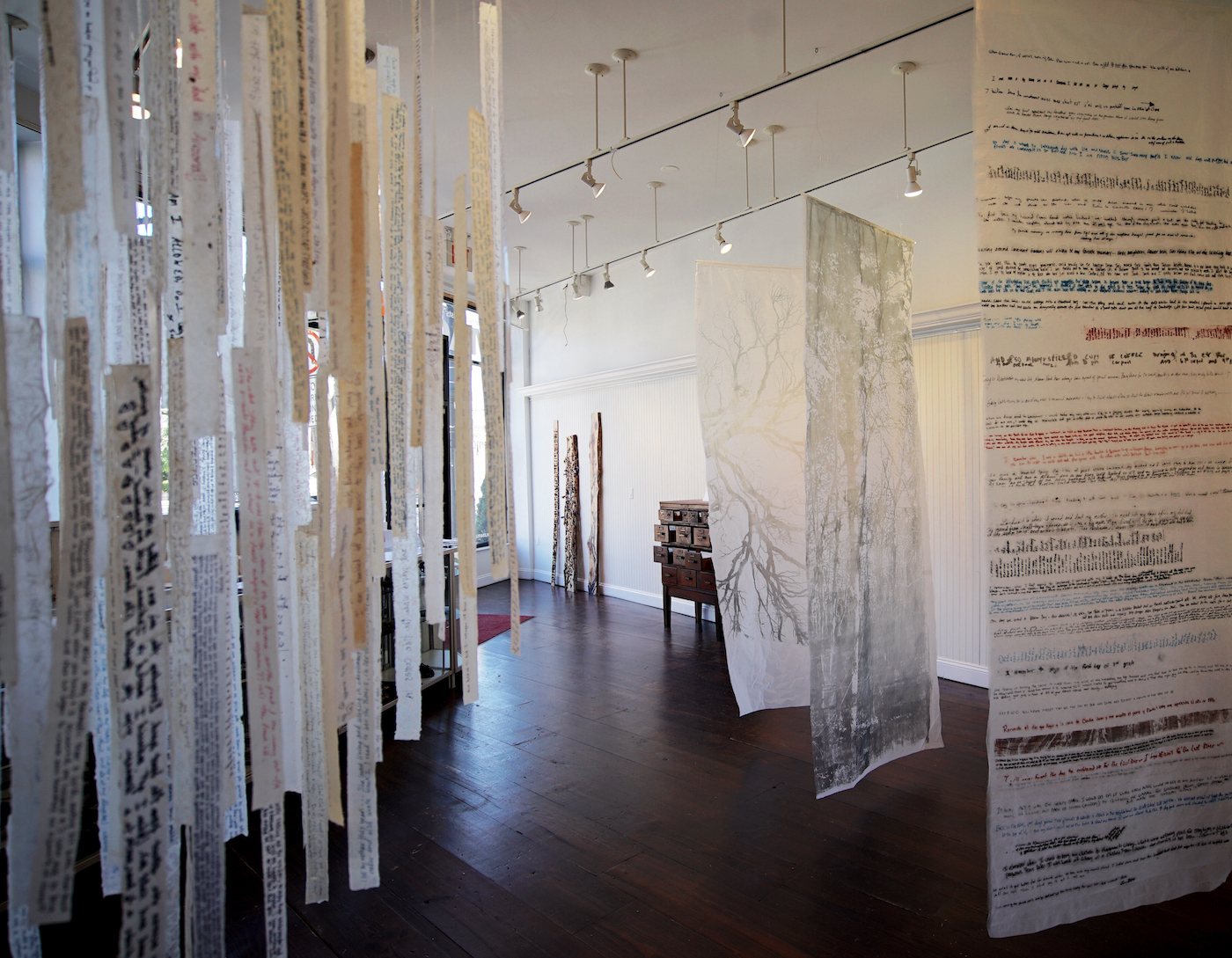
Memory project art installation artist Christine Aaron strips of printed paper hanging from ceiling | on Art Biz Success

Great Art Requires Risk

What is art—great art—if not a risk at the time it was made?

History books are sorely lacking in stories of people who played it safe. What boring stories those are! History is made by people who took big risks.

In order to embrace risk, we have to practice. We step into it, try it on, and, almost always, discover that it isn’t as bad as the soundtrack we were playing in our heads.

Here’s another one I hear: I want to make sure it’s the right thing to do.

Think about those words the next time you hear them come out of your mouth. When, in the history of the Universe, has anyone ever been 100% sure that their next move was the right move for their long-term happiness and success?

You want a sure thing? Go back to engineering school. There’s plenty of work for you in that field.

Mistakes and Failures Are Part of the Bargain

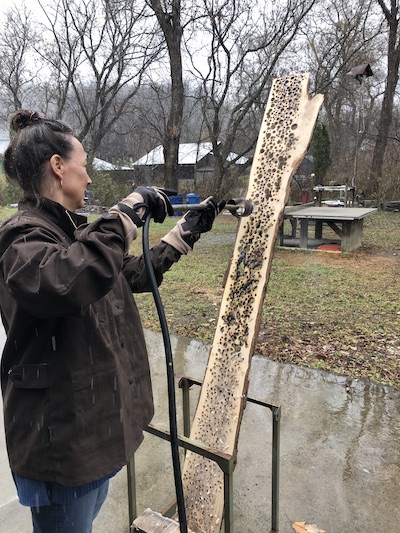
artist Christine Aaron standing burning holes into wood slice | on Art Biz Success
Christine’s artist residency at the Vermont Studio Center in November 2019. She is burning the holes she drilled for a series of tree slice sculptures.

Yes, you’re going to make mistakes. You will absolutely make the “wrong” decisions from time to time. And you’re going to be rejected from shows and opportunities. Count on them. Prepare for them. You’ll survive.

You may be a bit black and blue. But you’ll use courage muscles you never had before.

You’ll become more and more resilient every time you take a risk that doesn’t work out as you had intended. You’ll bounce back. And you’ll be stronger for it in the long run. Promise.

My guest to discuss these things on The Art Biz is Christine Aaron. 

You’ll hear how she embraces risk and has come to understand the role of rejection in her art career. She also shares the tools she relies on to get back in the studio and do it all over again. Resilience.

Highlights

  • The unusual motivation behind Christine’s first watercolor class selection. (2:08)
  • Taking risks and challenging yourself in a rewarding art career. (5:31)
  • Refining your art by sharing it with and soliciting critique from others. (12:45)
  • Identifying your safe zone and moving beyond it. (21:45)
  • Taking on the work that pushes you out of your comfort zone. (25:12)
  • Name the risks to work your way through the potential rejection. (32:57)
  • What rejection really means about the work that you’re doing. (39:46)
  • Honing your resilience skills amid rejection. (40:35)
  • Stop comparing yourself to other artists and remember how far you’ve come. (45:45)
  • Reflecting on your work, your processes, and your improvement. (47:06)
  • The risks that Christine is going to take in 2022. (48:00)
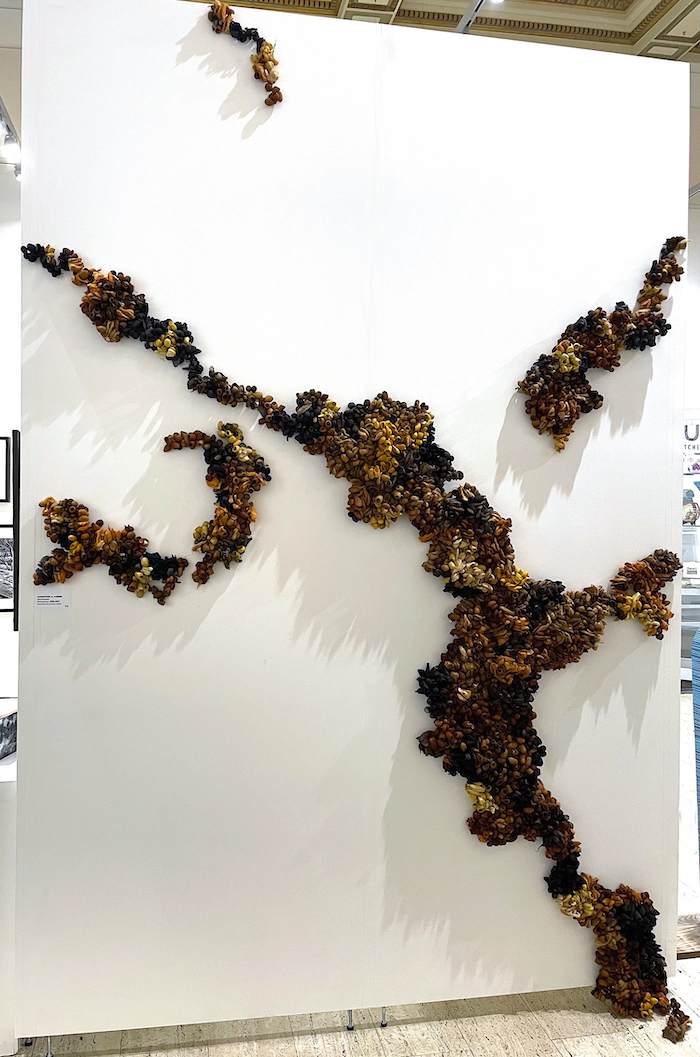
large white panel with brown silk organic tree like shapes climbing it | on Art Biz Success
©Christine Aaron, Emergence (2020-present). Hand-dyed Erie and Bombyx silk cocoons and thread, 10 foot x 8 foot x 5 inches.

Christine Aaron Quotes

  • “There’s not one of us that hasn’t experienced disappointment and loss in life.”
  •  “I make work ultimately because I want it to resonate with someone else.  And the only way to do that is to get it out there.”
  •  “Think beyond what you can imagine now and know that you’ll have the ability to get the resources you need to do it.”
  • “Every artist I know gets way, way more rejections than they get acceptances. But nobody is talking about that.”

About My Guest

Christine Aaron is a conceptual and material focused artist. Her work is exhibited nationally and internationally. Aaron received an artist’s grant from ArtsWestchester—New York State Council on The Arts, a Surface Design Association grant, and a residency and grant from Vermont Studio Center. She presents talks at The International Encaustic Conference in Provincetown, MA, received awards in printmaking and mixed media, and had a solo exhibit of The Memory Project at California Museum of Art Thousand Oaks.

Aaron holds a BS in education from Cornell University and a Masters in Social Work from Hunter College. She lives and maintains a studio in New Rochelle, NY.

Follow Christine on Instagram: @christineaaronart

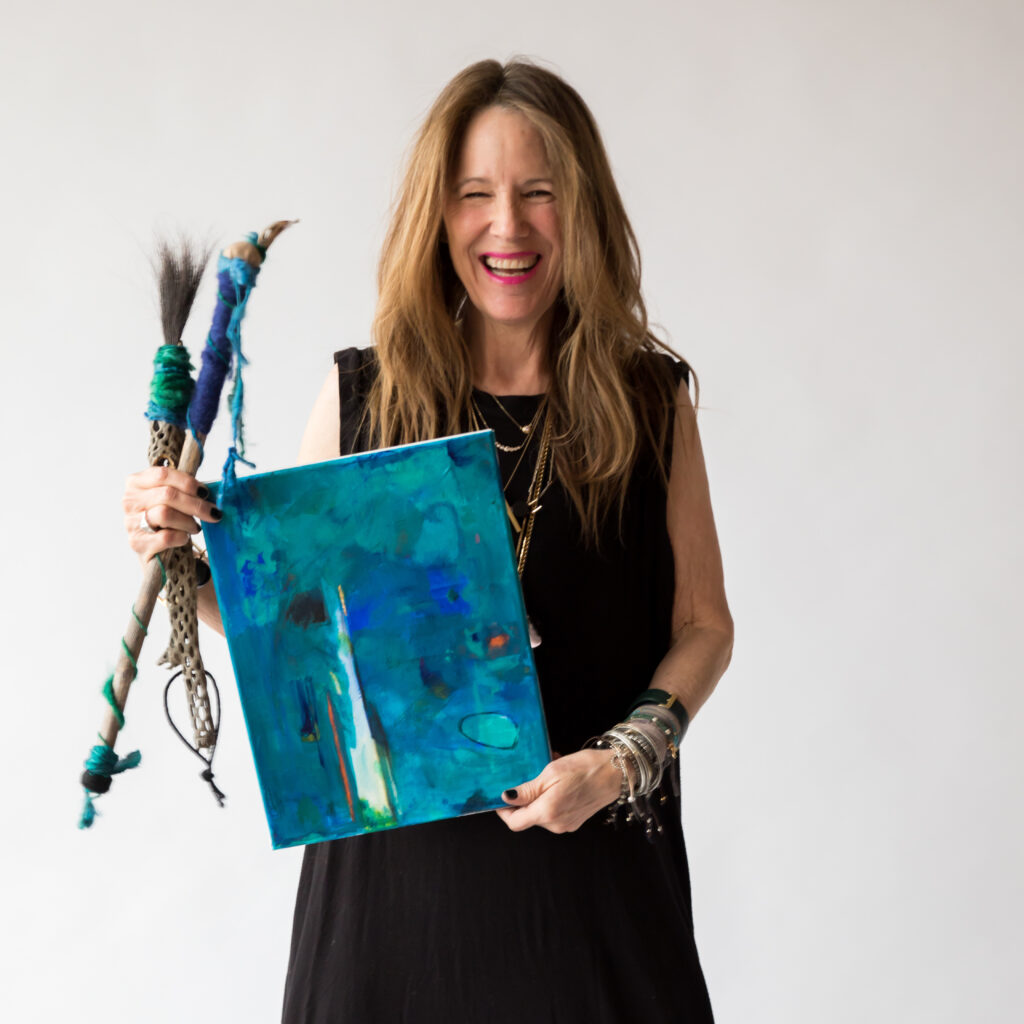
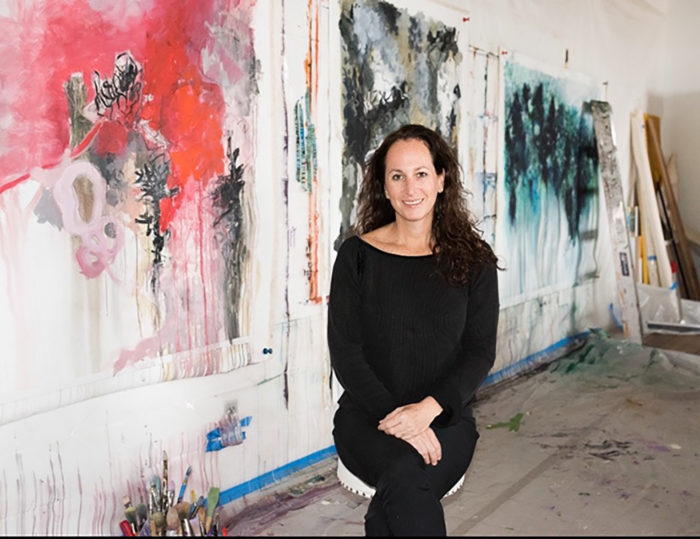
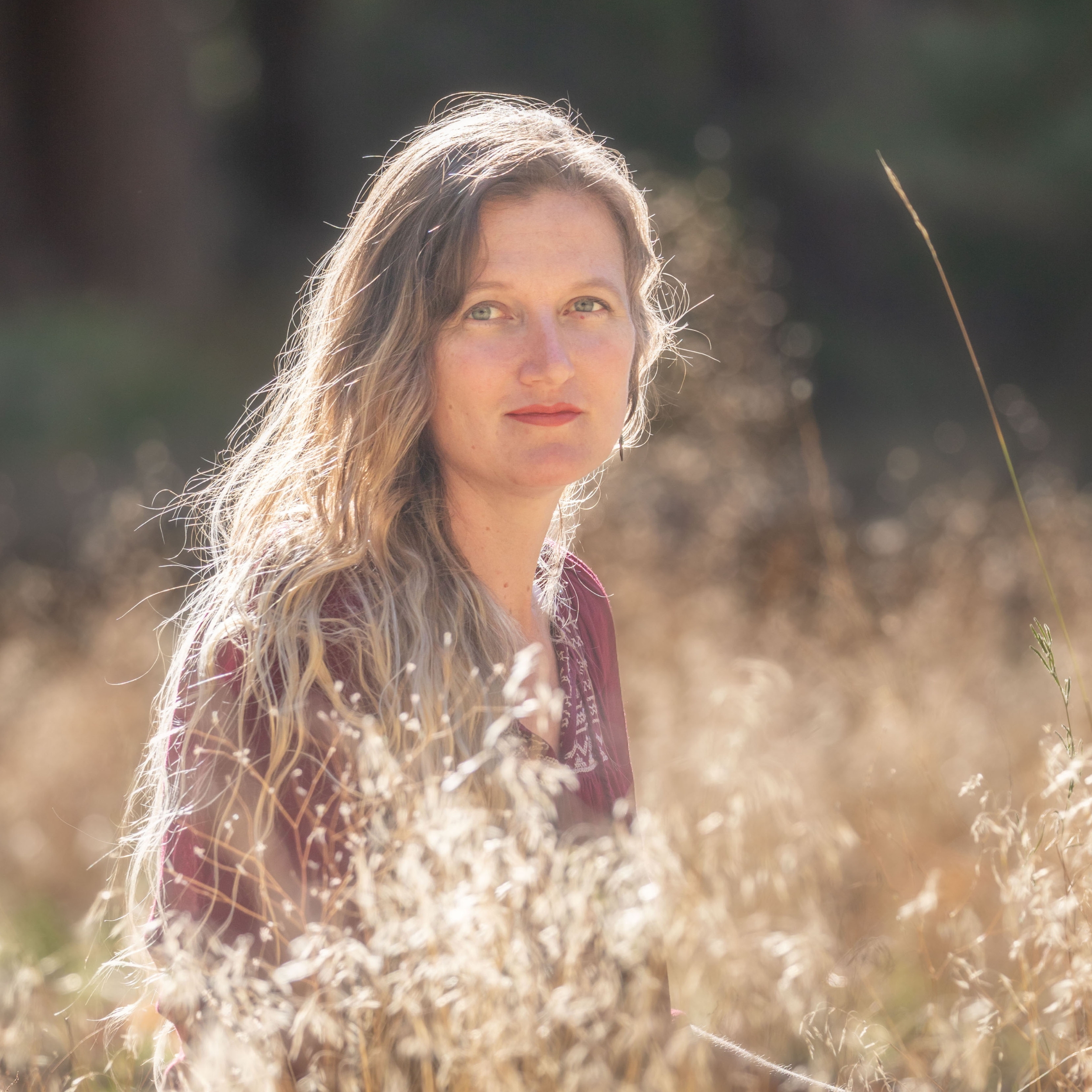
artist Christine Aaron | on Art Biz Success

The post Risk, rejection, and resilience with Christine Aaron (114) appeared first on Art Biz Success.

]]>
https://dy-online.com/rejection-aaron-podcast/feed/ 7
The Art Biz ep. 180: Affirmations for Artists to Keep You Motivated https://dy-online.com/affirmations-for-artists/ https://dy-online.com/affirmations-for-artists/#comments Thu, 07 Mar 2024 12:54:00 +0000 http://artbizsuccess.com/?p=25527 I believe in the power of daily affirmations. I first used them a number of years ago to increase my income and it worked. My income shot up 40% that year.

I do not believe that reciting affirmations alone will move the needle. You must have the commitment to your goals in the first place and take appropriate action to move forward.

Try them and adapt to your needs.

Video included.

The post The Art Biz ep. 180: Affirmations for Artists to Keep You Motivated appeared first on Art Biz Success.

]]>
I believe in the power of daily affirmations for artists. 

I first used them for myself a number of years ago to increase my income and it worked. I increased my income 40% that year.

And while I am not now as dedicated to reciting them daily, I know I should be! I attribute the majority of my success back then to these affirmations.

What possessed me to stop?

I do not believe that reciting affirmations alone will move the needle. You must have the commitment to your goals in the first place and take appropriate action to move forward.

I encourage you to try them as a proven business accelerator tool. It can’t hurt!

In this episode of The Art Biz and accompanying video, I read 14 affirmations for artists slowly.

Then I take a break and repeat them because you don’t just say an affirmation once. You have to recite them repeatedly. They must become part of your heart. Integral to your outlook.

Use what lands for you—changing the wording to make them your own.

Prefer to read? Keep scrolling.

Listen

To Be Even More Successful, You Need People

As you can see, my affirmations are heavily weighted around the people needed to feel successful. The same is true for my art business and marketing programs at Art Biz Success.

I don’t believe in fast fixes.

I don’t believe in positive words for their own sake.

I believe that an artist’s career blossoms to the extent that they are willing to make meaningful connections to build their network. It’s the people you know who will value your work. They will show it, sell it, buy it, and tell others about it.

Collectors don’t appear out of thin air. You must cultivate collectors.

See how we do this in my Essentials for Artist Success program.

The 14 Affirmations for Artists

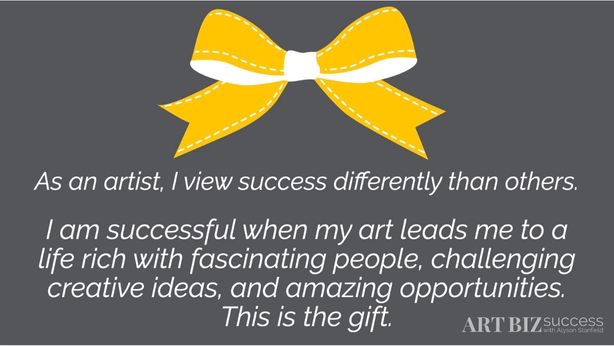
As an artist, I view success differently than others.

I am successful when my art leads me to a life rich with fascinating people, challenging creative ideas, and amazing opportunities. This is the gift.

Affirmation: I view success differently

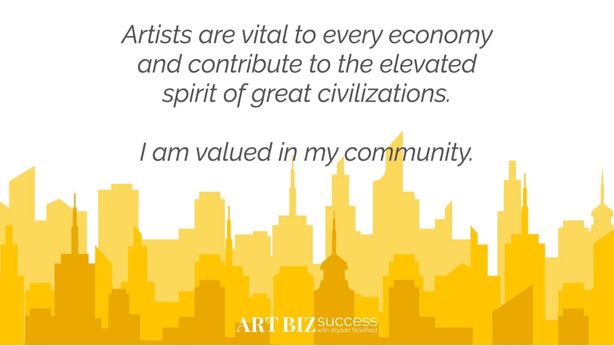
Artists are vital to every economy and contribute to the elevated spirit of great civilizations.

I am valued in my community.

Affirmation: I am valued in my community.

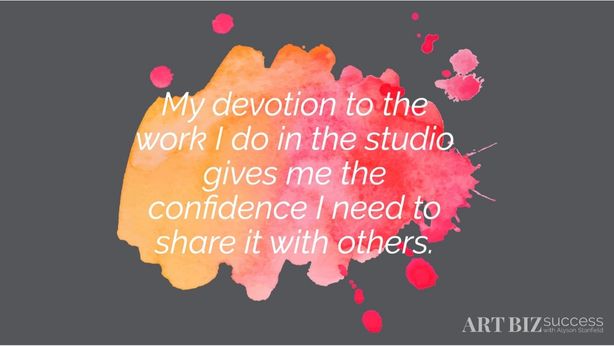
My devotion to the work I do in the studio gives me the confidence I need to share it with others.

Affirmation: My devotion to the work I do in the studio gives me the confidence I need to share it with others.

I understand that a fulfilling art business and career don’t happen quickly. They are the result of hard work over years.

I am committed to the journey and appreciate the privilege I have of being an artist.

Affirmation: I am committed to the journey and appreciate the privilege I have of being an artist.

I take positive action toward my goals, dreams, and vision.

Every tiny step (even the backward ones) gets me closer to the artist and person I want to be.

Affirmation: I take positive action toward my goals, dreams, and vision.

The Universe is in a constant state of expansion.

I am part of that, which means that as long as I keep taking positive action, my career will continue to expand.

Affirmation: the universe is in a constant state of expansion.

All doors open for me and through them comes abundance in its many forms.

Affirmation: All doors open for me and through them comes abundance in its many forms.

I am dedicated to becoming a savvy businessperson so that I can take better care of my art and legacy. Nobody cares about my success as much as I do.

Affirmation: I am dedicated to becoming a savvy businessperson.

I price my work fairly and receive what it is worth from the people who value it.

[See How to Price Your Art ]

Affirmation: I price my work fairly.

My success doesn’t mean that others will have less or go without.

The Universe is infinite and abundant. There is enough for everyone.

Affirmation: The universe is infinite and abundant.

I surround myself with people and things that bring me positive energy.

Affirmation: I surround myself with positive energy.

I realize that nobody is successful without the help of others.

I am grateful to all of the people who allow me to be the artist I am—from the artists who came before me to those who make art supplies to those who show and buy my work.

Affirmation: I am grateful for the people around me.

Many people want to live with my work. Who am I to deprive them of the opportunity to become a collector?

I do my best to make sure they can find me and see the work in person.

Affirmation: I will do my best to cultivate collectors.

I attract the perfect people to ensure my success—by doing the best work I can, being professional in every way, and valuing relationships.

Affirmation: I attract the perfect people to ensure my success.

Related

This post was first published on November 23, 2017 and has been updated (a lot!) with fresh affirmations, a new video, and podcast episode included.

The post The Art Biz ep. 180: Affirmations for Artists to Keep You Motivated appeared first on Art Biz Success.

]]>

https://dy-online.com/affirmations-for-artists/feed/ 32
The Art Biz ep. 172: Stop Incessantly Feeding the Social Media Algorithms with Kamal X https://dy-online.com/kamalx/ https://dy-online.com/kamalx/#comments Thu, 14 Dec 2023 15:39:11 +0000 https://dy-online.com/?p=46831 It's easy to chase the algorithm these days. It's more difficult to remain true to yourself and your art.

Kamal X started a collection of photographs after the murder of George Floyd—risking his health at the height of Covid because, he says, the moment was bigger than him. Kamal wants you to remember the light you have inside you, and that you can visualize and create something bigger for yourself.

The post The Art Biz ep. 172: Stop Incessantly Feeding the Social Media Algorithms with Kamal X appeared first on Art Biz Success.

]]>
I am fascinated by how we decide on areas of research or subject matter for our art.

Why is one artist endlessly engaged with the landscape while another builds geometric clay vessels or makes abstract videos?

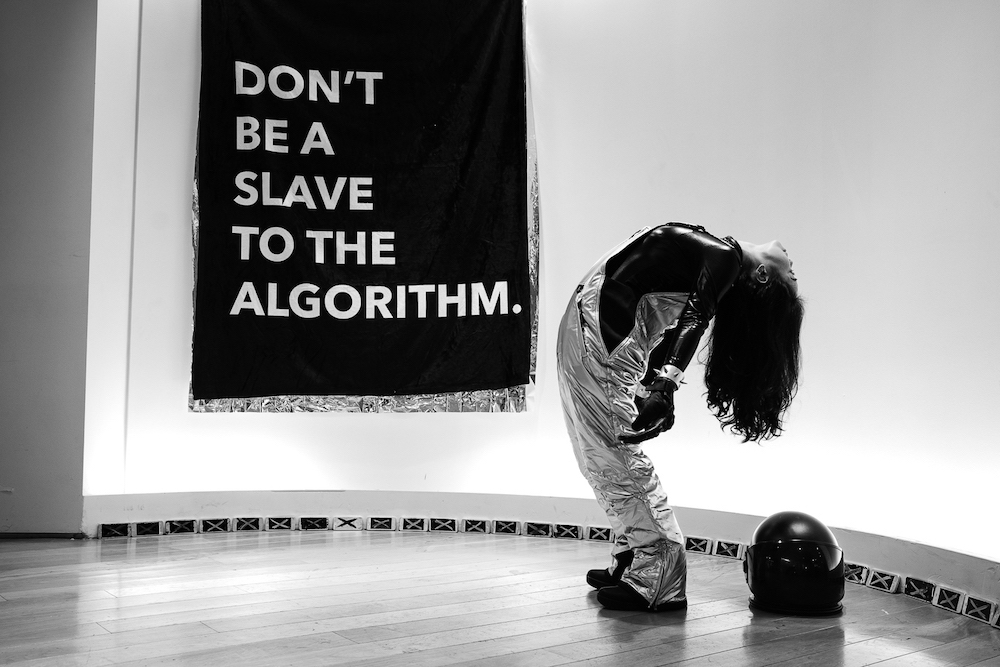
And how do we stick to our original impulses without being swayed by social media algorithms?

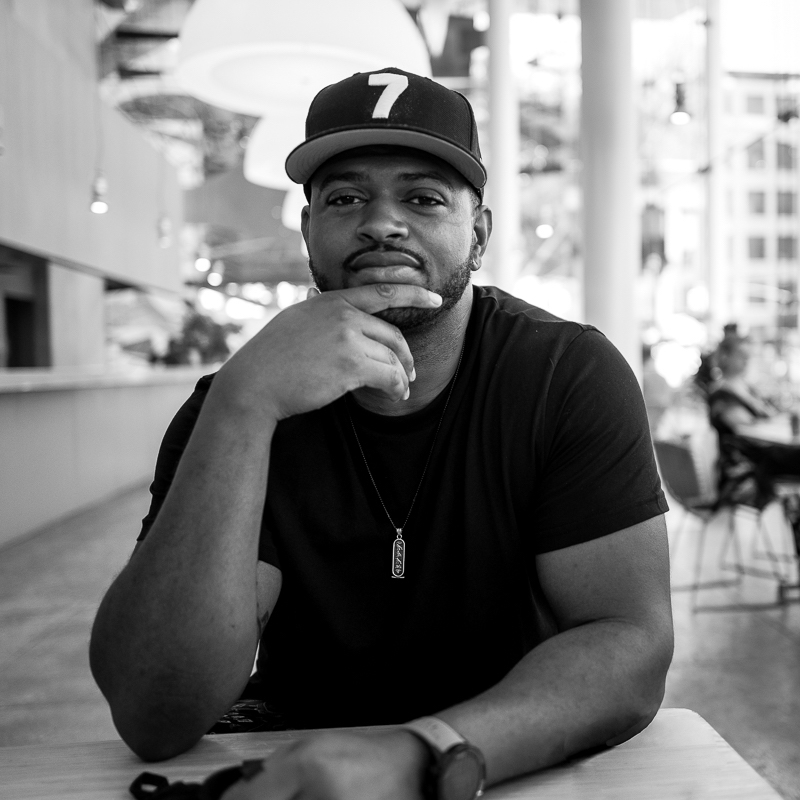
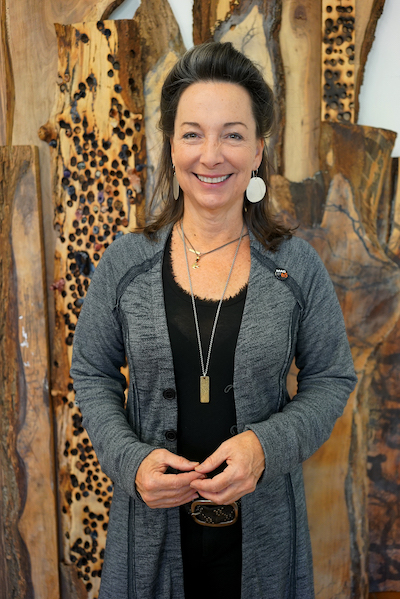
Kamal X photograph
©Kamal X, Untitled. Digital 35mm, 2 x 3 inch format.

My guest for this episode of The Art Biz is Kamal X.

Kamal recently released his book, Black Astronaut, which is a collection of photographs he started after the murder of George Floyd. It was, as you recall, the height of Covid and like many, Kamal was hesitant to travel and be in crowds.

But, as he said, he knew he had to risk it all because the moment was bigger than him.

In our conversation, you’ll hear about how and why Kamal learned photography and how he approaches his subjects on the street.

What I enjoyed most about talking with Kamal is his message. Through photography, he learns about himself, and he shares his positivity through his words and deeds.

He says, “Remember you are the light and you can create and visualize something bigger for yourself.” And he encourages you to be true to yourself and avoid making art for the algorithms.

Listen

“I had to risk it all because it was bigger than me.” —Kamal X

Mentioned

Kamal X photograph
©Kamal X, Untitled. Digital 35mm, 2 x 3 inch format.

Kamal X Quotes

“We are all unknown until we figure it out.”

“I knew I had to risk it all because it was bigger than me.”

“What if I had stayed in the house and watched Netflix?”

“I’m trying to find myself through these moments.”

“America had something to say.”

“You have to listen as a photographer.”

“You are here for a reason. You are special.”

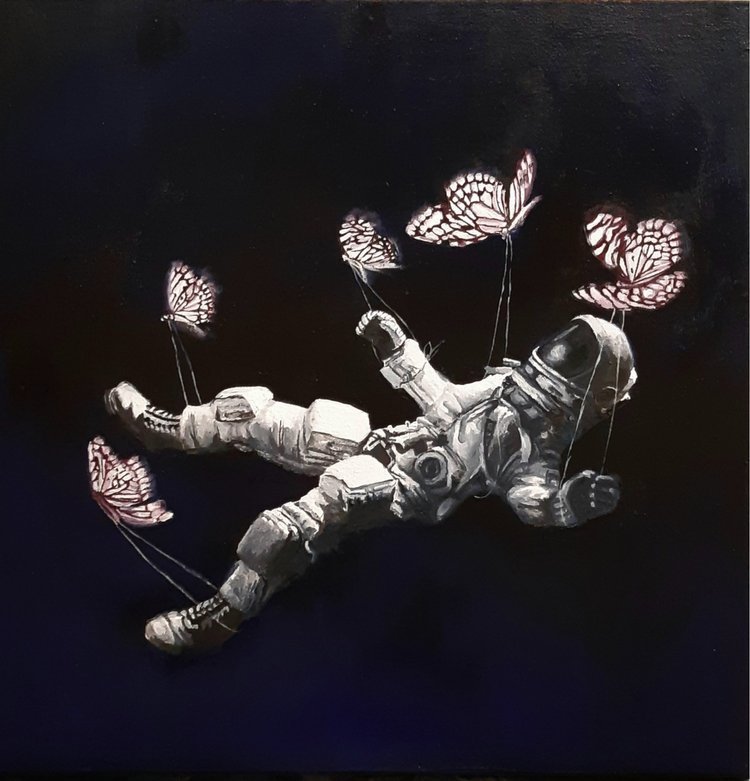
“We are all astronauts in our own way.”

“Remember you are the light and you can create and visualize something bigger for yourself.”

“My career finally started to take off because I chose to go against the algorithm and find myself.”

About My Guest

Kamal X is self-taught documentary photographer currently based in Brooklyn, New York. Photography found Kamal in 2015, after deciding to quit everything to travel the world in honor of his best friend who passed away due to colon cancer.

A hard truth that serves as a major influence in his creative style, which is rooted in telling stories that showcase the hidden truths of humanity that are often misunderstood or overlooked. Recently, Kamal’s 2nd photography book, Black Astronaut, which highlights a nationwide revolution ignited by the pandemic and the passing of George Floyd was released in October of 2023. 

Follow him on Instagram @iamkamalx

Kamal X

The post The Art Biz ep. 172: Stop Incessantly Feeding the Social Media Algorithms with Kamal X appeared first on Art Biz Success.

]]>
https://dy-online.com/kamalx/feed/ 1
7 Essential verbs for artists to embrace (170) https://dy-online.com/essential-verbs-for-artists/ https://dy-online.com/essential-verbs-for-artists/#comments Thu, 16 Nov 2023 14:59:26 +0000 http://artbizsuccess.com/?p=24508 Action builds confidence, and you need verbs for action.

Look back on how your confidence as an artist has grown over as a result not only of reading about something or hearing about it, but of actually doing it. Making more art. Having more shows. Submitting to more opportunities.

With this in mind, I have 7 verbs to embrace, which you might not normally associate with your art career.

The post 7 Essential verbs for artists to embrace (170) appeared first on Art Biz Success.

]]>
As we learned when diagramming sentences in 4th grade, verbs are where the action is. No verb in the sentence, no action.

The first iteration of my newsletter for artists back in 2002 included a specific art business action at the end of each issue. “Do this,” it said.

My book, I’d Rather Be in the Studio, is broken down into 16 “actions” rather than chapters.

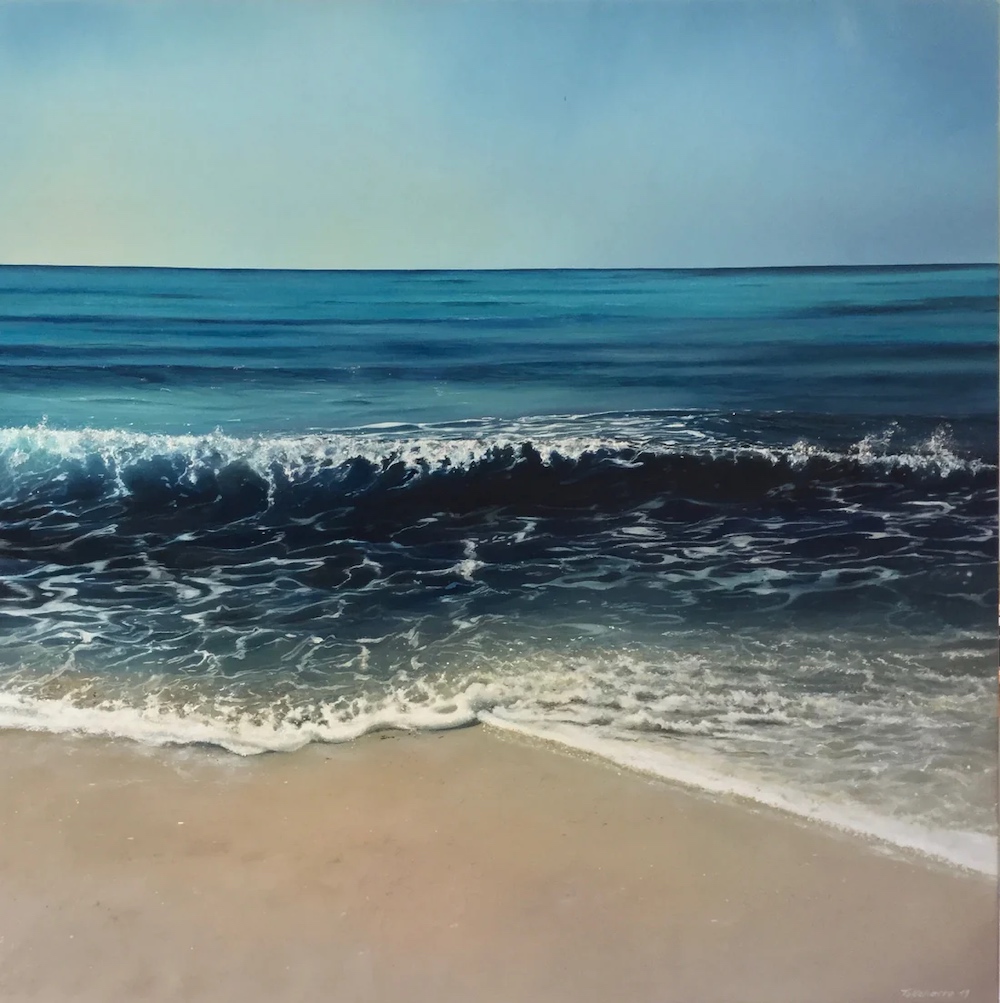
Marieke Tollenaere oil painting
©Marieke Tollenaere, Wave #65. Oil on canvas, 100 x 100 centimeters.

I’m all about action, but am no longer interested in it in the form of obsessive hyper-productivity. I’ll leave that to the bro motivators out there. Action at all costs isn’t healthy.

But action—even the tiniest step—moves the needle.

And action builds confidence. As marketing mentor Ilise Benun said on Jenny Blake’s podcast, “We aren’t inherently confident. It’s a byproduct of action.”

Take a moment to let that sink in. Think about how true it is. 

CONFIDENCE

is a byproduct of action. —Ilise Benun

Look back on how your confidence as an artist has grown as a result not only of reading about something or hearing about it, but about doing it. Making more art. Having more shows. Submitting to more opportunities.

With this in mind, I got to thinking about a few verbs to live by that you might not normally associate with your art career.

See if these resonate with you.

Listen to the Podcast

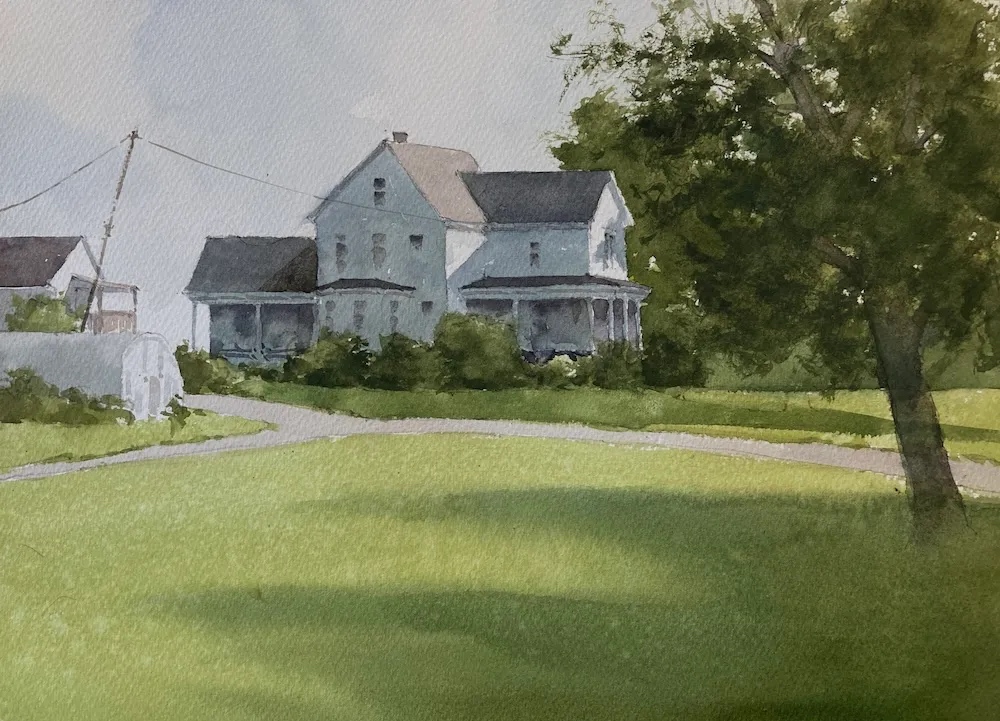
Michele Clamp watercolor painting
©Michele Clamp, New England Farm. Watercolor on 100% cotton cold press paper, 10 x 14 inches.

1. Devote

Devote yourself to the life of an artist. There are all kinds and levels of artists out there, and it’s easy to recognize when artists aren’t completely devoted to their work or the life of an artist.

Devote sacred time in the studio and devote necessary time in your office.

Lack of devotion in the studio looks like this: work that is all over the place, unfocused, and without direction.

Lack of devotion to a business might look like this: pricing your art too low, showing in the same shows year after year, or having an outdated website.

Lack of devotion yields lack of results.

It’s not about balance, but about an obsession with art. David Sandum talked about this obsession in episode 169 of The Art Biz.

The unshakeable certainty that you are meant for this artist’s life will help you move past the insecurities and get you through the rough patches—as will acknowledging that the road ahead isn’t easy street.

It’s fine if you want to keep your art as a hobby, but don’t pretend that you can reach a certain level of success—whatever that looks like to you—without utter devotion.

On the upside, if you’re truly doing the work you were meant to do, you won’t be able to imagine doing anything else. You’ll enjoy the journey.

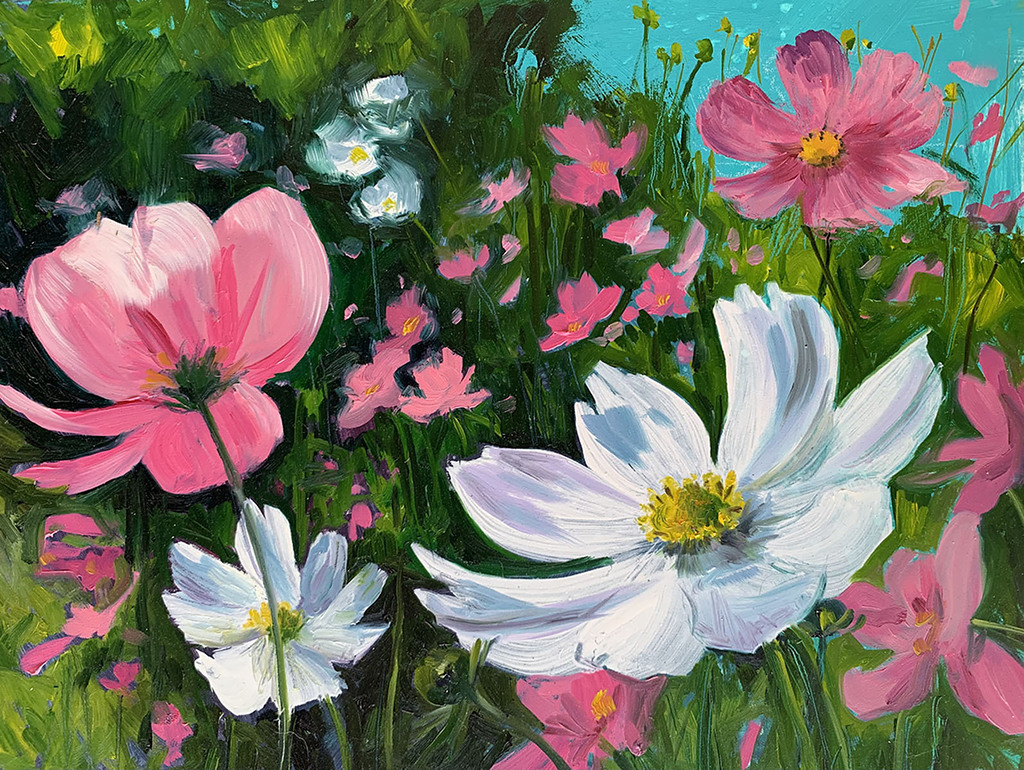
Jane Mant painting
©Jane Mant, White Cosmos. Oil and acrylic on panel, 30 x 40 centimeters.

2. Begin

Stop waiting for circumstances to be perfect because that will never happen. 

If you have an idea that you’re excited about, and it’s aligned with your vision, there’s no time like now to start working on it.

Begin the piece of art or project that has been on the back burner for too long.

Begin teaching a new workshop, as long as you’re qualified and have the desire and skills to teach. Start small and charge less if you have to in order to build your teaching resume.

Begin a new marketing campaign because you can’t wait to share your work with the world outside of your studio walls.

Begin something. Anything.

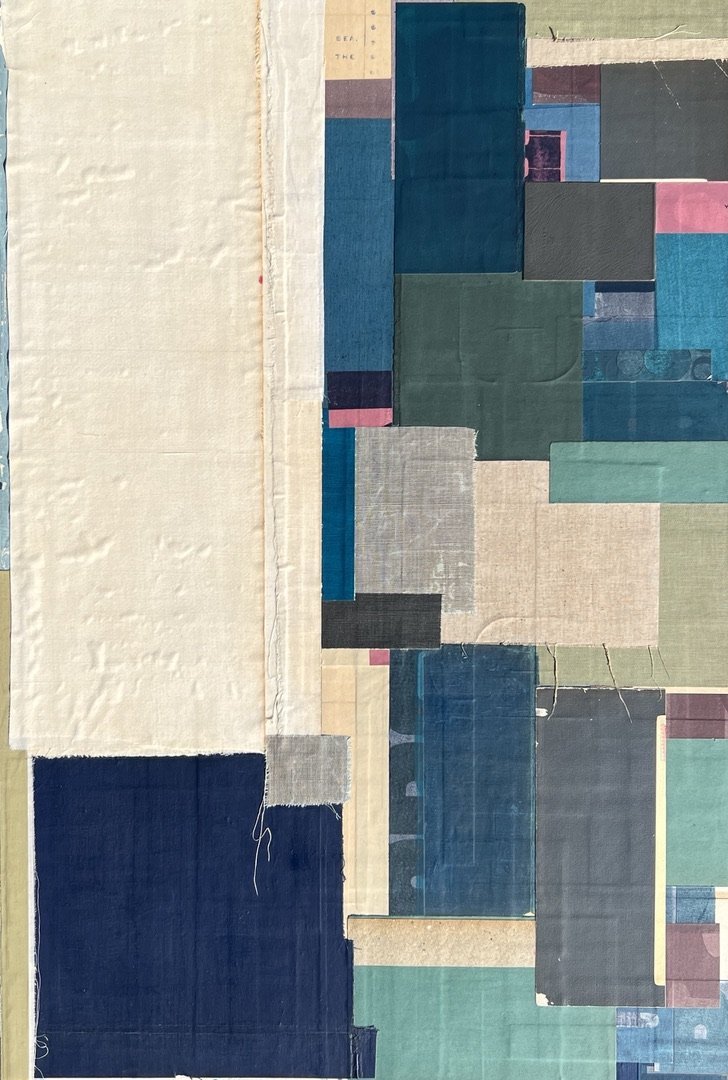
Sarah Z Short collage
©Sarah Z. Short, To the Sea. Found paper, fabric, and acrylic paint on cradled panel, 36 x 24 x 1.5 inches.

3. Understand

Understand that you are not alone. You are part of a larger community of artists and a distinguished history of art.

In general, artists are a generous lot. They share openly and freely. They want to connect, and they’re waiting to make that connection with you. More on that in a minute.

As you’re working in the studio, think of the legacies of your favorite artists who paved the way through their innovations. Understand that you are here, in part, because of them.

Understand how the art world works. Yes, I believe in breaking the rules or making up your own rules, but you at least need to be aware of how the art world works so you understand the rules that other artists are following, where you fit in, and how you might distinguish yourself.

You have to know the rules before you can break them and forge your own path.

You have to know the rules before you can break them.

4. Connect

Of all the verbs for artists, this is probably my favorite because connection is what gives our lives purpose.

There is much to be done on your own, but connecting frequently to the world outside your studio is essential to your success.

YOU NEED PEOPLE

to succeed

You need other artists to empathize with. You need collectors to purchase your art and provide you with commissions.

You need gallerists and other venue owners to give you the space to show and sell.

You need viewers to see your art, discuss it, share it. All of that adds layers of meaning to your work.

You need connection.

Liza Butts oil painting
©Liza Butts, Instruments of Transition. Oil on canvas, 46 x 60 x 1.5 inches.

5. Avoid

While art is mostly about embracing new experiences and ideas, accomplished artists understand that avoidance is also an advantageous tactic to have in your back pocket.

Avoid making comparisons between yourself and other artists. It’s useful when you are starting out to have teachers and mentors, but to soar, you must know who you are as an artist. You must find your own voice.

Avoid distractions that take you away from your art and your life vision. Obviously this is easier said than done.

We encounter distractions every second of the day. They are insidious, and some are more trouble than others. As you mature as an artist, you’ll be able to recognize the big distractions that force you off course: commissions that are wrong for you, invitations that aren’t aligned with your goals, and professional relationships that take you for granted. That brings me to …

Avoid people who crap on your dreams. Limit time and set boundaries with family members and people who don’t get you. Life is too short to waste your energy with toxic relationships.

Diane Hopetner oil painting
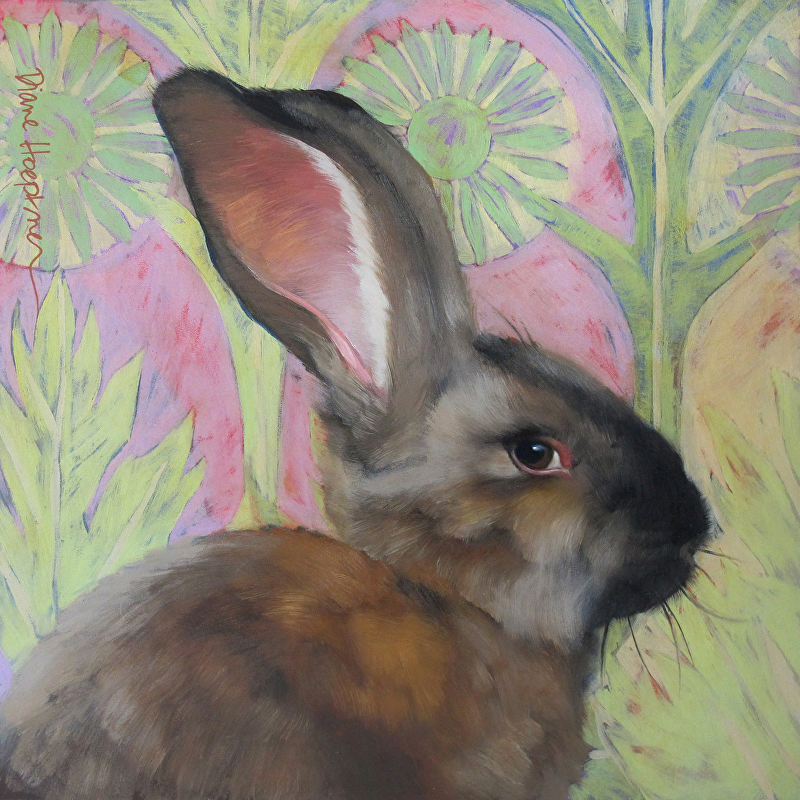
©Diane Hoeptner, Eyes on You Bunny. Oil on panel, 10 x 10 inches.

6. Investigate

Be intensely curious about the world that provides inspiration for your art. Take that curiosity to another level through research.

Investigate your subject matter in depth—from every angle. And I’m not talking about using Google or ChatGPT. Read novels, historical records, philosophy, current headlines, and wherever else the trails lead.

If you don’t think you have subject matter, maybe reconsider your direction. Even if it wasn’t visible or obvious to viewers at the time, even the most abstract artists in history had subject matter. Their art evolved from something other than the materials itself.

Investigate opportunities for showing, selling, and/or teaching.

You’re always looking for the next feather to add to your cap.

Investigate the art scene around you.

Attend shows. Know what’s going on in your community and where you fit in.

Be hungry for the information and experiences that will fuel your accomplishments.

Malti B Lee acrylic painting
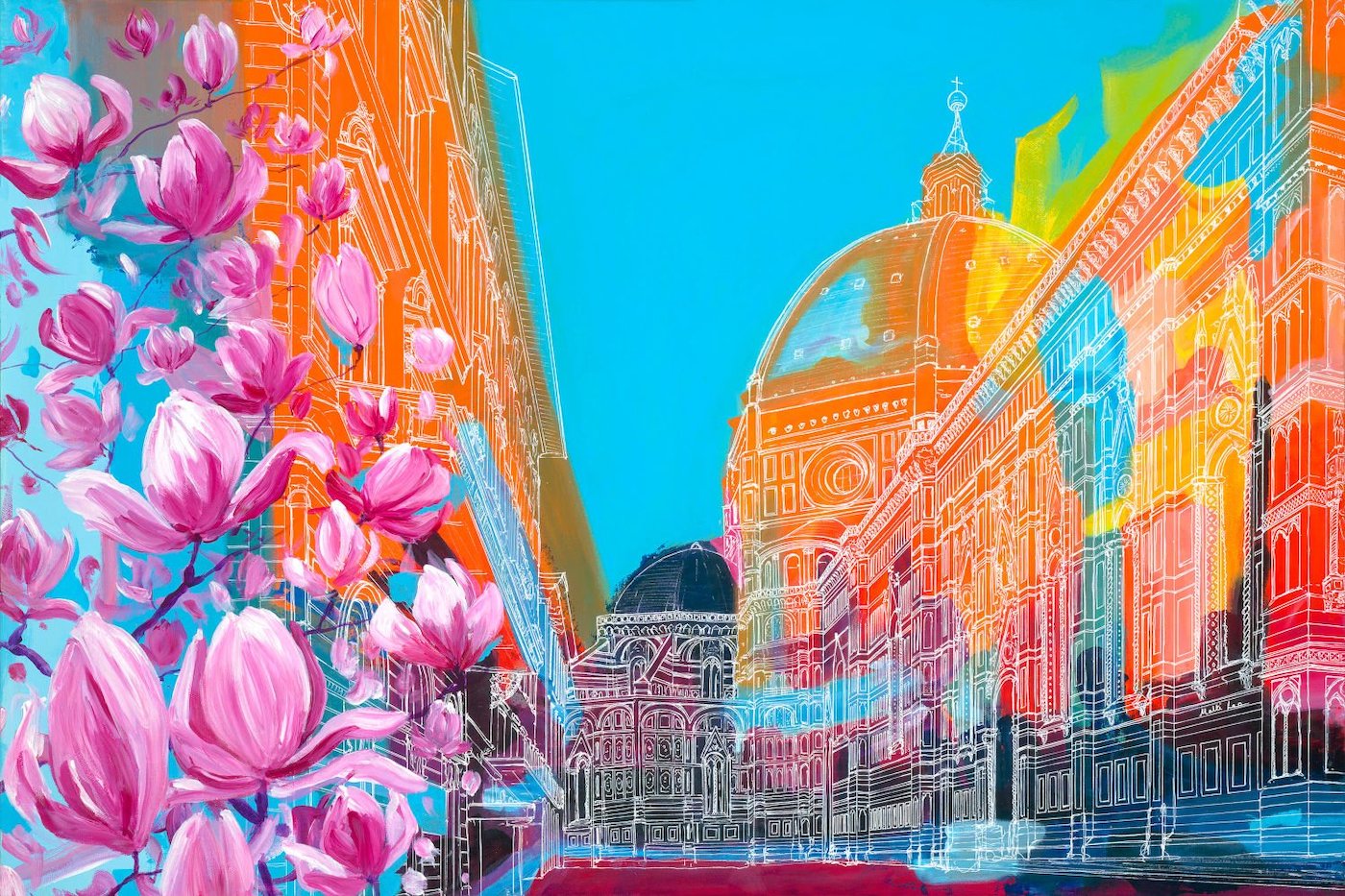
©Malti B Lee, Sunset over Florence. Acrylic on stretched canvas, 24 x 36 x 1.5 inches.

7. Finish

As you begin, so must you finish.

The bottom line is that nothing counts until it’s done. Until it’s out of your hands, out of your control, and out into the world.

Finishing isn’t a single step—a simple flourish at the end. Finishing requires a series of steps.

To finish your art, you might glaze the surface, sign it, photograph it, add it to your official inventory, send an invoice, and add it to your website portfolio.

Those are multiple steps to call a work complete.

To finish a project, you might collect and analyze data, send thank-you notes, pay invoices, and clean up related digital documents.

Every artist has a different set of steps for finishing, and you need to know what yours are.

All of the grand plans and brilliant ideas in the world amount to nothing until they are seen to completion.

HOW TO USE

these verbs

Those are my 7 verbs for you to consider: Devote, Begin, Understand, Connect, Avoid, Investigate, and Finish.

They’re actions you’re already taking to some extent, but perhaps you’ll think about them a little more as you go throughout your days.

When you are feeling insecure, remember that you have devoted yourself to the life of an artist.

When you are procrastinating, begin with the smallest step.

When you are lost in the studio, understand and feel the presence of the legacies of artists who have come before you.

When you are lost in your business or feeling lonely, connect to other artists and people who get you.

When you aren’t feeling productive, consider what is getting in your way and take steps to avoid it.

When the work doesn’t feel right, investigate. Go deeper. 

When it’s time to move on to the next project, make sure you finish the current one.

This post was originally published in a very different form on June 1, 2017. It has been updated significantly with the addition of a podcast episode, but with all original comments intact.

The post 7 Essential verbs for artists to embrace (170) appeared first on Art Biz Success.

]]>
https://dy-online.com/essential-verbs-for-artists/feed/ 58
How to feel like a successful artist (165) https://dy-online.com/feel-successful/ https://dy-online.com/feel-successful/#comments Thu, 05 Oct 2023 11:15:00 +0000 https://dy-online.com/?p=45643 No two artists have the same path to success—or even define success in the same way.

In order to feel successful, break down your success into smaller increments that are achievable, stay tuned in to your life circumstances, embrace failures that allow you to course correct toward a direction that’s more aligned with who you are now, and celebrate—even for a brief moment—your accomplishments, regardless of how big or small.

The post How to feel like a successful artist (165) appeared first on Art Biz Success.

]]>
I have had a lot of successful artist-clients over the course of my career, and one thing I can say for certain is that not one of them looks like the other.

Each artist’s path is unique to them.

SUCCESS

is something you have to define on your own terms.

I’ve been wanting to do another episode on this topic for quite some time now. The last one I did that addresses the subject specifically is way back in episode 32: Success Is Complicated.

I’ve been putting this one off because I haven’t been able to tie it up in a nice bow. But then I thought … Neatly packaged articles and podcast don’t really interest me. I’m more drawn in by questions. By messy thinking.

So maybe you and I together can think this through. We won’t have all of the answers at the end, but that’s okay. At the end, I’ll reveal my best advice for feeling like a successful artist.

Listen to this on The Art Biz

Success. It’s a loaded word. Single, simple, 1 word. As if it had a simple definition, which led me to look it up. The definition I came up with, after looking at what’s out there, is this:

Success is achieving a desired outcome. You can say “goal” if you want.

Success is achieving your goal.

If that’s the case, …

Tansy Lee Moir charcoal drawing
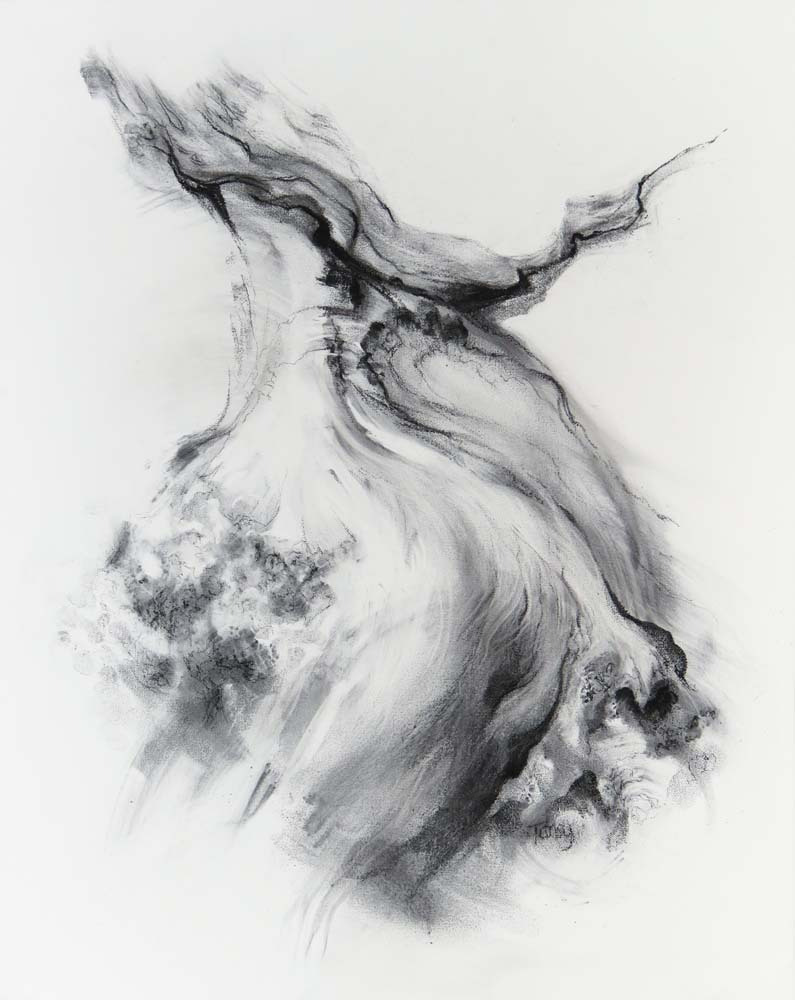
©Tansy Lee Moir, Rivers of Oak 013. Charcoal on canvas, 50 x 40 centimeters.

What is your goal?

Your definition of success might be defined in any combination of the following ways.

What I’m not including here and I hesitate to even mention is the impulse to consider a certain number of followers or likes on social media as success. That might be a fun achievement to recognize (and I’ve been there myself) but it’s fleeting. And it doesn’t always translate to what really matters.

If success is achieving a desired outcome, that means you must have a specific result in mind. Very few artists have a specific outcome in mind when I first start working with them.

Or they have a specific outcome that seems to have been tailor made for someone else. It has nothing to do with what they really want for themselves and everything to do with what they think they should want. Or what they’ve seen other artists achieve.

Catherine Mills oil painting
©Catherine Mills, Nova Icari. Oil on canvas mounted on gallery wood panel, 16 x 16 x 2 inches.

Successful Artists on The Art Biz

I consider every artist-guest of The Art Biz podcast to be successful, but … Wow! Each one of them measured success differently. Some were on the show to talk about short-term successes while others had lessons for the long-term.

In episode 109, Mai Wyn Schantz revealed how she pulled together a lucrative pop-up art gallery near the end of the pandemic.

In episode 160, Heather Beardsley admitted to overcoming anxiety about making art world connections that led to a solo museum exhibition.

In episode 157, Sarah Becktel shared how she increased her self-sales 400% by focusing on certain shows.

In episodes 126 and 128, Willie Cole and Detour showed us how they collaborate with well-known brands, an enviable achievement.

And I must mention episode 121 when Eve Jacobs-Carnahan gave 5 indicators to measure the effectiveness (i.e. success) of any project.

I could go on, but don’t need to. Pick any interview with an artist and you can find lessons about success.

For example, you might call Heather’s solo museum exhibition the pinnacle of success, but Heather was also successful by overcoming her anxiety. She had to pass that milestone before moving forward.

These artists’ big successes couldn’t have happened without the so-called smaller successes along the way.

And, undoubtedly, numerous failures that were never mentioned.

My point is this: The artist success stories you hear aren’t yours. You have to write your own story.

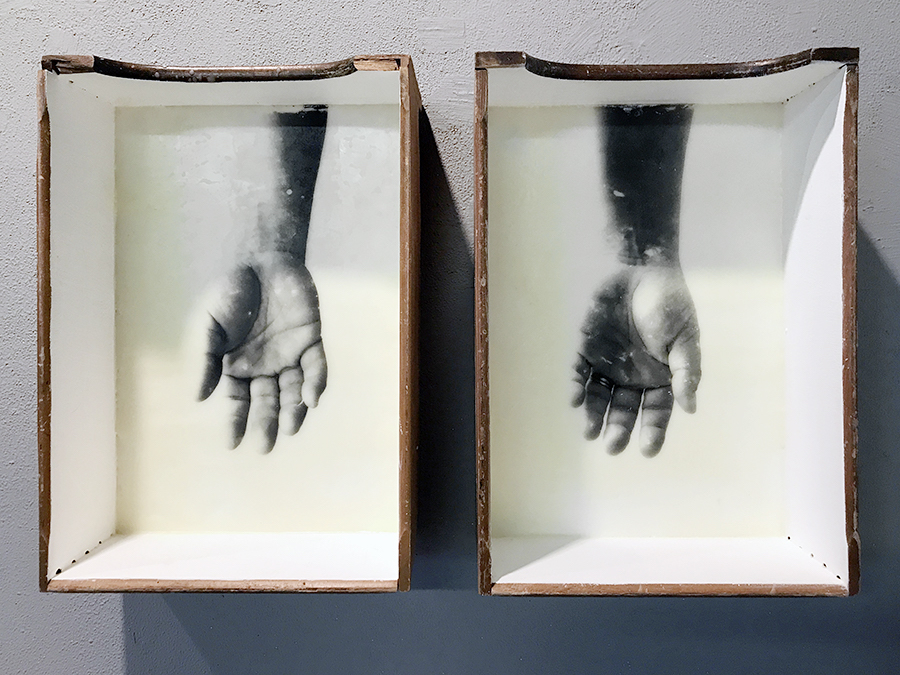
Jessica Burko encaustic and found drawers
©Jessica Burko, Yield. Image transfers with encaustic and found drawers, 17 x 26 x 12 inches.

It Starts With a Vision for Yourself and Your Life

I will never forget one of my clients telling me that she held on to a particular image of the artist Agnes Martin in later life as a beacon for her journey. I loved that vision. And I could picture the photo.

But what does it mean if that’s your vision?

Does it mean you seek a similar path to the famous abstract artist? It’s impossible, of course, to go back into time and hang out at Coenties Slip with the likes of Ellsworth Kelly, Lenore Tawney, and Robert Indiana. But you might be able to nurture a similar feeling of community wherever you are.

You may look at that photo of Agnes Martin and write in your journal about what it means to you. What feelings are present when you look at her and her surroundings? What is in her life that you can aspire to 65 years later?

Again, her story is her story. You have to write your own. And it’s okay if you don’t have the same clear vision as my client had when recalling the Agnes Martin photo.

You can get there and maybe this will help. These are the two big questions I ask new clients:

What do you want from your art? What do you want your life to be like?

If—after hearing their responses—I need more specifics, I might drill down on the question of what they want from their art.

What Do You Want From Your Art?

What do you want FROM YOUR ART?

I’ve discovered that this question isn’t easy to answer. Most artists haven’t taken the time to consider it, and it’s understandable if you don’t have the answer on the tip of your tongue. There are other ways to ask this question.

Why are you making all of this art? What do you want to happen with it? Where should it end up?

Is making it—getting it out of you—enough? Or do you need more in order to be fulfilled as an artist?

Asking tough questions are what coaches are for. To help you uncover answers that may be buried deep inside.

Additional questions that are related to the traditional definitions of success might be:

  • Do you want or need your art to provide you with more income?
  • Is it important that, through your art, you’re seen as a leader or innovator in a particular area?
  • Is it vital that your art convey moral, social, or political positions?
  • If recognition is important to you, recognition by whom? Your peers? Your family? Your community?
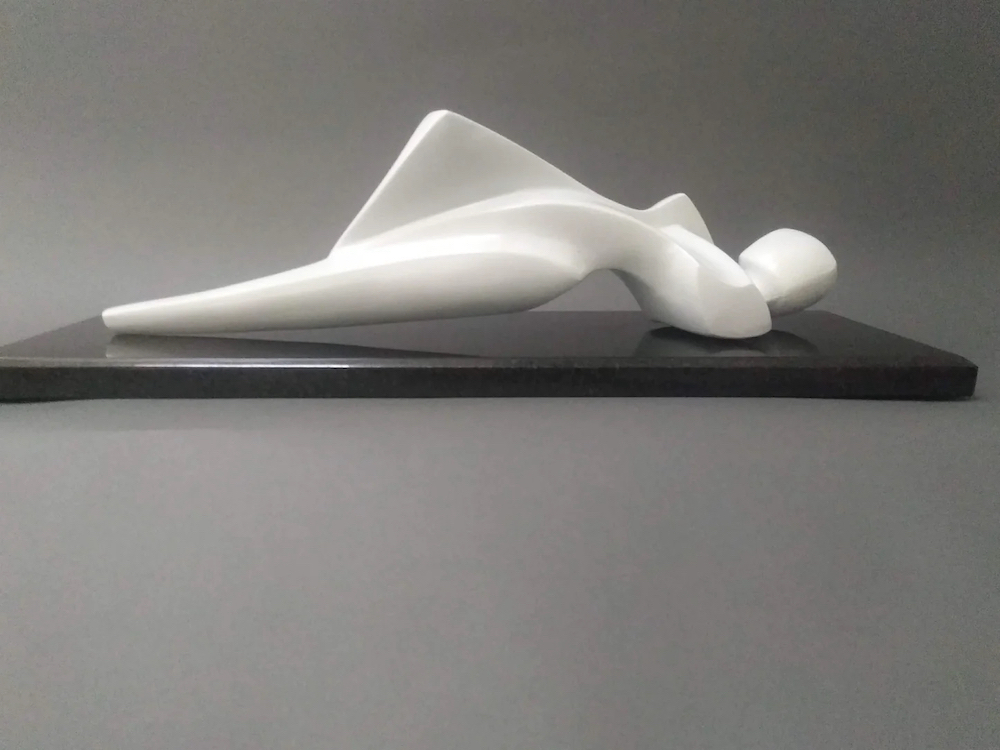
Reno Carollo sculpture
©Reno Carollo, Sunbather. Bronze on granite, 9 x 32 x 10 inches.

Forces We Can't Control

Here’s the thing. You might think of art as a form of self-expression, and it certainly is. But meaningful art doesn’t remain in the realm of expression.

Self-expression is only the first phase, and the word expression implies that someone is on the receiving end—watching and ready to engage.

Art, I strongly believe, is, in the end, a form of communication. It requires someone else (the viewer) to complete it.

Most definitions of success depend on forces outside of our control.

Personalities and actions that are out of our purview.

People will respond or they won’t. They’ll buy our art or they won’t. They’ll give us a show or they won’t. They’ll sign up for a class or they won’t.

Of course, it’s never that simple. You can—and must—do everything you can to position yourself so that those things can happen for you.

If self-expression is only the first phase of your art and requires others to complete it, what does the completion look like for you? Who is part of your loop?

Armed with these answers, you can then ask …

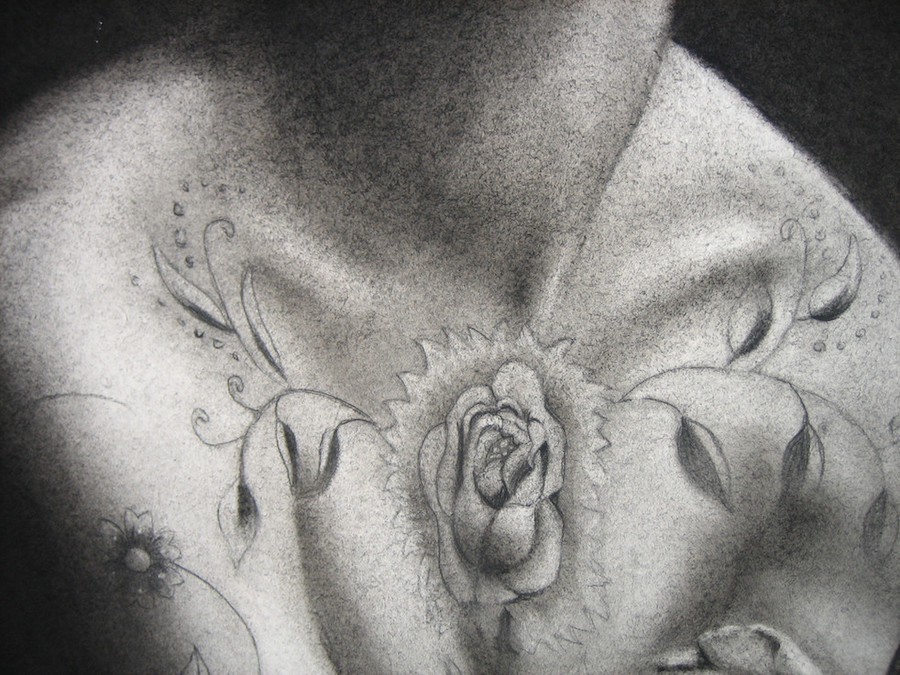
Lorrie Kempf charcoal drawing
©Lorrie Kempf, Eden’s Garden II (detail). Charcoal on paper.

Is Your Vision Aligned With How You Want Your Life to Be?

I listen to hear if what my clients say they want from their art is aligned with how they say they want their life to be.

For example, I coach a lot of people over 50, especially women. And many of them are new grandmothers. They want to spend time with their grandchildren, and I wouldn’t blame them.

Some even want to be available on-call as babysitters. It’s fine if you want these things, but it’s not conducive to a structured business routine. If you want to be available 24/7 as a babysitter, your life as an artist is going to be impacted. Your goals and expectations may need to be adjusted.

Same if you need to be on call for your own kids. Or for an elderly parent.

If you’re in one of these situations, think about these questions.

  • What are the things in your life that you embrace wholeheartedly and unapologetically that might be out of step with your goals as an artist?
  • Where do you need to make adjustments?
  • And … 

Do you need to have different expectations about how much you can take on?

The answer to this last question is, by the way, almost always Yes, regardless of the circumstances. I’ve been struggling a lot lately with my desire to take on too much. This from someone who leads the Artist Planning Sessions!

The answers to what you want from your art and how you want your life to be will guide your direction. And, your direction might have to change.

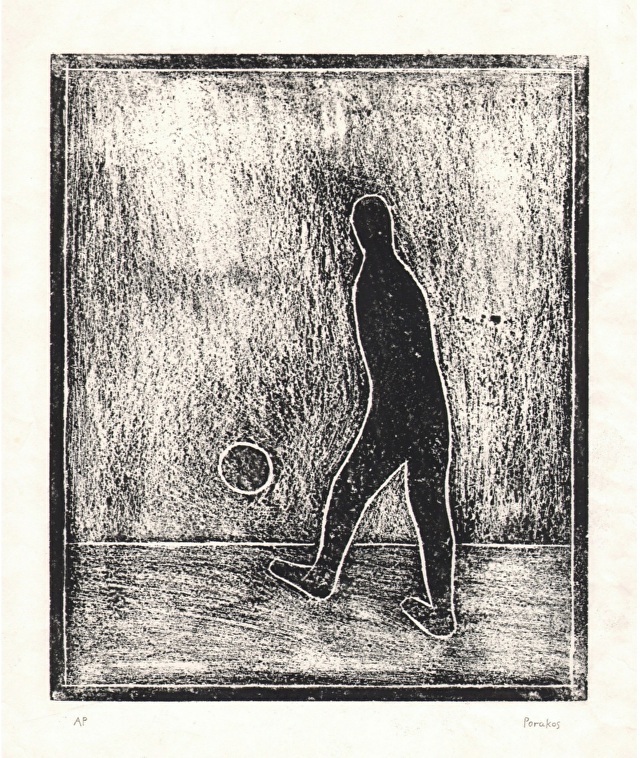
Savvas Porakos woodcut
©Savvas Porakos, Playing Alone. Woodcut, 251 x 209 millimeters.

Success Is a Moving Target

If you want to write up a 10-year business plan, knock yourself out. Me? I can’t imagine planning more than 12 months out. Too many things change too quickly these days.

Think of all the 10-year plans that were thrown out in April of 2020. It doesn’t mean the plans didn’t provide useful guidance or that those who wrote them didn’t reap benefit from them. It just means that … Holy cats! Nobody saw that coming.

We have to be able to adapt to new technology, world events, natural disasters, and social situations. And we never know what crazy curveball is going to be lobbed our way by a loved one.

You must stay tuned in to your life and unique circumstances—knowing yourself well enough to constantly massage your definition of success.

You have to be okay with changing directions, which means you must also be okay with taking risks and failing. You won’t grow until you do.

These are all part of a well-lived life, and also key to being an astute artist in charge of their business.

You may not currently have a clear vision of what success with your art looks like, but don’t let that stop you. Keep showing up for yourself and your art and your vision will appear.

I’ll leave you with this advice, which I am passionate about.

My Best Advice for Success

Define your success in terms of building momentum. Seeing forward motion—one step at a time.

Every week, I ask members of my Art Biz Accelerator and Create Opportunities Challenge community to submit progress reports. They all begin with recognition of achievements.

What was good this week? What did you accomplish? What are you celebrating?

When my first coaches had me do this on my check-ins, I thought it was a waste of time and silly. “Who cares what I did,” I thought. “I am focused on what’s next and what’s in my way of that goal.” I wanted to talk about strategies and solutions, not about some task or result that happened in the recent past.

I was wrong. Way wrong.

Seeing progress keeps us motivated to continue the journey.

From my private clients, I ask for more details. I want to see many more accomplishments. I’m looking for a long list. Every client who takes the time to write down their progress since the last time we talked admits proudly, “I did more than I thought I did!”

I did more than I thought I did. You do more than you think you do or are capable of. I promise.

Every task you complete and every project you wrap up makes you a success.

To feel successful as an artist you must acknowledge the progress you’re making.

I urge you to break down your success into smaller increments that are achievable, stay tuned in to your life circumstances, embrace failures that allow you to course correct toward a direction that’s more aligned with who you are now, and celebrate—even for a brief moment—your accomplishments, regardless of how big or small.

I’m not talking about scheduling a mani-pedi or massage for every accomplishment. Taking a deep breath, smiling, and writing it down is enough.

Of course, it’s more meaningful when someone is on the receiving end of your celebrations—a coach or another artist who understands.

Who is there to listen and cheer you on?


If this is missing for you, I invite you to join our community. 

If you’re looking for new opportunities for showing and selling your art, join us in the Essentials program.

If you crave being around like-minded, forward-thinking artists who get you, look at my Art Biz Accelerator, which is open for new members.

The post How to feel like a successful artist (165) appeared first on Art Biz Success.

]]>
https://dy-online.com/feel-successful/feed/ 7
Following her curiosity and making new connections After 60 with Jan McCarthy (158) https://dy-online.com/curiosity-mccarthy/ https://dy-online.com/curiosity-mccarthy/#comments Thu, 10 Aug 2023 14:27:41 +0000 https://dy-online.com/?p=44599 Discover Jan McCarthy's vibrant life beyond 60, where being an artist is more than painting or drawing. She prefers the term “maker.”

With a diverse portfolio ranging from businesses and fundraisers to artwork and interior design, Jan pursues her passions. We discuss her creativity workshops for corporations, casual yet impactful women's mastermind dinners, and her heart-driven project, Art for the Heart. Jan also reveals her strategies for connecting with interior designers.

The post Following her curiosity and making new connections After 60 with Jan McCarthy (158) appeared first on Art Biz Success.

]]>
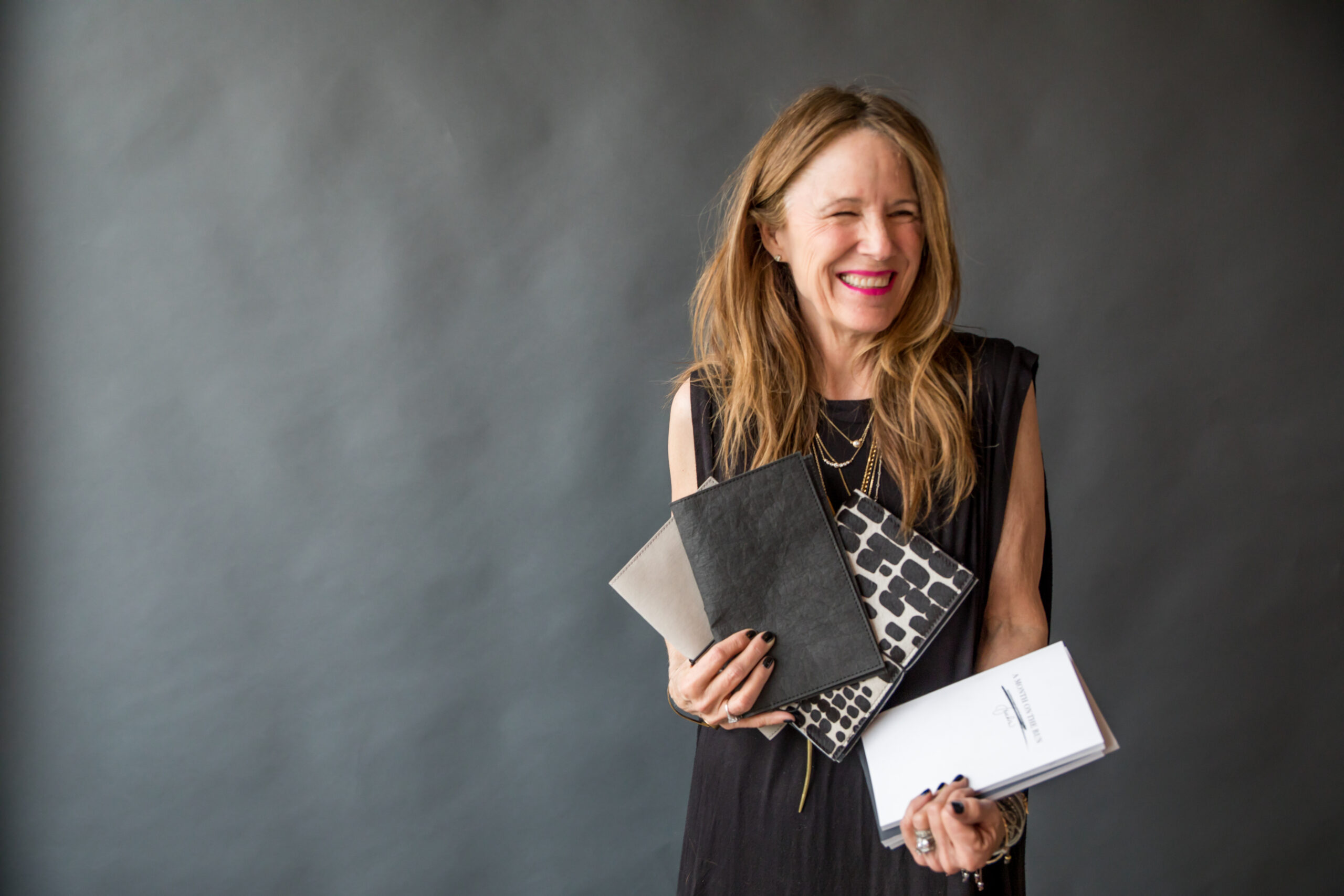
Jan McCarthy describes herself as a maker because, in her eyes, that term encompasses more than the word “artist.”

Jan has made businesses, organizations, interiors, fundraisers, dinner parties, retreats, workshops, products, and plenty of art.

At age 69, she isn’t slowing down.

Jan McCarthy mixed media
©Jan McCarthy, Freedom. Mixed Media on canvas, 6 foot x 4'5 inches x 1.5 inches.

While I’m in the midst of discussing multiple income sources on The Art Biz podcast and on the Art Biz Success YouTube channel, I don’t think Jan considers her interests in terms of income sources. She just follows her curiosity and her heart. If those leads turn into income sources, well, that’s fine.

In this conversation, Jan and I discuss:

  • The creativity workshops she has organized for corporations.
  • How she has brought together monthly mastermind meetings of women, and why a casual dinner party was the best format for them.
  • Why her project Art for the Heart is important for her as someone who has lived with heart disease for more than 25 years.
  • How she makes connections with interior designers, what the best social media platforms are for designers, and some of their concerns.
  • How she gets such great photos of herself.

Jan confesses to not using her email list of 2000 names to its fullest advantage. (She advises to do as she says, not as she does.) She knows that emailing her list is the most valuable thing she could do from a marketing standpoint.

Jan’s vibrant optimism is infectious. She wants you to know that there is plenty of life to live after 50. And even 60.

Listen

Jan McCarthy art on dress
Jan wearing a dress featuring her art in the Venia Collection.

Mentioned

Jan with her A Month On The Run journal

Jan McCarthy Quotes

“You say, I’m an artist, and it automatically puts you in this box of an artist as someone who paints or draws. And I think art is so much more than that.”

“If it doesn’t work, you do something else.”

“What I’m doing doesn’t need to be loved by all. If it touches one person … then that makes me feel really good.”

“It’s such a healthier attitude to not care. To just go about doing what you’re doing.”

“If I can just save one life by doing that project, then that’s really cool.”


About Jan McCarthy

Jan McCarthy describes herself as follows.

I am a maker. I make art to autograph moments, the fleeting emotions and undefinable feelings that can only be expressed in imperfect swipes, lines, or ripped pieces of paper. I use my art as a way to connect and share these flashpoints of time that slip away. Every mark I make is a unique gesture. I find this process essential as a personal statement, a reclaiming of my point of view, of being a woman, of aging. It is my belief that we must forge our own path, creating opportunities that align with our purpose and curiosities.

Follow her on Instagram @JanMcCarthy

Jan MCarthy

The post Following her curiosity and making new connections After 60 with Jan McCarthy (158) appeared first on Art Biz Success.

]]>
https://dy-online.com/curiosity-mccarthy/feed/ 2
6 Ways to Be [Even] Happier About Running Your Art Business (155) https://dy-online.com/be-happier/ https://dy-online.com/be-happier/#comments Thu, 20 Jul 2023 12:34:25 +0000 http://artbizsuccess.com/?p=22522 Artists who embrace their role as CEOs of their businesses fare better than those who resist it.

Wishing away the responsibilities only leads to frustration and anxiety.

When you decide to turn your art into a business, do it wholeheartedly—finding joy in the journey rather than grumbling about the hard work. It's a matter of deciding how you want to navigate through life.

The post 6 Ways to Be [Even] Happier About Running Your Art Business (155) appeared first on Art Biz Success.

]]>
It’s no secret that we love some parts of our business more than others.

There is no way I can say with a straight face that I enjoy marketing and bookkeeping as much as leading my classes like Create Opportunities or coaching my dedicated private clients.

I don’t expect you to like everything you have to do.

I can, however, say with confidence that artists who happily embrace their role as CEO of their businesses do better than artists who fight it and wish they didn’t have to deal with the grind. Wishing won’t make it go away. It only makes you more frustrated, anxious, or resentful.

Pen drawing by Jennifer Mullin
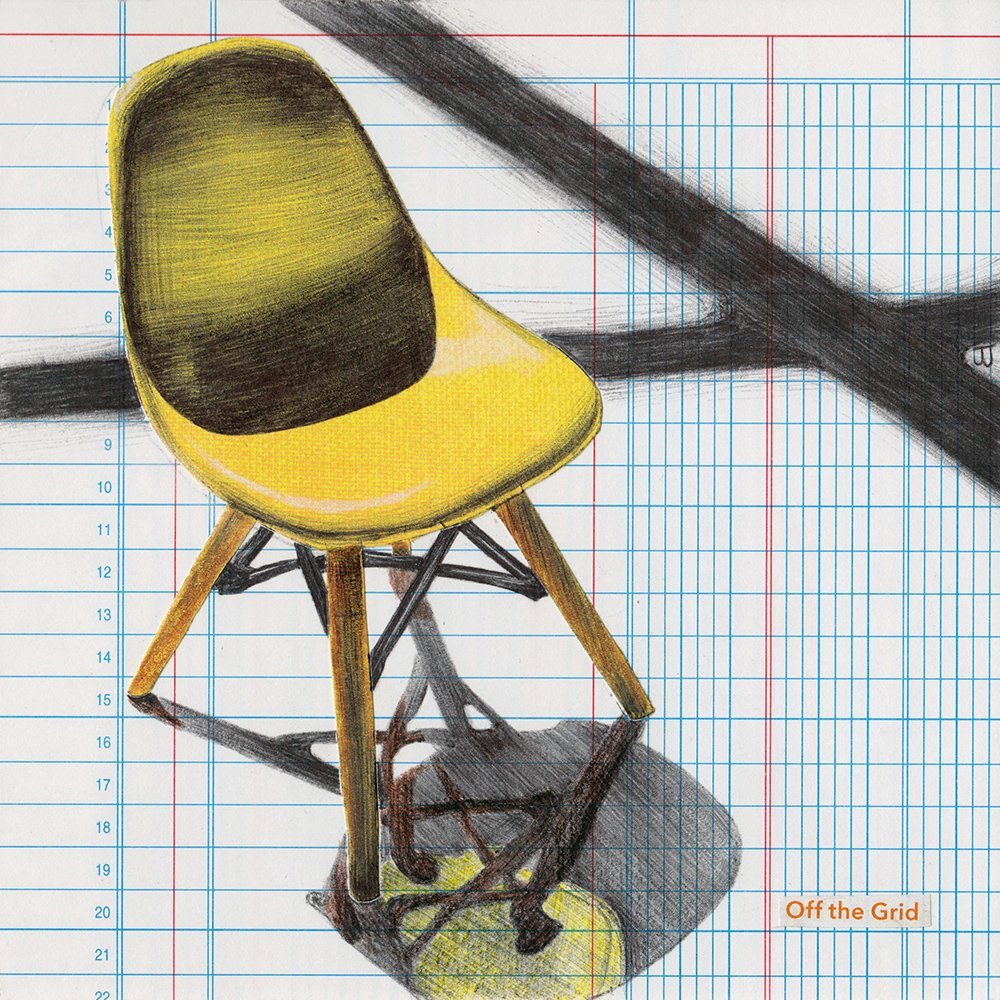
©Jennifer Mullin, Off the Grid. Collaged paper, ballpoint pen and white colored pencil on vintage ledger paper, 6 x 6 inches.

This doesn’t mean that you need to fake joy whenever you’re paying bills.

It means that you accept that it comes with the territory. You rise to the challenge because you know it’s a necessary step toward achieving your goals.

There are ways to be happier about running a profitable art business, but first you must decide that you want a business on top of making work in the studio.

I will continue to remind anyone who will listen that not every artist should turn their art into a business. It’s a whole different game when you start asking for money for your art, and many artists don’t feel the same about making art once they start offering it for exhibition and sale.

But if you choose to go the route of earning money from your art, do it wholeheartedly. Own it.

You can be pouty and grumble about all of the hard work necessary for something you said you wanted. Or you can find ways to enjoy the journey.

How would you rather go through life?

Listen

I choose to find ways to be happier, and to remind myself to be grateful for the incredible opportunity to control my destiny. To work with talented, generous, and inspiring artists.

I want to tell you what makes me happy about running my own business. What helps me get through the rough patches, and there are plenty of those! Then I’ll share some ideas for you.

On-demand workshop :: $37

ELEVATE YOUR ART

Museum-quality standards that convey higher values and allow you to confidently charge what your art is worth.

Young blonde woman sitting on a wooden bench in an art gallery. Looking at monochromatic artwork on the white wall.

What Makes Me Happy About Running My Business

Running a successful business means long hours and many sacrifices, but the rewards are unparalleled.

I am over the moon happy …

That I can work anywhere in the world and at any time of my choosing.

When Clients have Aha! moments. When they really get what I’m encouraging them to do or try. And then …

When students and clients implement what I’m teaching and start seeing results. We celebrate client results frequently as a team.

That I can introduce students and clients because I believe they might collaborate or inspire or motivate one another. And that later, sometimes years, I receive a photo from them after they finally meet in real life—often going out of their way to pay a visit on the other side of the country or even world.

When I receive an email or card full of gratitude from a client who took the time to write.

That I could go almost anywhere in the U.S.—and almost anywhere in the world—and meet up with someone who has read my book, listened to The Art Biz podcast, or been a student in one of my online programs.

All of these things make me ecstatic to have my business.

Oil painting by Tamara White
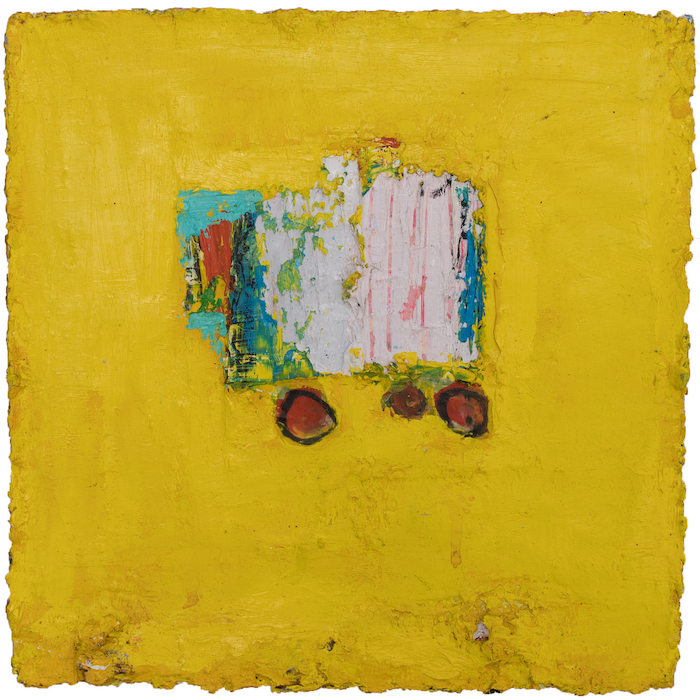
©Tamara White, Yellow Cart. Oil on canvas, 10 x 10 x 1.5 inches.

You Should Be Happy About

If you are listening to this you are likely an artist who can express yourself freely. Millions of people in the world face jail or worse for self-expression. Forgive me for should-ing on you a bit, but you should be a little happier to remember that you have this freedom.

Moreover, you should also be happy that you have the autonomy to start and run a business that focuses on something you have such a passion for.

If you have created a business from your art, you should be happy and extraordinarily proud that you took this initiative and built it from scratch. It’s a huge, brave step. You’re not just making money. You’re also building a legacy.

Many people will never have the guts to do what you’re doing.

Yes, there are things you have to do in your business that you won’t love, but avoiding them will only hold you back. Try to have fun along the way. Try to smile more, and remember your blessings and all you’re grateful for.

Discover the little things that bring you joy, and do more of them.

Because I’ve been working with artists like you for so long, I have an idea or two (6, to be exact) that might make you even happier about running an art business.

Acrylic painting by Jane Barefoot Rochelle
©Jane Barefoot Rochelle, #33 Lions. Acrylic, 24 x 30 inches.

1. Go complaint-free.

Stop complaining about being so busy or about doing work that you don’t like. It’s exhausting to be on the receiving end of this, and it feeds a negative mindset.

Complaining is an enormous waste of energy–yours and that of those around you. Nobody wants to be around a complainer, and the complainer just keeps digging a deeper hole for their woes.

It’s easy to jump on the whining bandwagon, and more difficult to ignore the noise and irritations. Notice the things that are riling you up and practice ignoring them. I say practice because this is a muscle you will build.

Stop complaining. Period. Then get to work.

On-demand workshop :: $37

ELEVATE YOUR ART

Museum-quality standards that convey higher values and allow you to confidently charge what your art is worth.

Young blonde woman sitting on a wooden bench in an art gallery. Looking at monochromatic artwork on the white wall.

2. Raise your prices.

There are few things more dispiriting than selling your art for a price lower than what it’s worth.

[ Free report: How to Price Your Art ]

You’ll be happier when you place a proper value on your time, talent, and effort. Low prices hurt other artists as much as they hurt you.

I love it that two members of my Art Biz Accelerator just held virtual hands and raised their prices 20%. Together. They each knew they needed to do this, but it was a  big deal for each of them. They took the plunge because of the extra support and accountability, and they’re both doing better than ever.

Abstract painting in blues, golds, and pale yellow by Pamela Hirsch.
©Pamela Hirsch, Paleochora. Oil and cold wax on a Baltic Birch wood panel, 12 x 12 x .5 inches.

3. Collaborate more often.

I seem to have to remind students and clients how important their network is, and that they need to make a point of seeking collaborations.

I use the term collaboration broadly to refer to working with other people to advance your goals as an artist. Any. Other. People.

Seeking collaborative relationships is some of the highest level thinking I’ve witnessed in the thousands of artists I’ve encountered over the past 2 decades.. Artists who collaborate simply have more ambitious goals.

I’ll give you four quick examples from The Art Biz.

In episode 27, Jill Powers talked about how she collaborated with volunteers, chefs, scientists, venues, and more for a single exhibition.

In episode 86, Jerry McLaughlin and Rebecca Crowell discuss how they collaborate on a learning platform for artists.

In episode 126, Willie Cole reveals how he collaborates with top brands.

In episode 153, Danielle SeeWalker discusses a long-running photo and film documentary with a fellow artist.

All very different collaborations designed to help the artists fulfill their creative visions.

I know it can sometimes be frustrating working with other people, but the potential reward is too promising to overlook. As curator Melissa Messina said in episode 136, your network is everything.

Not only will you be happier when you collaborate, you will also stretch your business muscles and expand your audience when you bring more people in on what you’re doing.

That brings me to my next idea for how to be happier about running your art business.

Photograph by Fred Newman
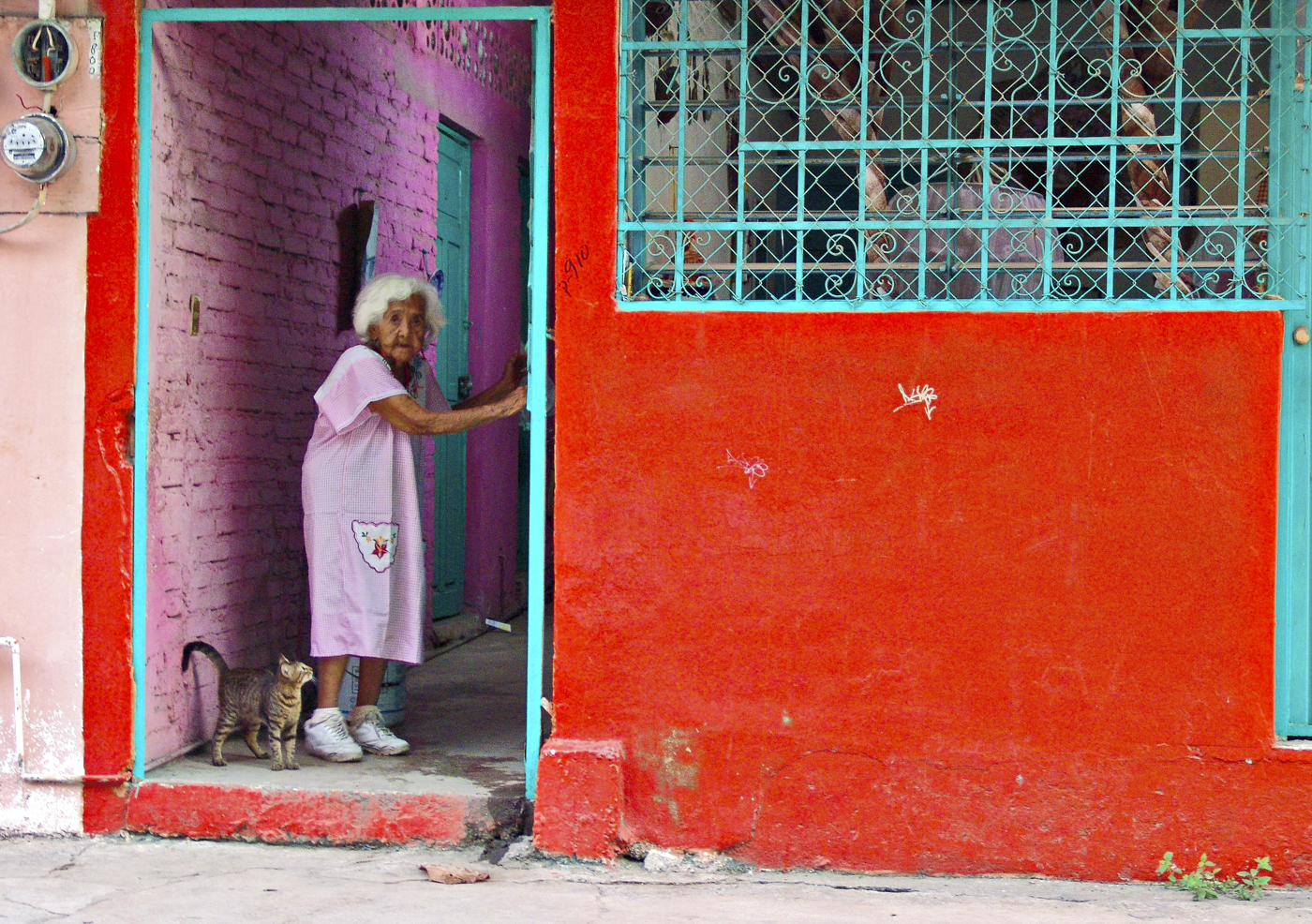
©Fred Newman, Woman in Purple with Cat. Photograph.

4. Find your (artist) people.

I don’t have to tell you that the artist’s life can be solitary. You might be okay with that. I know how much I value my alone time.

But there is no reason you should try to figure out all of the pieces of your art business on your own. Your people—other artists who get you—are out there somewhere.

Within the right artist community you will:

  • Learn about opportunities before they are ever made public.
  • Find understanding for your challenges.
  • Get help figuring out strategies for your next move.
  • Celebrate your wins with like-minded spirits.
  • Be inspired by artists you admire.

Artists’ communities are everywhere, but you must make the effort. It might be a local artist group or perhaps an online community like our Art Biz Connection, which you’ll find at ArtBizConnection.com.

As I like to say, it’s fine to DIY (Do It Yourself) but you don’t have to DIA (Do It Alone).

5. Encourage someone else.

Be happier by making a fellow human happy.

Send a direct message to tell someone what a great job they’re doing. Brag on your students. Brighten someone’s inbox, Facebook page, or mailbox with your art.

I’m not encouraging you to spam people with your art, but if you make uplifting art, send images of it along with sincere love and gratitude to your friends and family. Imagine their joy when they receive your message.

This should make you smile.

Acrylic painting by Jane Appleby
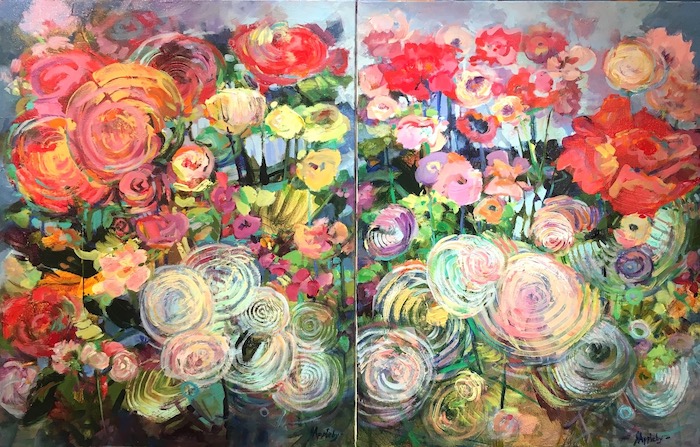
©Jane Appleby, Colourful Conversations 1/2. Diptych acrylic on canvas, 20 x 32 inches.

6. Get your art and yourself out of the studio.

There are stretches of time when you must disappear into the studio—laser focused on making new work. Eventually, you have to come out of hibernation.

Too much time alone in the studio isn’t good for your mental health, your creativity, or your prosperity.

What happens when you’re in the red and unfulfilled? Disappointment, negativity, gloom.

Getting your art out of the studio and in front of people gives you a greater chance of selling it. The circle of creation is complete because people are viewing and responding to it, and you are connecting with those people.

This leads to greater happiness.

Connection is the Strongest Theme

The strongest theme that emerges from this list of 6 ways to be happier about running an art business is connection.

Connecting with the right people can lift your spirits—whether you’re initiating collaborations or being a valued member of an artist community.

And remember that you don’t have to do all of this. It’s what you said you wanted.

You have freely created an art business where none existed before. Be proud of all that you have accomplished on your own while knowing that you don’t have to do it alone.

If you have been missing that community of artists, but haven’t found your people, we’d love to have you join us in the Art Biz Connection. 

This post was originally published on May 5, 2016, updated May 1, 2019, and has been updated significantly with original comments intact.

The post 6 Ways to Be [Even] Happier About Running Your Art Business (155) appeared first on Art Biz Success.

]]>
https://dy-online.com/be-happier/feed/ 28
Working Through Grief and Returning to the Studio https://dy-online.com/work-through-your-grief/ https://dy-online.com/work-through-your-grief/#comments Tue, 07 Feb 2023 11:32:00 +0000 http://artbizsuccess.com/?p=17089 The direct result of losing someone or something you love is profound grief. And that hollow, meaningless feeling that accompanies loss does not lead to art.

Yet we know art is the answer.

Here are eleven ideas that helped guest blogger Barbara Muir work through her grief. Perhaps they might help you feel your way back to your studio.

The post Working Through Grief and Returning to the Studio appeared first on Art Biz Success.

]]>
Guest blogger: Barbara Muir

For artists, making art is life’s main goal, so what happens when we quit producing?

When my 13-year-old dog died in September, I thought I’d hit the depths of sadness. Then my mother died in October, and I was suddenly sidelined by my own grief.

The direct result of losing someone or something you love is profound grief. And that hollow, meaningless feeling that accompanies loss does not lead to art. Yet we know art is the answer.

Barbara Muir painting
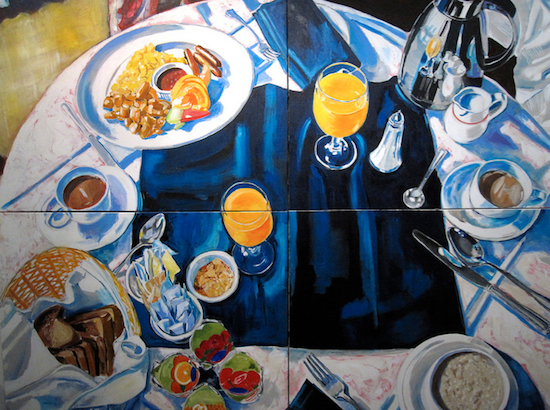
©2012 Barbara Muir, Breakfast in the Hotel. Acrylic on 4 canvases, 72 x 96 inches.

Here are eleven ideas that helped me work through my grief. Perhaps they might help you feel your way back to your studio.

1. Don’t do anything—push the pause button.

When you’ve suffered a serious loss, take a break. Take care of yourself and trust that the urge to get back at it will resurface.

2. Open your eyes.

Loss hurts. But let in some beauty.

Fill your senses with music and the sights and sounds of nature. Visit museums and art galleries to get focused on the type of art you’ll make when you’re ready.

Whatever touches your heart will help you heal. Being moved by what we see, hear, and feel leads to inspiration, and that gets us back to creating again—even when the darkness is so profound that we can’t imagine it’s possible.

3. Forget the rules.

Lose the rules about how to be a real artist. Don’t worry about comparing yourself to Michelangelo, Marina Abramovic, Georgia O’Keeffe, or David Hockney. Making art of any kind makes you real. Your creative process and your own style are what matters.

4. Tempt your inner artist.

Buy new supplies. Treat yourself to all the colors you love. Stopped by the cost of supplies? Shop online for bargains or trade with other artists.

Barbara Muir painting
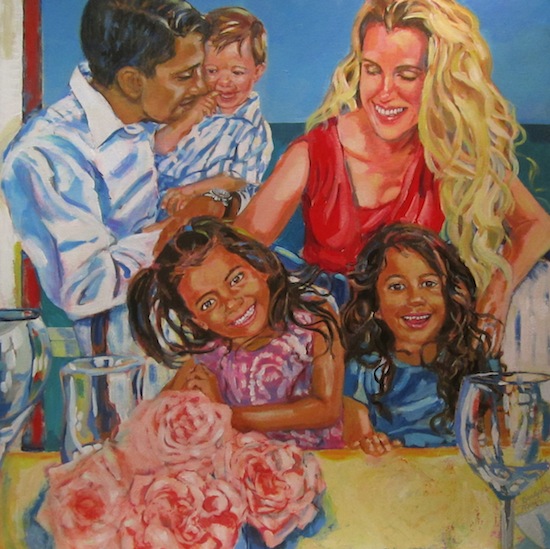
©2013 Barbara Muir, Let's Get This Party Started. Acrylic on canvas, 30 x 30 inches. Private collection.

5. Find an artistic space that’s safe for you.

To get back to work we need physical space that also feels right emotionally. Give yourself permission to start small. If working at home doesn’t work anymore, join an art club where you can make art every day or share a studio.

6. Dedicate time to making art.

Block out chunks of time. Make an appointment with yourself and then show up. Stop telling yourself you have no time for art. You can finish your big ideas by grabbing ten-minute time slots.

[ See: Making Art While Grieving Loss with Jan Heaton ]

7. Rely on your lists.

Lists are your lifesaver. Start lists of art you’d like to make. When a piece is giving you trouble, make a step-by-step list of what you want to do next.

To help you move beyond the current moment and start thinking about the future, make lists of places you’d like to show and artists you’d like to show with.

8. Lose the guilt.

Don’t waste time feeling guilty for not making art – make some. As Neil Gaiman said:

Life is sometimes hard. Things go wrong, in life and in love and in business and in friendship and in health and in all the other ways that life can go wrong. And when things get tough, this is what you should do.
Make good art.

9. Be your own BAFF (Best Artist Friend Forever).

Praise yourself for each small achievement. When you’re using a list, cross each completed task off and feel some pride as you do. Being kind to yourself helps you let go, relax, and get creative.

10. Recognize that you’ve changed.

Whether it’s a month, a year, or 10 years since you produced your last piece of art, you’re not the same person. You don’t have to make the kind of art you used to make.

Moving in a new direction may be the inspiration to get going again.

11. Remember the bigger vision.

When you are ready, remember the world needs art and the world needs you. Gently—at your own pace, and always paying attention to what’s most important to you—realize that people want to see your work. Your loss isn’t any less, but art can be the path out of the darkness.

About My Guest Blogger

Barbara Muir is known for her portraits and positive life view, which she enjoys sharing through exhibiting her work, public speaking, and teaching English and psychology.

She gained recognition on the international stage through the images and stories on her upbeat blog, Barbara Muir Paints. This earned her a spot on the Oprah Winfrey show drawing Oprah via Skype.

Barbara Muir in front of her painting, Breakfast in the Hotel. Acrylic on 4 canvases, 72 x 96 inches, ©2012.

This post was first published January 24, 2014 and has been republished with original comments intact.

The post Working Through Grief and Returning to the Studio appeared first on Art Biz Success.

]]>
https://dy-online.com/work-through-your-grief/feed/ 53
The Art Biz ep. 55: An Army of Artists with Sandra Felemovicius https://dy-online.com/army-of-artists-podcast/ https://dy-online.com/army-of-artists-podcast/#comments Thu, 18 Jun 2020 09:42:46 +0000 https://dy-online.com/?p=30081 Covid strikes.
Hospitals start filling.
Her doctor-husband continues to go to work in a building that is treating those who have fallen ill to the virus.

She feels helpless, but not for long. Sandra Felemovicius springs into action. She doesn't think too long or overanalyze. She only knows she wants to make a difference.

That's how her twice-weekly Instagram Live program, Tap Into Your Creativity, started.

On it, Sandra interviews artists at home in their studios—hoping to inspire and to be a light amid all the darkness. The artists, in turn, agree to donate a 10 x 10 inch painting to be auctioned to benefit Feeding America.

Follow #armyofartists to watch the progress.

Having recently started my own weekly Instagram Live (Wednesdays at 4pm Eastern) I know that there are a lot of logistics around getting guests to join you. Schedules, bandwidth, backgrounds, audio, and lighting. As Sandra says on the podcast, "Anything can happen on live TV."

Still, when you're committed to a project, you'll find a way to make it happen. Listen to how Sandra does it.

The post The Art Biz ep. 55: An Army of Artists with Sandra Felemovicius appeared first on Art Biz Success.

]]>
Covid strikes.
Hospitals start filling.
Her doctor-husband continues to go to work in a building that is treating those who have fallen ill to the virus.

She feels helpless, but not for long. Sandra Felemovicius springs into action. She doesn’t think too long or overanalyze. She only knows she wants to make a difference.

Sandra Felemovicius with her artwork in her Minneapolis studio.

That’s how her twice-weekly Instagram Live program, Tap Into Your Creativity, started.

On it, Sandra interviews artists at home in their studios—hoping to inspire and to be a light amid all the darkness. The artists, in turn, agree to donate a 10 x 10 inch painting to be auctioned to benefit Feeding America.

Follow #armyofartists to watch the progress.

Having recently started my own weekly Instagram Live (Wednesdays at 4pm Eastern) I know that there are a lot of logistics around getting guests to join you. Schedules, bandwidth, backgrounds, audio, and lighting. As Sandra says on the podcast, “Anything can happen on live TV.”

Still, when you’re committed to a project, you’ll find a way to make it happen. Listen to how Sandra does it.

Listen Now


Music by Wildermiss.

Highlights

Artwork of Sandra Felemovicius, this week's Art Biz Podcast guest.
©Sandra Felemovicius, Drips of Hope. Mixed media on canvas, 40 x 30 inches. Used with permission.
  • Sandra and I are both looking for Black artists and people of color to be on our shows — standing offer! (:55)
  • Sandra’s background and family in Mexico City (2:29)
  • Sandra gets married and moves to Minnesota, where her husband does his residency (6:52)
  • How her husband’s life as a doctor during Covid-19 inspired her to take action (9:44)
  • Sandra’s life before Covid and her studio in Minneapolis’s Little Soho district (11:21)
  • “Once you put it down on paper, you’re committed to something.” (14:09)
  • The genesis of Tap into Your Creativity, Sandra’s show on IG Live (15:07)
  • The features of Tap into Your Creativity (17:19)
  • The whole purpose of the show is to inspire people stuck at home (18:58)
  • Raising money for Feeding America (20:10)
  • Plans for a catalog (21:28)
  • If you don’t ask, if you don’t put yourself out there, your idea won’t happen (22:23)
  • How the auction will work (27:38)
  • The point at which Sandra decided to hire help (30:49)
  • How Sandra is bringing together the artists she’s featuring on her program (32:12)
  • Sandra makes sure she gets her studio time in (33.28)
  • What Sandra has learned in this process (35:24)
  • “If you don’t ask, no one will answer.” (36:03)
  • “Anything can happen when you’re on live TV.” (39:02)

Mentioned

Sandra Felemovicius in her studio with a few sold paintings just before they were shipped out.

About My Guest

Sandra Felemovicius uses lines, marks, patterns, and textures to speak metaphorically and poetically of things that make no reference to the physical world. Her art constructs a sensual surface that weaves a path between process and narrative, mark and meaning, intention and abstraction.

Sandra was born in Mexico City and received her BFA from the Minneapolis College of Art and Design in 1995. Her most recent work can be found in the permanent collection of the US Bank Vikings Stadium, in Manuk Gallery in San Miguel de Allende, Gallery in Los Cabos at The Hotel Esperanza, Rosenthal Interiors and Modernwell in Minneapolis MN.


Music by Wildermiss.

Recommended

This episode is sponsored my signature business-building program for artists, the Art Career Success System.

All of the lessons you learn in the Art Career Success System are tasks you will address repeatedly throughout your art business and career—like rewriting your artist statement, submitting exhibition proposals, developing content, and nurturing your connections.

In the ACSS you will build a strong foundation that will last throughout your career.

Please join our community of ambitious artists. See http://ArtCareerSuccessSystem.com.

The post The Art Biz ep. 55: An Army of Artists with Sandra Felemovicius appeared first on Art Biz Success.

]]>
https://dy-online.com/army-of-artists-podcast/feed/ 3
Making Art While Grieving Loss with Jan Heaton (52) https://dy-online.com/grief-podcast/ https://dy-online.com/grief-podcast/#comments Fri, 22 May 2020 10:29:23 +0000 https://dy-online.com/?p=29733 Grieving is a necessary byproduct of being human.

Perhaps it's the loss of a pet, a dear family member, a relationship, or a safe structure that was taken away from you, along with the memories it held, in a disaster.

We will all grieve about something at one point or another. It's an emotion we share.

When I first approached Jan Heaton to be a guest on the podcast and talk about grief, we were living in a different world. We had a recording session on the calendar and then the world as we knew it stopped.

It has become very clear that, whether or not we have lost loved ones during this pandemic, we are all dealing with grief of some sort. We have all lost something.

Artists are collectively grieving a number of things.

  • The exhibitions, art fairs and festivals, residencies, workshops, and other opportunities.
  • The plans we had made.
  • The studio spaces we can no longer visit.
  • The connection to others.
  • Our routines.
  • Our freedom to move about. To travel.

Grief on so many levels.

This is a huge topic and Jan wants to be very clear that she isn’t an expert on grief. I asked her to be on the show just to talk about her experience in hopes that it might be helpful—even if for only one person. Please enjoy this interview with Jan Heaton.

The post Making Art While Grieving Loss with Jan Heaton (52) appeared first on Art Biz Success.

]]>

Grieving is a necessary byproduct of being human.

Perhaps it’s the loss of a pet, a dear family member, a relationship, or a safe structure that was taken away from you, along with the memories it held, in a disaster.

We will all grieve about something at one point or another. It’s an emotion we share.

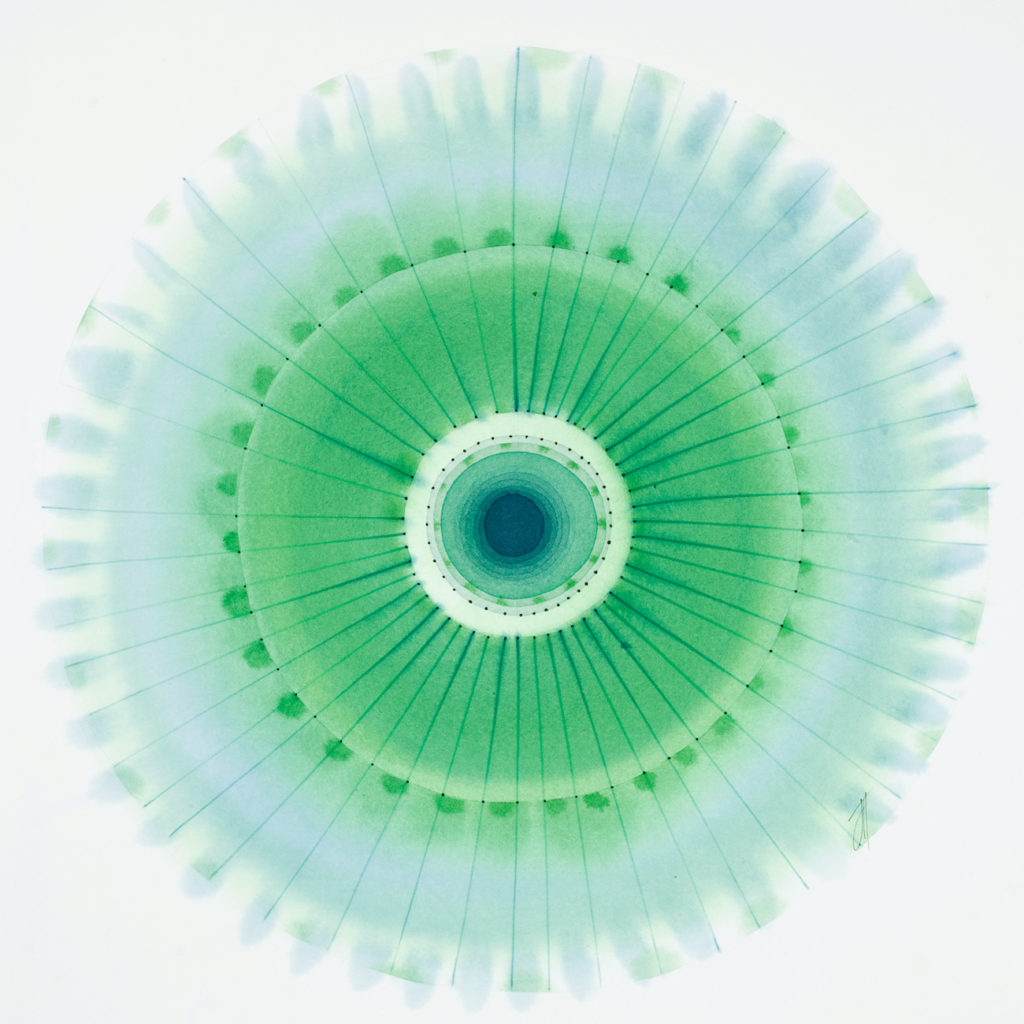
©Jan Heaton, Mandalas for Kristin – Breathe. Watercolor on paper, 22 x 22 inches. Used with permission.

When I first approached Jan Heaton to be a guest on the podcast and talk about grief, we were living in a different world. We had a recording session on the calendar and then the world as we knew it stopped.

It has become very clear that, whether or not we have lost loved ones during this pandemic, we are all dealing with grief of some sort. We have all lost something.

Artists are collectively grieving a number of things.

  • The exhibitions, art fairs and festivals, residencies, workshops, and other opportunities.
  • The plans we had made.
  • The studio spaces we can no longer visit.
  • The connection to others.
  • Our routines.
  • Our freedom to move about. To travel.

Grief on so many levels.

This is a huge topic and Jan wants to be very clear that she isn’t an expert on grief. I asked her to be on the show just to talk about her experience in hopes that it might be helpful—even if for only one person.

Listen Now


Music by Wildermiss.

Highlights

  • Kristin’s story (3:06)
  • Kristin’s misdiagnosis (9:02)
  • Jan moves to Laguna Beach from Austin to help out Kristin and her family (11:19)
  • Everyone moves to Boston for Kristin’s treatment at Massachusetts General Hospital (Mass Gen) (13:17)
  • Kristin took control of her healthcare (16:11)
  • Jan recommends recording all sessions with doctors (16:38)
  • Jan sets up a makeshift studio in Kristin’s home by the beach (19:53)
  • Ali Cavanaugh recommends taking naps when the kids nap (20:48)
  • The kindness of anonymous gifts from friends and neighbors (26:47)
  • The genesis of the Big Pink Blanket of Love project (31:13)
  • Davis Gallery raises $35,000 for The Peabody Fund in 2017 with the exhibition Mandalas for Kristin (32:00)
  • The Big Pink Blanket of Love auction is delayed because of Covid-19 (38:13)
  • How Jan is spending time during Covid-19 (38:33)
  • “Sometimes art is not just about making the art.” (42:25)
Jan with The Big Pink Blanket of Love – Davis Gallery September 2019.

Mentioned and Recommended

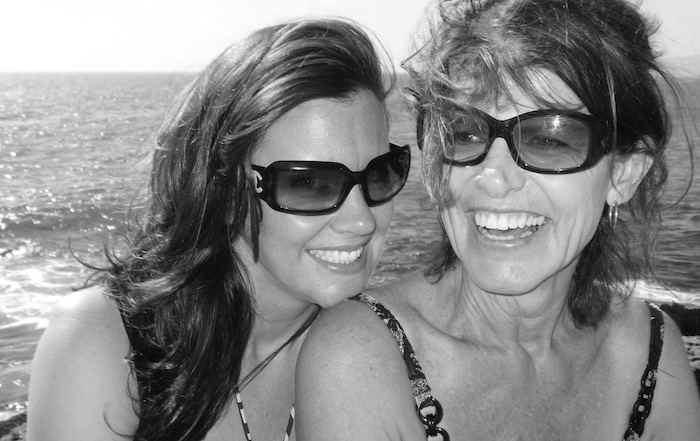
Jan (right) and her daughter, Kristin.

About My Guest

Born in Michigan, Jan Heaton is a watercolorist who calls Austin and Laguna Beach home. She has studied at Wayne State University, the Detroit Institute of Arts, and the University of Texas – Austin. Heaton’s watercolors are abstract, but her creative process is inspired by the structure, color, and pattern of elements in nature that are often overlooked. Her work isolates details and exposes the viewer to an everyday object or place seen from a new viewpoint.

Jan is represented by the Davis Gallery in Austin, along with art dealers and galleries in San Antonio, Marble Falls, Houston, Atlanta, Santa Barbara, and San Francisco.


Music by Wildermiss.

The post Making Art While Grieving Loss with Jan Heaton (52) appeared first on Art Biz Success.

]]>
https://dy-online.com/grief-podcast/feed/ 6