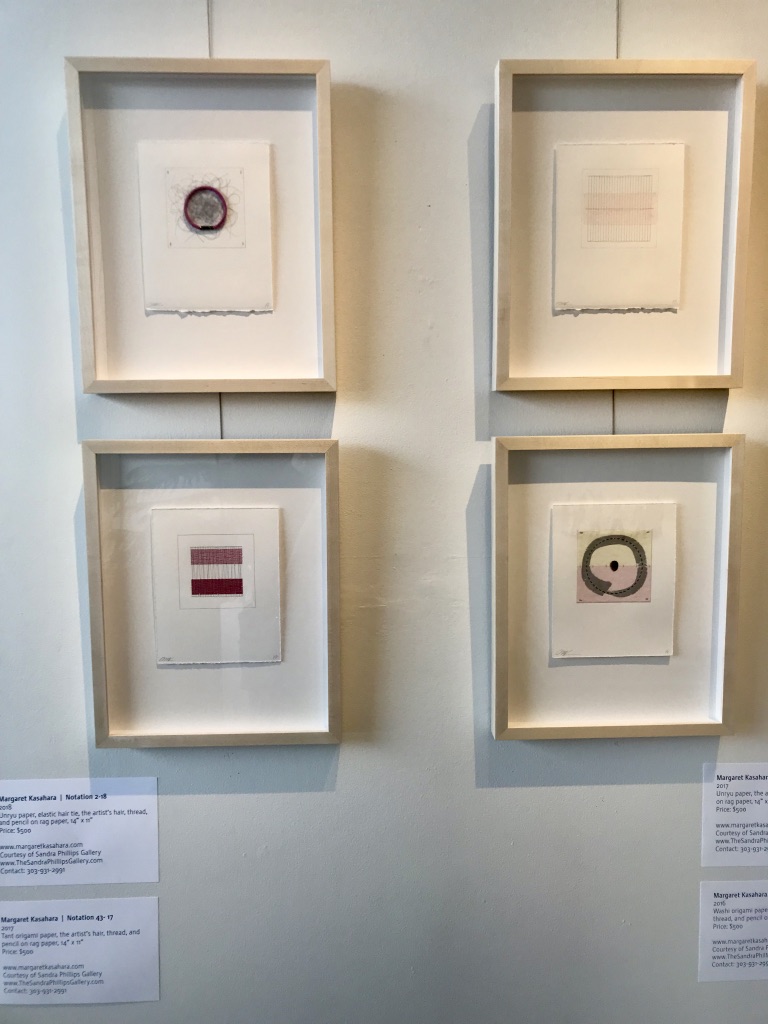
In order to give yourself proper credit for your art, it should have an object label next to it—wherever it's shown, in person or online.
The only wrong way to do this is to not do it at all. I suggest you standardize your format so that it's easy to use every time.
The post Pointers on Wall Labels for Your Art Exhibition appeared first on Art Biz Success.
]]>
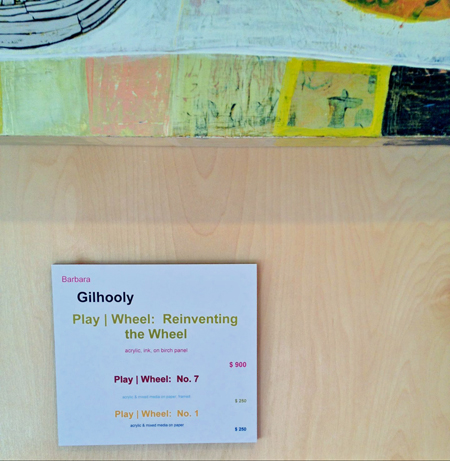
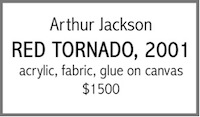
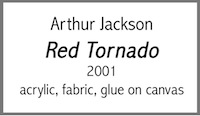
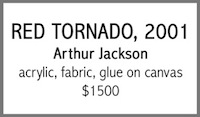
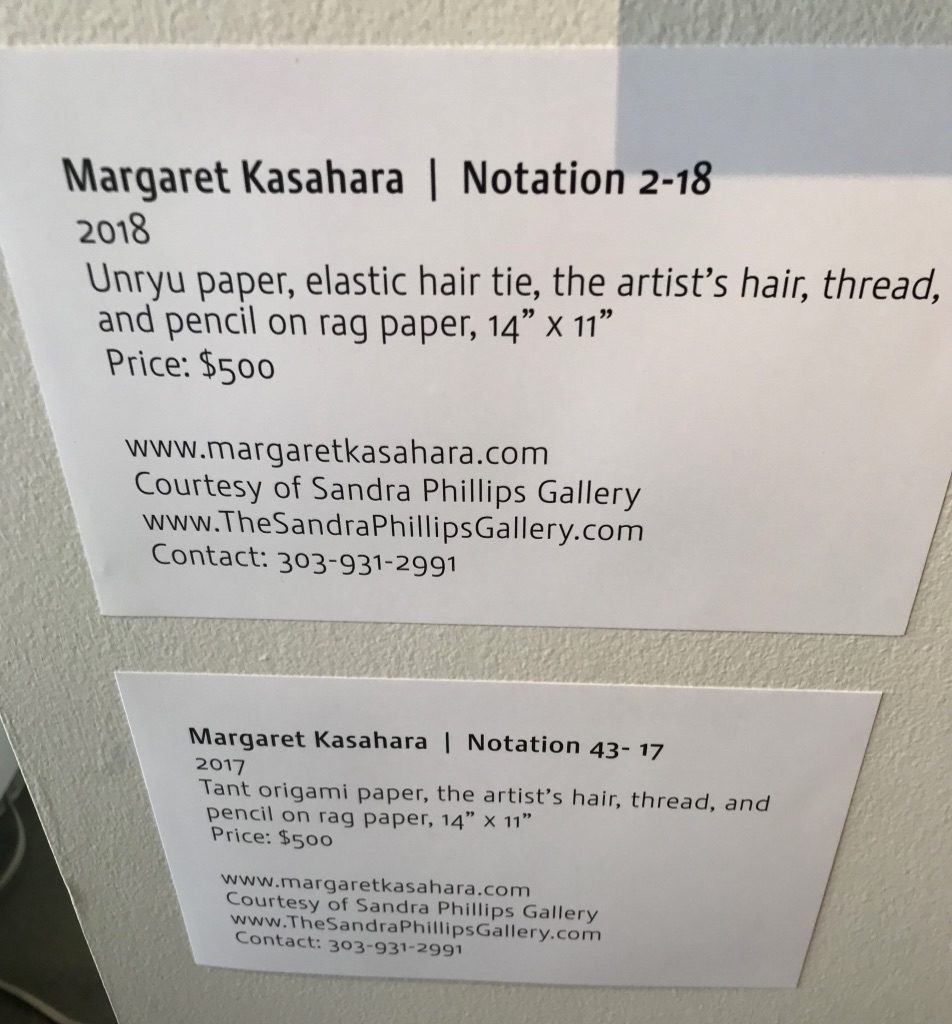
The post Pointers on Wall Labels for Your Art Exhibition appeared first on Art Biz Success.
]]>The post 16 Ways to Demonstrate Your Art Has Value appeared first on Art Biz Success.
]]>You teach people how to treat you and your art. Make sure you’re sending the right signals.
Here are 16 things to consider.
Making and Preparing Art
1. Use the highest quality materials you can afford. It would be humiliating for your art to start falling apart after it’s purchased.
2. Select frames that complement your work and are well made.
3. See that your mats are cut meticulously. Nothing ruins a good image like a sloppily cut mat.
4. Ensure that all 2-D art rests flat against the wall. It shouldn’t bow, droop, or buckle.
5. Sign your art. It doesn’t matter how you sign it or where, but sign it. Signing art says, “This is complete, and I made it.”

Handling Art
6. Don’t schlep your art around in supermarket bags. Use portfolios and beautiful boxes.
7. Use the right amount of packing material to ensure that the work will arrive safely.
8. Insure your work and studio appropriately. Home insurance rarely covers business mishaps.

Exhibiting Art
9. Let people see the art! Your work should be well lit wherever it is on exhibit. Look out for hot spots, glare, and shadows.
10. Create uniform wall labels that are carefully cut and stay snugly on the wall. Wonky labels that appear to be an afterthought can ruin an otherwise solid installation.
11. Use museum-quality hanging and installation devices.
Documenting Art
12. Document all of your art with high-quality photographs. They should be as good or better than the art because they represent the work and if you do your marketing right, you will sell art from JPEGs.
13. Keep your inventory database up to date, noting details such as size, specific materials, and exhibition record of each piece.
14. Maintain a price list. It’s unprofessional to make up prices on the fly.
Interpreting Art
15. Talk about your work with respect. Develop the language to speak intelligently and confidently about it.
16. Don’t ever apologize for your art or leave anyone to believe that you are less than an artist.
What else would you add to this list? Leave a comment and share your experience.
The post 16 Ways to Demonstrate Your Art Has Value appeared first on Art Biz Success.
]]>The post Art Too Big? No Such Thing! appeared first on Art Biz Success.
]]>I recently attended a talk with Rebecca diDomenico, who was discussing her installation — a cave structure titled Pellucid.

Pellucid was built in her large living room over the course of a year, but she didn’t think much about how she was going to get it out of her home and into the museum.
She said: You find a way.
It wasn’t the first time she had worked on such a large scale.
When she realized that the component umbrellas for an installation were too big to put in her car, diDomenico organized an umbrella walk through Boulder to deliver them to the Boulder Museum of Contemporary art.
The umbrella installation was no longer just a sculpture. It was a performance piece that united members of a community.
Are you holding back and hanging on to small ideas?
The post Art Too Big? No Such Thing! appeared first on Art Biz Success.
]]>The post Labels For Your Art Installation appeared first on Art Biz Success.
]]>On the other hand, the general public loves and needs the text. They love to read the background of the artist and artwork and they need the text to become better educated.
==> Click here to see an update of this post – with images <==
Here are some quick guidelines for your exhibit labels.
- Use good paper.
- Select a plain, readable font.
- Be consistent with your format for name, title, medium, date, and price.
- Make text at least 14 point if you want them to be readable by all.
- Place labels all at the same height around the room.
- Make labels the exact same color as the wall color if possible. You want your work–not the labels–to stand out when people are scanning the room for the first time.
- If your labels will be up for a while, use a spray glue to mount them to mat board. If the paper is a different color, use a reverse bevel cut with your cutter to cut them out. The reverse cut eliminates distracting white lines around the outside of the finished label.
- Add extra text–stories that illuminate your work and help you connect with viewers.
The post Labels For Your Art Installation appeared first on Art Biz Success.
]]>