legacy Archives - Art Biz Success https://dy-online.com/tag/legacy/ Trusted Art Business Coaching and Consulting Thu, 28 May 2026 19:20:43 +0000 en-US hourly 1 https://wordpress.org/?v=7.1.4 https://dy-online.com/wp-content/uploads/2022/02/favicon-2-150x150.png legacy Archives - Art Biz Success https://dy-online.com/tag/legacy/ 32 32 What to do with 400 paintings: artist legacy and economic reality with Alissa Quart (243) https://dy-online.com/quart-legacy/ Thu, 09 Oct 2025 11:43:00 +0000 https://dy-online.com/?p=55317 When Alissa Quart's mother received a terminal diagnosis, she faced 400 paintings and no plan for their future. Her approach was unconventional: distributing the work directly to neighbors and friends.

This conversation explores what artists need to sustain their practice, why affordable housing matters for creative communities, and how to honor an artist's legacy without sacrificing your own life in the process.

The post What to do with 400 paintings: artist legacy and economic reality with Alissa Quart (243) appeared first on Art Biz Success.

]]>
Families reach out to me regularly about what to do with an artist’s work after they’ve passed. It’s a conversation most artists avoid having, which leaves loved ones guessing about what matters and what doesn’t.

Alissa Quart didn’t have that luxury. When her 90-year-old mother Barbara Quart received a terminal diagnosis in March 2025, they had to act quickly.

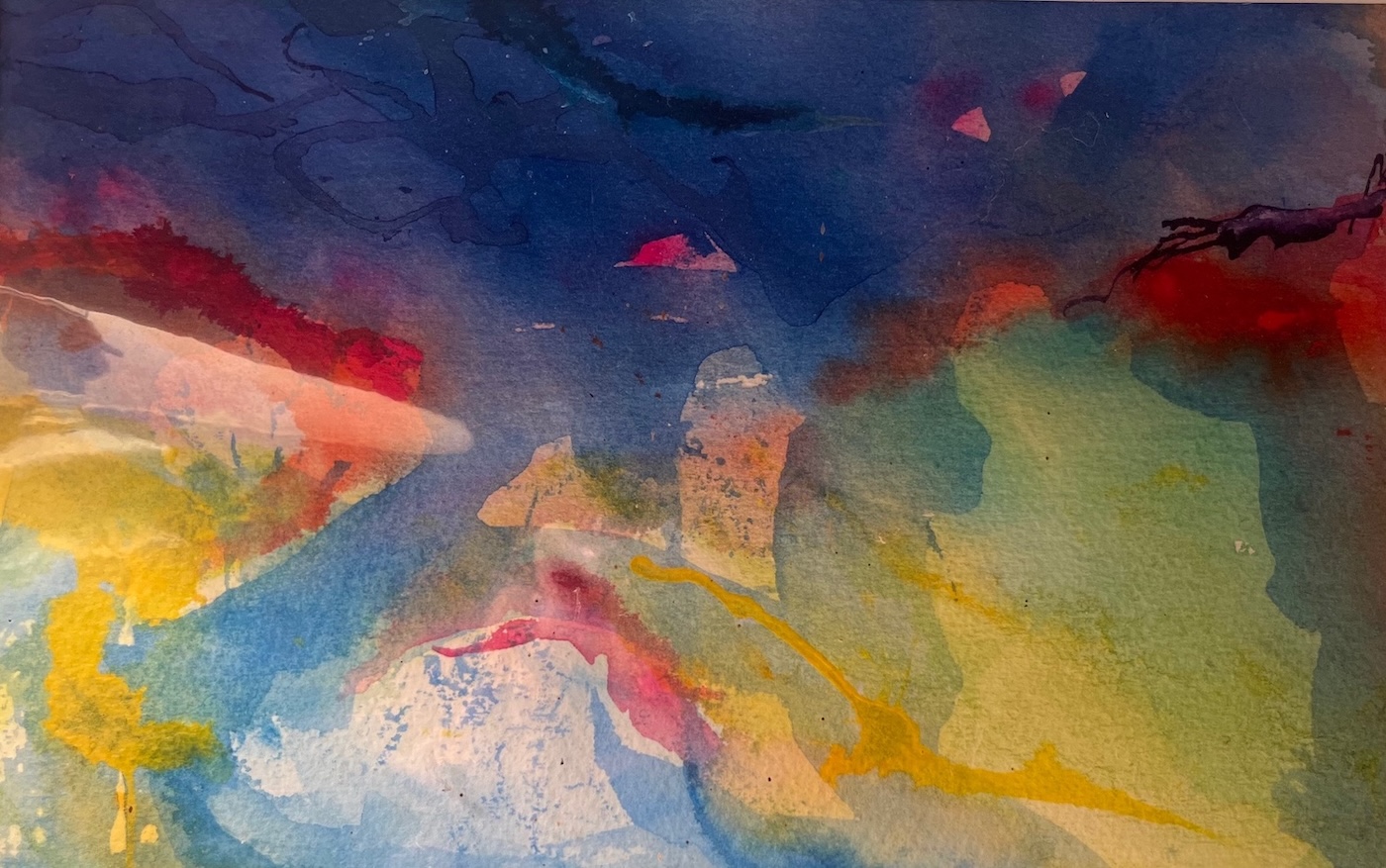
Barbara had spent 30 years painting almost daily, creating works influenced by Richard Diebenkorn, Alice Neel, and Claude Monet. She’d never been part of the gallery system or an MFA program. She just followed her vision.

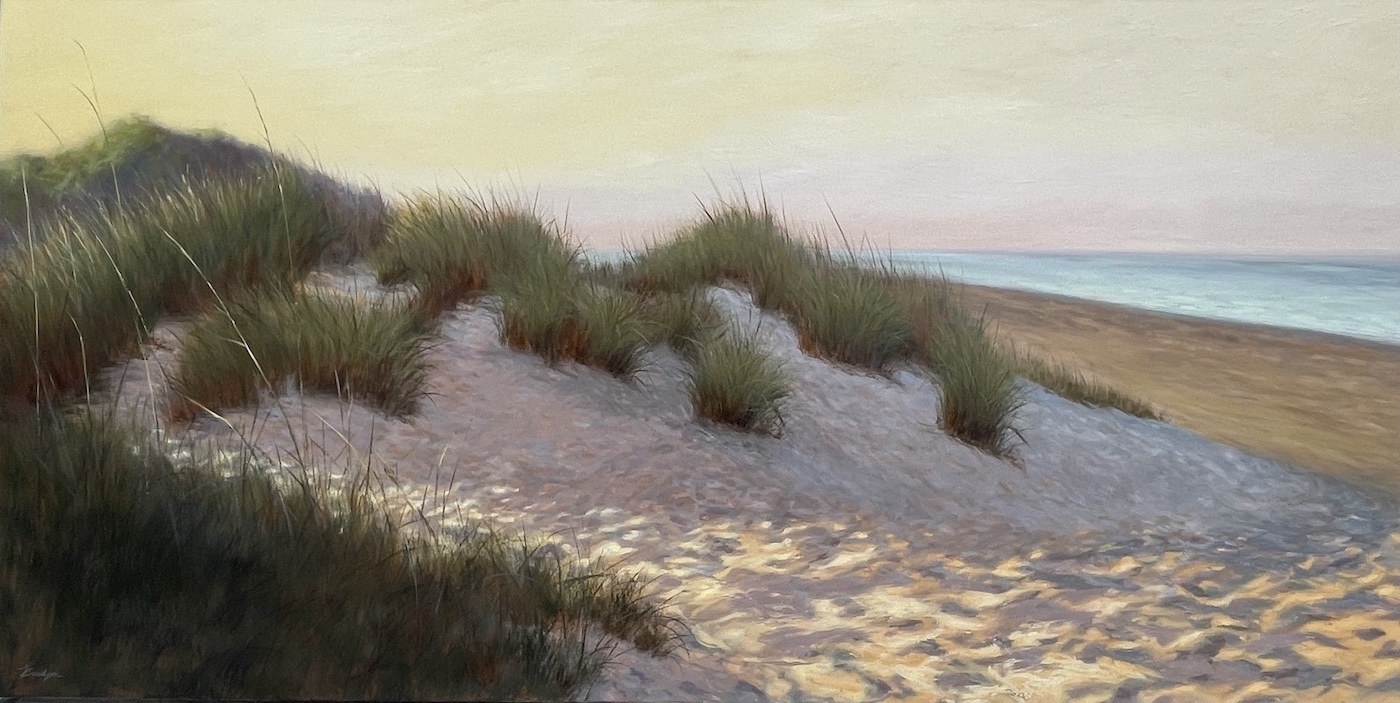
Barbara Quart painting
Untitled painting ©Barbara Quart.

Alissa’s solution for rehoming 400 paintings was practical and radical. She started giving paintings away and selling them at accessible prices to people in her building, her mother’s neighbors in the Berkshires, even the person who cleaned out the house.

The goal was simple: place the art with people who would cherish it, in places where Alissa could still see her mother’s work.

Then she wrote about it in the New York Times and everything changed. Within days, she received over 300 requests to buy paintings. Art professors and professional painters reached out to say Barbara’s work was genuinely good.

At 90, Barbara finally got validation for all of her hard work.

But our conversation goes beyond one family’s story. We dig into what artists actually need to thrive. Barbara could paint for three decades because she had rent-controlled housing, an affordable studio nearby, and a community of artists who shaped her thinking. Those circumstances are nearly impossible to replicate today.

This conversation will shift how you think about legacy, community, and what it takes to sustain a creative practice over time.

Listen

Update from Alissa

With the crucial help of librarian Kira Smith, I have created a catalogue of her paintings, so that people who are interested in acquiring one can now do so. I am excited about this moment.

We have decided to charge from $500 to $1,200 for different pieces. (If you are economically struggling and can explain your situation to me, we can talk about pricing further.) One of my goals is to find appreciative homes.

The list has clickable links so that you can view each painting—just click on the link for “Image.” Once you have decided on a painting, please email me and we’ll send you the billing and estimated shipping info (it’s an easy process).

View the catalogue of Barbara Quart paintings.

Have one honest conversation about your art with someone who might inherit it or help place it after you are no longer able to do so.

Alissa Quart Quotes

“Artists need to be in community to make really good work and to influence each other. And then they also need to do it for a long time… You need the worker ants not just the queen bees.”

“Some of the stigma of selling in community, not going through the gallery system, has to change.”

 I’m trying to honor my mom, but at some point, I am feeling like, is this, is this necessary? Do I need to do this? … when do you stop building somebody’s legacy?”

“It’s not really only about the artist or the author, it’s about the world in which they are communicating.”

“Painting is the promise that our consciousness can persist beyond the hand that picked up the brush.”

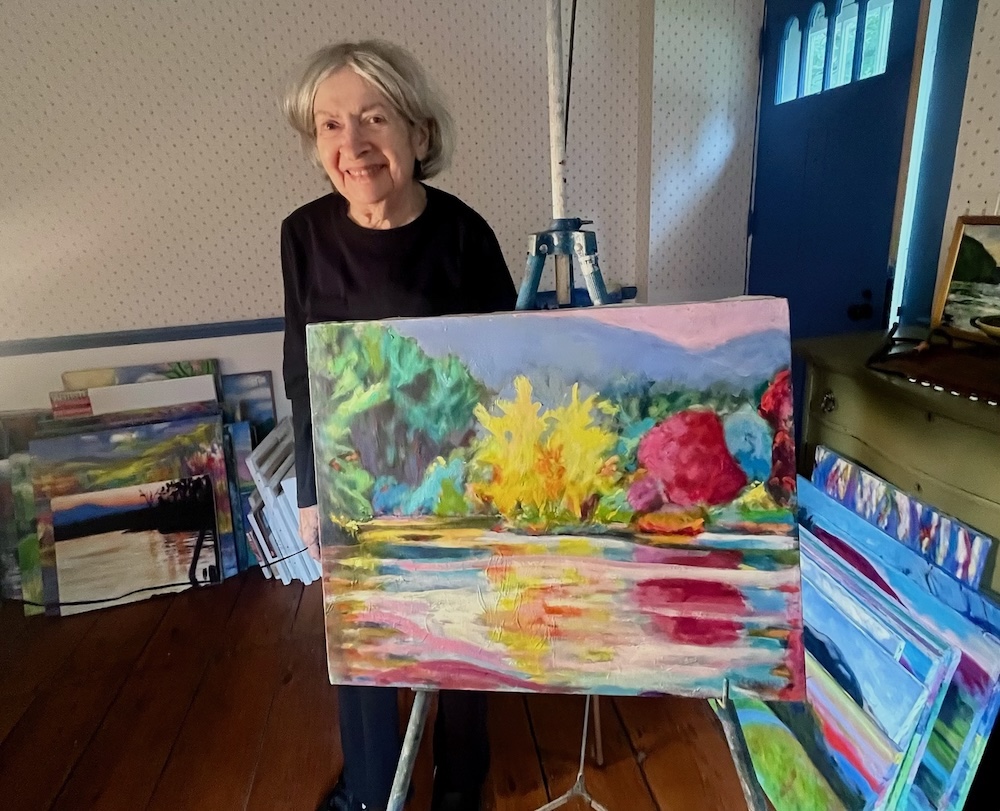
Barbara Quart paintings
Barbara Quart with some of her paintings. Photo by Maggy Grace Howe.

Mentioned

The Slip by Prudence Pfifer

Zero Art Fair

The Death of the Artist by William Deresiewicz

Peter Hastings Falk, art historian

Alissa’s article in the New York Times: “My Mother, the Artist, Discovered at 90”

Molly Crabapple

About Alissa Quart

Alissa Quart is the author of five acclaimed books of nonfiction including her most recent, Bootstrapped: Liberating Ourselves from the American Dream. She also wrote two books of poetry has written for many publications including The Washington Post, The New York Times, and TIME.

Alissa is the Executive Director of the non-profit Economic Hardship Reporting Project. Her honors include an Emmy, an SPJ award and a Nieman fellowship. She lives with her family in Brooklyn.

Follow Alissa on Instagram: @alissaquart

And follow Barbara’s paintings: @barbaraquartpainter

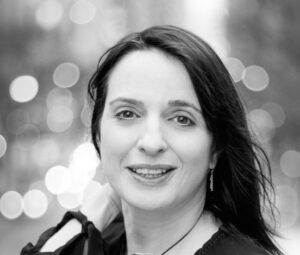
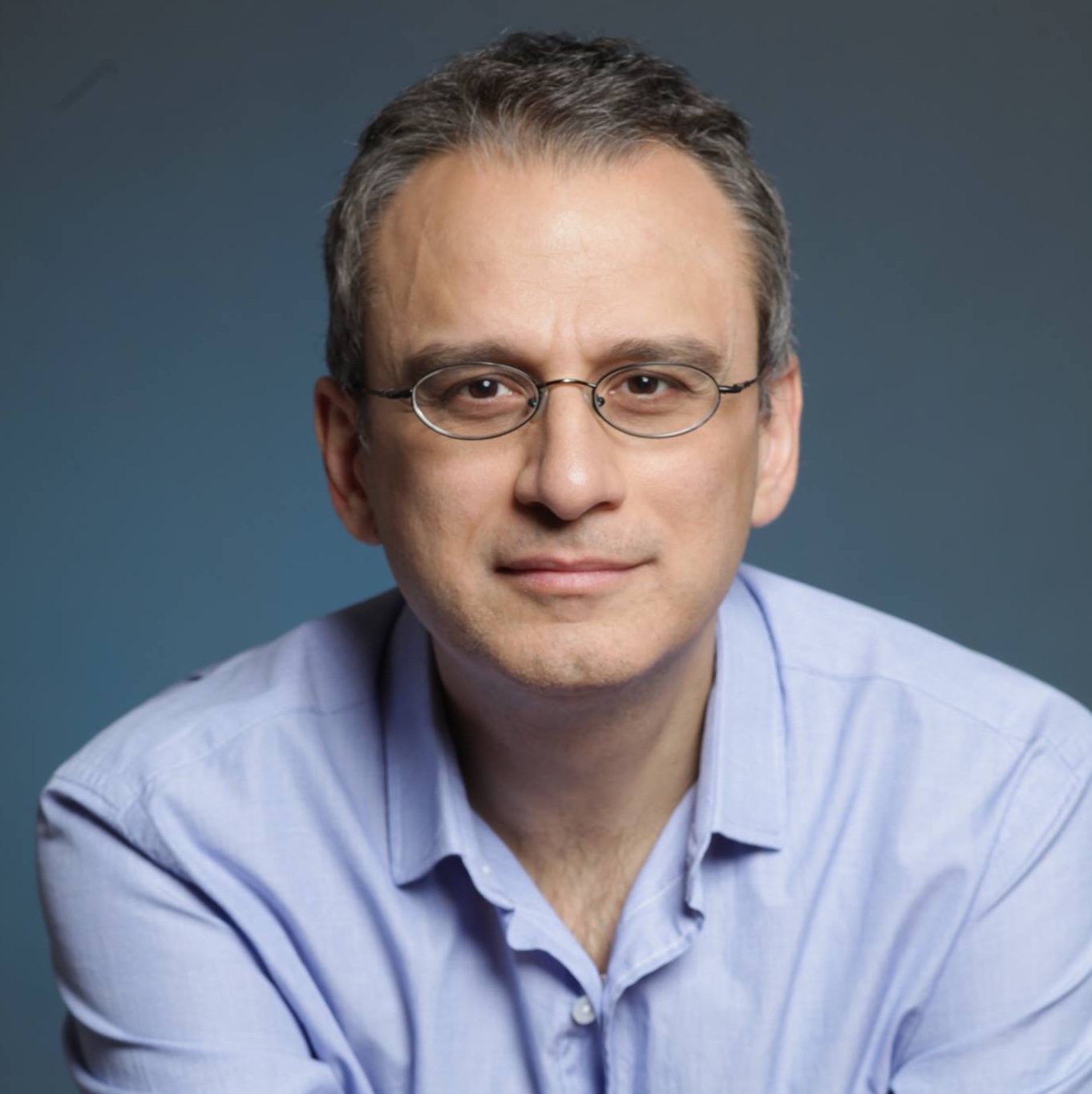
Alissa Quart
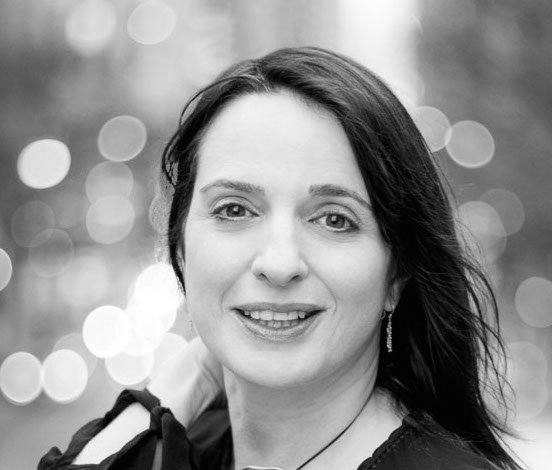
Photo by Ash Fox

The post What to do with 400 paintings: artist legacy and economic reality with Alissa Quart (243) appeared first on Art Biz Success.

]]>
The investing artist: art, real estate, and legacy with Mary Erickson (223) https://dy-online.com/investing-artist-podcast/ https://dy-online.com/investing-artist-podcast/#comments Thu, 17 Apr 2025 12:05:00 +0000 http://artbizsuccess.com/?p=27203 Mary Erickson built a thriving art business with heart, discipline, and financial savvy. I was immediately impressed with Mary’s business savvy, as I know you will be. Her art sales have paid for her lifestyle, which is comfortable and adventurous, but far from extravagant. She is a discerning investor and wise with her finances.

Mary says she paints so that she can buy real estate so that she can collect art by other artists.

The post The investing artist: art, real estate, and legacy with Mary Erickson (223) appeared first on Art Biz Success.

]]>
Mary Erickson doesn’t wait for opportunities to come her way.

When she started her art career, she worked a full-time job at a frame shop, painted before and after hours, and sold 500 watercolors before she was brave enough to go full-time.

Since then, she has built a thriving business through selling art and investing in real estate.

She’s done it all with heart, discipline, and a deep respect for her work and the people who support it.

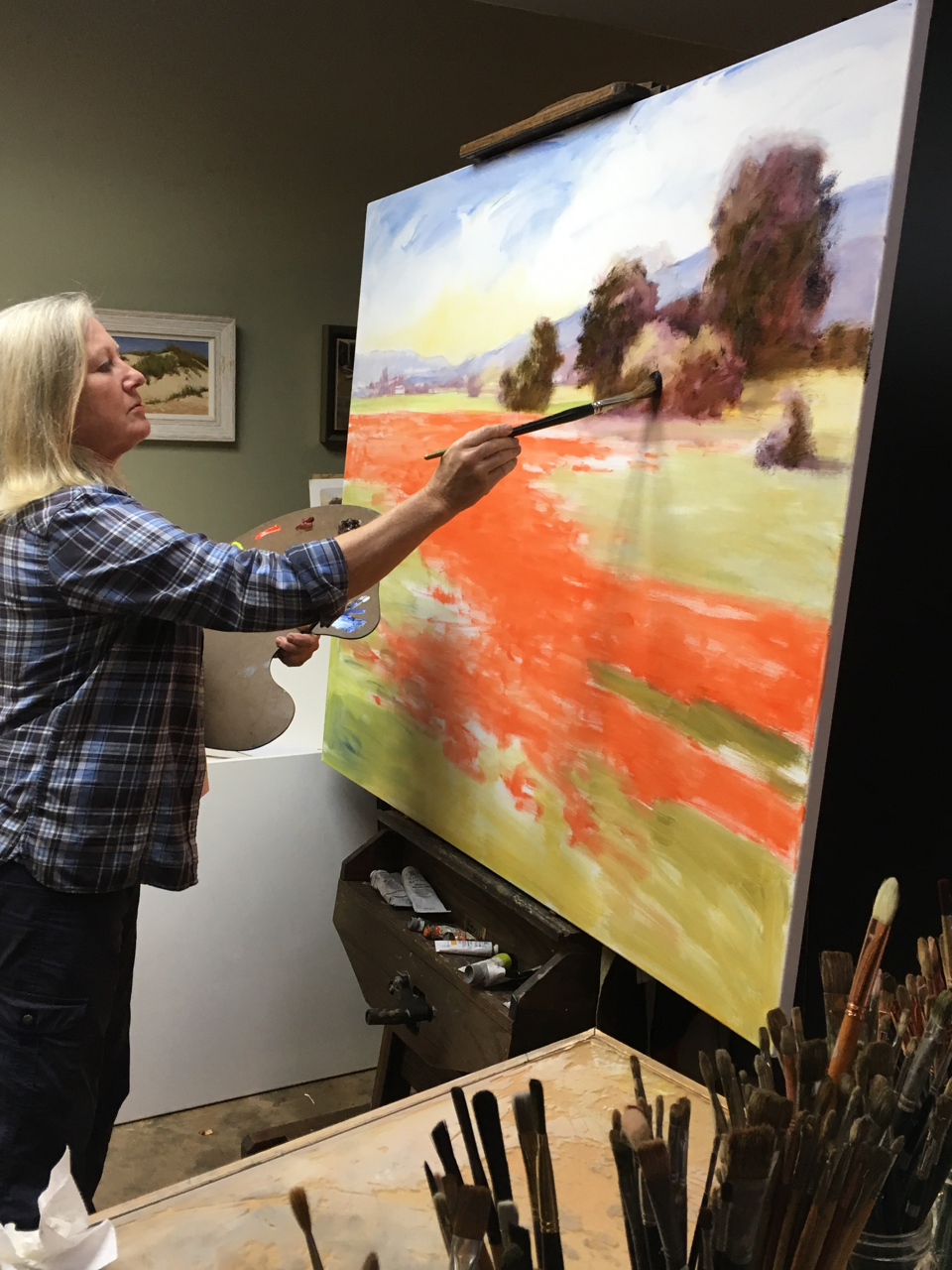
Mary Erickson oil painting
©Mary Erickson, Golden Light. Oil on linen, 36 x 72 inches.

This is an encore episode of The Art Biz—originally recorded in 2018, and just as inspiring today. Mary and I talk about how she:

  • Transitioned from a frame shop job to painting full time
  • Got her start with prints—and how she knew it was the right time
  • Built lasting relationships with 8 galleries by treating them as partners
  • Uses her earnings to invest in real estate and buy art from other artists
  • Created a property in North Carolina that serves as an artist retreat and sanctuary for wildlife
  • Keeps her financial life simple, debt-free, and aligned with her values

This conversation is full of timeless wisdom about making a living as an artist, and I’m thrilled to share it again—especially for newer listeners who may have missed it the first time around.

Mary’s story is a powerful reminder that financial freedom as an artist is possible and deeply connected to how you manage your time, money, and opportunities.

Listen

Take one small step to become more financially savvy in your art business.

This could mean tracking your income more consistently, reviewing your expenses, setting aside savings for future investments, or simply getting more curious about your numbers.

Mary Erickson Quotes

“I paint so that I can buy real estate so that I can collect art.”

“I didn’t want [the sales] to be about me—I wanted to see if the art could stand on its own.”

“If you take care of your money, it will take care of you.”

“You shouldn’t do prints until you can’t paint fast enough to keep up with original sales.”

“Galleries are partners. You depend on them and they depend on you.”

“When you’re out there and your feet are grounded, and you find the silence—you find God.”

“Freedom brings responsibility. I can’t just paint what I want; I have commitments to my galleries and to the land.”

“We’re not competitors. We’re allies. We’re all in this together.”

Mary Erickson painting
Mary Erickson painting #5008 Le Coquellcotes (Poppies). Oil on linen, 48 x 60 inches.

About Mary Erickson

Mary Erickson is a devoted plein air painter, and has traveled extensively across the U.S. and abroad—creating field studies in Spain, Ireland, Argentina, and beyond.

A lifelong conservationist, Mary plans to leave her 39-acre North Carolina property as an artist retreat and bird sanctuary; it is already listed on the North Carolina Birding Trail.

She is the co-founder of the American Tonalist Society, founder of The Nanatuck Group, and a Signature Member of the American Society of Marine Artists. Her work is also recognized by the Oil Painters of America and the American Impressionist Society.

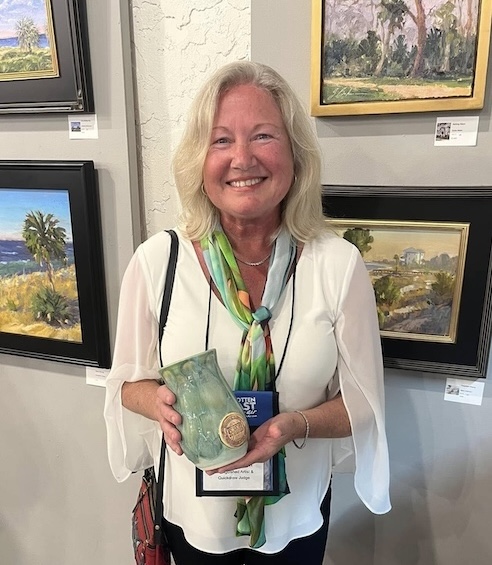
Mary was recently honored with the Richard M. Carrell Distinguished Artist Award (pictured here) for her contributions to the Forgotten Coast En Plein Air event, now in its 20th year.

Follow Mary on Instagram: @mary.erickson.art

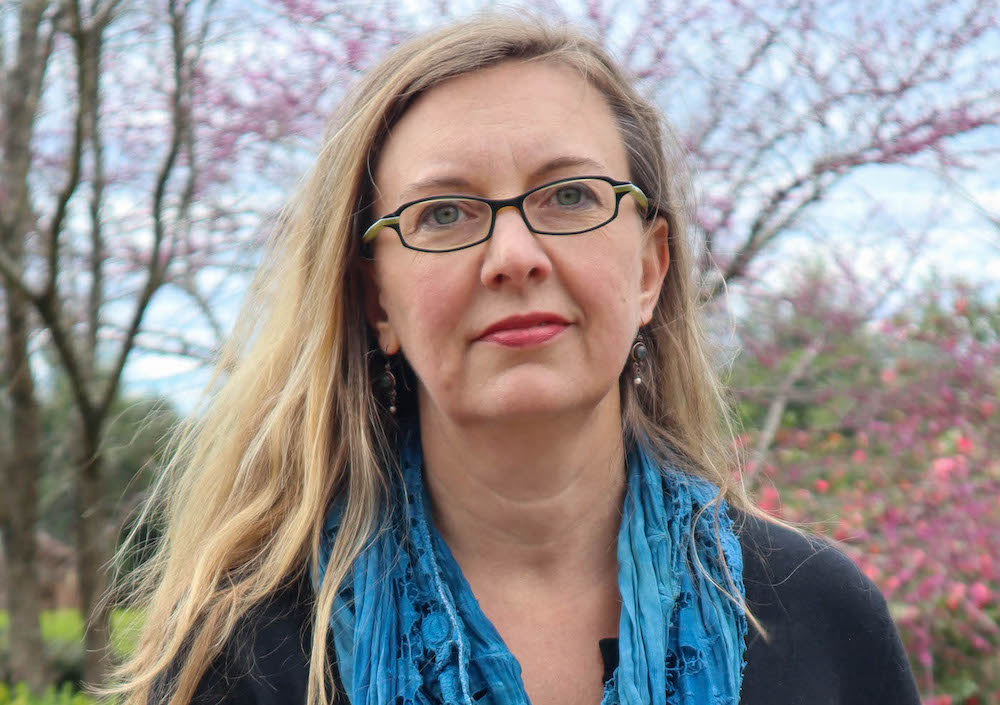
Photo of Mary Erickson by Jacques Drouin.

This article was originally posted on August 16, 2018 and has been updated with original comments intact.

The post The investing artist: art, real estate, and legacy with Mary Erickson (223) appeared first on Art Biz Success.

]]>
https://dy-online.com/investing-artist-podcast/feed/ 56
Proactively planning your art legacy with Heather K. Powers (143) https://dy-online.com/death-powers-podcast/ https://dy-online.com/death-powers-podcast/#comments Tue, 28 Feb 2023 14:56:45 +0000 https://dy-online.com/?p=42445 Experience forces me to remind you of your mortality. Artist and professional organizer Heather K. Powers wants to normalize death because it's a part of life.

This conversation is especially important for artists, who make things that take up physical space. How do you categorize those things? What kind of records need to be kept? And what, if anything, should be destroyed, reworked, or donated?

The post Proactively planning your art legacy with Heather K. Powers (143) appeared first on Art Biz Success.

]]>
What will happen to your art and studio after you’re gone?

What instructions are you leaving to make it easier on your loved ones?

We tend not to concern ourselves with such things, and not only because the topic is unpleasant. More likely, it’s because we’d rather be doing something else. We procrastinate.

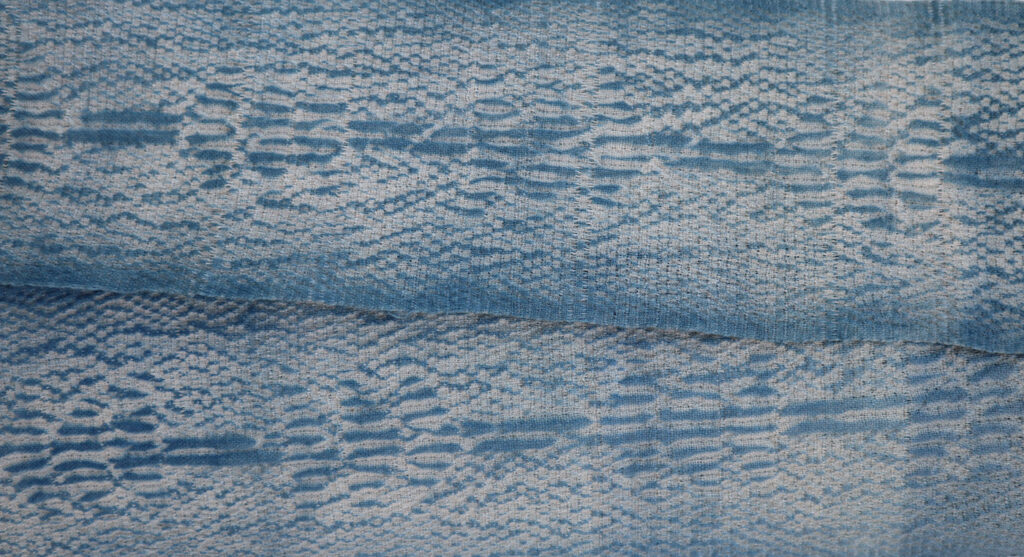
One of Heather's textile designs. Woven cotton and indigo dyed shibori scarf, 6 x 68 inches.

Experience has forced me to remind you of your mortality. Over the decades I have heard from numerous families of deceased artists who are bewildered over what to do about all of the artwork left behind.

They are trying to figure out this new life without their artist and overwhelmed by the task ahead of them: Deciding what will become of the artwork, supplies, and studio. They’re trying to understand what is valuable and needs to be seen by others, but everything looks precious to them.

It doesn’t help that the artist in their life left a mess of things—including erratic records, if they exist at all.

I can’t help but be furious with the artist. Their descendant has to give their time, energy, and resources to care for things that the artist didn’t care enough about while they were alive.

This is not an ad for an estate attorney. This is a plea to get organized. Not for you, but for those you  love and leave behind.

Artist and professional organizer Heather K. Powers talks with me on episode 143 of The Art Biz about this topic. She wants to normalize death because it’s a part of life.

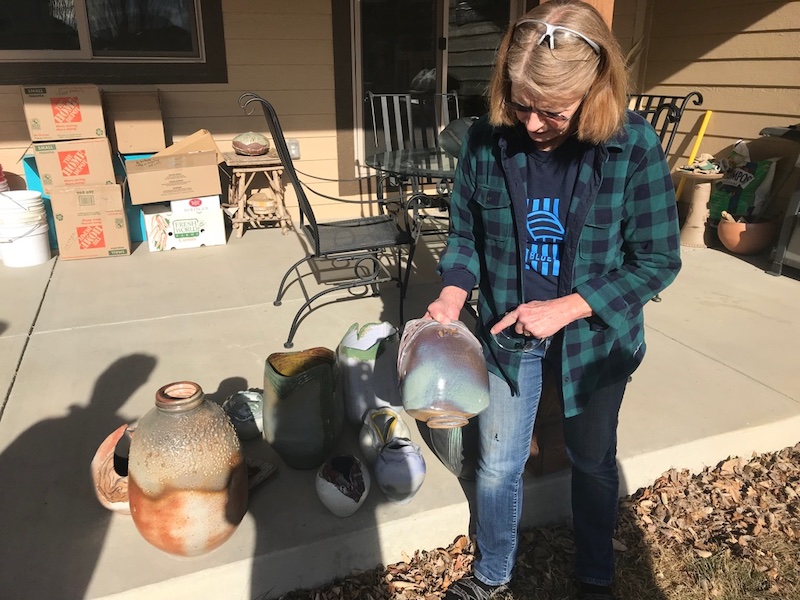
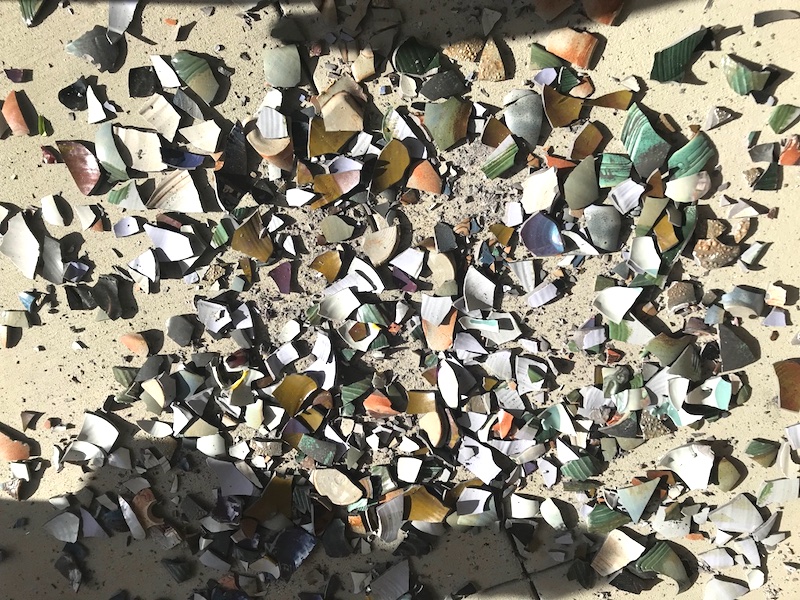
This conversation is especially important for artists, who make things that take up physical space. How do you categorize those things? What kind of records need to be kept? And what, if anything, should be destroyed (see images below), reworked, or donated?

[ See The Best Idea for Unloading Unsold Art ]

These are difficult questions and will vary from artist to artist, but it is such an important part of planning your art legacy. My conversation with Heather can help you get started.

Listen

📄 This Week's Assignment

Your assignment this week is to start thinking about your legacy. Eventually you will need to prioritize the tasks necessary, but you can’t do it all at once. 

Take one of these steps: sign up for Artwork Archive, update your inventory, finally recycle that work you don’t want to show up under your name, have a conversation with your family about your wishes, or declutter a space.

We have high level conversations like this in the Art Biz Accelerator. I’d love for you to join us.

for busy artists who like knowing there is someone nearby to help

Highlights

  • Normalizing conversations about your death and legacy. (2:10)
  • Heather’s coaching process includes getting more comfortable talking about death. (6:48)
  • What do you value in your legacy? How can artists better prepare their legacy for after death? (10:28)
  • Finding the value of clutter requires understanding and compassion. (15:27)
  • Destroying the artwork that you don’t want to be known for. (19:19) See images below.
  • Define the value of each level of your work so you can better process it. (24:55)
  • Tools and resources to help document your art. (32:32)
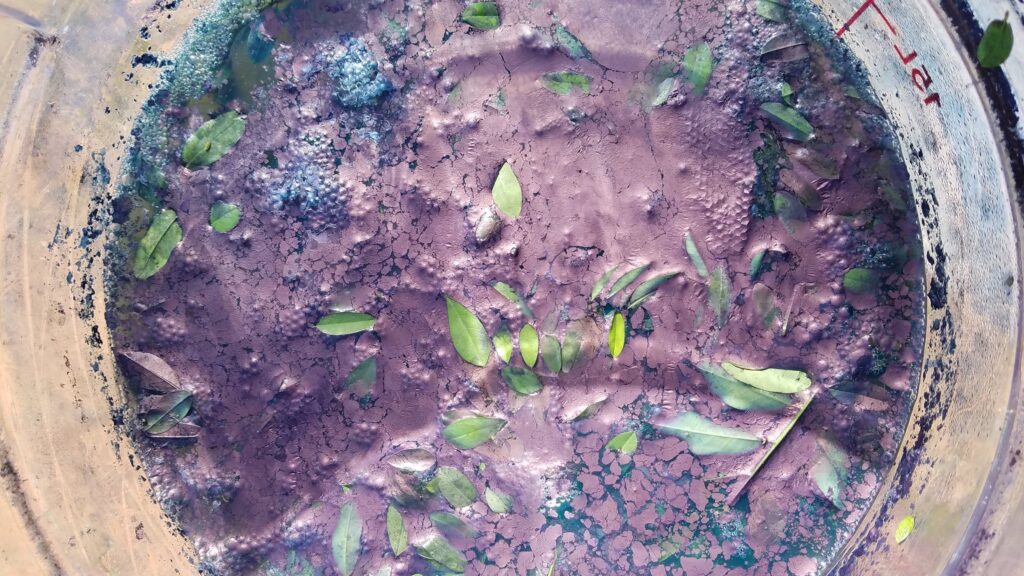
Heather Powers dye vat
A vat of Heather's fresh leaf natural indigo dye.

Mentioned

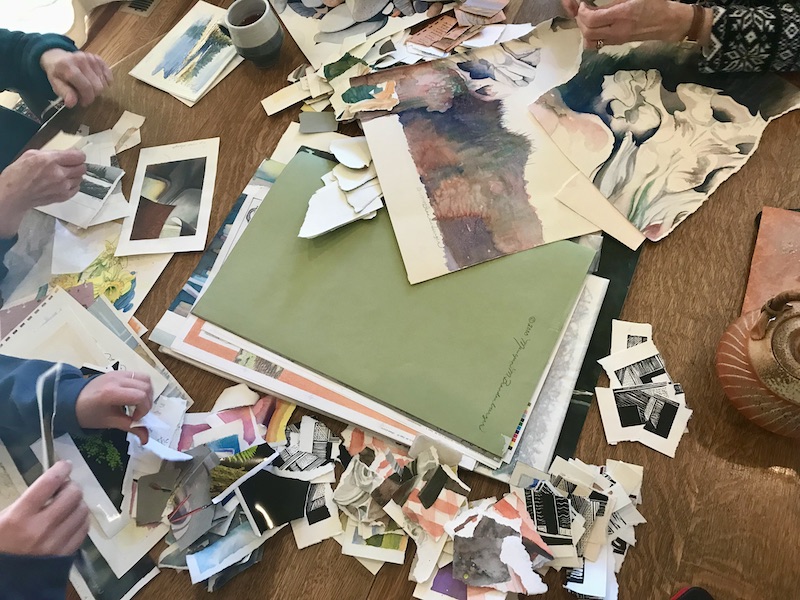
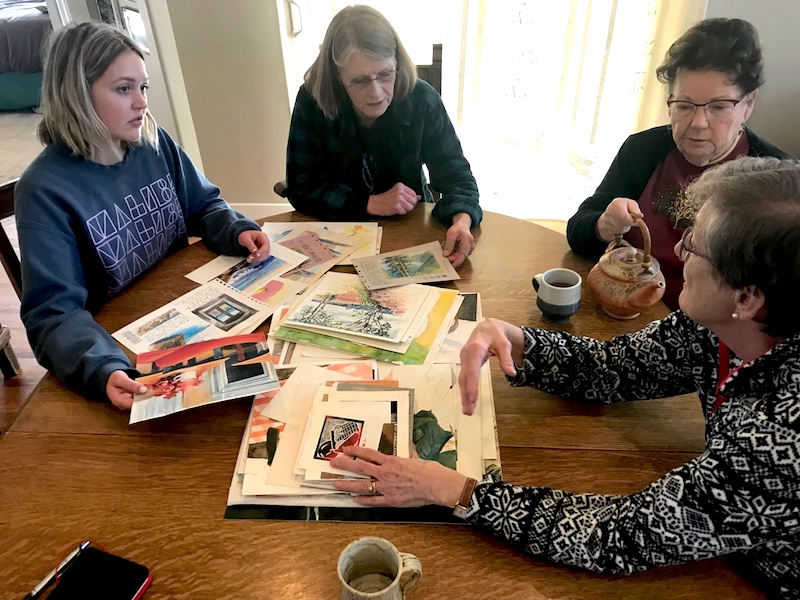
Images from the art destruction party hosted by Gail Frasier and Marilynn Brandenburger.

Heather K. Powers Quotes

  • “Death is a normal part of life, but the more we put off thinking or talking about it the more uncomfortable it becomes.”
  • “We can take into our own hands what is important to us as a generation and pass it on to the next generation.” 
  • “What do you value in your legacy? And what do you perceive might be of value to others? Those things are often not in alignment.” 
  • “Start early and keep good records.  It doesn’t have to be that complicated.” 
  • “When we get rid of work one way or another, we make space for new work to come in.” 

Cautionary Tales

Henry Darger left his life’s work in a tiny apartment and at the mercy of his landlord, who found it and, blessedly, saved it. But now they’re in litigation with his distant relatives.

Mark Rothko, one of my favorite artists of all time, left a disaster for his 19-year-old daughter to oversee. It took 4 years in court.


About My Guest

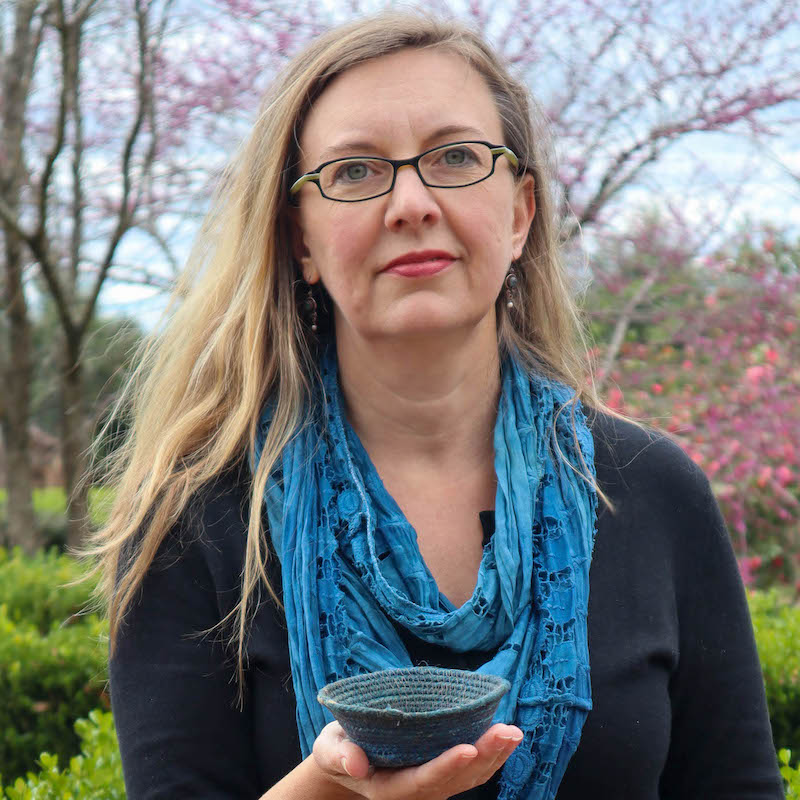
Heather PowersWith a BFA in Fiber from Savannah College of Art and Design, Heather K. Powers has had a productive career as a textile designer—collaborating on worldwide projects in various capacities.

In 2010, she launched her design and professional organizing business. Her work as an organizer places her among artists, craftspeople, and collectors, which gives her an intimate understanding of how individuals retain, use, and live with material culture.

In 2021, Heather graduated with an MFA in Critical Craft. She continues to research textile history, weave, and use natural dye techniques in which her work investigates memory, place, and identity themes through discarded vintage ephemera and materials.

Please visit her website to find out how she works with her clients in person and online and follow her on Instagram @hkpowerstudio.

The post Proactively planning your art legacy with Heather K. Powers (143) appeared first on Art Biz Success.

]]>
https://dy-online.com/death-powers-podcast/feed/ 11
The Art Biz ep. 31: Building a Legacy Brand and Destination with Sean VanderVliet https://dy-online.com/legacy-brand-podcast/ https://dy-online.com/legacy-brand-podcast/#comments Thu, 01 Aug 2019 12:04:13 +0000 https://dy-online.com/?p=28651 Regular listeners of the Art Biz Podcast know I love to explore the topic of legacy--the mark you’re leaving on the world. Check out my conversations with David Paul Bayles in episode 15 and Mary Erickson in episode 19.

So when I heard Sean VanderVliet say the L word, I knew I had to talk with him. He thinks big and I like that.

Sean is the artist behind Fenway Clayworks based here in Denver, Colorado, and in just a few years he has created a brand and a buzz around his functional pottery. A number of Denver’s finest restaurants commission Sean for their signature dinnerware.

He wasn’t always a ceramic artist. For a number of years Sean worked in tech startups and even, with partners, started his own niche business for rock climbers. He has been able to translate the lessons he learned in those positions to his career as an artist.

Sean says that people work with him because they see his passion. Although 60% of his current business is from commissions, he makes work only in his style. If you want something with a flower or aspen tree on it, look elsewhere.

He enjoys immensely the collaboration with chefs and others, but he is also clear that not everyone is a customer. This is just one of the numerous business lessons in Sean’s story that are applicable regardless of the type of work you do.

After hearing his vision, you may want to start looking out for a Fenway Clayworks in your neighborhood.

Our topics of discussion include:

The post The Art Biz ep. 31: Building a Legacy Brand and Destination with Sean VanderVliet appeared first on Art Biz Success.

]]>
Regular listeners of the Art Biz Podcast know I love to explore the topic of legacy–the mark you’re leaving on the world. Check out my conversations with David Paul Bayles in episode 15 and Mary Erickson in episode 19.

So when I heard Sean VanderVliet say the L word, I knew I had to talk with him. He thinks big and I like that.

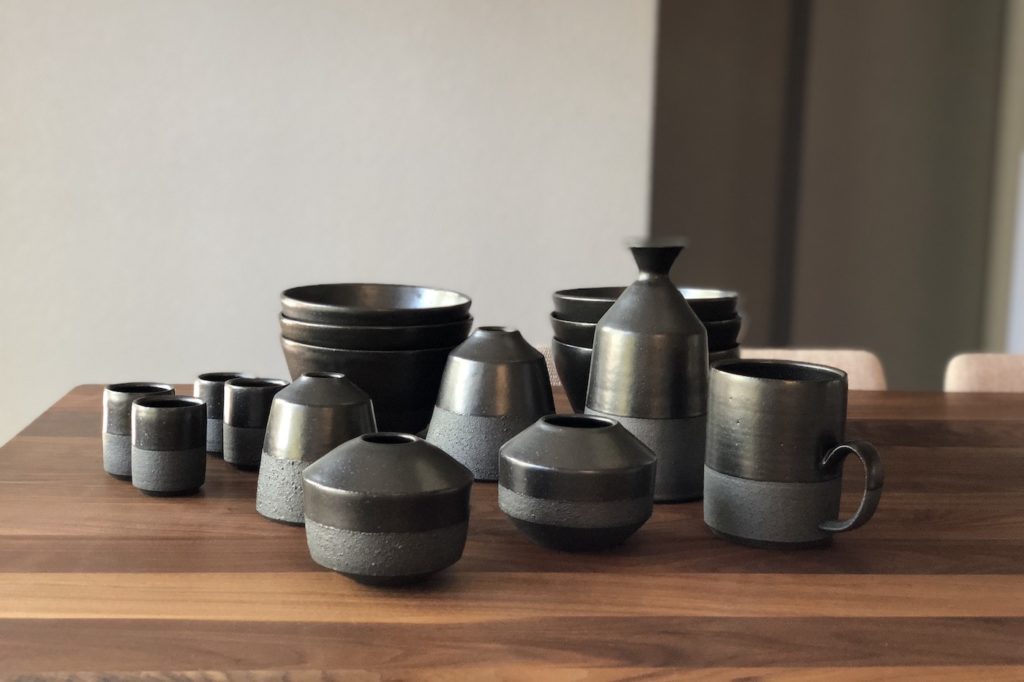
©Sean VanderVliet, assorted pieces from the Park Slope collection. Red stoneware with satin black glaze.

Sean is the artist behind Fenway Clayworks based here in Denver, Colorado, and in just a few years he has created a brand and a buzz around his functional pottery. A number of Denver’s finest restaurants commission Sean for their signature dinnerware.

He wasn’t always a ceramic artist. For a number of years Sean worked in tech startups and even, with partners, started his own niche business for rock climbers. He has been able to translate the lessons he learned in those positions to his career as an artist.

Sean says that people work with him because they see his passion. Although 60% of his current business is from commissions, he makes work only in his style. If you want something with a flower or aspen tree on it, look elsewhere.

He enjoys immensely the collaboration with chefs and others, but he is also clear that not everyone is a customer. This is just one of the numerous business lessons in Sean’s story that are applicable regardless of the type of work you do.

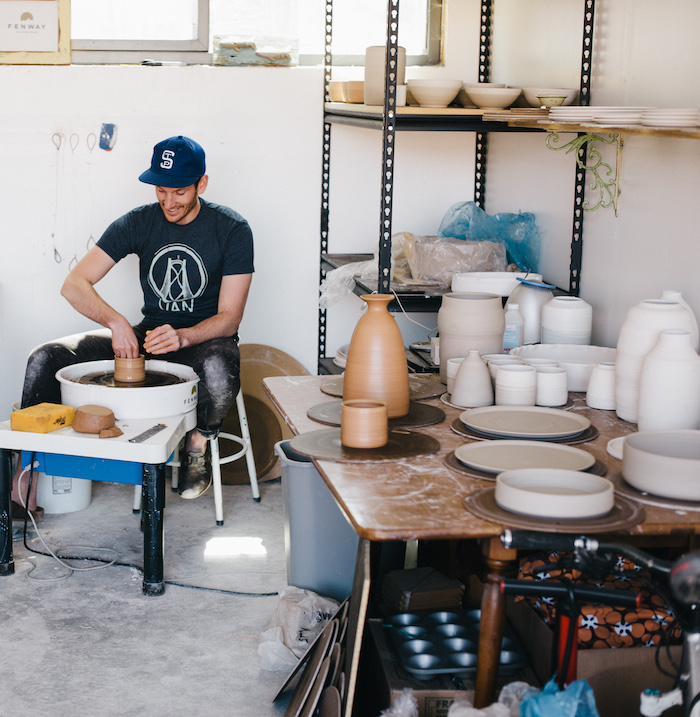
Sean VanderVliet of Fenway Clayworks in his Denver pottery studio.

After hearing his vision, you may want to start looking out for a Fenway Clayworks in your neighborhood.


Music by Wildermiss

Our topics of discussion include:

  • Sean’s background and how his childhood community influenced the work he does today.
  • Why he left his corporate job to be “part of something small” and how working at other companies has served him in his pottery business.
  • The business model he operates and the breakdown of his income streams – 60% wholesale dinnerware to restaurants in the Denver community, 20% wholesale to retailers, 20% direct retail sales.
  • How Sean’s confidence has grown, which has allowed for more success in his business.
  • His commitment to his own design style.
  • How Sean plans to scale his business and hire help to support his growth.
  • The role he’s assigned to social media and email (and Instagram as “the perfect platform for potters”).
  • Why he believes that people choose to work with him over other artists.
  • Sean’s dedication to educating and explaining his process and how this translates to pricing. And his realization that “not everyone is a customer, and that’s okay.”
  • What’s next for Sean and his plan for an “experiential retail” space.
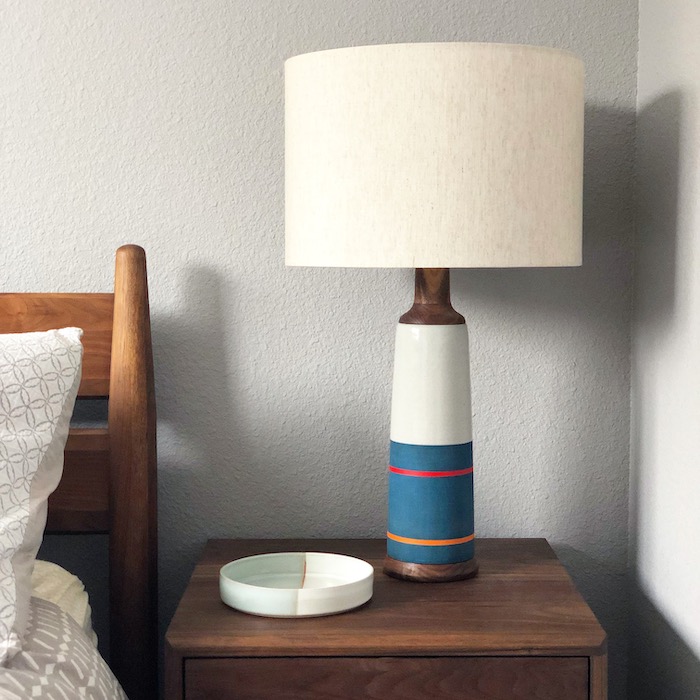
Denver artist Sean Vandervliet's Eichler Table Lamp in collaboration with Cream Modern
©Sean VanderVliet, Eichler Table Lamp #6. Stoneware base with a clear gray glaze and hand-brushed underglazes. Hand turned solid black walnut stem, base, and finial in collaboration with Colorado woodworker, Cream Modern.

Resources

Simon Pearce
Craftsy (now Bluprint)
Modern in Denver feature article on Sean
Beckon restaurant
5280 profile on Sean

About My Guest

Sean VanderVliet was born in Iowa, grew up in Massachusetts and New Hampshire, and attended college in Maine before heading to Colorado.

His style has become heavily influenced by the recent transformation of Denver itself and the ever-growing artisan community aspiring to create something impactful. He says, “It’s a practical and happy town–full of people dedicated to the things they care most about. I’m one.”

Follow Sean on Instagram.

Music by Wildermiss.

This episode of the Art Biz Podcast is sponsored by our live workshops.

The post The Art Biz ep. 31: Building a Legacy Brand and Destination with Sean VanderVliet appeared first on Art Biz Success.

]]>
https://dy-online.com/legacy-brand-podcast/feed/ 4
Confronting your professional legacy with David Paul Bayles (15) https://dy-online.com/legacy-archives-podcast/ https://dy-online.com/legacy-archives-podcast/#comments Thu, 19 Apr 2018 14:27:42 +0000 http://artbizsuccess.com/?p=26908 I have been concerned about artists’ legacies and what they are doing to prepare themselves and their loved ones for their passing. What happens to the work and the records after they’re gone?

David Paul Bayles tells us what his professional archives consist of, including his photos, writings, records, and audio files. He also gives us insight into the process of negotiating with an institution to preserve his work.

As you listen, pay careful attention to all of the people David has connected with along the way. His story is one of finding and nurturing connections.

The post Confronting your professional legacy with David Paul Bayles (15) appeared first on Art Biz Success.

]]>
Last fall I received an email from David Paul Bayles, who was a member of my class at the time. The email read, in part:

Recently The Bancroft Library at UC Berkeley (third largest special collections library in the U.S.) created The David Paul Bayles Photographic Archive to create a home for my life’s work.

I am driving down to meet with them on Monday to place a large number of prints and oral history audio files into the Archive.

Whoa. How cool is that? A major institution deemed David’s work worthy of saving forever – all together under a single roof.

©2009 David Paul Bayles, Elder on Fire. Archival pigment print, two editions of 7: 12 x 18 inches and 16 x 24 inches. Used with permission.

After peppering David with questions, I knew that his was a story that needed to be shared with you.

I have been concerned about artists’ legacies and what artists are doing to prepare themselves and their loved ones for their passing. What happens to the work and the records after they’re gone?

In this episode of the Art Biz Podcast, David tells us what his professional archives consist of, including his photos, writings, records, and audio files.

He also gives us insight into the process of negotiating with the Library – fascinating stuff. And, yes, it includes lawyers.

Photographer David Paul Bayles’s studio, converted from an old rusting steel pole barn using trees that fell on his land after a fierce windstorm.
Photographer David Paul Bayles’s studio, which serves as a gallery as well as a space for shooting, workshops, print storage and sometimes wine bar.

Of course, we also talked about his art and why he chose to focus on photographing trees throughout his career. A better way to frame the question is how the trees chose him.

And we ended with a discussion of David’s next big goals. What comes after finding a permanent home for your entire life’s work? For David, it’s an artist residency and a traveling exhibition.

As you listen, pay careful attention to all of the people David has connected with along the way. His story is one of finding and nurturing connections.

And it all started with a fire …

Music: Keep It Simple by Wildermiss. Used with permission.
Listen to or subscribe on iTunes
.

About My Guest

David Paul Bayles has been a working photographer since the 1970s.

His photographs have been published in numerous magazines and his prints included in the collections of The Portland Art Museum, the Santa Barbara Art Museum, and The Harry Ransom Center, among others.

Photographer David Paul Bayles
David Paul Bayles in his photography studio. Photo courtesy the artist.

Mentioned in the Interview

Mary Virginia Swanson – Photography Marketing Consultant
Jennifer Stoots – Photography & Art Appraiser

The post Confronting your professional legacy with David Paul Bayles (15) appeared first on Art Biz Success.

]]>
https://dy-online.com/legacy-archives-podcast/feed/ 17