mailing lists Archives - Art Biz Success https://dy-online.com/tag/mailing-lists/ Trusted Art Business Coaching and Consulting Thu, 11 Jun 2026 18:40:21 +0000 en-US hourly 1 https://wordpress.org/?v=7.1.4 https://dy-online.com/wp-content/uploads/2022/02/favicon-2-150x150.png mailing lists Archives - Art Biz Success https://dy-online.com/tag/mailing-lists/ 32 32 How to guarantee people remember you with Skip Hill (187) https://dy-online.com/skip-hill-encore/ Thu, 02 May 2024 11:06:00 +0000 https://dy-online.com/?p=48938 When Skip Hill said he needed a system for following up with his collectors, I knew I wanted to help.

He was neglecting his important business relationships at the most basic level. He said he was tired of being the stereotypical bohemian artist and ready to hone his business chops. Skip understood that the place to start this new commitment was with his network.

The post How to guarantee people remember you with Skip Hill (187) appeared first on Art Biz Success.

]]>
My utter bliss is to help artists make business systems that streamline their lives so they can spend more time in the studio.

So when Skip Hill said he needed a system for following up with his collectors and important relationships, I knew I wanted to help.

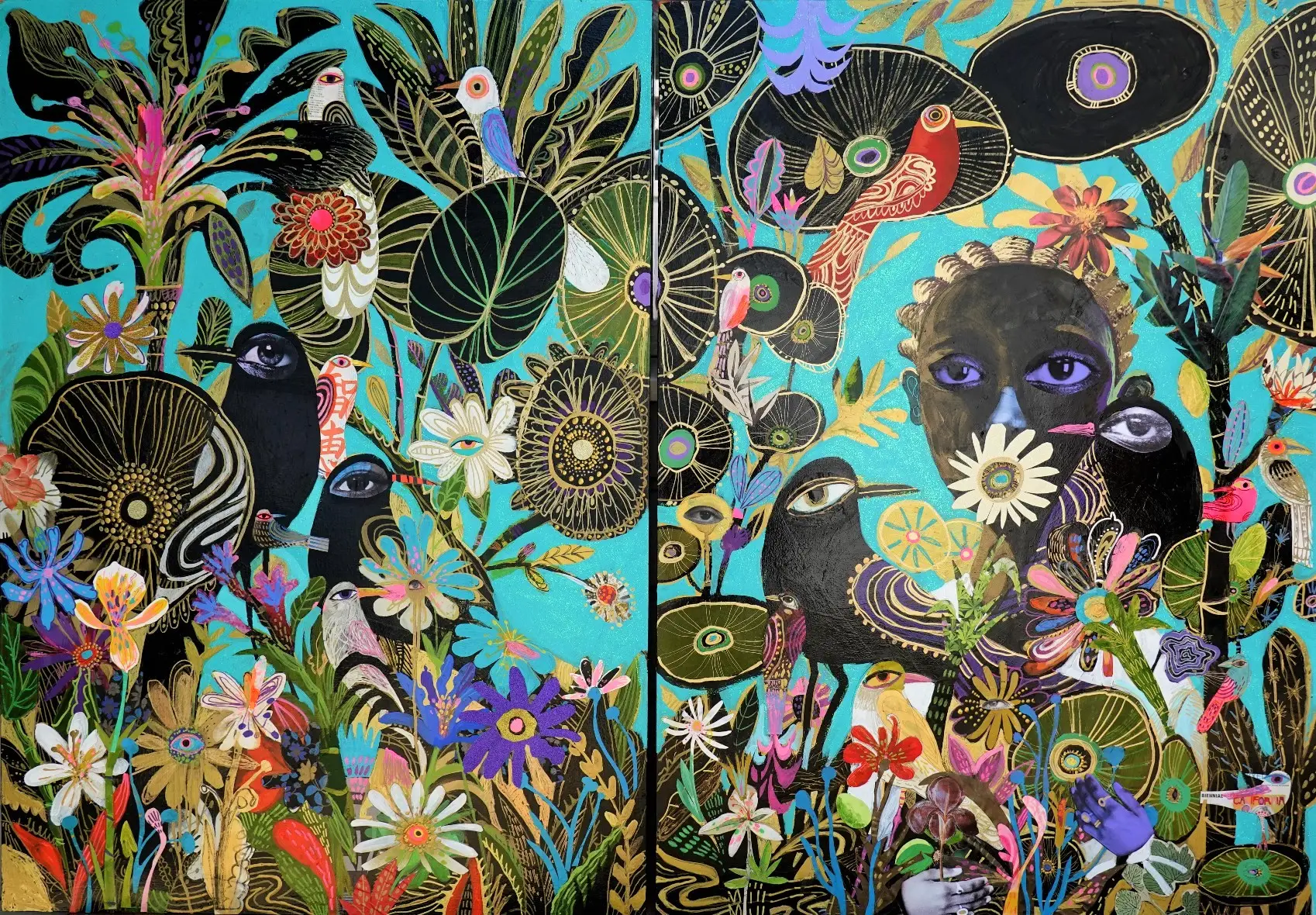
Skip Hill painting Love Garden
©Skip Hill, Love Garden (Hush). Mixed-mediums, acrylics, collage, and inks, 52 x 74 x 2 inches.

In this encore episode of The Art Biz, I walk Skip through the steps to create a plan for nurturing his relationships.

We go through these steps to create his plan:

  1. What do you want to happen?
  2. By when does it need to happen? Or … How frequently does it need to happen?
  3. What do you need to have/acquire/learn to make that happen? And/Or what tools and technology will you use for the process?
  4. Who do you need to enlist to help?
  5. What are the exact steps needed to make this system hum?

The steps in that last question provides the fuel. Miss a step, and your system crashes. Find Skip’s specific steps below.

This is a remix of episode 147, one of my most popular shows of 2023.  

Listen

One of my four core beliefs for art business success is that your network is your #1 marketing asset.

[ Read or listen to my core beliefs for art business success. ]

Skip's Steps for His Relationship System

These are SKIP’s steps—specific to his goals. You will need your own set of steps, which I walk you through, and give you the tools for implementation, in my Followers to Collectors workshop.

The steps here have different numbers than those on the recording because I reorganized them to make better sense.

Skip’s to do first:

  1. Block off time on your calendar every week. You wanted a whole day for this.
  2. Decide how you will use the various tools (MailChimp, Artwork Archive, Google Sheet).
  3. Input contact info for new people that you’ve been keeping but doing nothing with.
  4. Update your Google sheet to have proper fields. Add fields for the next date to follow up, last contact, mutual contact, and notes.
  5. Start using a daily task list in your journal. Don’t leave anything in your head.

On your “relationship day”:

  1. Open your spreadsheet. Sort it by the date to follow up field.
  2. Open Artwork Archive and your collector list.
  3. Reach out to at least 5 people you need to stay in touch with from those lists. Note that reach out in your Google sheet.
  4. Consider: Who needs to know about me and my art? Add them to your list and/or reach out today.

To use your email list:

  1. Begin storing ideas for what to send to your list. Decide where you will keep those ideas so you can find them.
  2. Send one email every month to your list. Start with a Tuesday or Wednesday (your relationship day), mid-month.
  3. Your first email (in a very long time) will be a re-introduction to warm up the recipients to hearing from you more often.

Build your unique relationship-centered marketing process —>

Mentioned

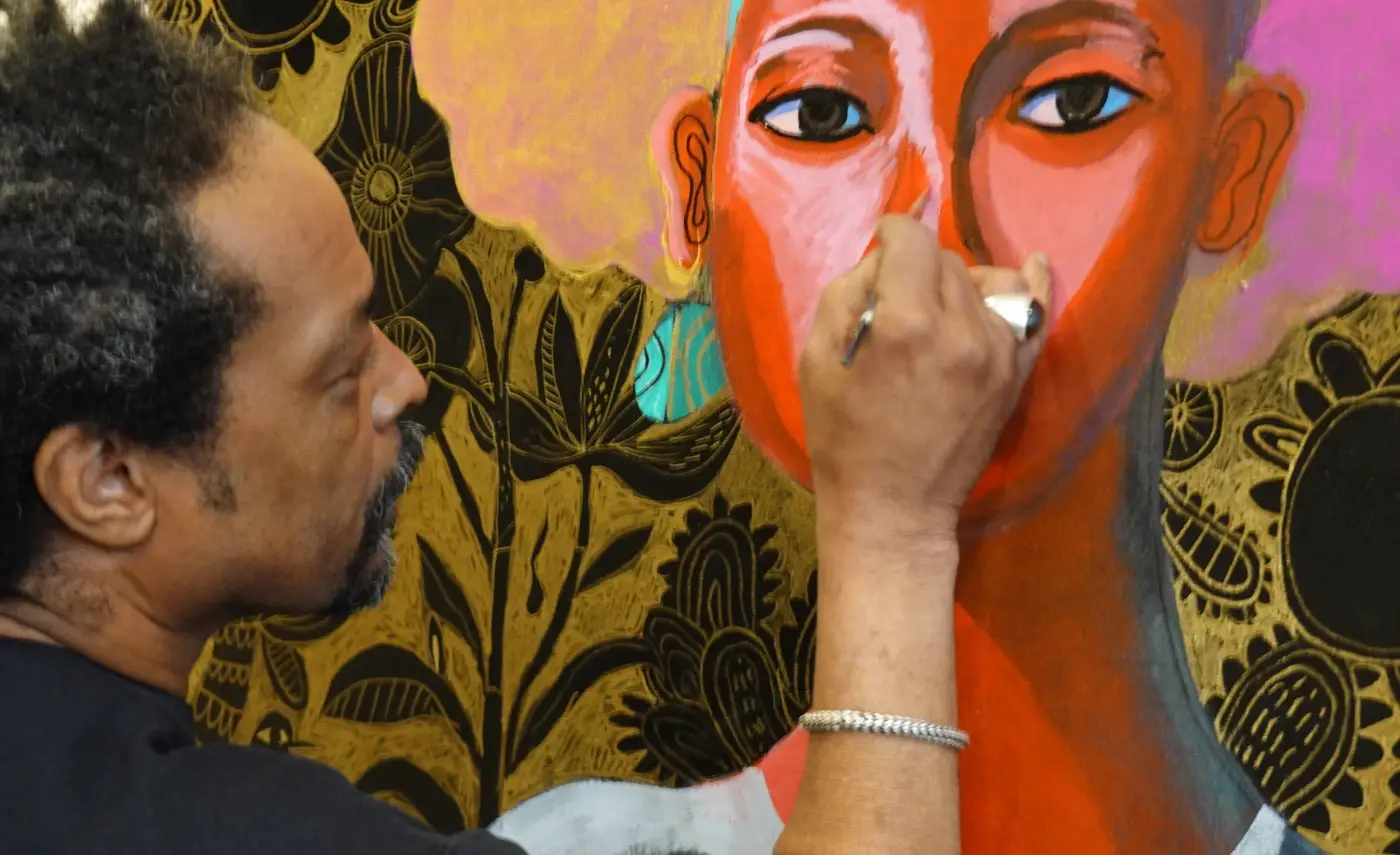
Skip Hill in the studio with a work in progress.

Highlights

3:27 Skip Hill’s artistic journey and philosophy

7:43 Creating a system for art business success

11:58 Identifying the components of Skip’s new system

28:07 Finalizing the plan: Steps towards a systematic approach

28:28 Crafting your contact strategy: Calendar blocking and tools

29:15 Organizing contacts: From MailChimp to Google Spreadsheets

31:34 Personalizing your outreach: Keeping track and making connections

32:46 Updating and maintaining your contact lists

33:48 Strategizing collector engagement and follow-ups

41:45 Exploring automation and re-engagement strategies

51:05 Final thoughts and next steps

Quotes

“I’ve done the Bohemian thing for years. That’s the area where I really am looking for your help and guidance in developing systems to maximize business potential for my art.”—Skip Hill

“Intention, that’s the operative word.”—Skip Hill

“Choose one day in the beginning and then know that when you’re starting a system, it’s always gonna take more time in the beginning.”—Alyson Stanfield

“You have to distinguish the purpose for each app you use because there isn’t one app that’s going to do everything for you.”—Alyson Stanfield

“Before I find that magical someone I haven’t identified to help me with my business, I have to clarify what the tasks would be.”—Skip Hill

“You dictate who you want to have your art, as opposed for waiting to whoever comes along.”—Skip Hill

About My Guest

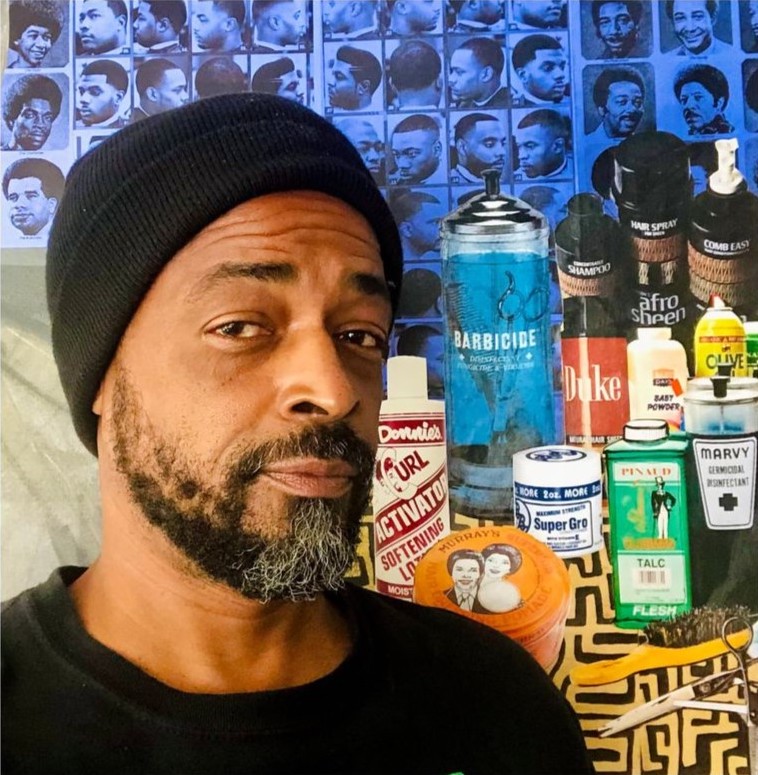
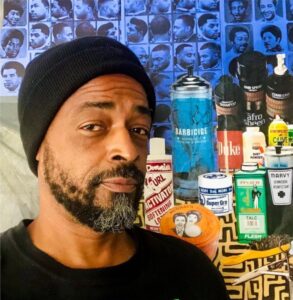
artist Skip Hill

Visual artist Skip Hill creates colorful, lyrical art that exudes moods of epicurean delights and layers of sensory experiences.

Some of the most captivating parts of his mixed-media collages are in their peripheral details – expressive patterning, looping graphic lines, kinetic scribbling, Kanji calligraphy and African motifs. Like a shaman, Hill communicates freely between dreams and reality, while managing to artfully coordinate his visions with his hand. Working out of his studio in Oklahoma, Skip Hill’s art is influenced by literature, music, art history and his travels through Europe, Southeast Asia and Brazil.

Follow him on Instagram @skiphillart

Build your unique relationship-centered marketing process —>

The post How to guarantee people remember you with Skip Hill (187) appeared first on Art Biz Success.

]]>

Rethinking mailing lists for artists (182) https://dy-online.com/your-lists/ https://dy-online.com/your-lists/#comments Thu, 21 Mar 2024 15:02:50 +0000 http://artbizsuccess.com/?p=14816 Your artist mailing list is your most valuable marketing asset. It is the primary tool you use to share your art with the world. It’s your #1 marketing asset.

Let me emphasize that by saying it a different way: There is nothing more important you can do to build your art business and career than to nurture your relationships.

In reality, most artists have 3 mailing lists, not just 1. Here's what I mean.

The post Rethinking mailing lists for artists (182) appeared first on Art Biz Success.

]]>
Your artist mailing list is your most valuable marketing asset.

It is the primary tool you use to share your art with the world. It’s your #1 marketing asset. Let me emphasize that by saying it a different way: There is nothing more important you can do to build your art business and career than to nurture your relationships.

In reality, most artists have 3 mailing lists, not just 1.

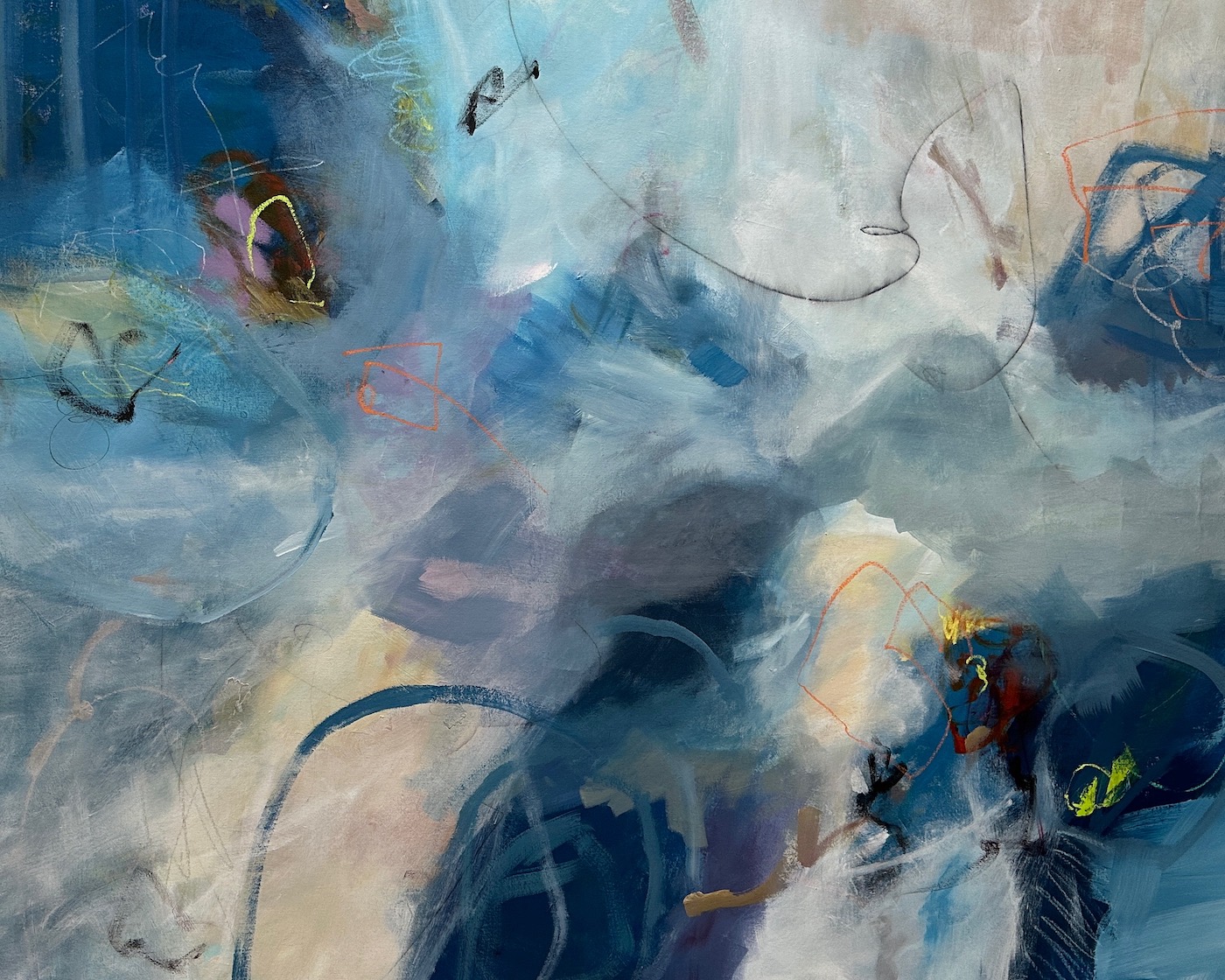
Jaye Alison Moscariello acrylic painting
©Jaye Alison Moscariello, Stopping the Noise - Peace I. Acrylic, latex, and graphite on paper, 12 x 16 x .1 inches.

What is your mailing list?

Your list is something unique to you and your career. No one has this same list. No one makes art like you do; no one knows the same people as you do; and no one has the exact vision that you have. Nobody!

Your list is almost worthless to anyone else, yet it’s invaluable to you. But only if you use it.

[ How to Warm Up a Cold List ]

It is the primary tool you use to share your art with the world. Again, it’s your #1 marketing asset. (You may get tired of hearing me say that.)

We call it a list as if it’s a single unit, but it’s key to remember that every name on your list represents a human being. You’re not mailing 1 unit. You are mailing tens, hundreds, or thousands of people over time. You can’t pretend that they are a cohesive entity.

And whether it’s 5 or 5,000 people, it’s not the numbers that are important. It’s the people. Remember to care about people, not the list itself or its size.

It may seem silly to spend time talking about what a mailing list is, but hear me out. A mailing list doesn’t have as clear a definition as it seems.

I have a philosophy around this 2-word phrase that we frequently take for granted. It’s this …

You don't have a single list.

You have multiple lists.

I use the term Mailing List as an umbrella term, but, in truth, you have three lists: (1) your email list, (2) your VIP list, and (3) your online followers.

Here’s how I see the difference among them and why you need to remember all of them when you’re thinking about your mailing list.

Listen

Sarah Phippen oil painting
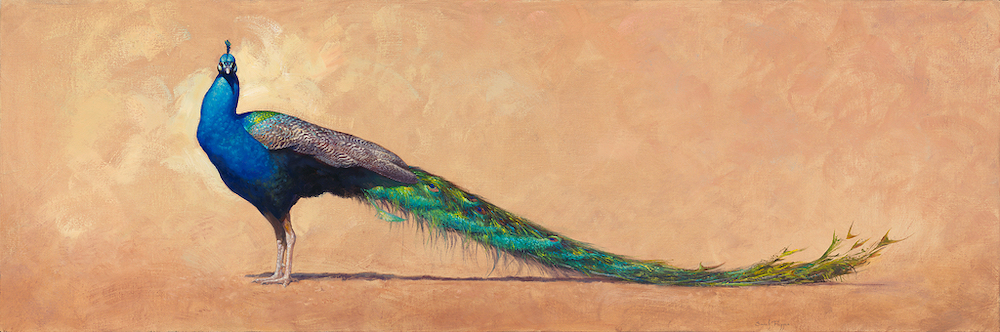
©Sarah Phippen, A Modest Peacock. Oil on linen, 20 x 60 x 3 inches.

Your list for emailing

Your first list is an email list made up of people who have opted in to receive your bulk emails. When we think of a mailing list these days, we’re likely thinking of *just* an email list. (Not the case, as we’ll see.)

You don’t add any email addresses to your email list without consent. People on this list have raised their virtual hands and said, “Send me your email!”

Email lists are stored and automated in an email marketing platform like MailChimp, Constant Contact, or ConvertKit.

These software platforms are designed to automate the email signup process and to send bulk email messages. For legal and ethical reasons, email marketing platforms  cannot be replaced by the email program on your computer.

You cannot email tens or hundreds of people at once from Gmail, Apple Mail, Outlook, or similar.

Your list of VIPs

Your second list is a contact list where you store your network of buyers, collectors, VIPs, and leads. It might also include friends and family. In order to provide for all of the people that need to be here, I’m going to call it your VIP list.

While every human being on any of your lists is special, those on your VIP list are the most cherished. They’re either more engaged with you already or you seek a closer relationship with them.

Pearl McCarthy oil painting
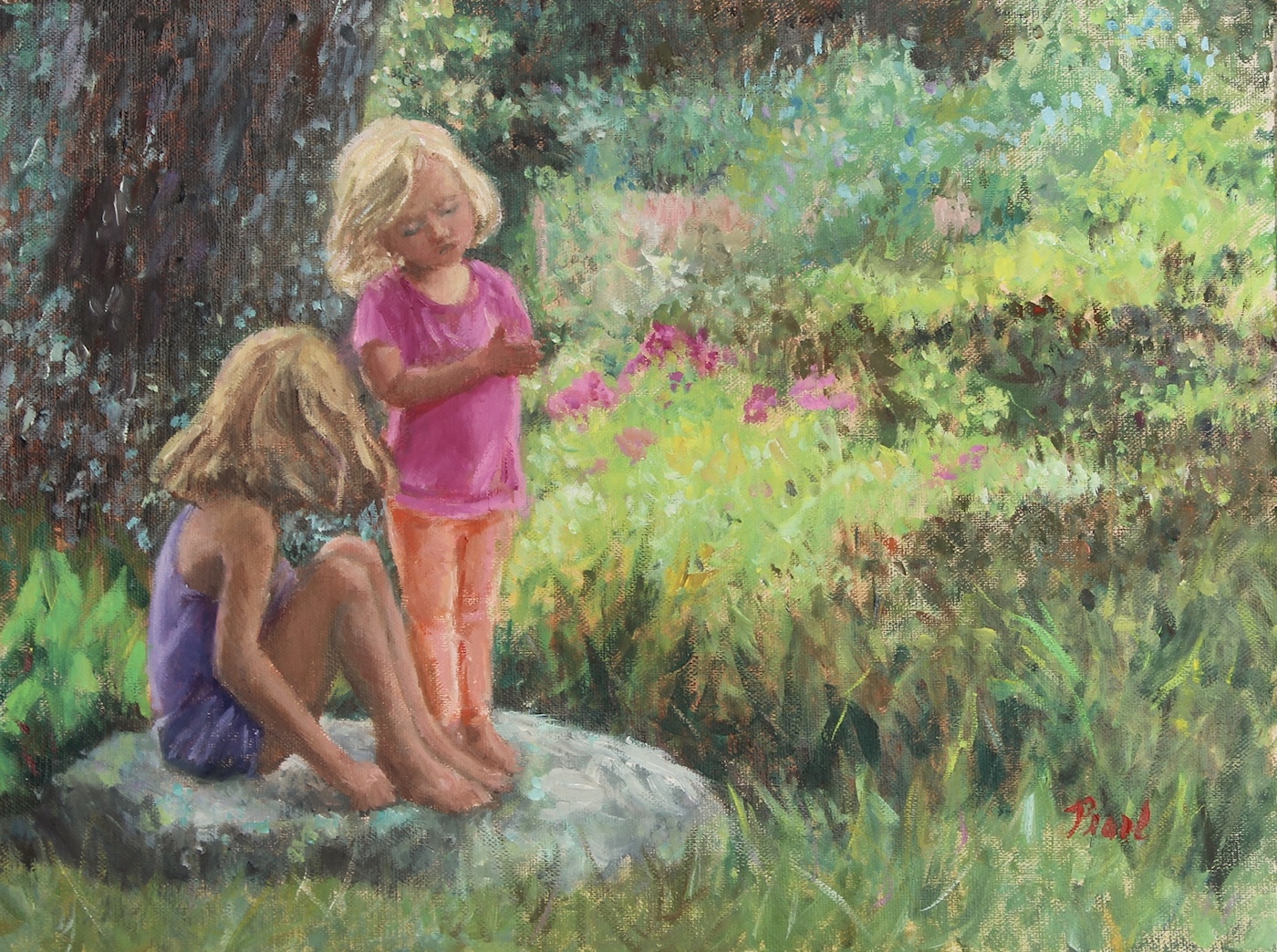
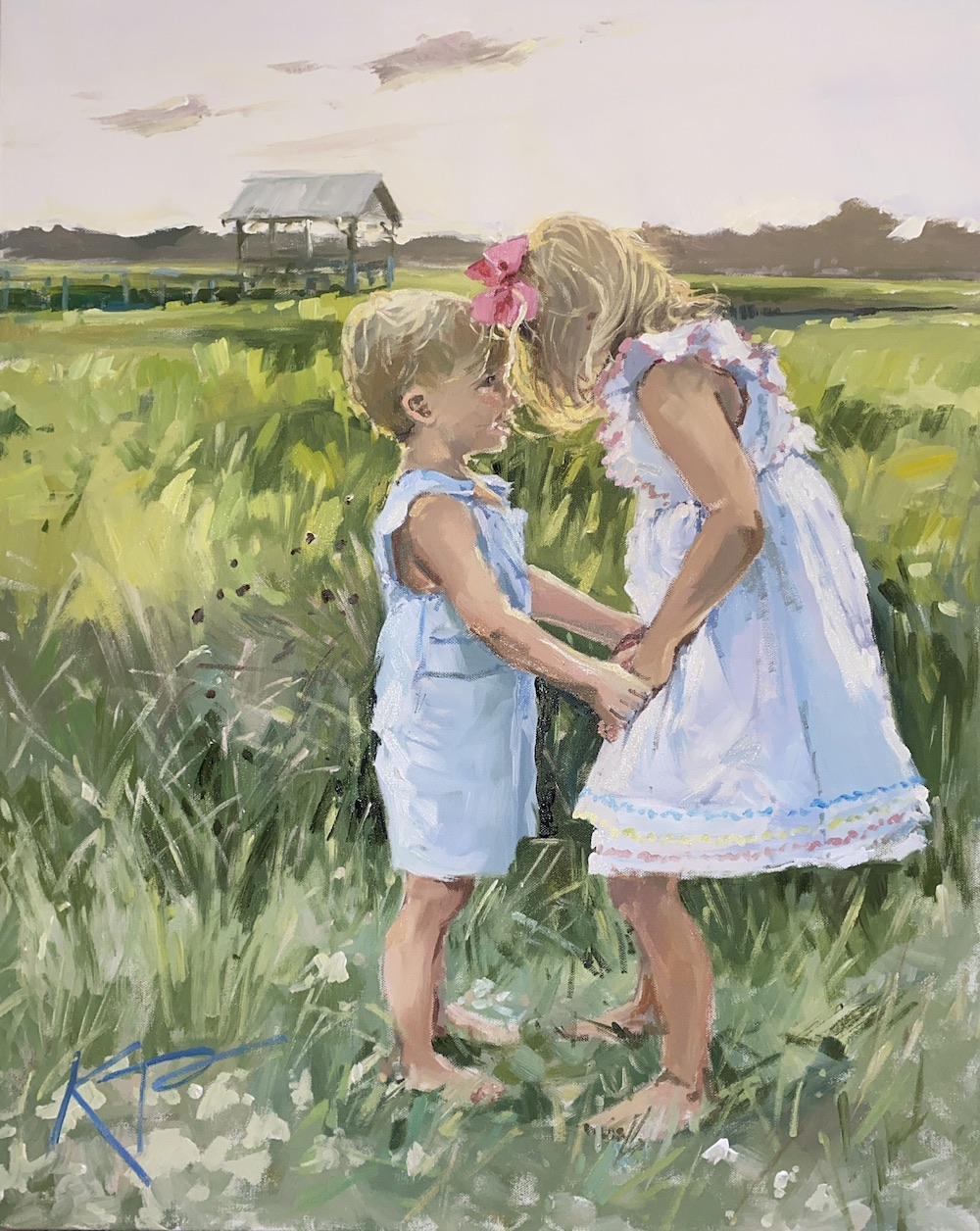
©Pearl McCarthy, Sisters. Oil on linen, 9 x 12 inches.

Your VIP list is simply a place to keep names and contact information for safekeeping. It stores potential—similar to an old paper address book or Rolodex, if you are old enough to remember those as fondly as I do.

Did you hear about someone who is curating shows in public spaces? You may not know them yet, but you want them to know you. Add them to your VIP list.

Are you on the lookout for new gallery representation or other venues for showing your work? Add the venue names to your VIP list and fill in the names of individuals at those venues as you come across them.

It isn’t appropriate to add people to your email list who don’t know who you are and haven’t opted in, so you must keep this list separate—perhaps in your Artwork Archive database. Some of these people may eventually land on your email list, but you need to stay in touch with them in the meantime.

The people on your VIP list usually require a more personal touch than those who might receive your monthly email newsletter.

The final list is …

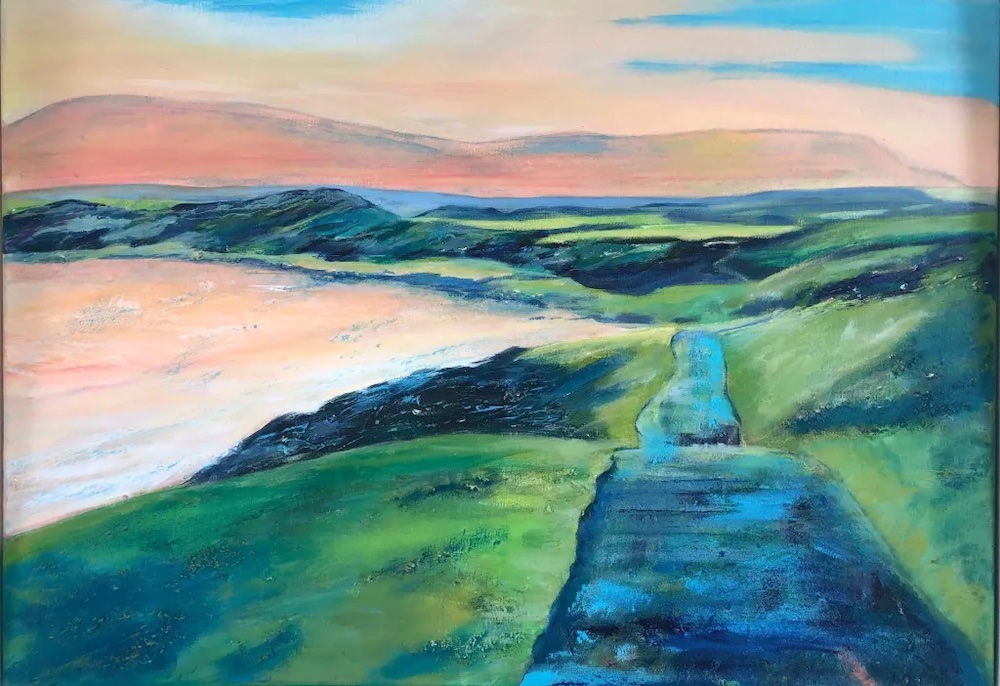
Margaret Liversidge mixed media
©Margaret Liversidge, Dandering in Donegal. Mixed media on deep-edged canvas, 42 x 59 x 4 centimeters.

Your online followers and connections

When you think about your mailing list, this final list of people—your online followers and connections—probably don’t come to mind. After all, they’re not really a cohesive group you can wrangle and view in a coherent way.

But you must include them.

They are clearly people you want to stay in front of. After all, they followed you for a reason.

Ultimately, we like to get these online followers on your email list, but we have to meet them where they are. We have to engage with them, prove that we’re worthy of their attention, and invite them to become more involved.

Your expanding mailing list

Those are the 3 lists you have: your email list, your VIP list, and your online followers and connections.

Don’t even think about putting them into a single database, cross referencing the names, or trying to figure out who is who. You have better things to do with your time.

Be aware that they all exist. And that even if someone never signs up for your email list, you may interact with them on social media or through private emails or texts. Accept that this is the way the world works these days and be okay with it.

Your mailing list is bigger than you think, right?

And it can get still bigger.

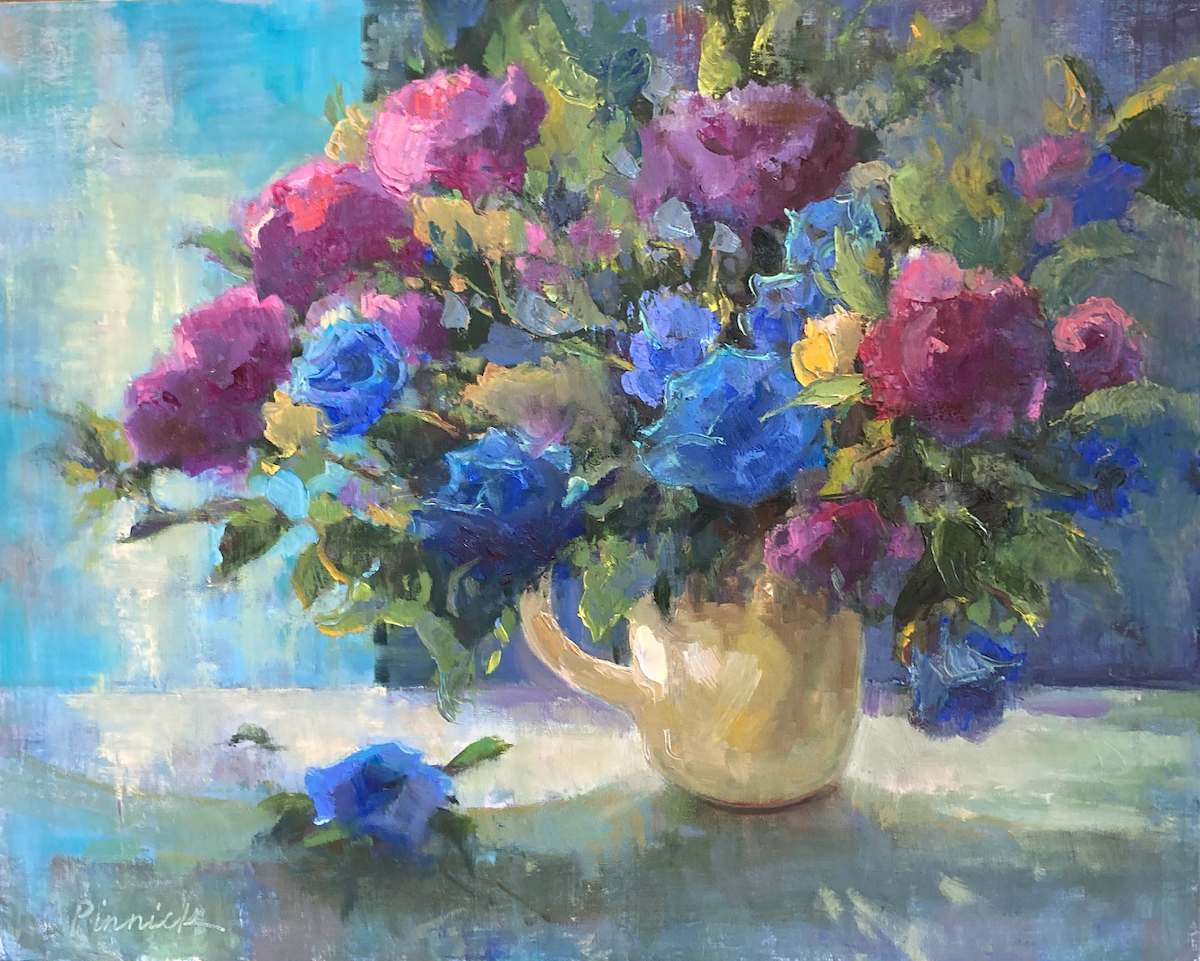
Brenda Pinnick oil painting
©Brenda Pinnick, Painter’s Delight. Oil on linen, 16 x 20 inches.

Check out my Followers to Collectors workshop

I am especially interested that you find more names for your VIP list. That’s what will move the needle.

It’s not about a huge email list. It’s the cherished people you connect with 1-on-1. That’s who you want more of.

Get your lists organized and use them! See my Followers to Collectors workshop.

Related

Articles and podcast episodes that feature artists who understand the value of their mailing lists—how they are using them to grow their art businesses …

This post was first published on February 18, 203 and has been updated (a lot!) with a podcast episode added, and original comments intact.

The post Rethinking mailing lists for artists (182) appeared first on Art Biz Success.

]]>
https://dy-online.com/your-lists/feed/ 5
Self-sales, open studios, and relationships with interior designers with Carol MacConnell (171) https://dy-online.com/macconnell-designers/ Thu, 30 Nov 2023 12:15:00 +0000 https://dy-online.com/?p=46538 A lot of artists say they’d like to work with interior designers, but few artists have been able to crack the code for doing so. Carol MacConnell is one of them. In this episode, we discuss her income streams, how she, as an artist who is legally deaf, navigates conversations, and how she finds, nurtures, and works with interior designers.

You'll also hear me plead my case for contracts. Always.

The post Self-sales, open studios, and relationships with interior designers with Carol MacConnell (171) appeared first on Art Biz Success.

]]>
A lot of artists say they’d like to work with interior designers, but few artists have been able to crack the code for doing so. My guest today is one of them.
Carol MacConnell painting
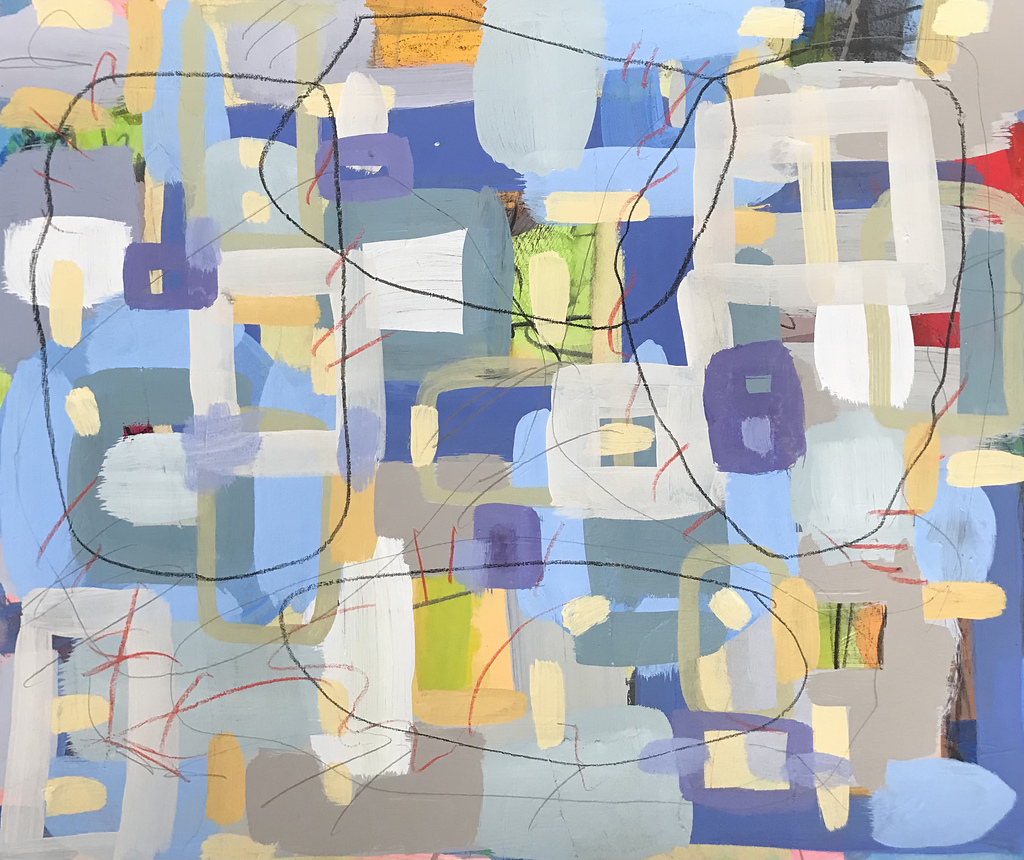
©Carol MacConnell, Afterthought. Acrylic on canvas, 48 x 60 x 1.5 inches.

Carol MacConnell is an artist who has built a strong business foundation over her long career. I was particularly interested in talking with Carol about how she works with interior designers. It’s something I touched on with Jan McCarthy back in episode 158.

Carol’s approach, different from Jan’s, proves that there are many paths to success.

You’ll hear us discuss:

  • How she, as an artist who is legally deaf, navigates conversations.
  • Carol’s income sources, 30% of which comes from working with interior designers and the vast majority through open studio events.
  • Carol’s philosophy around commissions.
  • How she segments and uses her list of 2,000 interior designers and 2,000 other subscribers.
  • What the working relationship with interior designers is like.

You’ll also hear me plead my case (again) for contracts that spell out the details of a relationship with anyone who sells your art.

My favorite thing about this conversation is that Carol doesn’t get anxious about missing out on [whatever]. She is focused on getting the work done and being authentic about what is going on rather than fussing over the algorithms and other mind traps.

Listen

“I don’t want anyone who doesn’t love my work to have it.” —Carol MacConnell

Mentioned

Carol MacConnell painting
Carol creating Afterthought.

Carol MacConnell Quotes

“If galleries aren’t going to put [my art] on the walls, then I’d rather they just contact me when they need it.”

“The one good thing about commissions is that people see themselves [in it] and they love it.”

“It’s not my painting, it’s their painting.”

“There’s a saying about commissions: Love to get them, hate to do them.”

“I wish more interior designers recognized the value of working with artists. Art is really the jewelry for the house.”

“I don’t want anyone who doesn’t love my work to have it.”

About Carol MacConnell

Carol MacConnell’s artwork has been widely collected, both nationally and internationally. Her talent and skill have earned her numerous accolades and awards, as her work has been featured in juried art competitions across the nation.

Carol is constantly learning and reinventing herself as an artist. This dedication ensures that her work will continue to evolve and inspire for years. She can be found six days a week in her downtown Cincinnati, Ohio studio, where she creates large, mixed-media pieces.

Follow her on Instagram @carolpaints_

Artist Carol MacConnell

Watch

Prefer video to audio? Check out our conversation here.

The post Self-sales, open studios, and relationships with interior designers with Carol MacConnell (171) appeared first on Art Biz Success.

]]>
She knows exactly how much her art income will be every month with Kelly Pelfrey (162) https://dy-online.com/commissions-pelfrey/ https://dy-online.com/commissions-pelfrey/#comments Thu, 07 Sep 2023 11:13:00 +0000 https://dy-online.com/?p=45349 Kelly Pelfrey’s goal in 2020 was to replace her $50,000 teaching salary, but she quadrupled that. Her income has allowed her husband to leave his job to focus on his doctorate, feel comfortable about taking maternity leave, and save for college for her children.

In this episode of The Art Biz, Kelly shares her income sources, which are dominated by sales of commissions, followed distantly by releases of small paintings.

The post She knows exactly how much her art income will be every month with Kelly Pelfrey (162) appeared first on Art Biz Success.

]]>
Lately, I’ve been diving into money on The Art Biz.

As much as I do NOT want to talk about money, I know it’s necessary. I also know it’s more necessary for some artists to make money from their work than for others.

Kelly Pelfrey acrylic painting
©Kelly Pelfrey, A Slow Exhale. Acrylic on canvas, 36 x 36 x 1.5 inches.

If you’re lucky enough to have outside support for your art business—even if it’s from a day job—count your blessings. Because the pressure on the work is real when you don’t have that extra source of income, which is why I will continue to bring up the topic of money.

Let’s continue the conversation in this episode.

Kelly Pelfrey’s goal in 2020 was to replace her $50,000 teaching salary, but she quadrupled that. Her income has allowed her husband to leave his job to focus on his doctorate, feel comfortable about taking maternity leave, and save for college for her children.

Kelly shares her income sources, which are dominated by sales of commissions, followed distantly by releases of small paintings. She also sells art for TV screens, has a monthly print release, and a coffee table book.

[ Procedures for Art Commissions with Sema Martin ]

Kelly obviously has the pulse of her best collectors. Her work is strong for sure, but I also believe that people are buying into Kelly’s joy and optimism. When you hear her and detect that in her voice, I think you’ll know what I mean.

Listen

Mentioned

Kelly Pelfrey acrylic painting
One of Kelly's commissions. ©Kelly Pelfrey, Untitled. Acrylic on canvas, 36 x 24 x 1.5 inches.

Kelly Pelfrey Quotes

Kelly Pelfrey
Kelly with her coffee table book.

“I had all this work and I just decided to think about and want it to be something that points people to beauty, that brings people joy—like a book. You open it, take a deep breath and you just can flip through a couple of pages, enjoy art.”

“I have no regrets, but I would encourage any artist that thought about [making a book] to look at making sure that it will be profitable. You don’t want 500 books sitting in your house reminding you of your poor decisions.”

“I typically advertise about seven spots [for commissions] per month…. I also will add in 1-3 spots for designers who reach out to me asking me to create a piece for their clients so that they don’t have to book out that far in advance. They are the ones I’ll make an exception for and slide them into my schedule where I have room.”

“Steady growth and learning what works, slowly increasing pricing, matching demand. So not doing big price increases that the demand wasn’t there for, but slowly increasing.”

“Everyone is their own boss of their inbox. They’re happy to unsubscribe but they need to.”

About My Guest

Kelly Pelfrey graduated with a BFA from the University of South Carolina in 2003. She was a lifelong resident of the Palmetto State until 2022, when she started a new adventure in Kalispell, Montana with her family.

Kelly continues to highlight the beauty of the southern landscape, its hospitality and deep sense of home in her still life and interior works, as well as create commissions for collectors throughout the United States and Canada.

Follow her on Instagram @kellypelfreyart

Artist Kelly Pelfrey on The Art Biz

Watch

Prefer video to audio? Check out our conversation here. 

The post She knows exactly how much her art income will be every month with Kelly Pelfrey (162) appeared first on Art Biz Success.

]]>
https://dy-online.com/commissions-pelfrey/feed/ 4
Following her curiosity and making new connections After 60 with Jan McCarthy (158) https://dy-online.com/curiosity-mccarthy/ https://dy-online.com/curiosity-mccarthy/#comments Thu, 10 Aug 2023 14:27:41 +0000 https://dy-online.com/?p=44599 Discover Jan McCarthy's vibrant life beyond 60, where being an artist is more than painting or drawing. She prefers the term “maker.”

With a diverse portfolio ranging from businesses and fundraisers to artwork and interior design, Jan pursues her passions. We discuss her creativity workshops for corporations, casual yet impactful women's mastermind dinners, and her heart-driven project, Art for the Heart. Jan also reveals her strategies for connecting with interior designers.

The post Following her curiosity and making new connections After 60 with Jan McCarthy (158) appeared first on Art Biz Success.

]]>
Jan McCarthy describes herself as a maker because, in her eyes, that term encompasses more than the word “artist.”

Jan has made businesses, organizations, interiors, fundraisers, dinner parties, retreats, workshops, products, and plenty of art.

At age 69, she isn’t slowing down.

Jan McCarthy mixed media
©Jan McCarthy, Freedom. Mixed Media on canvas, 6 foot x 4'5 inches x 1.5 inches.

While I’m in the midst of discussing multiple income sources on The Art Biz podcast and on the Art Biz Success YouTube channel, I don’t think Jan considers her interests in terms of income sources. She just follows her curiosity and her heart. If those leads turn into income sources, well, that’s fine.

In this conversation, Jan and I discuss:

  • The creativity workshops she has organized for corporations.
  • How she has brought together monthly mastermind meetings of women, and why a casual dinner party was the best format for them.
  • Why her project Art for the Heart is important for her as someone who has lived with heart disease for more than 25 years.
  • How she makes connections with interior designers, what the best social media platforms are for designers, and some of their concerns.
  • How she gets such great photos of herself.

Jan confesses to not using her email list of 2000 names to its fullest advantage. (She advises to do as she says, not as she does.) She knows that emailing her list is the most valuable thing she could do from a marketing standpoint.

Jan’s vibrant optimism is infectious. She wants you to know that there is plenty of life to live after 50. And even 60.

Listen

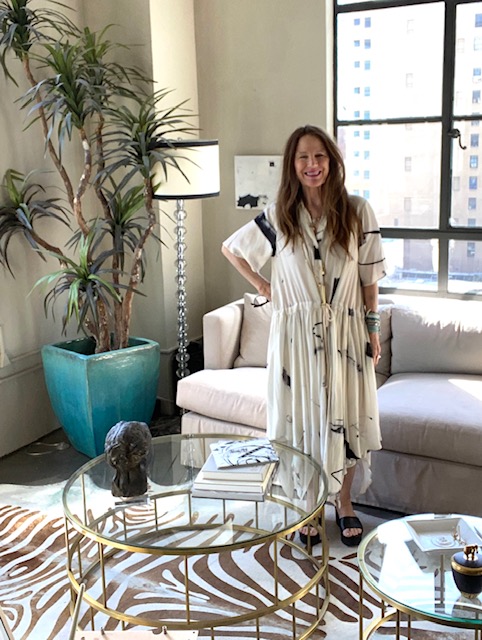
Jan McCarthy art on dress
Jan wearing a dress featuring her art in the Venia Collection.

Mentioned

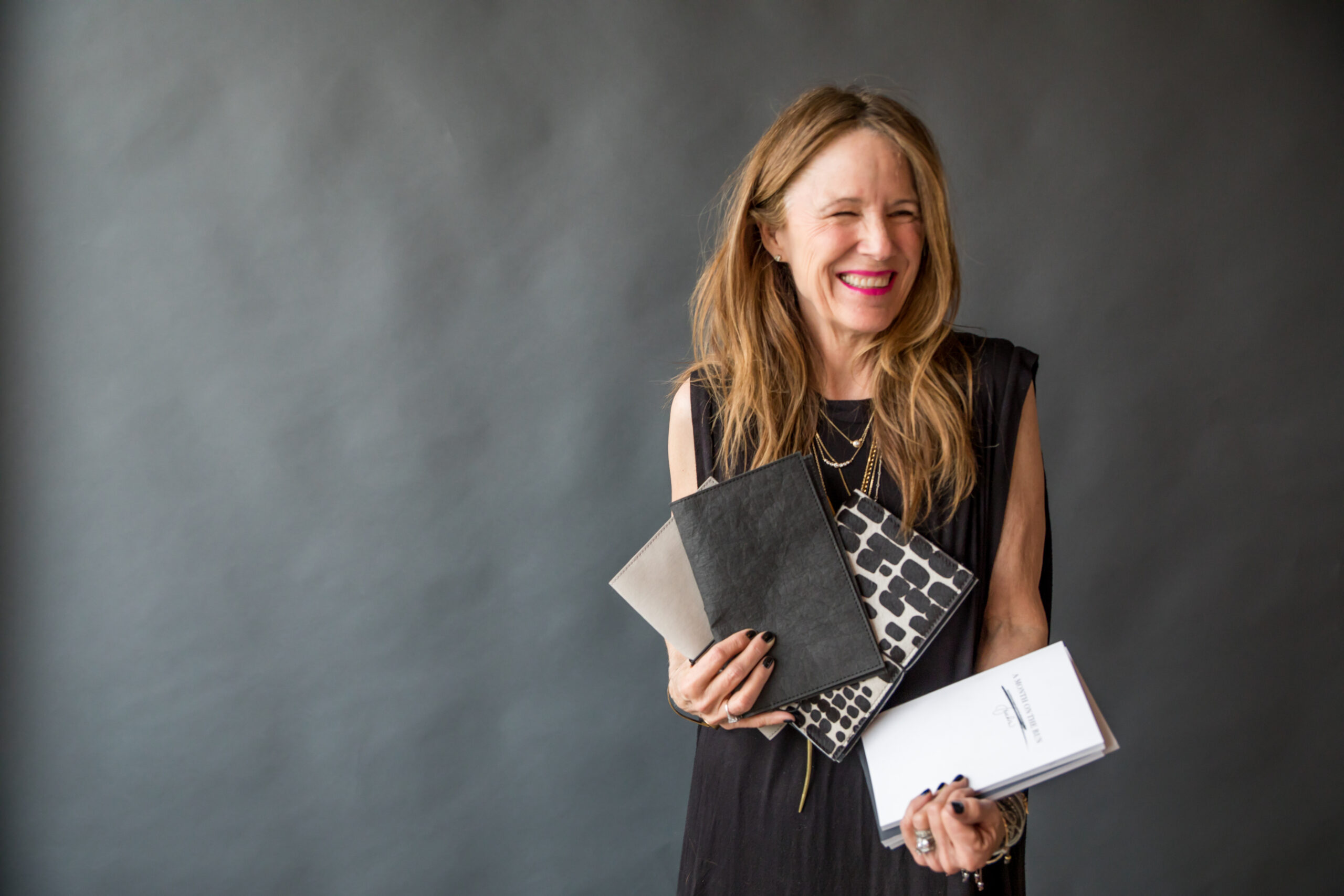
Jan with her A Month On The Run journal

Jan McCarthy Quotes

“You say, I’m an artist, and it automatically puts you in this box of an artist as someone who paints or draws. And I think art is so much more than that.”

“If it doesn’t work, you do something else.”

“What I’m doing doesn’t need to be loved by all. If it touches one person … then that makes me feel really good.”

“It’s such a healthier attitude to not care. To just go about doing what you’re doing.”

“If I can just save one life by doing that project, then that’s really cool.”


About Jan McCarthy

Jan McCarthy describes herself as follows.

I am a maker. I make art to autograph moments, the fleeting emotions and undefinable feelings that can only be expressed in imperfect swipes, lines, or ripped pieces of paper. I use my art as a way to connect and share these flashpoints of time that slip away. Every mark I make is a unique gesture. I find this process essential as a personal statement, a reclaiming of my point of view, of being a woman, of aging. It is my belief that we must forge our own path, creating opportunities that align with our purpose and curiosities.

Follow her on Instagram @JanMcCarthy

Jan MCarthy

The post Following her curiosity and making new connections After 60 with Jan McCarthy (158) appeared first on Art Biz Success.

]]>
https://dy-online.com/curiosity-mccarthy/feed/ 2
Options for growing your email list https://dy-online.com/list-building-tactics/ https://dy-online.com/list-building-tactics/#comments Wed, 17 May 2023 17:44:10 +0000 http://artbizsuccess.com/?p=20232 When used, your email list can help you establish trust, cultivate relationships, and showcase your experience and expertise.

It's your #1 marketing asset—unique to your art and goals.

While growing an email list has become challenging, that doesn't mean we should give up. Take advantage of every opportunity (asking, using forms, offering freebies) to attract and add subscribers—remembering, always, that it's more important to engage the right people than to focus on the numbers.

The post Options for growing your email list appeared first on Art Biz Success.

]]>

Your email list is a means for nurturing trust, for building relationships, and, if you teach, for demonstrating your knowledge.

Your list is, as I’ve often said, your most important marketing asset.

Think about how unique it is to you, your art, and your goals. No one has the same list of names and email addresses.

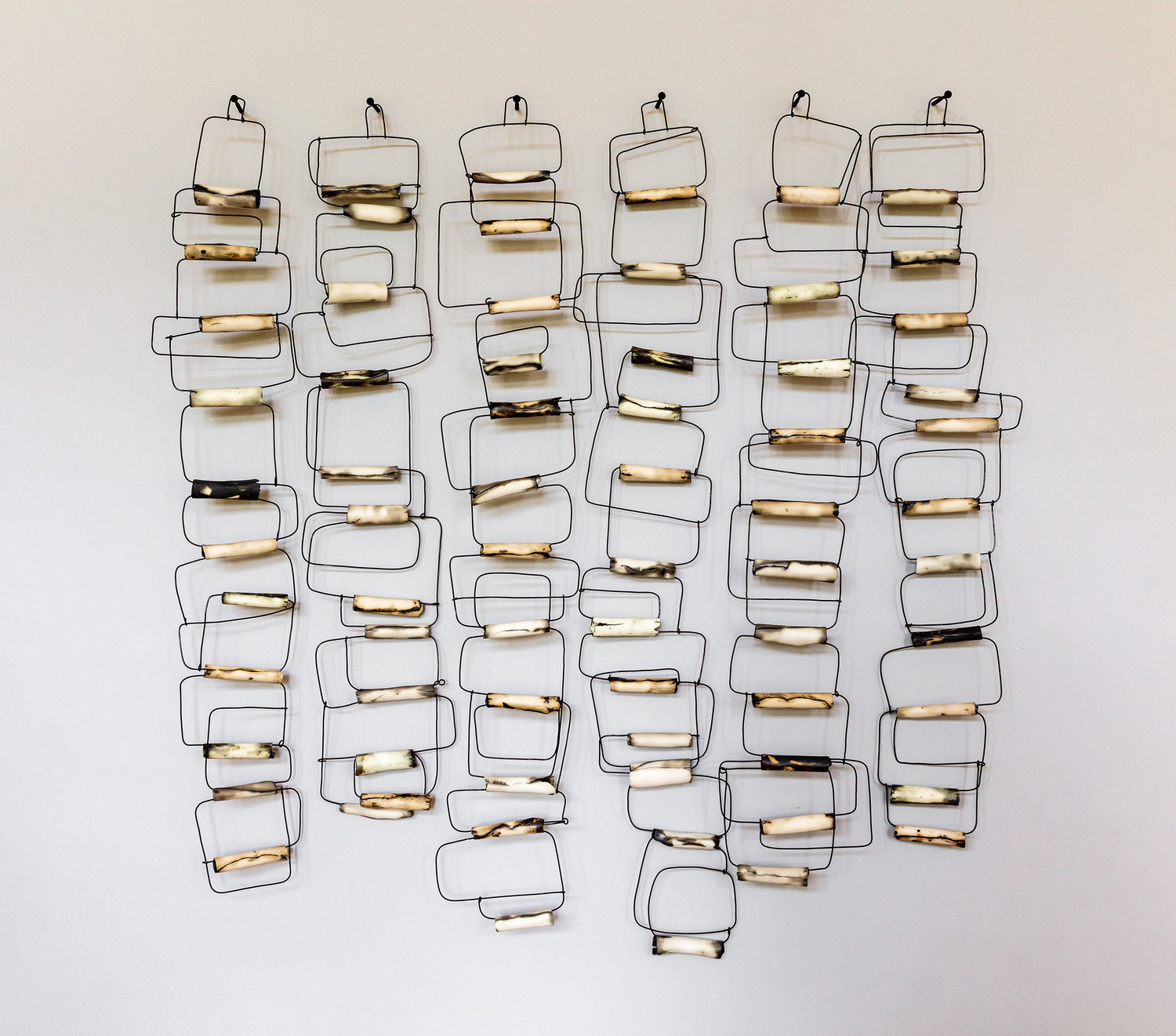
Wall sculpture by Karyn Gabriel
©Karyn Gabriel, Lineage. Porcelain, black copper metal oxide wash, and steel, 50 x 36 x 3 inches.

Having said this, I realize that it’s harder than ever to grow an email list. I don’t want you to obsess over “getting” more names on your list.

Numbers don’t matter. What matters is that the people on your list are paying attention to what you have to say or share.

We need to use as many avenues as possible to build our email lists. Not quantity for quantity’s sake, but seeking the highest quality of loyal subscribers.

[ Note: Your definitive list is much larger, and ultimately more important than your email list. 🤯 ]

With all of this in mind, you want to take advantage of every opportunity for adding to your subscribers. Here are some reminders.

Ask People to Subscribe

Sounds simple, and yet it’s easy to get busy and forget to ask in these situations.

Online (General)

From time to time, ask people who follow you to sign up. Don’t beg, just ask. You can use the ask in combination with any giveaways mentioned below.

In Person (General)

If you’re out networking, as you should be, don’t be afraid to ask people that seem interested if they’d like to be on your list. (But never lead with this. Tune in and read the situation.)

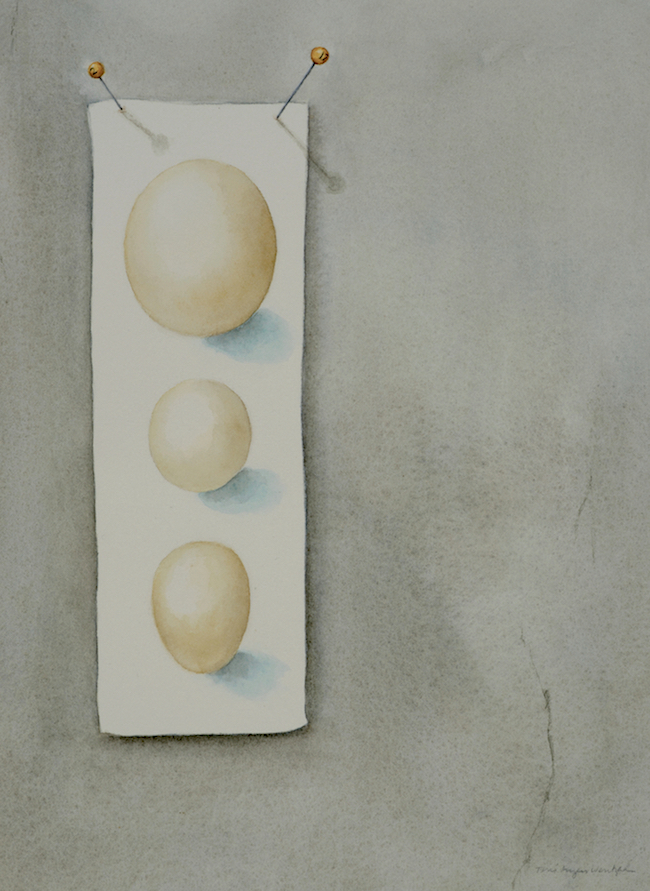
Watercolor by Beatrix Raven
©Beatrix Raven, Owl Eggs, Day. Watercolor on arches, 10.5 x 7.75 inches.

Speaking

Asking in conjunction with speaking is related to asking in person and via sign-up forms, but it must be a category by itself because it’s a powerful way to build your list.

If you shine in front of a crowd, consider adding more speaking engagements in order to build your list. You will undoubtedly have a lot of people in the room that would be thrilled to hear from you again. Catch ‘em while you can!

These might be obvious, but we can’t forget about them….

Sign-Up Forms

Of course you have an easy-to-find web form on your site, preferably on every page (or, as you’ll see, as a pop-up). But you also need the ability to gather email addresses when you have an audience.

As I mentioned above, speaking is a great way to grow your list. Pass around a form or individual cards to the audience. Leave out a guest notebook or individual comment cards at your exhibition or event. Be sure there’s a checkbox to sign up for your list, and that it’s clear they know what they are signing up for.

Pop-Up Forms

You know what I’m talking about here. Pop-ups are those annoying boxes that cover up your screen just as you’re getting interested in a site. You’re being asked to enter your name and email address in return for the promise of a freebie or newsletter.

Yes, we’re all irritated by them, but there’s a reason they are ubiquitous online. It’s because they work!

Stop holding out and add a pop-up form until the studies show different results. Your pop-up form might mention a freebie offer if you have one. Keep reading for more on that.

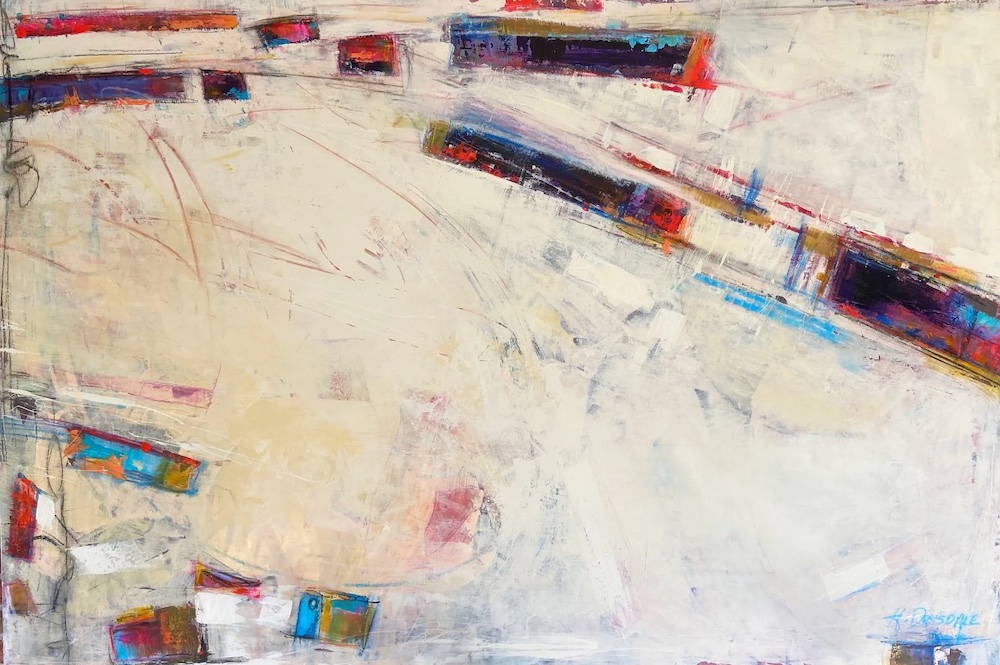
Acrylic painting by Heather Drysdale
©Heather Drysdale, Somewhere in Between. Acrylic on board, 40 x 60 inches.

Give Away Something Valuable

Stellar Content

People who learn from your wicked-smart insights are inspired by your message or images, or giggle at your humor are more likely to share your email.

I open every single email from artist Anne Bossert because she has a terrific sense of humor. Inevitably, it will be a smile break in a busy day. (I wish she sent them more frequently.)

Building a list by creating great content is how my list grew over the years. It’s still my favorite way to build a list because it attracts followers that are more likely to be loyal for the long term.

Don’t wait until you have more people on your list to start sharing your content. You won’t get more people until you take a big step and commit to the content.

Freebies

A freebie is something you give away in exchange for someone’s email address. I know of numerous artists who offer high-resolution downloads as their freebies in order to appeal more to collectors than other artists, but I have no evidence that this increases sign-up numbers.

Brad Blackman offers a different twist in his free report, The Ultimate Guide to Visiting Art Shows, which is geared more to buyers.

Freebies require a lot of back-end organization and automation to deliver them seamlessly.

I think freebies work better for teachers, so here’s a section just for you.

If You Teach, Offer How-To Freebies

It’s easier for teachers to identify possible freebies than for artists who don’t teach. When you want to attract students to your list, give away information that is carefully crafted to show off your knowledge on a particular subject.

Of course, the information isn’t actually free. It will cost an email address before people can download your freebie. After taking The Ethical Move marketing pledge, I use the phrase “free with opt-in” when promoting my freebies. 

Consider any of the following giveaways if you teach.

Assessments

Develop a test, based on the subject you’re teaching, which potential students can use to see how they stack up against other artists.

After the assessment is downloaded, people might be led to a video in which you can walk them through their results.

Checklists

Checklists can be quickly digested and are forever useful.

Their brilliance is that they consist of only the basic elements. Potential students must enroll in your program to find out how to make the best use of items on the list.

By example, I offer a Cheat Sheet for Marketing Tasks on this post.

Shirl Ireland painting of rabbit and boulders
©Shirl Ireland, Close to Home. Oil on linen, 20 x 30 inches.

Special Reports & E-Books

Reports and e-books might take a checklist as the basis, and then go more into depth. While a report might be 5-10 pages in length, we would expect an e-book to be longer. And longer isn’t always better.

Consider pulling together a special report on a single aspect of your teaching—one that plays only a small role in your program.

[ See how freebies work on my Free Stuff page. ]

Webinars and Live Streaming

Webinars usually include visual images (slides) whereas live streaming is teaching in front of a webcam with an audience watching in real time.

Create a 1-hour content-rich virtual event and promote the heck out of it online. In the best of all worlds, this will not only build your list, but also lead to more enrollments for your program.

Warning ⚠ Teaching live through webinars or livestreams isn’t for amateurs. You can do a lot of work that leads to nowhere if you haven’t studied the secret sauce that makes them beneficial.

Telesummits

You’ve seen telesummits offered online and have probably participated in one. One or two people enlist 10 or 15 others to interview over the course of a week or two.

Presumably, everyone participating builds their lists. The catch is that they all have to send multiple emails to their lists. This is why I rarely participate in these events. I am too protective of the people on my list.

I feel like telesummits have gone out of favor (thank goodness). Like webinars, they require loads of planning and reliable infrastructure to pull off properly. Imagine coordinating all of those guests!

One Last Thing

There are many ways you can build your list, but remember that quality is more important than quantity.

And one last thing: You have to be committed to USING your list. 

It’s not cool to ask people if they want to hear from you and then you ghost them for 6 months or more. They’ll forget why you’re emailing. 

I teach you how to use your list with confidence. It comes up repeatedly in the coursework and the 1-on-1 consultations I have with my clients.

See my private consulting and Essentials.

The post Options for growing your email list appeared first on Art Biz Success.

]]>
https://dy-online.com/list-building-tactics/feed/ 51
How to warm up a cold email list https://dy-online.com/warm-up-list/ https://dy-online.com/warm-up-list/#comments Fri, 12 May 2023 00:55:31 +0000 http://artbizsuccess.com/?p=16679 What good is an email list if you're not using it? (Answer: No good.)

Neglecting subscribers for months or,yikes!, years, renders your list cold. If you're ready to commit to staying in touch with the people who asked to hear from you, you might need to reintroduce yourself.

It's not as difficult as it sounds, but the longer you wait, the bigger the task seems.

The post How to warm up a cold email list appeared first on Art Biz Success.

]]>

I walked through the steps of warming up a cold email list in this Instagram live video.

Keep scrolling if you prefer reading.

Here's How It Happens

You were told you needed an email list, so you asked people to subscribe. And they did.

But you didn’t do anything with their subscription. Those poor people sat in your system. For months. Maybe years. Never hearing from you.

Your list has gone cold. Ice cold.

 Now you realize how silly it was to ask people to subscribe only to neglect them. You’re ready to commit to staying in touch with your list on a regular basis, but you wonder:

Will they remember me?
What will they think if I just start emailing them after all this time?

You’re right to be concerned.

The Value of Regular Emails and Newsletters

Regular emails—regardless of whether you call them newsletters or not—are so valuable because they keep your name in front of people. And they keep the list warm.

If you are ready to pay attention to your list consistently (and clear that you will keep the commitment), you have a little bit of work to do.

You need to reintroduce yourself to your list before you ask them to attend an opening or to buy your art because it’s not polite to call on people only when you want something from them.

There’s no sense procrastinating your first-in-a-long-time email because the longer you wait, the more painful it will be to write. Not to mention the energy it will use up in your head and heart in the meantime.

Once you’re clear on the commitment, there are three options for an opening email to reestablish a relationship with those on your list. You can use them individually or in combination with one another.

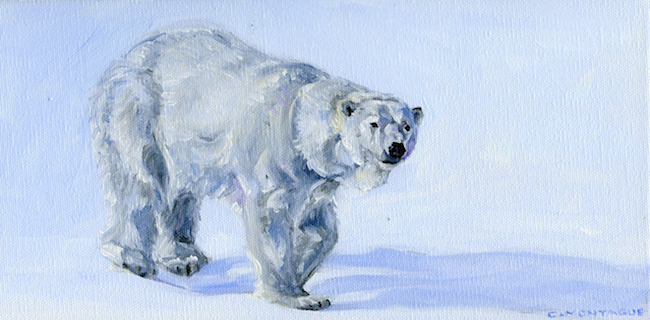
©Christine Montague, Soft Snow. Oil on canvas, 6 x 12 x .75 inches.

1. Remind them who you are.

Remind them who you are or how you met and what you intend to do from this point forward.

You were nice enough to sign up for email updates about my art and then you rarely, if ever, heard from me. As a reminder, I make . . .

Or …

As a reminder, we met during . . . [ if your list is segmented and you know the context ]

Then add …

I just wanted to give you a heads up that I have recommitted to sending an email update every month. I would love to share my work with you and you don’t need to do anything to make that happen. But if you ever want to unsubscribe, there will be a link at the bottom of any email for you to do so easily.

I appreciate your faith in my work and look forward to staying in touch.

2. Use humor.

If you have a sense of humor, anyone on your list could use a little chuckle. But you have to make sure it’s a good fit for you, your art, and your brand.

The dog ate my keyboard! I meant to send an email update earlier, but I’ve been sans keyboard and busy with canine vet visits.

Inserting an appropriate photo of Fido would be a good touch here – as long as you also include your art.

3. Give and then give more.

Nothing warms people up more quickly than a “gift” from the heart. I put gift in quotes because your present doesn’t have to cost a thing. It only has to be authentic.

I suggest an insider story about an art-related project, exhibition, or trip that will help them feel more connected to you. It might even be something you shared on your blog or social media that you repurpose for people on your list.

Consider sending a second or third email with additional gifts.

©Dorothea LeBlanc, Ascension. Up-cycled mixed media, 20 x 24 inches.

Never Ever Do These 2 Things

Now, there are two things you must refrain from doing at all costs in your long-awaited missive. DO NOT:

1. Apologize for not emailing.

When you send your first email to a cold list of names, please – for the love of all that is sacred – don’t say, “I’m sorry you haven’t heard from me.” Most people on your list haven’t been waiting to hear from you (sorry), so the apology isn’t necessary.

2. Try to catch people up.

Have you ever read an email that tells you everything that has been going on with that person since they last wrote? They’re like family holiday letters.

Obviously if there’s something the recipients need to know (you moved, you had a health scare) you can mention those things, but don’t use your opening email as a this-is-everything-that-has-happened-since-I-last-wrote message.

Stay focused on the present and future—where you’re going rather than where you’ve been—and make a schedule for future emails.

This article was originally published on November 2, 2017 and has been updated with original comments intact.

The post How to warm up a cold email list appeared first on Art Biz Success.

]]>
https://dy-online.com/warm-up-list/feed/ 37
Being seen: networking for artists (148) https://dy-online.com/being-seen/ https://dy-online.com/being-seen/#comments Thu, 27 Apr 2023 14:58:47 +0000 http://artbizsuccess.com/?p=22990 Meeting people and building relationships is the most important thing you can do for your art career, especially when your goal is to be a full-time artist. You must be social in the real world as well as online. 

There is no way around it. You must. Be. Seen. It sounds simple, but I know this is not easy for many artists.

The post Being seen: networking for artists (148) appeared first on Art Biz Success.

]]>
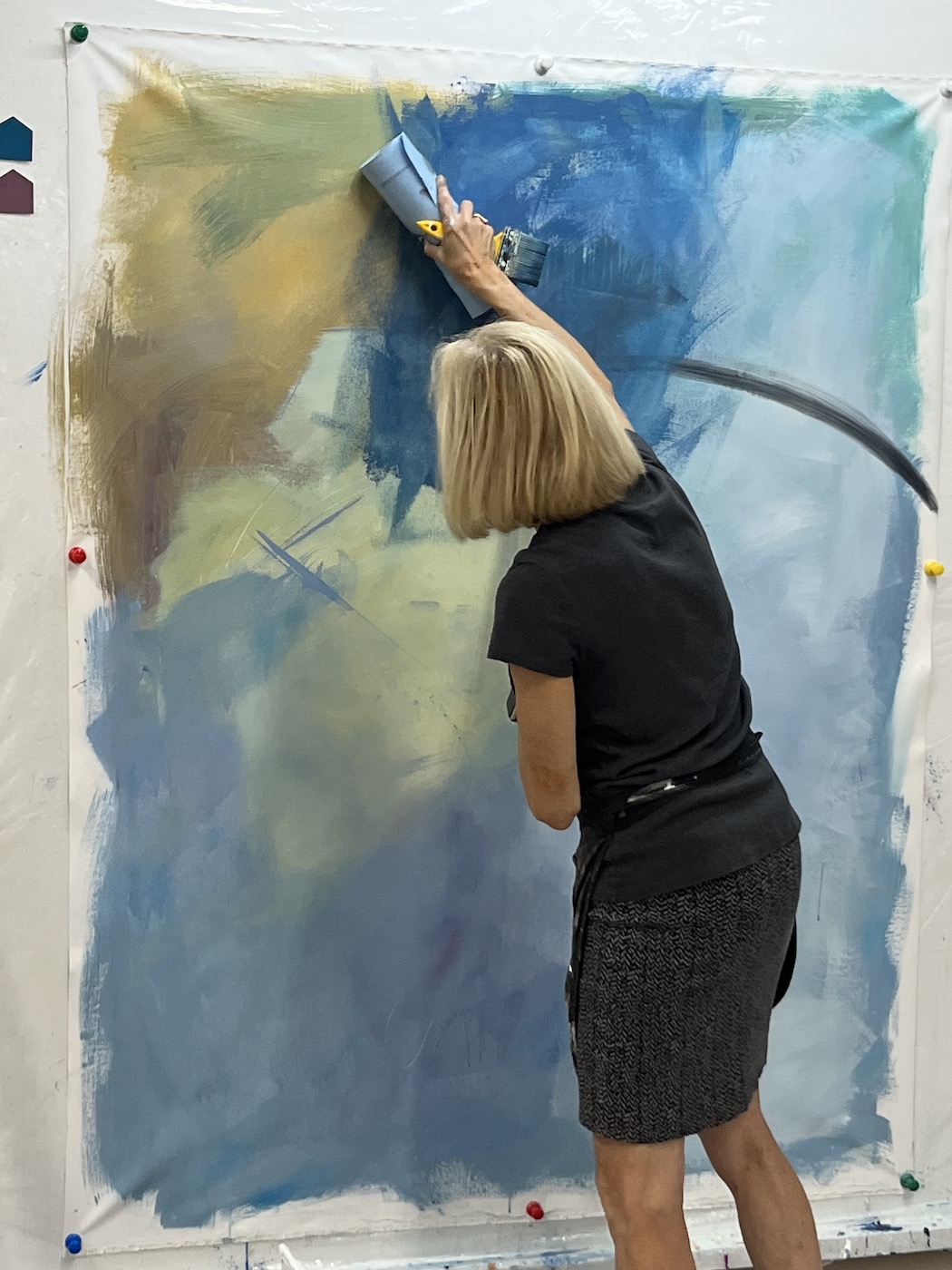
Meeting people and building relationships is the most important thing you can do for your art career, especially when your goal is to be a full-time artist. Networking for artists means you must be social in the real world as well as online. 

There is no way around it. You must. Be. Seen. 

It sounds simple, but I know this is not easy for many artists.

Listen to This on The Art Biz

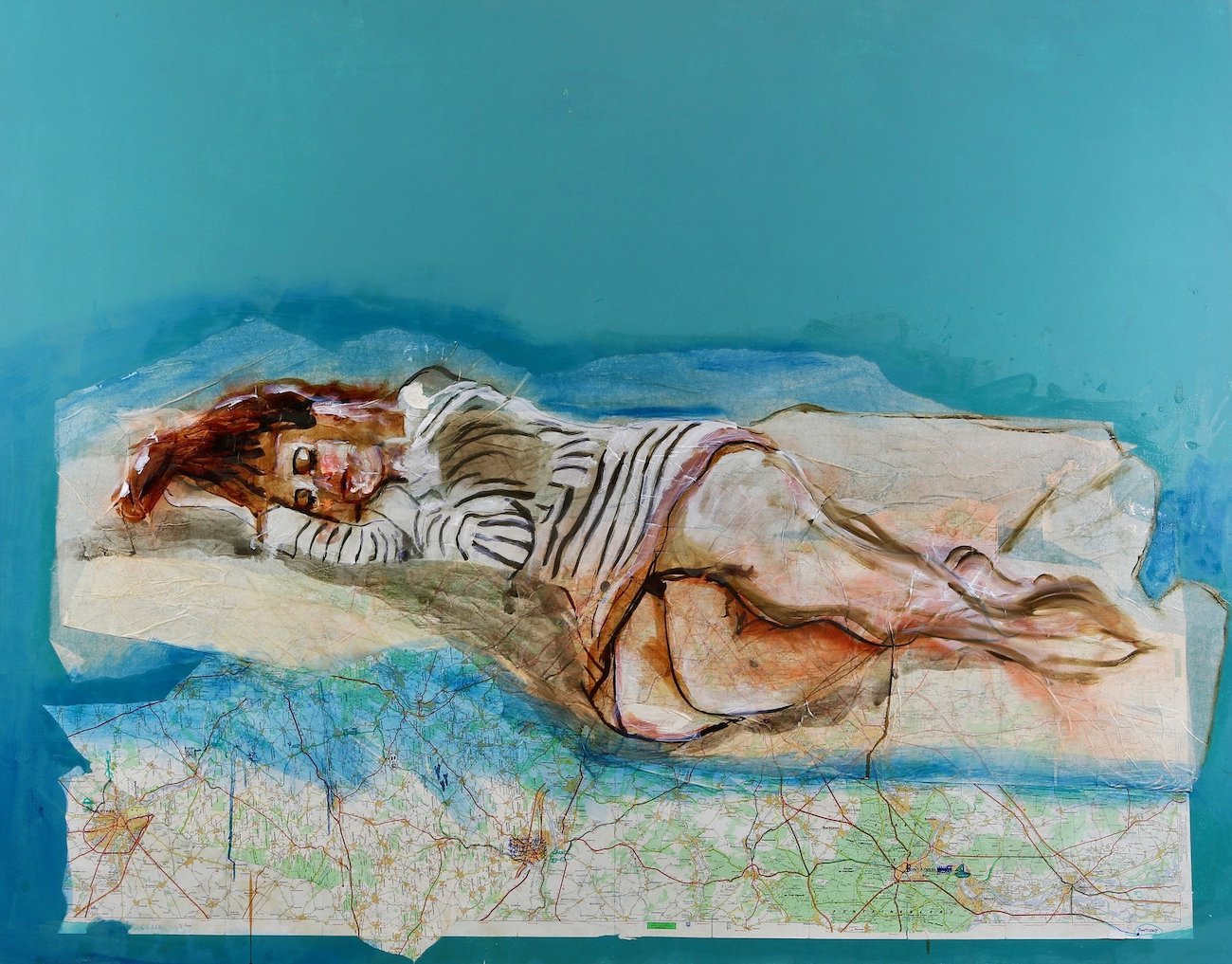
Painting of reclining woman by Virginie Lhomme Fontaine
©Virginie Lhomme Fontaine, Itinéraire d'une vie. Mixed media, 38 x 51 inches.

You know you need to get out and mingle when:

  • You find yourself sitting behind your computer all day and researching, yet again, the latest magical way to promote your art online.
  • You realize you’ve been attending only your own openings and shows.
  • You haven’t met anyone new in more than 2 months. 
  • Your sales and/or opportunities are stagnant. 
  • You’ve been living in the same place for years without knowing your neighbors. (You never know where opportunities will come from.)
↓ I have a system to make this easier ↓

Why Networking Is Important for All Artists

One of my four core beliefs in art business success is that your network is your #1 marketing asset. 

[ Read or listen to my core beliefs for art business success. ]

There are simply too many artists these days to afford you the luxury of waiting for opportunities to enter your inbox. You must be proactive.

Everyone you run into is a potential buyer, collector, friend, or fan.

Think about that for a minute. You never know where opportunities will come from.

I’ve met many serious collectors throughout my life, and a description of some of them would shock the heck out of you. You’d never pick them out of a lineup.

You. Never. Know.

Who can’t use more buyers, collectors, friends, and fans? And … If, as it’s estimated, everyone you meet knows 150 people, imagine the possibilities.

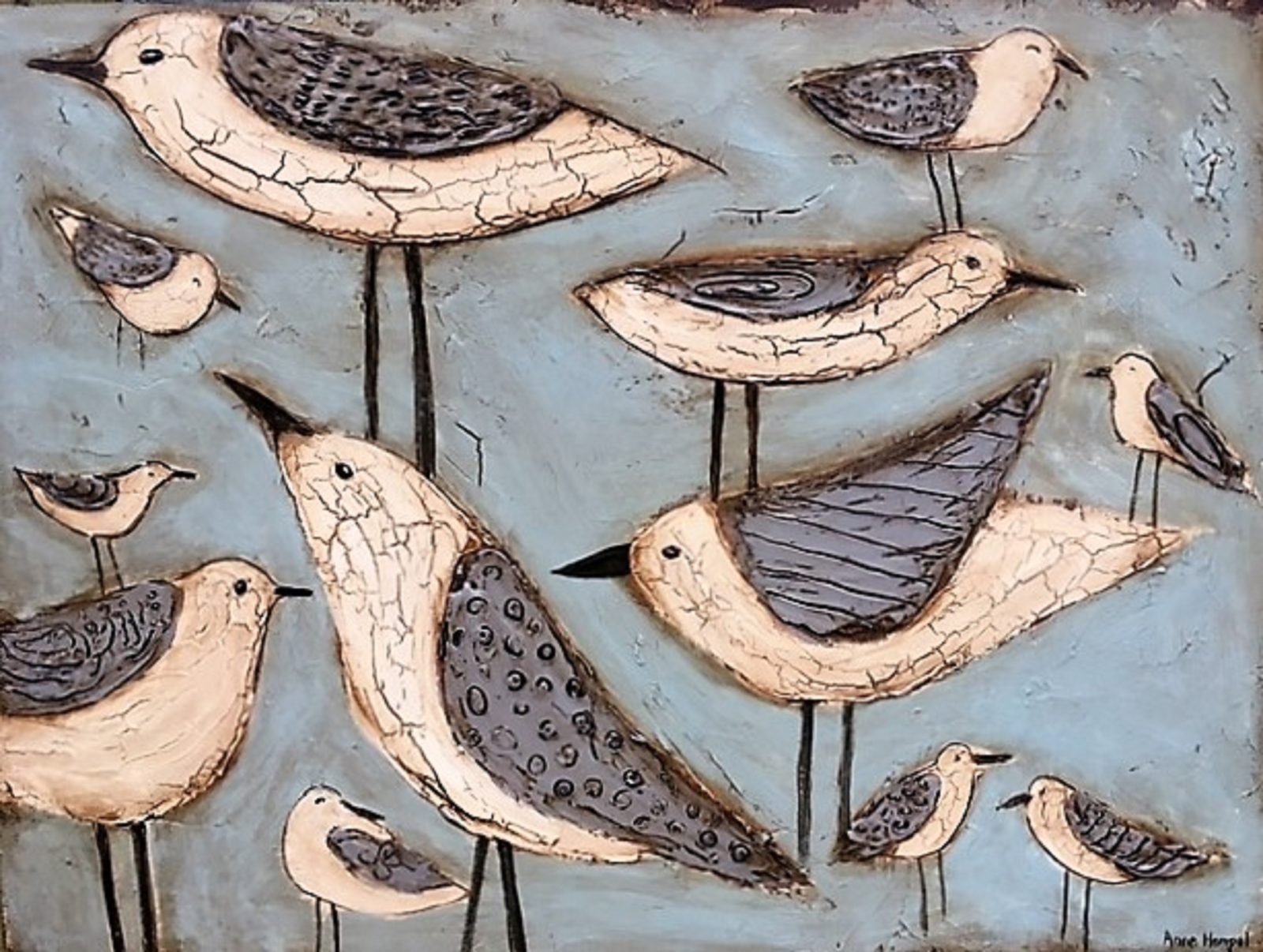
Anne Hempel painting of gulls
©Anne Hempel, A Colony of Gulls. Acrylic on wood panel, 30 x 36 inches.

Where Artists Network

In short: Everywhere!

You should think of striking up conversations wherever you are and whoever is in front of you. (Yeah, I’m one of those people on the plane. But I can also read people to see if they want to chat.)

Become involved with an artist organization if it’s the right group for you. If you are serious about selling your art, don’t waste your time in a group of hobbyists. You’ll quickly get frustrated in groups where you’re always a step ahead of everyone else.

[ Read Dysfunctional v. Healthy Artist Organizations ]

Artist organizations can be your introduction to new opportunities that you might not otherwise hear about. In the right environment of professional artists, you will step up to challenges that you might not have confronted on your own.

It’s also worth your while to attend artist lectures at museums and galleries. In those venues, you have an opportunity to meet curators and collectors, as well as other artists—soaking in tips on how they present themselves.

It’s always beneficial to connect with other artists for the same reasons you’d join on organization of artists.

Outside of your art community, do yourself a favor and connect with other entrepreneurs. I’ll bet you know plenty of entrepreneurs, though you might not have thought of them as valuable connections.

The E word (entrepreneur) might not feel like it applies to you, but it does. Anyone who owns his or her own business (you) is an entrepreneur and probably has a few experiences you can learn from.

Think coaches, hair stylists, authors, virtual assistants, therapists, coffee shop owners, and retailers. Every one of them has to find business.

You’ll run into entrepreneurs at small business meet-ups, chambers of commerce, formal networking groups, and co-working spaces. earch “networking group” + your location to find one nearby.

Navigating Relationships in Any Art World

It is well to remember that there are many different art worlds. There is the one that Jerry Saltz calls the 1% of the 1% of the 1% of artists who are the most talked about and represented in galleries, museums, and auction house sales. 

For clarity in this discussion, I’m referring to this as The Elite Art World.

Then there are all of the other art worlds made up by the vast majority of artists: your local community, your niche, your medium, your subject matter, and so forth. 

Most of the art worlds exist in their own bubble—revealed only when we turn our attention in their direction. 

You have to decide who you want to have these relationships with. Who are your top prospects for professional relationships? Are they in or outside of your bubble? Who matters to you?

Part of being successful in any field, let alone having a successful art business, is learning to navigate relationships. Getting comfortable with introducing yourself as an artist is only the first step. You have to understand how people work, play, and converse together.

You discover the subtleties around art business relationships by inserting yourself (in a meaningful way) into them. By being present.

You learn to speak the language of whoever it is that matters to you and your goals.

[ Navigating Relationships is a key lesson inside of my Create Opportunities program. ]

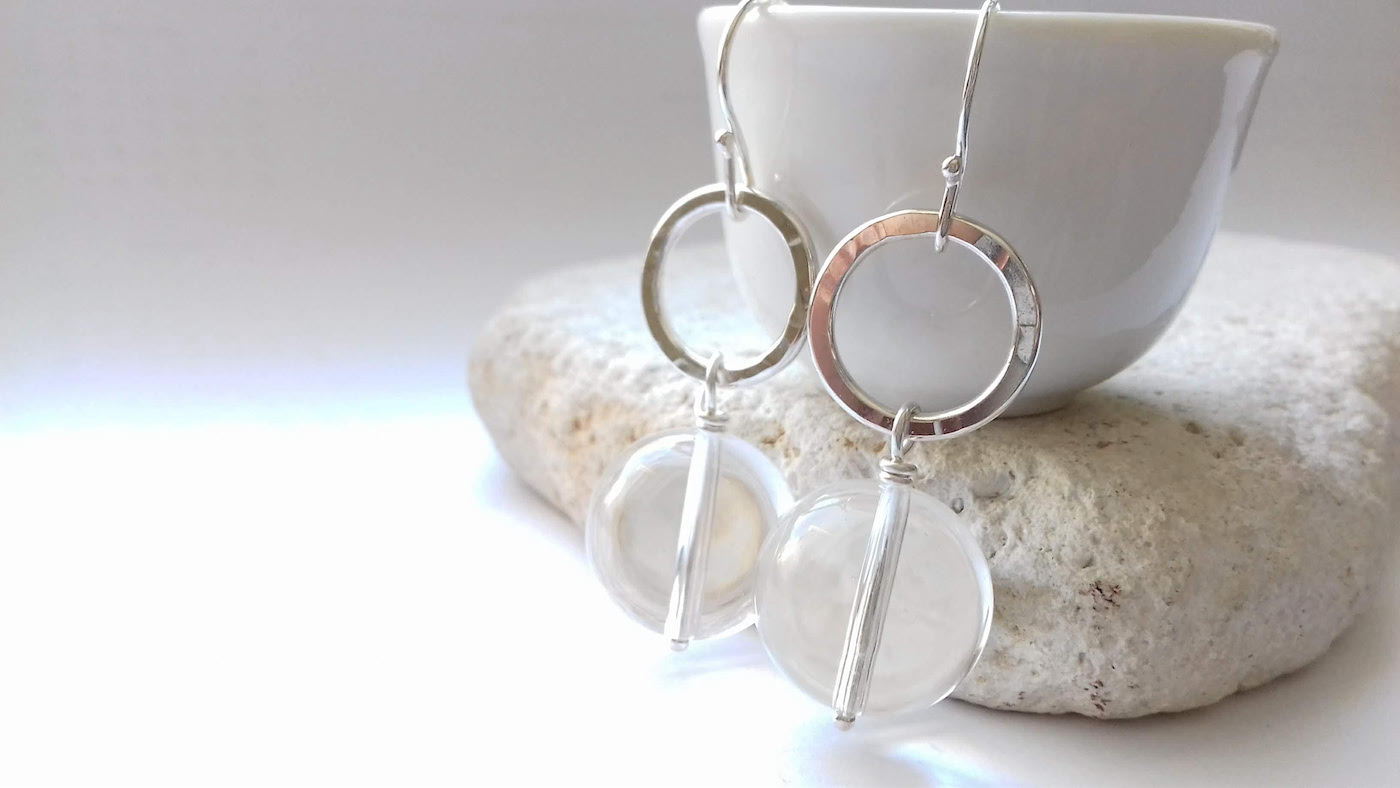
Earrings by Athene Sholl
Athene Sholl, Recycled silver disco earrings with rock crystal. Rock crystal quartz and textured silver, 4.7 cm.

Why IRL Networking for Artists is Critical

Because your art must be seen in person in order to be appropriately appreciated, eventually you’re going to have to be there next to your art—speaking on its behalf.

Contrary to popular belief, your art does not speak for itself.

Curators expect you to speak articulately about the work in a way that gives them reason to show and acquire your art.

They also expect you to meet their donors and collectors in the community and to represent yourself well in the process. This requires practice. Start practicing now.

You might be saying, I don’t care about museums. Fine. Substitute “gallerists” for museum curators in the scenario. They expect the same thing.

When galleries represent you, they expect you to show up at their shows. Not just your shows, but those of their other artists as well. You are expected to support their programming.

The secret door into every gallery is the other artists who already show in the gallery.

—Gallerist Jeremy Tessmer (The Art Biz episode 123)

This is why it’s so important to be connected with other artists.

Gallerists, curators, collectors, and the nice people who hand out grants and residencies like to see that you are invested in your local community.

Impress them all by showing up and being seen.

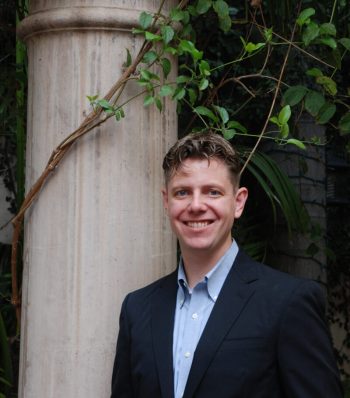
Jeremy Tessmer, gallery director at Sullivan Goss
↓ I have a system to make this easier ↓

If You Don't Give a Rat's Patootie About The Elite Art World

Maybe none of this is landing for you.

Maybe you are happily ensconced in a bubble of your own making.

Or you’re perfectly happy doing the local community shows and/or participating in social media.

But I don’t want to be in galleries or to see my legacy in a museum. I want to be a self-represented artist. Fantastic! I love that! Working with self-represented artists is one of my joys. Self-represented artists are bold and creative with their businesses as well as their art.

And, yet …

Who is going to buy your art? Who is going to show it? Who is going to attend your openings? I hope you’re not waiting for them to materialize from the ethers.

Even if you don’t give a rat’s patootie about the elite art world, you need to care about reaching out and establishing strong relationships.

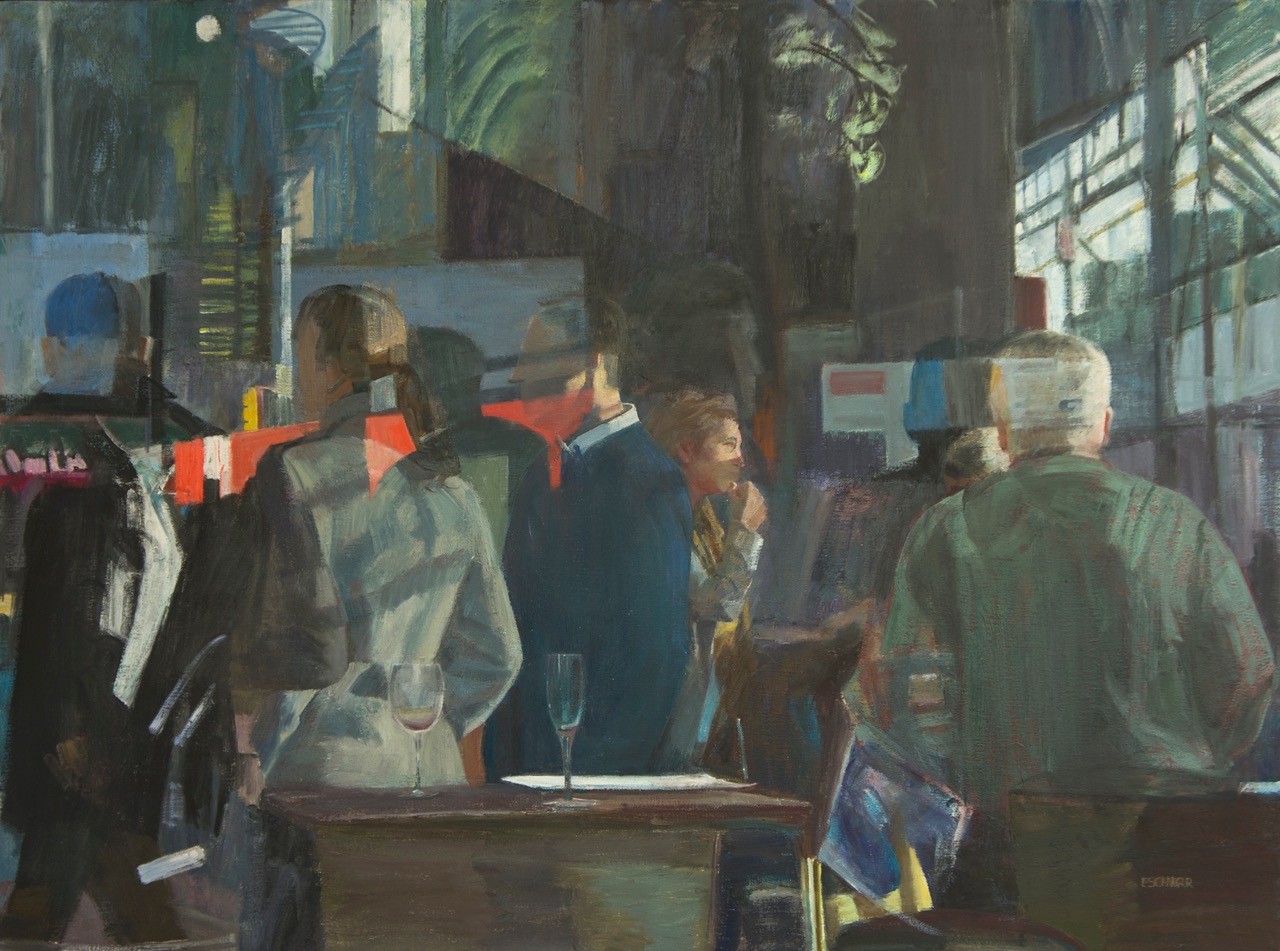
Painting ©Elinore Schnurr
©Elinore Schnurr, Happy Hour. Oil on linen, 36 x 48 inches.

Networking for Artists the Authentic Way

Let’s be clear: When I talk about networking, I’m not intimating that you change your personality or adopt any kind of fake sucking up to people. I want you to be genuine in everything you do.

It should be comfortable at every level if, indeed, you care about the people you want to show, talk about, and own your art.

Again, I’m talking only about getting out and meeting people. I’m talking about being seen.

You can have a modestly successful art business by sitting behind your computer and trying to hack the latest social media algorithm and sales websites, but you will never reach the highest levels of the art world, regardless of which art world you care about, by doing this alone.

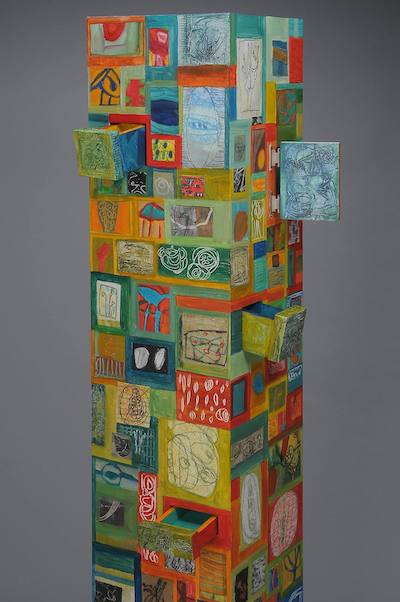
Totem by Deborah Putnoi
©Deborah Putnoi, Totem 3. Mixed media on wood, 72 x 14 x 14 x14 inches.

Here’s how you can reach out and start meeting more people:

  • Attend your art openings alone—without someone to cling to. Or at least promise one another to break out and meet up again later to compare notes.
  • Introduce yourself to strangers at your opening. This is the absolute easiest time to meet people because, technically, you’re a host at your opening. You have every reason to welcome people and talk with them.
  • Invite your neighbors to dinner so you can get to know one another.
  • Send an email invitation for coffee to a local artist you’d like to get to know. Your treat, of course.

Being social extends beyond the art worlds into all corners of your life.

I Know This Isn't Easy

As I said previously, you never know where a relationship might lead. You just never know. 

If it’s true that everyone knows about 150 people, think of how you can dramatically expand your reach and influence just by meeting one new person every month.

That’s my invitation to you: Set a goal of meeting one new person every month.

Maintaining friendships with the 150 people you know and then frequently adding to that list can exponentially increase your sales prospects. You will be surprised at the support you receive and the opportunities you create just by being more social and introducing yourself as an artist.

Before I go, I acknowledge that this isn’t going to be easy for you. I know how nice it is to stay in the cocoon of your studio.

But you can do it. You can learn to be a more effective networker because it contributes to your long-term goals. And because nothing worth doing is ever easy.

Listen to this on The Art Biz

This post was originally published on August 11, 2016 and was first updated on August 15, 2019. It has been updated again with a podcast episode added and the original comments intact.

↓ I have a system to make this easier ↓

The post Being seen: networking for artists (148) appeared first on Art Biz Success.

]]>

https://dy-online.com/being-seen/feed/ 53
How to Guarantee that People Remember You with Skip Hill (147) https://dy-online.com/skip-hill-systems/ https://dy-online.com/skip-hill-systems/#comments Tue, 18 Apr 2023 15:18:15 +0000 https://dy-online.com/?p=42963 When Skip Hill said he needed a system for following up with his collectors, I knew I wanted to help.

He was neglecting his important business relationships at the most basic level. He said he was tired of being the stereotypical bohemian artist and ready to hone his business chops. Skip understood that the place to start this new commitment was with his network.

The post How to Guarantee that People Remember You with Skip Hill (147) appeared first on Art Biz Success.

]]>
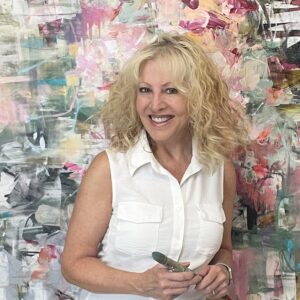
My utter bliss is to help artists make business systems that streamline their lives so they can spend more time in the studio.

So when Skip Hill said he needed a system for following up with his collectors and important relationships, I knew I wanted to help.

Skip Hill painting Love Garden
©Skip Hill, Love Garden (Hush). Mixed-mediums, acrylics, collage, and inks, 52 x 74 x 2 inches.
In this episode of The Art Biz, I walk Skip through the steps to create a plan for nurturing his relationships.

We go through these steps to create his plan:

  1. What do you want to happen?
  2. By when does it need to happen? Or … How frequently does it need to happen?
  3. What do you need to have/acquire/learn to make that happen? And/Or what tools and technology will you use for the process?
  4. Who do you need to enlist to help?
  5. What are the exact steps needed to make this system hum?

The steps in that last question provides the fuel. Miss a step, and your system crashes. Find Skip’s specific steps below.

Listen

Skip's Steps for His Relationship System

These are SKIP’s steps—specific to his goals. You will need your own set of steps (which I’ll walk you through in my upcoming The People Plan workshop).

The steps here have different numbers than those on the recording because I reorganized them to make better sense.

Skip’s to do first:

  1. Block off time on your calendar every week. You wanted a whole day for this.
  2. Decide how you will use the various tools (MailChimp, Artwork Archive, Google Sheet).
  3. Input contact info for new people that you’ve been keeping but doing nothing with.
  4. Update your Google sheet to have proper fields. Add fields for the next date to follow up, last contact, mutual contact, and notes.
  5. Start using a daily task list in your journal. Don’t leave anything in your head.

On your “relationship day”:

  1. Open your spreadsheet. Sort it by the date to follow up field.
  2. Open Artwork Archive and your collector list.
  3. Reach out to at least 5 people you need to stay in touch with from those lists. Note that reach out in your Google sheet.
  4. Consider: Who needs to know about me and my art? Add them to your list and/or reach out today.

To use your email list:

  1. Begin storing ideas for what to send to your list. Decide where you will keep those ideas so you can find them.
  2. Send one email every month to your list. Start with a Tuesday or Wednesday (your relationship day), mid-month.
  3. Your first email (in a very long time) will be a re-introduction to warm up the recipients to hearing from you more often.

Mentioned

Skip Hill in the studio with a work in progress.

Quotes

“I’ve done the Bohemian thing for years. That’s the area where I really am looking for your help and guidance in developing systems to maximize business potential for my art.”—Skip Hill

“Intention, that’s the operative word.”—Skip Hill

“Choose one day in the beginning and then know that when you’re starting a system, it’s always gonna take more time in the beginning.”—Alyson Stanfield

“You have to distinguish the purpose for each app you use because there isn’t one app that’s going to do everything for you.”—Alyson Stanfield

“Before I find that magical someone I haven’t identified to help me with my business, I have to clarify what the tasks would be.”—Skip Hill

“You dictate who you want to have your art, as opposed for waiting to whoever comes along.”—Skip Hill

About My Guest

artist Skip Hill

Visual artist Skip Hill creates colorful, lyrical art that exudes moods of epicurean delights and layers of sensory experiences.

Some of the most captivating parts of his mixed-media collages are in their peripheral details – expressive patterning, looping graphic lines, kinetic scribbling, Kanji calligraphy and African motifs. Like a shaman, Hill communicates freely between dreams and reality, while managing to artfully coordinate his visions with his hand. Working out of his studio in Oklahoma, Skip Hill’s art is influenced by literature, music, art history and his travels through Europe, Southeast Asia and Brazil.

Follow him on Instagram @skiphillart

The post How to Guarantee that People Remember You with Skip Hill (147) appeared first on Art Biz Success.

]]>
https://dy-online.com/skip-hill-systems/feed/ 3
Activate Your Marketing for a Bigger Audience (142) https://dy-online.com/activate-your-marketing/ https://dy-online.com/activate-your-marketing/#comments Thu, 23 Feb 2023 15:08:29 +0000 http://artbizsuccess.com/?p=17805 Marketing is more effective and more enjoyable when you make more personal connections rather than relying on posts and broadcasts. When you interact 1-on-1, whether it's in person or digitally.

I call this activating your marketing. I have suggestions for how to do this when using social media, searching for venues for showing and selling, getting the most from exhibitions, and more.

The post Activate Your Marketing for a Bigger Audience (142) appeared first on Art Biz Success.

]]>
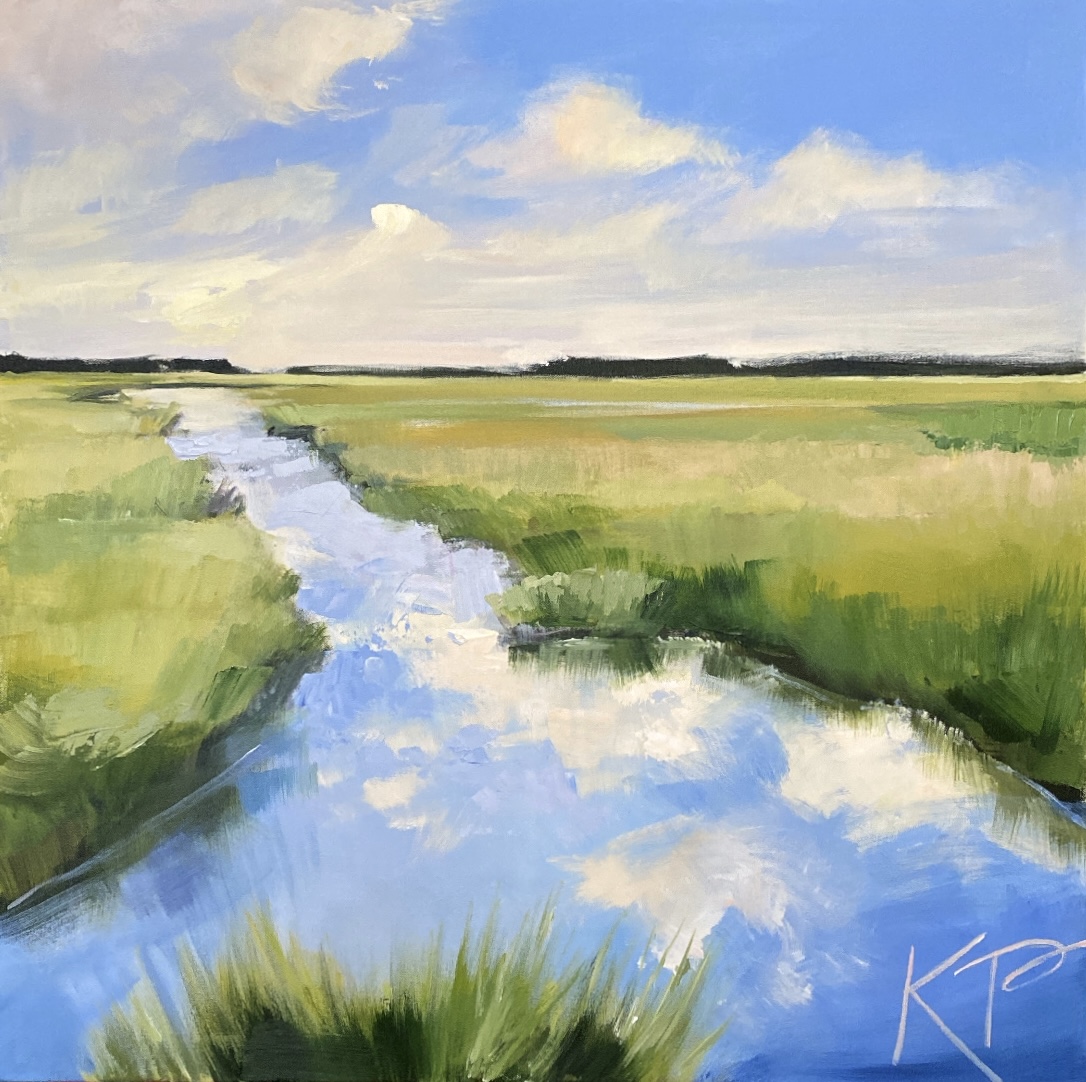
Are you waiting for opportunities to come to you?
Are you waiting to be asked to participate?
Are you hoping someone will see your art, buy it, or give you a show?
Are you hoping people will sign up for that workshop you worked so hard developing?

Bonny Lundy painting
©Bonny Lundy, Good Omen. Watercolor, 28 x 18 inches.

If any of these are true, you might have a bad case of the WAITS or the HOPES.

You’ve become complacent with your marketing. You’re happy to go through the motions around a routine you’ve created, and then wait passively for positive results.

There was a point when I was complacent about my marketing. I would write my blog posts every week and send teasers to my email list and post to Facebook and Twitter. (Yes, the fact that I was tweeting at the time dates my complacency.)

I was relying too much on the content I created for my existing email list without reaching out to new potential audiences. I’d post and then sit back and wait for something to happen.

As an aside … Sometimes I revisit topics like this because I need to hear them myself. Like your art practice, a successful business is also a practice—the result of dedicated time, experimentation, and consistency. We need to hear things repeatedly. We need to be reminded of possibilities.

My approach to creating content and sharing it worked really well for a long time—until my coach at the time challenged me to begin reaching out to new audiences.

This led to thinking more holistically about what a list is.

In my program Grow Your List, I define your list as much more than a database full of people who have opted into your emails.

Your list includes those people (that’s your email list) but it also includes friends, family, and those you encounter in everyday life: the parents you’ve befriended at your kids’ school, the coworkers at your day job, or the fellow parishioners at your church.

Valerie Lorimer painting
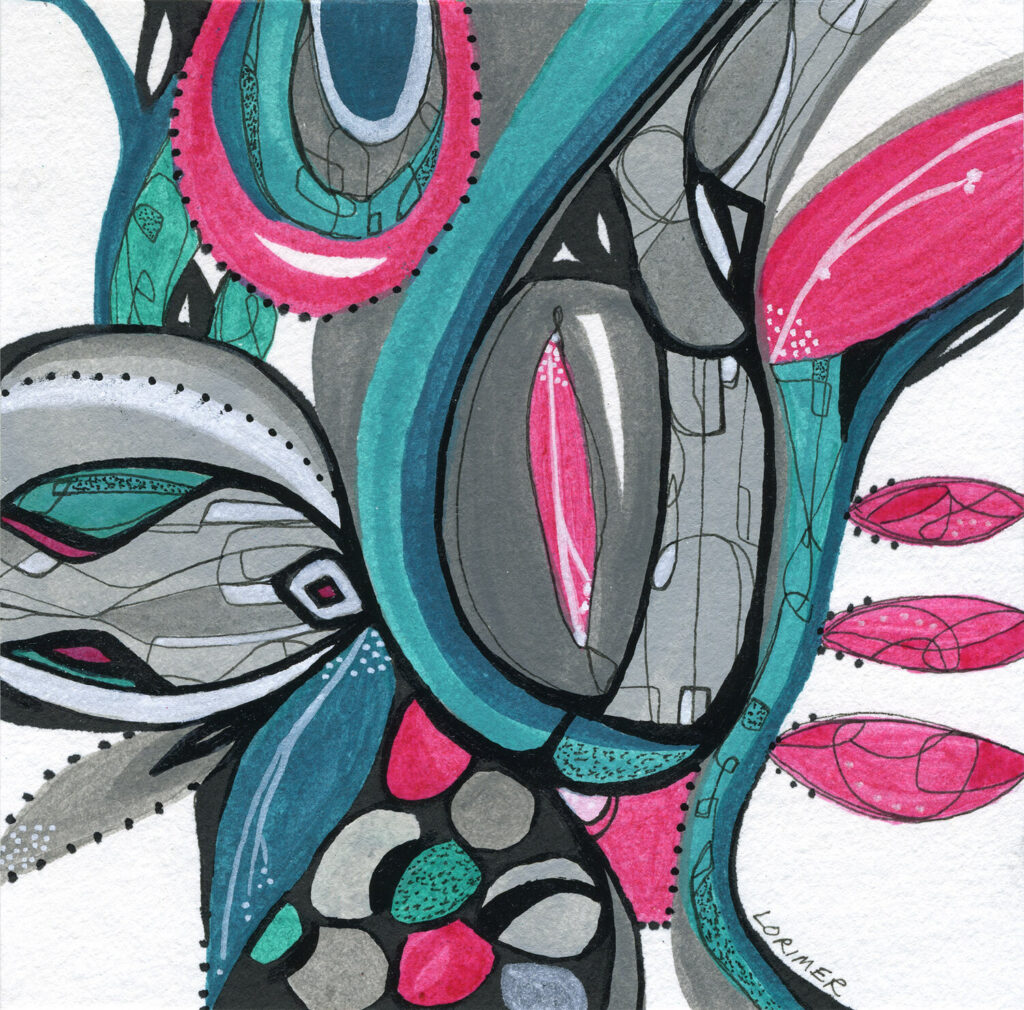
©Valerie Lorimer, Fertile Ground. Paint pens on watercolor paper, 6 x 6 inches.

And, you must count social media connections among your list members.

At the same time, you cannot be beholden to the algorithms or whims of tech giants. For better results, you must take a more active role in your marketing. You must nestle in to the driver’s seat of your destiny.

The best way to do this is to be more human with your marketing. Communicate directly to individuals rather than relying on broadcasting to a larger audience, which you only hope will open your email or stumble upon your post.

More personal marketing not only yields better results, it actually makes it more fun. Yes, I just said marketing could be more fun, and it’s because you’re making personal connections rather than relying on algorithms.

In this episode of The Art Biz, I give you a few scenarios with ideas for more active marketing through personal touches.

As I walk you through them, I’ll mention programs I have available to help you implement these ideas. But those are only asides. 

Pay attention to the ideas in each situation and you’ll get a lot from this episode. (Or keep reading if you prefer.)

Listen

Ensuring You’re Not Wasting Time on Social Media

Passive social media marketing looks a little like the error I shared above. You send list emails, write posts, and share photos and videos. You like posts from people you follow. You accept friendships on Facebook and follow people back on Instagram.

This is all good. You need to do these things. But even if you are consistent with posting and liking and following, it’s still pretty lazy and kinda boring after a while.

Melanie Brannan painting
©Melanie Brannan, Serenity Disc 4. Golden heavy body acrylics on hardboard substrate with coating, 24 inch diameter.

To activate your social media, don’t wait to come across people and posts.

Seek out the people and businesses you really want to connect with. Take a few minutes right now to brainstorm a profile of someone you’d like to connect with on social media.

Friend them or follow them. Like their pages and posts, but also write thoughtful comments in response to their posts rather than simply liking them. This develops name recognition.

Take it one step further and promote their posts that have merit to your followers—perhaps on your personal Facebook profile or in Instagram stories. This is also a good use of Twitter if you’re still on that platform.

I can’t leave a discussion of activating social media without encouraging you to create a reliable editorial calendar for engaging content. It doesn’t have to be rigid or detailed. A simple framework provides direction and keeps you on topic.

My Content Compass workshop will help you create a customized frameworks that works for your art, your lifestyle, and your goals.

Learn More

Improving Exhibition and Sales Venues

Showing and selling your art passively means waiting for the knock on the door or the email in your inbox rather than going after what you want.

Here’s how you can activate your search for venues.

If you don’t already have a list or spreadsheet of potential venues, it’s time to make one. Not in your head, but on a piece of paper or your computer.

You want to create a document that you can track and refine over time.

You need to dig in and do the research to find the best venues for your art and goals. Make that spreadsheet and then track the actions you take toward seeing your art in those venues.

In my program Create Opportunities, I provide lessons that help you analyze and prioritize potential venues, attract galleries (and know that they’re right for you in the first place), and consider alternative venues. I even teach you how to write an exhibition proposal.

Benefitting from Exhibitions

Have you ever had a show and wondered why nobody came? Or why nothing sold?

The passive approach to exhibitions is to install your art and rely on the venue to attract an audience.

One step above that would be to send a postcard or an email blast to your whole list, make an event on Facebook, and post a photo to Instagram. Then sit back and hope people show up, buy, and tell others.

This is pretty much the norm. What more is there, you wonder? Wonder no more!

Kate Landishaw image
©Kate Landishaw, Pride Village Celebration. Watercolor, marker, and acrylic on watercolor paper, 12 x 16 inches.

There are plenty of ways to reap the benefits from exhibitions by taking a more active approach.

Train the venue staff about your art, even (and perhaps especially) when it’s the wait staff at a restaurant. Share stories and selling points that they can share with visitors. Visit weekly to check in.

You want the staff to help you sell, so maybe give them a percentage of sales if they aren’t already earning it. Or reward them with a gift of art.

You might also host a VIP preview party and invite your top fans and collectors. People love special treatment and to think of themselves as VIPs. You always want to give white-glove service to those who have most strongly supported you.

While an exhibition is on view, schedule special private events for specific groups of people who need to see your art. Consider niche markets, community organizations, and business leaders.

Even planning and scheduling VIP events is rather hands off. You put it on a calendar or post and hope people come.

To be more proactive and for best results, communicate on a personal level throughout the planning and execution. Write notes by hand on the postcards you send. Send personal emails and direct messages to the people you most want to attend your private showing. Pick up the phone and, gasp!, dial your VIPs.

Boosting Gallery Relations

One reason artists seek gallery representation is because they don’t want to do the sales legwork themselves. But you have to sell yourself to the gallery in the first place. And you must continue nurturing that relationship. You’re relying on them to help you sell.

The passive approach to gallery relations is to deliver the art to the gallery, attend the opening, and cross your fingers.

As you can imagine, the world’s top gallerists would never stand for such a thing. They have profound relationships with their artists. 

[ Listen to Qualities Galleries are Looking for in Their Artists with gallerist Jeremy Tessmer ]

By now you know there is a better way for you as well, even if you have to be the one to initiate it. As I said, you need your gallery’s fiercest support to move your art.

Activate the relationship with your gallery with any of these tips.


Carol MacConnell painting
©Carol MacConnell, Whisper. Fluid acrylic, 42 x 84 inches.

Call the gallery every 3 or 4 months, especially if you haven’t been in touch. Ask how you can help them sell more of your work. Notice that you aren’t complaining they’re not selling more work or accusing them of slacking off. You’re asking how you can be helpful. What can I do to help you sell more of my art so that we both benefit? Big difference.

This next suggestion for better gallery relations is more of a requirement. You must show up for the gallery’s other artists when they’re having shows or doing artist talks. Gallerists want to see that you’re supportive and engaged with the artists in their stable.

Now, can we talk about food? Not the infamous cheese and crackers of gallery openings. Let’s talk cookies.

Elizabeth St. Hilaire shared her secret for good gallery relations in this guest post: baking cookies and sending them in the mail to her gallerists. If you’re not a baker, find a resource like Dancing Deer Baking Company, which I’ve used plenty in the past.

This is a better strategy if you know food allergies. As someone who is Celiac and necessarily gluten free, I always feel bad when someone gifts me baked goods that I can’t eat. I don’t mind sharing the goodies with others, but I still feel bad.

While we’re on the topic of food, a gallerist in Santa Fe told me they love it when people bring them food because it’s difficult to leave the space during open hours. I never thought of that! Gallerists are kind of stuck there all day. Drop off food for your gallerist or one you are befriending. (I don’t recommend this as a first move, but one when you already have some kind of friendship in place.)

Finally …

Filling Your Classes and Workshops

If your classes and workshops aren’t filling up, you might be waiting and hoping too much.

Maybe you put it in a newsletter and on social media a couple of times. Or you rely on the venue that hired you to attract students.

You must activate your teaching opportunities with the personal touch.

Monica Dahl painting
©Monica Dahl, Afternoon Nap. Oil on canvas, 16 x 20 inches.

If you have been hired by another venue to teach, offer to write a guest blog post or newsletter article to help promote the event. Or suggest they organize a 30-minute Zoom session with you for their members.

After being hired by many venues to teach workshops, I know that I can promote my programs better than anyone—even the person with the built-in audience who is paying me. I’ve discovered that workshop organizers are grateful to have the marketing help.

Whenever you can, and you probably know what I’m going to say now, send a personal note (email, direct message, text, or real mail) to the people you most want to attend your class or workshop. Address each person by their first name and share something personal if you have a history with that person.

There’s no hard sell here. You only want people to sign up if it’s right for them. You just want them to know why you think the content might be a good fit.

We Need Both Passive and Active Marketing

We need both passive and active marketing, but our businesses suffer when we rely on passive alone. Broadcasting that newsletter or sending the social post is pretty impersonal. You’re sending to many people at once. For better results, think 1-on-1.

Yes, active marketing requires more work, as its description intimates, but I promise you’ll get better results and enjoy it more.

And because this blog and podcast are also forms of passive marketing, I invite you to email your questions and concerns anytime. You can also direct message me on Instagram where I’m @alysonstanfield. I’ll probably ask you to email me as well, but I’m happy to start there.

Learning Opportunities Mentioned

Throughout this episode, I have mentioned numerous programs that can help you with your marketing. They are all combined in my Essentials program and vault of lessons.

Artists Who Have Activated Their Marketing

Artist Meg Black on Art Biz Success

Meg Black went after a commission in her that didn’t even exist before she defined it.

Episode 21

Laurence de Valmy boldly reaches out to art world influencers in her community and beyond.

Episode 108

artist Robin Maria Pedrero | on Art Biz Success

Robin Maria Pedrero models active marketing while juggling two different styles of art.

Episode 103

Originally published in 2014. Updated and republished October 17, 2018, and now, updated again with the addition of a podcast episode. Original comments remain intact.

The post Activate Your Marketing for a Bigger Audience (142) appeared first on Art Biz Success.

]]>
https://dy-online.com/activate-your-marketing/feed/ 39