marketing Archives - Art Biz Success https://dy-online.com/tag/marketing/ Trusted Art Business Coaching and Consulting Thu, 14 May 2026 03:55:56 +0000 en-US hourly 1 https://wordpress.org/?v=7.1.4 https://dy-online.com/wp-content/uploads/2022/02/favicon-2-150x150.png marketing Archives - Art Biz Success https://dy-online.com/tag/marketing/ 32 32 Why Every Artist Needs a Brand Kit (239) https://dy-online.com/brand-kit/ https://dy-online.com/brand-kit/#comments Thu, 04 Sep 2025 12:35:00 +0000 https://dy-online.com/?p=55085 As an artist, you thrive on creative expression, but that same impulse can sabotage your marketing. Without a system, your materials end up scattered and confusing for collectors.

The solution isn’t more design tricks. I t’s a brand kit rooted in your identity. In this episode, I explain why identity comes before design, and how a brand kit can build trust while saving you time and energy.

The post Why Every Artist Needs a Brand Kit (239) appeared first on Art Biz Success.

]]>
Remember when the first step to looking professional as an artist was ordering business cards? That’s exactly what I did when I started out.

These days, I don’t even have current business cards, but I do have a strong brand identity, and that’s far more powerful.

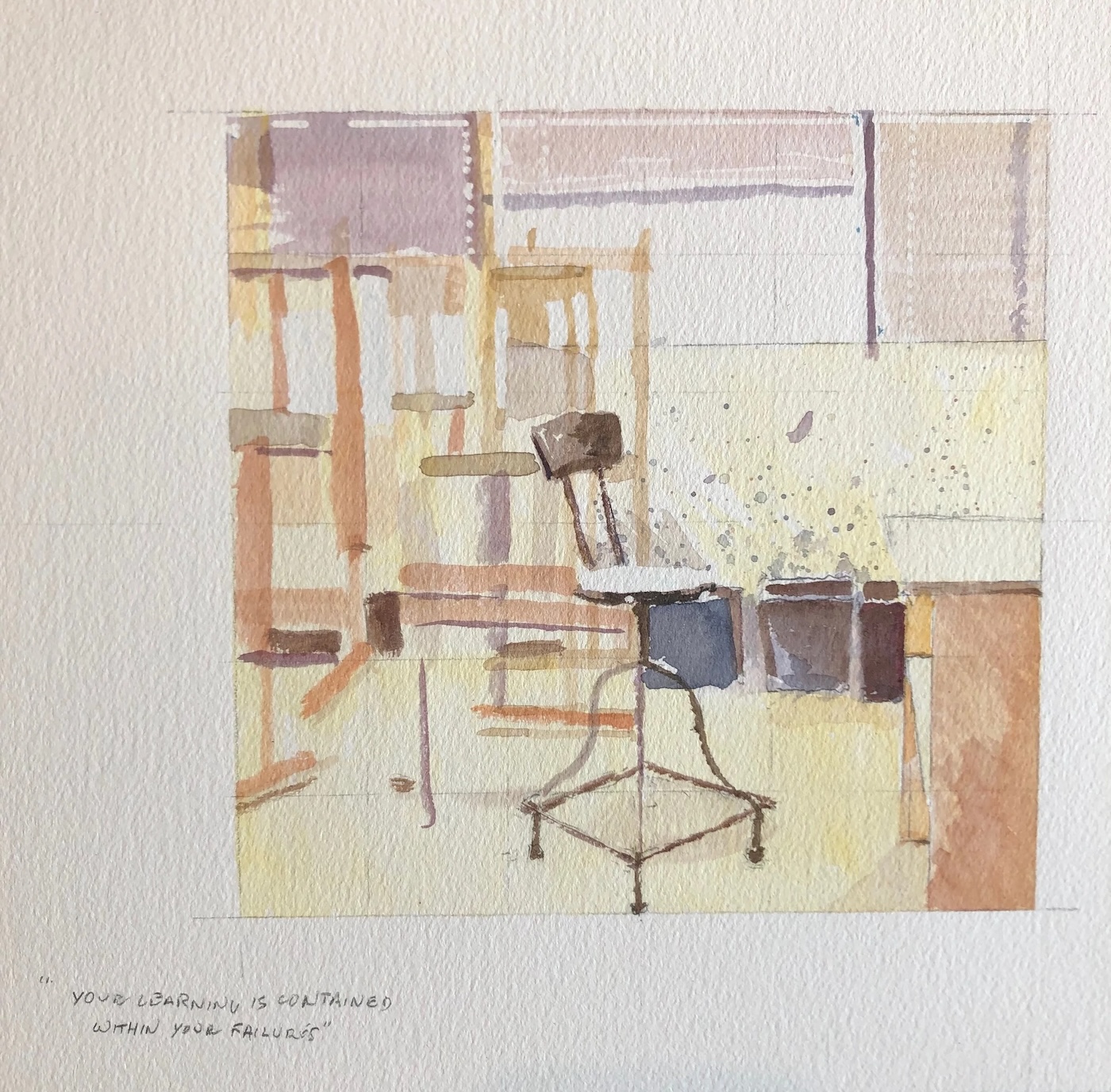
Richard Rumble watercolor painting
©Richard Rumble, Your Learning Is Contained Within Your Failures. Watercolor on 140# Arches cold-press paper, 10 x 14 inches.

You don’t need stacks of printed materials anymore. Your website, Instagram, and email list do most of the heavy lifting for your art business.

But whether digital or print, every marketing piece you create needs to send the same clear message. That’s where too many artists stumble.

The Problem with DIY Design

Here’s the tough love that I can only say after so many years of experience: most artists think they’re better designers than they really are.

Artists thrive on creative expression, which can lead to trying a new font for every postcard, experimenting with endless Canva templates, or switching colors on a whim. That’s creativity, but it’s not communication.

Designers focus on communicating a clear and consistent message. Without that, your materials end up looking scattered. One postcard looks nothing like your website. Your Instagram doesn’t match your emails. The result? Confusion for your audience and a lost opportunity to build trust.

Listen

Or listen and subscribe on your favorite app by searching The Art Biz with Alyson Stanfield.

Identity First

Before you start choosing fonts or colors, you need clarity about your identity as an artist, which is why this is developed over a long period of time alongside your art. Ask yourself:

  • What story are you telling through your art?
  • What kind of experience do you want people to have when they encounter your work?
  • How do you want to be remembered?

When you’re clear about these things, design decisions become easier and more authentic. Skip this step, and no amount of design polish will save you. 

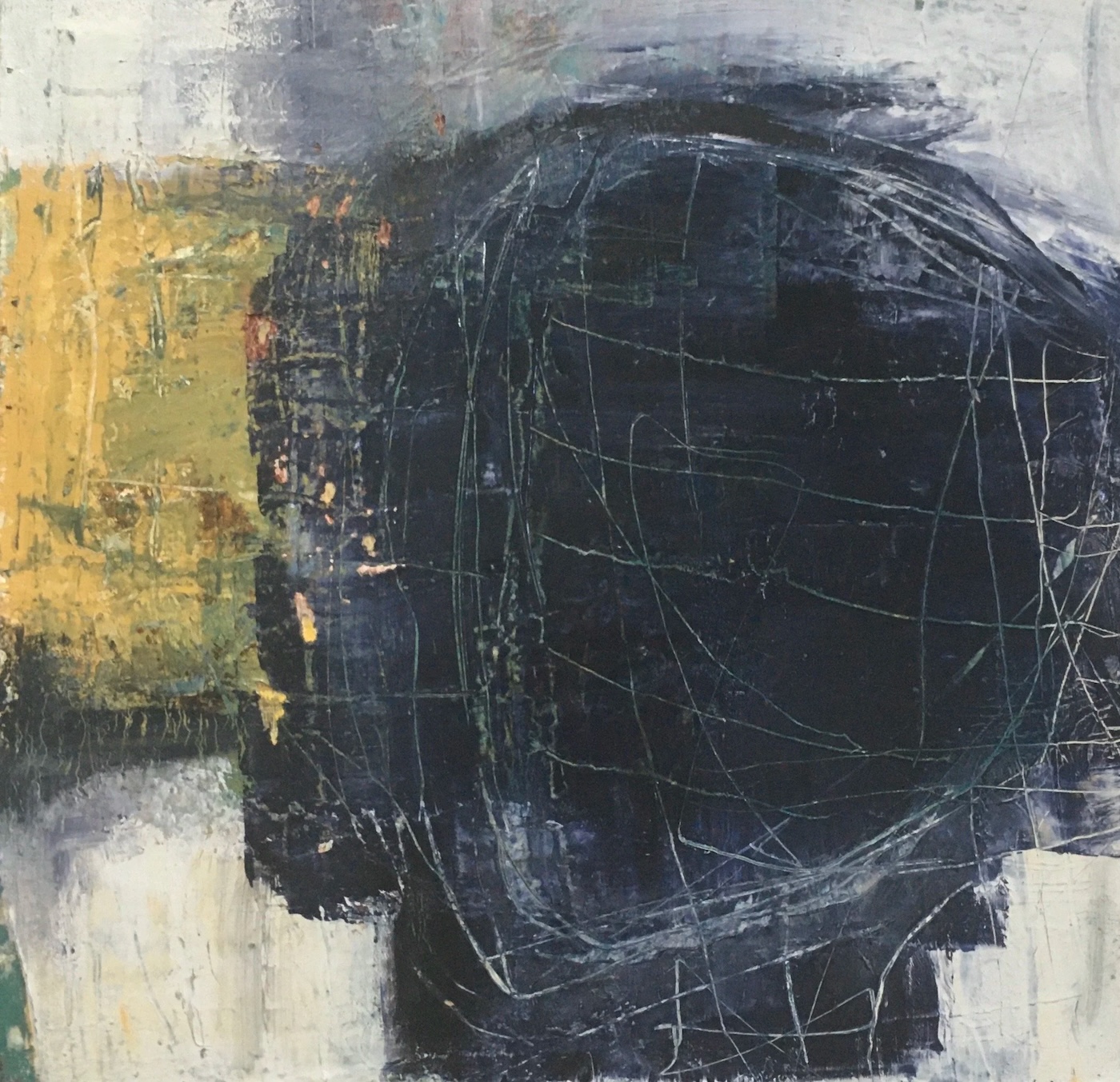
Diane Sandlin acrylic painting
©Diane Sandlin, Dualities. Acrylic paint and mixed medium on stretched canvas, 24 x 24 x 1.5 inches.

The Solution: A Brand Kit

A brand kit is your shortcut to consistency. It holds your key design choices in one place:

  • Fonts and colors
  • Logo or wordmark
  • Artist photos
  • Templates for postcards, emails, or social posts
  • Words and phrases that capture your essence

With a brand kit, you stop reinventing the wheel. Every touchpoint, from your website to a thank-you card, looks and feels like you.

Over time, that kind of consistency builds trust. It’s like showing up to every art opening wearing your signature hat: you’re instantly recognizable. 

Build Your Brand Kit with Support

You don’t have to figure this out alone. Inside my Essentials program, we build your brand kit together.

I provide the framework, and you get feedback from me and a community of artists. It’s like a crit session but for your marketing (and friendlier). You’ll walk away with tools you can use again and again, saving time and energy for the studio.

Remember: identity first, then design, then consistency. That’s the path to a strong brand—one that helps your art stand out and makes it easier for collectors to remember you.

Learn more and join us inside Essentials.

The post Why Every Artist Needs a Brand Kit (239) appeared first on Art Biz Success.

]]>

https://dy-online.com/brand-kit/feed/ 3
The Art Biz ep. 133: How You Want to Be Perceived as an Artist with Alexandra Squire https://dy-online.com/brand-squire-podcast/ https://dy-online.com/brand-squire-podcast/#comments Thu, 10 Nov 2022 12:38:00 +0000 https://dy-online.com/?p=41204 Your art is created in the studio. Your brand is created in the minds of others. Your brand exists in the minds of viewers, buyers, collectors, and gallerists.

Above all, knowing your brand (how you want to be perceived in the eyes of others), helps you make decisions. If opportunities aren’t aligned with your brand, you say No.

The post The Art Biz ep. 133: How You Want to Be Perceived as an Artist with Alexandra Squire appeared first on Art Biz Success.

]]>
In his book, Blink, author Malcolm Gladwell makes a convincing case that you have exactly two seconds to make an impression.

And remember that you only get one shot at that first impression. People might give you a second chance, but they’ve already judged you. You’ll have to work hard to overcome that judgment if it’s less than flattering.

That’s where a strong artist brand comes into play.

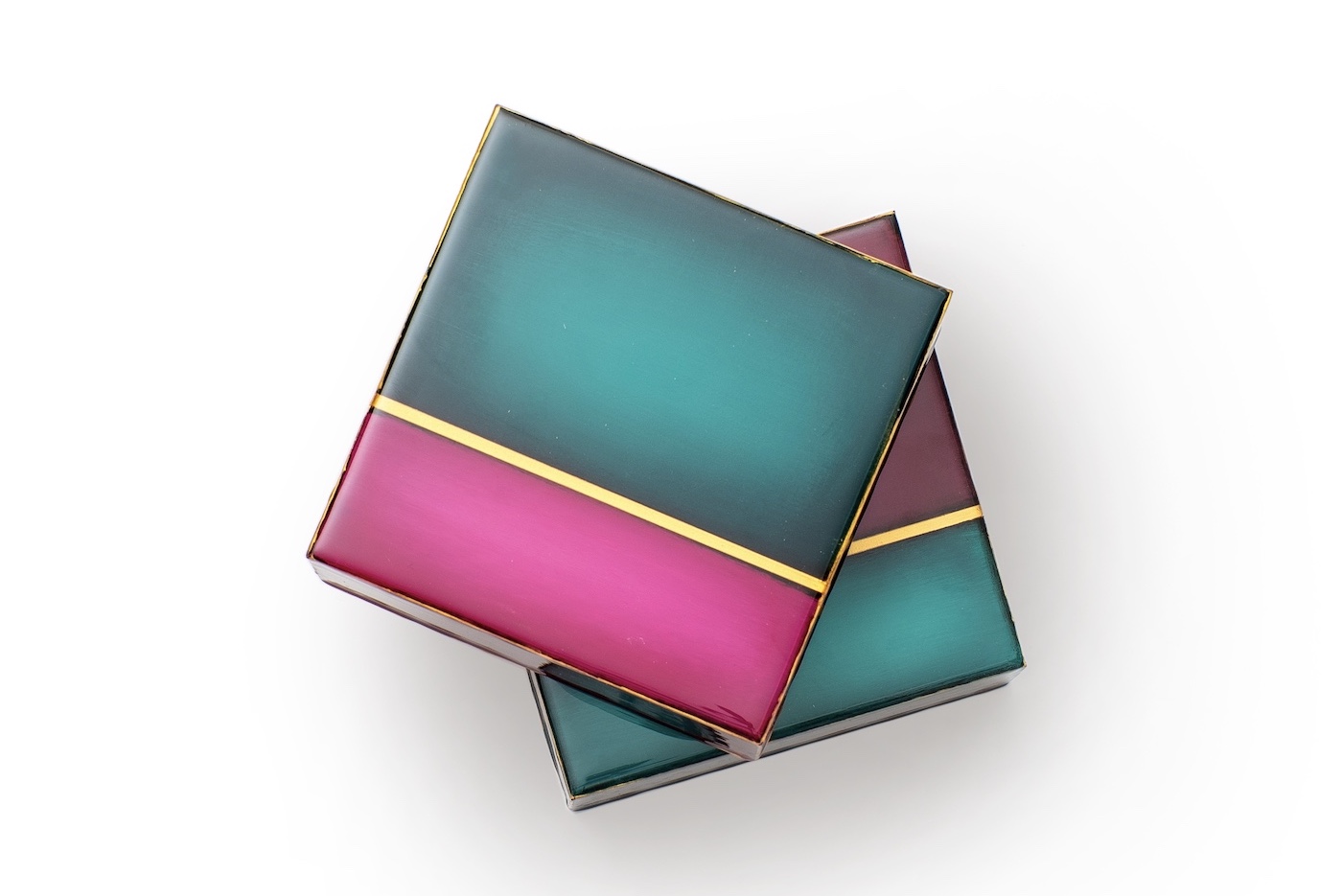
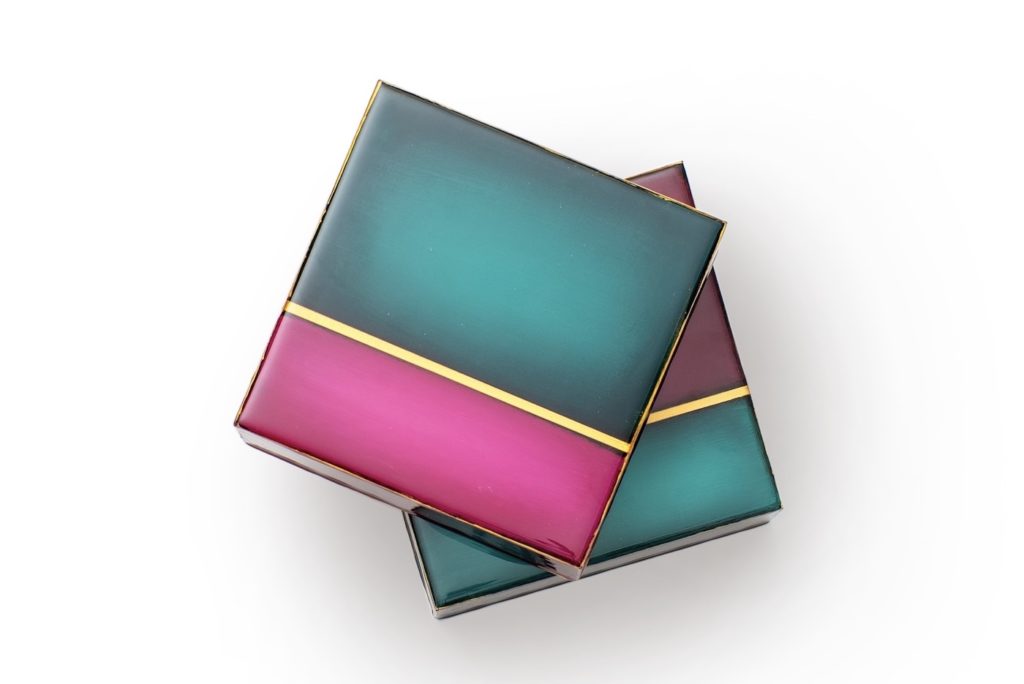
two small square painting of bright pink and turquoise stripes by artist Alexandra Squire | on Art Biz Success
Alexandra’s mini paintings. Acrylic on cradled wood panel coated with resin, 6 x 6 x 2 inches each. Photo by Tyler Hooks Photography.

Not too long ago, artists didn’t have to worry about things like their brands. But in an increasingly competitive market, and the noisy online space, we will do better when we know where we fit.

A brand is not a logo.

Let’s be clear. A brand is not a logo. A logo is only the visual expression of a brand.

Branding expert Re Perez says, “A brand is a desired perception.”

Your art is created in the studio. Your brand is created in the mind. Not your mind, but in the minds of others. Your brand exists in the minds of viewers, buyers, collectors, and gallerists.

Above all, knowing your brand (how you want to be perceived in the eyes of others), helps you make decisions. If opportunities aren’t aligned with your brand, you say No.

Branding makes you memorable, which therefore leads to more fans. Branding might also lead to higher prices and more consistent sales.

It also helps you make decisions because your selections should align with your brand.

Your art is the basis for your brand.

The first step to becoming a branded artist is always the work. That means it looks like you did it and not like a variety of styles by your various mentors or teachers.

This is why studio practice must come before anything else. You have to make lots and lots of art!

Once you have that art, you can think about how it should be presented in the form of marketing materials: your website, blog, business cards, letterhead, brochures, and so forth.

My guest for this episode of The Art Biz, to talk about her intentional artist brand, is Alexandra Squire.

Alexandra was clear from the get-go about what she wanted her business and career to look like. She hired professionals to help her pull together a branded identity to present her work to the world. And it was always based on the work. Her strong work backed up the beautiful packaging.

Alexandra and I talk about her decisions, marketing, and how she finds time for her painting and business while raising three young girls.

Listen

📄 This Week's Assignment

Consider your artist brand. In particular, think about and even write in your journal about this one question: How do you want to be perceived in the minds of others?

If you want to take it to the next step, consider whether your social media, newsletter, website, marketing material, and exhibition venues are aligned with how you want to be perceived.

Highlights

  • Alexandra’s long and winding road to becoming an artist. (3:25)
  • “I looked at myself as a brand.” (7:09)
  • Marketing yourself effectively. (11:26)
  • Hiring professional help for your photography. (14:03)
  • Your brand exists in the eye of the viewer. (18:42)
  • Making the trade offs that pay off. (22:16)
  • The moment when you identify your artist brand. (26:20)
  • How Alexandra shows and sells her work. (28:15)
  • Keeping an artist’s schedule while raising a family. (33:38)
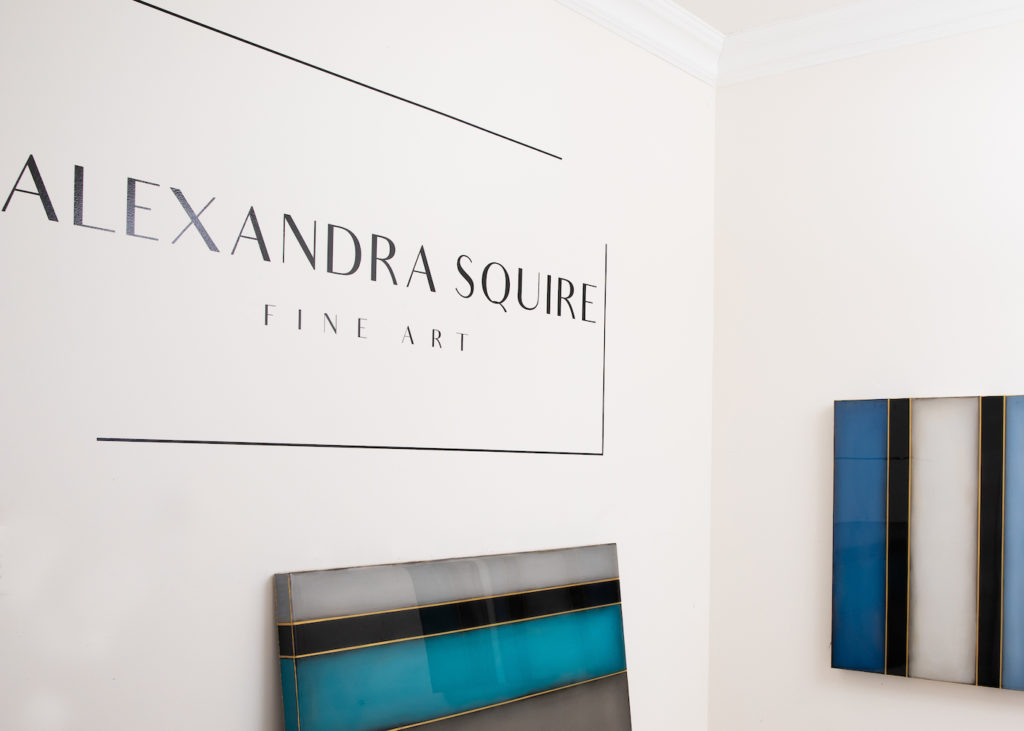
image of a studio wall with Alexandra Squire Fine Art printed on the wall and painting below | on Art Bz Success
Alexandra’s studio. Photo by Sunni Cook Photography.

Alexandra Squire Quotes

  •  “I decided from the beginning I wanted to be a certain type of artist.”
  • “You have to present yourself in a certain way, and that’s how people will view you.”
  • “I turned down a bunch of opportunities that I felt didn’t best reflect my brand.”

Related Episodes

Ep. 127: She’s the Link Between Artists, Galleries and Collectors with Maria Brito

Ep. 131: Injecting Personal Narrative into Your Art with Sara Lee Hughes

Ep. 23: Leaving Behind What is Safe with Jan R. Carson

Ep 94: Calculating Risks in Your Art Business with Leah Smithson

About My Guest

Alexandra Squire is an abstract painter defined by the pairing of vibrant colors and muted tones to create simple yet deceivingly complex works. She focuses on blending and layering to make pieces that are rich in color and depth with unexpected palettes. Her paintings serve as a metaphor for life in that they depict the multitude of ways in which our experiences meld together. Alexandra’s work has been exhibited nationally, and her paintings are a part of private and corporate collections throughout the United States.

Follow her on Instagram: @alexandrasquireart

blonde women in black clothes seated among a collection of small colorful square paintings | on Art Biz Success

The post The Art Biz ep. 133: How You Want to Be Perceived as an Artist with Alexandra Squire appeared first on Art Biz Success.

]]>
https://dy-online.com/brand-squire-podcast/feed/ 1
Promoting Events 6 Months Out https://dy-online.com/promote-events/ https://dy-online.com/promote-events/#comments Wed, 19 Sep 2012 11:00:05 +0000 http://artbizsuccess.com/?p=13863 If I were asked for advice on promoting my workshops, these are the actions I’d encourage organizers to take. Please use this format as a guideline and adapt it to any event.

The post Promoting Events 6 Months Out appeared first on Art Biz Success.

]]>

If I were asked for advice on promoting my workshops, these are the actions I’d encourage organizers to take. Please use this format as a guideline and adapt it to any event.
At my social media immersion workshop in Philadelphia. Photo by John Pitman Photography, ©John J. Pitman. Used with permission.

6 Months Out

It’s never too early to start promoting an event! People need to see a message at least 7 times in order to act on it, and that message should occur over time and across multiple platforms. Start now!

  • Develop an incentives package, such as deep discounts and bonuses, for early registrations.
  • Create your website sales page. Ensure that online ordering is working.
  • Make an announcement about the event in your organization’s newsletter.
  • Add the workshop as an event on Facebook and post it to your Facebook timeline.
  • Start contacting potential partners that can help promote your event to their lists.
  • Create a postcard and/or inexpensive flyer. Identify key locations and happenings for placement of handouts or flyers.

3-6 Months Out

This is when you might be tempted to slack off. You think you’ve already done a bunch of marketing and that you should allow your message to percolate with recipients. Don’t do this! Ramp up your marketing efforts even more!

  • Mention the event 2x a month in blog posts (ask me for a guest post or interview!).
  • Post it weekly on your Facebook page – varying the time of day you post.
  • Tweet it several times a week during high-traffic times.
  • Cite the workshop in each issue of your newsletter.
  • Send at least 5 personal emails each week to encourage other organizations to spread the word about your event. Follow up as necessary.
  • Make phone calls to key alliances that can attract attendees.
  • Follow up all online registrations with confirmation welcome letters. Always remember that these people are your guests and should be treated as such.

1-2 Months Out – Early registration ends

There should be a big push to sell seats right before early registration ends. This is when you will receive the majority of your sign-ups.

  • Continue all of the promotions you’ve been doing for the last several months. Don’t let up!
  • Send a press release and reminders to all alliances to announce the end of early registration. Don’t forget to include the key arts bloggers in your area.
  • Schedule a series of 2-3 emails to your list with the early registration deadline reminder. These emails should be specific to the workshop and include no other offerings or announcements.

1 Week to 1 Month Out

  • If you haven’t sold out, expand your efforts to fill the seats. You want it to be a success, don’t you?
  • Send at least two more emails to your list.

5 Days Out

Relax. You’ve done the best you can, and you have a good crowd coming! Kick up your heels and relax – but only for about an hour. Then you can start tending to workshop details for your guests.
Any details you would add to this list?

The post Promoting Events 6 Months Out appeared first on Art Biz Success.

]]>
https://dy-online.com/promote-events/feed/ 19
Top 10 Marketing Advice Newsletters from Art Biz Coach https://dy-online.com/10-year-advice/ https://dy-online.com/10-year-advice/#comments Wed, 28 Mar 2012 11:00:13 +0000 http://artbizsuccess.com/?p=12379 In celebration of the 10th anniversary of the Art Marketing Action Newsletter, here are the top 10 marketing advice articles from Art Biz Coach. Includes writing, blogging, exhibiting, and more. What's #1 ?

The post Top 10 Marketing Advice Newsletters from Art Biz Coach appeared first on Art Biz Success.

]]>
Over the years, I have returned to a number of themes in my newsletter because I see work that still needs to be done.
For my 10th anniversary, I’m sharing my top 10 lists.
I consider the list below to be my most valuable pieces of marketing advice. The dates are “first published” dates. You would be well served to review this list at any point in your art career.
Art Biz Coach original home page 2002
My early newsletters looked a lot like the Art Biz Coach home page in 2002.

 
10. Move on from venues that you’ve outgrown.
Stop playing it safe by exhibiting with the same artist guild year after year or returning to the local coffee shop over and over again. Expand to grow your market.
Since June 20, 2005.
9. Become involved in your local artist community.
You will learn all kinds of things by being connected to other artists. You will hear of opportunities, make new contacts, and enhance your confidence by being involved. More importantly, you will take comfort in these connections and in realizing that you are not alone.
Since January 27, 2003.
8. Make your art the focus of all your marketing.
Rein in the funky typefaces, lose the over-designed website buttons, and forget the fancy logo. While you’re at it, get rid of the bright colors you like so much next to your art. They’re all distracting from your work. Your art is the only decoration you need.
Since May 27, 2002.
7. Your images must stand in for your artwork.
Images of your art must be at least as good as the art, if not better. To reiterate #8 above, your art must be the focus. Get your work off of clever backdrop and stop showing background edges peeking under your art due to poorly positioned camera angles.
Since February 9, 2004.
6. Never upload your art to the Internet without credit lines next to it.
You wouldn’t install your art in a space without labels, so why do you show it online without captions? A complete credit line (©date, name, title, media, and size) should be under your art on any website, including social media sites.
October 19, 2011 (and earlier on the blog and in my book).
5. Start blogging.
Writing regularly about your art establishes you as an expert, helps you understand your art in ways you can’t begin to imagine, provides a place for dialogue with your fans, and makes you more search-engine friendly.
Since January 9, 2006.
4. It’s critical for you to exhibit your art.
The Internet has become a crutch and a substitute for live exhibits to some artists. It will never replace the experience of seeing art in person, and it will never replace the lift you get by interacting with viewers in a space filled with your art. The more people who see your work, the more people there are to love it, buy it, and collect it.
Since January 8, 2007.
3. Words can connect you to more art viewers.
Your art doesn’t speak for itself. It never has, and it never will. You need to be an articulate champion of your art before you expect others to do the same. Write! Speak!
Since August 5, 2002.
2. Your contact list is your most valuable asset.
Nobody knows the same people you know, and people who know and like you are likely to become your supporters – even if they never purchase your art. Meet more people! Maintain an organized contact list and use it!
Since April 1, 2002.
1. Your devotion to a studio practice is critical.
Without consistent studio production, you are not an artist and you have nothing to market. Get back in the studio and make art!
Since April 28, 2003.
Do you have a favorite Art Biz Coach newsletter or one that transformed your business? It would be a lovely 10-year anniversary gift to me if you’d share your story here.

The post Top 10 Marketing Advice Newsletters from Art Biz Coach appeared first on Art Biz Success.

]]>
https://dy-online.com/10-year-advice/feed/ 23
Your Art Marketing Strategy https://dy-online.com/marketing-strategy/ https://dy-online.com/marketing-strategy/#comments Wed, 22 Jun 2011 09:00:22 +0000 http://artbizsuccess.com/?p=10080 These are not art marketing strategies: having a website, starting a blog, signing up for Twitter, adding a page on Facebook. My definition of an art marketing strategy is a thoughtful plan for putting your art in front of more people and engaging potential audiences. What strategies are you using to keep your name and […]

The post Your Art Marketing Strategy appeared first on Art Biz Success.

]]>
These are not art marketing strategies: having a website, starting a blog, signing up for Twitter, adding a page on Facebook.

My definition of an art marketing strategy is a thoughtful plan for putting your art in front of more people and engaging potential audiences.

Jacqueline Steudler, In the Midst of Trees #11. Gouache on paper.
Jacqueline Steudler, In the Midst of Trees #11. Gouache on paper, 40 x 40 cm. ©The Artist

What strategies are you using to keep your name and art in front of people?

  • Speaking or conducting demonstrations at gallery receptions
  • Sending postcards quarterly
  • Mailing/Emailing a newsletter or regular update
  • Writing a personal note to someone on your contact list
  • Blogging 2-3 times a week while engaging your readers and responding to comments
  • Updating your page on Facebook with interesting content
  • Creating a top-notch video and posting it on YouTube
  • Exhibiting your art — over and over again, in new and better venues
  • Posting frequent, helpful tips to your niche market on Twitter
  • Researching the people in your niche market on Twitter and following them, retweeting them, and saying nice things about them
  • Researching the people/businesses/organizations in your niche market on Facebook and liking their pages, commenting on their updates, and saying nice things about the work they do
  • Researching the top blogs in your niche market and commenting frequently (and substantively) on the posts
  • Producing a regular (regular!) podcast or radio show related to the content of your blog and art
  • Writing and publishing a book about your art and work — and making sure it’s seen by its intended audience

Yes, these strategies take a great deal of effort. Yes, being a professional artist is hard work. Yes, it would be easier to purchase an ad, but . . . Yes, this is WAY more fun and rewarding.

What are your marketing strategies?

The post Your Art Marketing Strategy appeared first on Art Biz Success.

]]>
https://dy-online.com/marketing-strategy/feed/ 31