
Learn why facing your numbers feels so scary and how a simple monthly review, built around a handful of high-level numbers, shows you what's working in your art business and what isn't. Then your next step is based on data instead of the next idea you see online.
The post This monthly review keeps your art business honest (279) appeared first on Art Biz Success.
]]>


The post This monthly review keeps your art business honest (279) appeared first on Art Biz Success.
]]>This conversation explores why artists develop allergies to financial conversations, how negative beliefs about wealth prevent fair compensation, and two practical strategies for building confidence with your numbers.
The post Healing Your Money Allergy with Hannah Cole (256) appeared first on Art Biz Success.
]]>



The post Healing Your Money Allergy with Hannah Cole (256) appeared first on Art Biz Success.
]]>She breaks down her income streams, shares her five-year vision for gallery representation, and explains why she wants her son to grow up watching her do work she loves while staying financially stable.
The post Being the Artist I Want My Son to See with Stephanie Brown (248) appeared first on Art Biz Success.
]]>

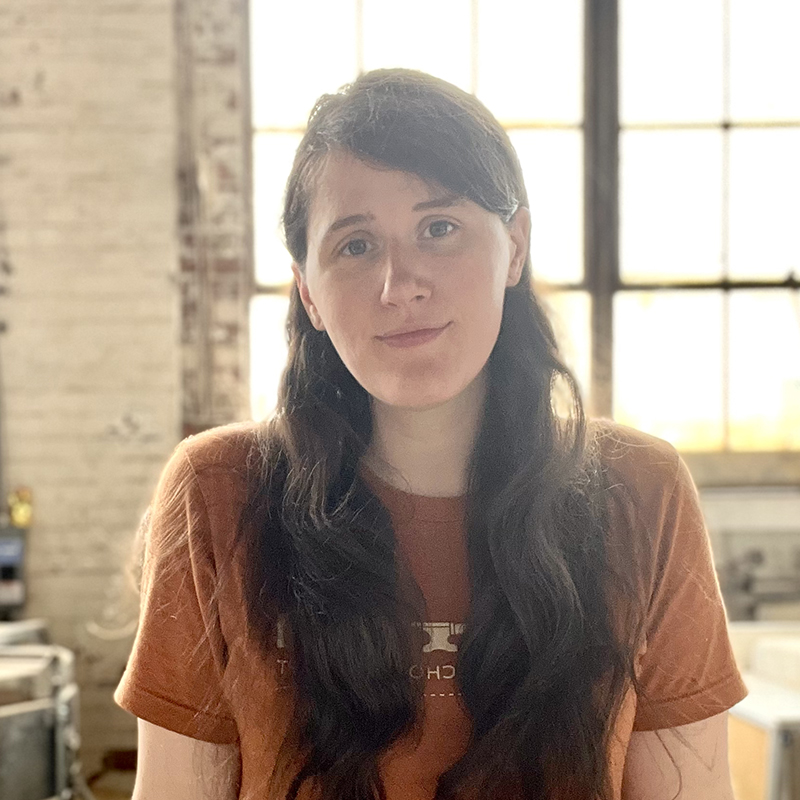
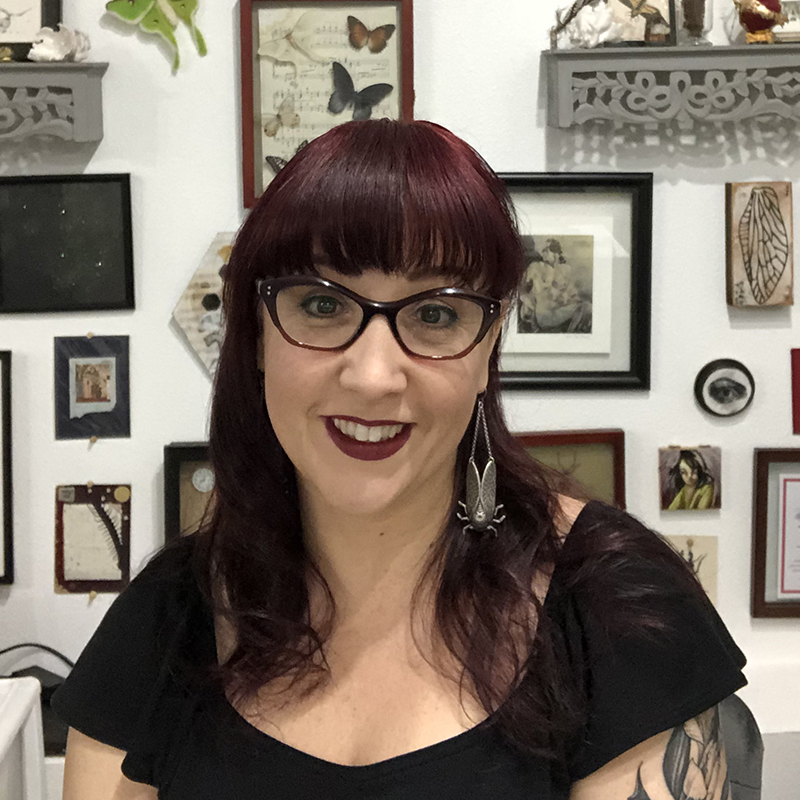

The post Being the Artist I Want My Son to See with Stephanie Brown (248) appeared first on Art Biz Success.
]]>She also shares how she's built a sustainable art career by treating it like a business from day one, leveraging transferable skills, and setting non-negotiable rules for her practice.
The post The Strategic Artist: Zero Debt Art Degrees with Stephanie Brown (247) appeared first on Art Biz Success.
]]>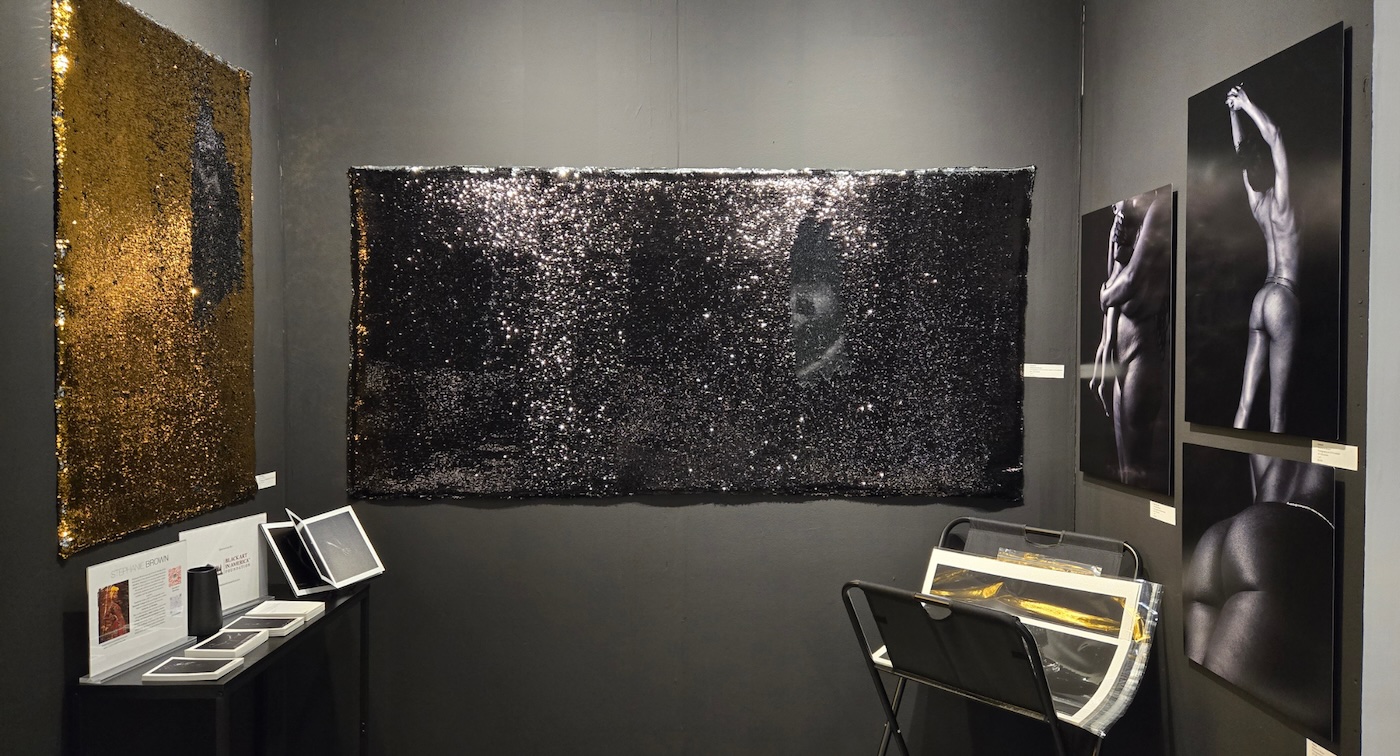


The post The Strategic Artist: Zero Debt Art Degrees with Stephanie Brown (247) appeared first on Art Biz Success.
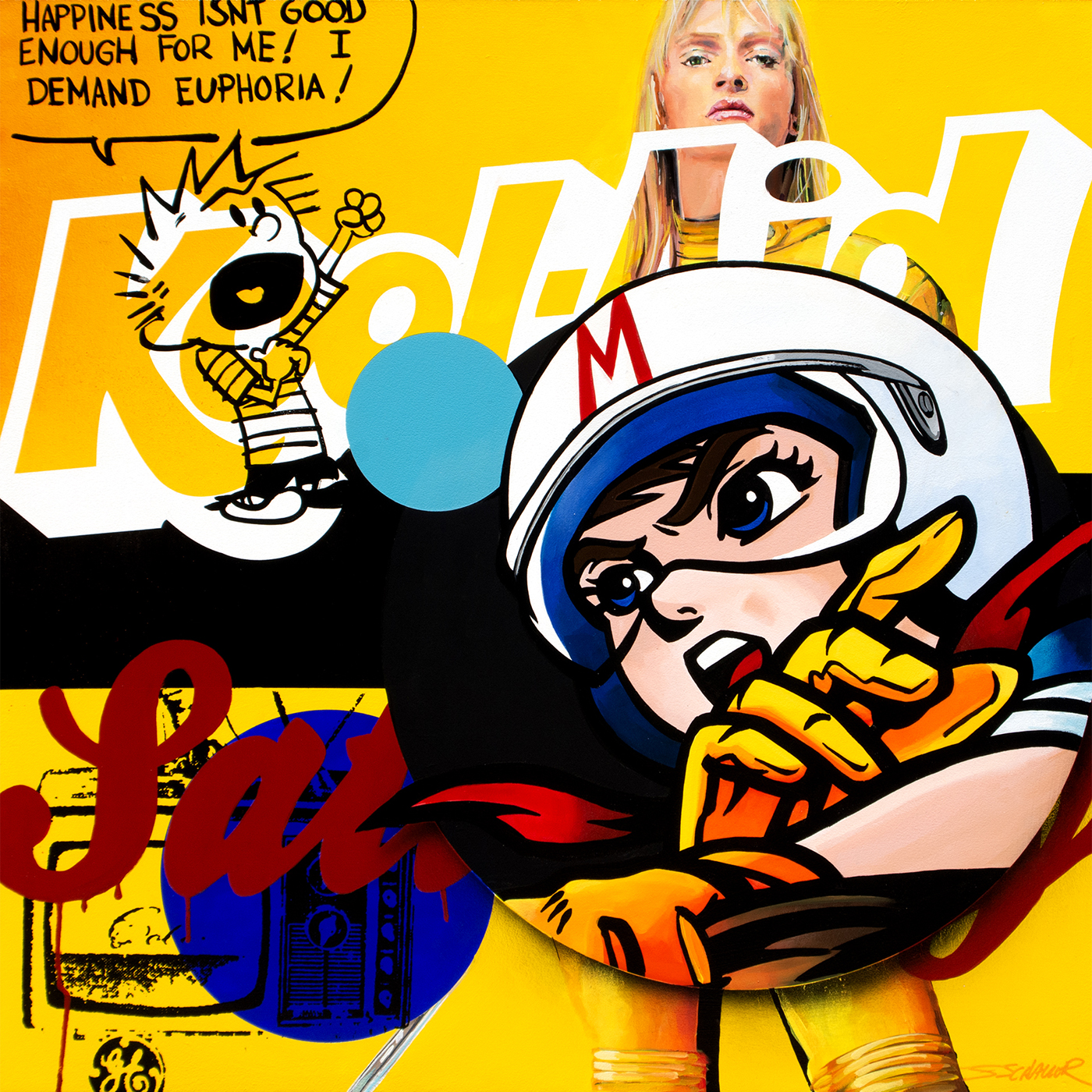
]]>In this episode, Jeff shares insights on organizing studio tours, highlights the benefits for participating artists (and which artists do well during open studios), and emphasizes the importance of self-marketing. We touch on effective marketing strategies (he likes a catalog), his budget and associated costs, and more.
The post Selling Directly to Collectors at Open Studios with Jeff Schaller (ep. 195) appeared first on Art Biz Success.
]]>




The post Selling Directly to Collectors at Open Studios with Jeff Schaller (ep. 195) appeared first on Art Biz Success.
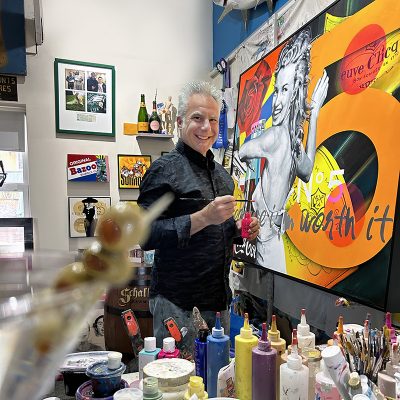
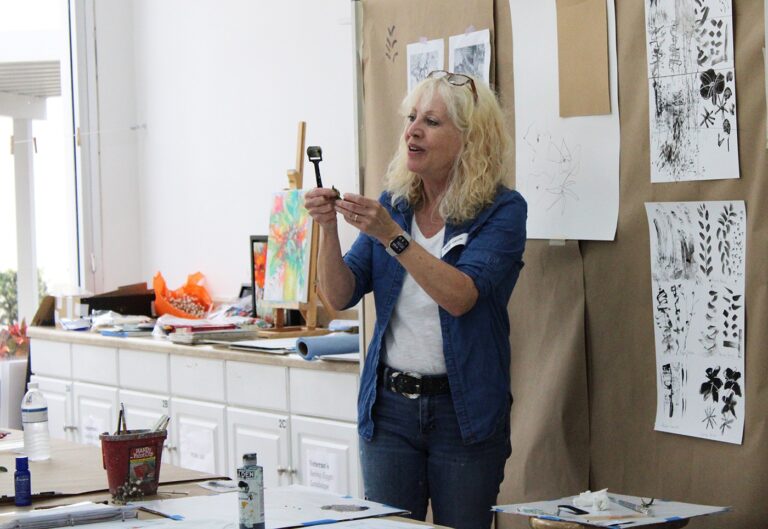
]]>In this conversation, Monique shares her income streams, how she uses her email list, and how she was motivated to do a Black Friday sale after working on her money plan with me and noticing that her gallery sales were down for the year.
The post Smart strategies for artist income growth with Monique Carr (193) appeared first on Art Biz Success.
]]>




The post Smart strategies for artist income growth with Monique Carr (193) appeared first on Art Biz Success.
]]>This is from Parker Stevenson's interview with me on The Bottom Line by Evolved Finance podcast.
The post The Art Biz ep. 161: My Money Odyssey and the Evolution of Art Biz Success appeared first on Art Biz Success.
]]>
In this episode of The Art Biz, I share my money story from an interview with Parker Stevenson of The Bottom Line by Evolved Finance.
It’s the money story of an average person from a middle income family.
You will hear me talk about …
- How my dad taught me to balance my checkbook (and how it was radically different from my mother’s suggestion).
- How I learned to ask for money by collecting donations for charities as a little girl.
- Setting the curve in my accounting classes at the University of Wyoming (which, by the way, I’m still waiting on some kind of badge for. Or at least an invitation into the accounting 101 hall of fame at UW).
- Gaming the system at the U.S. Senate credit union, to get cash because I knew the checks I was writing would take 8 days to process.
- How little money I had when I quit my museum job to start my business.

I also mention my income accelerator, a process I developed and am teaching live in the upcoming workshop The Money Plan (no longer available).
Before we started, I told Parker I didn’t think I had much to say. I guess I was wrong. I hope you enjoy this conversation from The Bottom Line by Evolved Finance.



The post The Art Biz ep. 161: My Money Odyssey and the Evolution of Art Biz Success appeared first on Art Biz Success.
]]>In this episode, I discuss why you might want to diversify beyond originals, how to categorize your income sources, and how to analyze where the money has come from in the past so you can plan for the future.
The post How do artists make money? (159) appeared first on Art Biz Success.
]]>


The post How do artists make money? (159) appeared first on Art Biz Success.
]]>It involves 4 steps that begin with a realistic look at where you are right now and projecting based on your activity, goals, and lifestyle. The secret sauce is your motivation to work the plan.
The post A realistic strategy for increasing your income (99) appeared first on Art Biz Success.
]]>Don’t be content to break even when running an art business. You need money to survive and shouldn’t be ashamed to admit it. Everyone needs an income to put a roof over their heads and food on the table.
That means you need to make a profit. You need for your expenses to be lower—far lower—than your income.

One of the best things you can do to improve your chance of success in any area is to create a plan. If you’d like to make more money—especially if you’re trying to make a living from your art—you need an income-accelerating plan.
I’m going to tell you exactly what that looks like and how to go through the process. I think it’s helpful to start with an income-accelerating plan before you make other plans. It helps to know how much you need and want to make and then you can select the projects to support that goal.
If you’ve been listening awhile, you know that one of my super powers is to help artists make plans. This is something that I do best in my private consulting.
So what if you’re hyper focused on profitability and need that income-boosting plan before you join me in the planning sessions. How do you do it?
I developed a process called, conveniently, the Income Accelerator. We actually make a plan to increase income.
I know what you’re thinking because I’ve heard it many times before. It goes something like this: How can I plan for more money when I don’t know when my art will sell or who will buy it?
I get it. You make a plan because you’re the CEO of your art business and that’s what CEOs do. They make business projections. They have to in order to attract buy-in to their products and services.
This is particularly important when you need to make a living from your art.
While you don’t have any control over results, you do have control over the actions you take (or don’t take) to get the results. Take charge, like I said back in episode 96. Be the CEO of your art business and of your life.
Here are the 4 Steps to accelerate your income.
Music by Wildermiss
Step 1: Find Out Where the Money Came From
In order to boost your income, you have to know what it is currently, what it was in the past, and where it all came from. This requires a little detective work.
For the purposes of this exercise, you’re going to focus on your gross sales. Ready to get real?
Gather your sales figures for the past 3 years. You can use a different time period, but this is my suggested starting point.
What were your streams of income during this period? These are the sources of your income and vary from artist to artist.

Examples of income streams include:
- Selling original works
- Selling reproductions
- Teaching
- Licensing
- Merchandising
You will still have multiple income streams even if you sell only original works or make all of your money from teaching. If you only sell original work, your income streams might be categorized according to venues. For example, arts festivals, personal website, social media, and galleries.
Likewise, if you sell original work only online, you might break down your income streams into how people found you. This could mean your income categories are your blog, Facebook, and Instagram.
If you only make money from teaching, you would break down the income according to classes and workshops.

Now for some calculations. (Warning! Math is going to be involved, but you can do it.)
What are the sales totals for each income stream during the selected time period? When you have that number, determine the percentage of each in relation to your total sales. That is the dollar amount in sales for that income stream divided by the total sales.
For example, if your gross income for one of the given years was $10,000 and $1,000 of that came from teaching, that would mean that 10% of your gross income (1,000 divided by 10,000) was from teaching. Go ahead and figure out the percentages of each income stream for the records you are working with.
Step 2: Analyze Your Numbers
This means spending time looking at the numbers in front of you: sales totals and percentages of each income stream compared to the total.
Whereas step 1 required detective work and a lot of digging, this step requires patience and openness. They might not make sense at first, but I guarantee that a story will emerge as they become familiar.

Here are some questions you might want answered.
What are the trends you see across the months and years?
What events happened to lead to your results? In other words, did your income increase when you had more in-person shows or when you doubled down on online sales?
What surprised you?
Where do you see room for growth?
Step 3: Set Your Income Goal
This is where those CEO projections I mentioned earlier come into play.
Again, you don’t have control over the outcome, but you do have control over your actions. You have control over how big you think or how small you stay.
After gathering your numbers and analyzing them during the first two steps, you aren’t pulling a number out of a hat when you set an income goal. Your goal, be it for 3, 6, or 12 months, is based in data from the past and thoughtful consideration of what is possible in the future. It’s realistic.

As you were analyzing the numbers in step 2, did you discover that you’re naturally increasing your gross income 10% every year? If so, set an income goal of a 20% or 30% increase for this time period because it’s a stretch, but not out of the realm of possibility. Of course you want to keep your expenses the same so that your profit margin goes up.
How are you going ensure that you aren’t merely breaking even, but actually turning a profit?
What’s the exact number that will make your business profitable (or more profitable) in the next 6-12 months?
How much would you need to bring in in order to make a 10% profit? 20% profit? 30% profit?
Step 4: Set Yourself Up for Success
You are now ready to make a plan that will allow you to achieve your new income goal.
This is kind of a plan within your plan. You need to commit to actions that will help you attain your income goal.

The projects and tasks you choose to add to an income-accelerating plan will depend on the timespan you’ve identified to reach your goal, be it 3, 6, or 12 months. Think of the things you do that might produce additional income.
- Showing your work
- Having a sale
- Sending emails
- Posting to social media
- Reaching out to individuals
- Hosting private parties
- Teaching
What makes sense for you at this time?
This is where strategic planning with me come into play. My process helps you get very clear about your current commitments and what you do or do not have time or bandwidth for in your schedule.
For example, if you’d really like to hustle and make up some lost ground between now and the end of the year, it is not the time to add an extra income stream. You likely already have a lot on your calendar at this late date in the year. (You can do what we do in the planning sessions and add up the actual hours you already have committed on your calendar. Mind. Blowing.)
Rather than adding a new income stream, this is the time to double down on what you already have in place, and the time to get real about what is required to be profitable with that work. It’s the time to work smarter, not harder.
An income goal in the more distant future would allow more lead time to add additional income streams.
Your goal is to increase income and lower expenses—all expenses except for paying yourself. I want you to keep (or start!) paying yourself. At the same time, I’d encourage you to increase joy and lower your frustration level. Embrace more of doing what you love while minimizing doing what you don’t love.
Watch My Livestream on This Topic
View this post on Instagram
Artists who go through the income-accelerating process have told me that it is empowering. It’s daunting, I admit. But you will dramatically up your business IQ when you understand where the money came from, where it can come from, and how you can make it happen. You will begin to more easily visualize a profitable future.
Music by Wildermiss
This post was originally published on January 17, 2018 and has been updated with the podcast added. Original comments are intact.
The post A realistic strategy for increasing your income (99) appeared first on Art Biz Success.
]]>Mind you, the organizations and agencies aren’t cheap with the patrons and board members with the big bank accounts. They are cheap with the artists, without whom their passionate interest would not exist.
Artists, in turn, grow to feel they are not worthy of more.
Don’t get me wrong. Frugality isn’t inherently bad. In fact, it can be good.
I don’t believe in spending for spending’s sake or in extravagance.
But frugality becomes detrimental when it feeds the notion that we are not worthy of more.
Many of my clients develop this sense of unworthiness that is perpetuated by the very organizations that were created to serve them.
I confess that I behaved similarly in the past.
For years I have been writing about how artists can show that their work has value. But I continued to allow the organizers who hired me for workshops to do things “on the cheap,” and I was doing the same with the workshops and events I organized myself.
How can I save money? was my modus operandi.
My first workshop, in 2003, was held at an office building that a friend managed. I recall my parents (!) picking up and delivering boxed lunches to the group.
At a much later workshop, I ran my team ragged making coffee all day long - trekking repeatedly to the kitchen on the other end of the building. Coffee! Because I didn’t pay for a venue that had food service.
No more.
I began attending
The post Is Being Too Cheap Hurting Your Art Business? appeared first on Art Biz Success.
]]>It starts at the top with arts organizations and agencies, and then it filters down into all aspects of the art economy.
Mind you, the organizations and agencies aren’t cheap with the patrons and board members with the big bank accounts. They are cheap with the artists, without whom their passionate interest would not exist.
Artists, in turn, grow to feel they are not worthy of more.
Watch The Video
Watch the IGTV video from June 23, 2021 or keep reading for more.
View this post on Instagram
Frugality Isn’t Bad
Don’t get me wrong. Frugality isn’t inherently bad. In fact, it can be good.
I don’t believe in spending for spending’s sake or in extravagance.
But frugality becomes detrimental when it feeds the notion that we are not worthy of more.
Many of my clients develop this sense of unworthiness that is perpetuated by the very organizations that were created to serve them.
I confess that I behaved similarly in the past.

For years I have been writing about how artists can show that their work has value. But I continued to allow the organizers who hired me for workshops to do things “on the cheap,” and I was doing the same with the workshops and events I organized myself.
How can I save money? was my modus operandi.
My first workshop, in 2003, was held at an office building that a friend managed. I recall my parents (!) picking up and delivering boxed lunches to the group.
At a much later workshop, I ran my team ragged making coffee all day long—trekking repeatedly to the kitchen on the other end of the building. Coffee! Because I didn’t pay for a venue that had food service. And because I didn’t charge enough to offer these services.
No more.

I began attending “nice” conferences for marketing, mindset, and software. These conferences were set up with white tablecloths, fresh flowers, music, sophisticated audio-visual systems, and bright spaces.
I realized that the people and companies that were producing these conferences would have never treated their guests as cheaply as artists are treated.
So I modeled what they are doing, and this is what my guests experience when they come to the workshops I host.
If I ask you to embrace an abundance mindset, as I do, you need to be treated like you already have on— and that you deserve it.
I decided back in 2013 to take over my own workshops and adopt a new mantra: How can I provide the best value while showing my artist-guests that they and the work they do are valued. And I charged more for this experience.
Are you Out of Alignment?

People who look for quality tend to look for it in every aspect of their lives.
You can’t advocate cheap materials, products, and services from one side of your mouth and ask for high-dollar sales from the other side. These are conflicting messages to the Universe and to your potential collectors.
I know an artist who makes beautiful handmade, high-end furniture. My husband and I were having dinner with him and his wife, and they began ranting about their daughter who had purchased a $25 toilet paper holder. $25! They couldn’t believe she spent so much money on a toilet paper holder.
Now I really have no idea that the toilet paper holder was or wasn’t worth $25.
All I know is what I asked him next: You do understand that the people you want to buy your furniture probably pay more than $25 for their toilet paper holders? Your mindset—that you shouldn’t spend a little extra for things you appreciate—is out of alignment with what you want people to spend on your work.
Your Penny-Pinching Can Hurt Art Sales and Opportunities
You must remember that you are not your ideal art buyer or collector. You can’t ask, “What would I pay for this?”
If you come from a less-than-abundant place, it’s time to do some work on your money mindset.
Consider these questions.
- How do others treat you at your art organization meetings, in your booth, or online?
- How do you treat yourself? Do you look for quality or do you buy what’s least expensive? Do you settle for what is worn down and broken even though you could do better work with new tools?
- How do you treat your art? Are you using the best materials so that you can show the highest value? Are you investing in excellent photography or learning how to improve your own photo abilities?
- How do you treat others? Do you share generously or do you keep the good stuff to yourself – afraid that there isn’t enough to go around? And the corollary to that … Do you place a high enough value on your time and expertise? Or are you giving everything away and keeping nothing for yourself. This is being frugal with yourself and your value.
Let’s start treating each other (and ourselves) like we are as worthy of abundance as our patrons.
Related: How to Feel More Abundant
This post was originally published on August 31, 2017, and has been updated with the very useful comments intact.
The post Is Being Too Cheap Hurting Your Art Business? appeared first on Art Biz Success.
]]>