motivation Archives - Art Biz Success https://dy-online.com/tag/motivation/ Trusted Art Business Coaching and Consulting Thu, 04 Jun 2026 18:42:30 +0000 en-US hourly 1 https://wordpress.org/?v=7.1.4 https://dy-online.com/wp-content/uploads/2022/02/favicon-2-150x150.png motivation Archives - Art Biz Success https://dy-online.com/tag/motivation/ 32 32 What You’re Not Doing: 7 Mistakes Artists Make https://dy-online.com/biggest-mistakes-artists-make/ https://dy-online.com/biggest-mistakes-artists-make/#comments Thu, 03 Jul 2025 12:48:28 +0000 http://artbizsuccess.com/?p=19244 Over the past decade, my thinking about artists’ mistakes has evolved. Most aren’t dramatic failures—they’re quiet habits of avoidance. In this updated post, I group the seven biggest mistakes into three themes: mindset, connection, and structure. Each includes a reflection to help you take honest inventory.

These aren’t fatal flaws—they’re invitations to shift. Awareness is the first step toward momentum in your art career.

The post What You’re Not Doing: 7 Mistakes Artists Make appeared first on Art Biz Success.

]]>

It’s been over a decade since I first wrote about the most common mistakes artists make in their businesses.

At the time, I saw these missteps mostly as wrong moves—errors in strategy, missed opportunities, poor habits. But over the years, my thinking has shifted.

Farnsworth House
At Mies van der Rohe’s masterpiece, Farnsworth House, Plano, Illinois, 2012.

What I see now is that the biggest mistakes aren’t dramatic blunders. They’re subtle. Quiet. Easy to rationalize.

Most of them boil down to this: not taking action.

Not following up. Not showing up. Not deciding. Not believing in your role.

And while these mistakes can slow you down or keep you stuck, none of them are fatal. Once you see them clearly—and own your truth—it’s surprisingly easy to course correct.

I’m sharing these now—here and in the latest episode of The Art Biz—not to make you feel bad, but because I know how much time and energy can be saved by naming these patterns early and breaking them. I’ve grouped them into three themes to help you see not just what’s happening, but why—and where you can begin to shift.

And because no artist wants to have their work featured on an article about mistakes, I’ve “illustrated” this post with some architectural photos I’ve taken over the years. 😇

Listen

VISION and MINDSET MISTAKES

These are the missteps that happen when you haven’t fully claimed what you want, why you’re doing this, or who you’re becoming through your art business.

They may not feel like “mistakes” in the moment—but over time, they quietly shape your outcomes.

Lack of Vision

It’s hard to build momentum when you don’t know where you’re going—or what you’re building toward.

I’m not talking about rigid 5-year plans, but a deeper clarity about your values, your goals, and what kind of life and art practice you want.

When you’re unclear, everything feels like a distraction. Or worse, you build a business that doesn’t actually serve you.

What do you want from your art?

Waiting for the Perfect Time

Many artists tell themselves they’ll launch, apply, join, ask for help, post, or promote “when the time is right.”

But there is no such thing as the perfect time. Waiting becomes a hiding place. Growth happens when you take action—even the smallest steps—before you feel completely ready.

There is a difference between being underprepared and being afraid. Learn to discern between the two before life and opportunities disappear.

What are you waiting for?

What are you waiting for?

Outdated Stories

Sometimes the thing holding you back isn’t a bad habit—it’s a story that used to work for you but no longer does.

Maybe it’s the belief that real artists don’t promote themselves. Or that gallery representation is the only path to legitimacy. Or that because you work in one medium, you must stay in that lane forever.

Let go of what no longer fits. Let your art—and your identity—evolve.

This is why we need to take stock every year in the annual review.

What may no longer be true for you?

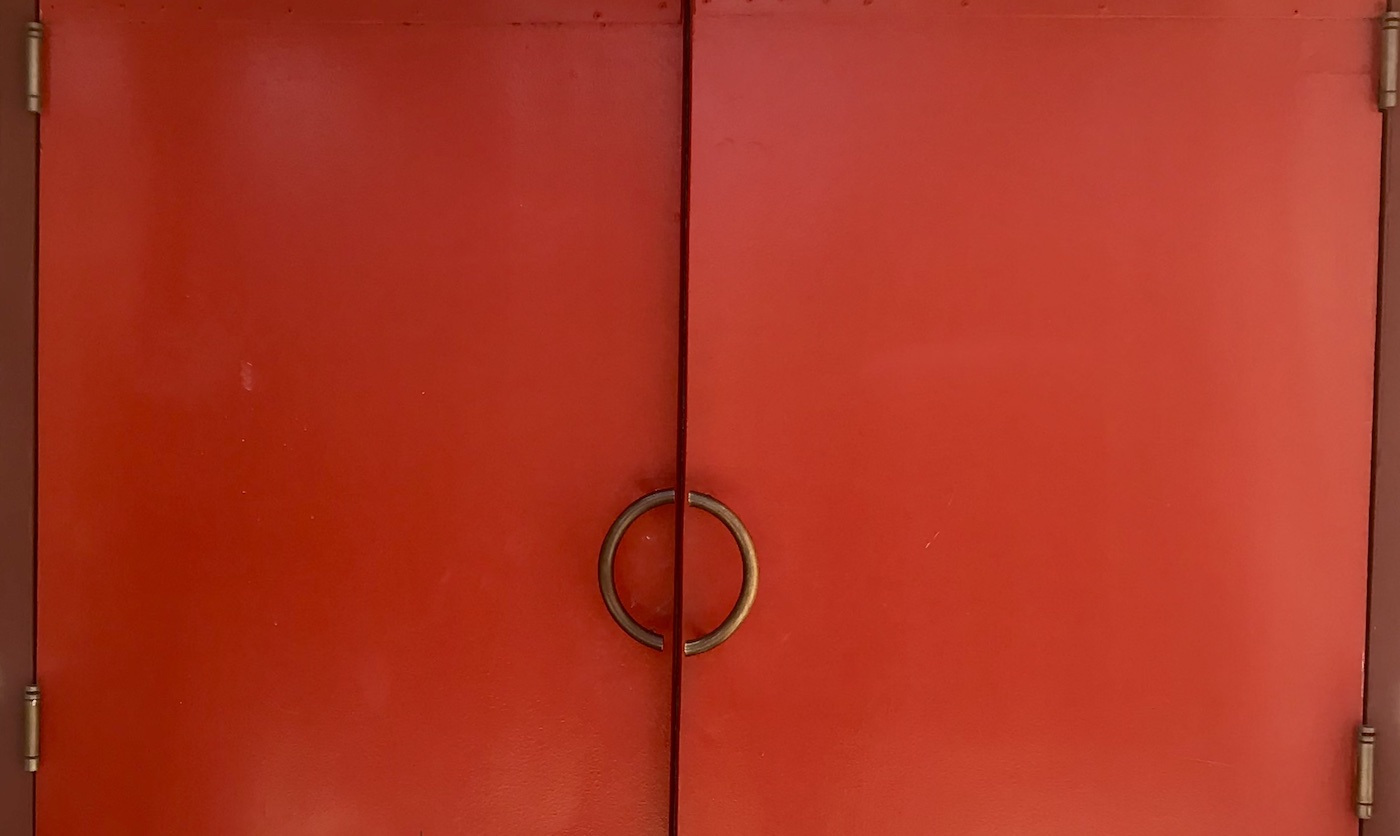
Red doors at Frank Loyd Wright's Taliesin West
Detail of red doors at Frank Lloyd Wright’s Taliesin West.

CONNECTION and COMMUNITY MISTAKES

No art business thrives in isolation. Yet many artists underestimate the power of relationships—or avoid them altogether.

Whether it’s fear of being seen, discomfort with selling, or a desire to “just focus on the work,” these mistakes lead to unnecessary struggle and missed opportunities.

Building in a Bubble

It’s easy to stay in the familiar: the same art groups, the same shows, the same online habits. Or to hide behind your screen, convinced that posting on social media is the same as engaging.

But growth requires input. Challenge. Collaboration. Your community expands your perspective, introduces you to new opportunities, and helps you stay visible.

Avoiding connection often feels safe. But it keeps your work small and your confidence fragile.

Who’s just outside your circle that you’d like to know better?

Who is just outside your circle that you'd like to know better?

Overestimating Others, Underestimating Yourself

This one lives on both ends of the spectrum. Some artists place too much hope in gallerists, curators, or mythical agents who will “take care of the business stuff.” Others go full DIY, stubbornly refusing help, and exhausting themselves trying to do everything alone.

Both approaches are misguided.

You are your best advocate. No one can speak for your work the way you can. And no one cares about your career more than you do. But that doesn’t mean you have to go it alone. Learn to collaborate. Delegate. Ask. Lead.

Just don’t disappear from the process.

Who are you hoping will rescue you? What resources are at your fingertips that you aren’t taking advantage of?

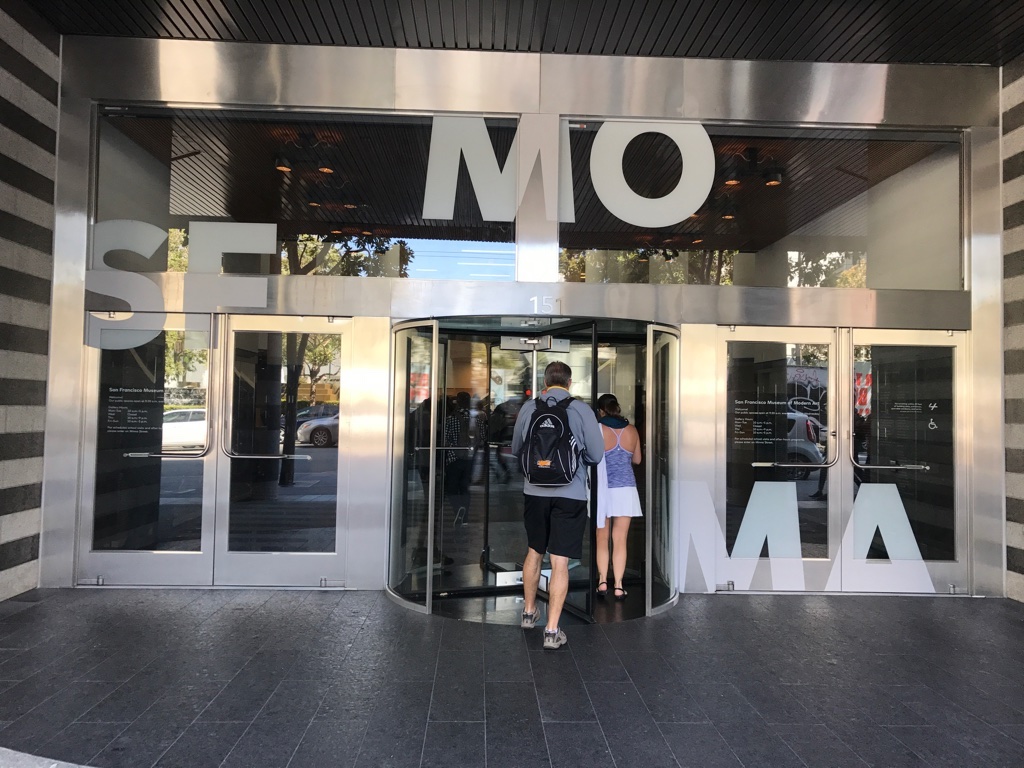
Mario Botta entry doors SFMOMA
The beautiful Mario Botta entry doors to SFMOMA.

STRUCTURE and SUPPORT MISTAKES

These are the unglamorous parts of the art business—the operations, the logistics, the systems.

It’s tempting to ignore them, especially if you’re more focused on creating than organizing. But these behind-the-scenes habits are what allow your work to grow, reach people, and generate income. They are absolutely necessary for a successful art business.

Neglecting the Foundation

Every business needs support structures: follow-up systems, financial tracking, legal protections, and a basic workflow. Without these, you end up patching holes instead of building momentum.

Avoiding the numbers, forgetting to invoice, putting off contracts—none of these make the uncomfortable parts go away. They only delay your progress and add unnecessary stress.

Solid foundations don’t have to be perfect or complicated. They just have to exist for peace of mind.

What are the holes in your foundation?

Sending the Wrong Message

You may be thoughtful and professional, but if your presentation doesn’t reflect that—people won’t know.

Unclear or sloppy websites, inconsistent messaging, poor photos, or missed deadlines all quietly signal: “I’m not ready” or “I don’t really know what I’m doing.”

But the good news is, this is one of the easiest mistakes to fix. Tighten your presentation. Polish your communication. Make sure everything that faces the public feels aligned with who you are—and where you’re headed.

What part of your online presence or promotional material makes you cringe?

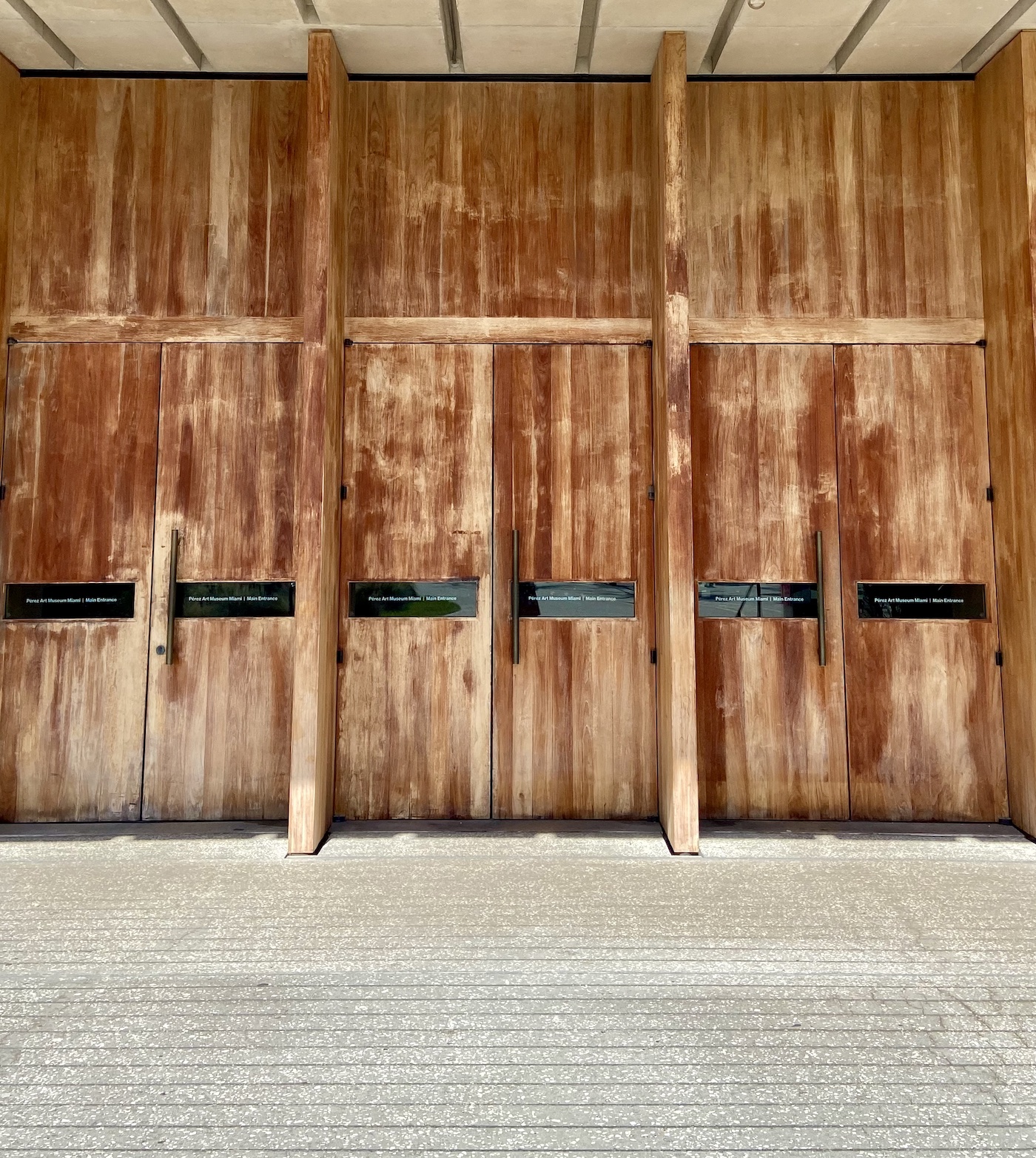
Perez Art Museum in Miami
The steps to the doors of the Perez Art Museum in Miami.

Own It and Move On

If you recognized yourself in any of these mistakes, take heart. None of them mean you’ve failed. Every artist—every entrepreneur—makes missteps. What matters is that you’re willing to look honestly, take responsibility, and adjust.

Growth doesn’t require perfection. It just requires action.

And once you stop avoiding, delaying, or outsourcing your power—everything starts to shift.

What would change in your art business if you owned just one of these truths this week?

This article was originally posted on May 7, 2015 and has been updated with original comments intact.

The post What You’re Not Doing: 7 Mistakes Artists Make appeared first on Art Biz Success.

]]>
https://dy-online.com/biggest-mistakes-artists-make/feed/ 52
Beyond Motivation: Deadlines and Accountability Drive Action (ep. 198) https://dy-online.com/deadlines-accountability/ Thu, 01 Aug 2024 12:43:17 +0000 https://dy-online.com/?p=50527 It's fun to start a new project, but, if you struggle to stay motivated through completion, the ideas remain good ideas. In this episode of The Art Biz, I reveal strategies for unlocking productivity and success that I have learned for myself and clients. Learn how setting clear deadlines and establishing both internal and external accountability can drive you to conquer procrastination, finish projects, and achieve your professional ambitions.

The post Beyond Motivation: Deadlines and Accountability Drive Action (ep. 198) appeared first on Art Biz Success.

]]>
What’s on your calendar that you’re excited about?

What shows, workshops, or events have you committed to that are going to motivate you for the foreseeable future?

If you’re saying, Not much, you have a problem.

You need plans on your calendar that spark anticipation and enthusiasm and come with built-in deadlines. And, more than anything, you need accountability.

Let’s talk about why you need plans, deadlines, and accountability, and then I’ll tell you how they work for me and my clients on a practical level.

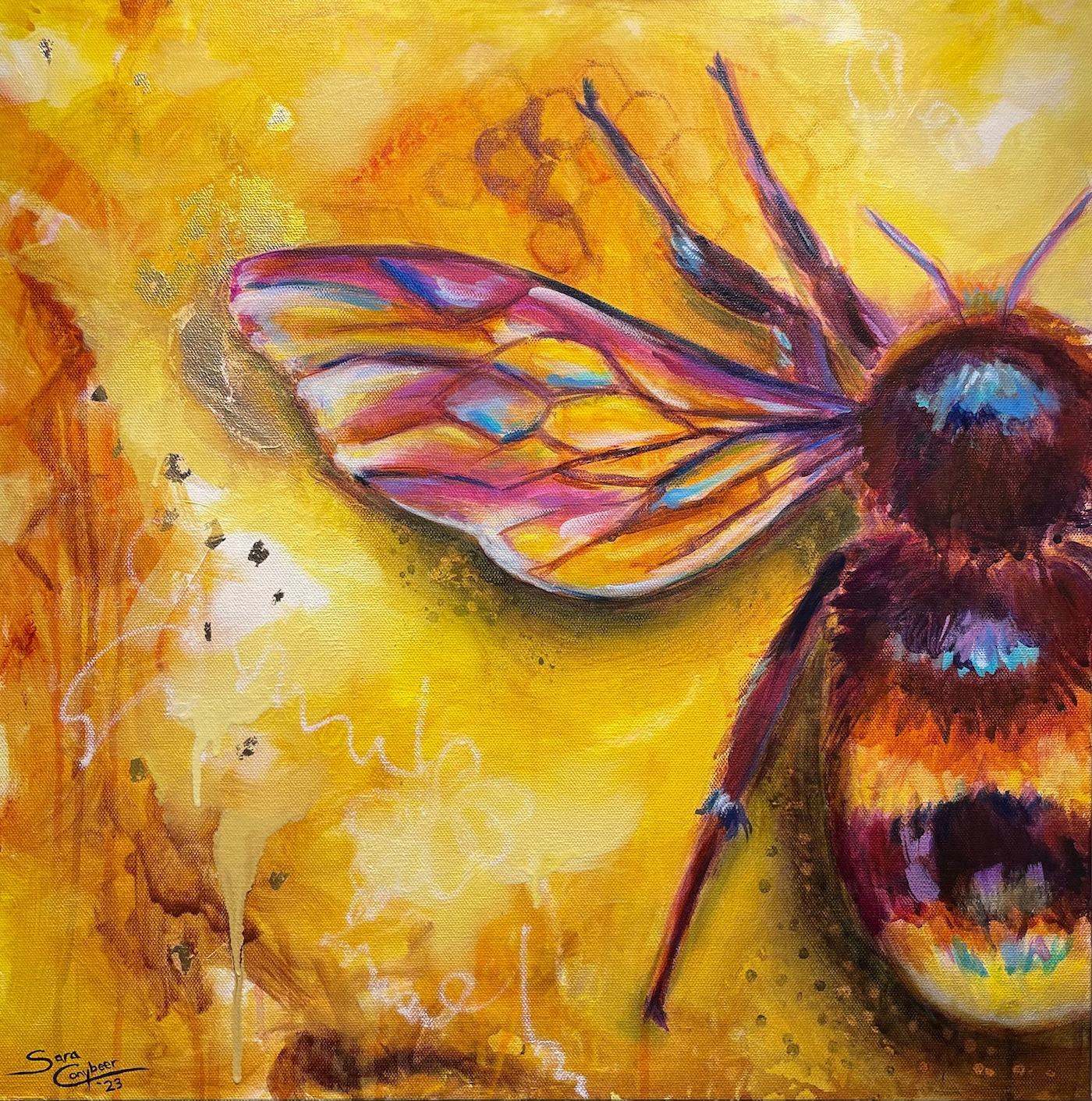
Sara Conybeer oil painting
©Sara Conybeer, Poetry of Life. Oils over mixed media on canvas, 20 x 20 inches.

Time-Wasting Shenanigans

When there are no big plans on the horizon you may flounder—finding it easier to procrastinate.

Without something to work toward, you lull yourself into the same routine day in and day out. You check social media, post to Instagram, send a newsletter, work in the studio. Repeat. Repeat.

You also get tangled up in news, as I have recently spent far too much time looking at headlines related to the election here in the States. Or you begin organizing everything in your house, which, of course, you reorganized two months ago when you had the same urge.

If neither of those, you might find yourself trapped in other time-wasting shenanigans. You’re dealing with the everyday. Going through the motions.

There’s zero motivation. Most consequentially, you’ve lost your North Star, the reason and the way for moving forward.

The bottom line is that you might be marking things off the list, but you aren’t moving the needle. You’re falling into a cycle of procrastination and stagnation, hindering your artistic growth and business potential.

I couldn’t write about this if I haven’t experienced it myself.

Listen to this Episode of The Art Biz

Identify Your Motivation

What motivates me these days is a deep desire to serve people. It just so happens that my chosen people are artists. I have so much experience that I know can help.

And I have thousands (literally thousands) of business tips and strategies on the blog, podcast, YouTube channel, and in my online classes that I’ve been leading for more than 2 decades.  [ Check out my Essentials for Artist Success and planning workshops that are always available. ]

This is all in addition to my book, which had 3 separate print editions and one digital-only edition.

One of the ways I believe I can be of highest service is to make sense of all of this information for my students and clients. To bring it together and connect it so that it’s more useful. This is a huge motivator for me.

But there is no deadline attached to it. It’s ongoing—alongside, I might add, new and updated articles, podcasts, and videos that I continue share every week. It’s a moving target!

I have to find some way to prioritize it, and I promise I’m getting to how I do that.

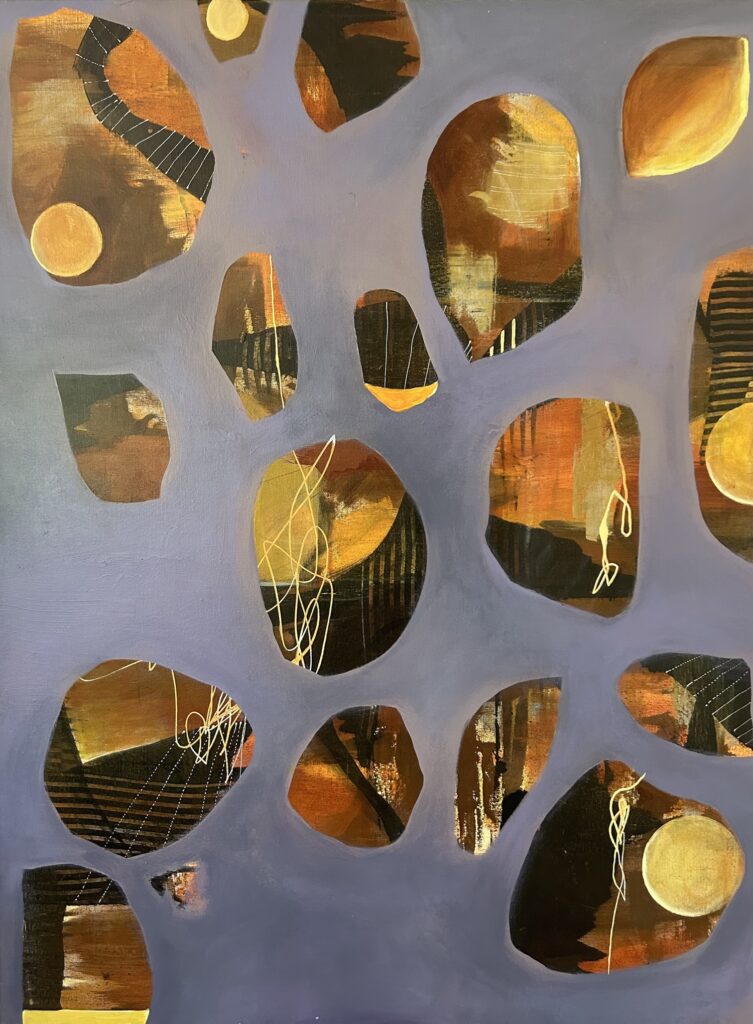
Mandy Bankson acrylic painting
©Mandy Bankson, No Stone Left Unturned. Acrylic on canvas, 40 x 30 inches.

Challenge Yourself for Growth

I’m doing it a little for myself because it’s my legacy and I have a deep desire to know that it means something. I want to see how it all works together—kind of like when you curate an exhibition or installation of your art and find new connections among pieces. But mostly I’m doing it to facilitate a better learning experience for my clients and students.

Here’s the thing: Nobody asked me to do this. The enormity of this project rests solely on my shoulders.

This also means that nobody is waiting on it.

But the WHY behind it all—my motivation—is powerful. Plus I am a sucker for a good challenge to continually improve myself and my work.

And I am a firm believer that postponing action is only postponing any potential positive results.

Your big challenge might be an upcoming solo exhibition, creating a new online course, or revamping your website. Of that list, only a solo exhibition has firm deadlines that come from others who are waiting on you to deliver images, text, and the artwork itself.

The other two—an online course and revamped website—have self-imposed deadlines. There are ways to make those seem more urgent, so let’s talk about deadlines.

Elana Kundell oil painting
©Elana Kundell, Solitude. Oil on panel, 11 x 14 inches.

The Power of Deadlines

By way of example, I want to share all of the deadlines that lend structure to my calendar.

  • I publish a podcast and video every week and sometimes include an updated blog post and weekly newsletter.
  • I have twice-weekly meetings with a team member, for which I need to prepare by reviewing tasks and projects.
  • I write a Monday bulletin for our members.
  • I host almost-weekly live sessions with my students and Accelerator coaching group.

It’s undeniable that deadlines provide strong motivation. My students and clients tell me that they feel more driven when a deadline is in place. Without an upcoming exhibition to mount or a commission to finish, they flounder. They’re not motivated. That’s why it’s vital to always have something to look forward to on your calendar.

I was just reading that, early in his career, artist Paul Rucker scheduled 1 exhibition a month—presumably to build momentum and have those deadlines. One per month! That’s dedication!

By example, I schedule classes, podcast episodes, and events without planning every detail because I know the deadline will drive me to completion.

But we also have to look out for what could happen with too many obligations on your schedule. The constant barrage of looming deadlines for shows will wear you down, and it’s crucial to note that not everyone is fueled by a busy schedule. For some people having too many obligations is too much. If this is you, at some point, you’ll tank, close the binds, and curl up in a fetal position on your studio floor.

We need to have some kind of check on our commitments.

This brings me to what I think is the biggest secret for getting things done: Accountability—both internal and external.

Yelena Khanevskaya oil painting
©Yelena Khanevskaya, Mirror, Mirror. Oil on wood, 18 inches in diameter.

Internal Accountability

A deadline, whether it is self-imposed or handed to you by someone else, is, ultimately a form of accountability. Like me, you’re probably pretty good at following through on these time-bound commitments.

Self-accountability for such projects might be as simple as setting milestones, breaking down the tasks into a manageable schedule, and conducting a weekly review of the project to make sure you’re staying on track. If you follow through with all of those steps, you’re in good shape.

I give you a process for honoring these commitments and the ones you make to yourself in my planning workshops.

If you aren’t familiar, my planning workshops are sessions I lead 3x a year to help you make a plan for the upcoming season and beyond. AND to make sure that you aren’t over-committed—that you have just the right level of challenging projects and space for creativity and self-care.

The next sessions are coming up, and you can save a little when you sign up early. So you want to be sure to be on the notification list. Add your name to that list or sign up now if registration is available when you read this.

After one of my planning workshops, Margaret Galvin Johnson wrote to me: “I’ve gotten more done in the past few days than I have in the past few weeks.”

And from Mai Wyn Schantz: “I haven’t felt this focused and inspired in a long, long time!  I needed some structure and organization to get going and stay on track for the months to come.”

While it’s relatively easy to motivate ourselves to do tasks when others are waiting on us, it’s more difficult to stay the course without the built-in accountability of a deadline, so let’s talk about …

External Accountability

There are tasks that, let’s be honest, we’d rather not do, and this is where we need accountability from outside of ourselves.

If you need additional accountability for your project deadline, you have at least 3 options.

1. Find an accountability partner.

The most important thing to know when working with an accountability partner is that you both need to be on the same page and committed to one another’s progress. As partners, you rely heavily on one another and are somewhat responsible for one another’s success (or failure).

I have a mastermind partner and my assistant who have served as accountability partners for me. I meet twice weekly with my assistant to review the progress of all projects, including my big project for this summer.

2. Hire a coach.

This is a high level of accountability because you are making an investment. You have regularly scheduled calls and check-ins with your coach and know you must be prepared because you don’t want to waste your investment or your coach’s time.

3. Join a group with built-in accountability systems.

In the Art Biz Connection community, we have weekly check-ins where members update us on their progress and share their intentions for the following week. We also have group calls scheduled months in advance, so you know that you need to do the work by a certain date if you want support from our artist mentors and other members.

[ The starting point for all of my programs is with the seasonal planning workshops that I mentioned. ]

Postponing action is only postponing potential positive results.

Deadlines and accountability are not merely organizational tools—they are fundamental drivers of creative progress and personal fulfillment. The path to your success as an artist and human being is paved with deadlines met and commitments honored.

Deadlines provide the framework within which your vision takes form. They combat procrastination and instill a sense of urgency, transforming aspirations into concrete plans.

Accountability, both internal and external, reinforces this framework, providing encouragement and support.

By embracing these principles, you transition from a passive dreamer to active creator, consistently moving toward the realization of your goals.

The post Beyond Motivation: Deadlines and Accountability Drive Action (ep. 198) appeared first on Art Biz Success.

]]>
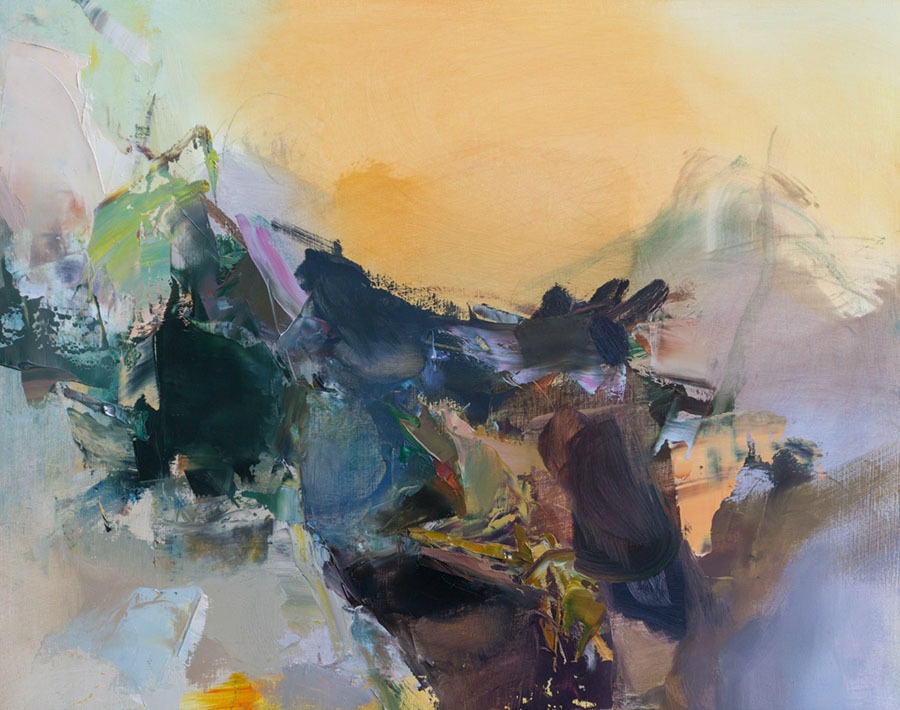
The Art Biz ep. 180: Affirmations for Artists to Keep You Motivated https://dy-online.com/affirmations-for-artists/ https://dy-online.com/affirmations-for-artists/#comments Thu, 07 Mar 2024 12:54:00 +0000 http://artbizsuccess.com/?p=25527 I believe in the power of daily affirmations. I first used them a number of years ago to increase my income and it worked. My income shot up 40% that year.

I do not believe that reciting affirmations alone will move the needle. You must have the commitment to your goals in the first place and take appropriate action to move forward.

Try them and adapt to your needs.

Video included.

The post The Art Biz ep. 180: Affirmations for Artists to Keep You Motivated appeared first on Art Biz Success.

]]>
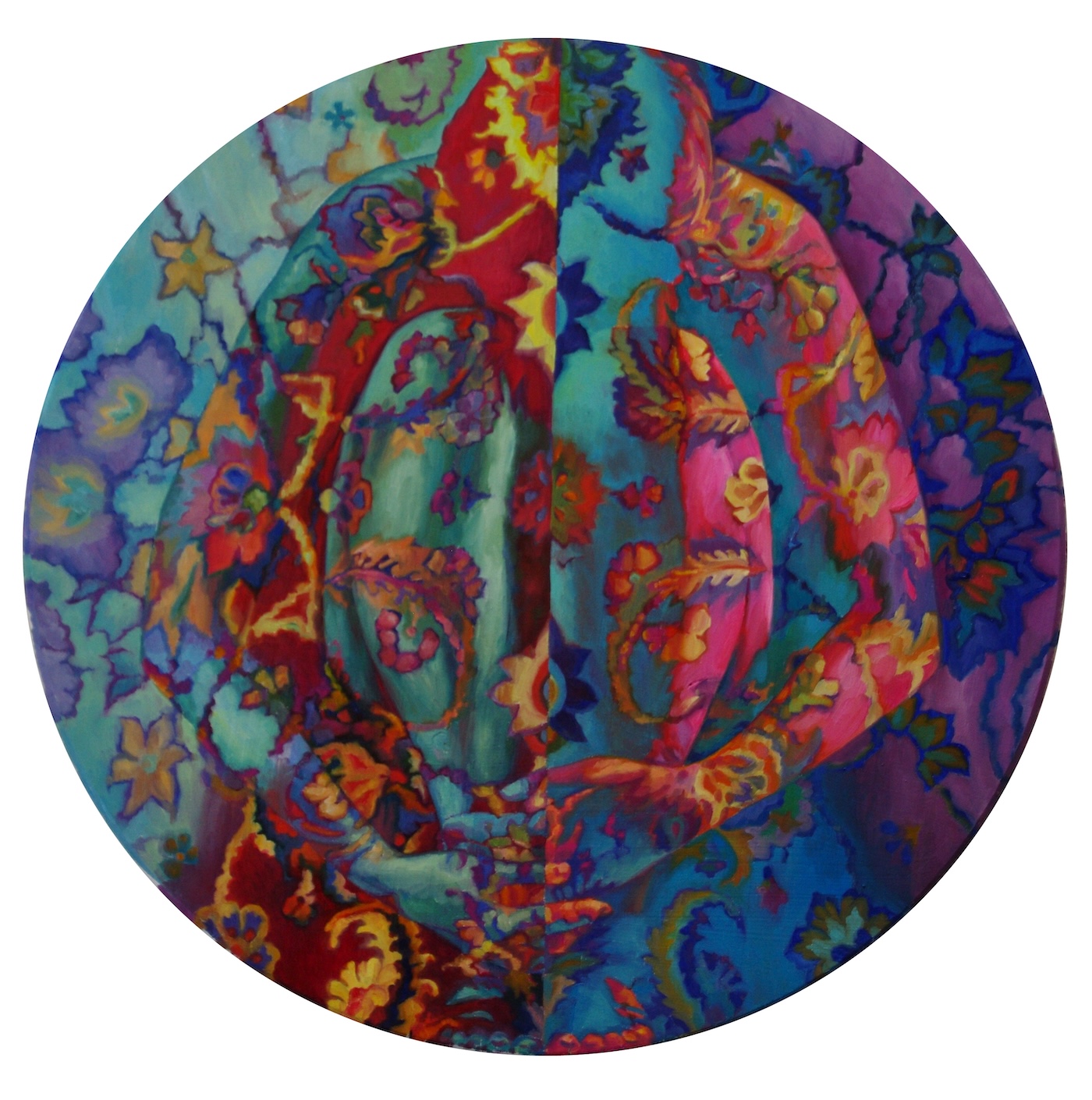
I believe in the power of daily affirmations for artists. 

I first used them for myself a number of years ago to increase my income and it worked. I increased my income 40% that year.

And while I am not now as dedicated to reciting them daily, I know I should be! I attribute the majority of my success back then to these affirmations.

What possessed me to stop?

I do not believe that reciting affirmations alone will move the needle. You must have the commitment to your goals in the first place and take appropriate action to move forward.

I encourage you to try them as a proven business accelerator tool. It can’t hurt!

In this episode of The Art Biz and accompanying video, I read 14 affirmations for artists slowly.

Then I take a break and repeat them because you don’t just say an affirmation once. You have to recite them repeatedly. They must become part of your heart. Integral to your outlook.

Use what lands for you—changing the wording to make them your own.

Prefer to read? Keep scrolling.

Listen

To Be Even More Successful, You Need People

As you can see, my affirmations are heavily weighted around the people needed to feel successful. The same is true for my art business and marketing programs at Art Biz Success.

I don’t believe in fast fixes.

I don’t believe in positive words for their own sake.

I believe that an artist’s career blossoms to the extent that they are willing to make meaningful connections to build their network. It’s the people you know who will value your work. They will show it, sell it, buy it, and tell others about it.

Collectors don’t appear out of thin air. You must cultivate collectors.

See how we do this in my Essentials for Artist Success program.

The 14 Affirmations for Artists

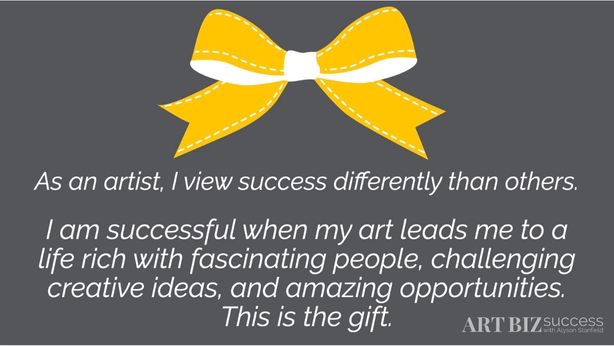
As an artist, I view success differently than others.

I am successful when my art leads me to a life rich with fascinating people, challenging creative ideas, and amazing opportunities. This is the gift.

Affirmation: I view success differently

Artists are vital to every economy and contribute to the elevated spirit of great civilizations.

I am valued in my community.

Affirmation: I am valued in my community.

My devotion to the work I do in the studio gives me the confidence I need to share it with others.

Affirmation: My devotion to the work I do in the studio gives me the confidence I need to share it with others.

I understand that a fulfilling art business and career don’t happen quickly. They are the result of hard work over years.

I am committed to the journey and appreciate the privilege I have of being an artist.

Affirmation: I am committed to the journey and appreciate the privilege I have of being an artist.

I take positive action toward my goals, dreams, and vision.

Every tiny step (even the backward ones) gets me closer to the artist and person I want to be.

Affirmation: I take positive action toward my goals, dreams, and vision.

The Universe is in a constant state of expansion.

I am part of that, which means that as long as I keep taking positive action, my career will continue to expand.

Affirmation: the universe is in a constant state of expansion.

All doors open for me and through them comes abundance in its many forms.

Affirmation: All doors open for me and through them comes abundance in its many forms.

I am dedicated to becoming a savvy businessperson so that I can take better care of my art and legacy. Nobody cares about my success as much as I do.

Affirmation: I am dedicated to becoming a savvy businessperson.

I price my work fairly and receive what it is worth from the people who value it.

[See How to Price Your Art ]

Affirmation: I price my work fairly.

My success doesn’t mean that others will have less or go without.

The Universe is infinite and abundant. There is enough for everyone.

Affirmation: The universe is infinite and abundant.

I surround myself with people and things that bring me positive energy.

Affirmation: I surround myself with positive energy.

I realize that nobody is successful without the help of others.

I am grateful to all of the people who allow me to be the artist I am—from the artists who came before me to those who make art supplies to those who show and buy my work.

Affirmation: I am grateful for the people around me.

Many people want to live with my work. Who am I to deprive them of the opportunity to become a collector?

I do my best to make sure they can find me and see the work in person.

Affirmation: I will do my best to cultivate collectors.

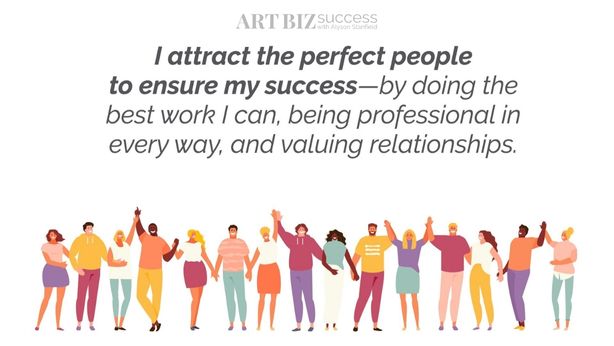
I attract the perfect people to ensure my success—by doing the best work I can, being professional in every way, and valuing relationships.

Affirmation: I attract the perfect people to ensure my success.

Related

This post was first published on November 23, 2017 and has been updated (a lot!) with fresh affirmations, a new video, and podcast episode included.

The post The Art Biz ep. 180: Affirmations for Artists to Keep You Motivated appeared first on Art Biz Success.

]]>

https://dy-online.com/affirmations-for-artists/feed/ 32
7 Essential verbs for artists to embrace (170) https://dy-online.com/essential-verbs-for-artists/ https://dy-online.com/essential-verbs-for-artists/#comments Thu, 16 Nov 2023 14:59:26 +0000 http://artbizsuccess.com/?p=24508 Action builds confidence, and you need verbs for action.

Look back on how your confidence as an artist has grown over as a result not only of reading about something or hearing about it, but of actually doing it. Making more art. Having more shows. Submitting to more opportunities.

With this in mind, I have 7 verbs to embrace, which you might not normally associate with your art career.

The post 7 Essential verbs for artists to embrace (170) appeared first on Art Biz Success.

]]>

As we learned when diagramming sentences in 4th grade, verbs are where the action is. No verb in the sentence, no action.

The first iteration of my newsletter for artists back in 2002 included a specific art business action at the end of each issue. “Do this,” it said.

My book, I’d Rather Be in the Studio, is broken down into 16 “actions” rather than chapters.

Marieke Tollenaere oil painting
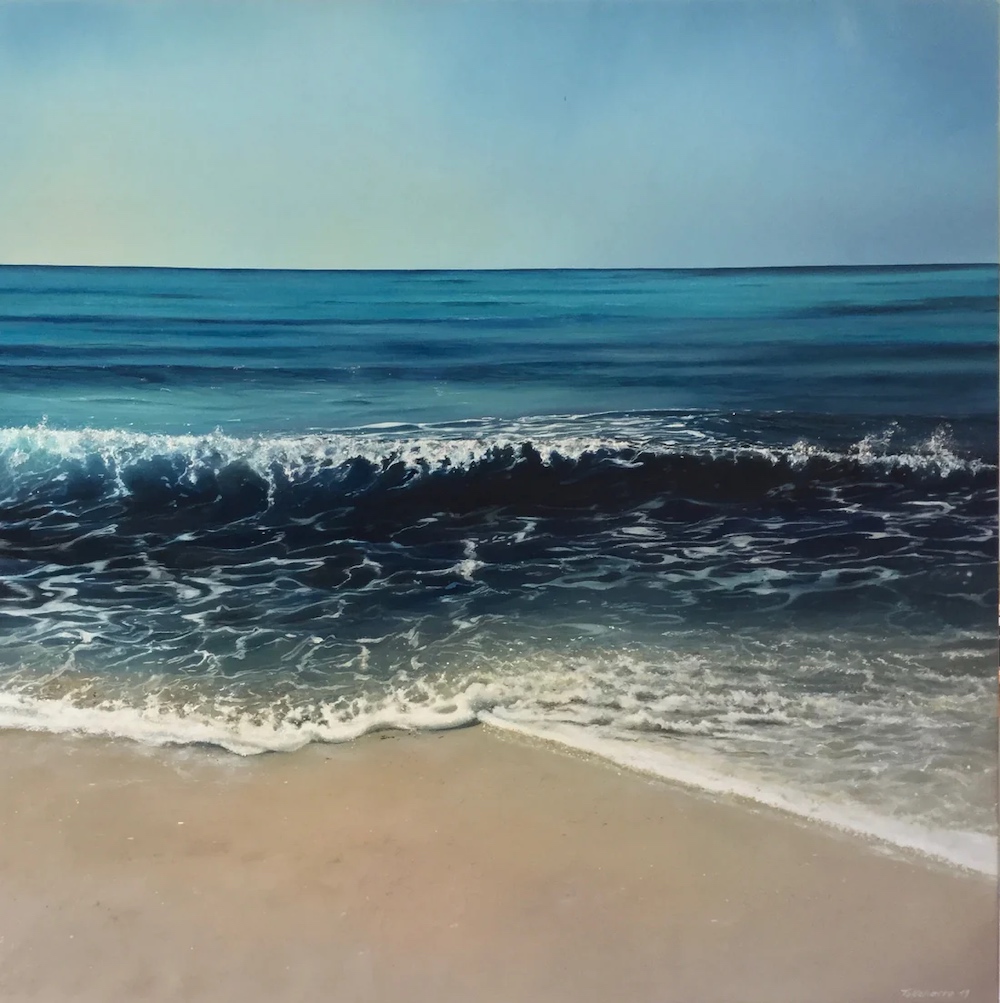
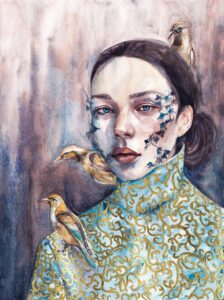
©Marieke Tollenaere, Wave #65. Oil on canvas, 100 x 100 centimeters.

I’m all about action, but am no longer interested in it in the form of obsessive hyper-productivity. I’ll leave that to the bro motivators out there. Action at all costs isn’t healthy.

But action—even the tiniest step—moves the needle.

And action builds confidence. As marketing mentor Ilise Benun said on Jenny Blake’s podcast, “We aren’t inherently confident. It’s a byproduct of action.”

Take a moment to let that sink in. Think about how true it is. 

CONFIDENCE

is a byproduct of action. —Ilise Benun

Look back on how your confidence as an artist has grown as a result not only of reading about something or hearing about it, but about doing it. Making more art. Having more shows. Submitting to more opportunities.

With this in mind, I got to thinking about a few verbs to live by that you might not normally associate with your art career.

See if these resonate with you.

Listen to the Podcast

Michele Clamp watercolor painting
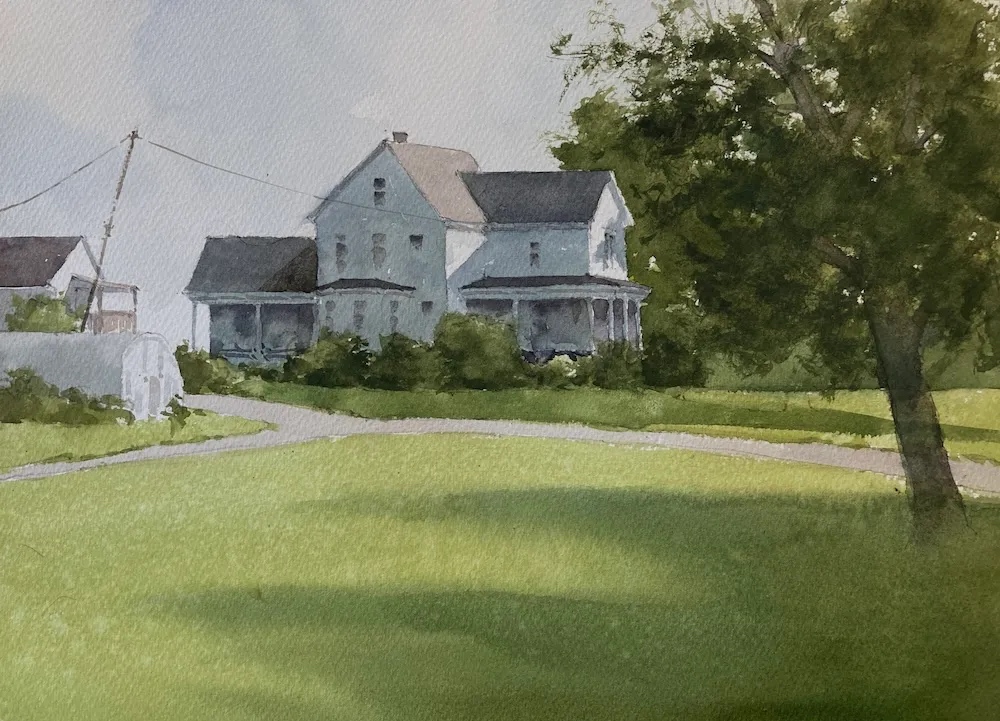
©Michele Clamp, New England Farm. Watercolor on 100% cotton cold press paper, 10 x 14 inches.

1. Devote

Devote yourself to the life of an artist. There are all kinds and levels of artists out there, and it’s easy to recognize when artists aren’t completely devoted to their work or the life of an artist.

Devote sacred time in the studio and devote necessary time in your office.

Lack of devotion in the studio looks like this: work that is all over the place, unfocused, and without direction.

Lack of devotion to a business might look like this: pricing your art too low, showing in the same shows year after year, or having an outdated website.

Lack of devotion yields lack of results.

It’s not about balance, but about an obsession with art. David Sandum talked about this obsession in episode 169 of The Art Biz.

The unshakeable certainty that you are meant for this artist’s life will help you move past the insecurities and get you through the rough patches—as will acknowledging that the road ahead isn’t easy street.

It’s fine if you want to keep your art as a hobby, but don’t pretend that you can reach a certain level of success—whatever that looks like to you—without utter devotion.

On the upside, if you’re truly doing the work you were meant to do, you won’t be able to imagine doing anything else. You’ll enjoy the journey.

Jane Mant painting
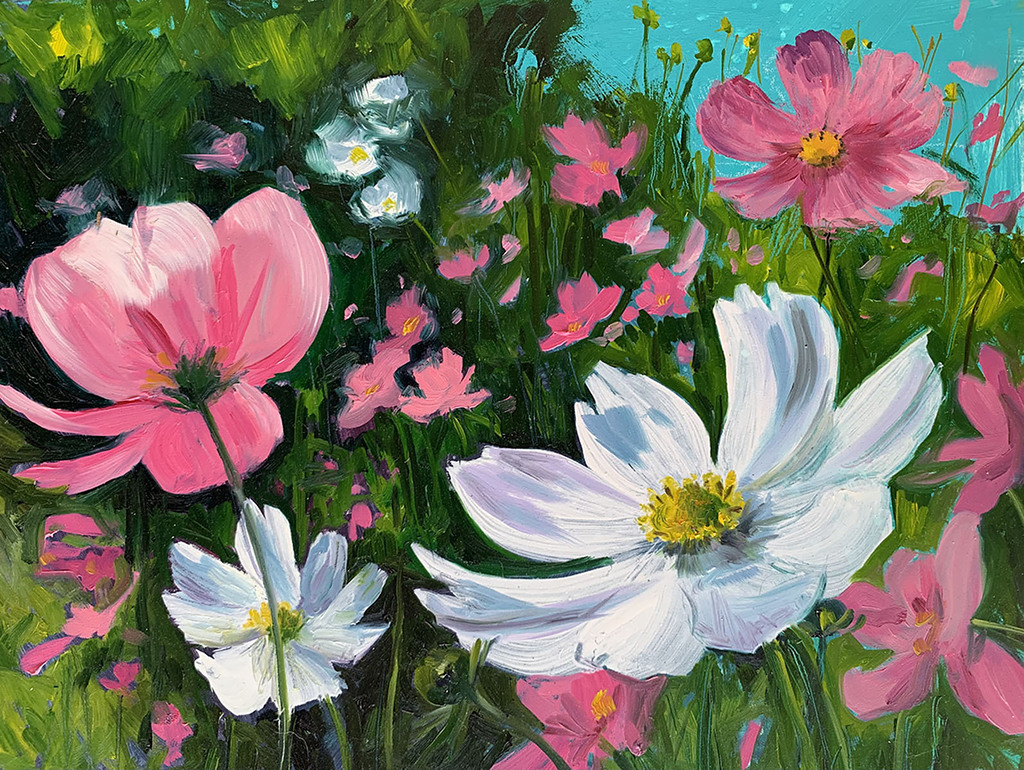
©Jane Mant, White Cosmos. Oil and acrylic on panel, 30 x 40 centimeters.

2. Begin

Stop waiting for circumstances to be perfect because that will never happen. 

If you have an idea that you’re excited about, and it’s aligned with your vision, there’s no time like now to start working on it.

Begin the piece of art or project that has been on the back burner for too long.

Begin teaching a new workshop, as long as you’re qualified and have the desire and skills to teach. Start small and charge less if you have to in order to build your teaching resume.

Begin a new marketing campaign because you can’t wait to share your work with the world outside of your studio walls.

Begin something. Anything.

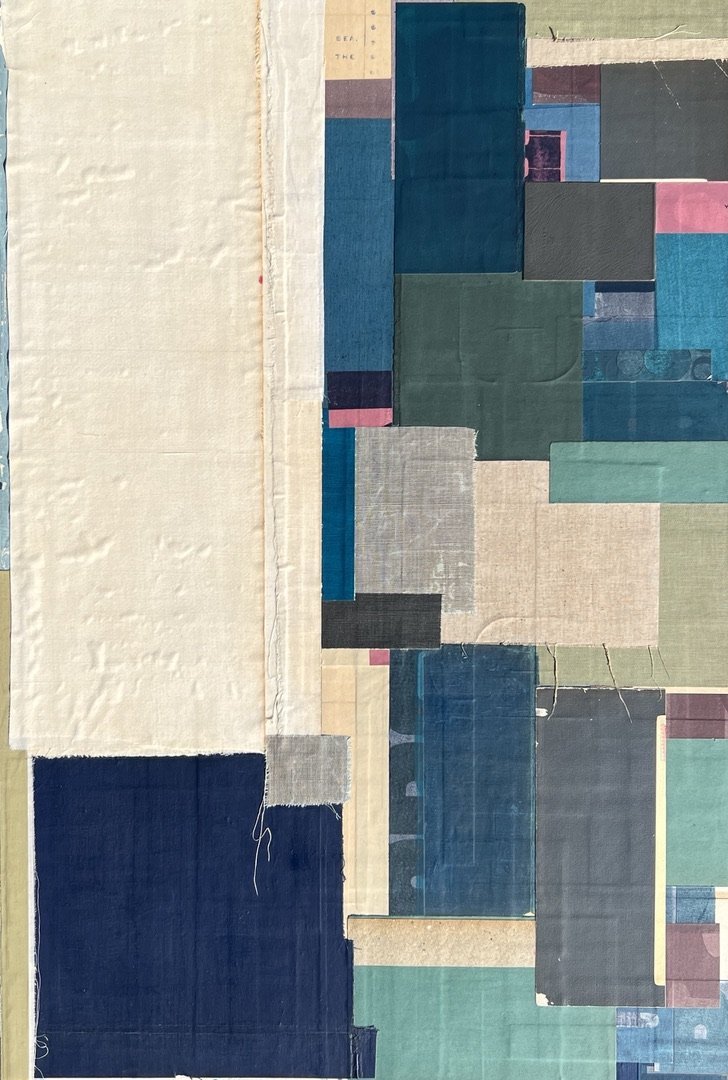
Sarah Z Short collage
©Sarah Z. Short, To the Sea. Found paper, fabric, and acrylic paint on cradled panel, 36 x 24 x 1.5 inches.

3. Understand

Understand that you are not alone. You are part of a larger community of artists and a distinguished history of art.

In general, artists are a generous lot. They share openly and freely. They want to connect, and they’re waiting to make that connection with you. More on that in a minute.

As you’re working in the studio, think of the legacies of your favorite artists who paved the way through their innovations. Understand that you are here, in part, because of them.

Understand how the art world works. Yes, I believe in breaking the rules or making up your own rules, but you at least need to be aware of how the art world works so you understand the rules that other artists are following, where you fit in, and how you might distinguish yourself.

You have to know the rules before you can break them and forge your own path.

You have to know the rules before you can break them.

4. Connect

Of all the verbs for artists, this is probably my favorite because connection is what gives our lives purpose.

There is much to be done on your own, but connecting frequently to the world outside your studio is essential to your success.

YOU NEED PEOPLE

to succeed

You need other artists to empathize with. You need collectors to purchase your art and provide you with commissions.

You need gallerists and other venue owners to give you the space to show and sell.

You need viewers to see your art, discuss it, share it. All of that adds layers of meaning to your work.

You need connection.

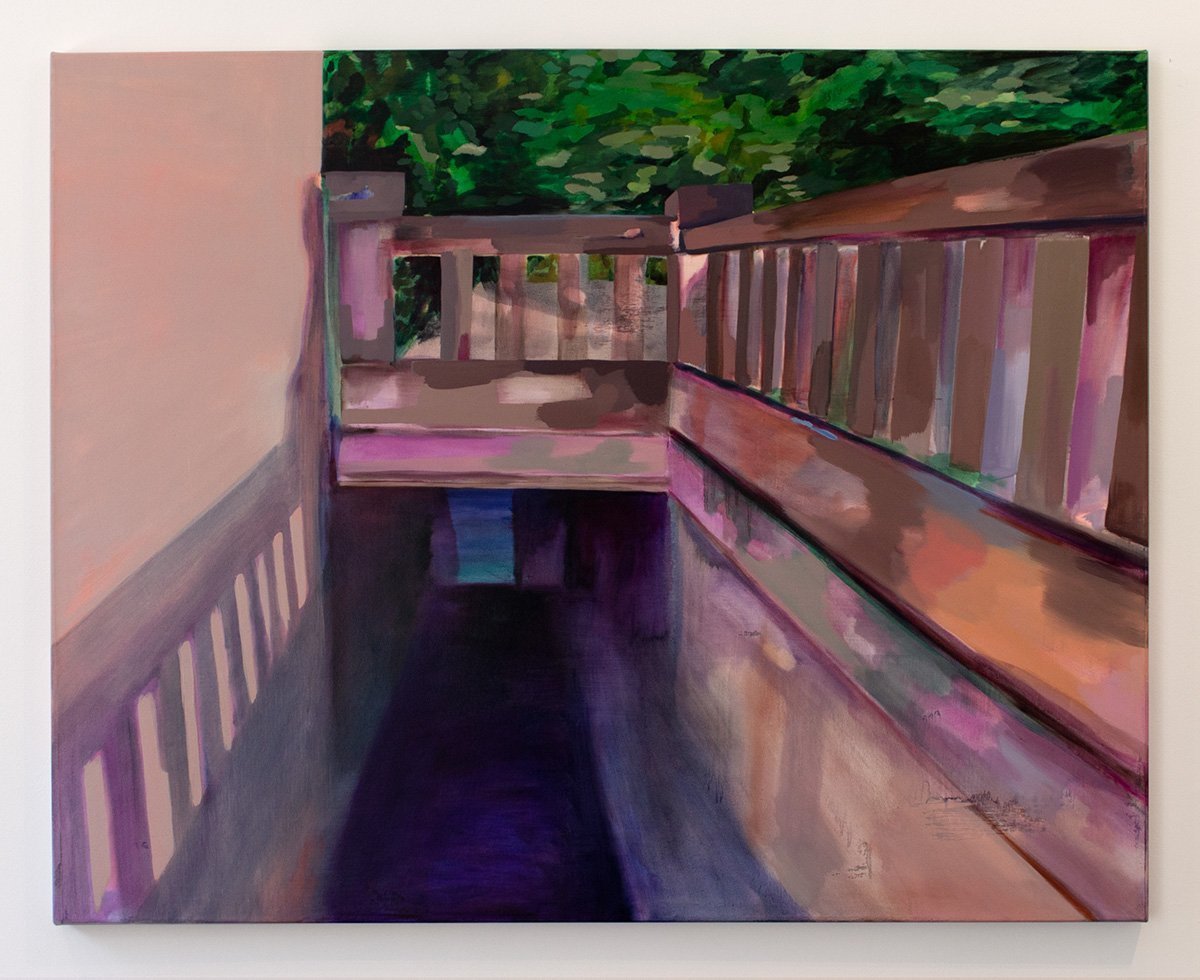
Liza Butts oil painting
©Liza Butts, Instruments of Transition. Oil on canvas, 46 x 60 x 1.5 inches.

5. Avoid

While art is mostly about embracing new experiences and ideas, accomplished artists understand that avoidance is also an advantageous tactic to have in your back pocket.

Avoid making comparisons between yourself and other artists. It’s useful when you are starting out to have teachers and mentors, but to soar, you must know who you are as an artist. You must find your own voice.

Avoid distractions that take you away from your art and your life vision. Obviously this is easier said than done.

We encounter distractions every second of the day. They are insidious, and some are more trouble than others. As you mature as an artist, you’ll be able to recognize the big distractions that force you off course: commissions that are wrong for you, invitations that aren’t aligned with your goals, and professional relationships that take you for granted. That brings me to …

Avoid people who crap on your dreams. Limit time and set boundaries with family members and people who don’t get you. Life is too short to waste your energy with toxic relationships.

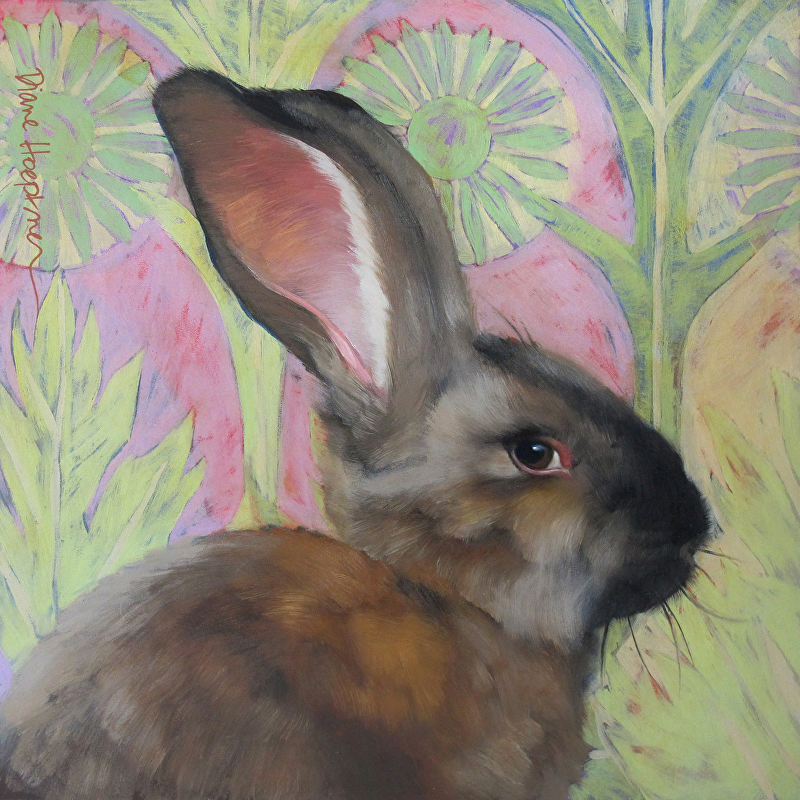
Diane Hopetner oil painting
©Diane Hoeptner, Eyes on You Bunny. Oil on panel, 10 x 10 inches.

6. Investigate

Be intensely curious about the world that provides inspiration for your art. Take that curiosity to another level through research.

Investigate your subject matter in depth—from every angle. And I’m not talking about using Google or ChatGPT. Read novels, historical records, philosophy, current headlines, and wherever else the trails lead.

If you don’t think you have subject matter, maybe reconsider your direction. Even if it wasn’t visible or obvious to viewers at the time, even the most abstract artists in history had subject matter. Their art evolved from something other than the materials itself.

Investigate opportunities for showing, selling, and/or teaching.

You’re always looking for the next feather to add to your cap.

Investigate the art scene around you.

Attend shows. Know what’s going on in your community and where you fit in.

Be hungry for the information and experiences that will fuel your accomplishments.

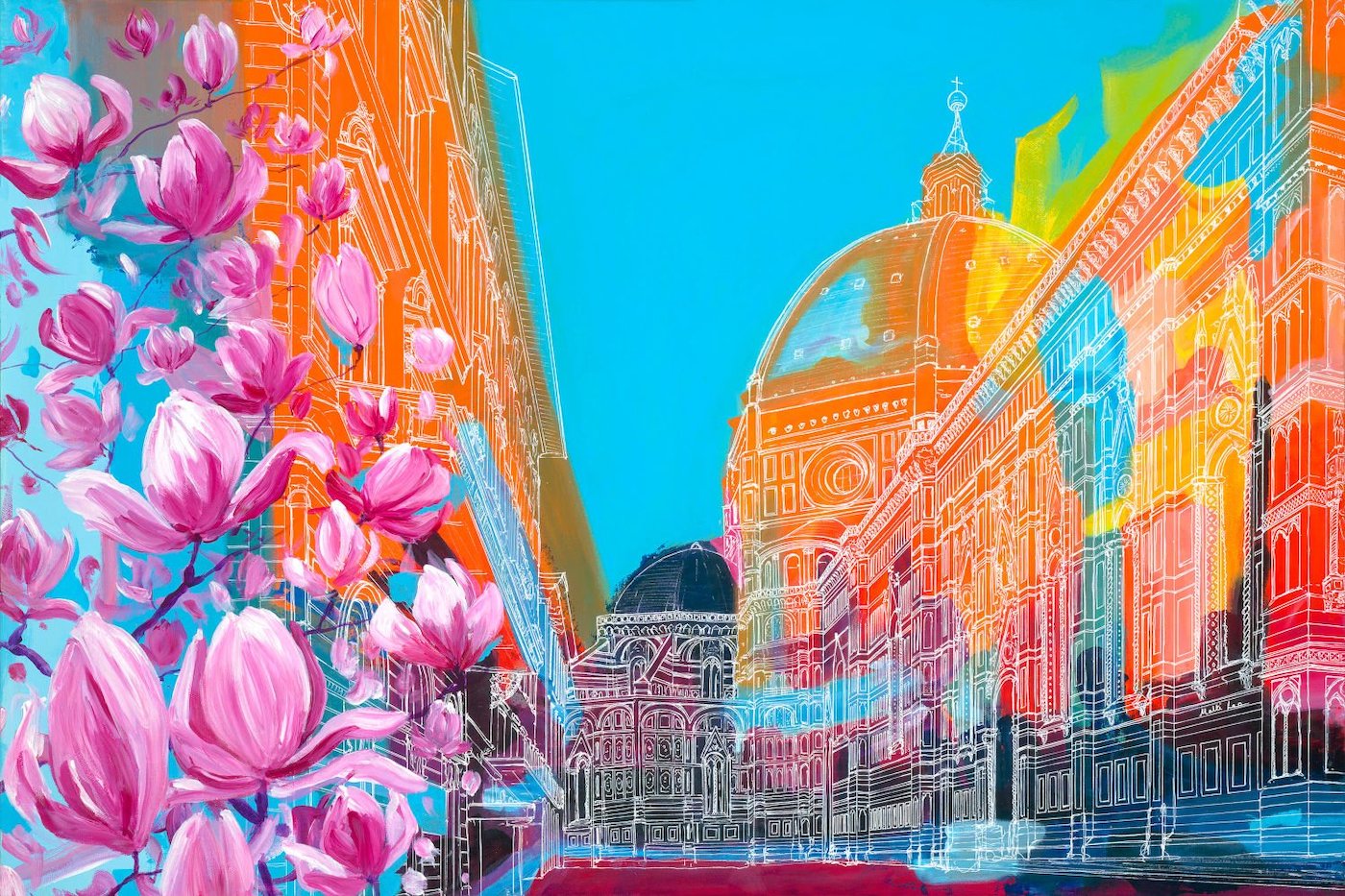
Malti B Lee acrylic painting
©Malti B Lee, Sunset over Florence. Acrylic on stretched canvas, 24 x 36 x 1.5 inches.

7. Finish

As you begin, so must you finish.

The bottom line is that nothing counts until it’s done. Until it’s out of your hands, out of your control, and out into the world.

Finishing isn’t a single step—a simple flourish at the end. Finishing requires a series of steps.

To finish your art, you might glaze the surface, sign it, photograph it, add it to your official inventory, send an invoice, and add it to your website portfolio.

Those are multiple steps to call a work complete.

To finish a project, you might collect and analyze data, send thank-you notes, pay invoices, and clean up related digital documents.

Every artist has a different set of steps for finishing, and you need to know what yours are.

All of the grand plans and brilliant ideas in the world amount to nothing until they are seen to completion.

HOW TO USE

these verbs

Those are my 7 verbs for you to consider: Devote, Begin, Understand, Connect, Avoid, Investigate, and Finish.

They’re actions you’re already taking to some extent, but perhaps you’ll think about them a little more as you go throughout your days.

When you are feeling insecure, remember that you have devoted yourself to the life of an artist.

When you are procrastinating, begin with the smallest step.

When you are lost in the studio, understand and feel the presence of the legacies of artists who have come before you.

When you are lost in your business or feeling lonely, connect to other artists and people who get you.

When you aren’t feeling productive, consider what is getting in your way and take steps to avoid it.

When the work doesn’t feel right, investigate. Go deeper. 

When it’s time to move on to the next project, make sure you finish the current one.

This post was originally published in a very different form on June 1, 2017. It has been updated significantly with the addition of a podcast episode, but with all original comments intact.

The post 7 Essential verbs for artists to embrace (170) appeared first on Art Biz Success.

]]>
https://dy-online.com/essential-verbs-for-artists/feed/ 58
Questions to Ask When You’re Stuck or Need Motivation https://dy-online.com/why-for-self-motivation/ https://dy-online.com/why-for-self-motivation/#comments Thu, 23 Jul 2020 11:36:31 +0000 http://artbizsuccess.com/?p=24367 Everything is Googleable these days, right?

If you want to know who painted Las Meninas, Google it and you'll quickly find it was Diego Velázquez in 1656. From there, you'll see that it hangs in Room 012 of the Prado and can read about the Infanta Margarita and her mother's maids-of-honor. You can even click on Room 012 and see the paintings of family members that keep the young princess company in that same gallery.

Not into 17th Century Spanish painting? Other treasures await you on the internet. You can Google how to write your artist statement, how to grow your email list, and how to use Instagram Stories.

It's easy to find answers. It's harder to know if the answers are right for you and when you should stop looking for answers outside of yourself.

It can be painful to sit in the unknown and explore what might be possible. But ... oh! ... the rewards that await you when you do.

When you sit in the question rather than looking for answers, you begin generating additional questions and rephrasing your original question to be more in line with what you are seeking.

In his exceptional book, Smarter Faster Better, Charles Duhigg notes that questions beginning with "Why" help us link hard choices to something we care about. He says, “Make a chore into a meaningful decision, and self-motivation will emerge.”

With that in mind, I’ve outlined a number of situations in which you might need a hefty dose of motivation. Each has a number of questions to help you make progress and a Big Why to ask yourself.

When You’re Not Making Art

One day off is understandable. Two days is acceptable. A week? Probably okay.

An entire month without thinking about or making art is something to be concerned about when you’re trying to gain recognition and earn money from your art.

Ask yourself …

The post Questions to Ask When You’re Stuck or Need Motivation appeared first on Art Biz Success.

]]>
Everything is Googleable these days, right?

If you want to know who painted Las Meninas, Google it and you’ll quickly find it was Diego Velázquez in 1656. From there, you’ll see that it hangs in Room 012 of the Prado and can read about the Infanta Margarita and her mother’s maids-of-honor. You can even click on Room 012 and see the paintings of family members that keep the young princess company in that same gallery.

Painting by Susan Martin Spar
©Susan Martin Spar, Thoughts of Spring. Oil on panel, 19 x 12.5 inches. Used with permission.

Not into 17th century Spanish painting? Other treasures await you on the internet. You can Google how to write your artist statement, how to grow your email list, and how to use Instagram Stories.

It’s easy to find answers. It’s harder to know if the answers are right for you and when you should stop looking for answers outside of yourself.

It can be painful to sit in the unknown and explore what might be possible. But … oh! … the rewards that await you when you do.

When you sit in the question rather than looking for answers, you begin generating additional questions and rephrasing your original question to be more in line with what you are seeking.

In his exceptional book, Smarter Faster Better, Charles Duhigg notes that questions beginning with “Why” help us link hard choices to something we care about. He says, “Make a chore into a meaningful decision, and self-motivation will emerge.”

With that in mind, I’ve outlined a number of situations in which you might need a hefty dose of motivation. Each has a number of questions to help you make progress and a Big Why to ask yourself.

When You’re Not Making Art

One day off is understandable. Two days is acceptable. A week? Probably okay.

An entire month without thinking about or making art is something to be concerned about when you’re trying to gain recognition and earn money from your art.

Ask yourself …

Why am I not inspired? What can I do about it?
What am I prioritizing above my art? Is it right to do so? (It might be!)
One year from today, will I be happy that I chose to spend my time in other ways?

The Big Why: Why do I care?

When You’re Overwhelmed

It’s easy to be overwhelmed by the demands of modern life and all that is required to run a business. And you can’t let it stop you.

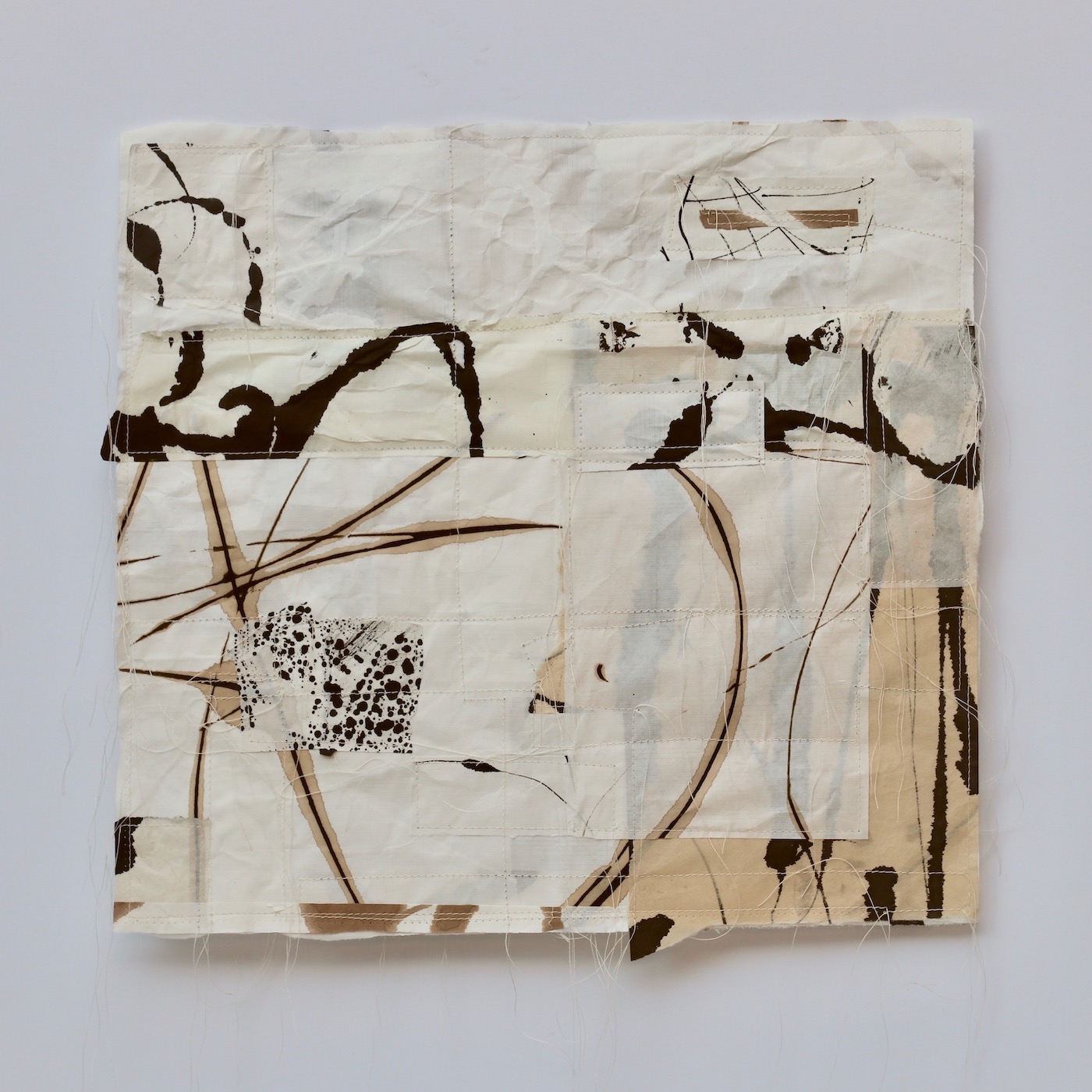
Ink on rice paper, Marianne Hall
©Marianne Hall, Exaggerated Exposure. Ink on rice paper, stitched collage, 13 x 14 inches. Used with permission.

Take a deep breath and consider …

What do I need to do more of to feel in control?
What do I need to do less of?
What do I need to let go of?
What boundaries do I need to better abide by?

The Big Why: Why am I overwhelmed in the first place?

When Too Many People Want a Piece of You

The gallery needs new work. The art center asks you to teach a class. The organization wants you to serve on the board.

Before you say Yes to everything immediately, it’s worth pausing to think about these questions …

Is there someone else who could do this?
Is there a different solution that no one has considered?
Is this in alignment with my vision, goals, and values?
If I make this choice, how will it serve me 3 months from now? 1 year from now? 5 years from now?
What if I pass on this opportunity? What if I agree to it?
What’s the worst that could happen? The best? Which is easier to live with?

The Big Why: Why is it important that I do this?

When You’d Rather Do Anything Other Than Marketing

Painting by Stefanie Taranto
©Stefanie Taranto, Ready to Play. Oil pastel, 16 x 12 inches. Used with permission.

Yeah, I know. You’d rather be in the studio.

You’d rather the art fairy visit your studio in the middle of the night, wave her magic wand, and sell all of your art. What a joy it would be to enter an empty studio and discover a big fat check on your work table!

Well, you’d better roll over and keep dreaming cuz that ain’t gonna happen.

Your success, whatever that means to you, is your responsibility. Keep in mind …

Who needs to know about this event/exhibition/product?
Who haven’t I been in touch with lately?
Who needs to know about my art?

The Big Why: Why is it important that I share my art?
(Until you know the answer to this, you’ll keep making excuses for not doing the work.)

When Sales Are Slow (or Zippo)

Whether your work sells or not depends on a huge variety of factors, including pricing, competition, quality, venue, marketing, and networking.

You can’t try something once or twice and say it didn’t work. And you can’t fix what you can’t control.

Examine the results …

Where am I not making my best effort?
Where have I been inconsistent?
Have I outgrown this space/exhibition/event?
How has my work changed?
Are my works larger or smaller than what’s selling?
Am I following up?

The Big, Overarching Why: Why is it necessary that my art sells? 

When Your Next Move Is a Big One

You’ve been doing the same shows year after year. Or maybe you’re teaching the same classes to the same students at the same level that you were five years ago. Yawn.

Painting by Josephine DeFrancis
©Josephine DeFrancis, Spillin’ the Beans. Acrylic, oil, and glitter on canvas, 65 x 55 inches. Used with permission.

If you’ve been stuck in a rut, it is probably time to make a big move if you want to grow as a person and an artist. Step back and review …

What obstacles will I need to overcome?
Where am I playing it too safe?
What makes me uncomfortable, and how might my business expand if I overcome that discomfort?
By when can I make the next move happen?
Where is there opportunity that I’m ignoring?
Am I all in?

Two Big Whys: Why do I want this? Why have I been avoiding this?

When You’re Too Much In Your Head

You’re focusing too much on yourself and not about your place in the bigger world. You have forgotten your vision and all that you can be.

Time to reboot and start thinking about others …

Who can I send a Thank You card to today?
What are my blessings?
What do I need to do to fill the creative well?
Who can I help today?

The Biggest Why of All: Why am I here?

Keep Asking

Next time you find yourself feeling unmotivated or stuck, resist the temptation to Google your way through to the light. Try asking yourself the hard questions.

What’s the Big Why that motivates you?

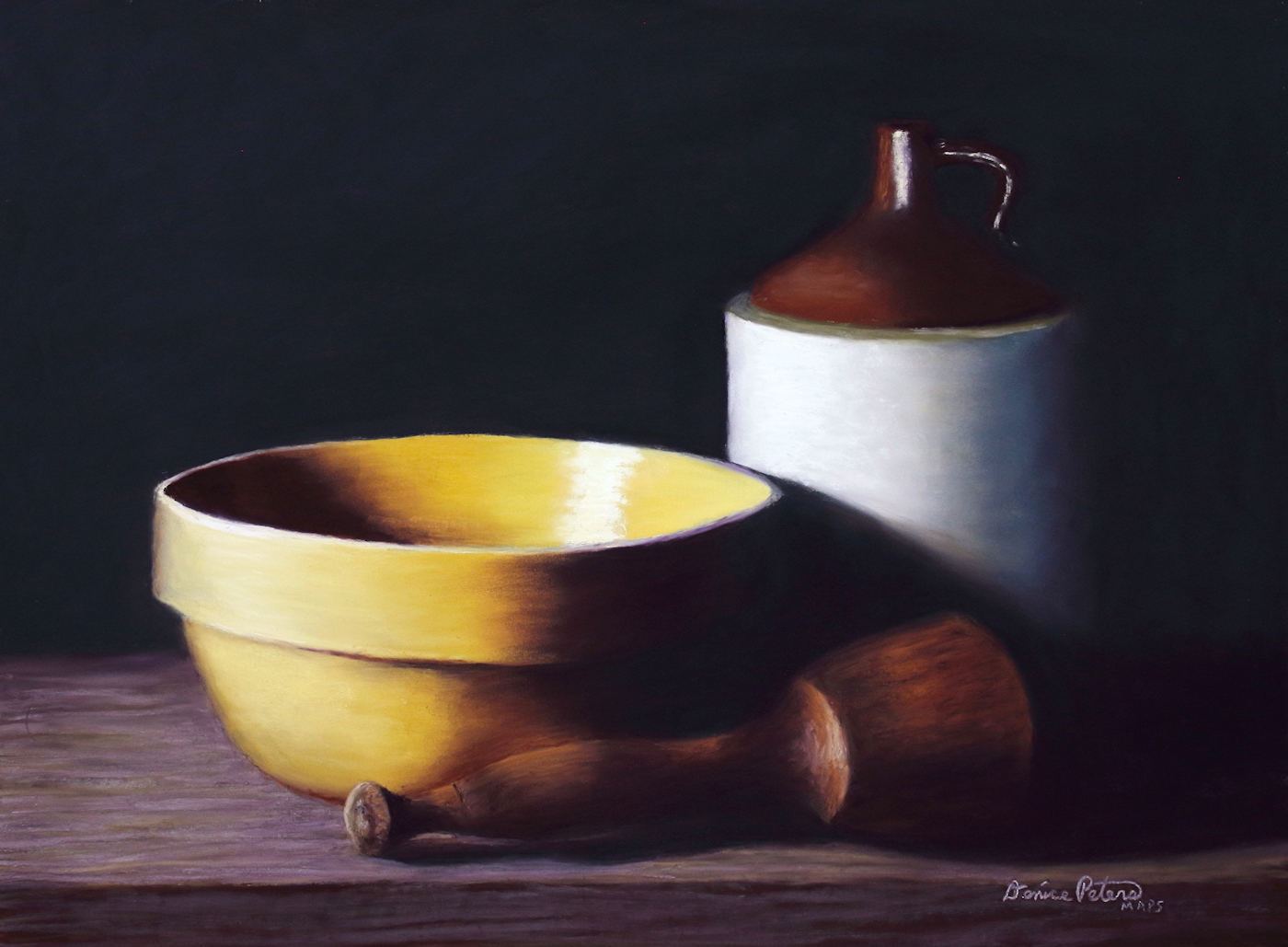
Painting by Denice Peters
©Denice Peters, Grandma’s Trio. Pastel, 12 x 16 x 1 inches. Used with permission.

In Context

As you probably know, I’m a huge fan of journaling—especially when I’m stuck or overwhelmed. Journaling helps me uncover answers that are within myself, which means that my journal is full of questions I want to explore.

As an educator in art museums, I learned that asking the right questions can help visitors explore artwork and “own” their personal experiences with that work. This builds confidence for their next encounter with art and enhances their connection to individual pieces.

Because most people haven’t had a visual education (they weren’t taught how to look at art), it’s critical that, when the moment is right, you are able to teach them how to look. This is something I teach in module 5 of my course, Magnetic You.

This post was originally published on May 18, 2017, and has been updated with original comments intact.

The post Questions to Ask When You’re Stuck or Need Motivation appeared first on Art Biz Success.

]]>
https://dy-online.com/why-for-self-motivation/feed/ 36
4 Moves To Ignite The Passion For Your Art Business https://dy-online.com/ignite-passion/ https://dy-online.com/ignite-passion/#comments Tue, 03 Jul 2018 08:22:24 +0000 http://artbizsuccess.com/?p=15791 Bang! Pop! Pow!

Is that the sound of leftover fireworks I hear? Or is your art business on fire?

I would love to hear that it’s your business on fire – that you are Hot – Hot - Hot for what you have to share with the world.

If you’re only hearing fireworks outside your walls and not inside your body, there are four things you can do, and keep doing, to ignite the passion for your art business.

1. Embrace your role as CEO.

When you decide you want to earn money as an artist, you are no longer just making art. You are building a business.

As soon as you accept your role as CEO of your art business, you will experience a dramatic shift in mindset. You will understand that your talent is bigger than you. It’s the basis for a dialogue you are intended to have with the world.

Along with this comes the responsibility of ensuring that your business is run professionally and profitably.

What’s not to get excited about?

2. Schedule something big - with a deadline.

Every forward-thinking entrepreneur needs something to look forward to, and artists are no different. You want to experience the momentum resulting from snagging a new venue, hosting an open studio, or landing a commission.

Without events and deadlines on your calendar, you risk wasting time on social media and neglecting the hard work in the studio.

Don’t wait for things to happen to you. Create your own

The post 4 Moves To Ignite The Passion For Your Art Business appeared first on Art Biz Success.

]]>
Bang! Pop! Pow!

Is that the sound of leftover fireworks I hear? Or is your art business on fire?

I would love to hear that it’s your business on fire – that you are Hot – Hot – Hot for what you have to share with the world.

If you’re only hearing fireworks outside your walls and not inside your body, there are four things you can do, and keep doing, to ignite the passion for your art business.

©Dorette Amell, Diplomacy Blue. Digital media. Used with permission.

1. Embrace your role as CEO.

When you decide you want to earn money as an artist, you are no longer just making art. You are building a business.

As soon as you accept your role as CEO of your art business, you will experience a dramatic shift in mindset. You will understand that your talent is bigger than you. It’s the basis for a dialogue you are intended to have with the world.

Along with this comes the responsibility of ensuring that your business is run professionally and profitably.

What’s not to get excited about?

2. Schedule something big – with a deadline.

Every forward-thinking entrepreneur needs something to look forward to, and artists are no different. You want to experience the momentum resulting from snagging a new venue, hosting an open studio, or landing a commission.

Without events and deadlines on your calendar, you risk wasting time on social media and neglecting the hard work in the studio.

Don’t wait for things to happen to you. Create your own opportunities. OWN them!

3. Use your list.

©Deepa Koshaley, Whole II. Acrylic, dry pastels on canvas. 36 x 24 inches. Used with permission.

You didn’t work hard to attract all of those people to your list only to let them rot in cyber-storage. Use your list!

People signed up to hear from you. If they haven’t heard from you in awhile, they’ll think one of three things:

  • You aren’t doing anything worth sharing.
  • Your business is too disorganized to get a message together.
  • You don’t care enough about them.

Or, even worse, they’ll think nothing because they’ve forgotten about you altogether.

Staying in touch with your list is an opportunity you can’t afford to neglect. They are your community. Maintaining dialogue with them is rocket fuel for your art career.

Create a plan to use your list regularly and then keep that commitment to yourself and your audience.

4. Follow up with people.

Pay attention to signals. Opportunities are often abundant if you listen and act on them.

Did you catch that condition at the end of the sentence? You have to act on the opportunities.

If someone says they like your work, do you accept the compliment and move on? Or do you ask if they’d like to be on your mailing list and receive an invitation to your next event? Or invite them to your studio to see more?

In my experience with students and clients, lack of follow-up is one of the biggest mistakes artists make. I don’t believe it’s because you are lazy. I don’t accept that it’s that you are too busy because we make time for what is important.

I assume that fear is the reason most artists don’t follow up – fear that there will be a rejection on the other end or that they’ll be viewed as a pest.

©Christine Hager-Braun, Illumination #2. Batik fabrics, machine-pieced, machine-quilted, mounted on stretched canvas, 36 x 48 x 1 inches. Used with permission.

You can’t allow fear to run your life. To live your best life … to take advantage of the precious years you have on Earth … you must embrace bold steps.

If you don’t follow up, you’ll always wonder, “What if . . .?” or “If only I had . . . “ Nothing takes the sizzle out of your momentum like regret.

How do you ignite the passion for your art business?

The post 4 Moves To Ignite The Passion For Your Art Business appeared first on Art Biz Success.

]]>
https://dy-online.com/ignite-passion/feed/ 30
Taking Perfectly Imperfect Action https://dy-online.com/imperfect-action/ https://dy-online.com/imperfect-action/#comments Thu, 15 Mar 2018 10:32:00 +0000 http://artbizsuccess.com/?p=17483 You know that I’m all about action.

My book, I’d Rather Be in the Studio, is broken up into actions rather than chapters.

While I’m a champion of moving forward, I also slow down to read, research, and learn, which is crucial because my superpower is teaching.

While I could easily bliss out on months of research, the fact is, at some point (not too late in the process), the learning phase must make room for the action phase. No matter how much you research, it doesn’t do you any good until you put that knowledge to work.

I think we stay in information-gathering mode rather than taking action for one of two reasons:

1. We’re afraid to make a mistake (failing), or ...

2. We don’t have enough fire in the belly to get moving. We aren’t hungry enough.

Let’s look at these separately and try to move past them.

Embrace Mistakes

You can’t learn simply by reading books and taking classes. The ultimate test of your knowledge comes when you implement.

The only way to grow is to take what you’ve read/heard/seen and put it into action. When you do this, you find out how it applies to your specific situation.

Yes, you’re going to make mistakes. A lot of them. Mistake-making is part of the process.

But you won’t fail. You’ll only fail if

The post Taking Perfectly Imperfect Action appeared first on Art Biz Success.

]]>
You know that I’m all about action.

My book, I’d Rather Be in the Studio, is broken up into actions rather than chapters.

While I’m a champion of moving forward, I also slow down to read, research, and learn, which is crucial because my superpower is teaching.

©Melanie Ferguson, Breaking Dawn. Oil on panel, 12 x 16 x 1.5 inches. Used with permission.

While I could easily bliss out on months of research, the fact is, at some point (not too late in the process), the learning phase must make room for the action phase. No matter how much you research, it doesn’t do you any good until you put that knowledge to work.

I think we stay in information-gathering mode rather than taking action for one of two reasons:

1. We’re afraid to make a mistake (failing), or …
2. We don’t have enough fire in the belly to get moving. We aren’t hungry enough.

Let’s look at these separately and try to move past them.

Embrace Mistakes

You can’t learn simply by reading books and taking classes. The ultimate test of your knowledge comes when you implement.

The only way to grow is to take what you’ve read/heard/seen and put it into action. When you do this, you find out how it applies to your specific situation.

©Bob Sober, Cicada. Combined photographs. Used with permission.

Yes, you’re going to make mistakes. A lot of them. Mistake-making is part of the process.

But you won’t fail. You’ll only fail if you don’t learn from those mistakes and try again.

Instead of fearing failure, you should reward yourself for every action you take – no matter how small or how uncertain you are of the outcome.

Light The Fire

I can teach strategies for building an art business, but I can’t light the fire within you. That desire to thrive burns inside every successful entrepreneur. If you want to earn money from your art, you must tap into this.

Your fire is your art. It is your raison d’être. Your art is what should snap you out of bed in the morning.

You keep your appointment with your muse in the studio because you have something to contribute to this crazy, wonderful world of ours. You have something to say that can’t be conveyed with words.

I know the fire for your work is inconsistent. Enthusiasm ebbs and flows alongside the rhythms of life. As long as you have a lot more flowing than ebbing, you’ll be rewarded with a long and satisfying career.

©Patty Hankins, Peach Ranunculus. Photograph. Used with permission.

If you find yourself in need of rekindling that flame, ask yourself these powerful questions:

What if I made all of this art, grew an impressive inventory of work, and no one saw it? Would I be satisfied?

What if I finally attained my heart’s desire and retired from my day job – but then realized I had to start from scratch because I didn’t have anything in place for an art business to flourish? Would I be okay with taking at least three years to get my new career off the ground?

How do I want to be remembered by my family and community? As someone who waited until everything was perfect? Or as someone who took risks and went after her dreams?

Decide

What have you been thinking about for too long without taking action on it?

What reasons (or excuses) have you used to justify the inaction? If you’re okay with your reasons, that’s great. If you believe you are hiding behind them out of a fear of failure, perhaps it’s time to move.

Your first step is to decide. Then you can act – and be divinely content with the imperfect process.

It’s gonna get messy, but you’re an artist. You’ve faced bigger messes and made masterpieces out of those.

The post Taking Perfectly Imperfect Action appeared first on Art Biz Success.

]]>
https://dy-online.com/imperfect-action/feed/ 45
Where Motivation Comes From https://dy-online.com/why-not-motivated/ https://dy-online.com/why-not-motivated/#comments Thu, 11 Jan 2018 00:10:15 +0000 http://artbizsuccess.com/?p=18748 I want to help you expand your art business and grow your art career.

Each of my blog posts, class lessons, or live events is carefully designed to help you get one step closer to your dream.

In these formats, I can teach you:

  • What strategies you could be using to promote your art.
  • Why these strategies are helpful.
  • How to implement strategies.
  • About artists who are getting good results by using these strategies.

Still, as much as I would like, I cannot teach you how to get motivated to do the work.

I’d go so far as to say that I can’t teach you anything if you are not motivated.

I can give you information, but that information is no good if it is merely collected - put on a shelf in hopes that it will somehow magically work just because you paid for it.

I can write motivational articles or respond with positive feedback if you comment on my blog or Facebook page, but I cannot give you the motivation to take action.

Motivation must come from within you.

If you aren’t motivated to do the work, it doesn’t matter how many books you read or classes you take. You’re throwing your money away if

The post Where Motivation Comes From appeared first on Art Biz Success.

]]>
I want to help you expand your art business and grow your art career.

Each of my blog posts, class lessons, or live events is carefully designed to help you get one step closer to your dream.

In these formats, I can teach you:

  • What strategies you could be using to promote your art.
  • Why these strategies are helpful.
  • How to implement strategies.
  • About artists who are getting good results by using these strategies.

Still, as much as I would like, I cannot teach you how to get motivated to do the work.

©Valaree Cox, Brain Series One and Two.
Venetian plaster, paper, paint, nails, and waxed twine on a substrate of birch panel, 16 x 20 inches each. Used with permission.

I’d go so far as to say that I can’t teach you anything if you are not motivated.

I can give you information, but that information is no good if it is merely collected – put on a shelf in hopes that it will somehow magically work just because you paid for it.

I can write motivational articles or respond with positive feedback if you comment on my blog or Facebook page, but I cannot give you the motivation to take action.

Motivation must come from within you.

If you aren’t motivated to do the work, it doesn’t matter how many books you read or classes you take. You’re throwing your money away if you don’t plan to do the work.

What Gets You Up in the Morning?

Motivation is the spark that sets everything in motion, whether it’s your day, your week, your project or your entire career.

©Roma Donovan, Far Away. Pigment ink photograph. Used with permission.

Motivation is ignited by motive. This is your big WHY.

Why are you trying to build an art career?
Why are you trying to sell your art?
Why do you want more people to see your art and respond to it?
Why are you not satisfied with making art for yourself?

Do you see that when you can answer these questions, you will bolt out of bed in the morning with a burning desire to head to the studio and share your art with more people (after a cup of coffee, of course)?

Common motives for artists include freedom, sense of accomplishment, greater connection, and recognition. Additional income, though a nice outcome for your action, is rarely the primary motivation that leads to action.

So What’s the Hold-Up?

If you’ve identified the motive and still aren’t making progress, you have to consider what’s getting in the way of action. Ask yourself more questions that begin with Why.

Why am I not writing my newsletter?
Why am I not updating my blog?
Why am I not exhibiting my art?
Why am I not (gasp!) making art?

There could be any number of reasons for stalling, but it usually boils down to one of these:

  • You don’t know how to do something.
  • You haven’t identified the first step.
  • You don’t think you have the time.
  • You don’t believe you can do it.
  • You are anxious about what might happen after you’re finished.
  • You’d rather be doing something else – something easier or more fun. You’re trading the potential for future results for present satisfaction.
©Charles Heppner, How do you live in peace. Cigar box, encaustic, paper, 7 x 7 x 2.5 inches. Used with permission.

Serial entrepreneur Kevin Kruse suggests we find motivation by calling on our future self. Here are a few questions I ask my future self when I’m not doing the work. They go like this …

If I make this choice, how will it serve me 3 months from now? 1 year from now? 5 years from now?
Am I delaying potential positive results?
Will I regret not doing this?

Is Your Motive Strong Enough?

Return to your motive and consider this: Is your motive stronger than your reasons or excuses for not doing the work?

If the motive were strong enough, you’d do whatever you could to make it happen. You’d take more classes, hire a coach, stay up late, or get up early.

You’d escape your comfort zone, show up at art openings and introduce yourself to people, apply to shows and risk rejection, and invite the feedback required for growth.

Your Turn

Are you motivated? If not, why not? What needs to change? What’s your motive?


The post Where Motivation Comes From appeared first on Art Biz Success.

]]>
https://dy-online.com/why-not-motivated/feed/ 33
How Do You Motivate Yourself to Finish a Project? (Curious Monday) https://dy-online.com/motivation-for-finishing/ https://dy-online.com/motivation-for-finishing/#comments Mon, 23 May 2016 11:47:03 +0000 http://artbizsuccess.com/?p=22630 We all have projects that are part of our lives for longer than originally intended. The more we avoid them, the more monstrous they become.

Procrastination is in charge.

Today's question ...

How do you motivate yourself to finish up a project that has been hanging around the studio too long?

Or

How to you face a project that you committed to, but no longer have any interest in?

The post How Do You Motivate Yourself to Finish a Project? (Curious Monday) appeared first on Art Biz Success.

]]>
Sandra Duran Wilson painting with lotus
©Sandra Duran Wilson, Lotus. Mixed media, 11 x 9 inches. Used with permission.

We all have projects that are part of our lives for longer than originally intended. The more we avoid them, the more monstrous they become.

Procrastination is in charge.

Today’s question …

How do you motivate yourself to finish up a project that has been hanging around the studio too long?

Or

How to you face a project that you committed to, but no longer have any interest in?

↓ Please leave a comment below. ↓

About Curious Monday

Curious Monday is a weekly question that is sent only to subscribers.

I’m curious about how you live your life as an artist, how you juggle the demands on your time, and what you’re thinking about.

I hope you’ll read the responses from other artists. Maybe you’ll get some ideas or even feel a little more connected as a result.

Feel free to leave suggestions for future Curious Monday questions in a comment.

Subscribe to Curious Monday

The post How Do You Motivate Yourself to Finish a Project? (Curious Monday) appeared first on Art Biz Success.

]]>
https://dy-online.com/motivation-for-finishing/feed/ 90
Lessons From The Past Year https://dy-online.com/lessons-from-past-year/ https://dy-online.com/lessons-from-past-year/#comments Thu, 24 Dec 2015 12:00:56 +0000 http://artbizsuccess.com/?p=19905 It’s hard to keep up with weekly emails about your art business, so I thought I’d point out some things that you might have missed or forgotten about this past year.

These are 12 valuable actions, from 12 different Art Biz Blog posts in 2015, to help you grow your art career while staying sane.

Marketing Your Art

1. Reduce the Boring Factor: Add Variety to Your Marketing Message

Why it’s on the list: Please, for the love of Pete, read this before you send another email.

Your art exhibition, class, workshop, or event has so many facets that there is no reason to send the same emails and social media posts for your promotions. They get a little stale after a while.

I have some ideas for you.

The post Lessons From The Past Year appeared first on Art Biz Success.

]]>
It’s hard to keep up with weekly emails about your art business, so I thought I’d point out some things that you might have missed or forgotten about this past year.

These are 12 valuable actions, from 12 different Art Biz Blog posts in 2015, to help you grow your art career while staying sane.

©2012 Michelle Paine, Pilgrimage: St. Peter’s. Oil on canvas, 30 x 24 inches. Used with permission.

Marketing Your Art

1. Add variety to your marketing message to reduce the boring factor.

Why it’s on the list: Please, for the love of Pete, read this before you send another email.

Your art exhibition, class, workshop, or event has so many facets that there is no reason to send the same emails and social media posts for your promotions. They get a little stale after a while.

I have some ideas for you.

2. Here’s a blueprint for producing your artist newsletter.

Why it’s on the list: Sharing my secrets to help you streamline the process.

Producing a newsletter is a project that consists of multiple tasks in order to complete. That’s why I use the word “producing” instead of “writing.” Writing is only one part of the newsletter process, and even writing the content can be broken down into multiple stages.

Here’s how we do it at Art Biz Coach every week.

3. I have a few new thoughts about artists’ blogs.

Why it’s on the list: If you’ve given up on blogging …

It’s been a while since I’ve written about blogging, so I thought it was time to share some thoughts I’ve had and revisit some past ideas on the topic.

There are plenty of benefits of blogging, but maybe blogging isn’t for you. Find out if it is.

©2015 Elaine Luther, Red. Photograph. Used with permission.

4. There are at least 4 reasons why your website might not be generating sales.

Why it’s on the list: Immediate fixes for your site to improve sales!

Not all artists’ websites are created with sales in mind.

For many artists, a website is a digital portfolio – an introduction for gallerists, curators, and other opportunities. If this is you, some of what I share here doesn’t apply. However, you could still benefit from heeding much of this advice.

Exhibiting Your Art

5. Curate a solo show of your art.

Why it’s on the list: It helps you grow!

A solo show stretches all of your professional muscles and puts you in charge of your destiny.

The entire process develops your critical thinking. You have to decide what to include, which pieces to put next to one another, and how to interpret the work for your audience.

Read the rest of the article.

6. Customize this art exhibition checklist and timeline.

Why it’s on the list: It’s so practical.

The tasks on your exhibition checklist will depend on the type of exhibition you’re having, who is in charge, and how much time you have to plan. Use this list as a starting point for your next show.

©Linda Hugues, Backyard Path – Tampa. Oil, 8 x 8 inches. Used with permission.
©Linda Hugues, Backyard Path – Tampa. Oil on board, 8 x 8 inches. Used with permission.

Using Social Media To Promote Your Art

7. Use Facebook Interest Lists for your art business.

Why it’s on the list: This is really cool if you use it right.

Facebook is also making it more difficult for you to become a presence on the pages of artists, galleries, and art organizations. There is a way to hack this: create interest lists.

Interest lists will help you stay connected with those who are important to your art career.

See how to do it.

8. 22 Social media updates that won’t bore your followers.

Why it’s on the list: You can’t say you don’t have anything to say.

What can you share with your friends, fans, and followers that is more interesting than “Come see my show!” but relates the message that they’re really going to miss out if they’re not there?

Plenty!

Being More Productive

9. How to have a productive day.

Why it’s on the list: You probably need this.

Some of my most important work with clients is about productivity. You can’t go wrong when you start each day with 3 intentional steps and maintain boundaries throughout the day.

I promise it works.

©Caroline C. Brown, Lamb of God. Mixed media on paper, 18 x 24 inches. Used with permission.

Staying Inspired

10. What’s the point of making art when the world is so screwed up?

Why it’s on the list: Feels good.

If you’ve ever questioned the reason for making art, you’re not alone.

After a particularly rough time, you might catch yourself asking, “What’s the point?” You might even begin to see your work as frivolous. With so much bad news being printed and broadcasted, it’s easy to overlook the bigger picture.

A reminder of the bigger picture.

11. Art is about being in the world.

Why it’s on the list: This post is too important to have had so few comments.

I share a critical message based on a quote from Robert Irwin: “Art isn’t about being in the studio. It’s about being in the world.”

See how it pertains to you.

12. How much time will your art career take?

Why it’s on the list: You might not want to hear this, but you need to.

Everyone wants to know “how much time?” because time is sacred, and we should be choosy with how we spend our time.

There is a better question than “How much time?” Ask yourself: “How much time and effort am I willing to invest?”

It’s all about commitment.

Your Turn

What were your favorite business lessons in 2015? Leave a comment below so others might benefit.

The post Lessons From The Past Year appeared first on Art Biz Success.

]]>
https://dy-online.com/lessons-from-past-year/feed/ 9