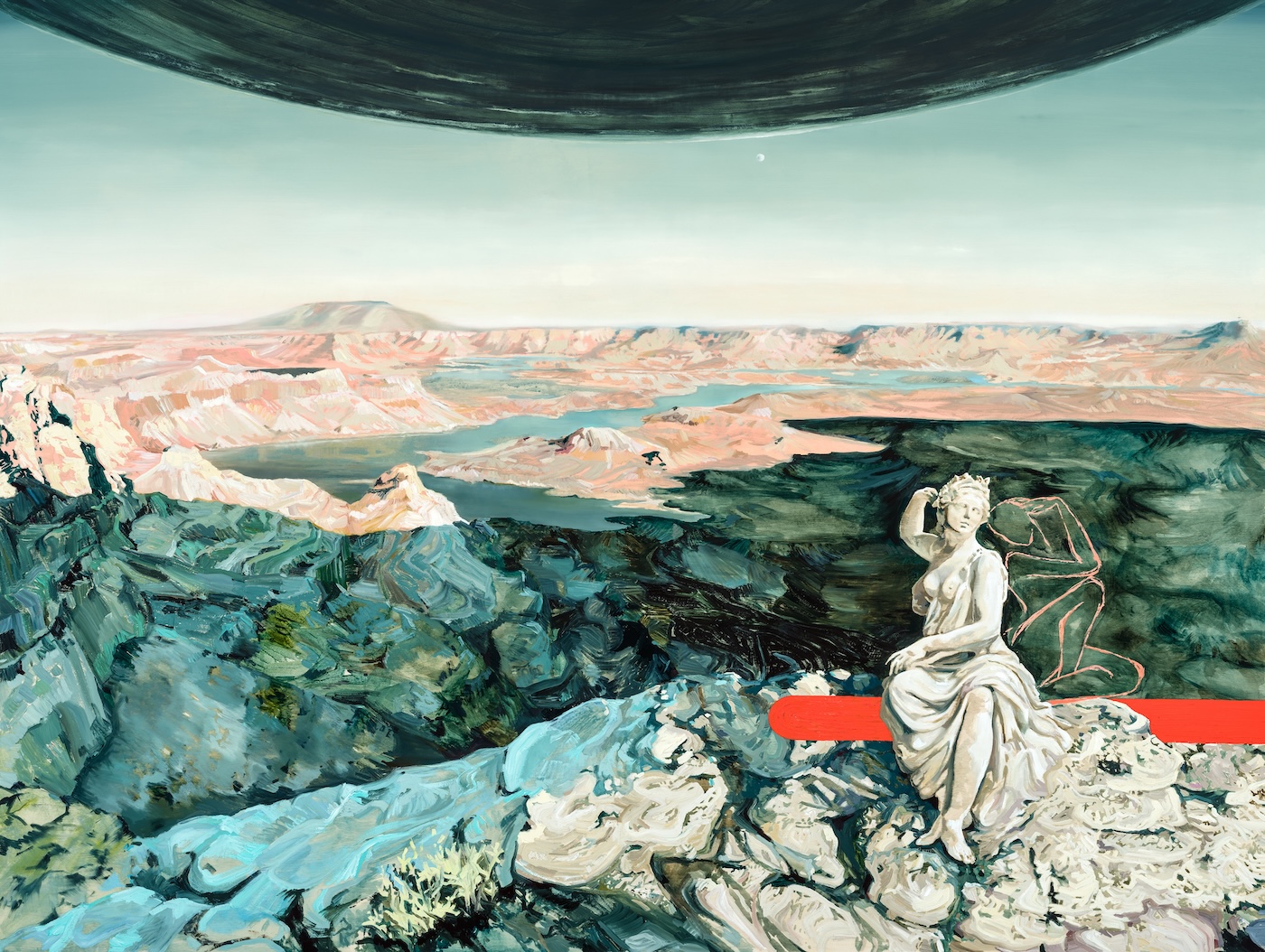
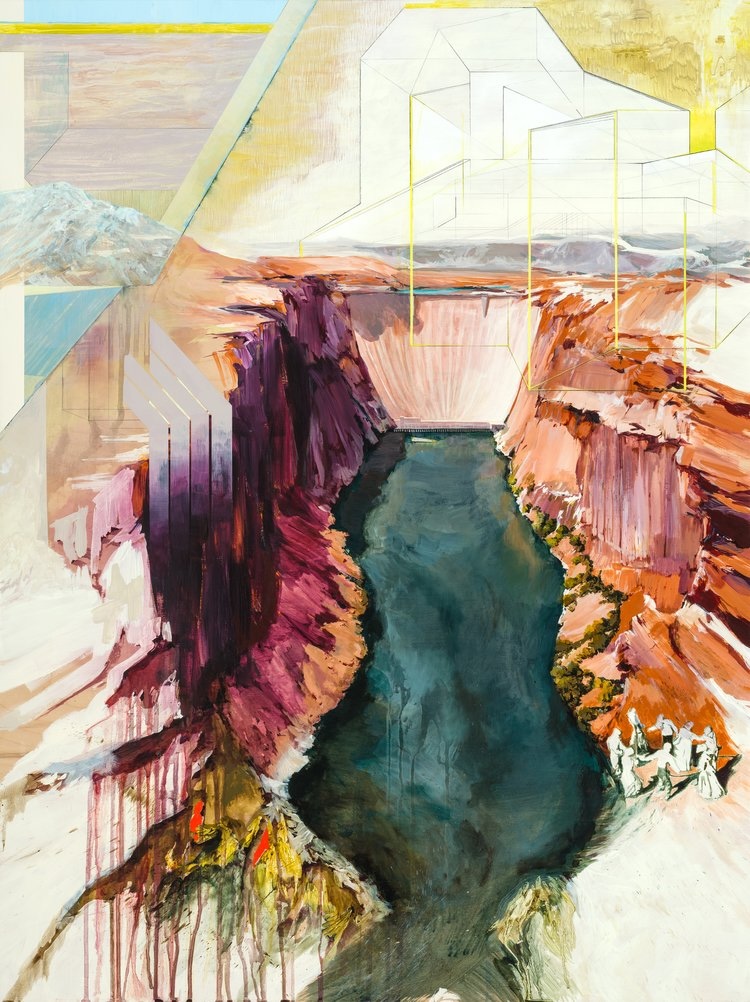
This is part one of a 2-part conversation about clarity, purpose, and building an art career that reflects your deepest values.
The post Beauty, rigorous research, and purpose with Noelle Phares (224) appeared first on Art Biz Success.
]]>
The post Beauty, rigorous research, and purpose with Noelle Phares (224) appeared first on Art Biz Success.
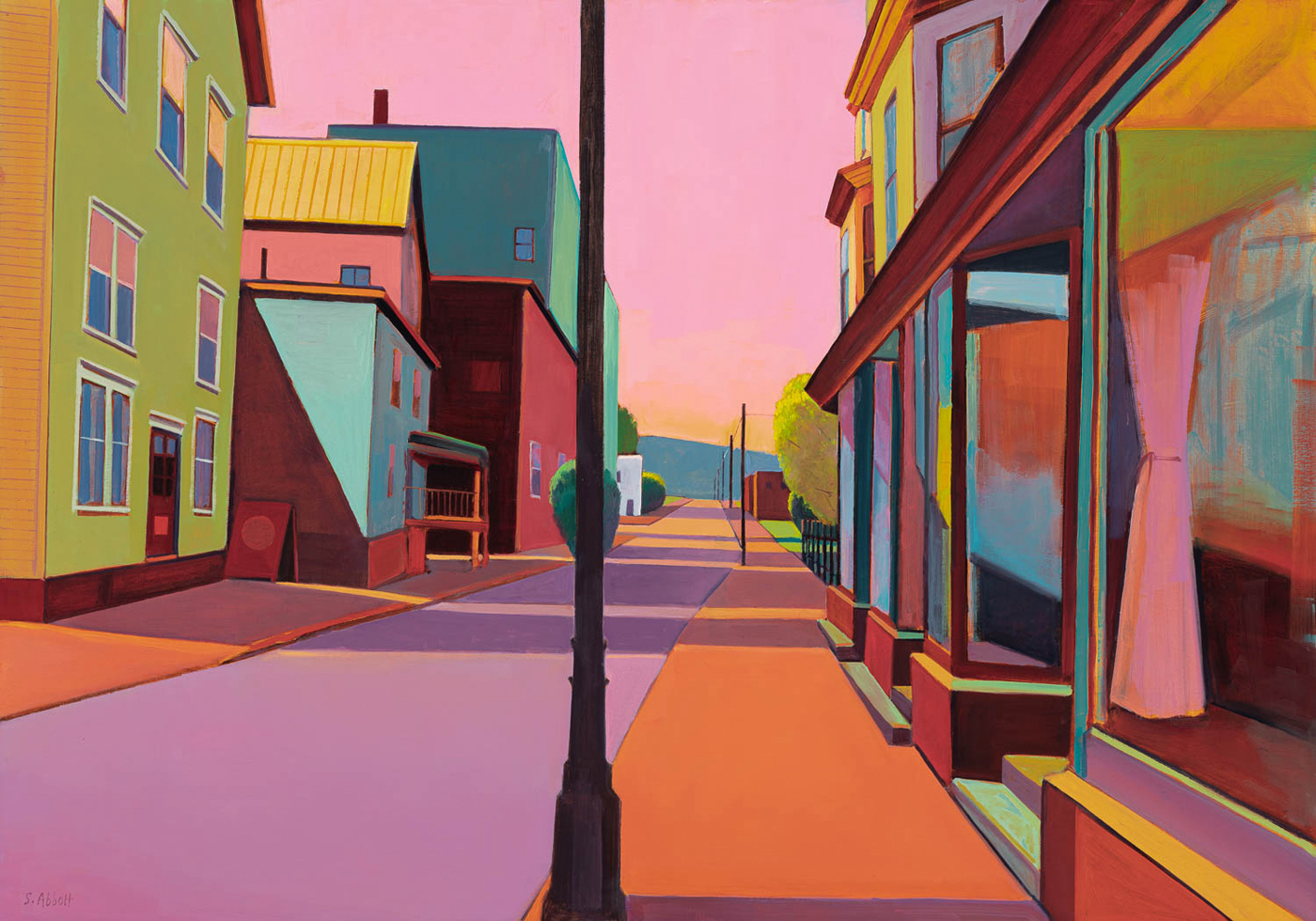
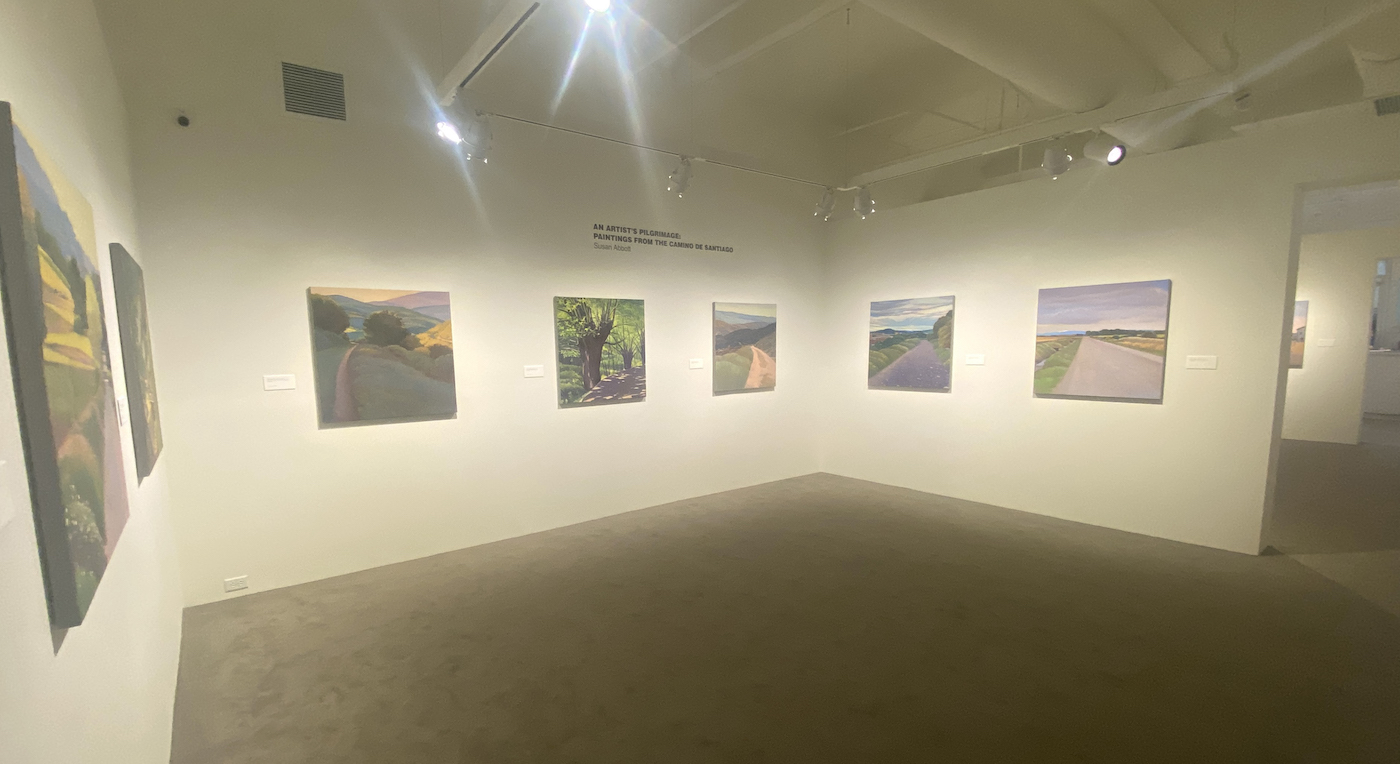
]]>1. Why it’s important to give yourself limitations as an artist in order to grow.
2. Creating a catalog of your art and what it can do for you.
3. Getting a museum solo exhibition and why that’s important to her.
The post The Art Biz ep. 176: Series, Catalogs, and Museum Shows with Susan Abbott appeared first on Art Biz Success.
]]>

The post The Art Biz ep. 176: Series, Catalogs, and Museum Shows with Susan Abbott appeared first on Art Biz Success.
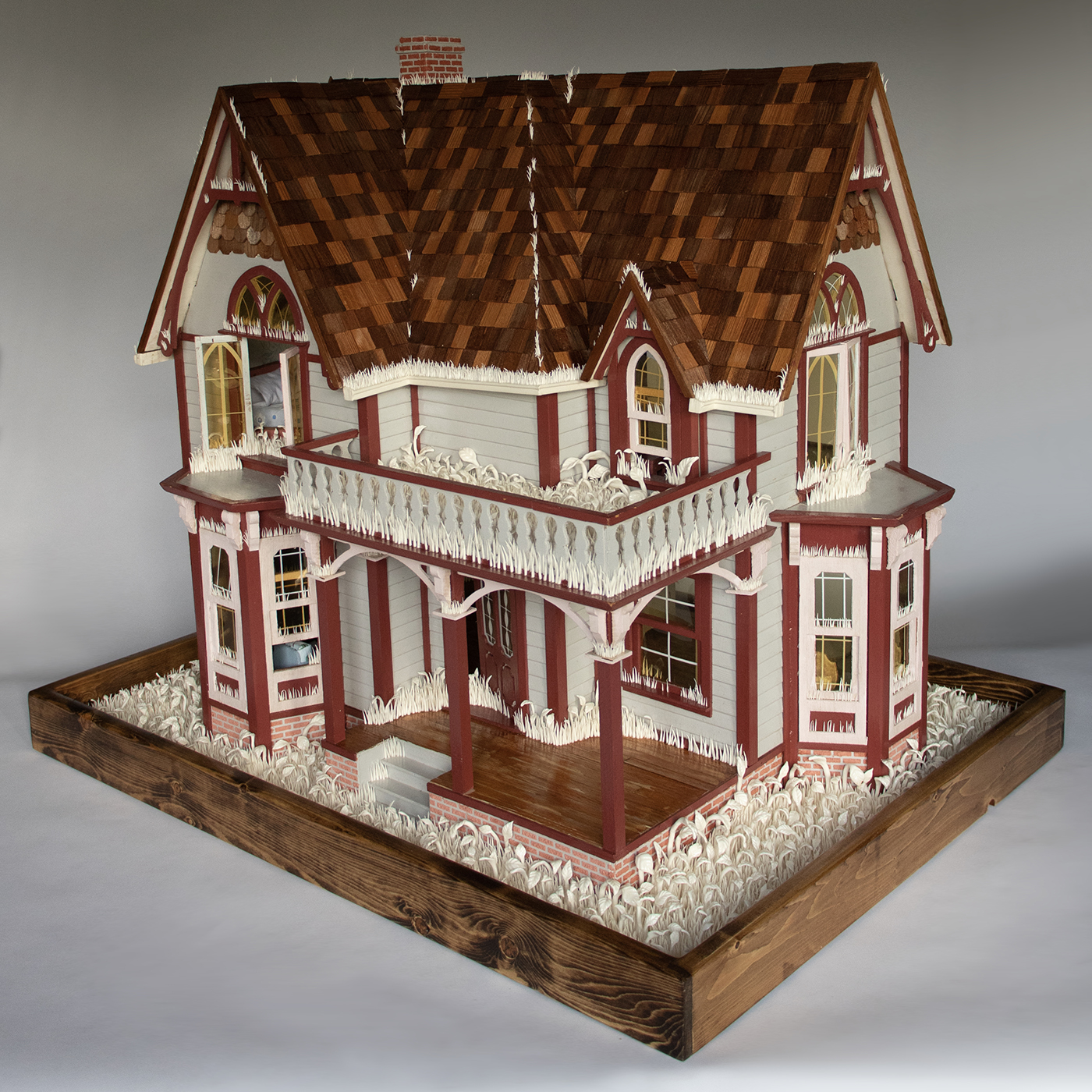
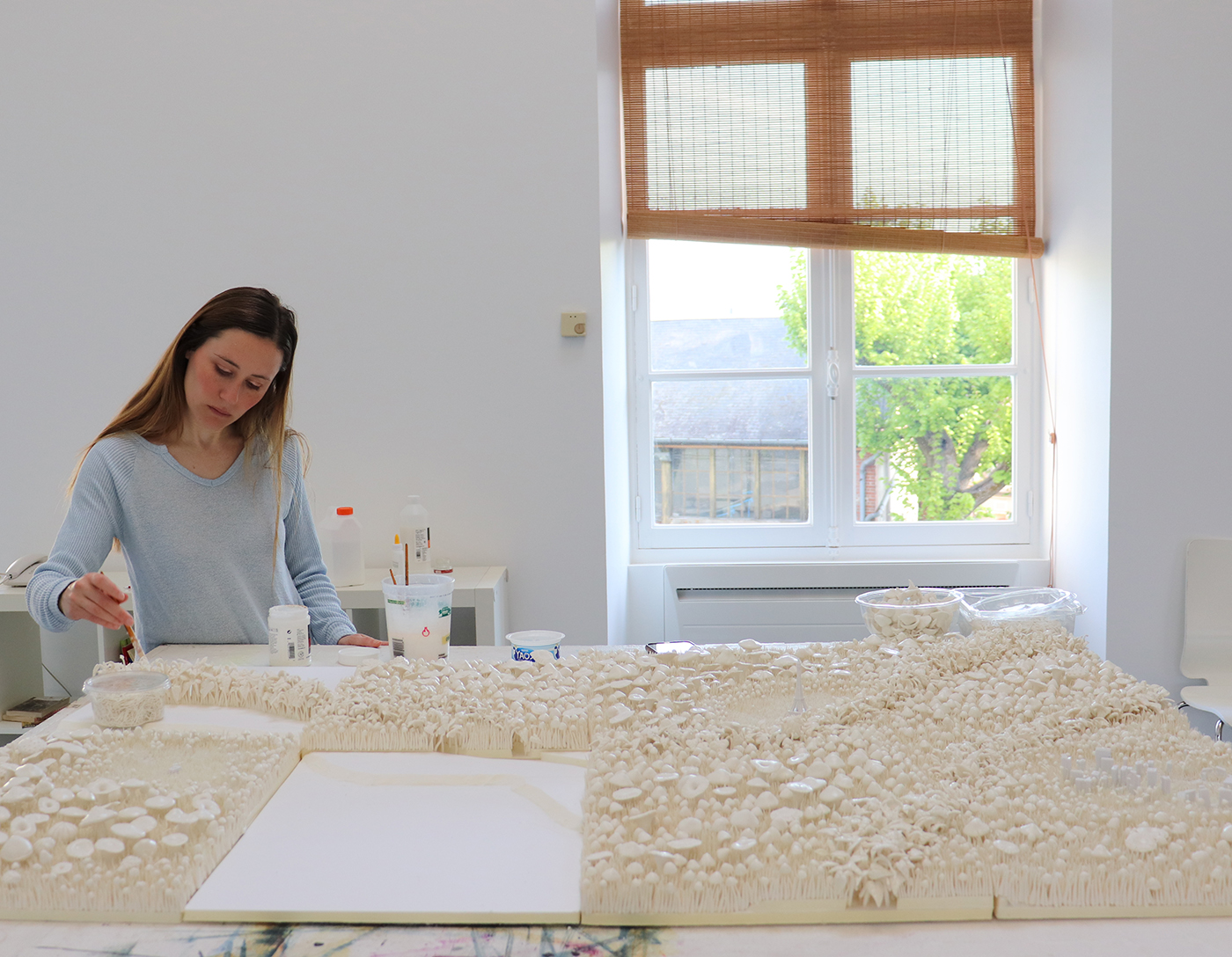
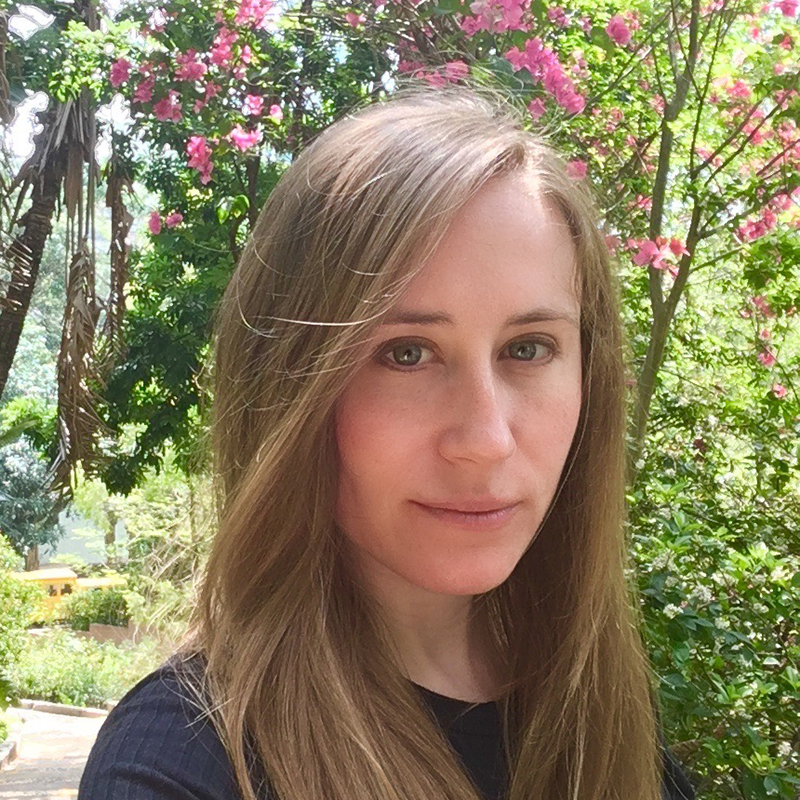
]]>Heather has learned to navigate the art world with intention, which has led to her current solo show at the Chrysler Museum of Art. We discuss funding, being prepared for opportunities, and building authentic relationships.
The post Overcoming anxiety about making art world connections with Heather Beardsley (160) appeared first on Art Biz Success.
]]>
The post Overcoming anxiety about making art world connections with Heather Beardsley (160) appeared first on Art Biz Success.
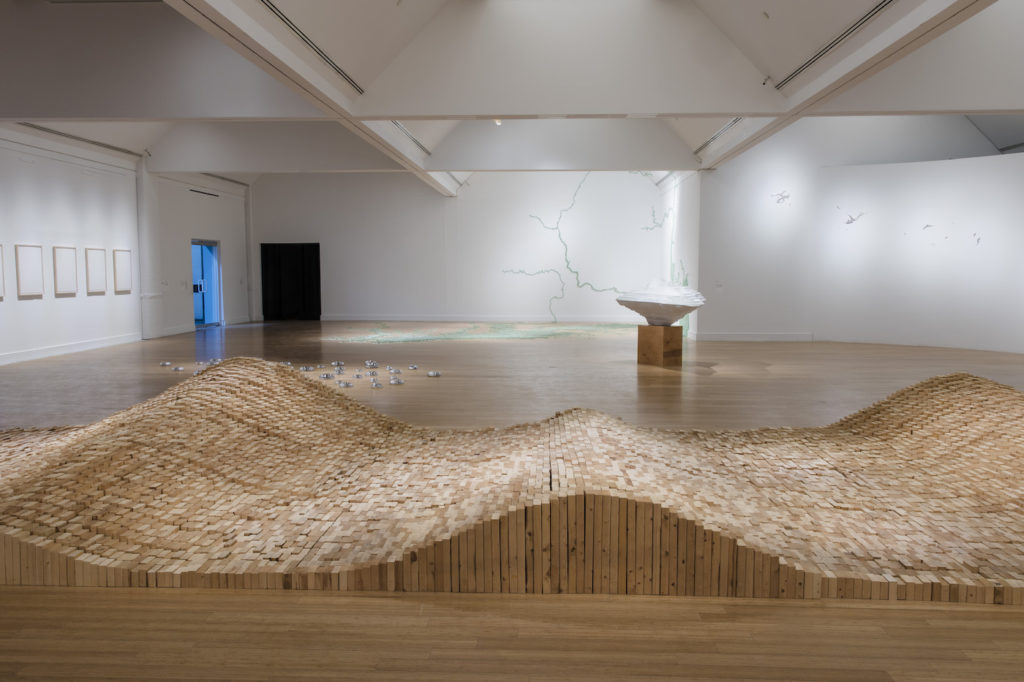
]]>We discussed the types of institutions she works with, how projects are funded, and the rhythm of their realization.
The post Putting artists first in curatorial projects with Melissa Messina (136) appeared first on Art Biz Success.
]]>
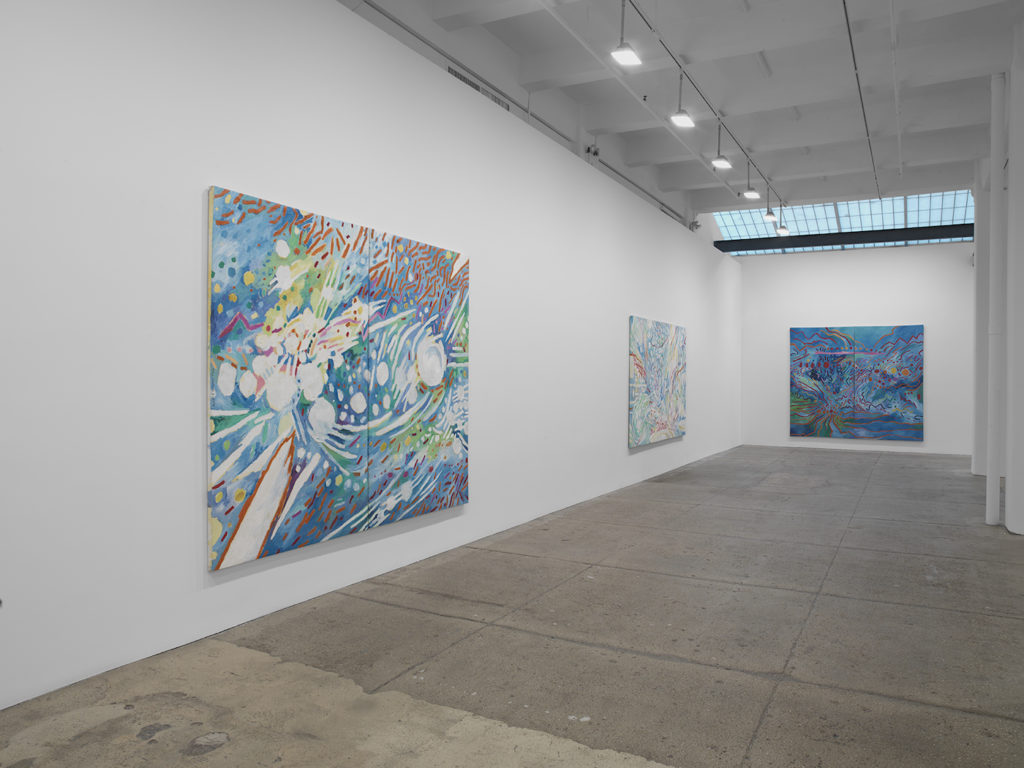
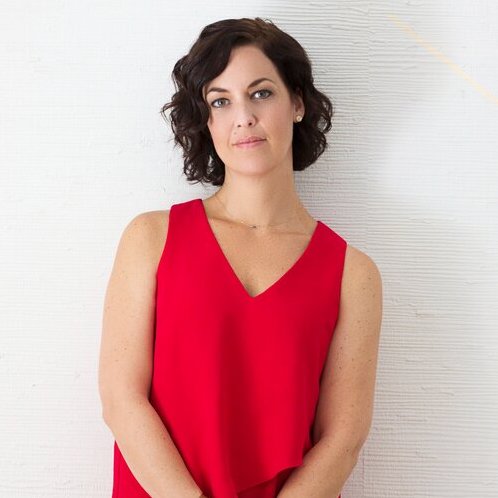 Melissa Messina is a nationally recognized arts professional who has developed thought-provoking exhibitions, dynamic site-responsive projects and engaging educational public programming both independently and in leadership positions at museums and non-profit arts organizations. For 20 years, her work with regional, national, and international artists has been presented in the U.S. in Atlanta, Kansas City, Miami, New York, New Orleans, Richmond, Savannah, and Washington, D.C., as well as in Bermuda, France, and Hong Kong. She has lectured extensively and published widely, and her research has been funded by Creative Time and The Andy Warhol Foundation, as well as by fellowships at Emory University’s Stuart A. Rose Library, Atlanta, GA, and the Crystal Bridges Museum of American Art, Bentonville, AR.
In addition to serving select public and private clients, she is the curator of the Mildred Thompson Estate. She has also recently served as guest curator at the Virginia Museum of Contemporary Art, Spelman College Museum of Fine Art, the Visual Arts Center of Richmond, and the New Orleans Museum of Art, and was the co-curator of the 2018 and 2020 Bermuda Biennials. In 2017, she co-created Magnetic Fields: Expanding American Abstraction, 1960s to Today, an intergenerational exhibition highlighting 21 Black female abstract practitioners that traveled from Kemper Museum of Contemporary Art in Kansas City to The National Museum of Women in the Arts, Washington, D.C.
Follow her on Instagram @melissa_messina
The post Putting artists first in curatorial projects with Melissa Messina (136) appeared first on Art Biz Success.
]]>While I haven't been part of the museum world since 2001, I am confident that what I share below can still be helpful to you. Keep in mind, however, that not all museums operate the same way,
The post Who’s who in the art museum appeared first on Art Biz Success.
]]>If it’s on your bucket list to schedule a museum exhibition, volunteer or work at a museum, or see your art in a museum collection, you will benefit if you understand how a museum administration is structured.
While I haven’t been part of the museum world since 2001, I am confident that what I share below can still be helpful to you. Keep in mind, however, that not all museums operate the same way, and there is a vast difference between how small and large museum personnel divide their responsibilities.

Let’s start with an overview of the basic museum hierarchy.
Museum Hierarchy
Board of Directors
Or University Dean, Provost or President. This official body is ultimately responsible for the overall well-being of the institution.
↓
Director of Museum
↓
Museum Staff
↓
Volunteers
Now we can look at the individual roles of the staff members.
Directors
Museum directors are responsible for overseeing all operations. They keep the board of directors informed through regular meetings and as-necessary contact. They serve at the pleasure of the board.
Directors often have art backgrounds, but more and more of them have business experience and political (fundraising) acumen.
The director juggles trying to please the staff, the board, the university (if on a campus), the public, and volunteers.

How an Artist Might Work with a Museum Director
In museums with a curatorial staff, you probably wouldn’t have much contact with a director. However, it might be necessary for a director to assume some of the roles below if there are only a few on staff at the museum.
Curators
Curators, who answer to the director, are the objects (art) experts on a museum staff and often hold doctorates in art history. Being the objects experts, curators shape the content of museum collections and exhibitions, and write and speak extensively about the art.
Some museums are lucky to have more than one curator. In these cases, curatorial responsibilities might be divided into exhibitions (curator of exhibitions) and collections (curator of collections). Alternatively, they could be differentiated by medium (curator of prints) or eras (curator of contemporary art) or even by chief curator and assistant.
Smaller museums might not have a curator, instead relying on a director to assume curatorial responsibilities in addition to administrative ones.
Curators often perform services for the art community outside their own walls. They might judge exhibitions for organizations or other institutions, sit on grant panels, or contribute text to magazines, brochures, and catalogues.
How an Artist Might Work with a Museum Curator
Curators are the reason you want to keep excellent records of your work and exhibitions and why you want to become better and better at articulating what your work is about. They will want to dive in to every detail of your career.
If you were to submit a proposal for a museum exhibition, it should be addressed to the curator.
The curator makes studio visits in order to select the work for exhibition. He or she would conduct extensive interviews with you (privately and, perhaps, in a public forum) in order to ensure the intellectual integrity of the exhibition.
The curator is also the person who recommends additions to the collections.
Please note that museum exhibitions and acquisitions are a long-term goal. It takes more than submitting work to a curator to see your art in a museum.
Registrars

The primary responsibility of registrars is a big one: they are responsible for the care of the artwork. They make sure it’s safe, secure, and in good condition. They might report to directors or curators.
Registrars supervise shipping, insurance, donor forms and condition reporting. They are the meticulous record-keepers of the museum and usually have an art or art history background.
How an Artist Might work with a Museum Registrar
The registrar will ask you for object lists with insurance values. He or she would also coordinate any shipping arrangements of your work and communicate with you if there were any problems with the condition of the art.
Preparators
Preparators, often artists themselves, are the people who prepare a space and its content for public view.
Preparators are responsible for the physical aspects of storing, transporting, and exhibiting the artwork. They pack, uncrate, move, and install the work. They might paint the walls, put up labels, and build pedestals and other display mechanisms. They also oversee lighting and climate control.
As I said, museums divide these responsibilities differently, but preparators usually report to the registrar.
How an Artist Might Work with a Museum Preparator
A preparator might check with you about your wishes for installing the work. Is it right-side-up? At what height should the hanging discs in your installation fall?
Educators
Museum educators interpret the artwork for the public. They take the art-ese of the curator and transform it, magically, into the vernacular. (You can easily differentiate labels written by the curator from those written or edited by the educator.)

Educators oversee group tours, studio programs for children and adults, public lectures, label writing, interactive spaces, demonstrations, gallery guides, and other interpretive programs. They are also responsible for docent training.
A large museum would separate the education responsibilities among the staff, so that you might have an educator for school programs or an educator for family programs. Most educators report immediately to the director, but some old-fashioned museums have them working under curators.
How an Artist Might Work with a Museum Educator
Educators hire artists to speak, to give demonstrations, train docents, and lead classes. They might also ask you to volunteer for these roles.
Other Roles
While these are the people at museums that you would work most closely with, you will also come across store managers, volunteer coordinators, development directors, marketing directors, and technology experts.
My hope is that you have a better understanding of how things work behind the scenes in art museums.
The post Who’s who in the art museum appeared first on Art Biz Success.
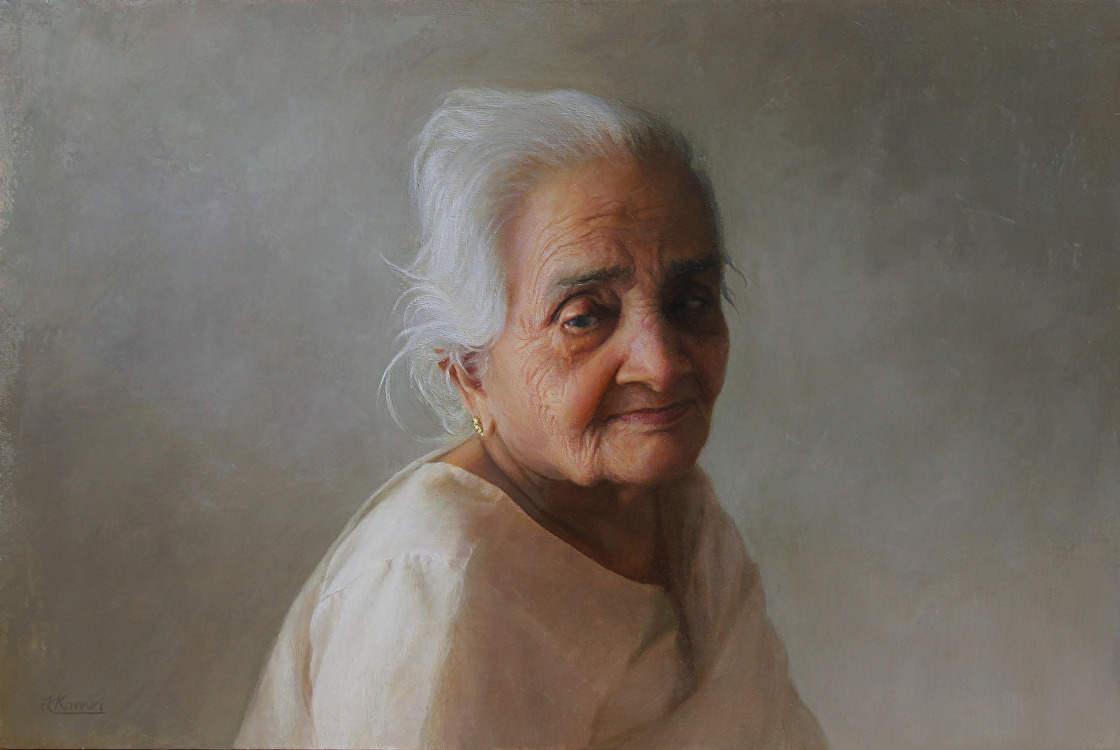
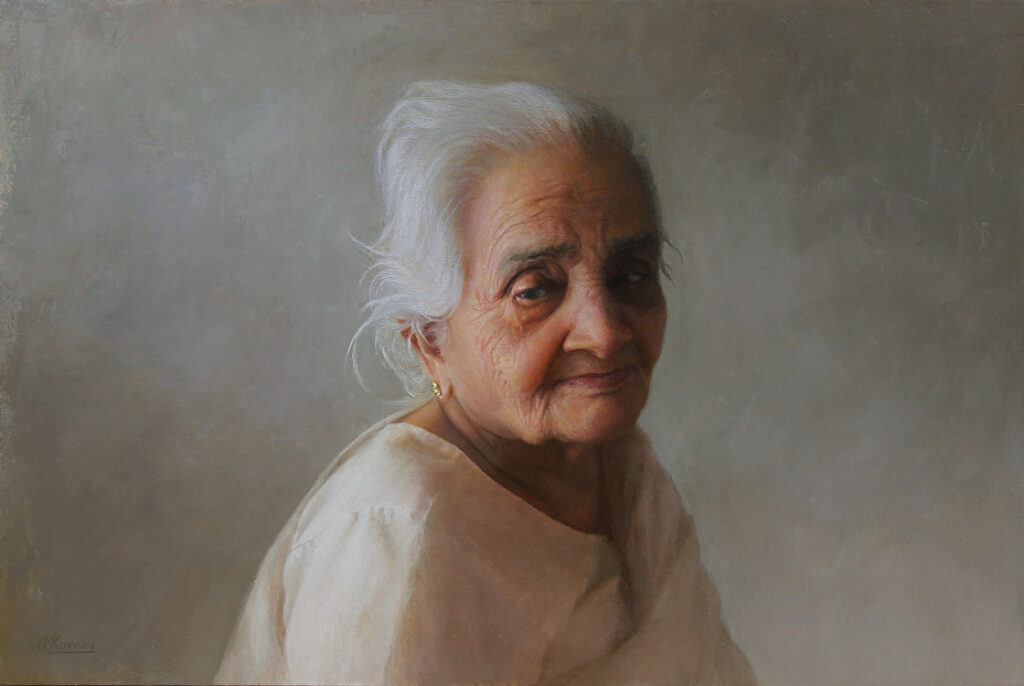
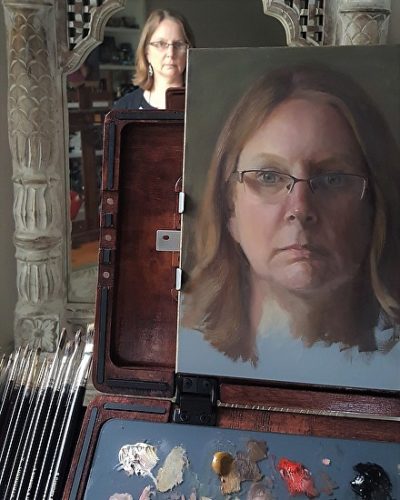
]]>In particular, she reveals how she found people to sit for her and what she learned during the project. We also learn that most of the paintings had since sold.
The post The Art Biz ep. 11: Portrait Project and Museum Exhibition with Lisa Kovvuri appeared first on Art Biz Success.
]]>
The post The Art Biz ep. 11: Portrait Project and Museum Exhibition with Lisa Kovvuri appeared first on Art Biz Success.
]]>They live together and have been happily married for more than 20 years.
For ten of those years, they have jointly owned a gallery based in the arts community of Bisbee, Arizona.
Each has a thriving studio practice.
Now they’re showing together in a 2-person exhibition at The University of Arizona Museum of Art.
How do they balance their separate work and artist lives together?
In this podcast episode, I introduce you to Sam, the painter, and Poe Dismuke, her husband and sculptor. We discuss:
- What their daily routines and work styles look like
- What their art has in common
- Life in Bisbee (sounds like it’s a must-see)
- How the museum show came about
The post The Art Biz ep. 8: A Married Life in Art: Sam Woolcott and Poe Dismuke appeared first on Art Biz Success.
]]>They live together and have been happily married for more than 20 years.
For ten of those years, they have jointly owned a gallery based in the arts community of Bisbee, Arizona.

Each has a thriving studio practice.
Now they’re showing together in a 2-person exhibition at The University of Arizona Museum of Art.
How do they balance their separate work and artist lives together?
In this podcast episode, I introduce you to Sam, the painter, and Poe Dismuke, her husband and sculptor. We discuss:
- What their daily routines and work styles look like
- What their art has in common
- Life in Bisbee (sounds like it’s a must-see)
- How the museum show came about
LISTEN NOW …
Music: Carry Your Heart by Wildermiss. Used with permission.
Listen to or subscribe on iTunes.


The post The Art Biz ep. 8: A Married Life in Art: Sam Woolcott and Poe Dismuke appeared first on Art Biz Success.
]]>The post Submit a Museum Proposal appeared first on Art Biz Success.
]]>Carpe diem!
For instance, now would be a terrific time to put together an exhibition proposal for your local museum or art center. Museums are hurting these days. They’re laying off staff and cutting back on budgets. You–the local artists–could be a budget-saver for them. I hate to put it this way, but you’re a cheap program.
 |
| Jo-Ann Sanborn, Beach Path. Oil on canvas, 20 x 24 inches. ©The Artist |
Museum exhibitions are often planned 2-4 years (or more) in advance. Big-budget exhibits may be scaled back right now or even canceled. Guess what? The gallery spaces still have to be filled with something! If you have the work and reputation to back it up, now is the time to propose your exhibit.
Museum Considerations for Scheduling an Exhibition
In the museums where I worked long ago, it was important that any exhibition we booked from outside our collection was (1) fundable, (2) educational, and (3) something that would bring people into our galleries.
Curators don’t always have ultimate control over what is exhibited. They must consult with:
- Educators: What programs could we line up with this exhibition? Would school groups come to see this?
- Development directors: Could we get a grant for this? Is there a major donor that would partially fund this?
- Preparators: Does this work with our installation schedule?
- Director: What do you think? Can we fund this?
- Board of directors: Can you get behind this?
Don’t Forget Other Museums
Art museums are a natural target, but don’t forget about history museums, botanic gardens, zoos, science museums, and the plethora of other museums out there. The type of museum you contact will depend on your type of art and your subject matter.
Line up all of the details and include them in a solid proposal. Double-check the facts so that you’re confident in the content you submit. Take a look at the previous newsletter Draft a Winning Exhibit Proposal for more information and tips.
It’s always easier to ask for something when you have built a relationship, but, as they say, it never hurts to ask. The worst that can happen is that you get turned down, which leaves you no worse off than you were before you started the process. Think of the knowledge you’ll gain!
One last piece of advice: While a solo museum exhibit might look nice on your résumé, it might be smarter to propose a curated group exhibit (2 or more artists) with a cohesive theme. Group exhibits are safer for museums to book if the artists aren’t well known. Think of this as your first step toward a solo museum exhibit–not your only chance.
The post Submit a Museum Proposal appeared first on Art Biz Success.
]]>The post Treat Your Art Like It Belongs in a Museum appeared first on Art Biz Success.
]]>
After sufficient time has passed, it is uncrated by the preparator or registrar who is wearing white gloves. A condition report is conducted—probably by the registrar. She will use the right lighting, magnification, and perhaps even ultraviolet light to ensure nothing has changed since the original condition report that accompanied the piece on its travels.
Loan and insurance forms are completed. Data is entered into the computer.
Gallery lighting is meticulous and at the appropriate foot-candle level for the medium. Labels are uniform. Floors are cleaned and artworks dusted (by someone with authority to handle art).
Everything is done to ensure the artwork is cared for properly and seen in its best light.
[ Who’s Who in the Art Museum ]
Whether you’re a painter, sculptor, jeweler, photographer, fiber artist, woodworker, or ceramist, you can do the same. Treat your art like it belongs in a museum and you just might see it there someday.
I don’t expect you to wear white gloves whenever you touch your art or to demand that your crates be acclimated for 48 hours. But you can still treat your art like it belongs in a museum. Here are some ways to start.
- Know the heck out of your materials. Become an expert in what you choose to use to make art and insist on the best-quality materials you can afford.
- Use acid-free paper and mats, and please get someone else to cut the mats if you can’t cut clean corners. Poorly cut mats are unsightly and the sign of an amateur.
- Make sure your stretcher bars are at right angles (when they’re supposed to be!) and rest snugly against the wall.
- Use UV-filtered Plexiglas. (Use Plexi when appropriate—not with pastels!)
- Use museum-quality hanging and installation devices.
- Document all of your art with high-quality photographs.
- Maintain an updated inventory that you can quickly access. Chronology is important for museums, so dates are critical. Artwork Archive is the gold standard for artists and many others in the art world.
- Inside of each item in your inventory, track its ongoing exhibition record.
- Make note of any scratches or damages to your art and keep this information logged in an ongoing condition report of the work. This will be inside of your inventory system.
- Deliver your art in sound packaging. Don’t wrap it in newspapers or throw it in department store bags.
- Display your art in venues, tents, and cases that enhance—rather than detract from—the quality of the work.
- Create uniform labels and proper credit lines when you show your art online.
- Insure your art. For this, you need business insurance. A standard homeowner’s or rental policy is insufficient.
[ Listen to 4 Levels of Business Insurance for Artists ]
KNOW THIS———-~>
You can’t expect others to treat your art like it belongs in a museum if you don’t set the standard.
DO THIS————~>
Treat your art like it belongs in a museum. Do what you can to ensure it is handled respectfully and is seen in its best light. Set an example for those who will handle your work in the future.
THINK ABOUT THIS—~>
When have you been less than respectful of your art?
The post Treat Your Art Like It Belongs in a Museum appeared first on Art Biz Success.
]]>The post Does an artist have a responsibility to the community? appeared first on Art Biz Success.
]]>
As an artist living in North Adams, MA , the town where MASS MoCA is located (I am in no way affiliated with the museum), I think it is important to note a crucial component missing from the dialog and that is the responsibility of the museum and the artist to the community in which they are working. MASS MoCA was built as an economic driver in a struggling mill town that had lost its core industry. The idea was always to try to revitalize the local economy through culture. Buchel has demonstrated a penchant for pranks that question the art business (in 2002 he sold his invite to Manifesta for $15,000 on ebay) and apparently has no regard for the working class people of this region who rely on the tourism that MASS MoCA generates for subsistance.I am generally very protective of artists’ rights but I think this is an unfortunate example of the artist not being sensitive to the situation. When do the rights of the artist supersede the responsibility that artists have within a community? I would argue that this stunt would have been more appropriately executed at a larger, more endowed institution instead. As an artist, I count on artists to enrich our society and to question authority, but not at the expense of an already economically depressed community. Either Buchel didn’t do his homework or, if he did, shame on him for ignoring the impact of his actions in order to bolster his own ego.
An interesting consideration. I very much appreciated hearing from someone who is there and part of the community.
Regardless of the facts in this situation, a museum is a public trust and, as such, has great responsibility to the community. But what responsibilities does an artist have to the community?
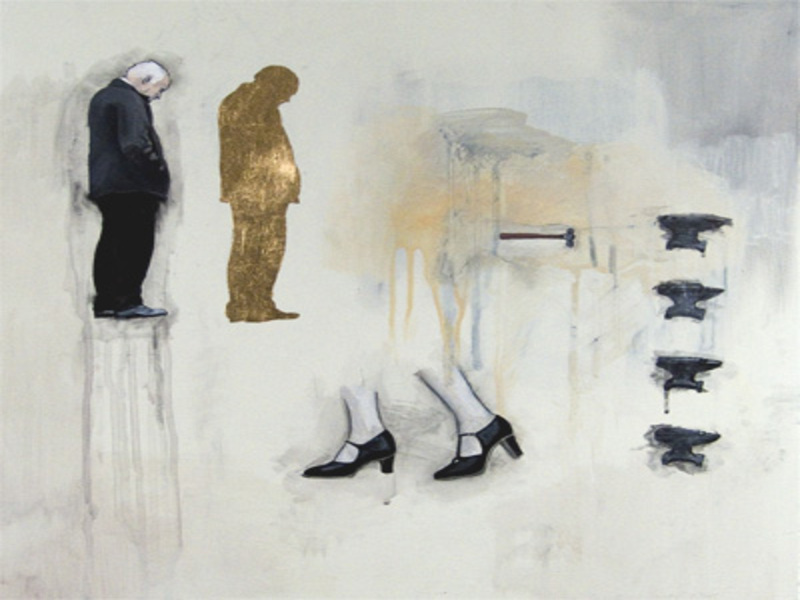
Image (c) Joshua Field, The Devil of Salzburg.
The post Does an artist have a responsibility to the community? appeared first on Art Biz Success.
]]>