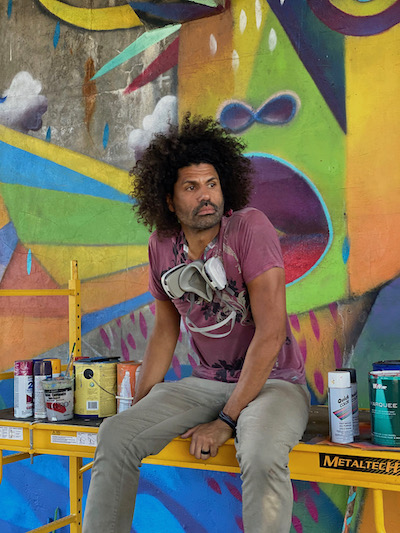
Networking & Relationships Archives - Art Biz Success https://dy-online.com/tag/networking-relationships/ Trusted Art Business Coaching and Consulting Mon, 01 Jun 2026 16:29:01 +0000 en-US hourly 1 https://wordpress.org/?v=7.1.4 https://dy-online.com/wp-content/uploads/2022/02/favicon-2-150x150.png Networking & Relationships Archives - Art Biz Success https://dy-online.com/tag/networking-relationships/ 32 32 Strategic networking and visibility beyond art world centers with La Vaughn Belle (245) https://dy-online.com/visibility-belle/ Thu, 23 Oct 2025 14:34:20 +0000 https://dy-online.com/?p=55539 La Vaughn Belle has built a thriving art career from St. Croix through strategic networking, interdisciplinary collaboration, and bold moves like hiring a publicist for her monument project I Am Queen Mary.

She shares how consistent newsletter practice, working with non-artists, and dedicating twenty hours per week to studio time transformed her visibility and opened doors she didn't know existed. Her approach proves you can build a sustainable career from anywhere.

The post Strategic networking and visibility beyond art world centers with La Vaughn Belle (245) appeared first on Art Biz Success.

]]>
What does it take to build a sustainable art career when you don’t live in a major art center?

Interdisciplinary artist La Vaughn Belle has been figuring that out from her home in St. Croix, US Virgin Islands. Building visibility from the Caribbean required strategy.

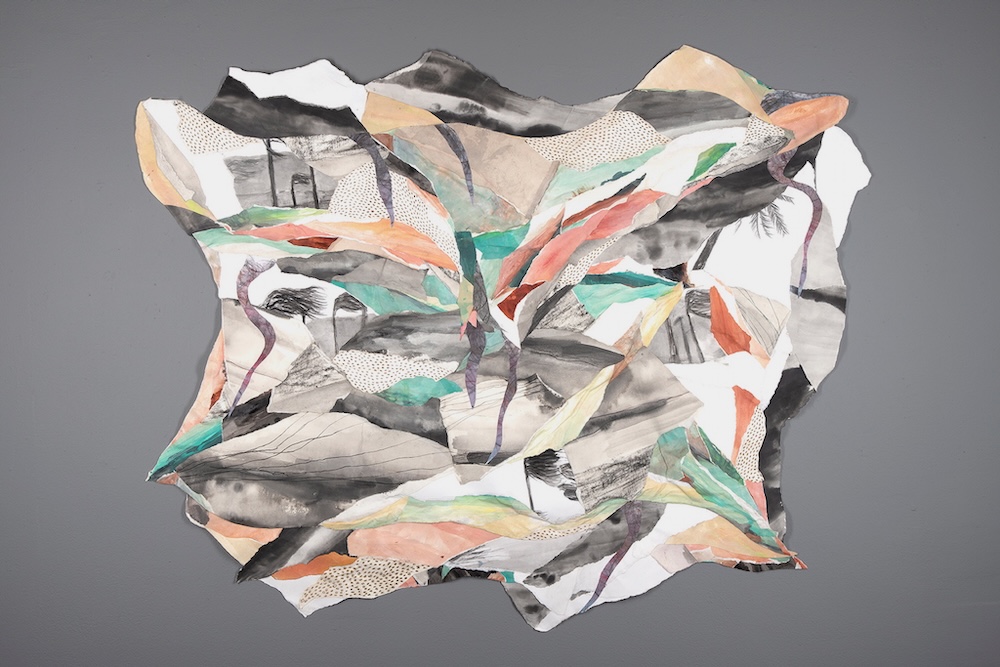
La Vaughn Belle artwork
©2023, La Vaughn Belle, Storm (how to imagine the tropicalia as monumental-as in a fidgeting story). Charcoal, ink and acrylic with cuts and burns on paper mounted on 100% cotton, 42 x 53 inches.

La Vaughn has built her reputation through three consistent actions.

  1. She has maintained a newsletter practice for over twenty years, sending monthly updates and always asking people to subscribe.
  2. She is committed to strategic networking, traveling and reaching out to build relationships, starting with other Caribbean islands and expanding outward across continents.
  3. She collaborates across disciplines with writers, philosophers, anthropologists, and scientists to expand her reach and access different funding streams.

The key is being intentional. Strategic networking means knowing what you’re asking for and following up with genuine curiosity.

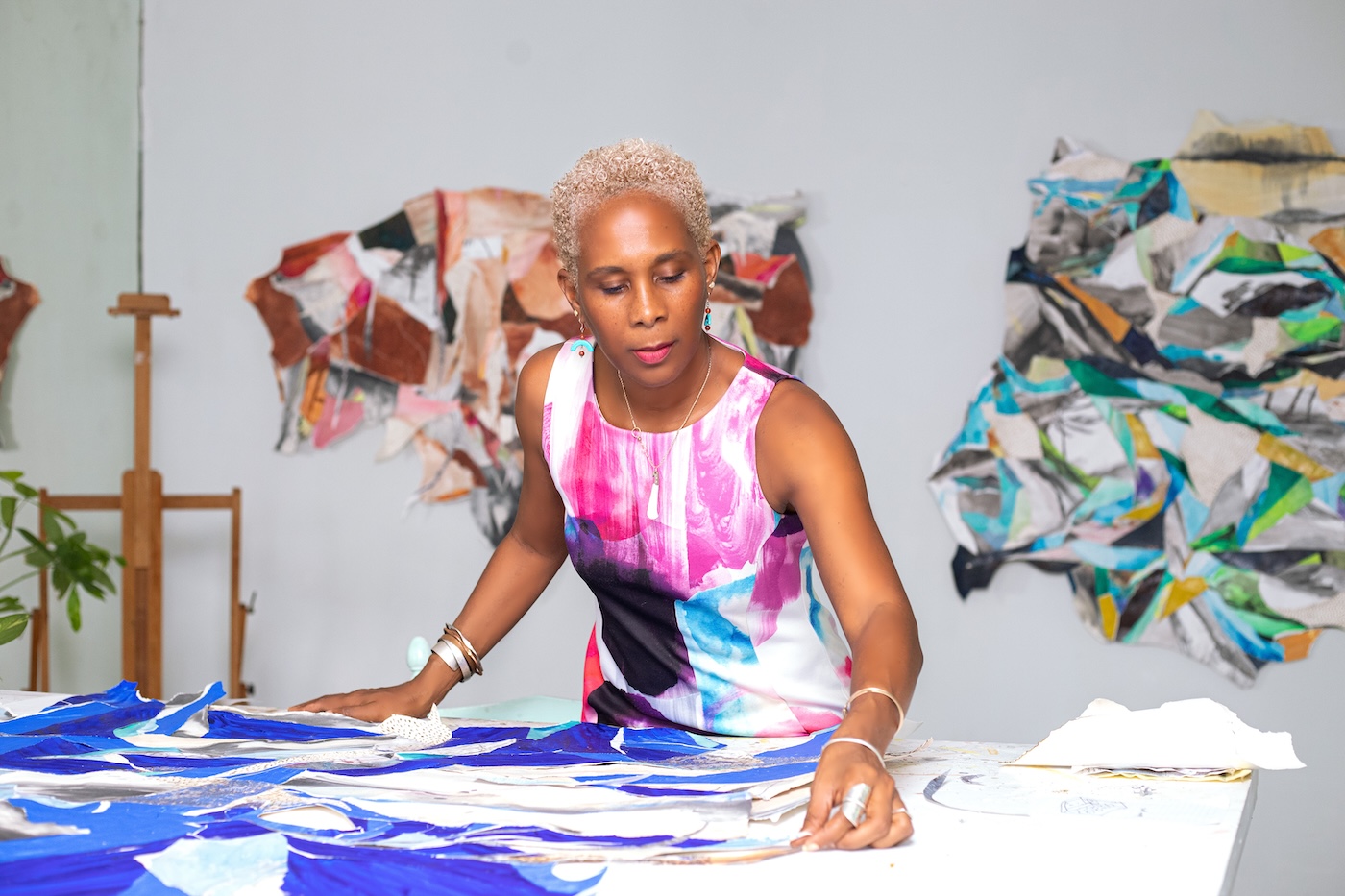
La Vaughn Belle in her studio
La Vaughn in her studio.

Listen

Pick one relationship you already have—maybe someone who expressed interest in your work, a curator you met once, or an artist in a different discipline—and reach out this week. Not with an ask, but, following La Vaughn’s example, with genuine curiosity.

Invite them for a coffee chat or Zoom conversation and see where it takes you.

La Vaughn Belle Quotes

“I see myself as living in the world. I think maybe others may project onto me provinciality or smallness, but I always see myself as being an integral and vibrant part of this planet.”

“Iron sharpens iron. What we looked for in each other was a sharpening of each other—intellectually, artistically, creatively, relationally.”

“Sciences tend to get a lot more funding than arts organizations do, but what’s interesting about working with artists is that we’re able to translate some of their data in ways that they have certain limitations on.”

“I was like, let’s just go big or go home. We want The New York Times, we want CNN, we want the The Guardian.”

“I swear I Am Queen Mary will probably be on my tombstone. It’s such a defining project for me and for my collaborator too.”

“If you are not able to at least put 20 making hours a week, you cannot compete on an international level.”

“It isn’t just networking. It’s strategy. Be very strategic in your networking.”

About La Vaughn Belle

La Vaughn Belle makes visible the unremembered. Working across painting, installation, photography, writing, video, and public interventions, she creates narratives from fragments and archival silences. Her practice moves between myth and mapmaking, constructing new cartographies of freedom, care, and belonging.

Recognized for her explorations of colonial histories and Caribbean memory, she has exhibited widely across the Caribbean, the United States, and Europe. Her studio is based in the Virgin Islands.

Follow La Vaughn on Instagram: @lavaughnbelle

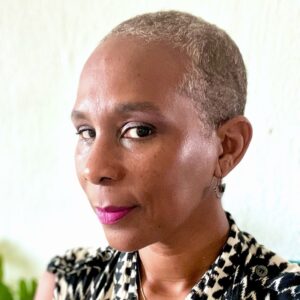
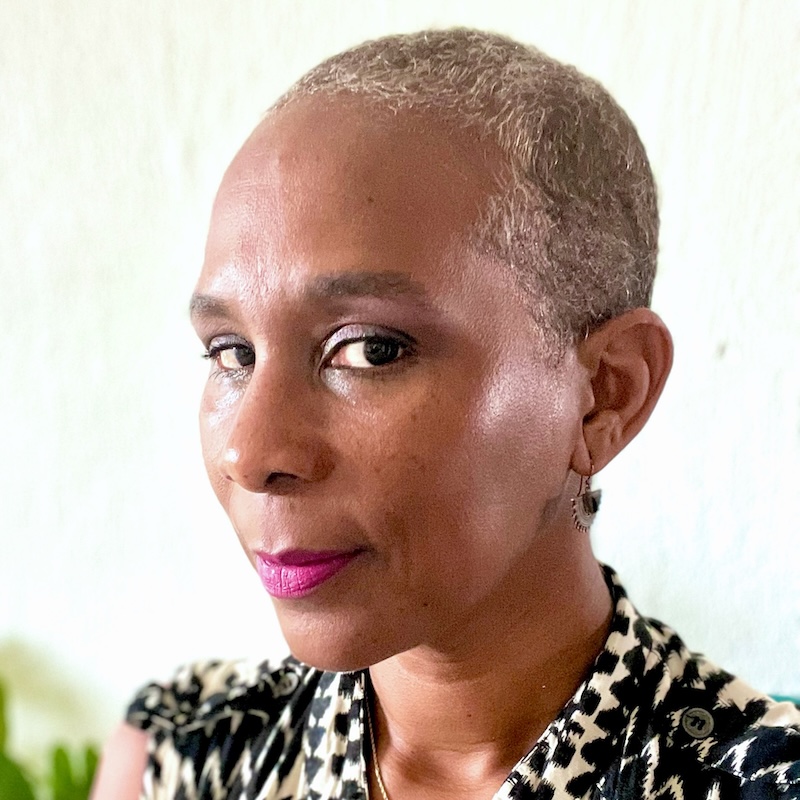
La Vaughn Belle
Photo of La Vaughn Belle by Stephanie Chalana Brown.

The post Strategic networking and visibility beyond art world centers with La Vaughn Belle (245) appeared first on Art Biz Success.

]]>
You don’t need a gallery, you need conscious connections (238) https://dy-online.com/conscious-connections/ https://dy-online.com/conscious-connections/#comments Thu, 28 Aug 2025 15:18:22 +0000 https://dy-online.com/?p=55041 Waiting to be discovered is not a strategy. You don’t need a gallery to succeed, you need conscious connections. These intentional relationships expand your reach, bring new opportunities, and sustain your career.

Learn what conscious connections are, why they matter more than ever, and how to start cultivating your own unique network—the one only you can build.

The post You don’t need a gallery, you need conscious connections (238) appeared first on Art Biz Success.

]]>
Nobody seeking to run a profitable business can afford to wait to be discovered regardless of how good their product is. There’s simply too much noise and competition for attention in today’s world. We have to make our own opportunities.

For artists, that often means rethinking the belief that gallery representation will solve everything. Or that posting on Instagram every day will magically get you what you want.

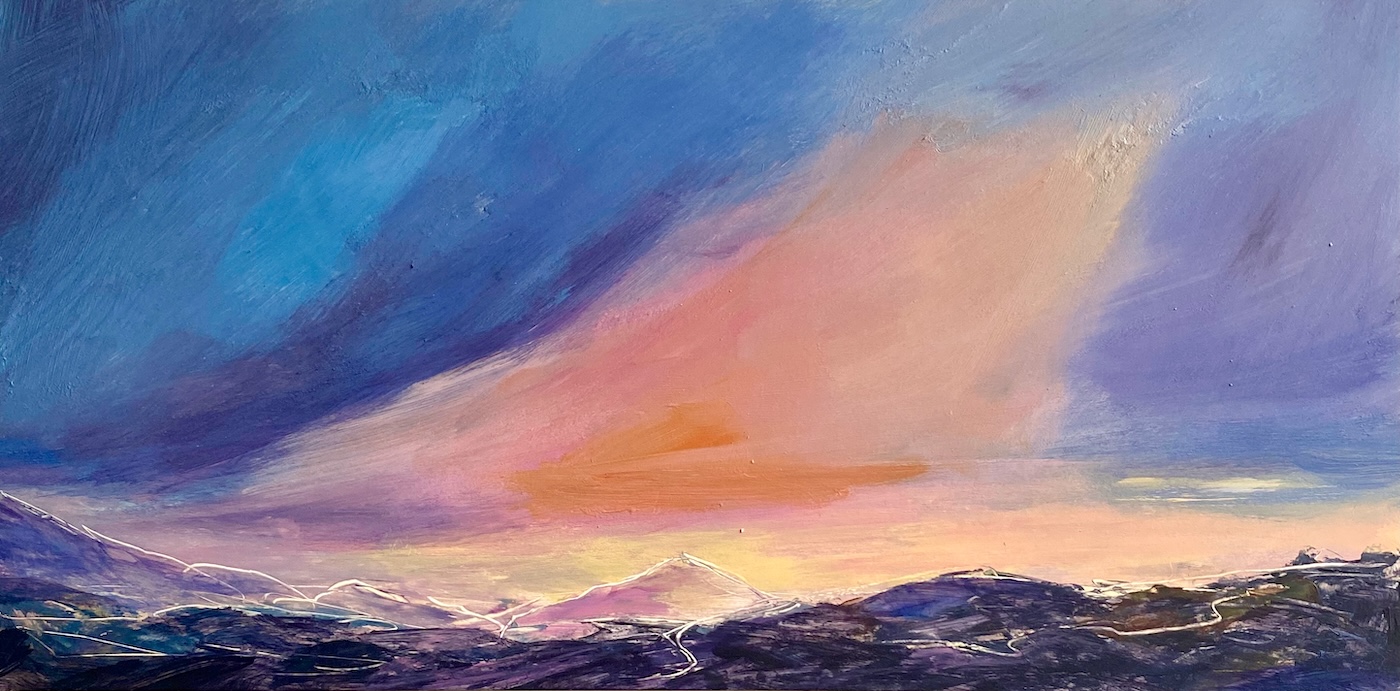
Cathy Wagstaff mixed media
©Cathy Wagstaff, Elation. Original mixed media on board, 26 x 51 centimeters.
You can’t afford to wait for someone to stumble across your website or Instagram profile and offer you representation, a commission, or some other opportunity. That’s where conscious connections come in.

Listen

Or listen and subscribe on your favorite app by searching The Art Biz with Alyson Stanfield.

What Are Conscious Connections?

Conscious connections aren’t transactional. They aren’t about “getting,” although they are often mutually beneficial. They are intentional relationships that help you achieve specific goals.

They go beyond casual acquaintances and require a deeper and more personal level of engagement and commitment. This is what they look like:

  • A collector who bought from you years ago and still raves about your work, but hasn’t heard from you in a while.
  • A realtor who commissions small works from you to give new homeowners, putting your art into dozens of homes.
  • A podcaster looking for fresh stories. Your journey could be just what their audience needs to hear. (Ahem … )
  • A young curator eager to build a resume. Supporting them now could mean exhibitions or introductions later.

These are conscious connections. Not casual contacts, but intentional relationships that expand your reach and open new doors.

Why They Matter

Back in episode 93 of The Art Biz, artist Michael Gadlin said: “You cannot be a one-person band and succeed in your art business.” He was sooooo right.

Conscious connections give you things that may be impossible to find on your own or that you didn’t even know you needed. Things like:

  • Resources. Access to funding, expertise, materials, or venues.
  • Opportunities. Calls for entry, residencies, or commissions you learn about before they go public.
  • Momentum. Not shortcuts, but a network that helps you move faster.
  • Knowledge. Staying connected helps you learn what’s happening in your medium, your community, or the art world at large.
  • Sales. People who know you are far more likely to buy from you and to share your art with others.
  • Collaboration. Partnerships with artists or organizations multiply your reach and introduce you to new audiences.

Conscious connections are the lifeblood of your career. They keep you visible, relevant, and supported in ways no single gallery or social media post can deliver. 

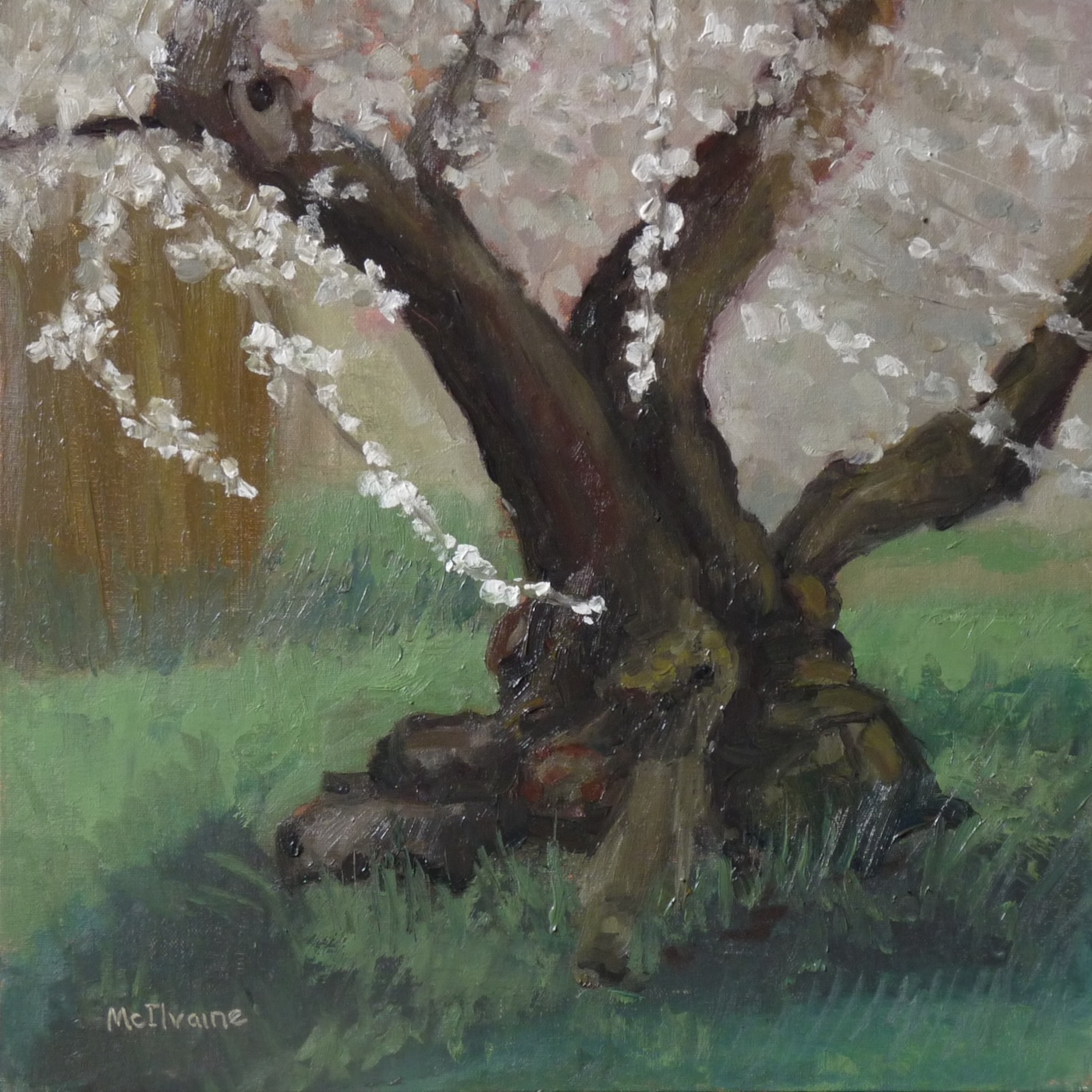
©Joanne McIlvaine, Holding Up The World. Oil on panel, 12 x 12 inches.

Barriers to Connecting Consciously

If connections are so important, why don’t artists prioritize them? Maybe it’s:

  • Fear. Reaching out feels awkward. There’s risk of rejection or worry about bothering people.
  • Logistics. Geography or not knowing where to start.
  • Avoidance. It’s easier to post on social media and feel like you’re making progress. Disorganization and overwhelm also get in the way.

The longer you delay your people work, the longer you delay results.

💡To overcome these challenges, focus less on yourself and more on others. 

Think about how connecting with them can enrich their lives as well as your own.
Who to Focus On

I wish I could wave a magic wand and hand you the perfect list of collectors waiting to buy your work. But it doesn’t work that way. And besides, it’s much more interesting and sustainable to build a network across a wide range of people.

In my Followers to Collectors workshop I share 31 categories of people to consider. Here’s the simplified version of four bigger buckets:

  • Supporters. Past buyers, students, family, friends, and even your social media followers.
  • Sellers and Venues. Gallerists, nonprofit directors, curators, interior designers, realtors, consultants—anyone who can buy, display, or recommend your art.
  • Influencers. Writers, bloggers, critics, politicians, business leaders, clergy, board members, or local entrepreneurs.
  • Peripheral Potential. Parents at your kids’ school, members of your congregation, coworkers, niche-market colleagues, even the barista or hairdresser you see regularly. Karen L. Fingerman coined a term for them: “consequential strangers” and they can be powerful bridges to new audiences.

Framing your network this way keeps it simple and actionable. Instead of chasing everyone, focus on one bucket at a time and deepen those relationships.  

Take Action

This is an ongoing process, not a race. 

To begin, pick one relationship to nurture this week — one note, one call, one reconnection. That small step is enough to keep momentum going.

Conscious connections aren’t optional. They are the foundation of a thriving art career — more reliable than a gallery, more enduring than an Instagram post. These are the people unique to you. Nobody else could create the same list. 

And if you’re ready to see how those conscious connections fit into the journey from follower to fan to collector, check out my Followers to Collectors Workshop where you will map out how people discover your art, how you build trust, and how you turn casual interest into lasting patronage.

Don’t wait for a gallery to make things happen. Build your own ecosystem of conscious connections. When you nurture them, opportunities multiply.

The post You don’t need a gallery, you need conscious connections (238) appeared first on Art Biz Success.

]]>
https://dy-online.com/conscious-connections/feed/ 2
Strategic growth, collector relationships, and costly lessons with James Corwin (232) https://dy-online.com/growth-corwin/ Thu, 10 Jul 2025 11:38:00 +0000 https://dy-online.com/?p=54278 Wildlife artist James Corwin has built a thriving business around his original paintings—intentionally adding prints, commissions, and a gallery to support his studio practice. He shares how he found his niche, structured his income streams, and learned to prioritize focus over endless growth.

Pay close attention to how James nurtures collectors. It’s not just good customer service—it’s a smart business move that many artists overlook or don’t make time for.

The post Strategic growth, collector relationships, and costly lessons with James Corwin (232) appeared first on Art Biz Success.

]]>
It’s easy to assume that success for artists just happens—that a few lucky breaks or viral moments are all it takes. But James Corwin’s thriving wildlife art business tells a very different story—one built on intention, adaptability, and a deep respect for both art and business.

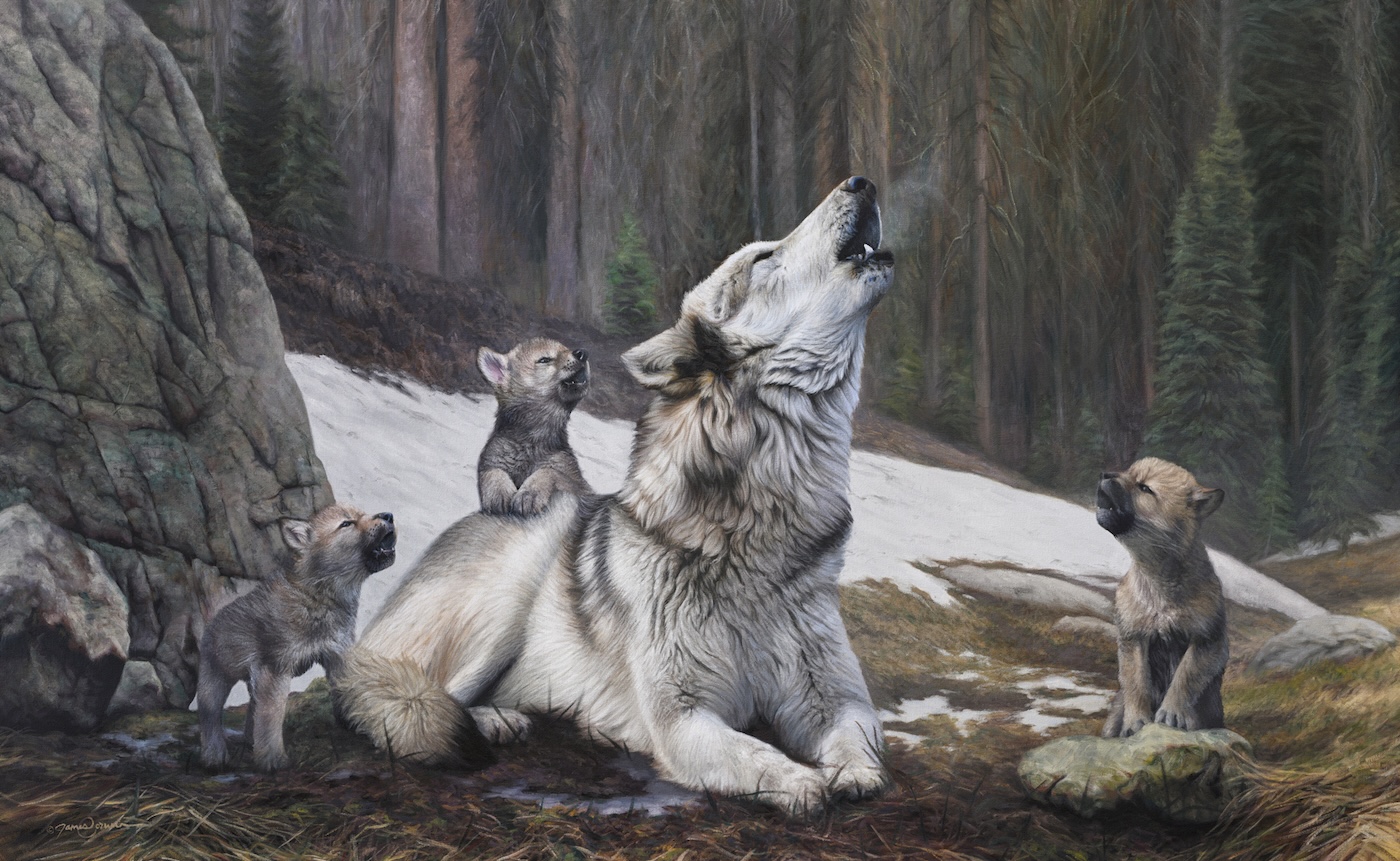
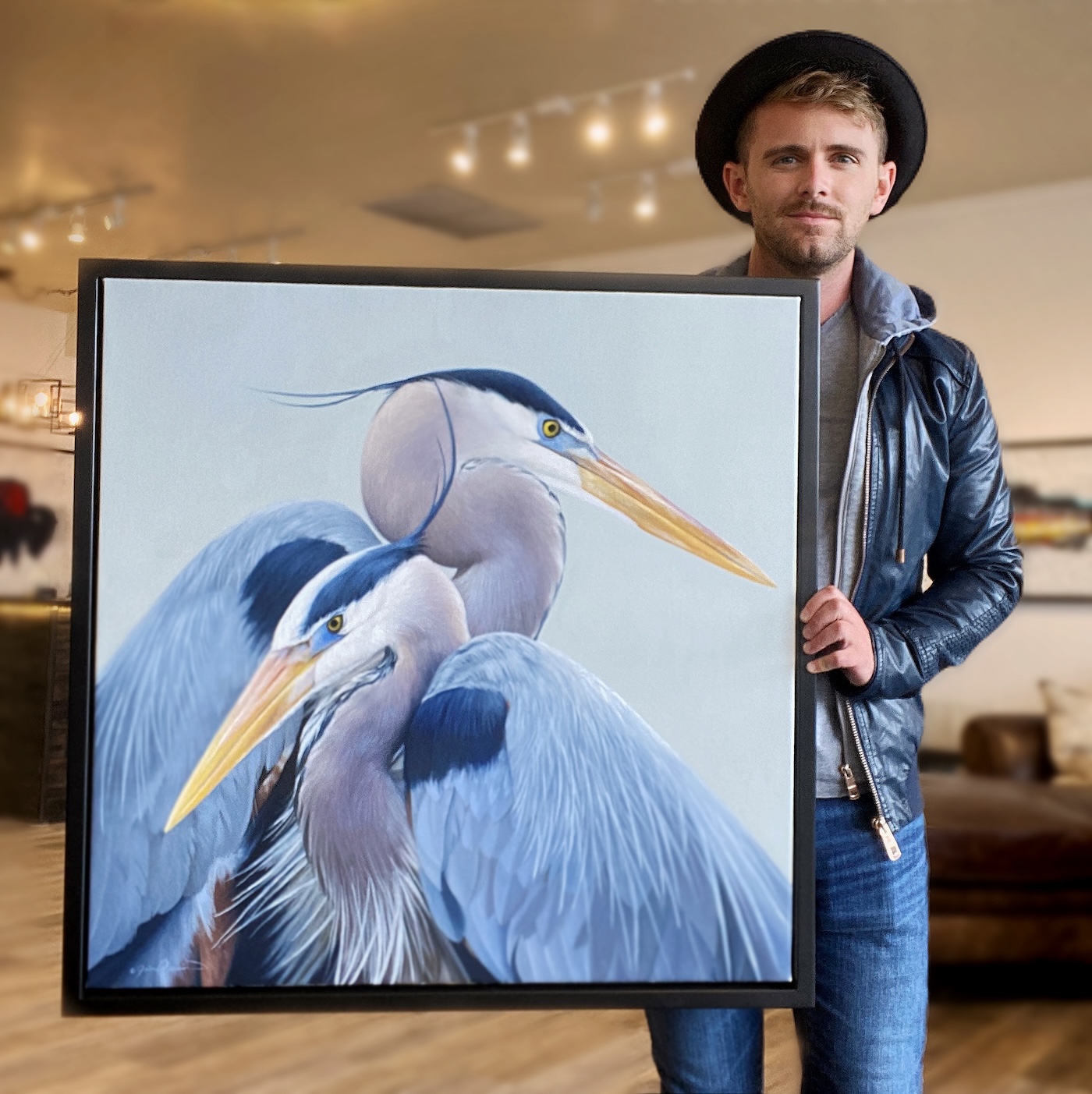
James Corwin oil painting
©James Corwin, Unison. Oil on canvas, 38 x 62 inches.

In this episode of The Art Biz, James shares how he deliberately built multiple income streams around his original paintings—starting with prints and note cards, expanding into commissions, and eventually opening his own gallery where he now represents other artists. Every step was part of a broader strategy to create a sustainable art business that could support the life he wanted.

But James isn’t chasing growth for growth’s sake. After experimenting with a second gallery and scaling his team, he realized that focus—not expansion—was his most valuable asset. These days, he spends most of his time at the easel, supported by a structure that allows his business to thrive without pulling him away from what matters most.

You’ll hear James talk about:

  • how he found and refined his niche,
  • the systems behind his successful print business,
  • what he’s learned from expensive failures, and
  • how he builds lasting connections with collectors—whom he considers family.

If you’re feeling pulled in too many directions or unsure how to grow with intention, James’s story will help you think differently about what’s possible.

His grounded, practical approach to business is a refreshing counter to hustle culture—and a great reminder that building a business you love takes more than talent. It takes strategy, structure, and heart. 

Listen

Think about one collector, buyer, or supporter that you could reconnect with today. Don’t worry about “the” one. They’re all worthy.

Send a quick message, a handwritten note, or yes, even make a call.

James Corwin Quotes

“All of it was built—intentionally—around my original artwork.”

“My most valuable time is spent at the easel creating new artwork.”

“I’ve tried all sorts of different things over my career, but I’ve learned not to grow for the sake of growing.”

“I’ve lost a lot of money, but the pain isn’t as high now because I know how to move through it.”

“I sacrificed painting time to build out these other parts of the business—then hired a team to take them over.”

“People don’t just buy the artwork—they buy the artist. That’s why branding matters so much.”

“If someone places an order, I try to call them within the hour. People are shocked—and grateful—to hear from the artist.”

“I love helping emerging artists grow their presence. It’s something I wish I’d had more of when I was starting out.”

James Corwin
James with Harmony

About James Corwin

James Corwin has two goals as an artist. The first is to elicit an emotion from the viewer; to draw them in and share an intimate moment with the story unfolding inside the painting. And the second is to bring the beauty of nature to the viewer, created as a reflection of how he sees the world and to preserve its fragility by giving back.

Represented by galleries nationwide, including his own Corwin Galleries, James is quickly becoming the preeminent wildlife artist of our time. His work is purchased nationally and internationally through both private and corporate collections.

He currently resides in Missoula, MT.

Follow James on Instagram: @jamescorwin

James Corwin

The post Strategic growth, collector relationships, and costly lessons with James Corwin (232) appeared first on Art Biz Success.

]]>
What a commitment to audience-building means to Noelle Phares (225) https://dy-online.com/phares-parttwo/ Thu, 01 May 2025 12:15:00 +0000 https://dy-online.com/?p=53709 Noelle Phares built her thriving art business by staying fiercely committed to audience-building.

In this episode (a continuation of episode 224), she shares how she nurtured that audience from the start, why she still prioritizes direct connections over gallery exclusivity, and the systems she put in place to stay focused on making her art. Listen for a masterclass in running an art career with vision, strategy, and heart.

The post What a commitment to audience-building means to Noelle Phares (225) appeared first on Art Biz Success.

]]>
If you want a sustainable art business, making great work is only half the equation.

The other half? Building an audience that believes in you—and staying committed to that connection over the long haul.

Noelle Phares oil acrylic painting
©2024, Noelle Phares, Matriarch. Oil and acrylic on panel, 48 x 60 inches.

Noelle Phares understood this from the very start. Instead of waiting for the “right” opportunities to appear, she actively created her own—through strategic shows, studio events, a strong print business, and personal relationships with collectors.

Her audience didn’t just show up overnight. It grew because she kept showing up first.

In this episode of The Art Biz, a continuation of episode 224 , Noelle pulls back the curtain on what real audience-building looks like behind the scenes. She shares how she chose where to show her work, set smart boundaries with galleries, and structured her business to keep growing without losing her creative focus.

We dive into the systems she’s built—including how she uses assistants, manages multiple income streams, and maintains direct connections with the people who support her art. Through it all, Noelle’s commitment to audience-building has given her the freedom to evolve as an artist without compromising her vision.

If you’re tired of feeling like you’re waiting for permission to grow your art career, this conversation will show you how powerful it is to take control—and why nurturing your audience is one of the smartest investments you can make.

Listen or Watch

Make sure you caught part 1 of my interview with Noelle.

Your audience won’t build itself.

Choose one action you can take today—send an email or DM, write a thank-you note, or reach out to a supporter—and start nurturing the connections that will sustain your art business.

Noelle Phares Quotes

“I’ve been able to say no to commissions because it’s more important to me to create work that goes together and is seen by a larger audience.”

“I built a brand around something that I was really passionate about, and I think that will hopefully continue for the rest of my life.”

“I want to be able to have my artwork in the homes of people who can only afford to pay $50 for a print. So there are some galleries who are not okay with that, and that’s fine. I can’t work with those people.”

“It takes a lot of work to grow technically and creatively, but also to keep building and nurturing your audience.”

“I feel like I need to interpret my work with words—whether that’s through email, on my website, or on social media—for the storytelling component to come through.”

Noelle Phares oil painting
©Noelle Phares, Before the Flood. Oil, colored pencil, and acrylic on panel, 40 x 30 inches.

“A thriving art career requires momentum. You have to have an audience if you’re going to sell artwork.”

“You really have to be the number one advocate for your own work.”

Mentioned

About Noelle Phares

Noelle Phares brings a fresh perspective into her contemporary landscape paintings through examination of the tension between organic and synthetic. As an environmental scientist by training, she allows the same topics that drove her work in the natural sciences to now guide her creative endeavors.

Her body of work combines landscape elements with structural geometry to create fractured architectural landscapes that explore the ever-encroaching presence of humanity into previously pristine open spaces. 

Follow Noelle on Instagram: @noellephares

Noelle Phares
Photo by Kylie Fitts

The post What a commitment to audience-building means to Noelle Phares (225) appeared first on Art Biz Success.

]]>
How to guarantee people remember you with Skip Hill (187) https://dy-online.com/skip-hill-encore/ Thu, 02 May 2024 11:06:00 +0000 https://dy-online.com/?p=48938 When Skip Hill said he needed a system for following up with his collectors, I knew I wanted to help.

He was neglecting his important business relationships at the most basic level. He said he was tired of being the stereotypical bohemian artist and ready to hone his business chops. Skip understood that the place to start this new commitment was with his network.

The post How to guarantee people remember you with Skip Hill (187) appeared first on Art Biz Success.

]]>
My utter bliss is to help artists make business systems that streamline their lives so they can spend more time in the studio.

So when Skip Hill said he needed a system for following up with his collectors and important relationships, I knew I wanted to help.

Skip Hill painting Love Garden
©Skip Hill, Love Garden (Hush). Mixed-mediums, acrylics, collage, and inks, 52 x 74 x 2 inches.

In this encore episode of The Art Biz, I walk Skip through the steps to create a plan for nurturing his relationships.

We go through these steps to create his plan:

  1. What do you want to happen?
  2. By when does it need to happen? Or … How frequently does it need to happen?
  3. What do you need to have/acquire/learn to make that happen? And/Or what tools and technology will you use for the process?
  4. Who do you need to enlist to help?
  5. What are the exact steps needed to make this system hum?

The steps in that last question provides the fuel. Miss a step, and your system crashes. Find Skip’s specific steps below.

This is a remix of episode 147, one of my most popular shows of 2023.  

Listen

One of my four core beliefs for art business success is that your network is your #1 marketing asset.

[ Read or listen to my core beliefs for art business success. ]

Skip's Steps for His Relationship System

These are SKIP’s steps—specific to his goals. You will need your own set of steps, which I walk you through, and give you the tools for implementation, in my Followers to Collectors workshop.

The steps here have different numbers than those on the recording because I reorganized them to make better sense.

Skip’s to do first:

  1. Block off time on your calendar every week. You wanted a whole day for this.
  2. Decide how you will use the various tools (MailChimp, Artwork Archive, Google Sheet).
  3. Input contact info for new people that you’ve been keeping but doing nothing with.
  4. Update your Google sheet to have proper fields. Add fields for the next date to follow up, last contact, mutual contact, and notes.
  5. Start using a daily task list in your journal. Don’t leave anything in your head.

On your “relationship day”:

  1. Open your spreadsheet. Sort it by the date to follow up field.
  2. Open Artwork Archive and your collector list.
  3. Reach out to at least 5 people you need to stay in touch with from those lists. Note that reach out in your Google sheet.
  4. Consider: Who needs to know about me and my art? Add them to your list and/or reach out today.

To use your email list:

  1. Begin storing ideas for what to send to your list. Decide where you will keep those ideas so you can find them.
  2. Send one email every month to your list. Start with a Tuesday or Wednesday (your relationship day), mid-month.
  3. Your first email (in a very long time) will be a re-introduction to warm up the recipients to hearing from you more often.

Build your unique relationship-centered marketing process —>

Mentioned

Skip Hill in the studio with a work in progress.

Highlights

3:27 Skip Hill’s artistic journey and philosophy

7:43 Creating a system for art business success

11:58 Identifying the components of Skip’s new system

28:07 Finalizing the plan: Steps towards a systematic approach

28:28 Crafting your contact strategy: Calendar blocking and tools

29:15 Organizing contacts: From MailChimp to Google Spreadsheets

31:34 Personalizing your outreach: Keeping track and making connections

32:46 Updating and maintaining your contact lists

33:48 Strategizing collector engagement and follow-ups

41:45 Exploring automation and re-engagement strategies

51:05 Final thoughts and next steps

Quotes

“I’ve done the Bohemian thing for years. That’s the area where I really am looking for your help and guidance in developing systems to maximize business potential for my art.”—Skip Hill

“Intention, that’s the operative word.”—Skip Hill

“Choose one day in the beginning and then know that when you’re starting a system, it’s always gonna take more time in the beginning.”—Alyson Stanfield

“You have to distinguish the purpose for each app you use because there isn’t one app that’s going to do everything for you.”—Alyson Stanfield

“Before I find that magical someone I haven’t identified to help me with my business, I have to clarify what the tasks would be.”—Skip Hill

“You dictate who you want to have your art, as opposed for waiting to whoever comes along.”—Skip Hill

About My Guest

artist Skip Hill

Visual artist Skip Hill creates colorful, lyrical art that exudes moods of epicurean delights and layers of sensory experiences.

Some of the most captivating parts of his mixed-media collages are in their peripheral details – expressive patterning, looping graphic lines, kinetic scribbling, Kanji calligraphy and African motifs. Like a shaman, Hill communicates freely between dreams and reality, while managing to artfully coordinate his visions with his hand. Working out of his studio in Oklahoma, Skip Hill’s art is influenced by literature, music, art history and his travels through Europe, Southeast Asia and Brazil.

Follow him on Instagram @skiphillart

Build your unique relationship-centered marketing process —>

The post How to guarantee people remember you with Skip Hill (187) appeared first on Art Biz Success.

]]>
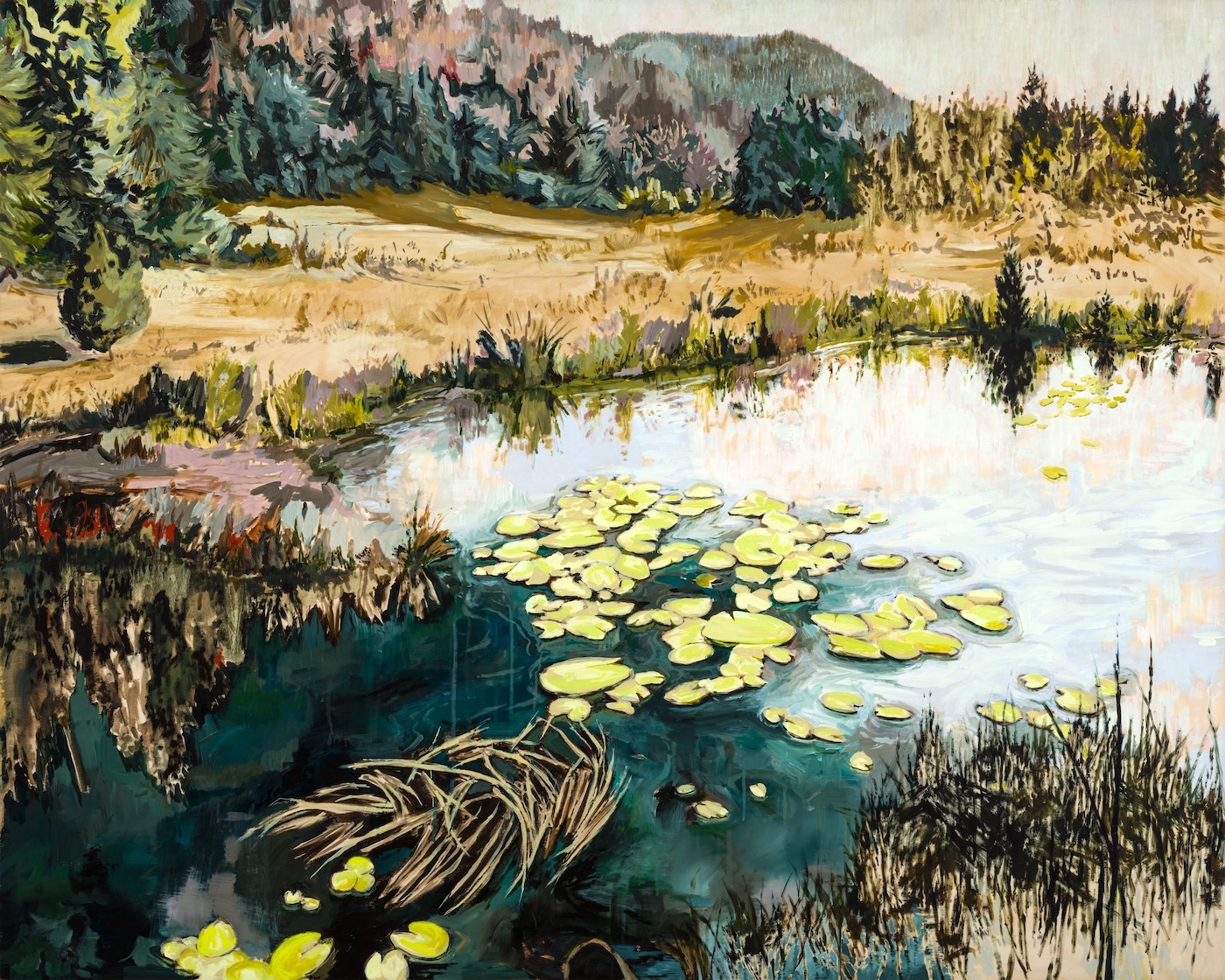
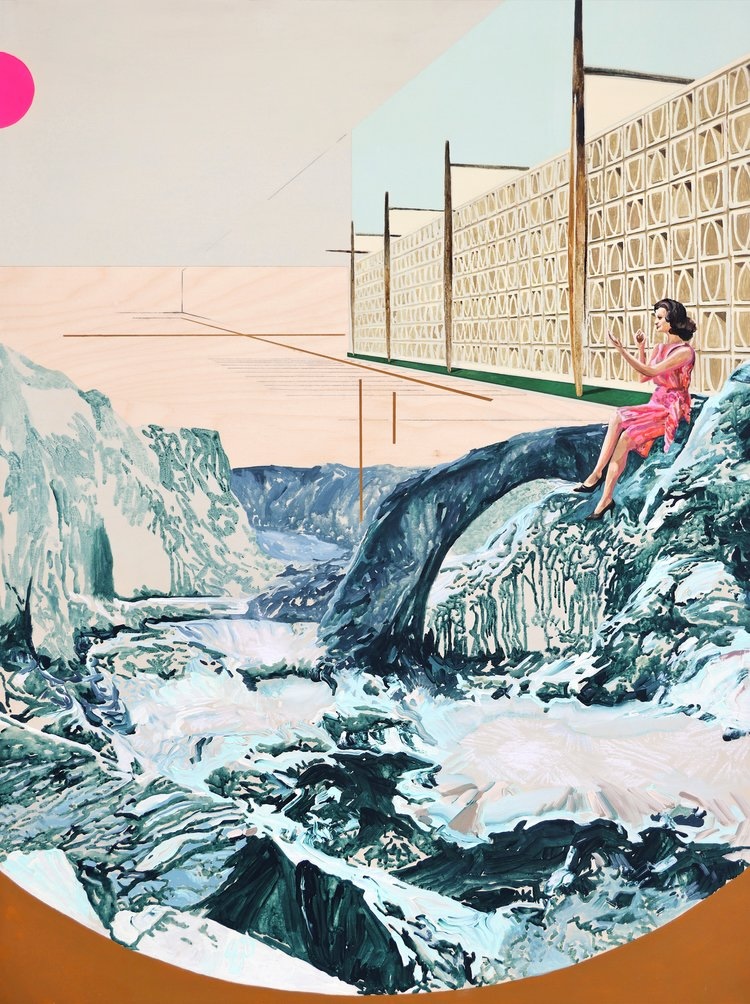
Overcoming anxiety about making art world connections with Heather Beardsley (160) https://dy-online.com/beardsley-artworld-connections/ Thu, 24 Aug 2023 11:55:00 +0000 https://dy-online.com/?p=45177 Heather Beardsley has managed to transform her social anxiety into opportunities—realizing that real growth could only happen when she overcame the urge to play it safe by sticking to open calls for entry.

Heather has learned to navigate the art world with intention, which has led to her current solo show at the Chrysler Museum of Art. We discuss funding, being prepared for opportunities, and building authentic relationships.

The post Overcoming anxiety about making art world connections with Heather Beardsley (160) appeared first on Art Biz Success.

]]>
Heather Beardsley’s art has been influenced by extensive travel and residencies in diverse cultures. This started with her year in Vienna as a Fulbright Scholar and then continued for several years until the pandemic shut down her residency in Kyiv, Ukraine.

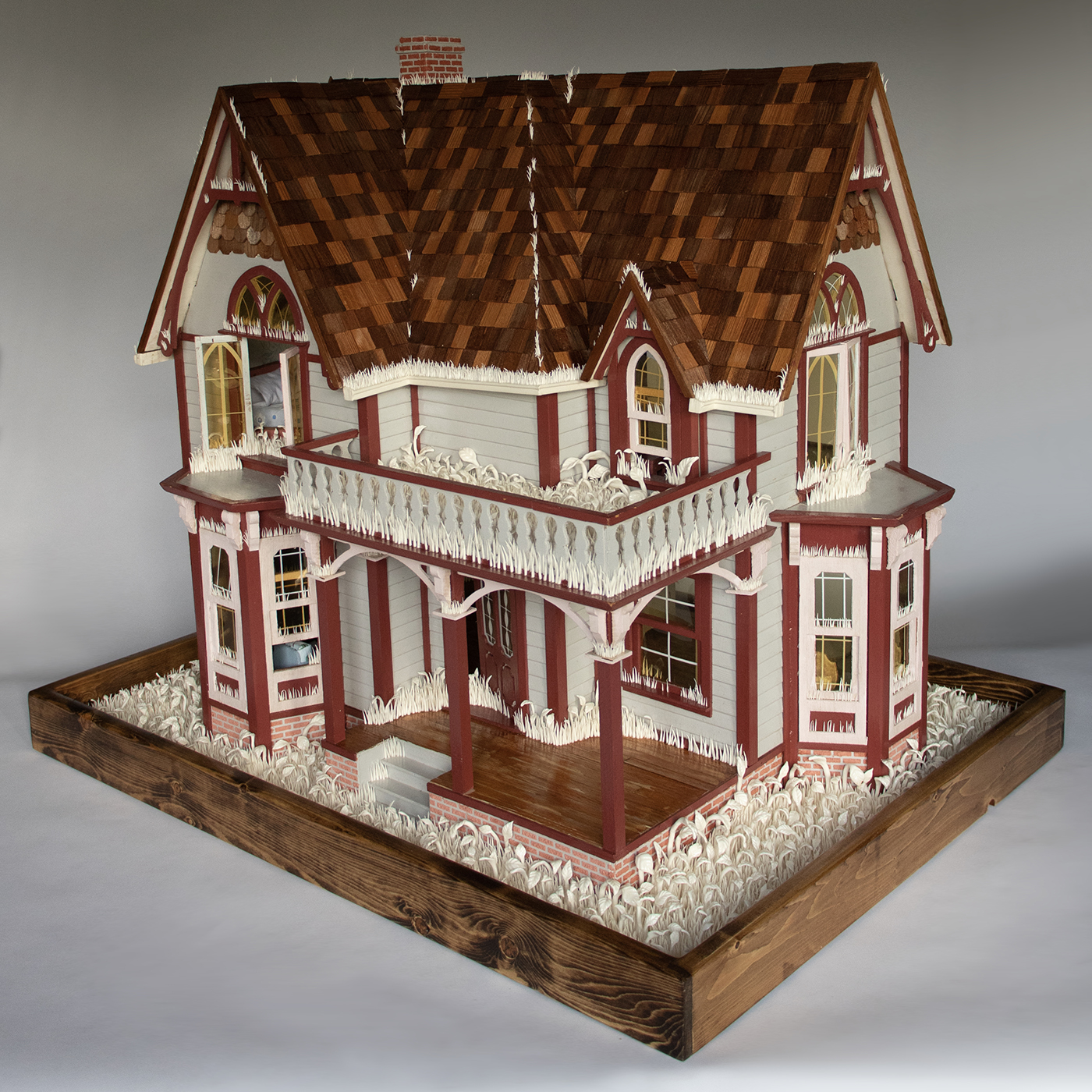
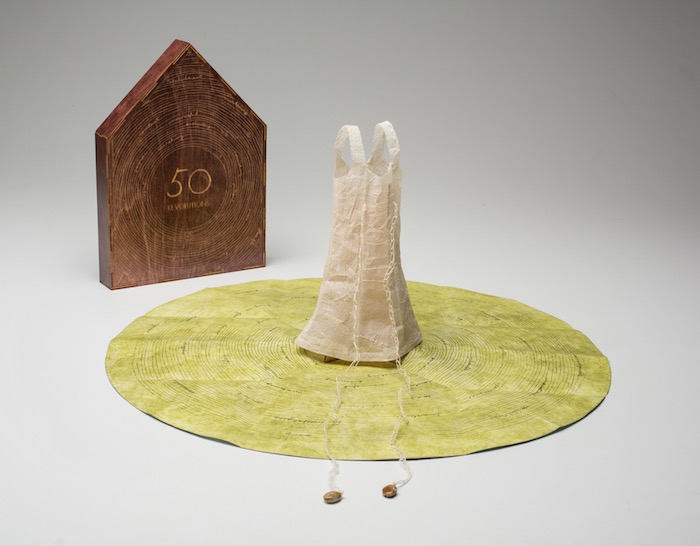
Heather Beardsley dollhouse
©Heather Beardsley, Strange Plants, Dollhouse. Air-dry clay and acrylic varnish on artist's childhood dollhouse, 30 x 32.5 x 25 inches.

Like everyone else, Heather had to pivot upon returning to the U.S. She used the downtime to her advantage by getting organized and shaping her career path.

In our conversation in this episode of The Art Biz, you’ll hear how she managed to transform her social anxiety into opportunities—realizing that real growth could only happen when she overcame the urge to play it safe by sticking to open calls for entry.

Heather has learned to navigate the complex art world with intention while connecting with institutions and curators to propel her career.

She shares her experiences of the following:

  • Securing exhibition fees, grants, and residencies while managing expectations.
  • The importance of being organized and ready for opportunities.
  • Using Microsoft OneNote to organize opportunities and deadlines.
  • Building authentic relationships within the art world where so much can seem transactional.

You’ll also hear about Heather’s current solo show at the Chrysler Museum of Art and how it came about.

Listen

One of my four core beliefs for art business success is that your network is your #1 marketing asset.

[ Read or listen to my core beliefs for art business success. ]

Mentioned

Quotes

“I think it just forces you to grow as a person being in other cultures constantly. It’s very easy when you’re in one place to surround yourself with people who are like you, who think like you, and so it takes much more effort to force yourself out of your comfort zone, but when you’re traveling that just has to happen.”—Heather Beardsley

On anxiety about reaching out to art world players: “The people that reach out too much, they’re not worried that they’re reaching out too much. So the fact that we’re conscientious enough to have some concerns and think through it means that you’re probably okay.”—Heather Beardsley

“You have to just keep applying year after year. And in the meantime you still need to be doing things.”—Heather Beardsley

“There’s a difference between making professional connections and using people.”—Alyson Stanfield

Heather Beardsley working in studio
Heather working on a large sculpture at her La Box residency in Bourges, France in the spring of 2022.

About My Guest

Heather Beardsley creates mixed-media projects at the intersection of art, science, and environmental issues, resulting in her first solo museum exhibition, Heather Beardsley: Strange Plants, at the Chrysler Museum in Norfolk, VA in 2023.

Upon receiving her MFA in fiber from the School of the Art Institute of Chicago in 2015, Heather spent a year in Vienna, Austria on a Fulbright Scholarship for Installation Art. She has shown her work both nationally and internationally, including group exhibitions at Science Gallery Dublin, Museo del Traje in Madrid, the Virginia Museum of Contemporary Art, and Museum Rijswijk in the Netherlands.

Follow her on Instagram @heather_beardsley

Heather Beardsley

The post Overcoming anxiety about making art world connections with Heather Beardsley (160) appeared first on Art Biz Success.

]]>
Being seen: networking for artists (148) https://dy-online.com/being-seen/ https://dy-online.com/being-seen/#comments Thu, 27 Apr 2023 14:58:47 +0000 http://artbizsuccess.com/?p=22990 Meeting people and building relationships is the most important thing you can do for your art career, especially when your goal is to be a full-time artist. You must be social in the real world as well as online. 

There is no way around it. You must. Be. Seen. It sounds simple, but I know this is not easy for many artists.

The post Being seen: networking for artists (148) appeared first on Art Biz Success.

]]>
Meeting people and building relationships is the most important thing you can do for your art career, especially when your goal is to be a full-time artist. Networking for artists means you must be social in the real world as well as online. 

There is no way around it. You must. Be. Seen. 

It sounds simple, but I know this is not easy for many artists.

Listen to This on The Art Biz

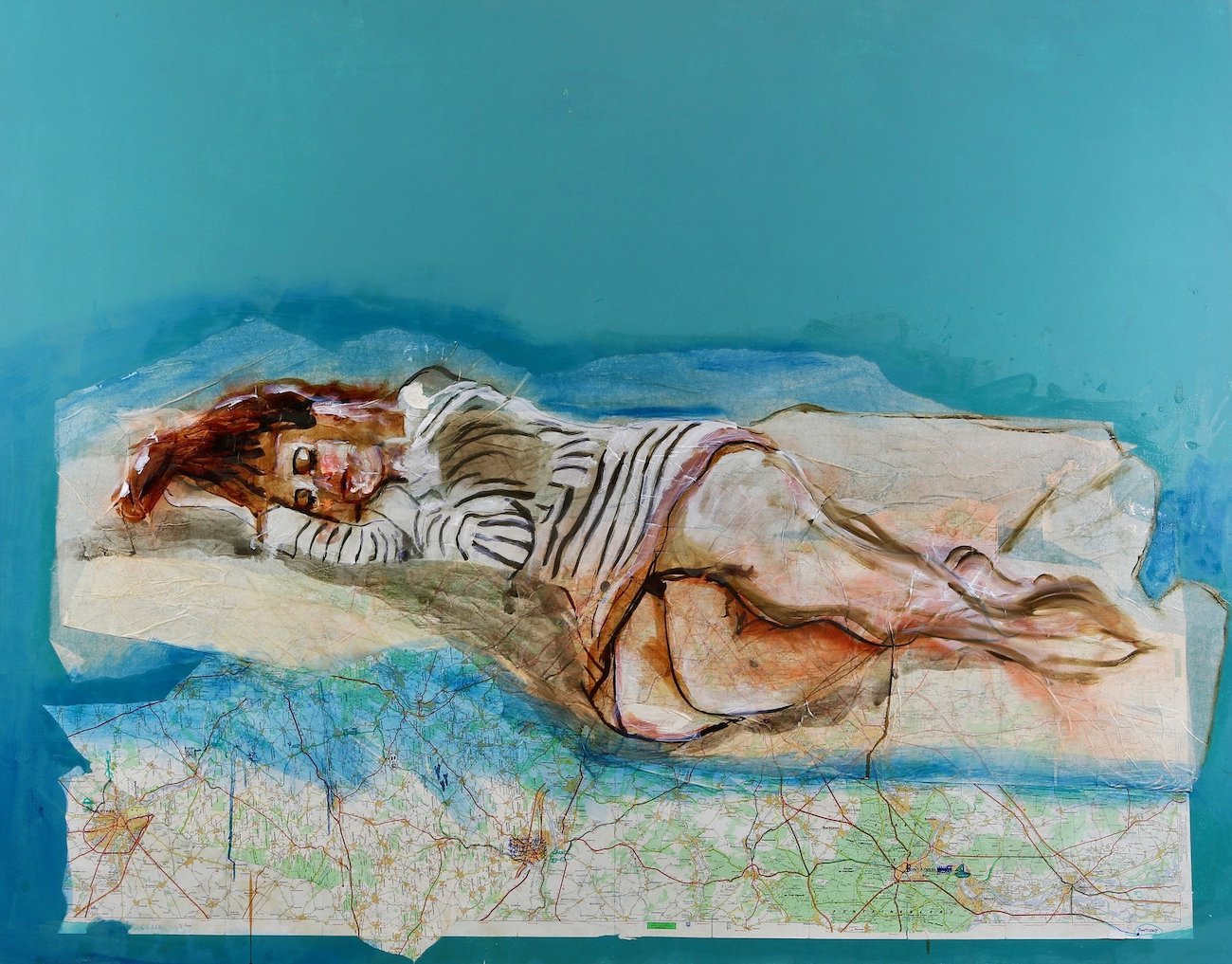
Painting of reclining woman by Virginie Lhomme Fontaine
©Virginie Lhomme Fontaine, Itinéraire d'une vie. Mixed media, 38 x 51 inches.

You know you need to get out and mingle when:

  • You find yourself sitting behind your computer all day and researching, yet again, the latest magical way to promote your art online.
  • You realize you’ve been attending only your own openings and shows.
  • You haven’t met anyone new in more than 2 months. 
  • Your sales and/or opportunities are stagnant. 
  • You’ve been living in the same place for years without knowing your neighbors. (You never know where opportunities will come from.)
↓ I have a system to make this easier ↓

Why Networking Is Important for All Artists

One of my four core beliefs in art business success is that your network is your #1 marketing asset. 

[ Read or listen to my core beliefs for art business success. ]

There are simply too many artists these days to afford you the luxury of waiting for opportunities to enter your inbox. You must be proactive.

Everyone you run into is a potential buyer, collector, friend, or fan.

Think about that for a minute. You never know where opportunities will come from.

I’ve met many serious collectors throughout my life, and a description of some of them would shock the heck out of you. You’d never pick them out of a lineup.

You. Never. Know.

Who can’t use more buyers, collectors, friends, and fans? And … If, as it’s estimated, everyone you meet knows 150 people, imagine the possibilities.

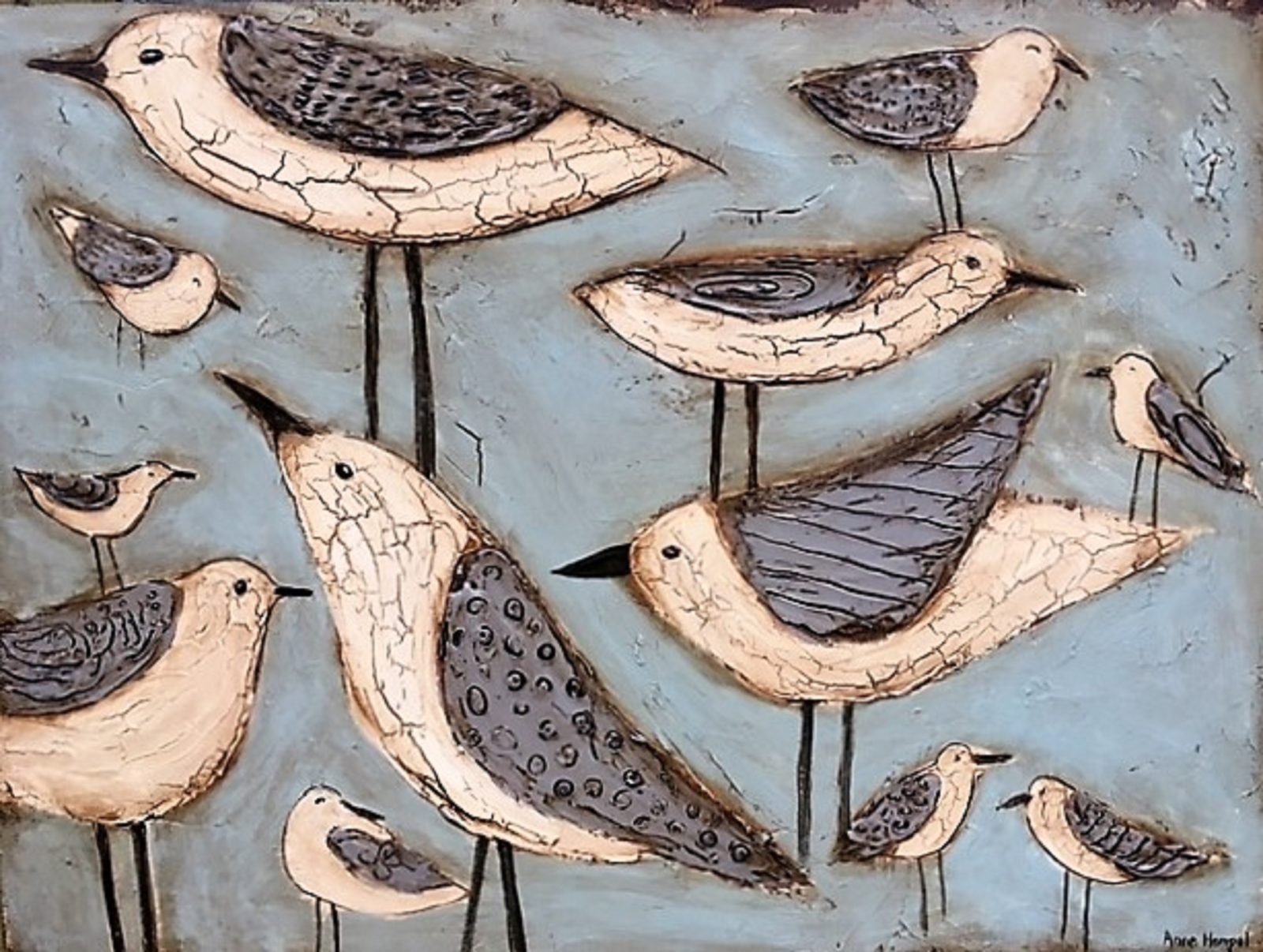
Anne Hempel painting of gulls
©Anne Hempel, A Colony of Gulls. Acrylic on wood panel, 30 x 36 inches.

Where Artists Network

In short: Everywhere!

You should think of striking up conversations wherever you are and whoever is in front of you. (Yeah, I’m one of those people on the plane. But I can also read people to see if they want to chat.)

Become involved with an artist organization if it’s the right group for you. If you are serious about selling your art, don’t waste your time in a group of hobbyists. You’ll quickly get frustrated in groups where you’re always a step ahead of everyone else.

[ Read Dysfunctional v. Healthy Artist Organizations ]

Artist organizations can be your introduction to new opportunities that you might not otherwise hear about. In the right environment of professional artists, you will step up to challenges that you might not have confronted on your own.

It’s also worth your while to attend artist lectures at museums and galleries. In those venues, you have an opportunity to meet curators and collectors, as well as other artists—soaking in tips on how they present themselves.

It’s always beneficial to connect with other artists for the same reasons you’d join on organization of artists.

Outside of your art community, do yourself a favor and connect with other entrepreneurs. I’ll bet you know plenty of entrepreneurs, though you might not have thought of them as valuable connections.

The E word (entrepreneur) might not feel like it applies to you, but it does. Anyone who owns his or her own business (you) is an entrepreneur and probably has a few experiences you can learn from.

Think coaches, hair stylists, authors, virtual assistants, therapists, coffee shop owners, and retailers. Every one of them has to find business.

You’ll run into entrepreneurs at small business meet-ups, chambers of commerce, formal networking groups, and co-working spaces. earch “networking group” + your location to find one nearby.

Navigating Relationships in Any Art World

It is well to remember that there are many different art worlds. There is the one that Jerry Saltz calls the 1% of the 1% of the 1% of artists who are the most talked about and represented in galleries, museums, and auction house sales. 

For clarity in this discussion, I’m referring to this as The Elite Art World.

Then there are all of the other art worlds made up by the vast majority of artists: your local community, your niche, your medium, your subject matter, and so forth. 

Most of the art worlds exist in their own bubble—revealed only when we turn our attention in their direction. 

You have to decide who you want to have these relationships with. Who are your top prospects for professional relationships? Are they in or outside of your bubble? Who matters to you?

Part of being successful in any field, let alone having a successful art business, is learning to navigate relationships. Getting comfortable with introducing yourself as an artist is only the first step. You have to understand how people work, play, and converse together.

You discover the subtleties around art business relationships by inserting yourself (in a meaningful way) into them. By being present.

You learn to speak the language of whoever it is that matters to you and your goals.

[ Navigating Relationships is a key lesson inside of my Create Opportunities program. ]

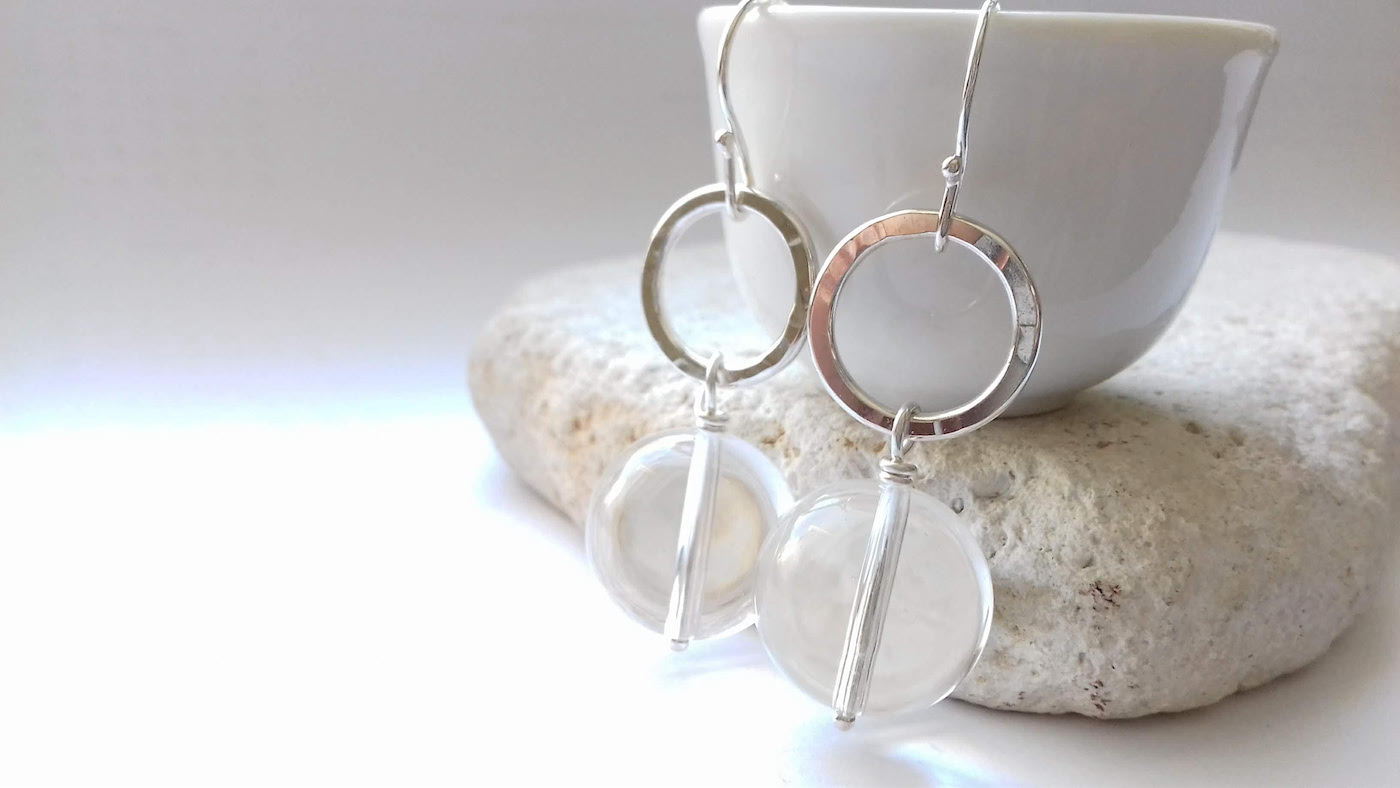
Earrings by Athene Sholl
Athene Sholl, Recycled silver disco earrings with rock crystal. Rock crystal quartz and textured silver, 4.7 cm.

Why IRL Networking for Artists is Critical

Because your art must be seen in person in order to be appropriately appreciated, eventually you’re going to have to be there next to your art—speaking on its behalf.

Contrary to popular belief, your art does not speak for itself.

Curators expect you to speak articulately about the work in a way that gives them reason to show and acquire your art.

They also expect you to meet their donors and collectors in the community and to represent yourself well in the process. This requires practice. Start practicing now.

You might be saying, I don’t care about museums. Fine. Substitute “gallerists” for museum curators in the scenario. They expect the same thing.

When galleries represent you, they expect you to show up at their shows. Not just your shows, but those of their other artists as well. You are expected to support their programming.

The secret door into every gallery is the other artists who already show in the gallery.

—Gallerist Jeremy Tessmer (The Art Biz episode 123)

This is why it’s so important to be connected with other artists.

Gallerists, curators, collectors, and the nice people who hand out grants and residencies like to see that you are invested in your local community.

Impress them all by showing up and being seen.

Jeremy Tessmer, gallery director at Sullivan Goss
↓ I have a system to make this easier ↓

If You Don't Give a Rat's Patootie About The Elite Art World

Maybe none of this is landing for you.

Maybe you are happily ensconced in a bubble of your own making.

Or you’re perfectly happy doing the local community shows and/or participating in social media.

But I don’t want to be in galleries or to see my legacy in a museum. I want to be a self-represented artist. Fantastic! I love that! Working with self-represented artists is one of my joys. Self-represented artists are bold and creative with their businesses as well as their art.

And, yet …

Who is going to buy your art? Who is going to show it? Who is going to attend your openings? I hope you’re not waiting for them to materialize from the ethers.

Even if you don’t give a rat’s patootie about the elite art world, you need to care about reaching out and establishing strong relationships.

Painting ©Elinore Schnurr
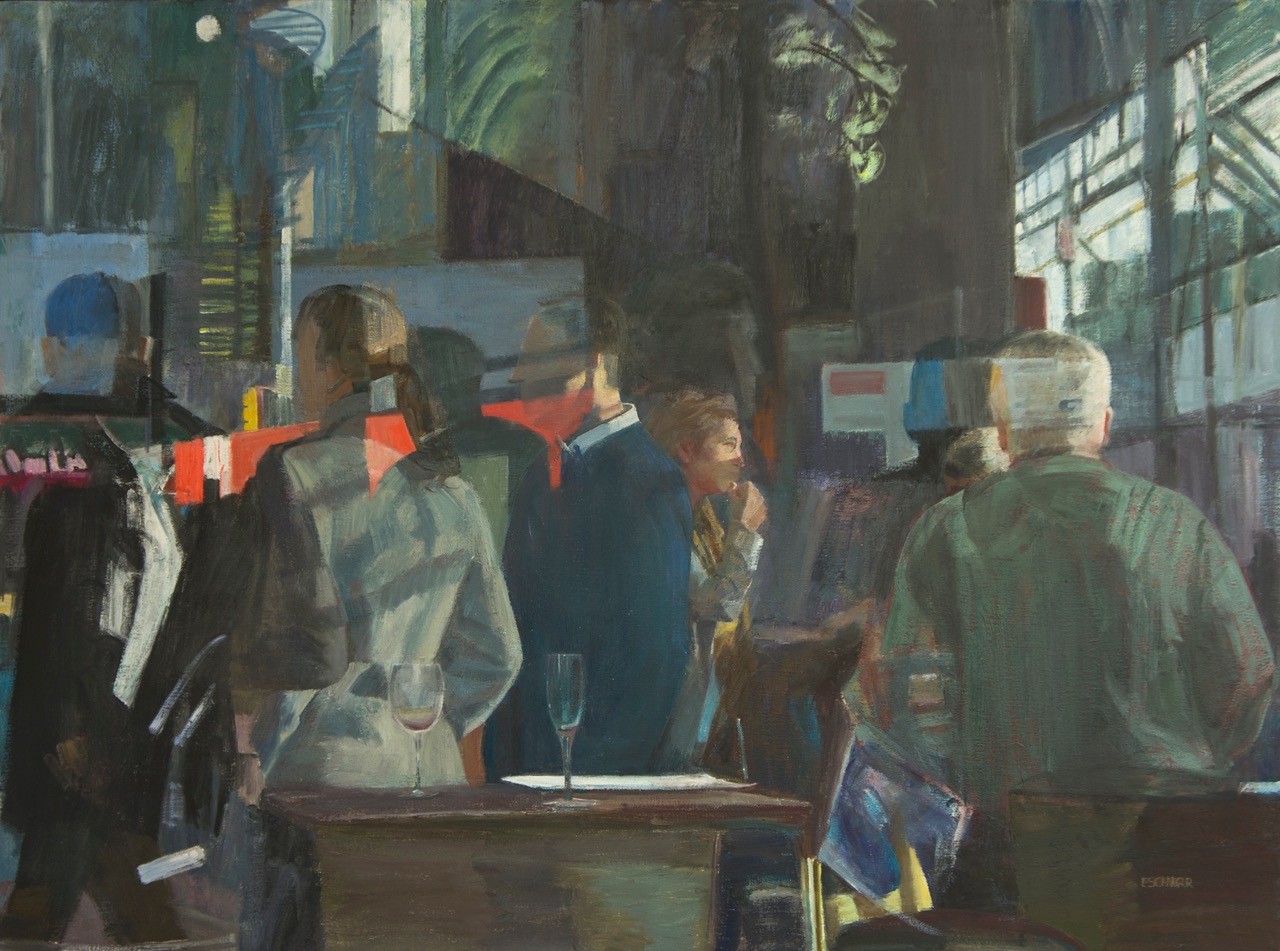
©Elinore Schnurr, Happy Hour. Oil on linen, 36 x 48 inches.

Networking for Artists the Authentic Way

Let’s be clear: When I talk about networking, I’m not intimating that you change your personality or adopt any kind of fake sucking up to people. I want you to be genuine in everything you do.

It should be comfortable at every level if, indeed, you care about the people you want to show, talk about, and own your art.

Again, I’m talking only about getting out and meeting people. I’m talking about being seen.

You can have a modestly successful art business by sitting behind your computer and trying to hack the latest social media algorithm and sales websites, but you will never reach the highest levels of the art world, regardless of which art world you care about, by doing this alone.

Totem by Deborah Putnoi
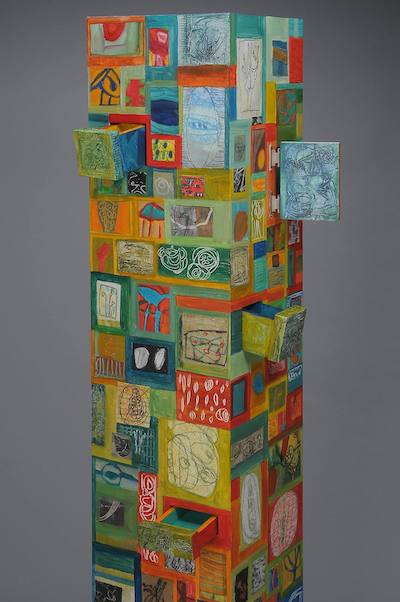
©Deborah Putnoi, Totem 3. Mixed media on wood, 72 x 14 x 14 x14 inches.

Here’s how you can reach out and start meeting more people:

  • Attend your art openings alone—without someone to cling to. Or at least promise one another to break out and meet up again later to compare notes.
  • Introduce yourself to strangers at your opening. This is the absolute easiest time to meet people because, technically, you’re a host at your opening. You have every reason to welcome people and talk with them.
  • Invite your neighbors to dinner so you can get to know one another.
  • Send an email invitation for coffee to a local artist you’d like to get to know. Your treat, of course.

Being social extends beyond the art worlds into all corners of your life.

I Know This Isn't Easy

As I said previously, you never know where a relationship might lead. You just never know. 

If it’s true that everyone knows about 150 people, think of how you can dramatically expand your reach and influence just by meeting one new person every month.

That’s my invitation to you: Set a goal of meeting one new person every month.

Maintaining friendships with the 150 people you know and then frequently adding to that list can exponentially increase your sales prospects. You will be surprised at the support you receive and the opportunities you create just by being more social and introducing yourself as an artist.

Before I go, I acknowledge that this isn’t going to be easy for you. I know how nice it is to stay in the cocoon of your studio.

But you can do it. You can learn to be a more effective networker because it contributes to your long-term goals. And because nothing worth doing is ever easy.

Listen to this on The Art Biz

This post was originally published on August 11, 2016 and was first updated on August 15, 2019. It has been updated again with a podcast episode added and the original comments intact.

↓ I have a system to make this easier ↓

The post Being seen: networking for artists (148) appeared first on Art Biz Success.

]]>
https://dy-online.com/being-seen/feed/ 53
Boldly reaching out to art world influencers with Laurence de Valmy (108) https://dy-online.com/reaching-out-devalmy-podcast-2/ https://dy-online.com/reaching-out-devalmy-podcast-2/#comments Thu, 04 Nov 2021 10:40:56 +0000 https://dy-online.com/reaching-out-devalmy-podcast-2/ In this episode I talk with Laurence de Valmy about how she has used her bonus talent as a writer to make connections in all arenas of the art world.

It all started with the thought that there were people out there who knew more about how to "be" an artist than she did. She trusted that she could learn from them. Even if you aren't a writer, I think you'll be inspired by her boldness and creativity.

The post Boldly reaching out to art world influencers with Laurence de Valmy (108) appeared first on Art Biz Success.

]]>

People. You need them.

You need people to buy your art, people to show your art to, people to attend your shows, people to write about your work, and, let’s face it, you need people to support you emotionally along the way.

You need other artists around who “get” you. It’s in these friendships that you will find understanding as well as ideas that challenge you to be a better artist.

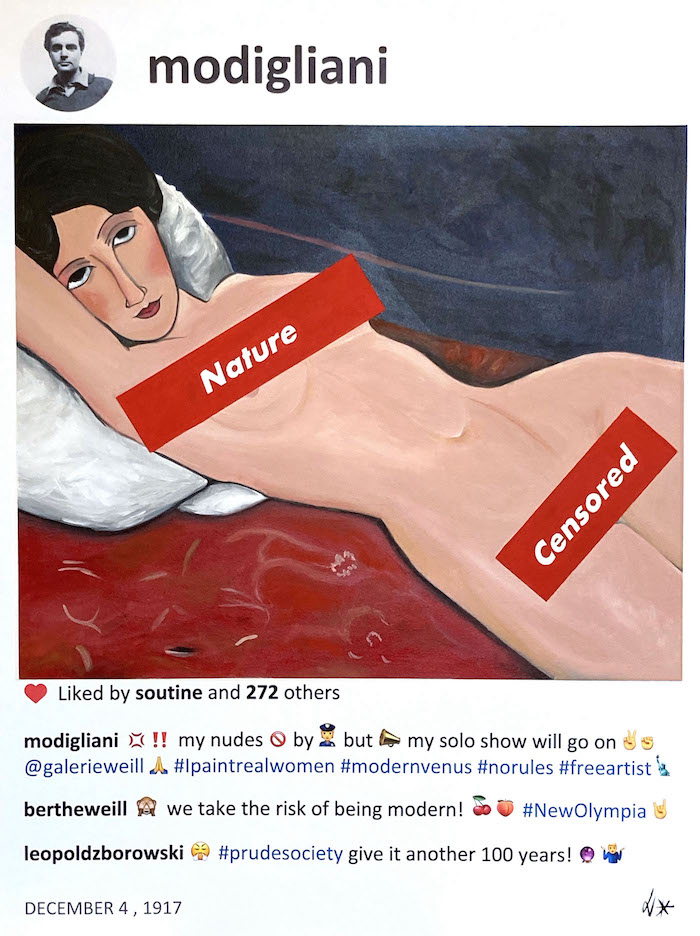
acrylic painting Modigliani censored artist Laurence de Valmy | on Art Biz Success
©Laurence de Valmy, Modigliani Censored. Acrylic on canvas, 40 x 30 inches.

The relationships you nurture can sustain you, but you’ll never know to what extent until you start taking them seriously. Until you believe with all of your soul that you can’t do this on your own.

This month on The Art Biz podcast, we’re emphasizing the value of 1-on-1 marketing. I almost hate to call it marketing because it’s really about building authentic relationships. Relationships with other artists, gallerists, writers, curators, buyers, students, collectors, and agency administrators.

You are not alone if this type of personal relationship building doesn’t come easily to you. Many of us were born without that gene, and if this is true for you, it’s not too late. It’s a skill that can be practiced and improved upon over time.

As I said back in episode 107, the not-so-secret secret to higher level growth for artists is in personalizing your marketing. Really caring about humans and having private interactions rather than broadcasting to social media or a large list all of the time.

But what do you do if you move to a new place and don’t know anyone? Or if you’re just getting started? Where do you begin?

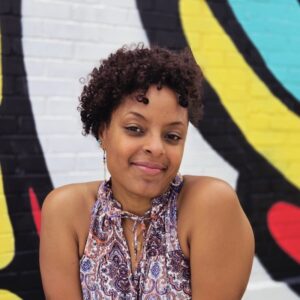
In this episode I talk with Laurence de Valmy about how she has used her bonus talent as a writer to make connections in all arenas of the art world.

It all started with the thought that there were people out there who knew more about how to “be” an artist than she did. She trusted that she could learn from them. Even if you aren’t a writer, I think you’ll be inspired by her boldness and creativity.

Highlights

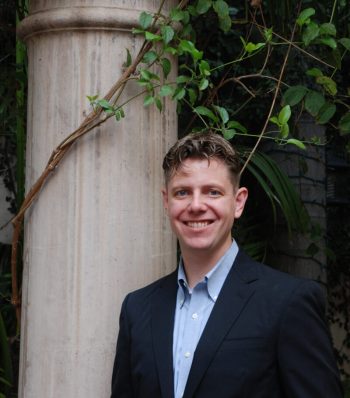
artist Laurence de Valmy | on Art Biz Success
Photo credit Renee Riccardo.
  • “This is the place to take the leap.” Laurence reflects on her artist journey. (2:32)
  • The birth of The Curious Frenchy blog. (5:42)
  • Laurence’s publishing schedule is shaped by the artists she meets. (8:14)
  • How to more effectively learn from others while promoting their work. (9:52)
  • What was it like interviewing Henri Matisse’s granddaughter? (13:40)
  • Embracing the value of personal relationships. (15:30)
  • Opportunities that have come to Laurence as a result of her blog connections. (17:05)
  • How Laurence leverages and promotes blog content on social media. (21:17)
  • The difference that one-on-one relationships can make in your business. (23:29)
  • Tools for organizing your connections and contacts. (25:58)
  • A look at Laurence’s typical workday and schedule. (27:57)
  • How to meet people when you move to a new location. (31:32)
  • Simplifying content sharing on social media (32:29)
  • Laurence’s advice for artists who are intimidated about reaching out to form new connections. (34:08)
  • A look at what’s coming up next for Laurence. (36:16)

Mentioned

museum week gallery exhibition Laurence de Valmy | on Art Biz Success
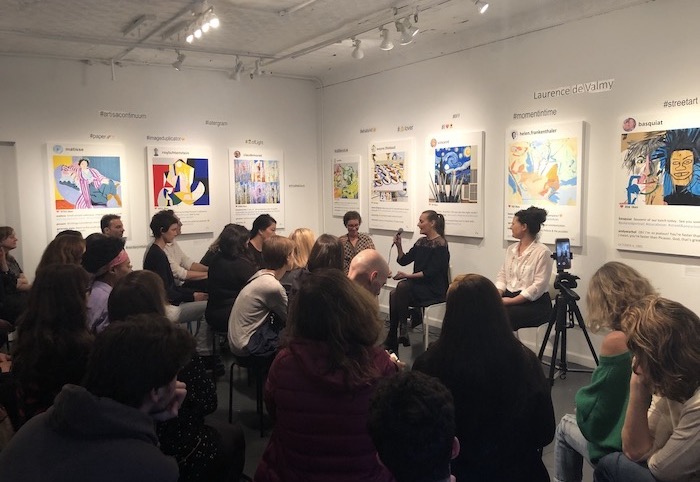
Laurence’s solo show during Museum Week at the Michele Mariaud Gallery in NYC in May 2019.

Laurence de Valmy Quotes

“All I knew was that I didn’t know. And so I had to learn a new job and in order to do so, I started to connect with other artists.”

“I quickly realized that’s how things happen. It’s through the people you know.”

“People work with people that they like.”

“The worst that can happen is that nothing happened. It’s as simple as that.”

“If you are prepared, you will know what to say.”

About My Guest

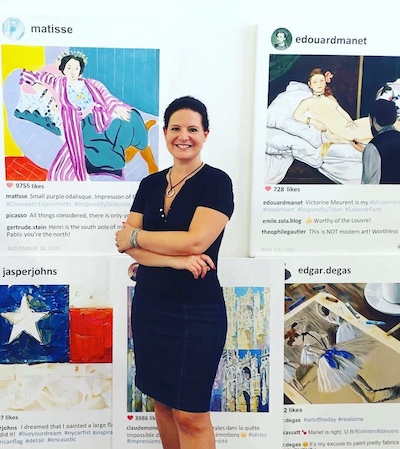
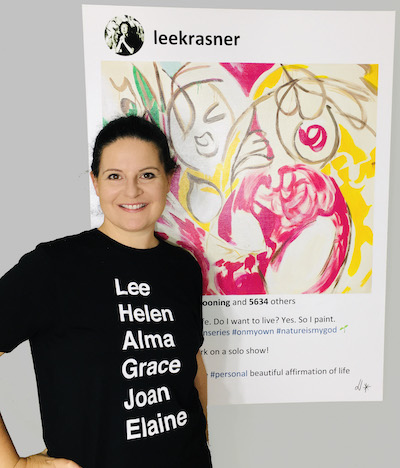
Laurence de Valmy invites us to reflect on the links between artists through times and the relationship between art and social media today. In her POST paintings, she revisits art history through imagined Instagram feeds of the past. Her recent work explores the place of hashtags in our communication.

Laurence is French American and lives in the U.S. She writes about art on her blog The Curious Frenchy and for art publications.

Follow Laurence on Instagram: @laurencedevalmy

Build your unique relationship-centered marketing process —>

The post Boldly reaching out to art world influencers with Laurence de Valmy (108) appeared first on Art Biz Success.

]]>
https://dy-online.com/reaching-out-devalmy-podcast-2/feed/ 4
Artist as problem solver with Michael Gadlin (93) https://dy-online.com/problem-solver-gadlin-podcast/ https://dy-online.com/problem-solver-gadlin-podcast/#comments Thu, 15 Jul 2021 11:23:34 +0000 https://dy-online.com/?p=32175 Michael Gadlin sells originals, consults, teaches, designs, builds websites, and even hosted a show on public television. He is gifted with what seems to be an endless supply of energy.

Michael waxes philosophically about the life of an artist. Deep stuff. We talk about the lessons he learned from other working artists, the artist's collaboration with viewers, why it's important to be part of a community, and much more.

The post Artist as problem solver with Michael Gadlin (93) appeared first on Art Biz Success.

]]>
Many artists take risks in their businesses and in their art without even thinking about it. They are hard wired to experiment. To stretch the boundaries of what is possible.

Artists are innate problem solvers.

Michael Gadlin paintings in studio | on Art Biz Success
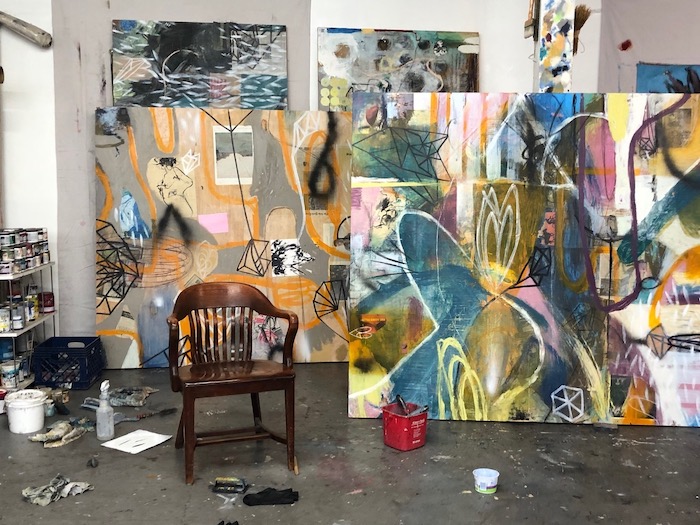
A shot of Michael Gadlin’s paintings in his studio. From left: The One (Collage, acrylic, house paint, ink, spray paint on panel, 72 x 80 inches), and Gallop (Collage, acrylic, house paint, ink, spray paint on panel, 72 x 80 inches).

My guest for this episode of The Art Biz is one of those artists. The list of what Michael Gadlin has done to earn a living as a working artist for more than 20 years is impressive. He sells originals, consults, teaches, designs, builds websites, and even hosted a show on public television. He has also sat on boards and committees in his local Denver art community.

Michael is gifted with what seems to be an endless supply of energy. I came at him with one topic and his mind connected it to numerous other experiences. The result is a wide-ranging interview.

Michael waxes philosophically about the life of an artist. Deep stuff. We talk about the lessons he learned from other working artists, the artist’s collaboration with viewers, gallery representation, why it’s important to be part of a community, and much more. There are plenty of gold nuggets in this interview.


Music by Wildermiss

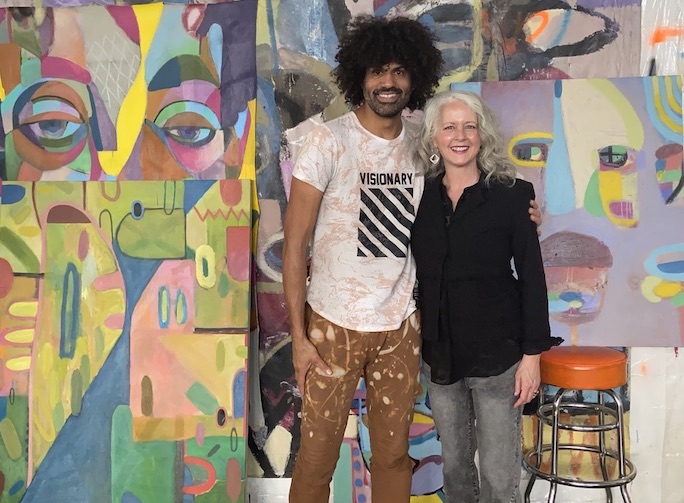
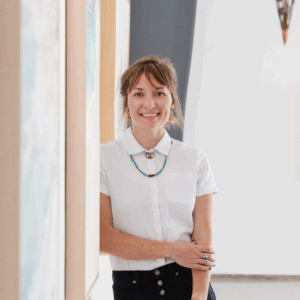
Alyson Stanfield with Michael Gadlin in his studio
I was delighted to visit Michael Gadlin’s studio after vaccinations earlier this year.

Highlights

  • Michael Gadlin reflects on his journey as an artist and the key role of mentors along the way. (1:32)
  • The lessons Michael learned from reaching his first major studio goal. (6:28)
  • The payoff that comes with showing interest in every opportunity that crosses your path. (9:34)
  • Michael describes his approach to both figurative and non-representational art. (12:23)
  • Experimenting, problem solving creatively, and collaborating with the art community. (18:55)
  • You cannot be a one-person band and succeed in your art business. (27:00)
  • Figuring out who you are as an artist (beyond the art that you make). (29:20)
  • What does it mean to be an integral part of the art community? (31:24)
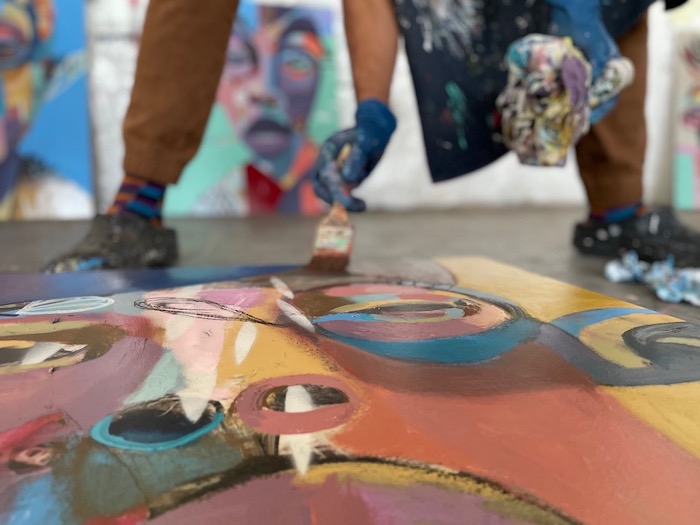
    Artist Michael Gadlin working in his studio | on Art Biz Success
    Michael in action in his studio.
  • Positioning yourself in the places that will allow you to shape the decisions that are being made in your community. (37:28)
  • When can you truly consider yourself an artist? (43:18)
  • Creating a legacy with your art and with your life. (46:01)
  • Constant hustling—Michael shares his multiple income streams. (47:36)
  • Staying organized and getting things done starts with finding the right tools. (52:13)

Mentioned

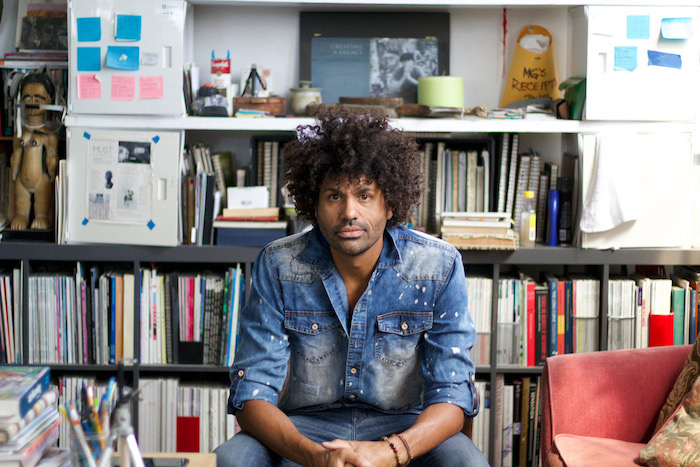
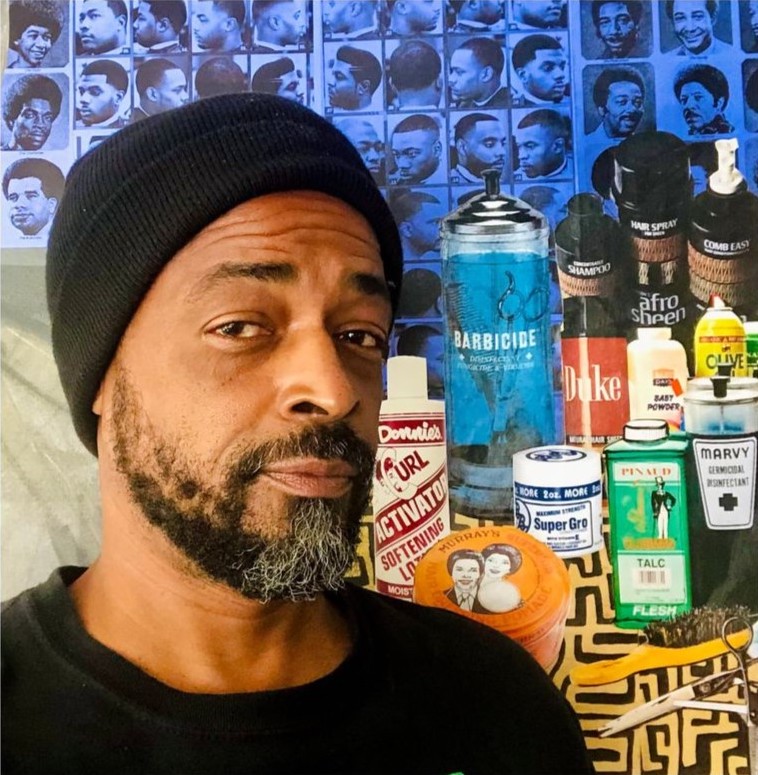
Artist Michael Gadlin | on Art Biz Success
Michael Gadlin Quotes

  • “I went into this clueless about what I would end up learning, but I don’t have any regrets.”
  • “You have to fail in order to succeed.”
  • “The art business can be up and down but the one steady thing you can do is share your vision.”
  • “The most interesting people that I’ve learned from are the ones who fail, get back up and learn to navigate just by pivoting a little.”
  • “Understanding who you are as an artist will undoubtedly help you understand your business as an artist.”

About My Guest

Artist Michael Gadlin | on Art Biz SuccessMichael Gadlin began his art education at the Art Students League of Denver, followed by Metropolitan State University, Denver, and New York’s prestigious Pratt Institute of Art & Design in Brooklyn. He was awarded a residency at La Napoule Art Foundation in France.

Gadlin sits on the board of directors at both Denver’s MCA (Museum of Contemporary Art) and PlatteForum, an artist’s residency in the city. He has won numerous awards throughout his career as an artist, including the youngest artist ever to win Best of Show at the Cherry Creek Arts Festival. Gadlin’s work now hangs in the permanent collection f the Kirkland Museum of Fine & Decorative Art, among other city and government collections.

Follow Michael on Instagram @contemporary_vision


Music by Wildermiss

Build your unique relationship-centered marketing process —>

The post Artist as problem solver with Michael Gadlin (93) appeared first on Art Biz Success.

]]>
https://dy-online.com/problem-solver-gadlin-podcast/feed/ 7