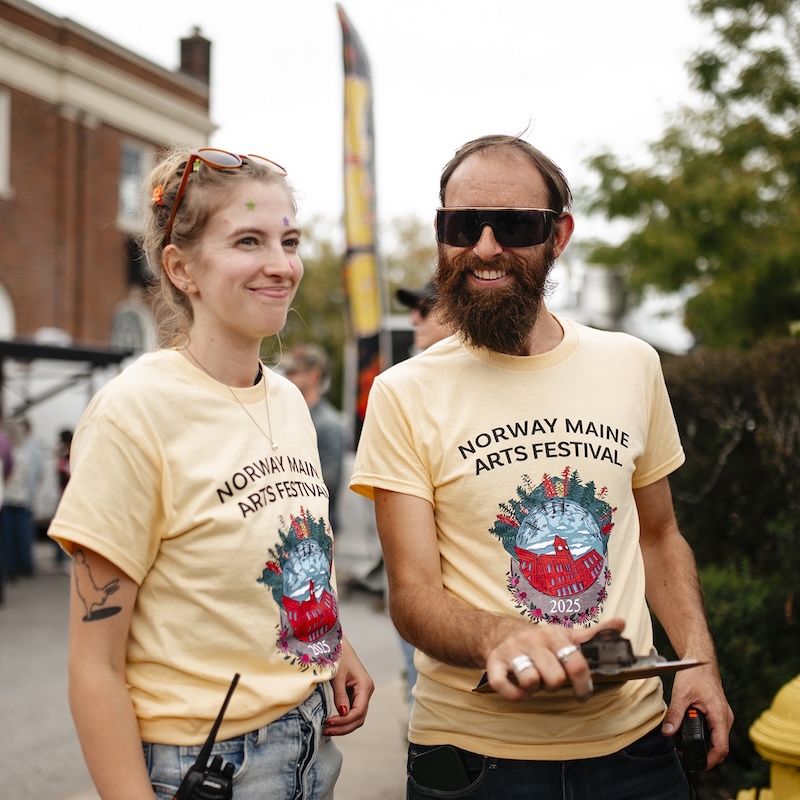
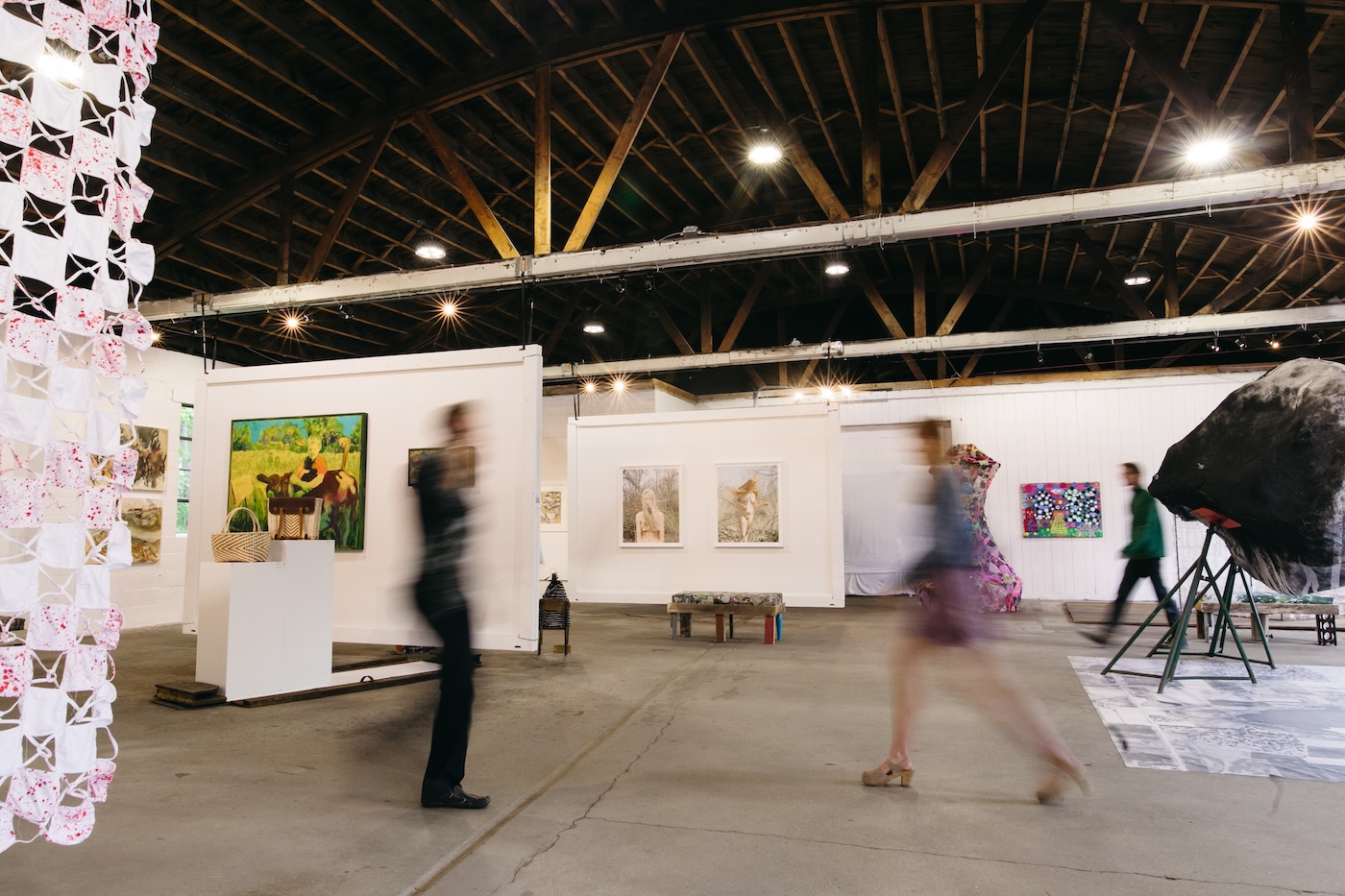
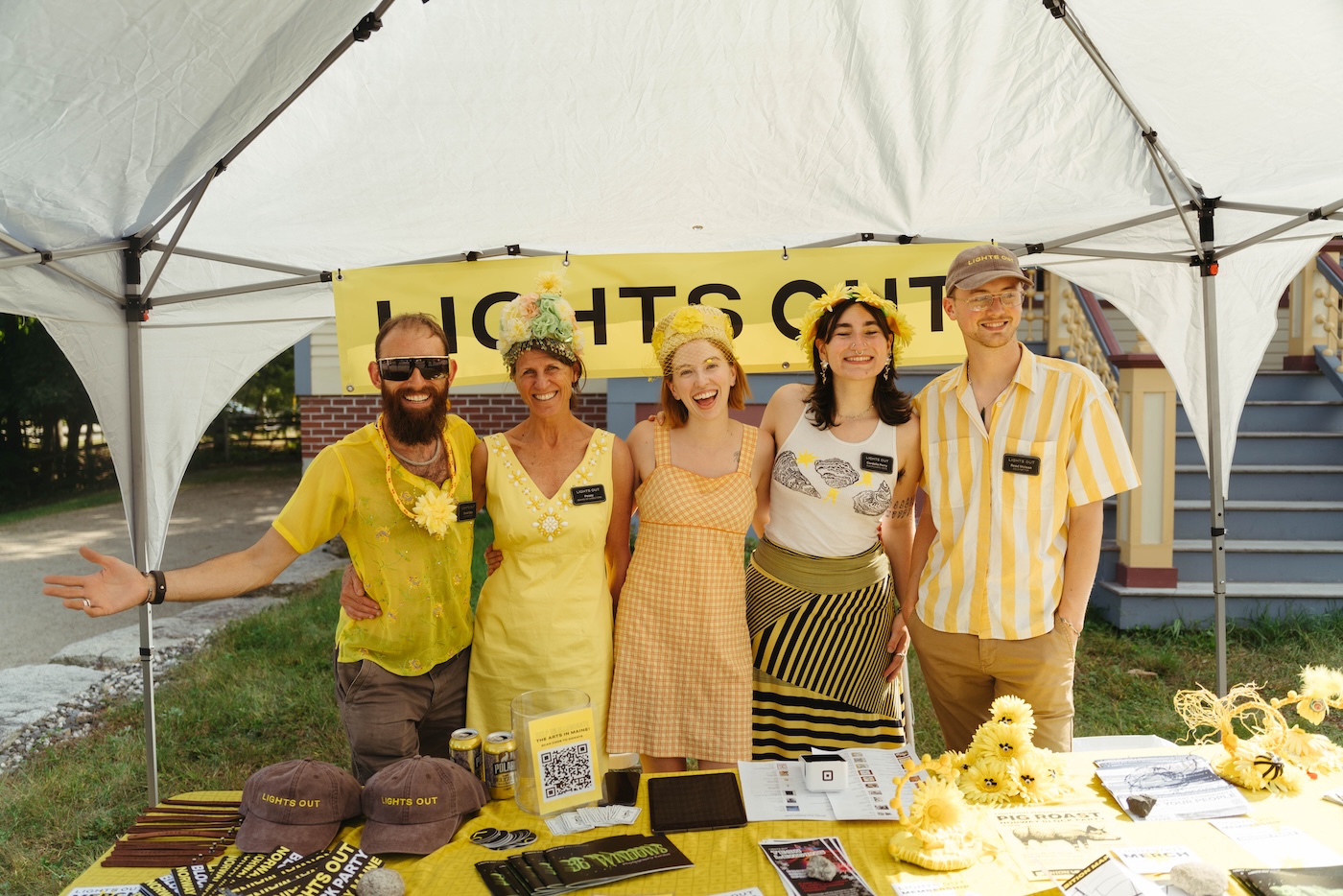
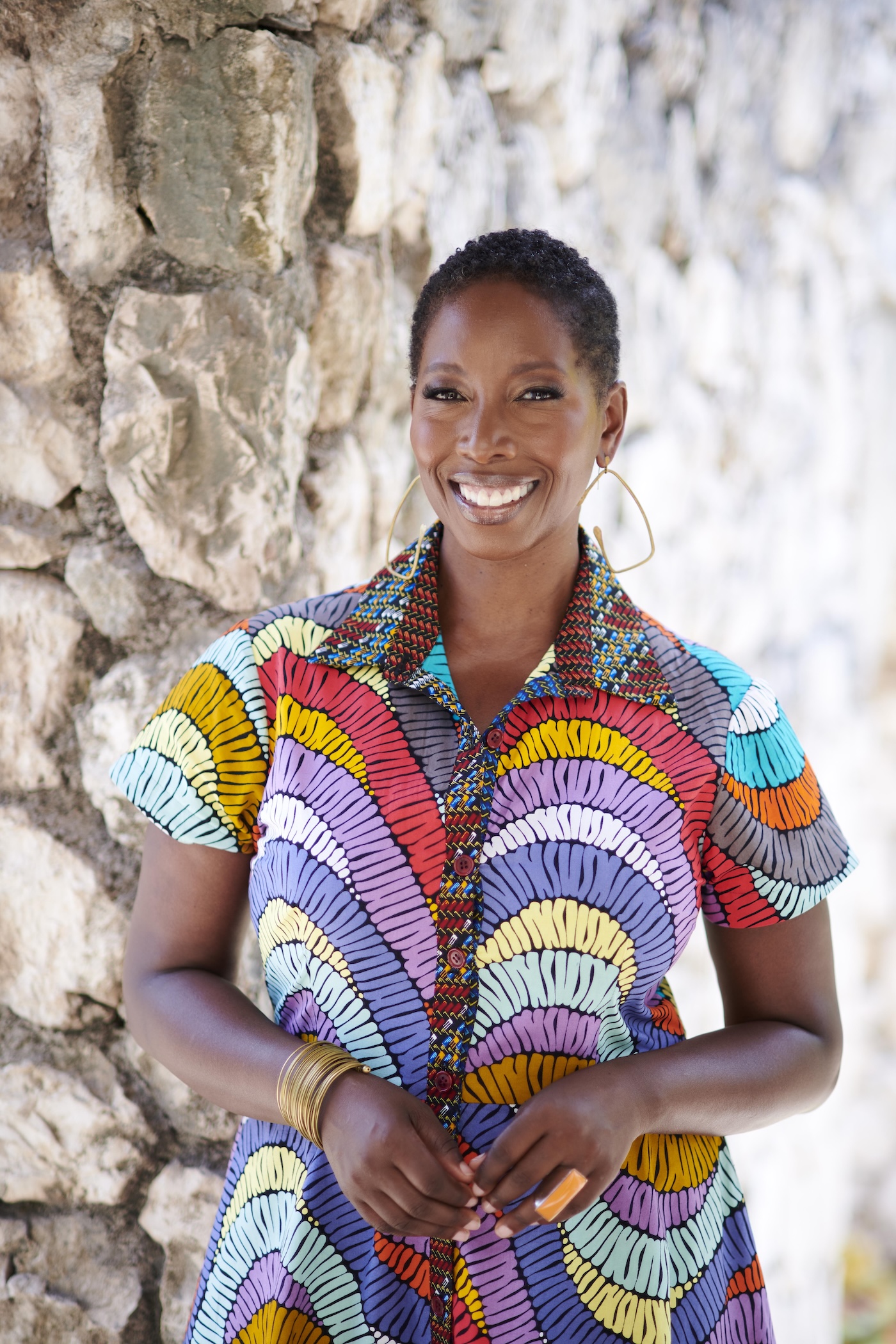
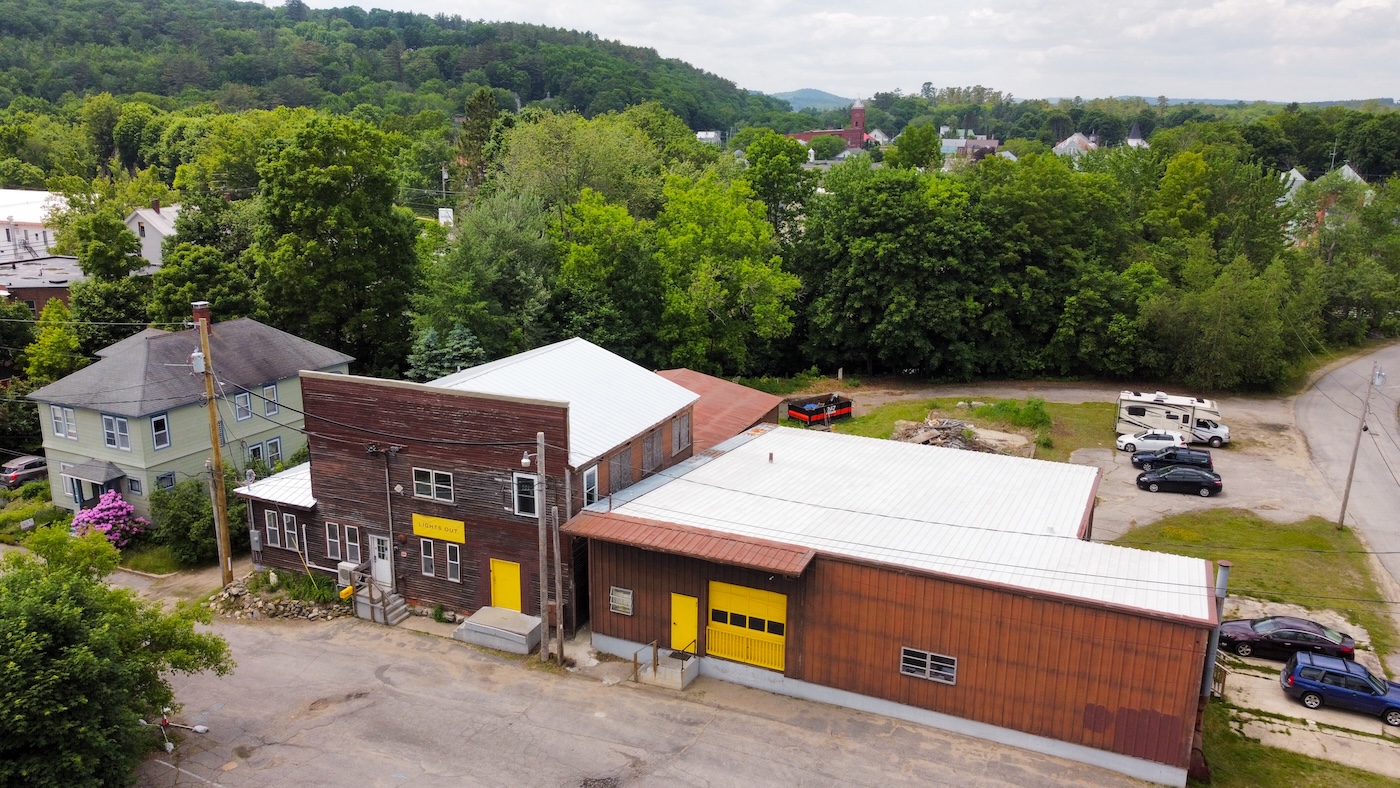
Daniel Sipe and Karlë Woods share how they built Lights Out from scratch with no money, no connections, and a willingness to take risks—plus why they invested in track lighting and marketing before almost anything else.
The post Building Community Through Art: The Lights Out Model (255) appeared first on Art Biz Success.
]]>
The post Building Community Through Art: The Lights Out Model (255) appeared first on Art Biz Success.
]]>And before you go thinking that you should start your own, let me say this: the world does not need more artist organizations. The world needs better artist organizations - organizations with powerful visions and commitment to serving their artists.
To be clear, I’m not talking about organizations for hobbyists. Those serve a separate and noble purpose, which is fodder for another article.
When you are trying to earn money from your art … when you aim for professional status … you need a higher level of support.
I think this is why Art Biz Coach has been so successful - because we fill a void. We support artists in classes like Magnetic You (starting soon!) and the Art Biz Inner Circle.
Healthy organizations aren’t my competition. We’re all here to elevate the status of artists while helping you lead healthy, productive lives. We’re stronger together.
With that said, here are some thoughts that might help you decide whether or not an organization is right for you.
Profile of a Healthy Artist Organization
Structure & Leadership
The organization has written guidelines, policies, and procedures - and follows them. You know know what is expected of you and what you can expect from the organization.
The organization plays a valuable role within the larger art community. In other words, it’s not an island operating by itself.
Meetings
Meetings are
The post Dysfunctional v. Healthy Artist Organizations appeared first on Art Biz Success.
]]>
The post Dysfunctional v. Healthy Artist Organizations appeared first on Art Biz Success.
]]>The post The Strength of Artists as a Community appeared first on Art Biz Success.
]]>Should I ignore the date on my calendar, or try to write something profoundly moving?

Usually I ignore the date in my emails and on my blog, which seems more appropriate for my audience. This year I had an idea to use this space to focus on one of my top values and priorities: community.
Community is a value I absorbed from my mother and is something we cherished following September 11, 2001.
The Strength of Artists as a Community
I am inspired by a quote from Christy MacLear, Executive Director of The Robert Rauschenberg Foundation. In a 2012 article in The New York Times, MacLear said of Rauschenberg:
Bob wasn’t all that interested in just his own voice. He was a big believer in the overall strength of artists as a community.
Artists as a community. Strong.
It’s not often that I miss my college days, but I am nostalgic about the daily routine of stimulating lectures, discussing art, making art, and sharing struggles with my fellow students. We benefited from community.
Since 2002 I have tried to get as close as I can to this environment in my online classes, my blog posts, live events and, especially, my membership programs as community is one of my top values.

My Definition of Community
To me, community is a place where people are supportive of one another. They might share a geographical location or a common interest, but these alone don’t result in community.
Members of a community share a concern about something that is bigger than themselves – something that contributes to a better quality of life for other community members. They are willing to help one another achieve that goal.
An artists’ community centers on the cause of art and nurtures its transformational qualities in its members.
Deep Thought Thursday
What does an artists’ community mean to you?
What does “strength of” artists as a community mean? What can be accomplished by acknowledging artists in numbers?
Does it or should it have anything to do with politics?
How does an artists’ community relate to neighboring communities of non-artists? How should it?
What role does the Internet – or can the Internet – play regarding community?
Join our community of artists who are building their businesses with the support of one another.
The post The Strength of Artists as a Community appeared first on Art Biz Success.
]]>The post Do This At Your Next Artist Meeting appeared first on Art Biz Success.
]]>Do you attend meetings to hear the speaker and leave without connecting with other members?
Two weeks ago my team received an urgent email from Ramon Magee from the Summit Art organization in Lee’s Summit, Missouri. He said his speaker for the evening had cancelled and they needed a program.
I got on the phone with Ramon and, in lieu of my hopping on a plane to fill in for their errant speaker, suggested a networking exercise. I gave him the specifics of how it could work and, after he thought it sounded good, I sent him a document that he could reproduce and use with his members.

He promised to report back to me on how things went.
“WOW what great feedback we got!,” Ramon said, adding, “this was better than a speaker.”
Of course, I don’t want to put myself out of a job. I’m very proud of how I facilitate networking at my workshops and seminars. My favorite part of the work I do is connecting artists to one another – whether it’s at my live events or in my online classes.
But I would be selfish if I didn’t share the goodies with you.
So . . . here’s the exercise for you to use with your own group. Just don’t wait for a speaker fail to make it happen.
Networking Exercise for Artists
Allow equal time for each participant in a group of 2-4 people. Someone must be in charge to facilitate the time and group organizing.
- Introduce yourself to someone new – don’t stick with your usual crowd!
- Practice introducing yourself as an artist to see what is most effective.
- Discover something you have in common.
- Find out what s/he needs most right now.
- Offer an idea, contact or resource to help with that need.
- Bonus: Think of something to collaborate on.
- Allow 15-20 minutes at the end for people to share what they learned.
Ramon added this about the Summit Art experience:
As an observer, during the exercise I was able to witness the sincere and open exchanges in the groups. They were showing each other cell phone images, and having genuine conversations. Sometimes the dynamics were between two each of the group of four then would change to four then back to two.
In the end they want to do it again, which we will. They all felt that the general meetings left the group seeing but not knowing either the person next to them nor those whom they see across the room. They come, each to their “own pew”, or with a friend/s they know, then leave with organization news and a learning experience provided by a quest speaker.
I suggested to the group that we might also use this format for idea generation for our organization. They agreed and seemed hungry for more……..which is great.
Use It
I have adapted this networking exercise from another speaker and I wish I remembered where I first heard of it so I could share credit.
Since connecting artists is a top value in my business, I’d love to help you by sharing this networking exercise download. Just promise you’ll share the results with me.
So, how can you use this? Can you see a way to adapt it outside of a meeting?
The post Do This At Your Next Artist Meeting appeared first on Art Biz Success.
]]>The post 5 Reasons to Join and Be Active in an Artist Organization appeared first on Art Biz Success.
]]>Guest blogger Paula Lewis shared these insights back in 2010.
Except for the few artists who have reached the level of success that enables requires help from assistants to keep up with the demand for their work, we artists are a lonely bunch.
Solitude is good for creativity, but only up to a point. Community, education, critique, support, and inspiration are good for our work and our psyches.
Join an artist organization and you’ll see what’s in it for you. Here are a few of the reasons I cherish membership in the Pennsylvania Guild of Craftsmen.
1. Market Influence
A guild or organization can work to build the overall market for fine art and fine craft. The momentum of the group will benefit everyone.

2. Business Advice
Record-keeping, setting prices, dealing with galleries, and liability insurance are examples of the kinds of issues that can be addressed by guild members that come from a variety of backgrounds and levels of experience.
3. Fresh Perspective
Viewpoints from artists working in multiple media help identify with whom your work resonates and why. Knowing more accurately what your most likely client looks like helps you effectively allocate scarce resources (time and money.)
4. Confidence Building
Many of us are visual, not verbal, so being asked to speak or write about our work can be a special challenge. Practice with your fellow artist-members enables you to speak more easily with non-artist potential clients.
5. Revitalized Muse
If you are “stuck,” you are not making art, which means you are not going to have any art to sell. Shared creative energy is a priceless benefit of joining a guild.
Join an organization that is media-diverse, multi-generational, and embraces a broad spectrum of styles. You will find your creativity constantly jostled, your contact (client) list expanding, and your ability to speak comfortably and cogently about your own work significantly improved.
Oh, you will also make fabulous new friends and feel more strongly connected to your community – good deal!
My Take
I couldn’t agree more that being involved with an artist organization can be a boon to your business and career. But it needs to be the right one for you.
See Dysfunctional v. Healthy Artist Organizations
And if you can’t find one in your community, please consider joining me and other intentional, committed artists in The Art Biz Connection.
The post 5 Reasons to Join and Be Active in an Artist Organization appeared first on Art Biz Success.
]]>The post Artist Salons: 6 Elements for a Thriving Group, Part 2 appeared first on Art Biz Success.
]]>
4. Location
Dedicate a place for your salon meetings. The best locations are your home, studio, or gallery (after hours). Public places aren’t conducive to open conversation and hanging out as long as you’d like. Some salons might last late into the night and you don’t want to feel pressured to cut short an energetic session.
You won’t regret setting a single location. Having to decide on a meeting location each time would take up a lot of energy and wear you (the organizer) out. You need to save your energy for more important stuff like your art and your career.
5. Regularity
A salon should meet with frequency and consistency. I prefer more frequent contact than monthly sessions, but most people can’t commit to anything more often than once a month. Stick with a day (say, the second Tuesday) so that you aren’t constantly asking members to pull out their calendars to agree on a date. You, as organizer, should set the day before asking others to join.
6. Conversation
Ah, yes, what will you talk about? If you are running an Art Biz Connection marketing salon, you have your agenda planned out for you. Otherwise . . .
Be loose with any guidelines. In the suggested Vision under #2, note that I wrote “stimulating conversations about art and life.” That’s because life informs your art. Let your discussion wander and trust that salon members will always bring it back to art.
To kick off an evening’s exchange, you might select a topic or delegate this task to a different salon member each time. Alternatively, it could be the responsibility of each member to bring a conversation-starter on a slip of paper. Those could be drawn from a bowl or rewritten on a white board to be returned to when it’s time to move the session along. Without some sort of structure, a salon could decay into just another social event.
The post Artist Salons: 6 Elements for a Thriving Group, Part 2 appeared first on Art Biz Success.
]]>The post The first 4 steps toward selling your art: Step #3 appeared first on Art Biz Success.
]]>Step #3: Connect with other artists
(The following text is adapted from I’d Rather Be in the Studio!)
Many artists do not have sideline cheerleaders in the form of friends or family. Some people just don’t get us! If you’re in this predicament, you must seek or establish your own cheering squad. Without some kind of support system, you will find yourself beaten down and constantly on the defensive. Sometimes you can obtain such support by getting involved in existing artist organizations. If you aren’t familiar with one in your area, contact your local or state arts council, which you can find in the resources of the National Assembly of State Art Agencies. You can also check out the National Association of Artists’ Organizations.
Being around other artists builds your confidence and sustains you emotionally. In addition, you will hear about opportunities you never knew existed if you hadn’t been part of a group. You’ll hear about them before they are ever published! You will also be eligible to apply for grants, awards, and exhibitions sponsored by the organization; be introduced to new art products and materials; and receive business advice in many areas (software, accounting, taxes, copyright, and more). Most importantly, with the right organization, you’ll make contacts that lead to the next step on your career path. As you are learning, contacts play a seminal role in your success.

MAKE SURE IT’S THE RIGHT ORGANIZATION
Before you join an organization, make sure it’s a good fit for you. Don’t join just for the sake of joining, which can end up being a waste of time and money. Attend meetings as a guest and consider where you might fit in. Before you join an organization, you should do research. (A complete checklist of questions to ask is in the book, page 163-64.)
You aren’t joining just to be a member. You are joining to become involved. If you’re uncomfortable in an organization, you won’t reap the benefits of your membership. If you can’t find the right fit in an existing organization, bring together a group of artists who meet regularly for the purpose of supporting each other. Form your own ArtBizConnection.com artist salon for more structure.
Perhaps becoming a member of an artist organization that meets regularly in your city is not for you or isn’t enough for you. You might consider “joining” a community on a part-time basis in a distant locale. You can escape once or twice a year to be around like-minded artists in artist communities, sometimes called “colonies.” Some people think of spending time at art colonies as vacations, but they are working vacations. You attend to be inspired and to learn from your peers. Another take on “getting away” is participating in an artist residency with an organization or at a venue. Learn about these opportunities in art magazines, discussion groups, and online lists.
The more you’re connected with other artists, the more opportunities you’ll discover.
See the other 3 steps:
Step #1: Devote Yourself to a Studio Practice
Step #2: Create Your Mailing List
Step #4: Start Writing About Your Art
The post The first 4 steps toward selling your art: Step #3 appeared first on Art Biz Success.
]]>