reset Archives - Art Biz Success https://dy-online.com/tag/reset/ Trusted Art Business Coaching and Consulting Fri, 28 Aug 2026 19:23:24 +0000 en-US hourly 1 https://wordpress.org/?v=7.1.4 https://dy-online.com/wp-content/uploads/2022/02/favicon-2-150x150.png reset Archives - Art Biz Success https://dy-online.com/tag/reset/ 32 32 What are you waiting for? The real costs of postponing strategic work in your art business (261) https://dy-online.com/now-seems-right/ https://dy-online.com/now-seems-right/#comments Thu, 26 Mar 2026 13:50:40 +0000 http://artbizsuccess.com/?p=19810 The daily work of running an art business — making art, posting, responding, shipping — always feels urgent. The strategic work doesn't. So it waits. But postponing that deeper evaluation isn't neutral.

There are five specific costs that accumulate when you keep the strategic work on the back burner, quarter after quarter. None of them announce themselves. And that's precisely what makes them so damaging.

The post What are you waiting for? The real costs of postponing strategic work in your art business (261) appeared first on Art Biz Success.

]]>
There’s a question my long-time students and clients know is coming. It’s simple: By when?

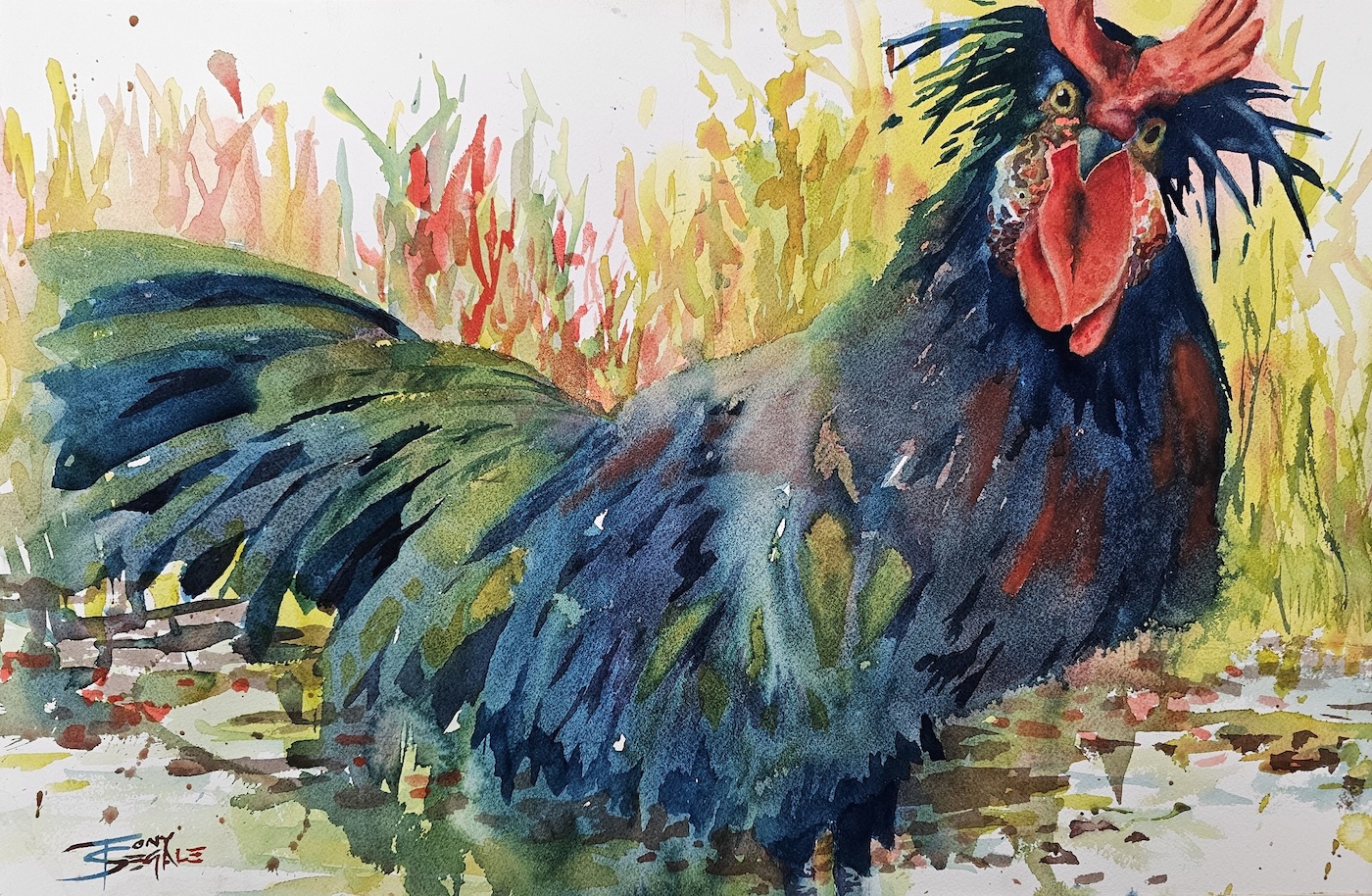
Tony Segale watercolor painting of rooster with dark plumage, a prominent red comb, and wattle
©Tony Segale, Whatcha Lookin At? Watercolor on Arches 140lb Cold Press, 15 x 22 inches.

By when will you follow up with your collector?

By when will you contact your gallery to ask about payment?

When I ask, the answer is almost always “by the end of next week.” And my response, when I know what’s at stake … when I know they’re capable of more, is: Why not now?

There’s always a pause. Because the idea seemed very good right up until I suggested doing it immediately. These are tactical questions. Delaying them directly delays results.

But then there are the bigger, strategic questions that also get put off — and these are the ones that cost you more in the long run.

By when will you evaluate which income streams are earning their place?

By when will you slow down long enough to review the weakest links in your business systems?

This kind of work is fuzzier. It takes longer. It requires more pieces to pull together a clear picture. And nobody is waiting on it. No order goes unfulfilled if you skip it.

Nothing breaks today. So it waits. And it costs you.

In episode 261 of The Art Biz, I walk through five specific costs that accumulate when artists keep postponing this kind of work. None of them announce themselves. That’s what makes them so damaging. 

Listen

The 5 costs of postponing strategic work

1. You’re leaving money on the table.

The income stream that kept requiring energy you never formally decided to give it. The email list that didn’t grow because you never stopped to ask why. The collectors who landed on your website, didn’t find what they needed, and left without a trace.

You’ll never know exactly what you didn’t earn, and that’s precisely what makes it so easy to ignore.

2. Unresolved questions are taking up mental real estate.

Every strategic question you’re carrying runs in the background. The platform you know isn’t working but haven’t officially walked away from. The show you signed up for again without examining whether it was worth it.

You’re paying a constant tax on your attention by carrying these things unresolved, and that’s energy that could be going into your creative work.

3. You don’t know if you’re executing on the right things. 

The longer you build in a direction you haven’t examined, the more expensive it is to redirect.

This is a mostly invisible cost, because it doesn’t feel like anything is going wrong. It just feels like you’re busy. You’re executing. You’re checking things off.

But execution without direction is just activity.

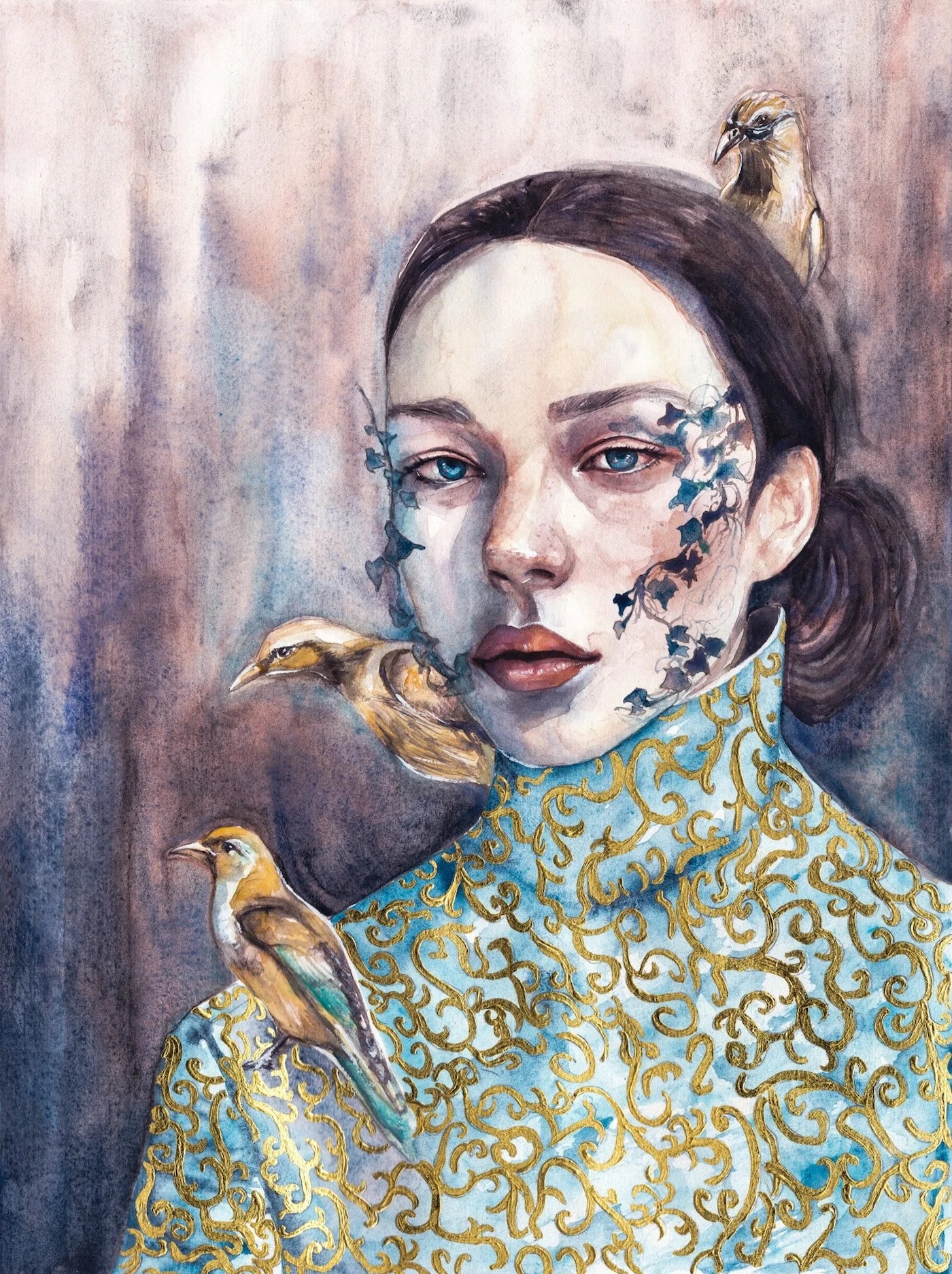
Miwa Gardner emotive watercolor portrait of a woman surrounded by birds and with vine-like markings on her face. The subject is wearing a high-necked garment adorned with intricate gold filigree patterns.
©Miwa Gardner, Autumn Dawn. Watercolor and 22k gold on paper, 40 x 30 centimeters.

4. The longer you wait, the harder it gets.

A cold email list gets colder. An out-of-date website feels like a bigger project the longer it sits. Waiting doesn’t make the work easier, it raises the cost of entry.

The longer you’ve waited, the higher the bar feels, not because the work itself changed but because you’ve been adding to it psychologically every day you didn’t begin.

5. Your confidence takes a hit. 

When you know something isn’t working and you keep not addressing it, it does something to how you feel about your business. Not dramatically. There’s no crisis moment. Just a slow accumulation of knowing and not acting.

That gap, over time, affects how you show up, how you talk about your work, and whether you put yourself forward or hold back.

None of these costs announce themselves. There’s no invoice, no warning, no interruption to your day. They compound through constant execution without strategic audits, until you look up and realize your business looks very much like it did a year ago. Only with a longer to-do list.

Pick one strategic question you’ve been carrying. Something you already know needs your attention. Name the date by which you’ll address it. Not “sometime soon.” A real date. Like … today.

Alyson Quotes

“Why not now? Now seems like exactly the right time.”

“Ignoring the strategic work almost always never produces a better outcome. It just postpones the results you’re after.”

“Execution without direction is just activity.”

“You are paying a constant tax on your attention by carrying them unresolved. That’s energy — energy that could be going into your art.”

“Waiting never makes the work easier. It just raises the cost of entry.”

“Artists who do this work don’t just leave with their priorities in order. They leave with something that’s harder to manufacture: confidence.”

The post What are you waiting for? The real costs of postponing strategic work in your art business (261) appeared first on Art Biz Success.

]]>
https://dy-online.com/now-seems-right/feed/ 7
The art business self-assessment every artists should do (260) https://dy-online.com/self-assessment/ Thu, 19 Mar 2026 11:22:00 +0000 https://dy-online.com/?p=57304 Before you can decide what to do next in your art business, you need to know what you actually have. In episode 260 of The Art Biz, I walk through the three-zone framework I use with every private client: Outreach, Presence, and Systems.

It's a structured self-assessment that gives you a clear, honest picture of where your business stands, so you can stop guessing and start making decisions that actually move things forward.

The post The art business self-assessment every artists should do (260) appeared first on Art Biz Success.

]]>
Before I talk strategy with any private client, I ask one question: What do you actually have right now, and is it working?

It’s a simple question, but we rarely take a breath long enough to consider it.

You know which part of your business is currently taking up your energy: the email you haven’t sent, the website that needs updating, the show deadline coming up. But you might not have a clear picture of the whole thing.

That’s what a real art business assessment gives you. And it’s where every private consulting relationship I have begins.

Over years of working with artists, I’ve found that everything you do to build your art business — outside of making the work, which is always the most important part — falls into one of three zones.

I’ve named them Outreach, Presence, and Systems. Understanding these zones, and honestly evaluating where you stand in each one, is the foundation of any meaningful strategic conversation.

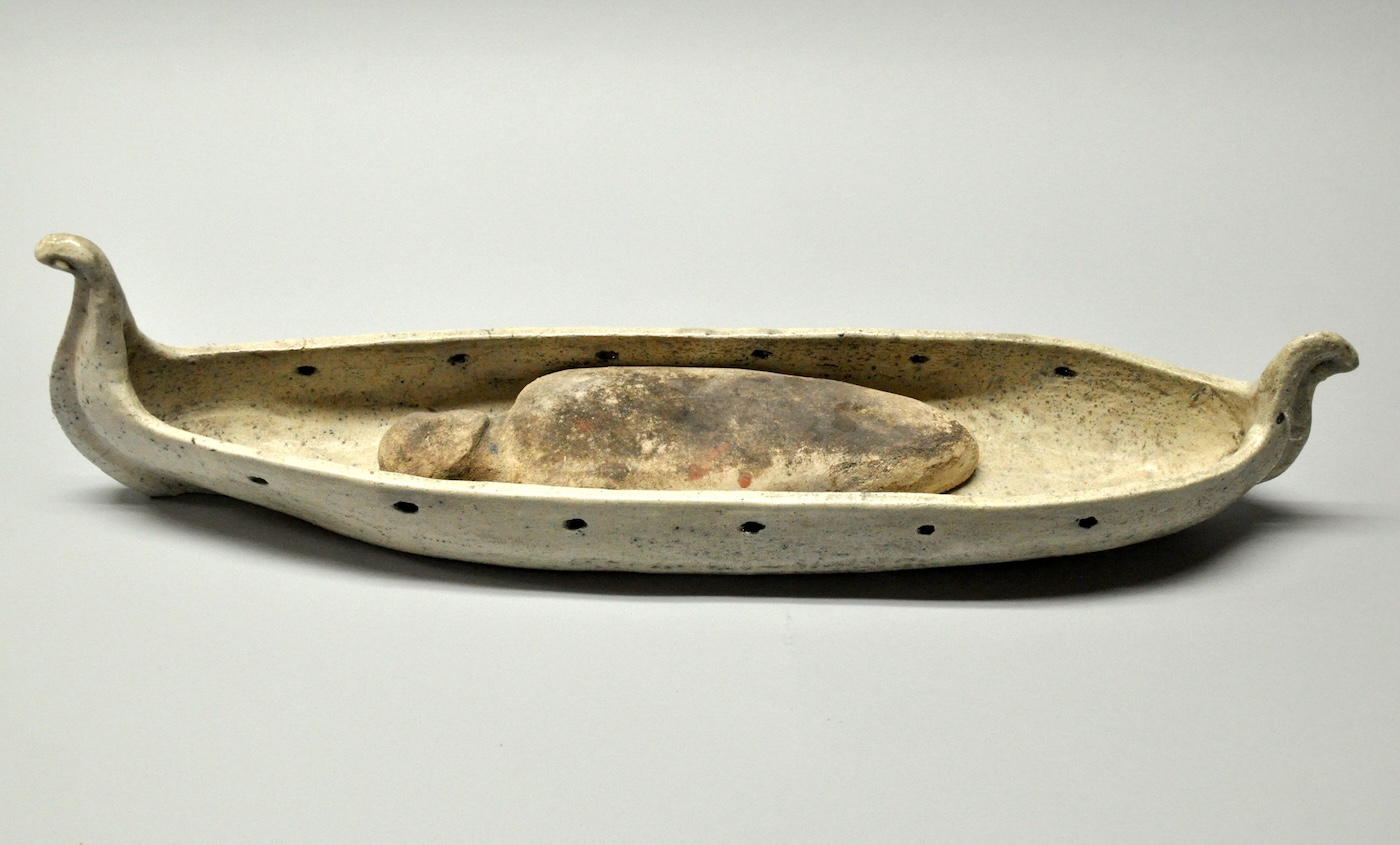
Cindy Rassche ceramic model of a boat
©Cindy Rasche, Gjellstad Ship. Raku fired clay, 5.25 x 20.5 x 4 inches.

Zone 1: Outreach

Outreach is everything you do to actively reach people. You might think of this as marketing, and that’s close enough.

It starts with your email list, which is the only audience you actually own. Everything on social media is rented. Platforms change, accounts get restricted, algorithms shift. The people who have asked to be on your list are yours.

So the first question is simple: is that list growing, shrinking, or stagnant, and do you know why?

Social media is part of outreach too, even though you don’t own it. I include it in your broader list because these are people who have opted to follow you.

Is your platform of choice, and that’s Instagram for most artists, working for you or are you working for it? What might you lose if you decreased your activity there or removed it from your to-do list altogether?

In-person networking belongs in this zone as well, and it’s the piece artists most consistently undervalue. We just get so comfortable at home and in the studio.

When did you last put yourself in a room where collectors, collaborators, or the right connections were present? Being seen in your community, building the kind of recognition that can’t happen on a screen is valuable outreach work, and it compounds over time.

And then there’s personal outreach: the one-to-one contact that we don’t get around to because it requires real attention. Writing personally to a gallery, following up with a collector, reaching out to someone you’ve been meaning to contact for months.

It’s high-touch by definition. It’s also the most direct form of reach available to you, and the one that tends to make the biggest difference.

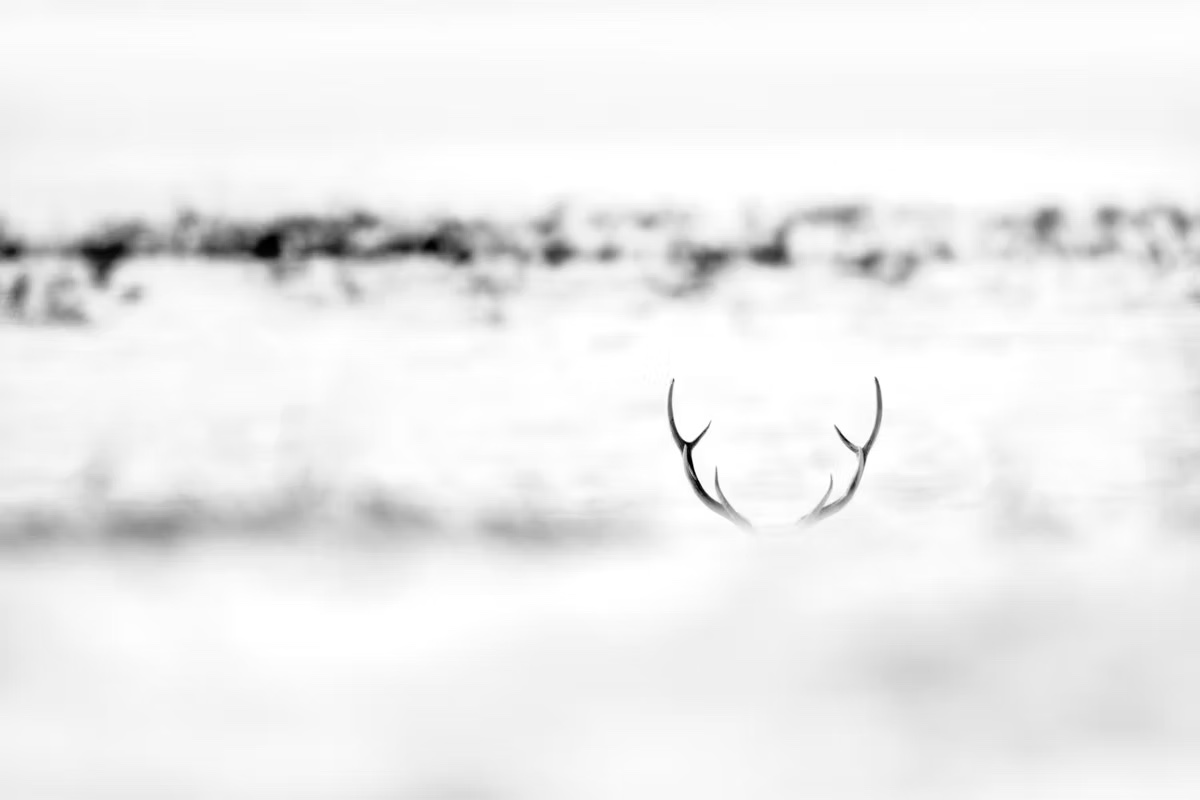
Johann Siggesson black and white photograph of symmetrical deer antlers against a stark winter snowy background
©Johan Siggesson, Headless Symmetry. Archival pigment print.

Zone 2: Presence

Presence is what people find once you’ve reached them. It starts with the art itself, always, and extends to everything that surrounds it.

Your website is often the first place someone will experience your work in depth. It’s working (or it isn’t) whether you’re paying attention to it or not.

If a collector landed there today for the first time, what story would they walk away with? What would they understand about you and your work? What would make them want to stay?

Your marketing materials are part of presence too. Whether someone is holding a postcard from your last show or reading an email announcement, those materials are representing you when you’re not in the room.

Is the design right? Is your work shown in its best light? Is everything aligned with the reputation you’re building?

And then there are your shows and exhibitions, the critical in-person encounters where presence becomes physical. Where you show matters. Who else is showing there matters. Whether the space itself elevates your work or works against it matters.

I regularly advise private clients to leave shows they’ve outgrown, because continuing to show in the wrong context can quietly undermine the reputation they’re working to build.

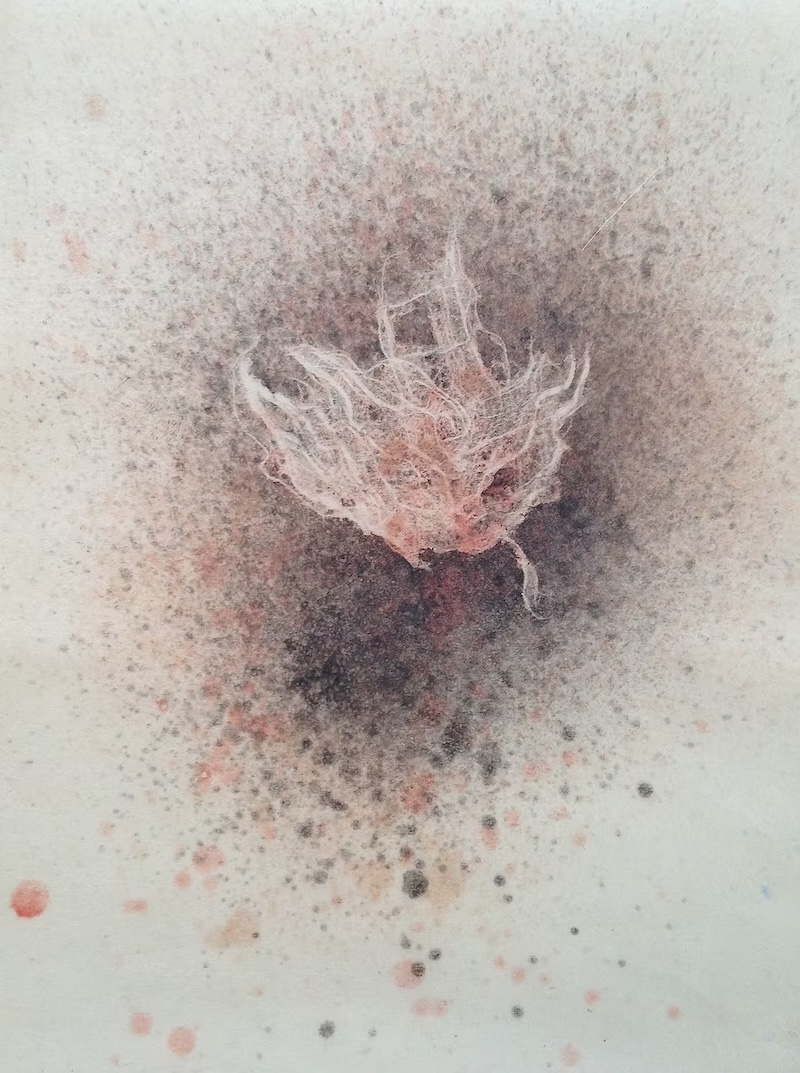
amy miami richard abstract pink and tan cotton pulp creating ethereal, organic forms that resemble a biological plant-like structure
©2016 amy miami richard, INNER GLOW. Pigmented cotton pulp on artist-made paper (kozo fiber), 10.75 x 8.5 inches.

Zone 3: Systems

Systems are the behind-the-scenes infrastructure that holds everything else together. They’re what you do when no one is watching, and they determine the level to which your outreach and presence can effectively do their jobs.

Income streams live in this zone because they’re structural. How many ways is your art generating income for you? And are those sources aligned with the work you actually want to make? Which ones are costing you more energy relative to what it returns?

More income streams don’t automatically mean a stronger business. In some cases, they are a diversion and weaken your business.

Business operations are systems too: how you handle inquiries, how you track inventory, how you manage money, how you manage yourself.

Where do things fall through the cracks in your business? Once you can see the leaks, you can take action to fix them.

And then there’s follow-up, which I’d argue is the most overlooked system of all. The conversation happened. The connection was made. The interest was expressed. And then nothing, because there was no system in place to carry it forward.

Lack of follow-up costs you more than you realize.

Listen

Seeing the Whole Picture

What this three-zone framework gives you is a way to step back from the daily work and look at your business holistically. Not just the part that’s on fire this week, and not just the area someone in a YouTube video told you to fix.

Every art business is different. The zone that needs the most attention in yours is specific to you, your goals, and where you are right now.

That’s exactly the kind of thinking I do with private clients: not handing over a generic checklist, but helping you find the one move that will have the biggest ripple effect in your specific situation.

Alyson Stanfield Quotes

“Everything you do to build your art business, outside of the making, is going to show up in one of these three zones.”

“Your list is the only audience you own. Everything else is rented.”

“Is social media working for you, or are you working for it?”

“Personal outreach is the most direct form of reach, and the one that so many of us don’t get around to, because it’s so high-touch.”

“When did you last put yourself in a room that wasn’t your own studio or booth?”

“Presence is whether everything around your art is doing that art justice.”

“More income streams don’t necessarily mean better. It could mean the exact opposite.”

“One move that’s going to give you the biggest ripple effect.”

The post The art business self-assessment every artists should do (260) appeared first on Art Biz Success.

]]>
Do you have the art business you actually want? (259) https://dy-online.com/business-model/ https://dy-online.com/business-model/#comments Thu, 12 Mar 2026 11:15:00 +0000 https://dy-online.com/?p=57187 Most artists didn't design their art business. They drifted into it. A gallery here, a commission there, a product line because someone asked.

In this episode of The Art Biz, I invite you to step back and ask a question most artists never take the time to ask: if you were starting fresh today, would you build it this way? That one question can change everything.

The post Do you have the art business you actually want? (259) appeared first on Art Biz Success.

]]>
If you’re like most artists, you didn’t sit down one day and design your art business. You built it one Yes at a time.

A gallery approached you … and you said yes.

Someone asked for a commission … yes.

A print shop made it easy to add products … sure, why not.

And somewhere along the way, a business took shape without you ever deciding that’s what it would look like.

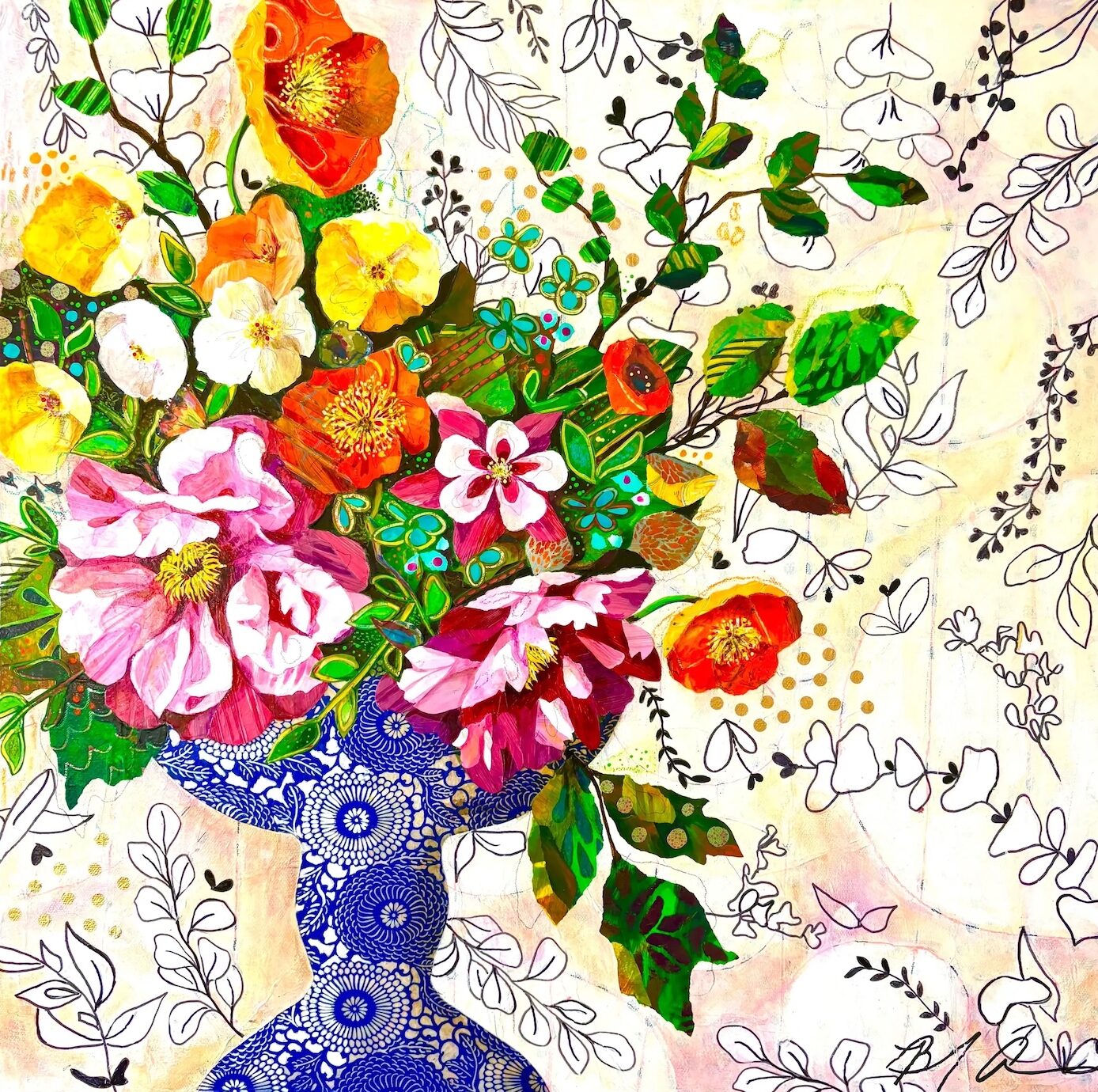
Behnaz Ahmadian mixed media on canvas of colorful floral blooms in a blue patterned vase
©Behnaz Ahmadian, June’s Bloom. Mixed media on canvas, 24 x 24 inches.

There’s nothing wrong with any of those individual decisions. But when they pile up without intention, you can end up running a business that feels like it belongs to someone else.

I know this pattern because I’ve lived it. At one point I looked up and had a tangle of products and services I hadn’t consciously chosen. I had drifted too.

And here’s what I’ve come to understand: when you’re swimming in information — in courses, social media posts, and videos all offering advice — it’s easy to get pulled toward whatever is in front of you rather than what’s right for you. That’s how drift happens.

[ See Beyond Information: Why Artists Need Frameworks (251) ]

Your Art Business Model

Your business model is simply how your art generates value for others and, in return, how it generates something for you. Perhaps money, recognition, connection, or all three. You have one whether you designed it or not. The question is whether the one you have is the one you want. That’s what this episode of The Art Biz asks you to consider. The first thing I ask a new private client is: what do you want for your art? What do you want it to do for you? What do you want to happen to it? Once you know what you want, you have a lens. And that lens is exactly what you need for the reset question: if you were starting fresh today, would you build your business the way you’ve built it? Before you can answer that honestly, you need to see clearly what you’ve actually built. Take inventory. Ask yourself:
  • How are you reaching people?
  • What do people find when they encounter your work?
  • What’s holding everything together?
Once you can see it clearly, then you can evaluate. Decide what’s working, what you’d change, what you’d ditch if you could.

Listen

Alyson Quotes

“You fall into patterns. You say yes to what’s in front of you, and then one day you look up and wonder why the business feels like it belongs to someone else.”

“You have a business model whether you designed it or not.”

“There is so much coming at us that we grab onto what appears, rather than examining whether it deserves a place in our businesses, let alone in our lives.”

“Did I choose this, or did I drift into it?”

“Name it. That’s the point where the intentional design actually begins.”

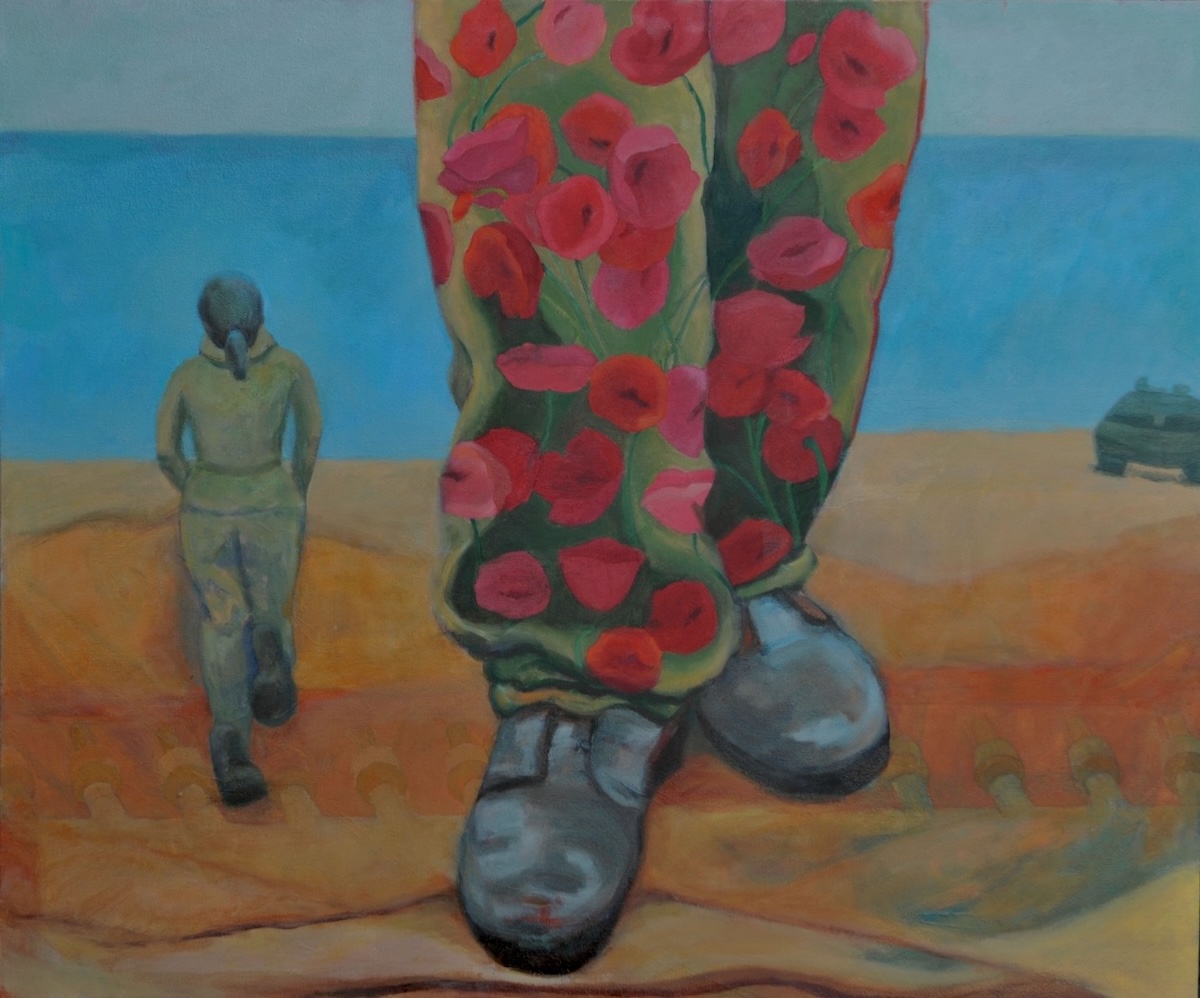
Paula Blumenfeld oil painting that features a figure in poppy-patterned trousers in the foreground, with a smaller figure walking toward a body of water in the background.
©Paula Blumenfeld, I Don’t Feel Like a Hero. Oil on canvas, 30 x 36 inches.

Mentioned

Beyond Information: Why Artists Need Frameworks (251)

Art Business Reset is no longer available

The post Do you have the art business you actually want? (259) appeared first on Art Biz Success.

]]>
https://dy-online.com/business-model/feed/ 1
Stop being busy, start being strategic (258) https://dy-online.com/in-v-on/ Thu, 05 Mar 2026 13:04:00 +0000 https://dy-online.com/?p=57119 There's a difference between working in your art business and working on it, and most artists spend almost all of their time on one of them.

This episode breaks down what each mode looks like, why the balance matters, and what it actually looks like to step back and think strategically rather than just execute.

The post Stop being busy, start being strategic (258) appeared first on Art Biz Success.

]]>
Being busy is boring.

I don’t mean just saying it, though that’s boring too. You know the moment: someone asks how you’re doing and before you can think, out comes “I’ve just been so busy.”

It’s a conversational dead end. Nobody knows what to do with it. Because they’re busy, too. Everyone is busy!

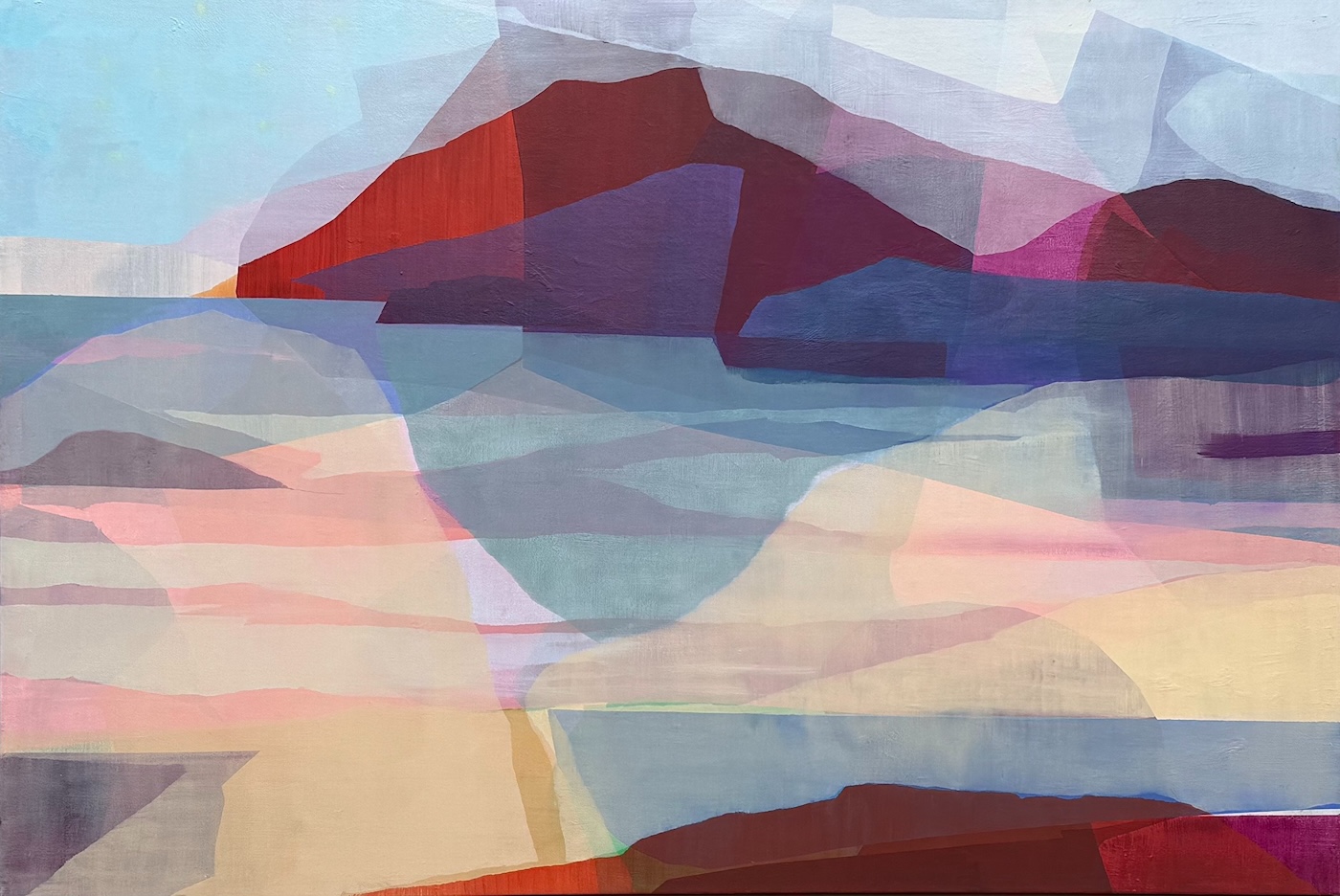
Abstracted landscape layered in reds and blues by Greta Laundy.
©Greta Laundy, The Seeking. Oil on polycotton, 82 x 122 x 5 centimeters.

But the deeper problem is actually being that busy. When your entire existence as an artist has been reduced to a task list, you have no direction to report, no story to tell, no point of view on where any of it is going. Just motion.

That’s what working IN your business without ever working ON it does to you.

In this episode of The Art Biz, I talk about one of the most important distinctions in running a sustainable art business: the difference between working IN your business and working ON it.

Listen

Executing v. Evaluating

Working IN your art business is execution. Posting to social media, responding to emails, filling out show applications, sending your newsletter. It’s necessary, and it has to happen.

But working ON your business is something different. It’s stepping back to look at the whole picture. Evaluating what’s working, weighing opportunities, asking hard questions about where you’re headed and whether your current path is still right.

This is higher-level thinking that must be addressed when you’re trying to build your reputation or make a living from your art.

Before we work together, most of my artist-clients are almost entirely in execution mode. And without ON time, there’s no filter.

Every new platform, every trend, every idea from another artist pulls at your attention, because you have no compass telling you what actually matters right now.

I also talk about the opposite problem: artists who spend too much time planning and refining, and not enough time executing. A perfect plan that never launches is just a very organized fantasy.

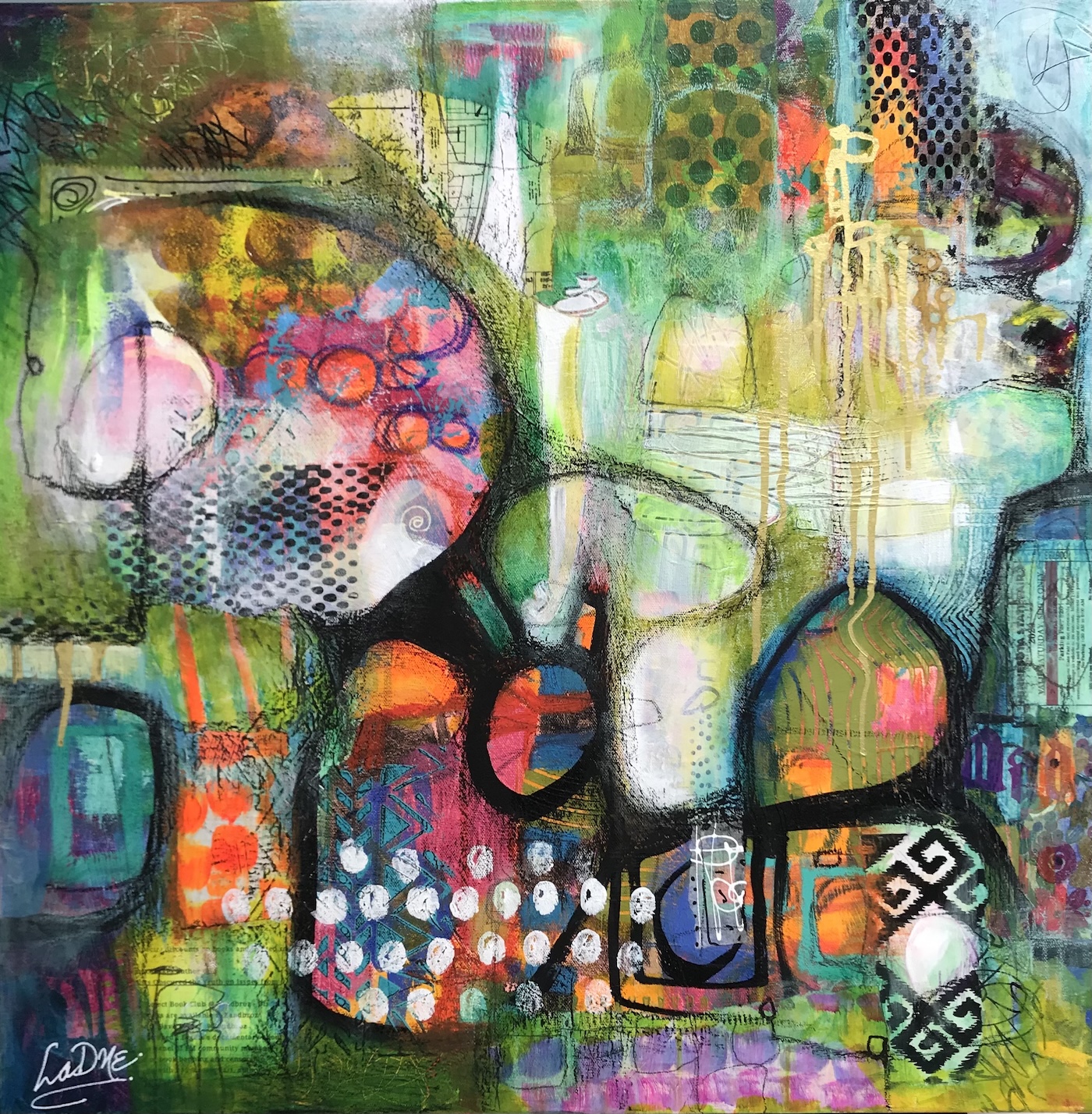
Abstract painting that is primarily green with spots of bright colors. Includes black linework and patterns on the surface.
©2024, Paige LaDue Henry, Dreaming the Dreams of a Seeker. Acrylic, collage paper, oil pastel on 1.5” gallery wrap canvas, 24 x 24 inches.

Questions to Ask During Your ON Time

Working ON your business doesn’t require a full-day retreat, like the ones I describe in episode 251.

It can be one protected hour a week, where you ask not What do I need to do today? but these questions:

  • Is what I am doing actually working? WHY?
  • Is this still where I want to go? WHY?
  • What’s on my to-do list that no longer serves me?
  • What has the best potential for a long-term payoff?
  • Where am I playing it too safe?

Record everything in your journal for your next session.

You don’t have to do this alone. Check out options for private consulting with me.

Alyson Stanfield Quotes

  • “Stop saying you’re busy.”
  • “Execution without direction is just activity.”
  • “A perfect plan that never launches is just a very organized fantasy.”
  • “Without the ON time, there’s no filter.”
  • “This isn’t about thinking it, it’s about inking it.” (Nod to Mark Victor Hansen.)
  • “Working on your business is not about creating a perfect plan. It’s about being awake to what’s happening.”
  • “ON time is where you ask: what am I willing to give up to move forward? That’s a different question than what do I need to do today?”

The post Stop being busy, start being strategic (258) appeared first on Art Biz Success.

]]>
Beyond information: why every artist needs frameworks (251) https://dy-online.com/beyond-information/ Thu, 11 Dec 2025 12:55:00 +0000 https://dy-online.com/?p=56410 I get brutally honest about anxiety, sleepless nights, and an identity crisis: Who am I if not a teacher creating content?

I reflect on information overload and why artists don't need more lessons—you need frameworks, filters, and boundaries. A vulnerable look at what happens when you realize something fundamental needs to change.

The post Beyond information: why every artist needs frameworks (251) appeared first on Art Biz Success.

]]>
Information is everywhere. You can Google anything. Ask AI anything. But we’re drowning in it.

What artists actually need aren’t more lessons.

If you are serious about building a reputation and earning a living, you need containers to organize information, filters to know what matters, and frameworks to apply it to your specific business.

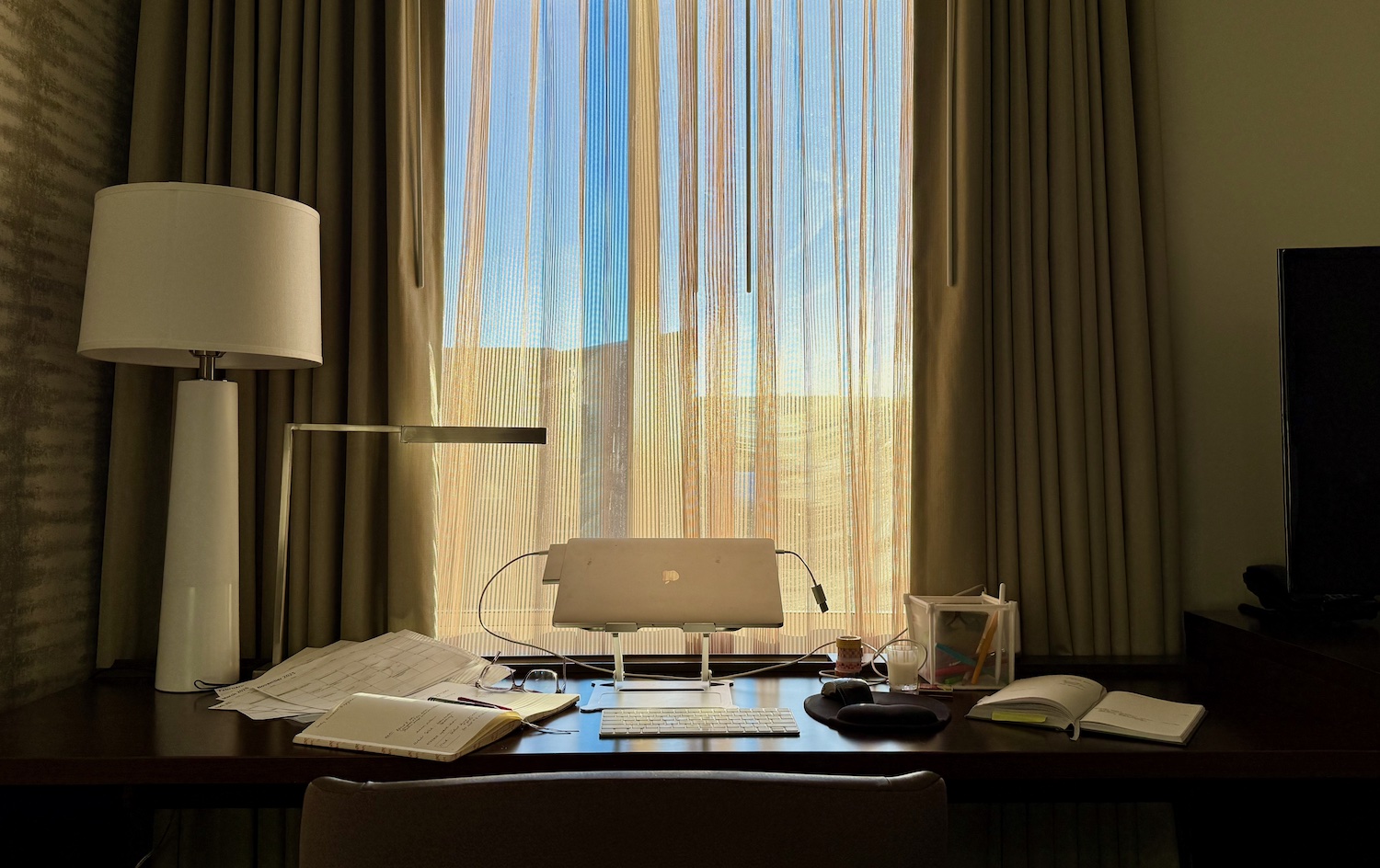
What my hotel planning retreat looks like—pretty much every time!

I’ve been contributing to the problem. For months, I’ve been waking up with anxiety, my gut in knots, the pressure building. I kept adding more curriculum, more workshops, more content—preaching sane planning while juggling an insane schedule.

My guiding word for 2025 was RADIANT. I wanted space in my calendar and my brain. But I kept betraying that intention.

Something had to give.

After conversations with trusted advisors, I got clear: This is about identity. Who am I if not a teacher constantly creating content? What is Art Biz Success if it’s not about adding more?

Maybe you’re asking similar questions. Who am I if I stop offering discounts? If I leave galleries and build my own collector list? If I stop taking commissions to focus on the work that feeds my creativity?

The question isn’t “what more do I need to learn?” The question is: “What do I need to let go of? Where can I lower the bar?”

So I’m evolving along with Art Biz Success. I’ll be creating AI tools you can adapt. Working more closely with private clients. Leading in-person retreats focused on your process, not information dumps. And restructuring Essentials to focus on supporting you as you implement the knowledge at your fingertips.

I get really personal in this episode of The Art Biz.

Listen

The Artist’s Annual Review for 2025 is no longer available.

Alyson Quotes

“You know far more than you probably give yourself credit for.”

“I continue contributing to the information dumpster.”

“AI is only as useful as what you feed it. You have to know the right questions to ask.”

“I’m creating faster than is useful to you and faster than what is good for my health and well being.”

“I am NOT setting a good example. I am not running my business the way I want you to run yours.”

“The bottom line is that I’m preaching sane planning out of one side of my mouth while juggling an insane schedule.”

“This is about IDENTITY. The reason this is such a struggle is it’s about who I am at my very core.”

“You need help making sense of what’s already out there. You need filters. You need containers.”

“The question isn’t ‘what more do I need to learn?’ The question is: ‘What do I need to let go of? Where can I lower the bar?'”

“This isn’t about abandoning what I’ve built. It’s about evolution, which I consider one of my superpowers.”

Mentioned

Cynthia Morris, Original Impulse (trusted advisor)

Zach Wolfson, Ready to Record (trusted advisor)

The post Beyond information: why every artist needs frameworks (251) appeared first on Art Biz Success.

]]>