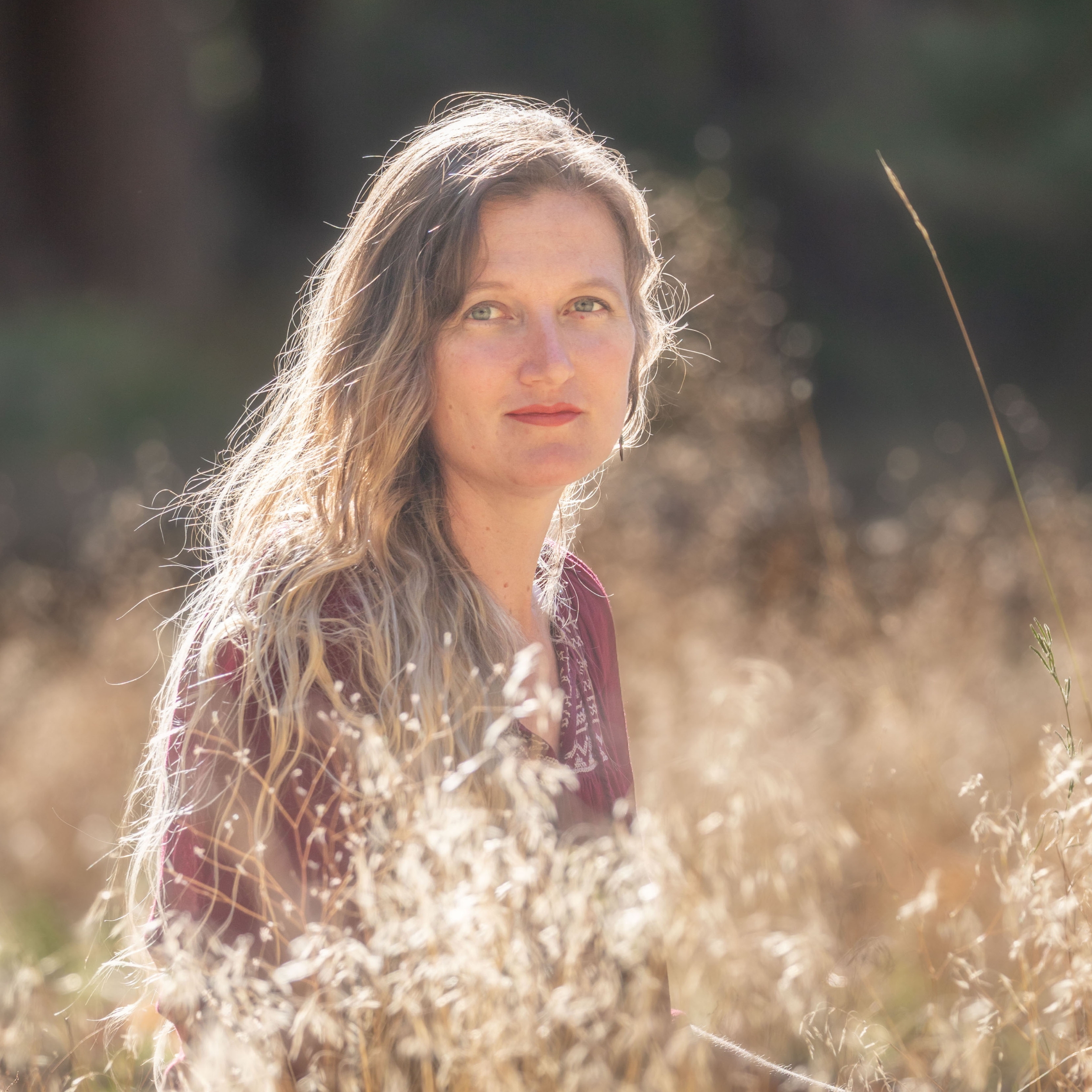
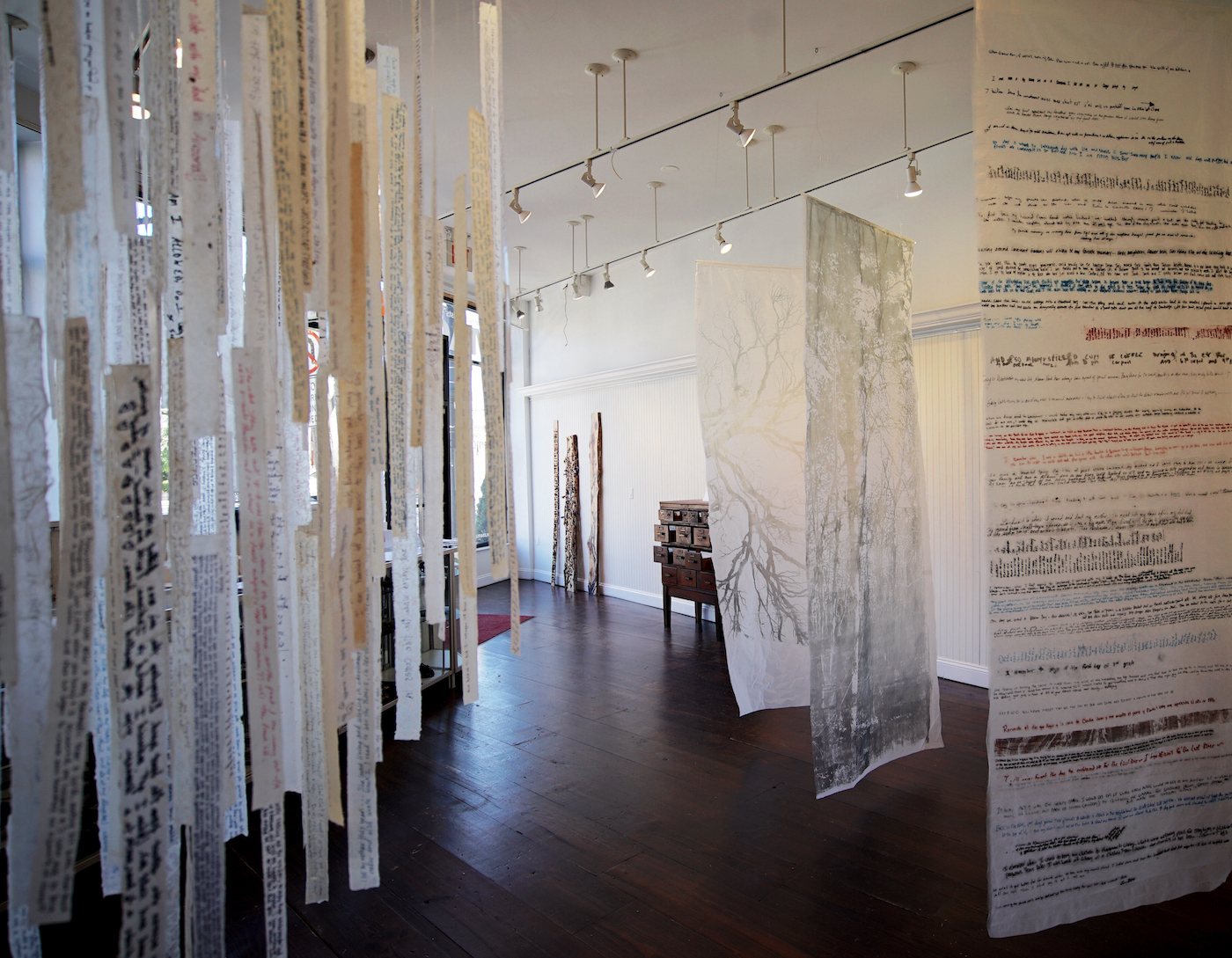
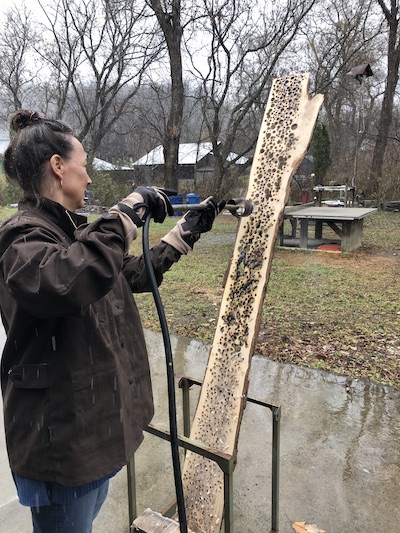
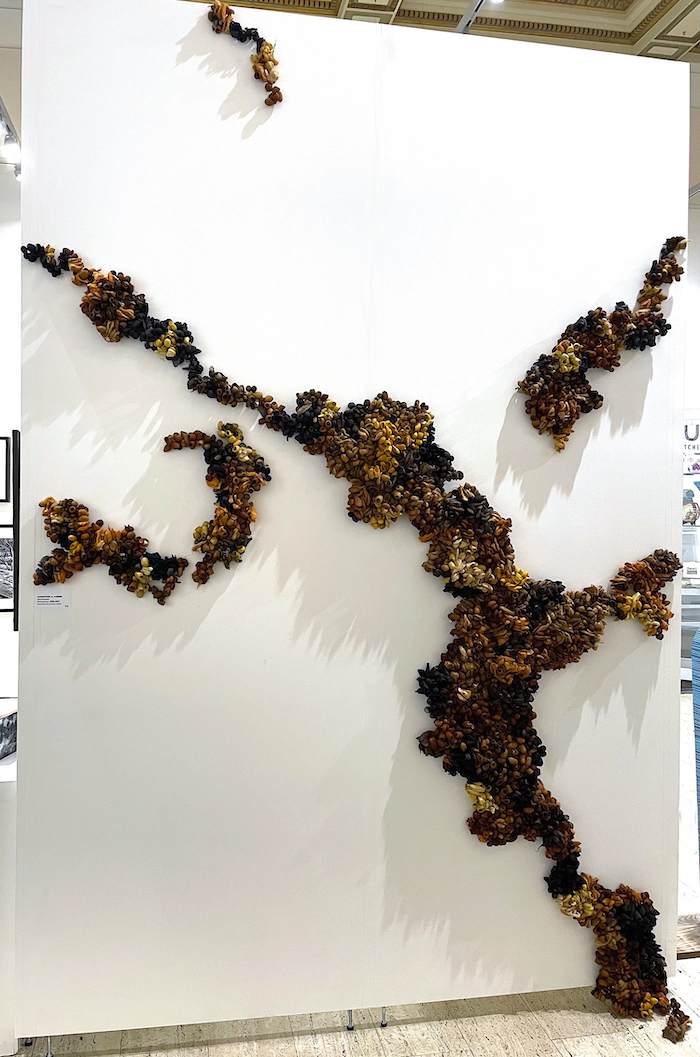
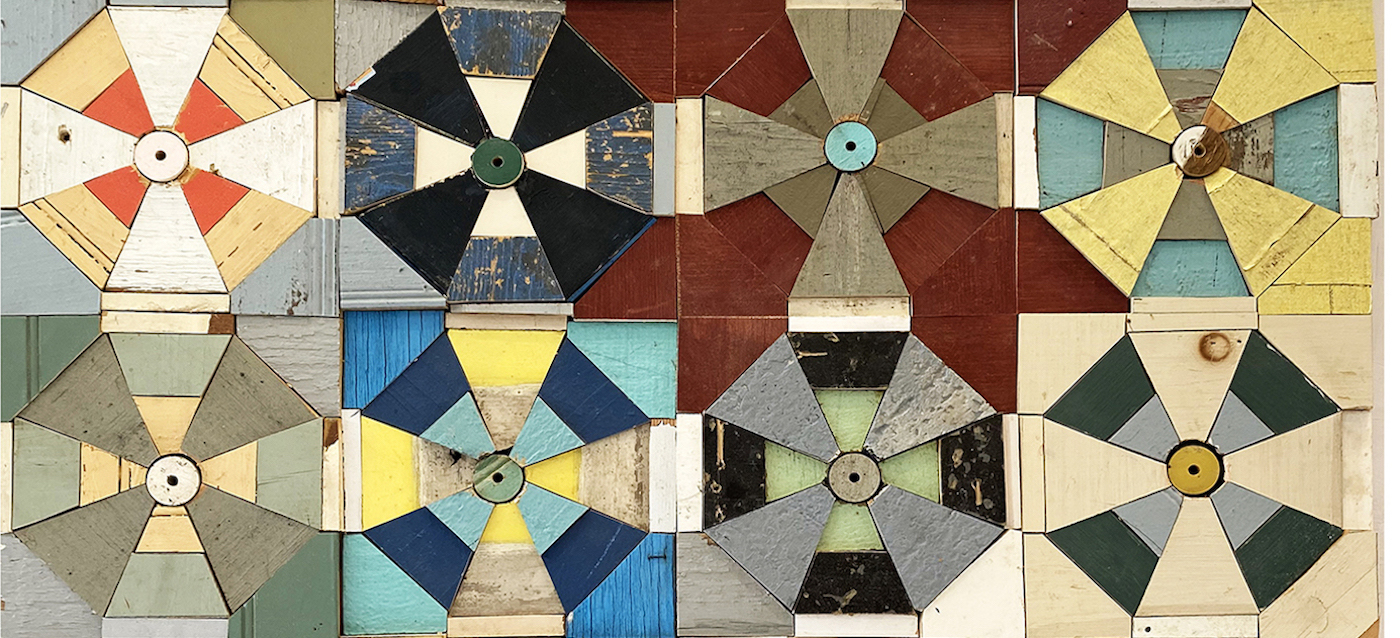
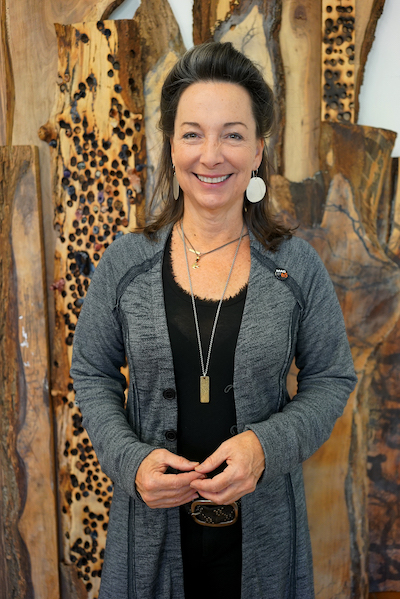
You'll become more and more resilient every time you take a risk that doesn’t work out as you had intended. You’ll bounce back. And you’ll be stronger for it in the long run. Promise. Listen to how this plays out for Christine Aaron.
The post Risk, rejection, and resilience with Christine Aaron (114) appeared first on Art Biz Success.
]]>

The post Risk, rejection, and resilience with Christine Aaron (114) appeared first on Art Biz Success.
]]>In this episode of the Art Biz Podcast I talk with Leah Smithson about her path, which kicked into gear after her father suffered a massive stroke and she began researching how creativity works in the brain.
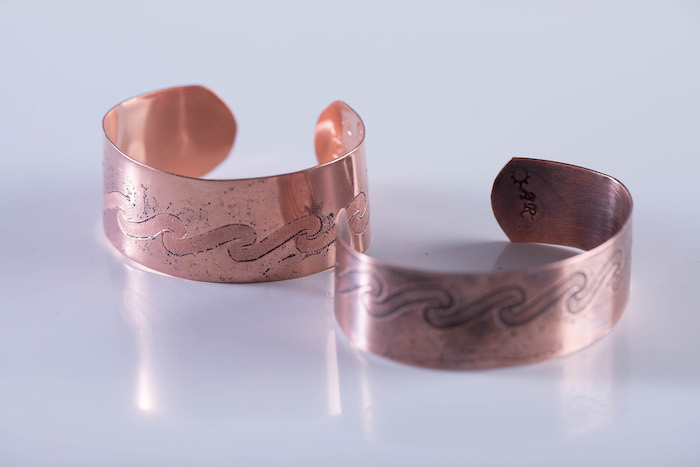
Leah's interest in learning has led to her nontraditional portrait paintings, jewelry, public art, and murals. You'll also hear about how she embraces technology and has been teaching herself augmented and virtual reality (AR and VR).
Leah and I discuss how she decides which risks to take on and which projects to get involved with, how she schedules her week, and how her well-meaning husband cajoled her into co-hosting a podcast with him.
Leah has taken many risks in her art career, and I love her point of view: You'll never know until you try. You can decide to take a risk because even if it doesn't turn out as you'd hope—even if it's a disaster—you'll be glad you did it anyway, if it's something that fits with your goals.
If you’ve ever considered which step to take next or which opportunities are right for your art business, you need to listen to this advice from an artist who has failed and continues to experience success.
The post The Art Biz ep. 94: Calculating Risks in Your Art Business with Leah Smithson appeared first on Art Biz Success.
]]>In this episode of the Art Biz Podcast I talk with Leah Smithson about her path, which kicked into gear after her father suffered a massive stroke and she began researching how creativity works in the brain.
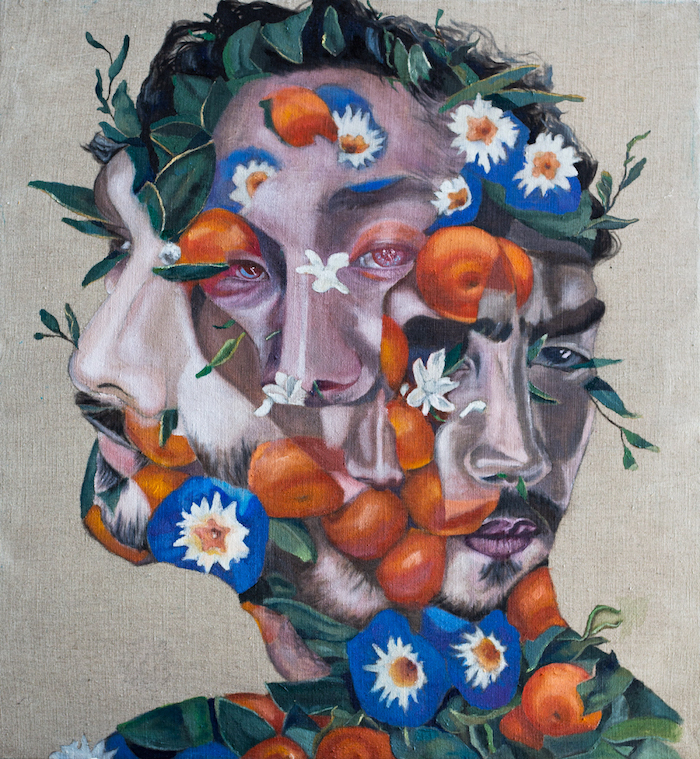
Leah’s interest in learning has led to her nontraditional portrait paintings, jewelry, public art, and murals. You’ll also hear about how she embraces technology and has been teaching herself augmented and virtual reality (AR and VR).
Leah and I discuss how she decides which risks to take on and which projects to get involved with, how she schedules her week, and how her well-meaning husband cajoled her into co-hosting a podcast with him.
Leah has taken many risks in her art career, and I love her point of view: You’ll never know until you try. You can decide to take a risk because even if it doesn’t turn out as you’d hope—even if it’s a disaster—you’ll be glad you did it anyway, if it’s something that fits with your goals.
If you’ve ever considered which step to take next or which opportunities are right for your art business, you need to listen to this advice from an artist who has failed and continues to experience success.
Music by Wildermiss
Highlights
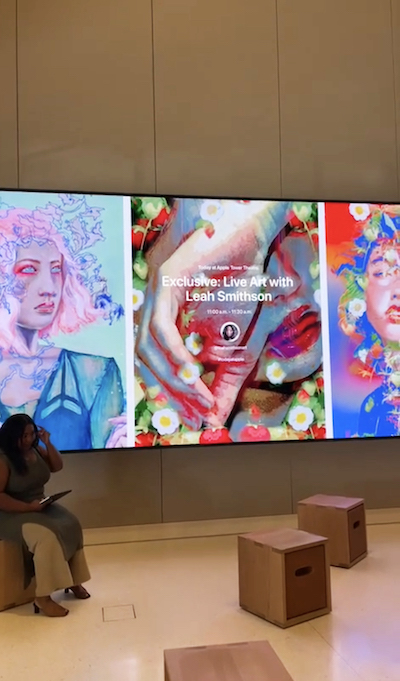
- Leah Smithson shares her art and the family experience that led her to focus more on her own creativity. (1:19)
- Unpacking the effects of art and creativity on the brain. (5:05)
- The evolution of Leah’s art in the face of emotion and self-expression. (6:46)
- Income streams and the impact that Covid-19 had on Leah’s work. (10:55)
- Taking calculated risks in art and tuning in to what you want for your art business. (14:52)
- Learning from Leah’s failures. (17:10)
- How to identify the right opportunities for your art business. (22:08)
- The role of research in Leah’s art. (27:55)
- Creating digital art experiences with AR and VR. (31:43)
- Leah’s typical workweek balances studio work, social media, podcasting, and community projects. (36:37)
Mentioned
Drawing on the Right Side of the Brain by Betty Edwards
Leah Smithson Quotes
- “The faster you get it out there, the quicker you can make progress.”
- “I try to balance an educated decision with being tuned in to what I really want to do, so even if it doesn’t go well at least it was because it was something I wanted to do.”
- “Even when I fail I can still be happy with the decision I made.”
- “I’ve learned that the next time I take a risk, it needs to be something that I really want to do. And even if it’s a disaster, I’m happy I did it anyway.”
About My Guest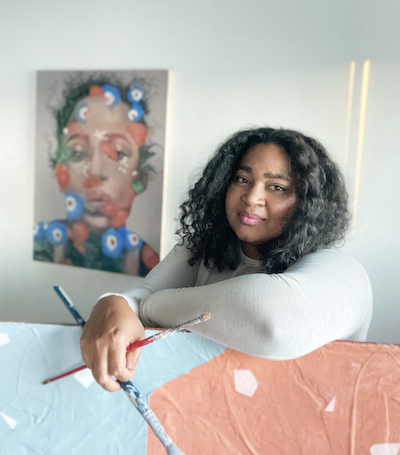
Leah Smithson is a Los Angeles-based artist with a surrealistic nature to her work. Having moved around as a kid, her style comes from a patchwork of influences from classical painting to cyberpunk. In her murals, digital works, paintings, and sculpture, she often uses nature & portraiture to express the complexities of being human and our connection to this earth. As a muralist, her goal is to create little rabbit holes of experiences in the cityscape, providing moments of inspiration to remind us that our lives are about more than just surviving.
Leah was born in Tennessee and has also lived in Atlanta and the Bay Area of Northern California. She co-hosts Vessel: Art as a Doorway, a podcast with her husband.
Follow Leah on Instagram: @leahsmithsonart
Music by Wildermiss
The post The Art Biz ep. 94: Calculating Risks in Your Art Business with Leah Smithson appeared first on Art Biz Success.
]]>The moment we smell risk, our physical bodies start preparing for the encounter. Our mental faculties begin telling us how we can avoid it or, short of that, deal with it.
There is no room for growth when you focus on avoiding risk. Here are a few areas in which you might be playing it too safe in your art business.
The post Are you playing it too safe in your art business? (92) appeared first on Art Biz Success.
]]>We are hard wired for self-protection.
The moment we smell risk, our physical bodies start preparing for the encounter. Our mental faculties begin telling us how we can avoid it or, short of that, deal with it.
This is a convenient human feature you were given. It keeps you safe. But it can also keep you small when you give it all the power for decision-making. It can hold you back from becoming the person you dream of becoming and the artist you were meant to be in the world.
Playing It Too Safe
I want to share some of the ways you might be allowing your built-in sensor to rule your life and impede your growth. See if any of these ring true.
You enter the same exhibitions year after year.
When you just started your art business, you began entering juried shows. You found one that was a good fit. You got in. Yay you! That wasn’t so bad. So you enter again the next year. And then the next.
Juried shows are a natural first step for artists, but what I’ve witnessed is that many artists use them like a crutch. They’re easy and comfortable.
You maintain membership in a group whose members are not growing.
This is similar to sticking to the same shows year after year. You’re comfortable with the people you already know, so it’s easy to stay involved. The problem, of course, is that you get frustrated because the group members aren’t thinking at the same level you are. You become angry and resentful about the time it’s taking up.
There’s no reason to get mad. You can’t expect a large group of people to suddenly change their ways. It’s you who is growing. It’s your responsibility (to yourself and to other members) to move on.
You stick close to friends at art openings rather than meeting new people.
We are all guilty of this. Art openings aren’t a natural place to walk around introducing yourself to new people. But leaving at the end without meeting a single new person is almost a waste of time. Because we all know that nobody attends openings to look at the art. You can always do that later.
You promote your art in the same way, day after day, month after month, and year after year.
There is much to say for consistency. You have to promote consistently for months in order to gain traction. But how do you know if you might get better results from a different approach if you don’t try? If you don’t tweak your strategies every now and then?
If any of these sound familiar, I challenge you to get a little uncomfortable with your art, with your marketing, and in your life. I challenge you to take more risks.
Listen to this on the Art Biz Podcast
Music by Wildermiss
Growth Demands Risk
Let’s face it. You take a risk whenever you get out of bed in the morning. You don’t know what ominous messages are in your inbox or what the rest of the day holds for you. It’s much safer to stay under the covers.
You take a risk every time you put a batch of pottery into the kiln. I hope they all come out right and nothing explodes or breaks.
Or point your lens to snap a shot. I have one chance to capture this moment.
Or start applying paint to that spendy extra large canvas you wanted to tackle. Here I go!
You take a risk signing up for a new course by an unknown-to-you teacher. It sounds great and, fingers crossed, it will give you exactly what you need. Until you realize that you actually have to do the work. There is no guaranteed transformation and zero chance of growth until you do the work.
I see hope fizzle all of the time with our students in the Art Career Success System. They start out gung ho and then it gets hard. No way no how do I promise a magic pill.
What I do promise is an art business system that is customized to what they need now, but they’re going to have to create it using my lessons, forms, and worksheets. They have to carve out the time to learn in their schedules, face the content one lesson at a time, and show up for our strategy sessions for added support and answers.
It’s a risk that only the most dedicated of artists accept. If you’re willing to do this, I hope you’ll check out our art biz system.
Growth demands risk.
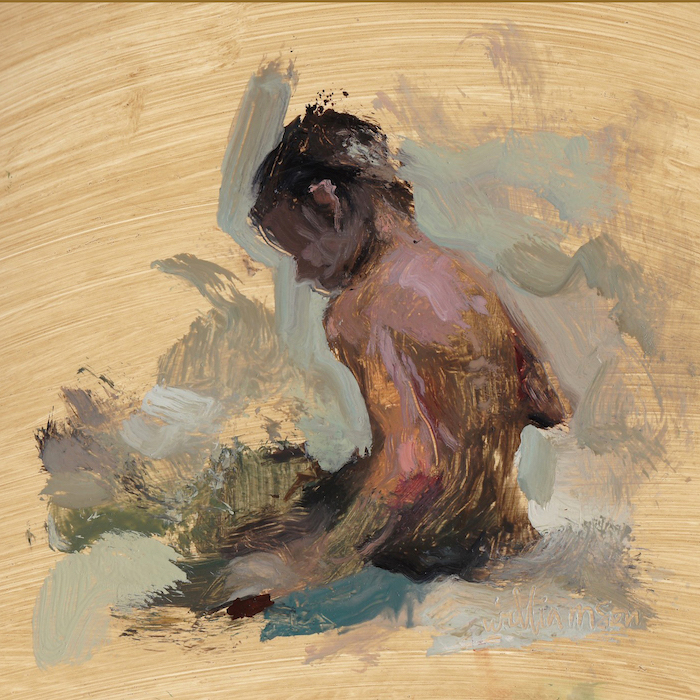
Levels of Risk
Life is full of risks, and nothing is certain. But some things seem to be riskier than others–like leaving a day job to devote time to your art. This is on the extreme end of the spectrum because your livelihood is at stake.
Wait. Maybe leaving a day job isn’t as extreme as it sounds. Uncomfortable moves in your art business that could affect your livelihood—positively or negatively—await your decision every day.
For example … You’ve thought about it for awhile. Your work has matured and you believe it’s time to begin approaching galleries. This is a huge step, and the very thought of it makes you break into hives.
Or you are inspired to begin a multi-year project that is close to your heart and will require you to step out of the studio and get in front of more people. Yikes! But you can do it. Take a lesson from Eve Jacobs-Carnahan’s Knit Democracy Together project.
Or Marilyn Artus’s Her Flag project. As I record this, Marilyn’s flag is hanging outside on the building of the National Museum of Women in the Arts in Washington, D.C. Both of those artists took massive risks.
But let’s lower the stakes. Even something as innocuous as sending an email to your list strikes fear in your soul when you have neglected staying in touch. This is a much smaller risk, but it seems enormous when you’re in the middle of it.
Assessing Risk
When we talk about taking risks, we have to consider what is actually at risk.
It might be, as mentioned, your livelihood. Your income could plummet.
You might be risking rejection, hurt feelings (yours or someone else’s), jealousy, and even your reputation.
You might be risking opportunities that wouldn’t be available to you if you selected a certain path.
And … It must be said … You might also be risking a shot at more income, attention, a more prestigious reputation, acceptance, deeper connection, and new opportunities.
When looking at opportunities, try journaling about the situation. Sit with your cup of coffee and begin free writing about the decision at hand. Get it all out.
After this, you can organize your thoughts on a new piece of paper. At the top of the page, write down clearly what you’re considering. Then add 2 columns below.
The left column is labeled What I Have to Gain and the right column is, you guessed it, What I Have to Lose. You know what to do next. Start building your lists.
Look them over. Analyze the advantages and disadvantages. Maybe there is a clear winner and you know what to do next.
Or perhaps, as is more likely, there is a clear winner and you are still filled with doubt. It’s probably because you are facing something new and different. There is a bit of fear involved.
You would, ahem, have to take a risk.
The Zone of Discomfort
In what I refer to as the Zone of Discomfort, you seek new ideas, knowledge, and clarity. You want to test what is possible. You want to innovate, improve, increase, enhance. You want to grow.
And, as I said earlier, growth demands risk. Don’t even think about moving up a level without being prepared to face a little risk.
If, after journaling and assessing the risk, you’re still not convinced that you’re ready for the challenge, ask yourself questions that I use in these situations.
What’s the absolute best thing that can happen if I put myself in this uncomfortable situation? How would that feel?
What’s the worst that can happen if I put myself in this uncomfortable situation? If this does happen, can I live with it?
One year from today, looking back, will I be happier if I took the risk or if I played it safe? If the best scenario could happen right now, why would I postpone the results?
Why do I want this? What’s my motive?
I hope you see in these questions that I’m not asking you to take risks simply for the sake of taking risks. I want there to be meaning behind your risk-taking. Purpose in your steps.
Nor do I want you to take too many risks at once. Exercise that risk-taking muscle as if you’re in training. There is no need to stay stay uncomfortable for long, but you do want to be there long enough to stretch your potential.
You can do this. It’s the only way to reap the rewards you seek.
Related Episodes
Artist as Problem Solver with Michael Gadlin
Calculated Risks, Guaranteed Rewards with Leah Smithson
What Your Failures are Teaching You with Laura Petrovich-Cheney
 If you are ready to risk success but don’t yet have the business structure in place that would support your growth and goals, please join me for the on-demand courses, community forum, and live connections with like-minded artists in the Art Career Success System.
This post was first published on September 1, 2008. It has been updated and expanded with original comments intact.
Music by Wildermiss
The post Are you playing it too safe in your art business? (92) appeared first on Art Biz Success.
]]>