Sales & Pricing Archives - Art Biz Success https://dy-online.com/tag/sales-pricing/ Trusted Art Business Coaching and Consulting Thu, 25 Jun 2026 14:43:50 +0000 en-US hourly 1 https://wordpress.org/?v=7.1.4 https://dy-online.com/wp-content/uploads/2022/02/favicon-2-150x150.png Sales & Pricing Archives - Art Biz Success https://dy-online.com/tag/sales-pricing/ 32 32 The obvious salespeople you’re not using (270) https://dy-online.com/collectors-sales-force/ https://dy-online.com/collectors-sales-force/#comments Thu, 25 Jun 2026 14:43:43 +0000 http://artbizsuccess.com/?p=23170 You spend a lot of energy chasing new buyers and collectors. But some of your best advocates are already in your life, and they're ready to help.

In this episode, find out who they are, why they genuinely want to help sell your art, and how to make it easy for them to do it — physically and digitally — without feeling like you're begging.

The post The obvious salespeople you’re not using (270) appeared first on Art Biz Success.

]]>
You probably spend a lot of energy trying to reach new people. More collectors, more buyers, more followers.

That’s not wrong, but it means you might be overlooking the people who are already in your corner, who already love your work, and who would genuinely help you sell it if you gave them the opening.

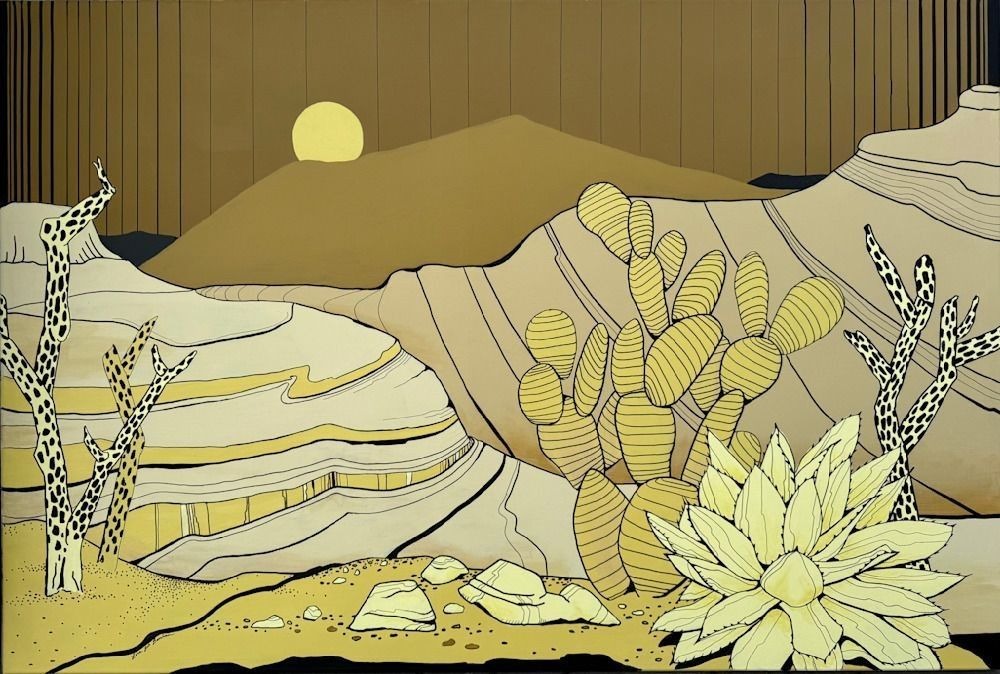
Clean-line, stylized, illustrated Southwestern desert landscape in yellow and brown featuring cacti and rock formations in the foreground of a large mountain peak under a sun or moon
©Lora Lee Barnhiser, Meet Me Under the Lemon Moon. Acrylic on rescued canvas, 35 x 55 inches.

Word of mouth is one of the most effective ways to sell art. And the people most likely to spread that word aren’t strangers. They’re your buyers, your regulars, your biggest fans.

[ See Followers to Collectors ]

They’re the ones who DM you, show up at your openings, and brag about knowing you to their friends.

This post is about how to activate them. I’ll cover who they are, why they want to help, and how to make it easy — with both physical tools and digital ones — so that the ask doesn’t feel awkward.

Who your obvious salespeople are

This isn’t just for artists who have collectors. If anyone has ever responded enthusiastically to your work, this applies to you.

Think about the people who regularly show up at your events and actually engage, not just for the free wine and cheese. The followers who comment, share, or DM you. The friends and family members who brag about knowing you. Anyone who has ever said “I showed your work to a friend” or “I just love what you do.”

Honestly, anyone who loves you and wants the best for you.

It doesn’t matter whether they’ve bought from you. What matters is whether they believe in you.

They already want to help, they just haven't been asked

Here’s what 25 years of working with artists has taught me: people think it is genuinely cool to know an artist. They can’t imagine living your life.

And the ones who love your work? They enjoy being the person who introduces it to someone else.

It’s a gift to them. They get to be the person with great taste, the one who’s on the inside. Don’t discount this. I’ve seen it repeatedly with my own non-artist friends.

The reframe is this. You’re not asking for a favor. You’re inviting them to be part of what you’re building, to do something they probably already want to do but didn’t know how.

The relationship has to come first

None of this works if you’ve aren’t showing up as THE ARTIST in their lives.

People notice if they only hear from you when you want something. Stay in touch through your newsletter, personal notes, postcards, DMs. Show up for them too.

The relationship can’t be transactional.

So many people avoid the follow-up. Not because they don’t care, but because it doesn’t feel urgent and gets kicked down the road. That’s a mistake.

Consistent follow-up, with those who already know and support you, is the most direct route to reliable sales and real opportunities. I hear this repeatedly from my artist-clients.

Assuming you’re already staying in touch, here’s how you make it easy for people to spread the word.

Make it easy: the tangible

Ask those you have identified if they could help spread the word by sharing postcards with your art (and name!) on the front. Suggest they could leave some at a coffee shop, a little library in their neighborhood, the office break room.

A postcard with your art and your name is reinforcing name and image recognition every time someone sees it.

I shared a variety of artist postcards and gave some tips in this Instagram video.

Similarly, you could have note cards printed with the original work owned by a collector. They’re proud of what they own and would surely be delighted to send correspondence with their art on it. Every note card introduces your work to someone new.

Turn it into a party by suggesting an unveiling. Collectors love to show off a new acquisition, and an intimate gathering of friends is a natural setting for you to say a few words about the piece. You aren’t selling anything. You’re just making connections.

And if someone has deep community ties and loves to host, a home show is worth considering. One of my clients sold 14 paintings at her sister’s home in another city, with 75 people in attendance. Don’t underestimate it.

Make it easy: the digital

The fan who shares your post or forwards your email is doing the same thing as the one leaving postcards around town. Pay attention to them.

DMs especially. Someone who messages you privately is more invested than someone who likes a post or leaves a generic comment. That’s a relationship worth tending.

Of course, you mustn’t assume that all of your content is worth sharing. The most-shared content is inspiring, educational, or entertaining. I don’t want you to make content only with this purpose in mind, but pay attention to what is being shared of yours and what you are sharing.

You can take this a step further by creating ready-to-share graphics. An announcement that says “Join me at opening on Friday” with your art and the event details makes it almost effortless for someone to share it in their stories.

Remove the friction. People will help if you make it easy.

How to ask without it feeling awkward

If you’ve done all of the above, the ask is not that hard.

The best moment to ask is right after a genuine exchange. They just bought something, expressed enthusiasm at an opening, or responded warmly to something you sent. You are fresh on their mind.

Whenever possible, ask in person or on the phone so they can hear the warmth in your voice.

Make it one specific request. Don’t give them a menu of options that require a decision.

  • Could you bring a friend to my opening?
  • Would you share this on your stories?
  • Do you know anyone who might want an invitation?

Then hand them exactly what they need to follow through: the link, the postcard, the graphic.

This is personal, specific, and relational. It is not posting to your feed and asking people to like your posts or vote for your work in a competition. That’s broadcasting. This is something else entirely.

You don’t need a big audience or a long collector list. You need a few people who genuinely believe in what you’re making and the willingness to let them help.

This post was originally published September 15, 2016 and updated on March 15, 2020. It has been updated again with the original comments intact.

The post The obvious salespeople you’re not using (270) appeared first on Art Biz Success.

]]>
https://dy-online.com/collectors-sales-force/feed/ 19
When you want to sell more original art (257) https://dy-online.com/selling-originals/ https://dy-online.com/selling-originals/#comments Thu, 26 Feb 2026 13:12:00 +0000 https://dy-online.com/?p=56870 Selling products—giclées, pillows, notebooks—can be a smart move for many artists. But if you've been asking yourself how to sell more of your original art, something might need to shift.

This episode draws on a background in museum work to explore what actually gets in the way of selling originals, why the mindset piece matters as much as the tactics, and two practical moves that help you lead with what matters most.

The post When you want to sell more original art (257) appeared first on Art Biz Success.

]]>

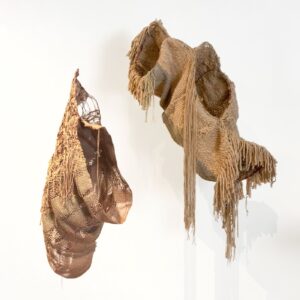
Heidi Carlesen Rogers tapestry
©Heidi Carlsen Rogers, GLIMMER (Dusk & Shadow). Photographic woven tapestry, paint, and thread, 77 x 120 x 2 inches.

Someone once told me they assumed everything in art museums was a reproduction. How else could there be so much valuable art in one place? They wondered.

As a former museum curator and educator, I’m pretty sure my jaw dropped.

It’s amazing what we presume people know about art.

Selling Both Originals and Products

This story sets up a distinction for artists who sell both originals and products and have been treating them as equals, even unintentionally. This approach can undermine your ability to sell the work that matters most (and that provides you with more income) — something to beware of especially if you are trying to earn a living from your art.

I’m not here to talk anyone out of selling products. But I’ve been hearing from a few clients recently who want to sell more originals and aren’t sure why it’s not happening.

The bottom line is that you are unaware of what’s getting in the way.

In this solo episode of The Art Biz, I start addressing the problem by focusing on mindset. Because the mindset of an artist who focuses their marketing on selling originals is very different from the artist whose marketing is product first.

Then I introduce two practical tactics and give you some ideas for implementing them.

These apply even if you only sell originals.

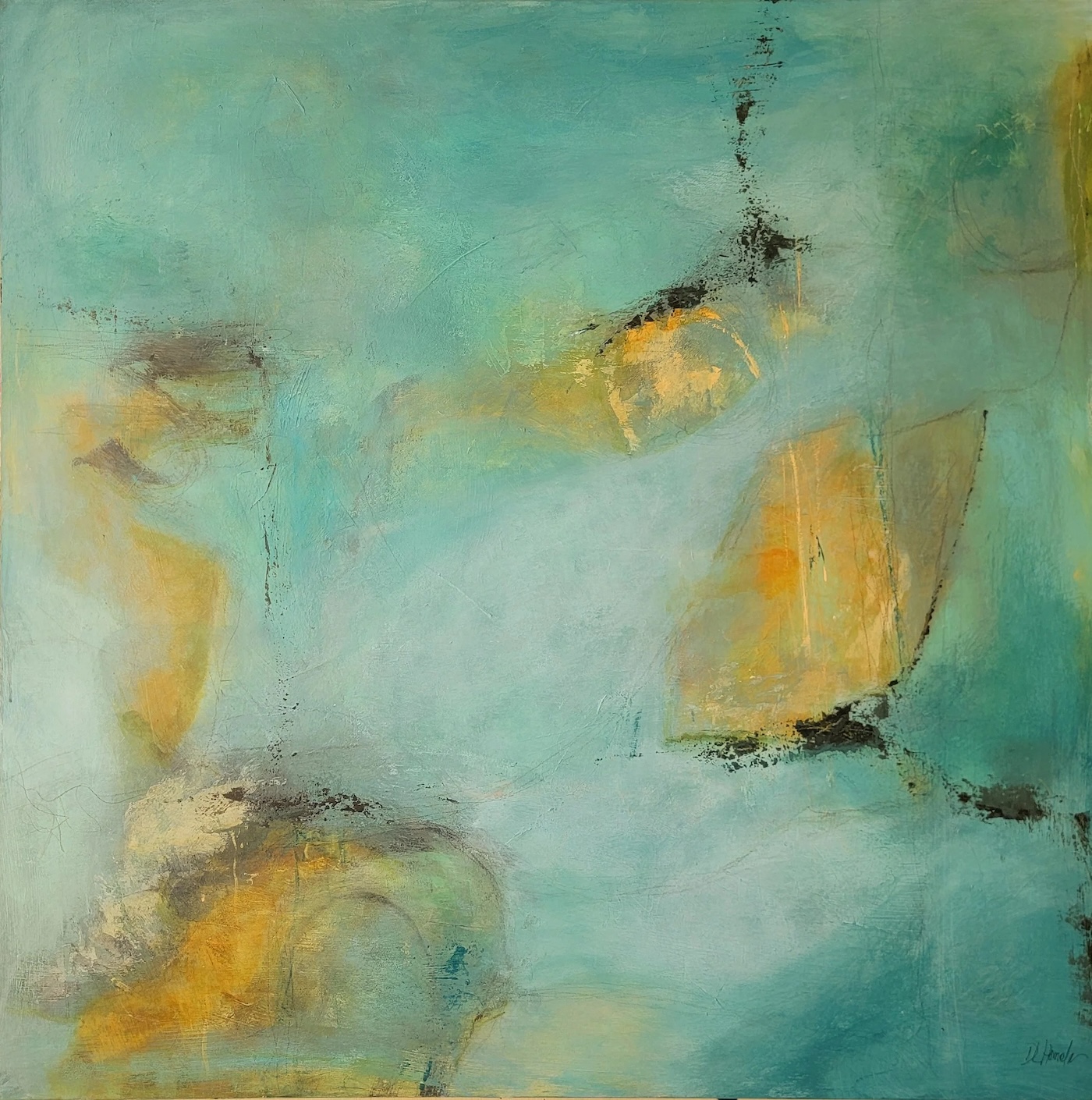
Debbi Homola acrylic painting
©Debbi Homola, Exploration. Acrylic on cradled wood panel, 30 x 30 inches.

Two Tactics

First, let’s acknowledge the screen problem that nobody is talking about.

Online, everything gets flattened.

Your $4,000 painting and your $90 print are both represented by the same JPG in someone’s feed. The email you send about an original looks almost identical to the email about a product.

Screens erase hierarchy, which means you have to build in a hierarchy deliberately. You have to present clearly what is most important to you.

The solution isn’t to abandon your online presence. It’s to use it with intention. That means leading with originals in every email and social post.

The second tactic is more fundamental: get your originals in front of people in person. Shows, open studios, exhibitions. Nothing on a screen can replicate what happens when someone stands in front of original art and understands, with their whole body, what they’re looking at.

I talk more about all of this, with practical tips, in episode 257.

Listen

When you want to sell more originals, you have to elevate how they are perceived at every point.

I have many additional tips in ELEVATE YOUR ART, a short and affordable workshop available on demand.

Alyson Quotes

“Reproductions aren’t objects. They’re products.”

“You have to know your end game.”

“The people who buy original art aren’t the same people who want your products.”

“In the online world, it takes just as much effort to sell a product as it does to sell an original. Think about that.”

“Our screens are flat. We give everything the same consideration, whether it’s a $40 print or a $4,000 painting.”

“Lead with originals. Always. Products can be mentioned, but they are backup.”

“An artist—a true artist—knows that art is more than a commodity.”

“Nothing can replace the encounter with an original work of art. That’s why museums exist.”

The post When you want to sell more original art (257) appeared first on Art Biz Success.

]]>
https://dy-online.com/selling-originals/feed/ 6
Are you undermining your art’s value? (246) https://dy-online.com/undermining-value/ Thu, 30 Oct 2025 14:25:17 +0000 https://dy-online.com/?p=55608 Where and how you show your art sends signals about its value before anyone looks closely at the work itself. Context shapes perception through venue choices, lighting, labels, and more.

Learn what you can control, what you can't, and how to be strategic about exhibition opportunities to build credibility and command higher prices.

The post Are you undermining your art’s value? (246) appeared first on Art Biz Success.

]]>

Picture this: You walk into a gallery and spot a stunning ocean-blue ceramic vase with a flared opening. About 24 inches high. The craftsmanship is exquisite, the glaze luminous.

And attached to its inside lip? Half a torn sticky note with “$275” scrawled in ballpoint pen.

Not even a whole sticky note! Just a ripped piece of paper stuck to a $275 piece of art. I can’t make it up, so I took a photo to prove it, though I protect the guilty by not sharing it.

That vase deserved better. And so does your art.

Here’s an uncomfortable question: Are you undermining your art’s value without realizing it?

Alyson Khan acrylic painting
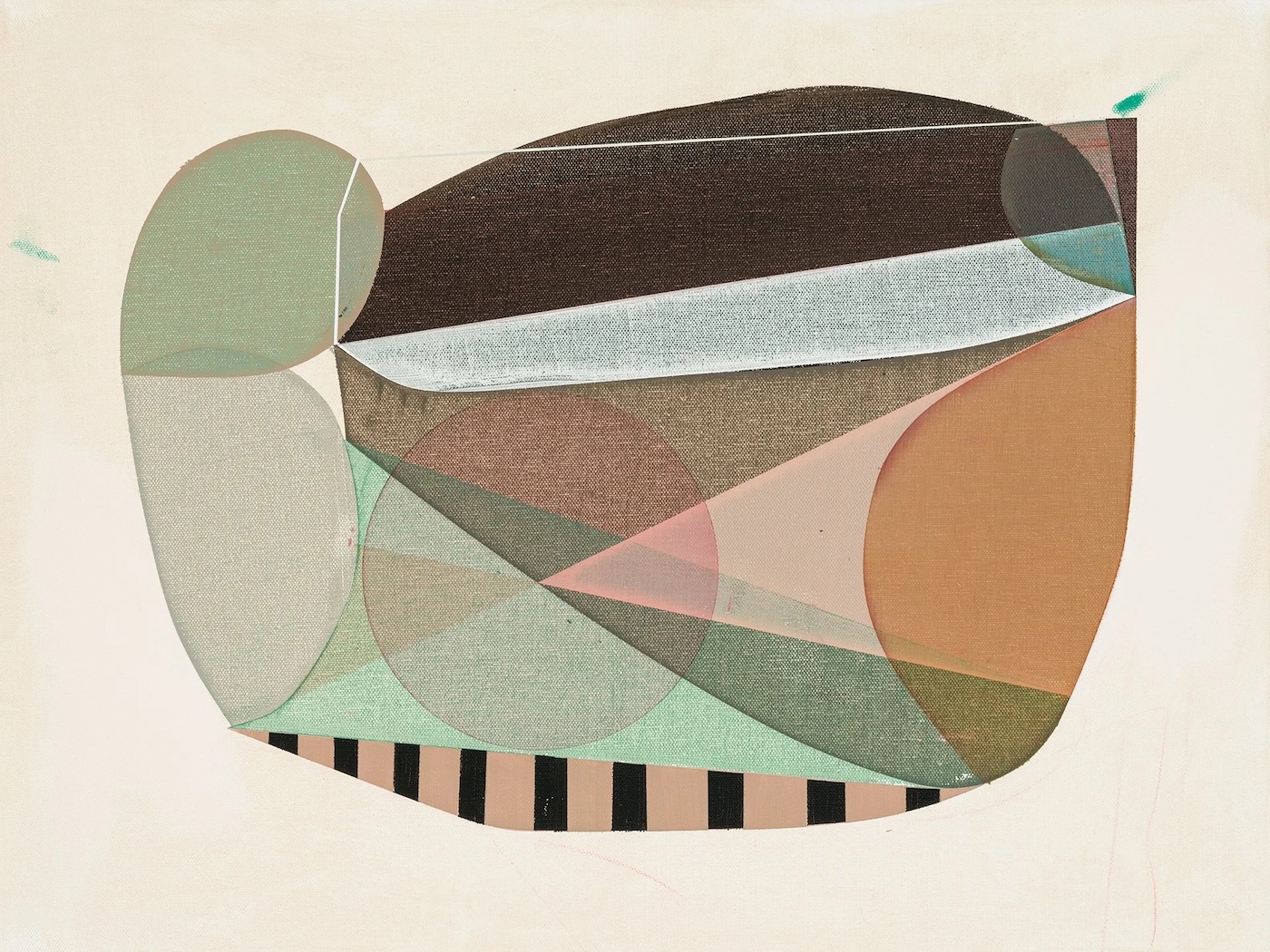
©Alyson Khan, Canoe. Acrylic on canvas, 24 x 18 x 1.5 inches.

Workshop: ELEVATE YOUR ART
Museum-Quality Standards That Command Higher Prices

Give me 90 minutes for practical tips and a major mindset adjustment.

Context Shapes Perception

Your art doesn’t exist in a vacuum. When someone sees your work, they’re taking in everything around it: the space, the walls (digital or real), the floor, the lighting, the other art nearby, the label, whether they found you on Instagram or at a museum show.

All of this sends signals about your work’s value before anyone looks closely at the piece itself.

Think about the gravitas of the Mona Lisa hanging behind bulletproof glass in her own special room in the Louvre. That same painting at a yard sale might be easily overlooked.

Or consider the famous Subway Experiment. In 2007, violin virtuoso Joshua Bell posed as a busker with his $3.5 million Stradivarius during rush hour in a Washington, D.C. Metro station. Only seven people stopped in 45 minutes. His open violin case collected a paltry $32, twenty of which came from perhaps the only person who recognized him.

Many people blame the busyness of commuter life. But I side with those who point to context. We expect to hear street artists in the subway, not Joshua freakin’ Bell. We expect to have coffee in coffee shops and see art in galleries. Context isn’t everything, but it’s not nothing either.

Every context either elevates your work or diminishes it.

Listen

Out of Your Hands

Once you’ve said yes to showing somewhere, much is beyond your control. (As you’ll see, you should exert your control before saying yes.)

You can’t control how organizers behave after you’ve committed. You can’t control how they hang your art or whether they feature it up front or in a dark corner. You can’t control their messaging or whether they promote the show at all.

[ See The Venue’s Responsibilities for Your Art Exhibition ]

That sticky note? The artist probably didn’t choose that, but it affected how everyone perceived the work.

You also can’t control who else is in a group show with you. If your work hangs next to pieces that look amateurish or unprofessionally presented, it affects how viewers see yours. You’re judged by the company you keep.

Online, you can’t control algorithms or what work appears around yours in someone’s feed.

This is exactly why what you CAN control matters so much.

Stephen Wright graphite drawing
©Stephen Wright, Elk Study. Graphite on paper, 8 x 10 inches.

What You Can Control

You have more control than you might think.

Choose where you submit. Research venues before saying yes. Visit in person. Check their Instagram and past shows. Talk with artists who’ve participated. Ask yourself: Does this venue align with my prices and goals? Will being here make collectors take me more seriously?

Set your criteria. What are your non-negotiables? Proper lighting? Adequate promotion? Professional communication? Pay attention to how responsive organizers are before you commit.

Raise your standards regardless of venue. Whether it’s a coffee shop or a gallery, your work should be finished properly and hung beautifully. Insist on decent lighting. If labels look sloppy, offer to make them yourself.

Ask for what you need. Get a contract before leaving your art anywhere. Ask about lighting, security measures, and display plans. These aren’t unreasonable requests. They’re the baseline for treating art and artists with respect.

Control your online presence. Choose quality photography. Write compelling descriptions. Include credit lines. Curate which images appear next to each other. On your website, you’re the boss: fonts, colors, image sizes, the story you’re telling about who you are as an artist.

These choices signal that you have standards and take your work seriously.

Workshop: ELEVATE YOUR ART
Museum-Quality Standards That Command Higher Prices

Give me 90 minutes for practical tips and a major mindset adjustment.

Linda Cloonan watercolor
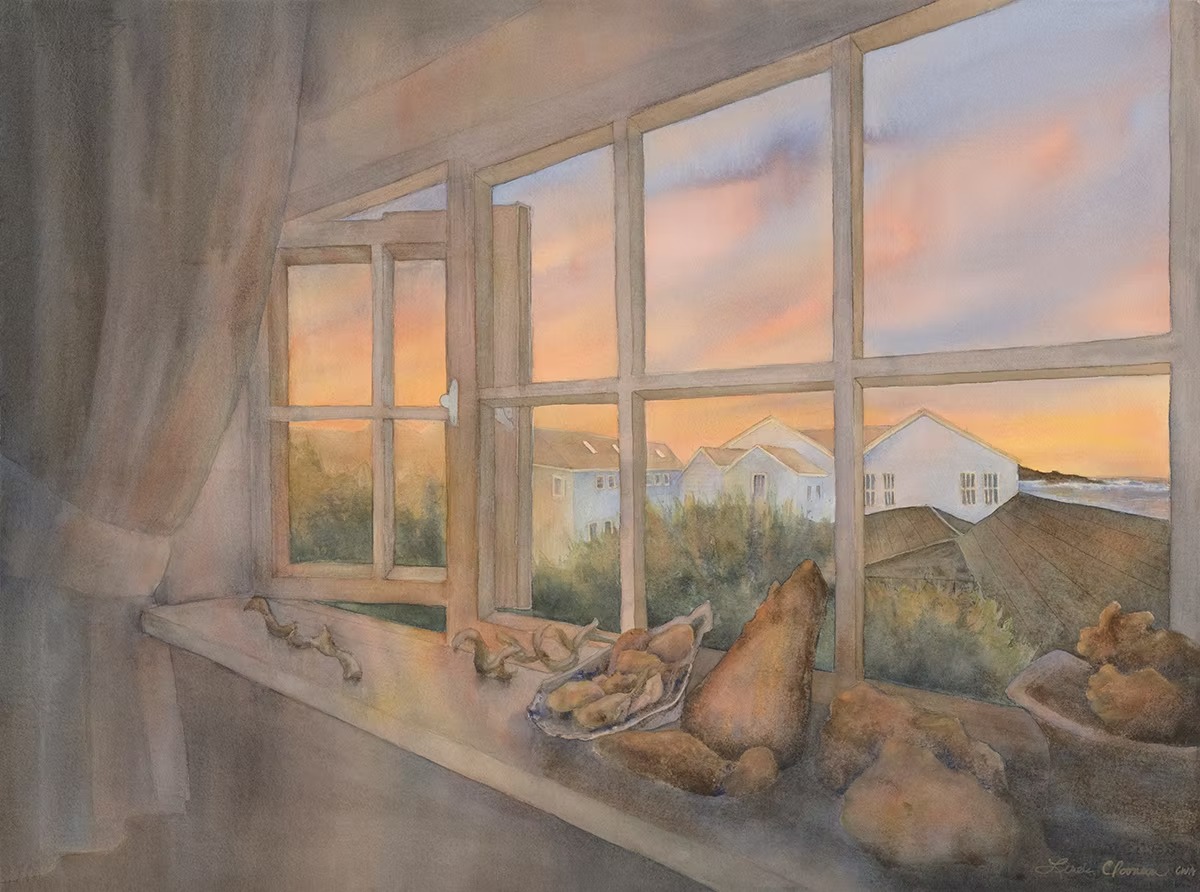
©Linda Cloonan, Coastal Dawn. Watercolor on paper, 29 x 21 inches.

Aim for the Next Level

Once you understand what you can control, use that knowledge to aim for increasingly prestigious venues.

[ See The Career Journey of Growth-Minded Artists ]

What “prestigious” means depends on where you’re starting. If you’re showing in coffee shops, a juried gallery exhibition is a step up. If you’ve done juried shows for years, a solo gallery show is next. The point isn’t to judge where you are—it’s to keep moving forward.

Too many artists’ resumes look like they’re on repeat: the same organizations, the same juried shows, year after year. It feels safe, but safe doesn’t build momentum or increase prices.

Ask yourself: What’s the next level up from where I am now? What do I need to do to get there?

Start Being Selective Now

You don’t have to wait until you’re established to be selective.

Yes, when starting out, you need experience. You might say yes to opportunities you’d decline later. That’s understandable.

But even early on, choose the best option available. Each choice builds credibility for the next opportunity.

One more time: Context shapes perception. If you want to command higher prices, context matters.

Your selectivity is a form of self-respect. Your art deserves better than a torn Post-It note. It deserves context that honors the work you’ve put into it.

Lisa Hilton sculpture
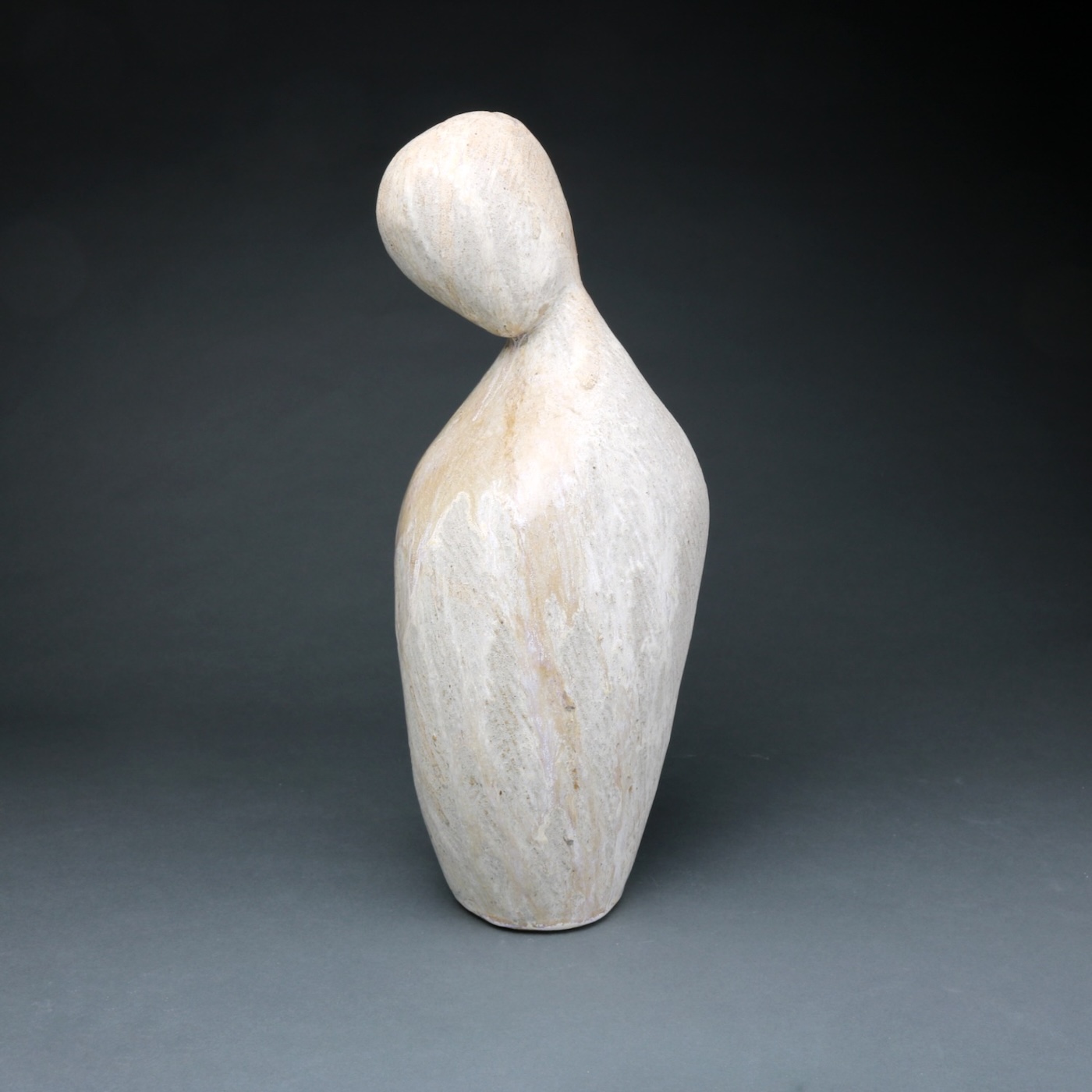
©Lisa Hilton, Serenity. Clay and glaze, 15.5 x 6.5 x 6 inches.

The post Are you undermining your art’s value? (246) appeared first on Art Biz Success.

]]>
Remove barriers to buying your art (237) https://dy-online.com/remove-barriers/ https://dy-online.com/remove-barriers/#comments Thu, 21 Aug 2025 12:12:00 +0000 https://dy-online.com/?p=54975 When buyers fall in love with your art, are you making it easy for them to say Yes? In this solo episode of *The Art Biz*, I talk about how to remove barriers in the buying process—those extra clicks, missing prices, or unanswered questions that cost you sales.

Learn how clarity, ease, and trust turn casual admirers into collectors, and challenge yourself to audit your own buyer’s journey.

The post Remove barriers to buying your art (237) appeared first on Art Biz Success.

]]>

When someone is ready to buy your art, the last thing you want to do is make them jump through hoops.

Yet too often, that’s exactly what happens: a broken link, missing prices, or a confusing checkout process that sends eager buyers away empty-handed.

Temo collage
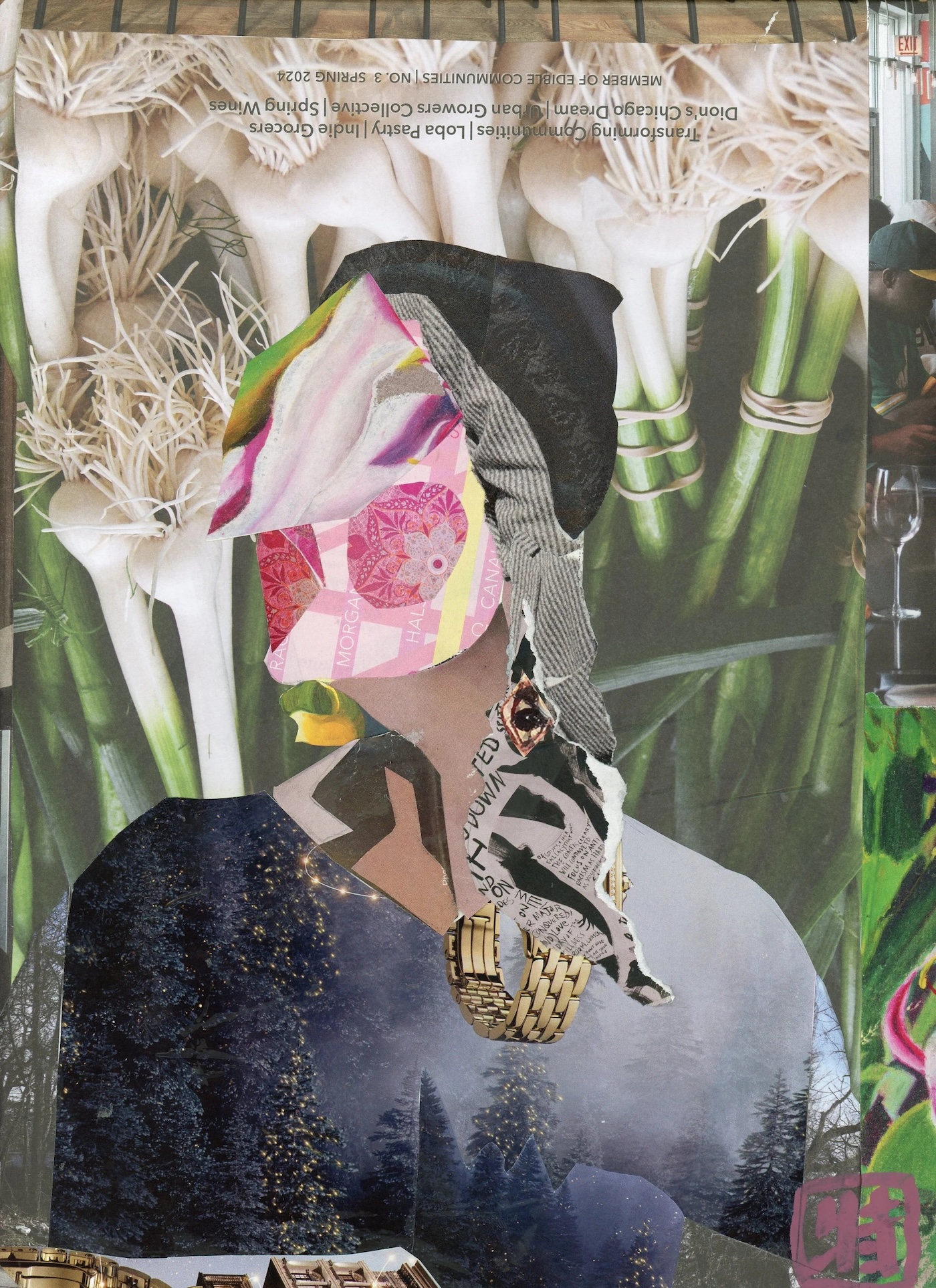
©Temo, The Good Witch. Found paper collage on canvas board, 12 x 9 inches.

In this week’s episode of The Art Biz, I dig into the places where friction shows up and how to remove it. Because while you can’t control the economy, trends, or even the weather, you can control how easy—or difficult—it is for someone to give you money for your art.

Buying Barriers Create Doubt

Anyone who has sold directly to a collector knows that collectors are buying into you as an artist. They’re not just buying art.

[ James Corwin discusses this and how he thinks of collectors as family in episode 232 of The Art Biz. ]

This is why once someone is ready to buy, your systems have to support that decision without delay.

Relationships and trust take time, but the mechanics of making a purchase should be immediate and obvious. Every unnecessary click plants a seed of doubt. Every missing detail or unanswered question is a chance for someone to close the tab and move on.

Barriers pop up everywhere: on websites, in emails, even on wall labels and QR codes. Your job is to spot those barriers and clear them away.

Listen

Or listen and subscribe on your favorite app by searching The Art Biz with Alyson Stanfield.

Three Keys to a Seamless Buying Experience

1. Clarity

People need a clear path to purchase. If your homepage is a dead end or sizes and prices are too hard to find, you’ve already lost momentum.

Make sure every finished piece—whether on a wall label, on your website, or in a social media post—is seen with a full credit line so potential buyers can picture it in their lives.

[ See Checklist for Crediting Your Art ]

Leslie Hamrick collage
©Leslie Hamrick, A Crone’s Journey. Mixed media collage on paper, 14 x 14 inches.

2. Ease

Once someone decides they want your art, the process should feel seamless.

Offer straightforward payment options, professional communication, and timely delivery. Payment plans can help, but be smart about how you structure them to protect both you and the buyer. This means:

  • You draw up a written agreement outlining details and signed by both parties.
  • You limit the duration of payments to a tight window, hopefully within 6 months.
  • You don’t turn over the artwork until the final payment is made.

3. Trust

Buying art is a vulnerable decision because it’s as personal to the buyer as it is to you.

People want to feel safe with their investment. Be transparent about policies, respond quickly, and follow up after the sale. Consistency and clarity build the kind of confidence that turns first-time buyers into loyal collectors.

The post Remove barriers to buying your art (237) appeared first on Art Biz Success.

]]>
https://dy-online.com/remove-barriers/feed/ 1
When the art sales stop: 6 areas to investigate (235) https://dy-online.com/notselling/ Thu, 07 Aug 2025 11:14:00 +0000 https://dy-online.com/?p=54716 If your art isn’t selling like it used to—or like you believe it should—you’re not alone. In this episode, I walk you through 6 key areas to investigate when sales are slow.

These insights will help you step back, evaluate what’s working (and what’s not), and move forward with more clarity, confidence, and intention. It’s about perspective, not self-blame.

The post When the art sales stop: 6 areas to investigate (235) appeared first on Art Biz Success.

]]>
You’ve done the work, showed up, posted, emailed, maybe even launched something. And still… sales are slow or nonexistent.

A lot of artists are struggling in such an uncertain economy.

Galleries are struggling. So please know that you’re not alone. And it doesn’t mean your art isn’t good.

In this episode of The Art Biz, I share six areas that may be undermining your sales, and how you can start turning things around without panicking, overworking, or reinventing everything.

Listen

Or listen and subscribe on your favorite app by searching The Art Biz with Alyson Stanfield.

What you'll discover

I walk you through six areas that could be affecting your art sales, even if it feels like you’re doing “all the right things.”

  1. External Factors :: Why the problem might not be you, and how to factor in the economy, buyer behavior, or attention spans.
  2. The Work Itself :: Has your style shifted? Is your current work cohesive? Is your audience still aligned with your creative direction?
  3. How You’re Showing the Work :: Are venues, mounting and installation choices, or your website sending the right message to the right buyers?
  4. The Buying Experience :: How friction in your sales process—missing prices, slow responses, unclear terms—can silently kill interest.
  5. How You’re Connecting :: Are you building trust over time? Or only reaching out when you want a sale?
  6. How You’re Promoting It :: Are you showing up consistently with clear, compelling stories—or blending into the noise?

If your art isn’t selling right now, don’t panic.

If you’re feeling called out by one—or all—of these areas, take a breath.

It doesn’t mean you’ve failed. It means you’re paying attention to the health of your art business. And that’s the best place to begin.

Use the discussion of the 6 areas in the podcast to conduct a thorough audit and get answers.

The post When the art sales stop: 6 areas to investigate (235) appeared first on Art Biz Success.

]]>
Creating demand for your art: why it matters and how to start (206) https://dy-online.com/demand/ https://dy-online.com/demand/#comments Thu, 03 Oct 2024 13:45:48 +0000 https://dy-online.com/?p=51315 In this solo episode of The Art Biz, I dive into the necessity of creating demand for your artwork in order to achieve a certain level of success—stressing the importance of setting realistic expectations, refining your original artistic voice (key!), and nurturing genuine relationships.

I discuss the balance between ambition and practicality in the art market and offer five essential tips to assess and cultivate demand effectively.

The post Creating demand for your art: why it matters and how to start (206) appeared first on Art Biz Success.

]]>
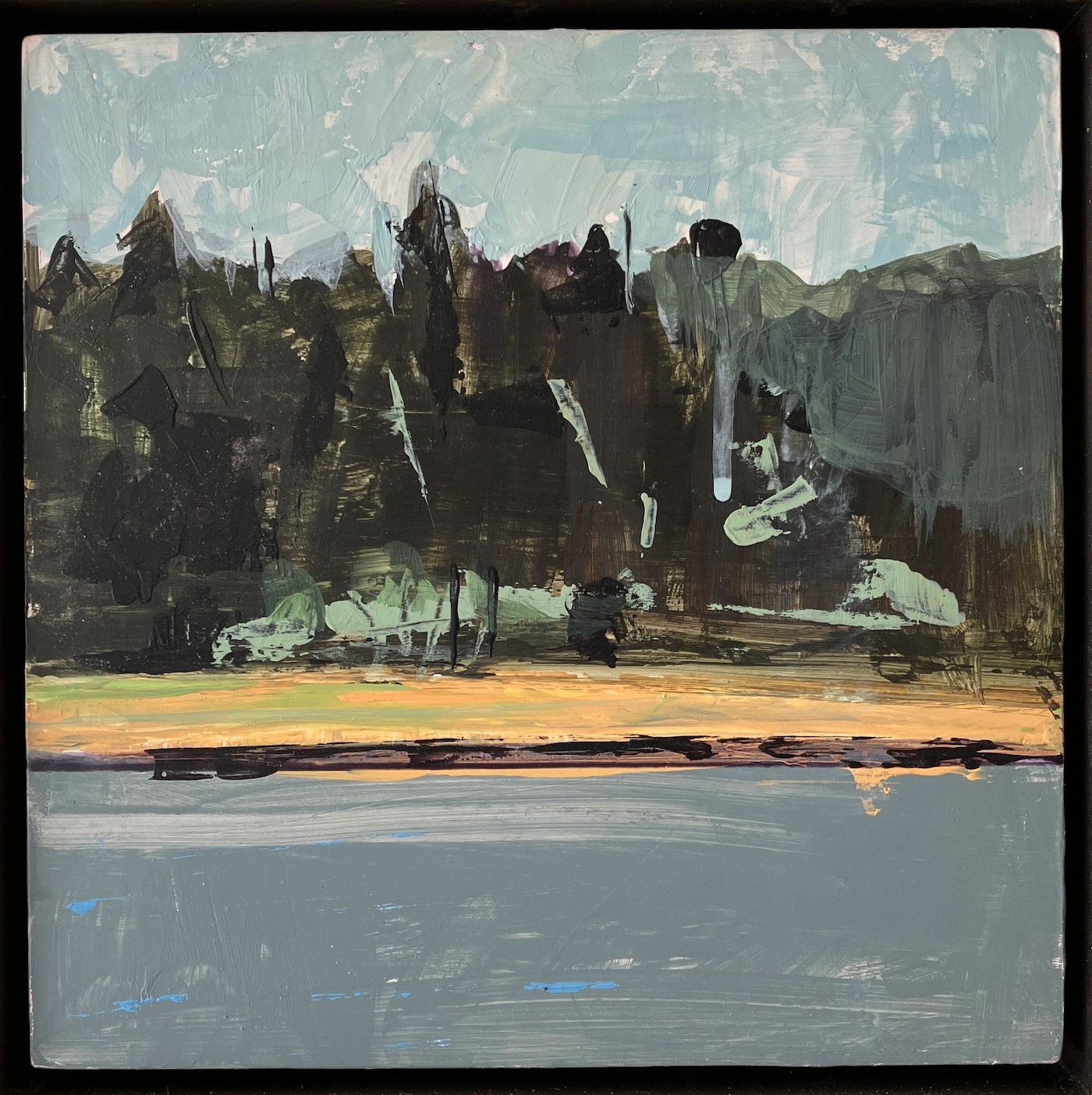
Today, I’m diving into a crucial topic: the necessity to create demand for your art if you aspire to reach a certain level of success.

Equally important is the need for realism—understanding what to expect and recognizing your position within the art market, whether it’s local, regional, national, or even international. This combination of ambition and practicality is key to navigating the vibrant, yet competitive, landscape of the art world.

Steve Atkinson painting
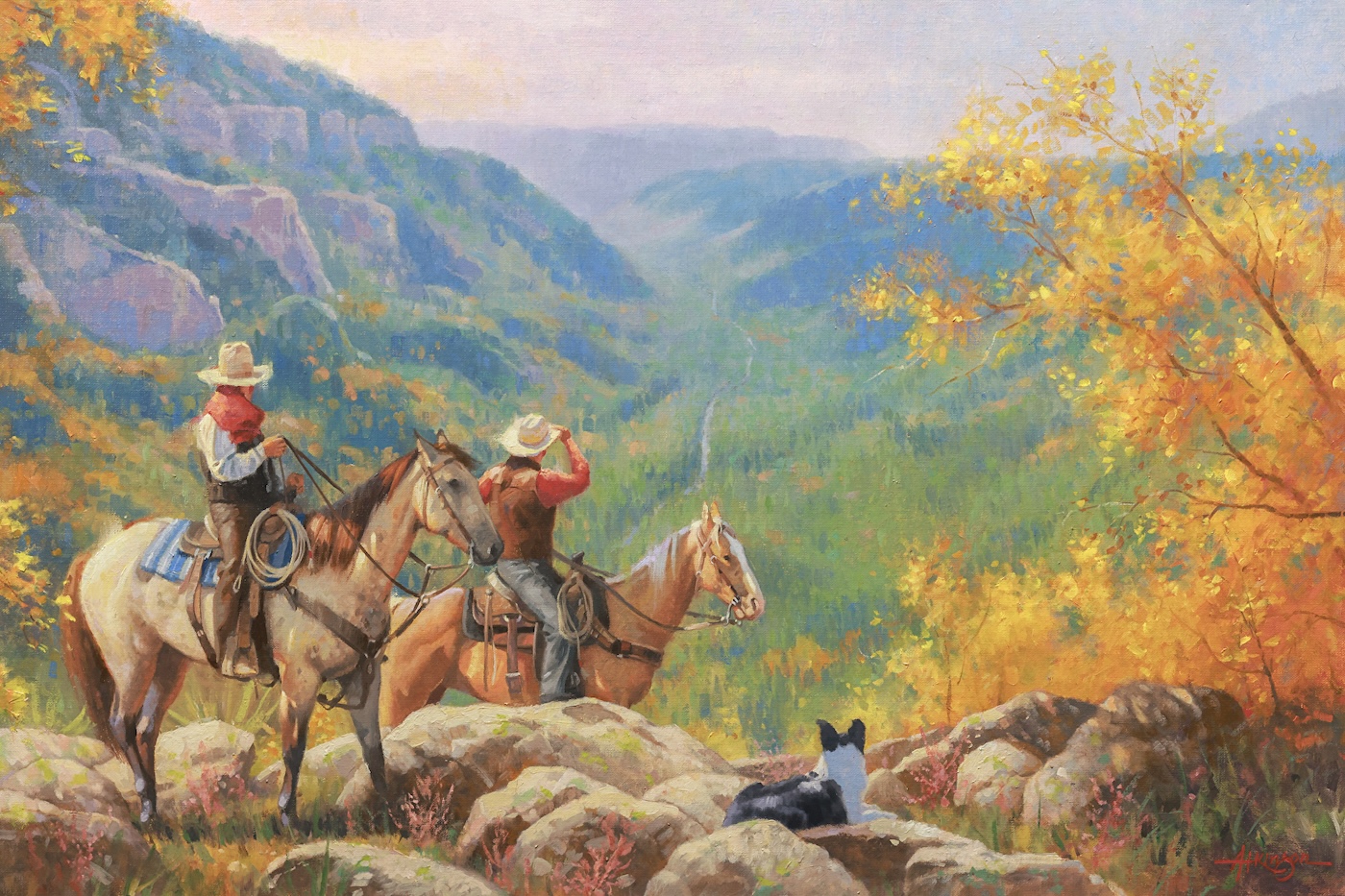
©Steve Atkinson, Helluva Place to Lose a Cow. Oil on linen painting panel, 20 x 30 inches.

Last week’s conversation with William Deresiewicz highlighted the challenges of a crowded marketplace. If you haven’t listened to that episode, do yourself a favor and check out Episode 205. It’s become a very popular interview and offers valuable insights into the current art landscape.

Understanding the lay of the land is vital. I’ve witnessed many artists employing marketing strategies that don’t align with their current situation.

For example, I’m thinking of artists who attempt half-hearted collection releases without having established the necessary demand for their work. Or artists who offer reproductions without first successfully selling the same images as originals.

In both cases, you’re setting yourself up for disappointment—and that just leaves you feeling discouraged. It’s critical to align your strategies with the reality of your market to avoid these pitfalls.

Listen

Shannon Abbey acrylic painting
©Shannon Abbey, Richardson Bay. Acrylic on board, 8 x 8 inches.

Understanding Demand

In case “demand” isn’t self-explanatory, let’s clarify. Demand isn’t merely the number of followers or email subscribers you have; it’s about the desire to purchase your art, live with it, promote it, and share it with others.

From a commercial perspective, demand means that people want to buy your art and feature it in their spaces.

On the broader Art World side, demand indicates that your work is part of a larger discussion about art. Curators and gallerists are engaged in conversations about your pieces, providing context and sharing them with other professionals.

Artists in high demand in the capital-A, capital-W Art World often have impressive credentials, like graduate degrees from prestigious art schools, which grant them immediate connections for furthering their careers. These artists have galleries with waiting lists for their work, and those galleries are selective about to whom they sell. They are frequently written about in publications, offered solo museum shows, and included in exhibitions that provide context for their work.

Read Get the Picture: A Mind-Bending Journey among the Inspired Artists and Obsessive Art Fiends Who Taught Me How to See by Bianca Bosker. (affiliate link)

While it may seem appealing to play in this level of the Art World, it has its own challenges. The reality is that 99% of artists shouldn’t focus on creating that kind of demand. However, this doesn’t mean you can’t create work that is in demand on your terms. We’ll explore that further in a moment.

First, let’s look at the positives and negatives of making work that is in demand.

Norma Greenwood oil painting
©Norma Greenwood, Domestic Scene III. Oil on canvas, 36 x 36 inches.

The Downside of Demand

Before diving into the benefits of creating a feeding frenzy around your art, here’s a gentle warning: Be careful what you wish for.

High demand comes with certain responsibilities to your audience. You may feel pressured to produce work at a rapid pace, maintaining a consistent output to meet market expectations.

Additionally, the need to feed social media algorithms can weigh heavily on artists. I’ve seen artists feel compelled to outdo themselves with each show or promotion, striving to make every new opportunity bigger and better than the last.

This is unsustainable.

Pressure can lead to a troubling scenario where you create work for the market rather than from a place of genuine expression. This approach is a recipe for burnout.

Listen to episode 119 with Sara Schroeder. Back in 2018, Sara was just getting into the groove of working in the studio again. She decided to start posting the work to Instagram, and followers began responding to it instantly. Within a year she had 10,000 followers. A few months later, there were 20,000.

Now she has more than 94,000 followers. It was quick success that was a little unexpected.
In that interview, Sara shares what wishes she had done differently while in the throes of that success.

The Benefits of Demand

On the flip side, having in-demand work often leads to a loyal following eagerly anticipating your next piece.

This demand creates a sense of urgency to acquire your work before it sells out, fostering an exclusive club feeling among your collectors.

More demand = Increased sales!

Artists with high demand can better estimate their income. They know how much work they can produce and have a clearer idea of what will sell. Check out episode 162 with Kelly Pelfrey for an example of an artist who can successfully estimate her monthly income.

Additionally, artists in high demand can increase their prices more readily than those who lack demand. I may not remember much from my economics classes, but one thing sticks: the law of supply and demand tells us that the fewer items available, the higher their value.

If you can’t keep up with demand, it’s time to raise your prices.

Moreover, increased demand opens the door to better opportunities. As more people see your work, it sparks conversations, generating buzz that can lead to invitations to show and sell your art.

Two key steps you can take to create more demand for your work are (1) focus on quality and originality and (2) nurture relationships.

Laurie Baars acrylic painting
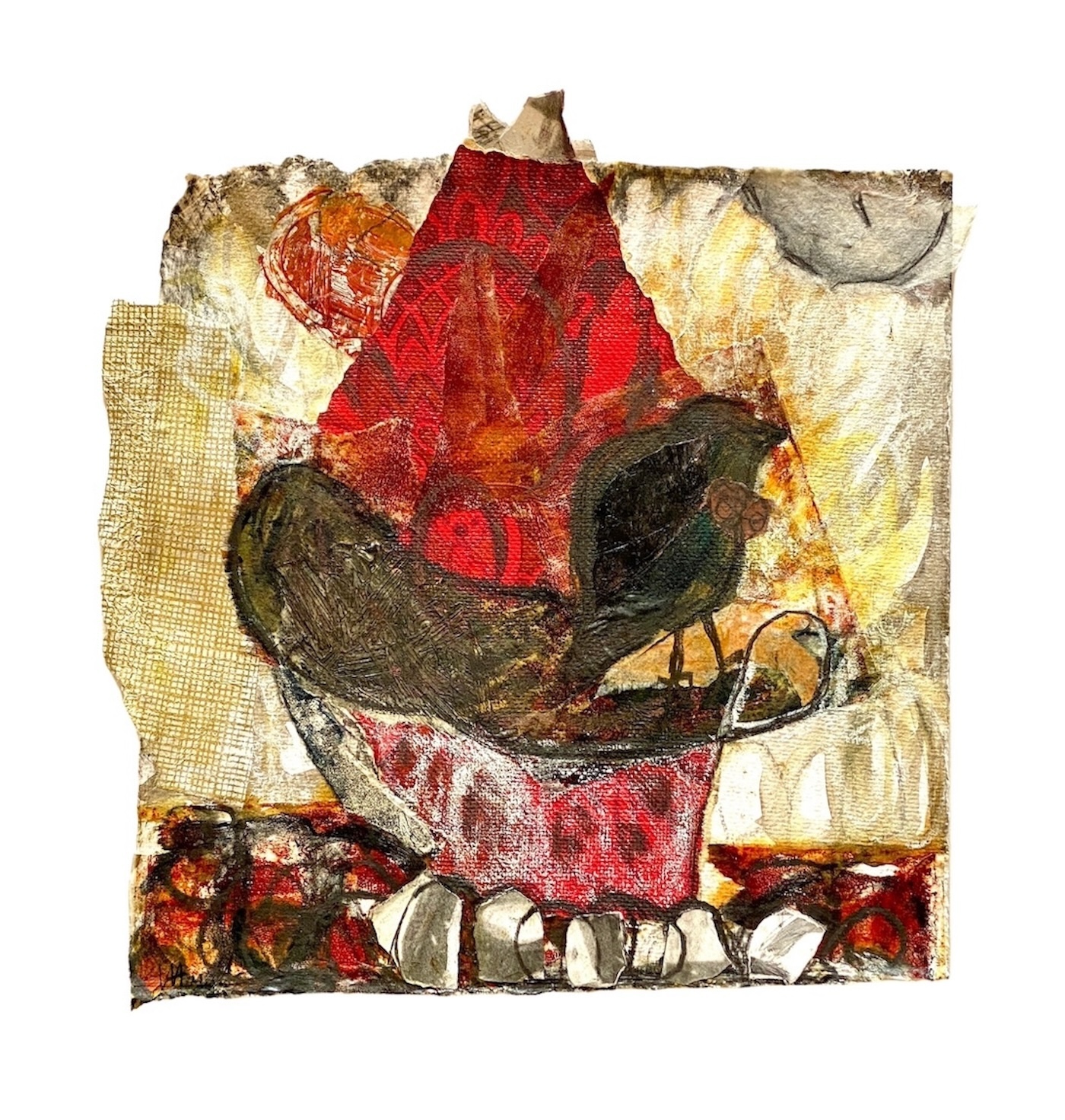
©Laurie Baars, Dreamy. Acrylic, collage, and mixed media on paper, 4.75 x 7.5 inches.

Quality and Originality

We’ve already established that the marketplace is crowded. In today’s world, anyone can claim the title of artist without needing formal training or a degree to show their work. While this democratization of art presents opportunity, it also means there’s an abundance of mediocre art to navigate.

The upside is that quality work tends to rise to the top. On one hand, we must sift through countless images to discover the best work. On the other hand, there’s an incredible wealth of talent—more than one person could experience in a lifetime.

To truly stand out, you must dedicate yourself to making exceptional work that remains close to your vision. This involves refining your materials and techniques while continually challenging yourself to learn and grow.

Maintaining curiosity about the world and your place within the art ecosystem—whether it’s expansive or niche—is vital for developing your artistic voice.

Hear this: Your unique perspective is the highest priority for intensifying the demand for your art.

Nurturing Relationships

The other key step for creating demand resides in your list, which I’ll bet you knew was coming. Remember that I have a broad definition of list that expands beyond your email list to include social media followers, collectors, general contacts (like neighbors), and VIPs that you may know already or want to know.

In this day and age, meeting more people and building strong relationships is crucial. You don’t have to be an extrovert. You simply need to be human and recognize that we thrive and find fulfillment when we foster meaningful connections.

There are countless ways to connect today, which can sometimes feel overwhelming. Should you send an email, a direct message, a text, or meet in person at an event?

Yes! Yes! Yes! The answer is yes to all of these approaches. We must meet people where they are. Nurturing relationships isn’t about checking a box, but about doing the harder work of connecting authentically and over time.

See what I mean in action and pick up tips for meaningful connections when you listen to episode 187 with Skip Hill: How to Guarantee People Remember You.

Carol Adamec acrylic painting
©Carol L Adamec, Kimono Basara. Acrylic gouache and mixed media on cradled panel, 24 x 36 x 2 inches.

Tips for Assessing and Creating Demand

By combining genuine connections with strategic insights, you can elevate your presence in your art world. Here are some practical tips to help you assess and cultivate that demand effectively.

  1. Conduct informal market research. Study your market, however you define it, and the artists whose work is similar to yours who are at a comparable point in their careers. Understand where you fit and identify opportunities to stand out.
  2. Seek feedback. Engage with your artist community or coaching program. Solicit honest assessments from trusted peers or mentors regarding your business approach. Participate in critique sessions to refine your work.
  3. Decide how to use feedback. Assess what feedback is valuable for your goals and what you can set aside.
  4. Outside of the Art World, a consistent look and style seems to be more important for generating buzz.
  5. Commit to consistent messaging and engagement. Prioritize your relationship with your audience because it gives meaning to your work and keeps you top of mind.

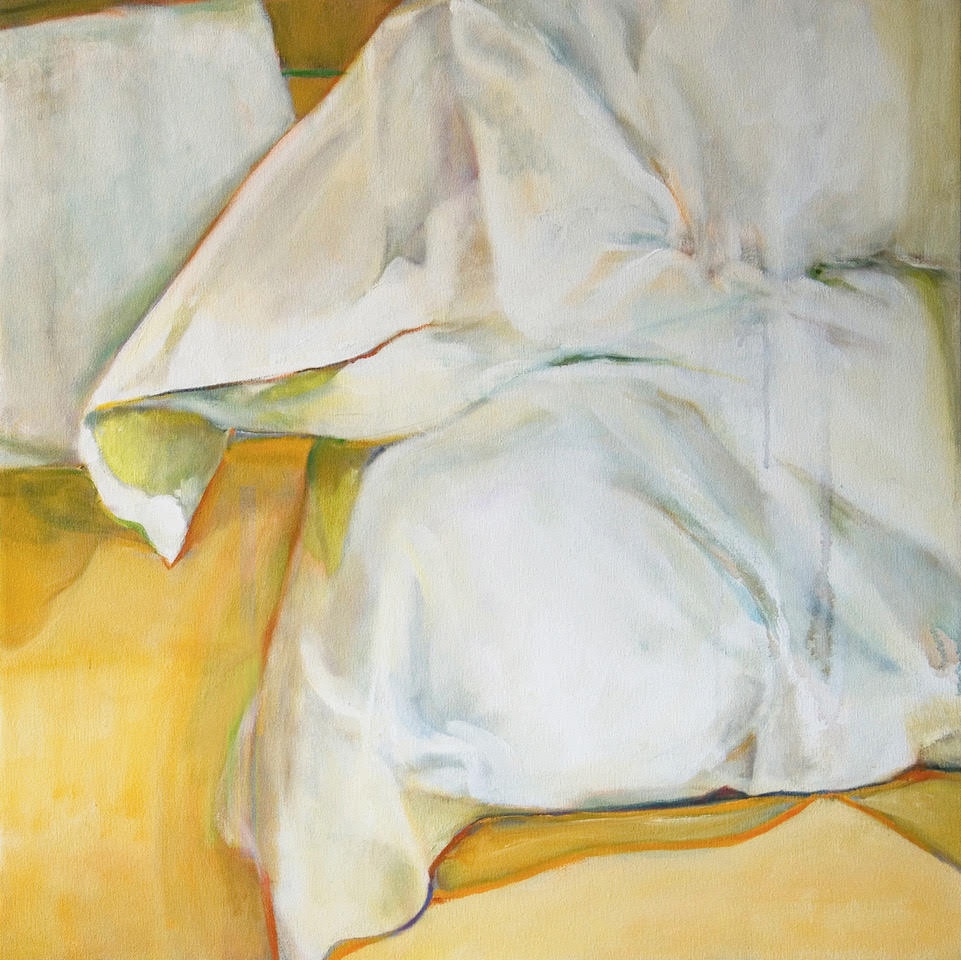
All of this, of course, takes time. You must remain committed to a studio practice focused on elevating your art.

The post Creating demand for your art: why it matters and how to start (206) appeared first on Art Biz Success.

]]>
https://dy-online.com/demand/feed/ 2
Why you should raise the prices of your art and how to do it (177) https://dy-online.com/raise-prices/ https://dy-online.com/raise-prices/#comments Thu, 08 Feb 2024 14:04:11 +0000 http://artbizsuccess.com/?p=23370 Two things are clear when it comes to pricing.

First, it’s a struggle for most artists. And, second, there’s a good chance that your prices are too low.

The difficulty with pricing art is legendary. You’re not the only one who doesn’t have it all figured out.

Fear not! In this post and podcast episode, I give you 5 reasons to raise your prices and then thoughts on how to do it.

The post Why you should raise the prices of your art and how to do it (177) appeared first on Art Biz Success.

]]>
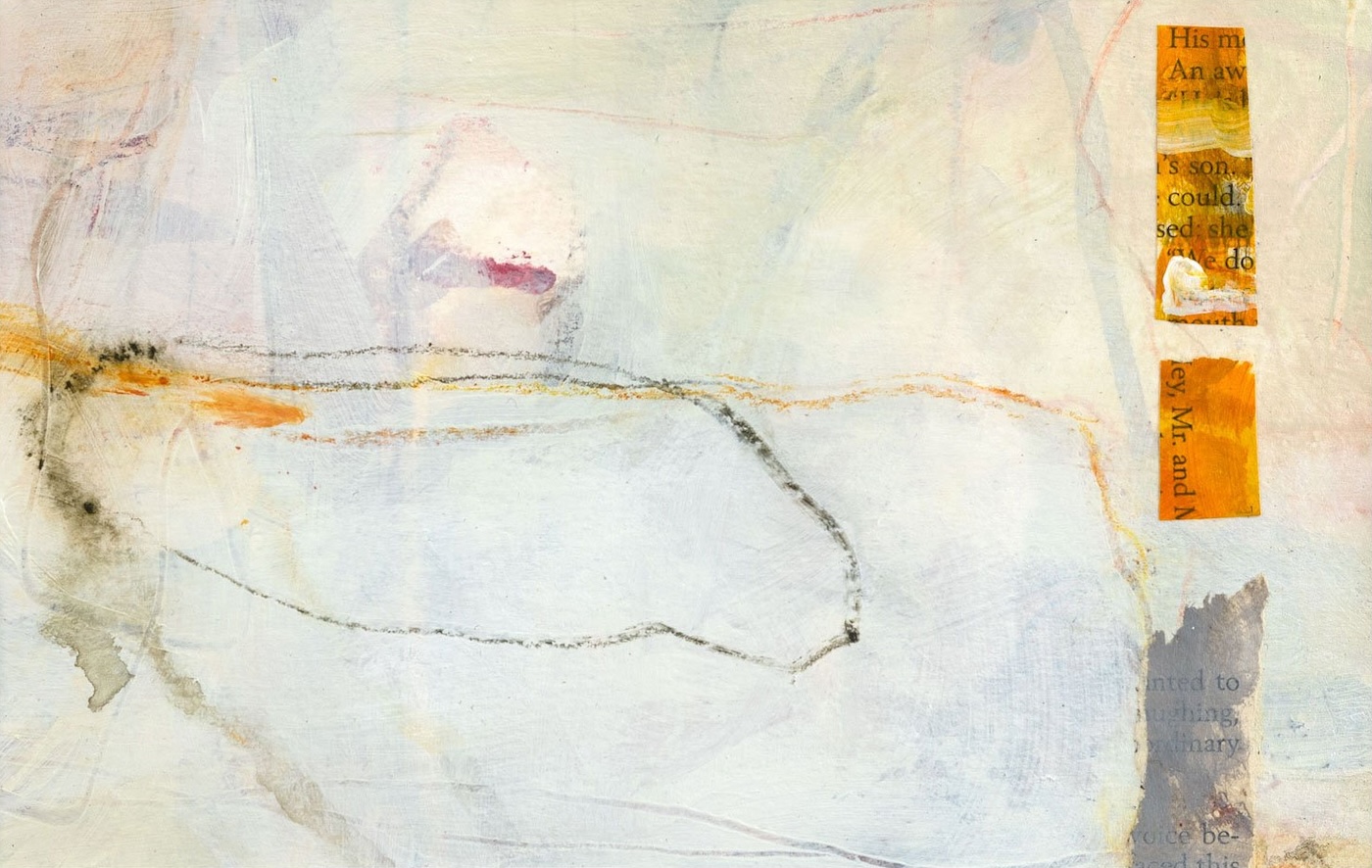
There isn’t much certainty around how to price your art, but two things are clear when it comes to pricing.

First, it’s a struggle for most artists. And, second, there’s a good chance that your prices are too low.

The difficulty with pricing art is legendary. You’re not the only one who doesn’t have it all figured out.

Even if you’re confident in your prices today, it’s almost guaranteed that you will question them again within a few weeks or months.

You heard it here first. You are not the only artist who has doubts about pricing.

And these doubts are compounded when your art isn’t selling. I’ll save that topic for another post.

Listen to this on The Art Biz

Anna Fine Foer collage
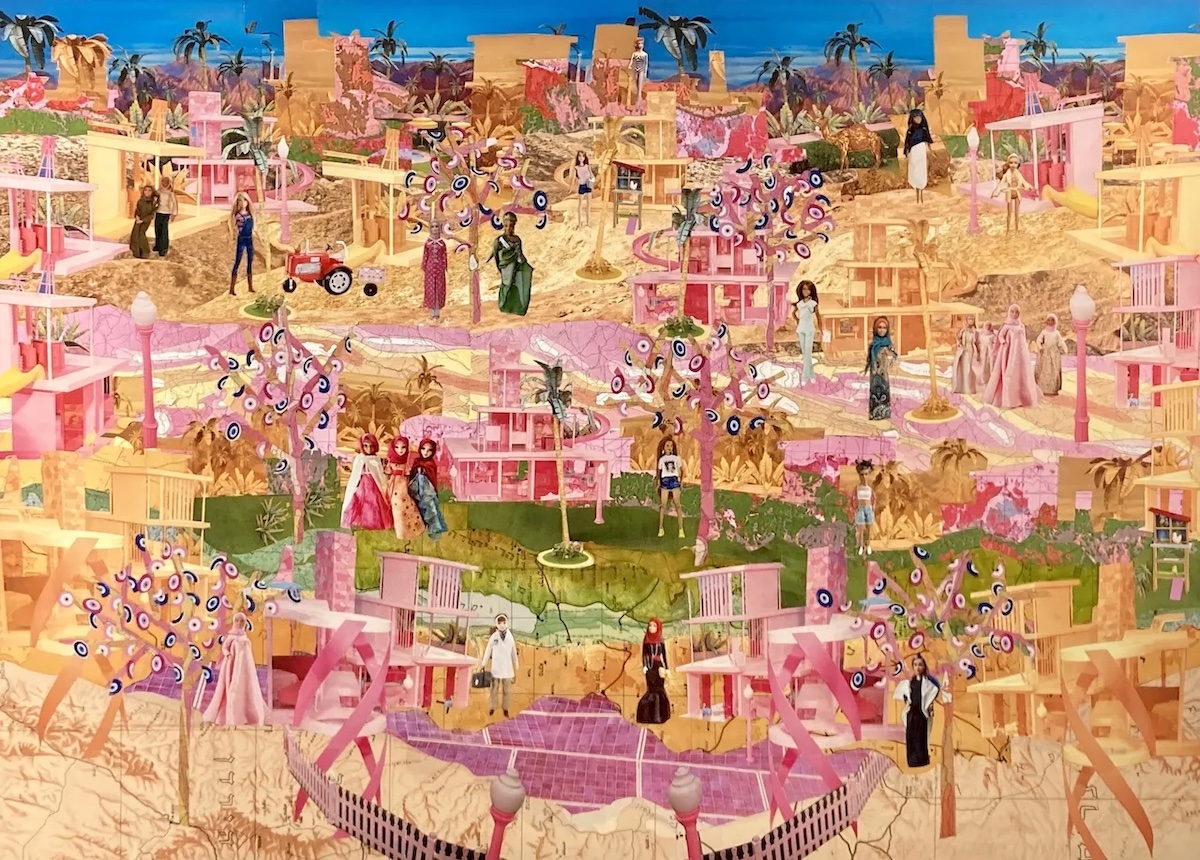
©Anna Fine Foer, Kibbutz Gan Barbie. Collage, 22 x 30 inches.

Your Prices Might Be Too Low

Knowing that the reservations about your pricing may always exist, let’s move on to that second thing. The probability that your pricing is too low.

Many artists—especially those who are just starting out—undervalue their art. Their work isn’t priced correctly to be able to split 50% of the sale with a gallerist, art consultant, or anyone else, let alone make a profit.

Artists who price their work too low are making things difficult for other artists who are pricing their work appropriately for the market and who need to make a living from sales.

It’s not good to be the “cheapest” artist.

I’m going to go out on a limb and assume that you would be happier getting higher prices for your art. But you don’t know if your art warrants it or if this is the right time. You’re scared to make the wrong move.

Fear not! Here are 5 reasons to raise your prices and how to do it.

5 reasons

to raise your prices.

1. The numbers reveal the depressing truth.

You’ve done the math and it’s depressing.

After taking into consideration everything that goes into making your art, you realize that you’re paying yourself next to zippo.

Nobody wins when you aren’t even covering your costs, let alone paying yourself. You must raise your prices.

©Marli Thibodeau, Passionate Symphony V. Acrylic on canvas, 20 x 20 x 2 inches.

2. Your pricing is uneven.

If you notice that there isn’t enough difference between two sizes or two disparate mediums, consider raising the prices on those that seem too low.

It’s hard to account for different mediums. Or for work that needs framing and work that is on canvas, especially given that works on canvas often have a higher perceived value. (Don’t shoot the messenger!)

Yet, it’s easy, over time, for pricing to become skewed. Time to make adjustments and raise prices where necessary.

3. The cost of your materials has increased.

This is a no-brainer. If it costs you more to make it, you should be charging more.

Back in 2011, I followed an artist who was increasing her prices due to the soaring cost of silver. She wrote an explanatory email to her list, in which she shared a detailed graph showing the price of silver’s dramatic incline.

The graph made it much easier to understand. We can comprehend the big difference from $4.50 an ounce to $30 an ounce, but it’s even more dramatic to see a sharply ascending red arrow off the right side of a graph.

Aha! We get it. Her material prices have gone up.

If it costs you more to make it, you should be charging more.

Donna Levreault print
©Donna Levreault, Not Forgotten. Gelatin silver print, 12 x 12 inches.

4. You can't keep up with the demand for your art.

If you can’t make enough work to fulfill commissions and orders and maintain inventory to show at galleries or art festivals, you need to raise your prices.

It’s the law of supply and demand. (I retained some knowledge from Econ 101.)

Being in high demand sounds like a good problem to have, but it’s still a problem—especially when your prices are too low. You are justified in raising your prices when there is more work than you can handle.

5. You start selling through galleries or another new market.

You might be selling well on your own and come to the conclusion that you want your work to be in galleries. Or to be handled by a consultant. You realize that you must split the sale with someone else.

But (Doink!) you didn’t factor a commission into your pricing.

Best business practices warrant that you include a possible (future) 50% commission in all of your pricing. If you haven’t done that, you need to face the music and increase your prices tout de suite.

And … Let’s hope you don’t have to raise them 50% at once because that’s a shock to the system if they’ve been selling well at the lower prices.

Now, here’s how to put your new prices out there.

Shannon Amidon encaustic
©Shannon Amidon, Occhiolism. Encaustic on wood, 24 x 36 inches.

HOW TO RAISE PRICES

Commit. Take action.

If you sell through galleries, other retail spaces, or consultants and want to raise your prices, schedule a conversation with those in charge. You need their input because they know their market and what it will bear.

You want to know that they believe they can sell the work at higher prices.

If they agree, it’s a win-win. You make more and they make more.

When You Only Sell Directly to Collectors

If you only sell directly to buyers, you can raise your prices after doing your homework and meeting one of the criteria above.

Upon opting to increase your prices, make sure you have a plan to put all of the pieces into place.

Keep in mind that higher prices are usually only on new work. Will you stick to that rule of thumb or be raising prices on work you already have in inventory?

Rip off the Band-aid and go forward with confidence.

Always announce your decision first to previous purchasers of your work—giving them an opportunity to buy at your current prices.

They will understand your situation so there is no reason to be afraid of telling them.

Diane Leifheit pastel
©Diane E. Leifheit, Adirondack Bounty. Pastel on wallis paper, 30 x 40 inches.

What to Say to Collectors

Your collectors are the people who have been supporting you. You want to do everything to keep them happy and in the loop. Consider wording similar to this.

Things have been going very well for me, which is good news. On the flip side, I can’t seem to keep up with demand, so I need to raise my prices.

Because you’ve been such a valuable supporter, I want to offer my work to you at current pricing for the next 30 days. After that, my prices will increase by x%.

Of course you must be specific about which work the price increase will apply to.

Contacting them in advance and giving them an opportunity to add to their collection before your prices go up makes them feel special. It also build trust. They’ll have confidence, based on this one interaction, that you’ll always do right by them.

Collectors should feel good about investing in your art early on in your career. They’ll be delighted to know that you’re successful enough to raise your prices.

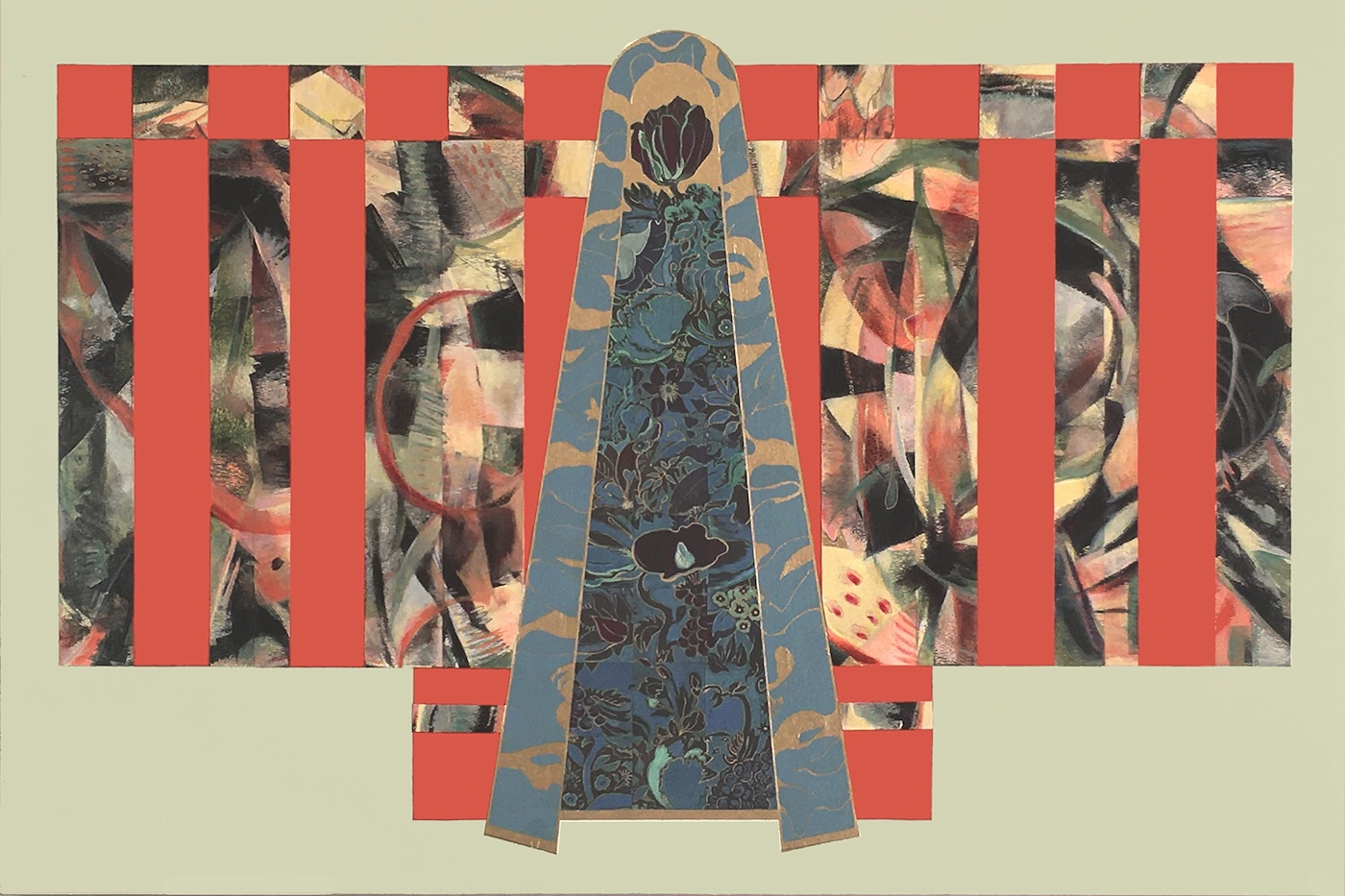
This post was originally published October 27, 2016 and has been updated with the edition of a podcast episode. Original comments left intact.

The post Why you should raise the prices of your art and how to do it (177) appeared first on Art Biz Success.

]]>
https://dy-online.com/raise-prices/feed/ 23
How to have a sale of your art and feel good about it (167) https://dy-online.com/sale-of-your-art/ https://dy-online.com/sale-of-your-art/#comments Thu, 19 Oct 2023 16:13:07 +0000 http://artbizsuccess.com/?p=14555 Discounting your original work might be unpalatable, but there are reasons for doing so, including the fact that unsold work is taking up space and energy. (Promotion might be a better word than sale.)

In this episode and article, I discuss the psychology and process around having a sale of your art or any products 6 options for structuring it and 3 mistakes you don’t want to make.

The post How to have a sale of your art and feel good about it (167) appeared first on Art Biz Success.

]]>
Having a sale of your art might be unpalatable.

It feels as if you are cheapening the work you put so much effort into, and I get it.

In just the last episode of The Art Biz, I talked with Bri Larson about the mindset around raising prices and why it was important to do so.

Laura Stack ink painting collage installation
©Laura Stack, Life Form 10. Ink painting collage on paper, 51 x 63 inches. (left) ©Laura Stack, Life Form 12. Vinyl reproduction of original ink painting collage, 65 x 160 inches. (right)

There are, however, reasons for having a sale.

In this article and episode of The Art Biz I discuss the psychology and process around having a sale of your art or any products that you might sell. Products such as calendars, pillows, books, or reproductions.

I’ll share 6 options for having a sale, although, as you’ll see, promotion is probably a better word because not all of the options are about offering a discount.

You will have to decide which is best for original work and which is okay for other items—what feels right so that you don’t regret taking the action.

I’m also going to give you additional steps to take around your sale.

Stick with me to the end and I’ll share 3 mistakes you don’t want to make when having a sale of your art.

Listen

Before you do anything …

Count Your Inventory

Conduct a detailed account of what you have in stock or inventory. This is easy if you are using an inventory management system like Artwork Archive.

Don’t include everything! Limit what is available during this short window of time.

How many pieces of art do you have to sell? Or how many products?


Then, add up the retail sales prices of the inventory you want to find homes for. What is the total value of what you have available?

You want to know this number so that your expectations are realistic. If it feels right for you, set a goal for how much you would like to sell. 

After you have done this, consider whether your promotion will be a discount or bonus.

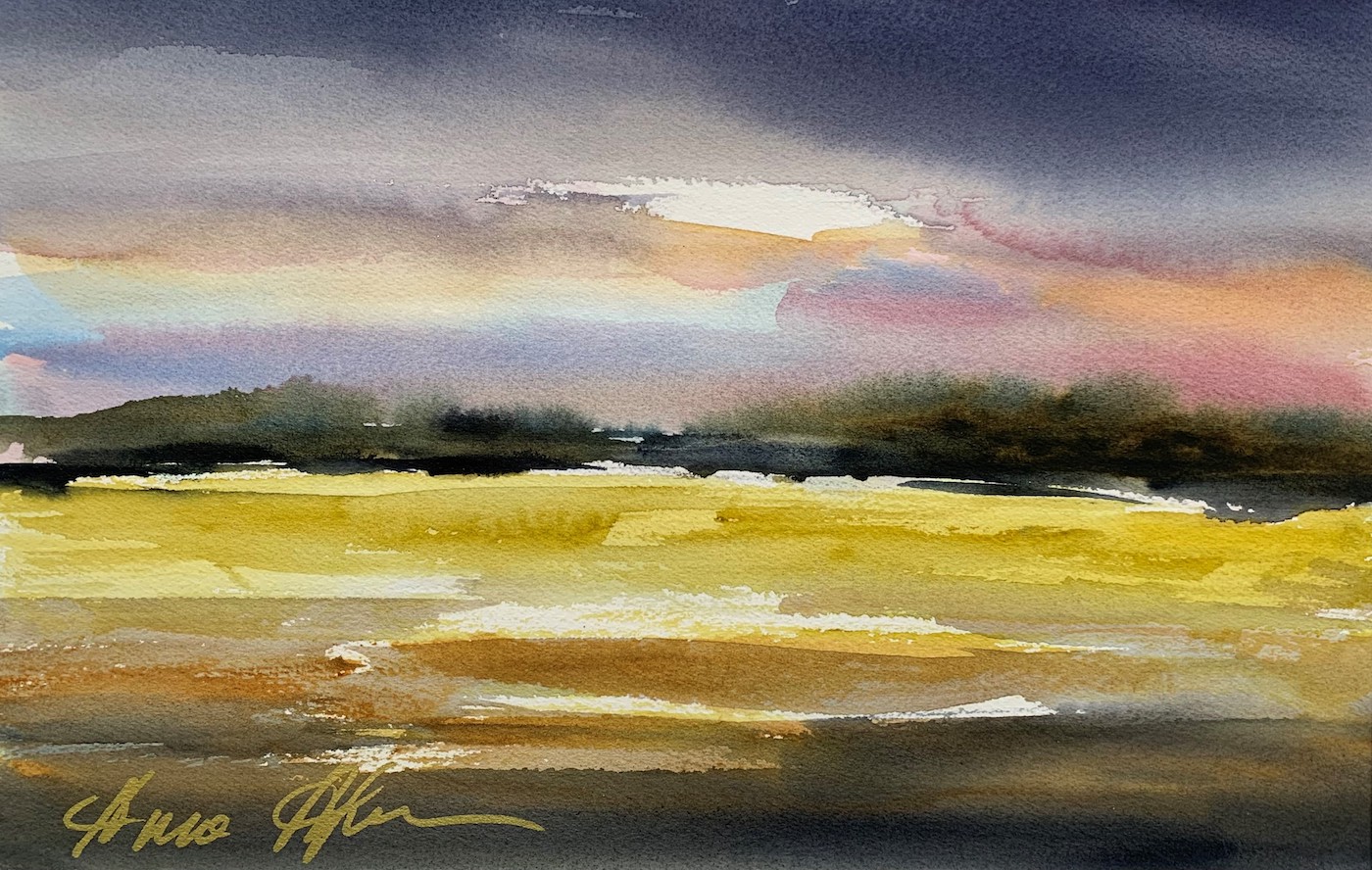
Anna Afshar watercolor
©Anna Afshar, Skyscape. Watercolor on paper, 12 x 16 inches.

I PREFER

that original art isn't discounted, however ...

Why [Infrequent] Discounts on Art Are Okay

I prefer that you use discounts for items other than original art, but there are a few reasons why I’m okay with offering infrequent discounts.

  • We must acknowledge that there is a lot of art in the world that needs to find homes. It’s not doing you any good taking up space. Even if you don’t need to make money from the sale of your art, it’s not fun to watch inventory pile up. If you’re lucky, you have space for that inventory, but, even if that’s the case, the energy of unsold art haunts many artists.
  • Gallerists offer discounts all of the time to their top collectors. Why shouldn’t you have this same option?
  • If you sell through another venue, they would be earning a commission, which eats into your profit margin. If your prices are proper, you won’t lose money.
    [ See How to Price Your Art ]

Here are two options for discounts, whether it’s for originals or products …

2 Options for Discounts

1. Flat Discount

When you want to keep things simple, offering a flat discount is the way to go.

Marketers say that 30% off is a good motivator. Anything less doesn’t move people to act as quickly.

Figure out the costs that were involved in making any products and see that you recoup as much of your investment as possible, but also find new homes for as much as you can.

2. Declining Discount

I haven’t seen this done in a while, so maybe it’s time to bring it back. A declining discount looks like something like this: 50% off the first day, 40% off the second day, and so forth.

Declining discounts encourage early buying and require frequent communication because the discounts are getting smaller.

Denise Ramsay watercolor
©Denise Ramsay, Stained Glass. Watercolor on paper, 16 x 23 inches.

Now let’s look at another option for promotions, bonuses.

4 Options for Bonuses

1. Bonus Add-ons

Buy 1 and get these bonuses …

This works great when you have digital products that can be downloaded, such as special reports, audio interviews, or a video lesson.

It could also work if you have reproductions or note cards that you could include with purchase of the original.

Buy 2 for the price of one …

Buy 2 for the price of 1 sounds like quite a bargain, but it has to be something that people want two of.

You must make the case that they can use or want 2 of something. If not, a two-fer isn’t a motivator.

2. Bonus for Early Action

For the first buyers …

This promotion encourages fast action and rewards those who take it.

I’ve noticed my favorite baseball team does this but with much bigger numbers. “The first 15,000 fans receive …” It never dawned on me before why they did this, but I’m pretty sure it’s so that people come to the stadium earlier and buy lots of food and beverages.

3. Free Shipping

Free shipping anywhere in the U.S. …

This seems to be a good incentive for many buyers, regardless of what you sell. Be clear on any parameters about where you will ship.

4. Free Frame

Free frame or pedestal included …

To make this cost-effective for you, you’d better buy in bulk. Specify whether or not assembly is required.

Betty Mallorca digital painting
©Betty Mallorca, Contemplating the Sky. Original digital painting, inkjet print on paper, 16 x 19.5 inches.

Get Clear On Your Offer

There are many variables within the options for discounts or bonuses—keeping in mind that what might work for products like pillows or reproductions might not be the best idea for a sale of your original work.

Of course, you can combine the options.

For example, merge the bonuses for early action with free shipping and your promotion looks like this: The first 10 buyers get free shipping.

Whatever direction you take, I urge you to keep it simple. 

Keep it

SIMPLE

The worst sale results I’ve had were when I offered 3 different packages for buying my book.

Those bad results might also have been due to unclear messaging.

It hard to explain complicated options clearly enough that people can discern the value in each. When people have to make a decision based on too many variables, many of them will abandon the idea. 

Make it easy for them to decide: Yes or No. Do they want it or not?

Trust me. Simple is best.

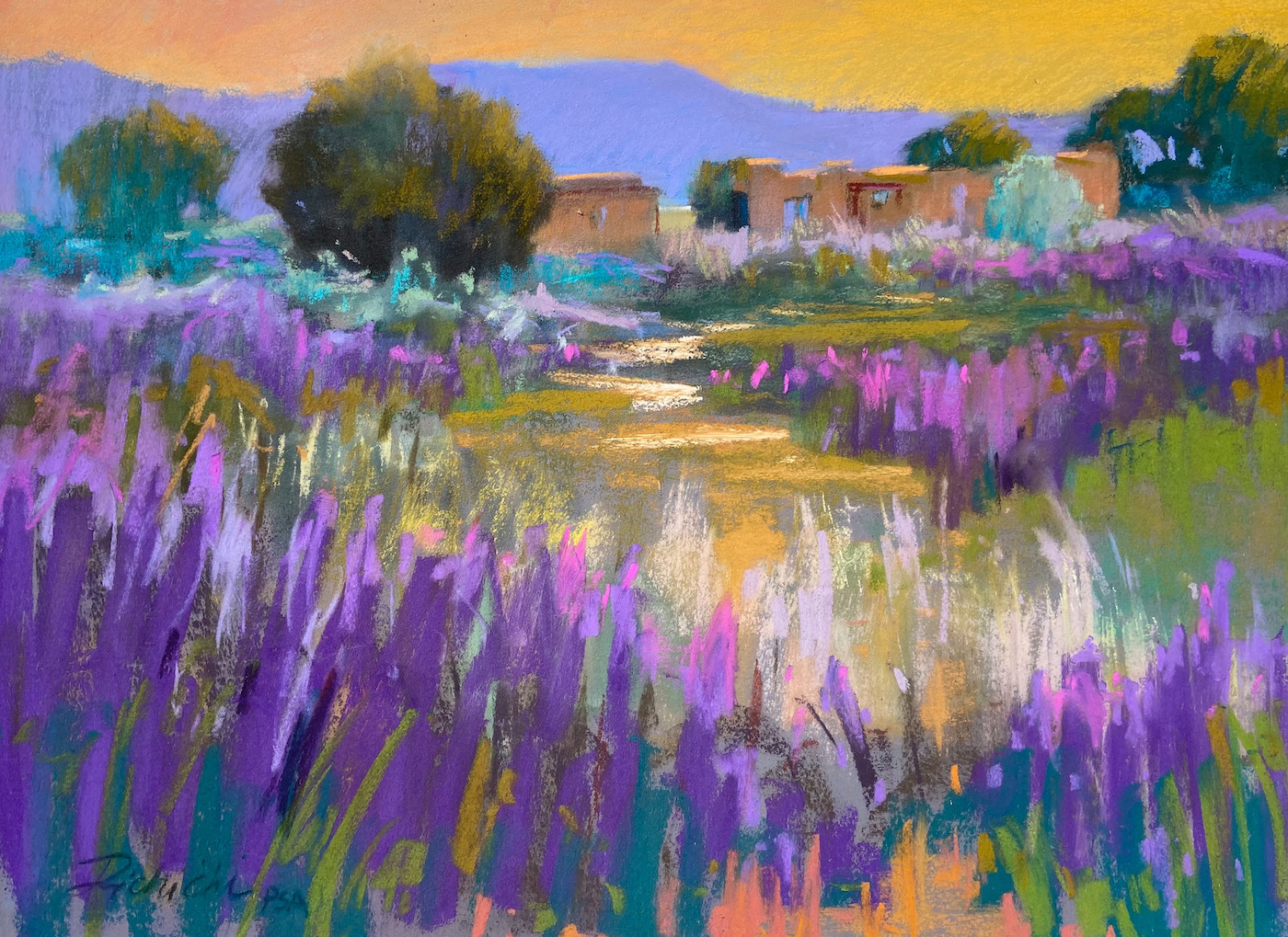
Linda Richichi pastel
©Linda Richichi, Taos Colors. Pastel on paper, 12 x 16 inches.

Stick to a Schedule

Decide on beginning and ending dates for your sale and stick with them. Long sales get tiresome and people (especially you) lose interest.

People need a reason to

BUY NOW

People need a compelling reason to buy NOW, so the sale has to end within a relatively short period of time.

Make it no longer than 1 week and end it on a weekday when people are more likely to be checking email. With that time frame, you can concentrate your promotions and then get back to work when it ends.

Create a schedule for sending emails and posting to social media. You’ll need multiple emails and social posts that each convey a unique message about your offer.

I provide training for strategies around email marketing in my Art Biz Accelerator coaching group.

If you could benefit from support, accountability, and strategies while surrounding yourself with artists who seek the same, I invite you to join us. 

Gerard Pefung acrylic painting
©Gerard Pefung, In Motion. Acrylics and ink on stretched cotton canvas, 36 x 36 inches.

Avoid These 3 Mistakes

I can’t let you have a sale of your art without first cautioning you to avoid these three mistakes.

Don’t. Do. This.

1. Not informing your gallerist.

In order to maintain your strong relationship, be forthright. Discuss how the sale will be handled with your gallerist.

2. Ignoring previous buyers.

Extend your offer to previous buyers first, perhaps even giving them a little bit extra (of something) because they purchased at a higher price.

Always keep in mind those who have been supporting you and make sure they get VIP treatment.

3. Having sales too frequently.

If you are discounting regularly, people will wait for the sale and there is nothing special about it.

Of course, much more goes into a sale, including email strategies, a page on your website, and marketing messaging.

If you need support for your marketing strategy, please join me and the other fabulous members of the Art Biz Accelerator coaching group.
We’re waiting for you.

This post was originally published in a very different form on January 21, 2013, and updated on June 27, 2019. It has been updated significantly with the addition of a podcast episode, but with all original comments intact.

The post How to have a sale of your art and feel good about it (167) appeared first on Art Biz Success.

]]>
https://dy-online.com/sale-of-your-art/feed/ 26