solo Archives - Art Biz Success https://dy-online.com/tag/solo/ Trusted Art Business Coaching and Consulting Thu, 29 Oct 2026 13:32:58 +0000 en-US hourly 1 https://wordpress.org/?v=7.1.4 https://dy-online.com/wp-content/uploads/2022/02/favicon-2-150x150.png solo Archives - Art Biz Success https://dy-online.com/tag/solo/ 32 32 5 Lists every artist needs to keep (282) https://dy-online.com/5-lists-for-artists/ https://dy-online.com/5-lists-for-artists/#comments Thu, 29 Oct 2026 11:50:00 +0000 http://artbizsuccess.com/?p=23789 We all love a good list and probably wouldn’t get much done without our to-do lists. But there are other lists that can make you more productive and organized.

In this episode of The Art Biz, I give you 5 lists (a list of lists!)and tell you where to keep them and how to use them: good ideas, absolute no’s, things someone could do for you, 10-30-minute tasks, and done—your accomplishments. Don’t skip that last one.

The post 5 Lists every artist needs to keep (282) appeared first on Art Biz Success.

]]>
Lists can give order to your hectic life, whether you process each item in order or, more likely, get around to them someday.

The most valuable thing about making lists is that it gets tasks, projects, and ideas out of your heads and into a place where you can find them again. At least that’s the idea.

Your to-do list is the one you’re probably most familiar with and contains urgent or near-future items that you must accomplish: pay bills, order framing supplies, write the newsletter draft.

But I want to take you beyond daily tasks with a list of 5 lists (yep, a list of lists) that are useful to artist-entrepreneurs.

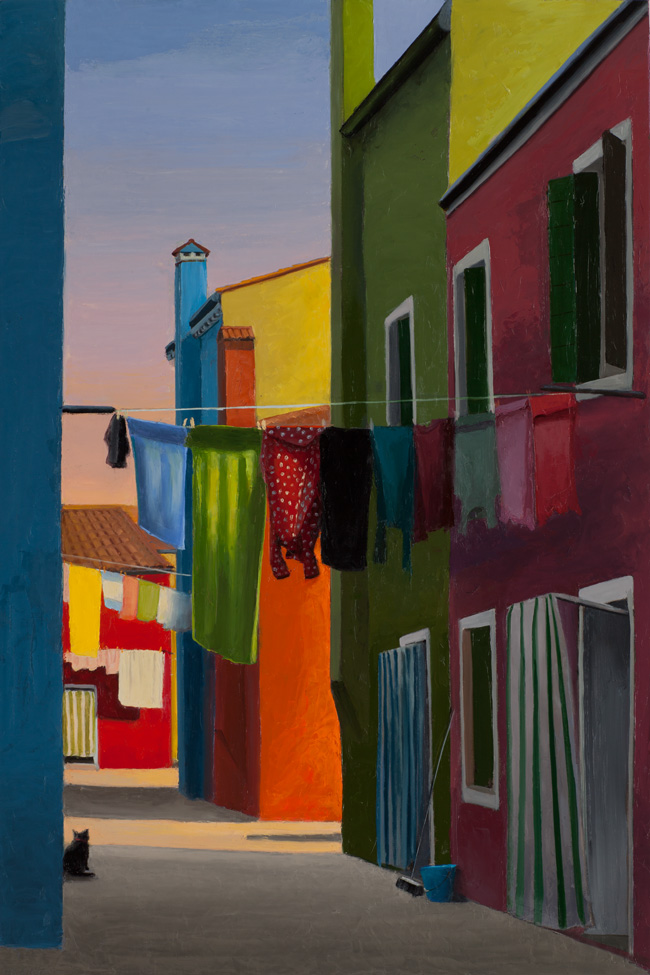
Painting of brightly-colored urban buildings with light in the distance and hanging laundry between them.
©Marian Dioguardi, Time to Come Home. Oil on cradled panel, 30 x 20 inches. \

1. The good ideas list

When I plan a project with a client, some things are immediate: an exhibition, a launch, a class to teach. But their minds are still churning with ideas. You don’t have time to do them now, yet they take up head space and keep floating back until you give them a place to live.

  • Write a book.
  • Lead a retreat overseas.
  • Go after a residency.

Think of this as a dream list. It’s a placeholder. When an idea becomes real, it becomes a project.

If your list is anything like mine, you’ll look at it in five years and ask, “What was I thinking with half of those?” But at least you got them out of your head and onto paper.

[Aside: In the podcast I combine the good ideas list with lists of things I want to remember like books to read or movies to watch.]

Listen to episode 282

2. The absolute no's list

These are the things you will not do, no way, no how, in no universe. In my experience, things land here because you said yes once and realized you would never do it again.

Your list might say:

  • I never work with people who bargain with me.
  • I never take a commission under $2,500.
  • I never loan my art without a contract.

Mine says I never work with whiny people who make excuses. I just can’t help them. I never tell anyone, “I’m so busy,” because being busy is boring. And I never consult privately with an artist who doesn’t have a body of work and a studio practice.

Once you’ve named a no and written it down, it can become a policy. Then it’s easy to say, “Sorry, I have a policy against that.”

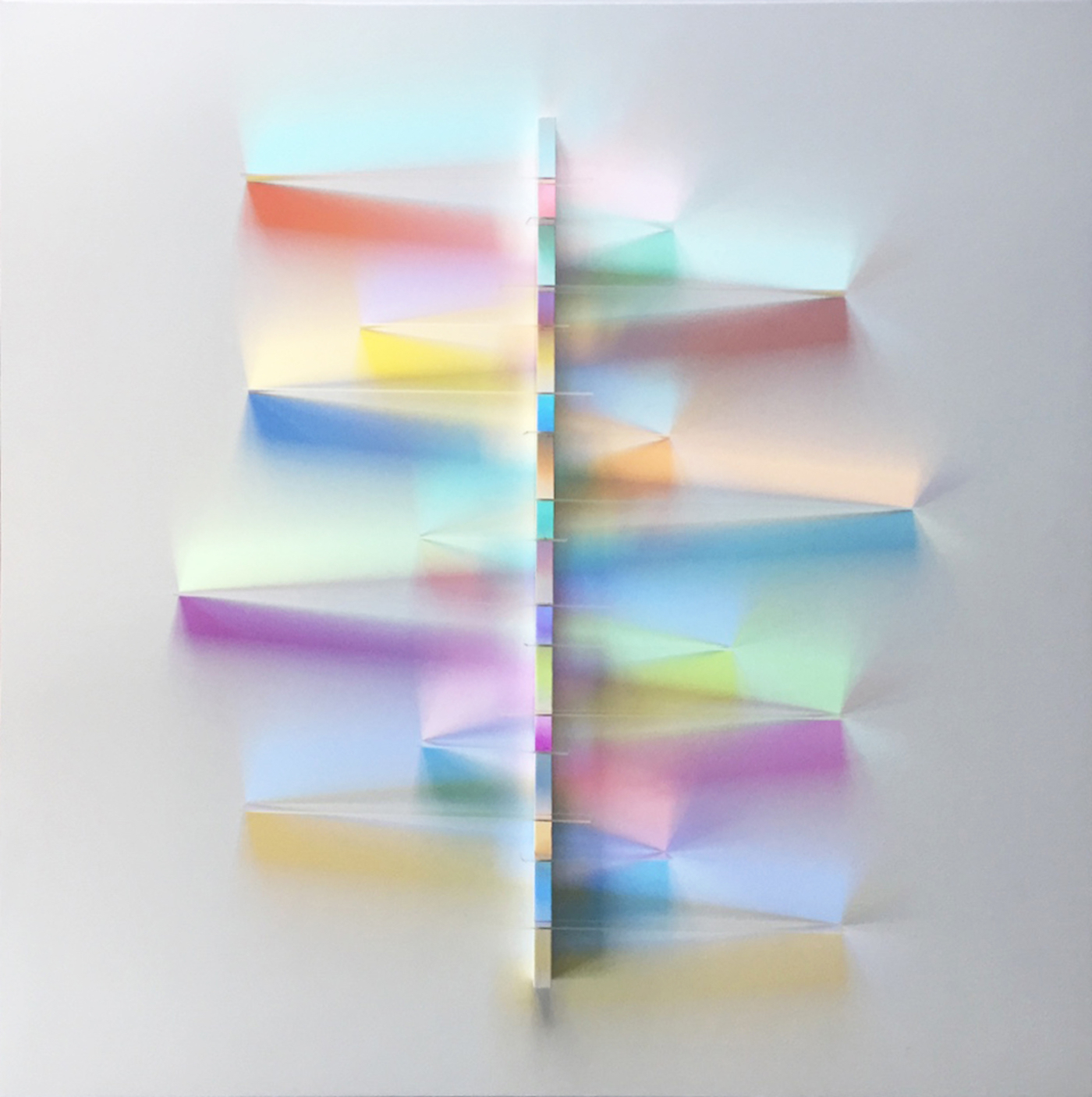
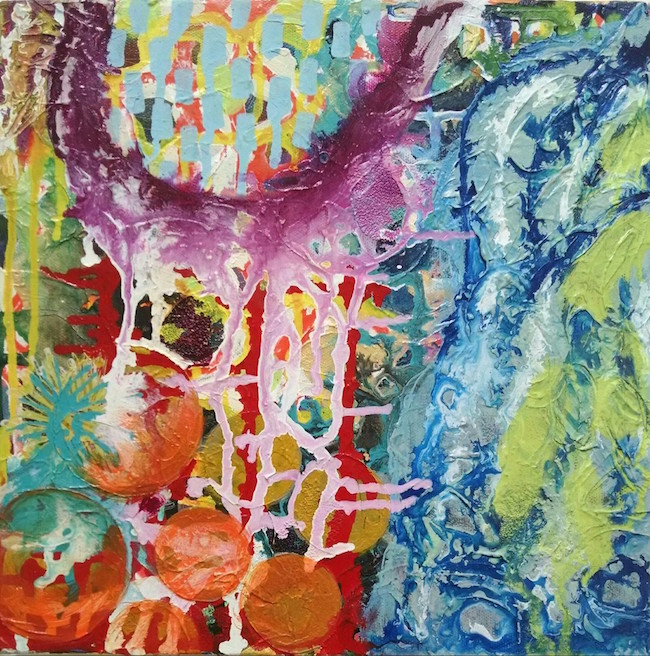
abstract painting or organic shapes in reds, blues, greens, and purple
©Christine Sauer, Marvels and Mysteries IX. Acrylic on canvas, 12 x 12 inches.

4. The 10 to 30 minute list

We are not all blessed with three uninterrupted hours to work in the studio, or to write, record, edit, and publish a video in one fell swoop. That doesn’t happen very often.

But we can all find pockets of time between tasks or appointments. Ten minutes. Thirty minutes.

This list is what you go to instead of turning on YouTube for the latest news and getting swept up in something that isn’t helping you (mentally or professionally).

Mine says to delete old blog posts, and to delete the downloads and screen captures on my desktop. A lot of digital cleaning is mindless. It doesn’t use many brain cells, so you can do it while a game is on or while you’re watching something you don’t have to follow the plot of.

My friend Janice McDonald kept these tasks on slips of paper in a mason jar and pulled one out when she had a few minutes. That leaves too much up to fate for me. If I pulled something I didn’t feel like doing, I’d put it back and grab another one. I’d rather look at a list and think, “Oh yeah, that would be fun now.” And we should get joy wherever we can in our day.

3. The things someone else could do list

Everyone would like more help in their business. It’s great to work alone and have all the control, but wouldn’t a little extra support be nice?

Here’s what I know from experience and from clients who have hired help: never hire someone until you know exactly what you want them to do. An extra body is dead weight. You don’t need an extra body. You need specific help, and this list starts the whole thing.

Frame it as things you do that someone else could do and that you’re willing to let go of. Maybe even someone already in your orbit.

Heidi Fahrenbacher talked about hiring her brother, who excels at shipping logistics in a way she doesn’t want to. I keep my list in the back of my planner, right next to me all day.

They won’t do the job the way you do it. But they just might surprise you and do do it better — freeing you to work your genius.

See these episodes about working with others:

My best practices for working with an assistant (59)

Learning how to be a boss with Ali Manning (106)

Virtual assistance with Hallie Edlund (79)

Working with a relative with Trudy Rice (105)

5. The done list

This one is just as important as your to-do list. It’s everything you have completed.

Here’s what happens at the end of the day. We look at our planner and think, “Ugh, I didn’t do those things,” and we move them over to the next day. We keep seeing what we still haven’t done, and the to-do list just keeps growing.

We have to get used to that. The to-do list is ongoing because we always want to be doing. We want our lives to be meaningful, and that means we do things. But we have to learn to prioritize, and we have to learn to take credit for what we’ve done.

This is why the most important thing I ask people to do in my coaching is reflect on what they’ve done. If they don’t, they can’t grow. They can’t celebrate. All they see is the list of things they haven’t done yet.

Call it a done list or a celebration list. I don’t care what you call it. Just do it. And if something you did was never on your list, write it down and cross it out. There’s great joy in that.

Then when I ask what you’ve accomplished, you can look at your days and tell me exactly. It’s not for accountability. It’s so we can figure out your next steps.

Where to keep your lists

It’s great to make lists, but if they’re all over the place in various corners of your studio, your office, or your home, they don’t do any good.

Each one needs a dedicated place. They don’t all have to be together, but you need to know where to go to add to them and review them.

My 10 to 30 minute list and my done list live in my planner, because that’s where I look for time and where my daily tasks are. My good ideas and all of the other lists are in Notion, because I can search them and find them easily in a digital format

If you do nothing else, do the done list. Give yourself credit for your accomplishments.

The post 5 Lists every artist needs to keep (282) appeared first on Art Biz Success.

]]>
https://dy-online.com/5-lists-for-artists/feed/ 59
This monthly review keeps your art business honest (279) https://dy-online.com/monthly-review/ Thu, 01 Oct 2026 12:14:00 +0000 https://dy-online.com/?p=63018 When sales slow down, it's tempting to look for a quick fix. Post more. Email more. But you can't fix what you haven't measured.

Learn why facing your numbers feels so scary and how a simple monthly review, built around a handful of high-level numbers, shows you what's working in your art business and what isn't. Then your next step is based on data instead of the next idea you see online.

The post This monthly review keeps your art business honest (279) appeared first on Art Biz Success.

]]>
Are your sales where you want them to be?

Maybe, like many of the artists who become my clients, they have slowed down. Or stopped altogether.

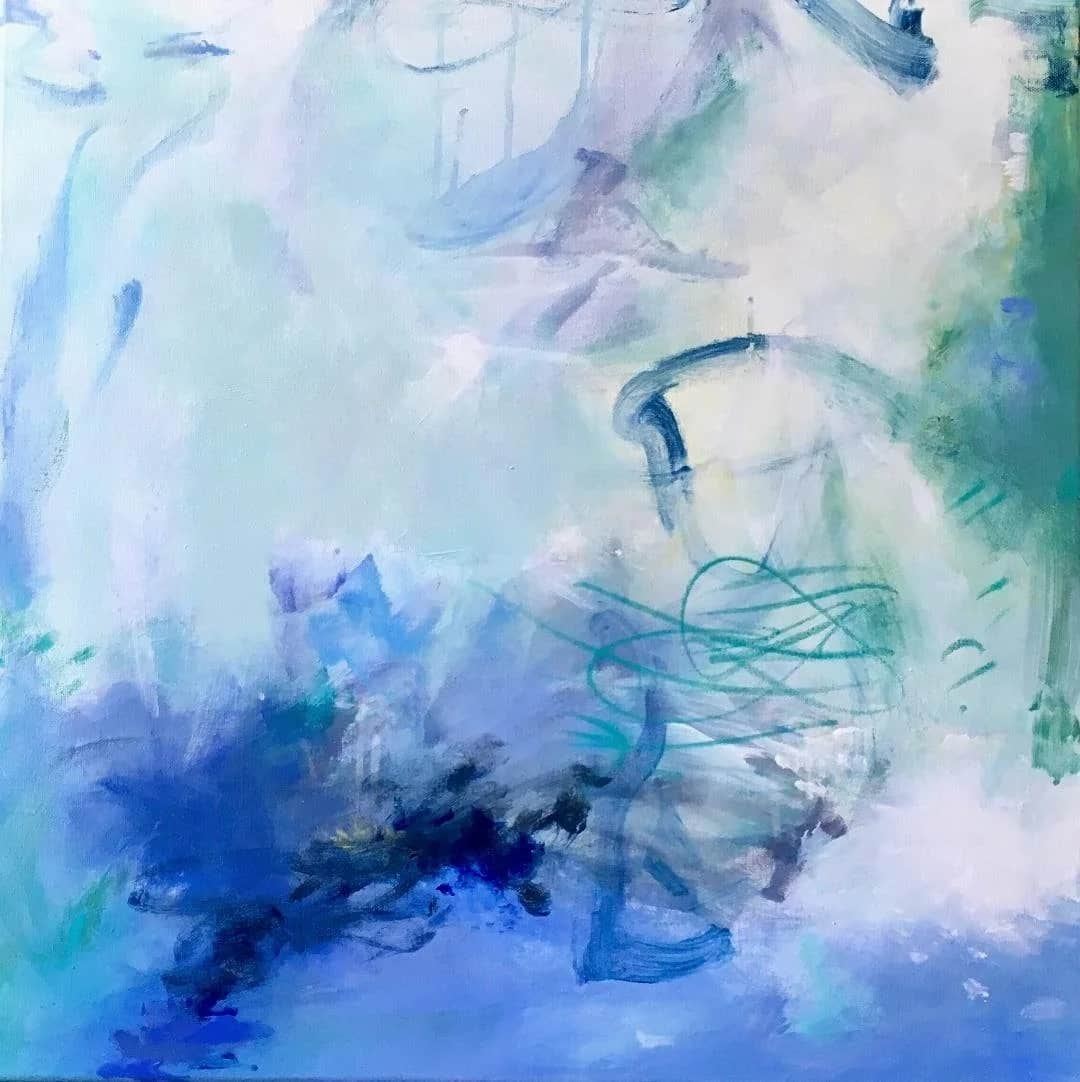
Gestural abstract painting with various shades of blue and green, with darkest elements in lower left.
©Patricia Schwimmer, Subtle Persuasian. Acrylic and Stabillo water-soluble crayon on canvas, 24 x 24 inches.

I’m asked to help my artist-clients troubleshoot the slow sales, and sometimes they want a quick answer. Post more on Instagram. Send more emails.

I won’t do that. I refuse to tell people what to do if I don’t know what they want.

First I need to understand their goals. What do they really want, and why is it important to them? How much energy are they willing to put into it? Then I’m going to ask about their numbers.

I don’t expect you to know your numbers off the top of your head, but I do want you to know where to find them quickly. In episode 279 of The Art Biz, I talk about why artists avoid their numbers and how to make looking at them part of your routine.

Listen

Why business numbers feel scary

I’ve been in business long enough to know that facing reality can be scary.

That’s what numbers are. They’re real. They’re attached to something measurable, and they tell a story you might not like. And they get downright frightening when they’re attached to your art and your art business.

Maybe you’re afraid you’ll get depressed when you see them. Or that low numbers reflect on the quality of your art. Or that you’ll see clearly how high your expenses are and something will have to change. (You can’t unsee the numbers once you see them.)

Even good numbers can be scary. Great results from one project or body of work might be telling you to pivot and take advantage of the moment. But you question whether or not this is the right move.

So you ignore them until tax time because ignoring them skirts change and at least keeps hope alive.

I beg you not to wait. Ignoring your numbers only makes your anxiety worse, because you know they’re hanging over your head. As I often tell you, you are the CEO of your art business. If you’re trying to make a profit, you pay attention along the way.

Remember this: Numbers are neutral. They’re objective data points. They don’t care how you feel. They just exist.

Which numbers to track

If they’re just data, the obvious question is which data? Not knowing what to look for is one more reason you might be avoiding this work.

Start with the two that are on the top of my list with every client.

Money

You know the formula: sales minus expenses equals profit. Track your sales and expenses every month.

Then break sales down by income source, whether that’s venues or types of art like commissions, reproductions, and originals. What was selling?

Email

How many people are on your list? Is it growing or shrinking? Most email lists are shrinking these days, which is okay because there are other ways to stay in touch.

Look at your open rate and click-through rate. A low open rate affects your deliverability all around, so perhaps it’s time to clean your list.

If you only email once a month, 90-day trends will tell you more. And if there are 2,000 people on your list but you aren’t using it, what good is it?

After those two, consider numbers from your:

  • Website :: Unique visitors and top content.
  • Social followers :: This isn’t something I use to diagnose sales, but can be useful for seeing whether your following is growing and what content is working.
  • Whatever else you’re trying to grow :: Submissions, proposals, students enrolled, personal outreach. In case I haven’t said it enough lately, I’m big on personal outreach because it moves the needle more than any amount of broadcasts.

Whatever it is you’re trying to grow, track it.

What you pay attention to grows, so ignoring your numbers is stunting your growth.

Formalize your regular review

Get in the habit of checking in with your numbers. It can be part of a broader business review.

How often depends on your level of activity. If you’re part-time or just starting out, quarterly might be enough. If you’re very busy, do it monthly.

Formalize it because it doesn’t count if you’re trying to keep this in your head. Use a notebook or a spreadsheet so you can compare month after month.

I did this every single month for years. I had a whole binder of monthly check-ins because I knew what one of my coaches told me was true: What you pay attention to grows.

Keep it high level

It’s tempting to add more to your review. To track more. But I caution you against that because it becomes onerous.

You want a high-level picture of the health of your art business to use as a baseline.

Numbers are only part of the review. Look at the activity behind them. What was going on, or not going on, to get you those numbers?

Get curious. “I sold more of this. Why is that?” Or, “My click-through rate plummeted. What happened there?”

When you know what’s behind your numbers, you’ll know what to adjust. Your next step will be based on something (data), not the next great idea you see some marketing person posting online.

These are your numbers. It’s data only you have. You’re the CEO of your art business, so don’t put it off.

The post This monthly review keeps your art business honest (279) appeared first on Art Biz Success.

]]>
Be alert to signals you need to change course (278) https://dy-online.com/comfort-signals/ Thu, 24 Sep 2026 12:14:00 +0000 https://dy-online.com/?p=62912 Comfort is a dangerous place to be in your art business.

This episode makes the case for staying alert to three specific signals that tell you it's time to change course — the results signal that something familiar has stopped working, the joy signal that something is eating at your happiness, and the external signal that a new moment is emerging and worth paying attention to.

The post Be alert to signals you need to change course (278) appeared first on Art Biz Success.

]]>

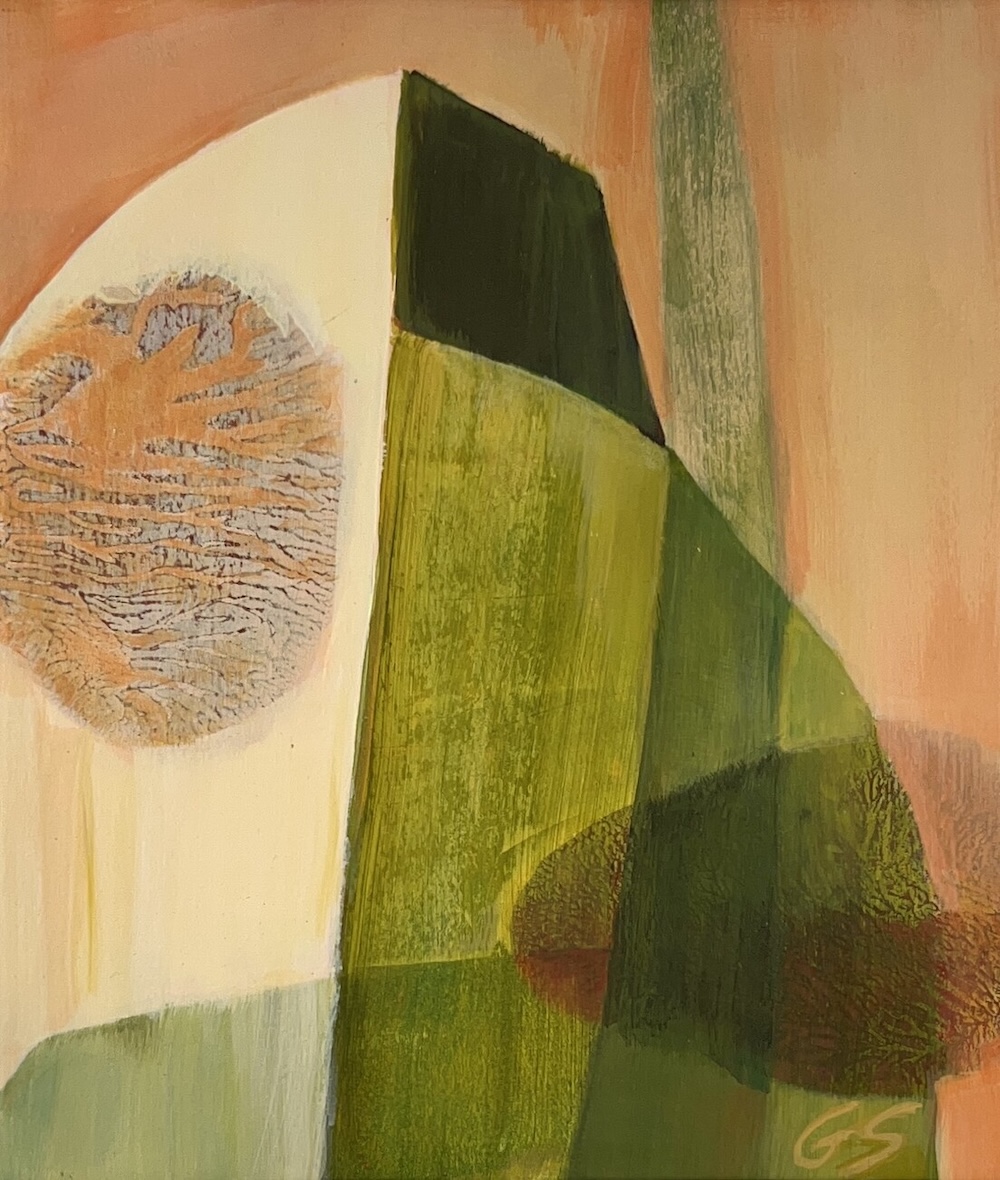
One of the most dangerous places to be in your art business is comfortable.

Comfort is what you want in a good sofa, a marriage, or for lowering your cortisol levels. But it’s no basis for building a business. Especially now, when everything about how you show and sell your art is changing so fast.

artwork with 3 glass cloches filled with stylized blue water and dolphins. Against a blue and green swirl pattern.
©Leslie Kell, That Beckons the Wonder. Digital illustration and photography, archival inks on Vibrance Matte acid-free paper.

On episode 278 of The Art Biz, I make the case that you can’t keep doing things the same way you did them two or three or ten years ago and expect the same results. You have to tune in to what’s changing.

I know it’s exhausting trying to keep up — new technology, changes in algorithms, what’s hot now — but it’s your responsibility to your art and your business. Otherwise you’re running things half-assed and looking out of touch. 

If you’re not tuned in, you won’t recognize opportunities because they will probably be wrapped in different packaging than those that came before.

Comfort keeps you entering the same shows, staying in the same little niche. Those are comfortable places, but they’re no place for growth.

Listen

3 Signals to watch for

These signals might alert you to the fact that you are getting too comfortable or need to do something different.

The results signal

The results signal tells you something familiar has stopped working: traditional launches, gallery sales, the way it always worked before.

Wishing for the good old days is an enormous waste of time. It sets you up for heartbreak and keeps you stuck in the past. Newsflash! Artists have never been stuck in the past. Throughout history, we’ve been a product of our times, reflecting back to society what we’re seeing.

Galleries are an obvious example. Almost everyone wants a gallery, but at least half of the artists I talk with have no idea what’s involved in landing one or what’s required for that gallery to keep its doors open. Even top-tier galleries are shuttering because their business models don’t work anymore.

To receive a results signal, you need to know your financial numbers. They will tell you what is working and what isn’t, and that data should take some of the emotion out of decision-making.

Read. Follow the news and the business trends. The landscape is different. Your response has to be different.

Artists have never been stuck in the past. Don’t be the first.

The joy signal

The joy signal tells you something is messing with your happiness.

I know this one from experience. I spent more than 20 years building courses and coaching programs, and they worked for a long time.

Then the multi-month courses became harder. Harder to enroll people and  harder to encourage artists to do the work. (There was a results signal tied in here.)

I clung to what I’d built because it was tied to my identity as a teacher.

Then, earlier this year, I hit a wall. I was no longer willing to live with the stress and anxiety. It was no longer fun (Was it ever?) to run multiple launches every year. It was absolutely zero fun to take money from artists who weren’t doing the work.

So I followed my bliss. For the past 10 months I’ve been putting the pieces into place for my next act. I shut down the multi-month courses to focus on consulting for artists who want a partner to help them identify and implement custom strategies for their art business. 

The external signal

The external signal tells you something new is emerging and that you would be wise to spend a little more time with it.

Sometimes evolving isn’t about fixing what’s broken. It’s about recognizing a moment.

In episode 277, Jenny McCarty caught a moment in her community and made a conscious decision to dedicate much of her energy to that project for a year.

That kind of moment isn’t something you can plan for. You have to be tuned in enough to notice when something is asking for more of your attention.

Reinventing yourself after success

Reinventing yourself after success is one of the hardest kinds of evolution because it’s tied to your identity. But sometimes the thing that got you here is keeping you from what’s next.

Ali Cavanaugh’s story in episodes 189 and 190 is worth revisiting for inspiration. She took charge of her career and left 10 of her 11 galleries when the model stopped working for her.

So I return to this … Watch your comfort level.

If you’re doing things the same way you did last year, you’re going to get left behind. Pay attention to those three signals. They’ll tell you the truth as long as you’re alert enough to receive them.

The post Be alert to signals you need to change course (278) appeared first on Art Biz Success.

]]>
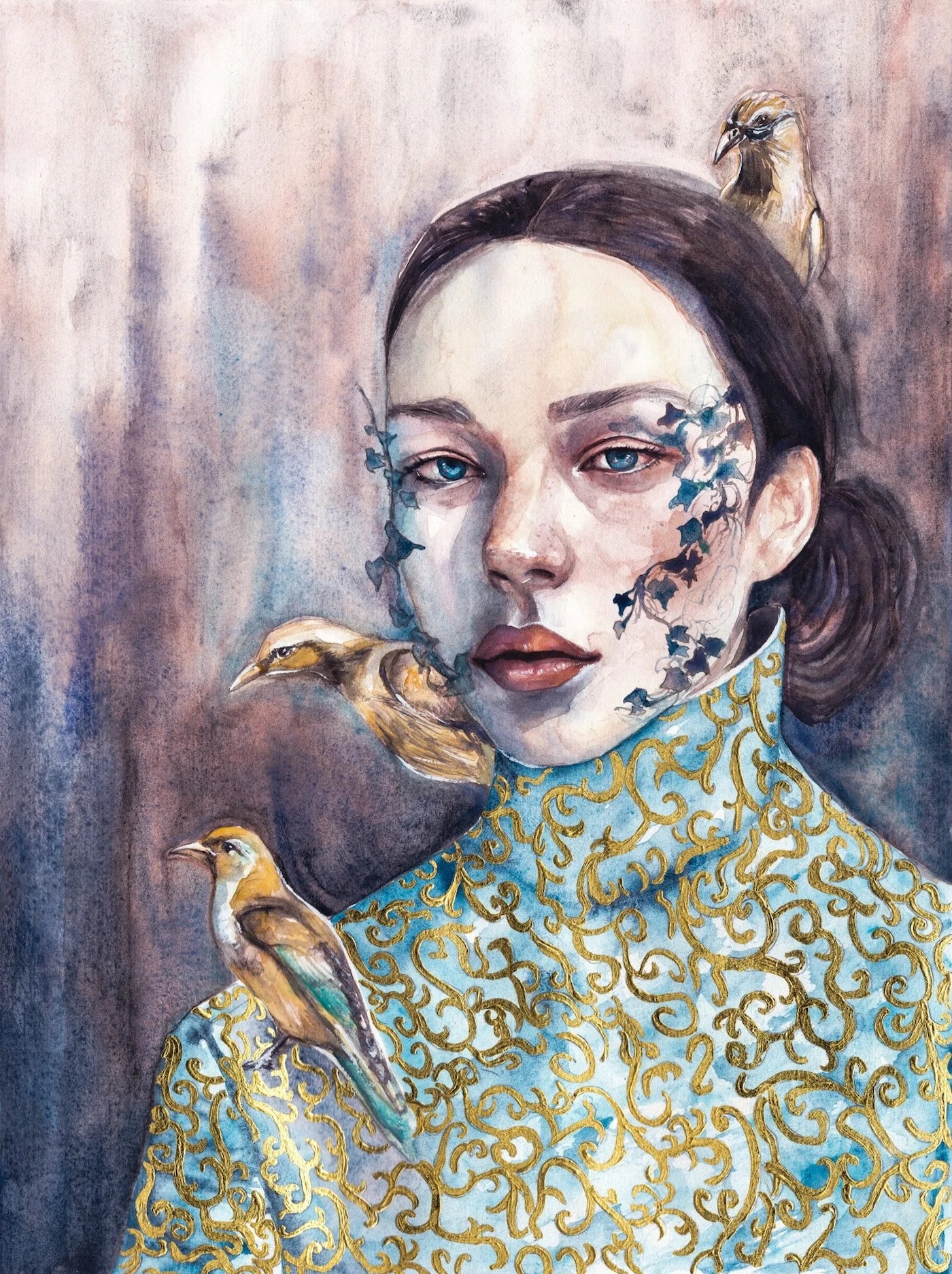
Even when life is heavy, your art business still needs you (276) https://dy-online.com/heavy-life/ Thu, 27 Aug 2026 03:41:19 +0000 https://dy-online.com/?p=62229 Artists are built to feel the world sharply. That sensitivity fuels the work, and it also means everything lands harder — headlines, illness, loss, the weddings and births and moves that pull you away from the studio. The instinct is to shut everything down.

But a business that stops moving is much harder to restart than one running on bare minimum. Here's how to keep yours afloat when you can't give it much.

The post Even when life is heavy, your art business still needs you (276) appeared first on Art Biz Success.

]]>

Artists are a sensitive lot. You were built that way.

You’re affected by what goes on in your immediate world and what you witness outside of that bubble, and you rely on that sensitivity to make your best art. We don’t want to change that.

But it also exposes you to everything else — obstacles that wreak havoc with your studio practice and business intentions.

Maybe it’s your own illness or that of a loved one. A bully at your child’s school. A natural disaster in your community. And then there’s whatever’s playing out in the headlines this week, which is often too much to ask you to ignore.

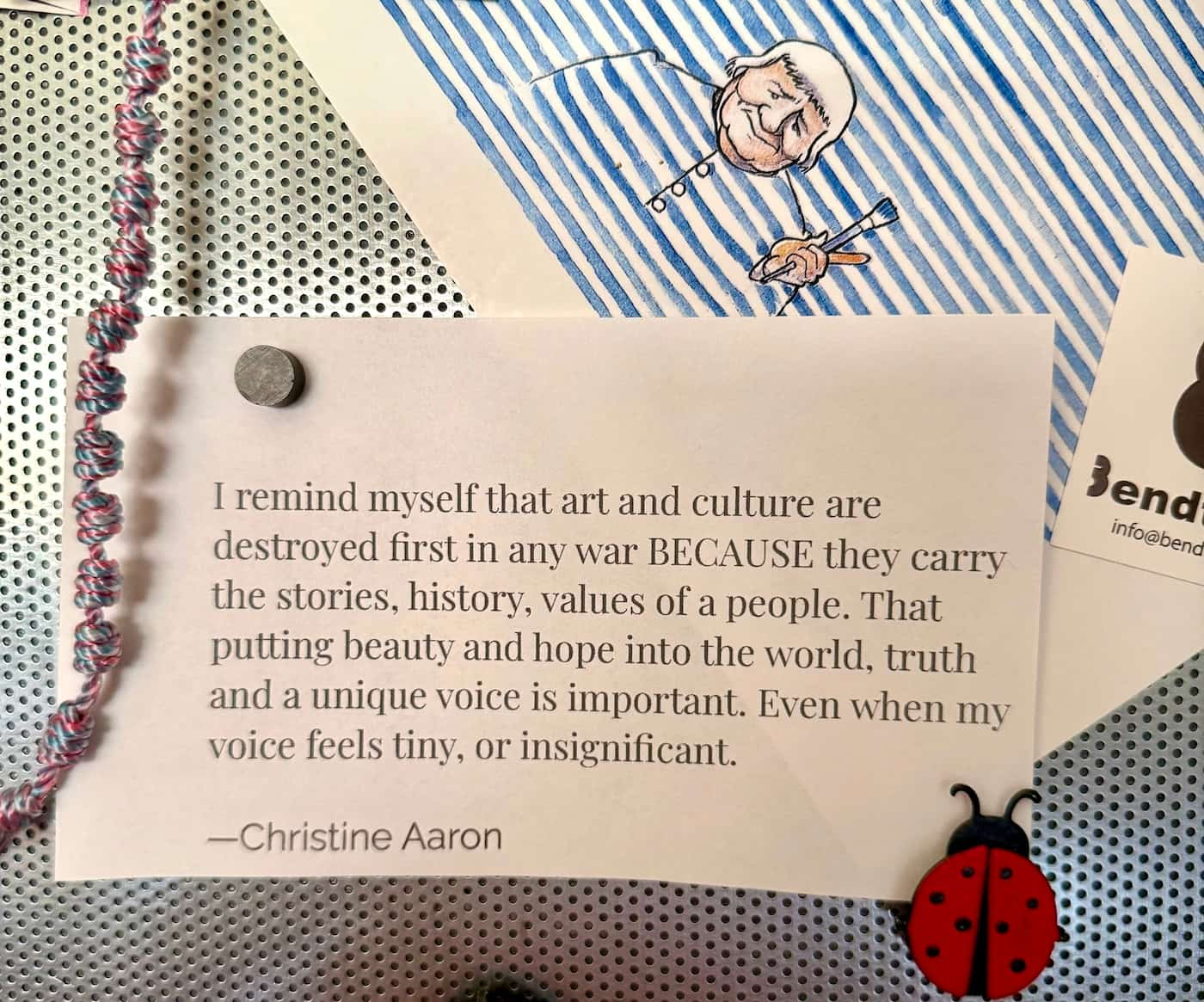
Bulletin board with an illustration of artist Agnes Martin, quote about the importance of art, and ladybug magnets.
The artist Christine Aaron dashed this lovely sentiment off in an email in response to a newsletter I sent in 2025.

What I’ve witnessed in a lot of the artists I’ve worked with is that we shut down in these situations. We detach and avoid.

It doesn’t even have to be something negative that triggers it. It could be a wedding, a long vacation, the birth of a child. Our resolve istested by all of these things.

In episode 276 of The Art Biz I make two arguments. One, keep making the art. And, two, keep the business in motion.

Listen

Keep making the art

I made the full case for this back in episode 48, “Why make art now,” at the start of COVID, and I still stand by every reason on that list. If you need the long version, go listen.

The short version is that not making art is not going to save the world. It’s doing the opposite, because one less person isn’t living up to their potential. Not making art deprives the world not only of your art, but of the entirety of you.

Making art makes you whole, and it lets you contribute to the world from a healthier position.

The poet Dana Gioia calls including art in our curricula and lives “mainstream civic common sense.” Not a luxury. Not optional. A way of knowing the world that sits alongside science and math, and one that those in power are very good at forgetting we need.

So keep making the art. That part isn’t negotiable.

Keep the business in motion

Making art is one thing. Sharing it with others, as you well know, is quite another.

And for a business to stay afloat, it’s got to stay in motion. There has to be some consistency over time, because it’s incredibly difficult to restart a business after you’ve neglected it, whether it’s for two months or two years.

I’ve watched this happen so many times to artists who innocently take time off for a family event, travel, or illness. Of course many things are unavoidable. We must tend to them.

But … What they discover is that it takes more energy to restart than to keep it going, because things change so quickly with trends and technology.

Or your list has gone cold, and you find you’re having to reintroduce yourself to the people who were once very well aware of your goings on.

Lean on the underlying machine

The way out of this predicament is to lean on a routine — an underlying machine that keeps your business almost, not quite, but almost on autopilot.

Think about what would happen if you opted out of the basic requirements for running a business. What if you didn’t make the art? Didn’t pay your bills? Didn’t pay your taxes? Didn’t update your website? Didn’t share your work with anyone?

Your business would suffer. And each thing you neglect compounds the problem.

So there has to be a way, even when life is heavy, that you keep it afloat. You need rituals, habits, routines (put in place long before they become a lifeline) that can keep going at a bare minimum.

Sometimes you have to just be okay with the bare minimum. I get that. But we have to keep the business going if we want it to be there on the other side.

There will always be room to layer more on top of the minimal routines when you are able.

I will show you how to do this when you join me for YOUR ART MARKETING PLAN.

The post Even when life is heavy, your art business still needs you (276) appeared first on Art Biz Success.

]]>
Stop complicating your art marketing plan (275) https://dy-online.com/marketing-plan/ Thu, 20 Aug 2026 12:37:00 +0000 https://dy-online.com/?p=62166 The traditional view of a marketing plan is a detailed spreadsheet full of tasks and self-imposed deadlines. It doesn't have to be that hard.

On this episode of The Art Biz, I make the case for routines over spreadsheets, share the three distinct ways I see artists approach their marketing, and explain why marketing is bigger than self-promotion. If you've ever built a plan and abandoned it by week two, this one is for you.

The post Stop complicating your art marketing plan (275) appeared first on Art Biz Success.

]]>
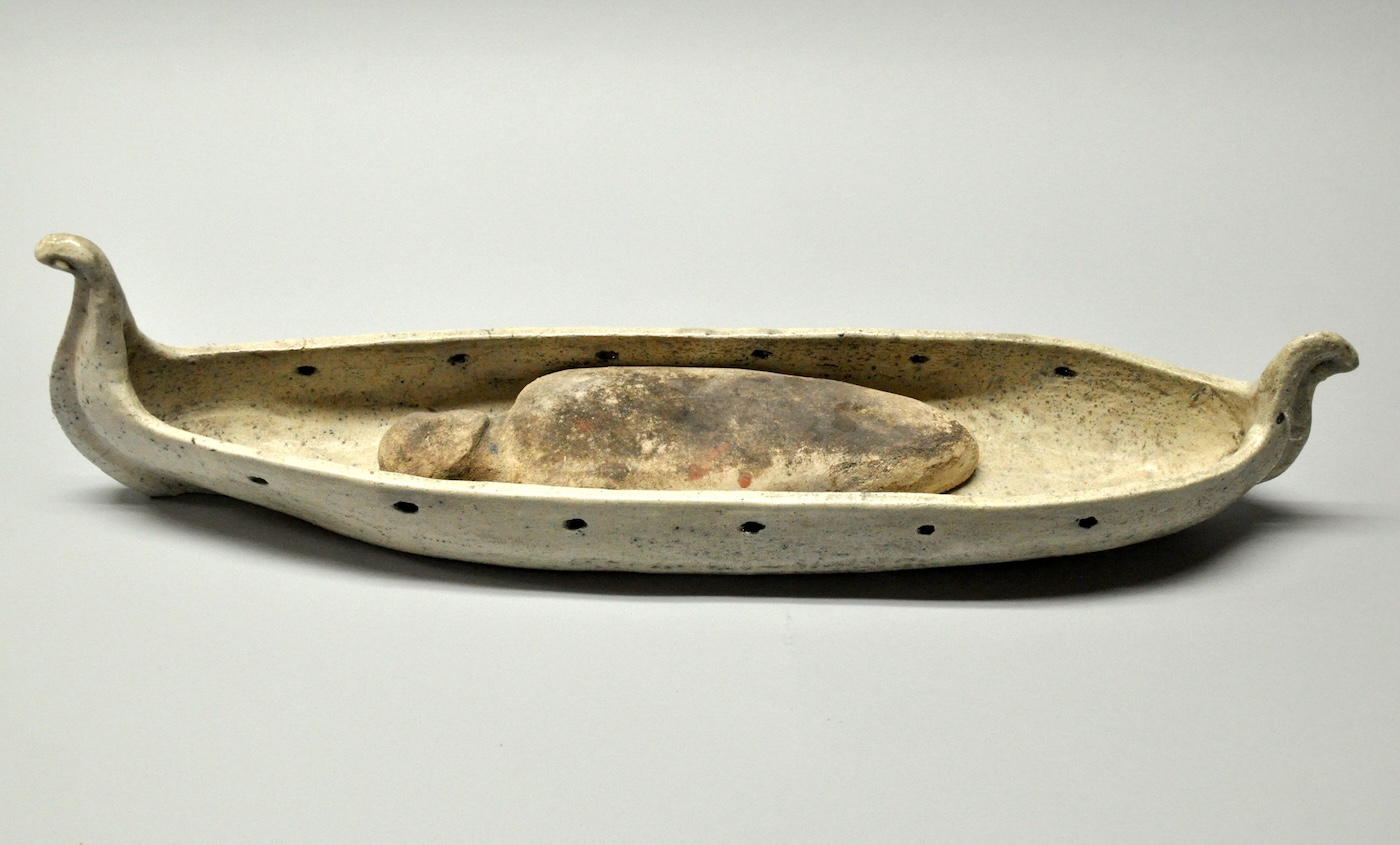
The traditional view of a marketing plan is a detailed spreadsheet with a crazy amount of tasks and self-imposed deadlines. But it doesn’t have to be that hard.

I’d rather you build a routine of strategies and tactics you commit to doing on a regular basis. Routines stick.

They become part of your identity. They help you stay grounded and focused. And they keep you from overcommitting, because you know how much time your routine takes.

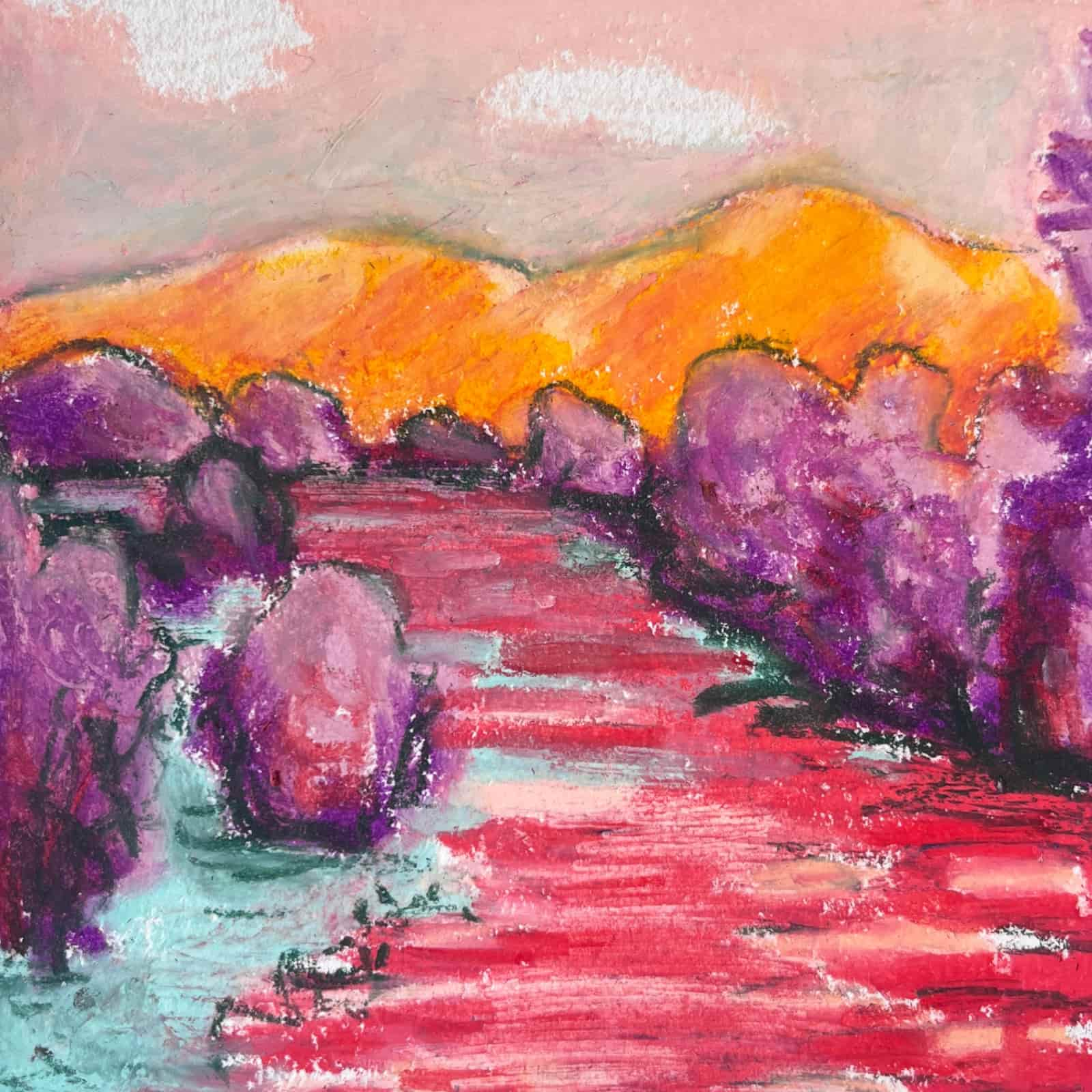
Colorful landscape with purple trees, a red path, orange mountain, and pink sky.
©Teresa Stern, Small Escapes: Flow IV. Oil pastel on fine art paper, 4 x 4 inches.

Marketing is bigger than self-promotion

Marketing is everything you do, outside of making art, to grow your art business and expand your art career. It has to include the business routines and maintenance that lead to higher success rates when you get to the self-promotion part.

Things like segmenting your list, cleaning your list, and revising your artist statement.

These are pieces that we tend to push aside in the busy-ness of life, but they matter when you want your promotional efforts to be effective.

Listen

Three ways artists approach marketing

In this episode of The Art Biz, I walk through three distinct profiles. See if any of these sound familiar.

  • The artist with a promotional routine. You send a monthly email, post to social media a few times a week, apply to the right opportunities when they cross your path. It’s comfortable, but often the maintenance pieces I mentioned above are overlooked. There isn’t a holistic approach.
  • The artist throwing spaghetti at the wall. You try something once, it doesn’t work, you decide it was a dumb idea. Or you keep doing it because you heard it was a good idea, but it has no legs because it isn’t part of a larger strategy. Either way, you don’t see a payoff, so you give up.
  • The artist who does nothing. You’re overwhelmed by all that’s possible and unsure of what’s best for you, so you avoid being proactive. You respond to opportunities when they come across your path, but you aren’t proactive. You’ve surrendered your art career to fate.

You want to be the first artist. But even that isn’t ideal because it’s missing the big picture.

Why it feels so hard

There’s always more you could do. Marketing is never done.

As long as you’re making art and searching for new opportunities, you’ve got to spend at least 50% of your time on the business.

And then something new comes out and throws you a curveball. One day Instagram rewards carousels, then suddenly there’s pressure to make talking-head videos. Don’t get me started on yet another app that was recommended.

It’s exhausting. You’ve got to know what you want and what your priorities are or else you’ll get caught up in things that don’t matter.

A plan can help you get there.

Two kinds of plans

The marketing plan I’d have you build isn’t the traditional one you’ll find in a book. It’s two pieces working together.

The first is a plan for ongoing marketing. A one-page monthly routine, and, depending on how you format it, more like half a page. This is for maintaining visibility and attracting new eyeballs. For ensuring you don’t disappear for weeks at a time.

But this alone won’t serve you if you have events, exhibitions, workshops, and sales. Those require a lot of your energy, and your ongoing plan has to adjust to make room for them. So the second piece is a way of overlaying an event on top of your ongoing plan.

You need both for piece of mind.

I’ll help you build these foundational documents in my Your Art Marketing Plan workshop on September 10, 2026.

About Hayley Price

Hayley Price is a dedicated advocate and mentor for artists at every stage of their careers. With a rich educational background as a Studio Art and Business double major from Washington & Lee University, Hayley possesses a deep understanding of both the creative and commercial challenges artists face in the ever-changing landscape of today’s art world.

Her journey has been shaped by a commitment to fostering growth, building relationships, and empowering artists to focus on their passion while she tackles the challenges that ultimately take them out of the studio. 

Follow Hayley on Instagram: @theartcoachingclub

Photo of Jenny McCarty, a woman with dark hair against a dark background and wearing a black scooped-neck top.

The post Stop complicating your art marketing plan (275) appeared first on Art Biz Success.

]]>
The third path for artists that we aren’t talking about (274) https://dy-online.com/three-paths/ Thu, 13 Aug 2026 12:04:00 +0000 https://dy-online.com/?p=62080 There are at least three paths a serious artist takes. One of them never gets talked about because we haven’t had the vocabulary for it. I introduce a new group called The Third Path for artists staying with the work on their own terms — recalibrating pace to fit the life they're in now.

I also share what's changing at Art Biz Success after more than 20 years of teaching online courses.

The post The third path for artists that we aren’t talking about (274) appeared first on Art Biz Success.

]]>

After more than two decades of working with artists, I can tell you the word *ambitious* doesn’t describe every serious artist. Some of the best ones I know don’t relate to that word at all.

In episode 274 of The Art Biz, I lay out three paths a serious artist can take. I also share what’s changing at Art Biz Success and introduce a new coaching group starting in October.

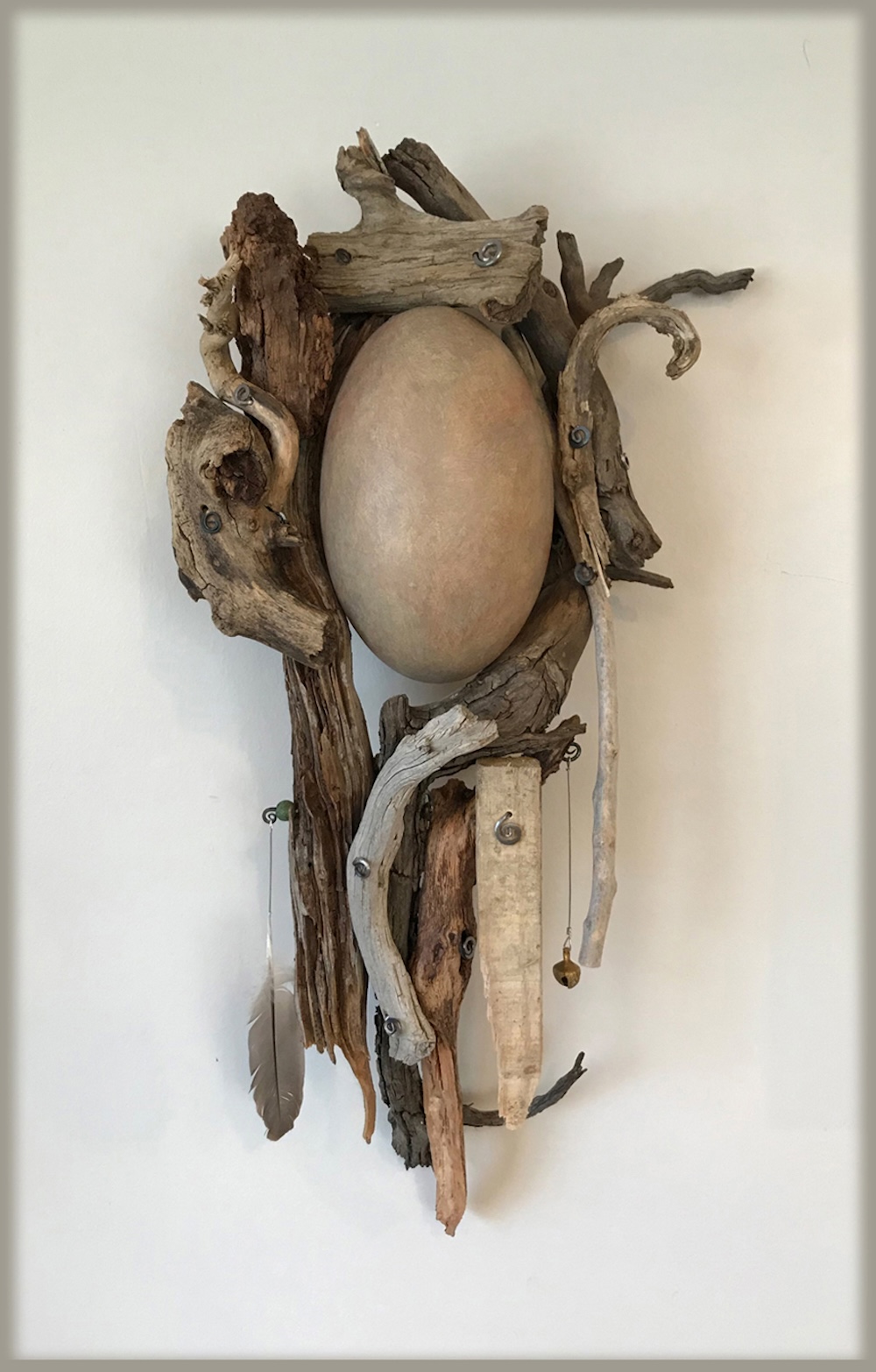
Monochromatic wall sculpture made of found wood, a feather, and held together with spiral-shaped metal pieces. A ceramic egg shape is nestled in the center.
©Juel Grant, Distant Horizon. Thrown earthenware elliptical sphere, wire, and branches, 18 x 10 inches.

What's changing at Art Biz Success

I’ve been teaching online since 2004. My first classes were delivered by Yahoo Groups!

Over the years I’ve built up an enormous library of 70 or 80 learning modules. And I’ve watched people pay for programs and then not do the work. That breaks my heart, because I got into this to help. You waste your money when you aren’t able to implement what you’re trying to learn.

So I’m changing how I work. After August 2026, there will be no more multi-month or year-long courses. I’ll still run a couple of workshops this season, but I want to work more closely with fewer artists in coaching groups and private consulting.

In those settings, I can share the right lesson, strategy, or tactic at the right time. I’ve been doing this long enough to know when something is going to land and when it’s too soon.

Three paths a serious artist takes

The first path is the ambitious path.

These artists want more. More recognition. More opportunities. More influence. They claim the word ambition without flinching. This is what my coaching group The Next Opening is for.

[ Episode 272 explains further. ]

The second path is walking away.

You’ve done the ambitious thing. It didn’t work, or it didn’t work the way you wanted. You might keep making art, but you’re not building a career from it.

This is often the right call. Being an artist is not easy, and not everyone wants to keep fighting for it.

The third path is staying with the work on your own terms.

This one has no roadmap. It’s for serious artists who are recalibrating the pace they’re on to fit the place in life where they are now.

Some are philosophically done with the promotion machine and just want the practice back. Others are aging, dealing with lower energy, managing health issues, or caregiving. The specifics vary.

What they have in common: they still want to make. They still want a dedicated studio practice. They just don’t want to run the machine that was attached to it.

Listen

Why this path has no precedent

The art business conversation is built around ambition and growth. That’s what sells. More shows, more galleries, more visibility. Artists who don’t identify with any of that don’t see themselves anywhere in it. It doesn’t fit the story the internet rewards.

No one is selling The Great Art Career Slowdown. But I’ve talked with enough artists at this stage, sent questionnaires, and read the answers to know they’re out there in numbers.

Many, but not all, of them describe themselves as slowing down. Decelerating.

They’re all tired of the stress of promotion. Tired of hacking algorithms. They want to stay focused on the work in the studio.

What The Third Path is (and isn't)

The Third Path is a coaching group starting in October. It’s not a course. It’s not about competing, accountability, or accepting challenges. There’s no curriculum to hand down.

What it is: a room where artists at this stage figure it out together. I bring what I know from more than 20 years of working with artists and a decade in art museums before that. Members bring what they know from being in this moment.

I don’t have all the answers, because this has never been done. The first group will help shape what it becomes.

Which path are you on?

There is no shame in any of the three paths, but it helps to know which is yours.

Naming it changes what you say Yes to and what you say No to.

If you’re on The Third Path and you’d like to explore this with us, email me and I’ll send you a short set of questions.

The post The third path for artists that we aren’t talking about (274) appeared first on Art Biz Success.

]]>
Only for ambitious artists (272) https://dy-online.com/only-ambitious/ Thu, 23 Jul 2026 11:32:00 +0000 https://dy-online.com/?p=61695 Waiting has very little relationship to ambition. It feels like it because you want more, you're hoping for more, you can picture the version of your career where it all breaks open.

But wanting isn't the same as moving. Ambition without movement is just longing. Real ambition is smaller and steadier than waiting or hustling. It looks like your next move, and the move after that. Here's how to find it.

The post Only for ambitious artists (272) appeared first on Art Biz Success.

]]>
Have you been waiting?

Waiting for something to happen for your art business or career. Waiting for the gallery email, the collector to respond, the residency acceptance, the moment that changes everything.

Some version of the big break. And it’s not just waiting. It’s organizing your whole career around waiting.

Is there something you’re waiting for right now? What would have to happen for you to feel like your career is actually moving in the right direction?

Black and white photo of woman woman burying her face in her hands.
©Lori Pasareno, Memories. Photograph.

Waiting isn't ambition

Waiting has very little relationship to ambition. It looks like it. You want more, you’re hoping for more, you can picture the version of your career where it all breaks open. But wanting isn’t the same as moving toward it. Ambition without movement is just longing. Sad longing.

Hustle isn’t the answer either. That’s the same fantasy in reverse. One big push instead of one big break. Both are shortcuts. Both ask for something outside of you to improve your trajectory.

Real ambition is smaller and steadier than either of them. It looks like your next move, and the move after that.

On this episode of The Art Biz, I’m encouraging you to always be on the lookout for your next opening. There’s always one, and your job is to be aware enough to recognize it and walk through it.

Listen

The 3 kinds of openings

An opening isn’t just an opportunity that appears. It’s a doorway you walk through, and often one you crack yourself. Here are 3 doorways to be aware of.

  1. Some openings are handed to you. A call for submissions. An invitation. An unexpected email from a curator. These feel official, because someone else — someone with authority — decided they existed. And that’s exactly why we wait for them. The problem is you don’t control when they come, whether they come at all, or whether your submission is even responded to.

    Building a career around the openings someone else has to hand to you is building a career on someone else’s schedule.
  2. Consider openings already in your world that you’re overlooking. A conversation could become a studio visit if you followed up. A collector who bought once could buy again if you stayed in touch. Openings are in your VIP list, your contact list, your followers.
  3. Then there are openings that exist because you initiated them. The podcast you pitched. The proposal you sent. The show you organized. The relationship you started. These openings did not exist until you created them. This is the category most artists underuse, because it doesn’t feel like a real opportunity. No one gave it to you, so it doesn’t count.

But think of the possibilities if only you took the initiative.

Embrace being an ambitious artists.

You cannot have a successful or long-lasting art business without ambition.

Embrace ambition

Try the word on. Ambition. It’s not one everyone can wear readily, but I encourage you to embrace it.

You cannot have a profitable or long-lasting art business without ambition. Business, by definition, implies profit, and that takes some ambition.

It’s not a ladder to the top or a summit to reach. Ambition is a series of doorways, and there’s always another one. Your job isn’t to arrive. Your job is to keep walking through those doors, again and again.

Artists often lose steam not because they lack talent, not because there aren’t enough opportunities, not because their prices are too low or too high. They lose steam because they stop looking for openings, or they see them and don’t act. Not moving is the problem. Waiting is the problem.

Instead, follow a natural cycle.

The 5-A Cycle

The cycle is simple.

  • Aim. Make a plan. Not a 5-year plan. The next season, the next month, this week. Be brutal with your intentions. Put only in your plan what you intend to work toward.
  • Act. Do the things you said you were going to do. A plan is no good if it sits on paper. Send the email. Write the proposal. Make the call. Follow up and follow through.
  • Assess. A clear look at what happened as a result of your actions. Not what you hoped would happen. What did. What was good, and what didn’t work.
  • Adjust. Look at what you learned. What needs to change?
  • Again. Building an art career is a cycle. Not a one-way ladder. It’s repeated actions, becoming increasingly sophisticated because you learn from them.

Doing it alone is exhausting

Most of us run through this loop alone because we’re taught to be self-reliant. Do-it-ourselfers. Used to working alone in the studio.

After more than two decades of consulting with artists, I know that artists who have support and accountability along the way are more likely to be tuned into the openings, follow through on their intentions, meet their deadlines, and grow their businesses.

Doing it alone over and over again is exhausting and overwhelming. And frankly, often uninspired — because you can’t see it. You’re too close. You don’t have outside perspective.

That’s why I built The Next Opening, a small coaching group for ambitious artists who are done waiting for the big break and ready to make their next move. New cohorts begin in September and January.

The post Only for ambitious artists (272) appeared first on Art Biz Success.

]]>

Why nobody came to your art show (271) https://dy-online.com/why-nobody-came/ https://dy-online.com/why-nobody-came/#comments Thu, 02 Jul 2026 13:54:26 +0000 http://artbizsuccess.com/?p=17417 You did the work. You finished the art, delivered it on time, and hung the show. So why did only a handful of people show up to your opening?

In this episode, I walk through the most common reasons artists lose attendance at exhibitions, open studios, and art festivals, and what you can do differently next time. It has less to do with the event or how many times you post to social media and everything to do with relationships.

The post Why nobody came to your art show (271) appeared first on Art Biz Success.

]]>
You finished the work. You delivered it to the venue on time. The show is hung. Suddenly you have just 5-10 days before the opening. And you’re exhausted.

The last thing you want to think about is marketing, and, yet, it has to be done.

That window is the period when people are most likely to pay attention and decide whether or not to show up. But it’s already too late to reach the people who scheduled another commitment a few weeks ago. And it won’t fix the deeper reasons your supporters stayed home.

Anything you do in those final 5-10 days will be but a bandage. The real work happens long before that.

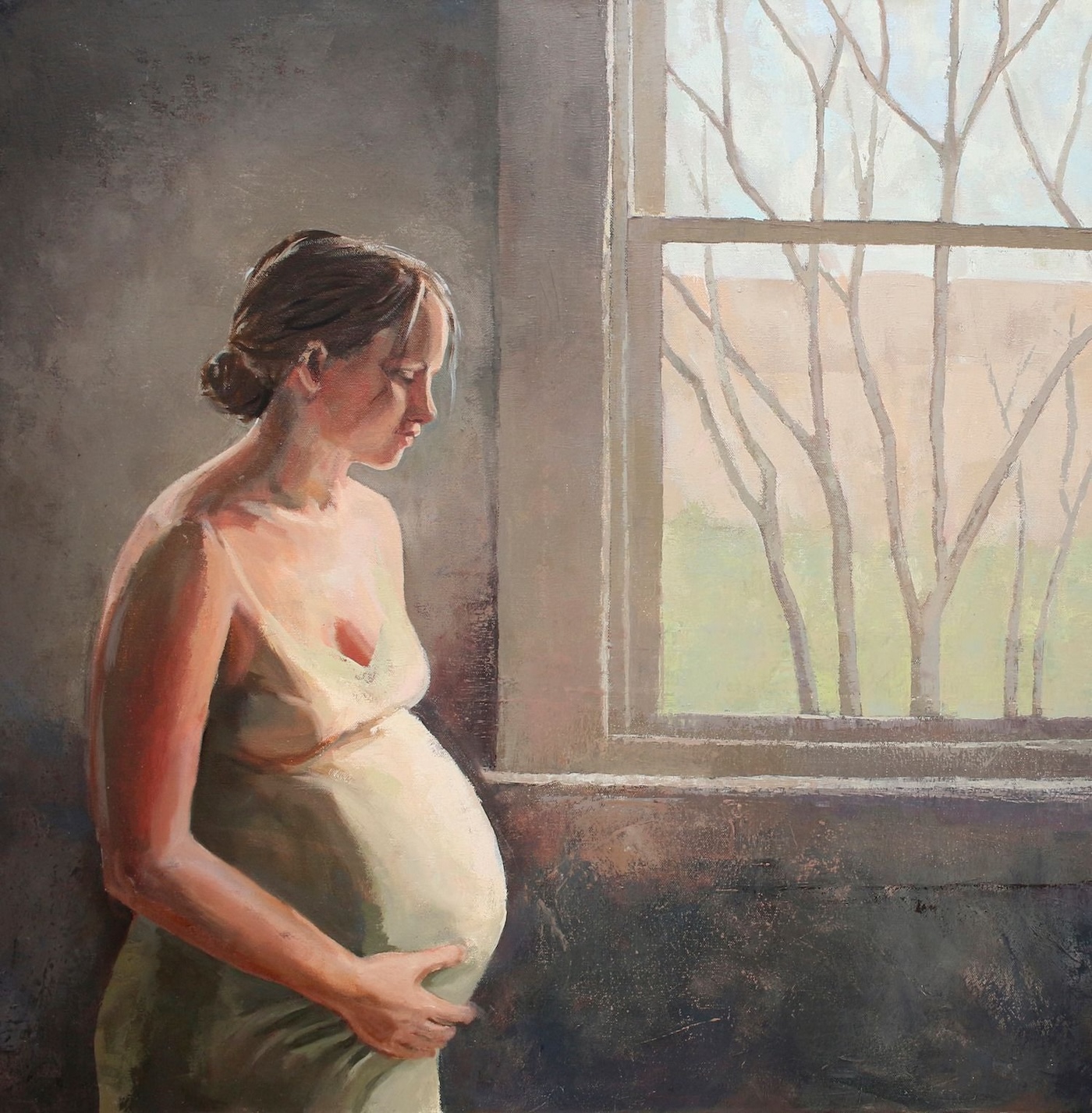
Oil painting of a pregnant woman holding her belly as she stands by a window, looking out onto a winter landscape of a spindly tree with no leaves, a spiritual metaphor for Mary awaiting a new dawn, waiting to bloom like the tree will in spring.
©2024 Michelle Arnold Paine, Waiting for Spring. Oil on canvas, 30 x 30 inches.

Let’s talk about why they stayed home and what you can do differently next time.

You let your list get cold.

You assumed you could count on certain people to show up even if you’d been out of touch. But we can’t expect people to hop to attention when we ask something of them. We have to show that we care about the relationship — and that means staying in touch long after they purchased from you, started following you, or asked to receive your emails.

When you have a strategy for regular contact, you don’t have to reintroduce yourself when you finally do ask something of them (like showing up to your show).

[ How to warm up a cold list ]

JULY 9 WORKSHOP: FOLLOW UP ALREADY

Don’t let good opportunities go cold.

You counted on the venue.

You relied on the venue to get the word out. After all, why bother with a venue if they’re not going to earn their commission?

They’re thinking the same thing about you: Why did we bother booking this artist if they aren’t getting people to the show?

Venues have an entire program of artists and exhibitions lined up. To the point, you are a small fish in their big pond. What’s important to you isn’t always critical to them. You can’t rely on the venue.

I think about this from my perspective: if I had a personal relationship with an artist, I’d feel a little left out if I heard about the show from the venue rather than the artist. I’d think I wasn’t very important to them.

You relied on a social media post.

You relied on people to see your invitation on Facebook. Or the photo of the postcard you shared on Instagram.

You can’t post once or twice to social media and expect results, especially these days. Algorithms aren’t being very nice to us. And even when someone does see an invitation, people generally don’t act until they’ve seen it multiple times.

You need a variety of touch points:

  • A postcard to save the date
  • Stacks of postcards in strategic locations
  • Mentions in your newsletter
  • Consistent posts on social media
  • Flyers, where appropriate

But the best use of your time is personal contact with the people you most want there. 

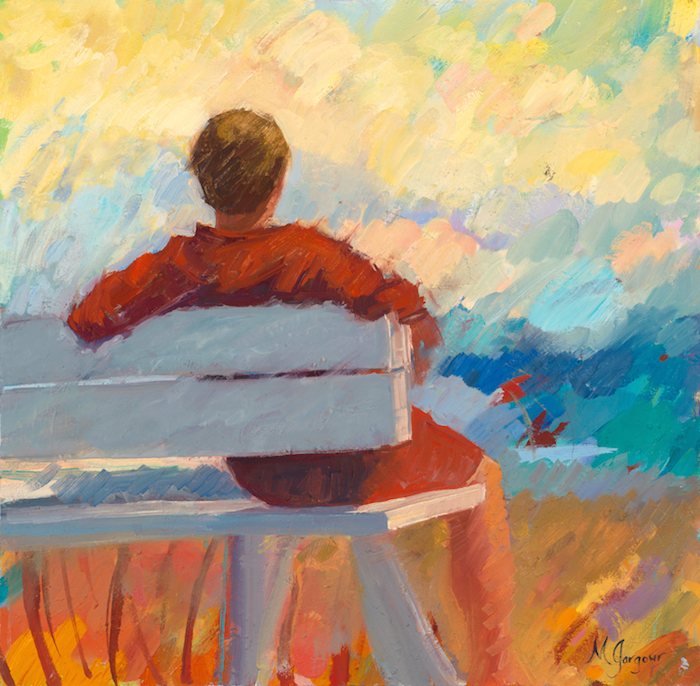
Marianne Gargour oil painting
©Marianne Gargour, A Single Solitary Moment. Oil on canvas, 30 x 30 inches.

They didn't know how important it was to you.

Nothing moves people to action like a personal invitation. Not a mass email. An actual message sent only to them, from the heart.

Never underestimate the value of a personal invitation when you’re asking for action. People need to know how much this show means to you. Not in a high-pressure, salesy way with a bunch of exaggerated adjectives and adverbs.

Be discerning about where you spend your relationship capital. You can’t call in every favor for a another group show where you have one piece. Save the personal outreach for the moments that matter most.

Nobody is going to be as invested in your show as you are. But the people who are close to you should understand what it means to you.

JULY 9 WORKSHOP: FOLLOW UP ALREADY

Don’t let good opportunities go cold.

You were afraid to send email reminders.

You hoped that one email would do the trick. That they’d read it, write it on their calendar, and remember. They didn’t.

Many artists admit to being afraid to “bother people” with another email. But the numbers on last-minute reminders are cause to change your tune. The highest percentage of responses tends to come from messages that say It’s tomorrow.

This is why it’s so useful to have your list segmented so that you don’t have to send to people who live too far to do anything at the last minute. Short of the segmentation, you can send personal reminders.

The people your message was meant for will thank you for the reminder.

It’s not just uncomfortable to contact people only when you want something. It’s impolite. There are plenty of people out there who want to show up for you. Make sure they hear from you and know they’re appreciated.

Make a list of the people you most want at your next show. Before the event, reach out to each of them personally — not a newsletter, not a social post, but a direct message that tells them why this show matters to you and how much you’d value their presence.

You can quote me.

“While you may think you’re bothering them with too much marketing, they’re thinking, why didn’t she invite me? Why didn’t I know about this?“

“Remember, they signed up to be on your list. If you don’t tell them about something, it’s a disservice.”

“One personal contact is going to give you better results than all those email blasts put together.”

Mentioned in the episode

How to pitch to The Art Biz (or anyone else)

Lisa Call’s 2010 post about why Quilt National is important to her (she’s probably cringing that I’m sharing this old post, but it’s the best example I know of)

July 9 Workshop: Follow Up Already

7 Ways to segment your mailing list

This post was originally published February 28, 2018. It has been updated significantly with the addition of a podcast episode. Original comments are intact.

The post Why nobody came to your art show (271) appeared first on Art Biz Success.

]]>
https://dy-online.com/why-nobody-came/feed/ 63
The obvious salespeople you’re not using (270) https://dy-online.com/collectors-sales-force/ https://dy-online.com/collectors-sales-force/#comments Thu, 25 Jun 2026 14:43:43 +0000 http://artbizsuccess.com/?p=23170 You spend a lot of energy chasing new buyers and collectors. But some of your best advocates are already in your life, and they're ready to help.

In this episode, find out who they are, why they genuinely want to help sell your art, and how to make it easy for them to do it — physically and digitally — without feeling like you're begging.

The post The obvious salespeople you’re not using (270) appeared first on Art Biz Success.

]]>
You probably spend a lot of energy trying to reach new people. More collectors, more buyers, more followers.

That’s not wrong, but it means you might be overlooking the people who are already in your corner, who already love your work, and who would genuinely help you sell it if you gave them the opening.

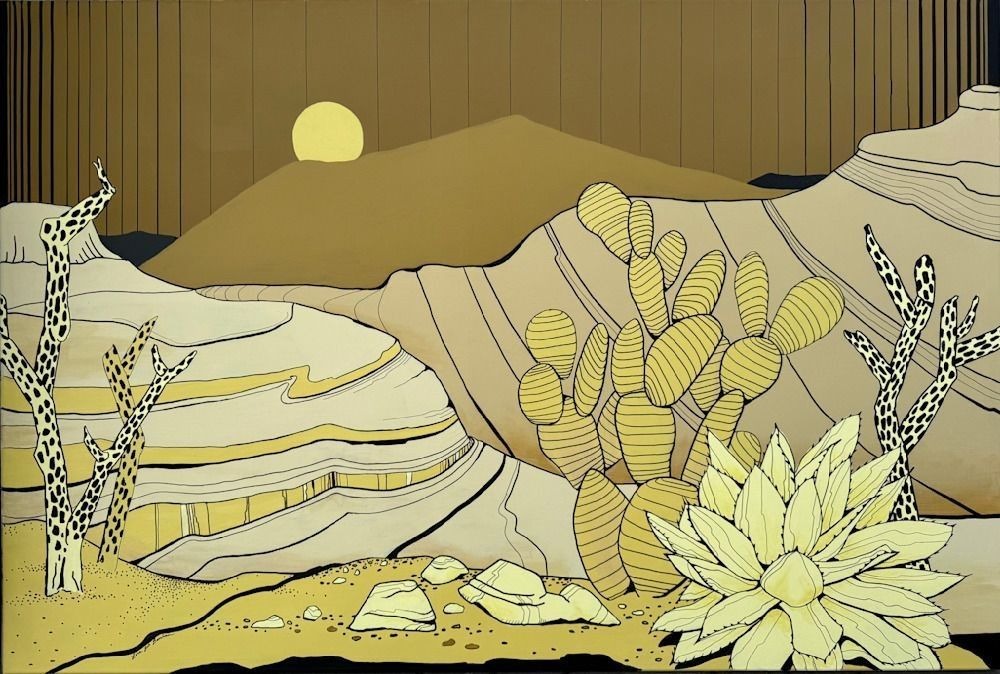
Clean-line, stylized, illustrated Southwestern desert landscape in yellow and brown featuring cacti and rock formations in the foreground of a large mountain peak under a sun or moon
©Lora Lee Barnhiser, Meet Me Under the Lemon Moon. Acrylic on rescued canvas, 35 x 55 inches.

Word of mouth is one of the most effective ways to sell art. And the people most likely to spread that word aren’t strangers. They’re your buyers, your regulars, your biggest fans.

[ See Followers to Collectors ]

They’re the ones who DM you, show up at your openings, and brag about knowing you to their friends.

This post is about how to activate them. I’ll cover who they are, why they want to help, and how to make it easy — with both physical tools and digital ones — so that the ask doesn’t feel awkward.

Who your obvious salespeople are

This isn’t just for artists who have collectors. If anyone has ever responded enthusiastically to your work, this applies to you.

Think about the people who regularly show up at your events and actually engage, not just for the free wine and cheese. The followers who comment, share, or DM you. The friends and family members who brag about knowing you. Anyone who has ever said “I showed your work to a friend” or “I just love what you do.”

Honestly, anyone who loves you and wants the best for you.

It doesn’t matter whether they’ve bought from you. What matters is whether they believe in you.

They already want to help, they just haven't been asked

Here’s what 25 years of working with artists has taught me: people think it is genuinely cool to know an artist. They can’t imagine living your life.

And the ones who love your work? They enjoy being the person who introduces it to someone else.

It’s a gift to them. They get to be the person with great taste, the one who’s on the inside. Don’t discount this. I’ve seen it repeatedly with my own non-artist friends.

The reframe is this. You’re not asking for a favor. You’re inviting them to be part of what you’re building, to do something they probably already want to do but didn’t know how.

The relationship has to come first

None of this works if you’ve aren’t showing up as THE ARTIST in their lives.

People notice if they only hear from you when you want something. Stay in touch through your newsletter, personal notes, postcards, DMs. Show up for them too.

The relationship can’t be transactional.

So many people avoid the follow-up. Not because they don’t care, but because it doesn’t feel urgent and gets kicked down the road. That’s a mistake.

Consistent follow-up, with those who already know and support you, is the most direct route to reliable sales and real opportunities. I hear this repeatedly from my artist-clients.

Assuming you’re already staying in touch, here’s how you make it easy for people to spread the word.

Make it easy: the tangible

Ask those you have identified if they could help spread the word by sharing postcards with your art (and name!) on the front. Suggest they could leave some at a coffee shop, a little library in their neighborhood, the office break room.

A postcard with your art and your name is reinforcing name and image recognition every time someone sees it.

I shared a variety of artist postcards and gave some tips in this Instagram video.

Similarly, you could have note cards printed with the original work owned by a collector. They’re proud of what they own and would surely be delighted to send correspondence with their art on it. Every note card introduces your work to someone new.

Turn it into a party by suggesting an unveiling. Collectors love to show off a new acquisition, and an intimate gathering of friends is a natural setting for you to say a few words about the piece. You aren’t selling anything. You’re just making connections.

And if someone has deep community ties and loves to host, a home show is worth considering. One of my clients sold 14 paintings at her sister’s home in another city, with 75 people in attendance. Don’t underestimate it.

Make it easy: the digital

The fan who shares your post or forwards your email is doing the same thing as the one leaving postcards around town. Pay attention to them.

DMs especially. Someone who messages you privately is more invested than someone who likes a post or leaves a generic comment. That’s a relationship worth tending.

Of course, you mustn’t assume that all of your content is worth sharing. The most-shared content is inspiring, educational, or entertaining. I don’t want you to make content only with this purpose in mind, but pay attention to what is being shared of yours and what you are sharing.

You can take this a step further by creating ready-to-share graphics. An announcement that says “Join me at opening on Friday” with your art and the event details makes it almost effortless for someone to share it in their stories.

Remove the friction. People will help if you make it easy.

How to ask without it feeling awkward

If you’ve done all of the above, the ask is not that hard.

The best moment to ask is right after a genuine exchange. They just bought something, expressed enthusiasm at an opening, or responded warmly to something you sent. You are fresh on their mind.

Whenever possible, ask in person or on the phone so they can hear the warmth in your voice.

Make it one specific request. Don’t give them a menu of options that require a decision.

  • Could you bring a friend to my opening?
  • Would you share this on your stories?
  • Do you know anyone who might want an invitation?

Then hand them exactly what they need to follow through: the link, the postcard, the graphic.

This is personal, specific, and relational. It is not posting to your feed and asking people to like your posts or vote for your work in a competition. That’s broadcasting. This is something else entirely.

You don’t need a big audience or a long collector list. You need a few people who genuinely believe in what you’re making and the willingness to let them help.

This post was originally published September 15, 2016 and updated on March 15, 2020. It has been updated again with the original comments intact.

The post The obvious salespeople you’re not using (270) appeared first on Art Biz Success.

]]>
https://dy-online.com/collectors-sales-force/feed/ 19
How curiosity and research deepen your studio practice (268) https://dy-online.com/curiosity-research/ https://dy-online.com/curiosity-research/#comments Thu, 11 Jun 2026 12:04:00 +0000 https://dy-online.com/?p=61034 Research isn't only an academic exercise — it's a commitment to following your curiosity, and it's inseparable from making strong work.

In this episode of The Art Biz, I make the case that the artists who build enduring careers are the ones who keep asking questions: about their subjects, their materials, and anything else that attracts them. Here's what that looks like in practice, and why it matters even beyond the studio.

The post How curiosity and research deepen your studio practice (268) appeared first on Art Biz Success.

]]>
Before we get into it, I want you to sit with a few questions:

Why this subject?

Why this material?

Why now?

Not the polished version you’d put in an artist statement, but your initial gut response.

If you can get past “I’ve always been drawn to it” and find something more specific, more alive, more curious to say, you probably already have a research practice. You may just have never called it that.

Let’s name it and embrace it. This episode of The Art Biz is about going deeper by leading with curiosity.

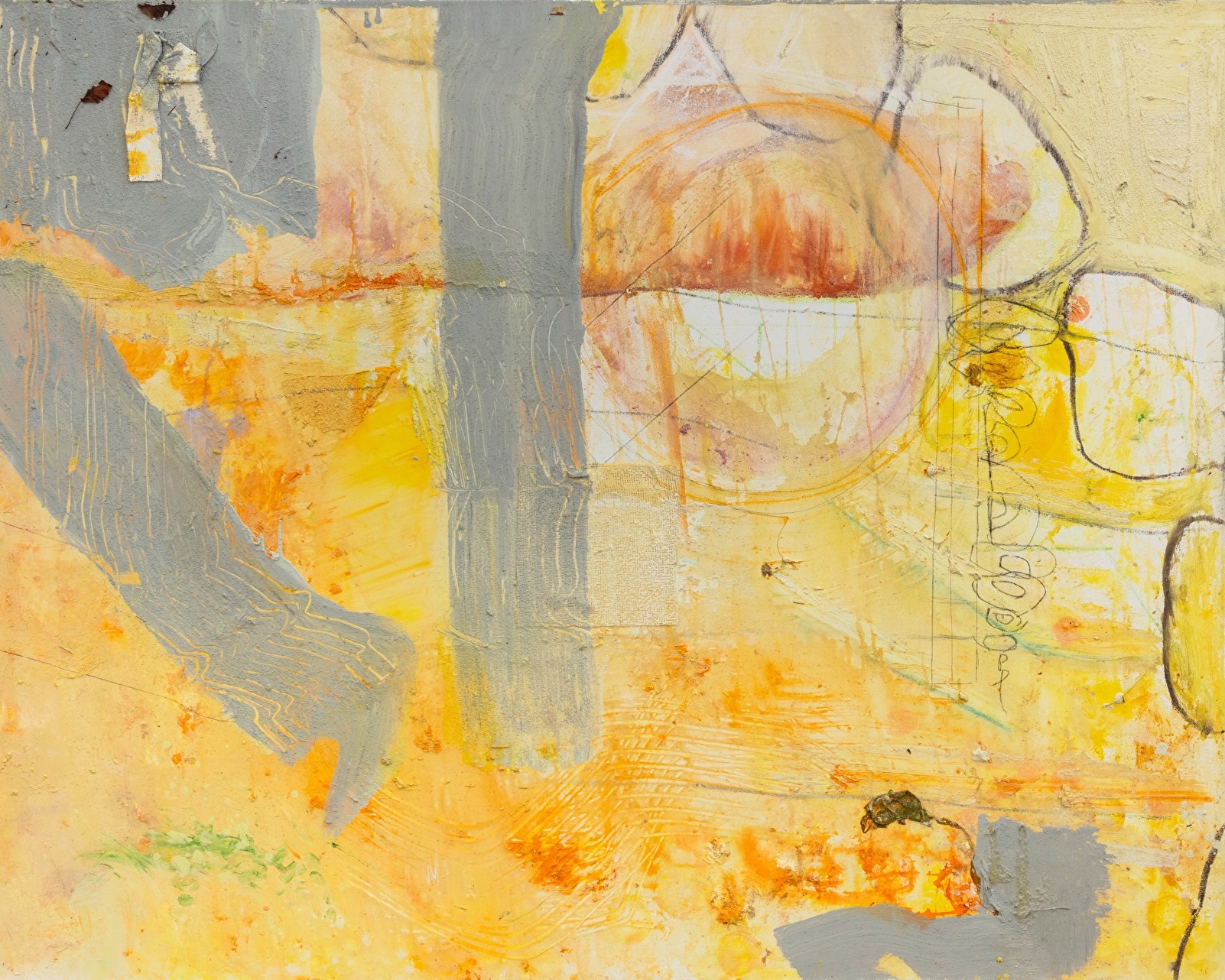
Textural contemporary abstract painting in shades of yellow, gold, and silver.
©Jenny Hope Antes, Series 7 #4, Ancient Firepit Series. Powdered tempera, found charcoal, acrylic, plaster, and tempera on canvas, 48 x 60 x 2.5 inches

I’m not talking about reference images. I’m not talking about scrolling through other artists’ work for inspiration. That’s surface-level inspiration at best.

Research, as I’m defining it, is any sustained act of curiosity about your subject: what it is, where it comes from, what it means, how it behaves, who has cared about it before you and why.

It can look like visiting a place, reading about a historical period, interviewing someone, observing something over time, or working with a material you don’t yet fully understand.

For artists, inquiry and making are distinct activities but inseparable. Each feeds the other.

The question to keep returning to: What don’t I know about this that I should?

Listen

How I lead with curiosity

Quick example of how this has shown up for me.

I’ve been drawn to timelines ever since my days as an art history student. They helped me memorize dates and visualize progression. I used them again when planning shows at the art museum, and I teach their usage in my planning workshop.

I wondered how they might show up in my own art so I began investigating them. I started with web searches and found all kinds of crazy timelines, eventually coming across a definitive book: Cartographies of Time: A History of the Timeline by Daniel Rosenberg and Anthony Grafton.

I have no idea where it’s going. That’s the point. I’m allowing myself to be curious about this interest.

What it does to the work

I want to be very clear about something: you are not researching to find the right answer.

This is a real problem in our lives and how we move through the world right now. We’ve been trained to google the answer, to resolve the question as quickly as possible rather than sit in the unknown. But that’s not what this is.

Research for artists is about being open to more questions. It’s a process of self-discovery — of finding out what you notice, what you think, what only you see because you’re paying attention.

That means no AI, no Google searches looking for conclusions. Use those tools to find a book, to locate an archive, to find where records are held so you can go visit. But the inquiry itself has to be yours.

A word about how to research

Research produces specificity, and specificity is what allows a viewer to connect with work rather than scroll or stroll past it.

The difference between a painting of a barn and a painting of this barn is something we can feel even if we don’t know the backstory: this geography, this history, this light at this time of year. The layers of meaning don’t have to be visible to be present. We feel the weight of them, the sophistication behind them.

Work that comes from genuine inquiry isn’t fully resolved on the surface. It holds something back. It pulls you deeper as the artist, and it pulls the viewer in.

Decorative work is beautiful, and there’s nothing wrong with it, but you see it, register it, and move on. Work that came from real investigation takes us on a ride.

How it shows up in your career

Beyond the studio, a research practice changes things in concrete ways.

  • It creates a body of work with a through-line. You aren’t making a bunch of random, unrelated pieces (however strong individually) but work that’s going somewhere.
  • It transforms your artist statement, which is important because this is the basis for how you define your work to your audience. There’s a significant difference between a statement that summarizes your subject and one that articulates your relationship to it. Research makes the second possible. The personal is universal. Specificity pulls people in.
  • It makes your conversations with collectors and gallerists more substantive. When you can talk about your work with genuine curiosity and depth, you become someone worth knowing, worth showing, worth collecting. People want to be around that. They want to be in dialogue with you.
  • It builds confidence, which is a key asset for an art business since there’s no shortage of things and people that will try to erode it. When you know where the work is grounded, that confidence is earned.

The career-level effect: depth of practice becomes depth of reputation over time.

Depth of practice

becomes depth of reputation

Making curiosity a practice

Research isn’t a phase you move through before a project begins. It’s ongoing. Something you’re always feeding, especially when you’re not in the studio.

Keep a notebook. Take audio notes on walks. Write on your sketches and preparation drawings rather than keeping them separate from your thinking.

When something catches your attention — a color, a story, a texture, a fact — stay with it long enough to ask why. Then ask why again.

That habit of asking is what distinguishes artists who make a lot of good individual pieces from those who build a meaningful body of work.

The post How curiosity and research deepen your studio practice (268) appeared first on Art Biz Success.

]]>
https://dy-online.com/curiosity-research/feed/ 4