studio practice Archives - Art Biz Success https://dy-online.com/tag/studio-practice/ Trusted Art Business Coaching and Consulting Wed, 10 Jun 2026 22:18:15 +0000 en-US hourly 1 https://wordpress.org/?v=7.1.4 https://dy-online.com/wp-content/uploads/2022/02/favicon-2-150x150.png studio practice Archives - Art Biz Success https://dy-online.com/tag/studio-practice/ 32 32 How curiosity and research deepen your studio practice (268) https://dy-online.com/curiosity-research/ https://dy-online.com/curiosity-research/#comments Thu, 11 Jun 2026 12:04:00 +0000 https://dy-online.com/?p=61034 Research isn't only an academic exercise — it's a commitment to following your curiosity, and it's inseparable from making strong work.

In this episode of The Art Biz, I make the case that the artists who build enduring careers are the ones who keep asking questions: about their subjects, their materials, and anything else that attracts them. Here's what that looks like in practice, and why it matters even beyond the studio.

The post How curiosity and research deepen your studio practice (268) appeared first on Art Biz Success.

]]>
Before we get into it, I want you to sit with a few questions:

Why this subject?

Why this material?

Why now?

Not the polished version you’d put in an artist statement, but your initial gut response.

If you can get past “I’ve always been drawn to it” and find something more specific, more alive, more curious to say, you probably already have a research practice. You may just have never called it that.

Let’s name it and embrace it. This episode of The Art Biz is about going deeper by leading with curiosity.

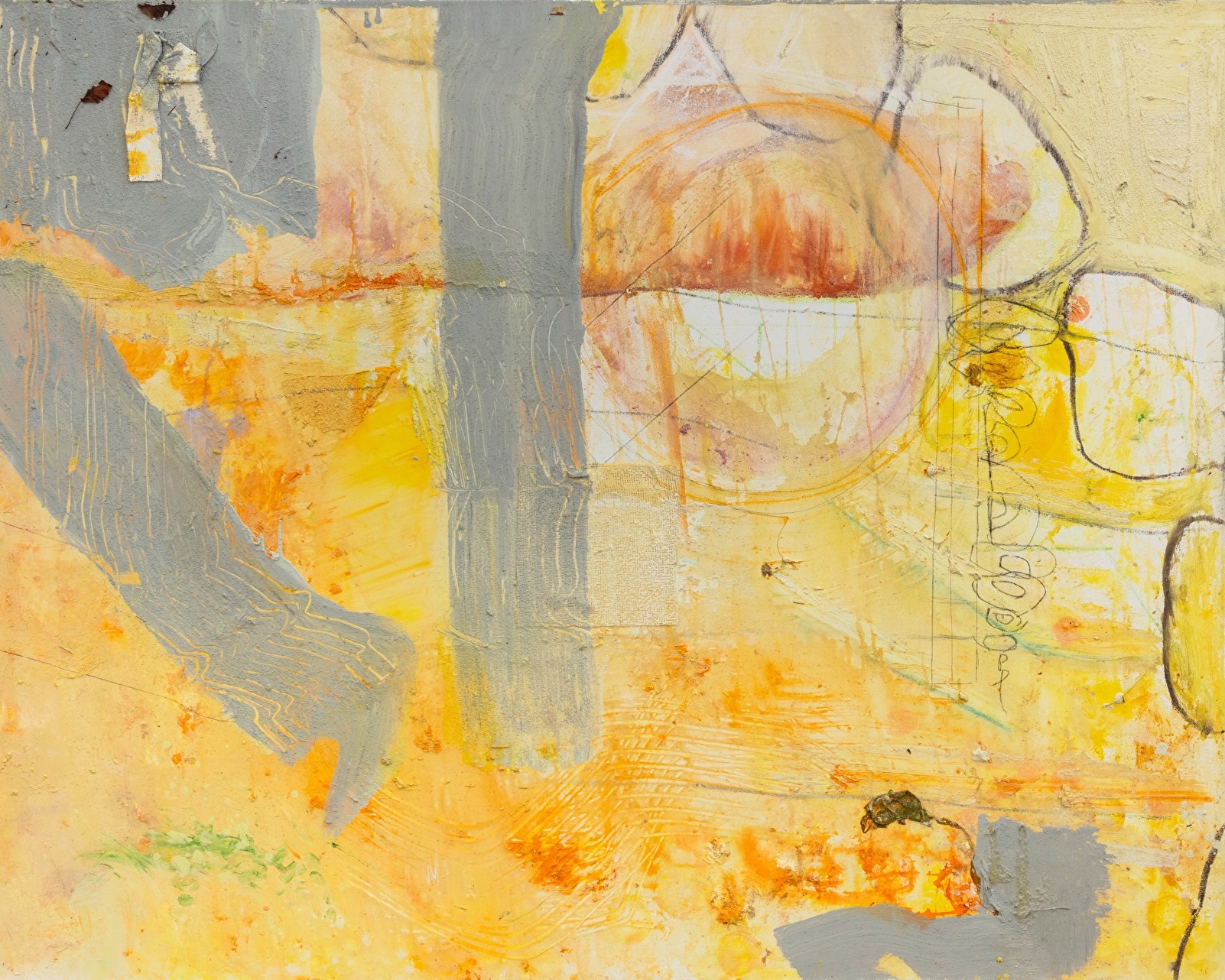
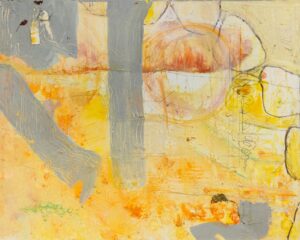
Textural contemporary abstract painting in shades of yellow, gold, and silver.
©Jenny Hope Antes, Series 7 #4, Ancient Firepit Series. Powdered tempera, found charcoal, acrylic, plaster, and tempera on canvas, 48 x 60 x 2.5 inches

I’m not talking about reference images. I’m not talking about scrolling through other artists’ work for inspiration. That’s surface-level inspiration at best.

Research, as I’m defining it, is any sustained act of curiosity about your subject: what it is, where it comes from, what it means, how it behaves, who has cared about it before you and why.

It can look like visiting a place, reading about a historical period, interviewing someone, observing something over time, or working with a material you don’t yet fully understand.

For artists, inquiry and making are distinct activities but inseparable. Each feeds the other.

The question to keep returning to: What don’t I know about this that I should?

Listen

How I lead with curiosity

Quick example of how this has shown up for me.

I’ve been drawn to timelines ever since my days as an art history student. They helped me memorize dates and visualize progression. I used them again when planning shows at the art museum, and I teach their usage in my planning workshop.

I wondered how they might show up in my own art so I began investigating them. I started with web searches and found all kinds of crazy timelines, eventually coming across a definitive book: Cartographies of Time: A History of the Timeline by Daniel Rosenberg and Anthony Grafton.

I have no idea where it’s going. That’s the point. I’m allowing myself to be curious about this interest.

What it does to the work

I want to be very clear about something: you are not researching to find the right answer.

This is a real problem in our lives and how we move through the world right now. We’ve been trained to google the answer, to resolve the question as quickly as possible rather than sit in the unknown. But that’s not what this is.

Research for artists is about being open to more questions. It’s a process of self-discovery — of finding out what you notice, what you think, what only you see because you’re paying attention.

That means no AI, no Google searches looking for conclusions. Use those tools to find a book, to locate an archive, to find where records are held so you can go visit. But the inquiry itself has to be yours.

A word about how to research

Research produces specificity, and specificity is what allows a viewer to connect with work rather than scroll or stroll past it.

The difference between a painting of a barn and a painting of this barn is something we can feel even if we don’t know the backstory: this geography, this history, this light at this time of year. The layers of meaning don’t have to be visible to be present. We feel the weight of them, the sophistication behind them.

Work that comes from genuine inquiry isn’t fully resolved on the surface. It holds something back. It pulls you deeper as the artist, and it pulls the viewer in.

Decorative work is beautiful, and there’s nothing wrong with it, but you see it, register it, and move on. Work that came from real investigation takes us on a ride.

How it shows up in your career

Beyond the studio, a research practice changes things in concrete ways.

  • It creates a body of work with a through-line. You aren’t making a bunch of random, unrelated pieces (however strong individually) but work that’s going somewhere.
  • It transforms your artist statement, which is important because this is the basis for how you define your work to your audience. There’s a significant difference between a statement that summarizes your subject and one that articulates your relationship to it. Research makes the second possible. The personal is universal. Specificity pulls people in.
  • It makes your conversations with collectors and gallerists more substantive. When you can talk about your work with genuine curiosity and depth, you become someone worth knowing, worth showing, worth collecting. People want to be around that. They want to be in dialogue with you.
  • It builds confidence, which is a key asset for an art business since there’s no shortage of things and people that will try to erode it. When you know where the work is grounded, that confidence is earned.

The career-level effect: depth of practice becomes depth of reputation over time.

Depth of practice

becomes depth of reputation

Making curiosity a practice

Research isn’t a phase you move through before a project begins. It’s ongoing. Something you’re always feeding, especially when you’re not in the studio.

Keep a notebook. Take audio notes on walks. Write on your sketches and preparation drawings rather than keeping them separate from your thinking.

When something catches your attention — a color, a story, a texture, a fact — stay with it long enough to ask why. Then ask why again.

That habit of asking is what distinguishes artists who make a lot of good individual pieces from those who build a meaningful body of work.

The post How curiosity and research deepen your studio practice (268) appeared first on Art Biz Success.

]]>
https://dy-online.com/curiosity-research/feed/ 4
Relying on Intermittent Daily Practices for Creative Progress with Helen Hiebert (213) https://dy-online.com/intermittent-practices/ https://dy-online.com/intermittent-practices/#comments Thu, 16 Jan 2025 04:21:00 +0000 https://dy-online.com/?p=52646 In Helen Hiebert’s experience, intermittent daily practices provide a manageable way to fuel creativity and build momentum without overpromising a commitment.

She encourages artists to focus on the process rather than the final outcome, sharing practical tips and inspiration for staying motivated, productive, and connected to their creativity. Helen also reflects on how balancing structure with innovation has helped her keep her teaching fresh and engaging.

The post Relying on Intermittent Daily Practices for Creative Progress with Helen Hiebert (213) appeared first on Art Biz Success.

]]>
As an artist, the idea of committing to a daily practice forever can feel overwhelming.

But what if the answer isn’t about doing something every single day, but instead adopting an intermittent daily practice—one that fits into your life while still fueling your creativity and growth?

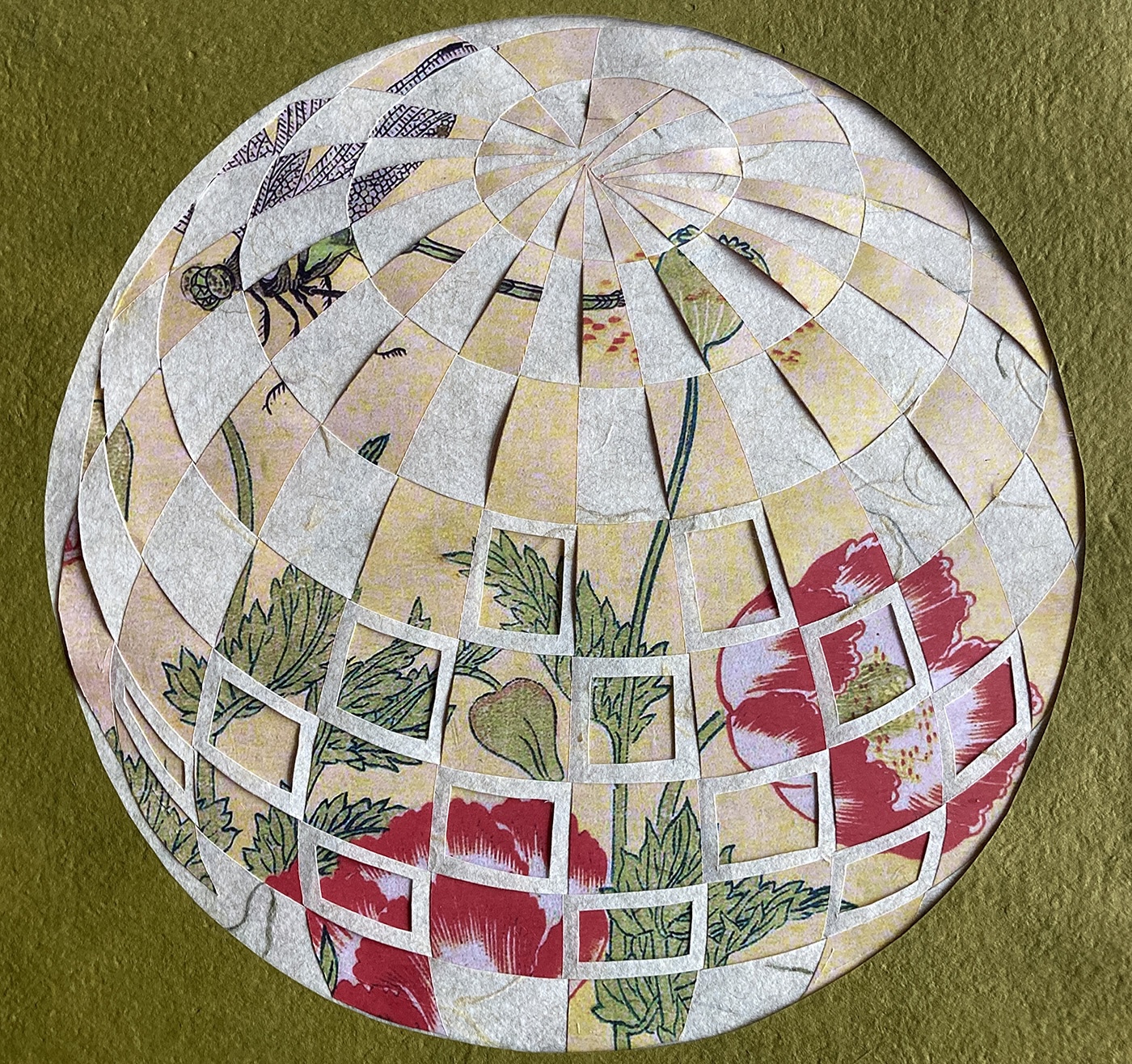
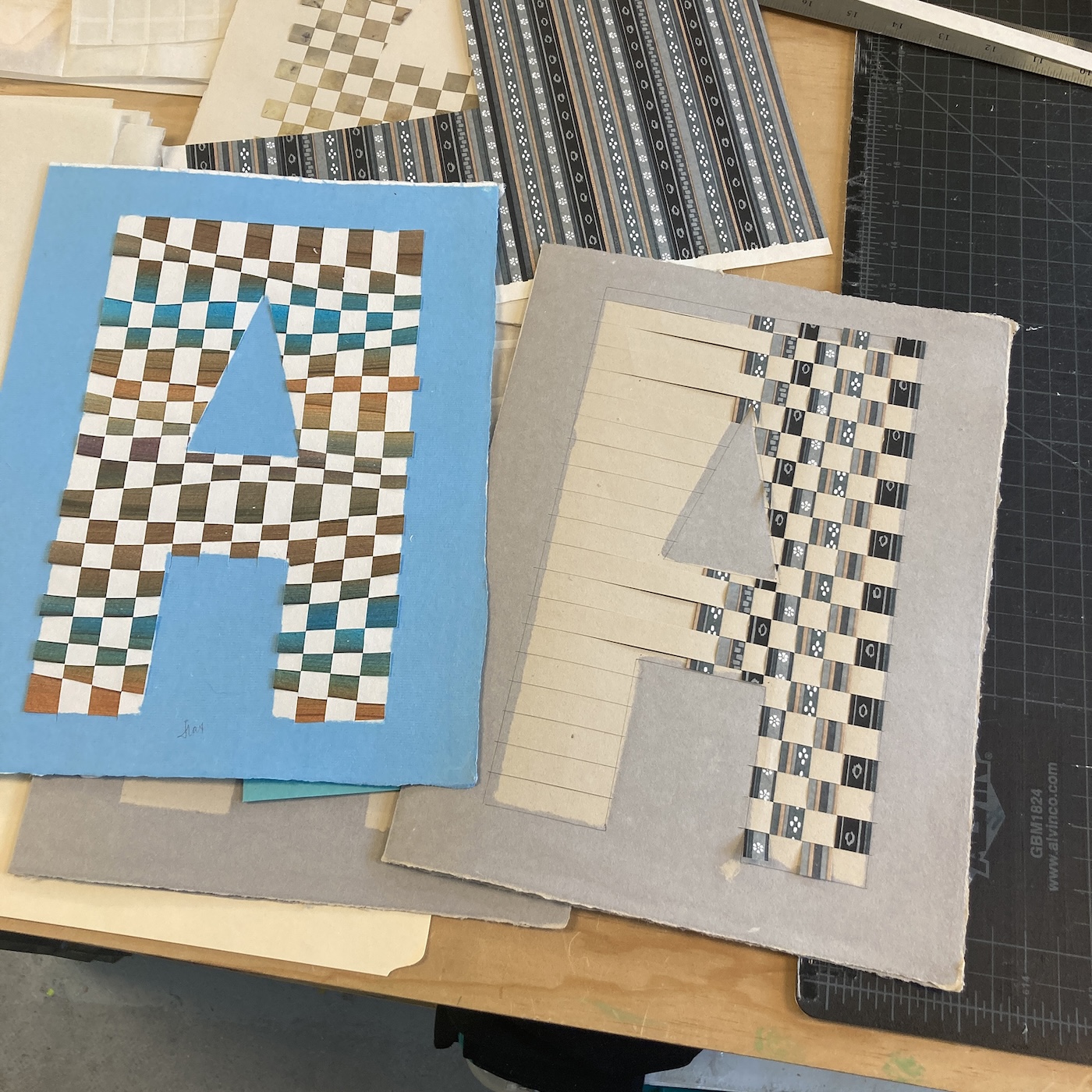
Helen Hibert woven paper artwork
©2024 Helen Hiebert, Woven World. Woven and cut paper, 12 x 12 inches.
Helen Hiebert woven alphabet book
Woven paper alphabet—Helen's book in progress.

In this conversation on The Art Biz, artist, teacher, and paper enthusiast Helen Hiebert and I explore this very concept. Helen shared how her own creative journey has evolved, and how her approach to intermittent practices has not only enhanced her art but also shaped her teaching.

Here are three key takeaways from our conversation.

  • Experimenting with intermittent daily practices can jumpstart creativity. Helen’s 100-day paper weaving project helped her build discipline, develop momentum, and overcome creative blocks. She now encourages artists to adopt shorter, manageable commitments, like her annual 30-day “Weave Through Winter” class.
  • Balancing structure while innovating. Helen has discovered that maintaining a consistent class structure allows her to creatively evolve the content, keeping it fresh for herself and engaging for her students.
  • Focusing on the process over the outcome. Helen emphasizes the value of being present in the act of making, rather than worrying about the final product. This approach fosters growth, discovery, and creative courage.

Whether you’re looking for new ways to invigorate your creative practice or strategies to keep teaching fresh, Helen’s insights offer plenty of inspiration. 

Listen

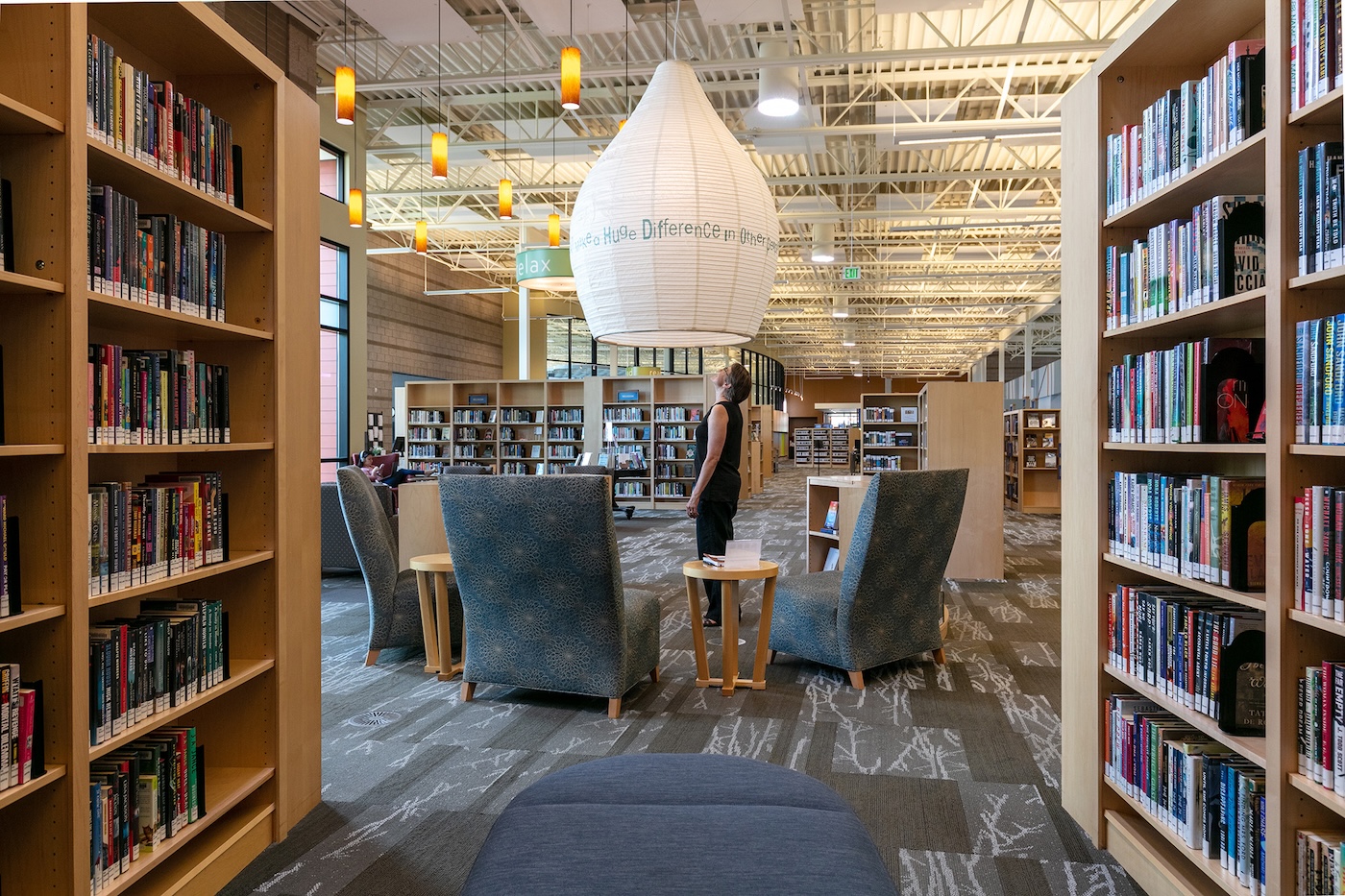
Helen Hiebert installation
Helen Hiebert, Step Into the Light installation at Anythink Wright Farms in the Summer of 2022. Photo by Wes Magyar.

Don’t miss new articles, podcasts, programs, and some of my favorite discoveries.

Sign up for my weekly newsletter.

Helen Hiebert Quotes

“If I’m doing them every single day, they’re not all going to be perfect. They’re not even, they’re not all going to be my favorites. But the process of doing them, I feel like I get something out of it every day.”

“ Being creative is as important as waking up each day.”

“All of these things happen when you just do the work. And then, if you start talking about it and sharing it, things will happen that you can’t even imagine because people are looking at your work online.”

“There are so many layers to something really sinking in and becoming concrete rather than abstract.”

I really want artists to understand that if they are trying to sell their work, promote their work, show their work, that it is a daily practice as well.

—Alyson Stanfield

Watch

Mentioned

Janie McDonald’s daily practice mentioned in The Times (London)

Helen’s Weave Through Winter February class

The100DayProject

Helen Hiebert is a Colorado artist who constructs installations, sculptures, films, artists’ books, and works in paper using handmade paper as her primary medium.

She teaches, lectures, and exhibits her work internationally and online, and is the author of several how-to books about papermaking and papercrafts. Her next book is about weaving with paper and relates to her popular online class, “Weave Through Winter.”

Follow Helen on Instagram: @helenhiebert

Helen Hiebert

Don’t miss new articles, podcasts, programs, and some of my favorite discoveries.

Sign up for my weekly newsletter.

The post Relying on Intermittent Daily Practices for Creative Progress with Helen Hiebert (213) appeared first on Art Biz Success.

]]>
https://dy-online.com/intermittent-practices/feed/ 3
Using Her Superpower and Biomaterials with Kelly M. O’Brien (ep. 196) https://dy-online.com/biomaterials-obrien/ https://dy-online.com/biomaterials-obrien/#comments Thu, 18 Jul 2024 11:23:00 +0000 https://dy-online.com/?p=50230 The experience of spending more time in nature during the pandemic catalyzed an artistic shift in Kelly O’Brien towards sustainable biomaterials for her art. She explains her transition from high-carbon materials like glass and steel to plant-based, biodegradable options—sharing tips and resources for doing the same.

Kelly also discusses her latest solo show and her engagement with her new community, how she maintains a robust art presence both in the US and the UK, and funding sources.

The post Using Her Superpower and Biomaterials with Kelly M. O’Brien (ep. 196) appeared first on Art Biz Success.

]]>
One thing is certain about the art business: There are more artists making more art than ever. Where is it all of that art ending up? Where will it be in 5, 10, or 30 years?

Knowing that not all art will be or should be preserved forever, I have become increasingly aware that the materials many artists are using in their work are harmful to our environment. (I know … I’m pretty slow to the party.)

Maybe not in the short term, but what happens to the works or the scraps from their making in the future?

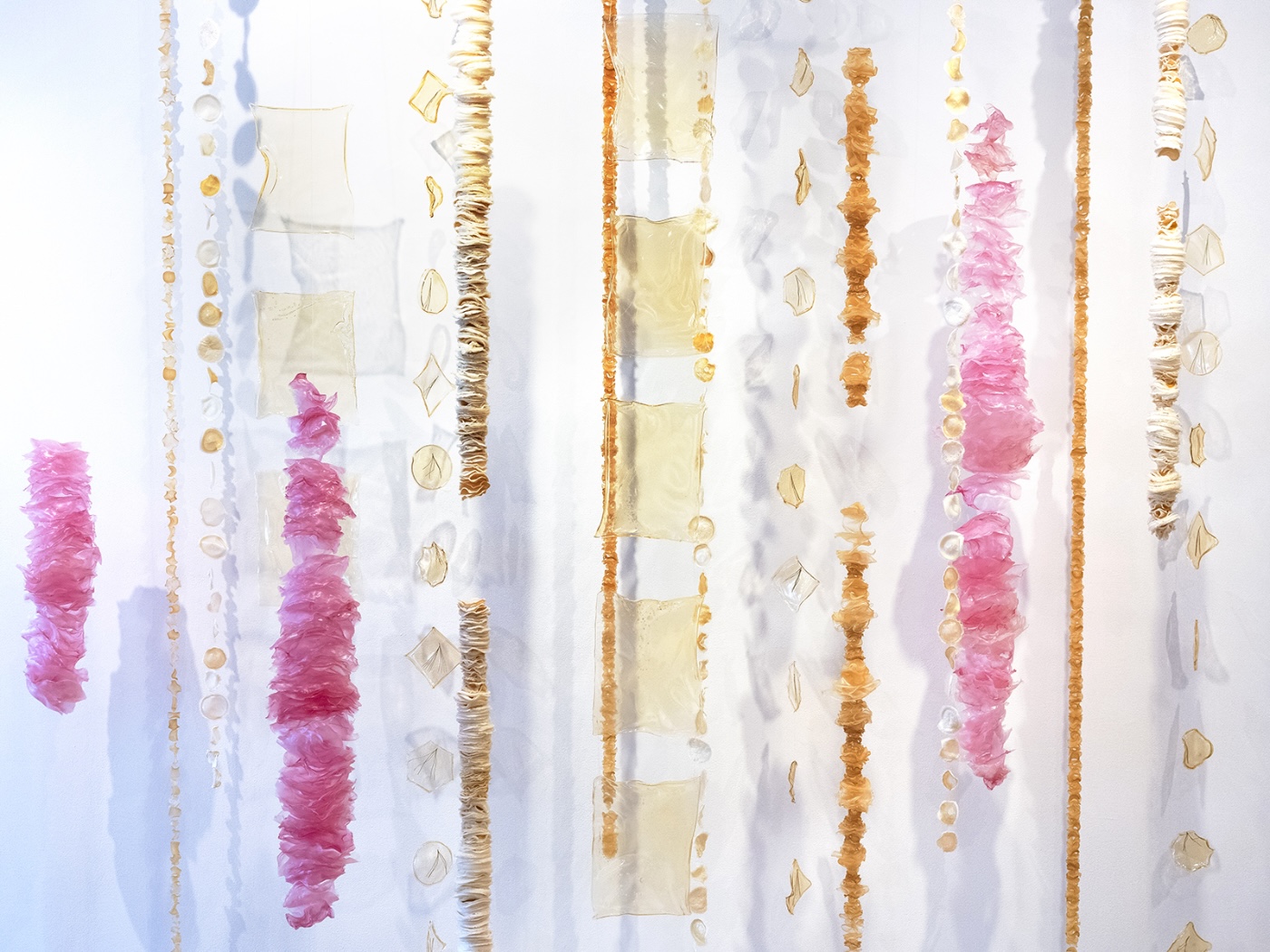
Kelly O'Brien installation
©2024, Kelly M O'Brien, The Trees Might Save Us. Agar-agar, beet ink, gelatin, glycerin, monofilament, pine needles, potato starch, vinegar, and water, 10 x 8 x 2 feet. Photo by Charles Purvis.

My guest for this episode of The Art Biz has taken this concern to heart and completely changed how she makes work.

Kelly M. O’Brien grows and uses biomaterials for her sculpture.

In this fascinating conversation, we discuss:

  • What biomaterials are and how they show up in Kelly’s new work.
  • The aesthetics of biomaterials.
  • Why Kelly isn’t concerned about the work lasting forever.
  • What you can do to incorporate more sustainable sources in your work.

We also discuss Kelly’s recent solo exhibition and why community interaction is a key piece of her exhibitions, and how she funds her non-commercial practice.

[ For some background, listen to my earlier interview with Kelly: Returning to Grad School for an MFA]

Listen

Scroll down to watch the video interview.

Highlights with Audio Timestamps

02:02 Kelly makes a big move from the UK to Upstate New York

04:03 The shift to sustainable art practices

05:51 Understanding biomaterials

09:27 Kelly’s recent solo exhibition

15:36 The role of research in Kelly’s approach to her art

18:25 Exploring the potential of biomaterials

24:50 Public programs and community engagement  [ See Multiply Your Audience and Expand Your Show’s Impact with Jill Powers ]

26:11 The Reading Circle and Mend & Tend for the exhibition

27:45 The importance of connection

30:38 Building a network as an introvert

32:57 Maintaining overseas connections

36:59 Challenges of biomaterials in art

41:38 Resources for artists interested in exploring biomaterials

43:07 Kelly’s upcoming projects

Kelly O'Brien PADA Lisbon
©2022, Kelly M O'Brien, PADA Lisbon Residency. Photo by Lena Lewis-King.

Mentioned + Resources

Kelly M. O'Brien Quotes

“I am very driven by wanting to do less harm to the environment and to myself.”

“It’s the immersion in the woodlands and in nature that really held me together. And it was the beginning of a spell against despair.”

“I spent so much time outside during the pandemic and felt very cared for. A lot of solace in that.”

“I had to look outside of fine art to see who was making things that are enduring and working.”

“I’m interested in connecting the dots between paying attention to something and falling in love with it and wanting to take care of it.”

“I don’t feel like we can just sit back. It feels to me really urgent that we take whatever our superpower is and use it.”

About My Guest

Kelly O'Brien

Kelly M O’Brien is a mixed media artist with two strands to her practice: contemporary fine art sculpture and a commercial line that serves the hospitality art industry. After living overseas for 12 years, she recently returned to the US to settle in the Hudson Valley, New York.

Kelly completed an MFA in 2019 and received the Royal Society of Sculptors Gilbert Bayes Award for high-potential sculptors in 2023. She exhibits her work in the US and UK, and her commercial work is in corporate and hospitality projects worldwide. 

Follow Kelly on Instagram: @kellyobrienart

The post Using Her Superpower and Biomaterials with Kelly M. O’Brien (ep. 196) appeared first on Art Biz Success.

]]>
https://dy-online.com/biomaterials-obrien/feed/ 2
Focusing on the art, not the art business with Rebecca Welz (133) https://dy-online.com/welz-podcast/ https://dy-online.com/welz-podcast/#comments Thu, 17 Nov 2022 12:50:00 +0000 https://dy-online.com/?p=41329 This is the first episode of The Art Biz with a guest who admits to not being interested in the art business. But don’t leave!

My conversation with Rebecca Welz centers around how she sees her art as part of the continuum, and how she encourages her students to think holistically about their careers. We invite you to do the same.

The post Focusing on the art, not the art business with Rebecca Welz (133) appeared first on Art Biz Success.

]]>
I’ve had all kinds of guests on The Art Biz podcast. I’ve welcomed artists who talked about their collaborations, social media accounts, goals, vulnerable situations like rejections or grief, legacy projects, and much more.

But today’s episode is a first.

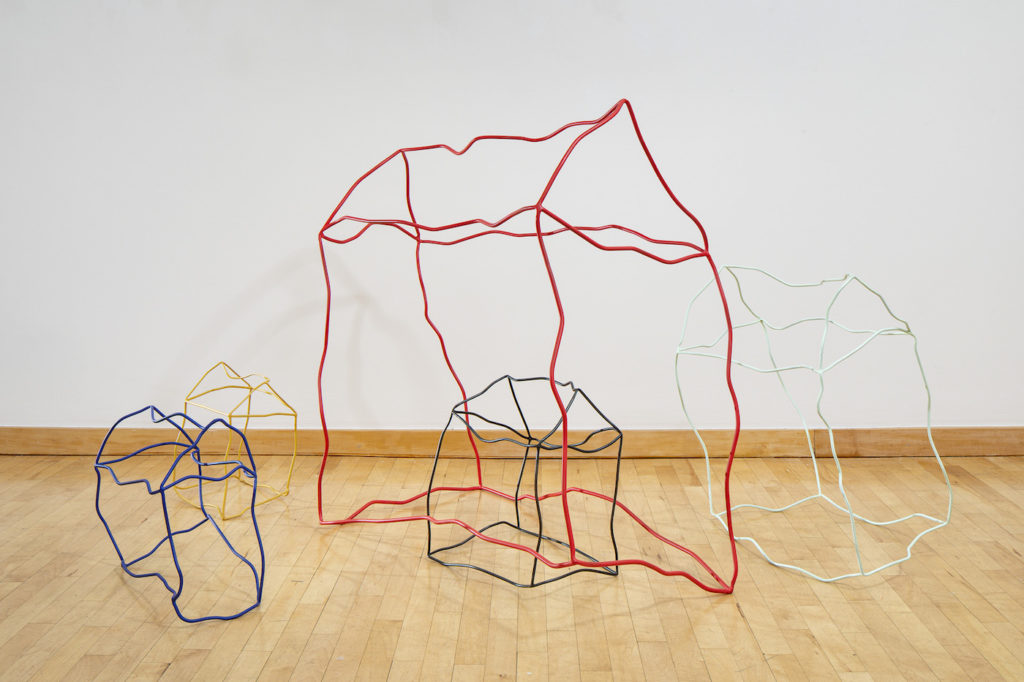
Steel wire sculptures of house outlines on a light wood floor with white wall behind | on Art Biz success
©2021 Rebecca Welz, Steel houses. Welded steel, paint, powder coating, various sizes. Photo by Nick Knight.

In this episode I talk with Rebecca Welz, who, when I asked what aspect of her art business she might be interested in discussing, said, “I’m not so interested in the art business.”

Any other host would have taken that as a sign and cut short any possibilities of having a discussion for the program. The title of the show is, after all, The Art Biz. We kinda need to talk about art business.

But I was certain that Rebecca, with her many accomplishments, had something to share. I was right.

And so this is the first episode with a guest who admits to not being interested in the art business. But don’t leave!

Our conversation centers around how she sees her art as part of the continuum, and how she encourages her students at Pratt Institute to think holistically about their careers.

We discuss meditation, biomimicry (which I’d never heard of but makes tons of sense), her projects in Guyana and Guatemala with her students, and why she’s uninterested in the art business.

Shoutout to Laura Petrovich-Cheney for the introduction to Rebecca. Thank you, Laura!

Listen

📄 This Week's Assignment

Your art biz assignment this week, thanks to inspiration from my guest, Rebecca Welz, is to consider how your work is connected to forces outside of itself. How is it connected to art history? to other artists?

And then, and this might blow your mind, think of all the people who make your art possible. Who made your supplies? Not the companies, but the people behind the companies. 

Who gathered natural pigments or precious materials? Who mixed the paints, spun the yarn, stretched the canvas, stocked the paper, or assembled the camera?

Who are the people supporting your efforts?

Highlights

  • “It’s like drawing in space.” Rebecca’s sculpture and gallery representation. (2:44)
  • Teaching art students and exploring the unknown through meditation. (6:22)
  • Thinking is the most important part of the creative process. (11:15)
  • Finding art inspiration in Guyana and Guatemala. (17:04)
  • Biomimicry—innovation inspired by nature. (22:10)
  • The importance of experiencing inspiration from cultures outside your own. (25:35)
  • Taking a holistic approach to your art. (31:13)
  • Rebecca isn’t all that interested in the art business. Here’s why. (36:24)

Mentioned

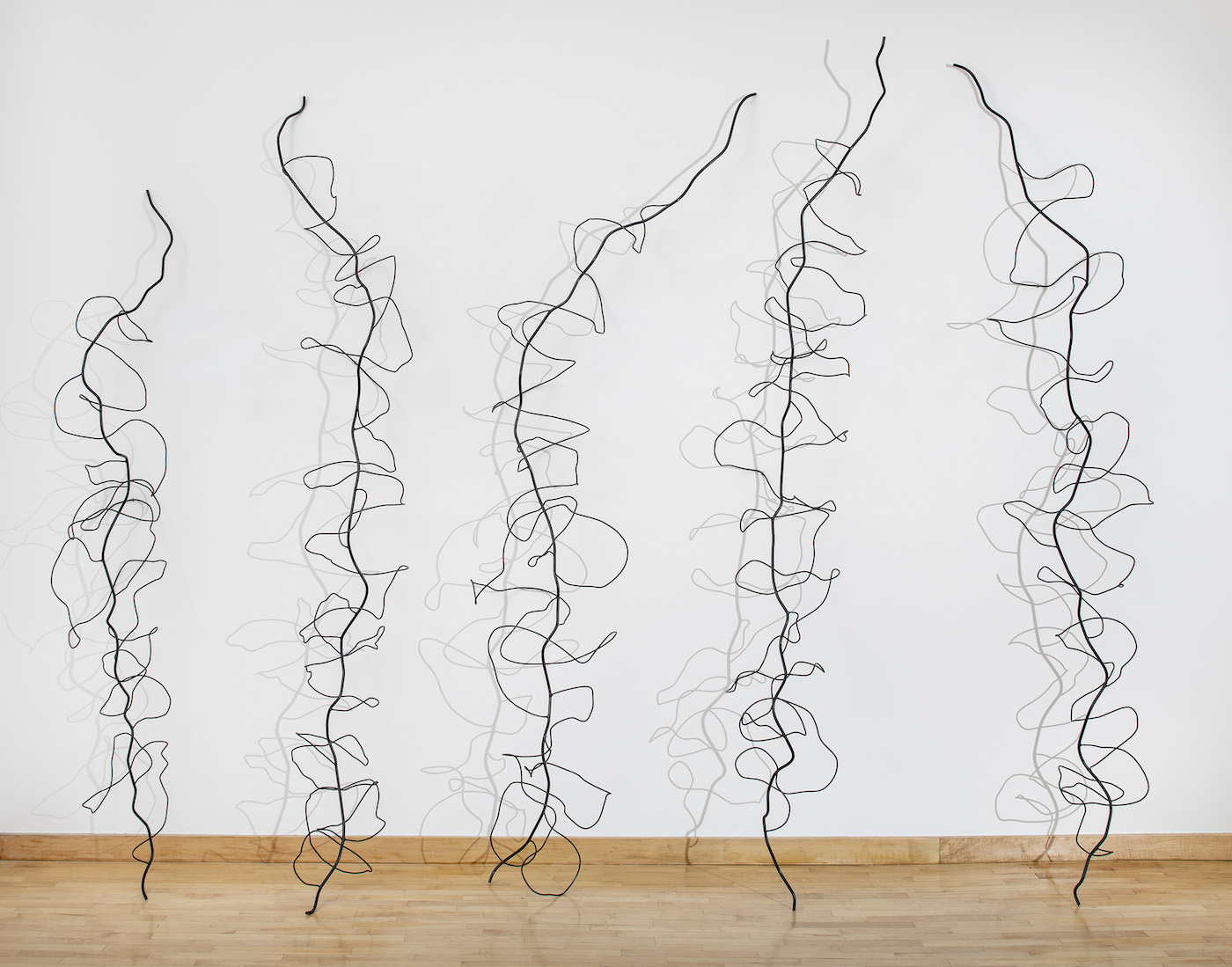
Steel wire sculptures of vine outlines on a light wood floor with white wall behind | on Art Biz success
©2021 Rebecca Welz, Vines. Steel and blackening, various sizes. Photo by Nick Knight.

Rebecca Welz Quotes

“Meditation gives me a lot of peace and equanimity and helps me deal with being a human on the planet.”

“Good artwork comes from that place of the unknown.”

“I can’t just focus on my art career because there are so many other things that I’m interested in.”

“How are you tapping into your own continuum and how’s that working for you?”

Related Episodes

Art gallery director Jeremy Tessmer talks about what he looks for in artists.

Geoffrey Gorman philosophizes on living the life of an artist.

Willie Cole collaborates with name brands and insists on enjoying life and work.

I discuss seeking validation and earning credibility.

About Rebecca Welz

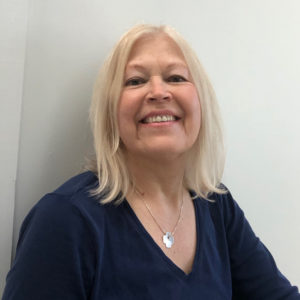
woman with shoulder length blonde hair and black shirt smilingRebecca Welz makes steel sculptures inspired by natural wonders and ecological processes that combine to give us biodiversity.

She is represented by June Kelly Gallery in New York City, where she has had numerous solo exhibitions. She has also shown at Grace Borgenicht Gallery and Bernice Steinbaum Gallery, also in New York.

Rebecca’s sculptures have been in solo and group exhibitions in venues such as the Oakland Museum of California, the Heckscher Museum of Art (Huntington, NY), Butters Gallery (Portland, OR), the SciArt Center (Easton, PA), the Cherrystone Gallery (Wellfleet, MA), and Sculpturesite Gallery (San Francisco, CA). Her work can also be found in private and corporate collections, including those of Goldman Sachs, Pfizer, Merck, Prudential Life Insurance Corporation, and Sabre Corporation.

Follow her on Instagram @RebeccaWelzSculpture

The post Focusing on the art, not the art business with Rebecca Welz (133) appeared first on Art Biz Success.

]]>
https://dy-online.com/welz-podcast/feed/ 4
Play tops work, connection tops solitude, and confidence tops fear with Willie Cole (126) https://dy-online.com/studio-play-cole-podcast/ https://dy-online.com/studio-play-cole-podcast/#comments Wed, 10 Aug 2022 13:22:21 +0000 https://dy-online.com/?p=39739 This is inspiration for when you feel like your art becomes work and there's little to look forward to.

Willie talks about the faith he has in his practice as a result of being consistent throughout the years, why he prefers to approach his studio in the spirit of play, and how he uses visualization.

The post Play tops work, connection tops solitude, and confidence tops fear with Willie Cole (126) appeared first on Art Biz Success.

]]>
There’s always plenty to be learned from artists who have been making a go of it for decades. Just think about how much has changed in 30 years!

In this episode of The Art Biz, my guest is Willie Cole, a self-described perceptual engineer with an impressive list of collaborations under his belt and even more in the works.

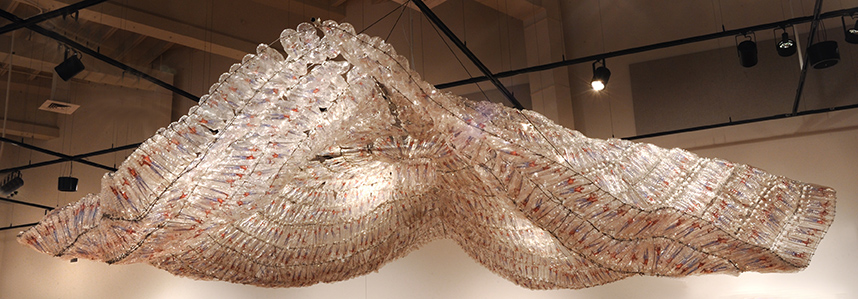
Sculpture of water bottles in serpentine shapes artist Willie Cole | on Art Biz Success
© 2016 Willie Cole, ASCENSION. Plastic water bottles, 300 inch (762 centimeter) diameter. Photo by Greg Staley. Image courtesy of the artist and Alexander and Bonin, New York.

Willie and I spoke about the faith he has in his work as a result of being consistent throughout the years. And, actually, why he says work is a bad word and prefers to approach his studio in the spirit of play.

We discuss his art and why he challenges people to perceive recognizable objects, like shoes and musical instruments, in new ways. 

Willie has also perceived what is possible for his art and career in new ways by considering possibilities beyond galleries and museums. He says, “They are part of the game but not the whole game.” (Yes, he used the word game. Again, adding an element of play to his vision.)

You’ll hear how one of his Instagram posts—where he mocked up his art as if to appear on the cover of Vogue (see below)—led to collaborations with major fashion brands. Such opportunities continue coming his way, which might be the result of his faith in his practice.

Spoiler: Visualizing success plays a role. 

Highlights

  • Willie calls himself a perceptual engineer, but what exactly does that mean? (3:12)
  • The importance (if any) of showing the materials Willie uses to create his work, including parts from 75 guitars. (5:35) 
  • “Planning makes it feel too much like a job.” How Willie approaches his work instead. (11:02)
  • A peek inside Willie’s studio. (13:58)
  • Work is a bad word, but play can make your business better every day. (15:55)
  • Staying in a playful mindset in every stage of production. (19:15)
  • The value of improvisation and the value of not knowing everything. (21:08)
  • Willie feels like the luckiest business person in America. (23:40) 
  • The business-minded people that make up Willie’s team, and insights into his collaborations. (25:36)
  • Propelling yourself forward in spite of your fears. (35:24)
  • The difference between fashion industry collaborations and gallery relationships. (37:51)
  • The music on Willie’s current playlist and what is coming up next in his work. (40:28)

Willie Cole Quotes

  • “I enjoy making your brain stutter.”
  • “Play is play, and the opposite of play, I guess, would be work.” 
  • “It becomes work rather than play when it becomes a money making business.” 
  • “Knowing has limitations, because once you find something, you only see it as that.” 
  • “I feel like the luckiest business person in America.” 
  • “When passion marries intention and it can be monetized, it’s work but it’s also just joy.” 
  • “To proceed with confidence and fearlessness, I have to believe that opportunities connect.” 
  • “Connections open up so many doors, they keep the fear way behind me.” 

Related Episodes

Geoffrey Gorman philosophizes on living the life of an artist.

Alicia Goodwin talks about how she is always looking for the next opportunity.

Christine Aaron confronts risk, rejection, and resilience. 

Laurence de Valmy discusses how she boldly reached out to art world influencers.

About My Guest

Willie Cole calls himself a perceptual engineer. Whether he is using the symbolism of a steam iron or the shapes of high fashion shoes and recognizable music instruments, he challenges how we look at things.

While he has had solo exhibitions at esteemed institutions such as the Museum of Modern Art, Miami Art Museum, and Montclair Art Museum, Willie embraces nontraditional avenues for his work, such as collaborations with major fashion brands. He is represented by Alexander and Bonin Gallery in New York, Maus Contemporary Gallery (Alabama), Gavlak Gallery (Los Angeles/Florida), and Kavi Gupta Gallery (Chicago). Willie lives and works in New Jersey.

Follow him in Instagram: @williecoleart

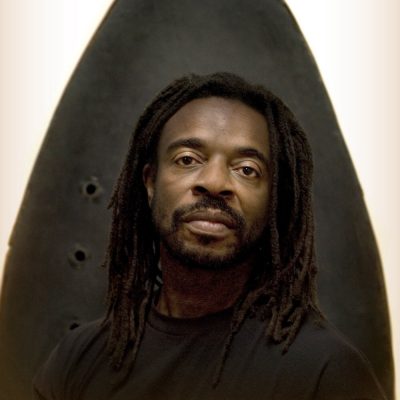
artist Willie Cole with long dreadlocked hair and black shirt

The post Play tops work, connection tops solitude, and confidence tops fear with Willie Cole (126) appeared first on Art Biz Success.

]]>
https://dy-online.com/studio-play-cole-podcast/feed/ 4
The Art Biz ep. 26: Creative Placemaking and Public Art with Lynn Basa https://dy-online.com/placemaking-basa-podcast/ https://dy-online.com/placemaking-basa-podcast/#comments Thu, 18 Apr 2019 15:40:25 +0000 https://dy-online.com/?p=28531 Artist Lynn Basa understands the power of art to be a positive force in communities.

She is interested in the varied ways that artists are intersecting with public life. From more traditional "public art" to creative placemaking to socially engaged practice.

I talked with Lynn, author of The Artist’s Guide to Public Art: How to Find and Win Commissions, for the Art Biz Podcast. In particular, we focused on The Corner Project, an art space and community revitalization effort she founded in the blighted neighborhood of her Chicago studio in 2017.

In describing this project, Lynn said, and I paraphrase:

Every single artist … [brings] with them a certain amount of agency and value to wherever they are. They can do so much more. … It’s a paradigm shift that happens in your head where you start realizing that “I have something of value that I can contribute to society at large,” rather than just making an object and hoping it gets sold for enough money and that you can make a living.

You'll also hear her speak this truth: Art is a billion dollar business, and someone has to do it.

I think you’ll be inspired to think big and make a difference in your community after you listen to this episode.

The post The Art Biz ep. 26: Creative Placemaking and Public Art with Lynn Basa appeared first on Art Biz Success.

]]>
Artist Lynn Basa understands the power of art to be a positive force in communities.

She is interested in the varied ways that artists are intersecting with public life. From more traditional “public art” to creative placemaking to socially engaged practice.

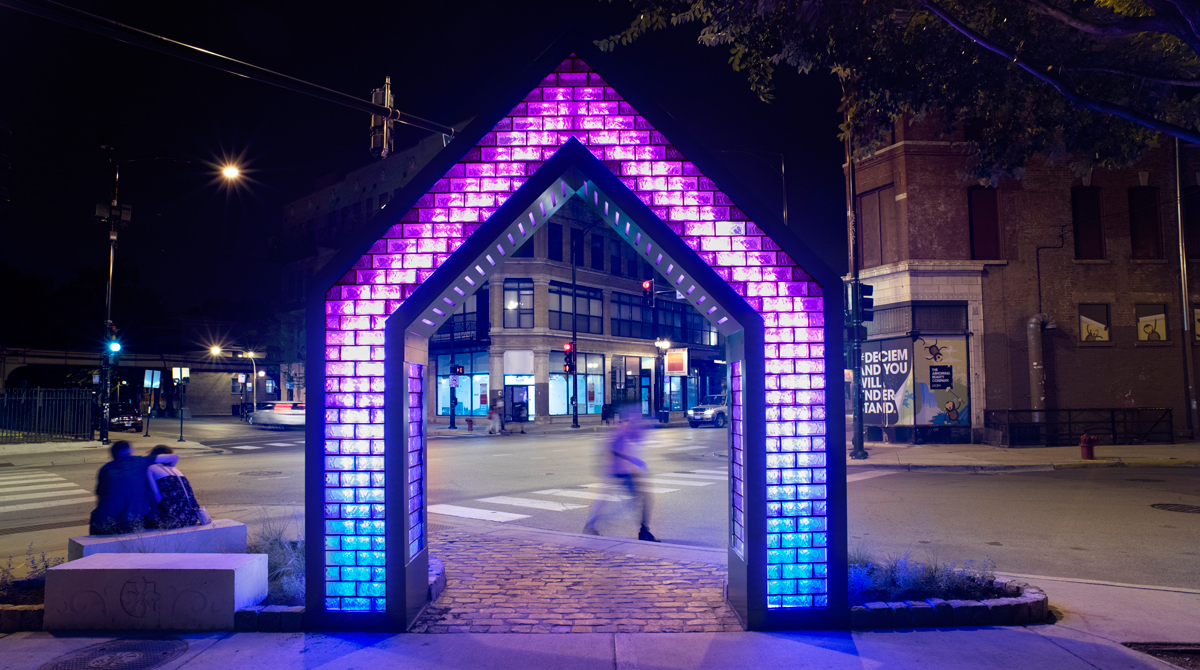
©2018, Lynn Basa, Workers Cottage Parklet. Glass brick, stone, concrete, LED lights and metal, 13' 1.75
©2018, Lynn Basa, Workers Cottage Parklet. Glass brick, stone, concrete, LED lights and metal, 13′ 1.75″ x 11′ 5.5″ x 2′ 1.5″. Photo by James Prinz. Used with permission.

I talked with Lynn, author of The Artist’s Guide to Public Art: How to Find and Win Commissions, for the Art Biz Podcast. In particular, we focused on The Corner Project, an art space and community revitalization effort she founded in the blighted neighborhood of her Chicago studio in 2017.

In describing this project, Lynn said, and I paraphrase:

Every single artist … [brings] with them a certain amount of agency and value to wherever they are. They can do so much more. … It’s a paradigm shift that happens in your head where you start realizing that “I have something of value that I can contribute to society at large,” rather than just making an object and hoping it gets sold for enough money and that you can make a living.

You’ll also hear her speak this truth: Art is a billion dollar business, and someone has to do it.

I think you’ll be inspired to think big and make a difference in your community after you listen to this episode.

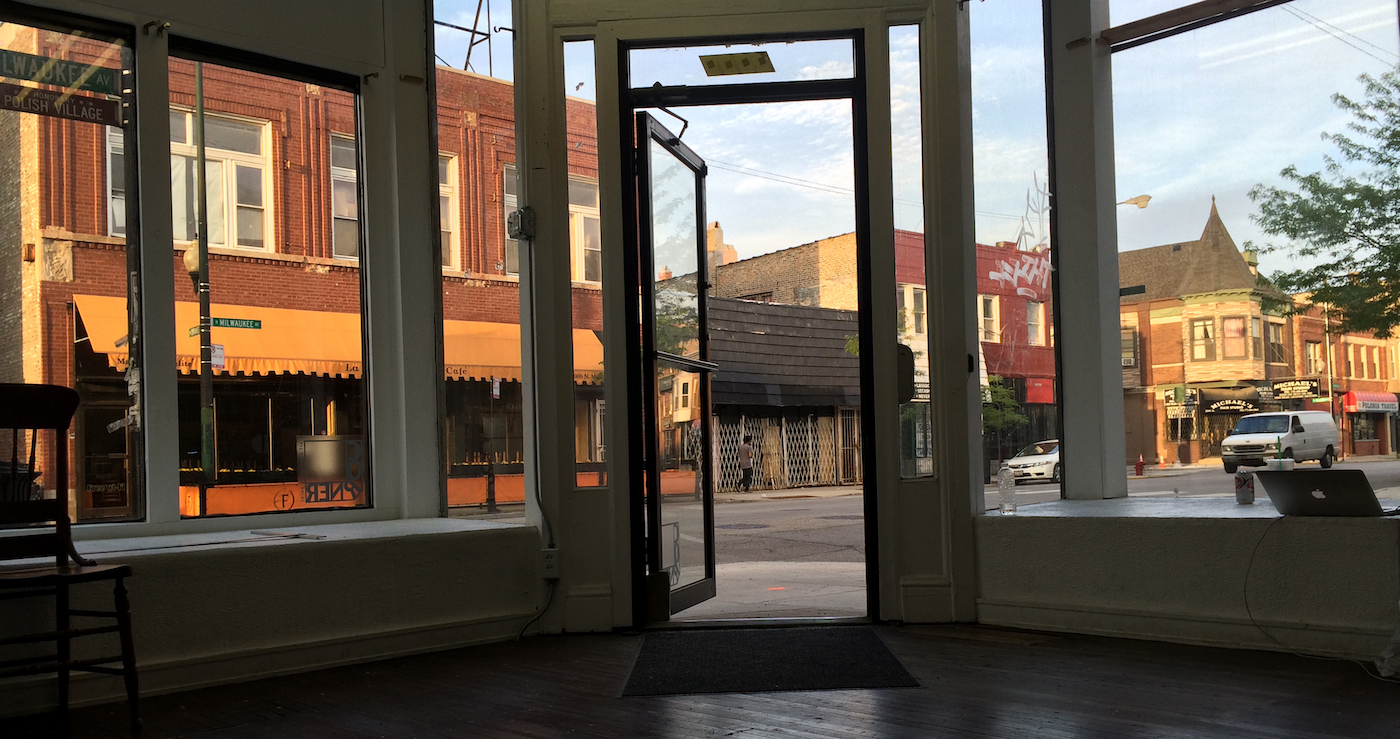
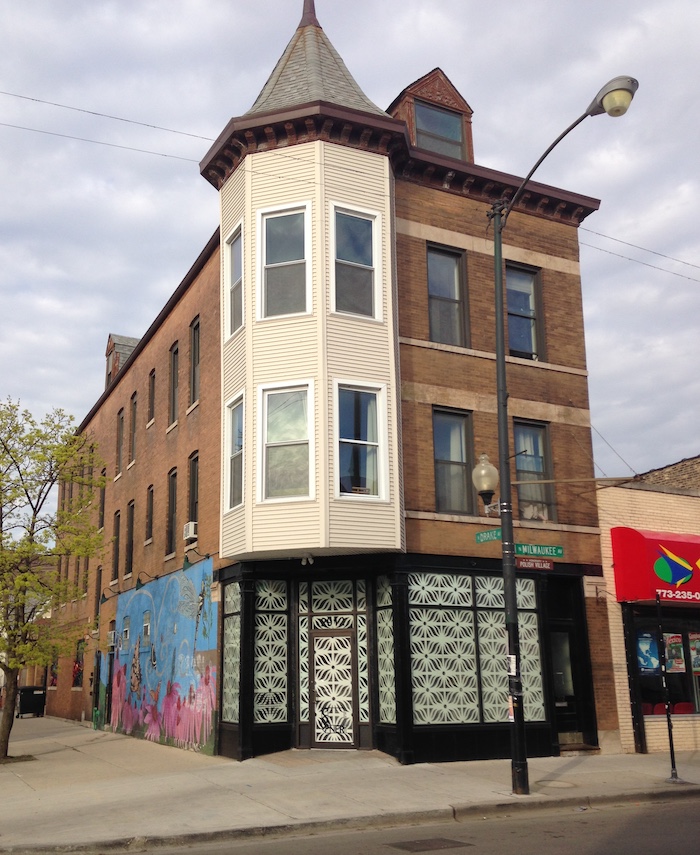
One day Lynn Basa looked out of the windows of her studio building and was inspired to create The Corner Project. Photo courtesy Lynn Basa.

Show Notes

In this interview, you will hear Lynn talk about:

  • Her background as a studio artist and how it led to her interest in public art.
  • Her time at the Seattle Arts Commission.
  • The big jump of having her tapestries fabricated as rugs in Nepal, to then selling art to private collections, to finally teaching herself the business of finding customers.
  • How the accessibility of art and availability of selling it online has changed the industry over recent years.

    The Corner Project
    Edra Soto’s Relocating Techniques installation in the windows of The Corner Project, 2016. Mural on side of building by Julia Sowles Barlow. Photo courtesy Lynn Basa.
  • What creative placemaking is, why it has gotten a bad rap, and how it is different from public art.
  • Why she felt the need to go back to school in 2016 and get an MFA.
  •  What The Corner Project is, who funds it, the main mission of the space, and why she was inspired to start it.
  • Some of the obstacles Lynn faced to build a coalition and organize a community in The Corner Project.
  • What a typical meeting at The Corner Project looks like, her biggest challenges in running it, and what she wishes she would have known before starting it.
  • Why an artist would be interested in creative placemaking, and who isn’t cut out for it.
  • How her personal art has developed over time.
  • Her upcoming book, the second edition of The Artist’s Guide to Public Art.
  • Getting better results by truly listening rather than by imposing your ideas — especially in local politics.
  • How she learned how to pace herself and manage her time more effectively.
  • Inspiration for artists on how they can be catalysts in their communities.
Artist Lynn Basa
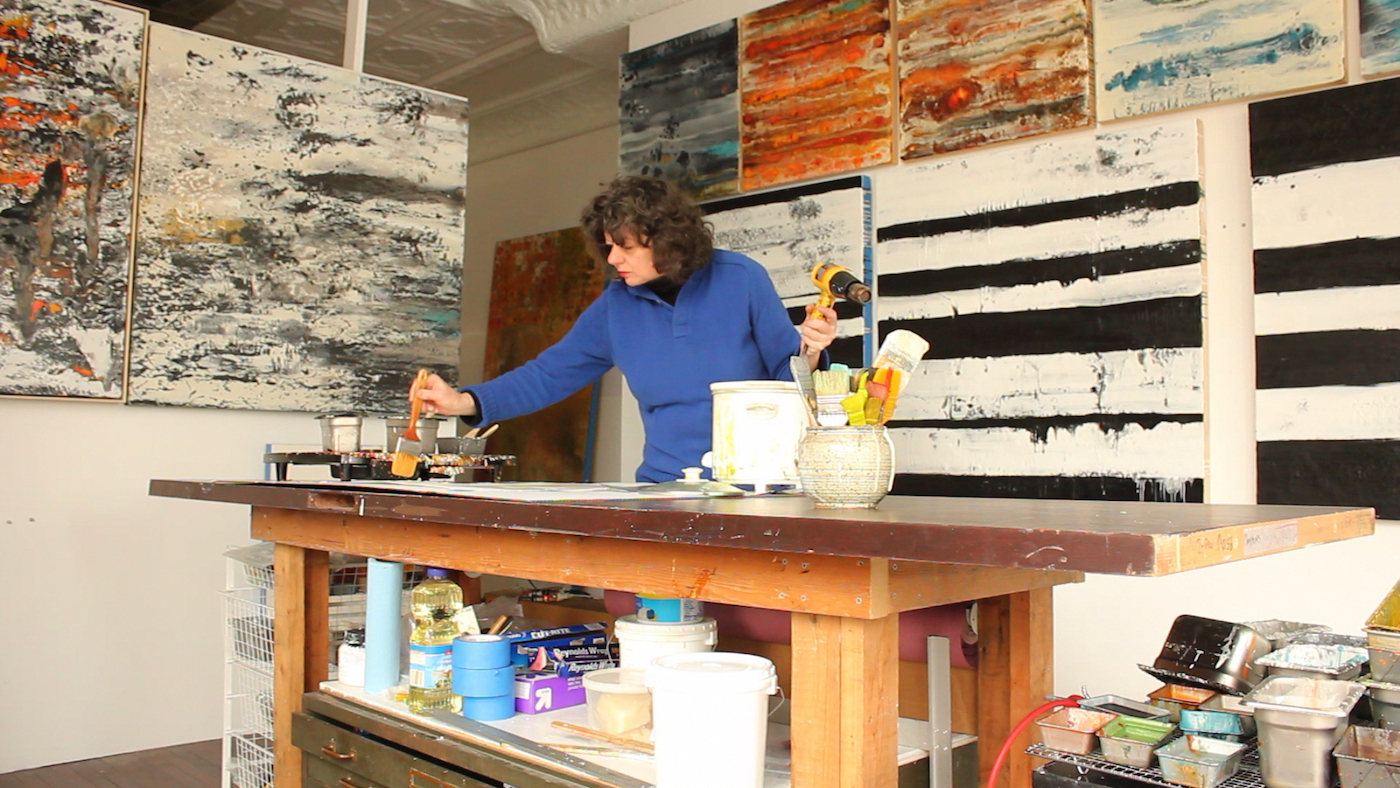
Lynn Basa at work in her painting studio. Photo by Doug vanderHoof. Used with permission.

About My Guest

Lynn Basa is an artist living in Chicago. In addition to having completed numerous public art commissions, she is a painter.

She has taught in the Sculpture department at the School of the Art Institute of Chicago and is the author of The Artist’s Guide to Public Art: How to Find and Win Commissions. She is also the founder of The Corner Project, a creative placemaking initiative on three blocks of Milwaukee Avenue in Chicago’s Avondale neighborhood.

The post The Art Biz ep. 26: Creative Placemaking and Public Art with Lynn Basa appeared first on Art Biz Success.

]]>
https://dy-online.com/placemaking-basa-podcast/feed/ 6