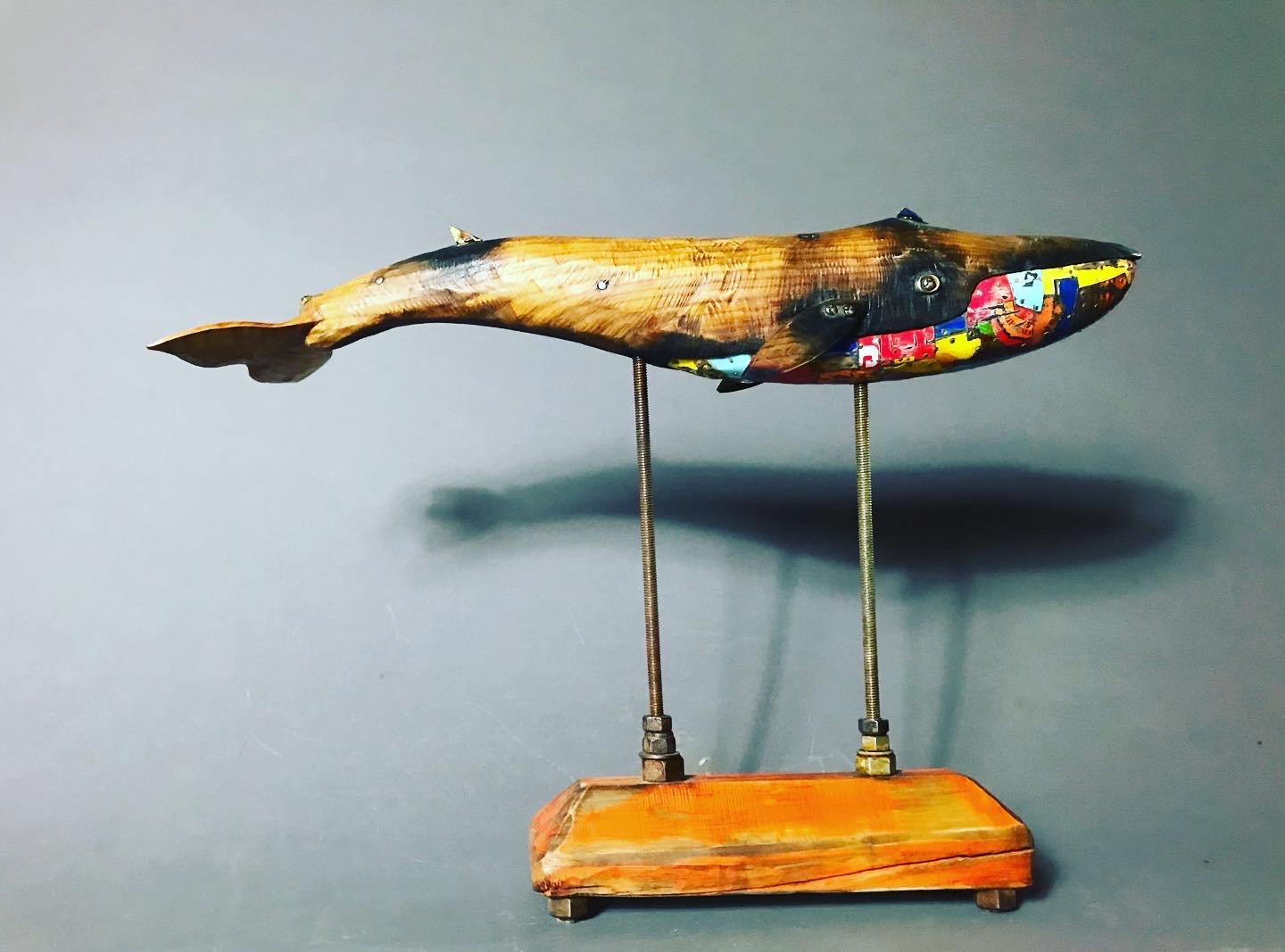
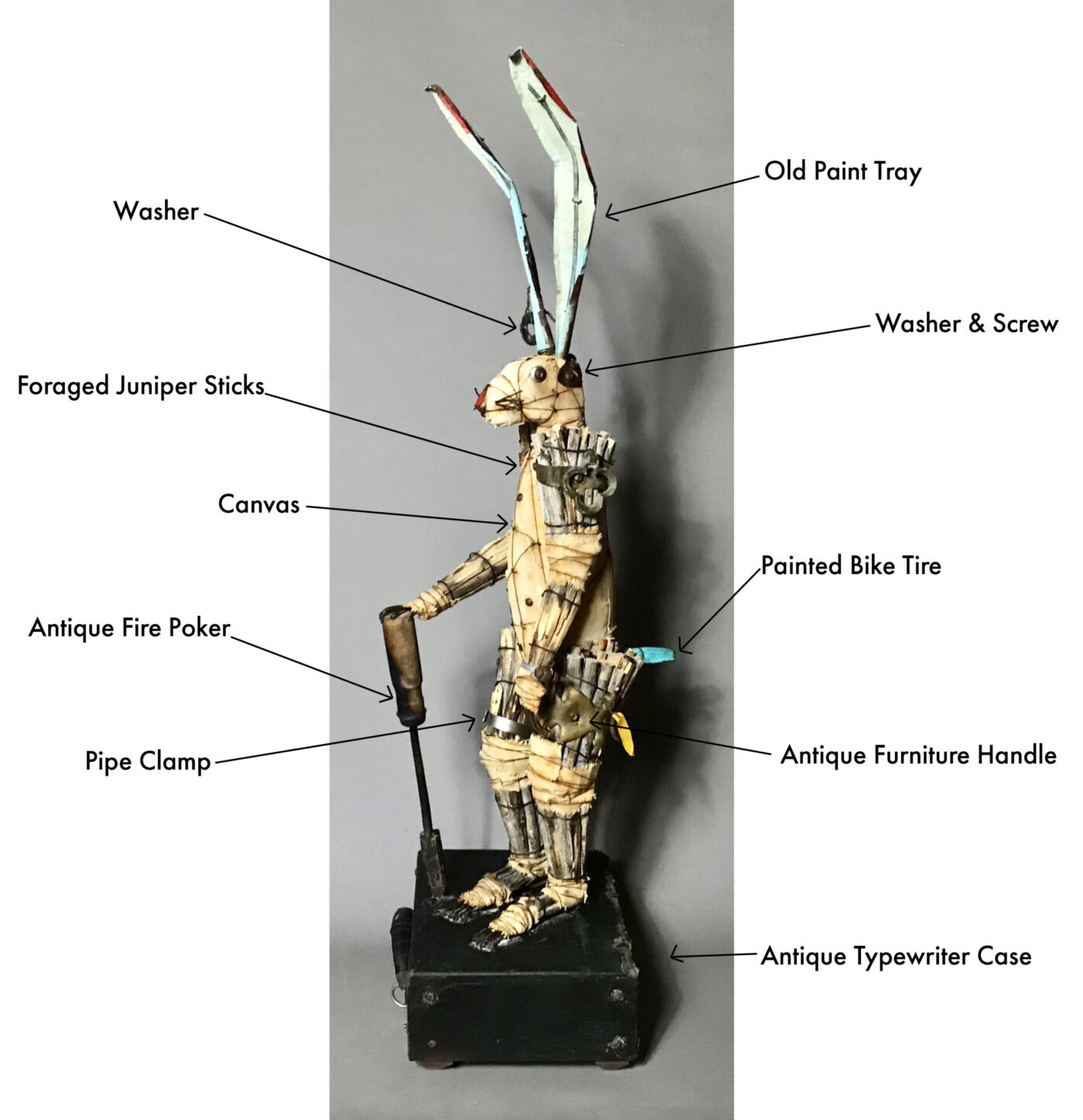
That's what this conversation is about. Geoffrey Gorman talks about how he approaches his work and the rapidly-evolving art market.
The post Being an artist with Geoffrey Gorman (124) appeared first on Art Biz Success.
]]>
The post Being an artist with Geoffrey Gorman (124) appeared first on Art Biz Success.
]]>Too many artists put marketing before making. If you aren’t making art, you have no business prospects and certainly no need to worry about attracting more Instagram followers or growing an email list.
If you don’t make art, you have nothing to share. Your gifts remain hidden. Your dreams unfulfilled.
The post Your Primary Job Is In the Studio appeared first on Art Biz Success.
]]>It’s not trying to get more followers on social media.
It’s not writing blog posts.
It’s not even teaching.
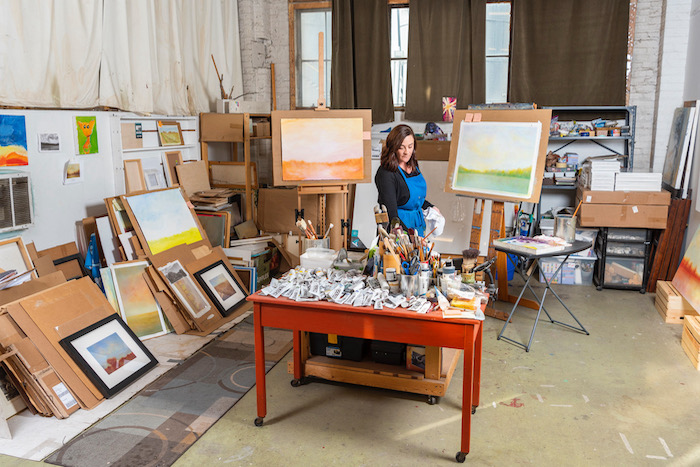
Your primary job is to make art. Consistently.
It’s Work … Hard Work
You’re not “playing” in the studio, although there will be periods of experimentation. There will be hours that seem like play and are unquestionably more fun than others. But play only gets you so far.
When you’re in the studio, you are working.
You’re working toward a goal, whether it’s to build a series to promote or just to be a better artist.
You’re working toward a solo exhibition.
You’re working to, perhaps, earn a living.
You’re working to build a legacy.
You’re not working whenever you feel like it. You’re not working whenever you have time. You work in the studio because that’s just what you do, even when it’s difficult. Even if there is something you’d rather be doing. Even when there’s something someone else would rather you be doing.
You’re an artist and artists make art. When you’re finished, you return to the studio and do it all over again.
A Space of One’s Own
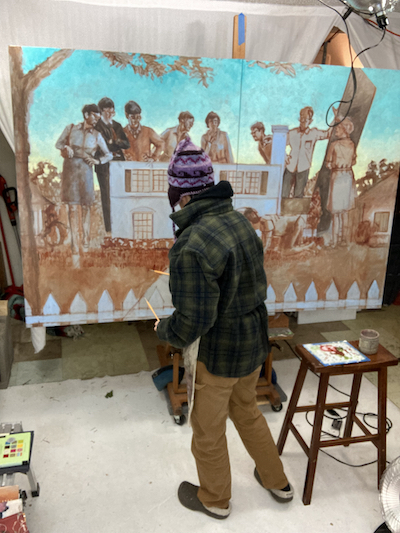
The studio is the place where you make art, wherever that might be.
You need a dedicated space that allows you to leave everything as is and pick it up the next day. “A room of one’s own,” as Virginia Woolf put it. It must be safe. It must be yours. It must be conducive to inspiration.
Without a dedicated space, you are tempted to make excuses for not doing the work. Excuses like some of these I’ve heard before.
It takes too long to set up.
I can’t work because we need the table for family dinner.
My kids get in the way.
My cat naughtily reorganizes my compositions.
While it might be ideal to have 500 square feet of white walls with 16-foot ceiling and assistants at your whim, this is not the reality for most artists. Don’t allow pining for perfect to interfere with your life mission.
Lack of a “real” studio space has never stopped artists from making art. Take over the dining room table. Reclaim the guest room that has sat empty for the last two years. Modify the storage space that you’ve been meaning to clean out anyway.
Make any of these spaces your studio. Be grateful for every square inch.
When you have a space allocated for creative work, there’s no need to worry about being in the way of others or cleaning up a mess. Relax. You can stop at any point knowing that it will be there for you when you’re ready to resume, and sometimes the span between creative sessions is longer than you’d like. You’re on the hunt for inspiration.
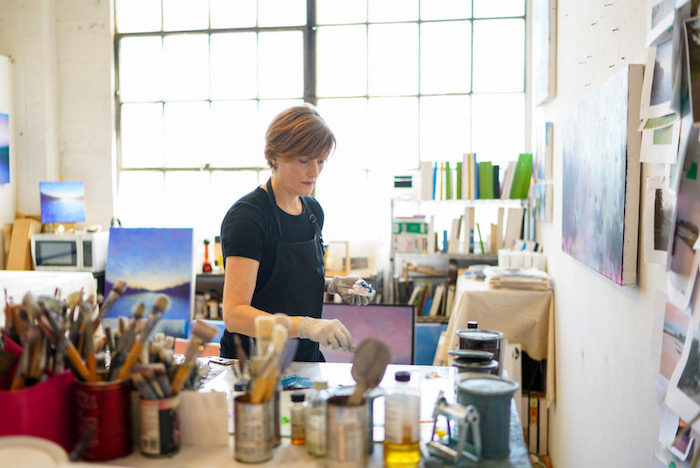
Refilling the Well of Inspiration
Yes, you need to have the devoted studio practice. At the same time, there are days, perhaps weeks, when you are gathering the ideas and raw material that will feed into your next body of work.
Maybe you just opened a solo show of major work. You’re drained. You’re at a loss for where to take the work next.
You need to get out of the studio. You need fresh perspective and to recharge.
You visit museums and galleries. You go on architecture tours and artist dates. You make studio visits and dive into research. You enroll in a workshop. You take long walks and longer baths to move your chi.
[ Be inspired by this interview with Flora Youkhnovich and this lovely documentary about Ellsworth Kelly: trailer. ]
This isn’t wasted time.
While it might be tempting to consider time away from the studio as downtime, you need it in order to be creative. It contributes to your productivity in the studio and is every bit as necessary to your work as the hands-on making part. With your well of inspiration full, you can return to the studio and get back to work. Because that’s what you do.
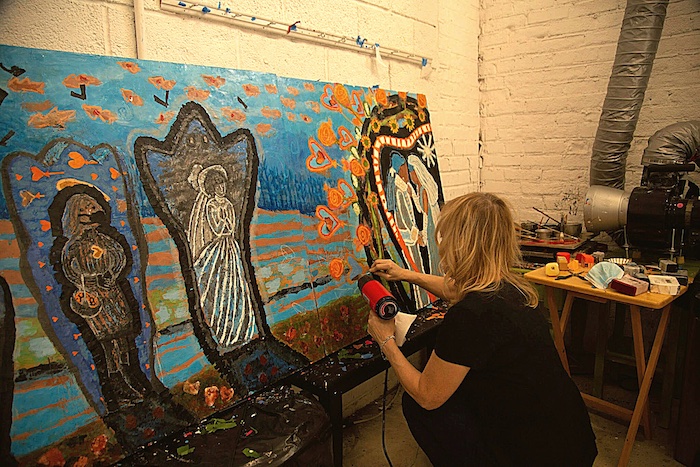
Without the Art, You Are Not an Artist
Without the art, you are not the artist. It’s as simple of that. By definition, an artist is someone who makes art.
Too many artists put marketing before making. If you aren’t making art, you have no business prospects and certainly no need to worry about attracting more Instagram followers or growing an email list.
Some artists seem to prioritize almost everything before making. I know who you are. You fit work in when it’s convenient rather than prioritizing it in your life.
You’re just a wannabe if you aren’t making the work. You cannot introduce yourself as an artist if you aren’t making art.
If you don’t make art, you have nothing to share. Your gifts remain hidden. Your dreams unfulfilled.
There is no such thing as a successful artist without the art. If you don’t put hours in the studio, all you have is just a bunch of good ideas. Or, more likely, you have zero ideas because you’re not focused on the work.
Your job is, again, to work in the studio consistently.
This post was first published on February 26, 2014. It has been expanded and updated with original comments intact.
The post Your Primary Job Is In the Studio appeared first on Art Biz Success.
]]>The pressure to make money in a business is real. But businesses, by definition, seek profit. Breaking even can only work for so long. This episode of The Art Biz is for you if you're ready to step up and be the boss of your art business.
The post Ensuring a profitable art business (96) appeared first on Art Biz Success.
]]>
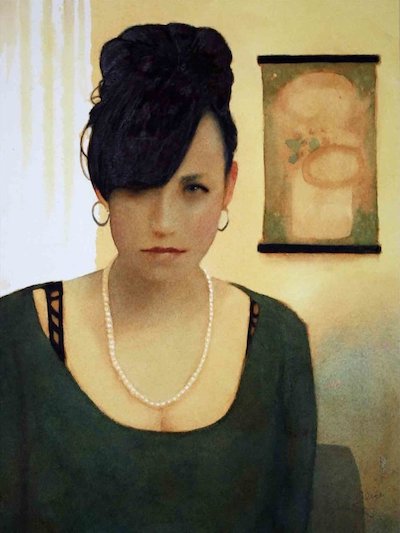
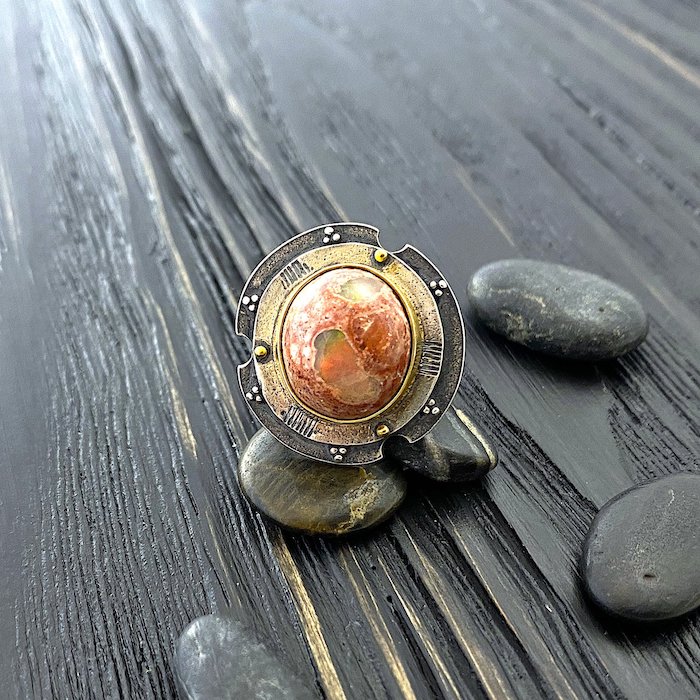
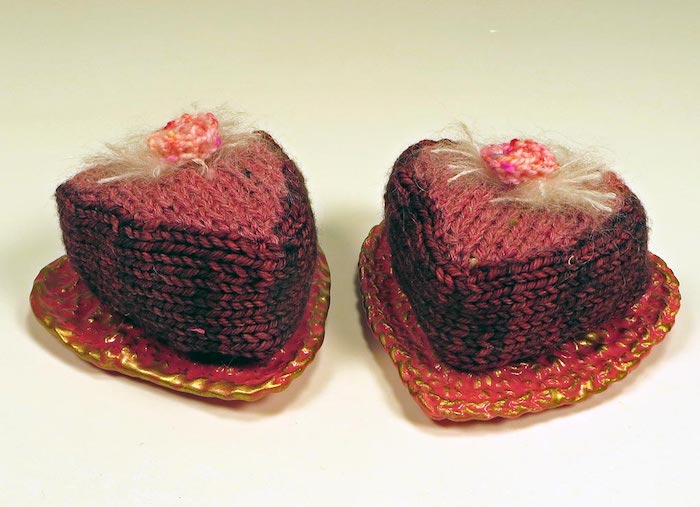
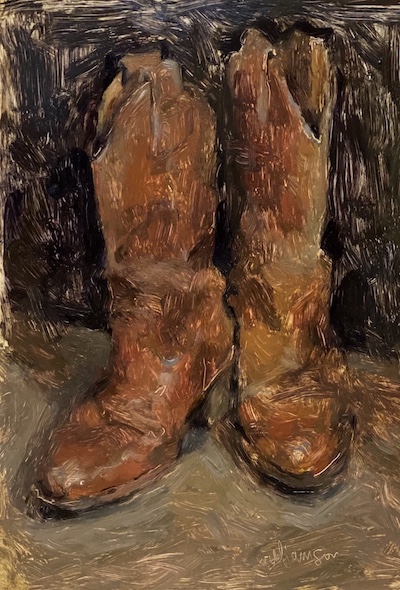
You can look at these numbers with all of your income streams: original works and reproductions that require framing and shipping, lower priced products like clothing and pillows that take attention away from selling higher-priced originals, a calendar, book, or note cards. Analyze them all.
Which are worth saving? Maybe they’re not your highest earners right now, but you can see a path for them rising to the top.
This brings me to my final point.
You Must Be Able to Adapt to a Changing Environment
If Covid taught us anything, it taught us that some artists were better prepared to adapt than others. They had an online shopping cart or an online classroom in place. They had invested in their online presence and weren’t afraid to adapt in-person events to the online world. (On a side note, I believe individual artists were far better prepared to pivot than galleries or museums. Kudos to you for that!)
The world is changing faster than ever before. To run a profitable art business, you want to stay on top of technology, trends, materials, and information.
It’s not helpful to wish things were different than they are or for the good old days when you didn’t have to use email or a social media account (remember those?). It’s not just not helpful. It’s destructive.
As an Artist CEO, you keep an eye on trends. Here are three to be aware of.
- Where art is being exhibited, whether it’s at international art fairs, traditional galleries, outdoor festivals, or online.
- How art is being exhibited, because exhibition design evolves.
- How art is being promoted and sold. What’s the latest way to photograph your art, share on social media, and advertise? What kind of events and experiences are other artists and venues staging?
You might be intrigued by virtual reality tours of exhibition spaces and contemplate the possibilities. God forbid you should consider turning your art into NFTs. I’m not a fan, but we can’t ignore what’s happening around us. You might not dive into these waters quickly, but you know they’re available. You are aware. You’re in tune with your local community and with the greater art world.
You anticipate that the landscape will change because that’s how the world evolves. It is never satisfied with the status quo. But you don’t mind. You have staying power. You are becoming a profitable artist. You are prepared to adapt and even eager for new challenges.
And you know you don’t have to do it alone.
The post Ensuring a profitable art business (96) appeared first on Art Biz Success.
]]>The post The Best Marketing Schedule appeared first on Art Biz Success.
]]>Every artist has a different productivity rhythm.
Some people perform best in the mornings, while others hit their strides late at night.

There isn’t a perfect schedule for marketing your art. The only rules are that you do it consistently and with purpose.
The most important rule is that you don’t use your peak creative time for marketing.
Peak Creative Time
If you do your best work in the studio in the morning, you should honor that. You shouldn’t check email, write blog posts, or waste spend time on Instagram.
Studio time is for making art.
Without the art, you have nothing to market. Without the art, you are not an artist.
Marketing Time
Plan your marketing time around your studio time, but pay attention to your rhythms.
Some people can switch effortlessly between studio and business. They’re in the studio in the mornings and at their computers in the afternoons.
Other people need more time to switch gears from creative tasks to business tasks. For them, perhaps studio time is all day Monday, Wednesday, and Friday, and marketing days are Tuesday and Thursday.
Then there are people who need a lot more down time between each, like my friend Ann Cunningham. Her ideal situation, or at least it used to be, is one week in the studio and the next week working on the business and marketing. (I think that has changed for her in recent years.)
None of these approaches is right or wrong—unless you are trying to work against your rhythms.
What is your natural productivity rhythm?
Are you working with it? Or are you fighting it?
The post The Best Marketing Schedule appeared first on Art Biz Success.
]]>The post Are You Walking the Talk? appeared first on Art Biz Success.
]]>It’s not who you say you are, it’s what you do.

This is easy enough to digest because know this to be true. We know actions matter more than words.
Still, are we walking the talk?
The Titles We Give Ourselves
Students in my Cultivate Collectors class are, today, answering the question, “What do you do?” It’s a lesson for developing their 10-second introductions.
You can try it, too.
Answering this question helps you go beyond the title “Artist” (or whatever you call yourself) and get to the heart of what makes you you.
But how you answer this question (What do you do?) is less important than doing what you say you’re doing.
Reality Check
If you say you’re an artist, but you can’t seem to make the commitment to studio work, are you really an artist?
If you say you are grateful, but you don’t thank people properly, are you really grateful?
If you say you live up to your commitments, but you’re missing deadlines and making others wait on you, are you really reliable?
If you say you have an art business, but you aren’t trying to make money, are you really in business? Or is your art a hobby? (By the way, neither is better than the other, but you must understand the difference.)
Act On Your Words
Something that people say to me repeatedly is that I model the behavior I teach others. Nothing pleases me more than hearing this.
I do my best to see that my actions are in line with what I teach. I wish I could say that this happens all of the time, but I know it doesn’t. I know I come up short here and there, so I will continue to improve.
I have a few thoughts on how you might ensure that what you do is more important than who you say you are.
- If you say you’re an artist, commit to your studio time.
- If you say you are trying to make money, share your art with the world consistently and enthusiastically.
- If you say you are trying to make money, see that your business systems are in good order and that they support you rather than cause you headaches.
- If you say you support other artists, attend their openings, send them congratulatory messages, and promote their art on Facebook and Twitter.
How do you walk the talk?
Remember, it’s not who you say you are, it’s what you do.
The post Are You Walking the Talk? appeared first on Art Biz Success.
]]>The post Are you in charge of your workflow? appeared first on Art Biz Success.
]]>When we react, we are inviting others to prioritize our time. We allow others to steal our attention away from our big ideas.
When we are proactive, we take charge of making our ideas happen.
I hope you’re an Art Biz Blog reader because you want to take charge.

Overcome Reactionary Workflow
I won’t pretend that this is going to be easy. You might have a lot of habits to break and new ones to form. But the results will be worth it.
If you’re fully committed to an art career, you will be well served by removing distractions.
First, turn off all of your notifications. ALL of them. Unless you are waiting on an emergency, you do not need to be notified of messages.
ALL notifications include email, Twitter mentions, Facebook posts, and text messages. These are messages that are pushed at you.
Even the phone can be an interruption. You decide when you answer the phone. I admit that my phone message says “For faster results, send me an email.”
I’d love to be able to talk to everyone who wants to chat, but I just can’t. And I really will respond more quickly (and personally) to an email.
Next, schedule processing time.
Just because you’re not reacting to these interruptions doesn’t mean they’ll go away. You still have to respond to them, and you can do that when your schedule allows.
If you work best in the studio from 8am to noon, you should not be checking email or responding to Facebook posts during this time.
If your writing is at its most brilliant from 1 to 3 pm, you shouldn’t be looking at Twitter streams or texting your kids at college during this time.
You can pull the information when you are open and available to receive it most fully – when you’re ready to process.
Note that there is the difference between checking (looking and leaving for later) and processing (from start to finish).
Are You In Charge?
Be sensible. I know this is tough.
We have all developed a lot bad habits since the dawn of email and social media. But we are in charge.
YOU are in charge. Or are you?
The post Are you in charge of your workflow? appeared first on Art Biz Success.
]]>The post 6 Things Nick Cave Said That Made Me Pay Attention appeared first on Art Biz Success.
]]>I went to hear Cave speak last week at the Denver Art Museum and am fired up for his show here next summer. Make plans to visit Denver in the summer of 2013! I’ll put together an Art Biz Blog meetup for anyone who makes the trip.
I took two pages of notes during the dialogue. Watch this video about Cave and his Soundsuits and then read what got me so excited about him.
1. Live Your Art
Cave’s studio discipline is phenomenal. His studio manager testified that he works from 8 a.m. to midnight every day.
But Cave doesn’t think of it as work.
To him, there is no distinction between art and life. He said, “I can’t turn it off.”
Are you living your art?
2. Activate Your Art
This is related to the above.
Cave’s Soundsuits are activated when worn in performance, but that can’t always occur. So he tries to think of how they can exude energy when exhibited. He said he asks the question of his exhibits: “How do you keep the space active after the opening?”
I was intrigued by this idea further when I learned of his online SoundSuitShop.
What happens after your opening reception? Does the exhibit slowly fade? Or do you find ways to maintain the interest level?
3. Collaborate
Cave didn’t stand up at a podium and speak. Instead, he sat down in conversations with Sonnet Hanson, master teacher for modern & contemporary art at the Denver Art Museum, his studio manager, Cheryl Pope, and his publications designer, Bob Faust.
I’ve never before heard of an art rock star traveling with his designer. I’m going to have more to say about this in the future because the implications are astounding.
Cave also seeks a high degree of collaboration with community. He said his work brings people together who hadn’t been together before. He “highlights their potential.” He seeks to bring out the best in them and what they can do together.
How do you collaborate?
4. Evolve
Cave said he has to grow with every project. Otherwise, he’s not interested.
What would it be like if every project you took on was a step forward? Even if it included a step back?
5. Prepare
Cave’s team spends approximately 70-80% of their time preparing material for his Soundsuits before putting them together!
This commitment to material is admirable and, at the same time, enviable.
Where in your art or business could you use more preparation?
6. Set The Bar High
Numerous times throughout the talk, Cave revealed how high his expectations are – of himself and of those around him.
Cave wants everyone around him to excel and to be the best at what they do. In turn, he wants to help bring out their gifts.
Are your expectations high enough?
The post 6 Things Nick Cave Said That Made Me Pay Attention appeared first on Art Biz Success.
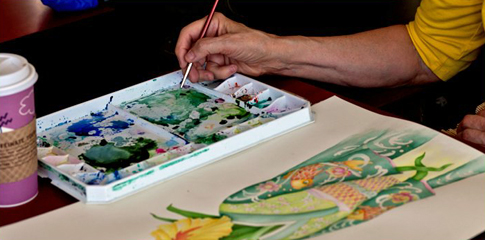
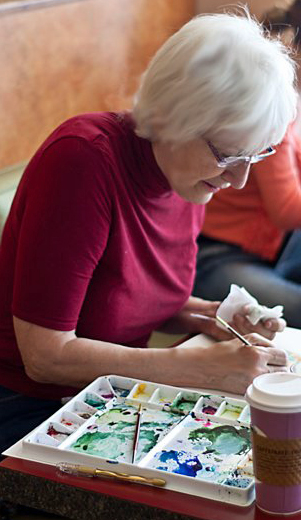
]]>The post Attracting Crowds at the Coffee Shop appeared first on Art Biz Success.
]]>
The post Attracting Crowds at the Coffee Shop appeared first on Art Biz Success.
]]>The post Stop Making Art : Deep Thought Thursday appeared first on Art Biz Success.
]]>
When is it okay to stop making art?
The post Stop Making Art : Deep Thought Thursday appeared first on Art Biz Success.
]]>The post The first 4 steps toward selling your art: Step #1 appeared first on Art Biz Success.
]]>I’ve decided to take the plunge and build an art career. What are my first steps?
I often receive questions like this. Without knowing too much about the person, it’s difficult to respond.
But in all the years I’ve been helping artists build their careers, I can say with a good deal of confidence that there are four major steps to kick-start a rewarding art career. Today we’ll look at the first step.
Step #1: Devote yourself completely to a studio practice
You can’t make a few nice pieces and sit in the easy chair. You have to work, work, work. While I don’t believe that an artist needs an art degree to succeed, I do know that art school gives artists a leg up on creating the habit of being in the studio. If no one instilled this in you, it’s something you need to figure out.
 |
|
Mandar Marathe, Toplya 2.
Acrylic on wood, 18 x 24 inches. ©The Artist. |
Like anyone else who is self-employed, no one is going to tell you when to get up, when to go into the studio, when to take a break, when to stop for the day, or when to take a vacation. These are things you must learn to do for yourself.
The great thing about being self-employed is that you are free to organize your schedule so that it works for you. The downside is that some people aren’t very good at setting goals and boundaries. If this is you, don’t use it as an excuse. Consider it a challenge to change your ways.
2 GUIDELINES FOR YOUR STUDIO TIME
1) Make it regular–whether it’s the same time every day, the same number of hours each week, or on the same days of the week. Not a morning person? Then for Pete’s sake, don’t say you’re going to get up early and go to the studio. Schedule your studio time when you are most creative and productive.
I’d love to say that all you need is passion and excitement about your art, but you also must have a healthy dose of discipline to channel that enthusiasm. Don’t believe me? Read Talent is Overrated by Geoff Colvin. Colvin shows how two people with equal parts talent take very different paths when one of them commits to a deliberate practice. And if you want to see discipline instilled in a lifelong artist, check out The Creative Habit by Twyla Tharp.
2) Keep it sacred. Don’t let anyone or anything interfere with your studio time. I’ve read about a few artists lately who wouldn’t allow phones in their studios for fear that they could become a distraction. It’s also important to be able to turn down requests and invitations that would take you away from your studio time.
See the other 3 steps:
Step #2: Create Your Mailing List
Step #3: Connect with Other Artists
Step #4: Start Writing About Your Art
The post The first 4 steps toward selling your art: Step #1 appeared first on Art Biz Success.
]]>