As most artists have come to learn, developing an artistic style all your own is easier than it sounds. It means that your work doesn't look like your instructor's work, but that it is also cohesive when shown together.
What is Artistic Style?
Style is a word we use freely and without much thought. But what does it mean?
In her book Living With Art, Rita Gilbert writes that "style is a characteristic or group of characteristics that we can identify as constant, recurring, or coherent." She goes on to say, "Artistic style is the sum of constant, recurring or coherent traits identified with a certain individual or group."
An artist's style is not good or bad. It just IS. The execution might be criticized, the colors might be perceived as ugly, or the composition seen as weak, but the style is what it is.
Your style is a combination of the mediums, technique, and subject matter you choose. It's not just that you make contemporary quilts or that you paint landscapes. Those are mediums and genres by themselves. No, style is that extra little thing you do to distinguish your work from that of other artists.
Two quilt artists might each create abstract, colorful compositions using the same traditional block. If both are mature artists, however, we'd probably be able to tell one artist's work from the other. For example, a fiber artist might employ one or more of the following in creating the quilt.
- Hand-dyed fabrics from organic dyes
- Loose threads hanging on the surface (rather than hiding them)
- A particular fabric that becomes a signature of sorts
- Text written with ink on top of the quilt
In other words, she becomes known for works that contain a certain characteristic. For a painter it might be loose brushstrokes, impasto, or a repeated image. Kehinde Wiley, who painted the official portrait of President Obama, is known for his highly decorative backgrounds around his subjects. Sarah Sze brings together hundreds and thousands of found objects to create detailed multimedia landscape installations.
What are you known for?
The post 7 Steps to Developing Your Artistic Style appeared first on Art Biz Success.
]]>As most artists have come to learn, developing an artistic style all your own is easier than it sounds. It means that your work doesn’t look like your instructor’s work, but that it is also cohesive when shown together.
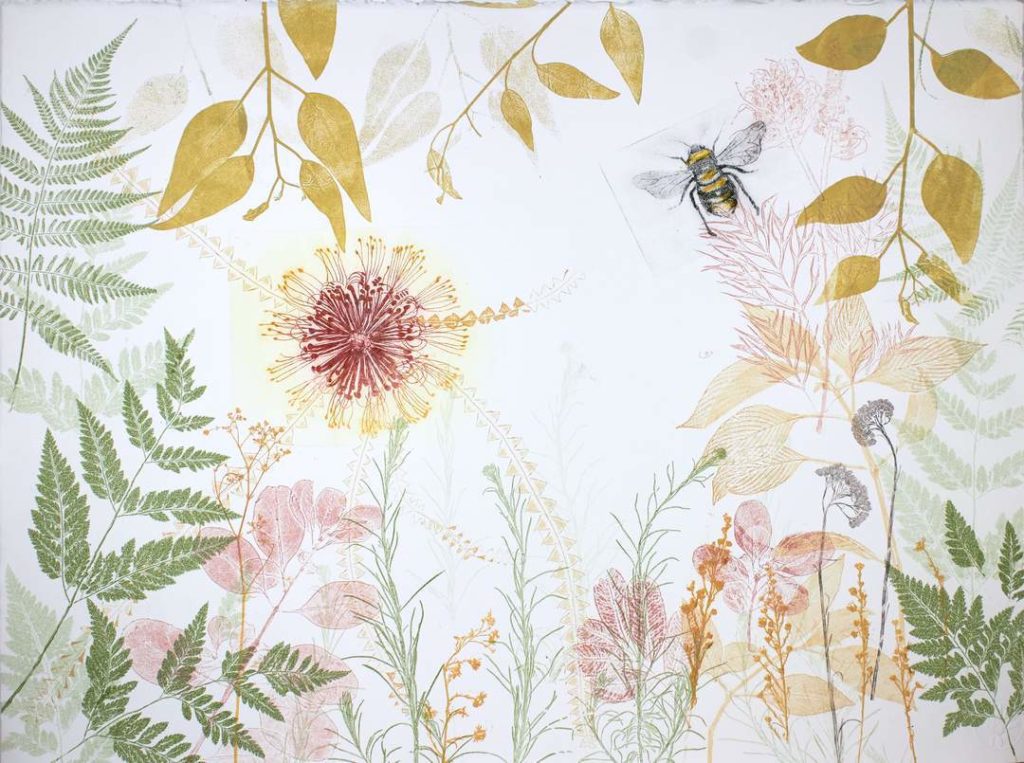
What is Artistic Style?
Style is a word we use freely and without much thought. But what does it mean?
In her book Living With Art, Rita Gilbert writes that “style is a characteristic or group of characteristics that we can identify as constant, recurring, or coherent.” She goes on to say, “Artistic style is the sum of constant, recurring or coherent traits identified with a certain individual or group.”
An artist’s style is not good or bad. It just IS. The execution might be criticized, the colors might be perceived as ugly, or the composition seen as weak, but the style is what it is.
Your style is a combination of the mediums, technique, and subject matter you choose. It’s not just that you make contemporary quilts or that you paint landscapes. Those are mediums and genres by themselves. No, style is that extra little thing you do to distinguish your work from that of other artists.
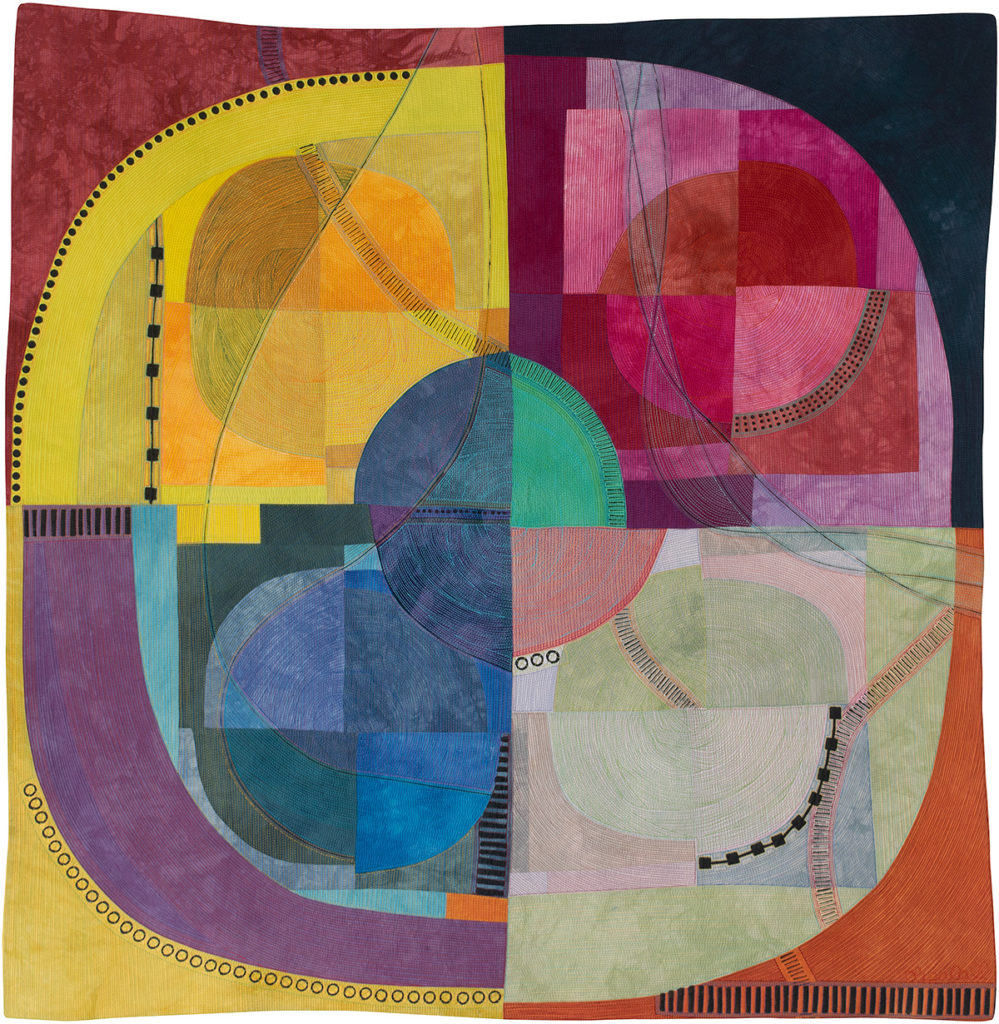
Two quilt artists might each create abstract, colorful compositions using the same traditional block. If both are mature artists, however, we’d probably be able to tell one artist’s work from the other. For example, a fiber artist might employ one or more of the following in creating the quilt.
- Hand-dyed fabrics from organic dyes
- Loose threads hanging on the surface (rather than hiding them)
- A particular fabric that becomes a signature of sorts
- Text written with ink on top of the quilt
In other words, she becomes known for works that contain a certain characteristic. For a painter it might be loose brushstrokes, impasto, or a repeated image. Kehinde Wiley, who painted the official portrait of President Obama, is known for his highly decorative backgrounds around his subjects. Sarah Sze brings together hundreds and thousands of found objects to create detailed multimedia landscape installations.
What are you known for?
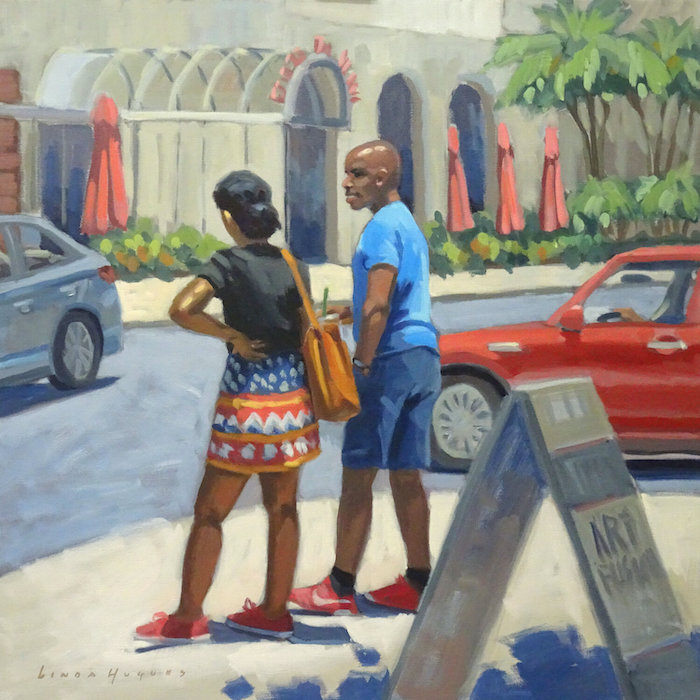
Multiple Artistic Styles
You can work in as many styles as you want, but separate bodies of work might mean separate audiences. It might also mean that if you have two very different bodies of work you will do twice the work marketing it. Three different styles might mean exerting three times the marketing effort.
3 different styles of art = [possibly] 3 different audiences = 3 times the marketing effort
[The Successful Artist’s Guide to Writing Your Artist Statement ]
Some artists choose to have a very narrowly defined style and seem to produce almost the same artwork over and over again with differences in color or scale. Adolph Gottlieb, for instance, painted his trademark Bursts over and over again. Some were better than others, but they all have the same basic elements.
His close friend, Mark Rothko, became known for large bands of thin pigment floating on the canvas surface. The colors differ, but we know a Rothko when we see it.
Style v. Subject Matter v. Medium
Style shouldn’t be confused with subject matter or medium.
You don’t have to stick to one image as Gottlieb and Rothko did in their maturity. You don’t even have to stay true to a single medium.
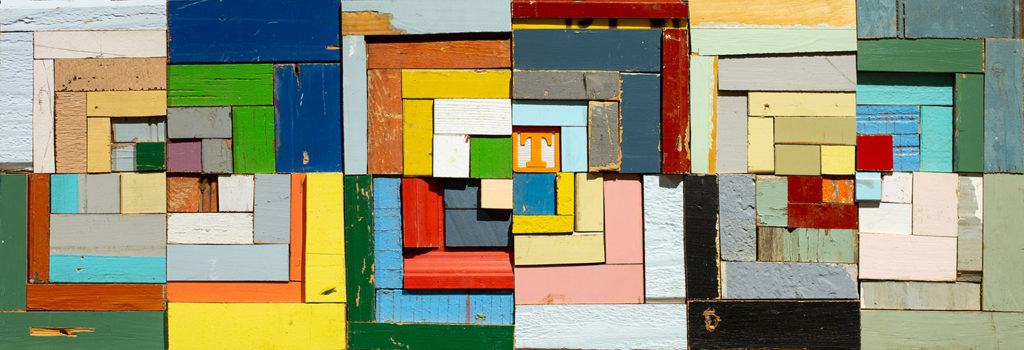
Developing a recognizable artistic style doesn’t mean you must produce the same work over and over again. It simply means that you have created work that others identify with you.
There isn’t a higher compliment you can receive than for someone to exclaim, Hey! That looks like a Linda Hugues painting! from across the room. (Unless, of course, your name isn’t Linda Hugues.)
Your style isn’t birthed at the beginning of your studio practice. You won’t find it by wishing for it or thinking about it. You can only develop your artistic style through hard work in the studio and an intense dedication to your craft.
You must make a lot of art. A. Lot. And then make more.
I can tell an artist isn’t ready for an art business when their work looks like a mishmash of styles, perhaps reminiscent of their instructor’s art.
If you’re struggling with figuring out who you are as an artist and where your work is going, consider these 7 steps to developing your artistic style.
1. Be devoted to your studio practice.
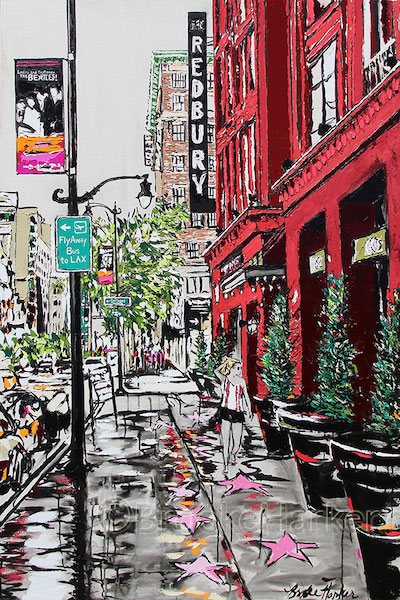
I said this already, but it has to go at the top of the list.
This is the most important thing you can do to become a professional artist. If you can’t devote non-negotiable studio time, you aren’t going to get very far. You need to make art. You need to make more art!
Without the art, you are not an artist.
Without the art, you have no art business.
Most artists who have other jobs to pay the bills will find this difficult to manage, but the commitment is critical. Everyone gives up something to pursue their dreams.
If it is a struggle to honor your commitment, block out time on your calendar (in ink!) for the week. Treat it as any other appointment and respect this promise to yourself. Say No to those who request your attention during this time.
It’s the first step toward professionalism.
2. Draw. Doodle. Write.
Wherever you go, whatever you are doing, get into the habit. Sketch a scene, write down your responses to other artists. The goal is to keep your pencil on the paper and to capture your brilliance before it disappears.
Many artists gain insight into their art by blogging. I hear over and over again from artists that the most important reason to keep a blog is for self-discovery.
If you don’t envision keeping up with a blog, at least learn to be articulate about the work. I can help you find the words in my Magnetic You course.
3. Look at art.
Look at lots of art! Some people are afraid of copying other artists. Don’t be. How do you think the Old Masters learned?
If you do enough looking and copying, you’ll work through the influences and find your own voice.
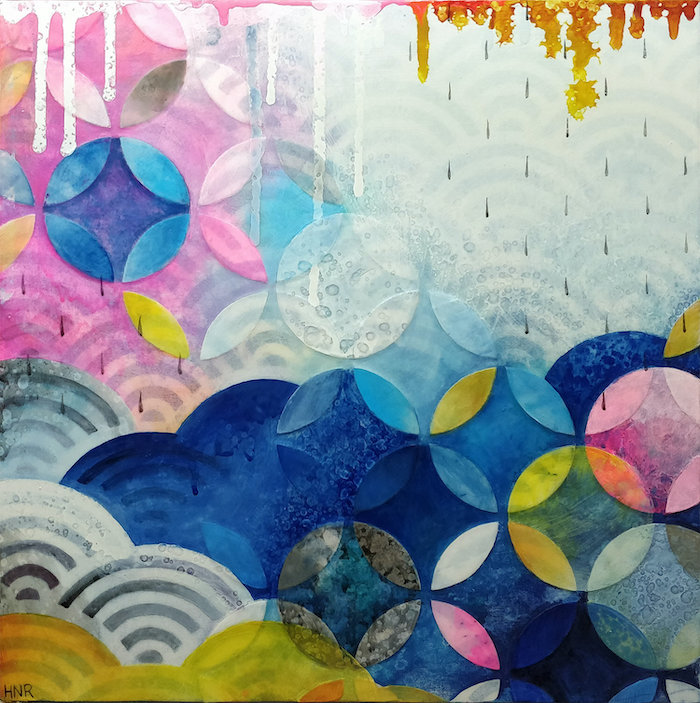
But there is a caveat here. NEVER try to sell art that was copied from another artist or relies too heavily on the work of your instructor. This is inappropriate. You’re learning. Once you have found your style, you can consider turning your art into a business.
If you missed out on art history classes, consider taking a few at your community college or higher education facility. You can also check out films about art and art history at your local library or through Netflix.
Check out my updated list of art documentaries.
4. Allow yourself to experiment in the studio.
Take classes to acquire skills with new mediums and techniques, or to learn from a new teacher.
You don’t have to make art to sell. You can, and should, make art to grow as an artist.
Try a new medium, practice a new style, copy a favorite historical work, enlarge or decrease the size, or use a color outside of your normal palette range. You are making art just for you. No one else has to see it.
5. Step away from the art.
It’s difficult to evaluate progress while you’re in the throes of production.
Know when it’s time to take a step back, get away and return with fresh eyes.
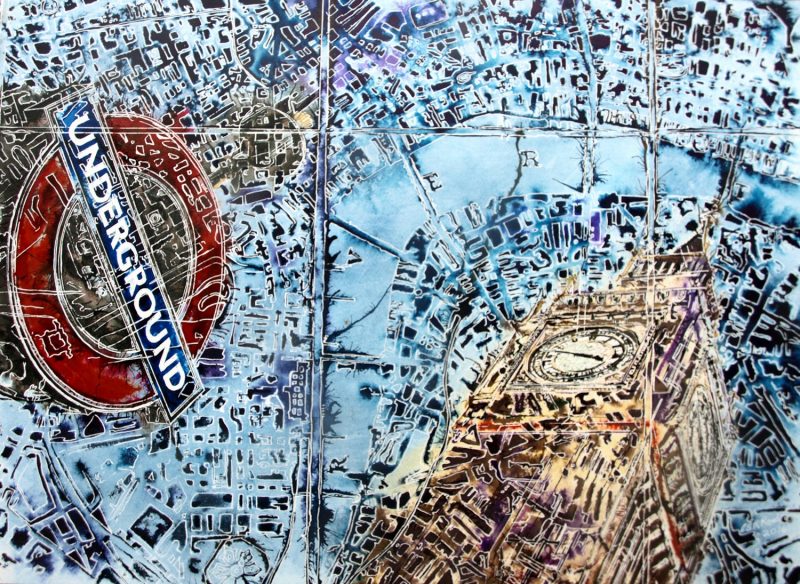
6. Evaluate the work to this point.
After you have taken a break, look at your work critically to figure out your strengths and weaknesses.
What do you like? Not like?
What can you adjust? Add? Subtract?
Does it convey the message you want to get across?
Ask a variety of other people (friends, family, strangers, other artists, non-artists, etc.) the same questions. This conversational exercise is a process I walk you through in Magnetic You.
7. Repeat.
Developing your artistic style and making good art is the result of being utterly devoted to your craft.
Keep doing all of the above. Again. Again.
This post was originally published on March 23, 2010 and has been updated with original comments intact.
The post 7 Steps to Developing Your Artistic Style appeared first on Art Biz Success.
]]>The post Deep Thought Thursday: Style vs. Gimmick appeared first on Art Biz Success.
]]>When does personal style turn to gimmick?
With nods to @anniesalness @Art_News @aakschipper
The post Deep Thought Thursday: Style vs. Gimmick appeared first on Art Biz Success.
]]>