success Archives - Art Biz Success https://dy-online.com/tag/success/ Trusted Art Business Coaching and Consulting Thu, 28 May 2026 19:19:19 +0000 en-US hourly 1 https://wordpress.org/?v=7.1.4 https://dy-online.com/wp-content/uploads/2022/02/favicon-2-150x150.png success Archives - Art Biz Success https://dy-online.com/tag/success/ 32 32 What You’re Not Doing: 7 Mistakes Artists Make https://dy-online.com/biggest-mistakes-artists-make/ https://dy-online.com/biggest-mistakes-artists-make/#comments Thu, 03 Jul 2025 12:48:28 +0000 http://artbizsuccess.com/?p=19244 Over the past decade, my thinking about artists’ mistakes has evolved. Most aren’t dramatic failures—they’re quiet habits of avoidance. In this updated post, I group the seven biggest mistakes into three themes: mindset, connection, and structure. Each includes a reflection to help you take honest inventory.

These aren’t fatal flaws—they’re invitations to shift. Awareness is the first step toward momentum in your art career.

The post What You’re Not Doing: 7 Mistakes Artists Make appeared first on Art Biz Success.

]]>
It’s been over a decade since I first wrote about the most common mistakes artists make in their businesses.

At the time, I saw these missteps mostly as wrong moves—errors in strategy, missed opportunities, poor habits. But over the years, my thinking has shifted.

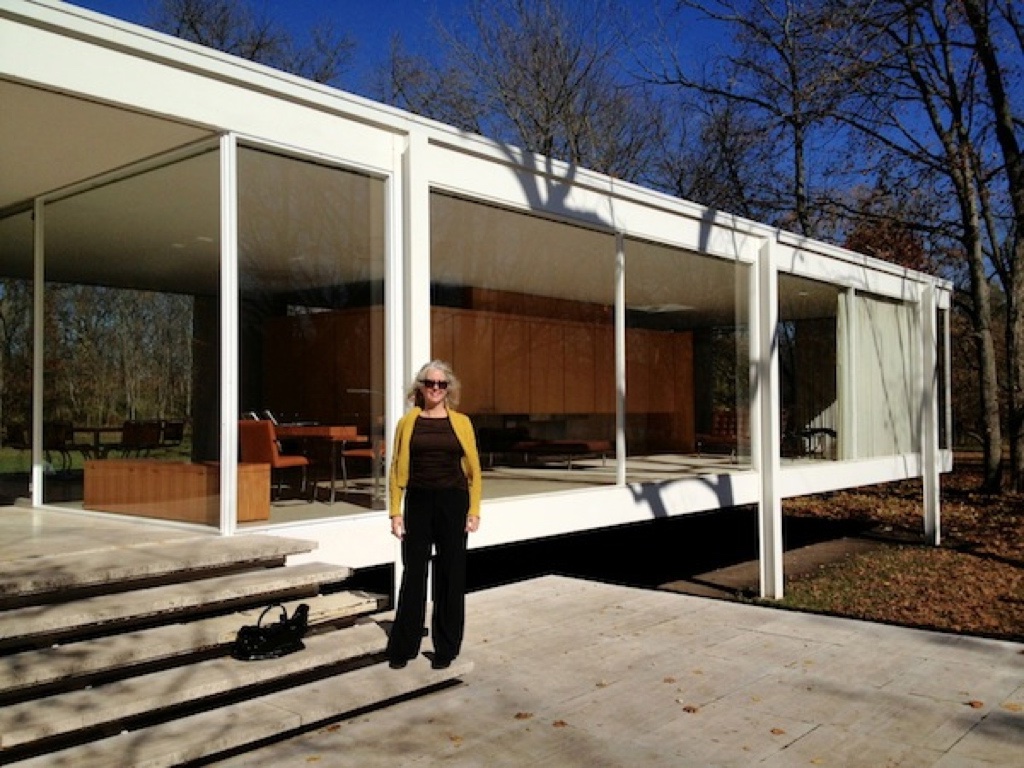
Farnsworth House
At Mies van der Rohe’s masterpiece, Farnsworth House, Plano, Illinois, 2012.

What I see now is that the biggest mistakes aren’t dramatic blunders. They’re subtle. Quiet. Easy to rationalize.

Most of them boil down to this: not taking action.

Not following up. Not showing up. Not deciding. Not believing in your role.

And while these mistakes can slow you down or keep you stuck, none of them are fatal. Once you see them clearly—and own your truth—it’s surprisingly easy to course correct.

I’m sharing these now—here and in the latest episode of The Art Biz—not to make you feel bad, but because I know how much time and energy can be saved by naming these patterns early and breaking them. I’ve grouped them into three themes to help you see not just what’s happening, but why—and where you can begin to shift.

And because no artist wants to have their work featured on an article about mistakes, I’ve “illustrated” this post with some architectural photos I’ve taken over the years. 😇

Listen

VISION and MINDSET MISTAKES

These are the missteps that happen when you haven’t fully claimed what you want, why you’re doing this, or who you’re becoming through your art business.

They may not feel like “mistakes” in the moment—but over time, they quietly shape your outcomes.

Lack of Vision

It’s hard to build momentum when you don’t know where you’re going—or what you’re building toward.

I’m not talking about rigid 5-year plans, but a deeper clarity about your values, your goals, and what kind of life and art practice you want.

When you’re unclear, everything feels like a distraction. Or worse, you build a business that doesn’t actually serve you.

What do you want from your art?

Waiting for the Perfect Time

Many artists tell themselves they’ll launch, apply, join, ask for help, post, or promote “when the time is right.”

But there is no such thing as the perfect time. Waiting becomes a hiding place. Growth happens when you take action—even the smallest steps—before you feel completely ready.

There is a difference between being underprepared and being afraid. Learn to discern between the two before life and opportunities disappear.

What are you waiting for?

What are you waiting for?

Outdated Stories

Sometimes the thing holding you back isn’t a bad habit—it’s a story that used to work for you but no longer does.

Maybe it’s the belief that real artists don’t promote themselves. Or that gallery representation is the only path to legitimacy. Or that because you work in one medium, you must stay in that lane forever.

Let go of what no longer fits. Let your art—and your identity—evolve.

This is why we need to take stock every year in the annual review.

What may no longer be true for you?

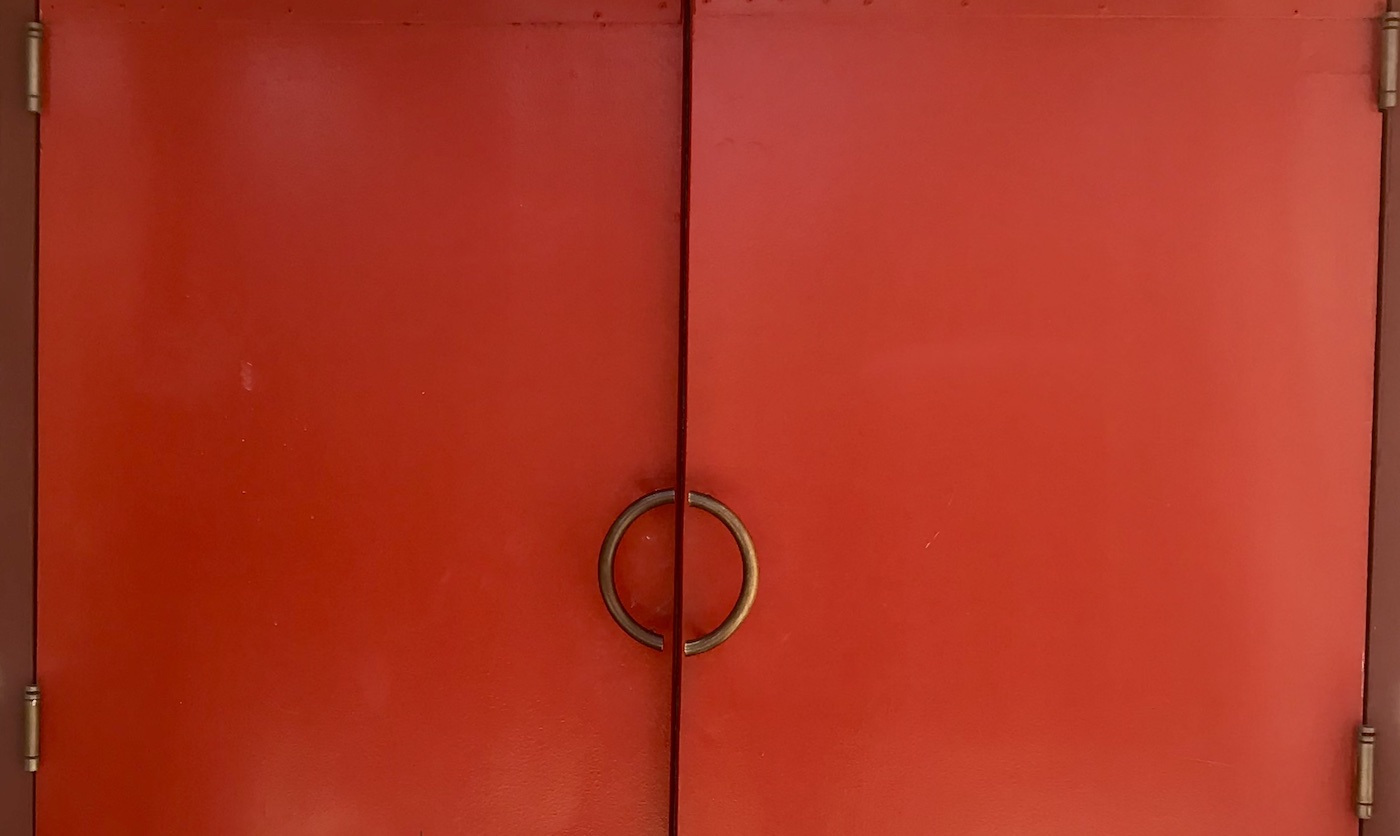
Red doors at Frank Loyd Wright's Taliesin West
Detail of red doors at Frank Lloyd Wright’s Taliesin West.

CONNECTION and COMMUNITY MISTAKES

No art business thrives in isolation. Yet many artists underestimate the power of relationships—or avoid them altogether.

Whether it’s fear of being seen, discomfort with selling, or a desire to “just focus on the work,” these mistakes lead to unnecessary struggle and missed opportunities.

Building in a Bubble

It’s easy to stay in the familiar: the same art groups, the same shows, the same online habits. Or to hide behind your screen, convinced that posting on social media is the same as engaging.

But growth requires input. Challenge. Collaboration. Your community expands your perspective, introduces you to new opportunities, and helps you stay visible.

Avoiding connection often feels safe. But it keeps your work small and your confidence fragile.

Who’s just outside your circle that you’d like to know better?

Who is just outside your circle that you'd like to know better?

Overestimating Others, Underestimating Yourself

This one lives on both ends of the spectrum. Some artists place too much hope in gallerists, curators, or mythical agents who will “take care of the business stuff.” Others go full DIY, stubbornly refusing help, and exhausting themselves trying to do everything alone.

Both approaches are misguided.

You are your best advocate. No one can speak for your work the way you can. And no one cares about your career more than you do. But that doesn’t mean you have to go it alone. Learn to collaborate. Delegate. Ask. Lead.

Just don’t disappear from the process.

Who are you hoping will rescue you? What resources are at your fingertips that you aren’t taking advantage of?

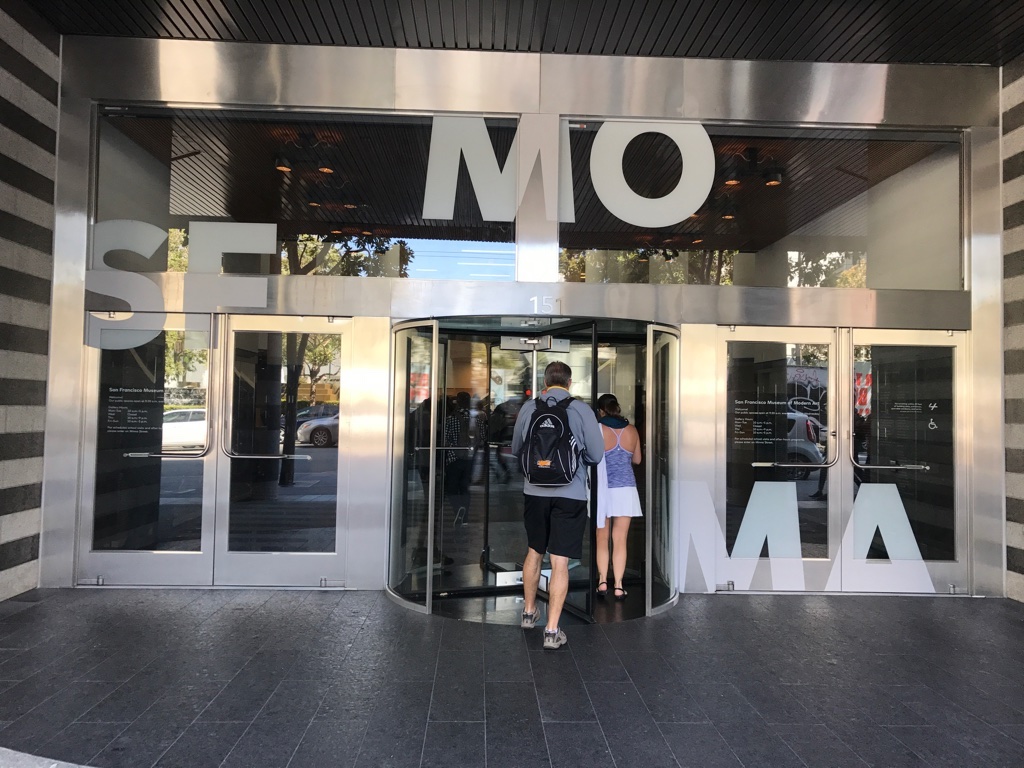
Mario Botta entry doors SFMOMA
The beautiful Mario Botta entry doors to SFMOMA.

STRUCTURE and SUPPORT MISTAKES

These are the unglamorous parts of the art business—the operations, the logistics, the systems.

It’s tempting to ignore them, especially if you’re more focused on creating than organizing. But these behind-the-scenes habits are what allow your work to grow, reach people, and generate income. They are absolutely necessary for a successful art business.

Neglecting the Foundation

Every business needs support structures: follow-up systems, financial tracking, legal protections, and a basic workflow. Without these, you end up patching holes instead of building momentum.

Avoiding the numbers, forgetting to invoice, putting off contracts—none of these make the uncomfortable parts go away. They only delay your progress and add unnecessary stress.

Solid foundations don’t have to be perfect or complicated. They just have to exist for peace of mind.

What are the holes in your foundation?

Sending the Wrong Message

You may be thoughtful and professional, but if your presentation doesn’t reflect that—people won’t know.

Unclear or sloppy websites, inconsistent messaging, poor photos, or missed deadlines all quietly signal: “I’m not ready” or “I don’t really know what I’m doing.”

But the good news is, this is one of the easiest mistakes to fix. Tighten your presentation. Polish your communication. Make sure everything that faces the public feels aligned with who you are—and where you’re headed.

What part of your online presence or promotional material makes you cringe?

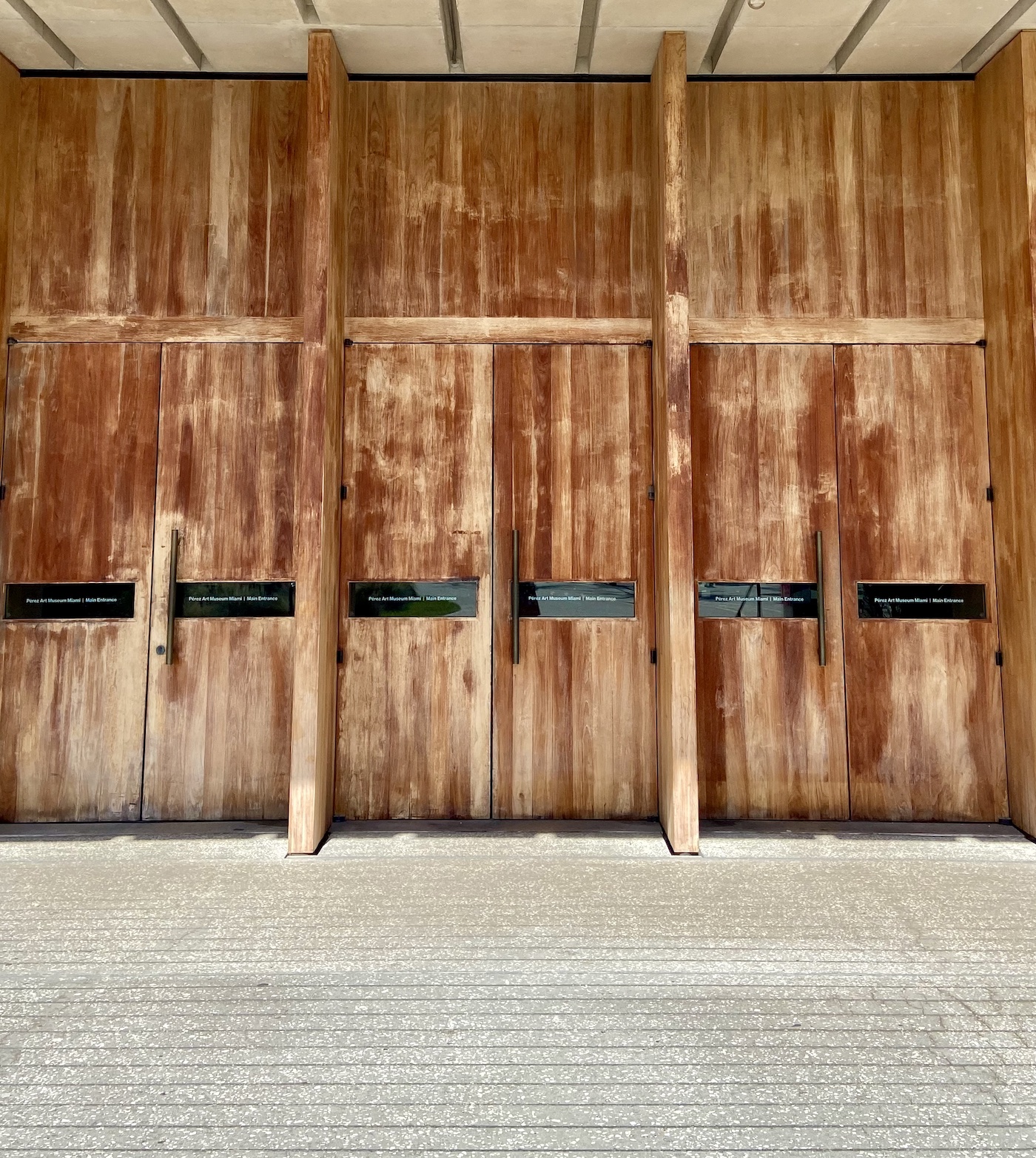
Perez Art Museum in Miami
The steps to the doors of the Perez Art Museum in Miami.

Own It and Move On

If you recognized yourself in any of these mistakes, take heart. None of them mean you’ve failed. Every artist—every entrepreneur—makes missteps. What matters is that you’re willing to look honestly, take responsibility, and adjust.

Growth doesn’t require perfection. It just requires action.

And once you stop avoiding, delaying, or outsourcing your power—everything starts to shift.

What would change in your art business if you owned just one of these truths this week?

This article was originally posted on May 7, 2015 and has been updated with original comments intact.

The post What You’re Not Doing: 7 Mistakes Artists Make appeared first on Art Biz Success.

]]>
https://dy-online.com/biggest-mistakes-artists-make/feed/ 52
The 4 core beliefs that lead to art business success (216) https://dy-online.com/4-beliefs/ Thu, 20 Feb 2025 15:50:39 +0000 https://dy-online.com/?p=52901 There are four core beliefs that guide everything I teach—principles that help artists make better decisions, market more effectively, and build thriving careers.

These aren’t quick tips or passing trends. They are the bedrock of everything I do. They’ve been tested over time, refined through years of working with artists, and proven essential to building a thriving art career.

The post The 4 core beliefs that lead to art business success (216) appeared first on Art Biz Success.

]]>
If you’ve listened to my podcast for a while, read my book, taken my classes or worked with me personally, you’ve likely noticed some recurring themes—guiding principles that shape the way I advise artists. These aren’t just casual suggestions or passing ideas. They are the bedrock of everything I do. They’ve been tested over time, refined through years of working with artists, and proven essential to building a thriving art career.

In this episode of The Art Biz I dive into the four core beliefs define my approach—beliefs I want to be unmistakable. I want you to hear them and think, yes, that’s exactly what Alyson teaches. Because once you internalize these beliefs, decision-making becomes clearer, marketing feels more purposeful, and your path as an artist makes more sense.

I also think you’ll find that everything you do is easier—because instead of operating from a place of urgency to sell, you’re building from a place of clarity and authenticity.

Whether you’re just starting out or have been at this for years, these four principles can help you stay focused on what truly matters. They’re not trendy tactics or quick-fix strategies. They are seminal truths that will support you for the long haul. Ready? Here we go.

1. The Work Must Come First

If you’re an artist, your number one priority—the basis of everything you do—must be making art. Before you think about marketing, selling, or gaining more followers, you have to make the work.

It’s easy to get caught up in the distractions of social media, marketing, or even teaching. These things can feel productive, and in some cases, they are. But at the core of it all, your primary job is to make art.

All of the work I do in my Essentials for Artist Success program and with my Accelerator coaching group revolves around the primacy of the art.

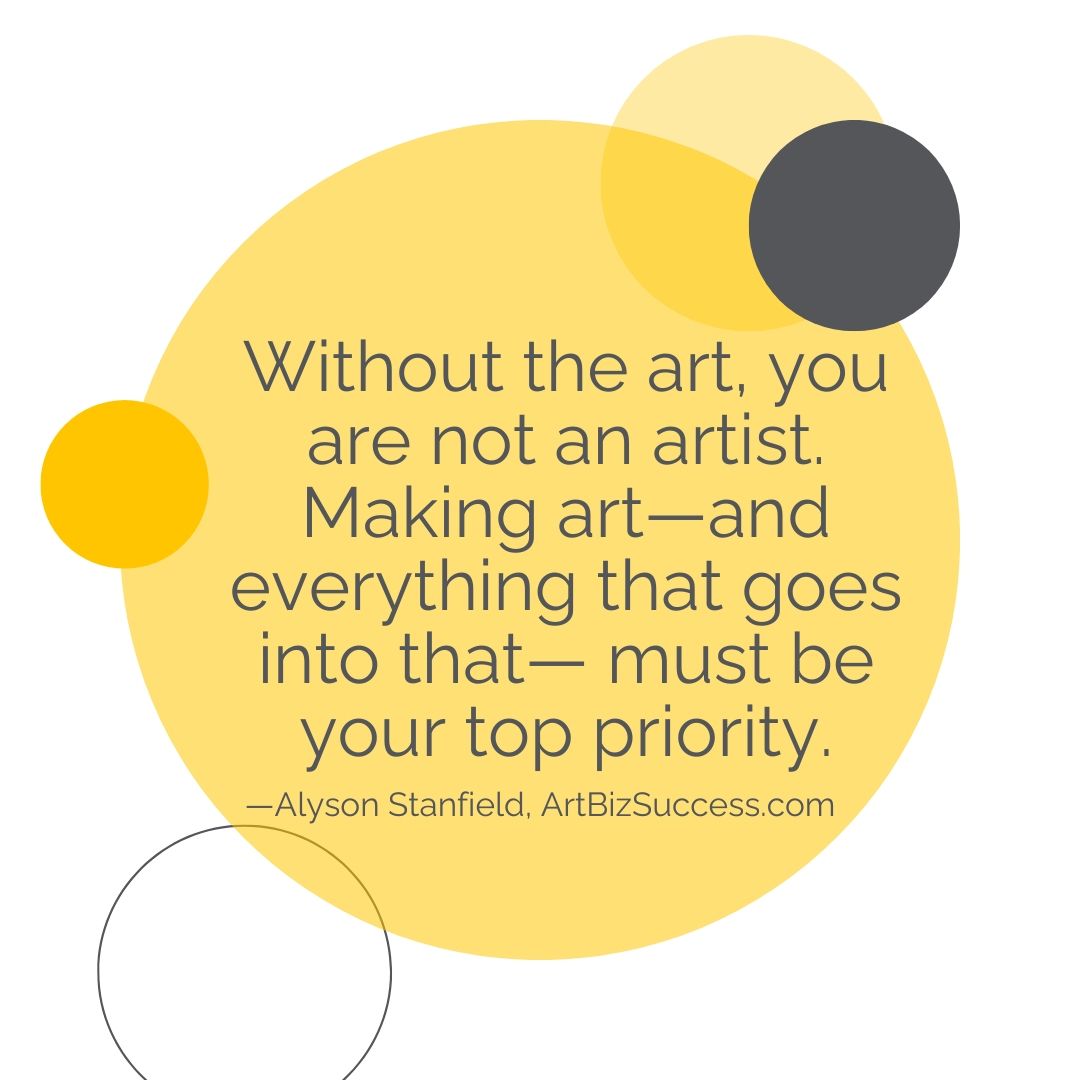
Without the art you are not an artist | Alyson Stanfield
Your art is what matters most, what makes you an artist and gives you purpose | Alyson Stanfield

Listen to the Full Episode

2. Your Art Doesn’t Speak for Itself—You Must Learn to Communicate Clearly About It

I said it in my book, I’d Rather Be in the Studio, and probably a thousand other times: Your art doesn’t speak for itself. Here’s why: The rest of the world doesn’t have a visual education and doesn’t know how to look at art.

Let that sink in a minute. Art appreciation and art history are mostly electives, and the vast majority of people didn’t elect. So it’s not their fault that they don’t know how to look at art. Nobody taught them, which means it’s up to you to guide people through your art.

And if you don’t take control of how you communicate about it, someone else will. That could be a curator, a critic, a collector—or worse, no one at all.

Words connect people to your art. They help people understand what they’re looking at, why it matters, and why they should care. The right words can turn a casual glance into a deep engagement.

The best place to begin is with your artist statement.

Words give people an entrance point for connecting to your art | Alyson Stanfield
Your artist statement is the basis for communicating about your work | Alyson Stanfield

Get help with all of your art marketing!

3. Your Network is Your #1 Marketing Asset

Meeting people and building relationships is the most important thing you can do for your art career, especially if you want to make a living from your work. Opportunities don’t just appear—they are created through connections.

Networking as an artist isn’t something you try to fit in; it’s essential. And it doesn’t mean schmoozing at every gallery opening or forcing yourself into uncomfortable situations. It means being visible, engaged, and open to conversations—in real life and online.

There is no way around it. You must be seen.

The reality is that there are more artists than ever competing for attention, and you can’t afford to sit back and wait for opportunities to land in your inbox.

Building relationships is the most valuable thing you can do for your art career | Alyson Stanfield
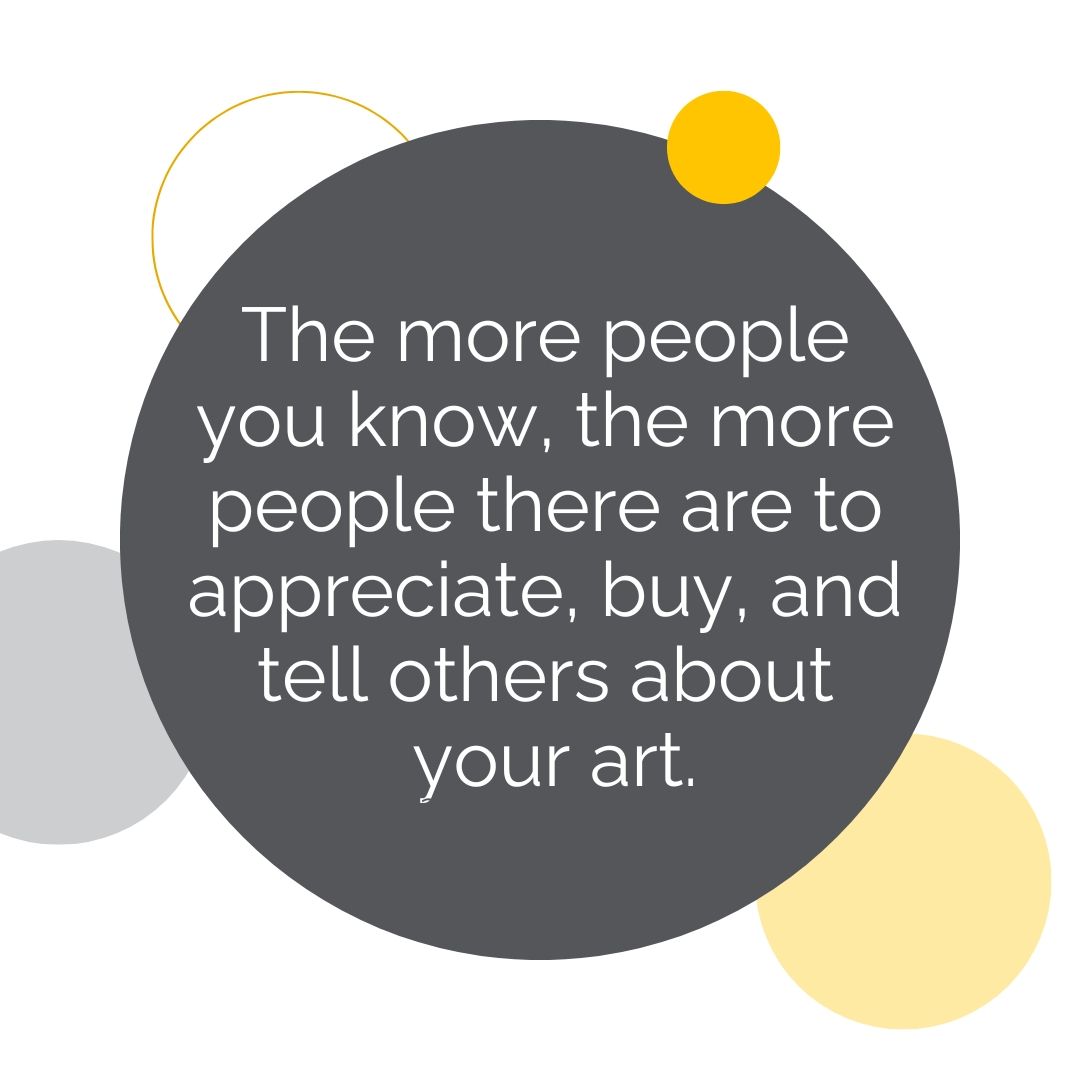
The more people you know, the more people there are to appreciate, buy, and tell others about your art | Alyson Stanfield

4. Business Systems Help You Grow Faster, Save Time, and Elevate Your Professionalism

If you want to build a sustainable art business, you need more than just talent and ambition. You need systems that help you stay organized, make smarter decisions, and free up more time for your art. Business systems, which go far beyond a piece of technology, help you grow faster while saving you time and energy.

I know “systems” might sound rigid, overwhelming, or even boring but here’s the reality: Without systems, everything takes longer. Everything feels harder. Everything is harder.

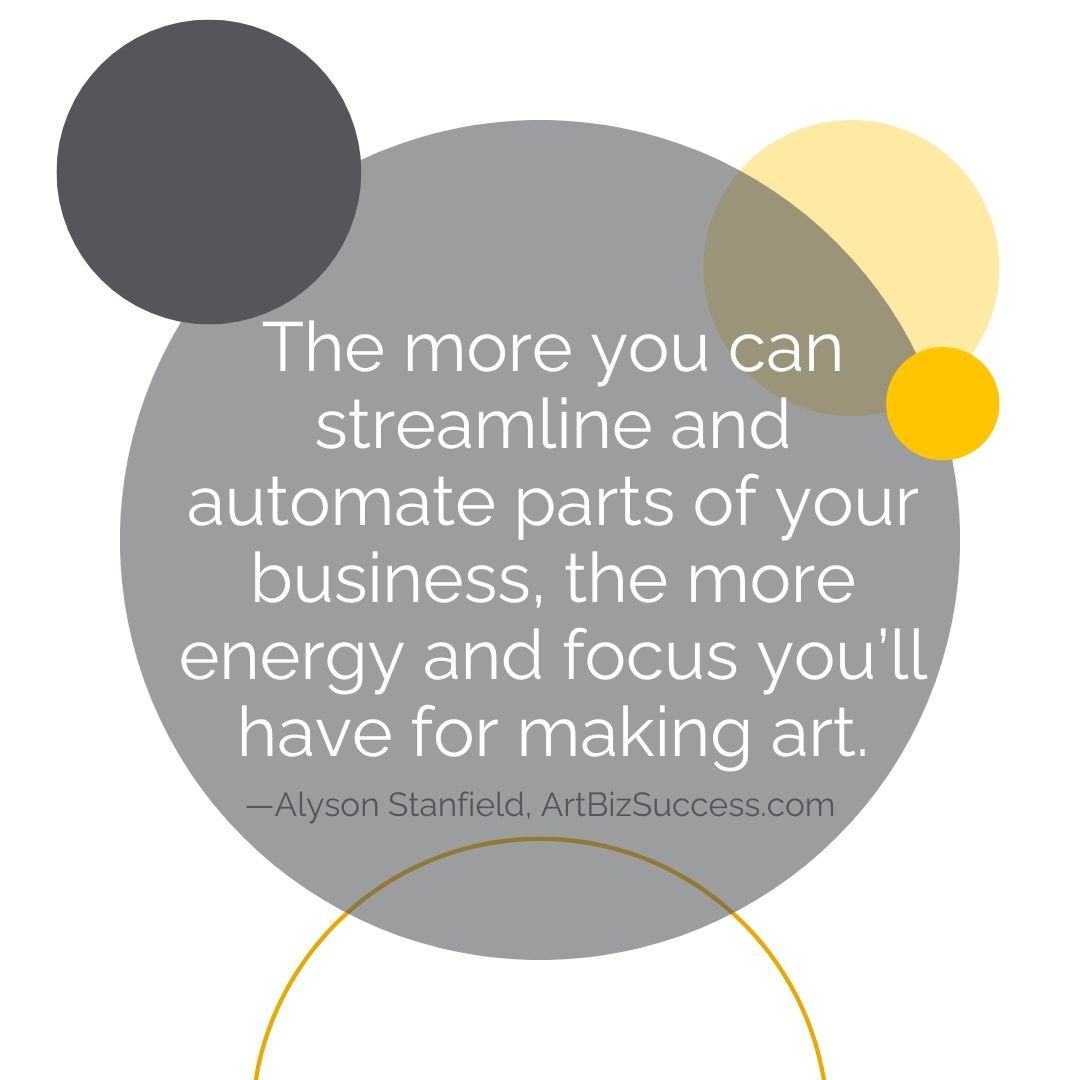
The more you can streamline and automate parts of your business, the more energy and focus you’ll have for making art.

The more you can streamline and automate parts of your business, the more energy and focus you'll have for making art | Alyson Stanfield
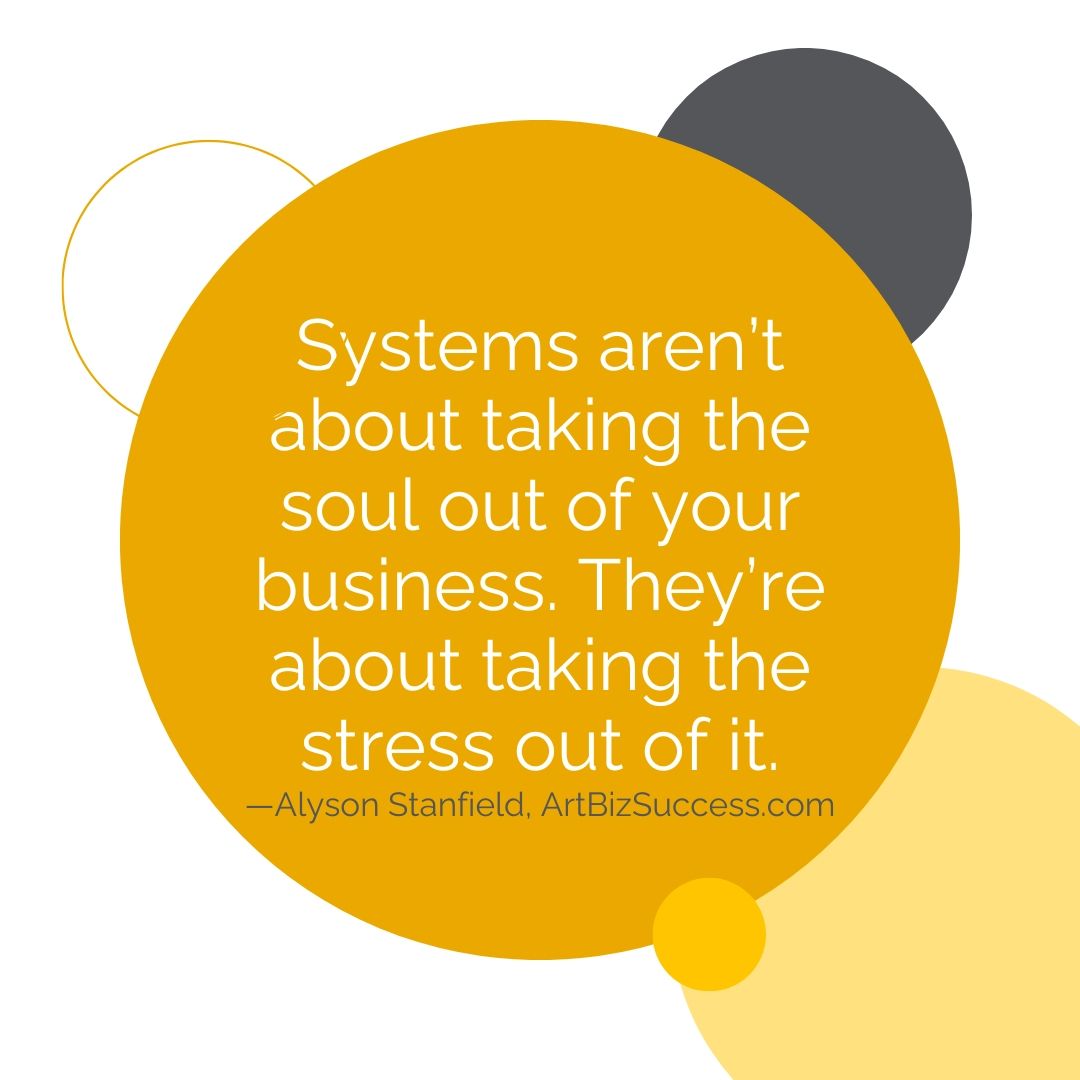
Systems aren't about taking the soul out of your business they're about taking the stress out of it | Alyson Stanfield

If I had a 5th core belief, it would be that small actions add up to big success over time, so I always encourage you to consider how the episode is relevant.

How are these core beliefs showing up for you? Take a moment to consider these questions:

What are you prioritizing, other than your health and family, above your art?
What steps could you take to improve the communication around your art?
Where are you falling down on your relationship nurturing?
Where are you missing deadlines, avoiding tasks, or making mistakes?

No need to reinvent everything! I have systems for you.

The post The 4 core beliefs that lead to art business success (216) appeared first on Art Biz Success.

]]>
What It Means to Be Fulfilled as an Artist (ep. 200) https://dy-online.com/fulfillment/ https://dy-online.com/fulfillment/#comments Thu, 22 Aug 2024 11:51:00 +0000 https://dy-online.com/?p=50840 I use this milestone 200th episode of The Art Biz to explore the deeper motivations behind artists' desires for more recognition and sales.

While the external validation that comes with recognition and sales is important, we must remember that the ultimate goal is happiness. It’s about a commitment to your art for a more joyful life. My priority is to help you cultivate meaning through your art.

The post What It Means to Be Fulfilled as an Artist (ep. 200) appeared first on Art Biz Success.

]]>
We all want more.

More shows! More sales!

More subscribers. More likes. More followers. More comments.

I don’t know a single artist who wouldn’t be happier with MORE.

But what’s at the root of these desires? It’s never more only for the sake of having more. WHY do we want more?

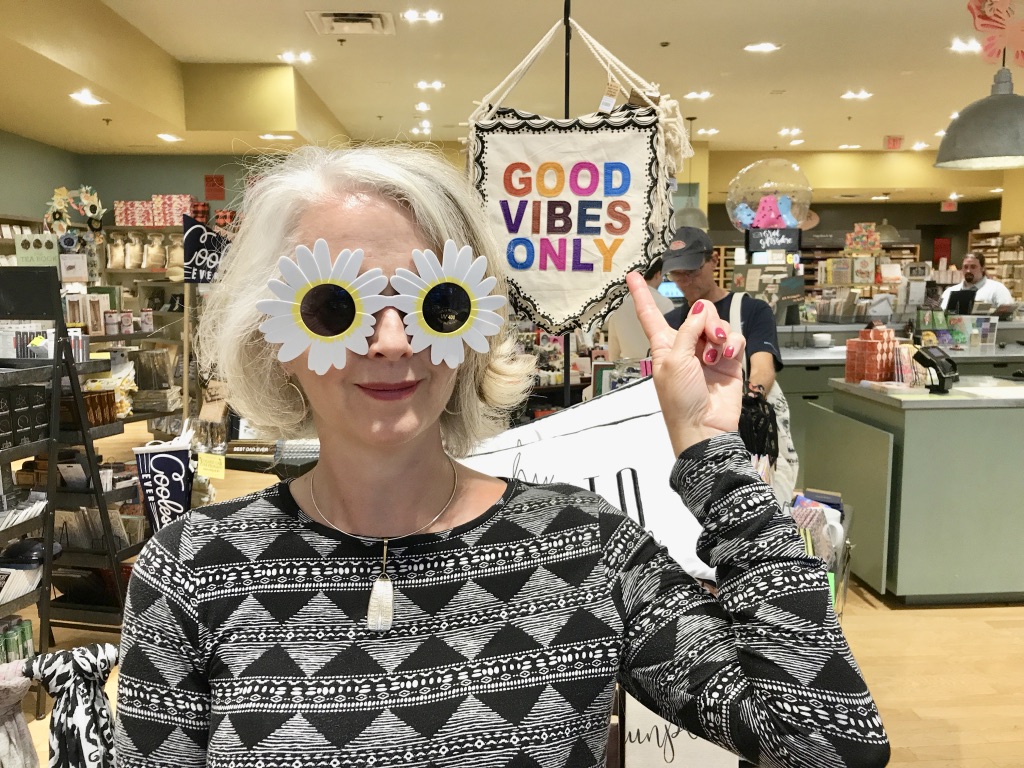
White-haired woman with daisy sunglasses on. Pointing to a sign that says Good Vibes Only.
Just doing what makes me happy.

The Milestone

I think we only want more when we aim for the wrong targets—things that take up time in our days and space in our lives but leave us empty. We think we need more to top us off, but we aren’t naming the true goal. This is what I want to talk about in this 200th episode of The Art Biz.

It’s a significant milestone for this show that I insist on doing my way. I try to publish one episode a week these days, but sometimes I might skip a week. Or even two—because my happiness is paramount.

Whether this is the first episode you hear or you have been a subscriber since the get-go, I appreciate your listening and telling others about The Art Biz. This connection makes me happy, even if it’s over the digital airwaves.

It’s why I started my entire business back in 2002. I sold many of my belongings, packed up a U-Haul truck with my 2 cats, and moved away from an unhappy place in my life—giving up my entire career in art museums—because, as I told my mom at the time, Life is too short to be this unhappy.

Some people move for love or family. Others for more meaningful work.

I moved for a location, Colorado, that I knew would instantly make me happier and it hasn’t disappointed. I won’t give you the longer story about how Art Biz Success came to be, but it was only possible because I insisted that being happy was more important than having a steady job I liked in a location that made me miserable.

To mark this milestone in the podcast, I want to share something huge that I recently realized.

Listen

I have had so many guests over the past 199 episodes who are, through their art, living their purpose, whether it’s connecting to community, leading multi-year projects, taking action against injustices, or immersing themselves in the studio.

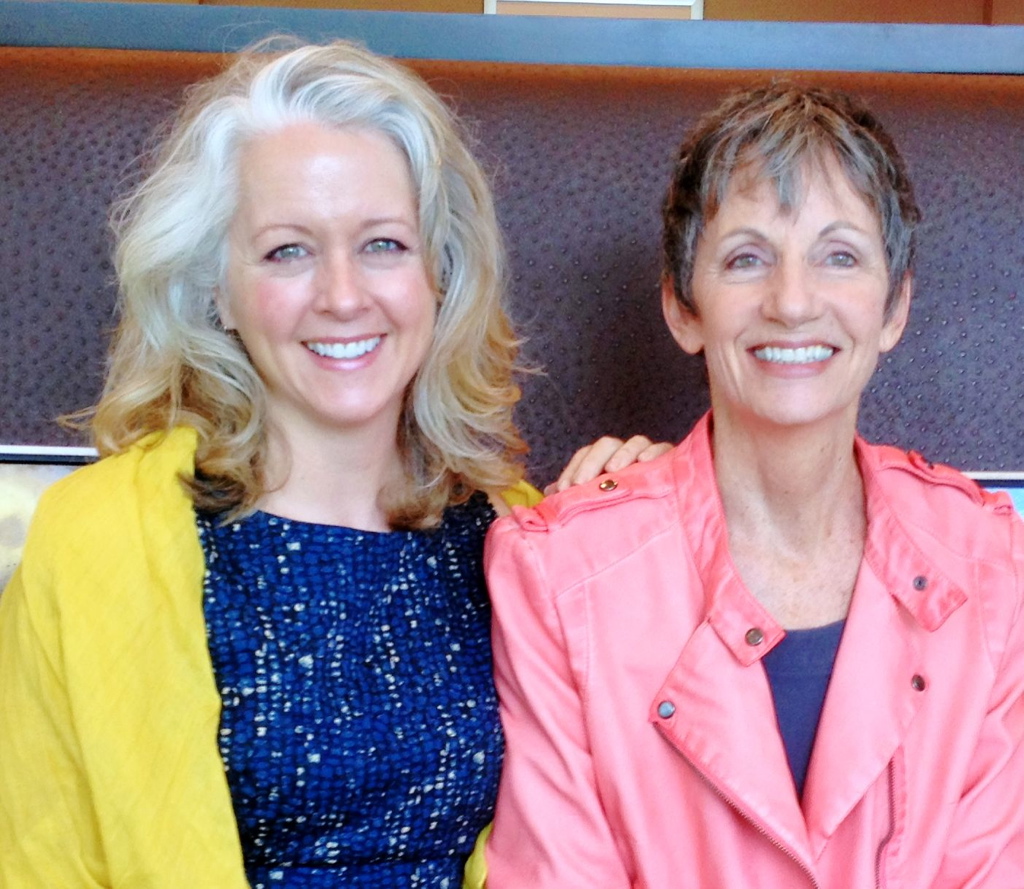
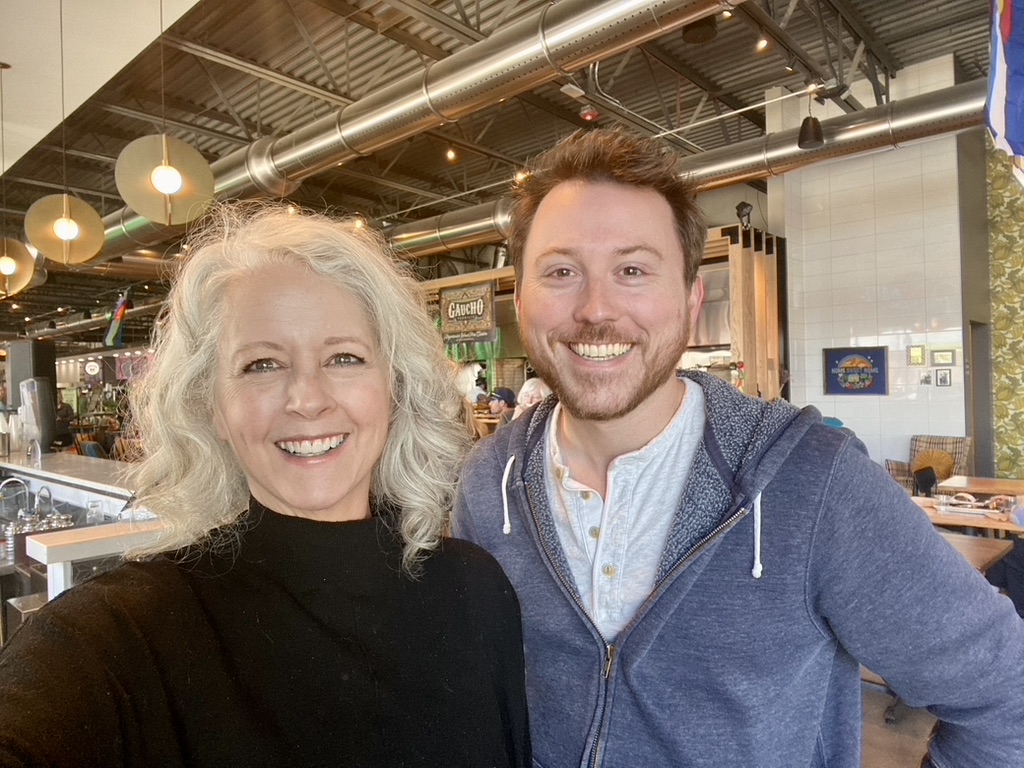
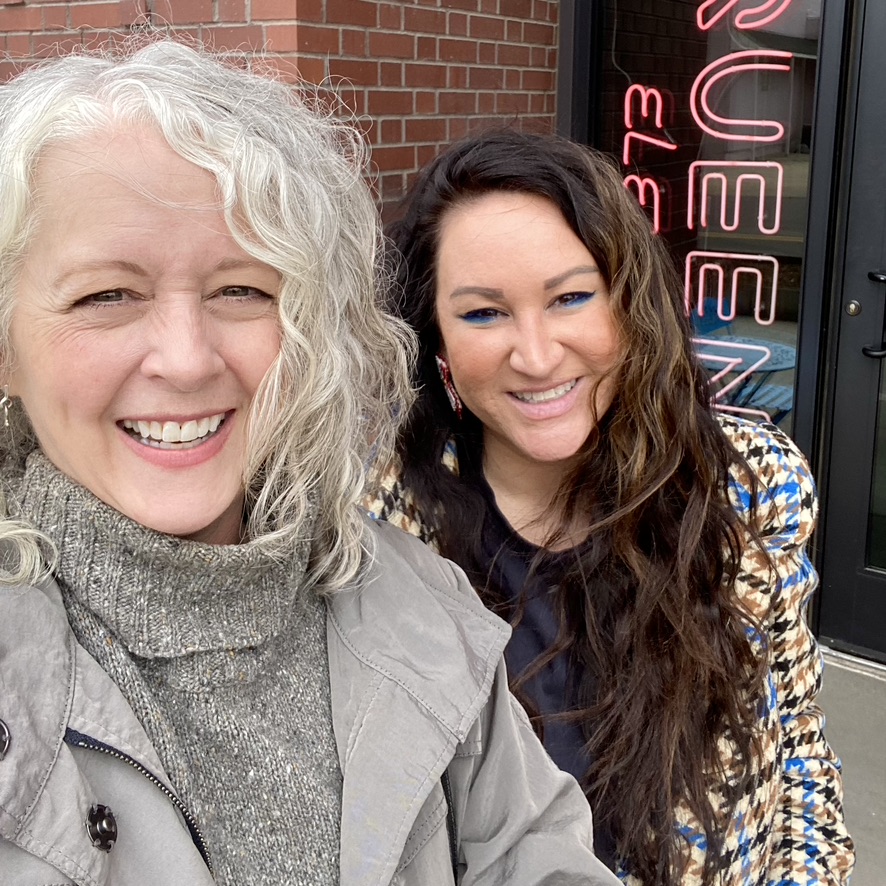
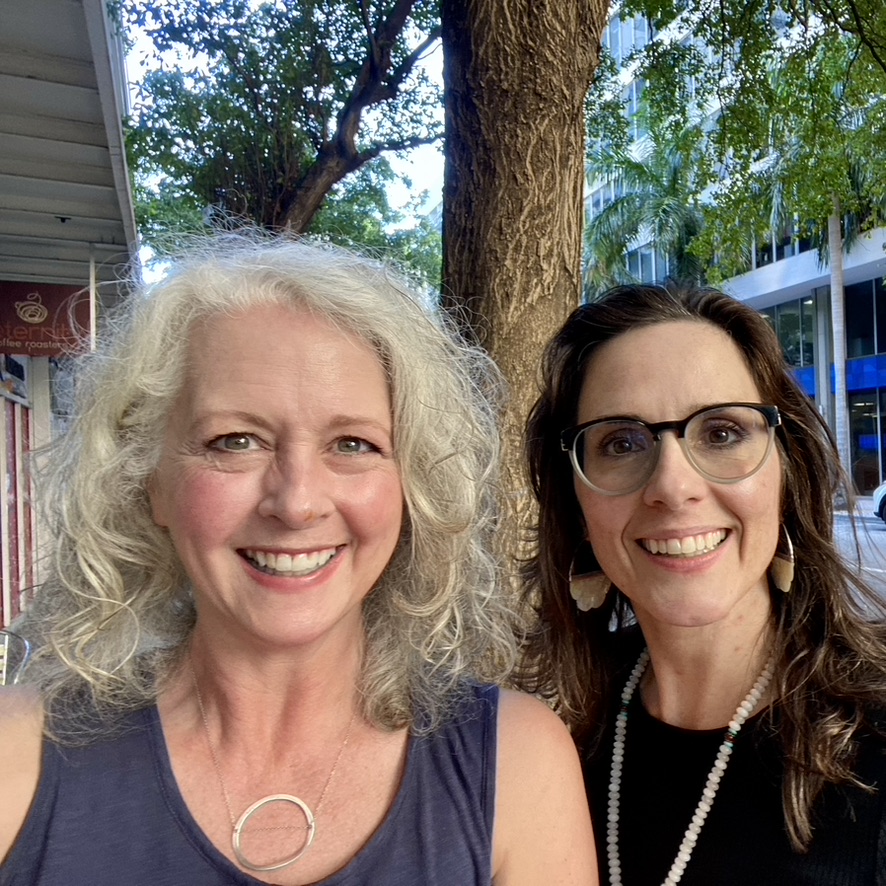
Through the photos featured in this post, I’m highlighting a handful of my past guests that I have had the delight of meeting in person. My hairstyle may have changed over the years 😉 but my joy in seeing them and their art is constant.

Jill Soukup is featured in episode 98: Being Profitable Doesn’t Have to Mean Doing More. Click photo to listen.

Amplify Joy

For many years I have been adamant that I help artists gain recognition and sell more art.

This is true. Recognition and sales are still part of the dream, but what I really want is for you to be fulfilled as an artist.

I want you to live a happier life, and to discover that happier life because you have remained true to your artist-self.

I want you to understand that amplifying your joy, which is essentially what we’re talking about, depends on the work you do in the studio and how you share it with the world.

It’s about feeling fulfilled. That’s what I do when I coach and consult with artists: Help you cultivate meaning through your art.

Dawn Williams Boyd is featured in episode 72: Planning a Year’s Worth of Artwork. Click photo to listen.
Mary Erickson shared her inspiring story back in episode 19: The Investing Artist: Art, Real Estate, and Legacy. Click photo to listen.

Fulfillment

What does it mean to be fulfilled as an artist?

The answer is different for everyone, and varies based on where you are in your art career, what you have achieved, the other things that are going on in your life, and your ambitions. See which of these resonate with you.

Fulfillment might be:

  • Making your best work.
  • Improving on your work by challenging yourself with the next step.
  • Getting a good critique from your mentor.
  • Being accepted into your first juried show or art festival.
  • Selling your first artwork.
  • Opening your solo show.
  • Giving a talk or having a conversation with an audience that gets it.
  • Winning a big commission.
  • Receiving a positive review.
  • Landing a sponsored residency.
  • Earning a grant.
  • Delighting in the success of your students.
  • Gaining gallery representation.
  • Placing your art in a museum.
  • Securing invitations to show at more prestigious institutions.
  • Hitting your income goal for the year.

What is it that feeds you and will help you realize your purpose?

Your answer today should stick around for a while so that you have a target. And, yet. I hope it’s different from what your answer to the same question will be next year. 

Leslie Neumann gives insights in episode 29: When the Commissions Gig Dries Up. Click photo to listen.

External Validation

Note that my list is mostly comprised of external validation.

There is nothing wrong with wanting this external validation. We all crave it. We are human, and we want to be reassured that what we’re doing matters to someone besides ourself.

You can get a brief dopamine hit from words of praise and likes on social media. These feel great, but I don’t have to tell you what hungry beasts the social media algorithms are. They require constant feeding, and, in my experience, don’t lead to the real goal of fulfillment.

Sales might be the highest form of validation. The exchange of someone else’s hard-earned money for a physical object that you labored over is an important way to prove that your work is valued.

Sales can only happen when the work is seen.

This is why it’s important to keep getting your work into more shows and exhibitions.

The perceived prestige of a certain venue is nice, but don’t wait for things to be perfect. If you aren’t already doing so, make it a priority to show your work more regularly NOW.

Zach Wolfson shows up in episode 130: 4 Video Mistakes Artists Keep Making. Click photo to listen.

Institutional Validation

Back in episode 198 I encouraged you to fill up your calendar with events that compel you to finish and prepare the work. Moments during which you can look forward to connecting with others. Moments for discovering deeper meaning and, ultimately, greater happiness.

Unless you make digital art, you and I both know that your work can’t be appreciated fully in pixels. People need to stand in front of it, perhaps walk through it or around it. They respond first to the size, and then the colors, layers, and textures.

It doesn’t matter where your exhibition is. It only matters that you are there in person with the work. That you connect with others who are looking at it in the same space.

It all begins when you’re accepted by a venue’s management, be it a coffee shop, a nonprofit space, or a gallery. Somebody invites you in, signaling approval. Each moment confirms that what you’re doing matters and fuels the path forward.

That’s institutional validation. Another level of validation occurs from interacting with your audience, which I alluded to.

Danielle SeeWalker was my guest in episode 153: Committed to Telling Native Stories Through Her Art and Activism. Click photo to listen.
Jennifer Printz shared her story in episode 79: Tools to Shape Up Your Art Business. Click photo to listen.

Audience Validation

I firmly believe that art is incomplete until it is shared. Until others see it, experience it, and discuss it.

That’s because …

Art is a form of communication.

Yes, self-expression is part of it. Yes, you must go deep within and spend long hours alone with your materials for the work to take form.

Art is how you find meaning in the world. First, through the solitary act of making it, and then through the communal act of showing it and engaging with others who respond to it.

Without this second step, you are unfulfilled.

You are not alone. You aren’t making art only for yourself. You’re making it because you have something to say. You’re making it because you want others to see what you’ve made and appreciate your contribution.

You’re making it to connect. To, again, find meaning, which makes you fulfilled and amplifies your joy.

If you haven’t done so already, make the commitment to showing your art as frequently as possible (without resorting to subpar work or over-scheduling). 

Strategize your steps in my planning workshop.

Jan R. Carson reveals her pivot in episode 23: Leaving Behind What is Safe. Click photo to listen.

The post What It Means to Be Fulfilled as an Artist (ep. 200) appeared first on Art Biz Success.

]]>
https://dy-online.com/fulfillment/feed/ 3
Dealing with rejection with Megan Wimberley (197) https://dy-online.com/wimberley-rejection/ Thu, 25 Jul 2024 12:15:00 +0000 https://dy-online.com/?p=50379 Rejection is a part of every artist’s journey, essential for growth and success. Megan Wimberley, artist and founder of Cowgirl Artists of America, offers a framework to help artists move past rejection. She emphasizes the importance of mindfulness and professionalism in managing setbacks.

By embracing rejection, artists can push their boundaries, take more risks, and ultimately protect and elevate their reputations.

The post Dealing with rejection with Megan Wimberley (197) appeared first on Art Biz Success.

]]>
In order for the art ecosystem to work, many rejections must be handed out. You have, no doubt, discovered this and been the recipient of one or two.

This means to have a successful art business and career, you must learn to deal with rejection.

More to the point, in order to be successful in life, you have to learn to deal with rejection, regardless of your vocation.

Megan Wimberly painting
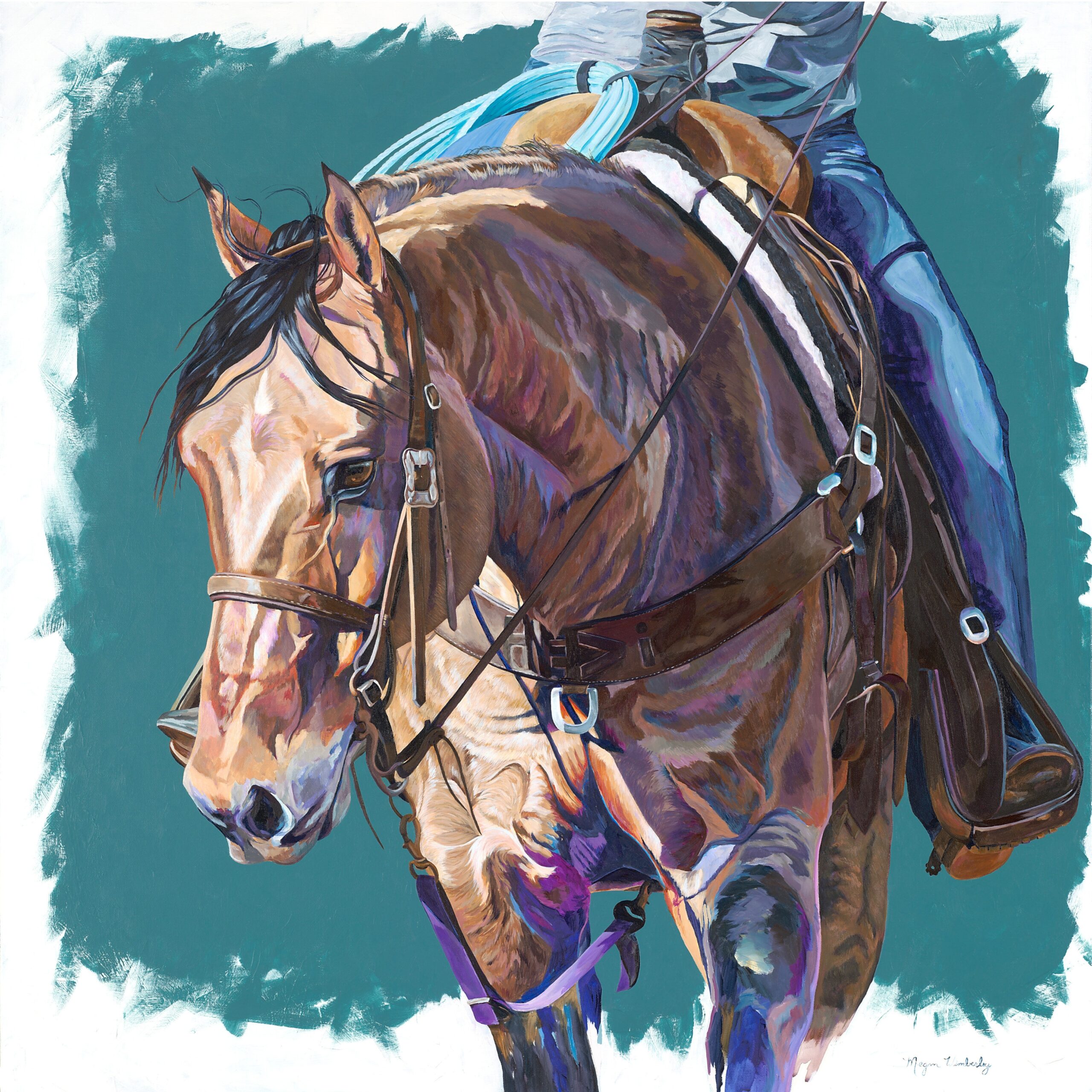
©2023 Megan Wimberley, At Ease. Acrylic on Canvas, 36 x 36 x 1.5 inches.

The good news about rejection is that you are not alone. Every artist who wants to attain a higher level of accomplishment must deal with rejection. If you aren’t counting your rejections, you aren’t taking risks or stretching your goals.

The bad news is … well … You’ve been rejected. And that feels awful. But you can’t let it stop you.

Help is here!

My guest for this episode of The Art Biz is Megan Wimberley, who wants to help you move past rejection. As both an artist and a founder of the Cowgirl Artists of America organization, she has experienced both sides of the process.

We discuss Megan’s framework for dealing with rejection, including the importance of emotional intelligence, mindfulness, and learning from the rejection—all in the service of elevating your professionalism and protecting your reputation.

Highlights with Audio Timestamps

01:48 The birth of Cowgirl Artists of America (CGA)

03:01 Balancing her art and organization admin

03:29 Exhibition programs and the jury process

06:42 We all experience rejection

08:57 Emotional intelligence and mindfulness

14:47 Every juror has a perspective and they will vary wildly from one another

16:24 Common mistakes in art applications

20:27 Space considerations are one reason you might be rejected

22:23 Handling rejection with professionalism

25:16 More about emotional intelligence and mindfulness

26:44 What are your rejections trying to tell you?

29:24 Rethinking that disgruntled email you may want to send

31:54 The importance of professional communication

36:53 Therapy and support systems for artists

38:44 Upcoming CGA exhibition and events

Megan Wimberly
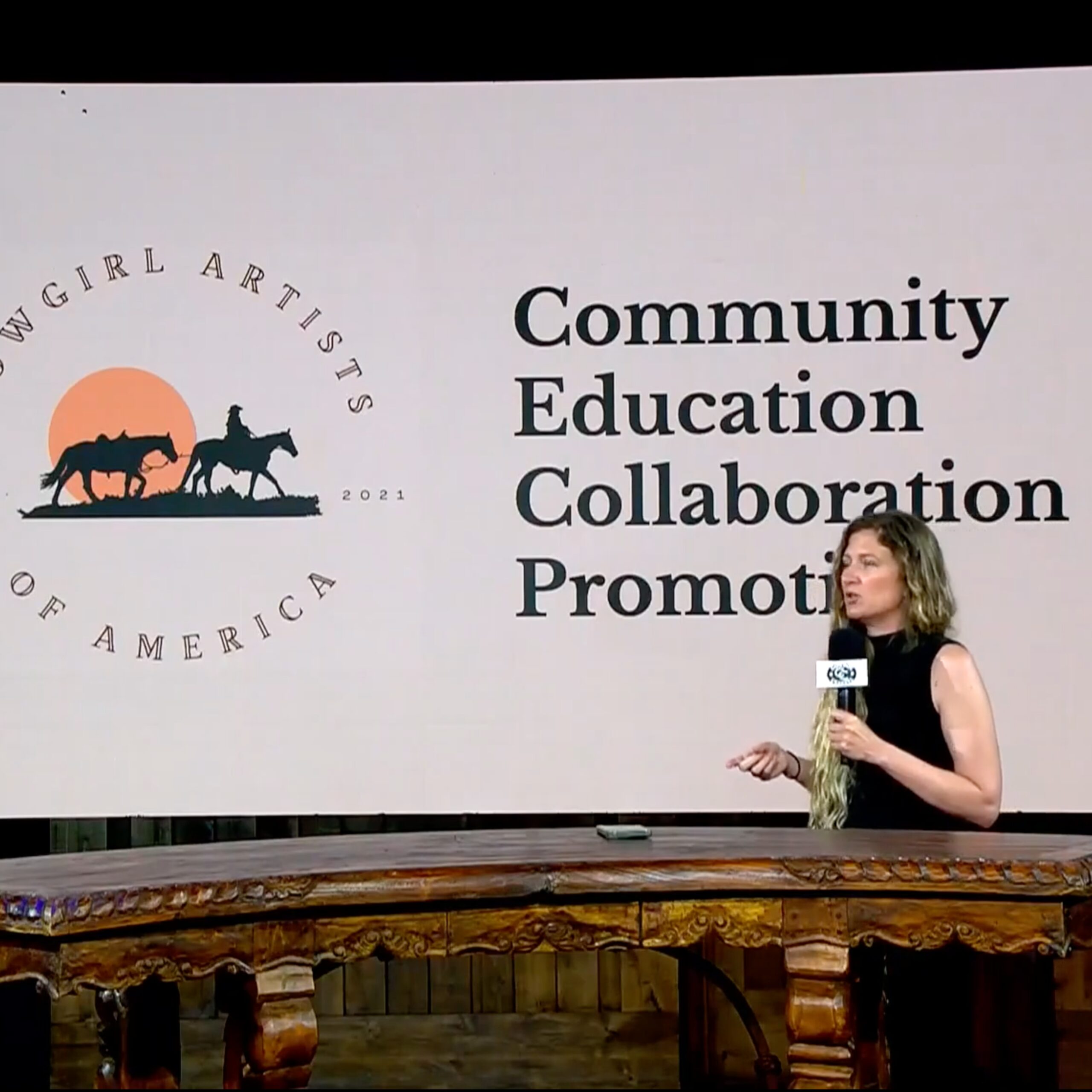
Megan speaking at the Essence Exchange on the Cowboy Channel in 2023

Improve Your Presentation

Spend time learning about how to get better rather than dwelling on rejection. 

Start with my comprehensive art-marketing program for building a lasting foundation for a successful art business … Essentials for Artist Success.

Then gain some insight by listening to these professionals discuss on The Art Biz what they look for in artists.

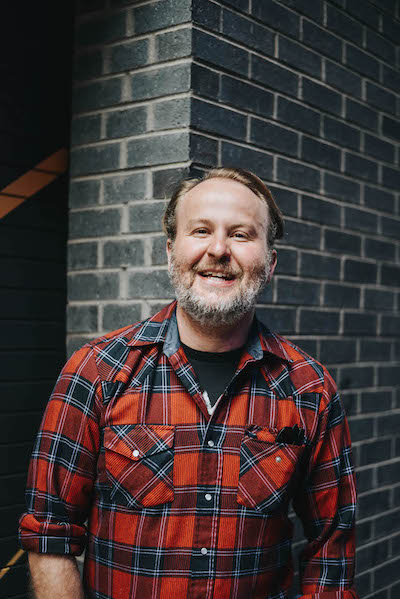
artist Collin Parson red plaid shirt smile in front of brick wall| on Art Biz Success

COLLIN PARSON
nonprofit gallery curator

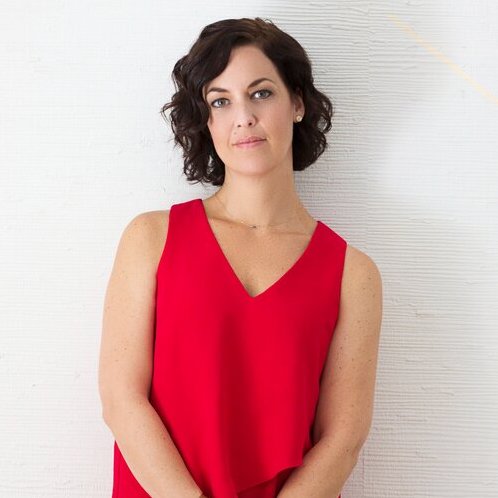
MELISSA MESSINA
independent curator

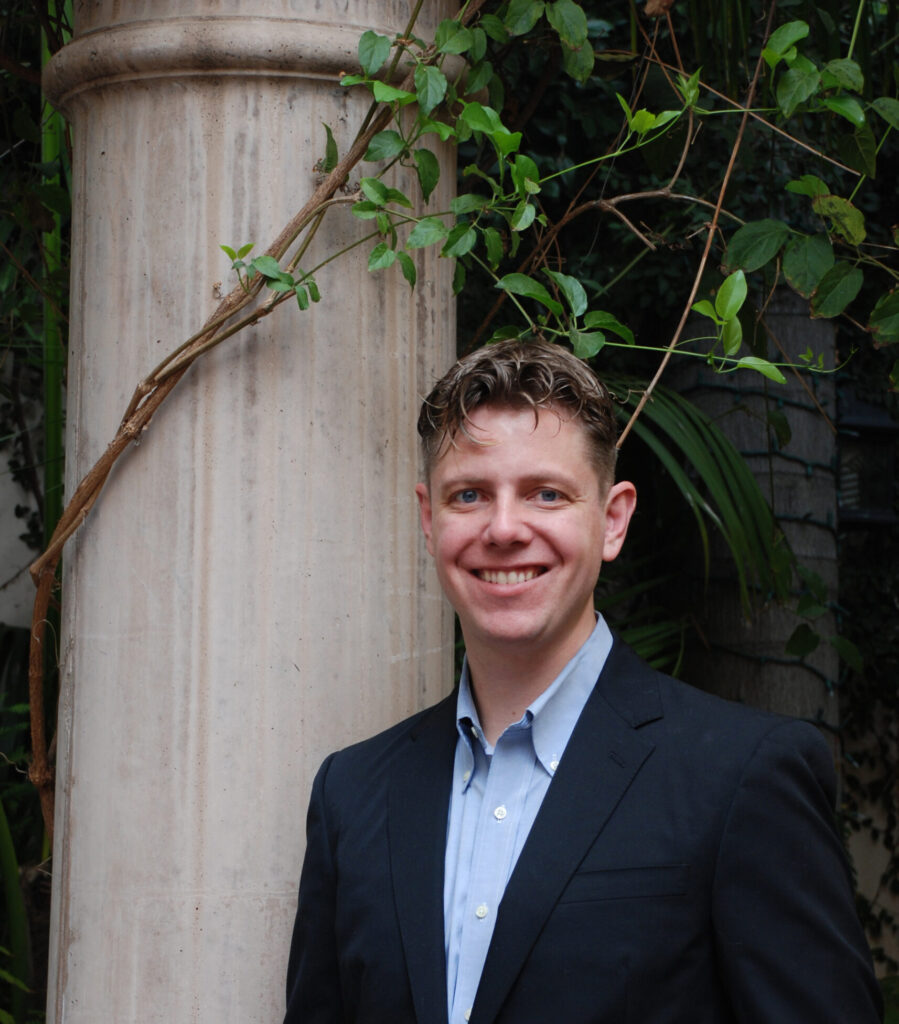
Jeremy Tessmer, gallery director at Sullivan Goss

JEREMY TESSMER
commercial gallerist

Quotes

“We should all be in therapy.” —Megan Wimberley

“Sometimes when I’m dealing with something challenging and feeling big emotions, I imagine that I’m holding this little emotion in my hand and I say, ‘What are you trying to tell me? Because our emotions are trying to tell us something.’ ” —Megan Wimberley

“Because when we name the emotion, it’s this weird little thing in our brain. It takes a little bit of that sting and that power away.” —Megan Wimberley

“What you are communicating when you submit a poor application is I am not trustworthy.” —Megan Wimberley

“Tearing other people down is never going to lift you up.” —Alyson Stanfield

Photo Credit: Brittany Colt

From the moment Megan Wimberley could cling to a saddle horn, legs barely long enough to sit a horse, she was in love. Her fascination with the wild and domestic animals of the American West has dominated much of her life. She explores our connection with these animals, drawing on her experiences with horses, dogs, and cattle.

As founder of Cowgirl Artists of America, she champions female artists in the Western genre. Despite battling Rheumatoid Arthritis, Wimberley continues to create and inspire. Her work has been featured in Mountain Oyster Show and Cowgirl Up! among others.

Follow Megan on Instagram: @megan.wimberley

Follow CGA on Instagram: @cowgirlartistsofamerica

The post Dealing with rejection with Megan Wimberley (197) appeared first on Art Biz Success.

]]>