systems Archives - Art Biz Success https://dy-online.com/tag/systems/ Trusted Art Business Coaching and Consulting Thu, 17 Sep 2026 14:17:50 +0000 en-US hourly 1 https://wordpress.org/?v=7.1.4 https://dy-online.com/wp-content/uploads/2022/02/favicon-2-150x150.png systems Archives - Art Biz Success https://dy-online.com/tag/systems/ 32 32 Will you be ready if your art goes viral? with Jenny McCarty (277) https://dy-online.com/viral-art/ Thu, 17 Sep 2026 14:17:41 +0000 https://dy-online.com/?p=62877 When the 2026 national parks pass became a flashpoint, watercolor artist and ecologist Jenny McCarty found a solution using her paintings. The response landed her on Last Week Tonight and raised nearly $30,000 for parks conservation.

But the part worth studying isn't the viral moment. It's what she had running that allowed her to capitalize on the moment and the decisions she made when thousands of new people started following her.

The post Will you be ready if your art goes viral? with Jenny McCarty (277) appeared first on Art Biz Success.

]]>
In the fall of 2025, the U.S. administration announced that the 2026 national parks pass would feature the sitting president instead of the winner of a photo contest, as was the tradition.

National park loyalists were outraged, and watercolor artist and ecologist Jenny McCarty, one of those people, decided to do something about it.

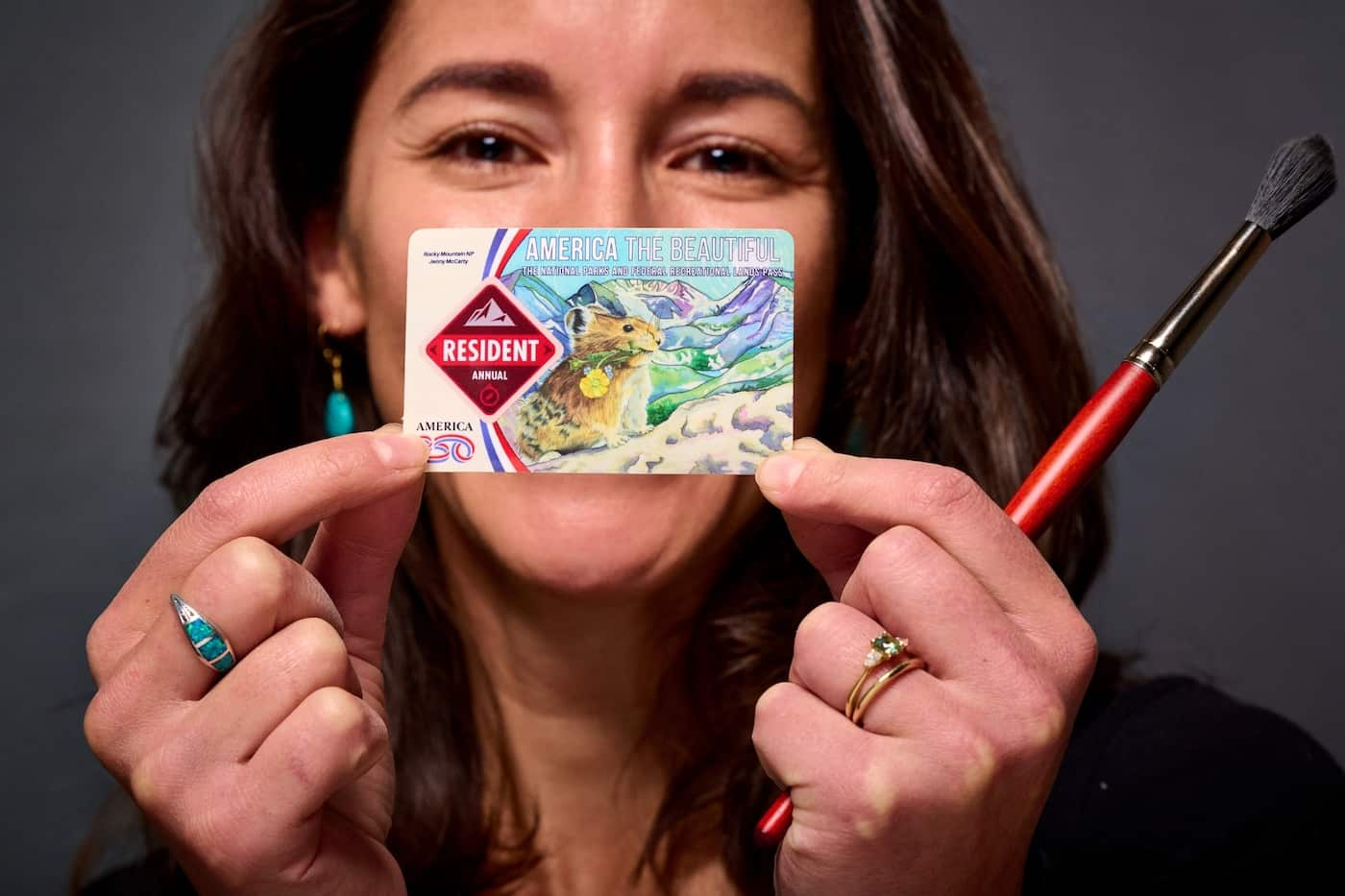
She turned her paintings — a pika in the Rocky Mountains, a grizzly in Denali, a wolf in the Tetons — into stickers people adhere to the top of their parks pass to reclaim as their own. The response was immediate, and it kept coming.

Painting of a wolf howling in the foreground next to a body of water that reflects the surrounding bright blue sky, autumnal orange and yellow trees, and snow-capped mountains.
©2025 Jenny McCarty, Calling the Pack. Watercolor and ink on paper, 12 x 24 inches.

In episode 277 of The Art Biz, Jenny walks me through what happened next: coverage in Outside Magazine and on SFGATE and Last Week Tonight, nearly $30,000 raised for the National Parks Conservation Association, and thousands of new names on her email list.

But she is direct about what actually allowed that moment to benefit her art business.

The viral moment isn't the point

Of course it’s wonderful to have all of that attention, but you’ll be in trouble if you’re not ready for it.

Before any of this happened, Jenny had automations in place that helped her build and segment her list for her weekly email and correspondence with her serious collectors. When thousands of new people showed up, she had somewhere to put them.

When it became clear that some people wanted a sleeve for their parks pass instead of a sticker, she partnered with another artist who was already making one. When the orders outgrew what she could handle on her own, she asked her community for help. A former park ranger now fulfills orders.

Both partnerships run on written contracts.

A year in, Jenny ran the numbers on her own business and saw that her originals were where the revenue actually lives, which showed her how important it was to spend more time in the studio. She has hired a social media manager to help her do just that.

I hope you’re inspired by this interview to systematize your art business. I’ve included related posts and episodes below to help you with that.

Listen

Woman with dark hair holding up a National Parks pass with a painted scene adhered to the top and a paintbrush in her hand.
Jenny with the original viral National Parks Pass sticker. Photo by Jeffrey Packard.

Jenny McCarty Quotes

“I’ve had several posts now go viral, and without systems in place, they don’t lead to any revenue.”

“I reached out to my community and said, ‘Hey, I need help.’ People were coming out of the woodwork.”

“[A contract] just keeps everything nice and black and white and clear.”

“I don’t think big things like this happen because of just one person.”

“National parks are not partisan. They’re all about nature. They’re for everybody.”

“How can I leverage a partnership, a relationship, a contract with somebody else to make that happen?”

About Jenny McCarty

Jenny McCarty is the Colorado-based watercolor artist and ecologist behind Sage Leaf Studio. After years of field research — marine biology in New Zealand, wildlife work in East Africa, fieldwork in Alaska — burnout led her back to the paintbrush. Now she paints joyful, hidden-wildlife watercolors inviting collectors to slow down and look closer, just like nature does.

Every piece is eco-friendly and she gives 10% of profits to conservation. When a national park sticker of hers went viral, her systems turned it into 5,000+ email subscribers and sold out originals, plus over $30,000 donated to national parks.

Follow Jenny on Instagram @sage_leaf_studio

Photo of Jenny McCarty, a woman with shoulder-length dark hair and wearing a black v-neck shirt.

The post Will you be ready if your art goes viral? with Jenny McCarty (277) appeared first on Art Biz Success.

]]>
Stop Waiting for Opportunities and Start Shaping Them with Ebony Iman Dallas (252) https://dy-online.com/shape-opportunities/ Thu, 18 Dec 2025 14:11:32 +0000 https://dy-online.com/?p=56439 What does it look like to move from waiting for opportunities to actively creating them? Topics include building systems around everything that’s been living in your head, shifting from marketing events to sharing yoru art, creating a VIP outreach list, and why fear of rejection keeps dreams small.

Ebony agreed to a live coaching conversation where we dig into where she's stuck and map out strategies to move forward.

The post Stop Waiting for Opportunities and Start Shaping Them with Ebony Iman Dallas (252) appeared first on Art Biz Success.

]]>
Ebony Iman Dallas makes 90% of her income from public art. She’s won awards, shown in institutions, and built a reputation in Oklahoma. But she’s been waiting for opportunities instead of creating them.

The gap between where she is and where she wants to be isn’t about talent or work ethic. Ebony spends 30-40 hours a week in the studio. She has a growing email list and sends regular newsletters.

She’s doing the work.

Ebony Iman Dallas painting
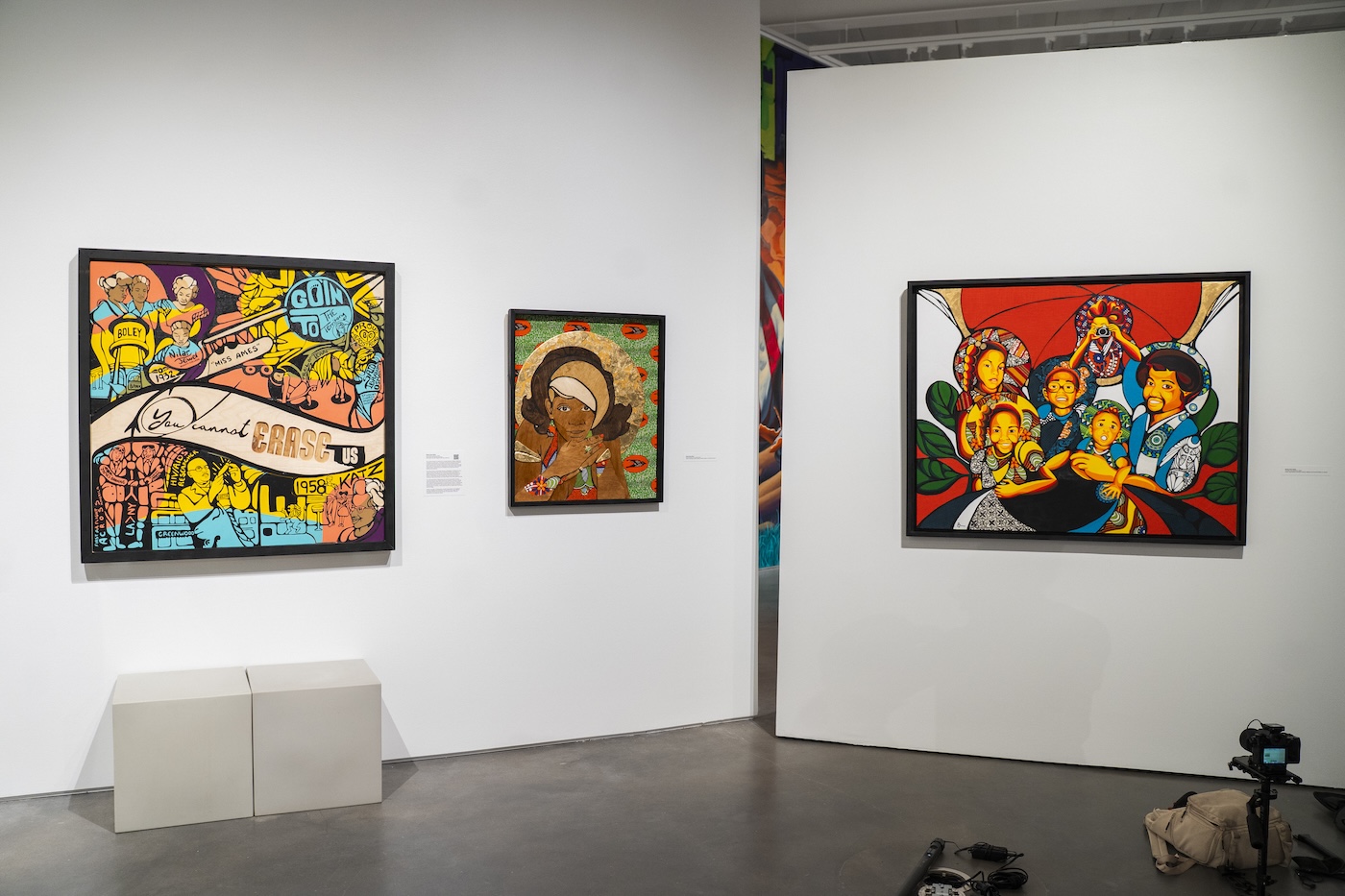
©2025 Ebony Iman Dallas, You Cannot Erase Us. Acrylic on wood using a wood engraver and CNC machine, 45 x 45 inches.

What’s missing are the systems and proactive strategies that would help her expand beyond her regional market.

She keeps her plans in her head instead of on paper. Her marketing highlights events rather than her art. And the fear of cold outreach—of being rejected—keeps her from putting herself in front of the people who could hire her.

This conversation maps out three suggestions to help Ebony make progress.

  • Build a VIP list of 50-100 people who should know about her work and create a postcard strategy to stay visible.
  • Restructure her marketing to highlight her art and storytelling instead of falling back on event announcements.
  • Check in weekly with a trusted accountability partner to take the emotion out of the process and make it a numbers game.

This episode is for you if you’ve ever felt stretched between creative work and life responsibilities, or between where you live and the limits of a local market.

Instead of a traditional interview, you’ll hear a live coaching conversation with Ebony, who generously agreed to let me dig into where she’s stuck and map out strategies to move forward. 

Listen

Ebony Iman Dallas with her mural
Ebony with her mural Teach Love in Ponca City, Oklahoma.

YOUR ACTION

Take one of these strategies and put it into action this week.

Reach out to one curator or gallery director you’ve been meaning to contact. Start building your VIP list of people who should know about your work. Or reconnect with an accountability partner and schedule weekly check-ins to share what you’ve applied for.

Ebony Iman Dallas Quotes

“Just having sales doesn’t mean the messages I’m trying to share with my art are getting seen by the people I want to see them.”

“I definitely need to approach businesses, which my husband’s been really trying to push me to do because he sells insurance, so it’s easy for him to go knocking door to door. I’m not really that comfortable with that just yet.”

“I haven’t been consistently applying because I don’t want to get overwhelmed to where I can’t finish what I already promised people.”

“There are times where it feels overwhelming. That’s when I’m like, okay, I need post-it notes and I need to print out the calendar for the year. That usually helps get me on track.”

“I’m so grateful for businesses and organizations reaching out to me, but I can’t count on that forever, so I just have to get over it.”

“My book is a story about my father and me. Part of it is trying to share, Hey, that’s a lie. Here’s what I’ve learned since. So it’s partly trying to clear his name and partly trying to share with people that you can heal through traumatic experiences.”

“A good friend and I started checking in once a week: Hey, what have you applied for this week? I realized how helpful that was because it takes the emotions out of it.”

“When it comes to my art, I’m a storyteller at heart, so I want them to walk away with some sort of message depending on what the piece is.”

Ebony Iman Dallas ArtNOW
Ebony's work featured at Oklahoma Contemporary's ArtNOW.

About Ebony Iman Dallas

Ebony Iman Dallas, a fifth-generation Oklahoman and second-generation Somali-American mixed-media artist and muralist, creates work rooted in African woodcarving, textiles, and Somali-inspired linework. Her exhibitions span Oklahoma Contemporary’s ArtNOW, New York’s Romare Bearden Centennial, and she will soon release her graphic memoir titled Through Abahay’s Eyes. Dallas was the co-lead artist and project manager for the 600 square foot ceramic mural at Willa D. Johnson Recreation Center in Oklahoma City.

Dallas founded Afrikanation Artists Organization in the US and Somaliland and is a Paseo Artist of the Year.

Follow Ebony on Instagram: @ebonyimandallas

Ebony Iman Dallas

The post Stop Waiting for Opportunities and Start Shaping Them with Ebony Iman Dallas (252) appeared first on Art Biz Success.

]]>
What a commitment to audience-building means to Noelle Phares (225) https://dy-online.com/phares-parttwo/ Thu, 01 May 2025 12:15:00 +0000 https://dy-online.com/?p=53709 Noelle Phares built her thriving art business by staying fiercely committed to audience-building.

In this episode (a continuation of episode 224), she shares how she nurtured that audience from the start, why she still prioritizes direct connections over gallery exclusivity, and the systems she put in place to stay focused on making her art. Listen for a masterclass in running an art career with vision, strategy, and heart.

The post What a commitment to audience-building means to Noelle Phares (225) appeared first on Art Biz Success.

]]>


If you want a sustainable art business, making great work is only half the equation.

The other half? Building an audience that believes in you—and staying committed to that connection over the long haul.

Noelle Phares oil acrylic painting
©2024, Noelle Phares, Matriarch. Oil and acrylic on panel, 48 x 60 inches.

Noelle Phares understood this from the very start. Instead of waiting for the “right” opportunities to appear, she actively created her own—through strategic shows, studio events, a strong print business, and personal relationships with collectors.

Her audience didn’t just show up overnight. It grew because she kept showing up first.

In this episode of The Art Biz, a continuation of episode 224 , Noelle pulls back the curtain on what real audience-building looks like behind the scenes. She shares how she chose where to show her work, set smart boundaries with galleries, and structured her business to keep growing without losing her creative focus.

We dive into the systems she’s built—including how she uses assistants, manages multiple income streams, and maintains direct connections with the people who support her art. Through it all, Noelle’s commitment to audience-building has given her the freedom to evolve as an artist without compromising her vision.

If you’re tired of feeling like you’re waiting for permission to grow your art career, this conversation will show you how powerful it is to take control—and why nurturing your audience is one of the smartest investments you can make.

Listen or Watch

Make sure you caught part 1 of my interview with Noelle.

Your audience won’t build itself.

Choose one action you can take today—send an email or DM, write a thank-you note, or reach out to a supporter—and start nurturing the connections that will sustain your art business.

Noelle Phares Quotes

“I’ve been able to say no to commissions because it’s more important to me to create work that goes together and is seen by a larger audience.”

“I built a brand around something that I was really passionate about, and I think that will hopefully continue for the rest of my life.”

“I want to be able to have my artwork in the homes of people who can only afford to pay $50 for a print. So there are some galleries who are not okay with that, and that’s fine. I can’t work with those people.”

“It takes a lot of work to grow technically and creatively, but also to keep building and nurturing your audience.”

“I feel like I need to interpret my work with words—whether that’s through email, on my website, or on social media—for the storytelling component to come through.”

Noelle Phares oil painting
©Noelle Phares, Before the Flood. Oil, colored pencil, and acrylic on panel, 40 x 30 inches.

“A thriving art career requires momentum. You have to have an audience if you’re going to sell artwork.”

“You really have to be the number one advocate for your own work.”

Mentioned

About Noelle Phares

Noelle Phares brings a fresh perspective into her contemporary landscape paintings through examination of the tension between organic and synthetic. As an environmental scientist by training, she allows the same topics that drove her work in the natural sciences to now guide her creative endeavors.

Her body of work combines landscape elements with structural geometry to create fractured architectural landscapes that explore the ever-encroaching presence of humanity into previously pristine open spaces. 

Follow Noelle on Instagram: @noellephares

Noelle Phares
Photo by Kylie Fitts

The post What a commitment to audience-building means to Noelle Phares (225) appeared first on Art Biz Success.

]]>
Safeguarding Your Art Career with Ruby Lopez Harper of CERF+ (220) https://dy-online.com/safeguarding-cerfplus/ Thu, 20 Mar 2025 11:52:00 +0000 https://dy-online.com/?p=53007 When disaster strikes—whether it’s a wildfire, theft, or medical emergency—artists need a plan. In this episode, Ruby Lopez Harper, executive director of CERF+, shares how the organization helps artists prepare for and recover from unexpected crises.

From emergency relief grants to disaster-readiness resources, Ruby explains why every artist—no matter their medium—should take steps today to safeguard their practice, protect their livelihood, and strengthen their resilience.

The post Safeguarding Your Art Career with Ruby Lopez Harper of CERF+ (220) appeared first on Art Biz Success.

]]>

Disasters and emergencies can strike when least expected, and for artists, the impact can be devastating—damaged studios, lost inventory, stolen equipment, or unexpected medical crises that interrupt creative work.

Fortunately, there are people and organizations that step in to help artists prepare for and recover from these disruptive events.

Ruby Harper Lopez CERF+
Ruby and the CERF+ crew hard at work at the 2024 Artist Thrive Conference.

In this episode of The Art Biz, I speak with Ruby Lopez Harper, Executive Director of CERF+, about the organization’s mission, the resources available to artists, and why all creatives—whether they identify as craft artists or not—should prioritize readiness and preparedness.

This episode was recorded as part of Podcasthon, a global event where podcasters highlight a charity of their choice. As longtime supporters of CERF+, we  are happy to share their story and how they help artists (you!).

Podcasthon logo

Listen

How Artists Can Prepare for the Unexpected

Many artists don’t think about disaster preparedness until it’s too late. But taking simple steps today can save time, money, and stress in the future. Ruby highlighted key actions artists should take to safeguard their work and business.

What’s 1 step you can take immediately to safeguard your art business?

Consider: Backing up your files, reviewing your insurance, creating an emergency plan, or checking out CERF+ resources.

Watch the Interview

Don’t miss new articles, podcasts, programs, and some of my favorite discoveries.

Sign up for my weekly newsletter.

Ruby Lopez Harper
In addition to her busy life as an administrator, Ruby finds time for her art.

Ruby Lopez Harper Quotes

“Being prepared isn’t just about safeguarding your art—it’s about being a responsible business owner.”

“You may not need us now, but someone in your creative community does.”

“It is probably the least appealing work to do because, at our core, it pokes at our mortality. It pokes at our vulnerability. It pokes at our uncertainty, and that’s not a comfortable place for people to go.”

“Artists need to normalize these conversations because they really are going to help when something happens.”

“Our goal is to make sure that the people who need the resources have access to the resources.”

“The best thing you can do to support this work is to do one thing today—this week, this month—to safeguard your practice. And then tell someone else what you did so that they get inspired to do it too.”

Mentioned and Resources

CERF+

Studio Protector Guide :: A comprehensive tool for safeguarding your studio and materials.

CERF+ Insurance Guidebook :: What every artist needs to know about insurance coverage.

National Coalition for Arts Preparedness & Emergency Response (NCAPER) – A network of organizations that provide disaster support for artists.

Donate to CERF+

About CERF+ and Ruby Lopez Harper

The Craft Emergency Relief Fund (CERF+) is the country’s only craft focused relief funder. Since 1985, we have supported craft artists following disasters and emergencies that disrupt their practice. Ruby joined CERF+ in November 2022 and has stewarded the organization through providing relief and recovery support for multiple disaster events such as 2024 Hurricane Helene in the Appalachian region, and the recent 2025 LA Wildfires.

Ruby Lopez Harper: Mexican, Mother, Wife, Artist, Advocate and Social Justice Warrior. She is also an Adjunct Professor for George Mason University teaching courses in Arts and Community Engagement and Crisis Management. 

Follow CERF+ on Instagram: @cerfplus

Don’t miss new articles, podcasts, programs, and some of my favorite discoveries.

Sign up for my weekly newsletter.

The post Safeguarding Your Art Career with Ruby Lopez Harper of CERF+ (220) appeared first on Art Biz Success.

]]>
How to guarantee people remember you with Skip Hill (187) https://dy-online.com/skip-hill-encore/ Thu, 02 May 2024 11:06:00 +0000 https://dy-online.com/?p=48938 When Skip Hill said he needed a system for following up with his collectors, I knew I wanted to help.

He was neglecting his important business relationships at the most basic level. He said he was tired of being the stereotypical bohemian artist and ready to hone his business chops. Skip understood that the place to start this new commitment was with his network.

The post How to guarantee people remember you with Skip Hill (187) appeared first on Art Biz Success.

]]>

My utter bliss is to help artists make business systems that streamline their lives so they can spend more time in the studio.

So when Skip Hill said he needed a system for following up with his collectors and important relationships, I knew I wanted to help.

Skip Hill painting Love Garden
©Skip Hill, Love Garden (Hush). Mixed-mediums, acrylics, collage, and inks, 52 x 74 x 2 inches.

In this encore episode of The Art Biz, I walk Skip through the steps to create a plan for nurturing his relationships.

We go through these steps to create his plan:

  1. What do you want to happen?
  2. By when does it need to happen? Or … How frequently does it need to happen?
  3. What do you need to have/acquire/learn to make that happen? And/Or what tools and technology will you use for the process?
  4. Who do you need to enlist to help?
  5. What are the exact steps needed to make this system hum?

The steps in that last question provides the fuel. Miss a step, and your system crashes. Find Skip’s specific steps below.

This is a remix of episode 147, one of my most popular shows of 2023.  

Listen

One of my four core beliefs for art business success is that your network is your #1 marketing asset.

[ Read or listen to my core beliefs for art business success. ]

Skip's Steps for His Relationship System

These are SKIP’s steps—specific to his goals. You will need your own set of steps, which I walk you through, and give you the tools for implementation, in my Followers to Collectors workshop.

The steps here have different numbers than those on the recording because I reorganized them to make better sense.

Skip’s to do first:

  1. Block off time on your calendar every week. You wanted a whole day for this.
  2. Decide how you will use the various tools (MailChimp, Artwork Archive, Google Sheet).
  3. Input contact info for new people that you’ve been keeping but doing nothing with.
  4. Update your Google sheet to have proper fields. Add fields for the next date to follow up, last contact, mutual contact, and notes.
  5. Start using a daily task list in your journal. Don’t leave anything in your head.

On your “relationship day”:

  1. Open your spreadsheet. Sort it by the date to follow up field.
  2. Open Artwork Archive and your collector list.
  3. Reach out to at least 5 people you need to stay in touch with from those lists. Note that reach out in your Google sheet.
  4. Consider: Who needs to know about me and my art? Add them to your list and/or reach out today.

To use your email list:

  1. Begin storing ideas for what to send to your list. Decide where you will keep those ideas so you can find them.
  2. Send one email every month to your list. Start with a Tuesday or Wednesday (your relationship day), mid-month.
  3. Your first email (in a very long time) will be a re-introduction to warm up the recipients to hearing from you more often.

Build your unique relationship-centered marketing process —>

Mentioned

Skip Hill in the studio with a work in progress.

Highlights

3:27 Skip Hill’s artistic journey and philosophy

7:43 Creating a system for art business success

11:58 Identifying the components of Skip’s new system

28:07 Finalizing the plan: Steps towards a systematic approach

28:28 Crafting your contact strategy: Calendar blocking and tools

29:15 Organizing contacts: From MailChimp to Google Spreadsheets

31:34 Personalizing your outreach: Keeping track and making connections

32:46 Updating and maintaining your contact lists

33:48 Strategizing collector engagement and follow-ups

41:45 Exploring automation and re-engagement strategies

51:05 Final thoughts and next steps

Quotes

“I’ve done the Bohemian thing for years. That’s the area where I really am looking for your help and guidance in developing systems to maximize business potential for my art.”—Skip Hill

“Intention, that’s the operative word.”—Skip Hill

“Choose one day in the beginning and then know that when you’re starting a system, it’s always gonna take more time in the beginning.”—Alyson Stanfield

“You have to distinguish the purpose for each app you use because there isn’t one app that’s going to do everything for you.”—Alyson Stanfield

“Before I find that magical someone I haven’t identified to help me with my business, I have to clarify what the tasks would be.”—Skip Hill

“You dictate who you want to have your art, as opposed for waiting to whoever comes along.”—Skip Hill

About My Guest

artist Skip Hill

Visual artist Skip Hill creates colorful, lyrical art that exudes moods of epicurean delights and layers of sensory experiences.

Some of the most captivating parts of his mixed-media collages are in their peripheral details – expressive patterning, looping graphic lines, kinetic scribbling, Kanji calligraphy and African motifs. Like a shaman, Hill communicates freely between dreams and reality, while managing to artfully coordinate his visions with his hand. Working out of his studio in Oklahoma, Skip Hill’s art is influenced by literature, music, art history and his travels through Europe, Southeast Asia and Brazil.

Follow him on Instagram @skiphillart

Build your unique relationship-centered marketing process —>

The post How to guarantee people remember you with Skip Hill (187) appeared first on Art Biz Success.

]]>
The Art Biz ep. 152: How to Squeeze More Time from Your Busy Calendar https://dy-online.com/time-management/ https://dy-online.com/time-management/#comments Thu, 22 Jun 2023 13:37:48 +0000 http://artbizsuccess.com/?p=19543 As an artist and business owner, you're constantly juggling responsibilities. It's easy to feel overwhelmed, but take solace in knowing that you're not alone. In this episode, I share 8 tips for and 2 truths about time management.

Optimize your schedule and increase efficiency—not so you can do more, but so that you make the most out of your limited time and enjoy life.

The post The Art Biz ep. 152: How to Squeeze More Time from Your Busy Calendar appeared first on Art Biz Success.

]]>
As an artist and 1-person business owner, you are the talented maker, gregarious promoter, delightful conversationalist, and head honcho. All. At. The. Same. Time.

It’s easy to be overwhelmed by all of these simultaneous roles.

Landscape painting by Kim T. Richards
©Kim T. Richards, Morning Dunes. Oil on aluminum panel, 11 x 14 inches.

You’re juggling all of the moving pieces of your art business along with the responsibilities and joys of your personal life.

Perhaps … Just maybe … It might be heartening to remember that you are no busier and no more overwhelmed than the next artist. Everyone has something that steals their energy.

On the home front, it might be school-aged kids, struggling adult children, or aging parents. I also have clients whose work is sidelined by moving and building projects. And artists who deal with chronic pain, illness, and life-threatening health issues.

These are all real reasons for lower productivity.

Every artist I have ever worked with would like to squeeze more time from their busy calendars. After all, you are overflowing with ideas. You’ll never have time to make everything you want to make, and that is incredibly frustrating.

In this post and episode of the Art Biz, I’ll share 8 tips for time management along with 2 truths to consider.

Listen

Recovering Productivity Geek

Before we get deep into productivity tips, I must confess that I am a recovering productivity geek.

I used to read everything about the topic that came into view—subscribing to productivity newsletters and investing in more productivity courses. I still get caught in that trap.

But my interest in productivity has evolved since reading Oliver Burkeman’s book Four Thousand Weeks: Time Management for Mortals. I find myself recommending this book to everyone. (affiliate link)

His introduction is titled “In the Long Run, We’re All Dead.” Sounds fatalistic, but he speaks the truth. We’ve been given an average of 4,000 weeks on this big blue marble called Earth, but we act and work like we have infinite amounts of time. Trying to get more done, adding more to our calendars, isn’t necessarily the best way to spend our time.

Burkeman writes, “Productivity is a trap. Becoming more efficient just makes you more rushed, and trying to clear the decks simply makes them fill up again faster.” Chew on that for a while. Preferably while sipping a watermelon margarita by the pool.

Acrylic painting by Sierra Bailey
©Sierra Bailey, Confessions of a Domestic Failure. Acrylic on museum cradled panel, 24 x 30 inches.

Time Management Is a Lie

In sharing these time management tips, I’m not encouraging you to do MORE. I’m encouraging you to be more efficient so you can enjoy, as Mary Oliver wrote, this one precious life.

I’m just going to jump in with the first truth, which is this: Time management is a lie.

It’s impossible to manage time. The clocks keep ticking and the sun continues to rise and set. There’s nothing you can do about that.

Rather than talking about Time management, you need to focus on Self management.

Use these 8 tips to help with self-management and stick with me until the end because I’m certain you’ll be comforted by the second truth.

1. Make time for planning.

Planning time is your best friend.

If you think you’re too busy to set aside a couple of hours a week to plan, you will have no one to blame but yourself when you lose sleep. You’re likely feeling swamped because you didn’t make time to plan … when you stumbled from task to task because you had so much to do.

In my experience, overwhelm happens when everything is up in my head. I don’t know what happens up there and who is responsible for such shenanigans, but my brain in overwhelm gear is pretty worthless. It’s unfocused, directionless, fearful, and anxious. This makes it impossible to get anything constructive accomplished.

The solution is to get out the calendar and task list and map out everything on my plate.

I am speaking from experience as I’ve been in this state recently. It happens! In fact, it happens more often than I’d like to admit. But I can always find my way out of the overwhelm when I set aside time to plan.

Quick tool: The Brain Dump

2. Understand your natural rhythms.

When do you do your best work?

If it takes you 2 hours and 4 cups of coffee to wake up in the morning, don’t attempt your most valuable work during that time. Know when you are your most productive self and hold that time sacred for your art or writing.

As a corollary, if you aren’t currently productive in a particular area, monitor your calendar and figure out what you might need to switch around to make the most of your days.

3. Honor your calendar.

If it’s important, schedule it. Block out time on your calendar to take care of tasks that need significant amounts of uninterrupted time.

My calendar not only has my timed appointments with clients and coaching groups, but also blocks of time for creating content and making connections with people.

Review your calendar at the end of each day and again before you begin work in the morning.

4. Turn repeated tasks into systems.

Stop reinventing the steps it takes to publish a newsletter or blog post, or to promote an exhibition. Create reliable systems for every task you undertake on a regular basis. Well-defined systems will save your behind and help you rest easily.

A system is a series of steps that answer the following questions.

  • What, precisely, do you want to happen?
  • What tools and technology will you use?
  • Who else will be or needs to be part of it?
  • What are the repeatable steps—exactly?
  • What kind of review process will you put into place to make sure the system is working?

In his book, Atomic Habits: An Easy & Proven Way to Build Good Habits & Break Bad Ones, James Clear encourages us to focus on systems instead of goals—systems comprised of tiny (atomic) improvements. He writes, “You do not rise to the level of your goals. You fall to the level of your systems.” (affiliate link)

5. Group similar tasks together.

You have heard this advice before, but it might be time to revisit it when it comes to your art business.

Use the momentum you create from starting a single task to complete other tasks that are similar.

For example, write four article drafts in one sitting rather than doing one a day. It’s easier, I promise! It sounds crazy, but it’s true. Something happens when you devote a couple of hours to focused writing. It’s like your ideas start having babies. They multiply and feed off of one another, so pretty soon that one little idea becomes four.

Same thing happens when you schedule social media posts for an entire week or month of content.

Other tasks that you might group together include the following:

  • Run all of your errands or do all of your online shopping in one, dedicated, afternoon.
  • Process email in your inbox during two daily sessions rather than “checking it” throughout the day.
  • Save packing and shipping for dedicated time slots rather than doing it as orders come in. When I used to sell copies of my book directly from my website, I had text right there on the order page that said I shipped every Tuesday and Friday. The automated email buyers received included the same notification.
Acrylic painting by Francesca Bandino
©Francesca Bandino, Mystification. Acrylic on canvas, 12 x 16 x .8 inches.

6. Stop multitasking.

Multitasking is working on diverse tasks simultaneously and, usually, doing them all half-heartedly: responding to email while attending a webinar, texting while trying to write a newsletter, or just moving back and forth between your inbox and another open window on your computer.

Research shows that only about 2.5% of college students can multitask effectively.

And get this: Switching from task to task and back again adds as much as 25% more time to what it would normally take to complete each task. Twenty-five percent!

You don’t have 25% more time to waste.

If you want to save time and be a better self-manager, stop multitasking.

With so much demanding our attention these days, we all fall into this bad habit. When you catch yourself, feel free to snap out of it by reciting a mantra I devised for these moments: I do one thing at a time to completion.

7. Automate everything possible.

What happens when someone signs up for your email list? And then what? And then what? 

You can automate those responses when you use an email marketing platform.

Also consider automating:

  • Savings. Take 10% out of every payment and put it in a separate interest-earning savings account or retirement fund.
  • Meals. I love to cook, but we went through a meal-delivery period. My favorite thing about meal delivery isn’t the meals themselves, though they are delicious, but that it removed the need to make a decision about what to eat. (See #4.)
  • Orders for supplies you use regularly. For example, I love that Amazon sends us a package of 2 electric toothbrush heads every 3 months.
Oil painting by Jessica Pisano
©Jessica Pisano, The Kiss. Oil on panel, 24 x 24 inches.

8. Learn to say No (and mean it).

I saved the most difficult for last.

Invitations bombard you from every direction, and you have to have the strength to know what is critical to add to your calendar and, more importantly, what doesn’t deserve a place on your schedule.

It’s fairly easy to say No to what isn’t palatable or what doesn’t sound fun. It’s harder to turn down the things that are more enjoyable in order to give your best effort to long-term progress.

Clarity is key.

When you are very clear about your direction, it’s easier to say No to the opportunities and requests that don’t serve your best interests. This is the toughest lesson you’ll learn when trying to build your art business. 

If you master saying No, you’ll master yourself and your business.

If you find it difficult to manage yourself and your time, support and accountability might help. I give you that inside the Art Biz Accelerator. It’s a community of trusted artists who are on a similar journey and get you. I lead the coaching and conversations

Check it out and join us if it’s right for you.  You can join anytime but the sooner you join, the sooner you’ll reap the benefits.

The Second Truth

Those are the 8 tips.

I promised you a 2nd truth around time management, which I hope you’ll find comfort in. And that is this:

The important stuff always gets done.

Somehow, magically, amazingly.

It gets done because it’s important! You recognize its value and somehow manage to make it happen. Knowing this truth is a relief.

Remember: You have an average of 4,000 weeks on this planet. Don’t try to do more. Try finding ways to enjoy what you’re doing and to make time for the things that feed your soul.

First published August 6, 2015 and updated February 7, 2019. Updated and podcast episode added with original comments intact.

Related Episodes

These episodes focus on business systems.

The post The Art Biz ep. 152: How to Squeeze More Time from Your Busy Calendar appeared first on Art Biz Success.

]]>
https://dy-online.com/time-management/feed/ 50
How to Guarantee that People Remember You with Skip Hill (147) https://dy-online.com/skip-hill-systems/ https://dy-online.com/skip-hill-systems/#comments Tue, 18 Apr 2023 15:18:15 +0000 https://dy-online.com/?p=42963 When Skip Hill said he needed a system for following up with his collectors, I knew I wanted to help.

He was neglecting his important business relationships at the most basic level. He said he was tired of being the stereotypical bohemian artist and ready to hone his business chops. Skip understood that the place to start this new commitment was with his network.

The post How to Guarantee that People Remember You with Skip Hill (147) appeared first on Art Biz Success.

]]>


My utter bliss is to help artists make business systems that streamline their lives so they can spend more time in the studio.

So when Skip Hill said he needed a system for following up with his collectors and important relationships, I knew I wanted to help.

Skip Hill painting Love Garden
©Skip Hill, Love Garden (Hush). Mixed-mediums, acrylics, collage, and inks, 52 x 74 x 2 inches.
In this episode of The Art Biz, I walk Skip through the steps to create a plan for nurturing his relationships.

We go through these steps to create his plan:

  1. What do you want to happen?
  2. By when does it need to happen? Or … How frequently does it need to happen?
  3. What do you need to have/acquire/learn to make that happen? And/Or what tools and technology will you use for the process?
  4. Who do you need to enlist to help?
  5. What are the exact steps needed to make this system hum?

The steps in that last question provides the fuel. Miss a step, and your system crashes. Find Skip’s specific steps below.

Listen

Skip's Steps for His Relationship System

These are SKIP’s steps—specific to his goals. You will need your own set of steps (which I’ll walk you through in my upcoming The People Plan workshop).

The steps here have different numbers than those on the recording because I reorganized them to make better sense.

Skip’s to do first:

  1. Block off time on your calendar every week. You wanted a whole day for this.
  2. Decide how you will use the various tools (MailChimp, Artwork Archive, Google Sheet).
  3. Input contact info for new people that you’ve been keeping but doing nothing with.
  4. Update your Google sheet to have proper fields. Add fields for the next date to follow up, last contact, mutual contact, and notes.
  5. Start using a daily task list in your journal. Don’t leave anything in your head.

On your “relationship day”:

  1. Open your spreadsheet. Sort it by the date to follow up field.
  2. Open Artwork Archive and your collector list.
  3. Reach out to at least 5 people you need to stay in touch with from those lists. Note that reach out in your Google sheet.
  4. Consider: Who needs to know about me and my art? Add them to your list and/or reach out today.

To use your email list:

  1. Begin storing ideas for what to send to your list. Decide where you will keep those ideas so you can find them.
  2. Send one email every month to your list. Start with a Tuesday or Wednesday (your relationship day), mid-month.
  3. Your first email (in a very long time) will be a re-introduction to warm up the recipients to hearing from you more often.

Mentioned

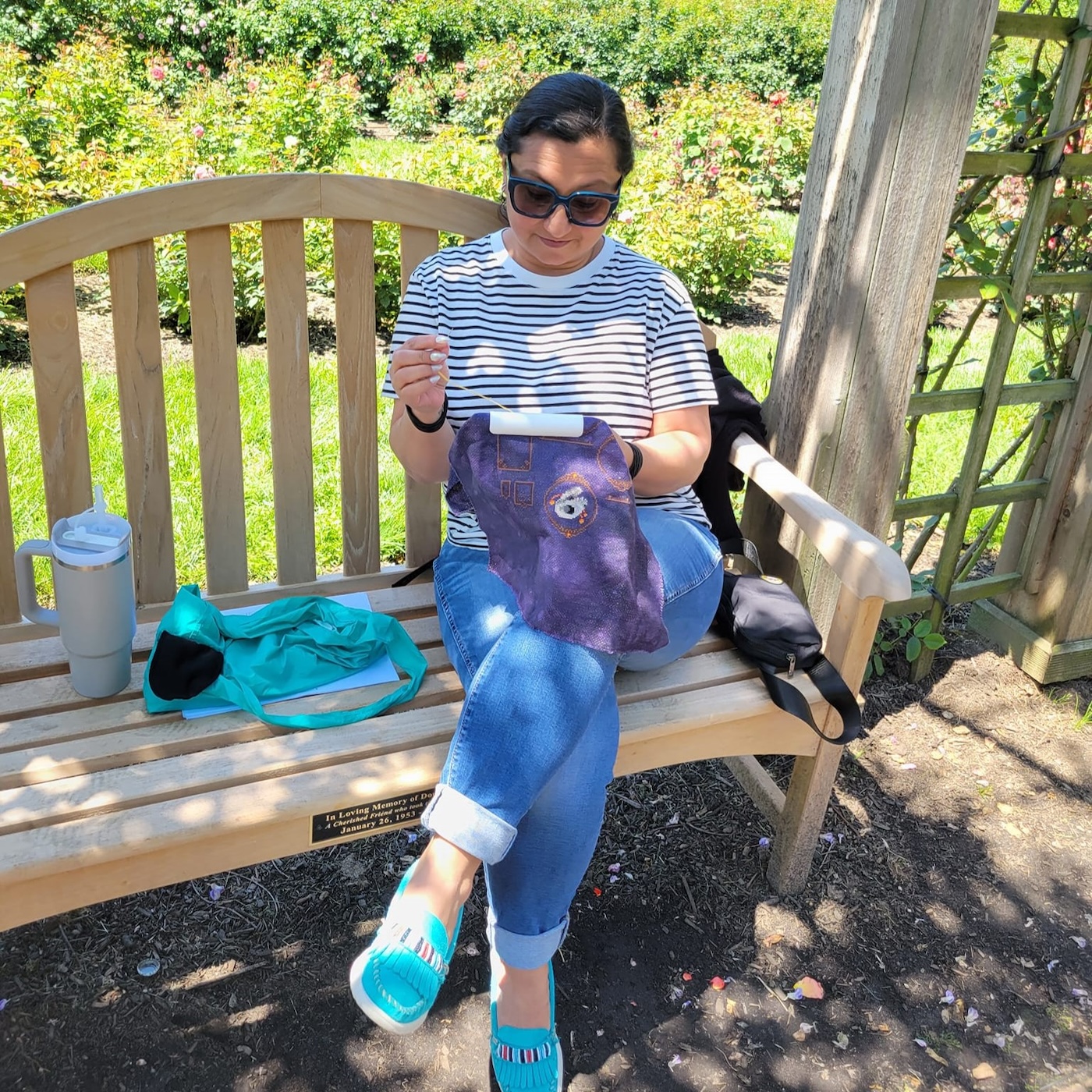
Skip Hill in the studio with a work in progress.

Quotes

“I’ve done the Bohemian thing for years. That’s the area where I really am looking for your help and guidance in developing systems to maximize business potential for my art.”—Skip Hill

“Intention, that’s the operative word.”—Skip Hill

“Choose one day in the beginning and then know that when you’re starting a system, it’s always gonna take more time in the beginning.”—Alyson Stanfield

“You have to distinguish the purpose for each app you use because there isn’t one app that’s going to do everything for you.”—Alyson Stanfield

“Before I find that magical someone I haven’t identified to help me with my business, I have to clarify what the tasks would be.”—Skip Hill

“You dictate who you want to have your art, as opposed for waiting to whoever comes along.”—Skip Hill

About My Guest

artist Skip Hill

Visual artist Skip Hill creates colorful, lyrical art that exudes moods of epicurean delights and layers of sensory experiences.

Some of the most captivating parts of his mixed-media collages are in their peripheral details – expressive patterning, looping graphic lines, kinetic scribbling, Kanji calligraphy and African motifs. Like a shaman, Hill communicates freely between dreams and reality, while managing to artfully coordinate his visions with his hand. Working out of his studio in Oklahoma, Skip Hill’s art is influenced by literature, music, art history and his travels through Europe, Southeast Asia and Brazil.

Follow him on Instagram @skiphillart

The post How to Guarantee that People Remember You with Skip Hill (147) appeared first on Art Biz Success.

]]>
https://dy-online.com/skip-hill-systems/feed/ 3
Systems to Effectively Manage a Dizzying Increase in Your Art Business with Betty Franks (80) https://dy-online.com/managing-growth-franks-podcast/ https://dy-online.com/managing-growth-franks-podcast/#comments Thu, 18 Mar 2021 11:22:59 +0000 https://dy-online.com/?p=31635 Betty Franks loves her business and life as an artist. She just might have found the secret sauce—a healthy combination of passion for the work and a continuing curiosity about business and becoming a better CEO of your art business.

Betty's art business has exploded over the last four years. By 440%!

You can't have and sustain this kind of business growth if you don't have solid systems in place.

The post Systems to Effectively Manage a Dizzying Increase in Your Art Business with Betty Franks (80) appeared first on Art Biz Success.

]]>

Betty Franks loves her business and life as an artist. She just might have found the secret sauce—a healthy combination of passion for the work and a continuing curiosity about business and becoming a better CEO of your art business.

Paintings by Betty Franks on Art Biz Success
Betty Franks paintings stack up only long enough for the camera. Photo by Liza Head.

Betty’s art business has exploded over the last four years. By 440%!

You can’t have and sustain this kind of business growth if you don’t have solid systems in place.

As I said back in episode 78, you need reliable systems to help you run a profitable business so that you can spend more creative time in the studio.

At the time of this recording, Betty had over 120,000 Instagram followers and sells paintings almost as fast as she makes them. (2025 update: 153,000 followers)

In this episode, we discuss the digital and analog systems that she depends on to support her growth.

She generously shares her real numbers, the new postage system she just started using (update since the recording: she loves it!), and how she organizes all of the digital images of her paintings.

Music by Wildermiss

One of my four core beliefs for art business success is that systems will elevate your professionalism.

[ Read or listen to my core beliefs for art business success. ]

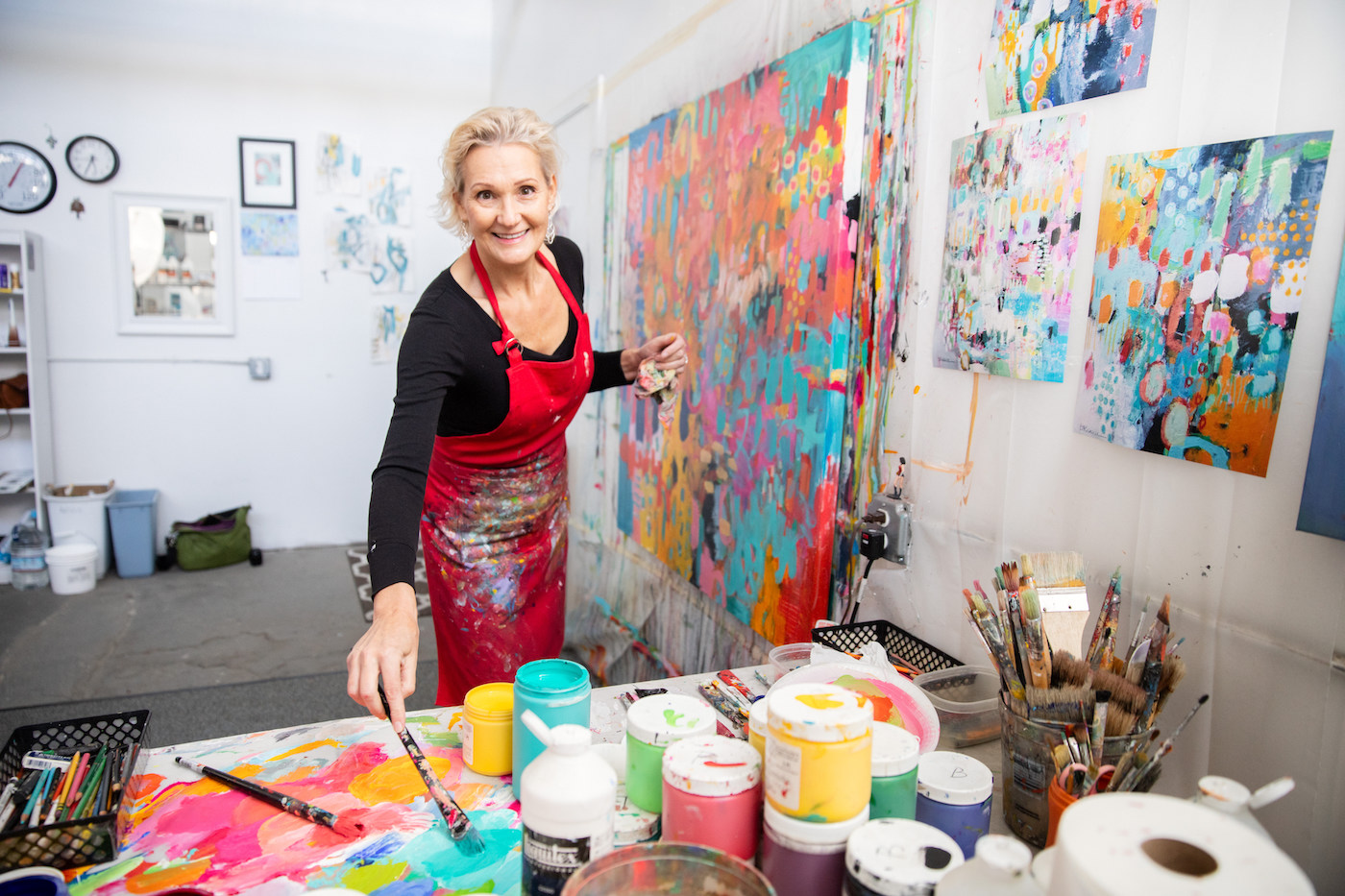
artist Betty Franks paint palette studio colorful Art Biz Success podcast
Betty Franks mixing paints. Photo by Liza Head.

Highlights

  • Betty Franks shares the moment she fell in love with mixed media and decided to start her art career. (2:20)
  • How to find your own style and way of making art. (7:20)
  • Staying organized through the process of handling a personal and business name change. (12:25)
  • Betty shares her business goals that resulted in a 400% increase in sales. (18:20)
  • A breakdown of Betty’s income streams and marketing tools. (21:03)
  • Knowing when it’s time to hire help for your art business. (28:13)
  • Developing routines that stabilize your workflow. (31:10)
  • Simple systems to help manage your inventory. (35:25)
  • Building an email list that works for your business. (42:55)
  • How to know when it’s time to make process changes for the better. (47:37)
  • A look at what is keeping Betty’s attention in the studio. (52:24)
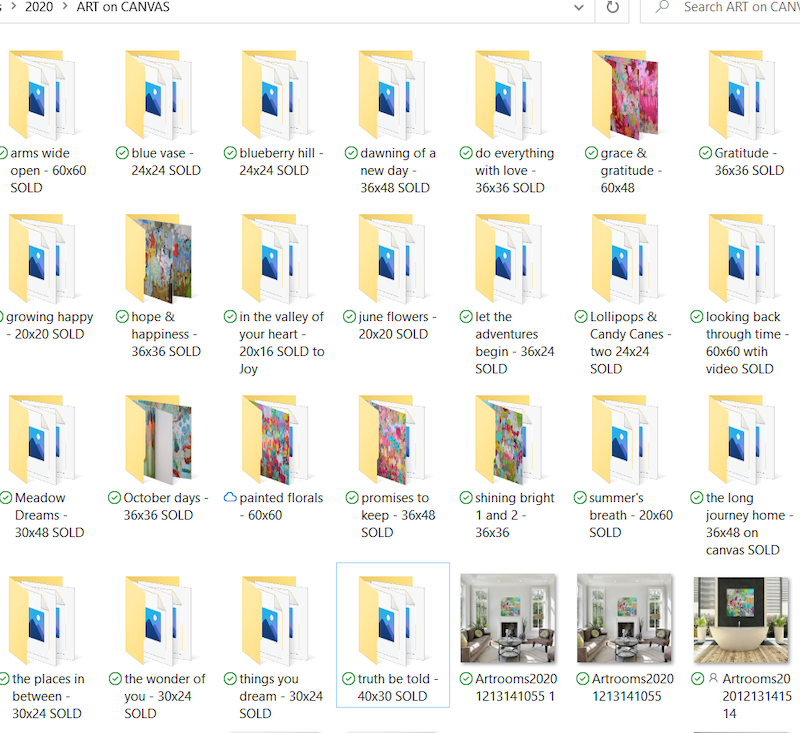
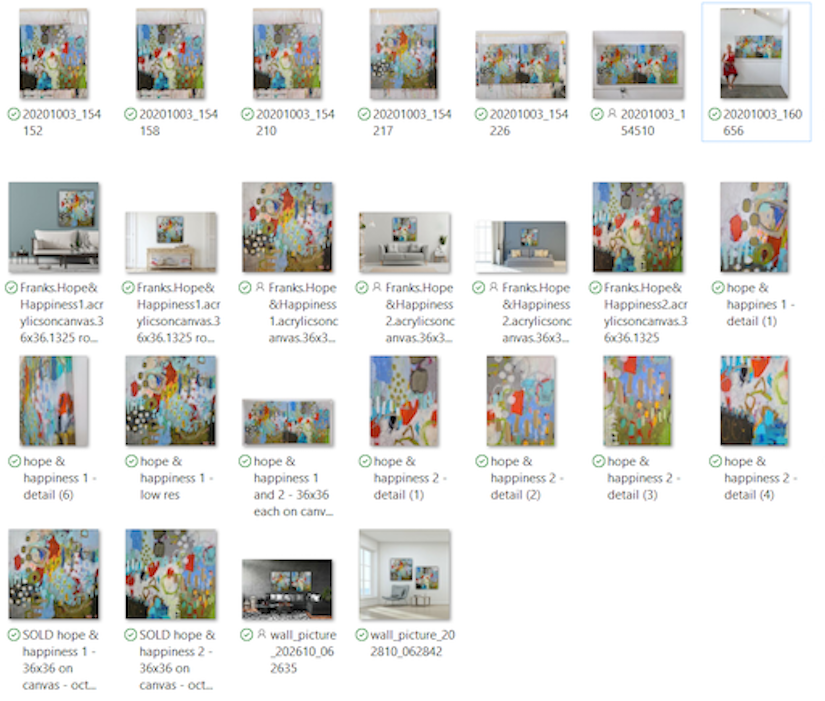
The organization of Betty's digital image folders.
A peek inside one of Betty's image folders.

Mentioned

JCO’s Art Haus in Los Gatos

PirateShip.com for small shippers

Betty Franks Quotes

“ I put a stake in the ground. And I said, okay, from this day forward, I want to be an abstract artist.”

“I love learning, and every day I am always learning something.”

“I’m always so fascinated by how I can improve my art business.”

“There isn’t a day that goes by that I’m not doing something to help move my business and my art forward.”

About My Guest

artist Betty Franks in her happy place the studio for Art Biz Success podcast
The artist in her happy place—the studio. Photo by Liza Head.

Betty Franks was born in Toronto, Canada and raised in San Jose, California. She is a self-taught abstract artist who started painting when she turned 50. Although it seems late in life to take up painting, the timing was just right for her. After a long career in customer service management, Franks was ready to unleash her creative side.

Today her work focuses on her love of fields of flowers and flowers in general. She aims to share the emotion she feels about her subject.

Follow Betty on Instagram: @betty.franks.art

The post Systems to Effectively Manage a Dizzying Increase in Your Art Business with Betty Franks (80) appeared first on Art Biz Success.

]]>

https://dy-online.com/managing-growth-franks-podcast/feed/ 22
The Art Biz ep. 79: Tools to Shape Up Your Art Business with Jennifer Printz https://dy-online.com/biz-tools-printz-podcast/ https://dy-online.com/biz-tools-printz-podcast/#comments Thu, 11 Mar 2021 12:36:44 +0000 https://dy-online.com/?p=31602 For the sake of her art, Jennifer Printz has been very successful tapping into that part of her that is, as she says, typical Pisces.

On the other hand, she has learned to access another part of her to stay organized—the perfectionism that comes with being an Enneagram 1.

It's a good thing Jennifer has embraced these two sides of her because she needs them. Not only is she a practicing artist with an enviable record of exhibitions, but she's also an assistant professor at Florida International University in Miami. She has two full-time jobs.

I've watched Jennifer whip her business into shape by getting organized and creating reliable systems. I've even had the pleasure of helping her with parts of that.

In this episode, I talk with her about how she compartmentalizes her two jobs. We also discuss the planning process she uses, the digital and paper tools she relies on to stay organized, and why writing by hand is critical for her and her students.

The post The Art Biz ep. 79: Tools to Shape Up Your Art Business with Jennifer Printz appeared first on Art Biz Success.

]]>

For the sake of her art, Jennifer Printz has been very successful tapping into that part of her that is, as she says, typical Pisces.

On the other hand, she has learned to access another part of her to stay organized—the perfectionism that comes with being an Enneagram 1.

2021 Jennifer Printz, Toward Innumerable Futures. Epson Ultrachrome inks on cotton, thread, and wooden panels, panel diameter 17.5 inches, fabric 50 x 5520 inches. Installation dimensions vary. Photo credit Ronnie Lee Bailey for Art Biz Success systems podcast
©Jennifer Printz, Toward Innumerable Futures. Epson Ultrachrome inks on cotton, thread, and wooden panels, each panel 17.5 inches in diameter, fabric 50 x 5520 inches. Installation dimensions vary. Photo credit Ronnie Lee Bailey.

It’s a good thing Jennifer has embraced these two sides of her because she needs them. Not only is she a practicing artist with an enviable record of exhibitions, but she’s also an assistant professor at Florida International University in Miami. She has two full-time jobs.

I’ve watched Jennifer whip her business into shape by getting organized and creating reliable systems. I’ve even had the pleasure of helping her with parts of that.

In this episode, I talk with her about how she compartmentalizes her two jobs. We also discuss the planning process she uses, the digital and paper tools she relies on to stay organized, and why writing by hand is critical for her and her students.

Music by Wildermiss

Highlights

  • Jennifer Printz reflects on the wide variety of her artwork and her work as a professor. (2:02)
  • The value to Jennifer’s students of modeling the life of a professional artist and the lessons they are learning as a result. (5:53)
  • Practical tips for separating your day job from your art business. (8:40)
  • The value of taking time for an artist’s day, connecting with artists virtually, and creating physical space for your creativity. (11:33)
  • Taking your art business beyond a plateau to the next level with coaching and positive feedback. (16:50)
  • Planning out a quarter at a time to free up your mental space for creativity. (22:30)
  • Day-to-day systems that will help you get and stay organized and productive. (27:21)
  • Jennifer’s process to keep an updated inventory of her pieces. (33:42)
  • Strategic organization of all the moving parts of an exhibition. (38:29)
  • Playing into your personality strengths to maximize your art business systems. (42:35)
  • What is the first step to take when your systems are breaking down? (45:04)
  • A look at the works that are currently holding Jennifer’s attention in the studio. (47:12)
©Jennifer Printz, Alone But Together They Saw. Graphite and Epson Ultrachrome inks on antique paper, 12 x 18 inches.

Mentioned

Full Focus Planner by Michael Hyatt

Original Impulse by Cynthia Morris

Artwork Archive inventory software

Chana Orloff at the Archives of Women Artists

IS Projects in Fort Lauderdale

Jennifer Printz Quotes

“When I hit a certain level of success I felt the need to get a more objective viewpoint to help me move to a new level of success.”

“If we’re always doing what we’ve always done and the results are what we always got, then it’s time to reevaluate.”

“It made sense to shift to a new system so I could put more effort into my creative practice.”

“In order to build strong relationships, in order to have a successful exhibition, I need to access other parts of me and not let the part of me that’s against organization get in the way.”

Artist Jennifer Printz in her studio
Photo Credit Ronnie Lee Bailey.

About My Guest

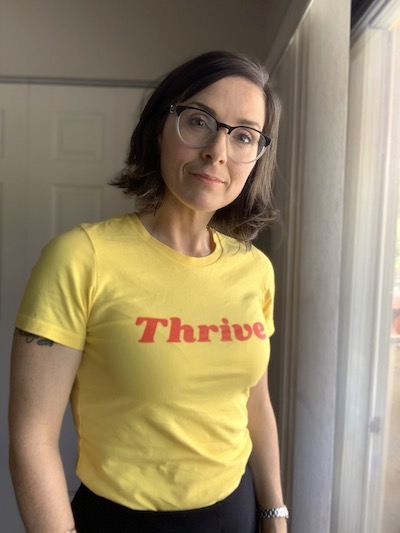
Artist Jennifer Printz wearing Thrive
Jennifer Printz in the Thrive T-shirt mentioned during the episode.

Jennifer Printz unifies photography and drawing to make poetic works that reflect the unseen structures of the universe.

In 2004 she was awarded a Puffin Foundation Grant, followed by a Dendo Fellowship in 2016. She has participated in regular residencies in the US, at the Frans Masereel Centre/Flemish Center for the Graphic Arts in Kasterlee, Belgium, St. James Cavalier Centre for Creativity, Valletta, Malta, and La Cité Internationale des Arts, Paris, France.

Jennifer is also an educator, teaching a wide range of two-dimensional media at the undergraduate and graduate levels, as well as courses on public art and professional practices. Currently, she is on the faculty of Florida International University in Miami.

Follow Jennifer on Instagram: @jenniferdprintz

Music by Wildermiss

The post The Art Biz ep. 79: Tools to Shape Up Your Art Business with Jennifer Printz appeared first on Art Biz Success.

]]>
https://dy-online.com/biz-tools-printz-podcast/feed/ 6
The Art Biz ep. 78: How to Increase Your Productivity and Creativity with Art Business Systems https://dy-online.com/organize-with-systems-podcast/ Thu, 04 Mar 2021 11:47:34 +0000 https://dy-online.com/?p=31559 I am the queen of systems.

There is a reason why my signature program is the Art Career Success SYSTEM. I believe that when you take the time to put in place easily repeatable steps to do a certain task or implement a project, you free your mind and calendar for the more creative pursuits of the studio.

You have a better organized business and life. You are more productive, fueling the creativity you need in the studio.

What is a System for Your Art Business?

We often think of the technology that we use as a system, but the technology is just a means to the end. It’s a tool we use for a specific step (or set of steps) in part (or all) of the systematic process.

My definition of a system is this …

A system is a series of clear steps or procedures for accomplishing a specific task. It could be a task that you do regularly (weekly, monthly, or quarterly) or one that you do infrequently but know that you’ll need to repeat in the future.

You can create systems for almost everything in your art business. As I said, I have even developed a system that helps your entire art business run smoothly. The Art Career Success System gives you a reliable structure that you can turn to at any point in your art business and career. And return to again and again as you evolve.

I think of this program as a complete ecosystem that holds together the meta-systems within the various spokes of your business.

Examples of Business Systems for Artists

You might benefit from any of these meta-systems within your art business.

  • A system for following up with your best prospects and supporters so that they don’t get lost in your ecosystem.
  • A system for shipping artwork, including packaging, insurance, and tracking.
  • A system for publishing a newsletter—from storing ideas to writing the first draft to scheduling it to be sent.
  • A system for when you have completed an artwork. Consider what you want to do with a finished work: photograph it, add it to your inventory, post it to social media, and perhaps ship it.
  • A system for accepting commissioned artwork. What is your process for onboarding collectors who commission work? And how do you accept payment and keep them informed?

In this episode of the Art Biz Podcast, I discuss the 3 benefits to implementing solid systems in your business, how to know when you need to fix a system, and the process for documenting your system.

The post The Art Biz ep. 78: How to Increase Your Productivity and Creativity with Art Business Systems appeared first on Art Biz Success.

]]>
I am the queen of systems.

There is a reason why my signature program is the Art Career Success SYSTEM. I believe that when you take the time to put in place easily repeatable steps to do a certain task or implement a project, you free your mind and calendar for the more creative pursuits of the studio.

You have a better organized business and life. You are more productive, fueling the creativity you need in the studio.


Music by Wildermiss

What is a System for Your Art Business?

We often think of the technology that we use as a system, but the technology is just a means to the end. It’s a tool we use for a specific step (or set of steps) in part (or all) of the systematic process.

My definition of a system is this …

A system is a series of clear steps or procedures for accomplishing a specific task. It could be a task that you do regularly (weekly, monthly, or quarterly) or one that you do infrequently but know that you’ll need to repeat in the future.
lofty places soft pastel archival pastelboard davis mountains artist lindy cook severns Art Biz Success podcast blog systematizing your art business
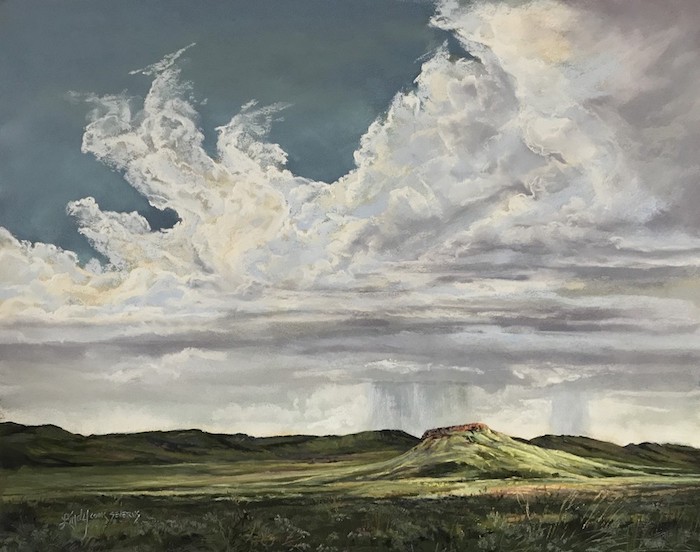
©Lindy Cook Severns, Lofty Places. Soft pastel on archival pastel board, 16 x 20 inches.

You can create systems for almost everything in your art business. As I said, I have even developed a system that helps your entire art business run smoothly. The Art Career Success System gives you a reliable structure that you can turn to at any point in your art business and career. And return to again and again as you evolve.

I think of this program as a complete ecosystem that holds together the meta-systems within the various spokes of your business.

Examples of Business Systems for Artists

You might benefit from any of these meta-systems within your art business.

  • A system for following up with your best prospects and supporters so that they don’t get lost in your ecosystem.
  • A system for shipping artwork, including packaging, insurance, and tracking.
  • A system for publishing a newsletter—from storing ideas to writing the first draft to scheduling it to be sent.
  • A system for when you have completed an artwork. Consider what you want to do with a finished work: photograph it, add it to your inventory, post it to social media, and perhaps ship it.
  • A system for accepting commissioned artwork. What is your process for onboarding collectors who commission work? And how do you accept payment and keep them informed?

[ See episode #68 :: Procedures for Art Commissions with Sema Martin ]

Benefits of Reliable Business Systems
Torso 19-10 23 x 7 x 7 inches Terra cotta, terra sigillata, and travertine sculpture inspired by Word Dance Theater© Claire McArdle sculptor Art Biz Success podcast blog systematizing your art business
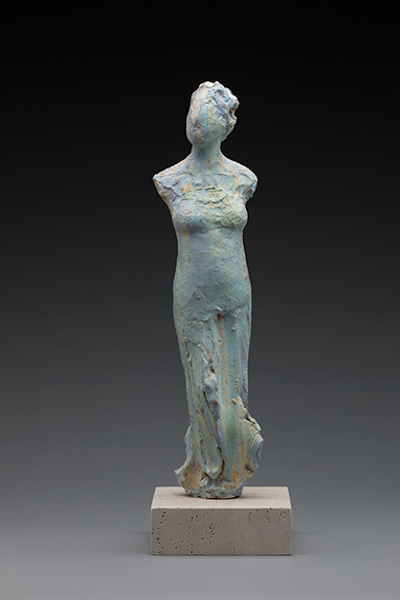
©Claire McArdle, Torso 19-10. Terra cotta, terra sigillata, and travertine, 23 x 7 x 7 inches.

There are 3 benefits to implementing solid systems in your business.

1: Systems leave less room for error.

With a reliable system, you know exactly what needs to be done and at what point. You’re less likely to skip a step or forget a detail.

I know I need a new system or to tweak an existing one when I’ve missed appointments, deadlines, or can’t find what I need. I know something isn’t working when I’m wasting time and getting frustrated.

You might need a new system if you’re not sending the monthly newsletter you promised to send. Or if you frequently miss show deadlines.

2:  It’s easier to ask for help.

A well-documented system means that anyone you hire or ask to help can read and follow instructions from day one.

If you have clearly identified all of the steps in a system, anyone should be able to read the directions and step in to help.

More likely you are working solo without any assistance. In this case, you’re writing instructions for future self. It might be a moment when you’re trying to meet a tight deadline and can’t remember how you did something 6 or 8 months ago. But because you have a system—and have clearly documented the steps—you’ve got nothing to worry about.

The system brings you peace of mind while also making you more consistent with how you run your business.

Consistency leads to trust because people understand they can count on you.

3: You don’t have to think!

The decisions are taken care of for you. You don’t have to use too many brain cells or calories. This is my favorite reason for systematizing as much as I can.

You save precious brain cells because you know exactly what to do. There’s no guessing or wondering. All you have to do is repeat the steps you have already outlined.

Lynda Fay Braun Release From Form photo based digital painting photographer Slow Dance Series dynamic fluidity Art Biz Success podcast blog systematizing your art business
©Lynda Fay Braun, Release From Form. Photo-based digital painting, archival ink on Hahnemuhle 100% rag paper, 20 x 30 inches.

How to Identify a New System to Support Your Art Business

To create a new system for your art business, ask the following 5 questions.

  1. What do you want to happen?
  2. By when does it need to happen? Or, how frequently does it need to happen?
  3. What do you need have/acquire/learn to make that happen? And/Or … What tools and technology will you use for the process?
  4. Who do you need to enlist to help?
  5. What are the exact steps needed to make this system hum?

Let’s look at those one at a time.

What do you want to happen?

Be very clear about what you want to accomplish or risk spinning your wheels and making busy work for yourself. Examples of this kind of clarity would be:

  • I want to pay my bills on time.
  • I want to send a monthly newsletter.
  • I want to make sure my inventory is up to date.
vogel totentanz etching handmade leather bound book letterpress bird dance of death alphabet book Sarah Horowitz Art Biz Success podcast blog systematizing your art business
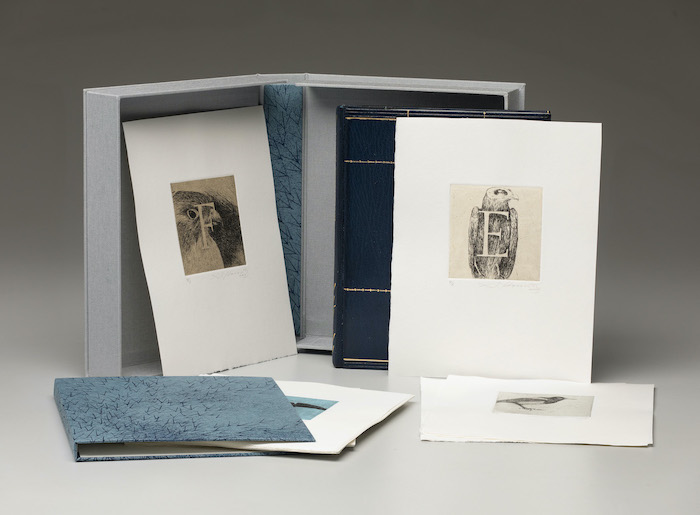
©Sarah Horowitz, Vogel Totentanz. Handmade artist’s book with etching, letterpress, and sewn binding, 6.875 x 5.5 inches (6.875 x 11 inches open); etching size 2.5 x 2.5 inches. Photo by Dan Kvitka.

By when does it need to happen?

Or … How frequently does it need to happen?

Without a timeframe, your system is just a series of steps floating in the ether.

  • I want to pay my bills by the 5th of every month.
  • I want to send a newsletter on the third Wednesday of every month.
  • I want to update my inventory during the even months of the year (February, April, June, etc.).

What do you need have/acquire/learn to make that happen?

And/Or what tools or technology will you use for the process?
  • I need to add bill payment reminders to my calendar.
  • I need to select a more robust bookkeeping platform.
  • I need to set aside half a day every month to work on my finances. I’ll use Shopify reports and Google Sheets.
  • In order to make sure my inventory is up to date, I need to schedule a photo shoot. And I’ll use Artwork Archive for my inventory.
  • I need to make sure my website is updated before I send a newsletter each month. I’ll keep track of needed updates in Evernote.
Drawing das stachliges dickicht the thorny thicket sumi ink mitsumata paper 29 by 55 inches Sarah Horowitz Art Biz Success podcast blog systematizing your art business
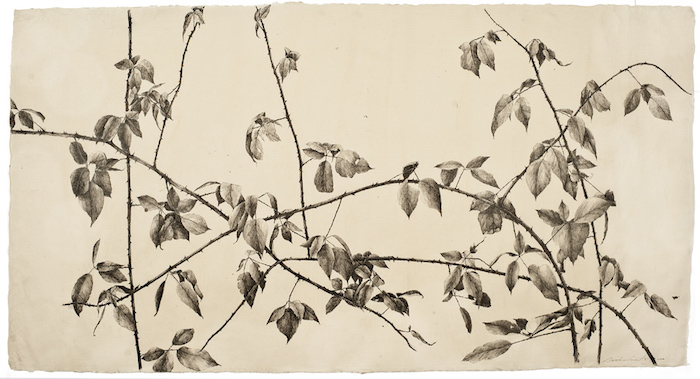
©Sarah Horowitz, Das Stachliges Dickicht (The Thorny Thicket). Sumi ink on mitsumata paper, 29 x 55 inches.

Who do you need to enlist to help make sure this system is a well-greased machine?

Much of the time, you’ll take care of all the moving parts within your system, but it’s important to acknowledge the steps within your system that rely on someone else to get done.

  • I need to hire a new bookkeeper.
  • I need to make sure the babysitter can take care of the kids during my half-day financial review.
  • I need to ask my accountability partner if she can proofread my newsletter before I send it.
  • I need to contact my photographer to make sure she can meet my deadline.

What are the exact steps needed to make this system hum?

This question gets to the gist of the entire system. Define with great clarity the individual steps required to make the system something that you have complete faith in.

  • Make digital and paper files for receipts at the beginning of every year.
  • Keep copies of all paper receipts in file according to month.
  • Download all e-receipts to digital files and organize by month.
  • Review bank and credit card accounts on the 5th of every month, and schedule payments.
  • Maintain notes for bookkeeper in shared file.

On the Art Biz Podcast in March 2021
Stormy Sky 32 x 11 inches Monoprint on pigment infused organza © Linda Snouffer botanical printmaker printmaking from Prairie Art Series Art Biz Success podcast blog systematizing your art business
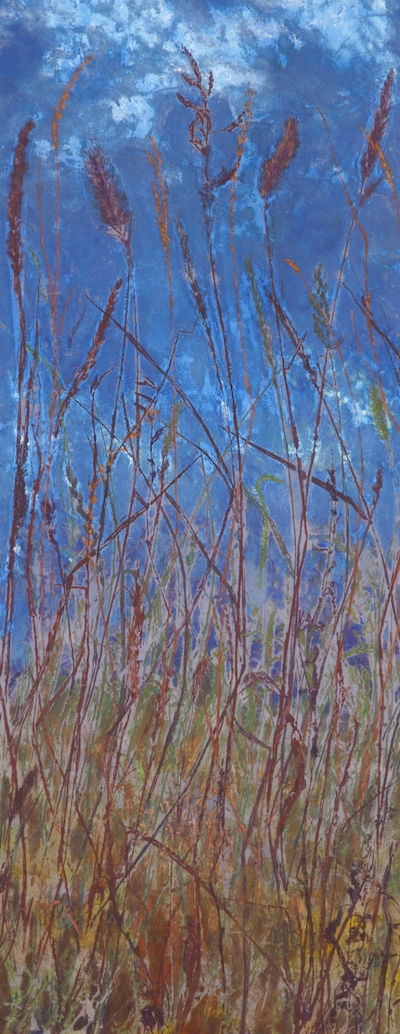
©Linda Snouffer, Stormy Sky. Botanical monoprint on pigment infused organza, 32 x 11 inches.

Coming up I’m talking with two artists about the systems that they have put in place to help them run successful art businesses.

Artist and professor Jennifer D. Printz joins me for episode #79 to discuss how she compartmentalizes the different areas of her life to stay sane.

Then in episode #80 I talk with Betty Franks about how she organizes her day and workflow to keep up with all of the sales she has been generating.

Finally, in episode #81 I’ll be back for another solo episode that dives deeper into the individual steps you need for a reliable business system.

When to Implement a New Business System

I don’t usually give homework on the podcast or blog, but it seems appropriate here. It’s this: Consider where in your art business you need to implement a new system.

To start, remember to look at areas of your business that are breaking down.

Are you missing important and promised deadlines? What’s going on when that happens?

What is difficult for you to find when you need it? What do you spend too much time looking for? Maybe it’s an art tool, a digital or paper file, or an email message.

When do you get frustrated?

What is it for you?


Music by Wildermiss

The post The Art Biz ep. 78: How to Increase Your Productivity and Creativity with Art Business Systems appeared first on Art Biz Success.

]]>